Call for Book Chapter – Recent Researches in Business and Management Studies

Book Title: Recent Researches in Business and Management Studies

ISBN: [to be allotted]

Submission Deadline: December 24, 2023

Publication: Free

Print Copy Purchase Available

The field of business and management continually evolves, shaping global industries and organizational strategies. We invite scholars, researchers, and practitioners to contribute to an upcoming book focusing on cutting-edge research in Business and Management Studies. This publication aims to showcase innovative perspectives, methodologies, and insights shaping the contemporary landscape of business practices.

Themes and Sub-themes for Book Chapters:

1. Strategic Management and Innovation

  • Strategic Planning in Dynamic Markets
  • Innovation Strategies for Sustainable Development
  • Technology Integration in Business Strategy

2. Marketing and Consumer Behavior

  • Digital Marketing Trends and Practices
  • Consumer Psychology and Decision Making
  • Brand Management in a Globalized Market

3. Organizational Behavior and Human Resource Management

  • Leadership in Diverse Work Environments
  • Employee Engagement and Motivation
  • Diversity and Inclusion in Modern Organizations

4. Financial Management and Economic Perspectives

  • Financial Strategies for Emerging Markets
  • Economic Policy and Business Impact
  • Risk Management in Financial Decision Making

5. Entrepreneurship and Small Business Management

  • Startup Ecosystems and Innovation Hubs
  • Entrepreneurial Finance and Investment
  • Sustainable Practices in Small Business Ventures

Submission Guidelines:

  • Original, unpublished contributions in English.
  • Chapter length: 6,000 – 8,000 words (including references).
  • APA or MLA style for citations and references.
  • Submission via email to editor@pen2print.org in MS Word format.
  • Include a brief author bio and contact information.

Selected chapters will be peer-reviewed and published in the book. Participants can obtain a print copy through a link provided by our editor post-publication.

For inquiries and submission, please contact editor@pen2print.org.

Join us in shaping the discourse of contemporary business and management studies with your valuable research contributions!

Warm regards,

Corruption Playing Games in the ‘Culturally Advanced State’


After the change of left-front ruled government in West Bengal, the people of the State expected economic development at a rapid pace so that more employment would be generated, the purchasing power of the people would be enhanced, and there would be a ‘Multiplier Effect’ in the economy.  It is pertinent to mention that the State suffered from the day of partition because, after partition in 1947, millions of refugees came from East Pakistan and also later on from Bangladesh, so accommodating millions of refugees was an issue in the State. While I was in service because of academic activities, from time to time, I visited across the state and interacted with many people, irrespective of caste, creed, and religion, from North Bengal to South Bengal. All, in unison, told me they deserved economic development. Some of the major problems I observed in those days were high unemployment, erosion in some river belts, and poverty in many areas of North Bengal, Bankura, United Medinipur, etc. During the left-front rule, industrial development suffered from frequent strikes, lock-outs, etc. I learned that a great communist leader’s son is now an established businessman outside India. Anyway, in recent years, the way corruption has been playing in the State is deplorable (in Bengali, it may be said corruptioner Khela hochhe meaning corruption is playing the game). From secondary sources, I am presenting a few facts. The first is from India Today, New Delhi/Kolkata, July 23, 2022. The former “West Bengal Minister Partha Chatterjee’s close aide, Arpita Mukherjee, who had Rs 21 crore in cash at home, has been arrested. Partha Chatterjee was arrested by the Enforcement Directorate (ED) concerning West Bengal’s alleged teacher recruitment scam. The arrest comes just a day after Rs 20 crore was recovered from Arpita Mukherjee’s home”. As per The Hindu, August 16, 2023, “Firdous Samim, the advocate who is largely credited to unearth the scam by bringing the recruitment irregularities before the Calcutta High Court, takes a few moments to recollect the number of FIRs filed by the Central investigation agencies.” At least eight FIRs have been filed at various stages of recruitment by the Central agencies. There have been irregularities in the recruitment of teachers at primary, secondary, and higher secondary levels and the recruitment of Group C and Group D employment in State-run schools,” Mr. Samim said. It may be mentioned here that as per India Today, January 20, 2023, “more than Rs 100 crore was allegedly raised by TMC (Trinamool Congress) leaders from job aspirants to employ them as teachers and staff at state-run schools across West Bengal between 2014 and 2021″. The Enforcement Directorate (ED) arrested Trinamool Congress’s youth leader, Kuntal Ghosh, in connection with the teachers’ recruitment scam who amassed huge amounts of money and made flats, etc.  Unbelievable corruption has been taking place in the State. Another scandal case is related to Anubrata Mondal. As per News 18, August 11, 2022, “Senior TMC leader Anubrata Mondal was arrested by the Central Bureau of Investigation (CBI) in a cattle smuggling case.”  Saigal Hossain, the bodyguard of Anubrata Mondal, was arrested by CBI. “According to CBI sources, the central agency received information about six flats, including three in Newtown (Kolkata), owned by Saigal. Besides, a large amount of cash and gold were recovered from his flats. There were inconsistencies in almost all his statements, and he failed to justify the source of his income and wealth. Saigal is a constable with the state police and has been posted as a bodyguard of Mondal since 2012” (The India Express, June 11, 2022). Another name in the cattle smuggling case is Enamul Haque. “The Enforcement Directorate (ED) has arrested smuggler Enamul Haque in connection with the West Bengal cattle smuggling case”, (India Today, February 19, 2022).  It is noteworthy to mention that “Enforcement Directorate (ED) arrested a former Border Security Force (BSF) commandant, Satish Kumar, in West Bengal cattle smuggling case, that took place at Indo-Bangladesh International Border. Satish Kumar allegedly received Rs 12.8 crore from accused Md Enamul Haque in the accounts of his wife and father-in-law. ED had initiated its money laundering investigation based on FIR registered by CBI in 2020 against Satish Kumar, Md. Enamul Haque, Md. Anarul SK, Md. Golam Mustafa, officials of BSF and Indian Customs for being part of cattle smuggling racket” (India Today, April 25, 2022).  

 Now presenting the case of another minister who was arrested recently for a ration scam (food-related) is Jyotipriya Mallick. “Mullick, who presently holds the Forest portfolio and is a former minister for food and supplies, was arrested by the ED in the early hours of October 27, 2023” (The Telegraph online, November 6, 2023). According to the India Express, November 5, 2023, the names of Mallick’s two aides, Montu Saha and Kalidas Saha, surfaced during the interrogation of the minister and Kolkata-based businessman Bakibur Rahman”. All these reveal that many people were involved with different scams and earned huge amounts of money, made assets, etc, which they could do because of unbelievable corruption.

 I presented only some cases out of many cases inter alia, which are coal scams, sand scams, etc. These are from the so-called culturally and industrially advanced state, but now seems the State is advanced in corruption games. I observed in different print and social media that some ruling party leaders of the State, during the course of the discussion, highlighted cases from ‘BIMARU’ States, but I suggest them please do not look at negative States that are at low levels of development; look at positive things i.e., the States which have been developing. 

Shankar Chatterjee 

Call for Papers: International Journal for Social Studies (IJSS)

 The International Journal for Social Studies (IJSS) invites submissions for its forthcoming issues. As a distinguished forum for Social Studies scholars worldwide, IJSS aims to foster dialogue and exploration of common concerns within the realm of social education.

Journal Focus:
At IJSS, we strive to raise awareness about the international, global, and transnational dimensions of issues in social education. We are committed to providing a platform for educators, researchers, teacher educators, and classroom teachers from diverse backgrounds to engage in rigorous discussions and share impactful research on their practices.

Scope:
The journal welcomes submissions that address a wide spectrum of topics impacting the classroom teaching of Social Studies on a global scale. We encourage contributions from various social science disciplines, including but not limited to sociology, political science, ethics, civics, international relations, and related interdisciplinary fields.

Submission Guidelines:
Manuscripts should adhere to scholarly standards and originality, contributing valuable insights to the field of Social Studies education. Submissions should be sent for review to editor@pen2print.org. Detailed submission guidelines are available on the journal’s website.

Access the Journal:
The International Journal for Social Studies is an open-access platform accessible through the following link: IJSS Journal Link

Important Dates:

  • Submission Deadline: 10th of each month.
  • Notification of Acceptance: within a week of receipt of the paper.
Join the Discourse:
Participate in shaping the discourse on Social Studies education. Contribute your research, innovative practices, and perspectives to IJSS to make an impact on the global stage of social education.

For inquiries or more information, please contact the editorial team at editor@pen2print.org.

Be part of the global conversation in Social Studies education with IJSS!

ISBN no for Conference Proceedings

 Using ISBNs (International Standard Book Numbers) for conference proceedings and reports provided by Eduindex offers numerous advantages that significantly benefit both the organizers and participants. These benefits range from enhancing the credibility and accessibility of the proceedings to streamlining cataloging and distribution processes.

Firstly, assigning ISBNs to conference proceedings and reports lends them a unique identification code, allowing for easy and precise cataloging in libraries, databases, and book-selling platforms. This distinct identifier aids researchers, scholars, and students in efficiently locating and referencing these materials, contributing to increased visibility and recognition within academic circles.

Moreover, the inclusion of ISBNs elevates the perceived quality and credibility of conference proceedings. It establishes a level of professionalism and standardization, signaling that the content has undergone a formal process and adheres to publishing norms. This, in turn, enhances the reputation of the conference and its contributors, fostering a greater willingness among academics to participate and engage with the scholarly work presented.

Another advantage lies in the improved accessibility and global reach facilitated by ISBNs. These unique numbers enable easy dissemination of conference proceedings across various platforms and geographic locations. This accessibility encourages wider readership and knowledge dissemination, transcending geographical boundaries and ensuring that valuable research reaches a broader audience.

The streamlined process of obtaining ISBNs through Eduindex further adds to the advantages. The affordable cost and prompt allotment within a week of the request make it convenient for conference organizers to ensure their proceedings are properly registered and identified, without incurring significant expenses or delays.

In conclusion, the utilization of ISBNs in conference proceedings and reports offered by Eduindex offers a multitude of benefits. From enhancing credibility and visibility to facilitating efficient cataloging and global accessibility, the inclusion of these unique identifiers significantly augments the value of academic content. For those interested in availing themselves of these benefits, reaching out to editor@pen2print.org can be the first step toward acquiring ISBNs and maximizing the impact and reach of scholarly work.

Free Book Publication Offer for Members

 Publishing a book can be an incredible milestone for authors, offering a plethora of benefits that extend beyond mere recognition. At Eduindex, the free book publication service offers a comprehensive package that goes beyond the norm, aiming to support authors in various ways.


Benefits of Book Publication:

  1. Professional Recognition: Publication offers credibility and acknowledgment of an author’s expertise and contribution to their field of study.

  2. Dissemination of Knowledge: Sharing insights and research through a book allows wider dissemination of knowledge, impacting scholars, students, and enthusiasts globally.

  3. Academic Validation: Publications contribute to academic profiles, aiding in career advancement and establishing authority within a subject area.

  4. Networking Opportunities: Being a published author can open doors to collaborations, conferences, and speaking engagements, expanding one’s professional network.

  5. Long-term Impact: Books have enduring value, remaining accessible for years and impacting successive generations of readers.

Eduindex’s Free Book Publication Service:

  1. ISBN and DOI Allotment: Providing International Standard Book Numbers (ISBN) and Digital Object Identifiers (DOI) ensures your book is properly cataloged and easily searchable.


  2. Live Link to Book: Offering a live link to the book enhances accessibility, allowing readers to easily find and access the publication online.

  3. Certificate of Publication: Recognizing the effort and dedication of authors with a Certificate of Publication adds a formal acknowledgment of their achievement.


  4. Listing as Open Access Book: Hosting books as open access on edupediapublications.org ensures wider reach, especially for scholars from regions with limited access to scholarly resources.


  5. Offer for Scholars from Africa and Low-Income Countries: Providing this service for the first 100 books within a year is a generous initiative, supporting authors who might face financial constraints in getting their work published.


  6. Optional Additional Services: Authors have the flexibility to opt for additional services tailored to their specific needs, enhancing the publication process as required.


  7. Manuscript Review: Authors can submit their manuscripts for review to

  8. editor@pen2print.org, ensuring a comprehensive evaluation before the publication process begins.

Overall, this initiative by Eduindex aims to democratize access to publishing opportunities, supporting scholars from diverse backgrounds and regions. By offering these services free of charge for the initial 100 books within a year and providing additional optional services, they’re empowering authors to share their knowledge and research without financial barriers.

This commitment to inclusivity and support for scholars from regions with fewer resources is a commendable step towards fostering academic growth and sharing knowledge on a global scale.

Interested Scholars can submit a Brief note on book to editor@pen2print.org or fill the form given below:

Call for Papers in IJR 2023

 IJR is dedicated to publishing high-quality, original research across diverse disciplines. With a robust peer-review process and a commitment to academic excellence, we aim to promote interdisciplinary dialogue and innovation across various fields.

Key Features:

  • Open access publication ensuring global accessibility to your research
  • Rapid publication process with a promise of publication within one month
  • DOI (Digital Object Identifier) assignment for every published paper, ensuring permanent identification and citation
  • Rigorous peer-review ensuring scholarly integrity and credibility
  • Multidisciplinary scope welcoming contributions from various academic domains

Why Publish with IJR?

  • Wide global readership and visibility
  • Opportunity to contribute to the advancement of diverse fields
  • High standards of publication ethics and academic integrity
  • Supportive and collaborative editorial team

Call for Papers:
We invite original research papers, review articles, case studies, and scholarly contributions across disciplines including but not limited to:

  • Science and Technology
  • Social Sciences
  • Humanities
  • Business and Economics
  • Health and Medicine
  • Arts and Literature
  • Education
  • Interdisciplinary Studies

Publication Guarantee:
We assure a swift review process and a 50% acceptance rate, ensuring the publication of quality research within a month of acceptance.

Submission Guidelines:

  • Manuscripts should adhere to our submission guidelines available on our website.
  • Please submit your papers via our online submission system.
  • For any queries, feel free to contact the editorial team at editor@pen2print.org

Join us in contributing to the scholarly discourse and fostering interdisciplinary collaboration through International Journal of Research.

We eagerly await your valuable contributions!

Warm regards,

Editorial Team

AIM– NITI Aayog launches new accelerator to support Australian and Indian circular economy startups to rise


Startups and small to mid-sized enterprises(SMEs) in India and Australia working on circular economy technologies and solutions will benefit from a new accelerator program designed to open new doors to explore opportunities between the two countries.

AIM, NITI Aayog today launched a new accelerator called Rapid Innovation and Startup Expansion (RISE) to support Australian and Indian circular economy startups.

The India Australia RISE Accelerator is delivered in partnership between CSIRO, Australia’s national science agency, and Atal Innovation Mission (AIM), the Government of India’s flagship initiative to promote a culture of innovation and entrepreneurship.

Mr Manpreet Vohra, High Commissioner of India to Australia said, “In the dynamic landscape of international relations, the strategic partnership between India and Australia stands as a testament to our shared values, economic interests, and geopolitical objectives that bind the two nations together. The RISE Accelerator will not only strengthen diplomatic ties but also paved the way for collaborative efforts across various domains”

Dr Chintan Vaishnav, Mission Director – Atal Innovation Mission – NITI Aayog said, “RISE Accelerator stands as a pioneering multi-year bilateral program, uniquely crafted between India and Australia, dedicated to addressing the shared challenges of both economies. Focused on the overarching theme of environment and climate technology, RISE provides a platform for startups to innovate solutions that transcend global challenges.”

Tamara Ogilvie,CSIRO’s RISE Accelerator program director said the program focusses on startups and SMEs that have mature technologies and a desire to expand between India and Australia.

“Over the nine-month RISE Accelerator program, we’ll help startups navigate early steps in a new region, fast-track connections to the right partners, customers and talent, and build credibility to succeed in international markets,” Ms Ogilvie said.

“For the first round of RISE Accelerator, we’re calling for startups and SMEs developing innovative business models, technologies, and or resource ingenuity to support India’s and Australia’s transition to a circular economy.”

Pramit Dash, AIM’s RISE Accelerator lead said the Australian and Indian startups would be well supported to validate and adapt their technology and research overseas.

“This is a real opportunity for startups from Australia and India to work with industry and researchers in their target market,” Mr Dash said.

“As well as developing cultural literacy,participants will develop meaningful bilateral industry and research collaborations.”

The first round of the program aligns with CSIRO’s Circular Economy for Missions initiative, which is focused on creating a sustainable future built on waste innovation.

Heinz Schandl, CSIRO’s Circular Economy for MissionsLead said that we need to design materials and products with a zero-waste mindset.

“A circular economy means products are designed in such a way that they can be used again, or even multiple times, to maximise their value,” Dr Schandl said.

“We hope this program will help to accelerate technologies and solutions to grow economies, create jobs and reduce waste.”

There is no charge for startups to participate in the program, which will be delivered virtually, with a number of opportunities to travel between Australia and India. Participating startups may also be eligible for up to INR 40,00,000 in non-equity grants.

Applications for the RISE Accelerator program are open now, and will close Saturday 7 January 2024.

For more information, and to apply, visit https://riseaccelerator.org/


***

Creative Minds of Tomorrow'(CMOT) initiative

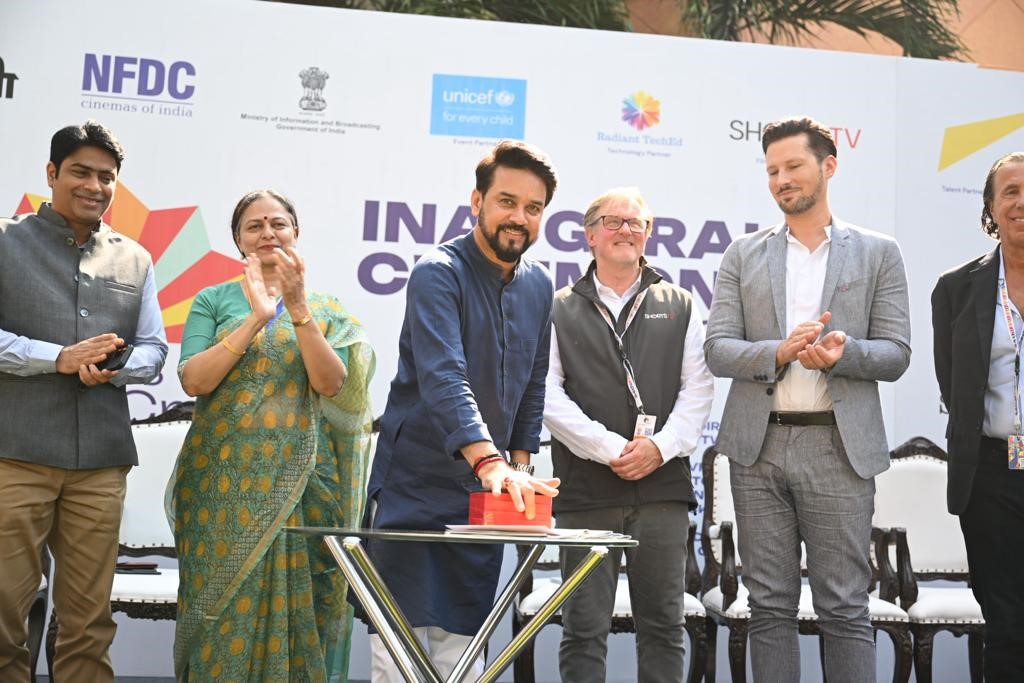
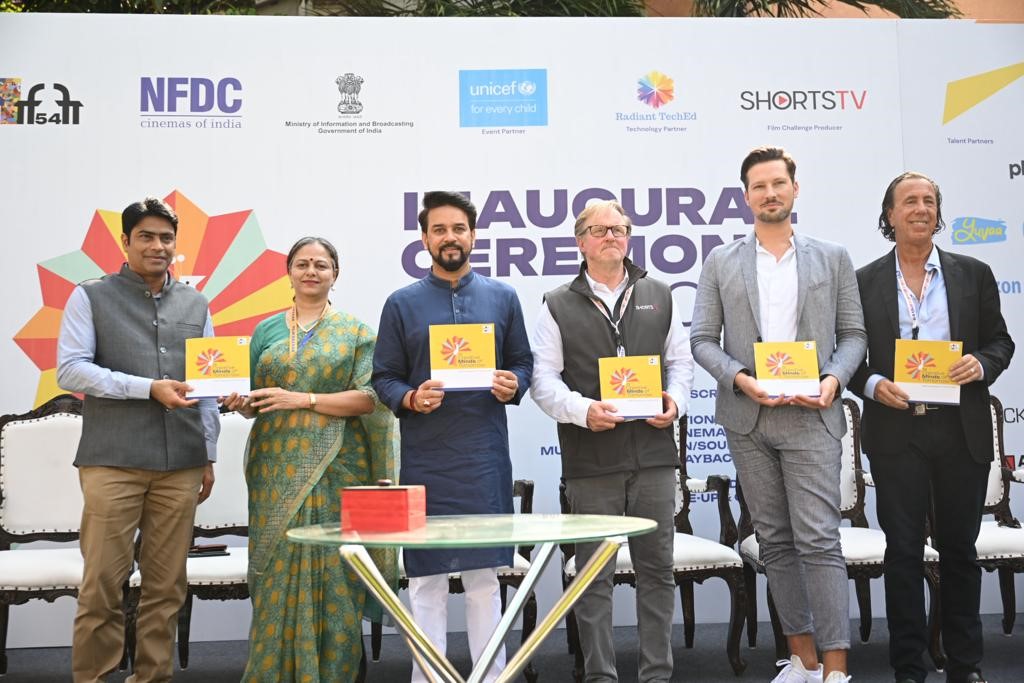
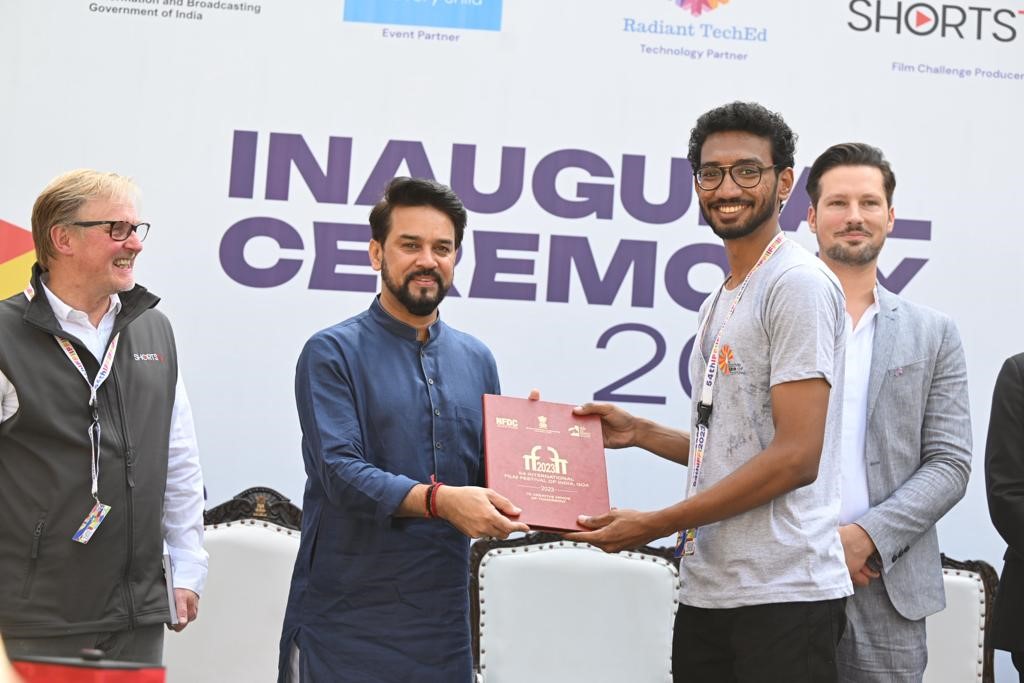
 Government of India is committed to employment generation, boosting the creator economy, mentoring outstanding artists and encouraging youngsters to achieve excellence in the field of films, said Shri Anurag Singh Thakur, Union Minister of Information & Broadcasting and Youth Affairs & Sports while launching the ‘48-Hour Film making Challenge’ for winners of ’75 Creative Minds of Tomorrow'(CMOT) initiative. Applauding the role of ‘Creative Minds of Tomorrow’ in fostering a strong creative community of passionate individuals, the Minister congratulated the top 75 participants of the initiative selected through a rigorous jury process.

The Minister further said that CMOT is part of Government’s effort to encourage and mentor young minds from far flung corners of the country. “This year’s 75 Creative Minds of Tomorrow hail from as many as 19 different states and Union Territories of India, including places such as Bishnupur (Manipur), Jagatsinghpur (Odisha), and Sardarpur (Madhya Pradesh). The initiative aims to provide them with unparalleled opportunities in the realm of Media and Entertainment,” he added.

Shri Thakur recounted the poignant tale of a young aspirant from Tamil Nadu who participated in CMOT last year. “Initially her parents were not sure about sending her all the way to Goa. After understanding the intense selection process and incredible opportunities that awaited her at CMOT, her parents were thrilled to allow her to chase her dreams. This girl and her team went on to win the 53-hour Challenge last year with a cash prize of Rs.2,25,000. The winning film, Dear Diary, highlighted how women’s safety would be a new normal in the future. Success stories like these are what this platform aspires to write,” he elaborated.

The Minister also shared achievements from previous editions of CMOT, showcasing the impact of the initiative on participants’ careers. Notable mentions included Subarna Dash whose animated film got featured at Toronto International Film Festival, 2023 and youngsters like Bhasker Vishwanathan and Digantra Bose who co-edited and edited films which feature in Indian Panorama at IFFI this year.

Film production is not only about content creation, it is also about marketing and distributing it to a larger audience. To encourage and enable networking and collaboration amongst our young minds and the industry, the Minister informed that this year, IFFI is organizing a Talent Camp, where the 75 Creative Minds will get to meet, interact and connect with representatives of several well-known production houses, studios and OTT platforms.

Focusing on the support extended by government towards Start-ups, the Minister said that with the new Start-up policy, India emerged as the third largest start-up ecosystem in the world with more than one lakh start-ups in the country. “Every day there is a new startup coming up. When even big companies are struggling during Covid19 pandemic, fifty startups in India got elevated to the level of unicorns, demonstrating the power of Indian youth,” he concluded. The Minister distributed certificates to the participants of 75 Creative Minds of Tomorrow.

The event saw the presence of esteemed guests including Carter Pilcher, CEO and Founder of Shorts TV, Dennis Ruh, Director of the European Film Market, Jon Goldwater, Executive Producer, The Archies, Neerja Sekhar, Additional Secretary, Ministry of Information & Broadcasting and Prithul Kumar, Joint Secretary (Films), Ministry of Information & Broadcasting and Managing Director, NFDC. The ‘48 Hour challenge’ is organized as part of CMOT by National Film Development Corporation in association with Shorts TV.

As part of the Film Challenge, 75 CMOT participants were divided into five teams who will make short films on the topic ‘Mission Life’ in 48 hours. During the film festival, the CMOT participants will also attend workshops and masterclass sessions curated by the masters of world cinema. 


AADHAR Authentication towards Ujjwala Yojana

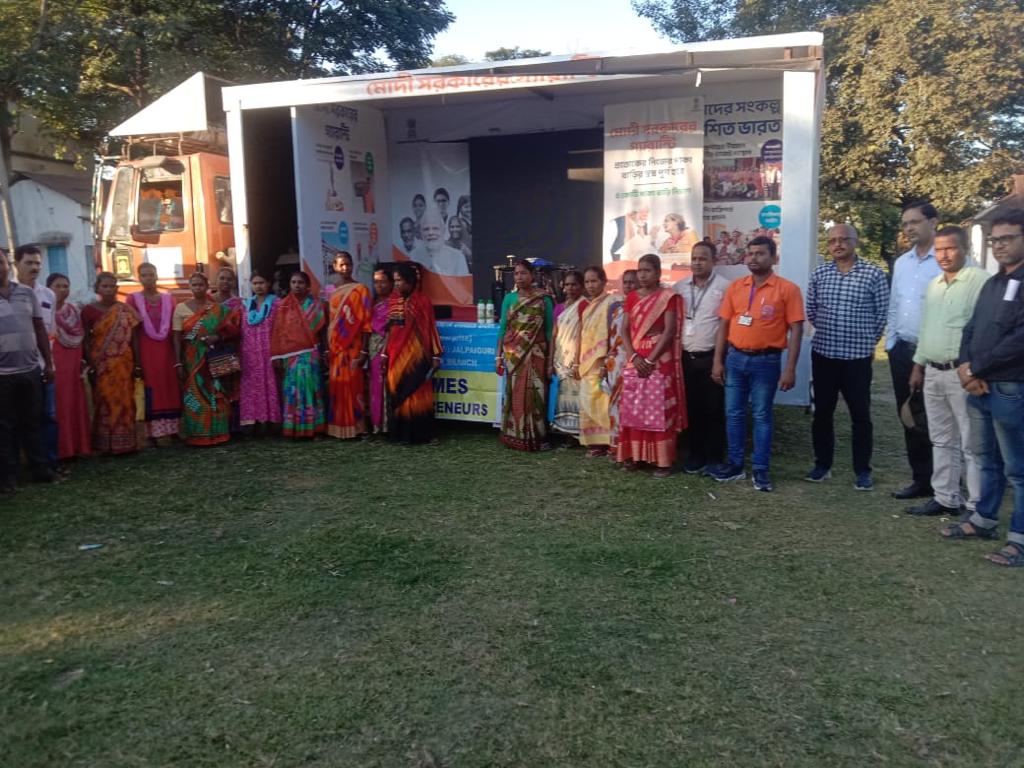
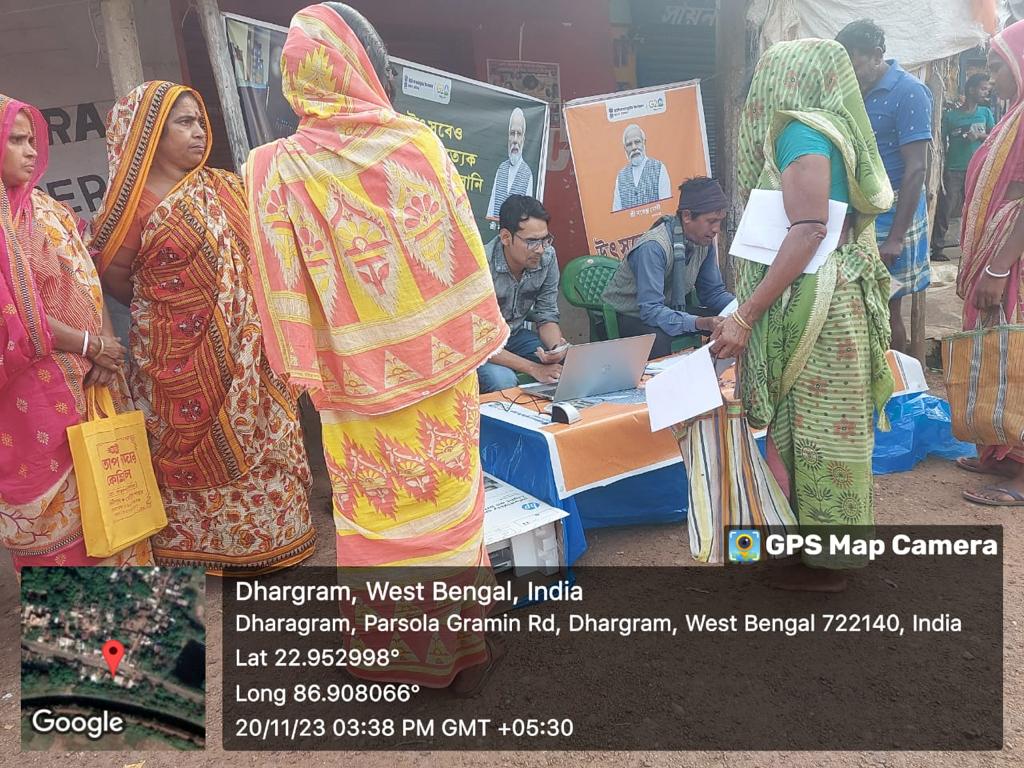
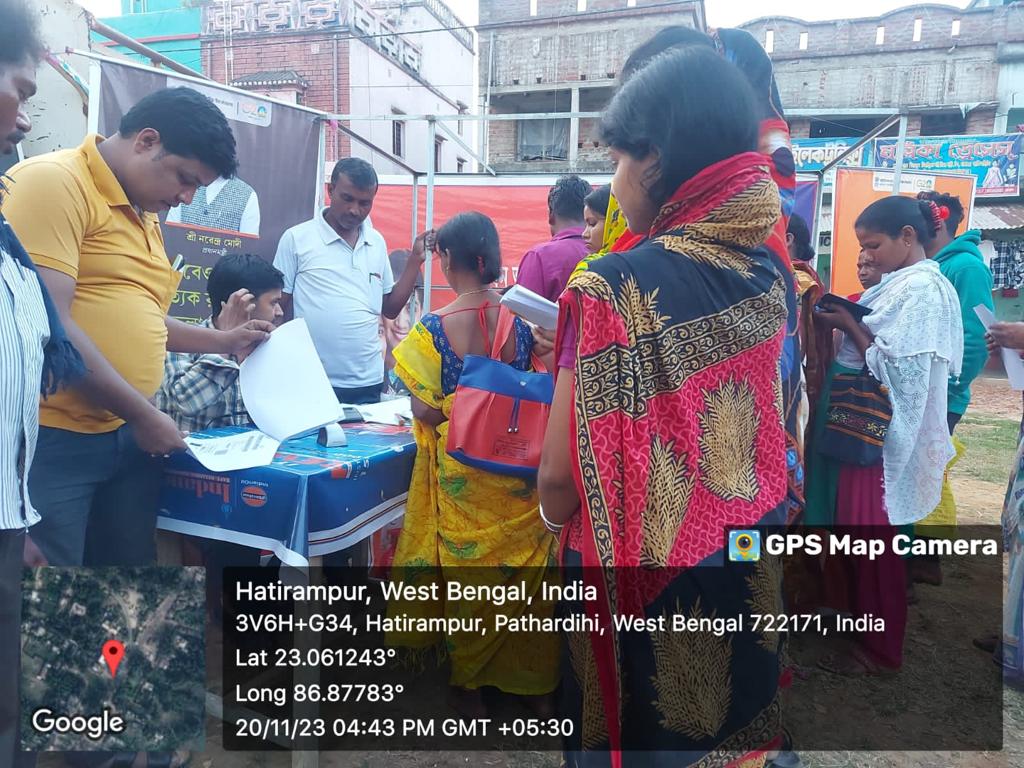
 The Centre is very much in the spree of empowering marginalised women and have come up with various initiatives to help them in pursuing ease of living, like that of providing subsidised gas connection through Pradhanmantri Ujjwala Yojana and the necessity of AADHAR authentication for that. Besides, Krishi Vigyan Kendras of ICAR at various districts have come forward to augment income of the women farmers. And that became imminent in the Vikasit Bharat Sankalp Yatra (VBSY) events at various locations of Bankura, Paschim Medinipur, Alipurduar.


Besides, The farmers took much interest in spreading pesticides in the fields bearing crops through drones.

Today, BCKV, ICAR explained to SHG members on schemes to augment income at Lodhasuli of Jhargram district. Here also, women involved in agriculture thronged in numbers listening with apt attention schemes towards agriculture.


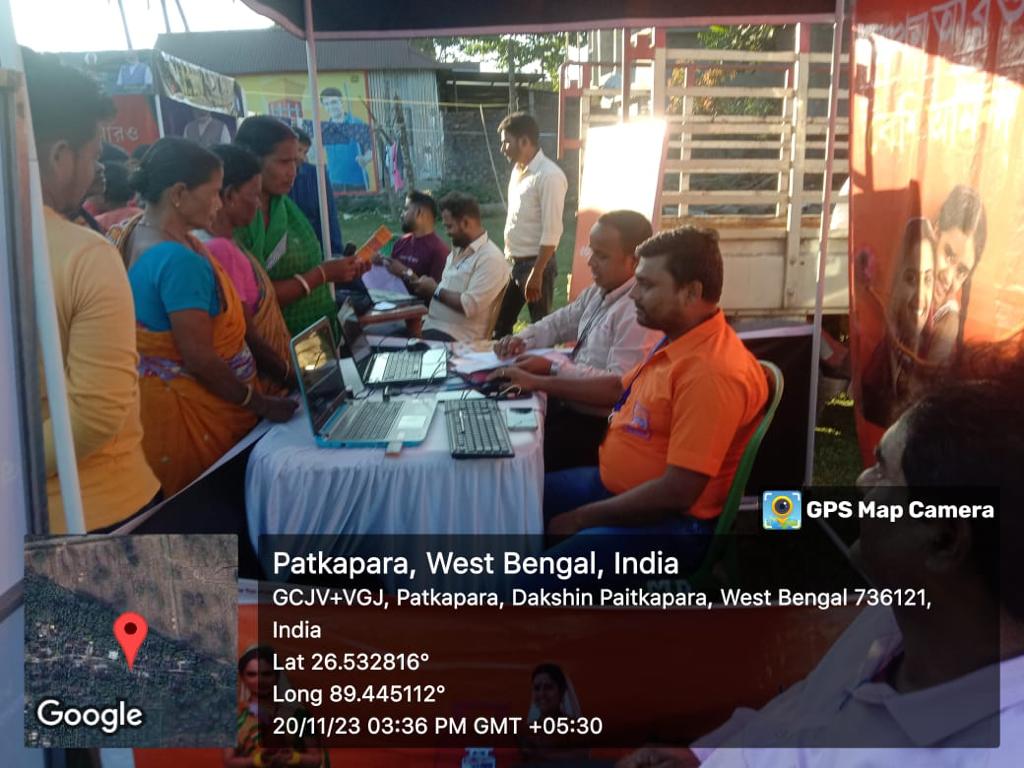
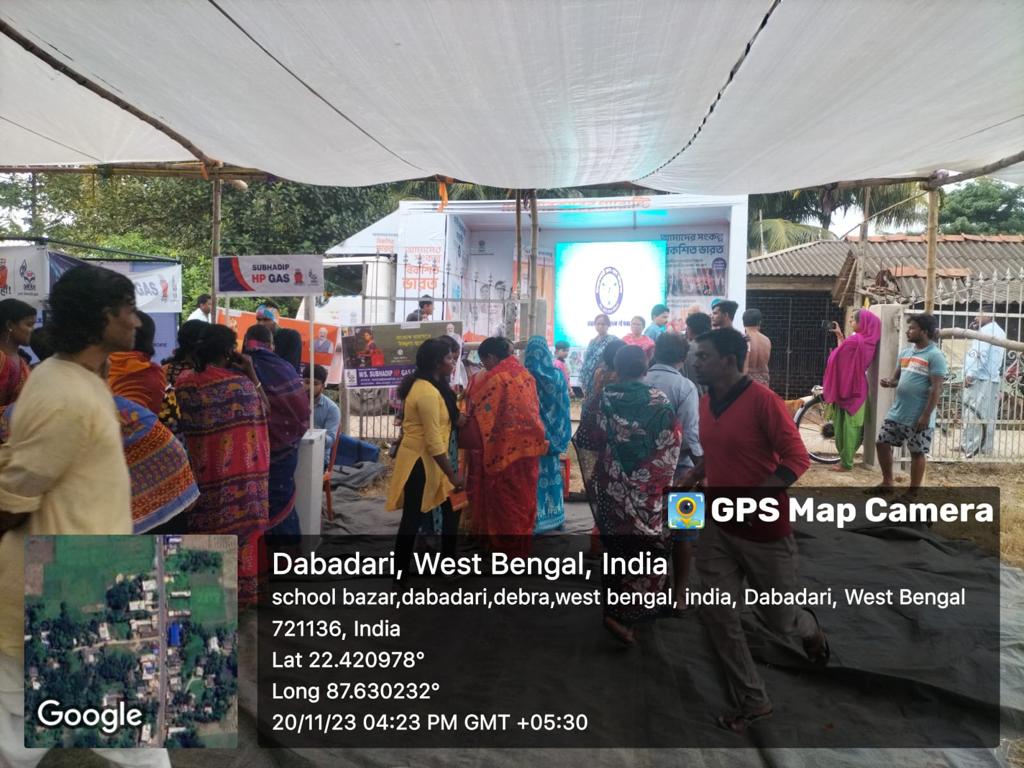
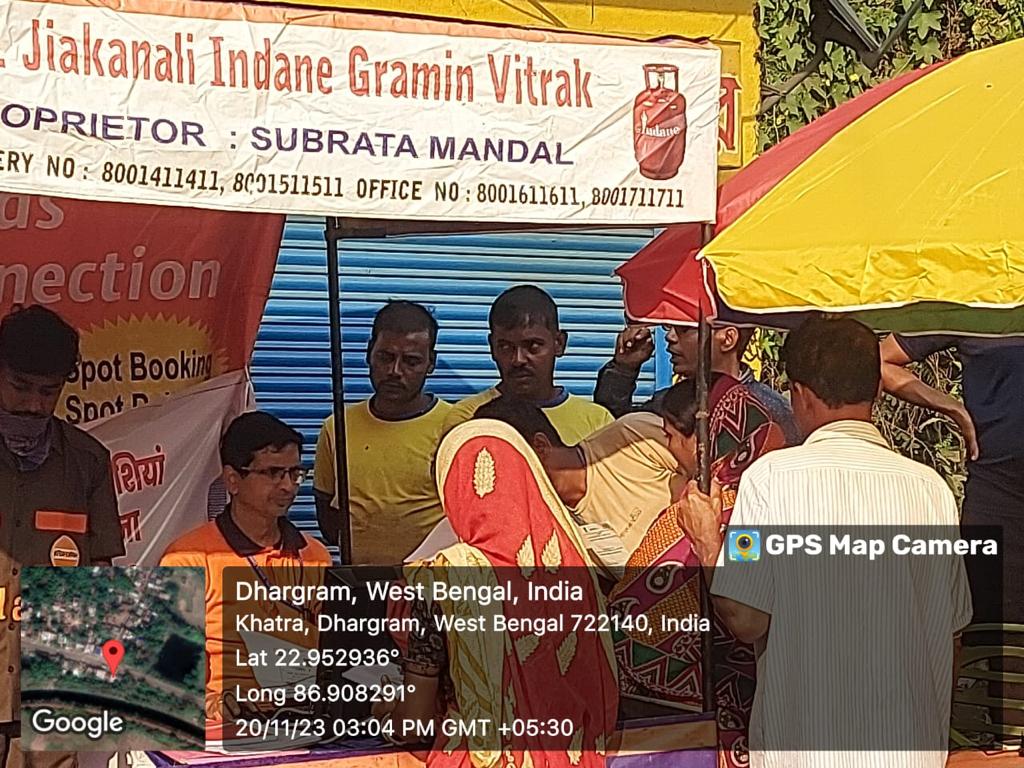
On Monday, the second phase of the VBSY programme was held at Topshikhata Gram Panchayat of Alipurduar 1. Besides, the first phase of VBSY was held at Salkumar-2 Gram Panchayat of Alipurduar 1 today. This apart, VBSY events also took place at Dabadari Gram Panchayat of Debra block, Paschim Medinipur, Dhargram under Dahala Gram Panchayat of Khatra block, bankura.  


Oil marketing companies involved in the domestic gas sector are providing AADHAR authentication services to facilitate subsidy transfer to the bank account of the beneficiaries, especially women beneficiaries in most of the VBSY sites.


That apart, change in personal details regarding gas connection is also being provided at the venue, which attracted several women beneficiaries in most of the places where VBSY is going on.

****

Global Fisheries Conference India 2023

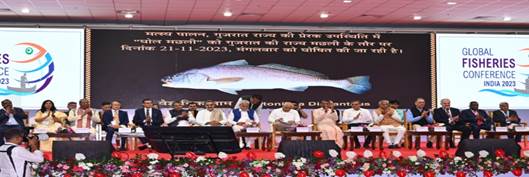
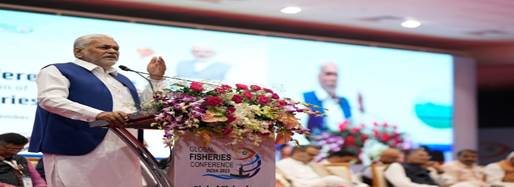
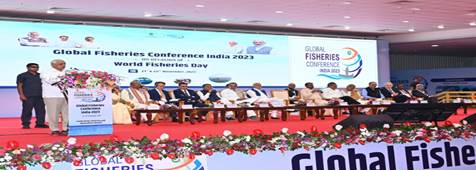
 On the occasion of World Fisheries Day, Dept. of Fisheries, GoI is organising two day Global Fisheries Conference India 2023 which began at Gujarat Science City, Ahmedabad, Gujarat today.  Union Minister for Fisheries, Animal Husbandry & Dairying Shri Parshottam Rupala inaugurated the Special Pavilion and main Exhibition of Global Fisheries Conference India 2023Minister of States for Fisheries, Animal Husbandry & Dairying Dr. Sanjeev K. Balyan, and Dr. L Murugan, Chief Minister of Gujarat, Shri Bhupendra Rajnikant Patel, Ministers of various states, Ambassador of various countries, other dignitaries and heads of various organisations and fisheries research institutes were present in the event.

Union Minister Shri Parshottam Rupala released the “State Fishes of India Booklet” to encourage each state in India to adopt a fish and conserve its biodiversity. The booklet contains details of 21 fish species adopted as State Fish and declared as State Aquatic Animal. The other key publication released was “Handbook on Fisheries Statistics year 2022” that aims at providing key data points and performance indicators for the Fisheries sector making accurate and reliable fisheries data available to all.

Further, Union Minister Shri Rupala distributed Group Accident Insurance Scheme (GAIS) claim cheques (Rs 5 lakhs each) to beneficiaries /legal heirs from states of Odisha and Puducherry, Kisan Credit Card (KCC) to eligible beneficiaries with the loan amount of Rs 35 thousand to Rs 3 lakhs for beneficiaries from Gujarat, Green Fuel conversion kit for sustainable development of fisheries sector that included beneficiaries from Kerala and transponders for beneficiaries from Gujarat.

In his address, Union Minister Shri Parshottam Rupala welcomed all the guests and lauded the efforts for getting together diversified national and global experts and stakeholders on one platform on important matters of deliberation terming the event to be historic. He encouraged that the series of state fish declaration by major states of UP, Maharashtra and Gujarat make fish rearing an interesting subject for the general public. He further hoped that new products and innovation for sustainable development continues to enhance.

At the event,  the Inland Reservoir Lease Portal of Government of Gujarat was launched by Chief Minister of Gujarat Shri Bhupendra Rajnikant Patel. The reservoir leasing will now be done on online using the portal through e-tender/ e-auction for transparency in lease allocation procedure with priority given to Fisheries cooperatives, FFPO, SHGs etc. Chief Minister of Gujarat also digitaly launched Black spotted Crocker (commonly known as Ghol) as the State Fish of Gujarat.

Chief Minister of Gujarat in his keynote address welcomed all guests and highlighted that as a leading fish production and exporting state in India, it is a great opportunity for Gujarat to host this mega event. Gujarat is a policy-vision state hence along with the existing progressive programs and initiatives, Blue economy is being prioritised as a key focus area.

MoS Dr. Sanjeev K. Balyan welcomed all the dignitaries and highlighted that the Indian Fisheries sector has expanded from the coastal states to the Northern states and inland fisheries and aquaculture particularly shrimp aquaculture is getting popular in the Northern states of India. Provisions should thus be made to continue with the momentum through infrastructure support.

MoS Dr. L Murugan congratulated all on occasion of World Fisheries day. He informed that a unique outreach program undertaken by Union Minister Shri Parshottam Rupala covering the 8000 kms coastline of India is progressing towards completion. He highlighted that the achievements of the Fisheries sector are in line with the vision of Prime Minister of Aatmanirbhar Bharat and Made in India as Indian products and services are being popularised to achieve self-sufficiency and of best quality.

Mr. Takayuki Hagiwara, Head of Food and Agriculture Organization of the UN (FAO) in India congratulated all on occasion of World Fisheries Day prioritising healthy ecosystem and healthy stocks as a key FAO strategy. He exhibited confidence that India can champion the Blue Transformation initiatives as it has the potential to expand sustainably and FAO gladly extends its support to India in its initiatives for innovative value chain development, reduction of illegal and unregulated fishing etc.

Minister for Agri, AH, Cow-Breeding, Fisheries, RH & RD, Govt. of Gujarat, Shri Raghavjibhai Patel in his special address thanked all the participants for coming and highlighted that the state of Gujarat has been progressive and under Digital India has launched online systems that create transparency and make immediate transfers possible to beneficiaries directly. He envisioned an aqua park in Gujarat in time to come.

Secretary, Department of Fisheries, Dr. Abhilaksh Likhi welcomed all the guests and informed that the Department of Fisheries, GoI has four focus areas namely improvement of production and productivity, infrastructure development and strengthening market linkages, technology infusion and ease of Doing business as done under the Coastal Aquaculture Authority (CAA) Act amendment.

Towards the end, a message by Governor of Gujarat Shri Acharya Devvrat was shared with the audience where he expressed his best wishes on occasion of World Fisheries day and hoped that the conference achieves its objectives of bringing in diverse perspectives.

Joint Secretary for DoF, Shri Sagar Mehra highlighted that the Department of Fisheries organized the event of this scale and magnitude for the first time. He said it is moment of pride for DoF (MoFAH&D, GoI) to host 10 foreign missions from the countries of France, New Zealand, Norway, Australia, Russia, Spain, Zimbabwe, Angola, Brazil and Greece along with International organisations namely Food and Agriculture Organisation (UN-FAO), Asian Development Bank (ADB), Deutsche Gesellschaft für Internationale Zusammenarbeit (GIZ), Bay of Bengal Program (BoBP), Marine Stewardship Council India (MSC), Ministers from the States/UTs of Arunachal Pradesh, Haryana, Uttar Pradesh, Himanchal Pradesh, Meghalaya, Nagaland, Tripura, Goa and Andhra Pradesh.

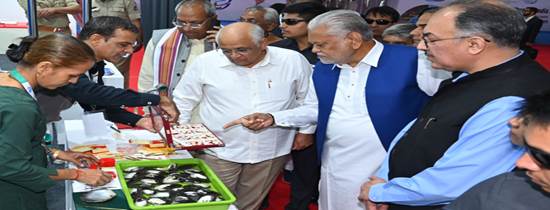
The delegation interacted with the exhibitors in the special pavilion that included demonstration of aquariums, Artificial reefs, Seaweed Cultivation, capture fisheries, marine cage culture, biofloc, RAS, fish feed, LPG converter kits, pearl extraction and nucleus implantation, model of Setcom satellite terminals communication system, eco-friendly movable kiosks, mutli-species hatchery etc.

In line with the past years, on occasion of the World Fisheries Day, awards were distributed by the dignitaries. Andhra Pradesh was awarded as the Best Marine State, Uttar Pradesh awarded as the Best Inland State award, Assam as the Best Himalayan region and North Easter State award. Ramanathapuram (Tamil Nadu) was awarded as the Best Marine District, Seoni (Madhya Pradesh), Kamrup (Assam) won the Best Inland District and the Best Himalayan and North Eastern District respectively and Anantnag (Jammu and Kashmir) won the Best District in the Union Territories category. Awards for Best Fish Farmers, Best Fisheries Cooperatives and the Best Fisheries Enterprises were also distributed during the function.

*****

International collaboration for sustainable growth of fisheries, aquaculture

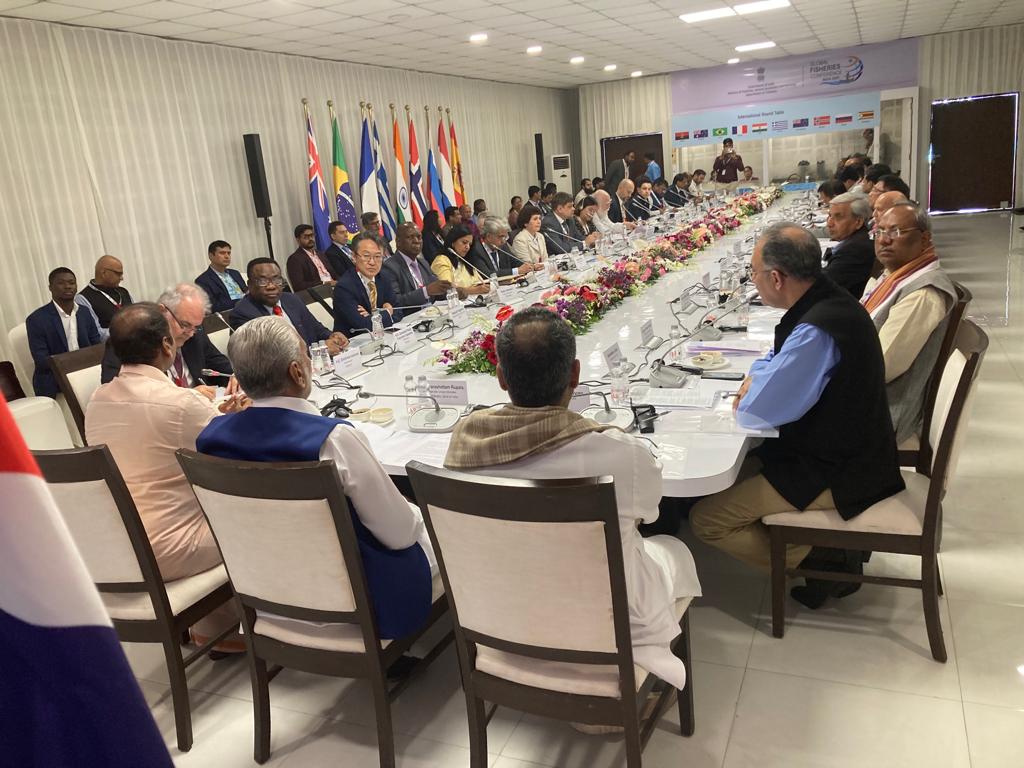
 An International Round Table Meet led by Union Fisheries Minister Shri Parshottam Rupala at the Global Fisheries Conference India 2023 has called for cooperation and collaboration between countries for a sustainable growth of the fisheries and aquaculture sector.
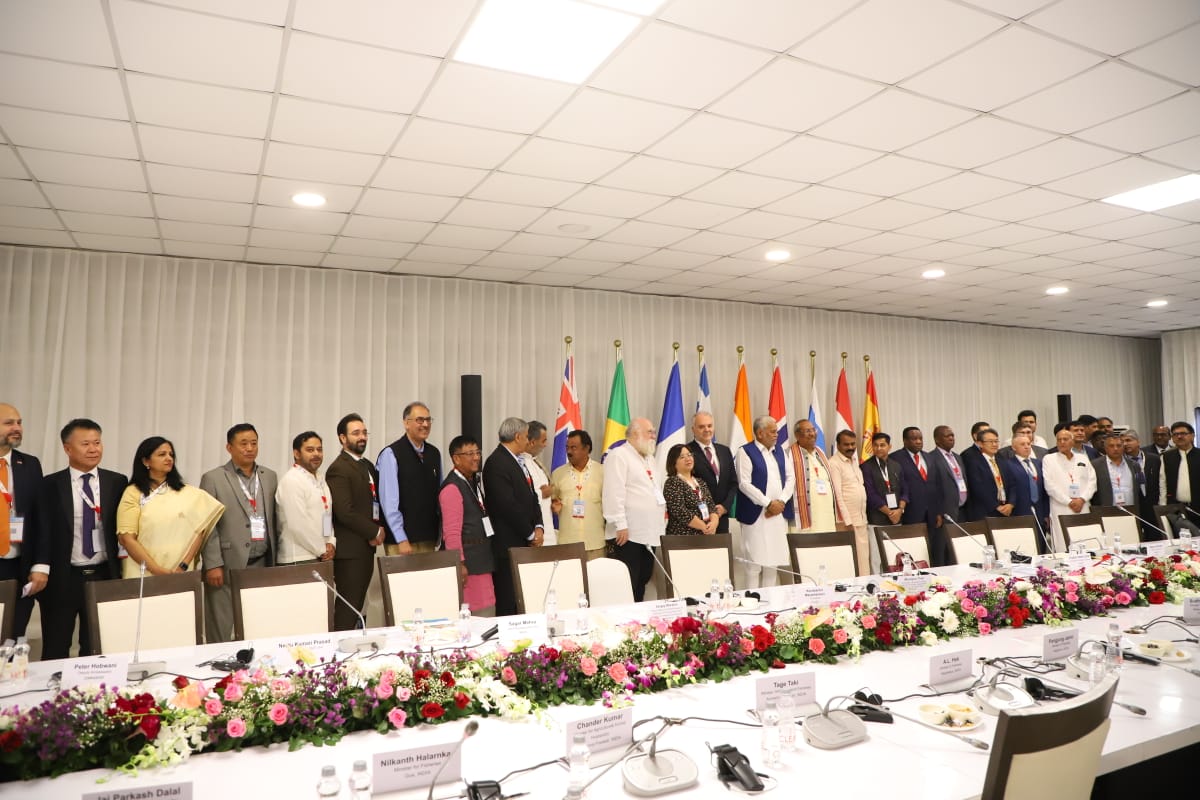
Partnering with other countries and organisations that have advanced technologies and expertise in fisheries and aquaculture to facilitate the transfer of technology and knowledge would greatly help to enhance the Indian fisheries sector, the meet suggested.

Speaking at the session, Union Minister Shri Parshottam Rupala said that the GPS system should be made user-friendly to the fishermen, utilising the global expertise and technologies. Cost-effective and reliable technologies are essential for marine navigation to be truly beneficial to fishermen venturing into the sea, the Minister said.
“Global exchange programmes in data collection and data sharing can play a major role to improve the fisheries sector, Shri Rupala said. By fostering collaboration and knowledge exchange, these programmes can facilitate the adoption of best practices, promote sustainable resource management, and develop effective mitigation strategies in response to climate change. This collective approach can play a pivotal role in safeguarding the livelihoods of traditional fishermen, who are particularly vulnerable to the escalating impacts of climate change.

Global data exchange programmes can significantly enhance the quality and availability of fisheries data, providing a comprehensive understanding of fish stocks, migration patterns, and ecosystem dynamics”, the Union Minister said.

In his address, Mr. DimitriousIoannou, Ambassador of Greece, underscored the critical need to harmonize fishing and aquaculture practices with environmental sustainability. He advocated for a multifaceted approach that encompasses both domestic and international strategies.
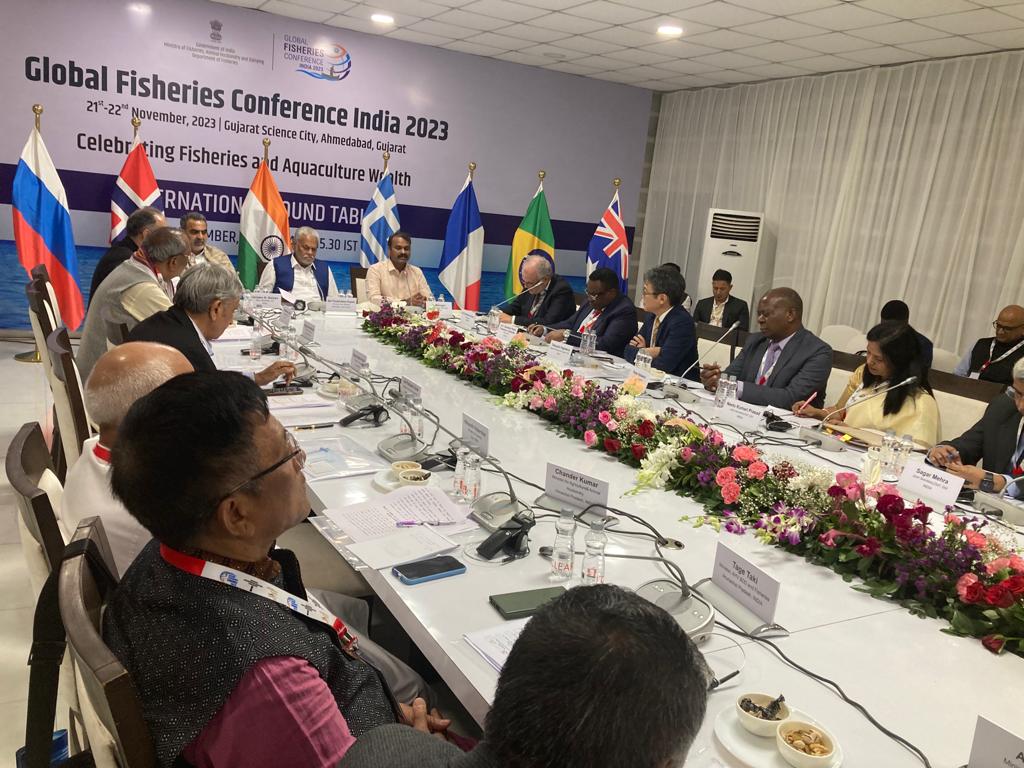
This high-level dialogue was attended by Ministers of State for Fisheries, Animal Husbandry and Dairying  Sanjeev Kumar Balyan and Dr L Murugan,  Union Fisheries Secretary, Dr Abhilaksh Likhi, Ambassadors  from Greece, Angola and diplomatic delegation from  Australia, Brazil, France, Norway, Russia, Zimbabwe and; State Fisheries Ministers of Uttar Pradesh, Haryana, Himachal Pradesh, Arunachal Pradesh, Meghalaya, Nagaland and Tripura; representatives of international organisations such as Food and Agriculture Organisation  (FAO) of the United Nations , Bay of Bengal Programme Inter-Governmental Organization (BOBP-IGO), GiZ; Asian Development Bank (ADB); senior officials of the Department of Fisheries, Govt of India; senior officers of State Fisheries Departments and Heads of various research and development agencies.  Dr Abhilaksh Likhi, Union Fisheries Secretary welcomed the gathering.

The forum underscored the need of exchange of adequate technology expertise to tap the unexplored deep-sea resources in India. The country has vast unexplored deep-sea resources and equipping the fishermen and the vessels with adequate technologies and training could utilise these untapped resources, it observed.

The speakers at the Round Table Meet identified four major areas which require international collaboration. They are enhancing fisheries production targeting food and nutritional security, strengthening of aquaculture to combat human hunger, sustainable utilisation of the resources in the fisheries sector, and development of deep-sea fishing.

Shri Sanjay Kumar Nishad, Minister of Animal Husbandry, Dairying and Fisheries of Uttar Pradesh emphasised the importance of collective efforts and advanced technologies to boost fish production and secure the livelihoods of fishermen and aqua farmers.

Highlighting the potential for growth in the fisheries sector, Shri Jai Prakash Dalal, Minister of Animal Husbandry, Dairying and Fisheries of Haryana announced plans for an Aqua Park, and he invited investors to participate in this development.

Shri Chander Kumar, Minister for Agriculture and Animal Husbandry of Himachal Pradesh, Shri A L Hek, Minister of Fisheries of Meghalaya, Shri Pangjung Jami, Minister of Fisheries of Nagaland, Shri Sudhangshu Das, Minister for Fisheries, Animal Resource Development of Tripura and Shri Nilkanth Halarnkar, Minister for Fisheries of Goa also spoke at the meet.

Foreign diplomatic delegations expressed their keen interest in fostering collaboration with India in several key areas, including research, data collection, resource monitoring and technology backstopping.

Discussions on expanding market access for Indian fishery products, collaborating with research institutions, universities and international organisations to conduct research on sustainable fishing practices, aquaculture technologies and resource management were also held during the session.

Mr. Clemente Pedro Francisco Camenha, Ambassador of Angola, Mr Peter Hobwani, Deputy Ambassador of Zimbabwe, Mr. Sergey Muratov, Head of National Research Institutions for Preservation and Safety of Fisheries Sources and Aquaculture, Russia, Mr. Monique Tran, Counsellor for Agricultural Affairs, France, Mr. Christian Valdes Carter, Commercial Counsellor, Embassy of Norway, Mr. Wagner Antunes, Head of the Trade Promotion Department, Embassy of Brazil and Dr Richard Niall, First Secretary (Agriculture), Australian High Commission spoke at the International Round Table Meet.

Joint Secretary, Department of Fisheries, GoI, Ms Neetu Kumari Prasad gave the summary of the discussion and the vote of thanks.

******

15th annual convocation of Veer Surendra Sai University of Technology at Burla, Sambalpur, Odisha

 The President of India, Smt Droupadi Murmu graced and addressed the 15th annual convocation of Veer Surendra Sai University of Technology at Burla, Sambalpur, Odisha, today (November 21, 2023).

Speaking on the occasion, the President said that the development of our country depends on the contribution of youth. Students graduating from this university will be responsible for constructing roads, buildings, dams and factories using the latest technologies. As engineers, they will be the architects of progress. As innovators, they will be bridges between imagination and reality. She stated that in the rapidly progressing world, the skill and knowledge that they have acquired in this institution are going to be the bedrock upon which their future as well as the future of the nation will be built.

The President was happy to note that a special Satellite Launch Vehicle developed by the students of the Veer Surendra Sai University of Technology has been successful on an experimental basis. It received appreciation from ISRO and a Memorandum of Understanding has been signed between the University and ISRO for further research. She also noted that an Innovation and Incubation Center has been established in the campus of this university. She appreciated students and faculty members of the University for their Creative Work.

The President said that we have set a target to make India a developed country before 2047. She added that technology can accelerate the pace of development. Therefore, technocrats and engineers will play an important role in making India a developed nation.

The President advised students to be mindful of the fact that their success will not solely be measured by their personal achievements. She said that it will also be measured by the positive impact they will make on the lives of others. She urged them to make every effort for excellence, not just for personal gain, but also for the progress of the Nation. She also urged them to strive to become agents of positive change, advocates of diversity and champions of integrity.

The President said that we should not forget our traditional values while embracing technical advancements. The National Education Policy – 2020 focuses on mother tongue, tradition and culture. She emphasised that the development of the country should be inclusive and dedicated to the entire humanity. She said that we must always remember the values inherent in our culture to make development humanity friendly.

***

Balancing Pain Relief and Side Effects: Tramadol's Role in Pain Management

 For anyone who has ever experienced chronic pain, the search for effective pain relief can be a significant challenge. The world of analgesics or pain relievers encompasses a vast array of medications, each with its set of benefits and potential drawbacks. One such medication that has gained attention is Tramadol. Understanding what is Tramadol, its uses, and the delicate balance between its efficacy and side effects is vital for patients and healthcare providers.

Photo by Tree of Life Seeds on Pexels.com

What is Tramadol?

Tramadol is an opioid analgesic, which means it’s in the same class of drugs as morphine, but it’s chemically different. It’s used primarily to treat moderate to severe pain, whether from surgery, injury, or chronic conditions like osteoarthritis. One of the main Tramadol uses is in long-term pain management due to its potential for lesser addiction compared to other opioids.

Tramadol Dosage and Formulations

Tramadol dosage can vary based on the patient’s pain level, age, and other factors. Typically, it starts with a lower dose, which can be increased until effective pain management is achieved without significant side effects. It’s available in various forms, including tablets, capsules, and liquid, with the Tramadol 200mg being one of the most potent doses. This high dosage is not common and is reserved for specific situations with strict monitoring due to its potency.

In some regions, like Mexico, the Tramadol 200 mg, especially Tramadol 200mg Mexico formulations, can be procured, often under different trade names. Tramadol pill forms, especially the Tramadol 200 mg tablet and Tramadol 200mg white capsules, are prevalent.

What is in Tramadol and How Does It Work?

The primary active ingredient in Tramadol is Tramadol hydrochloride, which works by changing the way the brain perceives pain. Unlike other opioids, it also has an effect on neurotransmitters, increasing levels of serotonin and norepinephrine, which can contribute to its pain-relieving effect.

Balancing Benefits and Tramadol Side Effects

Like all medications, Tramadol has side effects. The most common Tramadol side effects include dizziness, nausea, constipation, and headaches. It’s also essential to understand the more serious side effects like respiratory depression, which can be life-threatening.

An intriguing question for many is, “Does Tramadol make you sleepy or awake?” Tramadol can indeed cause drowsiness, but for some, it might cause insomnia. This duality underscores the importance of individualized care and monitoring when prescribing Tramadol.

Regarding its potency, many wonder about the effects of high dosages, like “Tramadol 200 mg high” or the impact of “200 milligrams of Tramadol.” The answer is that higher doses increase the risk of side effects, including the rare but serious risk of serotonin syndrome. Overdosing can also lead to slowed breathing, seizures, or even death.

How Long Does Tramadol Last?

The duration of Tramadol’s effects depends on the formulation. Immediate-release forms might last up to 6 hours, while extended-release tablets or capsules, such as Tramadol 200mg, can provide pain relief throughout the day.

Global Perspectives: Tramadol in Mexico and Beyond

While Tramadol is available worldwide, the regulations governing its sale and distribution vary. In some places, such as Mexico, Tramadol, including the Tramadol 200mg Mexico formulation, might be more accessible. It’s always crucial for patients to ensure they’re getting legitimate products, given the rise in counterfeit medications.

As the demand for reliable and authentic sources for medications rises, platforms like https://medicinesmexicamrx.com/ have come to the forefront, providing users with easy access to various drugs.

When deciding on the use of Tramadol or any medication, the goal is always to balance benefits with potential risks. It’s undeniable that Tramadol, from the standard Tramadol pill to the potent Tramadol 200mg white capsules, offers substantial pain relief for many.

Successful Teacher Training Workshop on "Nano Quest

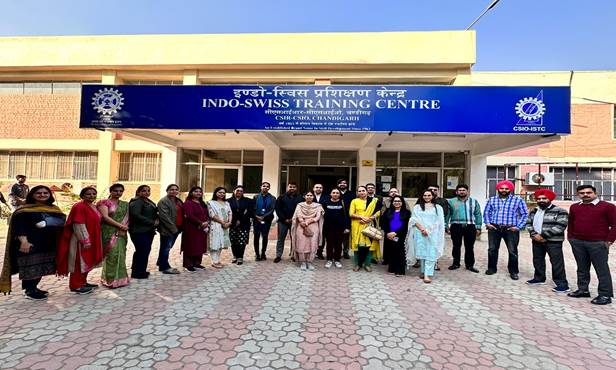
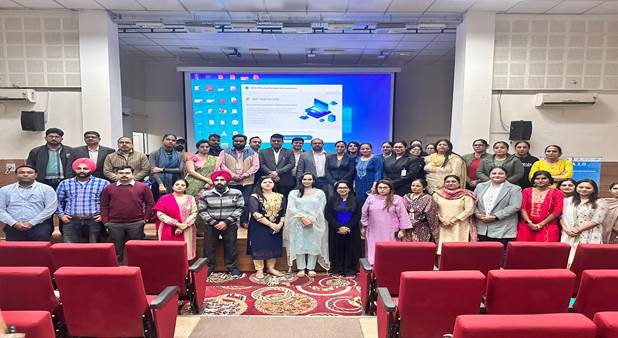
 A specialized Teacher Training Workshop convened at CSIR-CSIO in Chandigarh on November 20th, 2023 marked a significant milestone in the realm of science education. The workshop, organized as part of Knowledge and Awareness Mapping Platform (KAMP)’s third Continuous Professional Development (CPD) program for educators in collaboration with the CSIR – Central Scientific Instruments Organization (CSIO) and Central Board of Secondary Education (CBSE), brought together over 40 enthusiastic teachers from diverse schools.

The central theme of the workshop, “Nano Quest – A Journey of Exploration through Nanoworld,” underscored the commitment of educators to enhance their knowledge and teaching skills in the field of science education. The diverse training modules covered various facets of science education, providing a unique opportunity for educators to learn from esteemed scientists and experts associated with CSIR-CSIO, Chandigarh. 


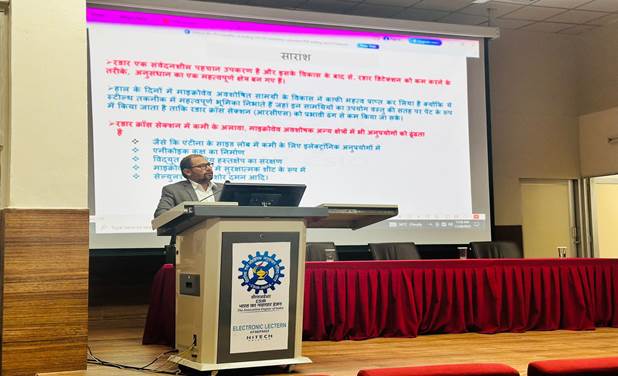
Dr. Sachin Tyagi, Principal Scientist at CSIR-CSIO, delivered an enlightening technical session on “माइक्रोवेव अवशोषण अनप्रयोग – “माइक्रोवेव अवशोषण अनुप्रयोग – चुभंकीय सामग्री आधारि त समिश्रण” which translates to “Microwave Absorption Applications – Magnetic Material Based Composites.” The workshop also featured a session by Dr. Abhay Sachdev, Senior Scientist at CSIR-CSIO, exploring the “Prospects and Applications of Nanomedicines.” In a practical turn, Dr. B. Sreekanth and Dr. Inderpreet Kaur, scientists from CSIR-CSIO, guided teachers on Environmental Monitoring, providing insights into skill development in a scientific context.

Mr. Dhiraj Singh Rajput, Regional Head of KAMP and Mr. Kaushal Payal, Regional Manager of KAMP captivated the audience with an in-depth presentation on the KAMP, an initiative of CSIR-NIScPR and NCPL. Stressing the importance of science education beyond textbooks and classrooms. Mr. Dheeraj emphasized the need for a dynamic and immersive experience that encourages students to question, explore, and innovate.

The workshop served as a platform for educators and administrators to gain fresh perspectives on science education, exchange ideas on effective teaching strategies, and align with the latest developments in the field. The collective knowledge and experience shared by the scientists promise to leave a lasting impact on the future of science education.

Continuous Professional Development programs of this nature play a vital role in equipping teachers with the latest tools and knowledge to enrich the learning experiences of their students. Beyond enhancing educators’ understanding of scientific concepts, these initiatives aim to spark a profound enthusiasm for scientific exploration in students.

About CSIR-CSIO:

CSIR-Central Scientific Instruments Organisation (CSIO) is a premier national laboratory dedicated to the research, design, and development of scientific and industrial instruments. As a multi-disciplinary and multi-dimensional apex industrial research & development organization, CSIO stimulates the growth of the Instrument Industry in India.

About CBSE (Training/Capacity Building Programmes):

CBSE is committed to addressing quality concerns in school education, prioritizing the development of teachers and principals. The Board provides various training programs to enhance their understanding of curriculum, delivery mechanisms, and other professional qualities.

About KAMP:

KAMP is an Initiative and Knowledge Alliance of CSIR-National Institute of Science Communication and Policy Research (NIScPR) and industrial partner M/S Nysa Communications Pvt. Ltd. (NCPL). It aims to develop creativity, meaningful learning, critical reading, and thinking skills, bringing out the inherent abilities of students.

*****

4th Capacity Building Programme for Civil Servants

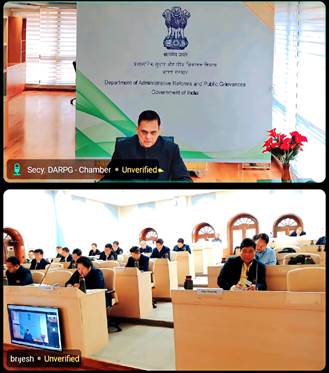
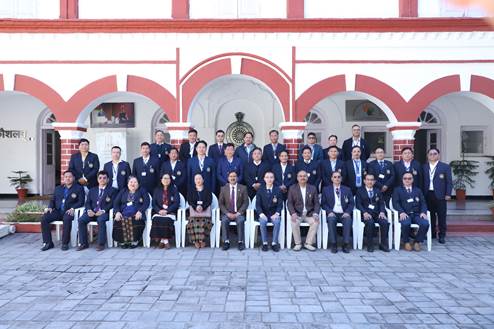
 The 2-week Capacity Building Programme (CBP) for civil servants of Arunachal Pradesh unveiled at the National Centre for Good Governance (NCGG) Mussoorie on 20thNovember, 2023. This is in furtherance to further improve the governance and public service delivery in North-East and Border States as per the guidance and directions of Honorable Dr. Jitendra Singh, Minister of State, Ministry of Personnel, Public Grievances and Pensions. An MoU was signed with NCGG in 2022 to train 500 officers of Arunachal Pradesh over the next five years. As part of the agreement, NCGG has already imparted training to 113 officers including the 30 participants of the ongoing 4thCapacity Building Programme.

The two-week capacity building programme has been scientifically tailored by the NCGG team and included the exchange of vast information, knowledge, new ideas, and best practices that promote citizen-centric governance. The sessions for each training programme were firmed up by the NCGG faculty based on the need of the state and in consultation with Government of Arunachal Pradesh. This capacity-building programme will help the civil servants in putting up dedicated efforts to fill in the gaps between policies and implementation in their respective work places.

The Inaugural session was presided over by Shri V. Srinivas, Director General, National Centre for Good Governance. He requested the participating officers to make full use of the exposure that they will have during the programme and take advantage of the opportunity and urged them to share knowledge and work in groups as effective team building is essential to foster good ideas which can be utilized to improve the quality of life of citizens. He appreciated the efforts in Arunachal Pradesh in implementation of government programmes. In his address he highlighted the importance of redressing citizen grievances in a time bound manner and also effective handlings of court related work as these are mechanisms of ensuring justice to people. He stressed on the importance of harnessing the programme’s maximum potential and learning from best practices, which can be modified to suit their own contextual settings. He emphasized on the pressing requirement for civil servants to fully capitalize on the digital revolution and embrace the latest IT innovations. He encouraged the officers to work in group activities and share experiences through presentations on saturation of priority sector programmes, how to be effective officers, Land reforms among other sectors.

Giving the welcome address and overview of the programme, Dr. B.S. Bisht, Course Coordinator of the programme said that in the 4th capacity building programme, NCGG will share various initiatives taken in the country such as equity and government intervention, public policy & implementation, fintech and inclusion, improving public service delivery, changing paradigm of good governance, ethical perspective in governance, disaster management: Indian and global practices, vision of India @2047: focus on civil services, executive judiciary interface,  digital governance: case studies of passport seva and MADAD, technology enabled governance, leadership coordination and effective communication skills, Public private partnership for infrastructure development, approach to achieve sustainable development goals by 2030, aspirational districts, behavioral change management, Digital India, Water conservation: a village creates magic, Education in tribal region-Eklavya model residential school (EMRS), saturation of basic services in villages/service plans in NE region, development and conservation, promoting the livelihood: a case of Himalayan state, tourism: potential for growth, rural housing, overview of rural development in context to watershed management, climate change & its impact on bio-diversity: policies and global practices, innovations in public administration, overview of national security scenario, project planning, execution and monitoring-JJM, centralized public grievance redressal & monitoring system among other important topics.

The participants will also be exposed to visits aimed at observing a diverse range of developmental projects and institutions. These visits offer invaluable insights and first-hand experiences of prominent initiatives and organizations, including but not limited to the Parliament of India, AIIMS, Paryavaran Bhawan, MDNIY, NDMC, Pradhanmantri Sanghralaya, among others. 

The overall supervision and coordination of the 4th capacity building programme is being carried out by Dr. B. S. Bisht, course coordinator for Arunachal Pradesh, along with Dr. Sanjeev Sharma, co-course coordinator, and the capacity building team of the NCGG.