Meeting of the National Level Steering Committee of Atal Bhujal Yojana

 The Secretary, Department of Water Resources, River Development & Ganga Rejuvenation (DoWR, RD & GR), Ministry of Jal Shakti, Ms. Debashree Mukherjee chaired the fifth meeting of the National Level Steering Committee (NLSC) of Atal Bhujal Yojana and the Wrap up of the World Bank Mission in New Delhi today. The committee reviewed the overall progress of the scheme and directed the States to expedite all the activities including procurement as well as convergence for the implementation of the interventions proposed under Water Security Plans (WSPs). Atal Bhujal Yojana aims to demonstrate community-led sustainable ground water management which can be taken to scale. Objective of the Scheme is to improve the management of groundwater resources in select water stressed areas in identified states viz. Gujarat, Haryana, Karnataka, Madhya Pradesh, Maharashtra, Rajasthan and Uttar Pradesh.

State-wise presentations, enumerating impacts with evidence on “Emerging Impacts of the Program” were presented by all States. The highlights included improvement in ground water level and storages; involvement of local people, particularly women in utilization of equipment for monitoring of both water level and quality; creating sense of ownership and community-led ground water management, etc. The findings of the World Bank review mission conducted in all the Seven States were presented by the Task Team Leader from the World Bank. The gaps in the areas of scheme implementation and related concerns were discussed for improvement and effective implementation of the scheme in all the participating States. The senior officers from the participating States, members of NLSC, representatives from various Ministries/Departments, officers of the World Bank and NPMU attended the meeting.


The Secretary, DoWR, RD & GR, Ms. Debashree Mukherjee stated that there are several projects in our country for water security and management, however, Atal Bhujal Yojana is the only program targeting demand side groundwater management, focusing on behavioral change of the community. She emphasized on the importance of various equipment installed under Atal Bhujal Yojana which are being utilized to make the communities aware of the ground water situation. This will help the community manage their ground water resources, improve demand side measures and start preparing water budgets in the gram panchayats. The Secretary highlighted the fact that allocation under Atal Bhujal Yojana is fungible and better performing States will get more share of incentive. She also emphasized that since Atal Bhujal Yojana is a convergence-oriented program, the Chief Secretaries should regularly monitor the progress of the schemes in their States for effective implementation. 
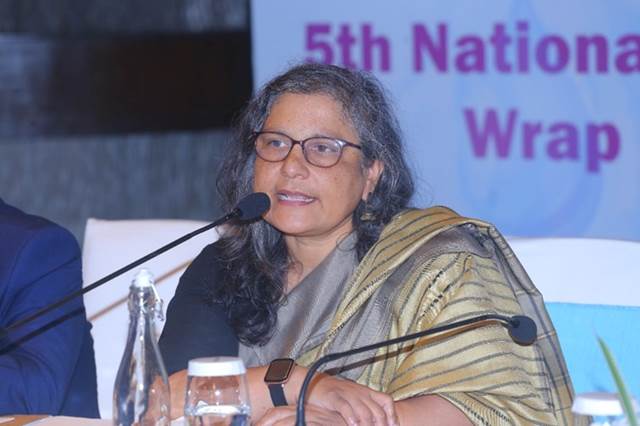


Ms. Mukherjee asserted that strengthening of Institutions, partner agencies and capacity building of the civil society should also be given due importance. Since communities are at the forefront in this scheme, importance of capacity building of the communities was emphasized upon. The Secretary underscored the importance of assessment of quality of the trainings being provided at the Gram Panchayat level. She also requested all participating States to integrate WSPs in the Gram Panchayat Development Plans (GPDPs). This integration will provide sustainability to the approach followed by the scheme even after completion of time period. She also directed the States to document the best practices being implemented under the scheme.
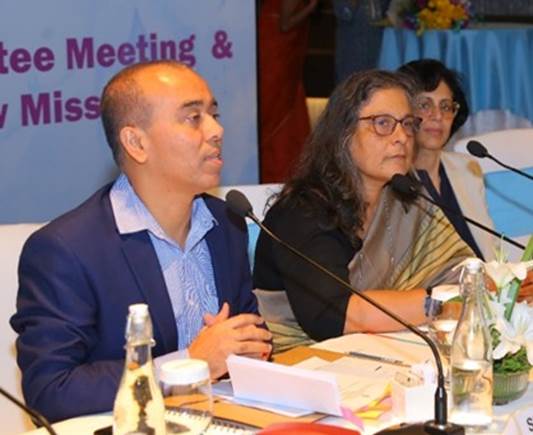


The Joint Secretary and National Project Coordinator for Atal Bhujal Yojana, Shri Subodh Yadav, in his opening remarks earlier, highlighted that the scheme is in the fourth year of implementation and the remaining one and a half years shall be optimally utilized for improvement in performance of the participating States. He also emphasized that the community participation is the fundamental aspect of the scheme which shall be prioritized.

******
Forest fire prevention, post-fire restoration and forest certification as a tool for sustainable forest management

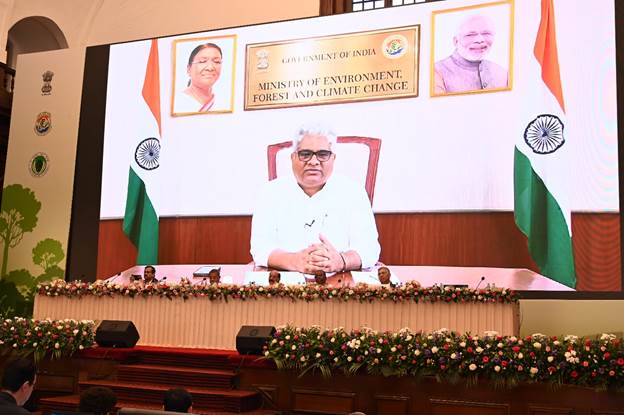
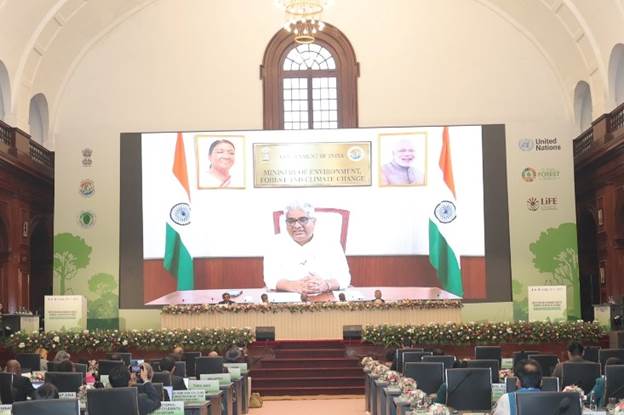
 Union Minister for Environment, Forest and Climate Change, Labour and Employment Shri Bhupender Yadav emphasized the importance of forest fire prevention, post-fire restoration and forest certification as a tool for sustainable forest management.

In his video message at the United Nations Forum on Forests (UNFF) at Forest Research Institute (FRI) Dehradun Shri Yadav stressed that forest fires not only cause irreparable damage to flora and fauna but also affect the livelihoods of communities living at forest peripheries. He emphasized that an important tool for promotion of sustainability of forests is forest certification, which nonetheless, presents numerous challenges notably for small-scale producers in developing countries. The Union Minister said India has embarked on its national forest certification scheme to address these challenges. He called on all participants to work together to create a sustainable future that is equitable, just, and resilient.

Minister of Forests, Languages & Technical Education, Government of Uttarakhand Shri Subodh Uniyal in his address today welcomed all distinguished delegates to “Dev Bhoomi”, the state of Uttarakhand. In his remarks he dwelled into the states initiatives and programmes and stated to minimize forest fire incidences, empowering communities living in proximity to forests and incentivizing them to work in tandem with the forest departments has been a strategy that has found success. He affirmed that Forest Certification is an equally important area, being a mechanism for forest monitoring, and is the focus within Global Forest Goals. He emphasized that all will benefit from the exchange at the Forum of traditional knowledge, technology innovation, and community engagement practices.

Director, UNFF, Ms. Juliette Biao Koudenoukpo said that issue of forest fires has been escalated as a global concern, and their detrimental impact on ecosystems, and communities makes action imperative and the second theme for the CLI being forest certification has been a long-standing topic for discussion and actionable solutions are now need of the hour. She highlighted the impact of forest fires on ecosystem are more profound now and mentioned about the challenges of numerous stakeholders and upcoming regulations that need attention. She stressed that the outcome of this CLI is very important and the success will lie in all our collective ability to identify areas for action and recommendations to UNFF 19.

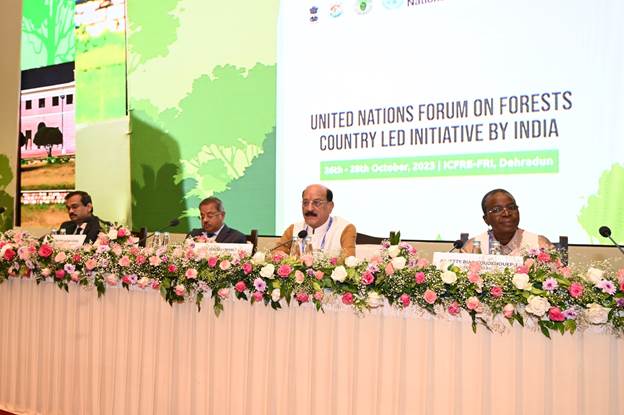
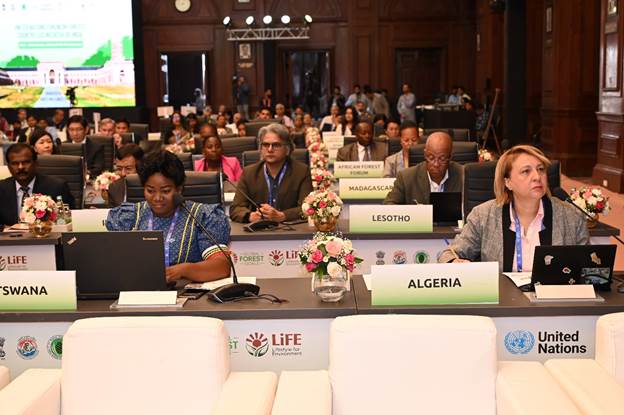
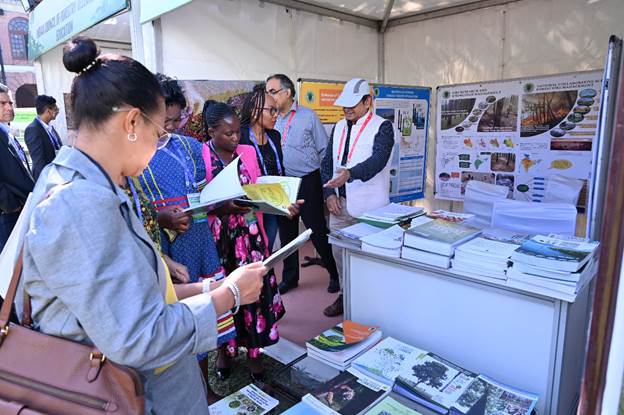
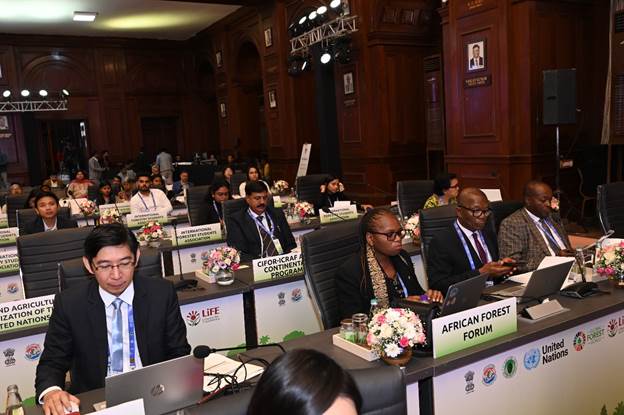
The Ministry of Environment, Forest and Climate Change, Government of India has taken the initiative for hosting a United Nations Forum on Forests (UNFF), from 26-28 October 2023, at Forest Research Institute (FRI) Dehradun. More than 80 delegates are participating from 40 countries and 20 International Organisations, both in person and online, are attending the programme, including Food and Agricultural Organisation (FAO) and International Union of Forest Research Organizations (IUFRO), along with delegates and organisations from India. The programme has adopted a hybrid, physical and online formats for enabling participation across the globe.

This Country Led Initiative (CLI) focuses on two thematic areas: forest fires/wildfires and best practices on its prevention and restoration in fire-affected areas, and forest certification and sustainable forest management.

Forest fires/wildfires profoundly impact biodiversity, ecosystem services, human well-being, livelihoods, and national economies. In recent years, forest fires/wildfires have increased in scale and duration. Accordingly, there is a need to enhance collaboration and action at local, regional and international level on its prevention, reduction of its impacts and restoration of impacted land.

Forest certification has received growing global attention in recent years. Between 2020 and 2021, the certified forest area increased by 27 million hectares, led mainly by Europe and Northern America. However, developing countries and marginal forest managers continue to face challenges with the certification process. The Forum aims to provide a platform to discuss these aspects and the aspect of aligning certification systems with trade rules.

The Forum is planned over two days of exchange on the thematic areas and will host sessions on how to live with fire in a warming world, policies needed for implementing integrated fire management, how to make best use of the newly developed Global Fire Management Hub, and Forest Certification and Sustainable Forest Management. The discussions will be followed by cultural programmes at the end of each day, and field trip to Rajaji National Park on the third day.

The Director-General, Ministry of Environment, Forest and Climate Change shared with the delegates the importance of CLI and deliberations in these meetings in enhancing international cooperation on global forestry related issues. He highlighted the issues that accompany these forest fires/wildfires and its negative impact on public health, economic activity and forest biodiversity. He also spoke about the current scenario in India where more than 62% of Indian states are prone to high-intensity forest fires and how India has significantly improved its forest fire monitoring systems and fire forecast models. He shared with the participants the country’s proposed global collaboration i.e. Gandhinagar Implementation Roadmap and Gandhinagar Information Platform, that emanated from G20 deliberations, to tackle restoration of forest fire and mining degraded lands.

The forum’s meeting witnessed today varied panel discussions on forest fires, policies enhancing prevention of forest fires and on the global forest management hub. Various countries and International Organisations participated as panelists including New Zealand, Madagascar, Colombia, Morocco, India, Portugal, Malawi, Botswana, Russia, Nigeria, South Africa, Spain, FAO, UNEP, ITTO and IUFRO. Subsequently many other countries and organizations expressed their views and suggestions on prevention and effective management including the role of community participation.

The forum on Thursday, the 27th October, 2023 will cover a round of interaction on Forest Certification and Sustainable Forest Management with country presentations from South Africa, Russia and India.

The outcome of the Forum will be a summary by the Co-chairs on the discussions held, which will be submitted to the 19th session of UNFF for consideration. UNFF19 will be held in May 2024 at United Nations headquarters.

******

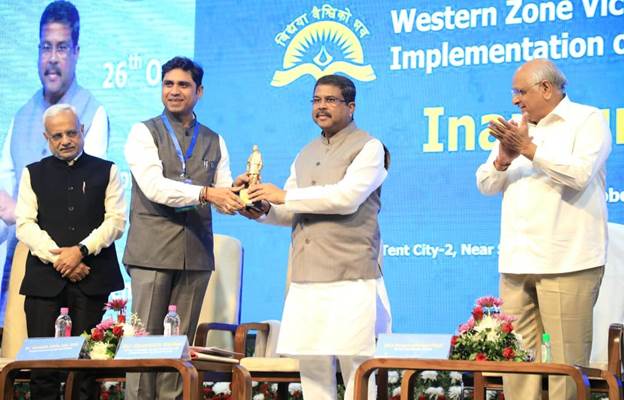
Western Zone Vice Chancellors’ Conference on Implementation of NEP-2020

 Union Minister for Education and Skill Development & Entrepreneurship Shri Dharmendra Pradhan addressed the Western Zone Vice Chancellors’ Conference on implementation of National Education Policy-2020, as a chief guest. Chief Minister of Gujarat, Shri Bhupendra Patel; Minister for Health and Family Welfare and Medical Education, and Higher and Technical Education, Law, Justice, Legislative and Parliamentary Affairs, Government of Gujarat, Shri Rushikesh Patel; Minister of State, Parliamentary Affairs, Primary, Secondary and Adult Education, Higher Education, Government of Gujarat, Shri Praful Pansheriya; Chairman graced the occasion.

Addressing the event Shri Pradhan commended the Government of Gujarat and the Maharaja Sayajirao University of Baroda for organising this 1st zonal-level conference to accelerate the ground implementation of NEP 2020. He said that the journey of articulating the approaches, roadmap and strategies for implementation of NEP 2020 that began in 2022 at the Shiksha Samagam in Kashi on the banks of Ganga to today’s zonal conference being organised at the plateau of Narmada will play a defining role in carving a brighter future for India.

Bharatiya Bhasha, Bharatiya Gyan Parampara, Skilling, Employment and entrepreneurship education are priority areas of NEP. He expressed his confidence this zonal conference will pave the way for development of a new culture and best practices of multidisciplinary education, multiple entry-exit and equitable opportunities for all through effective NEP implementation.

He expressed his happiness that the zonal conference is deliberating on several priority areas of NEP, particularly on Quality of education, Skilling ecosystem in education, Research, innovation & entrepreneurship in education, Bharatiya Gyan Parampara & Internationalisation. He hoped that the approaches, thoughts and roadmap germinated from here will be converted into a compendium of best practices & case study and passed on at the college-level for paving the way for a uniform approach to NEP implementation.

Several Technical sessions were held during the Conference including Panel Discussions on Access to Quality Education and Governance– Higher Education; Equitable and Inclusive Education Issues of Socio-Economically Disadvantaged Groups (SEDGs); Creating Synergy between Education and Skilling Future Workforce; Holistic Education through integration of Skilling, Industry Connect and Employability; Innovation and Entrepreneurship; Research and Development; Internationalization of Education; and Indian Knowledge System. 

UGC, Prof. M. Jagadesh Kumar; Chairman, AICTE, Prof. T.G. Sitharam; Vice-chancellor of The Maharaja Sayajirao University of Baroda, Prof. Vijay Kumar Srivastava; Dr. Hasmukh Adhia; other dignitaries, Vice Chancellors, and eminent educationists were present at the event. 


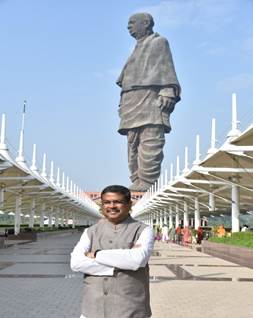
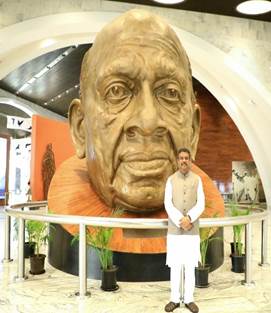
Later in the day, Shri Pradhan visited the iconic Statue of Unity in Kevadia and called it as a symbol of pride, unity, peace and gratitude. A tribute to the ‘Iron Man of India’ and his statesmanship, the Statue of Unity—the world’s tallest monument is a must-visit for all travel enthusiasts, he added.


***


e-Commerce platforms

 The Department of Consumer Affairs, Government of India in collaboration with IIT (BHU), launched Dark Patterns Buster Hackathon 2023 here today. The deliverables of the Hackathon will be to design & prototype innovative app or software based solutions such as;

  •  browser extensions,
  •  plugins,
  •  add-ons,
  •  mobile applications etc. that can detect the use, type and scale of dark patterns for e-Commerce platforms. 

   The launch event was attended by law Institutes, Higher Educational Institutes, experts from national and International Academia, students, various companies and e-commerce platforms in both physical and online mode. 

  While preparing the deliverable the participants are expected to focus on key areas such as; pattern detection accuracy, User-Friendly Extension, Pattern Versioning, Generative AI,  Repository Management, Data Collection with Privacy Protection, Crowd sourced Pattern Identification, Cross-Browser Compatibility, and Artificial Intelligence for Detection and Performance Optimization. The participants will be evaluated on following few of the many criteria; Innovation, Demonstration of the solution as a turn-key solution, User Interface & User Experience, Accuracy & Reliability, Adherence to Functionalities & Features, Privacy & Compliance etc.

    The Hackathon is divided into following four stages/rounds:

  • Round 1- Registration of participant Teams and Host Institutes
  • Round 2- Intra Institute DPBH 2023 to be organized
  • Round 3- Inter Institute DPBH 2023 to be organized and
  • Round 4- Distribution of awards and prizes on World Consumer Rights Day
  • The winners will be rewarded with a Certificate of Achievement and the Prize money in the following order; 1st prize of INR 10 lacs, 2nd prize of INR 5 lacs, 3rdprize of INR 3 lacs, 4th prize of INR 2 lacs and 5th price of INR 1 lac respectively. 

  The objective of the initiative is to provide protection to consumers from all types of unfair trade practices.

  In line with the above initiative, Department had published draft Guidelines for Prevention and Regulation of Dark Patterns on 07.09.2023 seeking public comments/feedback/suggestions. A time of 30 days (until 5th October 2023) was given for submitting the suggestions.

   Department received comments/suggestions from various individuals, law firms, National Law Universities, Government Organizations, Voluntary Consumer Organizations, and Trade Associations like NASSCOM, FICCI and E-Commerce Platforms. 

  The initiative taken by the Department towards drafting of guidelines and identification of dark patterns was appreciated in general by the industry stakeholders. Besides there were various suggestions for including certain new dark patterns, few more illustrations and modification of definitions of few existing dark patterns in the guidelines.

 Few of the comments/suggestions being considered for inclusion in the revised guidelines are provided below:

  1. Wadhwani Institute of Technology and few individuals (Smt. Kosha Doshi, Sh. Sanju Ahuja, Sh. Ratul Aich, Smt. Paneri Ankit etc.) have suggested to include “Trick Question” as a dark pattern, which briefly can be understood as: 

“Trick Question” is a dark pattern, which means the deliberate use of confusing or vague language; in order to misguide or misdirect a user.

Illustration:

While giving a choice to opt, “Do you wish to opt out of receiving updates on our collection and discounts forever?” using phrases like, “Yes. I would like to receive updates” and “Not Now”, instead of the option, “Yes.”

  1. Flipkart and few individuals (Sh. Ashwin Irudayarajan, Sh. Vaibhav Verma, Sh. Adwit Bhosale) have suggested including “Saas Billing” as a new dark pattern, which temporarily can be defined as: 

“Saas Billing” is a process of generating and collecting payments from consumers on a recurring basis in a software as a service (SaaS) business model by exploiting positive acquisition loops in recurring subscriptions to get money from users.

Illustration:

No notification is given to the user when free trial is converted to paid

  1. Indian Music Industry has recommended including “Rogue Malwares” as a new dark pattern.

“Rogue Malwares” is a dark pattern using a ransomware or scareware to mislead/trick user into believing there is a virus on their computer and aims to convince them to pay for a fake malware removal tool that actually installs malware on their computer.

Illustration:

When a pirating website/app promises the consumer to provide free content (audio/audio-visual/others) but actually leads to an imbedded malware when the link is accessed

  1. Nasscom, Asia Internet Coalition, Indiatech.org, Nalsar University of Hyderabad, Koan Advisory Group, have suggested modifying definitions of some existing dark patterns like “nagging”, “confirm shaming” etc. 
  1. Koan Advisory Group, IBHA, IAMAI, Asia Internet Coalition, student from MNLU Mumbai have suggested deleting/modifying definition of “disguised advertisement” which is being considered to be modified to a certain extent by the Department.
  2. Law firm such as Panag & Babu, Pranava Institute, Smt. Radhika Jhalani @ SFLC, Advocate Zyfern Joseph, Smt. Paneri Ankit have suggested adding a new dark pattern to deal with issues of privacy suckering/forced personal data sharing, which is proposed to be incorporated in the revised guidelines as illustrations in “Forced Action”. 

Illustrations: 

  1. forcing a user to share personal information linked with Aadhar or credit card bureau records, even when it is not a credit product 
  2. forcing a user to share details of his contacts or social networks in order to access products or services purchased or intended to be purchased by the user.
  3. Making it difficult for consumers to understand and alter their privacy settings, thereby encouraging them to give more personal information than they mean to while making the intended purchase
  1. FICCI has recommended adding the statement, “These Illustrations are providing guidance and any illustration provided herein should neither be regarded as an interpretation of law nor be treated as a binding opinion/decision. Different facts or conditions may entail different interpretations” on top of the Annexure 1 i.e. list of Specified Dark Patterns. 
  1. Few other suggestions received by the Department which are under consideration to be included in the final guidelines for Prevention and Regulation of Dark Patterns are:
  • Addition of few more illustrations in subsisting dark patterns like “Bait & Switch” as:

Illustration:

    1. A toy-car is unavailable but is falsely shown as available to lure the consumer to move it to the shopping cart. Once the consumer moves it to the shopping cart, it is revealed that the toy-car is ‘out of stock’ and instead, a higher-priced toy-car is now available.
  • Modification of definition of “Forced Action” to the extent as provided under:

Forced action” shall mean forcing a user into taking an action that would require the user to buy any additional good(s) or subscribe or sign up for an unrelated service or share personal information, in order to buy or subscribe to the product/service originally intended by the user.

  • Using “Commercial Gains” as part of definition of few Dark Patterns such as “Confirm shaming” and “Nagging” to justify including it under definitions clause 2 (1) (d) and also make the definitions of “Confirm Shaming” and “Nagging” more comprehensive. The proposed amendment is provided as under:

Confirm shaming” means using a phrase, video, audio or any other means to create a sense of fear or shame or ridicule or guilt in the mind of the user, so as to nudge the user to act in a certain way that results in the user purchasing a product or service from the platform or continuing a subscription of a servicewhere, primarily, the purpose of the platform is to make commercial gains by subverting consumer choice.

“Nagging” shall mean a dark pattern due to which a user is worn down by repeated and persistent interactions, in the form of requests, information, options, or interruptions, to effectuate a transaction and make some commercial gains, unless specifically permitted by the user.’

            Department is in the process of examining the suggestions/comments received and final Guidelines for Prevention and Regulation of Dark Patterns will be notified soon.   

*****

National Symposium on Production of Improved and Traditional Seed through Cooperative Sector

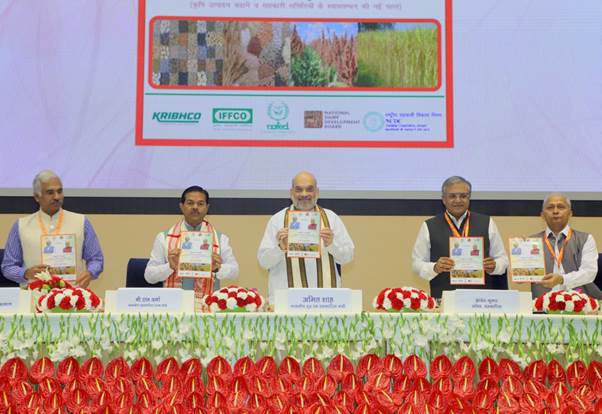
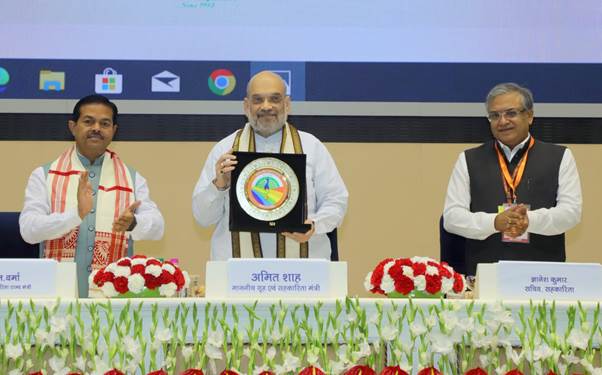
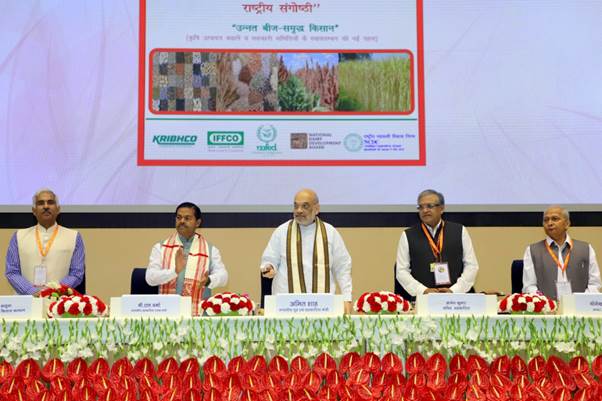
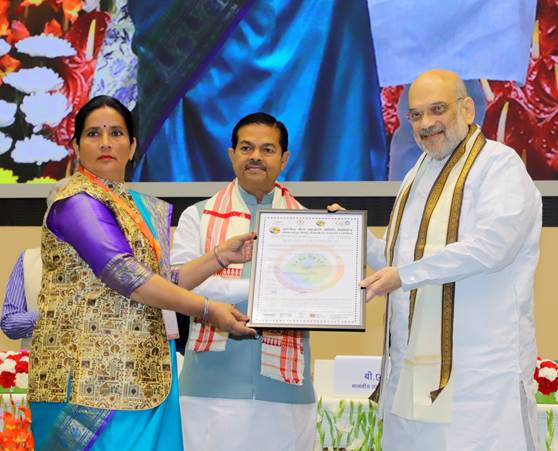
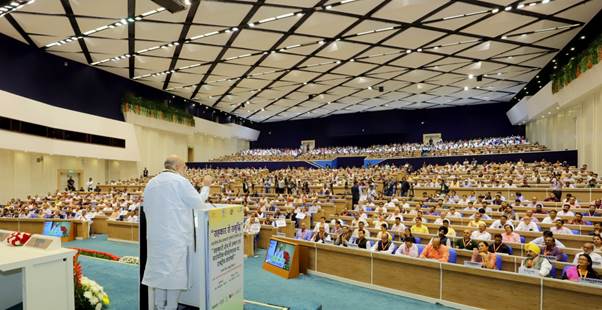
 Union Home Minister and Minister of Cooperation, Shri Amit Shah addressed the “National Symposium on Production of Improved and Traditional Seed through Cooperative Sector” organized by Bharatiya Beej Sahkari Samiti Limited (BBSSL), in New Delhi today.

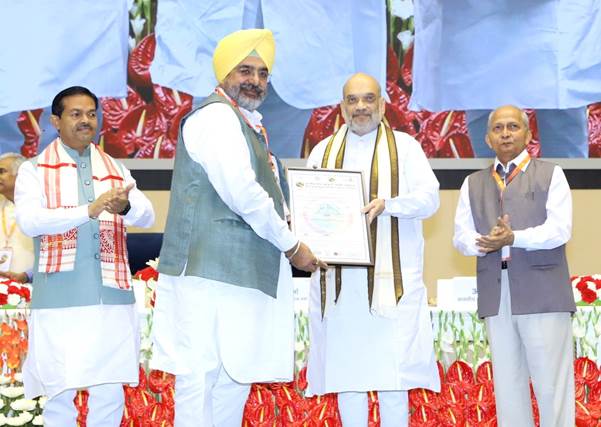
Shri Amit Shah unveiled the Logo, Website and Brochure of BBSSL and distributed the membership certificates to the members of BBSSL. On this occasion, many dignitaries including Union Minister of State for Cooperation, Shri BL Verma, Secretary, Ministry of Cooperation and Secretary, Ministry of Agriculture and Farmers Welfare were also present.

In his address, Shri Amit Shah said that today is very important from the point of view of new beginnings in the field of cooperative movement, farmers’ welfare and food production in the country. He said that BBSSL will have a huge contribution in making India self-reliant in the field of seed conservation, promotion and research in the coming days. Scientifically designed and prepared seeds are not available to every farmer in the country today, that is why it is our responsibility to ensure that certified and scientifically prepared seeds reach every farmer of our country and this work will also be done by this cooperative society. Shri Shah said that India is one of the few countries in the world where agriculture was systematically introduced and that is why our traditional seeds are most suitable for quality and physical nutrition. He said that the traditional Indian seeds have to be conserved and passed on to the coming generations, so that the production of healthy grains, fruits and vegetables continues and this work will be done by BBSSL. He said that the seeds produced here are mainly prepared by R&D through foreign methods, but if our agricultural scientists get a good platform then they can make the maximum production yielding seeds in the world. The R&D for this objective will be done by BBSSL. Shri Shah said that there is a huge market for export of seeds in the world and India’s share in it is less than one percent, a time-bound target should be set for a vast and agriculture-oriented country like India to gain a larger share in the global seed market. He added that the Modi government has established Bharatiya Beej Sahkari Samiti Limited with these five objectives and in a few years this society will get recognition across the world and will make immense contribution in providing certified seeds to the farmers of the country.

Union Minister of Cooperation said that as per directions of Prime Minister Shri Narendra Modi, on January 11, 2023, the Union Cabinet approved the formation of Indian Seed Cooperative Society Limited, it was registered on January 25, 2023, and its notification was issued on March 21, 2023. The training program has also been completed in a very short span of time. He added that BBSSL will also connect Primary Agricultural Credit Society (PACS) with seed production like all other types of cooperative societies including agriculture, horticulture, dairy, fisheries. Through PACS, every farmer will be able to produce seeds in his field, the seeds will also be certified and after branding, BBSSL will contribute in delivering these seed not only to the entire country but also to the whole world. He said that the entire profit of this seed cooperative society will go directly into the bank accounts of the seed producing farmers and this is the basic mantra of the cooperative. Through BBSSL, the high genetic and physical purity of the seeds will be maintained without any compromise and the health of the consumer will also be taken care of. Keeping these three things together, our main aim is to increase the production. He said that the objective of BBSSL is not only to earn profits but through this we want to match India’s production with the world’s average production. Along with this, instead of unskilled production of high quality seeds, we will work on linking the farmers with scientific production of seeds by training them. Today, the requirement of seeds in India itself is about 465 lakh quintals, out of which 165 lakh quintals are produced through government system and the production through cooperatives is less than 1 percent, we have to change this ratio.

Shri Amit Shah said that the farmers who will come together in seed production through cooperatives will directly get the profit from the seeds. He said that the share of India’s domestic seed market in the global market is only 4.5 percent, it needs to be increased and a lot of work will have to be done for this. Shri Shah said that we will have to decide the goals for the next 5 years for BBSSL. He said that under the leadership of Prime Minister Shri Narendra Modi, this seed cooperative society has not only been established to set targets of profit and production, but it will also do R&D work, which will increase production. Shri Shah said that Indian Council of Agricultural Research (ICAR), 3 Central Agricultural Universities, 48 State Agricultural Universities, more than 726 Agricultural Science Centres and 72 government agencies of the Centre and States are connected to the Seed Network. He said that we have no competition with anyone, rather our aim is to ensure that profits should reach the farmers, production of certified seeds increase and India’s share in seed exports also increase. He said that by taking all these institutions together, we will take forward the work of this seed cooperative and move towards achieving our targeted seed replacement rate.

Union Home Minister and Minister of Cooperation said that IFFCO, KRIBHCO, NAFED, NDDB and NCDC have been added to the core of this institution, which in a way have access to the farmers’ fields. Multiplication will be stopped through these institutions and all the cooperative organizations will work in the same direction with the same goals on the same road map. He said that when all the institutions move on a single road map, the speed naturally increases and multi state cooperatives, state level cooperative institutions, district level cooperative institutions and PACS will also be able to join them. In this way, a blueprint has been prepared in which every type of cooperative can become a part of it and BBSSL will be able to get their support. Shri Shah said that we will be able to do production, testing, certification, purchase, processing, storage, branding, labelling, packaging and export through the cooperative network because if the seeds are not tested after production, then the quality will be affected. Similarly, if there is no certification after testing, then there will be no credibility; if there is no processing, branding and labelling after certification, then it will not get fair prices. Its entire arrangement from storage to marketing and then exporting it to the world market in a proper scientific manner will be done through the cooperative sector only. He added that this entire system will be world class and modern and our cooperatives have demonstrated it.

Shri Amit Shah said that we will move forward in the field of seed production, R&D and export through the successful experience of these institutions in the field of production, quality, branding, and marketing. Bharatiya Beej Sahakari Samiti Limited will help in giving impetus to the rural economy of the country as well as making the country self-reliant in seed production and increasing its share in the global market of seeds. The biggest beneficiaries of this will be small farmers, women and youth. He said that production of good quality seeds is very important to change the crop pattern in the country and when we will connect lakhs of farmers of the country with seed production, then the farmer will automatically work as marketing manager in the village. Shri Shah said that Bharatiya Beej Sahakari Samiti Limited (BBSSL) will fulfil many objectives.

Union Minister of Cooperation said that one of our biggest objectives is to conserve traditional seeds, because we have millions of varieties of seeds, but even the government departments do not have complete information about them. He said that traditional seeds are available to every farmer in lakhs of villages, collecting its data, enhancing it, scientifically analysing it and preparing a data bank of its positive aspects is a huge task, which the Government of India will do. He said that we have also put forward the climate change concern in this. Shri Shah said that due to the initiative of Prime Minister Shri Narendra Modi, the huge market of Shree Anna (millets) has emerged in the world today and very few countries other than India have its seeds. If our seed cooperative pays attention to this then we can have a monopoly on Ragi, Bajra, Jowar and many other millets.

The three major cooperative societies of the country – Indian Farmers Fertilizer Cooperative Limited (IFFCO), Krishak Bharati Cooperative Limited (KRIBHCO) and National Agricultural Cooperative Marketing Federation of India (NAFED) and two major statutory bodies of the Government of India – National Dairy Development Board (NDDB) and National Cooperative Development Corporation (NCDC) have jointly promoted BBSSL.

*****

G7 Trade Ministers’ Meeting in Osaka, Japan

 Union Minister of Commerce and Industry, Consumer Affairs, Food and Public Distribution, and Textiles, Shri Piyush Goyal will attend the Group of Seven (G7) Trade Ministers’ Meeting in Osaka, Japan from 28-29 October, 2023. The Minister will also have bilateral meetings with a few G7 countries, invitee countries and a few International organisations such as WTO, on the sidelines of the outreach programs.

Trade Ministers of G7 Member States hold an annual meeting with the aim to meet the current global challenges related to Trade and Investment and to set the course for a better future. Under its Presidency this year for the G7 Trade Ministers meeting to be held during 28-29 October 2023, Japan has invited India along with a very few other invitee countries (Australia, Chile, Indonesia, and Kenya) to participate in the outreach program to be held on 28 October. Apart from them, International organisations such as WTO, ERIA and OECD have also been invited.

This year, Japan has selected contemporary topics for the outreach program namely, “How to enhance Supply Chain Resilience” and “Promote Trade and Sustainability- environment, Development and digital, including prospects for WTO MC13”.

The G7 is an intergovernmental political forum consisting of the United States, the United Kingdom, Japan, Italy, France, Canada and Germany. Additionally, the European Union (EU) is a “non-enumerated member”. G7 meetings are organized around shared values of pluralism, liberal democracy, and representative governments. G7 Members constitute 10% of the world’s population but cater to around 40% of World GDP.


499 UDAN routes operationalized

 The Regional Connectivity Scheme (RCS) – UDAN (Ude Desh Ka Aam Nagrik), a government-backed initiative to improve infrastructure and connectivity in India, especially in remote and underserved regions, completes six years. It is a vital component of India’s National Civil Aviation Policy (NCAP) 2016, launched by the Ministry of Civil Aviation (MoCA) on October 21, 2016, with a 10-year vision.

The first RCS-UDAN flight was inaugurated by the Hon’ble Prime Minister on April 27, 2017, connecting Shimla to Delhi. The scheme focuses on improving unserved air routes in underserved regions of the country and fulfilling the aspirations of the common citizens.

So far, RCS-UDAN has facilitated travel of more than 130 lakh passengers, demonstrating its success in enhancing air travel accessibility. 

Over the period of 6 years, various versions of UDAN Scheme were launched, as follows:

  • UDAN 1.0: 5 airlines companies were awarded 128 flight routes to 70 airports (including 36 newly made operational airports)
  • UDAN 2.0: 73 underserved and unserved airports were announced and for the first time, helipads were also connected.
  • UDAN 3.0: In coordination with the Ministry of Tourism, Tourism Routes were included. In addition to Seaplanes for connecting Water Aerodromes, several routes in the North-East Region came under the ambit of the scheme.
  • UDAN 4.0: Gave impetus to North-Eastern Regions, Hilly States, and Islands. The operation of helicopters and seaplanes incorporated.

UDAN Version 5 – 5.0, 5.1 and 5.2

Following the four successful rounds of bidding, the Ministry of Civil Aviation launched the 5th version of RCS-UDAN with numerous improvements based on stakeholder feedback.

UDAN 5.0 where the focus is on Category-2 (20-80 seats) and Category-3 (>80 seats) aircraft. Similarly, the cap of 600 km has been removed and there is no restriction on the distance between the origin and destination of the flight. This round prioritizes the routes that will connect the airports that are ready for operations or will be ready soon, which will lead to quicker operationalization of awarded routes. Consequently, Airlines would now be required to commence operations within 4 months of the award of the route, and they are welcoming this change as this helps them to better plan their operations. Additionally, if the average quarterly PLF of the route, for four continuous quarters, is higher than 85%, the exclusivity for that route would be withdrawn, allowing for other airlines to also provide connectivity on the route.

This was soon followed by UDAN 5.1, This round of RCS-UDAN is designed specifically for helicopter routes by increasing the scope of operations for helicopter operators, enhancing VGF and reducing Airfare Caps. The Scheme will now allow operations on routes provided that at least one origin or destination is in a priority area and at least one origin or destination is a heliport, thereby enhancing the potential range of connectivity. VGF caps have been enhanced to improve viability for operators and airfare caps have been reduced to make flying more affordable for passengers respectively.

Currently, bidding for UDAN 5.2 is underway to further enhance the connectivity to remote and regional areas of the country, achieve last-mile connectivity, and provide impetus to the tourism sector through small aircraft (<20 seats). The Scheme will provide greater operational flexibility to the small aircraft operators, by allowing them to operate a maximum of 40% of annually quoted RCS seats and a minimum of 10% of annually quoted RCS seats in any given quarter.

Fueling Growth in the Aviation Industry

RCS-UDAN is contributing to the growth of the civil aviation industry as four new & successful airlines have come up in the last 6 years. The scheme has helped airline operators to start up and develop a sustainable business model. Additionally, it’s providing opportunities to small regional airlines FlyBig, Star Air, and IndiaOne Air to scale up their businesses and their successful run is evidence of the fact that the scheme is creating an amiable ecosystem conducive to airline business.

Demand for new aircraft of all sizes

The scheme’s incremental expansion has generated an escalating demand for new aircraft, concurrently broadening the spectrum of aircraft deployed. This augmentation encompasses a comprehensive range of aircraft and encompasses helicopters, seaplanes, 3-seat propeller planes, and jet planes. Presently, a diversified fleet, including Airbus 320/321, Boeing 737, ATR 42 and 72, DHC Q400 and Twin Otter, Embraer 145 and 175, and Tecnam P2006T, is actively serving on the RCS routes. The heightened demand for aircraft is substantiated by Indian carriers’ orders, which exceed 1,000 aircraft slated for delivery over the next 10-15 years, representing a significant augmentation of India’s existing fleet, which currently comprises approximately 700 planes operated by various airlines.

Promoting tourism

RCS-UDAN is not solely dedicated to offering last-mile connectivity to tier-2 and tier-3 cities; it also stands as a prominent contributor to the burgeoning tourism sector. UDAN 3.0 introduced tourism routes connecting several destinations in the Northeast region, while UDAN 5.1 is dedicated to expanding helicopter services in hilly regions to stimulate tourism, hospitality, and local economic growth.

This initiative has successfully connected destinations such as Khajuraho, Deoghar, Amritsar, and Kishangarh (Ajmer), which have substantial relevance in religious tourism. The entire Northeast region’s tourism industry is experiencing a considerable upsurge due to the introduction of Pasighat, Ziro, Hollongi, and Tezu airports, fostering greater accessibility.

Boosting air connectivity

From Mundra (Gujarat) to Tezu in Arunachal Pradesh to Hubli in Karnataka, RCS-UDAN is connecting 30 States/ UTs across the length and breadth of the country. A total of 75 airports have been operationalized under UDAN. Eight airports have been operationalized in the Northeast region. Many airports that were operationalized under UDAN such as Darbhanga, Hubli, Kannur, Mysuru, etc. have become sustainable with many non-RCS commercial flights operating from these airports. 

Minister of Civil Aviation and Steel, Shri Jyotiraditya M. Scindia said that, “Completion of 6 successful years of UDAN is an incredible milestone for the aviation sector. This remarkable achievement is a testament to our commitment towards democratising the aviation sector and ensuring accessible air travel for all. Over the past six years, UDAN has unlocked the true potential of our country by promoting tourism, boosting trade, and empowering local economies. I would like to express my heartfelt gratitude to all the stakeholders, airlines, airport authorities, for their unwavering dedication in making UDAN a grand success. Their collective efforts have bolstered connectivity, improved infrastructure, created countless job opportunities, transformed lives and uplifted communities. I am certain that this scheme will lead to a more connected, prosperous, and inclusive India.

National Icon for Voter Awareness

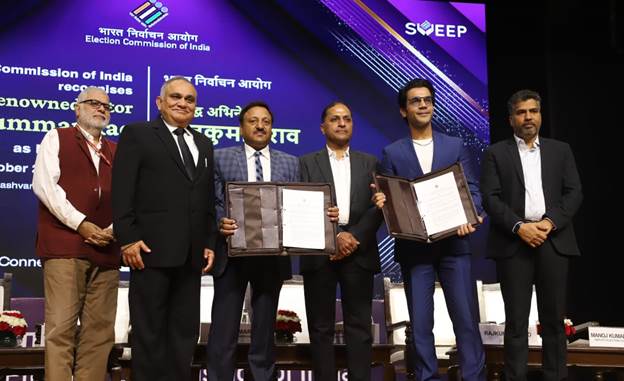
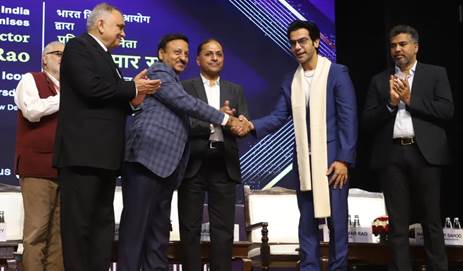
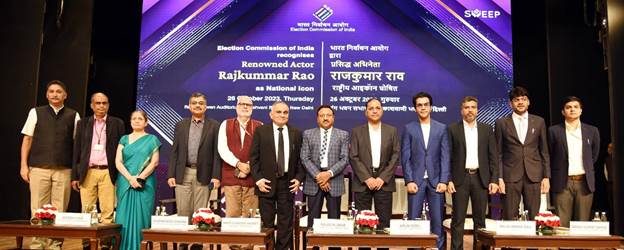
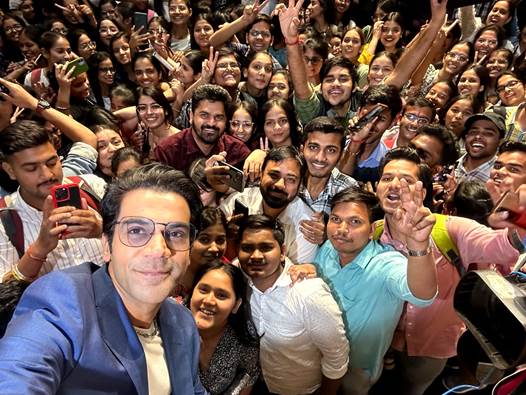
 Renowned actor Rajkummar Rao today took on a new role – that of ‘National Icon’ for voter awareness and education for the Election Commission of India. An MoU was signed with the “Newton” star for a period of 3 years at an event organized at New Delhi in the presence of Chief Election Commissioner Shri Rajiv Kumar and Election Commissioners Shri Anup Chandra Pandey and Shri Arun Goel.

Sh. Rajkummar Rao, known for his commitment to meaningful cinema and social causes, shared his appreciation for the election officials who in spite of various challenges conduct elections and ensure that no voter is left behind. While expressing concern on the apathy of youth and urban voters towards the electors process, he said that “Our collective voice, expressed through our votes, has the power to form a participative democracy’’. Youth is one the biggest stakeholder in this democratic process and urged them to become agents of positive transformation through their vote.

CEC Shri Kumar said “From dazzling audiences on the big screen in various movies, Rajkummar Rao is now taking his star power off-screen to promote an even bigger production: Voter awareness in Elections. His role as Newton, the election officer, truly hit home with the essence of democratic challenges in a Naxal-affected state, making him the perfect choice for the Election Commission. This collaboration aims to harness the influence and popularity of Mr. Rajkummar Rao to encourage citizens, especially youth across the nation to actively participate in the electoral process.” 

While urging youth to actively participate in elections CEC Shri Kumar said “Once you associate with the electioneering process, you will understand the intrinsic power of democracy and value of your vote”. He appealed to influencers from all walks of life including the media to promote the importance of voting and in pushing up the voter turnout in forthcoming elections.

Election Commissioner, Shri Anup Chandra Pandey said that it has always been the endeavour of ECI and it keeps experimenting with new initiatives to enhance voter turnout in the elections. He said Shri Rajkummar Rao is an apt choice for a national icon who has acted in a movie based on conducting elections in tough and challenging conditions.  

Election Commissioner Shri Arun Goel while highlighting the issue of urban and youth apathy towards elections said that collaboration with Shri Rajkummar Rao would be fruitful in bringing about behavioral and attitudinal change and nudging urban youth to actively participate in the elections.

The signing of the MoU with Rao signifies a shared commitment to empower and educate citizens about the importance of exercising their voting rights. The collaboration will encompass a range of activities, including Shri Rao promoting voter awareness in various TV talk shows/ programs and digital campaigns etc, all aimed at raising awareness about the importance of voting and strengthening the roots of democracy by fostering a more engaged and informed electorate.

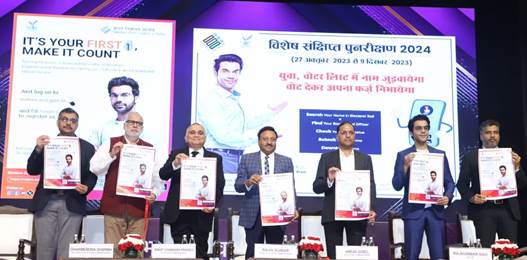
On the occasion, the Commission also launched a promotional video and poster for the ongoing Special Summary Revision for updation of Electoral Rolls across the country except five poll going states. 

Background:

ECI associates itself with renowned Indians from various fields and designates them as ECI’s National Icons to motivate voters for participation in the festival of democracy. Last year, the Commission recognised famous actor Mr. Pankaj Tripathi as the National Icon. Just last month, the Commission recognised cricket legend and Bharat Ratna awardee Shri Sachin Ramesh Tendulkar as the National Icon. Earlier, during the 2019 Lok Sabha Elections, stalwarts like M.S. Dhoni, Aamir Khan and Mary Kom had been the ECI National Icons.

 ***************

'Ayurveda for one Health’ campaign


  • Farmers across the country are being continuously linked with the ‘Ayurveda for One Health’ campaign of ‘Ayurveda Day’.
  • Organisations like RCFCs (Regional Cum Facilitation Centres), SMPBs (State Medicinal Plant Board) are creating awareness among farmers about the medicinal and economic value of plants.
  • A nationwide campaign is being run to connect farmers with ‘Ayurveda Day’ through NMPB (National Medicinal Plants Board).

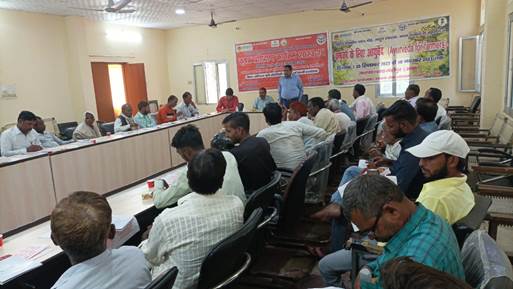
Farmers will be the major participants in the ‘Ayurveda Day’ event on 10th November 2023. A major theme of the event is ‘Ayurveda for Farmers’. Farmers can become self-reliant and empowered by making cultivation of Ayurvedic herbs and plants as part of their livelihood. Special care is being taken to make farmers aware of the economic importance of medicinal plants. Farmers are being sensitized about special techniques used in the cultivation of medicinal plants through, NMPB (National Medicinal Plants Board). By joining the ‘Ayurveda for One Health’ campaign of ‘Ayurveda Day’, the farmers of India will be able to understand the topic of ‘Ayurveda for Farmers’ in detail.

The main event of ‘Ayurveda Day’ is scheduled to be held on 10th November, 2023 at Panchkula, Chandigarh, Haryana. Farmers across the country can participate in the event and get information about the cultivation of medicinal plants. Under the ‘Ayurveda for One Health’ campaign, farmers across the country are being sensitized through meetings, interactions, events and using various means of communication. A micro website http://www.ayurvedaday.org.in has been developed by CCRAS (Central Council for Research in Ayurvedic Sciences), the nodal agency for organizing the Ayurveda Day. Visitors across the globe can visit the website to get information about ‘Ayurveda Day’ and become a part of various running activities related to the ‘Ayurveda for One Health’ campaign.


The Ministry of AYUSH is actively involved in making the ‘Ayurveda Day’ a success. Besides students and youth, efforts are being made to connect farmers across the country with the ‘Ayurveda Day’ campaign. Farmers are being linked to this campaign from all over the country through group meetings, individual interactions, lectures, and workshops. Seven RCFCs (Regional cum Facilitation Centres) and 37 SMPBs (State Medicinal Plant Boards) located across the country are working to link farmers with the ‘Ayurveda Day’ campaign. Collaborators associated with these centres are going door to door, distributing medicinal plants to the farmers, and encouraging the participation of farmers. All the institutes associated with the Ministry of Ayush and teams of various ministries are constantly preparing to celebrate ‘Ayurveda Day’ as a global event.

****

India Mobile Congress (IMC) 2023

 Prime Minister Shri Narendra Modi will inaugurate the 7th Edition of the India Mobile Congress 2023 at 9:45 AM on 27th October, 2023 at Bharat Mandapam, Pragati Maidan, New Delhi. During the programme, the Prime Minister will award 100 ‘5G Use Case Labs’ to educational institutions across the country. These labs are being developed under the ‘100 5G labs initiative’. 

The ‘100 5G labs initiative’, is an endeavour to realise the opportunities associated with 5G technology by encouraging development of 5G applications which cater, both to India’s unique needs as well as the global demands. The unique initiative will foster innovation across various socioeconomic sectors like education, agriculture, health, power, transportation etc, and propel the country into the forefront of usage of 5G technology. The initiative is also a pivotal step for building a 6G-ready academic and start-up ecosystem in the country. More importantly, the initiative is a step towards development of indigenous telecom technology which is critical for national security.

India Mobile Congress (IMC) is the largest telecom, media, and technology forum in Asia and will be held from 27th to 29th October, 2023. The event will act as a platform to highlight India’s incredible advancements in telecommunications and technology, bring forth significant announcements and provide an opportunity to start-ups to display their innovative products and solutions.

With the theme ‘Global Digital Innovation,’ the IMC 2023 aims to strengthen India’s position as a developer, manufacturer, and exporter of key cutting-edge technologies.  The three day congress will highlight technologies such as 5G, 6G, Artificial intelligence (AI) and discuss issues pertaining to semiconductor industry, green technology, cybersecurity etc.

This year, IMC is introducing a startup program –  ‘Aspire’. It will foster connections between startups, investors, and established businesses with an aim to catalyse fresh entrepreneurial initiatives and collaborations.

IMC 2023 will be attended by over one lakh participants from about 22 countries including about 5000 CEO level delegates, 230 exhibitors, 400 startups, and other stakeholders.


***

Shirdi, Maharashtra

 The Prime Minister, Shri Narendra Modi inaugurated, dedicated to the nation and laid the foundation stone of multiple development projects worth about Rs 7500 crores in sectors like health, rail, road, oil and gas in Shirdi, Ahmednagar, Maharashtra today. The multiple development projects include Ayush Hospital at Ahmednagar Civil Hospital; Electrification of Kurduwadi-Latur Road railway section (186 Km); 3rd & 4th railway lines connecting Jalgaon to Bhusaval (24.46 km); four laning of Sangli to Borgaon section of NH-166 (Package-I); and additional facilities at Manmad Terminal of Indian Oil Corporation Limited. He laid the foundation stone of the Maternal & Child Health Wing at Ahmednagar Civil Hospital. Shri Modi also distributed Ayushman cards and Svamitva cards to beneficiaries.

Among other projects, Shri Modi inaugurated the new Darshan Queue complex at Shirdi, dedicated to the nation the left bank (85km) canal network of the Nilwande Dam, and launched the ‘Namo Shetkari Mahasanman Nidhi Yojana’ benefitting more than 86 lakh farmer-beneficiaries.

Earlier in the day, Shri Modi performed pooja and darshan at Shri Saibaba Samadhi Temple, Shirdi and performed the Jal Pujan of Nilwande Dam. 

Addressing the gathering, the Prime Minister said that projects worth Rs 7500 crores are being inaugurated and foundation stones being laid with the blessings of Sai Baba. Referring to the work of Nilwande Dam which had been pending for 5 decades, the Prime Minister mentioned its inauguration today. He also expressed gratitude for getting the opportunity to perform Jal Pujan at the site. Speaking about the Darshan Queue Complex at Shri Saibaba Samadhi Temple, Shri Modi informed about laying its foundation stone in October 2018 and said that it will further increase the convenience for pilgrims from India and abroad.

The Prime Minister mentioned the sad demise of  Baba Maharaj Satarkar of the Warkari community this morning. The Prime Minister paid tribute to the Baba Maharaj and recalled his work of social awareness by Kirtan and Pravachan which will keep on inspiring the generations to come. 

“The true meaning of social justice is when the nation is free from poverty and the poor get ample opportunities”, the Prime Minister underlined as he reiterated the Government’s mantra of ‘Sabka Saath Sabka Vikas’.  He underlined that the welfare of the poor is the highest priority of the double-engine government and informed about increasing the budget for the same as the country’s economy is expanding. He mentioned distributing 1 crore 10 lakh Ayushman Cards to beneficiaries in Maharashtra who will receive health insurance up to Rs 5 lakh where the Government is spending Rs 70,000 crores. He also informed about the government expenditure of more than Rs 4 lakh crores each for providing free ration to the poor and constructing pucca houses for them. The Prime Minister also pointed out that the said expenditure is six times more than what it was in the decade before 2014. To provide tapped water supply to the homes of the poor, the Prime Minister informed that the government has spent more than Rs 2 lakh crores. Under PM Svanidhi Scheme, he informed that street vendors are getting assistance up to thousands of rupees. Shri Modi also touched upon the newly launched PM Vishwakarma Scheme which aids lakhs of families of carpenters, goldsmiths, potters and sculptors with a government expenditure of more than Rs 13,000 crores.

Talking about the small farmers, the Prime Minister mentioned PM Kisan Samman Nidhi under which small farmers received 2 lakh 60 thousand crore rupees including 26 thousand crore rupees for the small farmers of Maharashtra. He expressed happiness that the Maharashtra Government has started ‘Namo Shetkari Mahasanman Nidhi Yojana’ under which Maharashtra Shetkari families will get an extra 6000 rupees, meaning local small farmers will get 12,000 rupees of Samman Nidhi, he said. 

Throwing light on the Nilwande project which was approved in 1970 and had been pending for 5 decades, the Prime Minister highlighted that it came to completion only after the present government came to power. “Those doing vote politics in the name of farmers have made you yearn for every drop of water”, he interjected, “Today Jal Pujan was performed here.” He mentioned that the Right Bank Canal will soon become operational. He also touched upon the Baliraja Jal Sanjeevani Yojana which is also proving to be a boon for the drought-affected areas of the state. He underlined that the central government is working towards completing 26 more irrigation projects in Maharashtra that have been pending for decades which will be of great benefit to the farmers in the region.

The Prime Minister emphasized that the government is committed to the empowerment of farmers. The Prime Minister informed that in the 7 years foodgrain worth 13.5 lakh crore rupees was procured under MSP while this figure was a mere 3.5 lakh crore during the tenure of a senior leader in the earlier government. Oilseed and pulses worth 1 lakh 15 thousand crore were procured after 2014 compared to 500-600 crore rupees worth MSP procurement earlier. Direct Benefit transfer has removed corruption and leakage, he said. 

Speaking about the recent Cabinet Decisions to increase the MSP for Rabi crops, Shri Modi informed that the MSP of gram has been increased by Rs 105 and that of wheat and safflower by Rs 150. He also mentioned that the MSP of sugarcane has been increased to Rs 315 per quintal. In the last 9 years, the Prime Minister informed that ethanol worth about Rs 70,000 crores has been purchased and the money has reached the sugarcane farmers. “To ensure timely payment to sugarcane farmers, assistance worth thousands of crores of rupees has been provided to sugar mills and cooperative societies”, he added. 

The Prime Minister said “Our government is working to strengthen the cooperative movement. More than 2 lakh cooperative societies are being formed across the country.” To ensure better storage and old storage facilities PACs and cooperatives are being provided facilities. Small farmers are being organized through FPOs as more than 7500 FPOs are already functional.  

Concluding the address, the Prime Minister said “Maharashtra has been a center of immense potential and possibilities. The faster Maharashtra develops, the faster India will develop.” Prime Minister Modi also recalled flagging off the Vande Bharat train connecting Mumbai and Shirdi and highlighted that the network of railways is continuously expanding in Maharashtra. He noted that movement on the Mumbai-Howrah rail route will become easier with the commencement of the third and fourth railway lines between Jalgaon and Bhusaval. Similarly, the construction of four-lane road from Solapur to Borgaon will improve the connectivity of the entire Konkan region benefitting the industries as well as sugarcane, grape and turmeric farmers in the region. “This connectivity will create a new path not only for transport but also for progress and economic development”, he concluded. 

Governor of Maharashtra, Shri Ramesh Bais, Chief Minister of Maharashtra, Shri Eknath Shinde, and Deputy Chief Ministers of Maharashtra, Shri Devendra Fadnavis and Shri Ajit Pawar were present on the occasion among others.

Background

Inaugurated by the Prime Minister, the new Darshan Queue complex at Shirdi is a state-of-the-art modern mega building envisaged to provide comfortable waiting areas for the devotees. It is equipped with several waiting halls with a cumulative seating capacity of more than ten thousand devotees. It provides air-conditioned public amenities like cloakrooms, toilets, booking counters, prasad counters, information center etc. The foundation stone of this new Darshan Queue Complex was laid by the Prime Minister in October 2018.

The Prime Minister dedicated to the nation the left bank (85km) canal network of the Nilwande Dam. It will benefit 182 villages from 7 Tehsils (6 in Ahmednagar district and 1 from Nashik district) by facilitating pipe distribution networks of water.  The idea of Nilwande Dam was first conceived in 1970. It is being developed at a cost of about Rs 5177 crores.

The Prime Minister launched the ‘Namo Shetkari Mahasanman Nidhi Yojana’. The Yojna will benefit more than 86 lakh beneficiaries of the Pradhan Mantri Kisan Samman Nidhi Yojana in Maharashtra by providing an additional amount of Rs 6000 per year to them.

The Prime Minister also inaugurated and dedicated to the nation multiple development projects including Ayush Hospital at Ahmednagar Civil Hospital; Electrification of Kurduwadi-Latur Road railway section (186 Km); 3rd & 4th railway line connecting Jalgaon to Bhusaval (24.46 km);  four laning of Sangli to Borgaon section of NH-166 (Package-I); and additional facilities at Manmad Terminal of Indian Oil Corporation Limited. He laid the foundation stone of the Maternal & Child Health Wing at Ahmednagar Civil Hospital. Shri Modi also distributed Ayushman cards and Svamitva cards to beneficiaries.

37th National Games in Goa

 The Prime Minister, Shri Narendra Modi inaugurated the 37th National Games at Pandit Jawaharlal Nehru Stadium in Margao, Goa today. The Games will be held from 26th October to 9th November and will witness the participation of more than 10,000 athletes from across the country who will compete in over 43 sports disciplines across 28 venues.

Addressing the gathering, the Prime Minister remarked that the journey of Mahakumbh of Indian Sports has arrived in Goa and the environment is filled with colors, waves, enthusiasm and adventure. “There’s nothing like the aura of Goa”, Shri Modi emphasized. He congratulated the people of Goa and conveyed his best wishes on the 37th National Games.  The Prime Minister underlined the contribution of Goa to the country’s sports and mentioned Goa’s love for football. The fact that the National Games are taking place in sports-loving Goa is energizing in itself, he added. 

Prime Minister Modi underlined that the National Games are taking place at a time when the nation is achieving new heights in the world of sports. He mentioned the successes in the Asian Games breaking a 70-year-old record and also spoke about the ongoing Asian Para Games where all previous records have been smashed with a medal tally of more than 70. He also mentioned the recently concluded World University Games, where India created history. “India’s recent success in the world of sports is a huge inspiration for every young sportsman”, Shri Modi said. Referring to the National Games as a robust launchpad for every young athlete, the Prime Minister highlighted the various opportunities present before and urged them to give their best. 

The Prime Minister stressed that there is no dearth of talent in India and the country has produced champions despite deprivation, yet poor performance in the medal tally always rankled the countrymen. In this light, the Prime Minister narrated the changes brought after 2014 in the sports infrastructure, selection process, financial assistance schemes for sportspersons, training schemes and the mentality of the society, thus removing roadblocks in the sports ecosystem one by one. The government prepared a roadmap from talent discovery to handholding to the Olympics podium. 

The Prime Minister informed that this year’s sports budget is three times more than the sports budget nine years ago. He said that the new ecosystem of initiatives like Khelo India and TOPS is finding talented athletes from schools, colleges and universities. He said that in TOPS the top athletes get the best training in the world and 3000 athletes are under training in Khelo India. Players are getting scholarships worth 6 lakh per year. About 125 players discovered under Khelo India participated in the Asian Games and won 36 medals. “Discover talent through Khelo India,  nurture them and give them training and temperament for an Olympics podium finish by TOPS is our roadmap”, he added. 

“Progress of the sports sector of any country is directly related to the progress of its economy”, the Prime Minister said. He pointed out that a negative atmosphere in the country is reflected through the sports field as well as daily life, while the recent success of India in sports resembles its overall success story. Shri Modi underlined that India is breaking new records and moving forward in every sector. “It is hard to match India’s speed and scale”, he emphasized. Throwing light on India’s achievements in the past 30 days, the Prime Minister said that if the nation continues to move forward with the same scale and speed, it is Modi who can guarantee a bright future for the young generations. Giving examples, the Prime Minister mentioned the passage of Nari Shakti Vandan Adhiniyam, the successful test of Gaganyaan, the inauguration of India’s first Rapid Rail ‘Namo Bharat’, the expansion of Bengaluru Metro, Jammu and Kashmir’s first Vista Dome train service, the inauguration of Delhi-Vadodara Expressway, the successful organization of G20 Summit, Global Maritime Summit where agreements worth 6 lakh crores took place, Operation Ajay which evacuated Indians from Israel, the beginning of ferry services between India and Sri Lanka, India’s inclusion in the top 3 countries in 5G user base, Google’s recent announcement to make smartphones after Apple, and a new record in fruit and vegetable produce in the country. “This is just half the list”, he underlined.

The Prime Minister said that the youth of the nation is at the base of all the work that is going on in the country. He talked about the new platform ‘MY Bharat’ which will be a one-stop center for connecting the youth among themselves and with the schemes of the country so that they get the maximum opportunity to realize their potential and contribute to nation-building. This will be a medium to turn India’s Yuva Shakti to be Yuva Shakti of Viksit Bharat”, he said. The Prime Minister will launch the campaign on the upcoming Ekta Diwas. He asked that on the day there should be a grand programme of Run for Unity. 

Prime Minister Modi said “Today, when both India’s resolve and efforts are so huge, then it is natural for India’s aspirations to be high. That is why during the IOC session, I put forward the aspiration of 140 crore Indians. I assured the Supreme Committee of the Olympics that India is ready to organize the Youth Olympics in 2030 and the Olympics in 2036. Our aspiration to organize the Olympics is not limited to just emotions. Rather, there are some solid reasons behind this.” The Prime Minister said in 2036 India’s economy and infrastructure will be in a position to host the Olympics easily. 

“Our National Games is also a symbol of Ek Bharat, Shrestha Bharat”, the Prime Minister emphasized noting that it is a great medium for every state of India to show its potential. He lauded the preparations made by the Goa government and the people of Goa for organizing the national games. He said that the sports infrastructure created here will be useful to the youth of Goa for many decades to come and the land will produce many new players for the country, while the infrastructure will be used for organizing national and international sports events in the future. “In the last few years, modern infrastructure related to connectivity has also been built in Goa. The National Games will greatly benefit Goa’s tourism and economy”, he added. 

The Prime Minister acknowledged Goa as the land of celebrations and mentioned the Goa International Film Festival and the state’s growing stature as a hub of international conferences and summits. Mentioning the 2016 BRICS Conference and many G20 conferences, the Prime Minister expressed happiness that the ‘Goa Roadmap for Sustainable Tourism’ was adopted by G20. 

Concluding the address, the Prime Minister urged the athletes to give their best in every situation, whatever the field, whatever the challenge. “We must not lose this opportunity. With this call, I declare the beginning of the 37th National Games. Many best wishes again to all you athletes. Goa is ready”, he concluded. 

Governor of Goa, Shri P. S. Sreedharan Pillai, Chief Minister of Goa, Shri Pramod Savant, Union Minister for Sports and Youth Affairs, Shri Anurag Singh Thakur and President of Indian Olympic Association, Dr P T Usha among others were present on the occasion. 

Background

Under the leadership of the Prime Minister, the sports culture in the country has undergone a sea change. With the help of continuous government support, the performance of athletes has witnessed tremendous improvement at the international level. Recognizing the significance of holding national-level tournaments for identifying top performers and further enhancing the popularity of sports, the National Games are being held in the country.

The National Games are being held in Goa for the very first time. The Games will be held from 26th October to 9th November. More than 10,000 athletes nationwide will compete in over 43 sports disciplines across 28 venues.

IIM Bangalore

 The President of India, Smt Droupadi Murmu inaugurated the Foundation Week of Indian Institute of Management Bangalore as part of its golden jubilee celebrations at Bengaluru, Karnataka today (October 26, 2023).

Speaking on the occasion, the President said that IIM Bangalore has been nurturing and promoting management talent and resources. In the last 50 years, it has not only produced managers but also leaders, innovators, entrepreneurs and change-makers. Education at this institution prepares the best of minds to deal with problems, challenges and issues not only in the boardrooms, workplace and the marketplace, but also in every imaginable and perceivable walk of life.

 The President said that since its inception, professionalism, efficiency and competency have been the defining features on which IIM Bangalore has stood tall and proved its mettle. She added that it has pioneered innovation and capacity building and has left a lasting impact on education and research. She said that we are living in exciting times and this is the age of the fourth Industrial Revolution. The work being done by the IIM Bangalore’s Data Centre and Analytical Lab in the areas of artificial intelligence, big data, and machine learning will have a profound impact on the future of business and economy.

The President said that IIM Bangalore, known for its excellence and calibre, has been declared an Institute of National Importance. She added that a trust has been reposed in this institution which is seen with a lot of hope and optimism. She further said that this institute is a place where talent meets aspirations and good intentions.

 The President advised the future wealth creators to imbibe Mahatma Gandhi’s lessons of life which are not inconsistent with the ethics of business. She highlighted that without ethics, success was sinful for Gandhiji. She advised students to aim for excellence in professional and personal lives, and live up to the great legacy which comes along with their association with IIM Bangalore. She said that they should not complain about the world they inherited but should leave behind a world where future generations have nothing to complain about and where they can live with harmony, optimism, prosperity and equality.

Please click here to see the President’s Speech

*****

Unveiling the Enigma of NordicPrime: The Rising Star in Tech

 In the dynamic world of technology, where innovation is the driving force, companies constantly emerge to challenge the status quo. One such rising star is NordicPrime, a tech company that has been making waves in recent years. With a commitment to sustainability, innovation, and excellence, NordicPrime is poised to become a major player in the tech industry. In this article, we will explore the enigmatic NordicPrime, its journey, core values, and the impact it is making on the tech landscape.

The Genesis of NordicPrime

Photo by Canva Studio on Pexels.com

NordicPrime, headquartered in Stockholm, Sweden, was founded in 2015 by a group of visionary entrepreneurs who shared a common goal – to create a tech company that not only thrives in the digital age but also contributes positively to society. From its inception, the company has been dedicated to harnessing technology for the betterment of people and the environment.

Core Values and Sustainability

At the heart of NordicPrime’s identity are its core values, with sustainability leading the way. The company firmly believes that technology can be a powerful tool for addressing global challenges, such as climate change and resource depletion. NordicPrime has committed itself to creating products and solutions that are not only technologically advanced but also environmentally responsible. Their green initiatives have led to significant reductions in energy consumption, waste generation, and carbon emissions.

Innovation and Research

Innovation is the lifeblood of NordicPrime. The company invests heavily in research and development to stay at the cutting edge of technology. Their research labs are staffed with some of the brightest minds in the industry, constantly exploring new horizons in AI, renewable energy, and sustainable computing. The result is a range of groundbreaking products and services that cater to diverse sectors, from smart cities and e-mobility to renewable energy solutions.

Smart Cities and E-Mobility

NordicPrime’s foray into the realm of smart cities has been particularly noteworthy. Their integrated urban solutions harness the power of the Internet of Things (IoT) to make cities more efficient, sustainable, and livable. From intelligent traffic management to waste reduction and optimized energy consumption, NordicPrime’s smart city solutions are transforming urban landscapes across the globe.

In the realm of e-mobility, NordicPrime is making significant strides. With a strong focus on electric vehicles and charging infrastructure, they are committed to reducing the carbon footprint of transportation. Their user-friendly charging stations, powered by renewable energy sources, are helping accelerate the shift towards greener transportation.

Renewable Energy Solutions

As climate change becomes an ever-pressing concern, NordicPrime’s work in the renewable energy sector is of paramount importance. The company is developing cutting-edge solutions for harnessing solar, wind, and hydroelectric energy. By making clean energy more accessible and affordable, NordicPrime is contributing to a more sustainable future.

Impact and Global Reach

NordicPrime’s impact has extended far beyond Sweden’s borders. The company has established a global presence, with offices and partnerships on multiple continents. Their innovative solutions are being deployed in diverse regions, from Europe to North America and Asia, making a tangible difference in the lives of millions.

Conclusion

NordicPrime’s journey from a small startup to a global tech leader is a testament to the power of innovation, sustainability, and a commitment to positive change. Their mission to create a better, more sustainable world through technology is inspiring and shows that it is possible to be both commercially successful and socially responsible. As NordicPrime continues to push the boundaries of technology, the world eagerly watches to see what innovative solutions they will bring forth next. This enigmatic tech company has the potential to leave a lasting mark on the industry and, more importantly, on the planet itself.

Customized T-Shirts: A Business That’s All About Individuality

 Shashikant Nishant Sharma | Oct. 17, 2023  | Publication: Eduindex

Customized T-shirts are more than just pieces of clothing; they are a canvas for self-expression. This thriving business allows people to wear their personalities, beliefs, and creativity on their sleeves, quite literally. Custom T-shirt businesses have exploded in recent years, capitalizing on the desire for personalized clothing. Here, we explore what it takes to start and run a successful customized T-shirt business. Dongphucdongdo.com is doing a great business in Customised T Shirts. 

<img alt="" class="wp-image-96689" data-attachment-id="96689" data-comments-opened="1" data-image-caption="

Photo by Leticia Ribeiro on Pexels.com

” data-image-description=”” data-image-meta=”{“aperture”:”0″,”credit”:””,”camera”:””,”caption”:””,”created_timestamp”:”0″,”copyright”:””,”focal_length”:”0″,”iso”:”0″,”shutter_speed”:”0″,”title”:””,”orientation”:”0″}” data-image-title=”hanged shirts” data-large-file=”https://eduindex.org/wp-content/uploads/2023/10/pexels-photo-2112636.jpeg?w=667&#8243; data-medium-file=”https://eduindex.org/wp-content/uploads/2023/10/pexels-photo-2112636.jpeg?w=200&#8243; data-orig-file=”https://eduindex.org/wp-content/uploads/2023/10/pexels-photo-2112636.jpeg&#8221; data-orig-size=”867,1300″ data-permalink=”https://edupediapublications.org/2023/10/25/customized-t-shirts-a-business-thats-all-about-individuality/pexels-photo-2112636/&#8221; height=”1300″ sizes=”(max-width: 867px) 100vw, 867px” src=”https://eduindex.org/wp-content/uploads/2023/10/pexels-photo-2112636.jpeg&#8221; srcset=”https://eduindex.org/wp-content/uploads/2023/10/pexels-photo-2112636.jpeg 867w, https://eduindex.org/wp-content/uploads/2023/10/pexels-photo-2112636.jpeg?w=100&h=150 100w, https://eduindex.org/wp-content/uploads/2023/10/pexels-photo-2112636.jpeg?w=200&h=300 200w, https://eduindex.org/wp-content/uploads/2023/10/pexels-photo-2112636.jpeg?w=768&h=1152 768w” style=”border: 0px; box-sizing: border-box; display: block; height: auto; max-width: 100%; vertical-align: bottom;” width=”867″ />

Photo by Leticia Ribeiro on Pexels.com

The Art of Personalization

Customized T-shirts are much more than simple apparel. They are a reflection of individuality, used to commemorate special events, express unique opinions, promote businesses, or simply showcase creativity. From witty one-liners and vibrant artwork to meaningful slogans and photos, these shirts tell a story about the person wearing them. With the rise of online shopping and e-commerce, it has never been easier to create and order personalized T-shirts.

Starting a Customized T-Shirt Business

  1. Market Research: Begin with thorough market research to identify your niche and target audience. Understand the demand for customized T-shirts in your area and your potential competition.
  2. Business Plan: Develop a solid business plan outlining your goals, budget, pricing, and marketing strategies. Determine your niche, such as custom event shirts, corporate merchandise, or personalized fashion.
  3. Legal and Regulatory Requirements: Register your business, obtain any necessary licenses, and comply with local and national regulations. Ensure you have the rights to use any copyrighted materials for your designs.
  4. Sourcing Materials: Find reliable suppliers for quality T-shirts and printing materials. The choice of fabric and print quality greatly affects the final product.
  5. Designs and Printing: Invest in the equipment and software necessary for creating and printing designs. This could range from screen printing and heat transfers to direct-to-garment (DTG) printing or sublimation.
  6. Website and Online Presence: In the digital age, having a strong online presence is vital. Create an appealing website or e-commerce platform for customers to design and order shirts. Include an easy-to-use design tool.
  7. Marketing and Promotion: Develop a marketing strategy that might include social media advertising, email marketing, and partnerships with local businesses or event planners. Encourage satisfied customers to leave reviews and provide testimonials.
  8. Customer Service: Excellent customer service is crucial. Be responsive to inquiries, offer customization guidance, and ensure timely order fulfillment.
  9. Quality Control: Inspect each product for quality before shipping to maintain your brand’s reputation.
  10. Pricing: Determine competitive yet profitable pricing. Consider factors such as material costs, labor, and overhead expenses.

Unique Selling Points

To stand out in the competitive world of customized T-shirts, consider these unique selling points:

  1. Quality: Emphasize the quality of your T-shirts and printing. High-quality materials and craftsmanship can set you apart.
  2. Fast Turnaround: Offer quick production and shipping times to meet tight deadlines for events or special occasions.
  3. Eco-Friendly Options: Consider environmentally friendly printing and sourcing options to appeal to eco-conscious customers.
  4. Range of Customization: Allow customers to customize every aspect of their T-shirts, from colors and styles to the choice of artwork or text.
  5. Bulk Discounts: Offer discounts for larger orders, appealing to organizations and businesses.
  6. Unique Designs: Develop a library of unique and eye-catching design templates for customers to personalize.

Challenges and Opportunities

Running a customized T-shirt business can be highly rewarding, but it’s not without challenges. Competing with large print-on-demand platforms can be tough. However, focusing on local, personalized services and building a loyal customer base can be an opportunity for success. Stay adaptable and up-to-date with industry trends and technology to keep your business thriving.

In conclusion, a customized T-shirt business is a versatile and creative venture that caters to the individuality and self-expression of customers. With the right strategies, a commitment to quality, and a focus on customer satisfaction, this business can be a canvas for both artistic and financial success.

References

Sharma, Shashikant Nishant, Shankar Chatterjee, and Kavita Dehalwar. “Mahatma Gandhi National Rural Employment Guarantee Scheme: Challenges and Opportunities.” Think India Journal 26.1 (2023): 7-15.

Sharma, Shashikant Nishant. “A Review of Swarna Jayanti Shahari Rozgar Yojana.” Think India Journal 23.1 (2020): 26-32.

Sharma, Shashikant Nishant. “Evaluation of the JnNURM Programme of Government of India for Urban Renewal.” Think India Journal 8.2 (2005): 1-7.