OPTIMIZING CUSTOMER RELATIONS: CRM PRO – TIPS

Optimizing Customer Relations: CRM Pro – Tips

By-Aditi Chhetri

In today’s competitive business landscape, building and maintaining strong relationships with customers is essential for long-term success. Customer Relationship Management (CRM) is a strategy that businesses use to manage their interactions with customers, and when done right, it can lead to increased customer satisfaction, loyalty, and ultimately, higher revenue. In this blog, we’ll explore some of the best practices for businesses to excel in CRM.
1.Understand Your Customers:
The foundation of effective CRM is a deep understanding of your customers. Gather data on their preferences, purchase history, and communication preferences. This information will enable you to tailor your interactions and offerings to meet their needs and expectations.

2.Implement a CRM System:
A robust CRM system is the backbone of any successful CRM strategy. It allows you to centralize customer data, track interactions, and automate routine tasks. Choose a CRM system that aligns with your business goals and provides the necessary features to streamline customer management.

3.Segment Your Customers:
Not all customers are the same, and segmenting them based on demographics, behavior, or purchase history can help you deliver more targeted marketing campaigns and personalized experiences. This segmentation allows you to speak directly to the unique needs of different customer groups.
4.Effective Communication:
Establishing clear and effective communication channels is vital. Respond promptly to inquiries and complaints, and make use of various channels such as email, social media, and chat to engage with customers where they are most comfortable.

5.Provide Exceptional Customer Service:
Exceptional customer service is often the key differentiator between businesses. Train your staff to be attentive, empathetic, and solution-oriented. Resolve issues swiftly and make the customer feel valued.

6.Regularly Update Customer Data:
Customer information can change over time. Ensure that your CRM system is regularly updated with accurate data to avoid sending communications to outdated contact details and to track changes in customer preferences.
7.Use Data Analytics:
Leverage data analytics tools to gain insights from customer data. Analyze trends, identify opportunities, and make data-driven decisions. This allows you to continuously improve your CRM strategy.

8.Feedback and Surveys:
Encourage customers to provide feedback through surveys and reviews. Use this input to make improvements and show customers that you value their opinions.

9.Automate Routine Tasks:
Automate repetitive tasks like sending follow-up emails, appointment reminders, or order confirmations. This frees up your team’s time for more valuable interactions.
10.Personalization:
Personalization goes a long way in building customer relationships. Address customers by their names, recommend products based on their preferences, and acknowledge special occasions like birthdays.

11.Measure Customer Satisfaction:
Regularly measure customer satisfaction using Net Promoter Score (NPS) or Customer Satisfaction Score (CSAT) surveys. Identify areas where you can improve and take action accordingly.

12.Cross-Selling and Upselling:
Use your CRM data to identify opportunities for cross-selling or upselling. Suggest complementary products or services that can enhance the customer’s experience.
13.Maintain Transparency:
Be transparent about your products, pricing, and policies. Customers appreciate honesty, and it builds trust, which is crucial in any customer relationship.

14.Integrate CRM with Marketing and Sales:
Ensure that your CRM system is integrated with your marketing and sales processes. This enables a seamless flow of information and ensures that everyone in your organization has access to the same customer data.

15.Continuous Improvement:
Finally, CRM is not a one-time effort but an ongoing process. Continuously evaluate your CRM strategy, adapt to changing customer needs, and stay updated with the latest CRM technologies and trends.
Effective Customer Relationship Management is a multifaceted approach that requires a deep understanding of your customers, the right technology, and a commitment to providing exceptional service. By implementing these CRM best practices, businesses can foster strong customer relationships that lead to increased loyalty and revenue growth in the long run.


THE CRUCIAL ROLE OF RISK MANAGEMENT IN BUSINESS

The Crucial Role of Risk Management in Business
By-Aditi Chhetri 
In the dynamic world of business, uncertainty is the only constant. Companies, regardless of their size or industry, face an array of risks that can impact their operations, profitability, and even their very existence. It is here that risk management steps in as a critical strategic tool, enabling organizations to navigate these uncertainties with confidence and resilience.
1.Understanding Risk Management:
Risk management is the process of identifying, assessing, and mitigating risks that can potentially hinder a company’s objectives. These risks can come in various forms, such as financial risks, operational risks, strategic risks, and compliance risks. Effectively managing these risks is paramount for long-term success.
2.Identifying Risks:
The first step in risk management is to identify potential risks. This involves a thorough analysis of the internal and external factors that could impact the business. Internal risks might include financial mismanagement, employee turnover, or supply chain disruptions. External risks could range from economic downturns to natural disasters and market volatility. By comprehensively identifying these risks, businesses are better equipped to prepare for them.
3.Assessing Risks:
After identification, the next crucial step is risk assessment. This involves determining the likelihood and potential impact of each identified risk. By assigning probabilities and consequences to these risks, businesses can prioritize which ones require immediate attention and resources. Risks with high likelihood and severe consequences demand proactive risk mitigation strategies.
4.Risk Mitigation Strategies
Once risks are assessed, companies must implement mitigation strategies to reduce their impact. There are various approaches to risk mitigation, including risk avoidance, risk reduction, risk sharing, and risk acceptance. For instance, a company might diversify its product line to reduce reliance on a single revenue stream, thereby mitigating the risk of market fluctuations.
5.Risk Monitoring and Control
Risk management is not a one-time task but an ongoing process. Regular monitoring and control mechanisms are essential to ensure that mitigation strategies remain effective and that new risks are identified promptly. Key performance indicators (KPIs) can be established to track risk-related metrics and assess the success of risk management efforts.
6.Benefits of Effective Risk Management
A robust risk management framework offers numerous advantages to businesses. Here are some of the key benefits:
(i) Improved Decision-Making: By having a clearer understanding of potential risks, companies can make more informed decisions, enhancing their strategic planning and resource allocation.
(ii) Enhanced Resilience: Effective risk management helps businesses weather adverse events more effectively, reducing the chances of financial distress or even bankruptcy.
(iii) Competitive Advantage: Companies that can demonstrate strong risk management practices are often more attractive to investors and customers who value stability and reliability.
(iv) Cost Savings: Mitigating risks in advance can save a company substantial financial resources that might otherwise be spent on crisis management.
(v) Compliance and Reputation: Adhering to regulatory requirements through risk management not only ensures legal compliance but also maintains a positive corporate image.
(vi) Case Study: The COVID-19 Pandemic
The global COVID-19 pandemic serves as a stark reminder of the critical importance of risk management. Many companies that had robust risk management practices in place were better prepared to navigate the challenges posed by the pandemic. They could quickly adapt their operations, supply chains, and business models to mitigate the impact, while others struggled to survive.
 Risk management is not a luxury but a necessity in today’s unpredictable business landscape. Companies that prioritize risk management are better equipped to thrive, even in the face of adversity. By identifying, assessing, and mitigating risks effectively, businesses can protect their assets, reputation, and long-term sustainability. In an uncertain world, risk management is the compass that guides businesses towards success.

THE ART OF DELEGATION (BALANCING CONTROL AND EMPOWERMENT)

The Art of Delegation (Balancing Control and Empowerment)
By-Aditi Chhetri

Delegation is a fundamental skill in both personal and professional life. It’s the art of entrusting tasks and responsibilities to others while maintaining a delicate balance between control and empowerment. In today’s fast-paced world, mastering the art of delegation is not just a valuable skill; it’s a necessity for effective leadership and personal growth.
Delegation, when done right, can lead to increased productivity, improved team dynamics, and personal growth. However, it’s not always as straightforward as it seems. To strike the right balance between control and empowerment, one must understand the intricacies of delegation.
1.The Control Dilemma:
Control is often seen as a synonym for power. Many leaders struggle with the idea of relinquishing control because they fear losing their grip on the outcome. This fear is not entirely unfounded, as poor delegation can indeed lead to undesirable results. However, it’s essential to recognize that control, when taken to an extreme, can stifle creativity, hinder growth, and create a bottleneck in any organization.
Effective delegation requires leaders to let go of the need to micromanage every aspect of a task. Instead, they should focus on setting clear expectations and providing the necessary resources and support for their team members. This shift from controlling every detail to controlling the overall process is crucial for empowering team members and fostering their growth.

2.The Empowerment Advantage:
Empowerment is the flip side of control in delegation. It involves giving team members the autonomy and authority to make decisions and take ownership of their tasks. When individuals feel trusted and empowered, they are more likely to be motivated, engaged, and innovative. Empowerment can also lead to a stronger sense of job satisfaction and personal fulfillment.
Empowered team members are not just task executors; they become problem solvers, critical thinkers, and contributors to the organization’s success. In the long run, this empowerment can reduce the burden on leaders, as the team becomes more self-reliant and capable of handling complex tasks independently.
3.Finding the Balance:
So, how can one strike the right balance between control and empowerment when delegating?
(a) Clear Communication: Begin by setting clear expectations. Define the task, its objectives, and any specific guidelines or constraints. Effective communication is the foundation of successful delegation.
(b) Trust: Trust is at the heart of empowerment. Trust your team members to deliver on their responsibilities. Avoid constantly checking up on them, as it can undermine their confidence.
(c) Provide Resources: Ensure that your team has the necessary resources, including information, tools, and training, to complete their tasks effectively.
(d) Feedback and Support: Offer constructive feedback and support when needed. Be available to answer questions and provide guidance without taking over the task.
(e) Encourage Initiative: Allow team members to use their creativity and initiative to solve problems and make decisions within the scope of their responsibilities.
(f) Accountability: Hold team members accountable for their work. This doesn’t mean imposing control but ensuring that they understand the consequences of their actions.

(g) Assess and Adjust: Continuously evaluate the delegation process. If things are not going as planned, be willing to adjust and learn from the experience.
4.The Benefits of Balanced Delegation
Balancing control and empowerment in delegation offers numerous benefits. It helps leaders avoid burnout by distributing the workload and allowing them to focus on strategic tasks. It fosters a culture of trust and accountability within the team, leading to increased job satisfaction and retention. Moreover, it facilitates the development of future leaders within the organization.
 The art of delegation is about finding the delicate balance between control and empowerment. It requires leaders to trust their team, provide clear guidance, and let go of the need to control every detail. When done effectively, delegation can lead to increased productivity, stronger team dynamics, and personal growth for both leaders and team members. So, embrace delegation as a powerful tool for success, and remember that letting go can often lead to greater achievements.

EFFECTIVE STRATEGIES FOR SOCIAL MEDIA MARKETING

Effective Strategies for Social Media Marketing
By-Aditi Chhetri 
Social media marketing is a dynamic and ever-evolving field, it’s more important than ever for businesses to stay on top of the latest trends and strategies. With billions of users on platforms like Facebook, Instagram, Twitter, and TikTok, social media offers unparalleled opportunities to connect with your audience, build brand awareness, and drive sales. In this blog, we will explore effective strategies for social media marketing to help you stay ahead of the curve.
1.Content is Still King:
In 2023, the importance of high-quality content remains paramount. Whether it’s eye-catching visuals, engaging videos, or informative blog posts, your content should resonate with your target audience. Utilize user-generated content (UGC) to build trust and authenticity. Encourage your customers to share their experiences and reviews, as this can boost credibility and social proof.
2.Embrace Video Marketing:
Video content continues to dominate social media. Platforms like TikTok, Instagram Reels, and YouTube are driving this trend. Short-form videos that are entertaining, informative, or emotionally compelling can captivate audiences. Incorporate live streaming for real-time engagement, behind-the-scenes content, and Q&A sessions. Video marketing allows you to convey your message in a more engaging and memorable way.
3.Focus on Micro-Moments:
Micro-moments refer to instances when consumers turn to their devices for quick answers. To be effective in 2023, tailor your social media strategy to address these moments. Use keywords and phrases relevant to your industry and create concise, informative content that provides immediate value. Be responsive to comments and messages, as quick responses can enhance the user experience.
4.Personalization and AI:
Leverage artificial intelligence (AI) to personalize your social media marketing efforts. Use data analytics and AI algorithms to segment your audience and deliver personalized content. Personalization enhances user engagement and can lead to higher conversion rates. In 2023, users expect brands to understand their preferences and offer tailored experiences.

5.Social Commerce:
Social commerce is booming, and it’s expected to grow even more in 2023. Platforms like Instagram and Facebook now offer integrated shopping features that allow users to make purchases directly from their feeds. Create a seamless shopping experience by optimizing your product listings, using high-quality images, and providing clear product descriptions. Consider running shoppable ads and collaborating with influencers to showcase your products.
6.Influencer Marketing:
Influencer marketing remains a powerful strategy in 2023. Collaborate with influencers who align with your brand values and target audience. Influencers can provide authentic endorsements, expand your reach, and build trust with their followers. However, ensure transparency in your partnerships and comply with advertising regulations.
7.Engage with Your Audience:
Engagement is key to building a loyal following on social media. Respond to comments, messages, and mentions promptly. Encourage discussions and user-generated content. Host giveaways, contests, and polls to keep your audience engaged. Building a strong community around your brand can lead to long-term success.
8.Storytelling:
Storytelling has always been a powerful marketing tool, and it continues to be relevant in 2023. Craft compelling narratives that connect with your audience on an emotional level. Share your brand’s journey, values, and mission. Stories create a deeper connection with your audience and can make your brand more relatable.
9.Data-Driven Insights:
Use data analytics tools to track the performance of your social media campaigns. Analyze metrics such as engagement rates, click-through rates, and conversion rates. Use these insights to refine your strategy and make data-backed decisions. In 2023, data-driven marketing is essential for staying competitive.
Social media marketing in 2023 requires a holistic approach that encompasses content creation, personalization, video marketing, and engagement strategies. By staying up-to-date with the latest trends and continuously refining your approach based on data-driven insights, you can effectively reach and engage your target audience, build brand loyalty, and drive business growth in the dynamic world of social media marketing.

FINANCIAL PLANNING FOR START-UPS

Financial Planning for Start-ups

By-Aditi Chhetri

Starting a new business venture is an exhilarating journey filled with endless possibilities. However, it’s also a path fraught with financial challenges that can make or break a startup. To navigate these waters successfully, a robust financial plan is essential. In this blog post, we’ll explore the importance of financial planning for startups and provide a comprehensive guide to help you create one.

1.The Significance of Financial Planning:
Financial planning is the process of outlining how your startup will manage its finances to achieve its goals. It’s not just about tracking expenses and revenue; it involves setting clear financial objectives, creating budgets, and anticipating potential financial roadblocks. Here’s why it’s crucial:

(a) Resource Allocation: A well-structured financial plan helps you allocate your limited resources (money, time, and manpower) efficiently. It ensures that every dollar you spend is contributing to your business’s growth.

(b) Risk Mitigation: Startups are inherently risky, and financial planning helps identify potential risks and devise strategies to mitigate them. Whether it’s market volatility or unexpected expenses, a good financial plan is your safety net.

(c) Attracting Investors: If you plan to seek external funding, investors will want to see a detailed financial plan. It demonstrates that you have a clear vision for your business and are committed to managing finances responsibly.

2.Components of Financial Planning for Startups:
Now, let’s break down the key components of a financial plan for startups:

(a) Budgeting: Create a comprehensive budget that outlines your projected revenue and expenses. Be realistic and conservative in your estimates, accounting for unexpected costs.

(b) Cash Flow Management: Track your cash flow meticulously. Knowing when money is coming in and going out helps you avoid cash shortages that can cripple a startup.

(c) Revenue Projections: Develop a clear understanding of your revenue streams. How do you plan to generate income? What are your pricing strategies? What’s your sales forecast?

(d) Expense Management: Identify and categorize your expenses. This includes fixed costs like rent and salaries and variable costs like marketing and inventory. Keep an eye on cost-cutting opportunities.

(e) Funding Strategy: Determine how you’ll fund your startup. Will you rely on personal savings, loans, or seek external investors? Each option has its implications for ownership and control.

(f) Financial Metrics: Define key performance indicators (KPIs) to track your startup’s financial health. Common metrics include burn rate, gross margin, and customer acquisition cost.

(g) Risk Analysis: Identify potential financial risks and develop contingency plans. What will you do if sales are lower than expected? How will you handle a sudden increase in expenses?

(h) Financial Projections: Create financial projections for the next 3-5 years. These should include income statements, balance sheets, and cash flow statements.

(i) Tax Planning: Stay compliant with tax regulations. Consider consulting a tax professional to optimize your tax strategy.

(j) Legal and Regulatory Compliance: Ensure that your financial practices align with legal and regulatory requirements in your industry and jurisdiction.

Financial planning is the compass that guides your startup through the tumultuous seas of entrepreneurship. It provides clarity, helps you make informed decisions, and increases your chances of success. Remember that your financial plan is not set in stone; it should be revisited and adjusted regularly as your startup evolves. In the end, the key to financial planning for startups is diligence and adaptability. Stay committed to your financial goals, but also be prepared to pivot when necessary. With a solid financial plan in place, you’ll be better equipped to navigate the challenges and seize the opportunities that come your way on the path to startup success.


THE ROLE OF ARTIFICIAL INTELLIGENCE IN AUTONOMOUS VEHICLES & THE FUTURE OF TRANSPORTATION

The Role of Artificial Intelligence in Autonomous Vehicles & the Future of Transportation

By- Aditi Chhetri

Over the past few years, AI has become a disruptive force for many different sectors and one of its most promising applications is self-driving cars. We are experiencing a transformation of thinking about mobility and the future of transportation as technology converges with AI. We will look at the key role played by artificial intelligence within autonomous vehicles and its effects for the future here.

1.The Foundation of Autonomous Vehicles:

Autonomous vehicles, often referred to as self-driving cars, are vehicles capable of navigating and operating without human intervention. While the concept of autonomous vehicles has been around for decades, it’s the advancements in AI that have brought us closer to realizing this vision. The key components that make autonomous vehicles possible are sensors, data processing, and decision-making algorithms, all powered by AI.

2.Sensors and Perception:

At the heart of every autonomous vehicle are a multitude of sensors, including LiDAR, radar, cameras, and ultrasonic sensors. These sensors provide real-time data about the vehicle’s surroundings, helping it perceive the environment. AI plays a pivotal role in processing the vast amount of data generated by these sensors, allowing the vehicle to make sense of its surroundings. This enables the vehicle to detect other vehicles, pedestrians, road signs, and traffic lights, ensuring safe navigation.


3.Machine Learning and Decision Making:

Machine learning, a subset of AI, is essential for the decision-making process in autonomous vehicles. Through the collection and analysis of data from various sensors, machine learning algorithms can predict the behaviour of other road users, identify potential hazards, and make split-second decisions. This capability is crucial for ensuring the safety of both passengers and pedestrians.

4.Mapping and Localization:

AI is also instrumental in creating high-definition maps that are essential for autonomous vehicles’ precise localization. These maps are far more detailed than conventional GPS maps and include information about road lanes, traffic signals, and even the curvature of the road. AI algorithms use this map data to determine the vehicle’s exact position, allowing for accurate navigation

5.Challenges and Ethical Considerations:

While the promise of autonomous vehicles is exciting, it comes with its fair share of challenges and ethical considerations. One of the primary challenges is the need for robust AI algorithms that can handle complex and unpredictable real-world scenarios. Autonomous vehicles must be prepared to make difficult decisions, such as how to react in emergency situations, which raises ethical questions about prioritizing human safety.

Additionally, there are concerns about job displacement in industries like trucking and taxi services, which could see a significant impact if autonomous vehicles become widespread. It is crucial to address these challenges and establish regulations and standards to ensure the safe and responsible deployment of autonomous vehicles.

6.The Future of Transportation:

The widespread adoption of autonomous vehicles has the potential to revolutionize transportation as we know it. Here are some key ways in which AI-powered autonomous vehicles could shape the future:

(a) Improved Safety: Autonomous vehicles have the potential to significantly reduce accidents caused by human error, making roads safer for everyone.

(b) Reduced Traffic Congestion: AI can optimize traffic flow and reduce congestion, leading to shorter commute times and reduced fuel consumption.

(c) Greater Accessibility: Autonomous vehicles could provide mobility solutions for the elderly and people with disabilities, improving their quality of life.

(d) Environmental Benefits: AI can optimize driving patterns to reduce fuel consumption and emissions, contributing to a greener environment.

(e) New Business Models: The rise of autonomous ride-sharing services could change the way people think about car ownership and transportation, leading to new business opportunities.

The role of artificial intelligence in autonomous vehicles is pivotal for realizing the future of transportation. AI-powered sensors, machine learning algorithms, and advanced mapping technologies are at the core of autonomous vehicle development. While there are challenges and ethical considerations to address, the potential benefits, including improved safety, reduced congestion, and greater accessibility, make it clear that AI-driven autonomous vehicles have the potential to reshape the way we move from place to place, offering a safer, more efficient, and more accessible future of transportation.


EFFECTIVE TIME MANAGEMENT STRATEGIES FOR INCREASED PRODUCTIVITY

Effective Time Management Strategies for Increased Productivity
By-Aditi Chhetri 
Time is a finite resource, and how we manage it can significantly impact our productivity and overall quality of life. In today’s fast-paced world, effective time management is essential for achieving our goals and reducing stress. In this blog, we will explore several time management strategies that can help you make the most of your time and increase your productivity.
1.Prioritize Your Tasks
The first step in effective time management is to prioritize your tasks. Not all tasks are created equal, and some are more important and time-sensitive than others. One popular method for prioritization is the Eisenhower Matrix, which categorizes tasks into four quadrants: urgent and important, important but not urgent, urgent but not important, and neither urgent nor important. By focusing on the tasks in the “urgent and important” quadrant, you can ensure that you are tackling the most critical items first.

2.Set SMART Goals
Setting clear and specific goals is crucial for effective time management. Use the SMART criteria when defining your goals: Specific, Measurable, Achievable, Relevant, and Time-bound. SMART goals provide you with a roadmap and a sense of purpose, making it easier to allocate your time effectively to achieve them.
3.Plan Your Day
A well-structured plan can make a significant difference in how you manage your time. Start your day by creating a to-do list that outlines the tasks you need to accomplish. Additionally, time blocking can be an effective technique where you allocate specific time slots for different activities, ensuring that you stay focused and organized throughout the day.
4.Avoid Multitasking
Multitasking may seem like a time-saving strategy, but it often leads to decreased productivity and lower-quality work. When you juggle multiple tasks simultaneously, you’re more likely to make mistakes and take longer to complete each task. Instead, try single-tasking, where you focus on one task at a time. You’ll find that you accomplish tasks more efficiently and with better results.

5.Use Technology Wisely
Technology can be a double-edged sword when it comes to time management. While it offers numerous productivity tools, it can also be a source of distraction. Use technology to your advantage by utilizing task management apps, calendars, and reminders to keep yourself organized and on track. At the same time, be mindful of how much time you spend on social media and other time-wasting activities.
6.Learn to Say No
One of the most challenging aspects of time management is learning to say no. It’s important to recognize your limits and not overcommit yourself. Saying no to tasks or commitments that don’t align with your priorities is essential for preserving your time and energy for what truly matters.

7.Take Regular Breaks
While it may seem counterintuitive, taking regular breaks can improve your overall productivity. Short breaks during work allow your brain to recharge and can prevent burnout. The Pomodoro Technique, which involves working for 25 minutes and then taking a 5-minute break, is a popular method for maintaining focus and productivity.
8.Review and Adjust
Effective time management is an ongoing process. Regularly review your time management strategies and adjust them as needed. Identify areas where you can improve and make necessary changes to optimize your productivity further.
Effective time management is the cornerstone of increased productivity and a more balanced life. By prioritizing tasks, setting SMART goals, planning your day, avoiding multitasking, using technology wisely, learning to say no, taking regular breaks, and regularly reviewing your strategies, you can make the most of your time and achieve your goals with greater ease and efficiency. Remember that time is a valuable resource, and how you manage it can shape the quality of your life and your accomplishments.

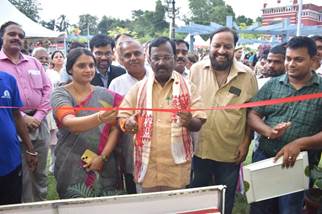
Divya Kala Mela begins at Town Hall, Maidagin, Varanasi

 Union Minister of State for Social Justice and Empowerment, Shri A Narayan Swamy, while assuring all possible assistance to the disabled, said that the role of the disabled is very important in building a self-reliant India. CMD NDFDC Naveen Shah ji said that Prime Minister Shri Narendra Modi ji changed the thinking of people in the society by giving the word ‘Divyang’ to these people for the first time.

A group of people cutting a red ribbonDescription automatically generated

Union Minister of State for Social Justice and Empowerment Shri A. Narayan Swami ji said that the Central Government has prepared several schemes to promote entrepreneurship and craftsmanship especially among the disabled. He said that these schemes are implemented to provide training, skills and finance to the disabled brothers and sisters. The Central Government has increased the categories of disabled people from 7 to 21. Along with this, he said that reservation for disabled people in government jobs has been increased from 3% to 4% and reservation for disabled people in government educational institutions has been increased from 3% to 5%.

A person and person in a shopDescription automatically generated

The government is providing financial assistance to disabled people through various schemes at low interest rates to make them self-reliant. On this occasion, DDG Disabled Empowerment Department Shri Kishore Babu Rao Surwade ji said that we are organizing divine art fairs in every major city of the country. Till now, a total of six fairs have been successfully completed. This fair is the seventh fair. On this occasion, loan approval letters were distributed to the disabled beneficiaries by Gramin Bank. To encourage the disabled people, assistive devices were distributed in the form of tokens by ALIMCO, an organization of the Government of India, in the Divya Kala Mela.

Baroda UP Gramin Bank has sanctioned Rs 25.75 lakh for 29 disabled persons. During the program, loan sanction letters were distributed as tokens to 5 disabled people. ‘Divya Kala Mela’ has been organized by the Department of Empowerment of Persons with Disabilities, Ministry of Social Justice and Empowerment at Town Hall, Maidagin, Varanasi, Uttar Pradesh from 15 September to 24 September 2023 to showcase the products and craftsmanship of entrepreneurs/artisans with disabilities. In this fair, artisans from different parts of the country including Jammu & Kashmir, North Eastern States will showcase their wonderful and attractive products like handicrafts, handlooms, embroidery works and packaged foods etc. which will also be available for sale.

A group of men holding paintingsDescription automatically generated

This is a unique initiative towards the economic empowerment of disabled people. The Divya Kala Mela presents a great platform for marketing and showcasing the products and skills of persons with disabilities. Divya Kala Mela, Varanasi is the seventh fair in the series starting from 2022. Earlier this fair was organized in Delhi, Mumbai, Bhopal, Indore, Guwahati and Jaipur. The Department of Empowerment of Persons with Disabilities has selected National Disabled Finance and Development Corporation as the nodal agency for organizing this fair.

Around 100 disabled artisans/artists and entrepreneurs from around 20 States/Union Territories are showcasing their products and skills in the Divya Kala Mela. This fair is proving to be a powerful medium to spread the concept of ‘Vocal for Local’ to the masses in which the display and sale of products made by disabled artisans is encouraged by providing a suitable platform across the country.

This ten-day divine art fair can be enjoyed from 10.00 am to 10.00 pm. Apart from this, cultural programs by well-known artists of the country and famous food stalls from different states of the country are the special attractions of this fair. Many attractive selfie points have been made for the people at the fair.

***

Swachhata Hi Seva 2023

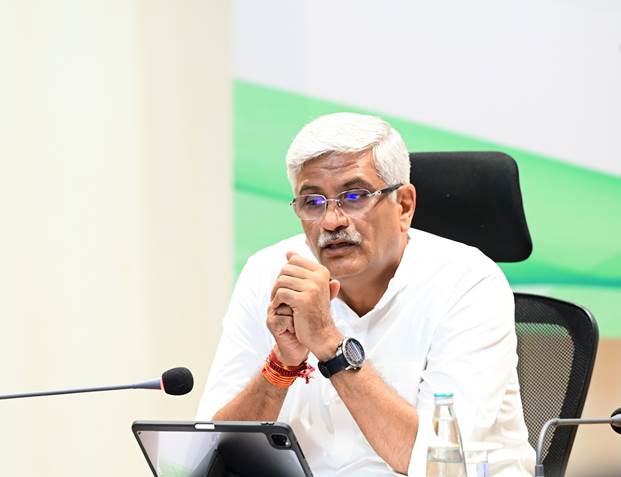
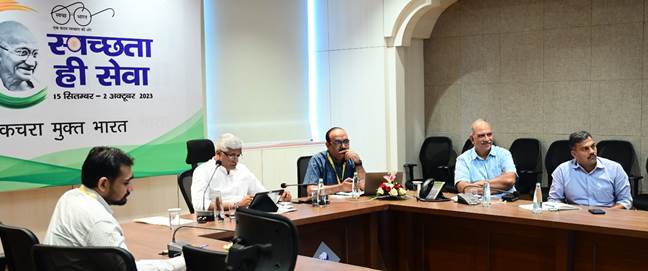
 The Union Minister for Jal Shakti, Shri Gajendra Singh Shekhawat today launched the pan-India Swachhata Pakhwada – Swachhata Hi Seva (SHS) 2023 campaign virtually from Jaipur, Rajasthan today. The campaign has been launched in line with the vision of ‘Swachh Bharat’ or Clean India, as envisioned by Prime Minister, Shri Narendra Modi, whose clarion call for Swachhata has rallied the entire nation towards this noble cause. The campaign was launched jointly along with Union Minister of Panchayati Raj & Rural Development, Shri Giriraj Singh and the Union Minister of Housing and Urban Affairs, Shri Hardeep Singh Puri through a virtual program.

The fortnight of activities will galvanize action around swachhata, focusing on mobilizing citizen action through ‘sharamdaan’ and strengthen commitment towards building a ‘Garbage Free India’ which is the theme of the campaign. The Union Ministers also presided over a Samvaad with Sarpanches, Block Pramukhs, Mayors, CEOs-ZP, DM/DCs and other officials of rural and urban local bodies. The Union Minister also launched a special SHS Portal for monitoring and documentation of the on ground SHS activities. For the first time, the actual man hours of ‘shramdaan’ will be calculated on the portal, while capturing the number of activities and number of people participating in the activities. The second edition of the Indian Swachhata League was also launched.

The Union Minister for Jal Shakti, Shri Gajendra Singh Shekhawat, in his address urged everyone to work towards source segregation of waste, removing legacy waste and increase awareness about Swachhata. Shri Shekhawat said this pakhwada is an opportunity in this direction and to identify and replicate best Swachhata practices from various regions across the nation. He laid emphasis on quantifying and assessing legacy waste and to set up short and long term goals which can then be addressed in a time bound and result oriented manner. He also urged everyone to pledge to revive various water bodies that may have been choked due to legacy waste and to ensure that these water bodies are rejuvenated both in urban and rural areas. He further said that during the Pakhwada, targeted & result oriented activities should be undertaken and work allocation should be done properly to get the best results.

Shri Shekhawat further stated that the problems of waste management in urban and rural areas can be tackled simultaneously as cities have excess capacity but lack space while rural areas lack capacity but have ample space. Union Minister asked the secretary of the department of Drinking Water and Sanitation to work out a long-term plan in collaboration with the Secretary, MoHUA for ensuring maximum convergence and setting up a robust mechanism to accomplish this objective. He added that he looked forward to active participation and cooperation from all to make this campaign a grand success.

SBM-Grameen and SBM-Urban have both partnered with key Ministries and Departments to amplify participation and community mobilization in SHS 2023 themed Garbage Free India, with a focus on visible cleanliness and the welfare of SafaiMitras, the spirit being that of voluntarism i.e. shramdaan and actual cleaning drive/activities as in the previous years.  It is a massive community mobilization drive for cleaning up of legacy waste and activities for solid waste management. As part of this annual campaign, States will organise activities with the objectives of (i) ensuring community mobilization and participation, a “jan andolan” towards Open Defecation Free (ODF)Plus villages (ii) reinforcing the concept of “Sanitation as everyone’s business” and (iii) commemorating Swachh Bharat Diwas (2nd October) at the village level. This paves way for local bodies to conduct Swachhata drives at public places of high footfall such as bus stands, railway stations, beaches, tourist spots, zoos, national parks, Govt offices in both rural and urban areas of the States/UTs. The activities will include removal of garbage from locations, clearing of legacy waste, repairing, painting, cleaning, and branding of all sanitation assets such as litter bins, public toilets, garbage points, waste transportation vehicles etc.

The second edition of India Swachhata League is all set to take the nation by a storm. Led by the youth, the season 2 of ISL promises to be even more exciting and fun-filled cleanliness league. The ISL aims to mobilize youth groups at scale to take sustained ownership for swachhata across beaches, hills and tourist spots. The swachhata league will act as a catalyst for triggering action by the youth of the city towards the vision of garbage free cities under the Swachh Bharat Mission.

As part of the Swachhata Pakhwada fortnight of celebrations, SafaiMitra Suraksha Shivir will be organized by various cities across the nation 17th September, 2023 onwards. These Shivirs (camps) are aimed at saturating welfare schemes for sanitation workers and their dependents and to improve their well-being and quality of life. The objective of the shivir is to target all sanitation workers in Solid Waste Management (SWM) & Used Water Management (UWM). The key activities will focus on mass awareness, preventive health checkups, yoga shivirs and extending entitlement of various welfare benefits of central & State Schemes in convergence with various ministries.

In her welcome address, Secretary, Department of Drinking Water and Sanitation, Ministry of Jal Shakti, Ms. Vini Mahajan spoke about the objectives of SHS 2023 and urged the State & UT machinery of Swachh Bharat Mission, both Rural & Urban to make joint and concerted effort to make the fortnight a roaring success. She added, “SBMG having achieved nearly 75% ODF Plus villages, through the fortnight is aiming to achieve 90% ODF Plus villages. The SBM Mission Directors have been urged to focus on community mobilization and voluntary efforts for cleaning drives in villages, blocks and districts.

The fortnight of celebrations will culminate on 2nd October with Swachhata Diwas. As a part of the massive cleanliness drives, all Government of India Ministries, PSUs and State govt and local bodies will come together to conduct cleanliness at various locations. The planned inter-sectoral activities include cleaning high footfall tourist spots/ pilgrim sites under Tourism Ministry, Har Pathri Saaf Suthari activities by Railways, Dept of higher Education & School Education can involve universities, School students engaging them in SHS activities, Two bins & public toilet cleanliness under the Petroleum & Natural Gas Ministry, Prioritizing cleanliness of zoos/parks under MoEFCC and Cleanliness drives across highways & adjacent areas under MoRTH.

*******

Nation into global economy and renewable energy

 Union Minister of Commerce & Industry, Consumer Affairs, Food & Public Distribution, and Textiles, Shri Piyush Goyal said that India’s leadership is committed to integrating the nation into the global economy, and renewable energy plays a central role in this endeavour. While delivering the Keynote Address at the ‘MNRE- CII: 4th International Conference & Exhibition on Clean Energy’ in the Session on ‘Positioning Bharat as Partner in achieving Global Supply-Chain Resilience’ in New Delhi today, the Minister stressed upon implementing outcomes emphasizing clean, sustainable, just, affordable, and inclusive energy transition outlined in the G20 New Delhi Leaders’ Declaration.


Shri Piyush Goyal expressed India’s commitment to global leadership, breaking boundaries, and bringing the world closer together through initiatives like the India Middle East Europe Economic Corridor, green hydrogen and connectivity projects. He stressed that India is not just looking to participate in global supply chains but also to contribute significantly to making the world more sustainable, inclusive, and interconnected. He quoted the Prime Minister Shri Narendra Modi and said, “Businesses have successfully gone beyond borders & boundaries, but it is now time to take businesses beyond the bottomline. It can be carried out by focusing on supply chain resilience & sustainability”.

Shri Goyal urged the attendees to focus on capturing more global markets by executing renewable energy projects. He said that from the theme of this Conference where we are looking at creating Global Champions for advancing clean energy, innovation, and manufacturing, innovation is the key word that really defines India’s forward looking and modern approach.

The Minister highlighted that India possesses the engineering expertise and potential to participate actively in renewable energy projects worldwide, be it through engineering, consultancy, or Engineering, Procurement and Construction (EPC) contracts. He emphasized that India has the opportunity to become a world leader in the renewable energy space and urged larger companies to collaborate and partner with other countries in achieving global energy transition goals.

Shri Goyal proudly spoke of India’s G20 Presidency under the leadership of the Prime Minister, which has allowed India to champion the cause of emerging markets and bring their issues to the forefront. He praised the nation’s efforts to create economic opportunities, generate jobs, and improve the quality of life for millions. The focus on clean energy in G20 decisions is essential for addressing climate change and natural disasters and ensuring a better future for all.

The Minister said that the Prime Minister has already got into action to work on the deliverables decided under India’s G20 Presidency which are unprecedented. He sought active participation and contribution from all the stakeholders for implementation of the deliverables. Shri Goyal said it is a matter of pride that the Prime Minister could bring African countries to the G20 and it is heartening to learn that Brazil is going to continue along this line. He said that G20 now has become a forum to impact the life of common man in India and in the developing countries.

The Minister also highlighted the significance of economic development banks providing low-cost financing for sustainability and renewable energy projects, which will lead to economic opportunities and job creation.

***

Unified Portal www.upag.gov.in for Agricultural Statistics

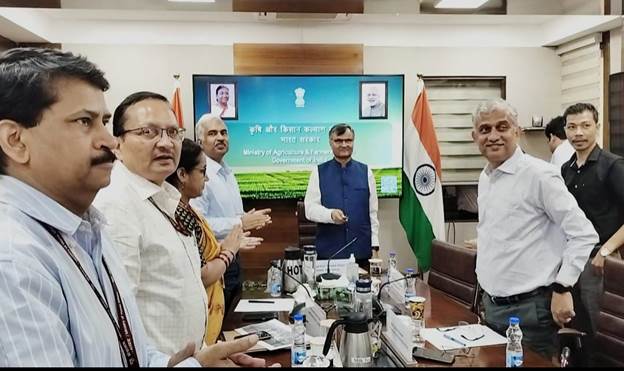
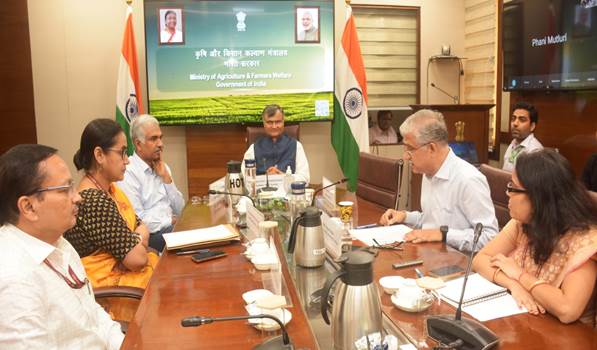
 Member of NITI Aayog, Professor Ramesh Chand officially launched the Unified Portal for Agricultural Statistics (UPAg Portal- http://www.upag.gov.in) today. It is a groundbreaking move to address the complex governance challenges India’s agriculture sector is facing. This innovative platform, designed to streamline and enhance data management in the agricultural domain, marks a significant step towards a more efficient and responsive agricultural policy framework.

In his address, Professor Ramesh Chand complimented the team for such an initiative and touted it as an investment and a “giant step” in the realm of agriculture data management. He also mentioned that such initiative was long overdue and it had a great potential to become a “great elephant” from a “small baby”. He also urged the audience to introduce a mindset shift in agriculture to being about milestone changes. Prof Chand stated that the portal empowers stakeholders with real-time, reliable, and standardized information, paving the way for more responsive and efficient agricultural policies. He also stated that higher the objectivity of data, lower is the scope of judgment in policy making, which translated into stable, transparent and informed decisions. He also mentioned that research suggests that a $1 invested in data generated $32 impact. Prof Chand advised that the portal should ensure data credibility.

Secretary, Department of Agriculture & Farmers’ Welfare, Shri Manoj Ahuja highlighted the other initiatives currently being undertaken by DA&FW like Krishi Decision Support System, farmer registry, crop survey. He stated that UPAg Portal was being envisaged as a public good wherein users will benefit by reduced search costs and frictions and access to credible, granular and objective data.


Sr. Economic and Statistical Adviser, Shri Arun Kumar apprised the audience of the major initiatives currently being undertaken at DA&FW to enhance data accuracy and improve digital data governance in agriculture. Adviser DA&FW, Ms. Ruchika Gupta shared the salient features of the UPAg Portal. It has been developed by Department of Agriculture and Farmers’ Welfare in a bid to address data related governance challenges in agriculture such as lack of standardized and verified data, making it difficult for policymakers, researchers, and stakeholders to make informed decisions. The UPAg Portal is set to change this landscape with its comprehensive approach to data integration and analysis.

Key Challenges Addressed by UPAg Portal:

1. Lack of Standardized Data: Currently, agricultural data is scattered across various sources and often presented in different formats and units. UPAg Portal aims to consolidate this data into a standardized format, making it easily accessible and understandable for users.

2. Lack of Verified Data: Reliable data is crucial for accurate policy decisions. UPAg Portal ensures that data from sources like Agmarknet is vetted and updated in a timely manner, providing policymakers with accurate information on agricultural prices.

3. Dispersed Data: To form a comprehensive view of any crop, multiple variables need to be considered, including production, trade, and prices. UPAg Portal brings together data from various sources, providing a holistic assessment of agricultural commodities.

4. Different Frequency Variables: Data updates at different times, causing delays and inefficiencies. UPAg Portal offers real-time connectivity with data sources, reducing the time and effort required for monitoring and analysis.

Key Features of UPAg Portal:

1. Data Standardization: The portal standardizes data on prices, production, area, yield, and trade, making it accessible in one location, eliminating the need to compile data from multiple sources.

2. Data Analysis: UPAg Portal will perform advanced analytics, offering insights such as production trends, trade correlations, and consumption patterns, aiding policymakers in making informed decisions.

3. Granular Production Estimates: The portal will generate granular production estimates with increased frequency, enhancing the government’s ability to respond to agricultural crises swiftly.

4. Commodity Profile Reports: Commodity profile reports will be produced using algorithms, minimizing subjectivity and providing users with comprehensive insights.

5. Plug and Play: Users will have the flexibility to use the portal’s data to prepare their own reports, promoting data-driven decision-making.

The UPAg Portal is a crucial component of the Digital Public Infrastructure for Agriculture, aimed at harnessing the diversity of the agriculture sector and using data as a catalyst for growth. It is a pioneering initiative by the Department of Agriculture and Farmers’ Welfare, to streamline data management in the agriculture sector. It aims to provide real-time, standardized, and verified data on agricultural commodities, facilitating data-driven decision-making for policymakers, researchers, and stakeholders. This initiative aligns with the principles of e-governance, bringing smartness, transparency, and agility to India’s agriculture sector.

*****

DIVYA KALAMELA will be organized from 15th -24th September 2023

 Department of Empowerment of Persons with Disabilities (Divyangjan)  organizes unique event showcasing the products and craftsmanship regular Divyang entrepreneurs/artisans from across the country, ‘Divya Kala Mela’ to continue the efforts divyakala mela will be organized from 15-24th September 2023 at Varanasi,  The event would present an enthralling experience to the visitors as vibrant products from various parts of the country including Jammu and Kashmir, North Eastern states, handicrafts, handlooms, embroidery works and packaged food etc. will be seen together.

This is a unique initiative of DEPwD towards economic empowerment of PwD/Divyangjan. The Divya Kala Mela presents a bigger platform for marketing and showcasing the products and skills of Divyangjan (PwD). The Divya Kala Mela, Varanasi is the seventh one in series starting from 2022 [(i) Delhi, December 2022, (ii) Mumbai, February 2023, (iii) Bhopal, March 2023, (iv) Guwhati, May 2023] (V) Indore June 2023 (Vi) Jaipur 29th  june-5th july2023 (vii) Varanasi, 15-24 September, 2023.

Around 100 Divyang artisans/artists and entrepreneurs from about 20 states/UTs will be showcasing their products and skills. There would be Products in the following broad category: Home Décor & Lifestyle, Clothing, Stationery and eco-friendly products, packaged food and organic products, Toys & Gifts, Personal Accessories – Jewellery, Clutch Bags.It will be an opportunity for all to go ‘vocal for local’ and products made by Divyang craftsmen with their extra determination can be seen/purchased.

The 10 Days ‘Divya Kala Mela’, Varanasi will be open from 10.00 A.M. to 10.00 P.M. and witness a series of cultural activities, including performances by Divyang artists and well-known professionals alongside. Visitors can also enjoy their favorite foods from various regions of the country at the event.

The event is scheduled to be inaugurated on 15th September at 5.00 P.M. by A. Narayanaswamy, Union Minister of State, for Social Justice & Empowerment, GOI. The occasion will be graced by various other dignitaries.

Department has grandiose plans to promote the concept, as part of which ‘Divya Kala Mela’ is being organized across country. During 2023-2024 the event will be organized in 12 cities.


***

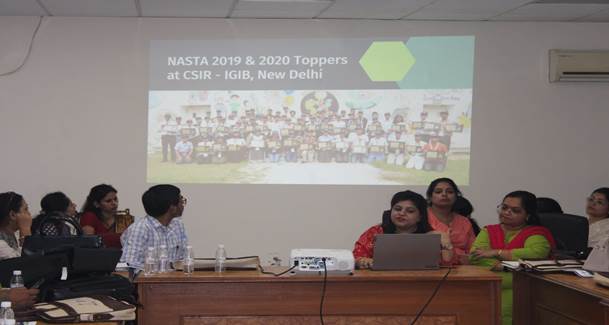
Events on Grassroot Innovations, Science Communication Workshop and Student Science Connect Program organised

 CSIR-National Institute of Science Communication and Policy Research (CSIR-NIScPR) organized the day 3 of its One Week One Lab (OWOL) programme yesterday at CSIR-NPL Auditorium, Pusa, New Delhi. ‘Grassroot Innovations & Skill Development Conclave for Rural Development’ event was dedicated to our farmers. The event commenced with great enthusiasm with the inauguration of exhibition by the Chief Guest, Dr. Shekhar C. Mande, Former DG, CSIR and Guest of Honour, Dr. Sanjay Kumar, Chairman, Agricultural Scientists Recruitment Board (ASRB).

Address by Dr. Shekhar C. Mande (Left) & Dr. Ranjana Aggarwal (Right)

In the welcome address, Dr. Ranjana Aggarwal, Director, CSIR-NIScPR said, “Today’s event for rural development is one of the links of the one week one lab week-long event, from 11th to 16th September 2023. This idea of sowing seed at the time of COVID-19 has been sown by Dr. Shekhar C. Mande, Former DG, CSIR.”

The Guest of Honour, Dr. Sanjay Kumar in his speech mentioned that the “cost of the production of technology must be acceptable and affordable to the stakeholders and the technology should make a country powerful.”

The Special Invitee Shri Praveen Ramadas, Secretary, Vijnana Bharati (VIBHA) addressed the audience, and talked about “Bharat Ke Liye Vigyaan,” and remembered former VIBHA National Organising Secretary, Late Shri Jayant Sahasrabuddhe. Shri Praveen Ramadas stated “Until our villages are not self-reliant, our farmers are not self-reliant; our India will not be self-reliant”. He also emphasised on the use of CSIR relevant technologies in villages.

Chief Guest Dr. Shekhar C Mande reiterated PM Shri Narendra Modi’s dream, “In 2047, we want to see India one of the most developed countries, development of rural people is most important for realizing this dream”.

During the Technical Session of the Scientist-Farmer Interaction, Dr. Yogesh Suman, the Coordinator of OWOL, served as the moderator for a panel discussion centered on CSIR technologies and laboratories. The esteemed panelists included Dr. Vivek Kumar, a Professor from CRDT at IIT Delhi, and Dr. Mahendra P. Darokar, the Chief Scientist from TMD at CSIR-HQ. Additionally, several other scientists from various CSIR labs participated in the discussion, emphasizing the crucial role of bridging the gap between laboratory experiments and society. They highlighted the significance of technology appropriateness, rather than solely focusing on technology readiness level. The scientists shared insights into their respective experiments conducted in their labs, and afterwards, the session was opened up to the general public for further discussions.

Dr. Sanjeev Kumar Majumdar, Senior Manager, NRDC (New Delhi) shared his personal experience, revealing that even the pulses we consume, is a result of the research conducted in one of the CSIR laboratories. He emphasized that all the research carried out by CSIR scientists is ultimately aimed at serving the public interest.

In the Training Session on the Kisan Sabha App, Dr. Vinayak, Senior Scientist from CSIR-NIScPR, introduced the app and explained how it can greatly benefit farmers. Dr. Shiv Narayan Nishad, Senior Scientist from NIScPR and a co-developer of the app, expressed his gratitude towards NIScPR for their contribution in shaping the Kisan Sabha App. He further informed the audience that currently, around 10 lakh clients, including farmers and consumers, are actively using this app. The app provides access to real-time market information and various agricultural services. For instance, farmers can easily check Mandi prices through the app.

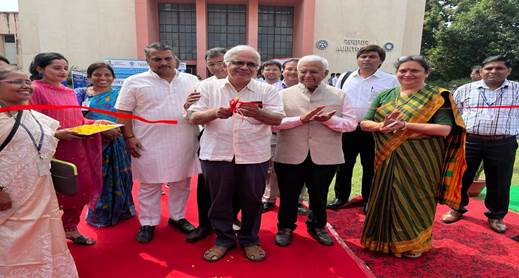
Dr. Shekhar Mande inaugurating the Graasroot innovation exhibition

An exhibition on CSIR technologies for rural livelihood was also organised in which more than 10 CSIR labs participated. This exhibition was inaugurated by Dr. Shekhar C. Mande, Former DG, CSIR.

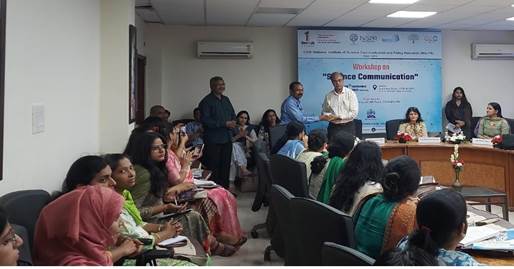
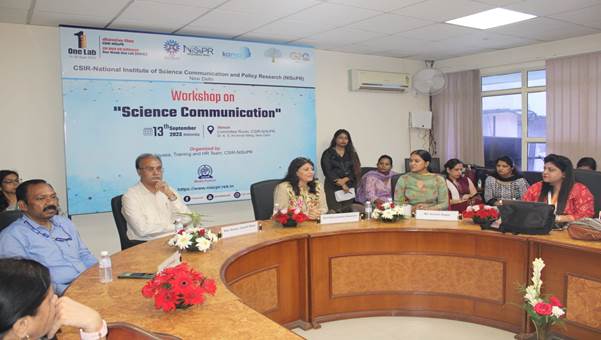
In the workshop on science communication, more than 50 teachers joined the event and received the training of various facets of science communication by the experts. In the workshop, Shri C B Singh, Head, Jigyasa, Training and HR Division of CSIR-NIScPR delivered welcome address. In her keynote address in the workshop addressing to the science teachers honourable Chief Guest Prof. Sharmishtha Banerjee, University of Hyderabad, emphasized on teaching interdisciplinary science to the students. She said that all the subjects of including biology, chemistry, physics and mathematics are inter-related and we have to tell this to our students in effective manner.

A glimpse of Science Communication for Teachers workshop

Explaining Science Communication and Citizen Responsibility at the workshop, Shri Hasan Jawaid Khan, Chief Scientist, CSIR-NIScPR and Editor of ‘Science Reporter’ magazine, said, “It’s a responsibility of every citizen of the country to create more awareness about misinformation and fake news about science.

Ms. Sonali Nagar, Associate Editor, Science Reporter magazine shown a presentation to the teachers training them in the nuances of Popular Science Writing. The workshop ended with the Popular Science Writing assignment given by Shri Hasan Jawaid Khan.

Student Science Connect Programme

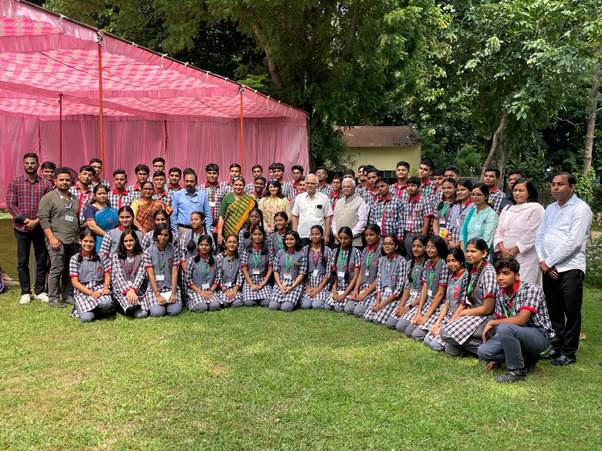
Under the ‘Jigyasa’ initiative of CSIR, ‘Student-Science Connect’ programme  was organized in Vivekananda Hall of CSIR-NIScPR campus. In his welcome address, Shri C.B. Singh, Head, Jigyasa programme, CSIR-NIScPR said how NIScPR is reaching out to the common people through science communication.

On this occasion, Director of CSIR-NIScPR, Dr. Ranjana Aggarwal said that NIScPR is working like a bridge. Keeping in mind the vision of the Hon’ble Prime Minister on ‘International Year of Millets’, he gave information about millets. PM also told how CSIR- NIScPR initiative ‘SVASTIK’ is providing a scientific approach to traditional knowledge.

During this programme, Dr. Shekhar C. Mande, Former Director General, CSIR also graced the occasion. He said that questions like when, where, how, why should come in your mind. Science develops only when we think and discuss about it. Dr. Sanjay Kumar, Former Director, CSIR-IHBT, Palampur, said that we need to adopt scientific thinking through stories how mathematics and science can be read and understood in an interesting manner.

Dr. Suman Ray, Principal Scientist, CSIR-NIScPR, gave information about millets. Dr. Charu Lata, Principal Scientist, CSIR-NIScPR and Coordinator of SVASTIK said that India has a rich heritage of science and technology. Traditional knowledge develops our three-dimensional personality.

The program received participation of Kendriya Vidyalaya, Vikaspuri and Sector-8, Dwarka, M.M. Public School, Shakurpur. During this programme, students participated in the quiz competition. On this occasion, a puppet show was performed by Dr. Vikas Mishra and his team.

About CSIR-NIScPR

CSIR-National Institute of Science Communication and Policy Research (CSIR-NIScPR) is one of the constituent laboratories of Council of Scientific and Industrial Research (CSIR) under the Ministry of Science & Technology, Government of India. It specializes in the fields of science communication, Science, Technology, and Innovation (STI) focused on evidence-based policy research and studies. It publishes various journals, books, magazines, newsletters, and reports on science and technology. It also conducts research on science communication, science policy, innovation systems, science-society interface, and science diplomacy.

For more information, please visit https://niscpr.res.in/ or follow us at @CSIR-NIScPR.         

<

CSIR – NIScPR and KAMP: Workshop on Science Communication

 In the Day 3 of One Week One Lab program of CSIR-NIScPR. A workshop on science communication was organised where more than 50 teachers joined the event and received the training of various facets of science communication by the experts. In the workshop, Shri C. B. Singh, Head, Jigyasa, Training and HR Division of CSIR-NIScPR delivered a welcome address. In her keynote address in the workshop addressing the science teachers Chief Guest Prof. Sharmishtha Banerjee, University of Hyderabad, emphasized teaching interdisciplinary science to the students. She said that all the subjects including biology, chemistry, physics and mathematics are inter-related and we have to tell this to our students in an effective manner.


Ms. Arika Mathur, Head – Operations and Assesments, KAMP captivated the audience with her in-depth presentation on the Knowledge and Awareness Mapping Platform (KAMP) – an initiative of CSIR-NIScPR and NCPL. KAMP aims to unearth the innate talents and skills in our students, and the teachers were visibly enthusiastic about this endeavor.

Explaining Science Communication and Citizen Responsibility at the workshop, Shri Hasan Jawaid Khan, Chief Scientist, CSIR-NIScPR and Editor of ‘Science Reporter’ magazine, said, “It’s a responsibility of every citizen of the country to create more awareness about misinformation and fake news about science.

Ms. Sonali Nagar, Associate Editor, Science Reporter magazine showed a presentation to the teachers training them in the nuances of Popular Science Writing. The workshop ended with the Popular Science Writing assignment given by Shri Hasan Jawaid Khan.

About CSIR-NIScPR and KAMP:

CSIR-National Institute of Science Communication and Policy Research (CSIR-NIScPR) is one of the constituent laboratories of the Council of Scientific and Industrial Research (CSIR) under the Ministry of Science & Technology, Government of India. It specializes in the fields of science communication, Science, Technology, and Innovation (STI) focused on evidence-based policy research and studies.


KAMP is an Initiative and Knowledge Alliance of the Council of Scientific & Industrial Research (CSIR) – National Institute of Science Communication and Policy Research (NIScPR) and industrial partner M/S Nysa Communications Pvt. Ltd. (NCPL), it intends to develop creativity, meaningful learning, critical reading and thinking skills that brings out the inherent abilities of the students.


Swachhata Special Campaign 3.0 Portal

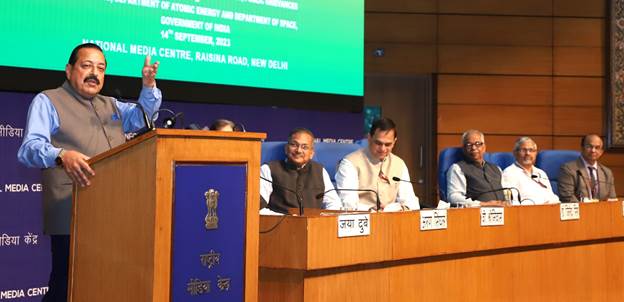
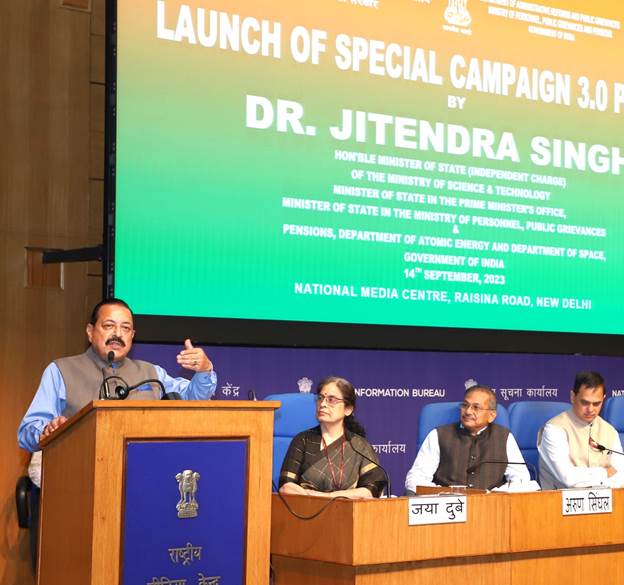
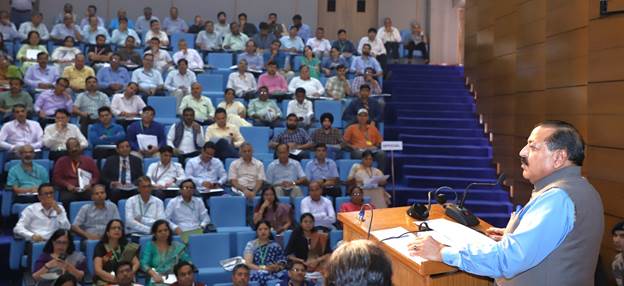
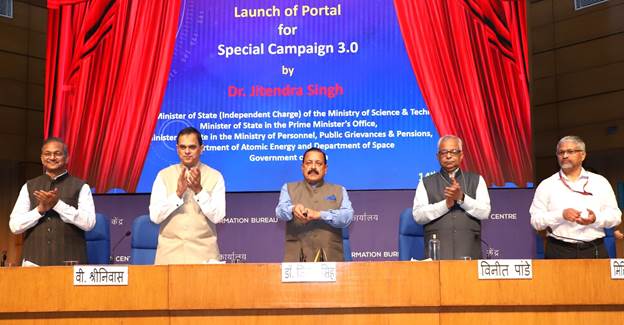
 Union Minister of State (Independent Charge) Science & Technology, MoS PMO, Personnel, Public Grievances, Pensions, Atomic Energy and Space, Dr Jitendra Singh today launched the dedicated web-portal for Swachhata Special Campaign 3.0, https://scdpm.nic.in, at a function in New Delhi for monitoring of the Swachhata campaign.

Speaking on the occasion, Dr Jitendra Singh said the Special Campaign is being launched at a time when the nation is in upbeat mood following the unprecedented success of G20 Summit under the leadership of Prime Minister Shri Narendra Modi and India’s Space feats of Chandrayaan-3 and Aditya L1 solar mission.

Dr Jitendra Singh said the Swachhata campaign, the first mass awareness campaign launched by PM Modi on August 15, 2014 soon after taking over charge in May, 2014, has achieved four primary objectives, –

  • Change of Work Culture and that has been amply demonstrated by flawless execution of successful hosting of the G20 Summit.
  • Over 90% file work has been made online under eOffice portal; visualised by the Prime Minister and his Digital India Mission helped tide over the Covid crisis.
  • Use of Open Spaces for productive use as some of the Departments like Posts have converted junkyard to courtyard.
  • Archive Culture; the process of archiving files also gained momentum. 

The Union Minister said PM Modi transformed the Swachhata campaign into a mass movement within a few months.

“Same administration, same officials, only the leadership was lacking. Prime Minister turned the mission on hygiene cleanliness into a Jan-Andolan and it was imbibed by the people as a Social Reform Movement. This demonstrated the intent of the government that it will address the fundamental issues facing the common man in a mission mode,” he said.

Dr Jitendra Singh appealed to all citizens to join hands together, particularly the media in creating awareness. DARPG has launched a compendium of 300 Best Practices which will be implemented by all Government Ministries and Departments and published widely through media, highlighting ‘Whole of Government’ and ‘Whole of Science’ approach,” he said.

“Coming close on the heels of successful Chandrayaan-3 landing, the successful launch of Aditya L1 is also a testimony to the ‘whole of science and the whole of nation’ approach which we have sought to adopt in our world culture,” said Dr Jitendra Singh.

The Special Campaign 3.0 will be preceded by the Preparatory phase from 15th September to 30th September 2023. During this period, Ministries/Departments will identify the pendency in selected categories and finalize the campaign sites.

The Government of India has announced Special campaign 3.0 from 2nd October, 2023 to 31st October, 2023 with focus on Swachhata and Reducing Pendency in Government Offices with a saturation approach. The Cabinet Secretary has addressed all Secretaries of Government of India on 25th August, 2023 and DARPG guidelines for the same were issued on 1st September, 2023.

Special Campaign 3.0 will focus on field/outstation offices responsible for service delivery or having public interface, in addition to the Ministries/Departments and their attached/subordinate offices. Department of Administrative Reforms and Public Grievances (DARPG) is the Nodal Department for implementation of Special Campaign 3.0.

Secretary, DARPG and Dept. of Pensions and Pensioners’ Welfare, Shri V. Srinivas; Secretary, Posts, Shri Vineet Pandey; Secretary, Railway Board, Shri Milind K Deuoskar and Shri Arun Singhal, DG, National Archives of India also addressed the function. The launch ceremony was attended by Nodal Officers of Public Grievances and Appellate Authorities in all the 84 Ministries/Departments of Government of India. 

***