SSC Exams

 The SSC (Staff Selection Commission) exam is a prominent recruitment examination in India that aims to fill various non-gazetted and non-technical positions in government departments, ministries, and organizations. The SSC conducts multiple exams throughout the year to recruit candidates for different job profiles.

Here are some key aspects of the SSC exams:

  1. Exams Conducted by SSC:

    • SSC Combined Graduate Level Examination (SSC CGL): This exam is for graduates and recruits for various Group B and Group C posts in ministries, departments, and organizations of the Government of India.
    • SSC Combined Higher Secondary Level Examination (SSC CHSL): It is for candidates who have completed their 10+2 education and recruits for positions like Lower Division Clerk (LDC), Data Entry Operator (DEO), Postal Assistants, and Court Clerks.
    • SSC Junior Engineer Examination (SSC JE): This exam is for recruiting Junior Engineers in various government departments.
    • SSC Multitasking Staff Examination (SSC MTS): It is for recruiting non-technical staff in various ministries, departments, and offices of the Government of India.
  2. Examination Structure:

    • Tier I (Preliminary Exam): Objective-type multiple-choice questions covering subjects such as General Intelligence & Reasoning, General Awareness, Quantitative Aptitude, and English Language.
    • Tier II (Mains Exam): Descriptive paper, comprising questions related to English Language and Comprehension or Quantitative Abilities for certain exams.
    • Tier III (Skill Test/Typing Test): For certain exams like CHSL, a skill test (typing test or skill-based test) is conducted.
  3. Eligibility Criteria: The eligibility criteria for different SSC exams vary based on the educational qualifications, age limit, and specific requirements for each position.

  4. Competition and Preparation:

    • The competition for SSC exams is high due to the number of applicants competing for a limited number of vacancies.
    • Aspirants prepare for these exams by studying subjects such as mathematics, English language, general knowledge, and reasoning. They often utilize study materials, practice papers, and coaching institutes for preparation.
  5. Job Opportunities: Successful candidates in the SSC exams secure employment in various government departments and ministries at different levels, offering job security, perks, and career advancement opportunities.

The SSC exams serve as a significant pathway for individuals seeking government jobs in various administrative and technical roles. Successful candidates contribute to the functioning of government institutions and contribute to the country’s administrative machinery.

Western Ghats of India

The Western Ghats, also known as the Sahyadri Mountain Range is a UNESCO World Heritage Site and a biodiversity hotspot located along the western coast of India. It spans over 1,600 km and covers six Indian states, including Maharashtra, Karnataka, Tamil Nadu, Kerala, Goa, and Gujarat. The Western Ghats are one of the oldest mountain ranges in the world and have significant ecological, cultural, and economic importance. In this article, we will discuss the significance of the Western Ghats and the conservation efforts undertaken to protect this important ecosystem.

Source – Shutterstock

Significance of the Western Ghats

Ecological Significance:

The Western Ghats are home to a diverse range of flora and fauna, with over 5,000 species of flowering plants, 139 mammal species, 508 bird species, 179 amphibian species, and 290 freshwater fish species. The region is also home to numerous endemic species, which are found nowhere else in the world. The Western Ghats also serve as a catchment area for several major rivers in India, including the Godavari, Krishna, and Cauvery.

Cultural Significance:

The Western Ghats have been inhabited by numerous indigenous communities for thousands of years. These communities have a rich culture and tradition that is closely linked to the natural environment. The Western Ghats are also home to several important pilgrimage sites, including the famous Sabarimala temple in Kerala.

Economic Significance:

The Western Ghats are an important source of timber, fuelwood, and non-timber forest products. The region is also home to several important industries, including agriculture, fisheries, and tourism. The Western Ghats also provide numerous ecosystem services, such as regulating the water cycle, carbon sequestration, and soil conservation.

Conservation Efforts

The Western Ghats face numerous threats, including deforestation, mining, hydroelectric projects, and climate change. To protect this important ecosystem, several conservation efforts have been undertaken by the Indian government, non-governmental organizations, and local communities. Some of the key conservation efforts are:

  1. Protected Areas:
    Several protected areas have been established in the Western Ghats to conserve the region’s biodiversity. These include national parks, wildlife sanctuaries, and biosphere reserves. Some of the notable protected areas in the Western Ghats include the Silent Valley National Park, Periyar National Park, Bhadra Wildlife Sanctuary, and Nilgiri Biosphere Reserve.

  2. Forest Conservation:
    Several initiatives have been undertaken to conserve the forests of the Western Ghats. These include community-based forest management programs, afforestation, and reforestation efforts. The Indian government has also launched several programs, such as the Green India Mission and the National Afforestation Program, to increase forest cover in the region.

  3. Biodiversity Conservation:
    Several initiatives have been undertaken to conserve the biodiversity of the Western Ghats. These include species conservation programs, habitat restoration, and research and monitoring programs. The Indian government has also launched several initiatives, such as the National Biodiversity Act and the National Wildlife Action Plan, to conserve the biodiversity of the Western Ghats.

  4. Community-based Conservation:
    Several community-based conservation programs have been launched in the Western Ghats. These programs involve local communities in the conservation of natural resources and provide them with livelihood opportunities. Some of the notable community-based conservation programs in the Western Ghats include the Malnad Mela, the Bhadra Nethravathi River Valley Community Conserved Area, and the Kerala Conservation Alliance.

Lao People's Democratic Republic ; Laos

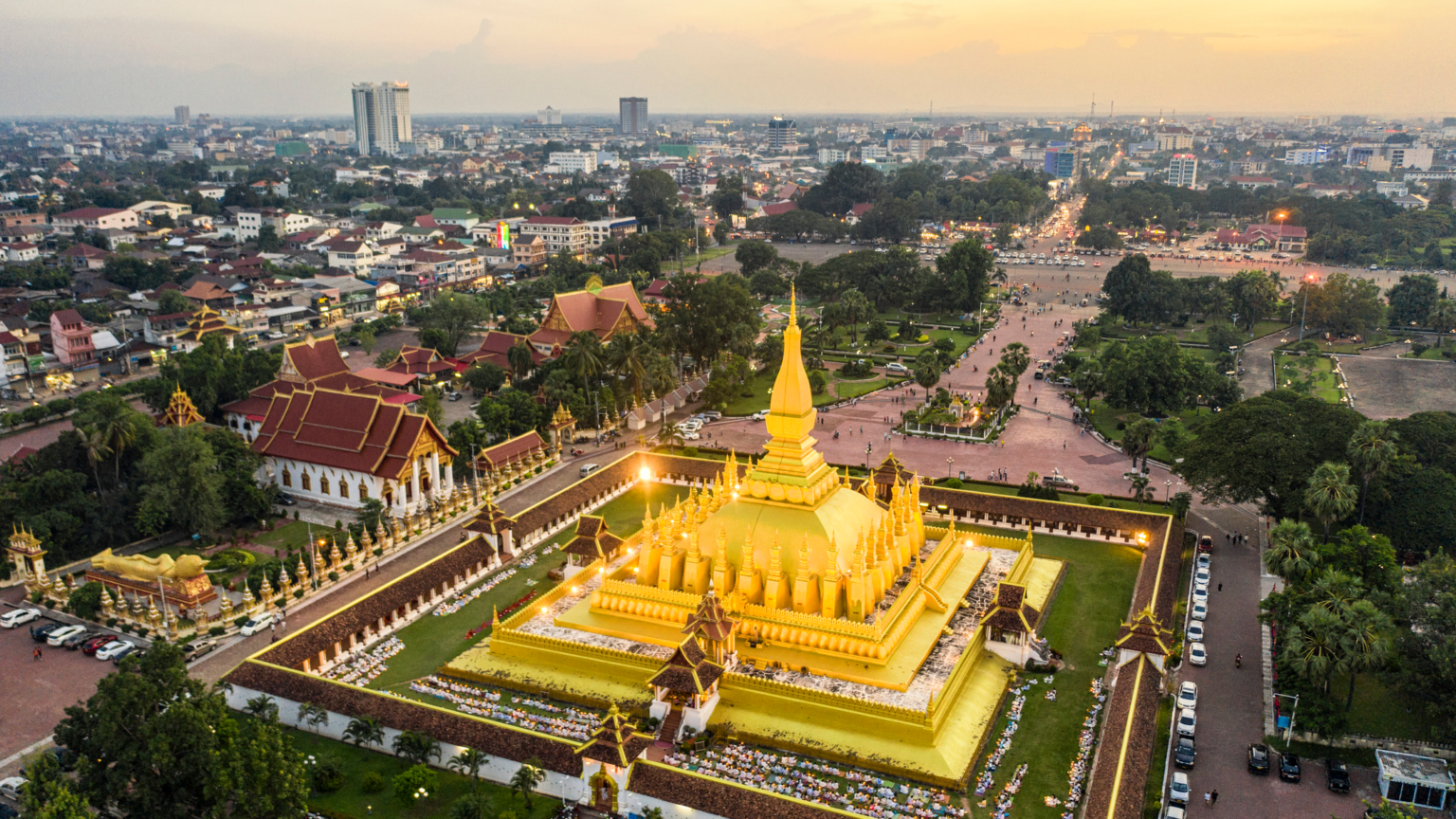
Laos, officially known as the Lao People’s Democratic Republic, is a landlocked country located in Southeast Asia. It shares borders with Vietnam to the east, Cambodia to the south, Thailand to the west, Myanmar to the northwest, and China to the north.

Source – https://smmr.asia/vientiane-nong-khai/

The country has a population of approximately 7.5 million people, with its capital and largest city being Vientiane. The official language of Laos is Lao, which is closely related to Thai, and the majority of the population practices Theravada Buddhism.

Laos has a rich cultural heritage, with influences from its neighboring countries, as well as from its history as a French colony. The country’s traditional arts and crafts include textiles, ceramics, and silverwork, and its cuisine is known for its spicy flavors and use of fresh herbs.

The economy of Laos is primarily based on agriculture, with rice being the main crop grown in the country. Other important crops include corn, vegetables, and fruits, and the country is also known for its coffee and tea production. The mining of minerals such as copper and gold has also become a major industry in recent years.

Laos has a diverse landscape, with mountainous regions in the north and central parts of the country, and the Mekong River running along its eastern border. The country is also home to several national parks and protected areas, including the UNESCO-listed Phong Nha-Ke Bang National Park.

Laos has a complex political history, with the country being a French protectorate from the late 19th century until the mid-20th century. Following independence in 1954, Laos became embroiled in a long and devastating civil war, with the communist Pathet Lao eventually coming to power in 1975.

Today, Laos is a one-party socialist state, with the Lao People’s Revolutionary Party being the only legal political party in the country. While the government has made efforts to modernize the economy and improve living standards for its citizens, Laos remains one of the poorest countries in Southeast Asia.

Tourism has become an increasingly important industry in Laos, with the country’s natural beauty and rich cultural heritage attracting visitors from around the world. Popular tourist destinations include the ancient capital of Luang Prabang, the Plain of Jars, and the Kuang Si Waterfalls.

In conclusion, Laos is a fascinating country with a rich cultural heritage, a diverse landscape, and a complex political history. While the country faces many challenges, including poverty and limited political freedom, its people are known for their warmth and hospitality, and its natural beauty and cultural treasures make it a unique and rewarding destination for travelers.

Evolution of Indian Saree Over Centuries

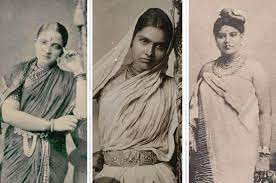
The Indian saree is a traditional garment that has evolved over thousands of years. It is a long piece of cloth that is draped around the body in different styles, and it is worn by women of all ages and social classes in India. The saree is a symbol of cultural heritage and feminine grace in Indian society.

The history of the saree can be traced back to the Indus Valley Civilization, which existed in present-day India and Pakistan around 2800-1800 BCE. Archaeological evidence suggests that women in the Indus Valley Civilization wore garments similar to the saree, which consisted of a long piece of cloth draped around the body.


The saree as we know it today began to take shape during the Maurya Empire (321-185 BCE). The Mauryan period saw the development of weaving techniques, and cotton and silk became popular fabrics for sarees. The saree also became a symbol of social status, with wealthy women wearing more elaborate and expensive sarees.

During the Mughal Empire (1526-1857), the saree became even more elaborate and luxurious. Mughal empresses like Nur Jahan and Mumtaz Mahal wore sarees made of fine silk, adorned with gold and silver thread, pearls, and precious stones. The Mughal period also saw the development of new saree styles, like the lehenga saree and the dupatta.

In the 19th and 20th centuries, the British colonial period had a significant impact on the saree. British textile mills began to produce inexpensive cotton fabrics, which became popular among Indian women. The introduction of the sewing machine also made it easier and faster to produce sarees. However, British colonialism also led to the decline of traditional weaving techniques and the loss of local textile industries.

After India gained independence in 1947, there was a renewed interest in traditional Indian textiles and fashion. The Indian government encouraged the revival of local textile industries and promoted handloom sarees made by skilled artisans. Designers like Ritu Kumar and Sabyasachi Mukherjee also played a significant role in promoting the saree as a fashionable and modern garment.

Today, the saree is worn by women all over the world, and it has become a symbol of Indian culture and fashion. The saree has evolved to include new styles and fabrics, like the chiffon saree and the georgette saree. Designers continue to experiment with the saree, incorporating new elements like embroidery, prints, and sequins. Despite these changes, the saree remains a timeless and elegant garment that embodies the beauty and grace of Indian women.

FooDi52

FooDi52…

Welcome to Foodi52, the ultimate destination for foodies! Whether you’re a beginner cook or an experienced chef, we have something for everyone. At Foodi52, you’ll find recipes, cooking tips and tricks, food history, and more to help you become a true foodie. Our mission is to provide you with the best resources and tools to become a master in the kitchen.

Cooking is an art and Foodi52 is the perfect place to learn it.”

Discover new recipes and ingredients to make your meals truly unique. We feature a variety of dishes from all over the world, from classic Italian dishes to Asianinspired creations. Plus, we provide stepbystep instructions and photos to make each dish simple and easy to follow. With our indepth guides and tutorials, you‘ll learn how to make the most of every ingredient and cooking technique.


Take the time to savor the flavors of life


At Foodi52, you‘ll find everything you need to become a successful home cook. From our comprehensive database of recipes to our helpful tips and tricks, you‘ll never be bored in the kitchen. So, what are you waiting for? Head over to Foodi52 today and start exploring the world of food. With our resources, you‘ll be able to become the master chef you‘ve always wanted to be!

Cooking is an act of love.”

Visit us today at https://foodi52.blogspot.com/ and start discovering the delicious recipes and helpful tips we have to offer. With our resources, you‘ll have all the tools you need to become a successful home cook. Start cooking today and make your meals truly unique!


Controversy of 'comfort women' in japan

During World War II, the Imperial Japanese Army forced thousands of women and girls into sexual slavery, known as comfort women. The majority of these women were from Korea, but also from other countries such as China, Taiwan, the Philippines, and Indonesia.

The Japanese military established comfort stations or brothels to provide sexual services to their soldiers. The women who were taken as comfort women were often kidnapped or coerced into working at these stations. They were subjected to horrific sexual abuse and violence, and many did not survive.

The exact number of women who were forced into sexual slavery is not known, but estimates range from tens of thousands to as many as 200,000. Many of these women were teenagers, and some were as young as 12 years old.

The issue of comfort women has been a controversial and sensitive topic, and Japan has faced criticism from other countries, particularly South Korea, for its handling of the issue. In recent years, Japan has issued official apologies and compensation to some of the surviving comfort women, but many feel that these actions have not gone far enough in acknowledging the atrocities that were committed.

One of the reasons that the issue of comfort women has been so contentious is that the Japanese government has been slow to acknowledge its role in the abuse. For decades, Japanese officials denied that comfort women existed or claimed that they were volunteers. It was not until the 1990s that the Japanese government began to acknowledge the reality of the situation and issue apologies.

Another reason for the controversy is that many surviving comfort women have demanded a formal apology and compensation from the Japanese government. While some women have received compensation, others have not, and there is still a sense among many that Japan has not fully taken responsibility for its actions.

The issue of comfort women has also caused tension between Japan and other countries, particularly South Korea. Many Koreans feel that Japan has not done enough to make amends for its actions, and the issue has strained relations between the two countries. In recent years, there have been some efforts to address the issue of comfort women. In 2015, Japan and South Korea reached an agreement in which Japan apologized and provided compensation to surviving comfort women. However, the agreement was controversial and criticized by many, including some of the surviving comfort women themselves.

Despite these efforts, the issue of comfort women remains unresolved. Many people continue to demand a formal apology and total compensation from the Japanese government, and the issue remains a contentious one between Japan and its neighbors.

Challenges of Sustainable Development

Sustainable development refers to a way of meeting the needs of the present generation without compromising the ability of future generations to meet their own needs. However, there are several challenges to achieving sustainable development, including:

Climate Change: Climate change is one of the most significant challenges facing sustainable development. The burning of fossil fuels and deforestation are major contributors to climate change, leading to rising temperatures, changing weather patterns, and more frequent natural disasters.
Poverty and Inequality: Achieving sustainable development requires reducing poverty and promoting equity. Poverty and inequality are major obstacles to sustainable development, as they can prevent people from accessing basic resources and opportunities.
Biodiversity Loss: The loss of biodiversity, caused by factors such as habitat destruction, overfishing, and pollution, threatens the balance of ecosystems and the sustainability of many industries that rely on natural resources.
Population Growth: The world’s population continues to grow, putting increasing pressure on natural resources and contributing to environmental degradation.
Unsustainable Consumption: Unsustainable patterns of consumption and production, such as overconsumption of meat and other animal products, can strain resources and contribute to environmental damage.
Political Will and Governance: Achieving sustainable development requires political will and effective governance. However, many governments lack the political will or capacity to enact policies that promote sustainable development.
Technological Innovation: Technological innovation has the potential to drive sustainable development, but it also presents challenges. New technologies can have unintended consequences and can be expensive to develop and implement on a large scale.
Overall, achieving sustainable development requires a collective effort to address these challenges and ensure that economic, social, and environmental goals are met in an integrated and equitable way.

Princess Diana's death – A Tragic Accident or Murder?

Princess Diana’s death on August 31, 1997, was a tragic event that shocked the world. She died in a car accident in Paris, France, along with her partner at the time, Dodi Fayed, and their driver, Henri Paul. The events surrounding her death have been the subject of much speculation and controversy, but the official explanation is that the car crashed into a pillar in a tunnel due to the driver’s high speed and intoxication.

The news of Princess Diana’s death was met with an outpouring of grief from around the world. She was beloved by many for her charitable work, her compassion, and her willingness to speak out on issues such as HIV/AIDS and landmines. Her death was a shock to the British royal family, as well as to the general public, and it prompted an unprecedented outpouring of emotion and public mourning.

In the aftermath of her death, there were many questions about what had happened and why. The French authorities conducted an investigation into the crash, which concluded that the driver, Henri Paul, had been drinking and was driving at high speed when the car crashed. There were also conspiracy theories that suggested that Princess Diana’s death was not an accident, but was instead the result of a deliberate plot by the British establishment.

Also, Princess Diana did write a letter to her butler, Paul Burrell, several months before her death in which she expressed her concerns for her safety and her belief that there was a plot to harm her. The letter, known as the “Burrell letter,” was revealed during the inquest into her death.

In the letter, Diana expressed her belief that someone was planning an accident to cause her harm and that she was being watched. However, it is important to note that the circumstances surrounding the letter’s contents and its authenticity have been the subject of much debate and controversy. Some people have questioned whether the letter was genuine or whether it was a fabrication.

Furthermore, the investigations into Diana’s death found no evidence to support the idea that there was a conspiracy or that anyone was responsible for her death. Instead, it was concluded that her death was the result of a tragic accident.

EDUPub – Edupedia Publications Pvt Ltd is Services for Scholars

 Edupub: A New Way of Learning with Digital Textbooks

Education is one of the most important aspects of human development. It enables us to acquire knowledge, skills, values, and attitudes that are essential for personal and social well-being. However, education also faces many challenges in the 21st century, such as access, quality, relevance, equity, and innovation. How can we overcome these challenges and provide better learning opportunities for everyone?

One possible solution is edupub, a new format for digital textbooks that is based on the EPUB standard. EPUB is an open and widely adopted format for electronic publications that can be read on various devices and platforms. Edupub is a profile of EPUB that adds specific features and guidelines for educational content, such as interactivity, accessibility, metadata, alignment, and assessment.

Edupub has many advantages over traditional textbooks and other digital formats. First of all, edupub is flexible and adaptable to different contexts and needs. It can support multiple languages, scripts, layouts, media types, and learning styles. It can also be customized and personalized according to the preferences and abilities of the learners and teachers.

Secondly, edupub is interactive and engaging. It can incorporate various elements that enhance the learning experience, such as animations, simulations, quizzes, games, annotations, feedback, and social features. It can also connect to external resources and services that provide additional information and functionality.

Thirdly, edupub is accessible and inclusive. It follows the principles of universal design for learning (UDL), which aim to provide multiple means of representation, expression, and engagement for all learners. It also supports assistive technologies and accessibility standards that enable learners with disabilities to access the content.

Fourthly, edupub is interoperable and portable. It can be easily created, distributed, exchanged, and consumed across different devices and platforms. It also follows common standards and specifications that ensure compatibility and quality. It can also be integrated with other systems and tools that support learning management, analytics, assessment, and certification.

Fifthly, edupub is innovative and future-proof. It leverages the latest technologies and best practices that enable new possibilities and opportunities for learning. It also evolves with the changing needs and expectations of the learners and teachers. It also supports continuous improvement and feedback through data collection and evaluation.

In conclusion, edupub is a new way of learning with digital textbooks that offers many benefits for education in the 21st century. It is flexible, interactive, accessible, interoperable, and innovative. It can help us overcome the challenges of education and provide better learning opportunities for everyone.


I hope you liked my essay on edupub. If you need more help or inspiration with your writing project, you can ask me to rewrite it or improve it for you.

Rinku Singh:  Sweeper to A Budding Genius Cricketer

As games and sports lover, I normally watch cricket and other my favourite games and sports. Presently Indian Premiere League (IPL) is going on which I am enjoying. On April 9, 2023, while watching Gujrat Titans (GT) vs Kolkata Knight Riders (KKR) match held at the Narendra Modi Stadium in Ahmedabad, Gujarat, I was fascinated to observe wonderful batting by a budding genius cricketer originally from Uttar Pradesh Rinku Singh, played for KKR. The match came to a dramatic end at the stadium because Kolkata Knight Riders needed 29 runs to win against Gujarat Titans in the last over (20 overs match) which was almost impossible for KKR but Rinku Singh made it possible by hitting five sixes in five balls in a row. He has become the hero of victory overnight.
He was born on October 12, 1997, in Aligarh, Uttar Pradesh and he is the third of five siblings. He hails from an ordinary family as his father supplies LPG gas cylinders door to door as a worker and one elder brother ekes out his livelihood by driving an auto. So, the family was not economically sound and from his childhood, he struggled. Rinku was not good in education also as he was a dropout after class 9th standard. In spite of all these, Rinku was a great cricket lover and used to play cricket. In his teenage, he was employed as a sweeper by his elder brother to earn income for their family, Rinku did not like it as he desired to be a cricketer. At the age of 17 (2014), he got the opportunity to play for the first time in the Uttar Pradesh state cricket team. After that, Rinku was introduced in first-class cricket on November 5, 2016. He scored four fifties in the seven matches and in those days many predicted ‘he is the budding genius cricketer’. This left-handed batsman scored 91 runs off 44 balls against Tripura in Vijay Hazare Trophy in 2018. In 2017, Rinku was bought by Kings XI Punjab for Rs 10 lakh, however, he did not get a chance to play in the tournament so he could not bat in any match. In 2018, Rinku was bought by KKR for Rs. 80 lakh. Since then, he has been with the KKR team. According to various media sources, Rinku’s total assets are around Rs. six crore and he has become a millionaire by playing IPL. Wishing the cricketer, a bright future with more and more laurels.
(Basic inputs collected from anandabazar.com/photogallery/kolkata-night-riders, 10 April 2023).

(Rinku with his father and mother)

Rinku Singh: Sweeper to A Budding Genius Cricketer

As games and sports lover, I normally watch cricket and other my favourite games and sports. Presently Indian Premiere League (IPL) is going on which I am enjoying. On April 9, 2023, while watching Gujrat Titans (GT) vs Kolkata Knight Riders (KKR) match held at the Narendra Modi Stadium in Ahmedabad, Gujarat, I was fascinated to observe wonderful batting by a budding genius cricketer originally from Uttar Pradesh Rinku Singh, played for KKR. The match came to a dramatic end at the stadium because Kolkata Knight Riders needed 29 runs to win against Gujarat Titans in the last over (20 overs match) which was almost impossible for KKR but Rinku Singh made it possible by hitting five sixes in five balls in a row. He has become the hero of victory overnight.
He was born on October 12, 1997, in Aligarh, Uttar Pradesh and he is the third of five siblings. He hails from an ordinary family as his father supplies LPG gas cylinders door to door as a worker and one elder brother ekes out his livelihood by driving an auto. So, the family was not economically sound and from his childhood, he struggled. Rinku was not good in education also as he was a dropout after class 9th standard. In spite of all these, Rinku was a great cricket lover and used to play cricket. In his teenage, he was employed as a sweeper by his elder brother to earn income for their family, Rinku did not like it as he desired to be a cricketer. At the age of 17 (2014), he got the opportunity to play for the first time in the Uttar Pradesh state cricket team. After that, Rinku was introduced in first-class cricket on November 5, 2016. He scored four fifties in the seven matches and in those days many predicted ‘he is the budding genius cricketer’. This left-handed batsman scored 91 runs off 44 balls against Tripura in Vijay Hazare Trophy in 2018. In 2017, Rinku was bought by Kings XI Punjab for Rs 10 lakh, however, he did not get a chance to play in the tournament so he could not bat in any match. In 2018, Rinku was bought by KKR for Rs. 80 lakh. Since then, he has been with the KKR team. According to various media sources, Rinku’s total assets are around Rs. six crore and he has become a millionaire by playing IPL. Wishing the cricketer, a bright future with more and more laurels.
(Basic inputs collected from anandabazar.com/photogallery/kolkata-night-riders, 10 April 2023).

(Rinku with his father and mother)

Mesopotamia's cradle of civilization

Mesopotamia is a historical region located in the eastern Mediterranean, between the Tigris and Euphrates rivers, in what is now modern-day Iraq. It is considered to be one of the cradles of civilization, as it was home to some of the world’s earliest civilizations, such as Sumer, Akkad, and Babylon.


Credits – Pinterest

The first civilization to arise in Mesopotamia was the Sumerian civilization, which emerged around 4000 BCE. The Sumerians were one of the first groups to develop a form of writing, known as cuneiform, which they used to keep records and write literature. They also created a number of important innovations, including the wheel, plow, and irrigation systems, which allowed them to sustain large populations and build complex societies.

The Akkadian Empire emerged around 2334 BCE, and was founded by the Akkadian king Sargon. The Akkadians conquered much of Mesopotamia and created the first empire in history. The Akkadian Empire was known for its military prowess, as well as its contributions to art and culture. The empire lasted for about two centuries before falling apart due to internal strife and external pressures.

The Babylonian Empire emerged around 1894 BCE, and was founded by the Amorite king Hammurabi. Hammurabi is best known for his legal code, which was one of the first comprehensive legal systems in history. The Babylonian Empire was also known for its advances in mathematics, astronomy, and literature. The empire fell to the Assyrians in 612 BCE.

Throughout its history, Mesopotamia was subject to numerous invasions and conquests. The Assyrians, for example, emerged as a major power in the region around 1300 BCE, and went on to conquer much of Mesopotamia, as well as parts of Egypt and Anatolia. The Assyrians were known for their brutal tactics and their ability to create large, efficient armies.

Mesopotamia was also home to a number of important religious traditions, including the worship of the gods Enlil, Anu, and Marduk. The Mesopotamians believed in a pantheon of gods and goddesses, and their religious practices were closely intertwined with their daily lives.

Mesopotamia is a region that played a critical role in the development of human civilization. It was home to some of the world’s earliest civilizations, which made significant contributions to art, culture, and technology. Mesopotamia was also a region of great political and military turmoil, as various empires rose and fell throughout its history. Despite its challenges, Mesopotamia’s legacy endures to this day, as many of its achievements continue to influence our world.

Finland ranked the 'happiest country' for sixth year in row

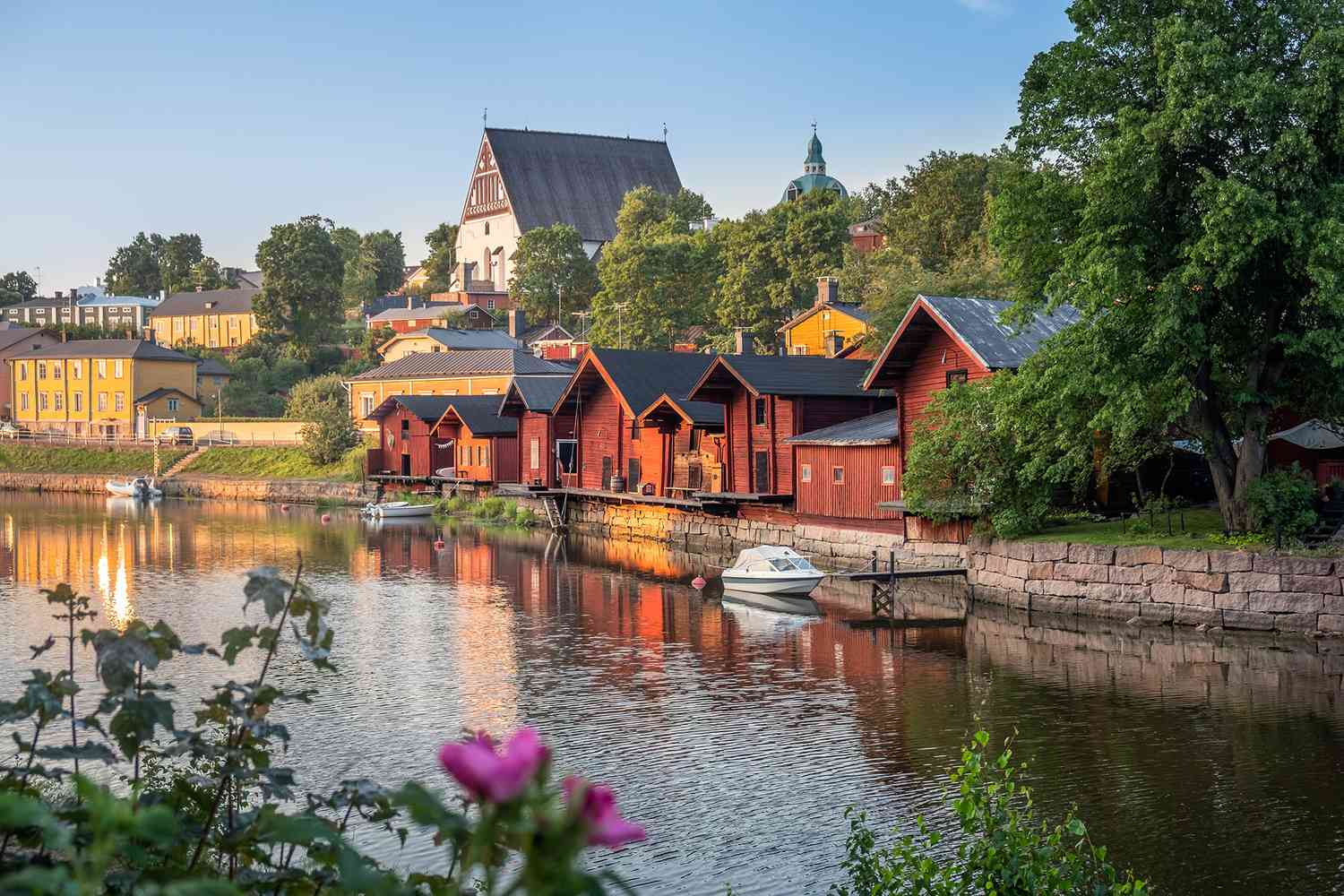
Finland is a Nordic country located in Northern Europe, and it has been ranked the happiest country in the world for six times in row. This ranking is based on the annual World Happiness Report, which measures the well-being of people in countries around the globe. In this article, you can read about why Finland is the happiest country in the world.

PHOTO: JANI RIEKKINEN/GETTY IMAGES

Finland has a high standard of living. The country has a robust social welfare system that provides its citizens with access to quality education, healthcare, and other basic needs. This means that the majority of people in Finland can enjoy a good standard of living, regardless of their socioeconomic background. In addition, the country has a low level of income inequality, which further contributes to a sense of well-being among the population.

Finland is a safe and peaceful country. Crime rates are low, and the country has a strong rule of law, which means that people can feel secure in their daily lives. Additionally, Finland has a long tradition of political stability and democratic governance, which helps to maintain a sense of social harmony and trust among its citizens.

Another factor that contributes to Finland’s happiness is its natural beauty. Finland has vast expanses of unspoiled wilderness, including forests, lakes, and rivers, which provide ample opportunities for outdoor recreation and relaxation. This connection with nature has been shown to have positive effects on mental health and well-being.

Furthermore, Finland has a strong sense of community and social cohesion. This is partly due to the country’s Nordic welfare model, which emphasizes equality, cooperation, and solidarity. Additionally, Finland has a strong tradition of volunteerism and civic engagement, which helps to create a sense of shared purpose and mutual support among its citizens.

Finally, Finland is a country that values work-life balance. The country has a culture that prioritizes leisure time and family time, and it has one of the shortest workweeks in Europe. This means that people in Finland have more time to pursue hobbies and spend time with loved ones, which can contribute to overall happiness and well-being.

To conclude, Finland’s happiness can be attributed to a variety of factors, including a high standard of living, safety and security, natural beauty, social cohesion, and a culture that values work-life balance. While no country is perfect, Finland’s commitment to social welfare, democratic governance, and environmental sustainability has made it a shining example of what a happy and prosperous society can look like.

Air Pollution – Causes

Air pollution refers to the presence of harmful substances in the air that we breathe. It can have serious effects on both human health and the environment. Some of the causes of air pollution include industrial activities, transportation, and natural events such as wildfires and dust storms.
Effects of air pollution:

Respiratory problems: Air pollution can cause a range of respiratory problems such as coughing, wheezing, and shortness of breath. It can also aggravate asthma and other respiratory conditions.
Cardiovascular problems: Air pollution has been linked to an increased risk of heart disease, stroke, and other cardiovascular problems.
Cancer: Exposure to air pollution, particularly to certain types of air pollutants such as benzene, has been linked to an increased risk of cancer.
Environmental damage: Air pollution can have serious environmental effects such as acid rain, ozone depletion, and damage to crops and forests.
Global warming: Air pollution is a major contributor to global warming, which has serious implications for the planet.
Causes of air pollution:
Industrial activities: The burning of fossil fuels in industries is a major source of air pollution. This includes burning coal, oil, and gas.
Transportation: Vehicles emit a range of pollutants into the air including carbon monoxide, nitrogen oxides, and particulate matter.
Natural events: Natural events such as wildfires and dust storms can also contribute to air pollution.
Agricultural activities: Agricultural activities such as the use of fertilizers and pesticides can release pollutants into the air.
Household activities: Household activities such as cooking, heating, and using cleaning products can also contribute to air pollution.
In conclusion, air pollution is a serious problem that can have a range of harmful effects on both human health and the environment. It is caused by a range of factors including industrial activities, transportation, and natural events. It is important that we take steps to reduce air pollution and protect our health and the planet.

The Seven Wonders of World

The New Seven Wonders of the World is a collection of remarkable architectural and engineering feats of the modern world that were chosen through a global vote held in 2007. The campaign was launched by the Swiss foundation New7Wonders, which aimed to promote cultural diversity and encourage the preservation of global heritage sites. The winners were announced on July 7, 2007, in Lisbon, Portugal.


Source – Wikipedia

  1. Great Wall of China:
    The Great Wall of China is an iconic symbol of Chinese civilization and one of the most visited tourist destinations in the world. It was built over 2,000 years ago to protect China from invading nomadic tribes. The wall stretches for over 13,000 miles and comprises a series of walls and fortifications.

  2. Petra, Jordan:
    Petra is an ancient city located in the deserts of Jordan that was carved into the sandstone cliffs by the Nabatean people over 2,000 years ago. It was an important trading center on the Silk Road and is famous for its impressive rock-cut architecture, including the Treasury and the Monastery.

  3. Christ the Redeemer, Brazil:
    Christ the Redeemer is a statue of Jesus Christ located in Rio de Janeiro, Brazil. It was built in the early 20th century and stands at 98 feet tall, including its pedestal. The statue is one of the most recognizable landmarks in Brazil and a symbol of Christianity worldwide.

  4. Machu Picchu, Peru:
    Machu Picchu is an ancient Incan citadel in the Andes Mountains of Peru. It was built in the 15th century and abandoned by the Incas a century later. The site was rediscovered by Hiram Bingham in 1911 and is now a popular tourist destination known for its stunning architecture and panoramic views.

  5. Chichen Itza, Mexico:
    Chichen Itza is a complex of Mayan ruins located in Mexico’s Yucatan Peninsula. It was built in the 9th century and features impressive pyramids, temples, and observatories. The most famous structure is the Kukulcan Pyramid, also known as El Castillo, which is renowned for its unique acoustic properties.

  6. Colosseum, Italy:
    The Colosseum is an iconic symbol of ancient Rome and a popular tourist destination. It was built in the 1st century AD and was used for gladiatorial contests and public spectacles. The Colosseum is the largest amphitheater ever built and could seat up to 50,000 spectators.

  7. Taj Mahal, India:
    The Taj Mahal is a white marble mausoleum located in Agra, India. It was built in the 17th century by Emperor Shah Jahan as a tribute to his beloved wife, Mumtaz Mahal. The Taj Mahal is renowned for its stunning beauty and intricate decorative elements, including its marble inlay work and intricate carvings.