A Guide To Crypto Jargon

 As the world becomes increasingly digital, more & more people are becoming interested in cryptocurrencies. This article will provide a comprehensive guide to understanding crypto terms & jargon, making it easier for beginners to navigate the cryptocurrency world. Know more about Crypto  Bit Index AI.
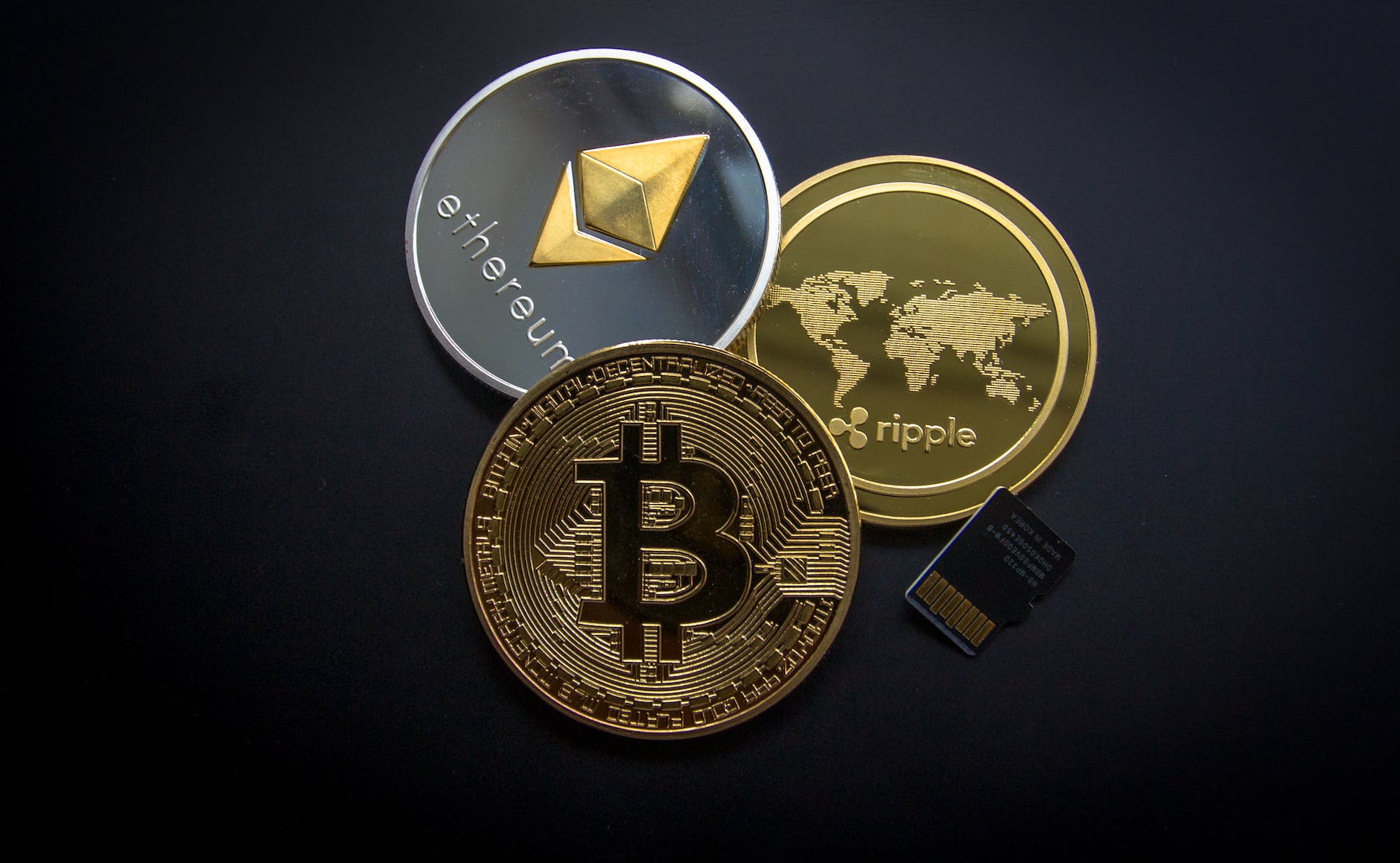
Photo by Worldspectrum on Pexels.com

What are Cryptocurrencies?

It is extremely silly to put every inch bit of your hard earned money in the bitcoins as the worst days of volatility can push you towards losses. Instead, they rely on complex cryptographic protocols to ensure security and prevent fraudulent transactions. For further info, you can have a clear peek into the following article for gaining further knowing. 

What is Blockchain?

Blockchain is the chain of records of each crypto transaction taking place in the trade market. In simple words, every time a miner sits over the system to extract the cryptocurrencies like bitcoins, once after getting the work done with the extraction process, the miner adds the transaction to the blockchain. 

What are bitcoin transactions?

Bitcoin transactions are made using public & private keys. Each user has a public key, like a public address or account number, & a private key, like a password. When someone sends Bitcoin to another person, the transaction is verified by the network & then added to the blockchain. 

Bitcoin is often seen as digital gold, as its limited supply makes it valuable & sought after. This scarcity & the decentralized nature of Bitcoin make it attractive to some as a store of value, similar to gold.

In recent years, other cryptocurrencies have been created, with some seeking to improve on Bitcoin’s limitations. These include Ethereum, which introduced the concept of smart contracts & decentralized applications (dApps), & Ripple, which is focused on improving cross-border payments. While each cryptocurrency operates similarly, each has its unique features & uses.

Crypto Terms & Jargon:

Wallet: A cryptocurrency wallet is a software program that stores the private & public keys used to send & receive digital currency. If luckily, you end up with a valid and secure wallet then the best thing about the entire game is that, you can not only protect your digital assets from random intruders sitting in the internet but also from all the hackers and centralized bodies who want to imply taxes. 

Mining: Mining is creating new cryptocurrencies by solving complex mathematical equations. 

Fork: A fork is a change to the original blockchain. There are two types of knives: soft spoons & hard forks. A soft fork is a change that is backwards compatible, while a hard fork is a change that is not back-compatible.

Hash rate: The hash rate is a measurement of the network’s processing power. It is the speed at which a miner can solve the mathematical equation required to add a block to the blockchain.

ICO: ICO stands for initial coin offering. It is a fundraising method used by new cryptocurrency projects to raise funds for development. 

Altcoin: As the name suggests, Altcoins are the most popular alternative cryptocurrencies available in the market which are not bitcoins.  

Satoshi: A Satoshi is the tinnest unit of Bitcoin. 

Cold Storage: Cold storage is a method of storing cryptocurrency offline to protect it from hackers. Examples of cold storage include hardware wallets, paper wallets, & USB drives.

Gas: Gas is a unit of measurement used to determine the fee required to complete a transaction on the Ethereum network.

HODL: HODL is a term used to describe holding onto cryptocurrency rather than selling it. The term originated from a typo of the word “hold” on a Bitcoin forum post.

Conclusion:

Originally developed as a decentralized alternative to conventional financial systems, Bitcoin was designed to enable direct peer-to-peer transactions without the need for intermediaries like banks or governments. As its popularity increased, however, more and more businesses and individuals began to recognize its potential as a legitimate form of payment.

Today, thousands of businesses across the world accept Bitcoin as a means of payment, including major players like Microsoft, Expedia, and Overstock.com. This widespread adoption has helped to cement Bitcoin’s status as a viable payment method, and has opened up new opportunities for merchants to tap into a growing market of consumers who prefer to use digital currencies for their transactions. 
Currency: Bitcoin & Other Cryptocurrencies Contrary to Popular Belief

 By exploring the most common myths, the article intends to dispel any confusion that may arise regarding the functionality and potential of cryptocurrencies. It will highlight the benefits of blockchain technology, which underpins these assets, and address any misinformation that may lead to misguided or incorrect conclusions about their use. Click at The official website for extra details.

Ultimately, by clarifying and debunking these myths, the article seeks to encourage the wider adoption and integration of cryptocurrencies into society. With increased understanding and knowledge of these digital assets, individuals and businesses alike can leverage the benefits they offer to improve their financial well-being and security. Get the best of the trading by visiting this like this trading platform.

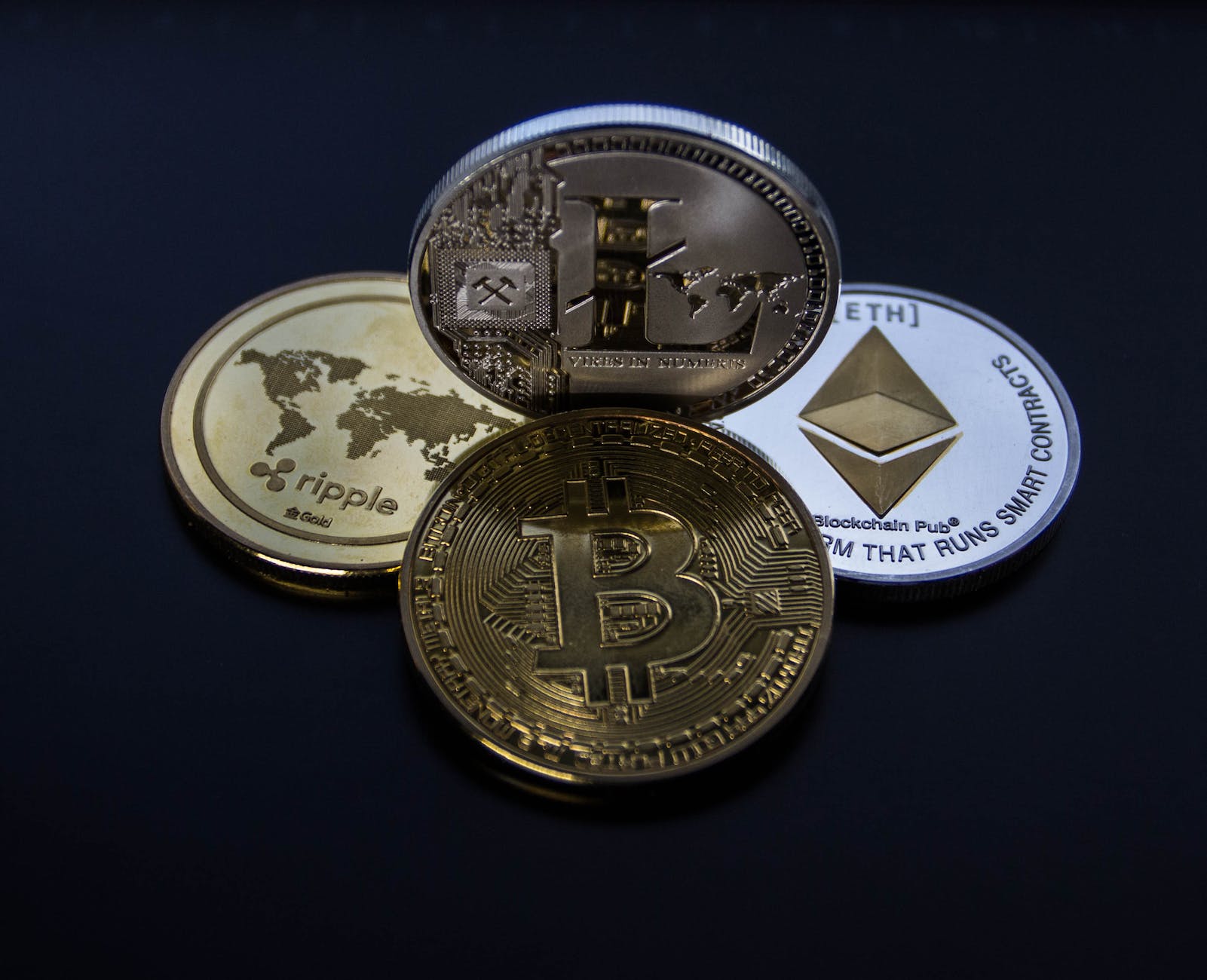
Photo by Worldspectrum on Pexels.com

Bitcoin is a Ponzi scheme, or so the myth goes.

Bitcoin’s supposed status as a Ponzi scheme is one of the most pervasive urban legends. This falsehood has been demolished again & again by economists & economists. Investment returns in a Ponzi scheme are paid to earlier investors with money contributed by new participants. It’s essential to understand that Bitcoin operates independently of any central authority and uses a secure and transparent blockchain to track and verify transactions. While the value of Bitcoin may fluctuate, it remains a legitimate digital currency with a growing user base and numerous practical applications. 

Illegal transactions are the primary usage of cryptocurrency

One further misconception regarding cryptocurrency is that it is utilized mostly in the black market. However, cryptocurrencies are also used for legitimate transactions, such as voting in elections & tipping servers, despite their history of usage in illegal operations like money laundering & drug purchases on the dark web Bitcoin is accepted by a growing number of reputable companies, & the underlying cryptocurrency technology has the potential to disrupt traditional sectors like banking & healthcare. It’s true that some people utilize cryptocurrencies for criminal purposes, but that’s not the case for everyone.

A common misconception is that Bitcoin’s volatility makes it unsuitable for use as money

The idea that Bitcoin is too unstable to be used as money is another common misconception about it. Although the price of Bitcoin has fluctuated widely in the past, it’s worth has increased significantly overall. Currency volatility is also not always a negative thing. The value of conventional currencies also shifts somewhat in weight from time to time. Especially in nations with high inflation rates & unstable fiat currencies, Bitcoin might be utilized as a currency. Nevertheless, Bitcoin’s underlying technology is still in its infancy, & additional advancement is required to make it a more practical & generally recognized money.

The crypto markets are risky for investors because they are unregulated, goes the common myth

Bitcoin & other cryptocurrencies have a bad reputation for being risky investments because of their lack of oversight. But there is some truth to this that is missing. Many governments have created legal frameworks for digital assets, although cryptocurrencies are not yet subject to complete regulation in all countries. These regulations are part of a larger system designed to combat financial crimes & protect investors from fraud. Moreover, bitcoin investments may provide benefits to investors including enhanced diversification & the potential for large gains.

Cryptocurrencies are not safe & may be easily hacked; this is a myth.

One of the most often circulated misconceptions about cryptocurrency is that it is insecure & can be stolen with little effort. Although there have been hacks into bitcoin exchanges in the past, the underlying technology remains secure. Users must use prudence while dealing with digital assets. Use only reputable exchanges, use two-factor authentication, & use secure wallets to do this.

A common misconception is that the value of cryptocurrency will crash

The fact that the value of cryptocurrencies may fluctuate widely & that there have been big price corrections in the past does not suggest that they are a bubble that will collapse. Blockchain, the technology at the heart of cryptocurrencies, has the potential to disrupt several markets & alter the way we live in the future. The value of cryptocurrency tokens might increase if more individuals & businesses start accepting them as a form of currency & a store of wealth.

Cryptocurrencies are too complicated & difficult to use; this is a myth

Although there is a learning curve & some complexity associated with cryptocurrency, it is not hard to utilize. In other words, it’s user-friendly enough for the ordinary Joe. There are now a plethora of tools accessible to teach individuals how to utilize cryptocurrencies, thanks to the widespread use of cryptocurrency exchanges & wallets that have made these activities simple. Cryptocurrencies will become increasingly accessible to the general public as the technology behind them & the user experience around them continue to advance in tandem with their widespread adoption by companies & people alike.

Conclusively, there are numerous myths & misconceptions about cryptocurrencies, although many of them are based on insufficient information or misunderstandings. The risks connected with cryptocurrencies may be lessened if more people knew about its potential benefits & how they were already being used. Growth & innovation in this promising new area are expected to continue as more people get familiar with & start using cryptocurrencies.

Everything You Need to Know About Ethereum

 Ethereum is a decentralized platform in the crypto world which has recently introduced the MERGE in the trade market. If you do not have much idea on Ethereum and other related cryptocurrencies then you can keep an eye on the following article to know more. Click to sign up & start trading ethereum. Learn more.

Photo by David McBee on Pexels.com

The Entire Background on Ethereum

Ethereum is an open-source, publicly accessible, and decentralized blockchain platform that is designed to support the development and deployment of decentralized applications, or dApps. This essay will provide a comprehensive overview of Ethereum, including its historical context, underlying technology, potential applications, and future potential. By delving into these critical aspects of the platform, readers will gain a deeper understanding of the unique features and capabilities of Ethereum, as well as the broader implications of this emerging technology for the world of blockchain and decentralized applications.

Ethereum’s Past

Vitalik Buterin, inspired by Bitcoin’s blockchain technology, introduced Ethereum in 2013. He saw a network capable of hosting both a digital money and a network of decentralized programmes. In 2014, the Ethereum platform was created after its creators successfully crowd funded $18 million. 

Ethereum’s Decentralized Technology

Ethereum is a blockchain-based distributed application (dApp) platform. Ethereum is a platform that allows developers to construct smart contracts and decentralised apps on top of its blockchain, whereas Bitcoin is mostly used as a digital money. They get rid of the need for middlemen like banks, brokers, and attorneys.

Proof of Stake (PoS), the consensus method used by Ethereum’s blockchain, is more energy-efficient than Bitcoin’s Proof of Work (PoW). In contrast to PoW, which relies on processing power, PoS enables validators to produce and verify new blocks on the blockchain depending on the number of coins they own. Since validators stake their bitcoin and stand to lose it if they engage in harmful activity, they have an incentive to keep the network secure.

Potential Applications of Ethereum

Ethereum’s blockchain is used to power dApps, or decentralized apps. Trust and security-critical use cases are well-suited to these open-source, transparent, and tamper-proof solutions. The most popular applications of Ethereum include:

Ethereum is the backbone of the DeFi movement, which seeks to build a global, borderless, decentralized financial system. 

With Ethereum, developers may create games that run on the blockchain and provide players the ability to purchase, sell, and trade virtual items. These items are kept on the distributed ledger and may be utilized in a wide variety of video games and app stores.

Ethereum’s identity tools may be used to build private, secure, and user-managed digital ID systems. These decentralised methods of identity verification remove the requirement for third parties like governments or companies.

Blockchain technology, such as Ethereum’s, makes it possible to construct an immutable log of a product’s travels through the supply chain. Businesses and customers alike will benefit from being able to verify the legitimacy and provenance of goods.

Ethereum may be used to build ad-hoc, censorship-resistant social networks without the need for a governing body or third-party moderators. Using these systems, individuals are in charge of their own information and may safeguard their own privacy.

What’s Next for Ethereum

The outlook for Ethereum is bright, owing in large part to the dedicated development team that is continuously striving to enhance the platform and introduce new features. Among the most eagerly anticipated updates is Ethereum 2.0, which promises to replace the existing Proof of Work (PoW) consensus mechanism with Proof of Stake (PoS), as well as incorporate novel features like sharding to improve the network’s scalability. As a result of these improvements, Ethereum is poised to become more robust and faster, capable of handling a greater volume of transactions and supporting a broader range of decentralized applications. These developments hold great potential for advancing the state of the art in blockchain technology and driving further innovation in the space. 

One of Ethereum’s primary benefits is that it can run smart contracts, which is a kind of computer programme. This implies that decentralized apps (including online marketplaces, voting systems, and more) may be built on the Ethereum blockchain and utilized for a wide range of purposes. A smart contract is a computer-generated agreement that is pre-set to go into effect under certain circumstances. The trust and openness it affords are unparalleled in the world of legal transactions.

Ethereum also has the added advantage of having speedier transaction times. In contrast to Bitcoin, where a transaction might take up to 10 minutes to complete, Ethereum transactions normally only take a few seconds. Due to the use of a distinct consensus technique called Proof of Stake, Ethereum is able to process transactions far more quickly.

Conclusion

Ethereum is a groundbreaking platform that has significantly advanced the cryptocurrency industry. Smart contract execution and reduced transaction times are only two ways in which it has the potential to transform the way we do business online. The hazards and difficulties associated with this new technology, however, must be overcome. Users may make well-informed judgments on whether or not to use Ethereum if they have a thorough grasp of the advantages and disadvantages of this cryptocurrency. Ethereum is a major development in the field of decentralized technology and has the potential to drastically alter the way we interact with one another in the digital sphere.

The Revolt Act of 1857

The Revolt act of 1857-59 was a widespread but ultimately unsuccessful rebellion against the rule of the British East India Company, which acted as a sovereign power on behalf of the British crown in India.
  • It was the first organized form of opposition to the British East India Company.
  • It began as a revolt of the British East India Company’s army sepoys, but it eventually gained the support of the masses.
  • The revolt has been dubbed the Sepoy Mutiny by British historians, the Indian Mutiny, the Great Rebellion by Indian historians, the Revolt of 1857, the Indian Insurrection, and the First War of Independence by Indian historians (by Vinayak Damodara Savarkar).

Source – Youtube

Causes of the Revolt Act –

Political Causes:

The political causes of the rebellion were the British policy of expansion through the Doctrine of Lapse and direct annexation. A large number of Indian rulers and chiefs were deposed, instilling fear in other ruling families who feared a similar fate. The adopted son of Rani Lakshmi Bai was not permitted to sit on the throne of Jhansi. Under the Doctrine of Lapse, Satara, Nagpur, and Jhansi were annexed. In addition, Jaitpur, Sambalpur, and Udaipur were annexed. Lord Dalhousie’s annexation of Awadh under the guise of maladministration laid off thousands of nobles, officials, retainers, and soldiers. This measure turned Awadh, a traditionally loyal state, into a hotbed of discontent and intrigue.

Social and Religious Cause:

The rapidly spreading Western Civilization in India was causing alarm throughout the country.
In 1850, an act changed Hindu inheritance law, allowing a Hindu who converted to Christianity to inherit his ancestral properties. People believed that the government intended to convert Indians to Christianity. The legalization of widow remarriage and the abolition of practices such as sati and female infanticide were viewed as threats to the established social structure. Introducing western methods of education directly challenged Hindu and Muslim orthodoxy. Even the introduction of railways and the telegraph was met with skepticism.

Economic Cause:

Peasants and zamindars in rural areas were enraged by the Company’s high land taxes and stringent revenue collection methods. Many of these groups were unable to meet the high revenue demands and repay their loans to money lenders, eventually losing their ancestral lands. Because a large number of sepoys belonged to the peasantry and had family ties in villages, the peasants’ grievances affected them as well.
Following the Industrial Revolution in England, an influx of British manufactured goods into India ruined industries, particularly India’s textile industry.
Handicraft industries in India had to compete with low-cost machine-made goods from Britain.

Military Causes:

The Revolt of 1857 began as a sepoy mutiny:
Indian sepoys made up more than 87% of British troops in India but were regarded as inferior to British soldiers.
A European sepoy of the same rank was paid more than an Indian sepoy.
They were compelled to serve in locations far from their homes.
Lord Canning issued the General Services Enlistment Act in 1856, requiring sepoys to be ready to serve even in British territory across the sea.

Immediate Cause:

Eventually, the greased cartridge episode led to the Revolt of 1857.
There was a rumour that the new Enfield guns’ cartridges were greased with pig and cow fat.
The sepoys had to bite off the cartridge paper before loading these weapons. Muslims and Hindu sepoys both objected to their use.
The problematic cartridges were removed as Lord Canning attempted to make amends, but the harm had already been done. Unrest could be found everywhere.
Mangal Pandey, a sepoy in Barrackpore, had resisted using the gun and assaulted his superior officers in March 1857. On April 8, he was strangled to death.

Conclusion:

In the annals of British rule in India, the uprising of 1857 was unprecedented. It brought together numerous segments of Indian society for a common goal, albeit in a limited manner. Even though the uprising fell short of its intended objective, it did plant the seeds of Indian independence.

International Conference on Multidisciplinary Research (ICMR) 2023

International Conference on Multidisciplinary Research (ICMR) 2023, is to shed light on the hurdles linked to the practical administration of all the most modern information being produced in educational research, from a multidisciplinary perspective. Today, more than ever, budding academics, scholars, and researchers in the initial degrees of their careers are discovering it to be increasingly difficult to keep up-to-date with advancements that are taking place. This convention strives to assist them in keeping up with all these developments.

The intention of the International Conference on Multidisciplinary Research (ICMR) 2023, is for authorities, academics, professionals, and students involved in educational research from a multidisciplinary perspective, from all over the globe, to gather collectively and bestow contemporaneous research findings that familiarize and enlighten participants concerning the advancements that have been taking place

International Conference on Multidisciplinary Research (ICMR) 2023, supports all researchers (budding and veteran) to present their investigative research outcomes by exhibiting appropriate study articles/presentations/papers at the event, no matter what particular discipline of educational research, they practice in. Those responsible for the most excellent research articles will be rewarded well. They will obtain an unbelievable chance to have their research conclusions and outcomes distributed in prime publications and magazines known and recognized throughout the world. This will not only assist them in obtaining the required exposure that they require to spread the word about their investigative work amongst international research societies but additionally pave the way to a host of unbelievable possibilities for funding and carrying out advanced research projects.

Submission Guidelines

The following paper categories are welcome:

  • Educational Administration
  • Creative Technologies in Education
  • Technology Management in Education
  • Teaching and Instruction
  • Curriculum Design
  • Pedagogy
  • E-Learning
  • Social Media in Education
  • Buddhist and Psychological Education
  • Social Science Education
  • Professional Learning Community
  • Educational Research
  • Measurement and Evaluation
  • Artificial Intelligence (AI) in Education
  • Buddhist Studies
  • Buddhist Psychology
  • Buddhist Management
  • Linguistics
  • English Studies
  • Meditation Innovation
  • Public Administration
  • Social Sciences
  • Social Development
  • Economics
  • Peace Studies
  • Humanities
  • Political Sciences

Important Dates

  • Important Dates

    Date for Submission of Papers

    20 March 2023 (without Late fee)

    30 March 2023 (with late fee)

    Acceptance Mail for Papers

    10 April 2023

    Date of Online Conference

    20-22 April 2023

Website 

For more details Visit: https://icmr.edupub.org

Email id for Submission of Papers

Email: icmr2023@edupub.org

Special Issue for Conference Papers

Visit conference Official Site at https://icmr.edupub.org/

ISBN for Conference Proceedings 

International Conference on Multidisciplinary Research (ICMR) 2023

 The modern Internet is a collection of traditional hosts, powerful computer systems, mobile phones, and a range of IoT devices interconnected by different network technologies and complex infrastructures. In this cyberspace, administrated in different domains and powered with a variety of highly interactive, smart-enabled and multiple-area-spanning services, a huge load of sensitive data is constantly produced and transferred.


On the negative side, the Internet is subject to many new and old security and privacy risks and challenges, and its use magnifies the attack surface. Therefore, the task of ensuring security, privacy, safety and resilience requires multidisciplinary approaches to combine computer science knowledge with knowledge from different fields, such as behavioral sciences, sociology, criminology, investigations and law.
 
This special issue aims to offer a mixture of selected extended versions of papers presented at the International Conference on Multidisciplinary Research (ICMR) 2023 and accepted papers originating from the public call. We welcome submissions dealing with the above mentioned risks and problems, new challenges,  interdisciplinary issues, and innovative multidisciplinary solutions (defense mechanisms, methods, and countermeasures) for promoting cyber security in the cyberspace.
 
We cordially invite prospective authors to submit original papers on the following topics (list is not exhaustive):
  • Cybersecurity and cyber resilience
  • Cyber insurance
  • Digital privacy
  • Digital currency, blockchains and cybercrime
  • Law, investigation, internet jurisdiction and ethics
  • Child safety in the cyberspace
  • Cyber forensics
  • Surveillance, interception, blocking and sovereignty
  • Cyber warfare
  • Network security
  • Critical infrastructure security
  • Embedded systems security
  • Business continuity and disaster recovery
  • Information security governance
  • Security management
  • Cloud security
  • Internet of things security
  • Big data and cybersecurity
  • Healthcare information security
  • Software development security
  • Cyber-physical systems security
  • Adversarial machine learning
  • Trust management

Submission and Evaluation Procedure

International Journal of Research (IJR) is a high-quality electronic publication that deals with all aspects of computer science. IJR has been appearing monthly since 2012 and is thus one of the oldest electronic journals with uninterrupted publication since its foundation. A number of special issues as well as the printed archive editions of the volumes are also available in print and can be ordered directly from IJR office.
 
Manuscripts must be submitted in PDF format, written in English with no direct or indirect reference to authors, and should not exceed 20 pages. Papers should be prepared according to the IJR guidelines for authors and should be submitted online to be included in the review process. Illustrations and tables must be provided as integrated parts of the manuscript. 
Please, bear in mind that the extended version of papers originally presented at the International Conference on Multidisciplinary Research (ICMR) 2023 or workshop must contain at least 50% new content, and the title and abstract of the extended version must clearly and unmistakably differ from those of the article presented at the conference. The key difference to original to the ICMR’23 papers must be stated in the introduction.
 
Only novel research papers which are currently not under review at another event or a journal will be accepted for the review process. For more details, please also refer to:
 

Important Things to Note

Important Dates

Date for Submission of Papers

20 March 2023 (without Late fee)

30 March 2023 (with late fee)

Acceptance Mail for Papers

10 April 2023

Date of Online Conference

20-22 April 2023

Email id for Submission of Papers

Email: icmr2023@edupub.org

Special Issue for Conference Papers

Visit conference Official Site at https://icmr.edupub.org/

<

p style=”background: 0px 0px white;border: 0px;color: #656565;font-family: Verdana, Arial, Helvetica, sans-serif;font-size: 11pt;line-height: 1.4;margin: 0px 0pt 12px 10pt;max-width: 650pt;padding: 0px 0px 5pt;text-align: justify;vertical-align: baseline”>ISBN for Conference Proceedings 

International Conference on Multidisciplinary Research (ICMR) 2023

 ABOUT ICMR2023International Conference on Multidisciplinary Research (ICMR) 2023

 cordially invite you to submit your research papers and industry reports to our upcoming conference. Currently in its seventh edition, ICMR2023 offers a venue for the dissemination of multidisciplinary research pertaining to e-technologies. The conference aims to bring together researchers and practitioners interested in exploring the many facets of Internet applications and technologies, with a primary focus on technological and managerial issues, but also a keen interest in social, ethical, and legal issues.

As in prior years, ICMR2023 welcomes research and practice submissions on various topics related to e-technologies. In particular, this year, we invite contributions on the ever-increasing role of Internet of Things (IoT) in the service of individuals, organizations and businesses. Toward this, the theme of ICMR2023 is Embracing the Internet of Things (IoT): From Architecture to Adoption. We invite contributions that deliberate various aspects of IoT including but not limited to enabling technologies, applications and services, business implications and societal impacts. Contributions on other e-technologies are also welcome.

CONFERENCE PROCEEDINGS & PUBLICATIONS

All accepted papers will appear in the conference proceedings, to be published by Springer Verlag Lecture Notes on Business Information Processing (abstracted/indexed in ISI Proceedings, DBLP, EI, Scopus, and the Springer Digital library).

The program committee will award a Best Paper Award to the best paper in terms of: 1) originality, 2) presentation, and 3) impact. The finalists will be invited to submit their papers to a special issue of a refereed journal. Members of the program committee will shepherd these papers through the review process.

CONFERENCE TOPICS

Submissions are invited in the areas mentioned in the following non-exhaustive list:

  *  Applications
     –  e-Business (B2B, B2C, etc.)
     –  e-Health
     –  e-Education
     –  e-Justice
     –  eGovernment
     –  Social Media and Social Commerce

  *  The Internet of Things (IoT)
     –  Challenges and opportunities
     –  Business models
     –  Advancements in Cyber-Physical Systems (CPS)
     –  Applications (smart processes, smart infrastructures, etc.)
     –  Architectural and deployment patterns
     –  Big data for IoT
     –  Cloud of Things
     –  Green IoT
     –  Experimental prototypes, test-bed and field trial experiences
     –  Real case deployment scenarios and results
 
 *  Methodologies and Models
     –  Computational models
     –  Service composition
     –  Pervasive and Ubiquitous Computing
     –  Process modeling languages
     –  Process adaptation
     –  Programming models and toolkits
     –  Social networks analysis
 
 *  Architectures and Implementations
     –  IoT middleware
     –  Architecture of Big Data
     –  Cloud, edge and fog computing
     –  Novel deployment technologies
     –  Software defined networks (SDN) and IoT
     –  Modeling and architectures of context-aware applications
     –  Distributed transactions
     –  Recovery

  *  Business Implications
     –  Business models & strategies
     –  Analytics and performance management
     –  IT Governance and Enterprise Architecture
     –  Value chains and ecosystems
     –  IoT cost considerations (e.g. Capex and Opex)
     –  Organizational transformation
     –  Disruption, Innovation and Competitive Advantage
     –  Consumer Behaviour
     –  Customer experience management
     –  Industry 4.0

  *  Social and Legal Implications
     –  Trust
     –  Legal issues
     –  Privacy and data protection
     –  Governance and public policy challenges
     –  Cybercrime

  *  Security, Privacy and Trust
     –  Vulnerability and risk assessment
     –  Attack detection and remediation
     –  User privacy and identity management
     –  Mitigation and protection mechanisms
     –  Models and architectures

<

p style=”font-family: Verdana, Arial, Helvetica, sans-serif;font-size: 11pt;line-height: 1.4;margin: 0px 0pt 12px 10pt;max-width: 650pt;padding-bottom: 5pt”>
For questions or further information, please consult the conference website https://icmr.edupub.org or contact icmr2023@edupub.org

Do we have enough resources ?

In the name of family so many people are still giving birth to children. Without even realising while they themselves are suffering for livelihood they are still increasing population. And in population growth not only poor and illiterate are involved perhaps rich and educated people also have this kind of mentality.

People have to understand that they don’t have any right to give birth to an individual and make them to suffer. Population growth is one of the main reason of poverty in the world. People have to understand “Natural resources are limited” and people have to accept and understand this or else the nature have its own ways to maintain the balance.

Do we have enough resources ?

In the name of family so many people are still giving birth to children. Without even realising while they themselves are suffering for livelihood they are still increasing population. And in population growth not only poor and illiterate are involved perhaps rich and educated people also have this kind of mentality.

People have to understand that they don’t have any right to give birth to an individual and make them to suffer. Population growth is one of the main reason of poverty in the world. People have to understand “Natural resources are limited” and people have to accept and understand this or else the nature have its own ways to maintain the balance.

A Japanese Revolution that led to an Imperial Japan

The Japanese revolution, also known as the Meiji restoration, was a critical period in Japan’s transition from a pre-modern to a modern society. The Meiji restoration had an impact on Japan’s social, political, and economic aspects, as well as its military.

Japan rapidly industrialized and adopted Western ideas and production methods during this period, resulting in unprecedented changes in the Japanese economy, social fabric, and military. This had an impact not only on the country, but on the entire world.

Source – Blogger

  • The Japanese revolution was a political revolution in 1868 that resulted in the final demise of the Tokugawa shogunate (military government), effectively ending the Edo (Tokugawa) period (1603-1867) and returning control of the country to direct imperial rule under Mutsuhito (the emperor Meiji).
  • However, in a broader context, the Meiji Restoration of 1868 became associated with the subsequent era of major political, economic, and social change. This era saw the country’s modernization and Westernization.
  • The restoration event itself was a coup d’état on January 3, 1868 in Kyoto, the ancient imperial capital.
  • The perpetrators declared the overthrow of Tokugawa Yoshinobu (the last shogun), who was no longer effective in power by late 1867, and proclaimed the young Meiji emperor to be the ruler of Japan. Yoshinobu waged a brief civil war before surrendering to imperial forces in June 1869.

Transformation of Japan after Japanese revolution

  • The Meiji Restoration was successful in establishing a bureaucratic, centralized administration.
  • The light industry will have undergone a revolution by the end of the century, and the country’s communication and transportation systems will have improved.
  • The rigid class system that characterized the feudal era was also destroyed.
  • Universal education was first implemented in Japan. Education incorporated both Western and Japanese cultural concepts. Japan’s population became suddenly more educated and socially mobile.
  • After the traditional samurai system was abolished, a conscript military modelled after the West was established. The military started to modernize, which helped it win the Sino-Japanese and Russo-Japanese Wars.
  • Adopted the slogan “Wealthy Country, Strong Arms,” which became a central tenet of Japan’s imperialist expansion.
  • Contact with Europeans was promoted. Even the government was structured along Western lines. A Japanese parliament, known as the Diet, was established in the manner of the Dutch parliament. Trade also increased, leading to the development of the banking and financial system. 

Impact of the Industrial Revolution on Japan

  • Japan’s rapid industrialization aided its military modernization to the point where it could compete with major European powers. Russia would be the first. In 1904 the Japanese army and navy invaded Russian-held Korean territory, dealing the Russian Empire a number of setbacks.
  • The battle of Tsushima in 1905, in which the Japanese navy completely destroyed the Russian Baltic fleet, proved to be a watershed moment in the war. For the first time in history, an Asian fleet annihilated a European navy.
  • The world powers of the time would look at Japan with astonishment and trepidation as it transitioned from an agricultural backwater to a significant superpower.
  • Japan fought alongside the Allies during World War I, but it was still ignored when Germany lost the war and its colonies were divided among the war’s winners. Frustrated, Japan would strengthen the Axis coalition by forging new alliances with former adversaries.
  • Japan would invade China in 1936, much to the chagrin of the League of Nations, as its confidence in its own industrial strength grew. Japan launched World War II in the Pacific by attacking the US naval base at Pearl Harbor in December 1941, but this time it would face the foe that had first opened its doors to the industrial revolution.
  • Japan believed that no one could prevent it from establishing its own colonial empire.
  • A new Constitution was established. Japan’s industrial revolution resulted in new legislation.

Conclusion

The Japanese Industrial Revolution made a significant contribution to capitalism, economic development, and industrial progress in the country.
Furthermore, it marked the end of the Edo period Japanese military system’s Tokugawa shogunate policy, which oversaw both the government and the daimyo (from 1603 to 1868).
The Meiji era’s ideas and concepts aided the Japanese Industrial Revolution. In addition, the adoption of twin policies came to an end.
The Meiji restoration was a huge success in the end. Some of the alterations are still practiced in Japan. Japan rose to become the dominant Asian power of its day as a result of the benefits of the industrial revolution.

International Conference on Multidisciplinary Research (ICMR) 2023

International Conference on Multidisciplinary Research (ICMR) 2023 is a federated organization dedicated to bringing together a significant number of diverse scholarly studies for presentation within the conference program. With its high quality, it provides an exceptional value for students, academics and industry researchers.

ICMR2023 aims to bring together leading academic scientists, researchers and research scholars to exchange and share their experiences and research results on all aspects of Social Sciences focus on Technology. It also provides a premier interdisciplinary platform for researchers, practitioners and educators to present and discuss the most recent innovations, trends, and concerns, as well as practical challenges, encountered and solutions adopted in the fields of Social Sciences.

ICMR2023 will be held as a fully ONLINE conference. All presentations will be made ASYNCHRONOUSLY (by sending a presentation video). Pre-created presentations of invited speakers and other participants will be made accessible on the website on the day of the congress. The presentations will be uploaded to the IICTSS channel on the Izmir Academy account to be created on YOUTUBE. Participants are deemed to have allowed their videos to be uploaded on YOUTUBE by participating in the congress. They cannot make any claims or requests on this issue later.

Submission Guidelines

  • Authors are kindly invited to contribute to the conference through submissions of their research abstracts and/or full papers.
  • Full paper submission is NOT MANDATORY. You can present your paper only by sending it’s abstract using the abstract template and rules below.
  • Those who want to publish their full-text papers in the journal or in the proceedings book will be able to send their full-text papers after the conference specified date on the Important dates page.
  • Also, high-quality research contributions describing original and unpublished results of conceptual, constructive, empirical, experimental, or theoretical work in all areas of Social Sciences are cordially invited for presentation at the conference.
  • The conference solicits contributions of abstracts and papers that address themes and topics of the conference, including figures, tables and references of novel research materials.
  • Please visit Publication Opportunities page for abstract and full paper publication.

Guidelines for Abstract Submission

  • Downloadable versions of the checklist for Abstract Papers (CLICK HERE TO DOWNLOAD ABSTRACT TEMPLATE).
  • Instruction of Submitting abstract;
    • Title: Please select a suitable title for your abstract
    • Authors: Put commas between the authors. (Name Surname, Affiliation, city, country, email, ORCID)
    • Abstract: (Between 350-800 words. It should include Problem statement, Research method, Contribution, Expected results)
    • Keywords: Put commas between words
    • References: References will be given for the abstract
  • Note: Your study should have 6 authors at most.

CLICK HERE TO SUBMIT YOUR ABSTRACT

Guidelines for Full Paper Submission

  • Regular paper submissions are 8 (eight) pages maximum (exclusive of bibliography).
  • Formatting instructions for all papers: they must be written in English and use standard two-column conference templates that can be downloaded from HERE (CLICK HERE TO DOWNLOAD FULL PAPER TEMPLATE)

List of Topics

  • Technology and Administrative Sciences
  • Technology and Social Sciences
  • Technology and Economics
  • Technology and Finance
  • Management Information Systems
  • Information and Communication Technologies
  • Computer Science
  • Technology and International Relations
  • Metaverse
  • Digital Twins
  • Artificial Intelligence
  • Blockchain
  • Crypto Assets
  • Cyber Security
  • e-Government
  • e-Commerce
  • e-Business
  • Technology in Health
  • Other topics

Scientific & Advisory committee members

You can find the publication opportunities offered by ICMR2023 for your abstract and full-text paper in the following subheadings.

  • Abstract Book
    • All accepted abstracts will be published in an electronic book with ISBN  named “ICMR2023 Abstract Book”. Book will be open access and shared freely.
  • Conference Proceedings
    • All submitted conference full papers will be blind peer-reviewed.
    • The peer-reviewed and accapted conference proceedings will be published in an electronic book with ISBN (Authors will have the option not to include full text articles in the proceeding book so they can send it to another journal or use it in our 3.3 and 3.4 heading options). Book will be open access and shared freely.
  • Journal Publication
    • ICMR2023 has teamed up with the regular/special issue on
      • International Journal of Research (Indexed by Index Copernicus (Master List), CrossRef, ROAD, Academic Resource Index (Researchbib), Scientific Indexing Services (SIS), ASOS Index, Google Scholar,Academia.edu, Advanced Science Index, Base, OpenAIRE, WorldCat),
    • Some selected high-impact full-text papers will also be considered for that journals’ issue. Selected full papers will have the opportunity to be considered for the Journals’ Issue. The paper selection will be carried out during the peer review process as well as at the conference presentation stage. Submitted papers must not be under consideration by any other journal or publication. The final decision for paper selection will be made based on peer review reports by the Journal Editorial Board. Selected full-text papers will be published online free of charge.
  • Edited Book Publications
    • One or more edited books can be published. All accepted full papers will have the opportunity to be considered for the edited book option. Book(s) and titles will be decided by the book editor. Papers will be grouped and considered for the specified book(s). The authors won’t pay any extra publication, processing or open access fee for the book(s). Book will have ISSN and be published electronically by an academic publishing house in TURKEY. It will be open access and we will share the pdf version with the authors. 

Venue

  • ICMR2023 will be held as a fully ONLINE conference. All presentations will be made ASYNCHRONOUSLY (by sending a presentation video). Pre-created presentations of invited speakers and other participants will be made accessible on the website on the day of the congress. The presentations will be uploaded to the ICMR2023 channel on the Izmir Academy account to be created on YOUTUBE. Participants are deemed to have allowed their videos to be uploaded on YOUTUBE by participating in the congress. They cannot make any claims or requests on this issue later.

Important Things to Note

Important Dates

Date for Submission of Papers

20 March 2023 (without Late fee)

30 March 2023 (with late fee)

Acceptance Mail for Papers

10 April 2023

Date of Online Conference

20-22 April 2023

Email id for Submission of Papers

Email: icmr2023@edupub.org

Special Issue for Conference Papers

Visit conference Official Site at https://icmr.edupub.org/

ISBN for Conference Proceedings 

International Conference on Multidisciplinary Research (ICMR) 2023

International Conference on Multidisciplinary Research (ICMR) 2023

The International Conference invites abstracts from delegates of all over the globe including guest/ invited speakers, faculties, research scholars, post graduate and graduate students from different organizations. Abstracts up to 250-300 words should be prepared using Times New Roman (12pt), in single line. Title should be in bold. The abstract should be free from plagiarism. Mention names of the author(s), affiliation(s), and mail id of the corresponding author. Underline the name of presenting author and email to icmr2023@edupub.org The selected full-length paper will be published in UGC approved or SCOPUS indexed journal. All the abstracts will be published in the form of conference proceeding with ISBN No. Article Processing Charges will be as per the selected journal and the publication charge will be completely paid by author.

List of Topics

Modern Education Challenges.

Hybrid Mode Education.

Challenges In Multidisciplinary Education.

Impact Of Culture On Education.

Future Perspective of online Education.

Technical Education. Digital Education.

Nai Talim in Education .

NEP 2020 and Indian Education System.

Fusion of Traditional Indian Education System on Modern Education Challenges

Publication

The selected full-length paper will be published in UGC approved or SCOPUS indexed journal. All the abstracts will be published in the form of conference proceeding with ISBN No. Article Processing Charges will be as per the selected journal and the publication charge will be completely paid by author.

Venue

Hybrid Mode

Contact

icmr2023@edupub.org

Important Things to Note

Important Dates

Date for Submission of Papers

20 March 2023 (without Late fee)

30 March 2023 (with late fee)

Acceptance Mail for Papers

10 April 2023

Date of Online Conference

20-22 April 2023

Email id for Submission of Papers

Email: icmr2023@edupub.org

Special Issue for Conference Papers

Visit conference Official Site at https://icmr.edupub.org/

ISBN for Conference Proceedings 

International Conference on Multidisciplinary Research (ICMR) 2023

International Conference on Multidisciplinary Research (ICMR) 2023 on April 20-22, 2023. The scope of Conference is to provide a forum to promote, enhance and stimulate research interactions and collaboration in the fields of Technology, Media and Management in line with NEP-2020. This conference will facilitate to promote the exchange of ideas among interested researchers, students, industrialists, developers, and practitioners. This conference will also feature plenary talks, workshops, and parallel technical sessions. The vision of NEP 2020 is to develop knowledge, skills, values, and dispositions that support responsible commitment to human rights, sustainable development and living, and global well-being, thereby reflecting a truly global citizen. The conference welcomes conceptual and empirical papers highlighting the application of Technology, Media & Management as innovative solutions for organizations as well as individuals in the current scenario.

Submission Guidelines

  • All contributions must be original, should not have been published elsewhere and should not be intended to be published elsewhere during the review period.
  • Plagiarism of any type, if detected, will lead to rejection of the articles anytime.
  • At least one author of an accepted paper must register.
  • Article may have maximum of 3 authors.
  • Presentation through Skype is allowed only for foreign authors.

List of Topics

Track-1

  • Artificial Intelligence and Machine Learning
  • Computing Technology
  • Computer Network
  • Multimedia Application
  • Others

Track-2

  • Ecommerce
  • Human Resource Management
  • Industrial issues in Management
  • Globalization and current issues
  • Recent Media Innovations
  • Others

Track-3

Multidisciplinary

  • present original research
  • share findings from pilot studies
  • demonstrate results of comprehensive evaluations of campaigns or programs
  • present new conceptual models and frameworks
  • discuss new theories, new concepts and constructs, theoretical refinements, or emerging propositions.

Publication

The conference proceedings will be published with ISBN No. and special issue of IJR – International Journal of Research ijrjournal.com

Venue

Online and link will be sent in mail.

Contact

All questions about submissions should be emailed to : editor@edupub.org

  • FOR PAPER SUBMISSION SEND PAPERS TO icmr2023@edupub.org

Important Things to Note

Important Dates

Date for Submission of Papers

20 March 2023 (without Late fee)

30 March 2023 (with late fee)

Acceptance Mail for Papers

10 April 2023

Date of Online Conference

20-22 April 2023

Email id for Submission of Papers

Email: icmr2023@edupub.org

Special Issue for Conference Papers

Visit conference Official Site at https://icmr.edupub.org/

ISBN for Conference Proceedings 

International Conference on Multidisciplinary Research (ICMR) 2023

International Conference on Multidisciplinary Research (ICMR) 2023 will be held online globally
ICMR2023 will be a major conference organized with the objective of bringing together researchers, scholars and practitioners from academia and industry working in the area of advanced Engineering, Technology, Computing, Communication Technology, Management, Future computing problems, Advanced Computing and Data science in Digital Era.

Submission Guidelines

All papers must be original and not simultaneously submitted to another journal or conference. The following paper categories are welcome:

List of Topics

  • TRACK 1 : Engineering & Technology- E-Learning, e-Governance, Internet of things,Smart Cities, m-Commerce, Biomedical Technologies
  • TRACK 2 : Future Computing- Big data-oriented computing, Fog-computing,sensing data, Mobile Edge Computing, Water and Soil conservation, Urban computing, Renewable Energies
  • TRACK 3 : Communication Technology- Mobile Apps, Wireless/ Mobile Communication, 3G/4G/5G Network Evolutions, Satellite Communication Systems, Machine to Machine
  • TRACK 4 : Management- Supply Chain Management, Customer Relationship Mgt, International Trade, Financial Sustainability , SMEs, Economics and Demography, Micro Finance, Collaborative Arts & Culture, Entrepreneurship Management, Management Information System
  • TRACK 5 : Multidisciplinary- Machine Learning, Image processing interpretations,High performance computing, Database and Data Mining, Security, Data Science.

“Education can, and must, contribute to a new vision of sustainable global development.”(UNESCO, 2015)

International Conference on Multidisciplinary Research (ICMR) 2023 has to be understood as an integral part of quality education, inherent in the concept of lifelong learning. All educational institutions – from preschool to higher education and in non-formal and informal education – can and should consider it their responsibility to deal intensively with matters of sustainable development and to foster the development of sustainability competencies. ICMR2023 provides an education that matters and is truly relevant to every learner in the light of today’s challenges.

Education for Sustainable Development is holistic and transformational education that addresses learning content and outcomes, pedagogy and the learning environment.  Thus, ESD does not only integrate contents such as climate change, poverty and sustainable consumption into the curriculum; it also creates interactive, learner-centered teaching and learning settings. What ICMR2023 requires is a shift from teaching to learning. It asks for an action-oriented, transformative pedagogy, which supports self-directed learning, participation and collaboration, problem-orientation, interdisciplinary approach and the linking of formal and informal learning. Only such pedagogical approaches make possible the development of the key competencies needed for promoting sustainable development. With the introduction of the New Education Policy 2020, India would like to train our youth to face the global challenges and contribute their best to the society. 

About the Seminar

All educational institutions – from preschool to higher education and in non-formal and informal education – can and should consider it their responsibility to deal intensively with matters of sustainable development and to foster the development of sustainability competencies. 

International Conference on Multidisciplinary Research (ICMR) 2023 on 20-21 April 2023. Submit papers for review to icmr2023@edupub.org before 30th March 2023.

The proposed Seminar aims at integrating the principles and practices of sustainable development into all aspects of education and learning. It also aims to encourage changes in knowledge, values and attitudes with the vision of enabling a more sustainable and just society for all. The Seminar is an effort to provide a forum for Educationists, Teacher Educators, Research Scholars, and Teachers to come together for exchange of views, ideas and experiences and to deliberate upon various issues related to Education for sustainable Development.

Submission Guidelines

All papers must be original and not simultaneously submitted to another journal or conference.

The Abstract/Paper should be typed in MS Word, 12 point Times New Roman and 1.5 line spacing. The Abstract should be limited upto 500 words only and the full paper should be 10-12 pages. Author(s) should mention their designation along with the institutional affiliation and contact details.  Only after the acceptance of the abstract, the prospective paper presenters need to submit their full paper. How-ever the organizing committee will reserve the right to accept or reject the final paper at their discretion. The Plagiarism must not exceed the limit of 20% including References. 

Kindly send your Abstracts and Full length paper on icmr2023@edupub.org

List of Sub-Themes

  • Sustainable Development and Innovative Pedagogic Practices
  • Sustainable Development and Gender Equality
  • Sustainable Development and Multidisciplinary approach to Curriculum
  • Sustainable Development and ICT
  • Sustainable Development and Globalization
  • Sustainable Development and Liberal Learning
  • Inclusive and Equitable Quality Education for Lifelong learning
  • Moral and Global Education of Youth
  • Education and Employment 
  • Global Educational Movements to eradicate illiteracy
  • Issues and challenges in Global and Regional Leadership in Education
  • Social, Environmental and Spiritual Consciousness among Learners
  • Global Social, Economical  and Environmental issues for Sustainable Development

Organizing Committee

Publication

The selected papers will be published in the Special issue of IJR – International Journal of Research at https://ijrjournal.com

Venue

The conference will be held online mode.

Contact

All questions about submissions should be emailed to icmr2023@edupub.org

International Conference on Multidisciplinary Research (ICMR) 2023

International Conference on Multidisciplinary Research (ICMR) 2023 will be held online globally
ICMR2023 will be a major conference organized with the objective of bringing together researchers, scholars and practitioners from academia and industry working in the area of advanced Engineering, Technology, Computing, Communication Technology, Management, Future computing problems, Advanced Computing and Data science in Digital Era.

Submission Guidelines

All papers must be original and not simultaneously submitted to another journal or conference. The following paper categories are welcome:

List of Topics

  • TRACK 1 : Engineering & Technology- E-Learning, e-Governance, Internet of things,Smart Cities, m-Commerce, Biomedical Technologies
  • TRACK 2 : Future Computing- Big data-oriented computing, Fog-computing,sensing data, Mobile Edge Computing, Water and Soil conservation, Urban computing, Renewable Energies
  • TRACK 3 : Communication Technology- Mobile Apps, Wireless/ Mobile Communication, 3G/4G/5G Network Evolutions, Satellite Communication Systems, Machine to Machine
  • TRACK 4 : Management- Supply Chain Management, Customer Relationship Mgt, International Trade, Financial Sustainability , SMEs, Economics and Demography, Micro Finance, Collaborative Arts & Culture, Entrepreneurship Management, Management Information System
  • TRACK 5 : Multidisciplinary- Machine Learning, Image processing interpretations,High performance computing, Database and Data Mining, Security, Data Science.

“Education can, and must, contribute to a new vision of sustainable global development.”(UNESCO, 2015)

International Conference on Multidisciplinary Research (ICMR) 2023 has to be understood as an integral part of quality education, inherent in the concept of lifelong learning. All educational institutions – from preschool to higher education and in non-formal and informal education – can and should consider it their responsibility to deal intensively with matters of sustainable development and to foster the development of sustainability competencies. ICMR2023 provides an education that matters and is truly relevant to every learner in the light of today’s challenges.

Education for Sustainable Development is holistic and transformational education that addresses learning content and outcomes, pedagogy and the learning environment.  Thus, ESD does not only integrate contents such as climate change, poverty and sustainable consumption into the curriculum; it also creates interactive, learner-centered teaching and learning settings. What ICMR2023 requires is a shift from teaching to learning. It asks for an action-oriented, transformative pedagogy, which supports self-directed learning, participation and collaboration, problem-orientation, interdisciplinary approach and the linking of formal and informal learning. Only such pedagogical approaches make possible the development of the key competencies needed for promoting sustainable development. With the introduction of the New Education Policy 2020, India would like to train our youth to face the global challenges and contribute their best to the society. 

About the Seminar

All educational institutions – from preschool to higher education and in non-formal and informal education – can and should consider it their responsibility to deal intensively with matters of sustainable development and to foster the development of sustainability competencies. 

International Conference on Multidisciplinary Research (ICMR) 2023 on 20-21 April 2023. Submit papers for review to icmr2023@edupub.org before 30th March 2023.

The proposed Seminar aims at integrating the principles and practices of sustainable development into all aspects of education and learning. It also aims to encourage changes in knowledge, values and attitudes with the vision of enabling a more sustainable and just society for all. The Seminar is an effort to provide a forum for Educationists, Teacher Educators, Research Scholars, and Teachers to come together for exchange of views, ideas and experiences and to deliberate upon various issues related to Education for sustainable Development.

Submission Guidelines

All papers must be original and not simultaneously submitted to another journal or conference.

The Abstract/Paper should be typed in MS Word, 12 point Times New Roman and 1.5 line spacing. The Abstract should be limited upto 500 words only and the full paper should be 10-12 pages. Author(s) should mention their designation along with the institutional affiliation and contact details.  Only after the acceptance of the abstract, the prospective paper presenters need to submit their full paper. How-ever the organizing committee will reserve the right to accept or reject the final paper at their discretion. The Plagiarism must not exceed the limit of 20% including References. 

Kindly send your Abstracts and Full length paper on icmr2023@edupub.org

List of Sub-Themes

  • Sustainable Development and Innovative Pedagogic Practices
  • Sustainable Development and Gender Equality
  • Sustainable Development and Multidisciplinary approach to Curriculum
  • Sustainable Development and ICT
  • Sustainable Development and Globalization
  • Sustainable Development and Liberal Learning
  • Inclusive and Equitable Quality Education for Lifelong learning
  • Moral and Global Education of Youth
  • Education and Employment 
  • Global Educational Movements to eradicate illiteracy
  • Issues and challenges in Global and Regional Leadership in Education
  • Social, Environmental and Spiritual Consciousness among Learners
  • Global Social, Economical  and Environmental issues for Sustainable Development

Organizing Committee

Publication

The selected papers will be published in the Special issue of IJR – International Journal of Research at https://ijrjournal.com

Venue

The conference will be held online mode.

Contact

All questions about submissions should be emailed to icmr2023@edupub.org