Indian army to get jetpack suits.

In a bid to modernise and upgrade its capabilities, the Indian Army is seeking to acquire jetpack suits and robotic mules through fast-track procedures for emergency procurements under the Buy Indian category.

The Army has floated Request for Proposal (RFP) for 48 jetpacks with modern propulsion system including Turbine engines, Electric and Hybrid systems.

Jet Pack suit is a turbine based individual mobility platform, which can lift a man safely across varied terrain.

The suit must provide controls for safe ascent, safe descent, take off and landing and movement in all directions, the Army said in the RFP document.

5 billion people exposed to trans fat : WHO report.

Five billion people globally are exposed to harmful trans fat, increasing their heart disease and death risk, according to a new report by the World Health Organization (WHO).

At this point, 43 countries have put best-practice regulations against trans fat in food, covering 2.8 billion people worldwide, showed the Countdown to 2023 – WHO report on global trans fat elimination, released January 23, 2023.

However, despite significant progress, this still exposes five billion people to the devasting health effects of trans fat, making the 2023 target unattainable.

The World Health Organization is calling for the total elimination of trans fat – responsible for over 500,000 premature deaths each year.

In its annual status report, Countdown to 2023 WHO Report on global trans fat elimination 2022, WHO says governments need to do more to ban industrially-produced fats, which clog arteries and are commonly found in cooking oils, spreads, packaged foods, and baked goods. 

5 billion people exposed to trans fat : WHO report.

Five billion people globally are exposed to harmful trans fat, increasing their heart disease and death risk, according to a new report by the World Health Organization (WHO).

At this point, 43 countries have put best-practice regulations against trans fat in food, covering 2.8 billion people worldwide, showed the Countdown to 2023 – WHO report on global trans fat elimination, released January 23, 2023.

However, despite significant progress, this still exposes five billion people to the devasting health effects of trans fat, making the 2023 target unattainable.

The World Health Organization is calling for the total elimination of trans fat – responsible for over 500,000 premature deaths each year.

In its annual status report, Countdown to 2023 WHO Report on global trans fat elimination 2022, WHO says governments need to do more to ban industrially-produced fats, which clog arteries and are commonly found in cooking oils, spreads, packaged foods, and baked goods. 

Gold surpasses rupees 57000 per 10 grams.

Gold futures on the Multi Commodity Exchange hit an all-time high of Rs 57,099 per 10 grams on 24 January. Gold prices jumped tracking gains in overseas markets and a depreciation in the rupee currency. However, the surge dampened demand in the world’s second biggest consumer of the precious metal.

Gold prices have inverse correlation with the dollar index. The index has fallen nearly 15% in the past three months, which has pushed up the prices of gold. A rise in index value denotes that the dollar is gaining against its counterparts and a fall in index value denotes a depreciation in the dollar’s value.

Gold surpasses rupees 57000 per 10 grams.

Gold futures on the Multi Commodity Exchange hit an all-time high of Rs 57,099 per 10 grams on 24 January. Gold prices jumped tracking gains in overseas markets and a depreciation in the rupee currency. However, the surge dampened demand in the world’s second biggest consumer of the precious metal.

Gold prices have inverse correlation with the dollar index. The index has fallen nearly 15% in the past three months, which has pushed up the prices of gold. A rise in index value denotes that the dollar is gaining against its counterparts and a fall in index value denotes a depreciation in the dollar’s value.

Principles of Good Layout for an Advertisement Copy

Principles of Good Layout

The twelve features, qualities, or principles of good layout are as follows:
Image Credits © Manoj Patil.Focus on dominant element.
Unity of all ad parts.
Good use of contrast.
Right balance of elements.
Maintain proportion of space.
Follow the eye movement.
Simple and uncomplicated layout.
Ease of readability.
Use of whitespace.
Clarity of ad message.
Good ad atmosphere.
First impression.
Now let’s discuss each quality, feature or principle of a good layout.

1. Focus on dominant element

Good layouts have a starting point. It is called dominant element. This element is the most important part of the advertisement. It may be the headline, the illustration, the body copy, etc. The copywriter has to decide which part is the dominant part. Normally, there is only one dominant element in the ad. The dominant element must be large. It must have a bright colour. It must look better than the other parts of the ad. The consumer must get attracted towards the dominant part of the ad.
2. Unity of all ad parts
The advertisement consists of many parts. All parts of the ad have a relation with each other. All these parts must have one objective. The objective must be to inform the consumer about the product and to persuade them to purchase the product. So, all parts of the ad must work together. They must not work against each other. There must be unity among all the parts of the ad. If unity is maintained, then the combined effect will also be good. We can have unity by keeping proper space between words and lines. We can also use the same style of printing.

3. Good use of contrast

Contrast means to use opposite colours, like black and white, etc. Contrasted ads stand out because they appear different. For e.g. If all the ads in a magazine are in colour and if one ad is in black and white. Then the black and white ad will stand out in contrast. We can also use contrast for different parts of the ad. So that each part of ad stand out in contrast. We can also use contrast for a dominant part of the ad.

4. Right balance of elements

The advertisement must have a right balance. Balance means the relationship between right-hand side and left-hand side of the ad.
There are two types of balance:Formal balance: Here, the words and pictures on the right side are equal to the words and images on the left-hand side of the ad. So, the right-hand side and the left side matches each other in size, shape and colour. They are placed exactly on the opposite side of each other. Such a balance is called a formal balance.
Informal balance: Here, each part of the ad is placed on the page at random. There is no balance between right-hand side and left-hand side. But, as a whole the ad looks balanced. Informal balance is quite difficult to achieve. It requires more imagination and a high level of creative skill. It looks better than the formal balance.

5. Maintain proportion of space

The advertisement must maintain proportion. The entire space must get divided among the different parts of the ad. The division must not be equal. If all the parts have same space, then the ad will not look good. More space must be provided to the dominant (important) part of the ad. Less space must be given to the less important parts.

6. Follow the eye movement

The advertisement must be prepared to cover the movement of the eye. The movement of the eye is from left to right. A person first looks up then he looks down. So, the advertising idea must move from left to right and from top to bottom.
The advertiser can control the eye movement by using the following points:Gaze movement: According to research, a person’s eyes will follow other eyes. That is, if many people are looking in one direction, then a new person will also look in that direction. Such behaviour is natural. So the readers will also follow the gaze of the people, animals and birds appearing or presented in the ad.
Size: Generally, large size parts attract people. So the main part of the ad must also be large.
Pointing devices such as hands, fingers, arrows, etc., are used to attract the attention of the reader.
Cartoons and comic pictures are also used to grab the attention of the readers.

7. Simple and uncomplicated layout

The layout must be simple. It must have very few elements in it. The lesser the elements, the stronger will be the impact (impression). Too many parts of the ad will make it useless. So the ad must have many empty spaces. It must not look very crowded and complicated.

8. Ease of readability

The reader must be able to read the advertisement easily and quickly. The words in the ad must not be small sized. Avoid using capital letters for full paragraphs. Only significant words or sentences must be written in capital letters.

9. Use of whitespace

The advertisement must not appear stuffed and crowded. There must be enough white (blank) space to make it look uncluttered and pleasing. White space will attract the attention of the reader by making the ad look rich and classy.

10. Clarity of ad message

The advertisement must be very clear about its objective. The reader must easily understand the ad message. He must not be confused to grasp the central message of the ad. He must also not have any doubts about the ad.

11. Good ad atmosphere

The atmosphere surrounding the advertisement must not be ignored or overlooked. The surrounding of an ad is also essential to make the ad appear attractive and pleasing. A shabby background or atmosphere makes even an attention-grabbing ad less appealing.

12. First impression

The first impression is the best impression. If the impact of the first impression is good, then the reader will read the full ad message and react positively. He may desire to purchase a product or try a service. However, if the first impression fails to create a good impression, then the reader won’t read the full ad message. He may not remember and lose interest in the advertised product or service. In such a case, sales won’t happen and the advertisement will fail to achieve its goal.
Therefore, the copywriter must make the first impression of the ad impactful. A positive impact can be achieved by using a catchy slogan, attractive colours, lots of white space, good illustration, so on.

Fayol's Principle of Division of Work – Meaning, Example, Explanation

Principle of Division of Work
In context of this article, let’s revise the meaning of following words:Division of something (e.g. an object, a process, work, etc.) means to divide, chop or break it up into smaller parts to facilitate a better understanding, easier handling and operation, and focused observation on a fixed set of goals. It is a way to separate things apart based on some established criteria like quality, quantity, nature of work, so on. It untangles, simplifies, and narrows down various complexities that were involved prior separation. It helps to ease and enhance the efficiency of managing a giant complex task through smaller chunks that are easy to handle.
Work is any assigned job, task, duty, goal or an objective one is supposed to accomplish (achieve) before the deadline (on-time) and as expected at the expense of one’s mental and physical labour to earn the desired reward (usually monetary but not always) in return.
With this understanding, let’s grasp the meaning of division of work:
Image credits © Gaurav Akrani.Division of Work means to divide or break up a single complicated job into different smaller specialised tasks.
Here, each of these smaller tasks is handled separately probably by an expert or a team working under his command.
In case, these tasks are dependent on each other’s completion, they are achieved separately and procedurally one after another.
When all smaller tasks complete as expected, they all together help to accomplish the single complicated job.
Study the following image depicting an example of division of work.
Image credits © Gaurav Akrani.
Consider for an example, for the first time in your life you have planned to construct a beautiful dream house at your favourite location. Before initiating the actual phase of construction work, you do some pre-research regarding how to build a house systematically. You figure out which crucial steps you’ll need to carry out and professional services you’ll need to access, communicate, negotiate and hire. After getting acquainted with the basic construction procedure and having the necessary funds in hand, you start further planning accordingly.
You divide the combined work of house construction as follows:First, you hire an Architect to prepare the layout plan of your house as per your needs.
Once the house plan is ready, you then contact and hire a civil contractor to build your house as per the approved plan.
When primary construction phase ends, you finally hire an interior designer to enhance the beauty or aesthetic feel of your dream house.
The division of work does not stop at the above three steps else it further bifurcates into numerous specialised works as listed below.
Architect divides his work of preparing the layout plan of house among:Draftsman,
3D-Designer,
Structural Designer, etc.
Civil contractor divides his work of house construction among:Civil Engineer,
Supervisor,
Masons,
Labours,
Welder,
Electrician,
Plumber, so on.
Interior Designer realises his creative aesthetic concept from:Carpenter,
False Ceiling installer,
Painter,
Tiler,
Windows installer,
Handyman,
Electrician,
Landscaper, etc.
In fact, efficient completion of each of the above listed numerous specialised works overall helps to progress gradually and ultimately finish the single difficult job of a house construction.
Explanation of Henri Fayol’s Principle of Division of Work:
Image credits © Gaurav Akrani.In French, Henri Fayol originally called it ‘La Division Du Travail’ in his influential book ‘Administration Industrielle et Générale.’
According to Fayol, the ‘Division of Work’ or ‘Specialization’ is of the natural order. That is this principle is present and seen operating in nature too.
It is noticeable in the animal world. If a creature is highly developed, then its organs are also highly differentiated to efficiently carry out numerous specialized bodily functions to sustain the whole body itself. For example, a unicellular animal called Amoeba is physically less complicated than a multicellular Human Being. In other words, the Human body has more specialized organs compared to Amoeba‘s body.
It is also noticeable in our human societies or communities. When society grows from its primitive stage to a developed (civilised) one, new dedicated social organs (agencies) also start appearing and developing within its sphere by dividing and replacing the functions of old organs. For example, when a small town transforms into a giant metropolitan city the role, functions, scale of operation of its local administrative body also expands, divide and becomes much more complicated than its previous stage.
When an entrepreneur starts a company, most of the important business activities at the initial phase of setup are personally managed and handled by himself. However, as the company grows, he hires staff to support such a growth. He assigns his newly appointed staff various duties and some key responsibilities that earlier he was personally handling and managing. In other words, he now doesn’t do the same work he was earlier doing else he now get it done from his qualified staff instead. As the activities of the company expand further, newer branch offices, departments, positions, personnel, etc. also starts expanding and widely replacing the functions of a single person who once founded the business. For example, Mark Zuckerberg, who founded the Facebook.
The objective of the division of work is to get more work done in a better way with the same effort and become productive.
If a person is engaged routinely in the same type of occupation, after some time, as a consequence of his routine he automatically acquires some expertise, skill, sureness, accuracy and precision over how to do it in a better and efficient way. Such an ability develops as a result of his numerous hours of work and regular practice. Knowledge acquired through routine work process makes him more competent than those who lack such an experience.
According to Henri Fayol, when there is a change in individual’s occupation (work) it results in the phase of adaptation that demands efforts for adjusting to the new job. Each change of routine work reduces the output, decreases the yield or productivity of an individual. However, an individual’s performance can be regained through quality training, regular practice, earned experience, and passage of time.
Division of work helps to reduce the number of objects (*) towards whom some attention and efforts need to be focused and directed. It is the best-recognized means (way) to make the best use of individuals and teams (groups of people) in most work-related environments. Note: (*) Here, objects are those individuals whose regular job (duty) has been changed or altered and on whose shoulders newer responsibilities are laden, and are, therefore, going through the phase of adaptation.
The principle of Division of Work not just applies to the technical work. It is also applicable to all other types of jobs where there is a need or demand for less or more individuals who specializes in different areas and have the essential set of skills or talents.
As a consequence, the division of work mainly results in:Specialization of functions – Here, tasks are separated into different functions or roles according to the expertise of one’s nature of work.
Separation of powers – It means there is a distribution of authority.
The advantages of division of work are now universally recognized.
Even though the principle is applicable in most work-related scenarios, it is still subjected to limitations like:Doing the same type of work for a longer period makes it monotonous.
Since labor or work is divided, it greatly increases interdependency.
Also, since the focus in only on executing one’s assigned part of work, there is a lack of the spirit of collective responsibility.
Conscious of such limitations or shortcomings, Sir Henri Fayol, recommended using:The principle of division of labour in moderation and not in excess.
One’s wise judgement earned from years of work experience.
References (2)
Following authoritative books were referred to compile this article and are also recommended for further clarity on the Principle of Division of Work:Henri Fayol. Administration Industrielle et Générale. Part 2. Chapter No.1. Page No.26 and 27.
Constance Storrs. General and Industrial Management, 2013 Edition. Part II. Chapter No.IV. Page No.19 and 20. Martino Publishing. ISBN 978-1-61427-459-9.


RRR’s song Naatu-Naatu nominated for Oscar in best original song category.

Naatu Naatu’ from SS Rajamouli’s ‘RRR’ nominated for Best Original Song in Oscars.

Director SS Rajamouli’s historical epic RRR has scored a nomination in the Best Original Song category at the upcoming 95th Academy Awards, more popularly known as the Oscars.

It’s the first Indian feature film to be nominated for anything other than best international film at the Academy Awards, which take place in March.

The song has been a favourite at award ceremonies and has already won a Golden Globe and a Critics’ Choice Award.

It will be up against heavyweights Lady Gaga and Rihanna, whose songs are nominated in the same Oscars category.

RRR's song Naatu-Naatu nominated for Oscar in best original song category.

Naatu Naatu’ from SS Rajamouli’s ‘RRR’ nominated for Best Original Song in Oscars.

Director SS Rajamouli’s historical epic RRR has scored a nomination in the Best Original Song category at the upcoming 95th Academy Awards, more popularly known as the Oscars.

It’s the first Indian feature film to be nominated for anything other than best international film at the Academy Awards, which take place in March.

The song has been a favourite at award ceremonies and has already won a Golden Globe and a Critics’ Choice Award.

It will be up against heavyweights Lady Gaga and Rihanna, whose songs are nominated in the same Oscars category.

Green Comet, a rare sight on earth appearing after 50000 years.

On February 1st, a comet named C/2022 E3 (ZTF) with a bright green color will come close to Earth for the first time in 50,000 years. It will pass by at a distance of 26 million miles (42 million kilometers) from Earth, providing a unique night sky view that hasn’t been seen since the time that modern humans roamed the Earth alongside one of the many extinct human species, the Neanderthals.

In the Northern Hemisphere, the green comet should be visible just before dawn in late January, according to NASA. Amateur astronomers have already begun photographing the green comet to show what you could see.

Comet ZTF will pass about 26 million miles from Earth — the closest it will get — on February 2. That’s nearly 109 times the average distance of the moon, but the comet is burning so bright that it could still be visible in the night sky.

Green Comet, a rare sight on earth appearing after 50000 years.

On February 1st, a comet named C/2022 E3 (ZTF) with a bright green color will come close to Earth for the first time in 50,000 years. It will pass by at a distance of 26 million miles (42 million kilometers) from Earth, providing a unique night sky view that hasn’t been seen since the time that modern humans roamed the Earth alongside one of the many extinct human species, the Neanderthals.

In the Northern Hemisphere, the green comet should be visible just before dawn in late January, according to NASA. Amateur astronomers have already begun photographing the green comet to show what you could see.

Comet ZTF will pass about 26 million miles from Earth — the closest it will get — on February 2. That’s nearly 109 times the average distance of the moon, but the comet is burning so bright that it could still be visible in the night sky.

Big tech companies announced layoff for more than 70000 employees.

Many tech firms have announced layoffs for more than 70000 employees in the last year. And the names include major tech giants like Amazon, Meta, Microsoft, Google, and others, which are the dream company for millions of people to work with. So, the question arises what is the actual meaning of layoff? A layoff is a termination of employment initiated by the employer for reasons other than the actual work performance. In simple terms, it is the downsizing of an organization’s workforce by suspension or permanent termination of a worker or group of workers.

Let’s take a view at some of the biggest layoffs announced:

Amazon, the world’s largest online retail platform has announced 18000 layoffs.

Google’s parent company Alphabet announced a layoff for 12000 of its employees.

Meta announced 11000 layoffs.

Microsoft announced a layoff of 10000 employees.

Salesforce announced a 10% job cut which will affect around 8000 employees.

Elon Musk owned social media handle Twitter has laid off 3700 employees.

These firms and many other firms even from the non-tech field will further announce more such layoffs in the coming months. And the reasons stated for such a massive termination by companies include over-hiring in the past 2 years from 2020 to 2022, the number of job opportunities has skyrocketed. Many companies increased the number of people in the sector to handle the many projects. But post pandemic, the demand for tech services have been seen a downward turn and companies found themselves in a situation to reduce their operating cost and they see layoff as a solution. Also, another major reason is the alarming recession. As with the mark of the new year 2023, World Bank and IMF have published reports stating that the chances of many economies heading toward recession are high. Recession will lead to low aggregate demand and result in low revenue for companies. So, companies in order to reduce their costs so as to be profitable are looking for laying off their employees.

Big tech companies announced layoff for more than 70000 employees.

Many tech firms have announced layoffs for more than 70000 employees in the last year. And the names include major tech giants like Amazon, Meta, Microsoft, Google, and others, which are the dream company for millions of people to work with. So, the question arises what is the actual meaning of layoff? A layoff is a termination of employment initiated by the employer for reasons other than the actual work performance. In simple terms, it is the downsizing of an organization’s workforce by suspension or permanent termination of a worker or group of workers.

Let’s take a view at some of the biggest layoffs announced:

Amazon, the world’s largest online retail platform has announced 18000 layoffs.

Google’s parent company Alphabet announced a layoff for 12000 of its employees.

Meta announced 11000 layoffs.

Microsoft announced a layoff of 10000 employees.

Salesforce announced a 10% job cut which will affect around 8000 employees.

Elon Musk owned social media handle Twitter has laid off 3700 employees.

These firms and many other firms even from the non-tech field will further announce more such layoffs in the coming months. And the reasons stated for such a massive termination by companies include over-hiring in the past 2 years from 2020 to 2022, the number of job opportunities has skyrocketed. Many companies increased the number of people in the sector to handle the many projects. But post pandemic, the demand for tech services have been seen a downward turn and companies found themselves in a situation to reduce their operating cost and they see layoff as a solution. Also, another major reason is the alarming recession. As with the mark of the new year 2023, World Bank and IMF have published reports stating that the chances of many economies heading toward recession are high. Recession will lead to low aggregate demand and result in low revenue for companies. So, companies in order to reduce their costs so as to be profitable are looking for laying off their employees.

30 Classic Novels: Must Read

Must-read books: There are so many out there – so don’t waste your time on average books!

Still, it can take time to find books worth reading. That’s why we’ve compiled this epic must-read book list to make your life easier. It features 40 top books to read in popular categories, such as fiction, business, personal development, travel, and more.

So, if you’re wondering, “what book should I read next?” we’ve got you covered. This list is jam-packed with great books to read! For more suggestions visit m.topread666.com

Classic Novels to Read

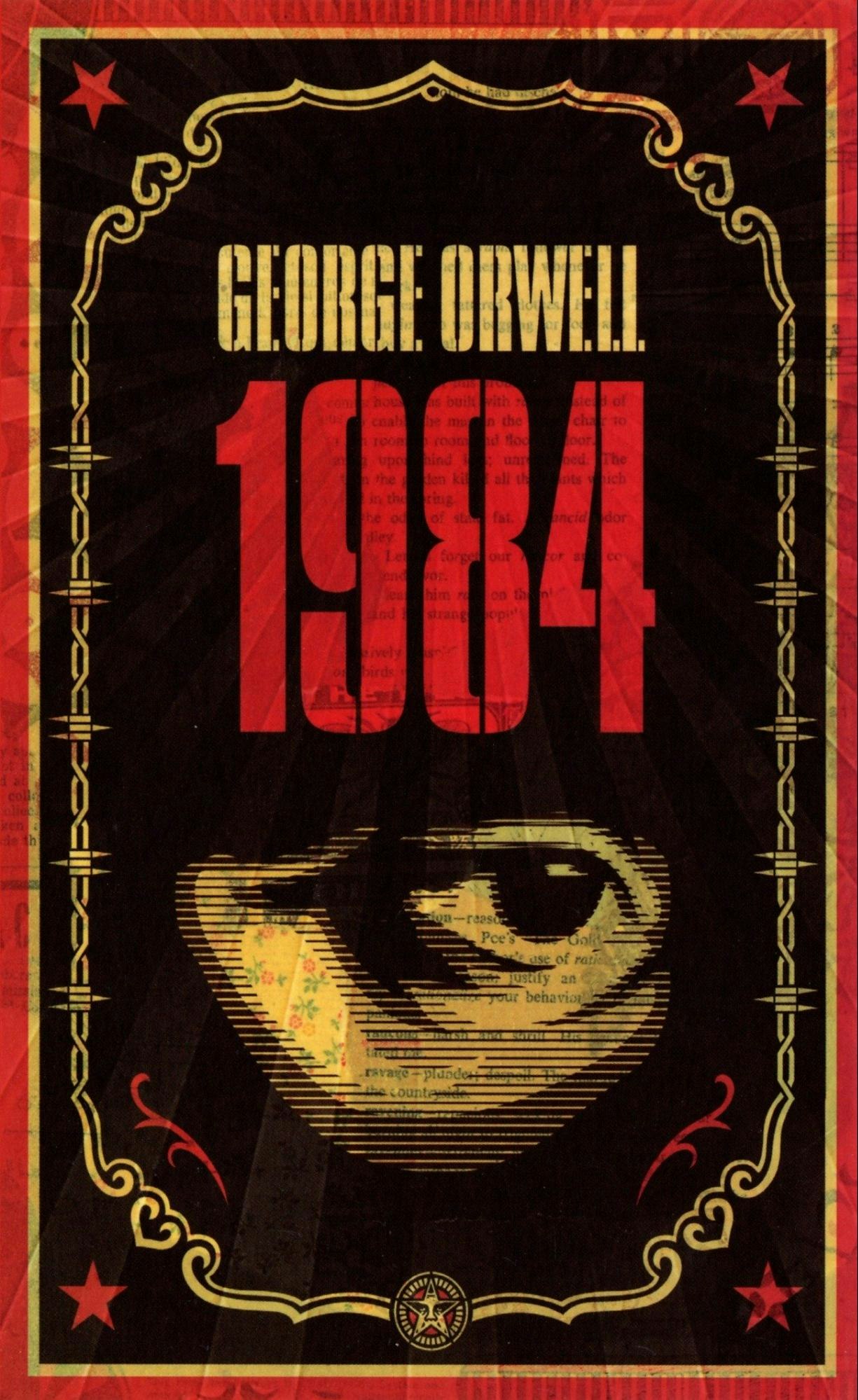
1. 1984 by George Orwell
1984 – George Orwell

1984 tells the futuristic story of a dystopian, totalitarian world where free will and love are forbidden. Although the year 1984 has long since passed, the prophecy of a society controlled by fear and lies is arguably more relevant now than ever.

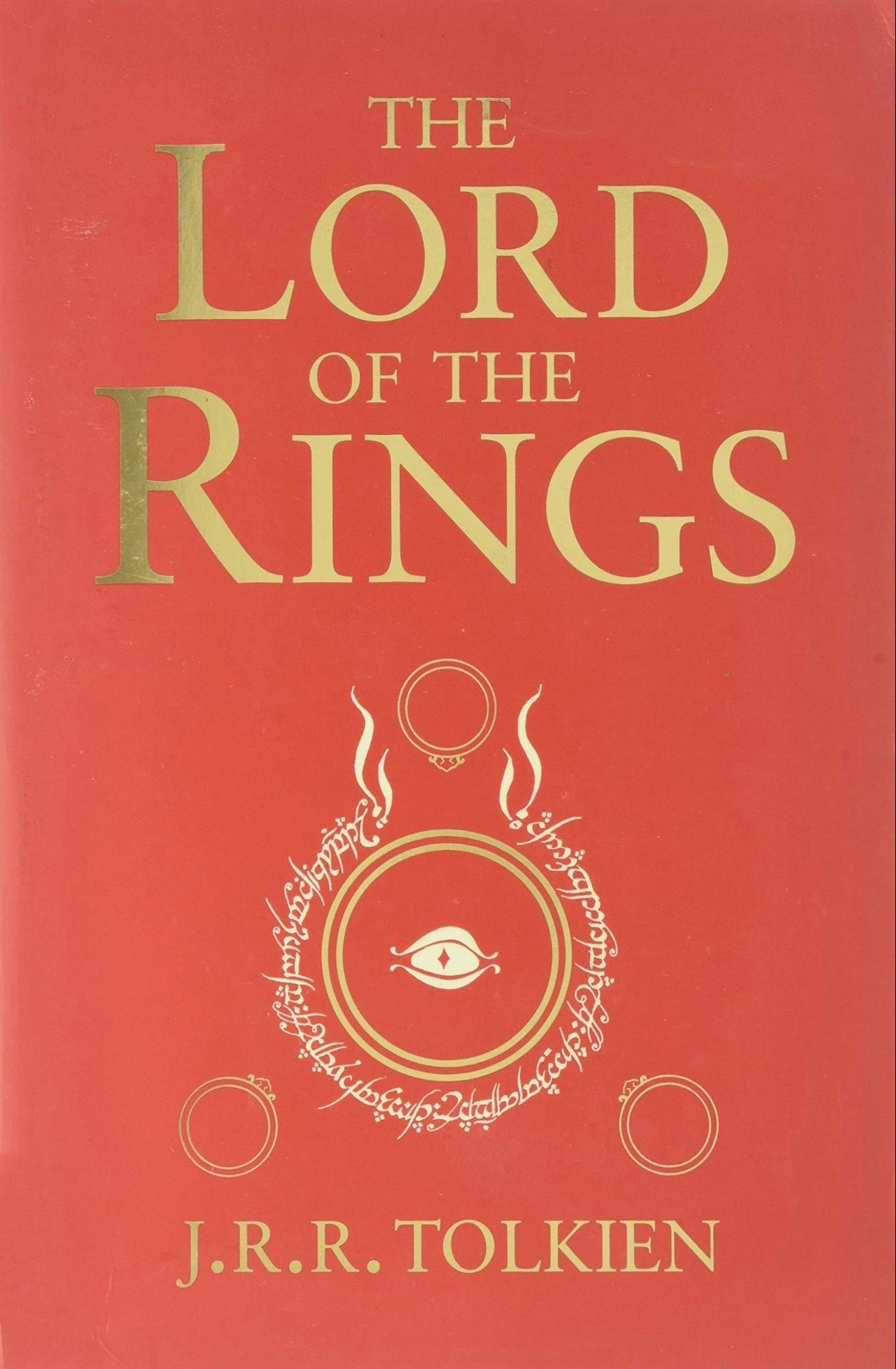
2. The Lord of the Rings by J.R.R. Tolkien
The Lord of the Rings – J.R.R.Tolkien

Tolkien’s fantasy epic is one of the top must-read books out there. Set in Middle Earth – a world full of hobbits, elves, orcs, goblins, and wizards – The Lord of the Rings will take you on an unbelievable adventure.

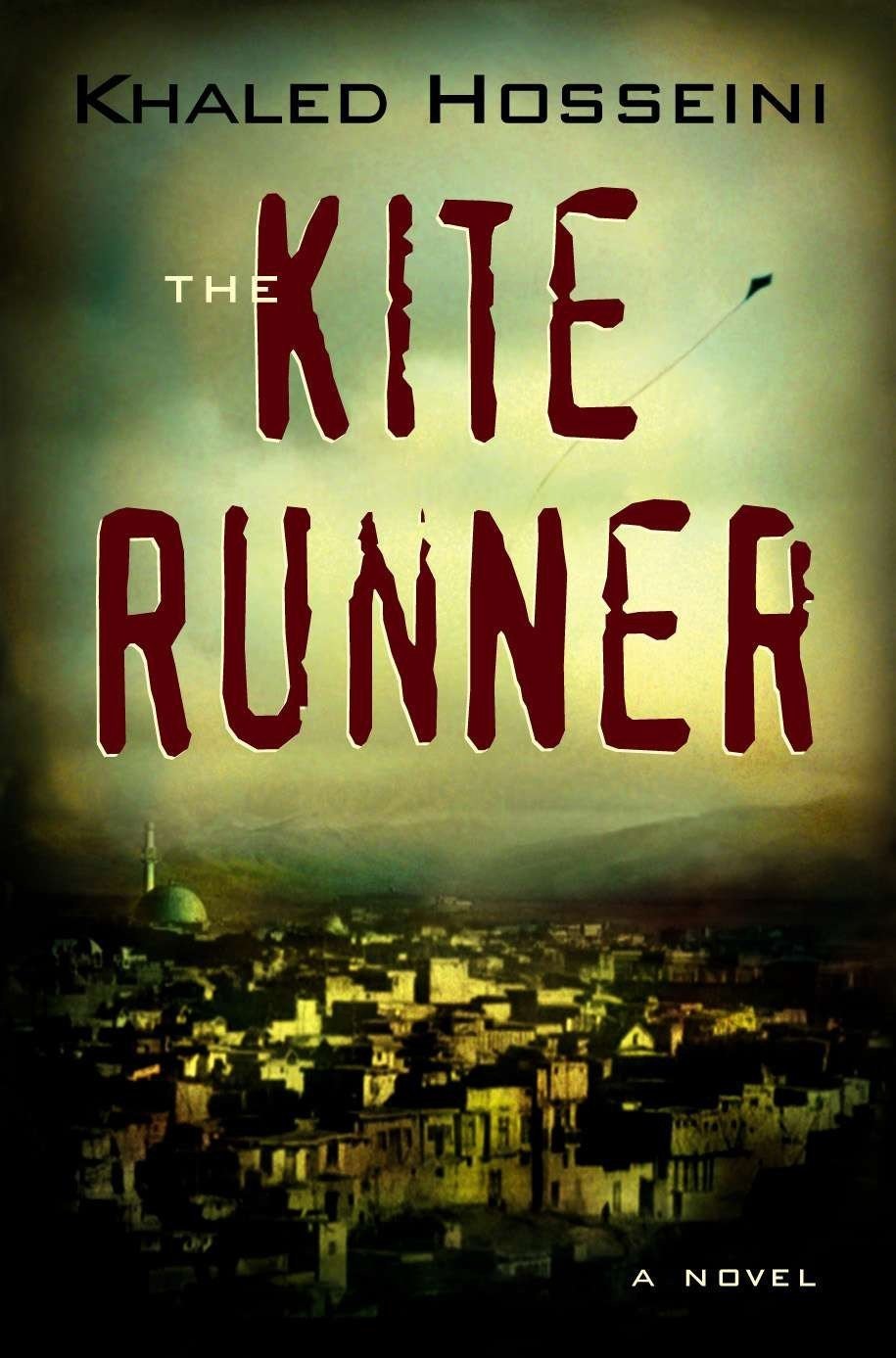
3. The Kite Runner by Khaled Hosseini
The Kite Runner – Khaled Hosseini

The Kite Runner is a moving story of an unlikely friendship between a wealthy boy and the son of his father’s servant. Set in Afghanistan during a time of tragedy and destruction, this unforgettable novel will have you hooked from start to finish.

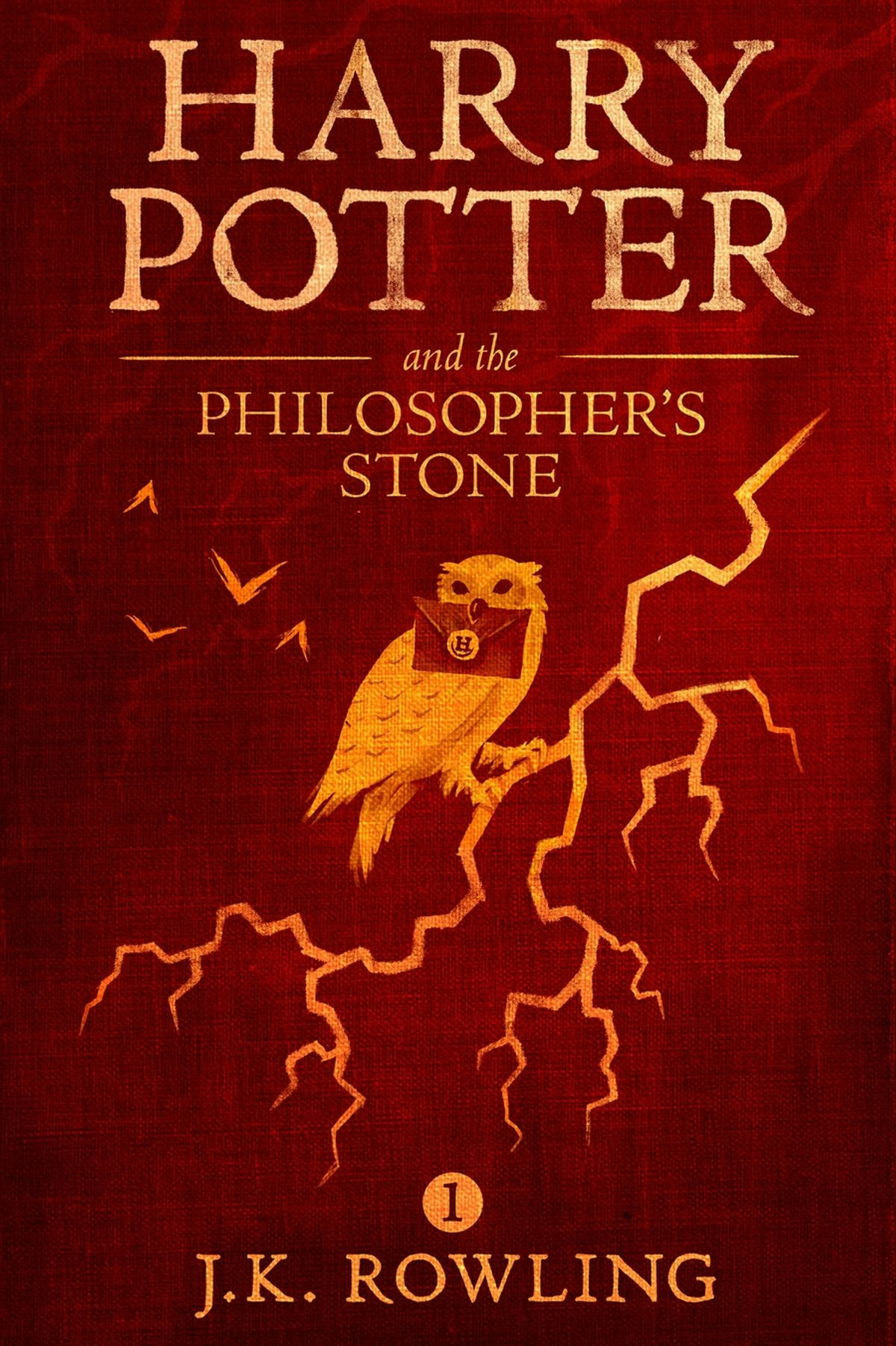
4. Harry Potter and the Philosopher’s Stone by J.K. Rowling
Harry Potter and the Philosopher's Stone – J.K. Rowling

This global bestseller took the world by storm. So, if you haven’t read J.K. Rowling’s Harry Potter, now may be the time. Join Harry Potter and his schoolmates as this must-read book transports you deep into a world of magic and monsters.

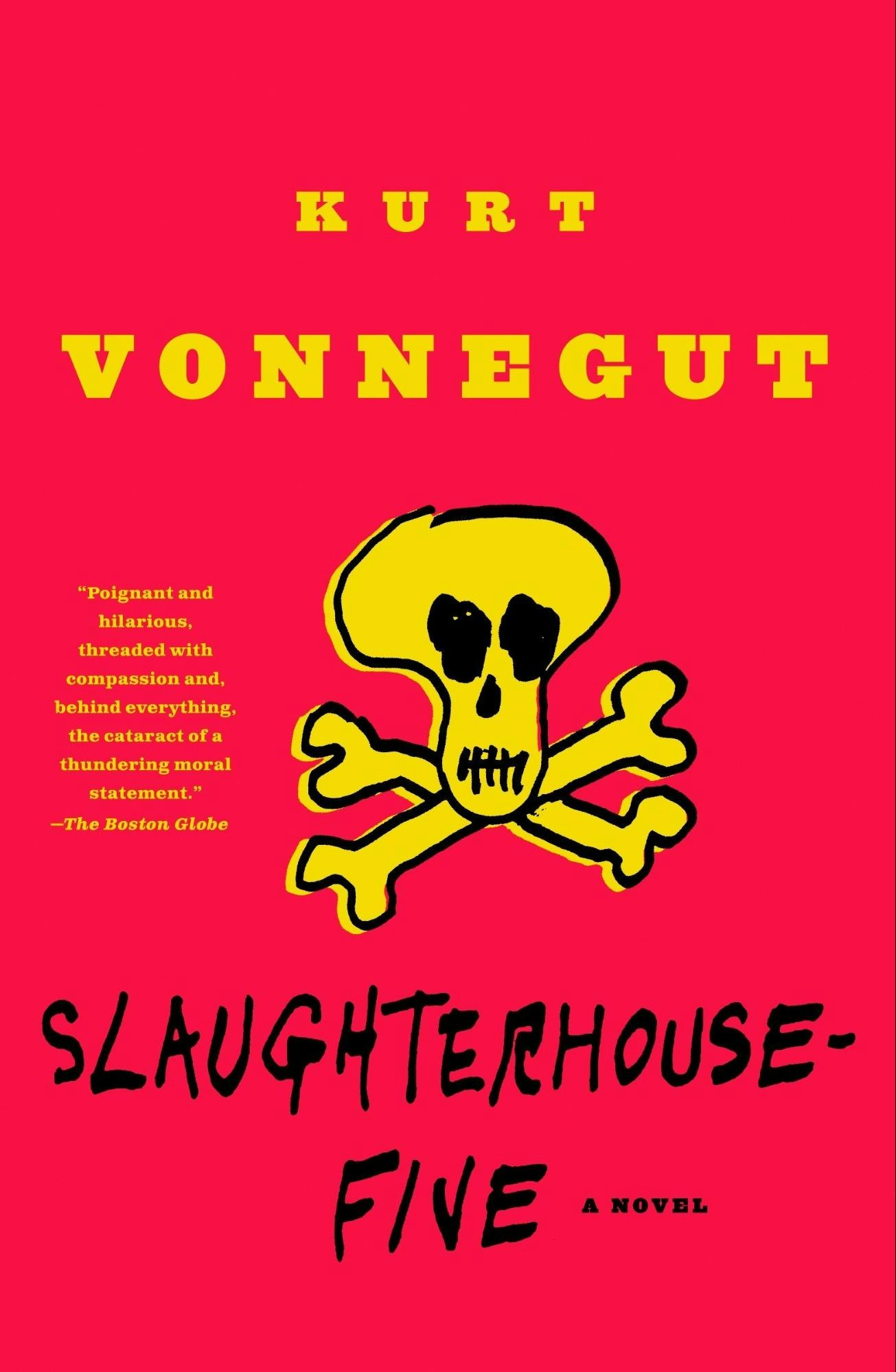
5. Slaughterhouse-Five by Kurt Vonnegut
Slaughterhouse Five – Kurt Vonnegut

Slaughterhouse-Five is arguably one of the greatest anti-war books ever written. This rich and amusing tale follows the life of Billy Pilgrim as he experiences World War II from a peculiar perspective.

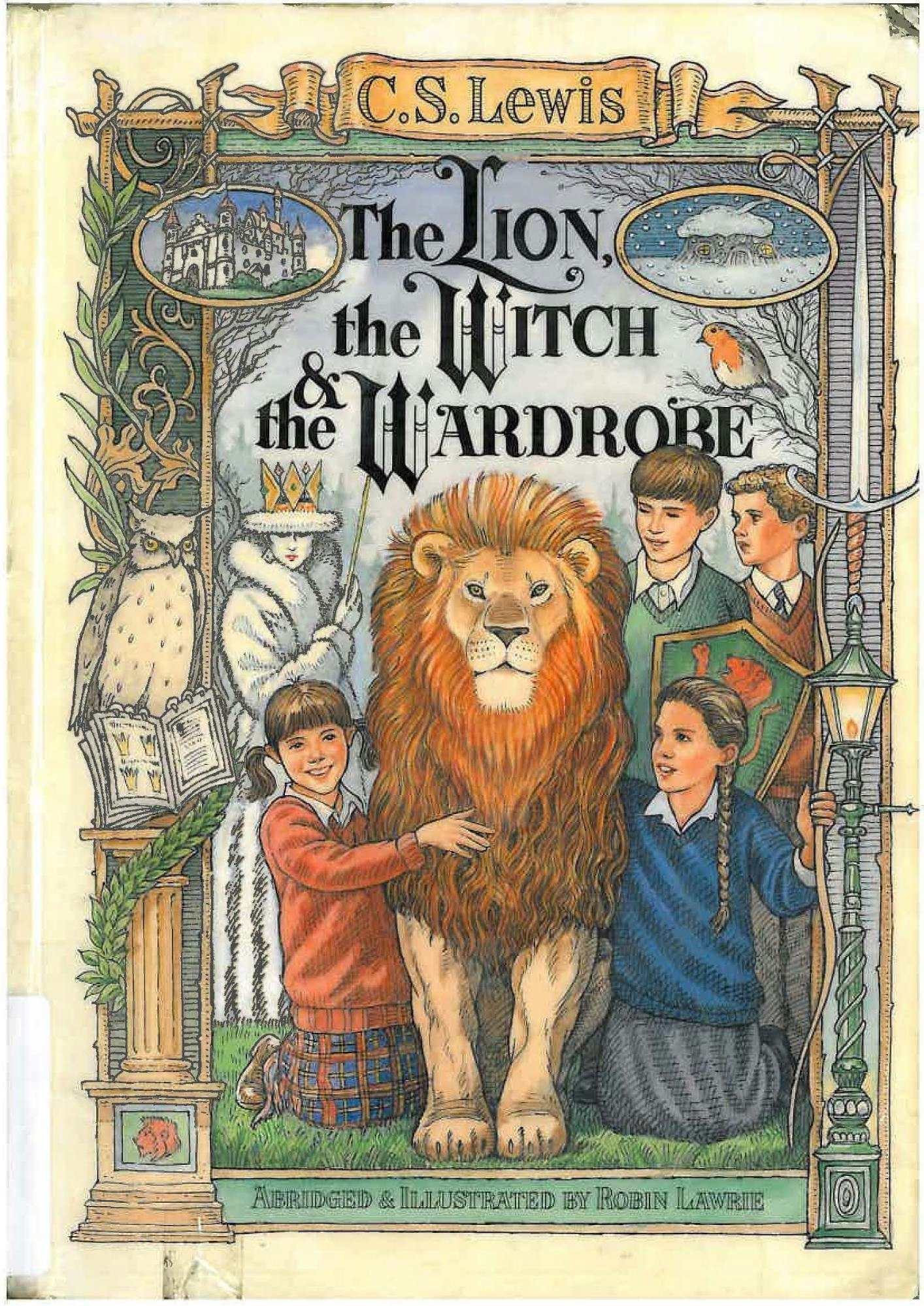
6. The Lion, the Witch, and the Wardrobe by C.S. Lewis
The Lion, the Witch, and the Wardrobe – C.S.Lewis

The Lion, The Witch, and the Wardrobe is undoubtedly one of the great books of all time. This renowned fantasy novel is set in Narnia, home to mythical beasts, talking animals, and warring kingdoms. The story follows a group of school children as they become entangled in this incredible world’s fate.

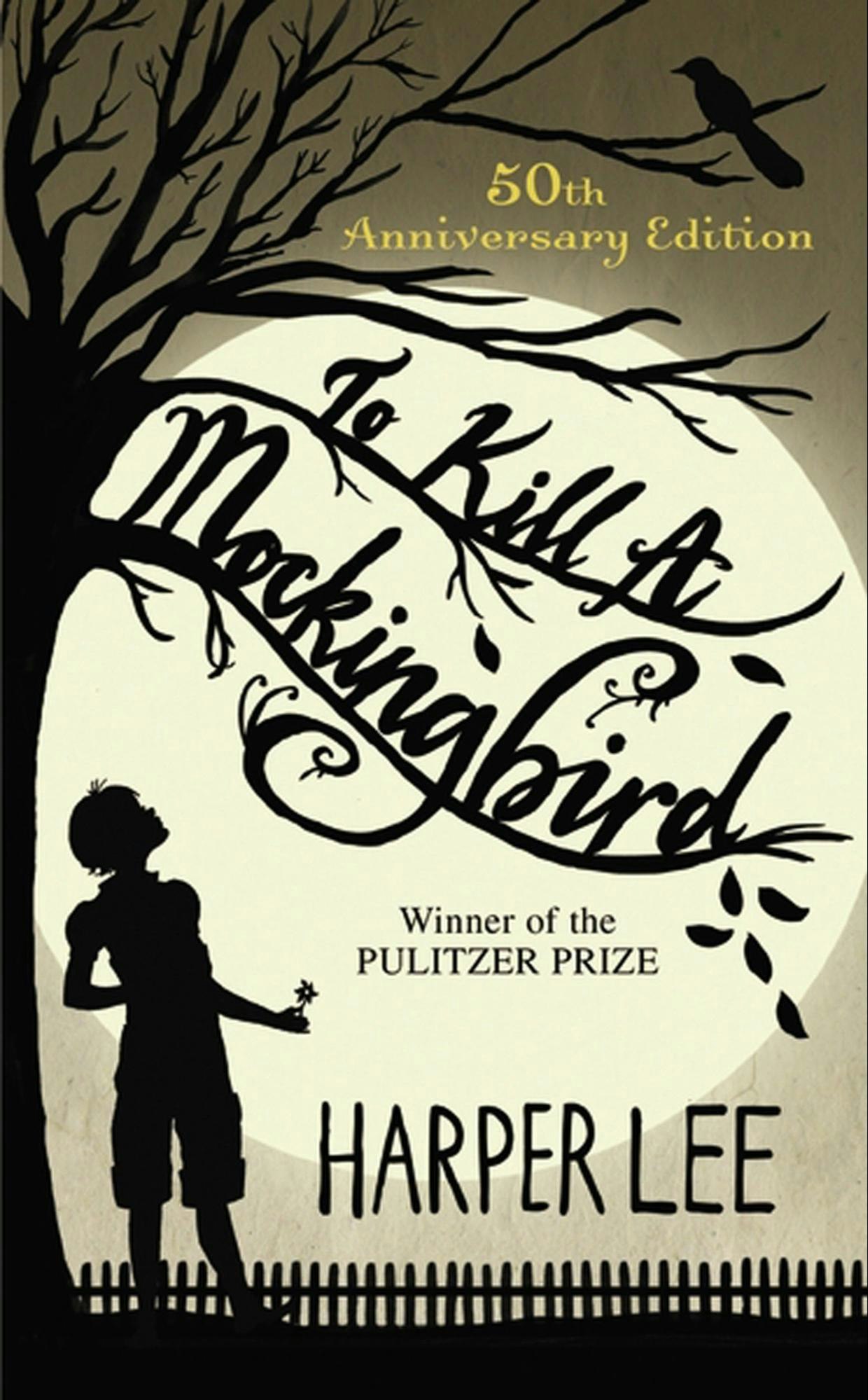
7. To Kill a Mockingbird by Harper Lee
To Kill a Mockingbird – Harper Lee

To Kill a Mockingbird is one of the top must-read books of all time. Published in 1960, the story explores life in the Deep South during the early 20th century through the story of a man accused of a terrible crime. It’s poignant, humorous, and gripping.

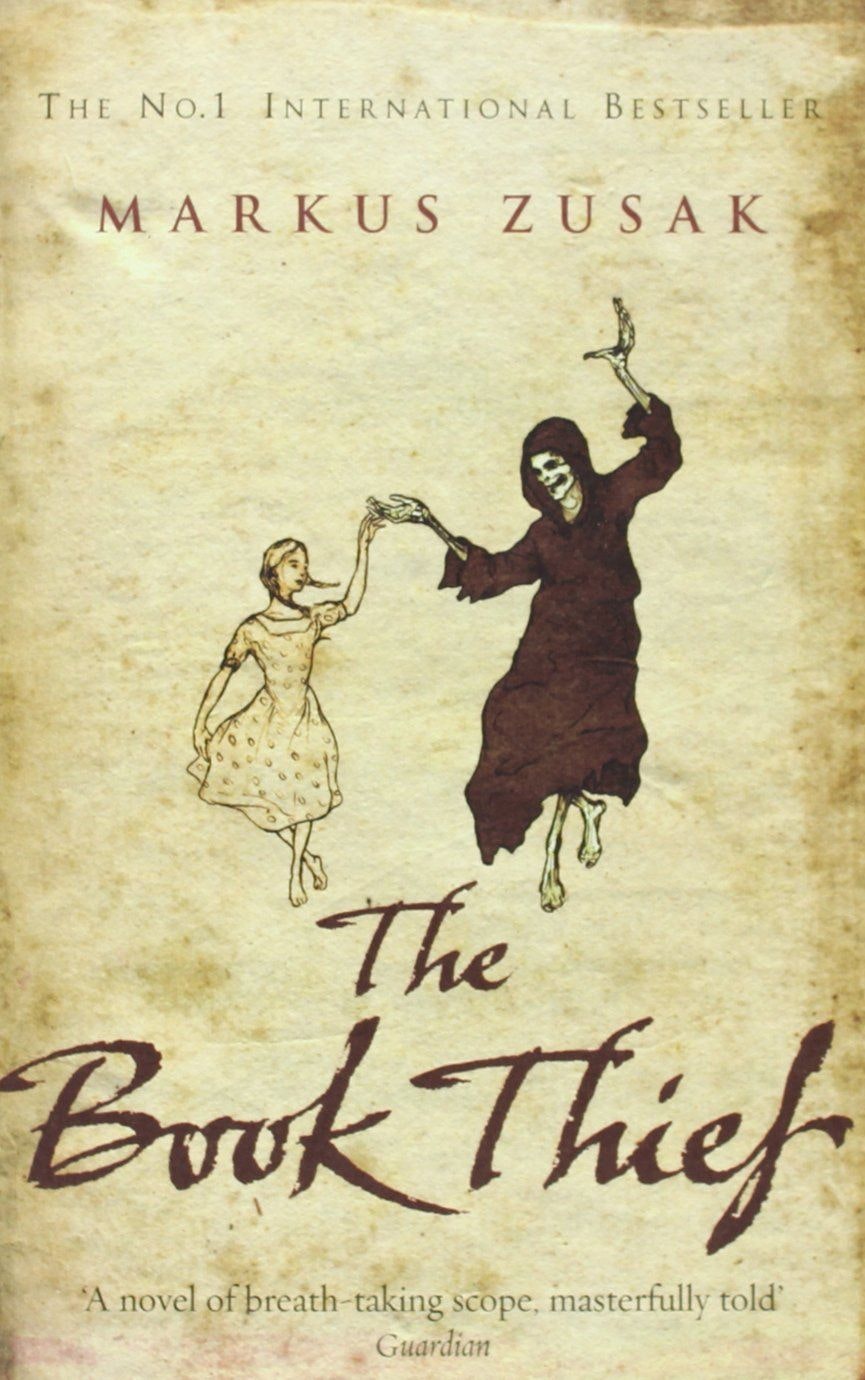
8. The Book Thief by Markus Zusak
The Book Thief – Markus Zusak

The Book Thief is a story of bravery, hope, and friendship in a time of Nazi tyranny. Narrated by Death itself, this novel will have you holding your breath for chapters at a time.

9. Wuthering Heights by Emily Bronte
Wuthering Heights – Emily Brontë

Wuthering Heights is a classic novel published way back in 1847. This harrowing story, set on a lonely English moorland, follows Catherine Earnshaw and Heathcliff’s struggle with love, betrayal, and revenge. If you love dramatic novels, add this to your must-read book list.

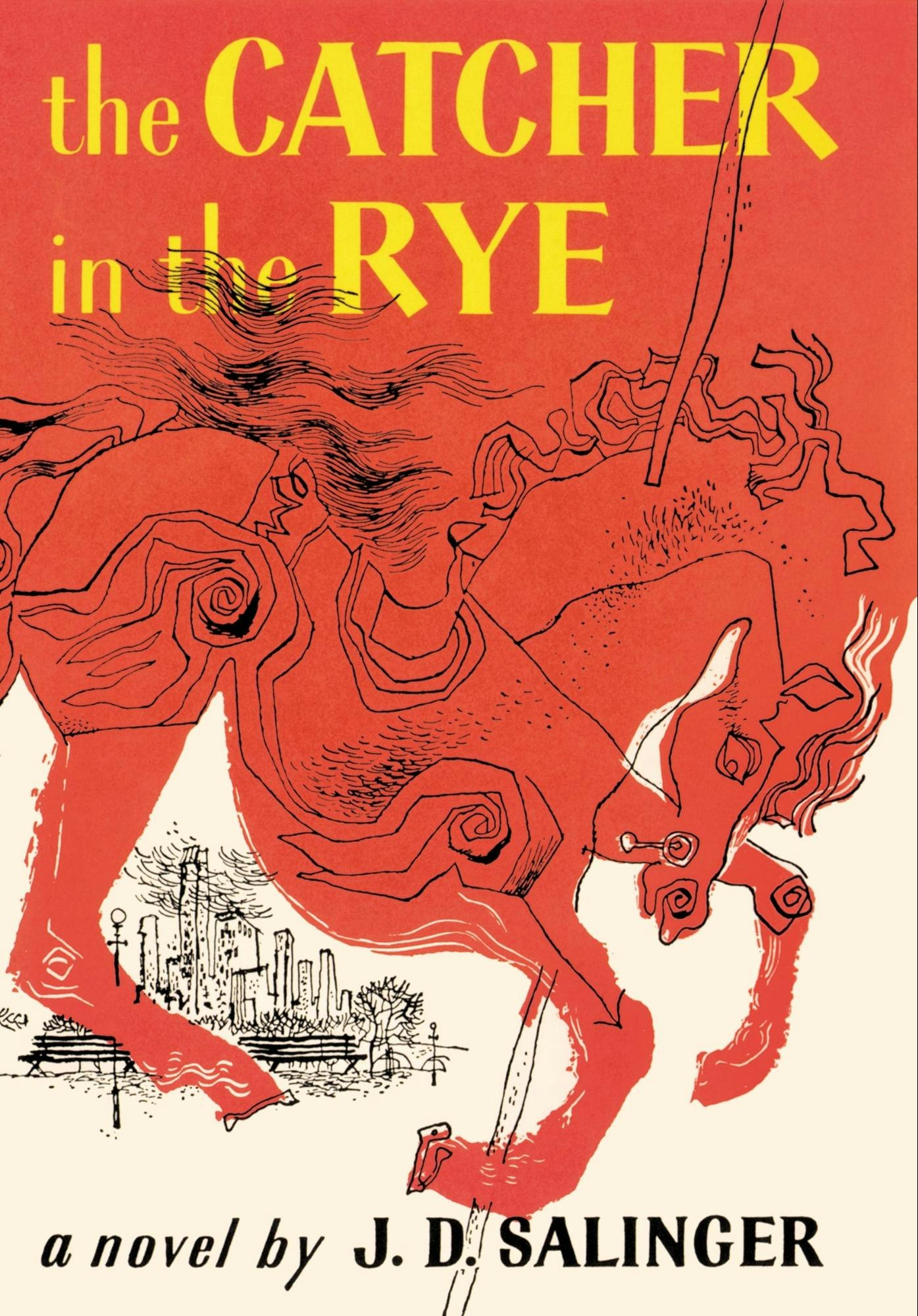
10. The Catcher in the Rye by J.D. Salinger
The Catcher in the Rye – J.D. Salinger

The Catcher in the Rye is the classic coming-of-age story. It follows sixteen-year-old Holden Caulfield’s adolescent journey of angst and alienation as he leaves his prep school and moves to New York City.

11. Jane Eyre by Charlotte Bronte
Jane Eyre – Charlotte Brontë

Jane Eyre is often considered one of the must-read books of all time. It follows the emotions and experiences of a strong, unbroken woman who continued to grow morally and spiritually despite a troubled childhood and a sexist, repressed Victorian society.

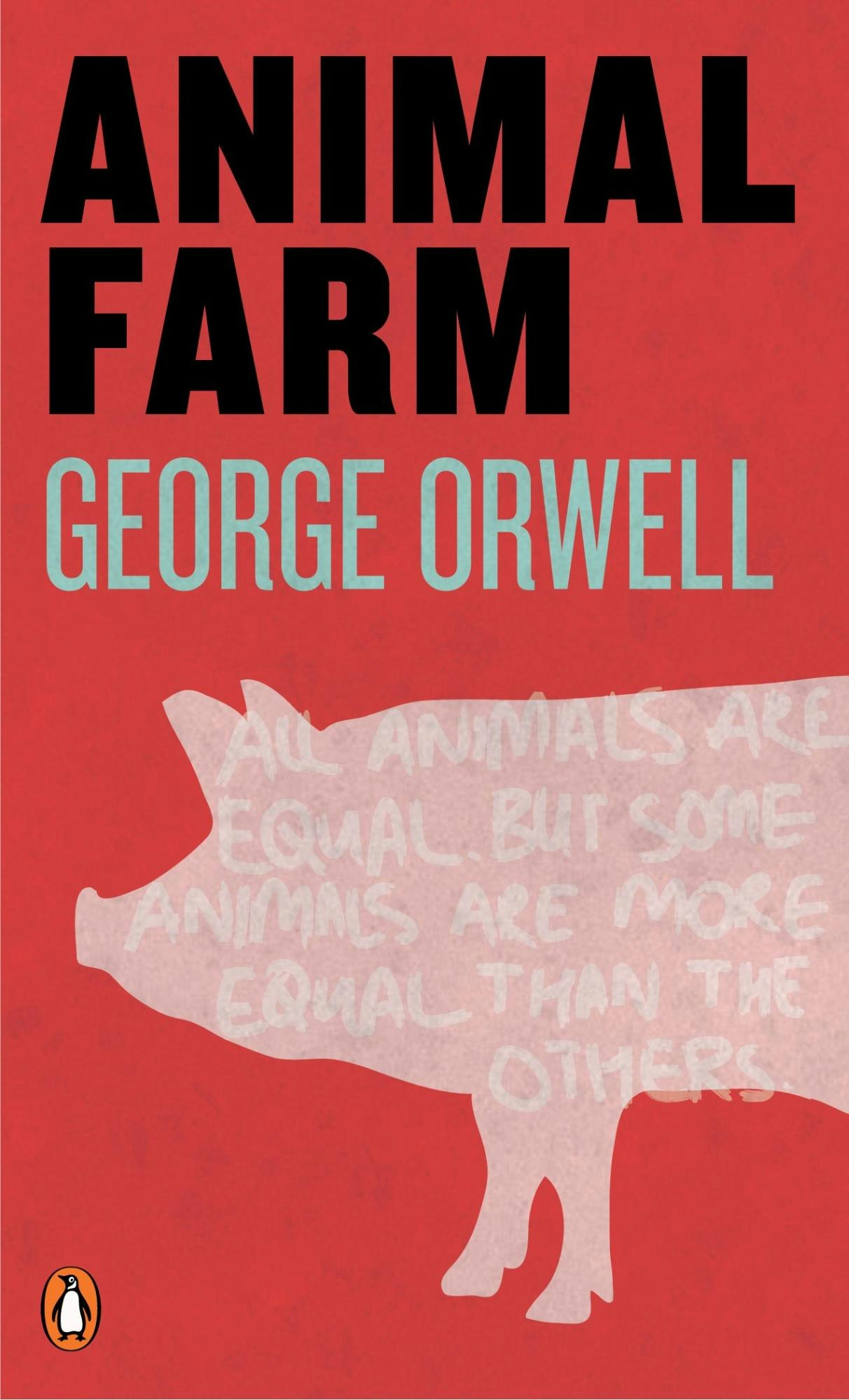
12. Animal Farm by George Orwell
Animal Farm – George Orwell

Orwell tells a fairy tale of a revolution against tyranny that ends in even more unjust totalitarianism. The animals on the farm are rife with idealism and desire to create a world of justice, equality, and progress. However, the new regimen attempts to control every aspect of the animals’ lives.

13. Fahrenheit 451 by Ray Bradbury
Fahrenheit 451 – Ray Bradbury

Ray Bradbury’s dystopian world shines a light on Western societies’ dependence on the media. The main character’s job is to find and burn any books he can find – until he begins to question everything. Considering the state of current politics and world affairs, this is one of the absolute must-read books in life.

14. Little Women by Louisa May Alcott
Little Women – Louise May Alcott

This is a tale of four sisters with their own very different and very prominent personalities. The novel draws the reader deep into their lives as we get to know each of their flaws, joys, struggles, and fears.

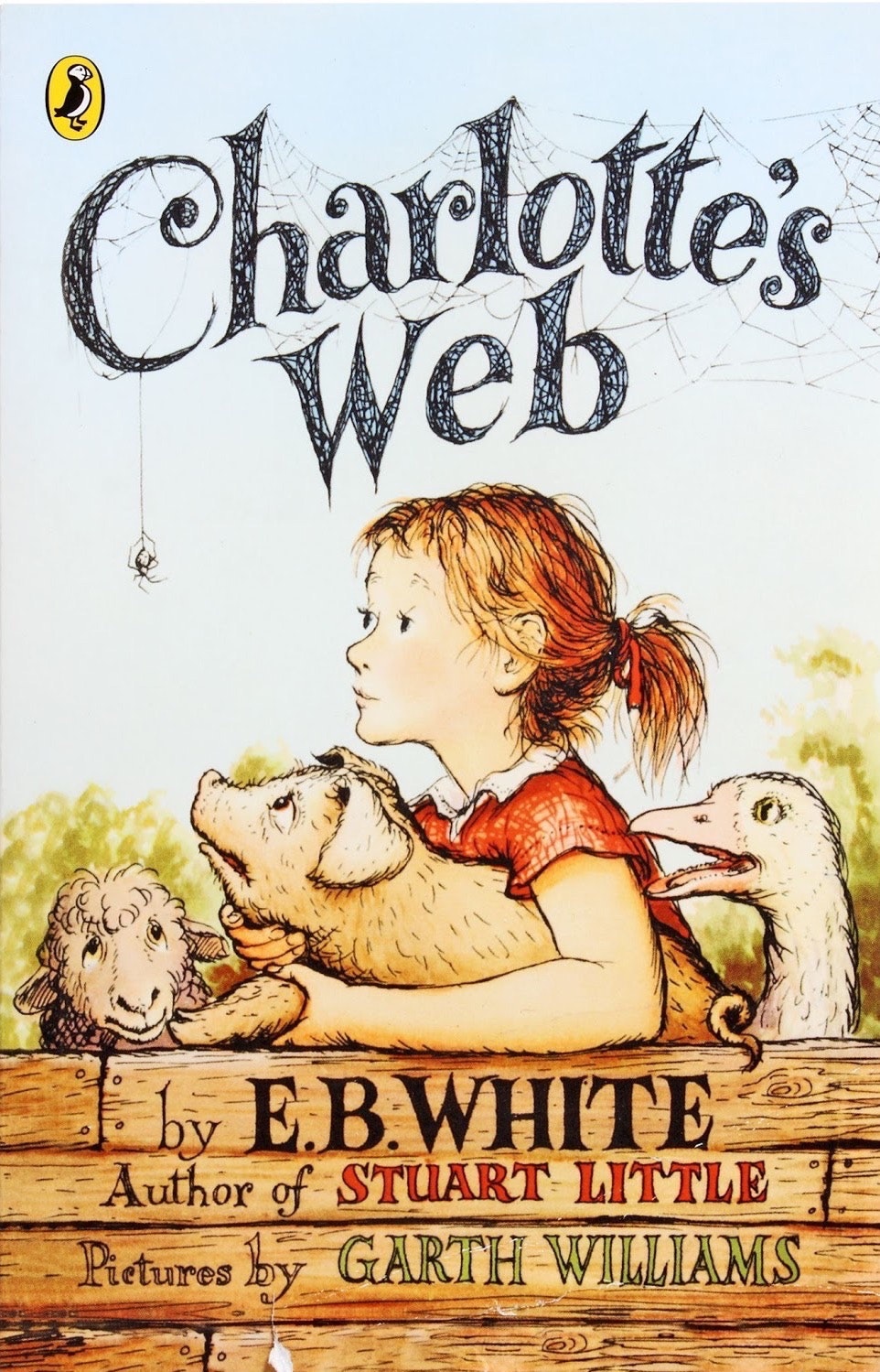
15. Charlotte’s Web by E.B. White
Charlotte's Web – E.B. White

Charlotte’s Web is a great reminder to be kind to all living creatures. This magical story takes place on a farm where a little girl tries to save her piglet from slaughter. Fern, the little girl, enlists the help of her farm friends to execute her clever plan. 

16. Frankenstein by Mary Shelley
Frankenstein – Mary Shelley

English author Mary Shelley tells the story of Victor Frankenstein, a young scientist who creates a monster and brings it to life. This gripping novel evokes questions about what makes us human and what love and kindness truly mean. 

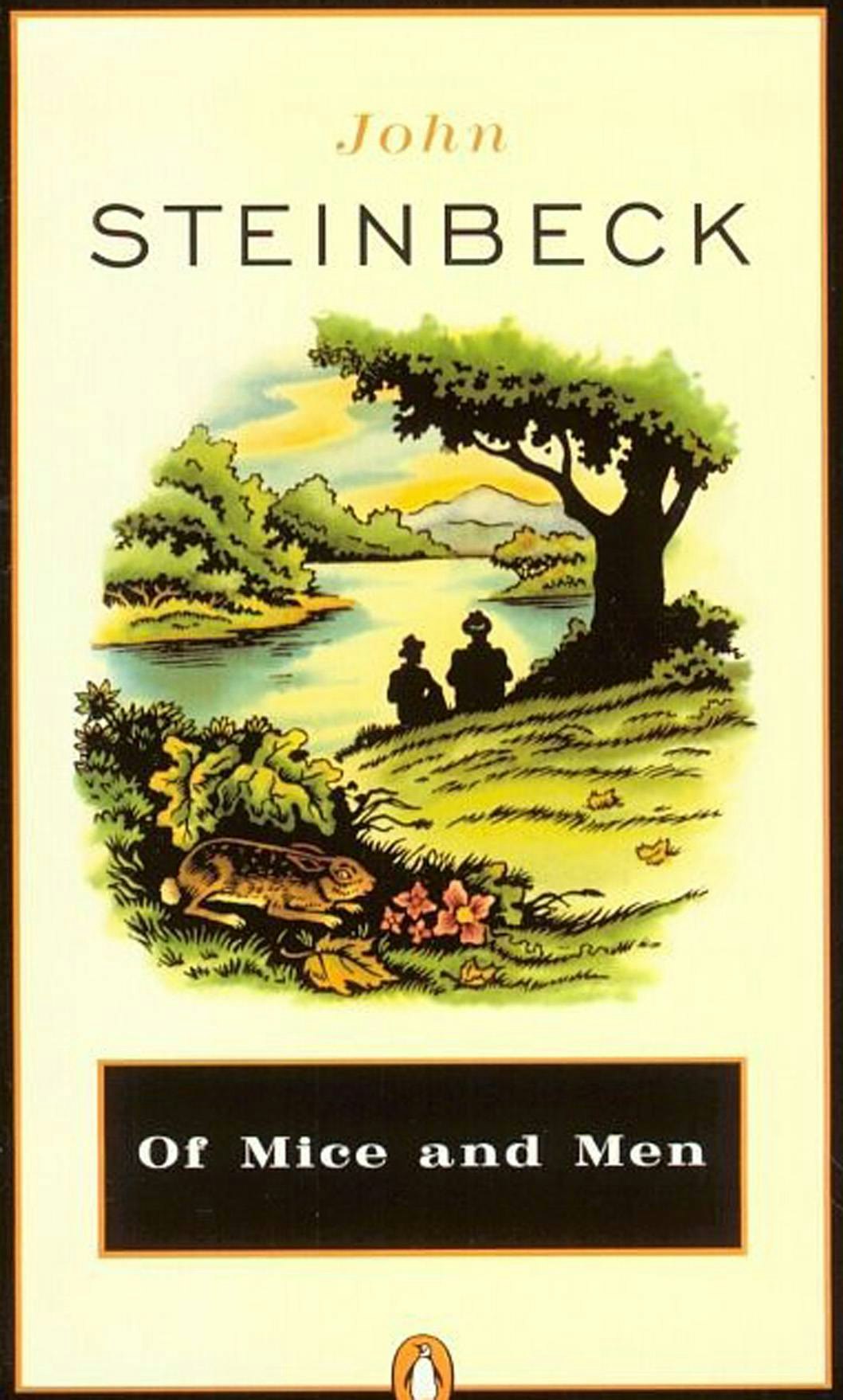
17. Of Mice and Men by John Steinbeck
Of Mice and Men – John Steinbeck

Of Mice and Men should be on every must-read book list. Set in the Great Depression, this is a controversial tale of friendship between two migrant workers in California. Filled with hope and tragedy, the two work towards the dream of owning land and pets.

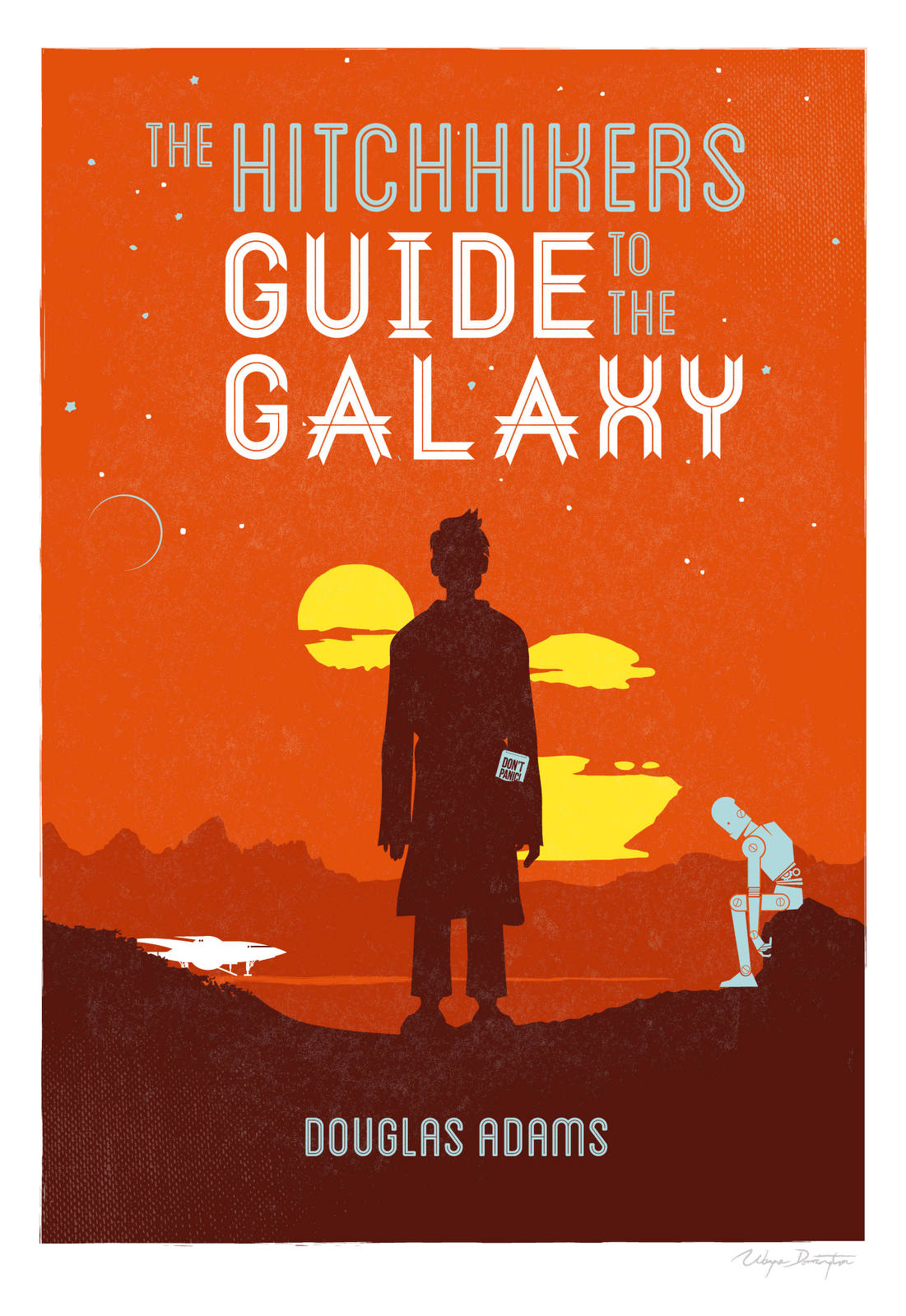
18. The Hitchhiker’s Guide to the Galaxy by Douglas Adams
The Hitchhikers Guide to the Galaxy – Douglas Adams

In Guardians of the Galaxy, Arthur Dent sets off on a hilarious and fantastic adventure across the stars. He learns not to take the universe seriously as he meets all kinds of interesting characters.

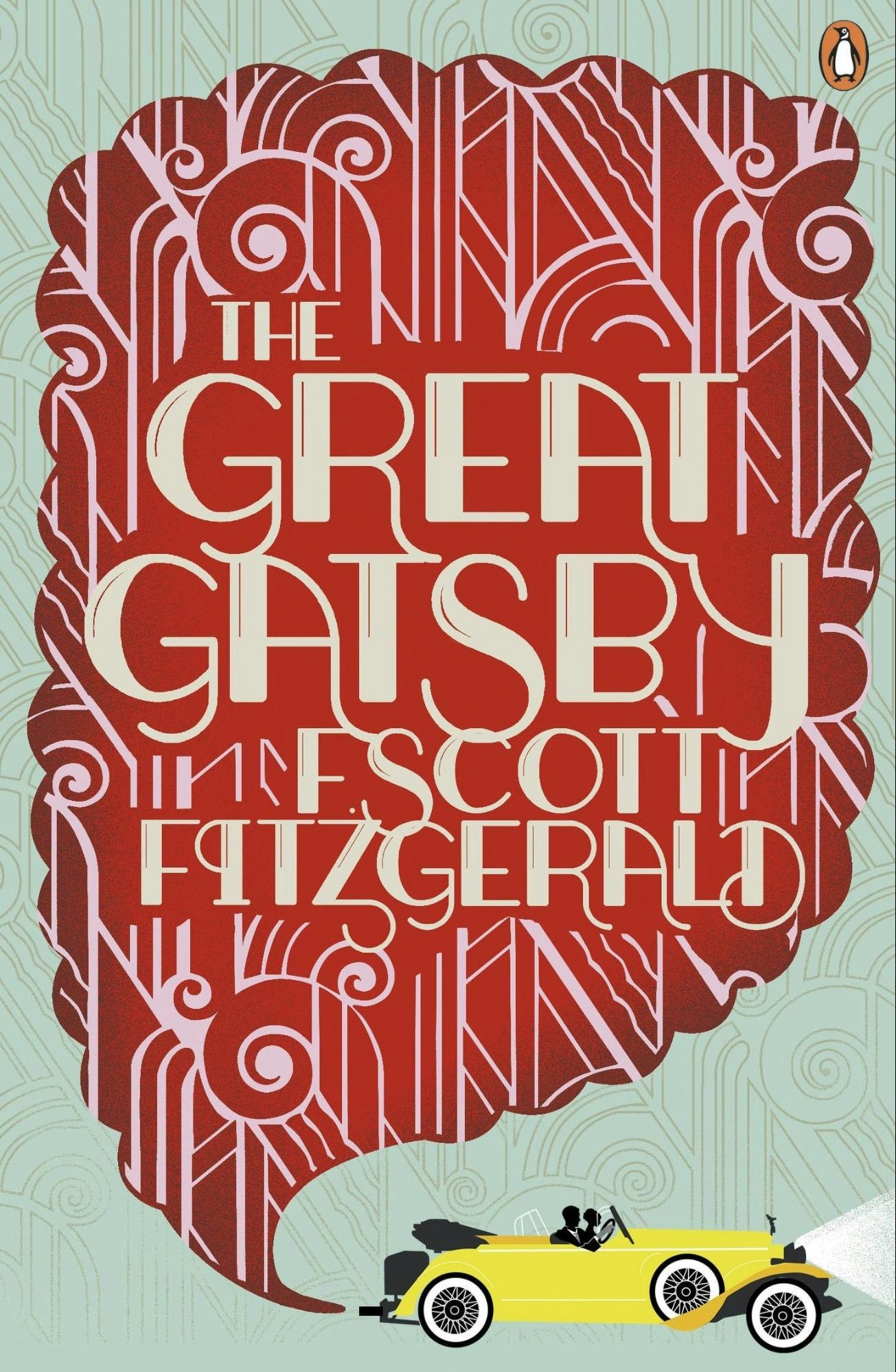
19. The Great Gatsby by F. Scott Fitzgerald
The Great Gatsby – F.Scott Fitzgerald

Scott Fitzgerald’s The Great Gatsby is said to be the quintessential novel of the Jazz Age. Set in 1922 amongst unfathomable indulgence and decadence, the novel highlights a man’s struggle to earn the love of the woman he’s obsessed with.

Business and Money Must-Read Books

Ready to start an online business? Find best selling products from suppliers you can trust at Handshake, a wholesale marketplace by Shopify.

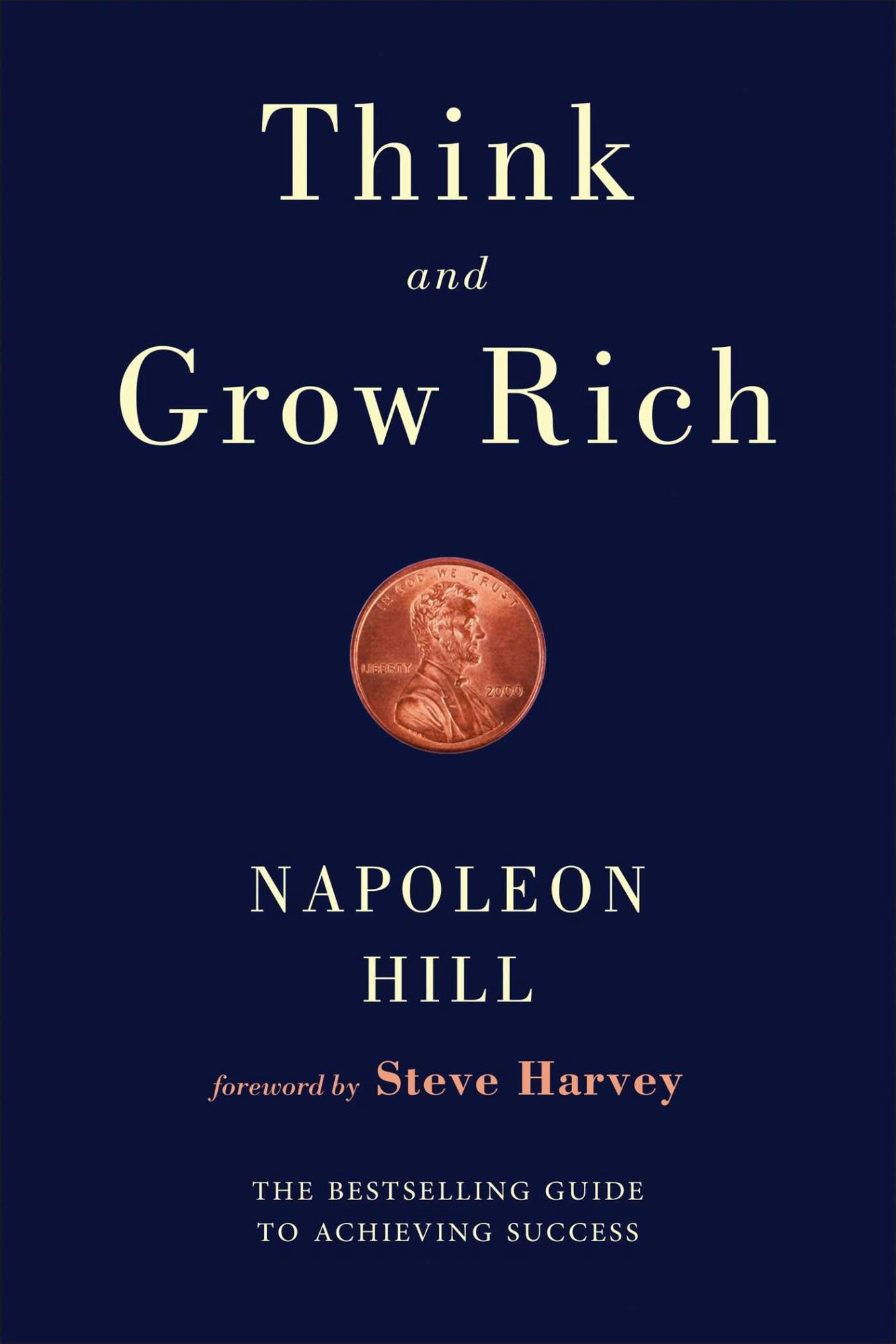
20. Think and Grow Rich by Napoleon Hill
Think and Grow Rich – Napoleon Hill

Think and Grow Rich is a classic bestseller that has sold millions of copies worldwide. It’s packed full of money-making tips, techniques, and strategies. If you want to improve your mindsetaround money, this book can potentially change your life completely.

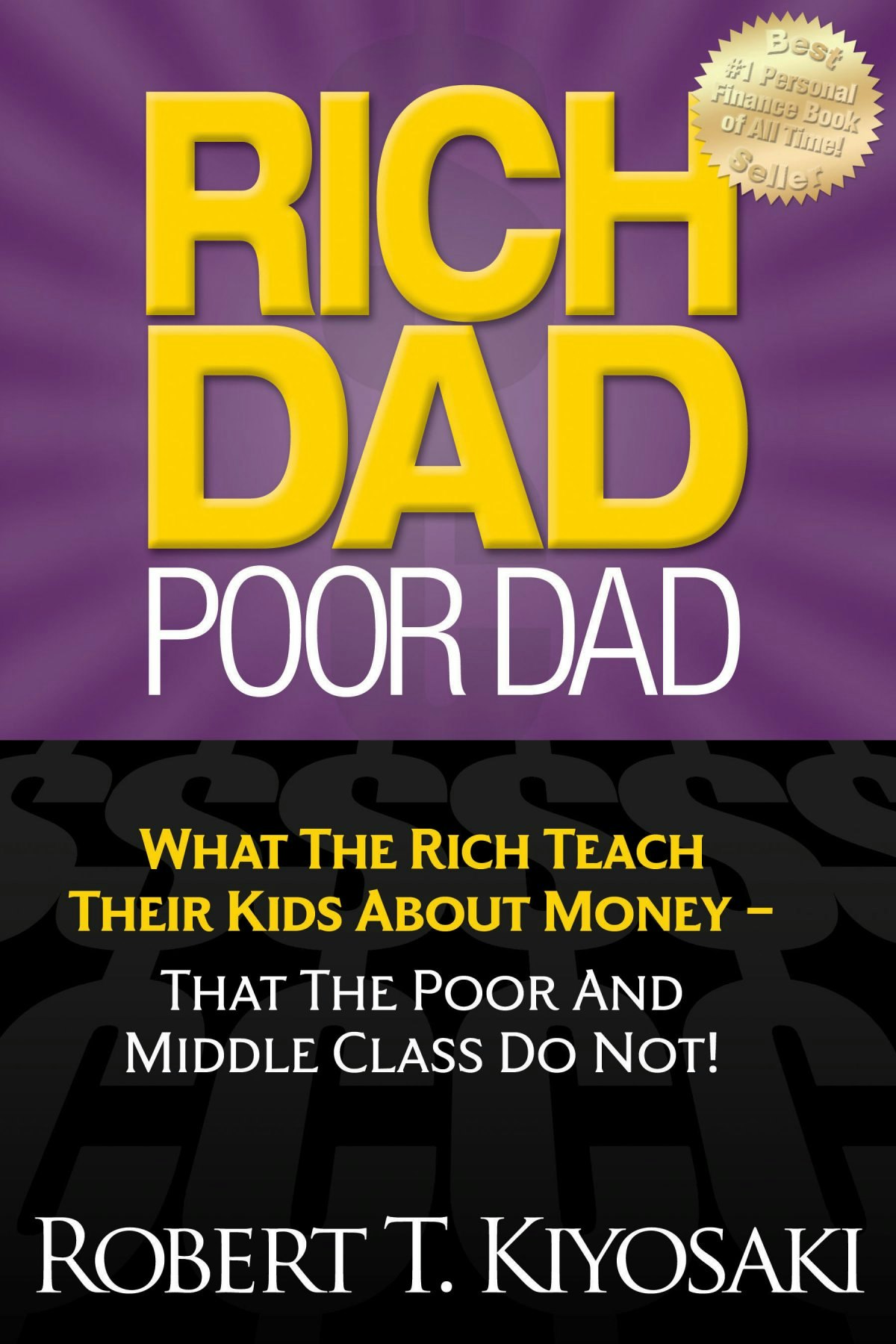
21. Rich Dad Poor Dad: What the Rich Teach Their Kids About Money That the Poor and Middle Class Do Not! by Robert T. Kiyosaki
Rich Dad Poor Dad – Robert T. Kiyosaki

Rich Dad Poor Dad explains how wealthy people and poorer people think differently. It challenges commonly held beliefs about money and explains how you don’t need to have a high income to become rich.

22. The Intelligent Investor by Benjamin Graham
The Intelligent Investor – Benjamin Graham

If you want to learn how to invest, add this to your list of must-read books. Author Benjamin Graham is considered one of the greatest investment advisors of the twentieth century. In The Intelligent Investor, you’ll learn about Graham’s philosophy of ‘value investing’ and how to develop long-term strategies that are used by the most successful investors in the world.

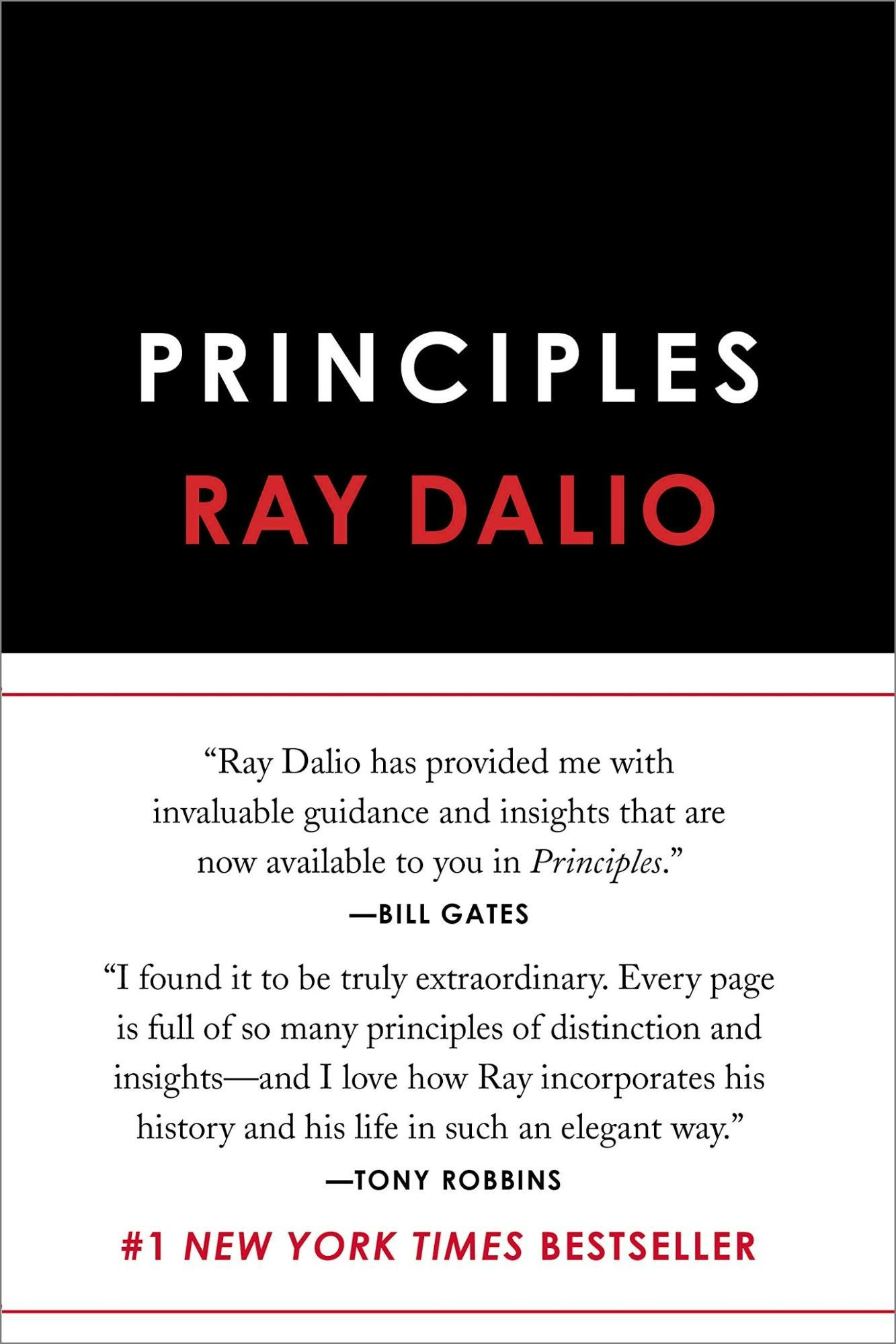
23. Principles: Life and Work by Ray Dalio
Principles – Ray Dalio

Ray Dalio’s investment firm, Bridgewater Associates, has made more money for its clients than any other hedge fund in history. In Principles, Dalio shares everything he’s learned about investing, business, and life over the years.

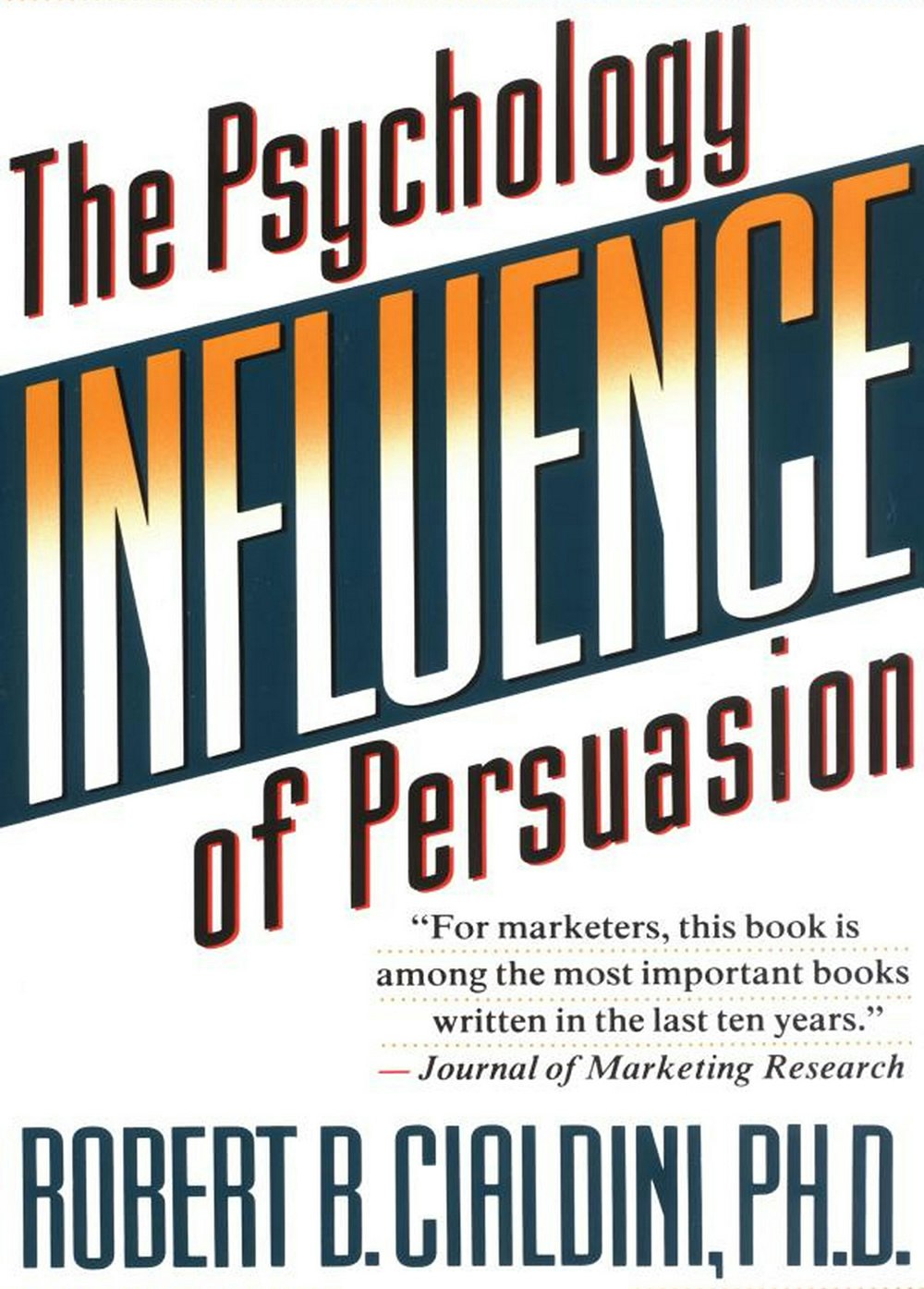
24. Influence: The Psychology of Persuasion by Robert B. Cialdini
Influence – Robert B. Cialdini, Ph.D

In this New York Times bestseller, DR. Robert B. Cialdini reveals the psychology behind influence – and how to apply the principles of persuasion in business and everyday life.

Personal Development Books Everyone Should Read

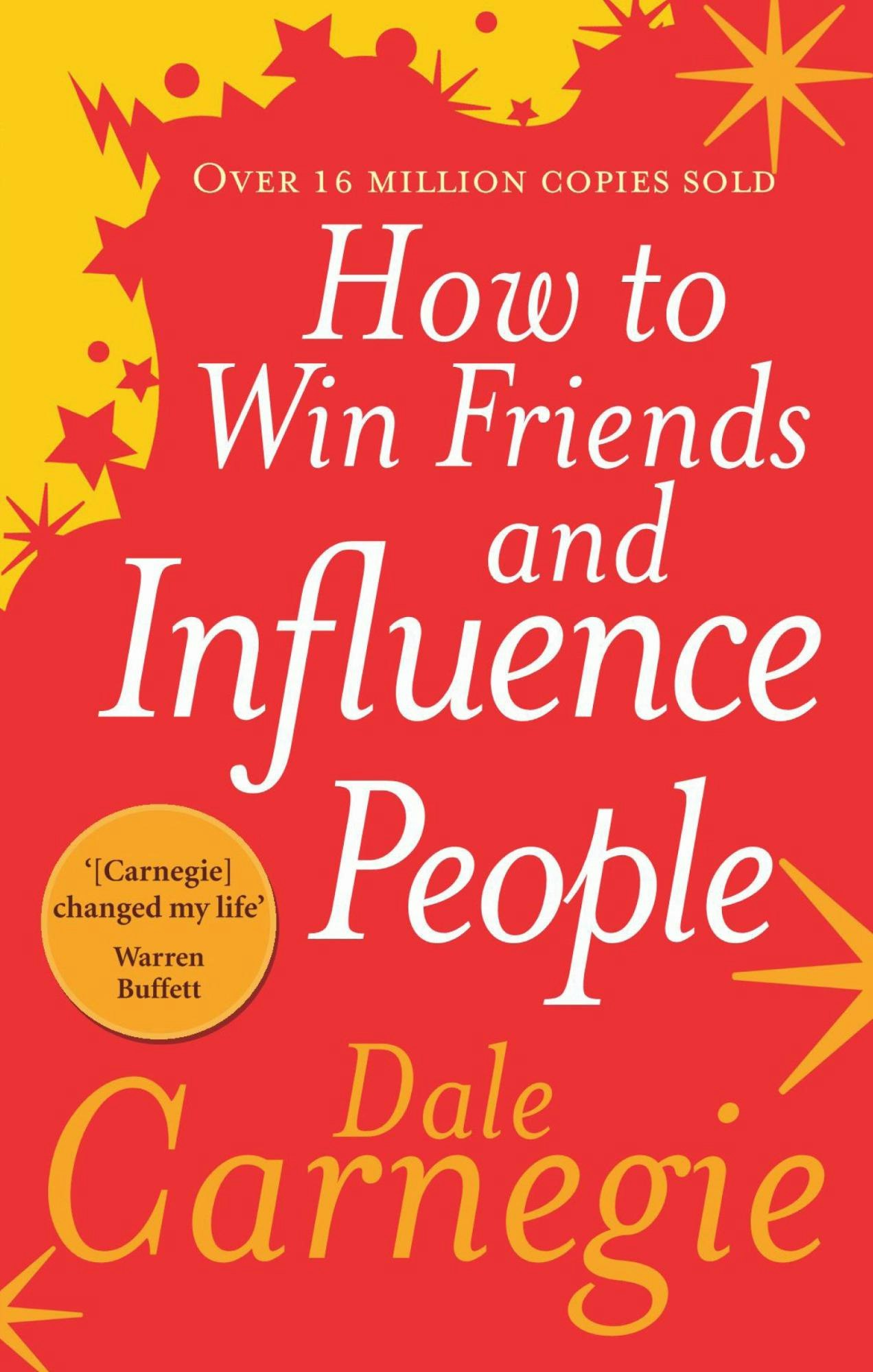
25. How to Win Friends and Influence People by Dale Carnegie
How to Win Friends and Influence People – Dale Carnegie

First published in 1936, Dale Carnegie’s classic self-help book has stood the test of time. How to Win Friends and Influence People will teach you straightforward methods to improve your relationships – and as a result, your business and personal lives.

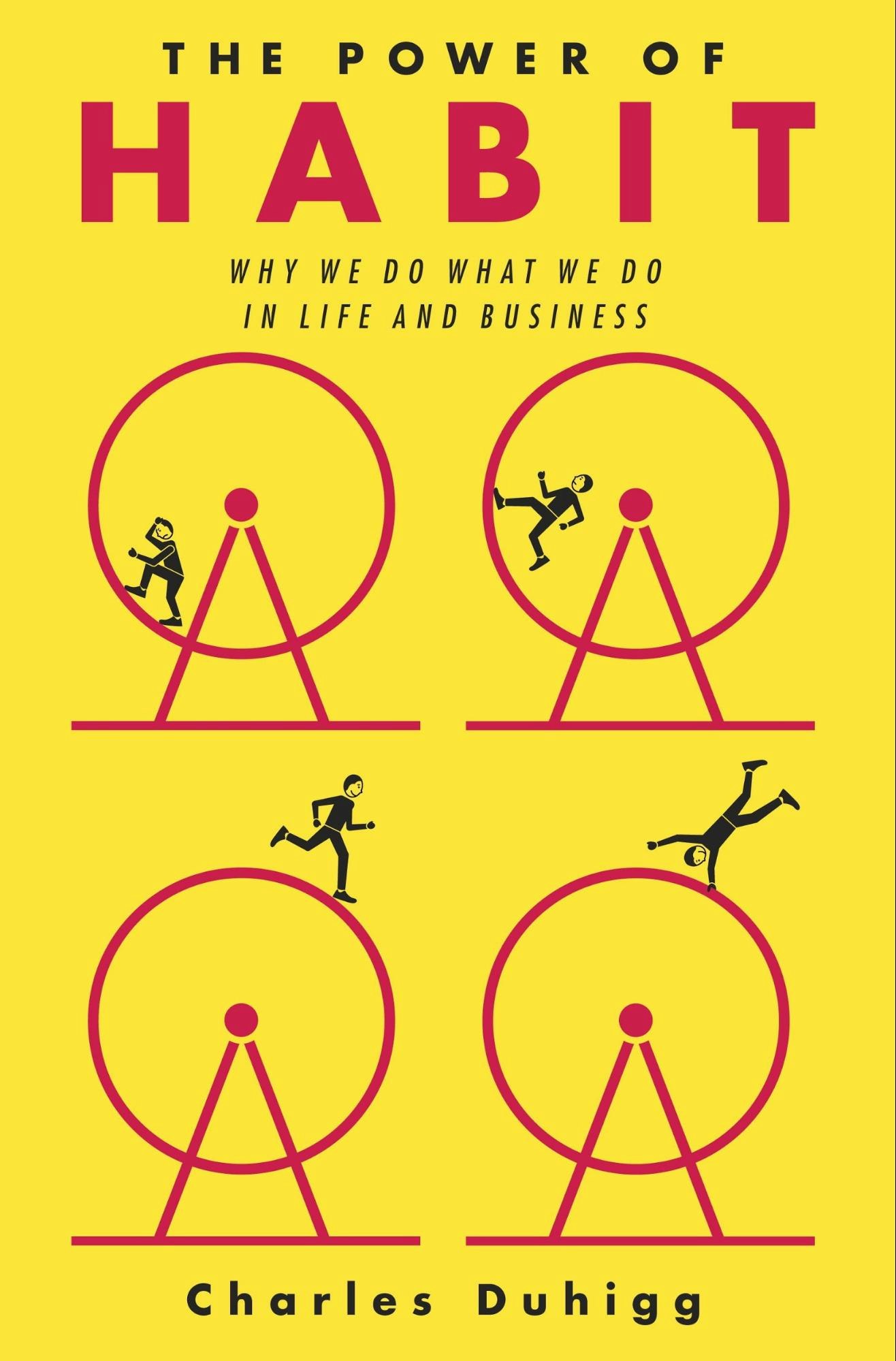
26. The Power of Habit: Why We Do What We Do in Life and Business by Charles Duhigg
The Power of Habit – Charles Duhigg

If you’ve ever tried to change a habit unsuccessfully, this should be one of your must-read books. In The Power of Habit, Charles Duhigg reveals the empowering nature of how habits are formed and – crucially – how you can change them.

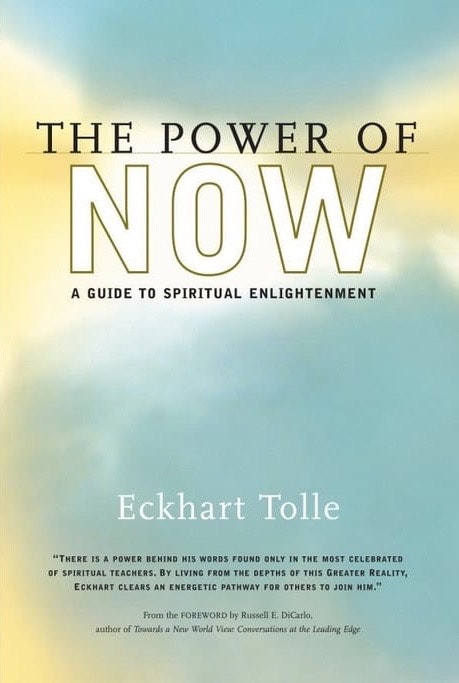
27. The Power of Now: A Guide to Spiritual Enlightenment by Eckhart Tolle
The Power of Now – Eckhart Tolle

The Power of Now has sold more than two million copies and has been translated into over 30 languages. This groundbreaking book has the potential to completely revolutionize how you experience life – making life far more joyous and prosperous in the process.

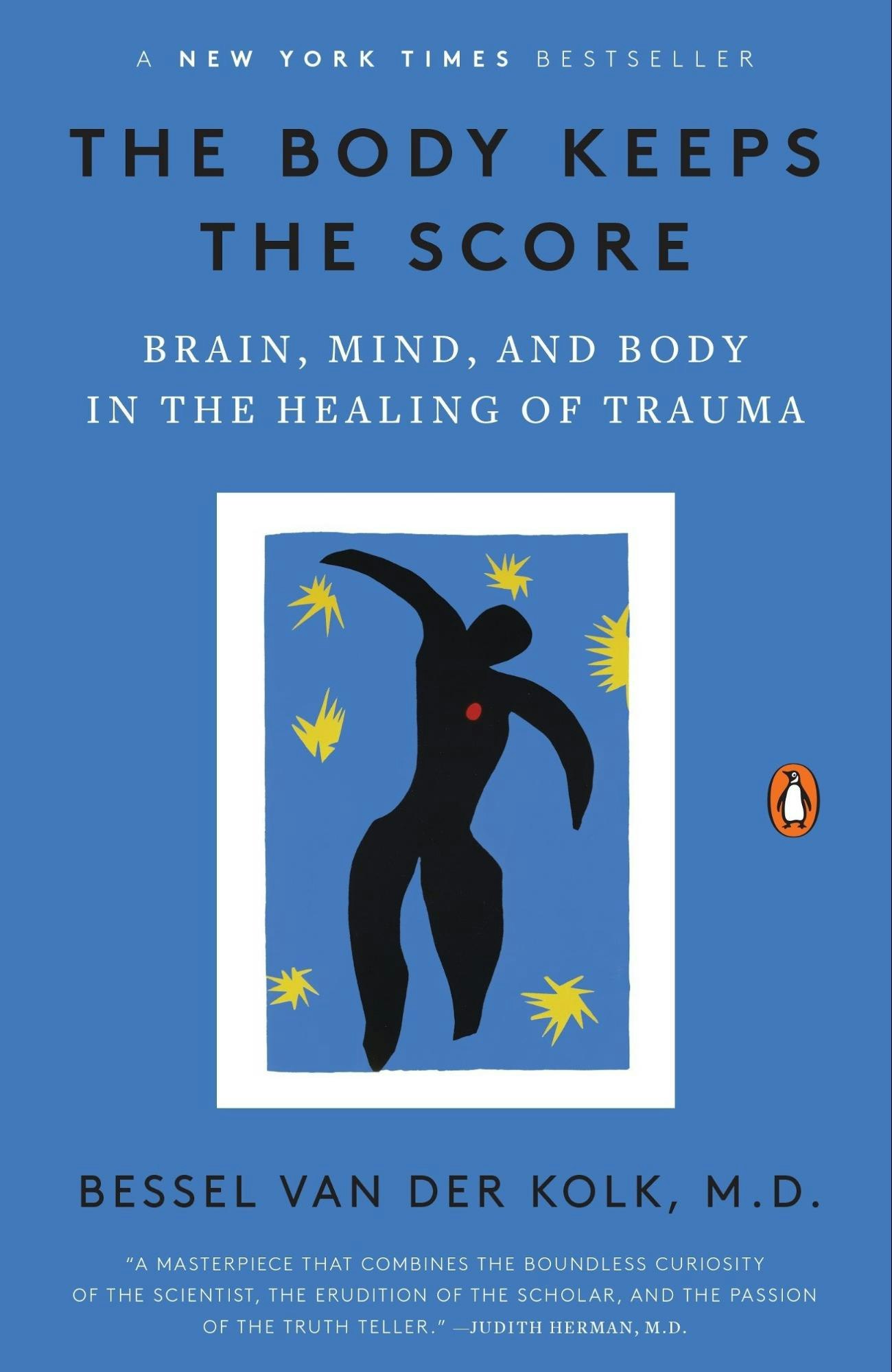
28. The Body Keeps the Score: Brain, Mind, and Body in the Healing of Trauma by Bessel van der Kolk M.D.
The Body Keeps the Score – Bessel Van Der Kolk, M.D.

Dr. Bessel van der Kolk is one of the world’s foremost experts on trauma – something that virtually everyone experiences to some degree. The Body Keeps the Score unravels the science behind emotional and psychological trauma and offers new paths to recovery.

Science and Technology Books You Must-Read

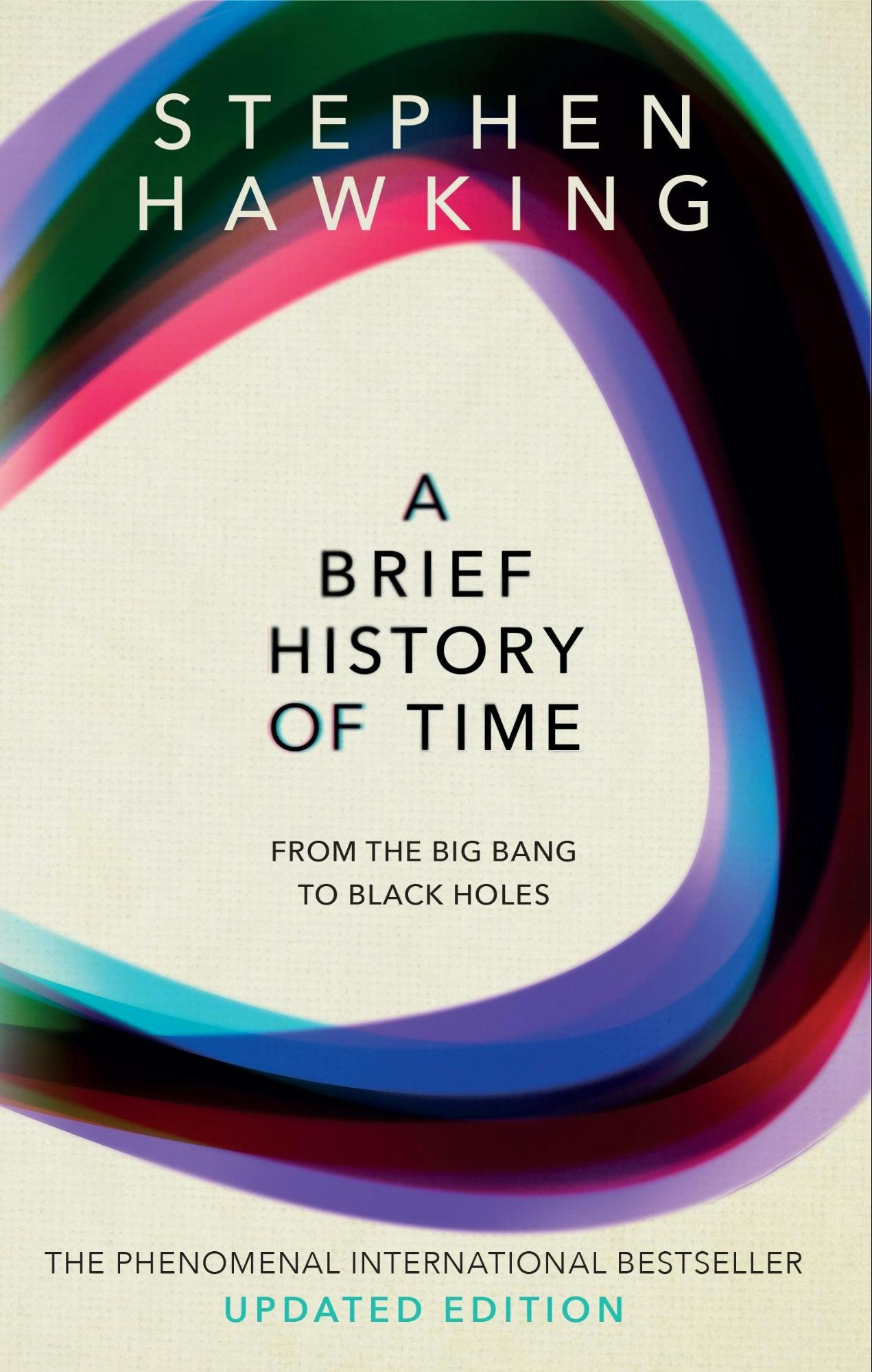
29. A Brief History of Time by Stephen Hawking
A Brief History of Time – Stephen Hawking

Stephen Hawking’s A Brief History of Time is one of the most famous books in science. It discusses the history of cosmology and its development from Ancient Greece through to the 1980s.

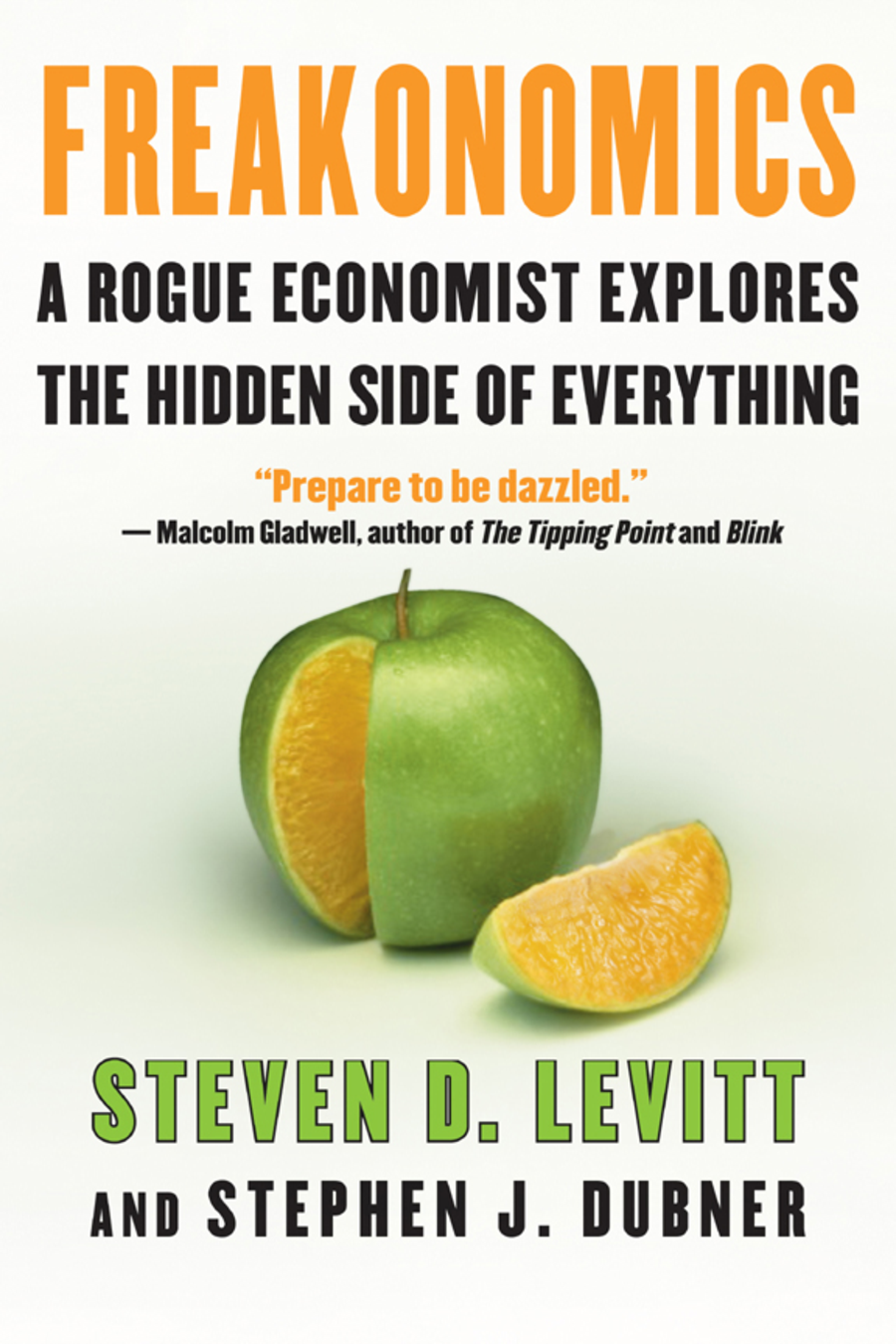
30. Freakonomics: A Rogue Economist Explores the Hidden Side of Everything by Steven D. Levitt
Freakonomics – Steven D. Levit and Stephen J. Dubner

If you’re interested in the truth behind controversial social issues, this book should be on your must-read book list. The authors reveal the facts behind issues, such as crime, shopping, and drugs. 

30 Classic Novels: Must Read

Must-read books: There are so many out there – so don’t waste your time on average books!

Still, it can take time to find books worth reading. That’s why we’ve compiled this epic must-read book list to make your life easier. It features 40 top books to read in popular categories, such as fiction, business, personal development, travel, and more.

So, if you’re wondering, “what book should I read next?” we’ve got you covered. This list is jam-packed with great books to read! For more suggestions visit m.topread666.com

Classic Novels to Read

1. 1984 by George Orwell
1984 – George Orwell

1984 tells the futuristic story of a dystopian, totalitarian world where free will and love are forbidden. Although the year 1984 has long since passed, the prophecy of a society controlled by fear and lies is arguably more relevant now than ever.

2. The Lord of the Rings by J.R.R. Tolkien
The Lord of the Rings – J.R.R.Tolkien

Tolkien’s fantasy epic is one of the top must-read books out there. Set in Middle Earth – a world full of hobbits, elves, orcs, goblins, and wizards – The Lord of the Rings will take you on an unbelievable adventure.

3. The Kite Runner by Khaled Hosseini
The Kite Runner – Khaled Hosseini

The Kite Runner is a moving story of an unlikely friendship between a wealthy boy and the son of his father’s servant. Set in Afghanistan during a time of tragedy and destruction, this unforgettable novel will have you hooked from start to finish.

4. Harry Potter and the Philosopher’s Stone by J.K. Rowling
Harry Potter and the Philosopher's Stone – J.K. Rowling

This global bestseller took the world by storm. So, if you haven’t read J.K. Rowling’s Harry Potter, now may be the time. Join Harry Potter and his schoolmates as this must-read book transports you deep into a world of magic and monsters.

5. Slaughterhouse-Five by Kurt Vonnegut
Slaughterhouse Five – Kurt Vonnegut

Slaughterhouse-Five is arguably one of the greatest anti-war books ever written. This rich and amusing tale follows the life of Billy Pilgrim as he experiences World War II from a peculiar perspective.

6. The Lion, the Witch, and the Wardrobe by C.S. Lewis
The Lion, the Witch, and the Wardrobe – C.S.Lewis

The Lion, The Witch, and the Wardrobe is undoubtedly one of the great books of all time. This renowned fantasy novel is set in Narnia, home to mythical beasts, talking animals, and warring kingdoms. The story follows a group of school children as they become entangled in this incredible world’s fate.

7. To Kill a Mockingbird by Harper Lee
To Kill a Mockingbird – Harper Lee

To Kill a Mockingbird is one of the top must-read books of all time. Published in 1960, the story explores life in the Deep South during the early 20th century through the story of a man accused of a terrible crime. It’s poignant, humorous, and gripping.

8. The Book Thief by Markus Zusak
The Book Thief – Markus Zusak

The Book Thief is a story of bravery, hope, and friendship in a time of Nazi tyranny. Narrated by Death itself, this novel will have you holding your breath for chapters at a time.

9. Wuthering Heights by Emily Bronte
Wuthering Heights – Emily Brontë

Wuthering Heights is a classic novel published way back in 1847. This harrowing story, set on a lonely English moorland, follows Catherine Earnshaw and Heathcliff’s struggle with love, betrayal, and revenge. If you love dramatic novels, add this to your must-read book list.

10. The Catcher in the Rye by J.D. Salinger
The Catcher in the Rye – J.D. Salinger

The Catcher in the Rye is the classic coming-of-age story. It follows sixteen-year-old Holden Caulfield’s adolescent journey of angst and alienation as he leaves his prep school and moves to New York City.

11. Jane Eyre by Charlotte Bronte
Jane Eyre – Charlotte Brontë

Jane Eyre is often considered one of the must-read books of all time. It follows the emotions and experiences of a strong, unbroken woman who continued to grow morally and spiritually despite a troubled childhood and a sexist, repressed Victorian society.

12. Animal Farm by George Orwell
Animal Farm – George Orwell

Orwell tells a fairy tale of a revolution against tyranny that ends in even more unjust totalitarianism. The animals on the farm are rife with idealism and desire to create a world of justice, equality, and progress. However, the new regimen attempts to control every aspect of the animals’ lives.

13. Fahrenheit 451 by Ray Bradbury
Fahrenheit 451 – Ray Bradbury

Ray Bradbury’s dystopian world shines a light on Western societies’ dependence on the media. The main character’s job is to find and burn any books he can find – until he begins to question everything. Considering the state of current politics and world affairs, this is one of the absolute must-read books in life.

14. Little Women by Louisa May Alcott
Little Women – Louise May Alcott

This is a tale of four sisters with their own very different and very prominent personalities. The novel draws the reader deep into their lives as we get to know each of their flaws, joys, struggles, and fears.

15. Charlotte’s Web by E.B. White
Charlotte's Web – E.B. White

Charlotte’s Web is a great reminder to be kind to all living creatures. This magical story takes place on a farm where a little girl tries to save her piglet from slaughter. Fern, the little girl, enlists the help of her farm friends to execute her clever plan. 

16. Frankenstein by Mary Shelley
Frankenstein – Mary Shelley

English author Mary Shelley tells the story of Victor Frankenstein, a young scientist who creates a monster and brings it to life. This gripping novel evokes questions about what makes us human and what love and kindness truly mean. 

17. Of Mice and Men by John Steinbeck
Of Mice and Men – John Steinbeck

Of Mice and Men should be on every must-read book list. Set in the Great Depression, this is a controversial tale of friendship between two migrant workers in California. Filled with hope and tragedy, the two work towards the dream of owning land and pets.

18. The Hitchhiker’s Guide to the Galaxy by Douglas Adams
The Hitchhikers Guide to the Galaxy – Douglas Adams

In Guardians of the Galaxy, Arthur Dent sets off on a hilarious and fantastic adventure across the stars. He learns not to take the universe seriously as he meets all kinds of interesting characters.

19. The Great Gatsby by F. Scott Fitzgerald
The Great Gatsby – F.Scott Fitzgerald

Scott Fitzgerald’s The Great Gatsby is said to be the quintessential novel of the Jazz Age. Set in 1922 amongst unfathomable indulgence and decadence, the novel highlights a man’s struggle to earn the love of the woman he’s obsessed with.

Business and Money Must-Read Books

Ready to start an online business? Find best selling products from suppliers you can trust at Handshake, a wholesale marketplace by Shopify.

20. Think and Grow Rich by Napoleon Hill
Think and Grow Rich – Napoleon Hill

Think and Grow Rich is a classic bestseller that has sold millions of copies worldwide. It’s packed full of money-making tips, techniques, and strategies. If you want to improve your mindsetaround money, this book can potentially change your life completely.

21. Rich Dad Poor Dad: What the Rich Teach Their Kids About Money That the Poor and Middle Class Do Not! by Robert T. Kiyosaki
Rich Dad Poor Dad – Robert T. Kiyosaki

Rich Dad Poor Dad explains how wealthy people and poorer people think differently. It challenges commonly held beliefs about money and explains how you don’t need to have a high income to become rich.

22. The Intelligent Investor by Benjamin Graham
The Intelligent Investor – Benjamin Graham

If you want to learn how to invest, add this to your list of must-read books. Author Benjamin Graham is considered one of the greatest investment advisors of the twentieth century. In The Intelligent Investor, you’ll learn about Graham’s philosophy of ‘value investing’ and how to develop long-term strategies that are used by the most successful investors in the world.

23. Principles: Life and Work by Ray Dalio
Principles – Ray Dalio

Ray Dalio’s investment firm, Bridgewater Associates, has made more money for its clients than any other hedge fund in history. In Principles, Dalio shares everything he’s learned about investing, business, and life over the years.

24. Influence: The Psychology of Persuasion by Robert B. Cialdini
Influence – Robert B. Cialdini, Ph.D

In this New York Times bestseller, DR. Robert B. Cialdini reveals the psychology behind influence – and how to apply the principles of persuasion in business and everyday life.

Personal Development Books Everyone Should Read

25. How to Win Friends and Influence People by Dale Carnegie
How to Win Friends and Influence People – Dale Carnegie

First published in 1936, Dale Carnegie’s classic self-help book has stood the test of time. How to Win Friends and Influence People will teach you straightforward methods to improve your relationships – and as a result, your business and personal lives.

26. The Power of Habit: Why We Do What We Do in Life and Business by Charles Duhigg
The Power of Habit – Charles Duhigg

If you’ve ever tried to change a habit unsuccessfully, this should be one of your must-read books. In The Power of Habit, Charles Duhigg reveals the empowering nature of how habits are formed and – crucially – how you can change them.

27. The Power of Now: A Guide to Spiritual Enlightenment by Eckhart Tolle
The Power of Now – Eckhart Tolle

The Power of Now has sold more than two million copies and has been translated into over 30 languages. This groundbreaking book has the potential to completely revolutionize how you experience life – making life far more joyous and prosperous in the process.

28. The Body Keeps the Score: Brain, Mind, and Body in the Healing of Trauma by Bessel van der Kolk M.D.
The Body Keeps the Score – Bessel Van Der Kolk, M.D.

Dr. Bessel van der Kolk is one of the world’s foremost experts on trauma – something that virtually everyone experiences to some degree. The Body Keeps the Score unravels the science behind emotional and psychological trauma and offers new paths to recovery.

Science and Technology Books You Must-Read

29. A Brief History of Time by Stephen Hawking
A Brief History of Time – Stephen Hawking

Stephen Hawking’s A Brief History of Time is one of the most famous books in science. It discusses the history of cosmology and its development from Ancient Greece through to the 1980s.

30. Freakonomics: A Rogue Economist Explores the Hidden Side of Everything by Steven D. Levitt
Freakonomics – Steven D. Levit and Stephen J. Dubner

If you’re interested in the truth behind controversial social issues, this book should be on your must-read book list. The authors reveal the facts behind issues, such as crime, shopping, and drugs.