

How Distribution of Property Cards under the SVAMITVA Scheme help poor
What is CR Rao known for in the field of statistics
Market Study on the Film Distribution Chain in India
Womesh Chunder Bonnerjee
India has slipped to 107th rank in Global Hunger Index(GHI).

India has slipped to the 107th position in the Global Hunger Index (GHI) in 2022, down from the 101st position in 2021. The GHI, jointly published by Concern Worldwide and Welthungerhilfe, comprehensively measures and tracks hunger at the global, regional, and country levels. Of the 121 countries on the GHI, India is ranked behind its neighbours Nepal (81), Pakistan (99), Sri Lanka (64), and Bangladesh (84).
The Global Hunger Index score is calculated on four indicators – undernourishment, child wasting (the share of children under the age of five with low weight for their height), child stunting (children under the age of five with low height for their age) and child mortality (the mortality rate of children under the age of five).
India’s global hunger index score is 29.1, which puts the country in the “serious” category of hunger problems. India’s score has improved slightly from last year’s 27.5. However, in 2000, India’s score was a much better 38.8 points. NB
The index calculates the hunger levels and malnutrition across the world. This year, the report accessed data from 136 countries but evaluated 121 of them. The report on the index said that sufficient data was not available for the remaining countries.
India has slipped to 107th rank in Global Hunger Index(GHI).
India has slipped to the 107th position in the Global Hunger Index (GHI) in 2022, down from the 101st position in 2021. The GHI, jointly published by Concern Worldwide and Welthungerhilfe, comprehensively measures and tracks hunger at the global, regional, and country levels. Of the 121 countries on the GHI, India is ranked behind its neighbours Nepal (81), Pakistan (99), Sri Lanka (64), and Bangladesh (84).
The Global Hunger Index score is calculated on four indicators – undernourishment, child wasting (the share of children under the age of five with low weight for their height), child stunting (children under the age of five with low height for their age) and child mortality (the mortality rate of children under the age of five).
India’s global hunger index score is 29.1, which puts the country in the “serious” category of hunger problems. India’s score has improved slightly from last year’s 27.5. However, in 2000, India’s score was a much better 38.8 points. NB
The index calculates the hunger levels and malnutrition across the world. This year, the report accessed data from 136 countries but evaluated 121 of them. The report on the index said that sufficient data was not available for the remaining countries.
Jay Prakash Narayan
Neighbourhood Planning Concepts
Neighbourhood planning gives communities direct power to develop a shared vision for their neighbourhood and shape the development and growth of their local area. They are able to choose where they want new homes, shops and offices to be built, have their say on what those new buildings should look like and what infrastructure should be provided, and grant planning permission for the new buildings they want to see go ahead. Neighbourhood planning provides a powerful set of tools for local people to plan for the types of development to meet their community’s needs and where the ambition of the neighbourhood is aligned with the strategic needs and priorities of the wider local area.

What can communities use neighbourhood planning for?
Local communities can choose to:
- set planning policies through a neighbourhood plan that forms part of the development plan used in determining planning applications.
- grant planning permission through Neighbourhood Development Orders and Community Right to Build Orders for specific development which complies with the order.
Neighbourhood planning is not a legal requirement but a right which communities in England can choose to use. Communities may decide that they could achieve the outcomes they want to see through other planning routes, such as incorporating their proposals for the neighbourhood into the local plan, or through other planning mechanisms such as Local Development Orders and supplementary planning documents or through pre-application consultation on development proposals. Communities and local planning authorities should discuss the different choices communities have to achieving their ambitions for their neighbourhood.
What are the benefits to a community of developing a neighbourhood plan or Order?
Neighbourhood planning enables communities to play a much stronger role in shaping the areas in which they live and work and in supporting new development proposals. This is because unlike the parish, village or town plans that communities may have prepared, a neighbourhood plan forms part of the development plan and sits alongside the local plan prepared by the local planning authority. Decisions on planning applications will be made using both the local plan and the neighbourhood plan, and any other material considerations.
Neighbourhood planning provides the opportunity for communities to set out a positive vision for how they want their community to develop over the next 10, 15, 20 years in ways that meet identified local need and make sense for local people. They can put in place planning policies that will help deliver that vision or grant planning permission for the development they want to see.
To help deliver their vision communities that take a proactive approach by drawing up a neighbourhood plan or Order and secure the consent of local people in a referendum, will benefit from 25% of the revenues from the Community Infrastructure Levy arising from the development that takes place in their area, where their authority collects contributions using this method.
Communities without a parish or town council can still benefit from this incentive. If there is no parish or town council the charging authority will retain the Levy receipts (where it is charged) but should engage with the communities where development has taken place and agree with them how best to spend the neighbourhood funding. Charging authorities should set out clearly and transparently their approach to engaging with neighbourhoods using their regular communication tools eg website, newsletters, etc. The use of neighbourhood funds should therefore match priorities expressed by local communities, including priorities set out formally in neighbourhood plans.
What should a neighbourhood plan address?
A neighbourhood plan should support the delivery of strategic policies set out in the local plan or spatial development strategy and should shape and direct development that is outside of those strategic policies (as outlined in paragraph 13 of the revised National Planning Policy Framework). Within this broad context, the specific planning topics that a neighbourhood plan covers is for the local community to determine.
A neighbourhood plan should, however, contain policies for the development and use of land. This is because, if successful at examination and referendum (or where the neighbourhood plan is updated by way of making a material modification to the plan and completes the relevant process), the neighbourhood plan becomes part of the statutory development plan. Applications for planning permission must be determined in accordance with the development plan, unless material considerations indicate otherwise (see section 38(6) of the Planning and Compulsory Purchase Act 2004).
Wider community aspirations than those relating to the development and use of land, if set out as part of the plan, would need to be clearly identifiable (for example, set out in a companion document or annex), and it should be made clear in the document that they will not form part of the statutory development plan.
How can neighbourhood plans support the provision of affordable homes for sale?
Neighbourhood plans can support the provision of affordable homes for sale that meet the needs of local people by including relevant policies and site allocations. Depending on the content of relevant strategic policies in the local plan or spatial development strategy, neighbourhood plans may be able to vary the types of affordable housing that will be expected, or to allocate additional sites that will provide affordable housing, where this will better meet the needs of the neighbourhood area.
Does a neighbourhood plan have the same legal status as the local plan?
A neighbourhood plan attains the same legal status as a local plan (and other documents that form part of the statutory development plan) once it has been approved at a referendum. At this point it comes into force as part of the statutory development plan. Applications for planning permission must be determined in accordance with the development plan, unless material considerations indicate otherwise (see section 38(6) of the Planning and Compulsory Purchase Act 2004).
Can a neighbourhood plan come forward before an up-to-date local plan or spatial development strategy is in place?
Neighbourhood plans, when brought into force, become part of the development plan for the neighbourhood area. They can be developed before or at the same time as the local planning authority is producing its local plan (or, where applicable, a spatial development strategy is being prepared by an elected Mayor or combined authority).
A draft neighbourhood plan or Order must be in general conformity with the strategic policies of the development plan in force if it is to meet the basic condition. Although a draft neighbourhood plan or Order is not tested against the policies in an emerging local plan the reasoning and evidence informing the local plan process is likely to be relevant to the consideration of the basic conditions against which a neighbourhood plan is tested. For example, up-to-date housing need evidence is relevant to the question of whether a housing supply policy in a neighbourhood plan or Order contributes to the achievement of sustainable development.
Where a neighbourhood plan is brought forward before an up-to-date local plan is in place the qualifying body and the local planning authority should discuss and aim to agree the relationship between policies in:
- the emerging neighbourhood plan
- the emerging local plan (or spatial development strategy)
- the adopted development plan
with appropriate regard to national policy and guidance.
The local planning authority should take a proactive and positive approach, working collaboratively with a qualifying body particularly sharing evidence and seeking to resolve any issues to ensure the draft neighbourhood plan has the greatest chance of success at independent examination.
The local planning authority should work with the qualifying body so that complementary neighbourhood and local plan policies are produced. It is important to minimise any conflicts between policies in the neighbourhood plan and those in the emerging local plan, including housing supply policies. This is because section 38(5) of the Planning and Compulsory Purchase Act 2004 requires that the conflict must be resolved in favour of the policy which is contained in the last document to become part of the development plan.
Strategic policies should set out a housing requirement figure for designated neighbourhood areas from their overall housing requirement (paragraph 65 of the revised National Planning Policy Framework). Where this is not possible the local planning authority should provide an indicative figure, if requested to do so by the neighbourhood planning body, which will need to be tested at the neighbourhood plan examination. Neighbourhood plans should consider providing indicative delivery timetables, and allocating reserve sites to ensure that emerging evidence of housing need is addressed. This can help minimise potential conflicts and ensure that policies in the neighbourhood plan are not overridden by a new local plan.
Essay on My Best Friend
Friends should be fewer but they should be very sincere. But, it is very difficult to find sincere friends. Such people cannot be found everywhere. If you have got enough money to spend on your friends, you may have plenty of friends. If you are a poor man, very few people care for you.

There are many well-wishers of mine in the world. But I do not find them suitable to befriend. Most of them are selfish people. If I ask them of making a favour to me, they do not stand by me.
A sincere friend can be tested in times of adversity. In times of prosperity there are many friends, but in times of adversity, only a few people are left who stand by us. Such people are fit to be called as friends. Most of the people are very selfish and they know to grind their own axe. They have no sympathy with you. They simply want to exploit you. Therefore, we have to search for good friends.
I have got only four friends who have proved themselves as worthy of my friendship while tested well in times of adversity. But Shri Govind Lal is the sincerest person. Once I was travelling in the bus and unfortunately my pocket was picked. He was with me. He caught the pick-pocket and snatched the purse from him and handed it over to me. He took him to the Police Station and thus saved my life and money. Since that day we have been close friends. He is a rich man’s son. His father has got a big factory. But he is a bold, plain-speaking and truthful person.
I do not like lying or liars. Shri Govind Lal is truth-loving fellow. He does not like lying. He is my class-mate.
He is weak in studies and I help him every day in the evening. He goes out for a walk with me and tells me strange stories.
The Life of an MBA student !
The Life of an MBA student !
Hello Readers!
Well, Why did I choose this topic?
simply yes! because I am a student of MBA. Giving 2 years of my life to doing MBA is not that much easy as it looks but still, I choose it why? because I did not have any choice I know you all are wondering there are endless choices available nowadays so why MBA?

What were the reasons for choosing an MBA?
- there was no liberty for abroad studies.
- Government jobs have become tough day-to-day to get.
- there were only a few options available exes, CA, CS, MBA, or gov jobs preps.
why only MBA?
I was always an average student in class so I never had an interest in doing CA or CS but when it about government jobs then everyone knows how much people get gov jobs every year as compared to applicants so I don’t want to spend or waste my time over that so that’s why I chose MBA but literally I did not have any idea about how it is going to be? so it was quite tough for me in many ways but then somehow I manage it.
we are been taught from our schooling days to do a study! get good marks otherwise you won’t get a good career in the future we used to follow that but when I took admitted to an MBA then I realized there is no value in getting good marks if you get 50% or 95% you would be treated as equal for the company as good marks is not something that company demands as they are not coming for hiring a professor so what kinds of qualities they look for in an MBA student are-
Skills To Have In MBA Student?
- Good communication skills
- Good interpersonal skills
- Teamwork
- Positive attitude
- Good listener
- Be active
- Be patient
- Be empathic
- Some basic conceptual knowledge of academics
Among them what is the utmost skill for an MBA is to have good communication skills most students got failed in this but companies do not compromise on it as it is the basic skill every MBA degree holder should have otherwise be genuine sorry! there is no way of getting a good package placement offer for an MBA.
How to improve communication skills?
As we all have this doubt about how to improve our vocabulary or get fluent in speaking frankly speaking HR doesn’t expect you to speak like a foreigner as they only demand a conversational level of speaking skills which is not tough as I do think as might be it could be difficult for you but trust me if you do practice then nothing is impossible.
ways to improve communication!
- Start Reading English newspapers as it will double benefit you first by getting insights about current affairs & finding good vocabulary words.
- Browse Youtube podcast videos and start listening to them & understand how they talk and get knowledge from there.
- last option is nothing just start reading books as many people prefer to read books but some do not so if could start reading them then definitely it will benefit you!
What are the stages in MBA placement drives?
Usually, there are 3 stages that most renowned companies prefer to have for hiring any MBA holder.
- Aptitude test
- Group discussion
- Personal Interview (PI)
1 Aptitude test:
This is the first stage in which the company holds an exam which generally contains some aptitude & verbal questions which you need to clear as the company already have criteria like how much marks a student should have to reach to next level so it is very important to clear it otherwise you won’t able to sit in the next round. in my college, my faculty teachers taught us about it but might be in every college this facility don’t have .
2 Group discussion
After clearing the first round of aptitude you will be able to sit in the GD round.GD basically means group discussion where you will have a team of around 12 members and as a team, you will be given a topic on which you all have to give your viewpoint in just 5 minutes yes! here the important thing is that the students think a person who initiates the GD will score high marks as it could be possible but not in every case if you speak your point wisely with good content then there is a high chance of yours to reach the next round.
3: Personal interview
the final stage is the PI or personal interview round as it is the final chance to impress HR you have already cleared two stages so your 80% work is done if HR selects you for this round then it means he has observed you in the GD round and he has made up his mind for hiring you and it is just an interaction between his/her with you to know more about you so just be patient! be cool! in front of HR and always be honest and I assure you! you will definitely grab the opportunity.
I wish you will enjoy reading it!
thank you!
Bureau of Indian Standards celebrates World Standards Day
Standards are the new patents and those who control standards, control markets, prices, processes, manufacturing and innovations, said Shri Piyush Goyal, Union Minister of Consumer Affairs, Food & Public Distribution, Textiles and Commerce & Industry, said in his message on World Standards Day celebration organized at Bureau of Indian Standards (BIS) headquarters here today.
The Union Minister said that under the leadership of Prime Minister, standards are considered as a key pillar of growth. He mentioned that Hon’ble Prime Minister gave the world the mantra of LIFE i.e ‘Lifestyle for Environment’. When a nation sets benchmark for standards, it’s a reflection upon its strong foundation and potential he added.
He said that BIS should become a benchmark for quality control, quality assessment and quality assurance. He further said that BIS, as the National Standards Body should act as a facilitator for the industry by formulating Standards that support Zero defect, Zero effect and should emerge as a global player and pioneer in the field of standardization. He encouraged all concerned to pledge to make India a quality conscious nation and make Indian quality a matter of pride for every Indian.
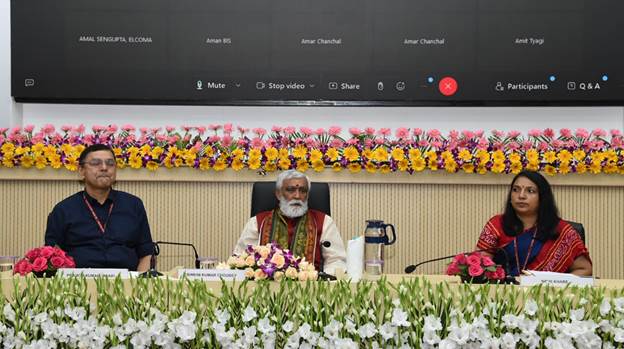
He mentioned that the theme of the World Standards Day shares India’s vision for a better world with focus on standards and sustainable development, as the country is also striving to become a quality conscious nation with an emphasis on sustainability.
Shri Goyal said that with the mantra of quality and sustainability, India can create brand value for Indian products across the world. He opined that BIS must revise and add sustainability in the existing standards for the new standards they create as a part of National Action Plan.
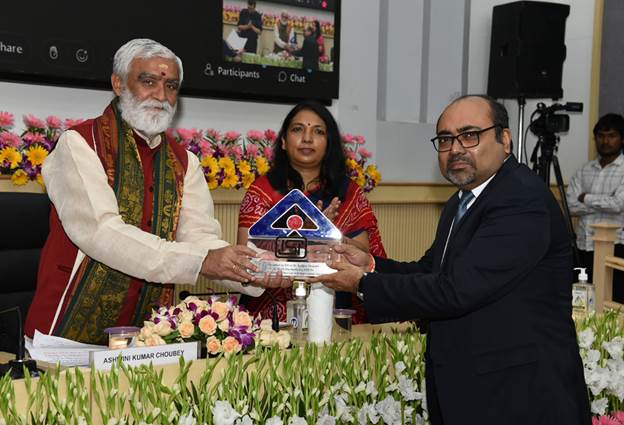
He asked BIS to facilitate businesses and industries by ensuring safety, quality and cost competitiveness and liability of products. BIS should aim to be pioneer in the global world and beat out foreign and non-standard products, Shri Goyal added. In his message on further improvement in the functioning of BIS, the Minister said that BIS must look at the analysis and setup additional labs across the country and modernize the existing labs. He said that such mapping of labs has been done in past and he is confident that in next few months, BIS will ensure high quality modern labs for both the industry and consumers.
The inaugural function was presided over by Shri Ashwini Kumar Choubey, Hon’ble Minister of State, Ministry of Consumer Affairs, Food & Public Distribution & Environment, Forest & Climate Change wherein he appreciated the efforts made by BIS to involve stakeholders from government, industry, standard developers, academia, consumer groups etc in framing the comprehensive strategy document on national standardization i.e. Standards National Action Plan (SNAP) 2022-27 which is an action plan identifying emerging areas of standardization that support Government’s initiatives in the fields of Digital India, Smart Agriculture, Smart cities etc. He expressed hope that SNAP 2022-27 would have a forced multiplier effect on the national growth.
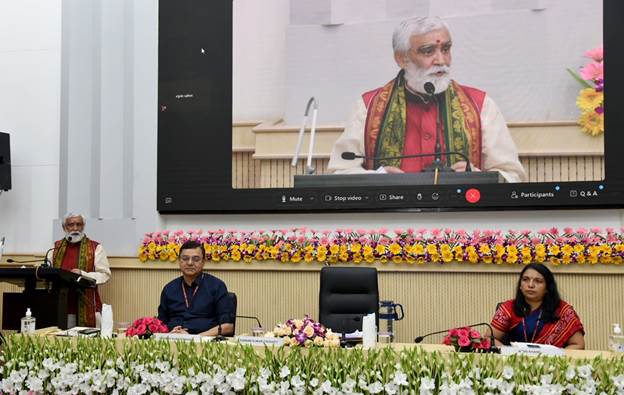
World Standards Day was celebrated in the Headquarters as well as in the 5 regional and 41 branch offices by organizing various activities such as Manak Manthan, Quality Walk and Quality Connect programmes, targeted to reach out to more than one lakh households with the message of quality consciousness. To commemorate the special occasion, BIS offices across the country were lit up in vibrant colours of the National Flag.
During the programme, insights on SNAP 2022-27 were shared by some eminent industry representatives. Further, representatives of eminent Educational Institutions such deliberated on the importance of standards in technical education. Technical Experts were also felicitated for their contribution in the field of standardization.
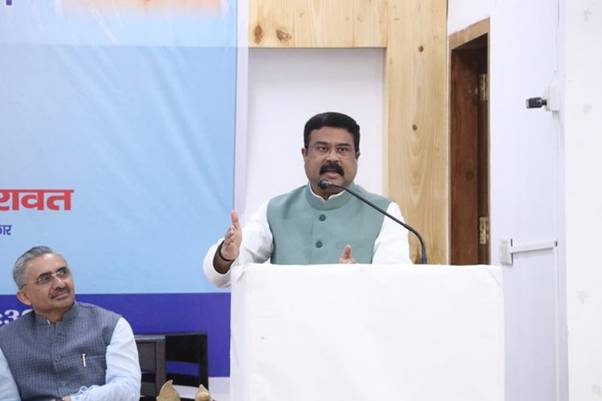
The theme for this year’s World Standards Day is ‘Shared Vision for a Better World’ with reference to the Sustainable Development Goals. Technical sessions on Standards for Sustainable Communities were held in the afternoon wherein presentations were made by experts and eminent personalities on topics of Circular Economy, Recycling of Plastics and Bio-degradable Plastic, Green Mobility, AYUSH Systems for good Health and Well-Being, Sustainable Cities and Communities, Sustainable Agricultural Practices, Sustainable Cooling and Affordable and Clean Energy.
************
Coconut Community Farmers' Conference at Tamil Nadu Agricultural University, Coimbatore
The Union Minister for Agriculture and Farmers Welfare, Shri Narendra Singh Tomar has said that the Centre will continue to provide all possible assistance to the farmers in the coastal states to promote coconut cultivation in the country. The efforts made in the field of research and development in the last few years have resulted in the development of new technologies in the field of farming and processing and further improved the available technologies. With the increase in the number of coconut based industries in the country, new products and many employment opportunities are also increasing in the market. Shri Tomar was addressing the Coconut Community Farmers’ Conference in Coimbatore, Tamilnadu.
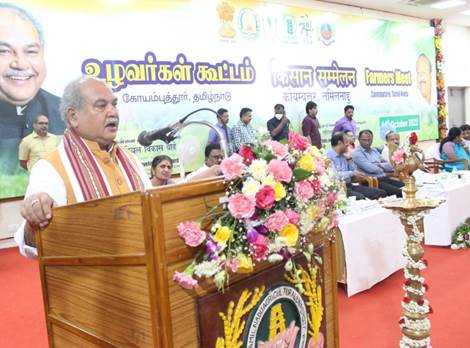
Shri Tomar further said that he is happy to be among the coconut farmers, he congratulated the Coconut Development Board and Sugarcane Breeding Institute for their initiatives towards the prosperity of the coconut growers community. He said that the agriculture sector is the backbone of the country’s economy, so it is the responsibility of the Central and State governments to strengthen it, promote it and ensure profitable farming for the farmers. The contribution of coconut cultivation in the agricultural economy is very important. India is a leader in coconut cultivation and amongst the world’s three largest producers. Tamil Nadu contributes 21 percent of the area under coconut in the country and 26 percent of the production. Tamil Nadu ranks first in coconut processing activities and Coimbatore is first in terms of area under coconut cultivation, with an area of 88,467 hectares under coconut cultivation. Shri Tomar said that the farmers are making significant contribution in the development of coconut sector and increasing the agricultural economy. Coconut Development Board is forming a three-tier farmer group by integrating small and marginal farmers. Presently there are 697 Coconut Growers Societies, 73 Coconut Growers Federations and 19 Coconut Producing Companies in the State. Support has been given to set up 537 new processing units in India with a processing capacity of 3,638 million coconuts per year. This success has been achieved through the Mission Programme implemented by the Coconut Development Board in the country. Out of these, 136 units are from Tamil Nadu, which are creating employment opportunities and also helping improve the financial condition of the farmers.
Shri Tomar said that even after everything is favourable in the field of agriculture, farmers have to face natural disasters, which causes them losses. It is compensated through the Pradhan Mantri Fasal Bima Yojana and the Tamil Nadu State Scheme. Agriculture contributes significantly to strengthen the economy, he said. Agriculture is so fundamental that it has helped tide over adverse conditions like Covid-19.
Shri Tomar said that Prime Minister Shri Narendra Modi has taken many steps for the betterment of agriculture sector in the last 8 years. Through the Pradhan Mantri Kisan Samman Nidhi (PM-Kisan), more than Rs 2 lakh crore has been deposited in the accounts of about 11.50 crore farmers. In lieu of damage to crops due to natural calamity in last 6 years, claim amount of more than Rs.1.22 lakh crore has been deposited in the accounts of the farmers through the Pradhan Mantri Fasal Bima Yojana. Earlier, there was a provision of Rs 5,000 crore under the micro irrigation scheme, which has been increased to Rs 10,000 crores. 70 lakh hectare farming area has been brought under micro-irrigation. Under the Kisan Credit Card scheme, earlier crop loans were given to farmers only up to five to six lakh crore rupees only, which has been increased by the Prime Minister to about Rs. 18-and-a-half lakh crores. To improve the infrastructure in each and every village, a provision of Rs. one lakh crore Agri Infra Fund has been made. Farmers, group of farmers, FPOs, PACS, Krishi Upaj Mandis all can use this to develop warehouse, cold storage or infrastructure as per requirement in villages. The government is trying to make farmers grow remunerative crops, setting up processing units through FPOs, for which arrangements for loans and subsidies have also been made.
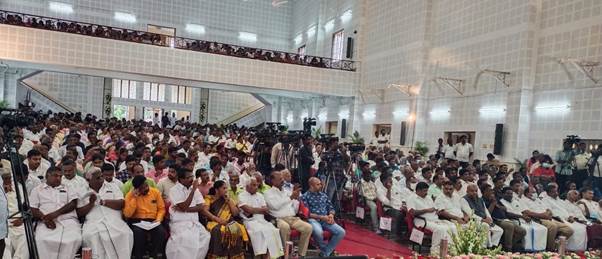
Shri Tomar said that the schemes of the Central Government are for the prosperity of the farmers and to bring happiness in their lives. He assured that the farmers should submit the projects in collaboration with the State Government, the Central Government under the leadership of Prime Minister Shri Modi is standing with farmers and matching step by step for the development of the farmers.
During the programme, the Minister of Agriculture and Farmers Welfare of Tamil Nadu, Shri M.R.K. Paneer Selvam, Vice Chairman, Coconut Development Board, Shri K.R. Narayan, CEO and Joint Secretary of Union Agriculture Ministry Dr. Vijay Lakshmi, Central Horticulture Commissioner Shri Prabhat Kumar, Vice Chancellor Geeta Lakshmi, Director of Sugarcane Breeding Institute and local public representatives and Central-State Government officials and farmer were present.
****
Import of thermal coal in the country to be completely stopped by 2024-2025
: Nagpur/Mumbai, October 14, 2022

0TAX.jpeg)
Union Minister of Parliamentary Affairs, Coal and Mines Shri Pralhad Joshi said that, the mineral and mining sectors, following agriculture and industrial sectors, provide maximum employment opportunities, and thus, for India to be recognized as a developed country by 2047, the role of these two sectors is important. While addressing MINCON 2022 – a Conference on Mines, Minerals and Metals in Nagpur today, he said that Government’s target is to produce 900 million tonnes of coal in the current year and 163 mines will be auctioned. He added that the Union Government has faith in the federal system and Prime Minister Narendra Modi is insisting that most of the powers should be conferred upon the states.
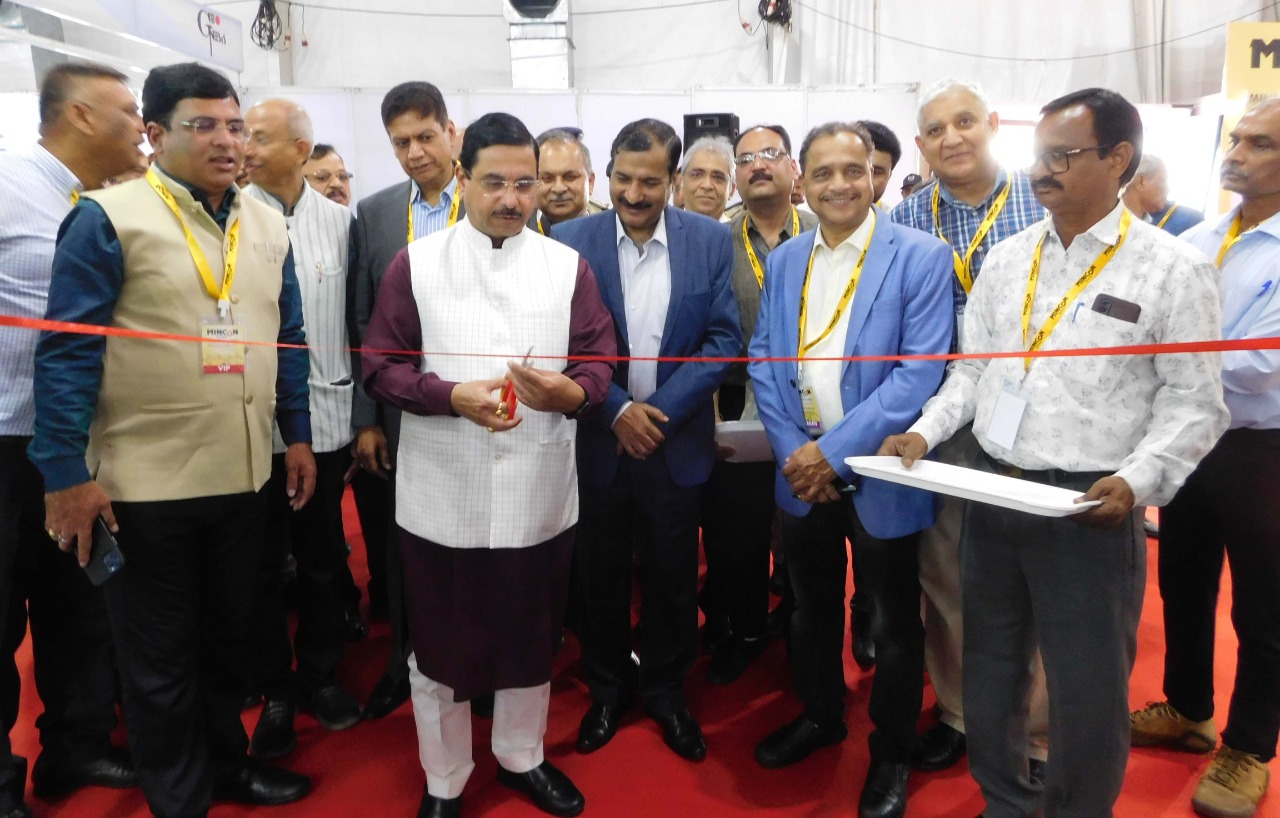

Maharashtra State Mining Corporation (MSMC) and Vidarbha Economic Development Council have jointly organized this conference at Nagpur. Union Minister for Road Transport and Highways Nitin Gadkari presided over this conference. Maharashtra State Forest and Environment Minister Sudhir Mungantiwar, Maharashtra Government Minerals Minister Dadaji Bhuse, Principal Secretary of Commerce Department Harshdeep Kamble, President of the Maharashtra Mining Corporation Ashish Jaiswal, President of the Vidarbha Economic Development Council Devendra Parikh also attended this conference.


Shri Joshi further informed that the value of mineral wealth in India was Rs 1.9 lakh crore in 2021-22. The Government is committed to its appropriate utilization and distribution, he added. He said that the Vidarbha region’s role will remain important in developing India as a 5 trillion dollar economy. He further said that the Union government will always extend complete support for new ideas and new research, and also provide necessary incentives.

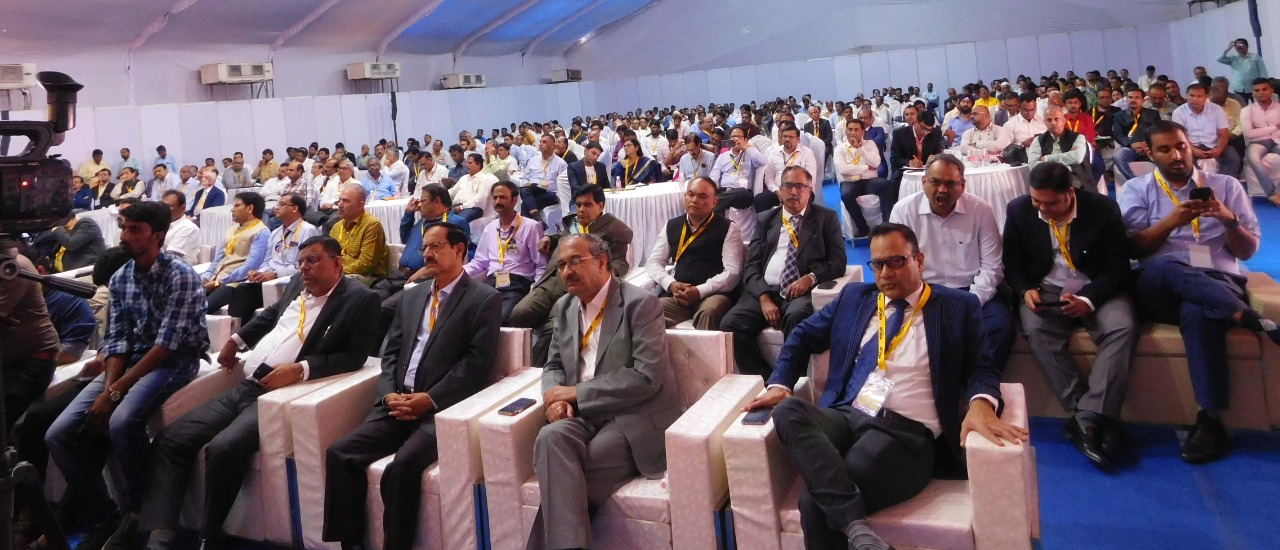
Union Minister Nitin Gadkari said that the foundation of the Vidarbha region’s development is based on mining and forest, and only mining-based industries can accelerate the progress of the Vidarbha region. He said that the Vidarbha region has 75% of mineral and 80% of the forest resources of Maharashtra and proper utilization of these will increase the Vidarbha region’s share in the energy sector. He further said that more investment in water, energy and communication is necessary to make India self-sufficient along with a 5 trillion dollar economy. Stating that coal production has increased due to the radical changes made by the Central Government in the mining sector, Shri Gadkari said that India’s energy needs are increasing and more coal will be needed in the future. Only Vidarbha region can fulfill this need, he added.


Following the Centre, the State Governments should also save time by using modern working systems, Nitin Gadkari said. He urged the state governments to provide the required licenses for these sectors at the earliest with emphasis on time planning and transparency. These sectors should reduce the country’s urea import of Rs. 60 thousand crores by producing ammonium nitrate and urea from coal. He further suggested that these sectors should now formulate new policies to reduce fuel imports of Rs 17 lakh crore. He said that the steps have to be taken now for the closed mines and if the mine is not economically viable, the policies will have to be relaxed.
Shri Gadkari also said that the country needs 6 million tonnes of manganese and Vidarbha region should take the initiative to fulfill it. He also suggested that the mining industry and investors should come together to find a solution for a royalty based on the market price of coal. The Union Road Transport and Highways Minister said that transparency, timely functioning and corruption-free processes are very much necessary for the mining sector, and assured that he will strive for proper coordination and communication between the concerned ministers and officials of all departments for the new coal mining in the Vidarbha region.
Officials of various government organizations and investors in the mining and mineral sector are participating in this conference organized between October 14-16, 2022.
***
Topics
List of Import National Days and International Days
In India, we habitually celebrate many days which are of social, international, economic, commemorative, or festive importance. Some of the days are also significant for General Studies as UPSC IAS Prelims exam has at least one question about a celebration of the important days and dates. Nowadays, the exam does ask factual questions related to days when they are in the news due to some other important aspect.
Every international day adopts a theme for that year. The concerned authorities formulate the policies according to the theme adopted for the year. In the UPSC and other Exam questions connected to international days, especially associated with technology, environment and humanity services.
This article will help you with those important dates and events that are important for you read and write
| Interns should make sure that they cover every topic mentioned in the LIST of Days !!
Try to write on Those days which is coming in next few days or few weeks., check the following links:
|
National & International Dates For Exam
Aspirants should have all information about our important days and dates in India. There is a list of dates and their importance, which will help the aspirants to understand the days and dates of both national and international significance.
| Day | Events |
|
January |
|
| 4th Jan | International World Braille Day |
| 6th Jan | World Day -War Orphans |
| 9th Jan | Pravasi Bhartiya Diwas |
| 10th Jan | World Hindi Day |
| 11th Jan | National Human Trafficking Awareness Day |
| 12th Jan | National Youth Day (India) |
| 15th Jan | Army Day (India) |
| 17th Jan | World Religion Day |
| 24th Jan | National Girl child day (India) |
| 25th Jan | Tourism Day
National Voters Day |
| 26th Jan | Republic Day (India) |
| 27th Jan | International Holocaust Remembrance Day |
| 30th Jan | Martyrs’ Day
World Neglected Tropical Diseases |
| Last Sunday of January | World Leprosy Eradication Day |
|
February |
|
| 2nd Feb | World Wetlands Day |
| 4th Feb | World Cancer Day |
| 6th Feb | International Day of Zero Tolerance to Female Genital Mutilation |
| 9th Feb | Safer Internet Day |
| 10th Feb | National De-Worming Day |
| 11th Feb | International Day of Women and Girls in Science |
| 13th Feb | World Radio Day (UNESCO)
National Women’s Day |
| 20th Feb | World Day of Social Justice |
| 21st Feb | International Mother Language Day |
| 23th Feb | World Peace and Understanding Day |
| 24th Feb | Central Excise Day |
| 27th Feb | World NGO Day |
| 28th Feb | National Science Day (India) |
|
March |
|
| 1st Mar | Zero Discrimination Day
World Civil Defence Day |
| 3rd Mar | World Wildlife Day |
| 4th Mar | World Day of the Fight Against Sexual Exploitation
National Security Day |
| 8th Mar | International Women’s Day |
| 11th Mar | World Kidney Day |
| 14th Mar | International Day of Action for Rivers |
| 15th Mar | World Consumer Rights Day |
| 16th Mar | National Vaccination Day |
| 18th Mar | Ordnance Factories Day |
| 20th Mar | World Sparrow Day
International Day of Happiness |
| 21st Mar | International Day for the Elimination of Racial Discrimination
World Forestry Day |
| 22nd Mar | World Day for Water |
| 23rd Mar | World Meteorological Day |
| 24th Mar | World Tuberculosis Day |
| 27th Mar | World Theatre Day |
|
April |
|
| 2nd Apr | World Autism Awareness Day |
| 4th Apr | International Day of Mine Awareness |
| 5th Apr | National Maritime Day |
| 7th Apr | World Health Day |
| 10th Apr | World Homeopathy Day |
| 11th Apr | National Pet Day
National Safe Motherhood Day |
| 14th Apr | Cultural Unity Day (recognized by India, Sri Lanka, Maldives, Bangladesh, and Nepal) |
| 15th Apr | World Art Day |
| 17th Apr | World Haemophilia Day |
| 18th Apr | World Heritage Day |
| 21st Apr | National Civil Services Day
National Administrative Professionals Day |
| 22nd Apr | Earth Day |
| 23rd Apr | World Book and Copyright Day |
| 24th Apr | National Panchayati Raj Day |
| 25th Apr | World Malaria Day |
| 26th Apr | World Intellectual Property Day |
| 28th Apr | World Day for Safety and Health at Work |
| 29th Apr | International Dance Day |
| 30th Apr | Ayushman Bharat Diwas |
|
May |
|
| 1st May | International Labour Day |
| 2nd May | International Astronomy Day |
| 4th May | World Asthma Day |
| 7th May | World Athletics Day |
| 8th May | World Red Cross & Red Crescent Day
World Thalassemia Day |
| 9th May | World Migratory Bird Day |
| 10th May | World Mother Day |
| 11th May | National Technology Day (India) |
| 12th May | International Nurses Day (India) |
| 16th May | Dengue Prevention Day (India) |
| 17th May | World Telecommunication Day
World Information Society Day |
| 18th May | International Museum Day |
| 20th May | World Metrology Day
World Bee Day |
| 21st May | World Day for Cultural Diversity for Dialogue and Development
Anti-Terrorism Day |
| 22nd May | International Day for Biological Diversity |
| 23rd May | World Turtle Day |
| 24th May | Commonwealth Day |
| 28th May | International Day of Action for Women’s Health |
| 29th May | International Day of United Nations Peacekeepers
International Mount Everest Day (Chosen by Nepal) |
| 31st May | World Anti-Tobacco Day |
|
June |
|
| 1st Jun | World Milk Day |
| 3rd Jun | World Bicycle Day |
| 4th Jun | International Day of Innocent Children Victims of Aggression |
| 5th Jun | World Environment Day |
| 7th Jun | World Food Safety Day |
| 8th Jun | World Ocean Day |
| 12th Jun | World Day Against Child Labour |
| 14th Jun | World Blood Donor Day |
| 15th Jun | World Elder Abuse Awareness Day |
| 16th Jun | International Integration Day |
| 17th Jun | World Day to Combat Desertification and Drought |
| 19th Jun | World Sickle Cell Day |
| 20th Jun | World Refugee Day |
| 21st Jun | World Music Day
International Yoga Day |
| 23th Jun | United Nations Public Service Day
International Olympic Day |
| 26th Jun | International Day against Drug Abuse and Illicit Trafficking International Anti-Drugs Day
International Day in Support of Victims of Torture |
| 29th June | National Statistics Day |
| 3rd Sunday of June | International Father’s Day |
|
July |
|
| 1st Jul | National Doctor’s Day (India) |
| 2st Jul | World UFO Day
World Sports Journalists Day |
| 4th Jul | International Cooperative Day |
| 11th Jul | World Population Day |
| 15th Jul | World Youth Skills Day |
| 17th Jul | World Day for International Justice |
| 18th Jul | Mandela Day |
| 26th Jul | Kargil Memorial Day (India) |
| 28th Jul | World Hepatitis Day
World Nature Conservation Day World Nature Day |
| 29th Jul | International Tiger Day |
| 30th Jul | International Day of Friendship |
|
August |
|
| 1st Aug | Clergy Sexual Abuse Awareness Day |
| 6th Aug | Hiroshima Day |
| 9th Aug | Nagasaki Day
World Tribal Day International Day of the World’s Indigenous People |
| 10th Aug | World Biofuel Day
World Lion Day |
| 12th Aug | International Youth Day |
| 15th Aug | India’s Independence Day |
| 19th Aug | World Humanitarian Day |
| 20th Aug | World Mosquito Day |
| 21st Aug | World Senior Citizen Day |
| 23rd Aug | International Day for the Remembrance of the Slave Trade and its Abolition |
| 29th Aug | National Sports Day
International Day against Nuclear Tests |
| 30th Aug | National Small Industry Day |
|
September |
|
| 2nd Sep | World Coconut Day |
| 5th Sep | Teachers Day (India) |
| 8th Sep | International Literacy Day |
| 12th Sep | United Nations Day for South-South Cooperation
World First Aid Day |
| 14th Sep | Hindi Day (India) |
| 15th Sep | International Day of Democracy
National Engineer’s Day |
| 16th Sep | World Ozone Day |
| 19th Sep | International Talk Like a Pirate Day |
| 21st Sep | International Day of Peace
World Alzheimer’s Day Biosphere Day |
| 22nd Sep | World Rhino Day |
| 23rd Sep | International Day of Sign Languages |
| 28th Sep | Right to Know Day |
| 30th Sep | International Blasphemy Rights Day |
|
October |
|
| 1st Oct | International Day of Older Persons |
| 2nd Oct | International Day of Non-Violence
Human Rights Day (10th December) |
| 4th Oct | World Animal Welfare Day |
| 5th Oct | World Teachers’ Day |
| 8th Oct | Indian Air Force Day |
| 10th Oct | National Post Day |
| 13th Oct | World Day for Natural Disaster Reduction |
| 15th Oct | International Day of Rural Women |
| 16th Oct | World Food Day |
| 17th Oct | International Day for the Eradication of Poverty |
| 20th Oct | International Day of the Air Traffic Controller |
| 24th Oct | United Nations Day
World Development Information Day World Polio Day |
| 27th Oct | World Day for Audiovisual Heritage |
| 28th Oct | National Ayurveda Day |
| 30th Oct | World Thrift Day |
| 31st Oct | National Unity Day |
|
November |
|
| 2nd Nov | International Journalist’s Remembrance Day |
| 6th Nov | International Day for Preventing the Exploitation of the Environment in War and Armed Conflict |
| 9th Nov | World Legal Services Day |
| 10th Nov | World Immunization Day |
| 11th Nov | National Education Day |
| 12th Nov | World Pneumonia Day |
| 13th Nov | World Kindness Day |
| 14th Nov | Children’s Day (India) |
| 16th Nov | International Day for Tolerance
National Press Day |
| 17th Nov | International Students Day |
| 18th Nov | World Chronic Obstructive Pulmonary Disease Day |
| 19th Nov | International Men’s Day
National Integration Day (India) |
| 20th Nov | Africa Industrialization Day
Universal Children’s Day Transgender Day of Remembrance |
| 21st Nov | World Television Day
World Fisheries Day |
| 25th Nov | International Day for the Elimination of Violence against Women |
| 26th Nov | National Law Day (India)
Constitution Day National Milk Day |
| 29th Nov | International Day of Solidarity with the Palestinian People |
|
December |
|
| 1st Dec | World Aids Day |
| 2nd Dec | International Day for the Abolition of Slavery |
| 3rd Dec | International Day of Disabled Persons |
| 4th Dec | Indian Navy Day |
| 7th Dec | Indian Armed Force Flag Day
International Civil Aviation Day |
| 9th Dec | The International Day Against Corruption |
| 10th Dec | Human Rights Day
International Animal Rights Day |
| 11th Dec | International Mountain Day |
| 14th Dec | National Energy Conservation Day (India) |
| 18th Dec | International Migrants Day |
| 20th Dec | International Human Solidarity Day |
| 22nd Dec | National Mathematics Day |
| 23rd Dec | Farmers Day (India) |
Important National & International Days in the Year:-Download PDF Here
 Eduindex
You must be logged in to post a comment.