Contact

Contact our Training and Skill Development team using this Contact Form or drop a mail to contact@track2training.org

.contact-form-widget{margin-left:auto;margin-right:auto;width:600px;max-width:100%;padding:0}hr{position:relative;height:.75em;border:0;overflow:hidden;margin:0}hr:before{content:””;display:block;position:absolute;top:0;left:0;height:.75em;width:5.1em;background:#C4DD83;box-shadow:5em 0 0 0 #F4FCC9,10em 0 0 0 #FDCD78,15em 0 0 0 #ED786F,20em 0 0 0 #D99DBF,25em 0 0 0 #C39EDC,30em 0 0 0 #679DE2,35em 0 0 0 #62C2E3,40em 0 0 0 #F4FCC9,45em 0 0 0 #FDCD78,50em 0 0 0 #ED786F,55em 0 0 0 #D99DBF,60em 0 0 0 #C39EDC}.contactf-name,.contactf-email{float:left;width:49.25%}.contactf-name{margin-right:1.5%}.contact-form-name,.contact-form-email,.contact-form-email-message,.contact-form-name:hover,.contact-form-name:focus,.contact-form-email:hover,.contact-form-email:focus,.contact-form-email-message:hover,.contact-form-email-message:focus{width:100%;max-width:100%;margin:25px 0 0;padding:10px;font-size:15px;color:#ccc;border-color:#E8E8E8;border-width:2px 2px 4px;-webkit-box-shadow:none;-moz-box-shadow:none;box-shadow:none}.contact-form-name,.contact-form-email{height:40px}.contact-form-email-message{height:100px}.contact-form-button-submit,.contact-form-button-submit:hover{margin-top:25px;width:100%;height:40px;font-size:15px;color:#fff;text-align:center;text-shadow:0 1px 2px rgba(0,0,0,0.25);background:#EE786F;border:0;border-bottom:2px solid #D4685C;outline:none;cursor:pointer;-webkit-box-shadow:inset 0 -2px #D4685C;box-shadow:inset 0 -2px #D4685C}.contact-form-button-submit:active{top:1px;outline:none;-webkit-box-shadow:none;box-shadow:none}.contact-form-cross{border:medium none !important;box-shadow:none !important;padding:0 !important;height:11px !important;width:11px !important;}


What is Earthquake

 Earthquake

An earthquake is a phenomenon that occurs without warning and involves violent shaking of the ground and everything over it. It results from the release of accumulated stress of the moving lithospheric or crustal plates. The earth’s crust is divided into seven major plates, that are about 50 miles thick, which move slowly and continuously over the earth’s interior and several minor plates. Earthquakes are tectonic in origin; that is the moving plates are responsible for the occurrence of violent shakes. The occurrence of an earthquake in a populated area may cause numerous casualties and injuries as well as extensive damage to property.

The Earthquake Risk in India

India’s increasing population and extensive unscientific constructions mushrooming all over, including multistoried luxury apartments, huge factory buildings, gigantic malls, supermarkets as well as warehouses and masonry buildings keep – India at high risk. During the last 15 years, the country has experienced 10 major earthquakes that have resulted in over 20,000 deaths. As per the current seismic zone map of the country (IS 1893: 2002), over 59 per cent of India’s land area is under threat of moderate to severe seismic hazard-; that means it is prone to shaking of MSK Intensity VII and above (BMTPC, 2006). In fact, the entire Himalayan belt is considered prone to great earthquakes of magnitude exceeding 8.0-; and in a relatively short span of about 50 years, four such earthquakes have occurred: 1897 Shillong (M8.7); 1905 Kangra (M8.0); 1934 Bihar-Nepal (M8.3); and 1950 Assam-Tibet (M8.6). Scientific publications have warned of the likelihood of the occurrence of very severe earthquakes in the Himalayan region, which could adversely affect the lives of several million people in India.

At one time regions of the country away from the Himalayas and other inter-plate boundaries were considered to be relatively safe from damaging earthquakes. However, in the recent past, even these areas have experienced devastating earthquakes, albeit of lower magnitude than the Himalayan earthquakes. The Koyna earthquake in 1967 led to revision of the seismic zoning map, resulting in deletion of the non-seismic zone from the map. The areas surrounding Koyna were also re-designated to Seismic Zone IV, indicating high hazard. The occurrence of the Killari earthquake in 1993 resulted in further revision of the seismic zoning map in which the low hazard zone or Seismic Zone I was merged with Seismic Zone II, and some parts of Deccan and Peninsular India were brought under Seismic Zone III consisting of areas designated as moderate hazard zone areas. Recent research suggests that as understanding of the seismic hazard of these regions increases, more areas assigned as low hazard may be re-designated to higher level of seismic hazard, or vice-versa.

The North-Eastern part of the country continues to experience moderate to large earthquakes at frequent intervals including the two great earthquakes mentioned above. Since 1950, the region has experienced several moderate earthquakes. On an average, the region experiences an earthquake with a magnitude greater than 6.0 every year. The Andaman and Nicobar Islands are also situated on an inter-plate boundary and frequently experience damaging earthquakes.

The increase in earthquake risk is due to a spurt in developmental activities driven by urbanization, economic development and the globalization of India’s economy. The increase in use of high-technology equipment and tools in manufacturing and service industries has also made them susceptible to disruption due to relatively moderate ground shaking. As a result, loss of human life is not the only determinant of earthquake risk any more. Severe economic losses leading to the collapse of the local or regional economy after an earthquake may have long-term adverse consequences for the entire country. This effect would be further magnified if an earthquake affects a mega-city, such as Delhi or Mumbai.


Earthquake zone map
Earthquake Zone Map


What to Do After an Earthquake

  • Keep calm, switch on the radio/TV and obey any instructions you hear on it.
  • Keep away from beaches and low banks of rivers. Huge waves may sweep in.
  • Be prepared to expect aftershocks.
  • Turn off the water, gas and electricity.
  • Do not smoke and do not light matches or use a cigarette lighter. Do not turn on switches. There may be gas leaks or short-circuits. Use a torch.
  • If there is a fire, try to put it out. If you cannot, call the fire brigade.
  • If people are seriously injured, do not move them unless they are in danger.
  • Immediately clean up any inflammable products that may have spilled (alcohol, paint, etc).
  • If you know that people have been buried, tell the rescue teams. Do not rush and do not worsen the situation of injured persons or your own situation.
  • Avoid places where there are loose electric wires and do not touch any metal object in contact with them.
  • Do not drink water from open containers without having examined it and filtered it through a sieve, a filter or an ordinary clean cloth.
  • If your home is badly damaged, you will have to leave it. Collect water containers, food, and ordinary and special medicines (for persons with heart complaints, diabetes, etc.)
  • Do not re-enter badly damaged buildings and do not go near damaged structures.

Emergency Kit

  • Battery operated torch
  • Extra batteries
  • Battery operated radio
  • First aid kit and manual
  • Emergency food (dry items) and water (packed and sealed)
  • Candles and matches in a waterproof container
  • Knife
  • Chlorine tablets or powdered water purifiers
  • Can opener.
  • Essential medicines
  • Cash, Aadhar Card and Ration Card
  • Thick ropes and cords
  • Sturdy shoes

Before Flood – What precautions we should take

Before, During & After the Flood

Before

To prepare for a flood it is important to:

  • Remember, if you decide to build your home in a flood plain, you should elevate and reinforce the home.
  • Keep your furnace, water heater, and electrical panel elevated if you are in an area susceptible to flooding.
  • Construct barriers to keep flood waters from entering your home.

During

If a flood is likely in your area, you should:

  • Listen to the radio or television for information.
  • Be aware that flash flooding can occur. If there is any possibility of a flash flood, move immediately to higher ground. Do not wait for instructions to move.
  • Be aware of streams, drainage channels, and other areas known to flood suddenly. Flash floods can occur in these areas with or without such typical warnings as rain clouds or heavy rain.

If you must prepare to evacuate, you should do the following:

  • Secure your home. If you have time, bring in outdoor furniture. Move essential items to an upper floor.
  • Turn off utilities at the main switches or valves if instructed to do so.
  • Disconnect electrical appliances. Do not touch electrical equipment if you are wet or standing in water.

If you have to leave your home, remember these evacuation tips:

  • Do not walk through moving water. Six inches of moving water can make you fall. If you have to walk in water, walk where the water is not moving. Use a stick to check the firmness of the ground in front of you.
  • Do not drive into flooded areas. If flood waters rise around your car, abandon the car and move to higher ground if you can do so safely. You and the vehicle can be quickly swept away.

Driving in a Flood

The following are important points to remember when driving in flood conditions:

  • Six inches of water will reach the bottom of most passenger cars causing loss of control and possible stalling.
  • Twelve inches of water is enough to float many vehicles.
  • Two feet of rushing water can carry away most vehicles, including sport utility vehicles (SUV’s) and pick-ups.

After

Recovering from a flood requires extreme care. After a flood, be sure to:

  • Find out if the water supply is safe to drink before consuming water.
  • Avoid flood waters, as they may be contaminated. Also, avoid moving water.
  • Driving is especially hazardous after a flood. Do not drive through flood waters or in areas where the water may have receded. Areas where the water has receded can be fragile and susceptible to collapsing under the weight of your vehicle.
  • Only return home after authorities have instructed you to do so.
  • Do not enter a building surrounded by flood waters.
  • Be very careful when entering a building damaged by flood waters, as hidden damage is likely and can be extremely dangerous.
  • Be sure to repair damaged sewage systems, as these can cause serious health risks.
  • Clean and disinfect everything that got wet during the flood because flood waters may be contaminated.

Zero probability of recession in India.

Amid global pandemic accompanied by Russia-Ukraine crises and rising prices of fuels, the major economies across the globe are facing economic slowdown majorly in the form of peaked inflation, unstable government, industrial slowdown, low supplies and much more consequences. Some of the economies have slipped into crises, while some are struggling through the worst phase of slowdown. Industry experts have been showing aspersions that a global recession is just around the corner.

The recent survey by Bloomberg has attempted to gauge the percentage probabilities of various countries slipping into recession. The survey by Bloomberg said that risk of recession in a handful of Asian economies is rising as higher prices spur central banks to accelerate the pace of their interest rate hikes. Sri Lanka, which is in the midst of its worst economic crisis ever, has an 85% probability of falling into recession in the next year, up from a 33% chance in the previous survey by far the highest increase in the region. Economists see a 20% chance that China will enter recession, and a 25% likelihood that South Korea or Japan will enter one. Bloomberg economists also raised their expectations for a chance of recession in New Zealand, Taiwan, Australia and the Philippines to 33%, 20%, 20% and 8%, respectively. Central banks in those places have been raising interest rates to tame inflation.

India being one of the major and growing economy, also have been facing the consequences of global crises, particularly inflation. The survey report by Bloomberg for India is that it mentions that India has zero probability of slipping into recession. India literally has 0 percent chances of recession as against economic giants US and China which has 40 percent and 20 percent respectively. Although for India, surging domestic prices of key commodities is mainly on account of imported inflation, retail inflation based on consumer price index stood at 7.01%. In April, it had jumped to 8-year high of 7.79% have feared the economist about a probable recession but the case for India is much better compared to other economies.

Zero probability of recession in India.

Amid global pandemic accompanied by Russia-Ukraine crises and rising prices of fuels, the major economies across the globe are facing economic slowdown majorly in the form of peaked inflation, unstable government, industrial slowdown, low supplies and much more consequences. Some of the economies have slipped into crises, while some are struggling through the worst phase of slowdown. Industry experts have been showing aspersions that a global recession is just around the corner.

The recent survey by Bloomberg has attempted to gauge the percentage probabilities of various countries slipping into recession. The survey by Bloomberg said that risk of recession in a handful of Asian economies is rising as higher prices spur central banks to accelerate the pace of their interest rate hikes. Sri Lanka, which is in the midst of its worst economic crisis ever, has an 85% probability of falling into recession in the next year, up from a 33% chance in the previous survey by far the highest increase in the region. Economists see a 20% chance that China will enter recession, and a 25% likelihood that South Korea or Japan will enter one. Bloomberg economists also raised their expectations for a chance of recession in New Zealand, Taiwan, Australia and the Philippines to 33%, 20%, 20% and 8%, respectively. Central banks in those places have been raising interest rates to tame inflation.

India being one of the major and growing economy, also have been facing the consequences of global crises, particularly inflation. The survey report by Bloomberg for India is that it mentions that India has zero probability of slipping into recession. India literally has 0 percent chances of recession as against economic giants US and China which has 40 percent and 20 percent respectively. Although for India, surging domestic prices of key commodities is mainly on account of imported inflation, retail inflation based on consumer price index stood at 7.01%. In April, it had jumped to 8-year high of 7.79% have feared the economist about a probable recession but the case for India is much better compared to other economies.

Sericulture:Silk diversity

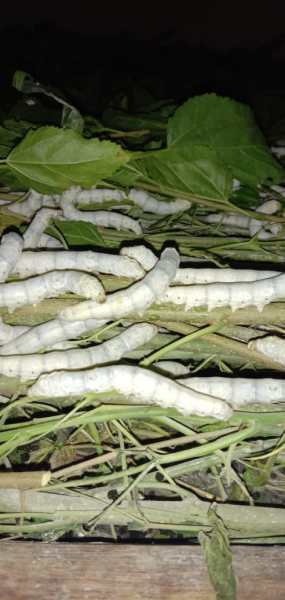
Sericulture is the branch which involves rearing of silkworm which produce silk. This involves three process i.e. cultivation of mulberry( Moriculture) or food plant for insect, rearing of silkworm and reeling and spinning of silk.

However origin for silk production roots from China. It is also said that Tipu Sultan was the first South Indian ruler to introduce this in India.

The Central silk board was started in 1948 and it’s headquarter is situated in Bengaluru (Karnataka). It is mainly involved in research and development of silk sector.

Silkworm undergoes complete metamorphosis and constitute of four stages in life cycle:Egg, larvae, pupa and adult.

Pupa is the most important stage as through this stage only cocoon is obtained which is reeled to produce silk. Silk is the salivary secretion secreted by pair of silk gland located in head region.

Types of silkworm: There are four types of natural silk commercially produced .

1.Mulberry silk which constitutes 95 % of total production. These silkworm feed on mulberry leaves. This is mainly found in Southern states like Karnataka, Andhra Pradesh, Tamil Nadu.

2.Non- mulberry silk includes tasar silk, eri silk and muga silk.

Eri silkworm feeds on castor leaves and is also called Ahimsa silk as This does not involves killing of moth to obtain silk. This is mainly reared in Meghalaya, Assam and Northeast state.

Tasar silkworm feeds on ber, arjun plant .It is mainly found in Jharkhand,Bihar,West Bengal etc.

Muga silkworm feeds on som and sualu leaves. This silkworm is reared in Assam and also called Assam silk. It is known for it’s glossy, fine texture and durability.

Sericulture

4 WAYS TO FIX WHEN MICROSOFT EXCEL CAN NOT OPEN OR SAVE ANY DOCUMENTS

Microsoft Excel is being used worldwide as the most trusted and capable software to maintain data and input of the organisation. It is the best way to store data in one place and easy to access it back but sometimes, some excel file we receive doesn’t open and comes with a flash message.

“MS EXCEL CAN’T OPEN OR SAVE ANY MORE DOC CAUSE THERE IS ENOUGH MEMORY SPACE NOT AVAILABLE”

So, how to fix this issue??

Apparently, this issue does not mean that the file is corrupted or your ms-excel is not working properly. This is just a secure way to proceed and prevent unwanted malware that comes along with spreadsheets. but you can go and change it in settings to run the excel file.

Many excel files until 2007 are saved in a different format that is XLS and after 2007 files use extensions in XLSX format so, modifying the format can actually be made it possible for files to open easily.

FOUR WAYS TO OPEN MS EXCEL FILE.

1. TEMPORARY SOLUTION 

Sometimes files are not directly allowed to open and are in the restricted mode so just allowing them by unblocking can actually work. This is the most basic solution which is done with two clicks only and the most common solution to open an excel file.

STEPS TO FOLLOW

  • RIGHT-CLICK ON THE MS EXCEL FILE
  • GO TO PROPERTIES
  • CLICK ON UNBLOCK 

After clicking on unblocking the file that doesn’t open up earlier is now easily able to open if it is just blocked and not having any further issues.

2. PERMANENT SOLUTION 

This solution is required to go to the main settings of the excel file to allow the settings that are restricting it to open and this actually is done by deleting the existing hidden file that is actually blocking the file to open.

STEPS TO FOLLOW 

  • CLICK ON MY COMPUTER
  • OPEN C-DRIVE
  • GO TO USER
  • OPEN APP DATA
  • OPEN LOCAL
  • CLICK ON TEMPT
  • SELECT ALL THE FILES AND DELETE IT

After deleting all the files in there those files which are restricting the excel to open are now deleted and now your file will be open easily.

3. OPEN FILE IN VERSION MS EXCEL 2013 AND ABOVE

There is also a possibility that the settings of the TRUST CENTRE will be changed and allow the location of the file directly through the trust centre. This indicates the file is safe and easy to access after that.

STEPS TO FOLLOW

  • OPEN MS EXCEL
  • OPEN FILE
  • GO TO OPTIONS
  • CLICK ON TRUST CENTRE
  • CLICK ON TRUST CENTRE SETTINGS

AND choose the file that is having trouble while opening.

  • Also, don’t forget to click on the subfolder also

4. UNCHECKING BARS IN TRUST CENTRE

Sometimes just some unchecked bars can do a lot of things and lead to opening some rusted files that you think might be corrupted.

Steps to follow 

  • OPEN MS EXCEL 
  • OPEN FILES
  • CLICK ON OPTIONS
  • CLICK ON TRUST CENTRE 
  • CLICK ON TRUST CENTRE SETTINGS
  • OPEN PROTECTED VIEW
  • UNCHECKED ALL BARS ONE BY ONE

There are a total of three bars which can be checked one by one and then press ok. This actually disables the protected view for the files from the internet, unsafe location and outlook attachment. Boom, your spreadsheet is ready to open.

Origin and Development of Agriculture

Agriculture began in different parts of the globe in a diverse range.Agriculture started approximately 10,000 years ago,when human began to domesticate plants and animals. Agriculture is the important turning point of humankind. It brought several development and cultivation of processes for producing food,fibre and fuel and so on which are important for the human race to its next level.

The development of agricultural about 12,000 years ago changed the way humans lived. It was switched from nomadic hunter-gatherer lifestyles to permanent settlements and farming. Traditional hunter-gatherer lifestyles, followed by humans since their evolution, were swept aside in favor of permanent settlements and a reliable food supply.Domesticated plants and animals have been raised at scales ranging from the household to massive commercial operations. Agriculture developed independently in many regions of the world. It was the first profound change in the relationship between fully modern humans and the environment.Although global climate change played a role in the development of agriculture, it does not account for the complex and diverse cultural responses that ensued, the specific timing of the appearance of agricultural communities in different regions, or the specific regional impact of climate change on local environments. By studying populations that did not develop intensive agriculture or certain crops , such as wheat and rice.Many studies are made from agriculture like pathology , horticulture, agronomy,floriculture and so on.

Raw materials from agriculture make huge portion of trade internationally,in both imports and exports.The impact of high on export show the wealth of the country. Agriculutral industries is one of the biggest sources of employment,whether it’s a farmer, harvester, technician for farm equipment, scientist and so on,there are plenty of jobs available in this field. Agricultural jobs helps in reducing high rate of unemployment in the developing countries. Economic development of a country is tied to a country’s agriculture sector. Agriculture is important for the world’s food supply. Agriculture is important for the world’s food supply.

Agriculture is the backbone of a country.As agriculture plays an important role in the economic development of the country it is our responsibility to save and preserve the agricultural lands for our use and our future generations to live a healthy life.

‘ Agriculture is a fundamental source of national prosperity’. -by J.J.MAPES

Launching of first International Bullion Exchange in India.

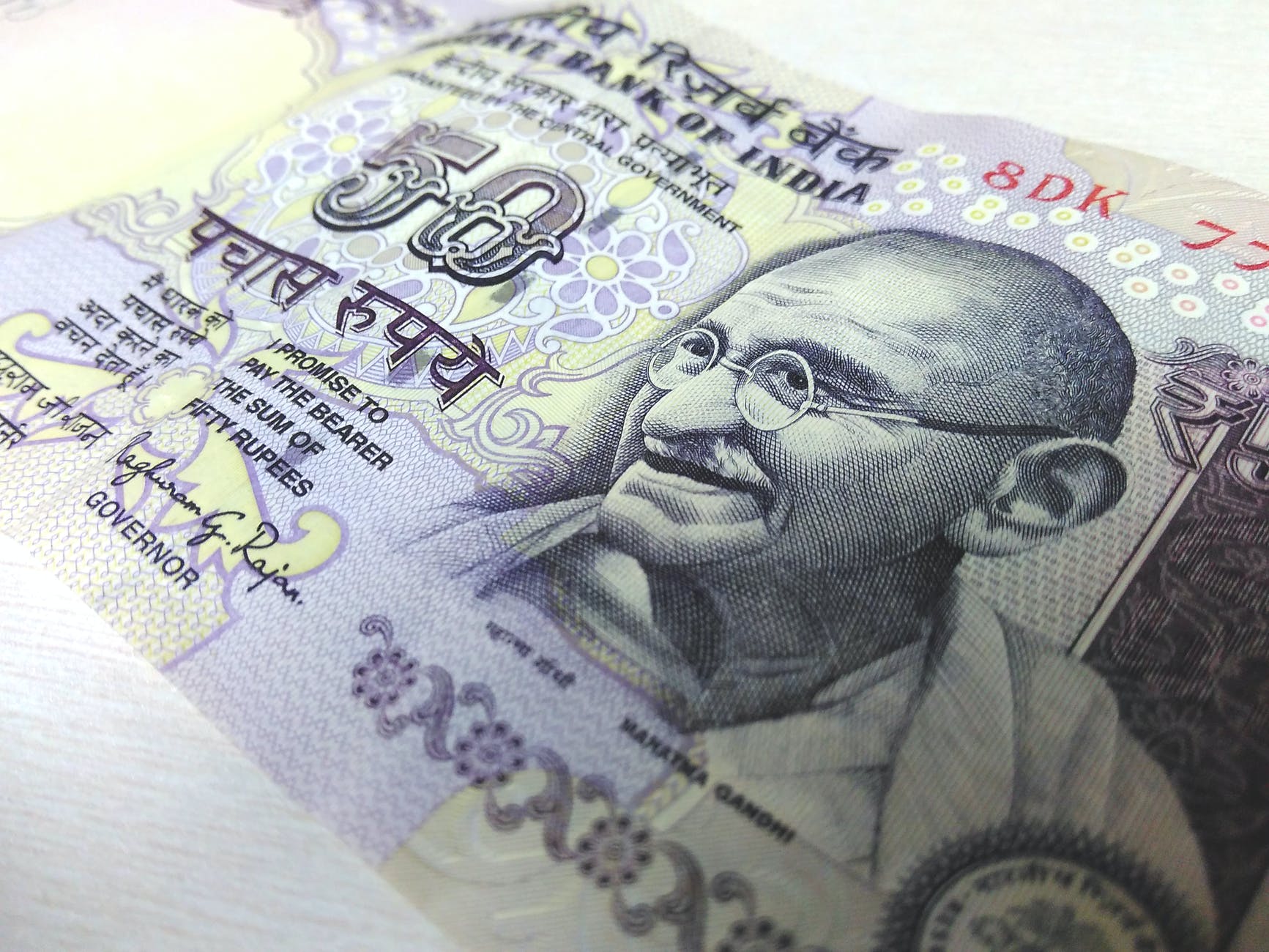
India being the second biggest consumer of precious metals, tries to regulate the market for the precious metal. For this Prime Minister on July 29 laid the foundation of India International Bullion Exchange (IIBX), based at Gujarat International Finance Tec-City, or GIFT City in western Gujarat state.

India imported 1,069 tonnes of gold in 2021, up from 430 tonnes a year ago. Indian households own an estimated collective 25,000 tonnes of gold, which passes from one generation to the next. New Delhi has been trying to monetise these holding to reduce the imports. Gold is tightly regulated in India and currently only nominated banks and agencies approved by the central bank can import gold and sell to dealers and jewellers. The opening of the international bullion exchange is aimed to standardize the gold pricing in India. It further seeks to it easier for small bullion dealers and jewellers to trade.

Currently, there are nominated banks and agencies who have been approved by the central bank to conduct trade or import gold and sell it to dealers.

“IIBX with its technology-driven solutions, will facilitate transition of Indian bullion market towards a more organised structure by granting qualified jewellers a direct access to import gold directly through the exchange mechanism,” the exchange said in a statement.

The International Bullion Exchange shall be the Gateway for Bullion Imports into India, wherein all the bullion imports for domestic consumption shall be channelized through the exchange, as per a government’s notification.

The exchange ecosystem is expected to bring all the market participants at a common transparent platform for bullion trading and provide an efficient price discovery, assurance in the quality of gold, enable greater integration with other segments of financial markets and help establish India’s position as a dominant trading hub in the World.

Launching of first International Bullion Exchange in India.

India being the second biggest consumer of precious metals, tries to regulate the market for the precious metal. For this Prime Minister on July 29 laid the foundation of India International Bullion Exchange (IIBX), based at Gujarat International Finance Tec-City, or GIFT City in western Gujarat state.

India imported 1,069 tonnes of gold in 2021, up from 430 tonnes a year ago. Indian households own an estimated collective 25,000 tonnes of gold, which passes from one generation to the next. New Delhi has been trying to monetise these holding to reduce the imports. Gold is tightly regulated in India and currently only nominated banks and agencies approved by the central bank can import gold and sell to dealers and jewellers. The opening of the international bullion exchange is aimed to standardize the gold pricing in India. It further seeks to it easier for small bullion dealers and jewellers to trade.

Currently, there are nominated banks and agencies who have been approved by the central bank to conduct trade or import gold and sell it to dealers.

“IIBX with its technology-driven solutions, will facilitate transition of Indian bullion market towards a more organised structure by granting qualified jewellers a direct access to import gold directly through the exchange mechanism,” the exchange said in a statement.

The International Bullion Exchange shall be the Gateway for Bullion Imports into India, wherein all the bullion imports for domestic consumption shall be channelized through the exchange, as per a government’s notification.

The exchange ecosystem is expected to bring all the market participants at a common transparent platform for bullion trading and provide an efficient price discovery, assurance in the quality of gold, enable greater integration with other segments of financial markets and help establish India’s position as a dominant trading hub in the World.

Demography

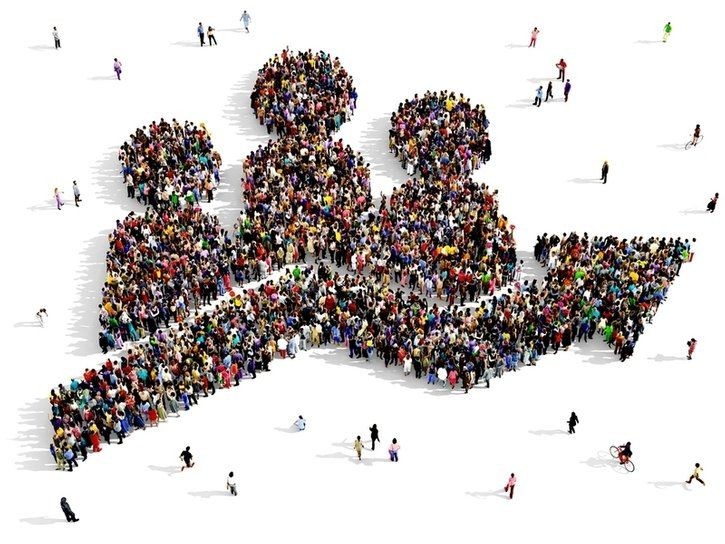
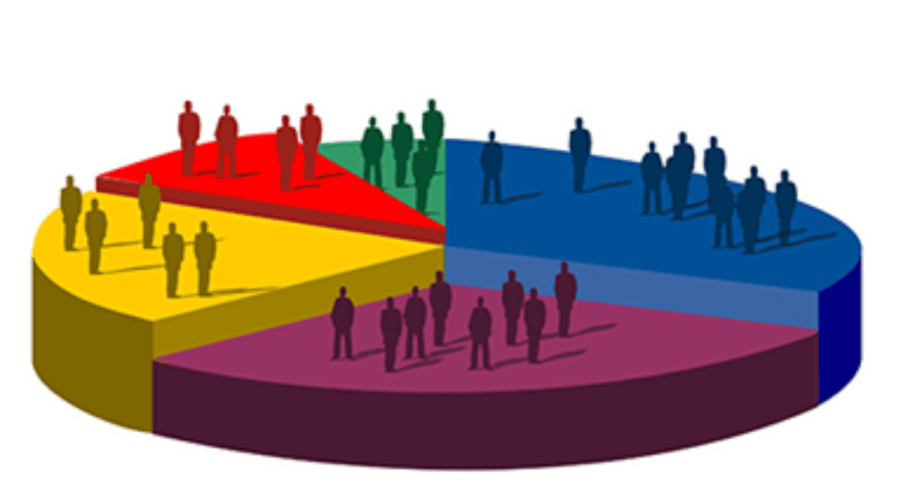
Demography is the study of human population dynamics. Population is shaped by a number of factors including fertility, mortality, migration and urbanization. Significant demographic changes have been shown in many parts of the world. The world population growth has been decelerating since 1970s. Fertility rates in more developed countries (MDCs) have been showing a declining trend, whereas an increasing one in the less developed countries (LDCs). Mortality rates have gone down in both MDCs and LDCs due to medical advancement. Consequently, the population of the countries with low fertility rates aged more quickly, and the world population growth will be concentrated in those developing countries where fertility rates remain high. Uneven population growth among nations accelerated the migration of people across nation borders and the growth of cities. The changes of these interrelated factors with their causes and problems of each of the factors will be discussed, followed by some possible plans and opportunities that may benefit from these changes.Human birth rate (natality) is the fertility expressed as the average number of live births per thousand populations per year. Since not all age groups in a population have equal fertility, demographers often use more specialized measures of birth rates that relate to age groups.Human mortality rate is the average number of individuals who die per thousand populations per year.

Again, demographers often use more sensitive measures, for different mortality rates. Both the very young and the very old segments of the population have higher mortality rates than are found in other age groups.Human population shows uneven or clumping pattern of distri­bution on earth. The density of human population in a village, district, city, province, country or any area can be obtained by di­viding the total number of persons living in the given region by the total land area of that region.The average number of people per square unit of land area tells us how dense or sparse is the popu­lation in a giver, area. The average population density of the world is calculated about 27 persons per square kilometre.insurance agents to determine life insurance rates.

These early demographic studies were mostly concerned with mortality. However, in the 19th century, studies showed that there was a decline in the number of births, and researchers began to study fertility as well as mortality. These studies led to the idea of “differential fertility.” Differential fertility suggests that different groups within a population have different numbers of children due to factors, such as religion, cultural attitudes, poverty, and employment. Migration of people is the last main factor in demographic studies. It is these three variables (mortality, fertility, and migration) that contribute to population change.Demographers gather data mainly through government censuses and government registries of births and deaths. However, these sources can be inaccurate depending on the precision of government records. Demographers also gather data indirectly through surveying smaller groups within a population. These samples are then examined using statistical models to draw conclusions about the whole population.


Demography is changing us as we are older societies, we’re living longer. How the generations balance each other out, how that affects education and health care.

Apiculture: Art of Bee rearing 🐝

Apiculture Or beekeeping refers to the rearing , caring, and management of honeybees to obtain honey ,wax ,pollen ,royal jelly etc. and other useful substance.

In apiculture, an area is selected for the commercial maintenance of bees in artificial beehives, and such areas are called apiaries. Nectar is collected by honey bees naturally from flowers and stored in their hives. Beehives are a source of wax, which is used in a variety of medicinal preparations in addition to honey.

Types of honeybee in hive include queen bee, drone and worker bee. Queen bee is the mother of colony . She lays eggs out of which drone emerge from unfertilized egg and worker bee and queen bee emerge from fertilized egg. Drones are young male to fertilize young queen. Worker bee are female but are sterile, they are involved in indoor activities, scavenger and nurse bees.

The various species used for honeybee rearing are as follows:1.Apis cerana indica (Indian bee) 2. Apis dorsata (Rock bee) 3. Apis florea (Little bee) 4. Apis mellifera ( Italian bee).

Among there Apis mellifera is mostly used because of gentle nature, good honey collection capacity, prolific queen etc.

The establishment of apiary depends on :Location of apiary, surrounding flora and nectar collecting flower, varities of honey bee used in rearing.

Importance :

Honey is found to be quite useful in the treatment of various disorders of humans related to digestion, dysentery, vomiting and stomach or liver ailments.

Honey is considered as a blood purifier, a cure against cough and cold, sore throat, ulcers of the tongue, stomach and intestine.

Bee wax is used in cosmetics, creams and ointments.

Royal jelly is taken as an invigorating tonic.

Propolis is a health supplement with antibiotic properties.

Bee venom is employed as a cure for rheumatism, arthritis and certain central nervous system diseases.

Pollination depends on honeybees leading to an increase in the yield .

Overall bee rearing helps in maintaining the ecological balance .

Disaster management

Disaster is a very common phenomenon to the human society. It has been experienced by them since time immemorial. Though its form may be varied, it has been a challenge for society across castes, creeds, communities and countries. The latest development which has been discovered in the World Disaster Reports recently is that the disasters have increased in frequency and intensity.People are becoming more and more vulnerable to disasters of all types, including earthquake, flood, cyclones, landslides, droughts, accidents, plane crash, forests fire, etc. With the technological advancements and progress, the force of disasters is also changing. When they occur they surpass all preparedness and eagerness of society and pose bigger challenge to them. This is quite true in case of both developed and developing countries. The floods in UK, France, and heat wave in Europe, particularly in France in 2003, claimed more than 35000 lives. In the year 2006, America had to face bigger disaster in the form of tornadoes and other cyclones. They caused great loss of lives and property. All these are sufficient to prove that technological mechanisms are inadequate.There is a direct correlation between higher human development and higher preparedness. The countries which have lesser human development are more vulnerable to risks of disasters and damage. Of all the disasters, floods are the most common followed by wind storms, droughts and earthquakes. But the drought is the deadliest disaster which accounts for 48 per cent of all deaths from natural disasters. The highest numbers of people die from disasters in Asia. India, China and Bangladesh are the worst affected countries by flood. Besides the natural disasters, transport accidents and technological disasters are also faced by the developing countries.

The UNDA with Government of India has jointly prepared an action plan for cities and towns vulnerable to earthquakes. The need in the vulnerable zones is that the existing buildings be technically assessed and evaluated and individual owners and group housing authorities should be informed about the weaknesses in their construction. Presently, in India, it is estimated that around 10 lakhs buildings which are constructed every year, an equal number of them get damaged as a result of disasters. It is required that a monitoring mechanism should be set up in disaster prone areas and it must act in proper coordination with the concerned to ensure fulfillment of building codes.
Disaster is a state subject in India; it is, therefore, the responsibility of the state to provide every kind of support and assistance to the victim. The Central Government has a facilitating role. It, with proper coordination with various ministries, extends all required support and helps to the states, namely defence services, air dropping, rescuing, searching, transport of relief goods, availability of rail and ferry services, health personnel and medical support, etc. In the State, the Relief Commissioner or Disaster Management Secretary is the specific authority responsible for handling and management of the disaster.

Rehabilitation is an integral part of disaster management. When disasters occur administrative measures are terribly inadequate and perhaps this is the most difficult period for a victim. The role of administration does not end with end of disasters. In fact its effort and commitment get more complex. It requires proper coordination among various agencies. In this context it is very important to note that disasters are non-routine events that require non-routine response. Government cannot rely on normal procedures to implement appropriate responses- the rescue teams require learning special skills, technologies and attitudes in dealing with disasters.


SUCCESSFUL EMERGENCY MANAGEMENT RELIES UPON EXPERIENCE AND EXPERTISE.

Disaster management

Disaster is a very common phenomenon to the human society. It has been experienced by them since time immemorial. Though its form may be varied, it has been a challenge for society across castes, creeds, communities and countries. The latest development which has been discovered in the World Disaster Reports recently is that the disasters have increased in frequency and intensity.People are becoming more and more vulnerable to disasters of all types, including earthquake, flood, cyclones, landslides, droughts, accidents, plane crash, forests fire, etc. With the technological advancements and progress, the force of disasters is also changing. When they occur they surpass all preparedness and eagerness of society and pose bigger challenge to them. This is quite true in case of both developed and developing countries. The floods in UK, France, and heat wave in Europe, particularly in France in 2003, claimed more than 35000 lives. In the year 2006, America had to face bigger disaster in the form of tornadoes and other cyclones. They caused great loss of lives and property. All these are sufficient to prove that technological mechanisms are inadequate.There is a direct correlation between higher human development and higher preparedness. The countries which have lesser human development are more vulnerable to risks of disasters and damage. Of all the disasters, floods are the most common followed by wind storms, droughts and earthquakes. But the drought is the deadliest disaster which accounts for 48 per cent of all deaths from natural disasters. The highest numbers of people die from disasters in Asia. India, China and Bangladesh are the worst affected countries by flood. Besides the natural disasters, transport accidents and technological disasters are also faced by the developing countries.

The UNDA with Government of India has jointly prepared an action plan for cities and towns vulnerable to earthquakes. The need in the vulnerable zones is that the existing buildings be technically assessed and evaluated and individual owners and group housing authorities should be informed about the weaknesses in their construction. Presently, in India, it is estimated that around 10 lakhs buildings which are constructed every year, an equal number of them get damaged as a result of disasters. It is required that a monitoring mechanism should be set up in disaster prone areas and it must act in proper coordination with the concerned to ensure fulfillment of building codes.
Disaster is a state subject in India; it is, therefore, the responsibility of the state to provide every kind of support and assistance to the victim. The Central Government has a facilitating role. It, with proper coordination with various ministries, extends all required support and helps to the states, namely defence services, air dropping, rescuing, searching, transport of relief goods, availability of rail and ferry services, health personnel and medical support, etc. In the State, the Relief Commissioner or Disaster Management Secretary is the specific authority responsible for handling and management of the disaster.

Rehabilitation is an integral part of disaster management. When disasters occur administrative measures are terribly inadequate and perhaps this is the most difficult period for a victim. The role of administration does not end with end of disasters. In fact its effort and commitment get more complex. It requires proper coordination among various agencies. In this context it is very important to note that disasters are non-routine events that require non-routine response. Government cannot rely on normal procedures to implement appropriate responses- the rescue teams require learning special skills, technologies and attitudes in dealing with disasters.


SUCCESSFUL EMERGENCY MANAGEMENT RELIES UPON EXPERIENCE AND EXPERTISE.