Its never too late

Life is a book loaded with promising circumstances and another part can start anytime throughout everyday life. One is never too youthful to even think about getting everything rolling with new things, likewise one is never too old to even consider beginning again. Dreams have no age limit. With strive after progress and the assurance to accomplish it, one can start with new pursuits anytime throughout everyday life. With a similar idea and determination, there are numerous fruitful individuals who started their new excursion in a later point throughout everyday life. These two notorious brand proprietors likewise began their excursion of progress when they were moderately aged.

COLONEL SANDERS

Harland David Sanders of Indiana, took up a few positions at an early age because of his dad’s demise, when he was six. He did various positions, including, being a piece of the military, functioning as a trolley conductor, a rail street fire fighter and a protection sales rep. He bombed various occasions and was terminated on a large number of the positions that he had taken up. He lost expectations on his vocation and resigned at age 65. He then, at that point, begun selling seared chicken cooked in his own formula, house to house. He opened up a bistro, named Sander’s Bistro and advertised his dishes well. In 1952, Sanders diversified his mysterious formula to Pete Harman, who worked one of the city’s biggest eateries. After acquiring accomplishment with this endeavor, Sanders visited numerous different eateries to establishment his singed chicken formula. Before long, Kentucky’s Singed Chicken (KFC) acquired tremendous achievement. Sanders was overpowered with his chain of food outlets, spread around 600 better places. At 73 years old, Sanders sold his evolved way of life brand for 2 million dollars. Today, KFC is one of the biggest fast help natural pecking orders on the planet, esteemed over 5.1 billion USD.

Beam KROC

Raymond Albert Kroc was brought into the world in a group of Czech beginning. Since a youthful age, he started giving his hands a shot undertakings, for example, opening a lemonade stand and working at a soft drink wellspring place. He functioned as a sales rep for Lily Tulip and his work culture got him associated with Lord Ruler, the creator of a multi blend milkshake machine. Beam left Lily Tulip and began selling those multi blend machines and paper cups the nation over. Kroc ran over a café which was obviously claimed by Dick and Macintosh McDonald. They sold burgers, french fries and shakes. Kroc had just visited this spot to supply his multi combination shakes machine, however was exceptionally dazzled with the working of their café. He before long took up their establishment as a specialist however needed more speculation pay to purchase the whole partnership. Beam set up the McDonald Partnership in 1955. With the assistance of MC Partnership’s first President, he had the option to make an out and out acquisition of the brand from McDonald Siblings at age 52. Under his possession, he kept up with severe proprietorship in regards to his staff, bundling, size of bits, cooking techniques and lay an accentuation on developments. This added to the glory of the brand. Indeed, even in the current occasions, McDonald’s Organization is the world’s driving worldwide food administration retailer with a total assets of $180.91 B in 2021.

It is evident that, disappointments are the venturing stone to progress. One might fall multiple times yet getting up the eighth time is a genuine accomplishment, which one should accomplish. Likewise, there is no age bar in the first place your enthusiasm. One should cheerfully finish the excursion of life by following his/her fantasies.

Real Meaning of Women Empowernment

Oppression ladies is uncontrolled all around the world even in this 21st century. Despite the fact that around half of the total populace comprises of ladies, yet tragically the vast majority of them are denied fundamental privileges schooling, the right to speak freely of discourse, casting a ballot power and surprisingly autonomous personality.

In India, in principle, ladies partake in a status of uniformity with the men according to established and legitimate arrangements. Apparently, our nation has taken gigantic steps towards incorporation of ladies with the more attractive sex dominating in assorted fields, from writing to astronomy to back. Yet, with title texts about share killing, female foeticides and abusive behavior at home actually making the papers, put a quiet question mark behind the two words.

Which means of Ladies Strengthening

In case it is to be clarified past the two clear as crystal words, ‘Ladies Strengthening’ alludes to finish liberation of ladies from financial shackles of dependancy and hardships. Regularly made interchangeable to sex balance, the term ladies strengthening incorporates a lot bigger arrangement of rules that needs sincere consideration.

Strengthening of ladies would mean empowering ladies to act naturally dependent, monetarily free, have positive confidence, create certainty to confront any tough spot and actuate dynamic investment in different socio-political improvement tries. The developing inner voice is to acknowledge ladies as people fit for settling on normal and instructed choices about them just as the general public, expanding and working on the monetary, political and lawful strength of the ladies, to guarantee equivalent right as men, accomplish universally concurred objectives for advancement and manageability, and work on the personal satisfaction for their families and networks.

The different features of ladies strengthening that should be tended to for a balanced advancement are recorded as:

Common freedoms and Individual Privileges:

A lady has the privilege to offer her viewpoints and suppositions unreservedly, with practically no limitation. Individual strengthening might be accomplished by conferring self-assurance to explain and declare the force of free dynamic. Ladies ought to know about their freedoms and social places that they are qualified for unavoidably.

Social Strengthening of Ladies:

The most basic part of social strengthening of ladies is the advancement of sexual orientation value. Sexual orientation fairness infers that in the public arena ladies and men partake in similar freedoms, results, privileges and commitments in all circles of life.

Instructive Strengthening of Ladies:

It implies empowering ladies to snatch the information, abilities and self-assurance important to take an interest completely in the advancement interaction. Giving inclination to the young lady youngster for instructive freedoms is a beginning.

Financial Strengthening of Ladies:

It implies lessening the monetary reliance of ladies on their mate partners by making them a huge piece of the HR. A superior nature of material life, inside the family just as for the general society, can be accomplished through advancement of supportable livelihoods like house ventures, little pioneering endeavors possessed and oversaw by ladies.

Strengthening Through Lawful Information:

In addition to the fact that it suggests the arrangement of a viable legitimate construction which is steady of ladies strengthening, there likewise is the need to spread mindfulness among ladies about their lawful privileges and laws forestalling their double-dealing. It implies tending to the holes between what the law endorsed and what really happens.

Political Strengthening of Ladies:

The presence of a political framework empowering the investment of ladies in the political dynamic cycle and in administration. Indian constitution has given the ramparts to sex correspondence in the country in the accompanying articles:

Article 14: Fairness under the steady gaze of law “The State will not deny to any individual balance under the steady gaze of the law or the equivalent insurance of the laws inside the domain of India Disallowance of segregation on gatherings of religion, race, standing, sex or spot of birth”.

Article 16 (2): Equivalent freedoms “No resident will, on grounds just of religion, race, standing, sex, plunge, spot of birth, home or any of them, be ineligible for, or oppressed in regard or, any work or office under the state”.

Article 23: Denial of traffic in individuals and constrained work.

Article 39(a): The resident, men and ladies similarly reserve the privilege to a satisfactory method for vocation.

Article 40 (after the 73rd Amendment): 1/third of seats in panchayats will be saved for ladies.

Article 42: State will make arrangements for just and compassionate working conditions and maternity alleviation.

Article 51 A (e): One of the obligations of each resident is to disavow rehearses deprecatory to the respect of lady.

Government Laws and its resulting corrections have seen bigger consideration of ladies as for their remaining in the general public and furthermore there many demonstrations which are forestalling polygamy and plural marriage, and their severe authorizations has generally contributed towards decreasing ladies abuse. Different government plans like Rastriya Mahila Kosh and STEP (Backing to preparing cum Work for ladies) have figured out how to bring monetary improvement of country ladies through self-supportable business. Too “Kanyashree” conspire which is in West Bengal, has been positioned first around the world for ladies strengthening. The Public Arrangement of Strengthening of Ladies (2001) is pointed toward tending to all types of savagery against ladies including physical, mental and that emerging from customs and customs.

Why Lady Strengthening is Significant?

A solid man centric culture with profound socio-social qualities keeps on influencing the advancement of ladies’ strengthening in the country. The need of great importance is a libertarian culture. Where there ought to be a bad situation for sex prevalence. Point of government arrangements ought to be to recognize and wipe out powers that are coordinated towards keeping the practice of male strength over its female partner alive.

Ladies strengthening in its really is inseparable from complete advancement of the general public. An informed lady, with information about wellbeing, cleanliness, neatness is fit for establishing a superior sickness free climate for her family. An independently employed lady is fit for contributing not exclusively to her family’s accounts, yet in addition contributes towards augmentation of the country’s general Gross domestic product. What’s more, numerous things which can be accomplished.

All we need is a coordinated methodology from the Public authority and law implementation organizations of the country focussed the correct way that would rest just with the freedom of ladies from all types of fiendishness.

Leader by Birth

It is the account of a youthful visionary that tells the adventure of cognizance, battle and accomplishment in each eye; one who has the ability to tear the ground with his arms; one who discusses making an opening in the sky; one who is restless to accomplish his objectives; one who doesn’t acknowledge anything free of charge; and assuming he needs opportunity, he is prepared to spill his blood.

Photo by Thirdman on Pexels.com

Subhash Chandra Bose, prominently known as “Netaji”, an extraordinary aggressor, political dissident and loyalist was brought into the world at Cuttack, Orissa on January 23, 1897 to Janakinath Bose and Prabhavati Devi. Janakinath was a notable attorney. Prabhavati Devi was a strict and God-dreading woman.He was firmly affected by Master Vivekananda’s lessons and was referred to for his energetic energy as an understudy. Subhash Chandra was a splendid understudy from the earliest starting point and was first in the legitimacy rundown of fruitful.

Allahabad: A city of literary doyen

Allahabad is a venue for Urdu-Hindi literary feat.

A feast for the lovers of art and literature, Allahabad is a venue for Urdu-Hindi literary feat. Allahabad is a cradle of the Hindi and Urdu literary world which attracts writers, poets and scholars from all over the world. 

Allahabad has been a political hub since the very beginning and has also contributed to the making of at least six prime ministers, namely Jawaharlal Nehru, Indira and Rajiv Gandhi, Lal Bahadur Shastri, VP Singh and Chandrashekhar and it is very well known that politics leads to creation and invention of different forms art, poetry, stories.  

Art and writing, poems and stories, basically any form of art is revolutionary and hence, there was also a literary movement taking place during the time when politics was at its peak in Allahabad. One of the contributing factors was the Allahabad University, which was for a long while referred to by the proud alumni as the “Oxford of the East”. 

The city is also associated with some of the literary giants of the Hindi-Urdu world in the last century. Some of the legends are mentioned below: 

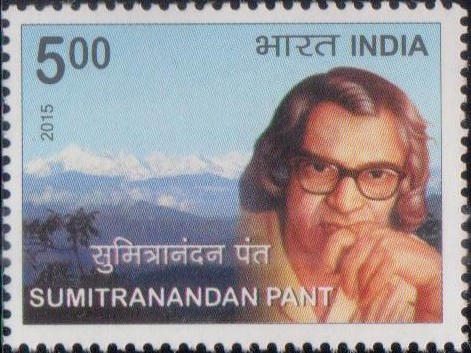
1.Sumitranandan Pant: Sumitranandan Pant was an Indian poet. He was one of the most celebrated 20th century poets of the Hindi language and was known for romanticism in his poems which were inspired by nature, people and beauty within. 

He is considered one of the major poets of the Chhayavaadi school of Hindi literature. Pant mostly wrote in Sanskritized Hindi. Pant authored twenty-eight published works including poetry, verse plays and essays. Apart from Chhayavaadi poems, Pant also wrote progressive, socialist, humanist poems and philosophical (influenced by Sri Aurobindo) poems. Pant eventually moved beyond this style. As the late scholar and translator of Pant, David Rubin, writes, “In the early forties the new psychological and experimental “schools” were emerging. It was typical of both Nirala and Pant that they themselves anticipated these trends and, by the time the new approaches were in vogue, they had already moved on to newer areas of experimentation.” 

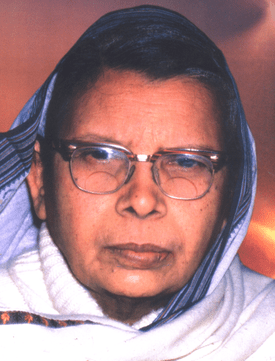
2.Mahadevi Varma: Mahadevi Varma was an Indian Hindi-language poet and a novelist. She is considered one of the four major pillars of the Chhayawadi era in Hindi literature. She has been also addressed as the Modern Meera.  Poet Nirala had once called her “Saraswati in the vast temple of Hindi Literature”. Varma had witnessed India both before and after independence. She was one of those poets who worked for the wider society of India. Not only her poetry but also her social upliftment work and welfare development among women were also depicted deeply in her writings. These largely influenced not only the readers but also the critics especially through her novel Deepshikha. Varma was a feminist par-excellence even before the term became trendy in public discourse. She was turned down by her husband only a few years after marriage. Her looks were not the kind that the fashion industry portrays as desirable, but the physicality of being has little to do with the beauty of her soul and intellect. 

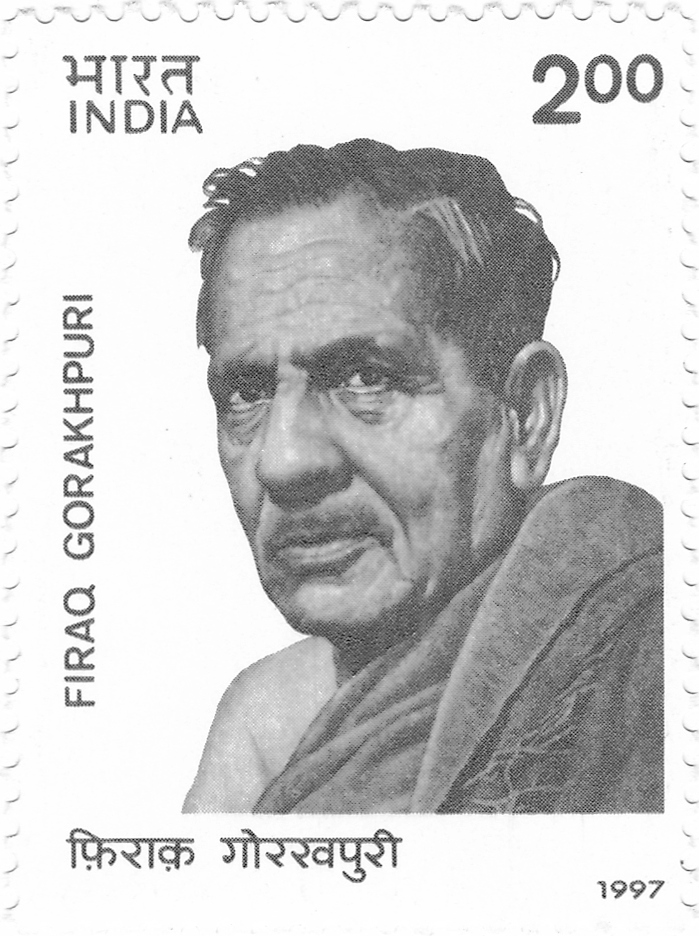
3.Firaq Gorakhpuri: Raghupati Sahay, better known under his pen name Firaq Gorakhpuri, was a writer, critic, and, according to one commentator, one of the most noted contemporary Urdu poets from India. He established himself among peers including Muhammad Iqbal, Yagana Changezi, Jigar Moradabadi and Josh Malihabadi. Some of his works are as followed, 

  • Gul-e-Naghma 
  • Gul-e-Ra’naa 
  • Mash’aal 
  • Rooh-e-Kaayenaat 
  • Roop   

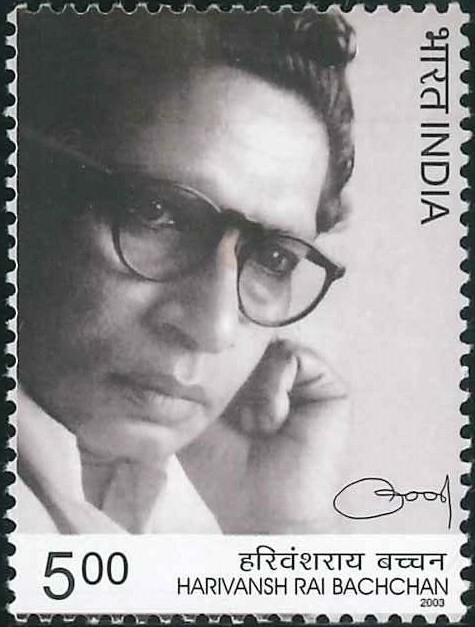
4. Harivansh Rai Bachchan: Harivansh Rai Bachchan was an Indian poet and writer of the Nayi Kavita literary movement (romantic upsurge) of early 20th century Hindi literature. He was also a poet of the Hindi Kavi Sammelan. He is best known for his early work Madhushala. He is also the husband of social activist, Teji Bachchan, father of Amitabh Bachchan and Ajitabh Bachchan, and grandfather of Abhishek Bachchan. In 1976, he received the Padma Bhushan for his service to Hindi literature. 

As the river Saraswati flows in the city and is regarded as the goddess of education according to the Hindu scriptures, hence, Allahabad is gifted with literature. The city is buffet of art and literature and is a feast for explorers. 

Hanumangarh

Hanumangarh is a city in the Indian territory of Rajasthan, arranged on the banks of the stream Ghaggar additionally recognized as Antiquated Sarasvati waterway, situated around 400 km from Delhi. It is the managerial seat of Hanumangarh Area. The city was once called Bhatner (then again spelled Bhatnair) on the grounds that it was established by lord Bhupat in 255 Advertisement. It stayed in the control of the Rajputs of Bhati group and confronted a notable attack by Timur in Late 14th century, during which the Bhatti Rajput lord Rao Dulachand lost the fortification for a short time. The stronghold was subsequently involved by Rao Jetsa of Bikaner.

Photo by Rachel Claire on Pexels.com

As per 2011 Indian Statistics, Hanumangarh had an all out populace of 150,958, of which 79,709 were guys and 71,249 were females. Populace inside the age gathering of 0 to 6 years was 18,094. The absolute number of literates in Hanumangarh was 102,149, which comprised 67.7% of the populace with male education of 73.6% and female proficiency of 61.1%. The compelling proficiency pace of 7+ populace of Hanumangarh was 76.9%, of which male education rate was 83.8% and female proficiency rate was 69.28%. The Booked Positions and Planned Clans populace was 25,486 and 2,463 separately. Hanumangarh had 30022 families in 2011.

Starting at 2001 India enumeration, Hanumangarh had a populace of 129,654. Guys comprise 69,583 of the populace and females 60,071. The sex proportion was 863 females to 1000 guys. Populace in the age scope of 0–6 years was 18,669. 83,923 individuals were literates in Hanumangarh which is 64.7% of the complete populace. The compelling education of individuals 7 years and over old enough was 75.6%.

Cell-cell junctions

Introduction

If you were building a building, what kinds of connections might you want to put between the rooms? In some cases, you’d want people to be able to walk from one room to another, in which case you’d put in a door. In other cases, you’d want to hold two adjacent walls firmly together, in which case you might put in some strong bolts. And in still other cases, you might need to ensure that the walls were sealed very tightly together – for instance, to prevent water from dripping between them.As it turns out, cells face the same questions when they’re arranged in a tissue next to other cells. Should they put in doors that connect them directly to their neighbors? Do they need to spot-weld themselves to their neighbors to make a strong layer, or perhaps even form tight seals to prevent water from passing through the tissue? Junctions serving all of these functions can be found in cells of different types, and here, we’ll look at each of them in turn.

Plasmodesmata

Plant cells, surrounded as they are by cell walls, don’t contact one another through wide stretches of plasma membrane the way animal cells can. However, they do have specialized junctions called plasmodesmata (singular, plasmodesma), places where a hole is punched in the cell wall to allow direct cytoplasmic exchange between two cells.

Plasmodesmata are lined with plasma membrane that is continuous with the membranes of the two cells. Each plasmodesma has a thread of cytoplasm extending through it, containing an even thinner thread of endoplasmic reticulum (not shown in the diagram above).Molecules below a certain size (the size exclusion limit) move freely through the plasmodesmal channel by passive diffusion. The size exclusion limit varies among plants, and even among cell types within a plant. Plasmodesmata may selectively dilate (expand) to allow the passage of certain large molecules, such as proteins, although this process is poorly understood

Gap junctions

Functionally, gap junctions in animal cells are a lot like plasmodesmata in plant cells: they are channels between neighboring cells that allow for the transport of ions, water, and other substancescubed. Structurally, however, gap junctions and plasmodesmata are quite different.In vertebrates, gap junctions develop when a set of six membrane proteins called connexins form an elongated, donut-like structure called a connexon. When the pores, or “doughnut holes,” of connexons in adjacent animal cells align, a channel forms between the cells. (Invertebrates also form gap junctions in a similar way, but use a different set of proteins called innexins.)

Gap junctions are particularly important in cardiac muscle: the electrical signal to contract spreads rapidly between heart muscle cells as ions pass through gap junctions, allowing the cells to contract in tandem.

Tight junctions

Not all junctions between cells produce cytoplasmic connections. Instead, tight junctions create a watertight seal between two adjacent animal cells.At the site of a tight junction, cells are held tightly against each other by many individual groups of tight junction proteins called claudins, each of which interacts with a partner group on the opposite cell membrane. The groups are arranged into strands that form a branching network, with larger numbers of strands making for a tighter seal

Cell Signalling

Introduction
Consider your cells to be nothing more than simple construction blocks, as mindless and immobile as bricks in a wall. If that’s the case, reconsider! Cells are able to monitor what is going on around them and respond in real time to stimuli from their surroundings and neighbours. Your cells are transmitting and receiving millions of signals in the form of chemical signalling molecules right now!
We’ll look at the fundamentals of how cells communicate with one another in this post. We’ll start by looking at how cell-cell communication works, then move on to the various types of short- and long-range signalling that occur in our bodies.

Cells typically communicate using chemical signals. These chemical signals, which are proteins or other molecules produced by a sending cell, are often secreted from the cell and released into the extracellular space. There, they can float – like messages in a bottle – over to neighboring cells.

Not all cells can “hear” a particular chemical message. In order to detect a signal (that is, to be a target cell), a neighbor cell must have the right receptor for that signal. When a signaling molecule binds to its receptor, it alters the shape or activity of the receptor, triggering a change inside of the cell. Signaling molecules are often called ligands, a general term for molecules that bind specifically to other molecules (such as receptors).The message carried by a ligand is often relayed through a chain of chemical messengers inside the cell. Ultimately, it leads to a change in the cell, such as alteration in the activity of a gene or even the induction of a whole process, such as cell division. Thus, the original intercellular (between-cells) signal is converted into an intracellular (within-cell) signal that triggers a response.

Forms of signaling

Cell-cell signaling involves the transmission of a signal from a sending cell to a receiving cell. However, not all sending and receiving cells are next-door neighbors, nor do all cell pairs exchange signals in the same way.There are four basic categories of chemical signaling found in multicellular organisms: paracrine signaling, autocrine signaling, endocrine signaling, and signaling by direct contact. The main difference between the different categories of signaling is the distance that the signal travels through the organism to reach the target cell.

aracrine signaling

Often, cells that are near one another communicate through the release of chemical messengers (ligands that can diffuse through the space between the cells). This type of signaling, in which cells communicate over relatively short distances, is known as paracrine signaling.Paracrine signaling allows cells to locally coordinate activities with their neighbors. Although they’re used in many different tissues and contexts, paracrine signals are especially important during development, when they allow one group of cells to tell a neighboring group of cells what cellular identity to take on.

Synaptic signaling

One unique example of paracrine signaling is synaptic signaling, in which nerve cells transmit signals. This process is named for the synapse, the junction between two nerve cells where signal transmission occurs.

Interferon

Interferons (/ntrfrn/) are a family of signalling proteins produced and released by host cells in response to the presence of a variety of viruses. A virus-infected cell will typically release interferons, causing neighbouring cells to boost their antiviral defences.

IFNs are part of the cytokine family of proteins, which are utilised to communicate between cells in order to activate the immune system’s defensive defences and help destroy pathogens.

Interferons get their name from their ability to shield cells from virus infections by “interfering” with viral reproduction. IFNs have a variety of different tasks, including activating immune cells such as natural killer cells.

Types of interferon

Based on the type of receptor through which they signal, human interferons have been classified into three major types.

  • Interferon type I: All type I IFNs bind to a specific cell surface receptor complex known as the IFN-α/β receptor (IFNAR) that consists of IFNAR1 and IFNAR2 chains. The type I interferons present in humans are IFN-αIFN-β, IFN-ε, IFN-κ and IFN-ω. In general, type I interferons are produced when the body recognizes a virus that has invaded it. They are produced by fibroblasts and monocytes. However, the production of type I IFN-α is inhibited by another cytokine known as Interleukin-10. Once released, type I interferons bind to specific receptors on target cells, which leads to expression of proteins that will prevent the virus from producing and replicating its RNA and DNA. Overall, IFN-α can be used to treat hepatitis B and C infections, while IFN-β can be used to treat multiple sclerosis.
  • Interferon type II (IFN-γ in humans): This is also known as immune interferon and is activated by Interleukin-12. Type II interferons are also released by cytotoxic T cells and type-1 T helper cells. However, they block the proliferation of type-2 T helper cells. The previous results in an inhibition of Th2 immune response and a further induction of Th1 immune response. IFN type II binds to IFNGR, which consists of IFNGR1 and IFNGR2 chains.
  • Interferon type III: Signal through a receptor complex consisting of IL10R2 (also called CRF2-4) and IFNLR1 (also called CRF2-12). Although discovered more recently than type I and type II IFNs, recent information demonstrates the importance of Type III IFNs in some types of virus or fungal infections.

In general, type I and II interferons are responsible for regulating and activating the immune response. Expression of type I and III IFNs can be induced in virtually all cell types upon recognition of viral components, especially nucleic acids, by cytoplasmic and endosomal receptors, whereas type II interferon is induced by cytokines such as IL-12, and its expression is restricted to immune cells such as T cells and NK cells.

Function

All interferons share several common effects: they are antiviral agents and they modulate functions of the immune system. Administration of Type I IFN has been shown experimentally to inhibit tumor growth in animals, but the beneficial action in human tumors has not been widely documented. A virus-infected cell releases viral particles that can infect nearby cells. However, the infected cell can protect neighboring cells against a potential infection of the virus by releasing interferons. In response to interferon, cells produce large amounts of an enzyme known as protein kinase R (PKR). This enzyme phosphorylates a protein known as eIF-2 in response to new viral infections; the phosphorylated eIF-2 forms an inactive complex with another protein, called eIF2B, to reduce protein synthesis within the cell. Another cellular enzyme, RNAse L—also induced by interferon action—destroys RNA within the cells to further reduce protein synthesis of both viral and host genes. Inhibited protein synthesis impairs both virus replication and infected host cells. In addition, interferons induce production of hundreds of other proteins—known collectively as interferon-stimulated genes (ISGs)—that have roles in combating viruses and other actions produced by interferon. They also limit viral spread by increasing p53 activity, which kills virus-infected cells by promoting apoptosis. The effect of IFN on p53 is also linked to its protective role against certain cancers.

Viperin

The RSAD2 gene encodes the virus inhibitory protein, endoplasmic reticulum-associated, interferon-inducible (Viperin), also known as RSAD2 (radical SAM domain-containing 2). Viperin is an interferon-stimulated gene that functions as a multifunctional protein in viral activities. Viperin can be produced by either IFN-dependent or IFN-independent routes, and certain viruses may employ viperin to improve their infectivity.

Function

Viperin is an interferon-stimulated gene whose expression inhibits many DNA and RNA viruses including CHIKVHCMVHCVDENVWNVSINVinfluenza, and HIV. Initially identified as an IFN-γ induced antiviral protein in human cytomegalovirus (HCMV) infected macrophages, it was reported that viperin could be induced by HCMV glycoprotein B in fibroblasts, but inhibits HCMV viral infection and down-regulates viral structural proteins. The reason why virus protein would induce viperin against itself is still not clear; however, the viral induced redistribution of viperin may reflect the mechanism of virus evading its antiviral activities. Viperin may also be induced and interact with HCMV viral proteins and relocate to mitochondria in HCMV viral infected cells to enhance viral infectivity by disrupting cellular metabolism.

Viperin is a radical SAM enzyme which is capable of producing the chain terminator ddhCTP (3ʹ-deoxy-3′,4ʹdidehydro-CTP), which inhibits the viral RNA dependent RNA polymerase (RdRp). This activity appears to abolish metabolism of amino acids and mitochondrial respiration.

In the inhibition of influenza virus budding and release, viperin is suggested to disrupt the lipid rafts on the cell’s plasma membrane by binding to and decreasing the enzyme activities of farnesyl diphosphate synthase (FPPS), an essential enzyme in isoprenoid biosynthesis pathway. Viperin was suggested to inhibit the viral replication of HCV via its interaction with host protein hVAP-33 and NS5A and disrupting the formation of the replication complex.

Structure

Human viperin is a single polypeptide of 361 amino acids with a predicted molecular weight of 42 kDa. The N-terminal 42 amino acids of viperin forms amphipathic alpha-helix, which is relatively less conserved in different species and has a minor effect on the antiviral activity of viperin. The N-terminal domain of viperin is required for its localization to the ER and lipid droplets. Amino acids 77-209 of viperin constitute the radical S-adenosyl methionine (SAM) domain, containing four conserved motifs. Motif 1 has three conserved cysteine residues, CxxCxxC, which is the Fe-S binding motif and also essential for antiviral activity. The C-terminal 218-361 amino acids of viperin are highly conserved in different species and essential for viperin dimerization. The C-terminal tail appears to be critical for the antiviral activities against HCV since a C-terminal flag tagged of viperin lost its antiviral activity.

When viperin is bound to SAM and Cytidine triphosphate (CTP) or uridine triphosphate (UTP) is used as a substrate, different kinetic parameters are achieved. It is predicted that the CTP substrate binds much more tightly with viperin because of the low Km value of the substrate. However, the overall structure of both UTP- and CTP-bound compounds are similar. The difference being that the uracil moiety is less effective then the cytosine moiety at binding and ordering turns A and B. Nucleotide-free viperin contains a (βα)6 partial barrel and has a disordered N-terminal extension and a partially ordered C-terminal extension. When the C-terminal tail is ordered, a six-residue α-helix, an eight-residue P-loop (that binds the γ-phosphate of CTP), and a 310-helix are revealed.

Cellular localization

Viperin is normally localized to the endoplasmic reticulum (ER) via its N-terminal domain, and also localized to lipid droplet, which are derived from the ER. However, it is also found in mitochondria in the HCMV infected fibroblasts.

Nucleoside

Nucleosides are glycosylamines that are similar to nucleotides but do not contain a phosphate group. A nucleoside is made up of just a nucleobase (also known as a nitrogenous base) and a five-carbon sugar (ribose or 2′-deoxyribose), whereas a nucleotide has a nucleobase, a five-carbon sugar, and one or more phosphate groups. The anomeric carbon of a nucleoside is linked to the N9 of a purine or the N1 of a pyrimidine by a glycosidic bond. DNA and RNA are made up of nucleotides, which are the basic building blocks.

Use in medicine and technology

In medicine several nucleoside analogues are used as antiviral or anticancer agents.The viral polymerase incorporates these compounds with non-canonical bases. These compounds are activated in the cells by being converted into nucleotides. They are administered as nucleosides since charged nucleotides cannot easily cross cell membranes.

In molecular biology, several analogues of the sugar backbone exist. Due to the low stability of RNA, which is prone to hydrolysis, several more stable alternative nucleoside/nucleotide analogues that correctly bind to RNA are used. This is achieved by using a different backbone sugar. These analogues include locked nucleic acids (LNA), morpholinos and peptide nucleic acids (PNA).

In sequencing, dideoxynucleotides are used. These nucleotides possess the non-canonical sugar dideoxyribose, which lacks 3′ hydroxyl group (which accepts the phosphate). It therefore cannot bond with the next base and terminates the chain, as DNA polymerases cannot distinguish between it and a regular deoxyribonucleotide.

Prebiotic synthesis of ribonucleosides

In order to understand how life arose, knowledge is required of the chemical pathways that permit formation of the key building blocks of life under plausible prebiotic conditions. According to the RNA world hypothesis free-floating ribonucleosides and ribonucleotides were present in the primitive soup. Molecules as complex as RNA must have arisen from small molecules whose reactivity was governed by physico-chemical processes. RNA is composed of purine and pyrimidine nucleotides, both of which are necessary for reliable information transfer, and thus Darwinian natural selection and evolution. Nam et al. demonstrated the direct condensation of nucleobases with ribose to give ribonucleosides in aqueous microdroplets, a key step leading to RNA formation. Also, a plausible prebiotic process for synthesizing pyrimidine and purine ribonucleosides and ribonucleotides using wet-dry cycles was presented by Becker et al. 

Nucleoside analogues are nucleosides which contain a nucleic acid analogue and a sugar. Nucleotide analogs are nucleotides which contain a nucleic acid analogue, a sugar, and a phosphate groups with one to three phosphates.

Nucleoside and nucleotide analogues can be used in therapeutic drugs, include a range of antiviral products used to prevent viral replication in infected cells. The most commonly used is acyclovir, although its inclusion in this category is uncertain, because it acts as a nucleoside but contains no actual sugar, as the sugar ring is replaced by an open-chain structure.

Nucleodide and nucleoside analogues can also be found naturally. Examples include ddhCTP (3ʹ-deoxy-3′,4ʹdidehydro-CTP) produced by the human antiviral protein viperin and sinefungin (a S-Adenosyl methionine analogue) procduced by some Streptomyces.

Function

These agents can be used against hepatitis B virushepatitis C virusherpes simplex, and HIV. Once they are phosphorylated, they work as antimetabolites by being similar enough to nucleotides to be incorporated into growing DNA strands; but they act as chain terminators and stop viral DNA polymerase. They are not specific to viral DNA and also affect mitochondrial DNA. Because of this they have side effects such as bone marrow suppression.

Nucleotide

A nucleoside and a phosphate make up nucleotides, which are organic compounds. They are monomeric units of the nucleic acid polymers deoxyribonucleic acid (DNA) and ribonucleic acid (RNA), which are both fundamental macromolecules in all living things on Earth. Nucleotides are received from the diet and are also produced by the liver from common components.

Nucleotides are made up of three component molecules: a nucleobase, a five-carbon sugar (ribose or deoxyribose), and a one to three-phosphate phosphate group. Guanine, adenine, cytosine, and thymine are the four nucleobases of DNA; uracil replaces thymine in RNA.

Nucleotides also play a central role in metabolism at a fundamental, cellular level. They provide chemical energy—in the form of the nucleoside triphosphatesadenosine triphosphate (ATP), guanosine triphosphate (GTP), cytidine triphosphate (CTP) and uridine triphosphate (UTP)—throughout the cell for the many cellular functions that demand energy, including: amino acidprotein and cell membrane synthesis, moving the cell and cell parts (both internally and intercellularly), cell division, etc.[2] In addition, nucleotides participate in cell signaling (cyclic guanosine monophosphate or cGMP and cyclic adenosine monophosphate or cAMP), and are incorporated into important cofactors of enzymatic reactions (e.g. coenzyme AFADFMNNAD, and NADP+).

Structure

Showing the arrangement of nucleotides within the structure of nucleic acids: At lower left, a monophosphate nucleotide; its nitrogenous base represents one side of a base-pair. At the upper right, four nucleotides form two base-pairs: thymine and adenine (connected by double hydrogen bonds) and guanine and cytosine (connected by triple hydrogen bonds). The individual nucleotide monomers are chain-joined at their sugar and phosphate molecules, forming two ‘backbones’ (a double helix) of nucleic acid, shown at upper left.

A nucleotide is composed of three distinctive chemical sub-units: a five-carbon sugar molecule, a nucleobase—the two of which together are called a nucleoside—and one phosphate group. With all three joined, a nucleotide is also termed a “nucleoside monophosphate”, “nucleoside diphosphate” or “nucleoside triphosphate”, depending on how many phosphates make up the phosphate group.

In nucleic acids, nucleotides contain either a purine or a pyrimidine base—i.e., the nucleobase molecule, also known as a nitrogenous base—and are termed ribonucleotides if the sugar is ribose, or deoxyribonucleotides if the sugar is deoxyribose. Individual phosphate molecules repetitively connect the sugar-ring molecules in two adjacent nucleotide monomers, thereby connecting the nucleotide monomers of a nucleic acid end-to-end into a long chain. These chain-joins of sugar and phosphate molecules create a ‘backbone’ strand for a single- or double helix. In any one strand, the chemical orientation (directionality) of the chain-joins runs from the 5′-end to the 3′-end (read: 5 prime-end to 3 prime-end)—referring to the five carbon sites on sugar molecules in adjacent nucleotides. In a double helix, the two strands are oriented in opposite directions, which permits base pairing and complementarity between the base-pairs, all which is essential for replicating or transcribing the encoded information found in DNA.

Nucleic acids then are polymeric macromolecules assembled from nucleotides, the monomer-units of nucleic acids. The purine bases adenine and guanine and pyrimidine base cytosine occur in both DNA and RNA, while the pyrimidine bases thymine (in DNA) and uracil (in RNA) occur in just one. Adenine forms a base pair with thymine with two hydrogen bonds, while guanine pairs with cytosine with three hydrogen bonds.

Human Genome Project

The Human Genome Initiative (HGP) was an international scientific research project that aimed to determine the base pairs that make up human DNA, as well as to identify and map all of the human genome’s genes, both physically and functionally. It is still the greatest collaborative biological effort in the world. After the US government picked up the idea in 1984, the project was formally launched in 1990, and it was declared complete on April 14, 2003. In May 2021, the level “full genome” was achieved.

The Human Genome Project originally aimed to map the nucleotides contained in a human haploid reference genome (more than three billion). The “genome” of any given individual is unique; mapping the “human genome” involved sequencing a small number of individuals and then assembling to get a complete sequence for each chromosome. Therefore, the finished human genome is a mosaic, not representing any one individual. The utility of the project comes from the fact that the vast majority of the human genome is the same in all humans.

Applications and proposed benefits

The sequencing of the human genome holds benefits for many fields, from molecular medicine to human evolution. The Human Genome Project, through its sequencing of the DNA, can help us understand diseases including: genotyping of specific viruses to direct appropriate treatment; identification of mutations linked to different forms of cancer; the design of medication and more accurate prediction of their effects; advancement in forensic applied sciences; biofuels and other energy applications; agricultureanimal husbandrybioprocessingrisk assessmentbioarcheologyanthropology and evolution. Another proposed benefit is the commercial development of genomics research related to DNA based products, a multibillion-dollar industry.

The sequence of the DNA is stored in databases available to anyone on the Internet. The U.S. National Center for Biotechnology Information (and sister organizations in Europe and Japan) house the gene sequence in a database known as GenBank, along with sequences of known and hypothetical genes and proteins. Other organizations, such as the UCSC Genome Browser at the University of California, Santa Cruz, and Ensembl present additional data and annotation and powerful tools for visualizing and searching it. Computer programs have been developed to analyze the data because the data itself is difficult to interpret without such programs. Generally speaking, advances in genome sequencing technology have followed Moore’s Law, a concept from computer science which states that integrated circuits can increase in complexity at an exponential rate. This means that the speeds at which whole genomes can be sequenced can increase at a similar rate, as was seen during the development of the above-mentioned Human Genome Project.

Techniques and analysis

The process of identifying the boundaries between genes and other features in a raw DNA sequence is called genome annotation and is in the domain of bioinformatics. While expert biologists make the best annotators, their work proceeds slowly, and computer programs are increasingly used to meet the high-throughput demands of genome sequencing projects. Beginning in 2008, a new technology known as RNA-seq was introduced that allowed scientists to directly sequence the messenger RNA in cells. This replaced previous methods of annotation, which relied on the inherent properties of the DNA sequence, with direct measurement, which was much more accurate. Today, annotation of the human genome and other genomes relies primarily on deep sequencing of the transcripts in every human tissue using RNA-seq. These experiments have revealed that over 90% of genes contain at least one and usually several alternative splice variants, in which the exons are combined in different ways to produce 2 or more gene products from the same locus.

The genome published by the HGP does not represent the sequence of every individual’s genome. It is the combined mosaic of a small number of anonymous donors, of African, European and east Asian ancestry. The HGP genome is a scaffold for future work in identifying differences among individuals. Subsequent projects sequenced the genomes of multiple distinct ethnic groups, though as of today there is still only one “reference genome.

SOCIAL MEDIA EFFECTING HUMAN LIFE NEGATIVELY..


Social Media is effecting human life in many aspects like health,family relations, etc. So,I’ll be discussing each aspect in detail below.

Firstly, I would like to describe or define what is a social media,many of them may be know that,but I would just like to mention that.

WHAT IS SOCIAL MEDIA?

  • Social Media is a platform,computer-based technology that facilitates the sharing of ideas,thoughts and information through the building of virtual networks and communities. 

  • Social media originated as a way to interact with friends and family but was later adopted by businesses that wanted to take advantage of a popular new communication method to reach out to customers. The power of social media is the ability to connect and share information with anyone on Earth, or with many people simultaneously.

  • There are different types of social media namely, Social networks,Social news,Microblogging,Bookmarking sites,Media sharing,Community blogs,social review sites,video hosting sites,Image sharing sites,Discussion sites,etc.

  • Some examples of social media are Facebook,Instagram,Whatsapp,Youtube,Twitter,Tiktok,Snapchat,Pinterest,Sharechat,etc.

SOCIAL MEDIA EFFECTING FAMILY LIFE AND RELATIONS:


The overuse of social media causes the family to tear apart.According to new research, social media behavior can severely damage real-life relationships.

More and more studies have been released that reveal social media’s harmful role in marriages. Researchers have found that increased social media usage could lead to more relationship problems, infidelity, and even divorce.

The impact of social media is a powerful one. Most often technology can bring forth negative interaction, or zero interaction between siblings, couples, or parent-child. It starves the family of learning and modeling with each other social cues, interpersonal relationship skills, communication skills, and bonding.

Social media is creating new relations with strangers on different platforms, which is good to some extent on one hand whereas on the other hand  it’s destroying the real-life relations with the family and beloved ones.

Although social media can keep families in touch even they are far away from each other ,it  can create social isolation.

So, social media is doing good to connect people and families in one way but it’s leading to the destruction of family relations on the other side. Hence, it should be used in a limit that too when necessary.

SOCIAL MEDIA EFFECTING HUMAN HEALTH:

  • Depression
    Anxiety
    Loneliness
    Self-harm
    Suicidal thoughts
    Disrupting sleep
    Jealousy 
    Low esteem 
    Triggers more sadness
    • All these are some of the results of more usage of social media.Social media affects more on the mental health of human beings.

    • To describe really,mental health more important than physical health because even we are physically fit, without mental peace and happiness we cannot lead a peaceful and happy life.So,less usage of social media is suggestable.

How to plan career after 12th

Once class 12th results are out and the school is over, it is time to make the strategies for higher education and think over what to do next. With numerous options available today, students often get confused in choosing a relevant career path for them. Many of the students might have already had plans for their future in place but for some the confusion still persists.

Here are some tips to keep in mind while choosing the most relevant career path.

>Know your interests

Before jumping on to look for the available options in the science, commerce or humanities stream, it is extremely important to consider your interests. If you don’t want to spend your time at job/work counting your days then look for the career which best suits and aligns with your interests and abilities. Deciding out of peer pressure or family pressure might not turn out to be beneficial in long run.

>Choose the right course

These days there are a number of ways to pursue the same course such as degree course, diploma course, correspondence mode, online mode and distance mode of education. By getting to know about the course structure, syllabus and methodology of teaching you can pick up the course which suits your needs.

>Look out for future scope and opportunities

It might happen that your interests direct you to your preferred career path but not a viable career. In order to overcome this major hurdle, you need to search for and know about the future scope and opportunities available for that particular field in your country and abroad.

>Maintain a balance between college preference and course of study

A college preference might be as important as the preferred course but a balance between the two is more important. A good college offering your preferred course is a steal deal. However, if things don’t go as per your will, consider the course above the college brand. Because it is only the course that is going to decide your future prospects and not the college’s brand value.

>Have a plan B

Just in case you doubt losing the opportunity to grab your preference of course or college always have a plan B. It would not only save your time from being wasted but also let you to explore other options. Who knows the unexplored opportunities come with hidden but favourable outcomes for you.

Superfoods for immunity

In times like today, health has become the primary concern for all. Good immunity proportionates healthy living which comes from eating the right food in the right amount. Superfoods are the go-to food items for strong immunity and good health.

Source: organicindia.com.au

Superfoods are high in nutrition having very few calorie count. They contain high value of vitamins, minerals and naturally occuring antioxidants which keep your body disease-free and make you healthier. When taken in the right quantity in your diet, superfoods can improve heart health and increase energy level in the body, detox the body, regulate metabolism, lower body cholestrol, reduce cardiovascular disease risks and also help in weight reduction.

>Green leafy vegetables

Green leafy vegetable are a great source of many nutrients that boost our immunity such as vitamin A, C, E and K, calcium, iron, fibre, zinc, potassium, magnesium etc. The fibres and nutrients present in green leafy vegetables are found useful in preventing heart diseases, type-2 diabetes and certain chronic diseases. Some well known green leafy vegetables include kale, spinach, beet greens, watercress etc.

>Citrus fruits

Citrus fruits are rich source of vitamin C and B6, ribloflavin, calcium, magnesium and a variety of phytochemicals. These nutrients are responsible for improved gastrointestinal function and vascular protection. Also, consuming citrus fruits reduces risk of diabetes, cancer and neurological diseases. Examples of citrus fruits are orange, sweet lime, tangerine, kinnow,pomelo etc.

>Berries and cherries

Berries are rich in vitamin C, minerals, manganese and antioxidants and are also low in calories. They also contain flavonoids which are responsible for protection of body cells. Similar to berries, cherries are a great source of antioxidants which help in protection against viruses. Potassium rich berries are also good for improved blood pressure.

>Turmeric

Known for its antibacterial properties, turmeric is a very commonly found and well known ingredient in Indian households. It is rich in proteins, carbohydrates and minerals like manganese, potassium and phosphorous. Scientifically proven health benefits of turmeric include prevention of heart diseases, cancer, Alzheimer’s and prevent symptoms of depression and arthritis.

>Honey

Honey, which is often considered a substitute of sugar, is a rich source of ascorbic acid, pantothenic acid, niacin and riboflavin and minerals like iron, copper, zin, calcium, phosphorous etc. It is also rich in antioxidants and helps regulate blood pressure and has benefits on heart health.

>Yogurt

Yogurt provides to the body good amount of vitamin B12, minerals like calcium, riboflavin, phosphorous etc and proteins. The fermentation process used to make yogurt makes it healthier than milk and easy to digest which cause the nutrients to get absorbed by the body more easily and quickly. This not just improves digestive health but also helps in weight management, strengthens immunity and prevents bone diseases like osteoporosis.