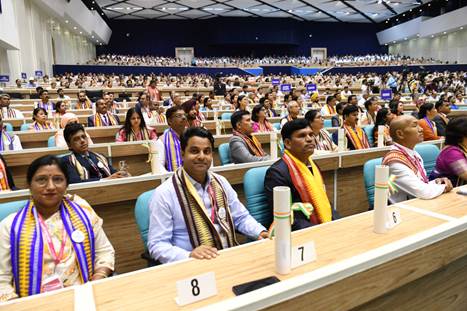
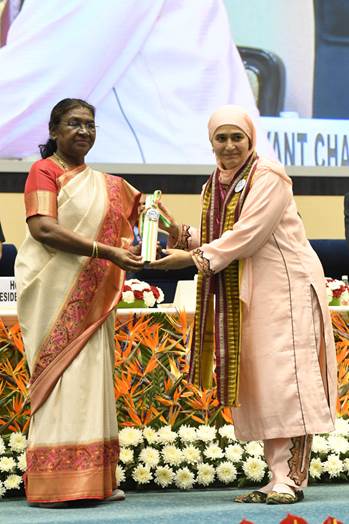
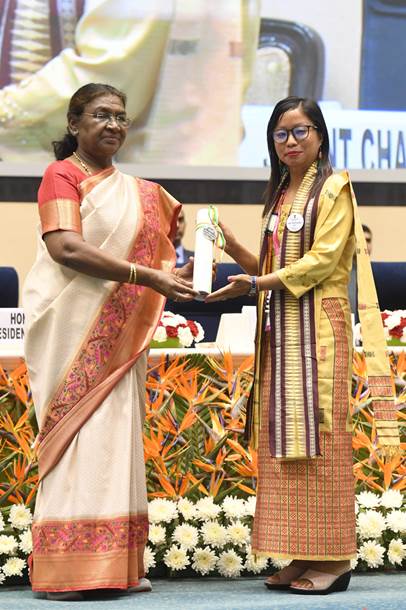
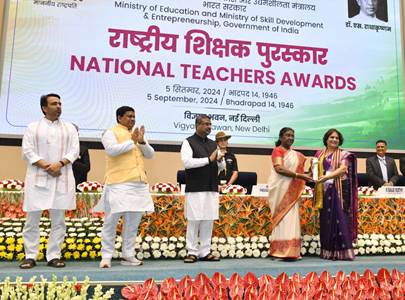
States to work together for building a collaborative education system

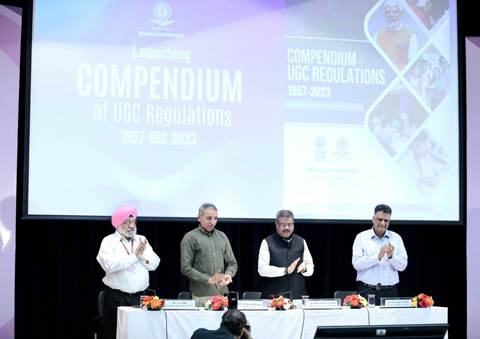
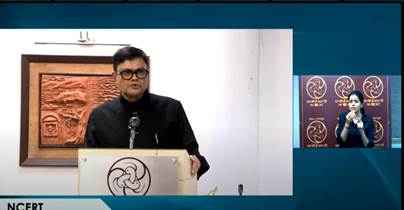
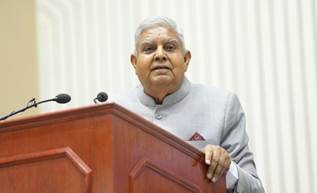
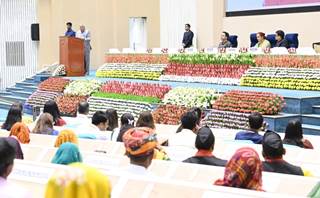
 Union Education Minister Shri Dharmendra Pradhan today addressed the inaugural session of review meeting of Department of School Education and Literacy with States and Union Territories. Minister of State for Education, Shri Jayant Chaudhary also addressed the gathering. Secretary, DoSE&L, Shri Sanjay Kumar; Additional Secretaries, Shri Vipin Kumar and Shri Anandrao V. Patil; other officials of the Ministry, Principal Secretary/Secretary and SPD/Directors of several States/UTs, heads and representatives of the NCERT, SCERTs, Kendriya Vidyalaya, Navodaya Vidyalaya, CBSE, etc. were also present at the meeting.

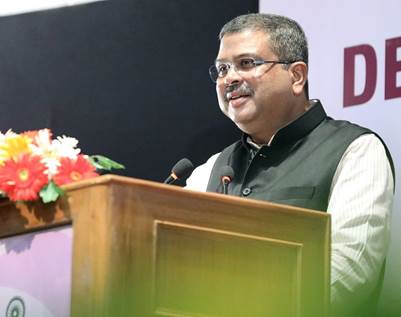
Speaking on the occasion, Shri Pradhan shared his thoughts on the roadmap for the next five years for the holistic development of school education across India. He said that education is a key pillar of the Prime Minister Shri Narendra Modi’s vision of Viksit Bharat and called upon States & UTs to work together to achieve this goal. In almost four years of National Education Policy, the education ecosystem in the country has made tremendous progress and implementation of NEP is key to transforming Bharat into a knowledge superpower and enabling equitable and inclusive access to quality education, he added.

Speaking about education in Indian languages, he said that the National Education Policy 2020 stresses upon the importance of education in mother tongue and all Indian languages. He called upon carrying forward the basic spirit of NEP i.e. ensuring Access, Equity, Quality, Affordability and Accountability in education.

He said that India is a young country and our challenge is to make global citizens for the 21st century world which is rapidly changing and being driven by technology. Ensuring an education system which is both rooted and futuristic  is our collective responsibility, he further added. He also stressed upon the importance of building technology readiness in schools with a holistic approach and ensuring critical thinking among students.

He urged that both States and Centre have to work as a team to strengthen the education ecosystem as well as to replicate and amplify best-practices from across all States/UTs. He called upon all stakeholders in States/UTs to work cohesively for strengthening capacities, building a collaborative education system and leveraging education as the key pillar of Viksit Bharat.

He also spoke about the emotional connect one shares with their school teachers and the importance of teachers’ capacity building in making our educational ecosystem more vibrant. Speaking about competency-based education, he said that we must also augment our skilling capacities to increase employability.

Speaking at the event Shri Jayant Chaudhary said that NEP 2020 is the most ambitious and progressive policy document. He also highlighted how improving GER and taking it to 100% is extremely important and students from the economically and socially backward, tribal communities must be included in the formal educational system. He also spoke about other ambitious programmes of the Ministry such as PM SHRI and invited states to be a part of the programme.

Shri Sanjay Kumar, in his address, mentioned that the main aim of the review meeting will be reviewing NEP 2020 and its implementation in the states and alignment of the flagship schemes of the Ministry such as the Samagra Siksha, PM SHRI, PM Poshan, ULLAS, etc. with the Policy, he added. He also said that the meeting will also help in developing the roadmap for the coming five years.

During the meeting, discussion will be held on the five-year action plan; 100 days action plan; on status of the progress of infrastructure and civil works, ICT and Smart classrooms under Samagra Shiksha for all States/UTs; discussion on the status/setting up of VSK & 200 channels; finalization of UDISE+ for 2023-24; Best Practices; discussion on DIET: upgradation as Centers of Excellence; and need for Tobacco Control and implantation of TOFEI guidelines in Schools.

******

Consumer Grievances, National Consumer Helpline appoints five professionals through agency

 It came to the notice of the Central Consumer Protection Authority (CCPA) through National Consumer Helpline (1915-toll free number) that many grievances were lodged relating to non-refund of cancelled air tickets on account of COVID-19 lock down wherein the consumers had alleged that the travel agencies informed them that refunds have not been received from the airlines etc.

The Apex Court in its decision in Pravasi Legal Cell vs Union of India (W.P.(C)D.No.10966 of 2020) dated 01.10.2020 had directed that:

If the tickets have been booked during the lockdown period through a travel agent for a travel within the lockdown period, in all such cases full refund shall be given by the airlines immediately. On such refund, the amount shall be passed on immediately by the agent to the passengers”.

In light of the above, the CCPA initiated suo-moto action against Yatra regarding non refund of airline tickets cancelled due to Covid-19 lockdown.

Show Cause Notice vide dated 09.03.2021 was sent to this travel company regarding pendency of refunds of bookings which got affected in Covid-19. In pursuant to that CCPA conducted several hearings of the Company and closely monitor the progress of refunds made to the consumers.

From July 8, 2021, to June 25, 2024, the CCPA conducted several hearings to address these issues. As a result of these efforts, Yatra Online Limited has made significant progress in reducing the total number of pending refund bookings. In 2021, there were 36,276 pending bookings amounting to ₹26,25,82,484. As of June 21, 2024, this number has been significantly reduced to 4,837 bookings, amounting to ₹2,52,87,098. Yatra has refunded approx 87% amount to consumers and further endeavor to refund approx 13% amount to consumers in order to ensure that all pending refunds are processed promptly and efficiently by airlines.

In 2021, there were total 5,771 bookings pertaining to airlines pending for refunds amounting to ₹9,60,14,463. By 2024, Yatra has reduced the pendency of airlines to 98 bookings with an outstanding amount of ₹31,79,069. CCPA vide order dated 27.06.2024 directed 22 remaining airlines of Yatra to expeditiously refund ₹31,79,069 to consumers.

During the proceedings held before CCPA, several other travel platforms like MakeMyTrip, EaseMyTrip, ClearTrip, Ixigo and Thomas Cook have refunded the entire amount to Consumers whose tickets got affected due to Covid-19 lockdown.

To further facilitate timely processing of refunds to consumers, CCPA issued an order on 27.06.2024 wherein it directed Yatra to set up dedicated arrangements at the National Consumer Helpline (NCH). Specifically, Yatra is required to allocate five exclusive seats at NCH for making calls to the remaining 4,837 passengers informing them that their pending refunds due to COVID-19 lockdown-related flight cancellations will be processed. The costs incurred for engaging these five dedicated personnel will be fully covered by Yatra with payments made directly to the agency managed by NCH.

The CCPA’s order reinforces the importance of timely refunds and Yatra is directed to adhering to this directive to ensure complete resolution for all pending bookings.

****

Shri Sanjay Kumar reviews PSSCIVE's Bagless Days Guidelines

 On June 28, 2024, the Secretary (SE&L), Shri Sanjay Kumar reviewed the guidelines developed by PSSCIVE, a unit of NCERT under MoE, for Bagless Days in schools. Participants from NCERT, CBSE, NVS, and KVS attended the meeting. Various suggestions were discussed, including sensitizing students about the local ecology, teaching them to test water purity, recognizing local flora and fauna, and visiting local monuments. Based on this review, PSSCIVE will further fine-tune and finalize its guidelines.

As per paragraph 4.26 of the National Education Policy (NEP) 2020, it is recommended that all students in grades 6-8 participate in a 10-day bagless period. During this time, students will intern with local skill experts and engage in activities outside of traditional school settings. This initiative aims to help students develop an appreciation for the larger ecosystem in which their school is embedded.

Based on these recommendations, PSSCIVE, has developed comprehensive guidelines for implementing Bagless Days. These guidelines are designed to make learning in schools more joyful, experiential, and stress-free for students.


Bagless Days will be encouraged throughout the year, encompassing a variety of activities such as arts, quizzes, sports, and skill-based learning. Students will gain periodic exposure to activities outside the classroom, including visits to historical, cultural, and tourist sites, interactions with local artists and craftsmen, and visits to various educational institutions within their village, tehsil, district, or state, as mapped by local skilling needs.

******

Coal Ministry TakesProactive Measures for Disposal and Repurposing of Fly Ash

 In a significant move towards environmental protection and resource utilization, the Ministry of Coal (MoC) is actively working to ensure the proper disposal and repurposing of fly ash generated by thermal power plants. By disposing this byproduct of coal-based power generation, the Ministry is leading the charge towards a sustainable future, prioritizing environmental well-being and fostering a circular economy.

(Fly Ash filling at old Abandoned Quarry of Manikpur OC, Korba Area)

To minimize the environmental impact of coal combustion, the Ministry of Coal (MoC) promotes the proper disposal of fly ash. Extensive research and development have enabled the effective use of fly ash for filling voids and as a component in construction materials. This not only reduces its environmental footprint but also supports sustainable development practices.

The Ministry of Coal has undertaken a significant initiative to ensure the proper disposal of fly ash by allocating mine voids for this purpose.A Central level Working Group (CLWG) under the chairmanship of Additional Secretary, Ministry of Coal was formed in 2023 for the same. The interested Thermal Power Plants (TPPs) applies for the allocation of mine voids to the Central Electricity Authority (CEA), which is eventually discussed in the CLWG meeting. In this proactive move, a total of 19 mines have been allocated to 13 TPPs. This allocation addresses environmental concerns associated with fly ash disposal and promotes sustainable practices within the coal mining sector. Additionally, approximately 20.39 lakh tonnes of fly ash have been repurposed to date at Gorbicoal mine pit-1.

As per Ministry of Environment, Forest and Climate Change notification dated 3rd November 2009, the term “fly ash” means and includes, all ash generated such as Electrostatic Precipitator (ESP) ash, dry fly ash, bottom ash, pond ash and mound ash. Its composition, rich in silicon dioxide (SiO2), calcium oxide (CaO), and aluminum oxide (Al2O3), makes it valuable for various applications, transforming potential waste into useful material. Effective management promotes its use in construction activities, thereby minimizing waste, conserving natural resources, and reducing the carbon footprint.

The Ministry of Coal, in collaboration with the Central Mine Planning and Design Institute (CMPDI), is in the process of creating a centralized portal to manage the application process for the allocation of mine voids to Thermal Power Plants (TPPs) for fly ash backfilling activities. This portal aims to streamline operations and ensure transparency and efficiency.

Comprehensive feasibility studies are being conducted to explore the optimal methods for mixing fly ash with overburden in operational mines. Standard Operating Procedures (SoPs) have been established to guide the safe and efficient use of fly ash, addressing both safety and administrative considerations. A significant feasibility study is underway at the Nigahi operational mine in collaboration with the Central Institute of Mining and Fuel Research (CIMFR). This study aims to determine the optimal percentage of fly ash to be mixed with overburden, with results expected soon.

Ministry of Coal ensures the safe handling and management of fly ash, mitigating potential environmental concerns associated with the leaching of heavy metals and fine particle emissions and will continue to innovate and implement sustainable practices, ensuring a cleaner and greener future for India.

Fly Ash filling in Gorbi Mine (Pit-1), NCL

Fostering collaboration with power plants, industries, and regulatory bodies, Coal Ministry aims to achieve optimal fly ash management. This collective effort paves the way for a cleaner environment, a healthier future, and a more sustainable approach to energy generation.

****

Indian community in Russia

 Prime Minister Shri Narendra Modi interacted with the Indian community in Russia at an event held in Moscow today. He was greeted with special warmth and affection by the community members.

In his address to the community, Prime Minister thanked the Indian diaspora for the warm welcome and lauded its contribution in enhancing the India-Russia relationship. While greeting them on behalf of 1.4 billion Indians, he noted that his interaction with the community was special, as it was his first address to the Indian diaspora in his historic third term.

Prime Minister spoke about the visible transformation that has happened in India in the last ten years. This was a matter of great pride for all Indians, he noted. He stated that in his third term, it was the objective of the government to become the third largest economy in the world. He talked about India’s economic growth which accounted for significant percentage of global growth; its digital and fintech success; its green development achievements; and its impactful socio-economic programs empowering common people. He underlined that India’s transformative success has happened because of the dedication, commitment and contribution of 1.4 billion Indians, each one of whom today dreams of making India a developed country. India, he noted, through its committed efforts, from tackling climate change to meeting sustainable development goals, was making significant contribution to global prosperity – as a Vishwabandhu, a friend to the world. He further noted that India’s call for peace, dialogue and diplomacy to resolve global issues had high resonance.

Prime Minister encouraged the Indian community to continue playing a proactive role in forging a stronger and deeper partnership with Russia. He mentioned that a decision to open two new Indian Consulates in Kazan and Ekaterinburg has been taken which would give further boost to people-to-people ties. This announcement was received with great applause. He lauded the efforts of the community to nurture and nourish Indian cultural traditions in the country and share its vibrancy with the Russian people.


***

13TH GRADUATION CEREMONY OF THE NATIONAL INSTITUTE OF SCIENCE EDUCATION AND RESEARCH AT BHUBANESWAR

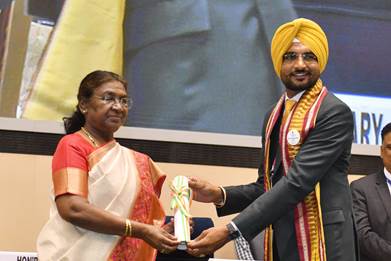
 The President of India, Smt Droupadi Murmu graced the 13th Graduation Ceremony of the National Institute of Science Education and Research (NISER) at Bhubaneswar, Odisha today (July 9, 2024).

Speaking on the occasion, the President said that NISER’s journey has been only for a few years but in a short period, it has made an important place for itself in the education world. She was happy to note that this institution is moving forward by synchronising the rationality of science and the values ​​of tradition.

Addressing the students, the President said that meaningful education and knowledge is only that which is used for the betterment and upliftment of humanity. She expressed confidence that wherever they would be working, they would achieve the best levels of excellence in their field. She hoped that along with their achievements in their field of work, they would also discharge their social duties with full accountability. She said that Mahatma Gandhi has defined seven social sins, one of which is merciless science. That is, promoting science without sensitivity towards humanity is like committing a sin. She advised students to always remember this message of Gandhiji.

The President advised students to always maintain humility and the spirit of inquiry within them. She said that they are expected to consider their knowledge as a social enterprise and use it for the development of society and the country.

The President said that along with the boon of science, there is always the danger of its curse. Today, very rapid changes are taking place in the field of Science and Technology. New technological developments are providing capabilities to human society, but at the same time, they are also creating new challenges for humanity. Like CRISPR-Cas9 has made gene editing very easy. This technology is a huge step towards solving many incurable diseases. However, problems related to ethical and social issues are also arising due to the use of this technology, Similarly, due to the advances in the field of Generative Artificial Intelligence, the problem of deep fake and many regulatory challenges are coming to the fore.

The President said that experiments and research in the field of Fundamental Science often take a lot of time to get the results. Many times breakthroughs have been achieved after facing disappointment for many years. She told students that they may go through such a phase at times when their patience is tested. But they should never be discouraged. She advised them to always remember that developments in fundamental research prove to be extremely beneficial in other areas as well.

Please click here to see the President’s Speech – 


***

Project PARI

 Public art spaces of India are a reflection of our Lok Kala and Lok Sanskriti. When we talk about Public Art, it is very dynamic and is an intersection of past, present, and future. Through it, we can see the amalgamation of different ideas in various art forms like traditional and contemporary. This art form which is freely accessible to the public; attracts not only attention but even thoughts begin to gather as to why this work of art is here, what is its uniqueness, what material it is made up of, and what is the thought of the artist behind this artwork. Making it open to various interesting interpretations. These are the few aspects that make this art very special. It connects the public to the art.

With rapid urbanization, Public Art enhances a sense of distinctiveness and adds aesthetic value to the image of a city. It contributes to the visual quality of the public arena encouraging community pride with a sense of belonging. It uplifts and engages visitors or passers-by’s travel experience by leaving an imprint in their minds. The outreach of Public Art is immense and thought-provoking. It acts as a significant factor in giving visual recognition to a specific place. The public art augments and induces meaning to a public space making it an integral part of the culture and society.

The Ministry of Culture, Government of India, on the occasion of the 46th Session of the World Heritage Committee Meeting, which is being held in New Delhi from 21st-31st July 2024, has initiated Project PARI (Public Art of India). Under it, Lalit Kala Akademi, an autonomous institution under the Ministry of Culture, has invited more than 150 visual artists from all over the country. The Project PARI aims to provide a platform to uplift the aesthetic and cultural outlook of Delhi while adding grandeur to the rich historical legacy of our national capital.

Lalit Kala Akademi and the National Gallery of Modern Art seek to bring forth public art that draws inspiration from millennia of artistic heritage (lok kala/lok sanskriti) while incorporating modern themes and techniques. These expressions underscore the intrinsic value that art holds in Indian society, serving as a testament to the nation’s enduring commitment to creativity and artistic expression. These artists are working on various sites in the national capital for the beautification of the public spaces for the upcoming event.

The representation of Art in public spaces is particularly significant as it showcases the nation’s rich and diverse cultural heritage. The democratization of art through public installations transforms urban landscapes into accessible galleries, where art transcends the confines of traditional venues such as museums and galleries. By integrating art into streets, parks, and transit hubs, these initiatives ensure that artistic experiences are available to one and all. This inclusive approach fosters a shared cultural identity and enhances social cohesion, inviting citizens to engage with art in their day-to-day life. Project PARI aims to stimulate dialogue, reflection, and inspiration, contributing to the dynamic cultural fabric of the nation.

Traditional art forms as well as sculptures, murals, and installations have been created under this beautification project. More than 150 visual artists from all over the country have come together to create the various wall paintings, murals, sculptures, and installations being prepared under this project. The creative canvas includes but is not limited to artwork inspired by and /or drawn in styles of Phad paintings (Rajasthan), Thangka painting (Sikkim/Ladakh), miniature painting (Himachal Pradesh), Gond art (Madhya Pradesh), Tanjore paintings (Tamil Nadu), Kalamkari (Andhra Pradesh), Alpona art (West Bengal), Cheriyal painting (Telangana), Pichhwai Painting (Rajasthan), Lanjia Saura (Odisha), Pattachitra (West Bengal), Bani Thani Painting (Rajasthan), Warli (Maharashtra), Pithora Art (Gujarat), Aipan (Uttarakhand), Kerala Murals (Kerala), Alpana art (Tripura) and more.

The proposed sculptures being created for Project PARI include wide-ranging ideas such as paying tributes to nature, ideas inspired by the Natyashastra, Gandhi ji, toys of India, hospitality, ancient knowledge, Naad or Primeval Soun, Harmony of life, Kalpataru – the divine tree, etc.

Furthermore, in sync with the proposed 46th World Heritage Committee Meeting, some of the artworks and sculptures draw inspiration from World Heritage Sites such as Bimbetka and the 7 natural World Heritage Sites in India find a special place in the proposed artworks.


Women artists have been an integral part of Project PARI and their participation in large numbers is a testimony of Bharat’s NARI SHAKTI.


Project PARI stands as a monumental effort to infuse Delhi with the rich and diverse artistic heritage of India, while simultaneously embracing contemporary themes and expressions. As the city prepares to host the 46th session of the World Heritage Committee, the initiative not only beautifies public spaces but also democratizes art, making it accessible to all. This cultural renaissance, brought to life by the collaborative efforts of over 150 visual artists, showcases the profound and multifaceted traditions of Indian art. By engaging citizens and fostering a shared cultural identity, the initiative not only enriches the urban landscape but also inspires a deeper connection with our heritage.

Come and join the celebrations. Click your selfie with a Project PARI creation and share your pictures on social media with #ProjectPARI.

References

· https://www.pib.gov.in/PressReleasePage.aspx?PRID=2031268 .

· https://lalitkala.gov.in/pariproject

*****

Importance of Proofreading before Submission of Research paper or Manuscript of Publication

Daily writing prompt
What do you think gets better with age?

Proofreading before the submission of a research paper or manuscript for publication is a critical step in the academic and professional writing process. The importance of proofreading can be understood through the following key points:

1. Ensures Clarity and Precision

Proofreading helps to eliminate ambiguities and ensures that the message is clear and precise. It allows the writer to refine their language, making the text more readable and comprehensible. Clear and precise communication is crucial for conveying complex ideas effectively.

2. Corrects Grammar, Punctuation, and Spelling Errors

Errors in grammar, punctuation, and spelling can undermine the credibility of a paper. Proofreading helps identify and correct these errors, enhancing the overall quality of the manuscript and ensuring it meets the high standards expected in academic publishing.

3. Enhances Professionalism

A well-proofread document reflects professionalism and attention to detail. It demonstrates to reviewers, editors, and readers that the author has taken the time to polish their work, which can positively influence their perception of the manuscript.

4. Improves Structure and Flow

Proofreading allows authors to review the structure and flow of their paper. It provides an opportunity to reorganize content for better coherence, ensuring that ideas and arguments are presented logically and persuasively.

5. Increases Chances of Acceptance

Journals and publishers often have strict submission guidelines and high standards. Submitting a well-proofread manuscript increases the chances of acceptance by reducing the likelihood of rejection due to preventable errors.

6. Identifies Inconsistencies

During proofreading, inconsistencies in terminology, formatting, and data presentation can be identified and corrected. This consistency is vital for maintaining the integrity and reliability of the research.

7. Detects Plagiarism

Proofreading includes checking for unintentional plagiarism. By carefully reviewing citations and references, authors can ensure that all sources are appropriately credited, maintaining academic honesty and avoiding ethical issues.

8. Enhances Readability

Proofreading helps to simplify complex sentences and remove redundant words, making the manuscript more engaging and easier to read. This readability is crucial for maintaining the interest of the audience and facilitating their understanding.

9. Addresses Reviewer Comments

If the manuscript is a revision, proofreading provides an opportunity to address reviewers’ comments meticulously. It ensures that all feedback has been incorporated appropriately and that the revised manuscript meets the reviewers’ expectations.

10. Builds Author’s Reputation

Submitting a polished and error-free manuscript contributes to building the author’s reputation within the academic community. It demonstrates their commitment to quality and excellence in research, which can lead to greater recognition and opportunities.

In conclusion, proofreading is an indispensable step before submitting a research paper or manuscript for publication. It ensures that the work is accurate, clear, and professionally presented, ultimately contributing to the success of the publication process.

Khelo India Women’s Wushu League

 The upcoming northern zonal round of the Khelo India women’s wushu league is set to draw significant attention, featuring prominent international athletes Ayeera Chisti and Komal Nagar. This competition will take place at the Netaji Subhas National Institute of Sports in Patiala from July 9 to 13, showcasing the talents of 350 athletes across sub-junior, junior, and senior categories. Organized by SAI Patiala, the event will encompass both Sanda (fighting) and Taolu (forms), welcoming participants from Haryana, Punjab, Delhi, Himachal Pradesh, Chandigarh, Uttarakhand, Jammu & Kashmir, and Ladakh.

Department of Sports, Ministry of Youth Affairs and Sports funds the Rs 7.2 lakh prize money competition conducted by the Wushu Federation of India. The top eight wushu athletes from the sub-junior, junior and senior events will get cash incentives.

Following last month’s successful South Zonal event in Karnataka, the North Zonal meet marks the next phase in the league’s calendar. After the four zonal meets, the national ranking championship will be held.

The women’s wushu league will provide an opportunity to several players wanting to make it big like international medallists Ayeera (18 years) and Komal (19 years), who train at the NSNIS Patiala Centre.

“I am very excited to play in my home ground here in my third Khelo India women’s wushu league, having won gold in the last two championships,” said Ayeera, who debuted in this competition in 2022.

“The Khelo India women’s league is very important for a lot of girls especially looking at the future and I’m thankful to the government for this. As for me, I want to clinch gold medal at the Asian Games in the 52kg category and become the first woman to achieve this feat for India in this weight division. Before that, I am aiming for the gold at the senior Asian championships in China this September,” Ayeera added.

Jammu and Kashmir’s Ayeera Chisti looking to clinching her third consecutive gold medal at the Khelo India Women’s Wushu League.

Jammu and Kashmir’s Ayeera, who will take part in the senior 52kg Sanda category, won a bronze at the junior wushu world championship in Indonesia in 2022. She also landed a gold at the international wushu championship in Georgia in 2022 as well as a gold at the Russian Moscow Stars Wushu International Championship in 2024.

Chandigarh’s Komal, gold medallist at the Russian Moscow Stars Wushu International Championship 2023 in Sanda, said, “Getting an opportunity to play one more tournament in the calendar year besides the nationals, bolsters our confidence.”

“The Khelo India Women’s League gives us a good playfield for our performance assessment, understand flaws in our game and areas to work on,” said  Komal, who started learning self-defence techniques when she was 14.

Chandigarh’s Komal with her gold medal at the Russian Moscow Stars Wushu International Championship 2023

About Sports for Women:

Under the Sports for Women Vertical, Khelo India Women’s Leagues are structured into two main formats: Major League and City League. These leagues serve as platforms for promoting women’s sports across various disciplines. Additionally, leagues are organized within specific age categories or weight categories, tailored to the requirements of each sport.

This approach, supported by the Union Ministry of Youth Affairs and Sports, not only encourages widespread participation among women athletes but also facilitates talent identification and development across different skill levels and age groups nationwide. Through these structured formats, the Khelo India initiative aims to foster a vibrant sports culture and support the growth of female athletes in India.

****

Rebuttal to Citigroup's Research Report on Employment in India

 The recent research report by Citigroup on Employment in India quoted by some of the print and electronic media, which forecasts that India will struggle to create sufficient employment opportunities even with a 7% growth rate, fails to account for the comprehensive and positive employment data available from official sources such as the Periodic Labour Force Survey (PLFS) and the Reserve Bank of India’s KLEMS data. Therefore, the Ministry of Labour and Employment strongly rebuts such reports which do not analyse all official data sources available in the public domain.

Employment Data for India

According to PLFS and RBI’s KLEMS data, India has generated more than 8 crore (80 million) employment opportunities from 2017-18 to 2021-22. This translates to an average of over 2 crore (20 million) employment per year, despite of the fact that the world economy was hit by COVID-19 pandemic during 2020-21 which contradicts Citigroup’s assertion of India’s inability to generate sufficient employment. This significant employment creation demonstrates the effectiveness of various government initiatives aimed at boosting employment across sectors.

PLFS data

The Annual PLFS report depicts an improving trend in labour market indicators related to: (i) Labour Force Participation Rate (LFPR), (ii) Worker Population Ratio (WPR) and (iii) Unemployment Rate (UR) for persons of age 15 years and above during 2017-18 to 2022-23. For instance, the WPR i.e. employment has increased from 46.8% in 2017-18 to 56% in 2022-23. Similarly, the labour force participation has also increased in the country from 49.8% in 2017-18 to 57.9% in 2022-23. The Unemployment Rate has declined from 6.0 % in 2017-18 to a low of 3.2% in 2022-23.

The PLFS data shows that during the last 5 years, more employment opportunities have been generated compared to the number of people joining the labour force, resulting in a consistent reduction in the unemployment rate. This is a clear indicator of the positive impact of government policies on employment. Contrary to the report, which suggests a dire employment scenario, the official data reveals a more optimistic picture of the Indian job market.

EPFO Data

The formal sector employment figures are also being bolstered by government efforts to improve ease of doing business, enhance skill development, and provide incentives for job creation in both the public and private sectors. The EPFO data suggests that more and more workers are joining formal jobs. During 2023-24, more than 1.3 crore subscribers joined EPFO which is more than double compared to 61.12 lakh joined EPFO during 2018-19. Moreover, during last six and half years (since September, 2017 to March, 2024) more than 6.2 crore net subscribers have joined EPFO.

New subscribers to NPS

The data from National Pension System (NPS) indicates that more than 7.75 lakh new subscribers have joined the NPS during 2023-24 under the Central and State governments which is 30% more than 5.94 lakh new subscribers joining NPS under government sector during 2022-23. This substantial increase in new subscribers highlights the government’s proactive measures to fill-up the vacancies in public sector in timely manner.

Flexi-staffing sector

In a recent interaction of Indian Staffing Federation (ISF) members with Secretary, Ministry of Labour and Employment, ISF members informed that they are employing about 5.4 million formal contract workers. Nearly 30% demand in the sector remains unfulfilled at frontline across manufacturing, retail, banking due to talent shortages and labour mobility. 

Multiple new opportunities

The future prospects of the employment market in India are highly encouraging, as evidenced by data from various sources. The Global Capability Centers (GCCs) in India have shown remarkable growth in recent years. The gig economy also promises significant increase in workforce in the country. Notably, the NITI Aayog report on gig economy projects a substantial increase in platform workers, which is expected to reach 2.35 crore (23.5 million) by 2029-30, underscoring the rapid expansion of the gig economy. The gig workers are expected to form 6.7% of the non-agricultural workforce or 4.1% of the total livelihood in India by 2029-30. These developments collectively reflect India’s robust economic trajectory and its potential to generate diverse employment opportunities.

Data Credibility

It is well known that the private data sources, which the report/media refers to as more reliable, has several shortcomings. These surveys use their own derived definition of employment – unemployment which is not aligned to either national or international standards. The sample distribution and methodology are often critiqued for not being as robust or representative as official data sources like PLFS. Therefore, reliance on such private data sources over official statistics can lead to misleading conclusions and thus, should be used with caution.

Further, some authors use data selectively which undermines the credibility of their analysis and does not present an accurate picture of the employment scenario in India. Such reports fail to consider the positive trends and comprehensive data from official sources.

Summary

The official data sources like PLFS, RBI, EPFO, etc. show consistent improvements in the key labour market indicators, including increased Labour Force Participation Rate (LFPR) and Worker Population Ratio (WPR), and a declining Unemployment Rate during last five years. EPFO and NPS data further support the positive employment trends. The trends in manufacturing, expanding service sector, infrastructure growth, apart from others, including emerging opportunities in multiple sectors such as gig and platform economy and GCCs indicate robust future prospects.

The Ministry of Labour and Employment emphasizes the credibility and comprehensiveness of official data, cautioning against the selective use of private data sources that can lead to misleading conclusions about India’s employment scenario.

The Government remains committed to creating a robust and inclusive job market, and the evidence suggests substantial progress is being made in this direction.

*****

Important Days of November Month

 Here are some important dates and days observed in November:

  1. World Vegan Day – November 1st

    • A day to promote the benefits of veganism for health, animals, and the environment, and to encourage people to adopt a vegan lifestyle.
  2. Diwali (Deepavali) – Date varies (usually in November)

    • A major Hindu festival of lights, celebrated with fireworks, feasting, and the lighting of lamps to symbolize the victory of light over darkness and good over evil.
  3. World Tsunami Awareness Day – November 5th

    • A day to raise awareness about the risks and impacts of tsunamis, promote early warning systems, and enhance preparedness and resilience.
  4. World Diabetes Day – November 14th

    • A day to raise awareness about diabetes, its prevention, management, and the importance of access to healthcare for all individuals affected by the disease.
  5. International Day for Tolerance – November 16th

    • A day to promote tolerance, respect, and understanding among cultures and peoples, and to combat discrimination and prejudice.
  6. World Children’s Day – November 20th

    • A day to promote children’s rights, celebrate childhood, and advocate for children’s well-being and education worldwide.
  7. Universal Children’s Day – November 20th (Different from World Children’s Day)

    • A day to promote international togetherness, awareness among children worldwide, and improving children’s welfare.
  8. Thanksgiving Day (United States) – Fourth Thursday in November

    • A national holiday in the United States, celebrated with feasting, family gatherings, and expressions of gratitude.
  9. Remembrance Day (also known as Armistice Day or Veterans Day) – November 11th

    • A day to commemorate the end of World War I and honor the veterans and soldiers who have died in the line of duty.
  10. Movember – Month-long campaign in November

    • A global movement to raise awareness about men’s health issues, such as prostate cancer, testicular cancer, and mental health, by growing mustaches (or “mos”) and fundraising.

These are some of the significant dates and observances in November that highlight cultural celebrations, global issues, and awareness campaigns.

Important Days of December Month

 Here are some important dates and days observed in December:

  1. World AIDS Day – December 1st

    • A day to raise awareness about HIV/AIDS, remember those who have died from AIDS-related illnesses, and show support for people living with HIV.
  2. International Day of Persons with Disabilities – December 3rd

    • A day to promote the rights and well-being of persons with disabilities and raise awareness about disability issues and inclusion.
  3. Human Rights Day – December 10th

    • A day to commemorate the adoption of the Universal Declaration of Human Rights by the United Nations General Assembly in 1948, promoting and protecting human rights globally.
  4. Hanukkah (Chanukah) – Date varies (usually in December)

    • An eight-day Jewish festival commemorating the rededication of the Second Temple in Jerusalem, marked by the lighting of the menorah and other traditions.
  5. Christmas Day – December 25th

    • A Christian holiday celebrating the birth of Jesus Christ, observed with religious services, gift-giving, and festive meals.
  6. Kwanzaa – December 26th to January 1st

    • An African-American cultural holiday celebrating family, community, and culture, observed with feasts, music, dance, and the lighting of the kinara.
  7. Boxing Day – December 26th (Some countries)

    • A holiday observed in some countries, traditionally a day for giving gifts to service workers and the less fortunate.
  8. New Year’s Eve – December 31st

    • The last day of the Gregorian calendar year, celebrated with social gatherings, parties, and fireworks to welcome the New Year.

These are some of the significant dates and observances in December that highlight cultural celebrations, religious holidays, and global awareness days.

Important Days of October Month

 Here are some important dates and days observed in October:

  1. International Day of Older Persons – October 1st

    • A day to recognize and appreciate the contributions of older persons to society and raise awareness about issues affecting their well-being.
  2. World Vegetarian Day – October 1st

    • A day to promote the benefits of vegetarianism for health, animals, and the environment, and to encourage people to adopt a vegetarian diet.
  3. International Day of Non-Violence (Mahatma Gandhi’s birthday) – October 2nd

    • A day to commemorate the principles of non-violence advocated by Mahatma Gandhi and promote peace, tolerance, and understanding.
  4. World Habitat Day – First Monday in October

    • A day to reflect on the state of human settlements and the basic right to adequate shelter, as well as to advocate for sustainable urban development.
  5. World Teachers’ Day – October 5th

    • A day to honor and appreciate teachers worldwide for their contributions to education and development.
  6. World Mental Health Day – October 10th

    • A day to raise awareness about mental health issues, advocate for mental health education and support services, and reduce stigma surrounding mental illness.
  7. International Day of the Girl Child – October 11th

    • A day to promote girls’ rights, highlight gender inequalities, and address the challenges girls face globally.
  8. World Food Day – October 16th

    • A day to raise awareness about food security, hunger, and nutrition issues worldwide, and to promote efforts to achieve Zero Hunger.
  9. United Nations Day – October 24th

    • A day to celebrate the founding of the United Nations and raise awareness about its goals and achievements in promoting peace, development, and human rights.
  10. Halloween – October 31st

    • A festive holiday celebrated with costumes, trick-or-treating, and parties, particularly in Western countries.

These are some of the significant dates and observances in October that highlight global issues, cultural celebrations, and awareness campaigns.

Importnat Days of September Month

 Here are some important dates and days observed in September:

  1. Labor Day (United States, Canada) – First Monday in September

    • A day to honor and recognize the contributions of laborers and the labor movement, marked by parades, picnics, and other celebrations.
  2. International Day of Charity – September 5th

    • A day to raise awareness and promote charitable efforts and volunteer activities for the common good.
  3. International Literacy Day – September 8th

    • A day to raise awareness about the importance of literacy and education for individuals, communities, and societies worldwide.
  4. World Suicide Prevention Day – September 10th

    • A day to raise awareness about suicide prevention, reduce stigma around mental health issues, and promote support for those affected by suicide.
  5. International Day of Democracy – September 15th

    • A day to celebrate the principles of democracy, raise awareness about the importance of democratic governance, and promote respect for human rights.
  6. International Day for the Preservation of the Ozone Layer – September 16th

    • A day to raise awareness about the depletion of the ozone layer and promote efforts to protect and preserve the ozone layer for future generations.
  7. World Peace Day (International Day of Peace) – September 21st

    • A day devoted to strengthening the ideals of peace, both within and among all nations and peoples.
  8. World Tourism Day – September 27th

    • A day to raise awareness about the importance of tourism and its social, cultural, political, and economic value worldwide.
  9. International Day of Sign Languages – September 23rd

    • A day to raise awareness about the importance of sign languages as a means of communication and promote the rights of deaf people.
  10. World Alzheimer’s Day – September 21st

    • A day to raise awareness about Alzheimer’s disease and dementia, challenge stigma, and advocate for support and research efforts.

These are some of the significant dates and observances in September that highlight global issues, awareness campaigns, and cultural celebrations.

Important Days of August Month

 Here are some important dates and days observed in August:

  1. International Friendship Day – August 1st (varies by country)

    • A day to celebrate the importance of friendship and promote peace and understanding among cultures.
  2. Hiroshima Day – August 6th

    • A day to commemorate the dropping of the atomic bomb on Hiroshima, Japan, during World War II, and to advocate for peace and nuclear disarmament.
  3. International Youth Day – August 12th

    • A day to celebrate the role of young people as essential partners in change, raise awareness of challenges facing youth worldwide, and promote their empowerment.
  4. Independence Day (Various countries)

    • Many countries celebrate their independence during August, including India (August 15th), Pakistan (August 14th), and Indonesia (August 17th), among others.
  5. World Humanitarian Day – August 19th

    • A day to honor humanitarian workers who risk their lives in humanitarian service, and to advocate for the protection and safety of humanitarian personnel and civilians affected by conflicts and disasters.
  6. Women’s Equality Day – August 26th

    • A day to commemorate the passage of the 19th Amendment to the U.S. Constitution, granting women the right to vote, and to promote gender equality globally.
  7. International Day of Remembrance and Tribute to the Victims of Terrorism – August 21st

    • A day to honor and support victims and survivors of terrorism and promote solidarity and resilience in the face of terrorism.
  8. Raksha Bandhan (Hindu Festival) – Date varies (usually in August)

    • A Hindu festival celebrating the bond of love and protection between brothers and sisters, marked by the tying of a sacred thread (rakhi) by sisters on their brothers’ wrists.
  9. National Dog Day – August 26th

    • A day to honor dogs and promote their adoption from shelters, as well as to raise awareness about the importance of dog rescue and welfare.
  10. International Cat Day – August 8th

    • A day to celebrate cats and promote awareness about their welfare, care, and adoption.

These are some of the significant dates and observances in August that highlight cultural celebrations, historical events, and global awareness campaigns.