7 WONDERS OF THE WORLD

A campaign launched by Swiss Foundation in the year 2000 to determine New 7 wonders of world, selecting them out of 200 existing monuments around the world. Bernard Weber, a Canadian-Swiss and the New 7 Wonders Foundation (N7W) based in Zurich, Switzerland organized a poll via free Web-based voting and small amounts of telephone voting too. Around 100 million votes were recorded on internet or text message, and people around the world agreed with that. The closing decision was declared in the year 2007, appreciated with cheers as well as received some taunts too. But after all this we finally got our 7 wonders i.e., Great wall of China, Chichen Itza, Petra, Machu Picchu, Christ the Redeemer, Colosseum and Taj Mahal.

GREAT WALL OF CHINA

Must be thinking, what is there to talk about a wall? Great is just a small word for this wall build in China. One of the tremendous projects which gave us the longest building ever constructed. It is claimed that The Great Wall of China is 5,500 miles (8850 kms) long in length. The project began in 7th century and continued for 2000 years. Thought the wall was constructed parallelly to prevent raid and incursion but the wall couldn’t succeed to provide the security.

CHICHEN ITZA
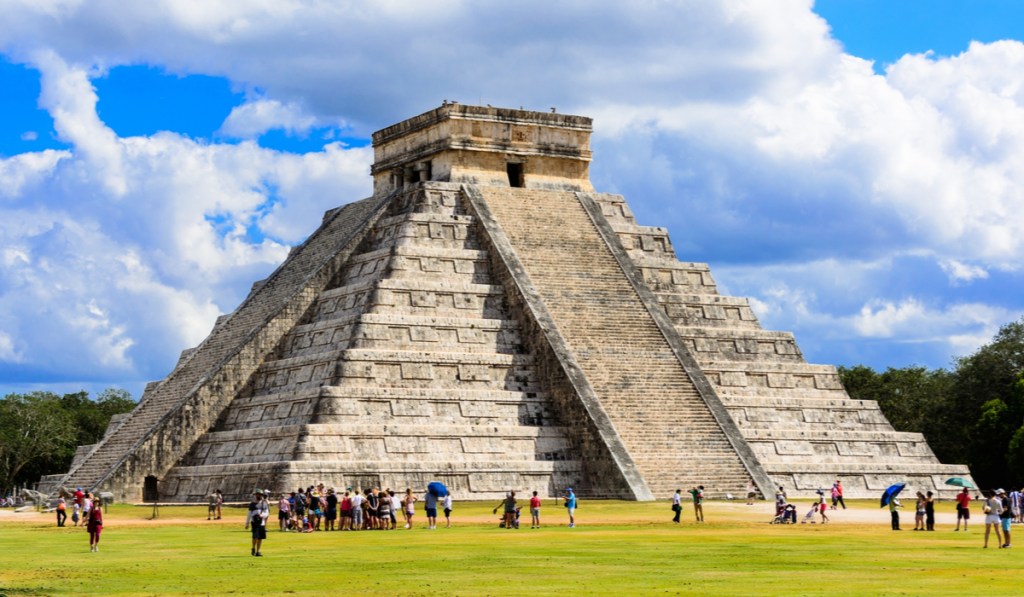
Chichen Itza is situated in Mexico on Yucatan Peninsula in Mayan city. Developed in the 9th and 10th centuries CE. The steps of pyramid EI Castillo (the castle) which is 24 meters above the plaza. The total 365 steps feature the numbers of days in a year. During the spring and autumn season the setting sun throws the shadow on the pyramid gives the illusion of snake moving smoothly.

PETRA

Petra, the ancient city is in remote valley settle in the middle of the sandstone mountains and cliffs. In addition, there is a water system constructed only for gardening and farming. City began to turn down when trade direction shifted, it was also hit by an earthquake in 363 CE and Petra was slowly abandoned.

MACHU PICCHU
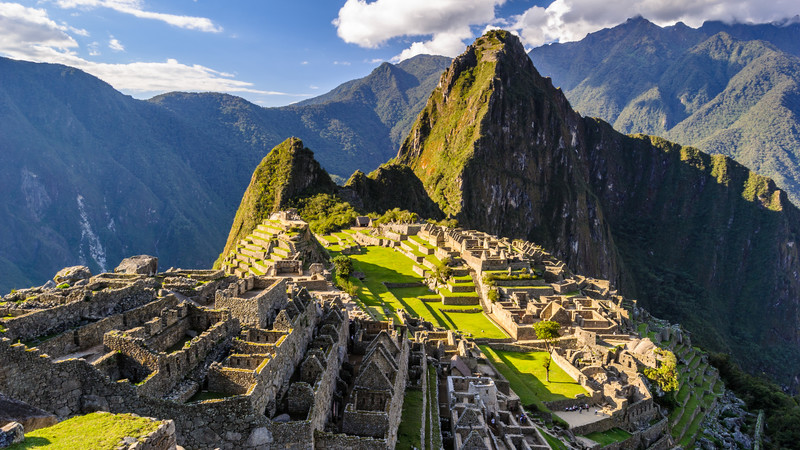
It is in Peru near Cuzco. Machu Picchu was discovered in the year 1911 by Hiram Bingham. He believed that it is a shelter to “virgins of the sun” women who gives their lives to God, and helps in preprint ritual food, weaving the garment use for rituals etc. Nearly in the year 2000 a crane was use for ad fell and left the monument cracked.

CHRIST THE REDEEMER
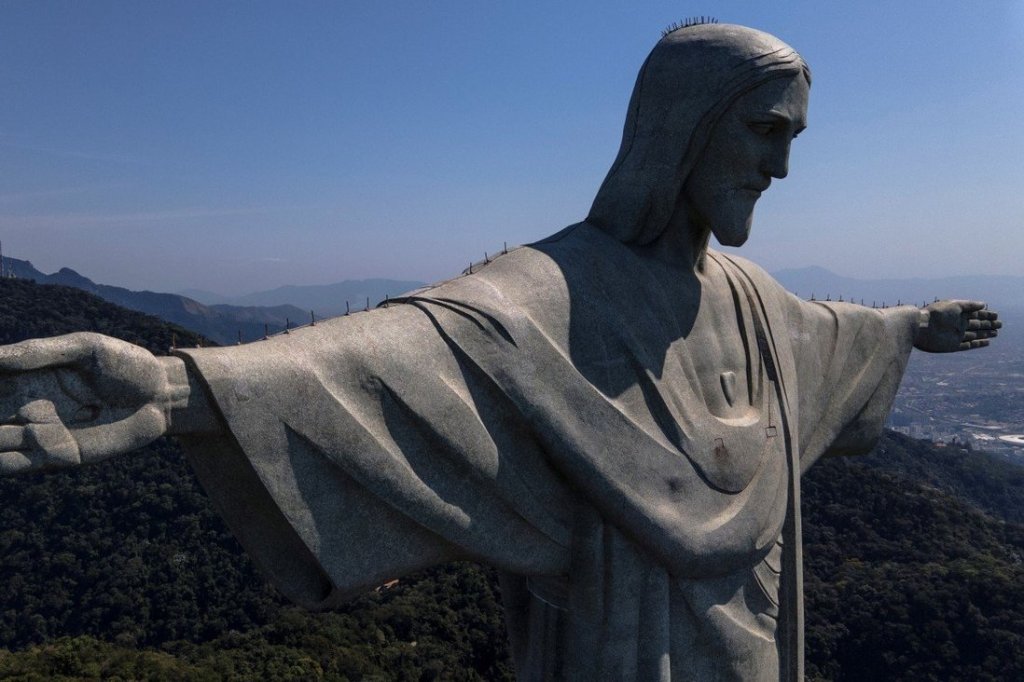
Christ the redeemer 98 feet tall, excluding the base which is about 26 feet high, and it’s expanded arms spreads about 92 feet. It is counted in world’s largest art sculpture. Redeemer is build-up of reinforced concrete and approx. six million tiles are used to cover it. In the year 2014 during the storm Redeemer’s right thumb got damaged.

COLOSSEUM
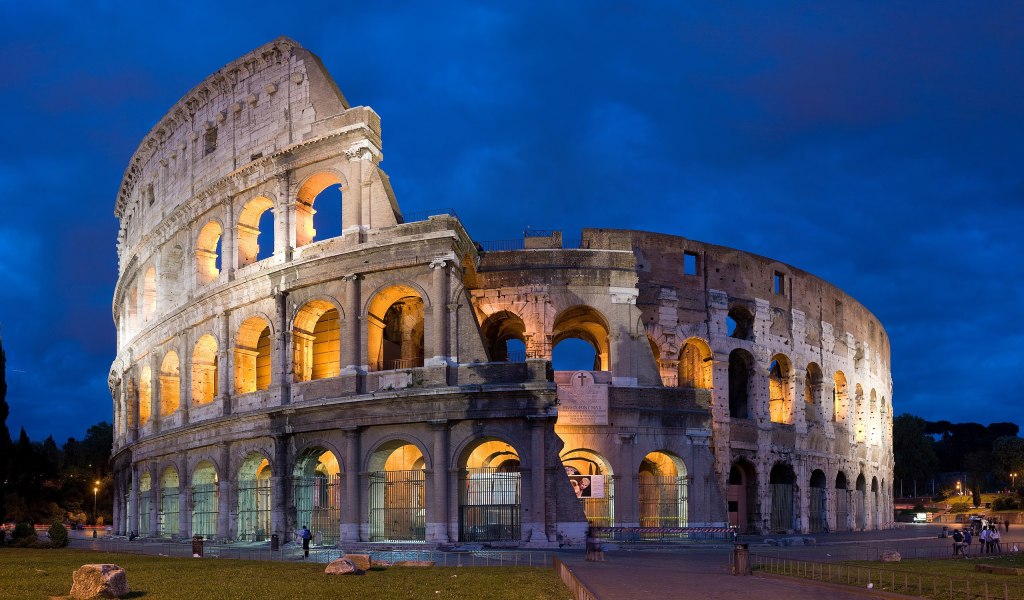
Vespasian order to build the Colosseum in Rome by a feat of engineering. The amphitheatre measures 620 by 513 feet with the capability of holding 50000 people, who can watch variety of events. Over 5,00,000 people died in Colosseum. Some of the animal species became extinct.

TAJ MAHAL
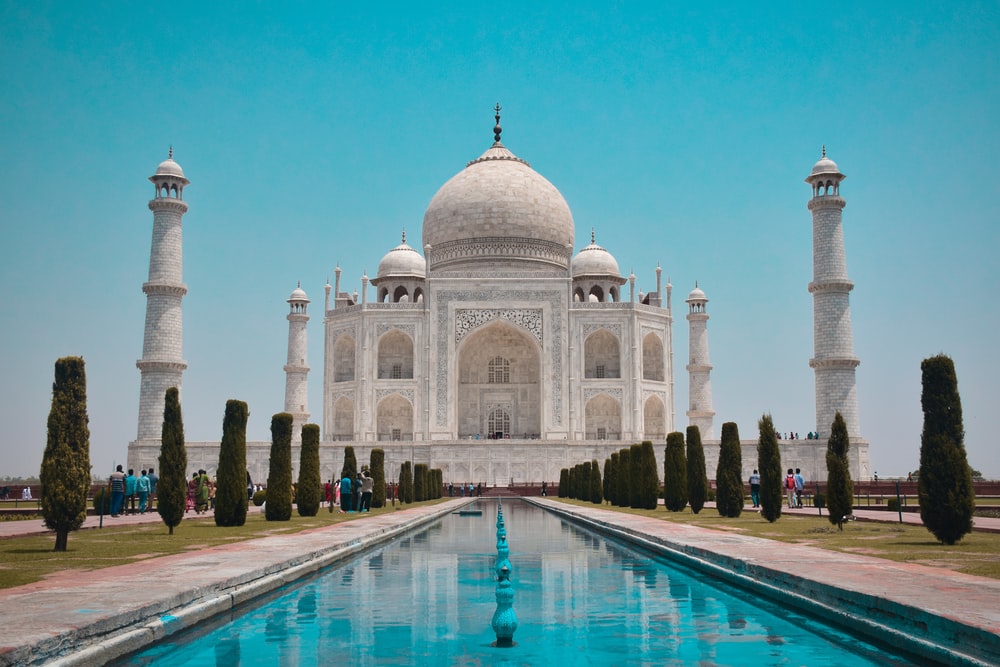
Taj Mahal is considered as one of the iconic monuments in the history. It was built by Emperor Shah Jahan in the memory of his wife Mumtaz Mahal. It took 20,000 workers and 22 years to construct this magnificent mahal. This mahal is made of white marble with floral pattern.

Dr.APJ Abdul Kalam

Dr.APJ ABDUL KALAM is a famous name in the whole world. He is counted among the greatest scientists of the 21st century. Even more, he becomes the 11th president of India and served his country. He was the most valued person of the country as his contribution as a scientist and as a president is beyond compare. Apart from that, his contribution to the ISRO (Indian Space Research Organization) is remarkable. He headed many projects that contributed to the society also he was the one who helped in the development of Agni and Prithvi missiles. For his involvement in the Nuclear power in India, he was known as “Missile Man of India”. And due to his contribution to the country, the government awarded him with the highest civilian award.

Career and Contribution of APJ Abdul Kalam

APJ Abdul Kalam was born in Tamil Nadu. At that time the financial condition of his family was poor so from an early age he started supporting his family financially. But he never gave up education. Along with supporting his family he continued his studies and completed graduation. Above all, he was a member of the Pokhran nuclear test conducted in 1998.

There is a countless contribution of Dr.APJ Abdul Kalam to the country but he was most famous for his greatest contribution that is the development of missiles that goes by the name Agni and Prithvi.

Source: sivadigitalart

Presidency Period

The great missile man becomes the President of India in 2002. During his presidency period, the army and country achieved many milestones that contributed a lot to the nation. He served the nation with an open heart that’s why he was called ‘people’s president’. But at the end of his term period, he was not satisfied with his work that’s why he wanted to be the President a second time but later on forfeited his name.

Post-presidency Period

After leaving the presidential office at the end of his term Dr. APJ Abdul Kalam again turn to his old passion which is teaching students. He worked for many renowned and prestigious institute of India located across the country. Above all, according to his the youth of the country is very talented but need the opportunity to prove their worth that’s why he supported them in their every good deed.

The Modi Era

The smooth transition of governments witnessed by India on the basis of power of ballots has been a testimony to the real functioning of the entire nation. While our neighbours have had their struggles with political instability and various other issues, The Indian democracy has paved its way through to become a role model at the global front. In spite of numerous numbers of problems like poverty, illiteracy, malnourishment and infrastructural deficit India has still managed to ensure that political masters still remain committed to the right cause. The establishment of universal adult franchise has been one of the strongest bases for our democratic success. With the reduction of voting age from 21 to 18, Indian has further strengthened its democracy as it recognized the role of youth in nation building process. Irrespective of any stratified society, people of all colour, caste, creed, language religion, region make up in a single line to express their choice on the Election Day. This integral approach has been the strength of Indian democracy which helped to empower the nation. Indian democracy has managed to go from strength to strength. With the passing of 73rd and 74th Amendment Acts, the democratic decentralization percolated to the Indian grassroots. Panchayati Raj and Municipality Institutions have brought governance closer to the people. They have managed to empowered the people by giving an elected forum to bring about local level and grassroot level development. Democracy in the country brought new vibrancy through local governance to enable rapid social-economic progress in the Indian villages.

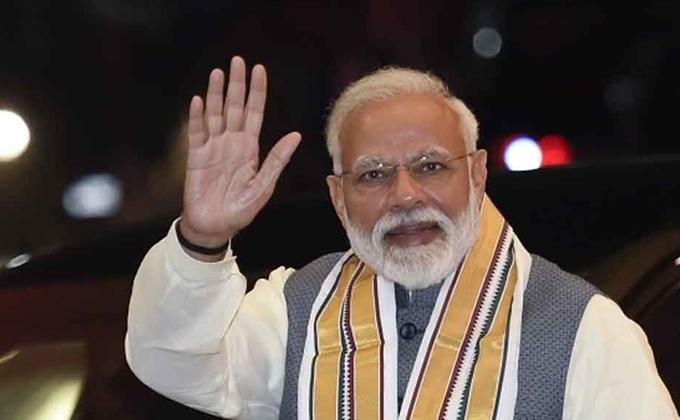
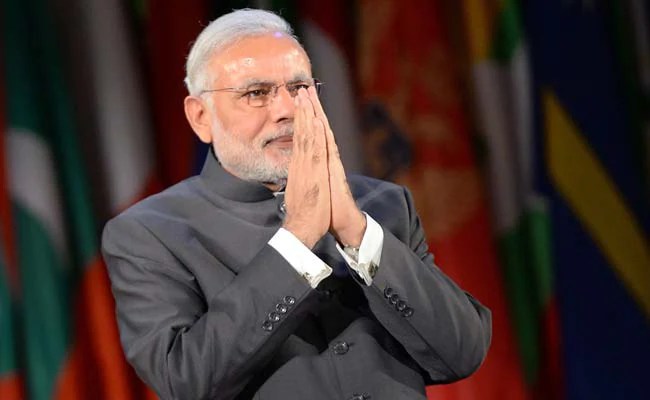
Prime Minister Narendra Modi was elected in the year 2014. He is the 14th prime minister of India. Before becoming the Prime Minister of the country, Mr Modi was the chief minister of state of Gujarat from the year 2001 to 2014. Narendra Modi is one of the most popular prime ministers in India after Rajiv Gandhi and Indira Gandhi. He is known to make tough decisions to fight terrorism, poverty, corruption and other important problems that the country is going through. Mr. Modi won the second term as prime minister in 2019 with even more majority of votes than what was obtained in the year 2014. His government is the only government that has no strong opposition in the parliament since the years he has been appointed as a prime minister. His humbleness when he was initially a tea seller makes him a loved leader by the citizens of India.

Narendra Modi Biography, Success Story, Inspiration - MBA Rendezvous

He is one of the most known Prime Minister of country who rose to power after defeating the incumbent National Congress which was corruption-ridden. Being chief minister of Gujarat for more than 11 years, he is a seasonal politician and a very smart decision-maker. Narendra Modi is a member of Rashtriya Swayamsevak Sangh which is an ideological arm of Bhartiya Janta Party (BJP) Before making his career in politics, Mr Modi was a tea seller in the railway station in the state of Gujarat. His tenure includes certain tough decision making like demonetisation and goods and services tax. He took the decision to lockdown India to prevent the spread of the deadly coronavirus in the country is hailed by people all over the world. Mr. Modi has one of the highest followers on Twitter and Instagram among various global leaders of the world. Mr. Modi is also often criticized by people across the globe for his lack of interaction with the press and his right-wing ideological approach in his work. Irrespective of his ups and downs the Modi government has gained immense applauds, the popularity of Mr. Modi in India is as high as it was in the beginning of his tenure. 

In the span of his work as prime minister, Mr. Modi is credited to have introduced long-awaited reforms in the country which have been beneficial. However, with his four years still remaining in his second term, his government has been recognized as one of the best governments after Indian national congress. Some of his achievements-

  • Jan Dhan Yojana- Over 10 crore RuPay debit cards were issued and with life cover, pension. More than 15 crore bank accounts were opened.
  • The corporate sector adapts his reforms of “Swachh Bharat” mission with promise of sanitisation.
  • Cooking gas is now under direct-cash-benefit transfer scheme, with the potential saving over $5 billion annually in subsidies, plus the Diesel prices have de-regulated in the country. 
  • Foreign equity in rail infrastructure is allowed and is without any limit
  • Foreign equity cap in defence was raised up to 49 per cent; 74 per cent in case of any technology transfer.
  • Fast-tracking of the defence purchases: 36 Rafale fighters being bought, orders for many long-pending purchases placed.
  • Foreign equity cap in insurance and pension sectors were increased up-to 49 per cent.
  • Nod was for IPOs/FPOs by banks to raise the funds, as long as the government equity remains 52 per cent or over it.
  • Nod for real estate and infrastructure investment in trusts, with tax benefits was also done.
  • Cabinet nodded for Prime Minister’s 100 Smart Cities Project which was
  • $130 billion proposed spending on railways over five years on schemes including the high-speed trains.
  • Definitive steps forward in introducing the pan-India goods and services regime in the country was introduced.
  • Successful conclusion of two rounds of coal block auctions is more lined up which is beneficial.
  • Impasse in mining sector ended with passage of new bills for regulation and development in India.
  • The Successful conclusion of auctions for the telecom spectrum for mobile telephony and broadband in the country.
  • The Launch of ‘Make-in-India’, ‘Digital India’ and ‘Skill India’ initiatives  like this were with the focus on the defence and electronics, primarily to create jobs in the country to decrease the rate of unemployment.
  • The Mudra bank launched with Rs 20,000 crore corpus to extend loans of between Rs 10 Lakh rupees and Rs 50,000 to small entrepreneurs to help them establish their business and improve their income and moreover to make their businesses expand across the globe with this.
  • The Commencement of divestment programme in the public sector companies was bought forward.
  • Disbanding of the various ministerial groups for faster decision-making was beneficial.
  • Adoption of  the14th Finance Commission recommendation on far-reaching changes in sharing of revenues between the Center and the State government was brought forward under his government.
  • Single-window scheme for the various clearances to steel, coal and power projects was introduced by his government.
  • Price stabilisation fund set up for the agricultural -commodities to check inflation has helped the farmers.
  • The Warehouse Infrastructure Fund with Rs 5,000 crore corpus to increase the shelf-life of the farm produce (replace if it’s possible).
  • Clarity of tax treatment on income of foreign funds whose fund managers are located in the country, as also on transfer pricing for resident and non-resident tax payers which are there.
  • The Panel set up under law commission chairman on issue of minimum alternate tax has helped the country in some aspects.
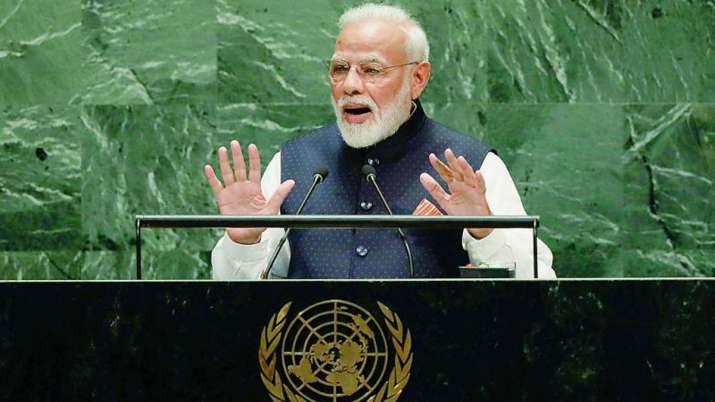
PM Modi to deliver speech virtually at UN General Assembly today | India  News – India TV

Modi has a huge mass appeal and there is a strong reason as to why crowds gather in large numbers to hear Mr.Modi. His campaigns have always been multidimensional focusing on the youth empowerment, fighting over corruption, wiping out terrorism and there is much more. With an aim to replicate social-economic success, he strives to connect with the masses and the youth of the country on a deeper level. He has managed to vow to enforce a contemporary the uniform civil code for harmonising tradition with the present times. Prime minister Modi’s government will continue to focus on the “Jan Dhan” or financial inclusion of the poor from the country. The two new aspects are also included which are: “Jal Dhan” programmes for increasing the agriculture network and the other is the “Van Dhan” programmes for protecting the forest resources. Mr. Modi vows to rationalise the ministries and departments present in the country. Mr. Modi is going well on his way to expand and empower the nations pool of diplomats. This happens to be a Part of his proactive diplomacy has begun with the invites to neighbouring countries for his swearing-in ceremony.

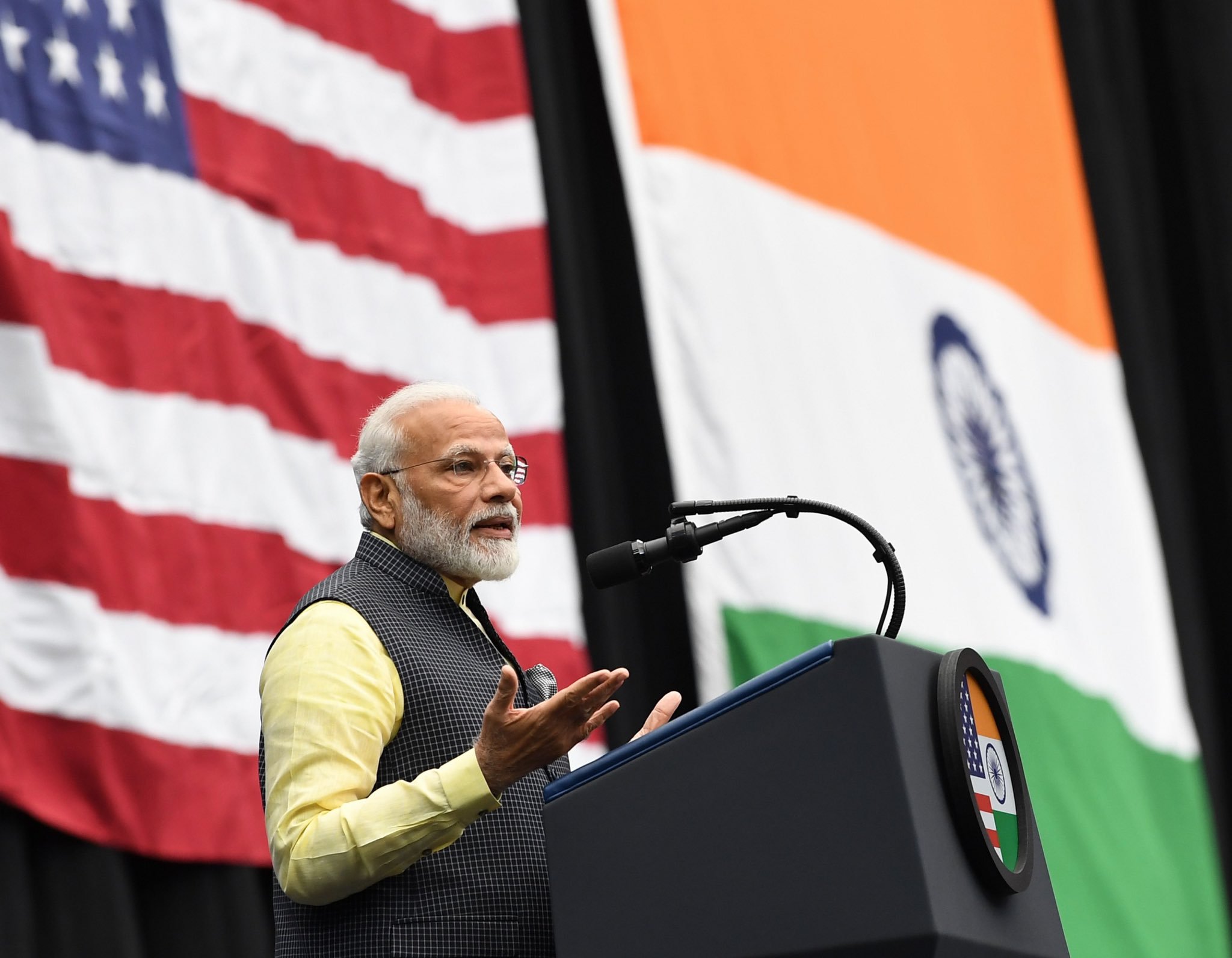
Howdy, Big Data! PM Modi Pitches India As The New Global Data Haven

The Swacch Bharat Abhiyan is a brilliant initiative of how the PM Modi has managed to reign in the youth and the children of the country to battle the issue of cleanliness and the hygiene which has been a traditional concern of India. In this process, he has managed to introduce various healthy competition by naming many clean cities and clean railway stations as well, putting cleanliness on the national agenda of India.  The Modi government’s focus on the economic development of the country is termed to be undeniable. It is here that we should let numbers do the talking. In the economic growth rate of the country in 2013-14 was pegged at the rate of  about 4.7 percent, which  a slight increase over the 4.5 percent of  growth  as compared to of 2012-13. Make in India is an initiative which was declared by the Prime minister of the country from the ramparts of the Red Fort managed to woke the nation up to its potential. Mr. Modi’s flagship campaigns – Digital India and skill India is nation’s turning point on a global platform.

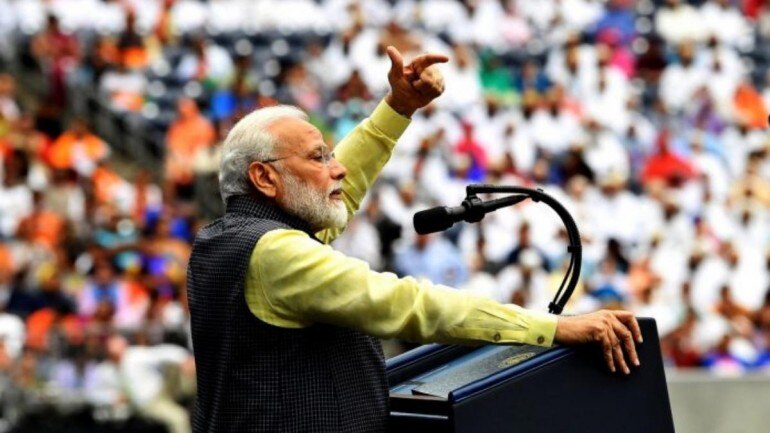
Howdy, Modi!, global award, statesman UN speech: Highlights of PM Modi's US  visit in 10 points

Why is water important?

This material accounts for the majority of your body weight and plays a role in a variety of critical functions, including:

removing waste from the body

controlling body temperature and assisting brain function


The majority of your daily water intake comes from liquids, but food also provides a minor quantity.

Photo by Andre Moura on Pexels.com

It helps create saliva

Saliva contains a lot of water. Saliva also contains electrolytes, mucous, and enzymes in minute amounts. It’s necessary for breaking down solid foods and maintaining oral health.

When you drink enough water, your body generates adequate saliva. However, as you become older or take certain medications or therapies, your saliva production may decrease.

If your mouth is drier than usual and increasing your water intake isn’t helping, see your doctor.

It regulates your body temperature

Maintaining your body temperature requires staying hydrated. During physical exercise and in heated situations, your body loses water through sweat.

Sweat keeps your body cool, but if you don’t replace the water you lose, your body temperature will rise. That’s because when you’re dehydrated, your body loses electrolytes and plasma.

If you’re sweating more than normal, make sure you’re getting plenty of rest.

It protects your tissues, spinal cord, and joints

Water keeps your joints, spinal cord, and tissues lubricated and cushioned. This will allow you to enjoy physical exercise while also reducing the agony caused by ailments such as arthritis.

It helps excrete waste through perspiration, urination, and defecation

Water is used by the body to sweat, pee, and pass bowel movements.

Sweat helps to keep your body temperature in check whether you’re exercising or in hot weather. Water is required to replace the fluids lost via sweating.

To have good faeces and avoid constipation, you also need enough water in your system.

Your kidneys are also responsible for removing waste from your body through urination. Adequate hydration is beneficial.

Photo by Daria Shevtsova on Pexels.com

It helps maximize physical performance

Your strength, power, and endurance are all affected by hydration.

If you engage in endurance training or high-intensity sports like basketball, you may be more susceptible to the consequences of dehydration.

Exercise in the heat without adequate hydration can result in dangerous medical issues such as low blood pressure and hyperthermia. Seizures can be caused by severe dehydration.

It aids in digestion

Experts affirm that drinking water before, during, and after a meal will assist your body break down the food you eat more easily, contrary to popular belief. This will aid in your digestion and allow you to get the most out of your meals.

The body adjusts to variations in the composition of food and stomach contents, whether they are more solid or liquid, according to a reliable source.

It helps with nutrient absorption

Water not only aids in the digestion of food, but it also aids in the dissolution of vitamins, minerals, and other nutrients. The vitamin components are subsequently delivered to the remainder of your body for usage.

Reference

http://www.healthline.com

International Youth Day

It is observed on 12 August every year to raise awareness about the youth and draws attention to the issues faced by the youth all across the world. For the first time, it was declared by the United Nations General Assembly.

From 1965 to 1975 an International policy on youth was emphasised and both the General Assembly and the Economic & Social Council focus on three basic themes that is participation, development, and peace in the field of youth.

WATER

How much water should you drink?

Drink plenty of water throughout the day to avoid dehydration.

How much water should you drink a day? You probably know that it’s important to drink plenty of fluids when the temperatures soar outside. But staying hydrated is a daily necessity, no matter what the thermometer says. Unfortunately, many of us aren’t getting enough to drink, especially older adults. “Older people don’t sense thirst as much as they did when they were younger. And that could be a problem if they’re on a medication that may cause fluid loss, such as a diuretic,” says Dr. Julian Seifter, a kidney specialist and associate professor of medicine at Harvard Medical School.

Benefits of drinking water:

Water keeps every system in the body functioning properly. The Harvard Medical School Special Health Report 6-Week Plan for Health Eating notes that water has many important jobs, such as:

•Carrying nutrients and oxygen to your cells

•Flushing bacteria from your bladder

•Aiding digestion

•Preventing constipation

•Normalizing blood pressure

•Stabilizing the heartbeat

•Cushioning joints

•Protecting organs and tissues

•Regulating body temperature

•Maintaining electrolyte (sodium) balance.

Giving your body enough fluids to carry out those tasks means that you’re staying hydrated.

If you don’t drink enough water each day, you risk becoming dehydrated. Warning signs of dehydration include weakness, low blood pressure, dizziness, confusion, or urine that’s dark in color.

So how much water should you drink? Most people need about four to six cups of water each day.

How much water should you drink a day?

The daily four-to-six cup rule is for generally healthy people. It’s possible to take in too much water if you have certain health conditions, such as thyroid disease or kidney, liver, or heart problems; or if you’re taking medications that make you retain water, such as non-steroidal anti-inflammatory drugs (NSAIDs), opiate pain medications, and some antidepressants.

How much water a day should you drink if you fit into that category? There’s no one-size-fits-all answer. Dr. Seifter says water intake must be individualized, and you should check with your doctor if you are not sure about the right amount for you.

But even a healthy person’s water needs will vary, especially if you’re losing water through sweat because you’re exercising, or because you’re outside on a hot day. If you’re wondering how much water you should drink on those occasions, speak with your doctor, but a general rule of thumb for healthy people is to drink two to three cups of water per hour, or more if you’re sweating heavily.

Tips for avoiding dehydration:

It’s not just water that keeps you hydrated. All beverages containing water contribute toward your daily needs. And it’s a myth that caffeinated beverages or those containing alcohol are dehydrating because they make you urinate. They do, but over the course of the day, the water from these beverages still leads to a net positive contribution to total fluid consumption.

Of course, there are many reasons why water is still the better choice. Remember, sugary drinks can lead to weight gain and inflammation, which can increase your risk for developing diseases such as diabetes. Too much caffeine can give you the jitters or keep you from sleeping. And, alcohol intake should be limited to one drink per day for women, and 1-2 drinks per day for men.

To ward off dehydration, drink fluids gradually, throughout the day. An easy way to do this is to have a drink at each meal, as well as socially, or with medicine.

And know that you also get fluids from water-rich foods, such as salads, fruit, and applesauce.

Love yourself but don’t Hate others.

Love Yourself, is word that tells a person about loving himself. The ones who have nothing but themselves or those who don’t have a support system to lean on, It provides them confidence of being able to have themselves. But is it all that it does. The concept of love yourself has been around for quite a time but it became more evident to everyone after the campaign,’ Love Yourself.’

BTS

The campaign was launched by BTS, a South Korean Band or a K-POP band. The group has gained recognition from their Album, Wings. Prior to this they have released several albums but they were not as successful as this one. After that BTS released Love Yourself. This album also was very successful and lead the campaign for Love Yourself. The campaign is still going in and gave the band a chance to present a speech at UN.

But there are not only positive outcomes of a thing. If it had a 9 good impact then it certainly an have 1 impact that would ruin the whole thing. Many of the fans who watched and followed the campaign turned out to love them so much that they started being offended on little things.

I have seen videos where they just blur out anything to all those who do not like BTS or does not follow them. They also start telling everyone about it and its just irritating for some people.

Now you must be thinking, all of sudden but it has a reason. I saw a video titled Reply to army’s( BTS’s fandom name) parents. The video said about how the parents hate her for watching BTS and wanting to be a K pop Star. And this is not acceptable. Parents don’t like the stuff their children do all the time and they do say stuff like why you watch this and say you just have to do this all day. But that does not mean that they hate you.

BTS

These people need to understand that not everyone out there is against someone. And about BTS they’ don’t know anything except that you spend your whole time watching them so it will be problematic to them. And they will say stuff to you but it does not turns them in someone who hates you. so i would like to request all of you to stop doing it and stop making things like BTS is making you hate your parents.

Thank you for reading abd don’t forget to tell what do you think about this in the commnents.

stay with EDUINDEX for future updates

Should Plastic be Banned

Plastic bags are a major cause ofpollution. Plastic as a substance is non-biodegradable and thus plastic bags remain in the environment for hundreds of years polluting it immensely. It has become very essential to ban plastic bags before they ruin our planet completely. Many countries around the globe have either put a ban on the plastic bag or Levi tax on it. However, the problem hasn’t been solved completely because the implementation of these measures hasn’t been as successful.

should plastic be banned

Problems Caused by Plastic Bags

Here are some of the problems caused by plastic bags:

Non-Biodegradable

Plastic bags are non-biodegradable. Thus, disposing of the plastics is the biggest challenge. T

Deterioration of Environment

They are destroying nature due to their harmful effect. Plastic bags have become the main cause of land pollution today. The plastic bags entering into the water bodies are a major cause of water pollution. Hence we can conclude that these are deteriorating our environment in every possible way.

Harmful for Animals and Marine Creatures

Animals and marine creatures unknowingly consume plastic particles along with their food. Research shows that waste plastic bags have been a major reason for untimely animal deaths.

Cause of Illness in Humans

The production of plastic bags releases toxic chemicals. These are the main cause of serious illness. The polluted environment is a major reason for various diseases which are spreading easily in human beings.

Clogged Sewage

Waste plastic bags are the main reason for trapping the drains and sewers, especially during rains. This can result in a flood-like situation and disrupt the normal life of people.

Reasons to Ban Plastic Bags

There are numerous reasons why the government of various countries has come up with strict measures to limit the use of plastic bags. Some of these include:

  • Waste plastic bags are polluting the land and water immensely.
  • Plastic bags have become a threat to the life of animals living on earth as well as in water.
  • Chemicals released by waste plastic bags enter the soil and make it infertile.
  • Plastic bags are having a negative impact on human health.
  • Plastic bags lead to the drainage problem.

Public Support for Plastic Bag Ban

Although the Indian government has imposed a ban on the usage of plastic bags in many states. But people are still carrying these bags. Shopkeepers stop providing plastic bags for few days only in the beginning.

It is time when we all must contribute our bit to make this ban a success. Thus we the educated lot of society must take it as our responsibility to stop using plastic bags. In this way, we can support the government in this campaign.

Christmas

Christmas is a well-known Christian holiday set in December, celebrated the world over and famed for its decorations and Santa Clause. The Christmas means  “Feast day of Christ”.It is a yearly celebration marking Jesus Christ’s birth; it is observed on the 25th of December as a cultural and religious celebration among a lot of people all over the world. Christmas is celebrated in all Christian countries but there are differences in the way each nation celebrates this date.

christmas essay

History Behind Christmas

The history of Christmas is one that dates back to a very long time; the first Christmas was celebrated in 336 A.D. in Rome. It played a very important role during the famed Arian controversy that took place in the 300s. During the early years of the middle age, epiphany overshadowed it.

Christmas was brought back to limelight around 800 A.D. when the emperor Charlemagne received the crown on Christmas day. During the 17th century, the Puritans had Christmas banned because it was associated with drunkenness and different other misbehavior.

It was made a proper holiday around 1660 but was still quite disreputable. Around the early 1900s, the Oxford movement of the Anglican Communion church started and this led to the revival of Christmas.

Preparations for Christmas

Christmas is a cultural festivity that entails a lot of preparations. It is a public holiday and so people get a Christmas break to celebrate it.

Preparations for Christmas start early for most people so that celebrations begin on the eve of Christmas. Preparations for Christmas involves a lot of activities. People usually buy decorations, food, and gifts mostly for children in the family and friends. Some families shop for matching Christmas outfits for everyone.

The common preparations include decorations of the place with Christmas trees, lighting. Before decorations begin, the house must be deep cleaned. The Christmas tree brings the Christmas spirit in homes.

Presents are placed under the Christmas tree in wrapped gift boxes and are not to be opened until Christmas day. The church is also decorated for the special event. Thorough cleaning of the churches is also done to usher in Christmas. Songs and skits to be performed on Christmas day.

People usually spend a lot on Christmas and so saving money for these plans should be the earliest preparation among all these. Families also plan to travel to stay together during this celebration period. Traditionally turkey is the common meal across the world in this day. Cards are also written to friends and family to wish them a happy holiday and to show love.

Christmas Day Celebration

Christmas carols are played on radios and televisions to mark the day. Most families start by going to church where performances and songs are done. Then later, they join their families to exchange gifts and celebrate with food and music. Happiness during Christmas is like no other.

Homemade traditional plum cakes, cupcakes, and muffins are the special treats on Christmas. Kids are showered with lots of presents and new dresses. They also get to meet the ‘Santa Claus’, dressed in a fluffy red and white costume, who greets them with hugs and gifts.

Conclusion:

Christmas reminds us of the importance of giving and sharing with friends and family. Through Christmas, we know that Jesus birth is the beginning of great things in the world. It is generally an opportunity to think about nature and the reason for our existence. Christmas is such a festival which people from all religions and faith celebrate worldwide despite it being a Christian festival. It is the essence of this festival which unites the people so much.

Wonder of Science

Looking at the age when a man led a life like a savage, we notice how far we have come. Similarly, the evolution of mamkind is truly commendable. One of the major driving forces behind this is science. It makes you think about the wonder of science and how it has proven to be such a boon in our lives. Most importantly, science has helped develop a great civilization . All the advancements that man has been able to make are with the help of science only. However, it won’t be wrong to say that science is a two-edged sword. It comes with its own set of advantages and disadvantages.

wonder of science essay

Advantages of Science

To say that science has a lot of benefits would be an understatement. The benefits of science do not just limit to one sphere, but it has proven useful in various spheres of the world. When we talk about innovations in science and engineering, electricity is the first thing that comes to mind. It has helped power the world through its development.

That is to say, all the credit goes to science, as it weren’t for science, life in the 21st century would be impossible. After all, it is quite hard to imagine a world without computers, television, automobiles and more. In addition, science has contributed largely to the medical field as well.

It has helped cure deadly diseases and also perform surgeries which were hard to perform before. Therefore, science has changed the world in unimaginable ways.

Disadvantages of Science

As the saying goes ‘there is no rainbow without rain’, similarly science has drawbacks of its own. One must always remember that anything in excess is poison, and science is no different. If it falls into evil hands, it can cause destruction on a massive level. For instance, science is used to create nuclear.

In conclusion, we can say that surely science is very beneficial to the modern man. But, innovations and discoveries have also become destructive in various ways for mankind.

Conclusion

Therefore, it must be properly used for the greater benefit of mankind. We must ensure the wise use of these scientific inventions in order to save the world from the evil side of science. As Dr A.P.J. kalam once stated that science is a beautiful gift to humanity, we must not distort it, likewise, we must live by this quote and monitor the utilization.

Anandibai Joshi

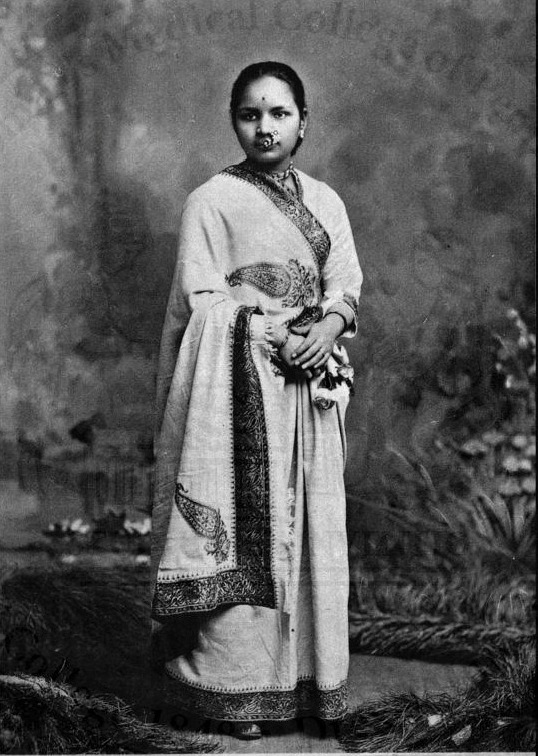
Anandibai Gopalrao Joshi, first Indian female doctor was born on 31 March 1865, originally named Yamuna, she was born and raised in Kalyan, her family uses to be landlords before experiencing financial losses, due to pressure from her mother and practice she was married at the age of nine with Gopalrao Joshi, a widower 20 years elder than her worked as a postal clerk in Kalyan, after marriage she was renamed her Anandi by her husband .he was a progressive thinker so he supported education for girls at that time.
AnandiBai gave birth to a boy at the age of fourteen, but due to lack of medical care, the child died after ten days of his birth, which made a turning point in Anandibai’s life, inspired her to be a physician, as Gopalrao tried to enroll her to a missionary school and couldn’t succeed so he moved to Calcutta, where she learned to read and speak English and Sanskrit.

In 1880, as she was encouraged by her husband to study medicine, he sent a letter to Royal Wilder, an American Missionary stating his wife’s interest in studying medicine in the United States and also requesting a post for himself in the US, Wilder published correspondence in Princeton’s Missionary Review, Theodicia Carpenter of Roselle, New Jersey impressed by the review then she wrote to Anandibai they become close friend, Carpenter later would host Anandibai in Rochelle during her stay in the US.
While Anadibai was in Calcutta, her health was declining ad Gopalrao was transferred to Serampore, so despite her poor health he convinced Anandibai to go by herself to the US and set an example for women for pursuing higher education.

Suggested by a physician couple, she applied to the Woman’s Medical College of Pennsylvania, she traveled to New York from Kolkata on the ship. She began her medical training at the age of 19, because of cold and irregular diet out there she contracted tuberculosis, somehow she graduated wth medical degree in Mach 1886, her thesis topic was “Obstetrics among the Aryan Hindoos” it got utilized references from both Ayurvedic texts and American Medical textbooks.


Queen Victoria congratulated her on her Graduation, on her return to India she received a grand welcome, the princely State of Kolhapur appointed her Physician -in -charge of the female ward of the Albert Edward Hospital.
She died of Tuberculosis on 28 February 1887 in Pune, she was in treatment but those were not working she kept studying medicine till death, She got fame for her determination and Hardwork, to become the first women to study western medicine.

Panchayats

Part IX of the Constitution craves a three-fold system of Panchayats namely (a) The village level; (b) The District Panchayats; (c) The intermediate Panchayats which stands between the village and district in the states where the population is above 20lakhs.

Composition:- All the seats in a panchayat shall be filled by a person chosen by direct election from territorial constituencies in the Panchayat area. The electorate has been named ‘gram sabha’ consisting of a person registered in the electoral rolls relating to a village comprised within the area of a Panchayat.

Duration of Panchayat:- Every Panchayat shall continue for five years from the date of its first meeting. But it can be dissolved earlier by the procedure prescribed by the State law. In case it is dissolved earlier, then the elections must be held within 6months of its dissolution.

Qualifications for Membership:- Article 243 F provides that all persons who are qualified to be chosen to the State Legislature shall be qualified to be chosen as a member of a Panchayat. The only difference is that a person who has attained the age of 21 years will be eligible to be a member.

Powers authority and responsibilities of Panchayats:- State Legislatures have the legislative powers to confer on the Panchayats such as powers and authority as may be necessary to enable them to function as institutions of self-government [Article 243G- 243H]. They are being authorized with the responsibility of (a) preparation of economic development and social justice plans and implementation of schemes for the same, (b) regarding matters listed in the 11th Schedule. The list contains 29 issues including land improvement, minor irrigation, animal husbandry, fisheries, education, women and child development, etc. The 11th Schedule distributes powers between the State Legislature and the Panchayat.

Powers to impose taxes and Financial resources:- Any State by law may authorize a Panchayat to impose, collect, and appropriate taxes, duties tolls, etc. The law may enact the procedure to be fulfilled as well as the limits of these exactions. It can also appoint to a panchayat various taxes and duties etc. collected by the State Government.

Panchayat Finance Commission:- The date on which the Constitution’s 73rd Amendment came into force and afterward every five years the State Government shall appoint a Finance Commission to review the financial position of the Panchayats and to make recommendations to —

(a) the distribution between the State and the Panchayat of the net proceeds of taxes, duties, tolls, and fees leviable by the State which may be divided between them and how the allocation would be made among various levels of Panchayats.

(b) what taxes, duties, tolls, and fees may be assigned to the Panchayats.

(c) grant-in-aid to the Panchayats.

The report of the Commission, together with a memorandum of action taken on it, shall be laid down before the State Legislature. These provisions are modeled on Article 280 which contains provisions regarding appointment of a Finance Commission for the distribution of finances between the Union and the States.

Bar to interference by Courts in Electoral matters:- As under Article 329, Courts shall have no jurisdiction to examine the validity of a law, relating to the delimitation of constituencies or the allotments of seats, made under Article 243K.

5 Best Medicinal Plants And Their Uses

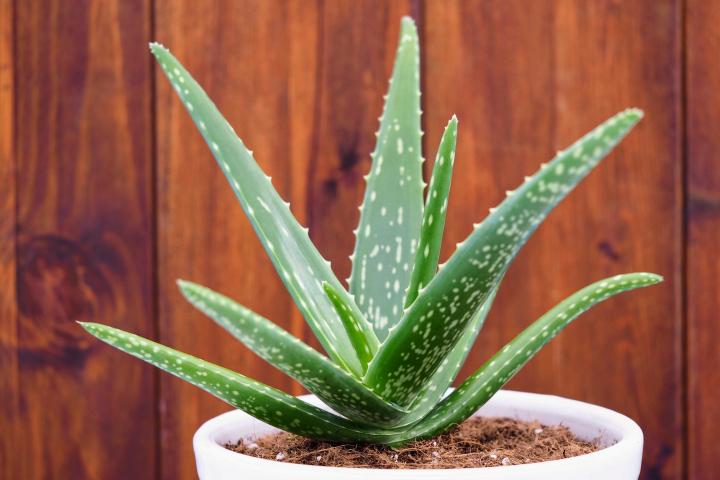
1. Aloe vera

-Constipation
-Digestive distress
-Acne
-Poor body immunity

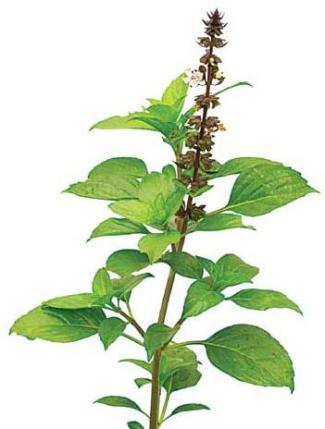
2.Tulasi

-It gives you strength to fight stress
-Promotes a longer life
-Treats cough
-Treats indigestion
-Anti-cancer
-Good for hair loss, heart diseases, diabetes, etc.

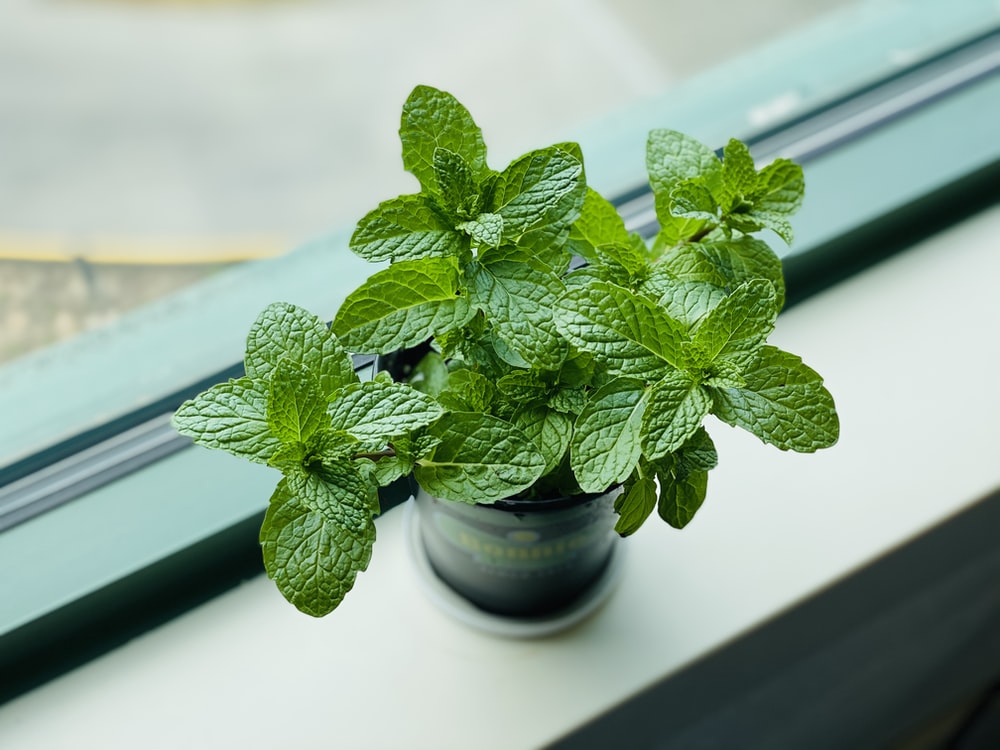
3.Mint

-Keeps the digestive system running
-Boosts immunity
-Enhances mood
-Expels cough from the body
-Benefits respiratory health
-Keeps mosquitoes away

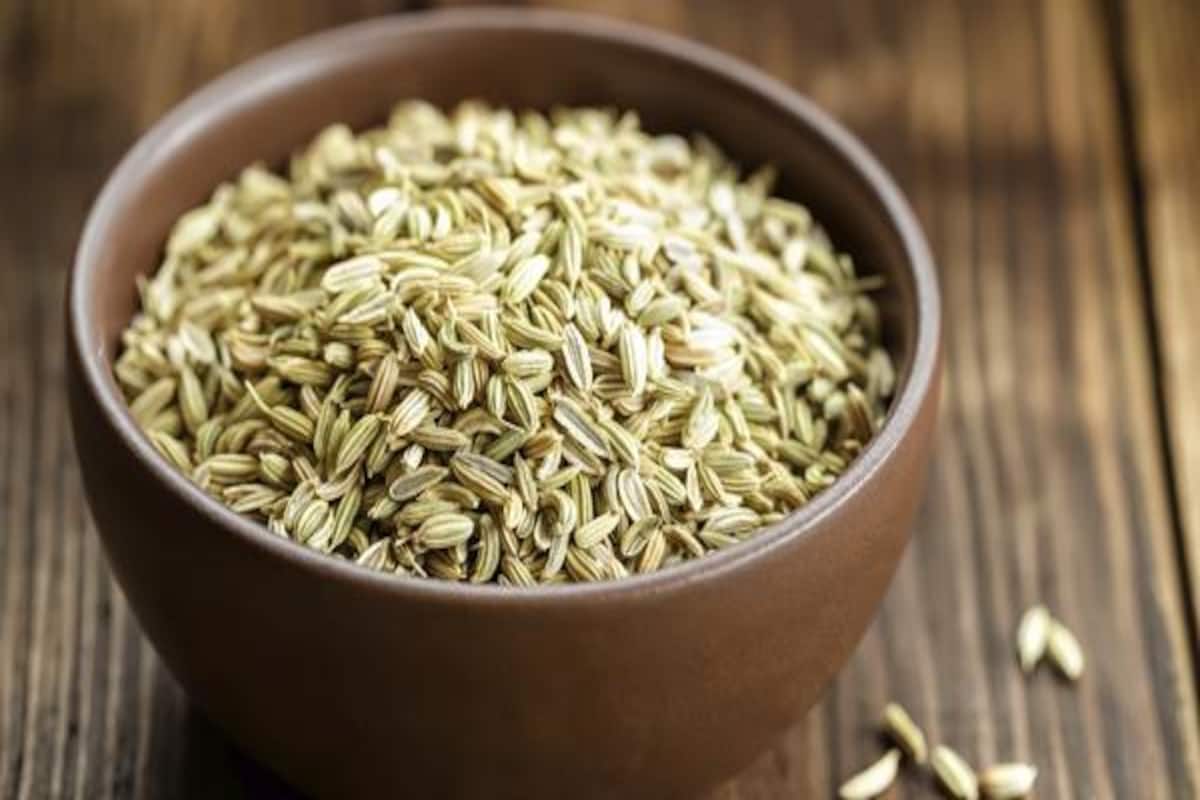
4.Fennel

-Treats cough
-Controls cholesterol
-Improves eyesight
-Cure acidity
-Prevents bad breath
-Improves breast milk supply in lactating women

5.Ginger

-Treats indigestion
-Eases headaches
-Controls blood pressure
-Treats cold, cough, flu and asthma
-Relives menstrual pains and cramps

technology

 we are going to discuss what technology is, what are its uses, and also what technology can do? First of all, technology refers to the use of technical and scientific knowledge to create, monitor, and design machinery. Also, technology helps in making other goods that aid mankind.

Familiarity between Technology and Science

As they are completely different fields but they are interdependent on each other. Also, it is due to science contribution we can create new innovation and build new technological tools. Apart from that, the research conducted in laboratories contributes a lot to the development of technologies. On the other hand, technology extends the agenda of science.

Vital Part of our Life

Regularly evolving technology has become an important part of our lives. Also, newer technologies are taking the market by storm and the people are getting used to them in no time. Above all, technological advancement has led to the growth and development of nations.

Negative Aspect of Technology

Although technology is a good thing, everything has two sides. Technology also has two sides one is good and the other is bad. Here are some negative aspects of technology that we are going to discuss.

Exhaustion of Natural Resources

New technology requires new resources for which the balance is disturbed. Eventually, this will lead to over-exploitation of natural resources which ultimately disturbs the balance of nature.

Unemployment

A single machine can replace many workers. Also, machines can do work at a constant pace for several hours or days without stopping. Due to this, many workers lost their job which ultimately increases unemployment.

Information Technology

This technology involves the use of telecommunication and computer to send, receive and store information. Internet is the best example of Information technology.


today, everything we use in our daily life is a gift of technology and without which we cannot imagine our lives. Also, we cannot refuse the facts that it has caused severe damage to our surroundings.

All about Horoscope

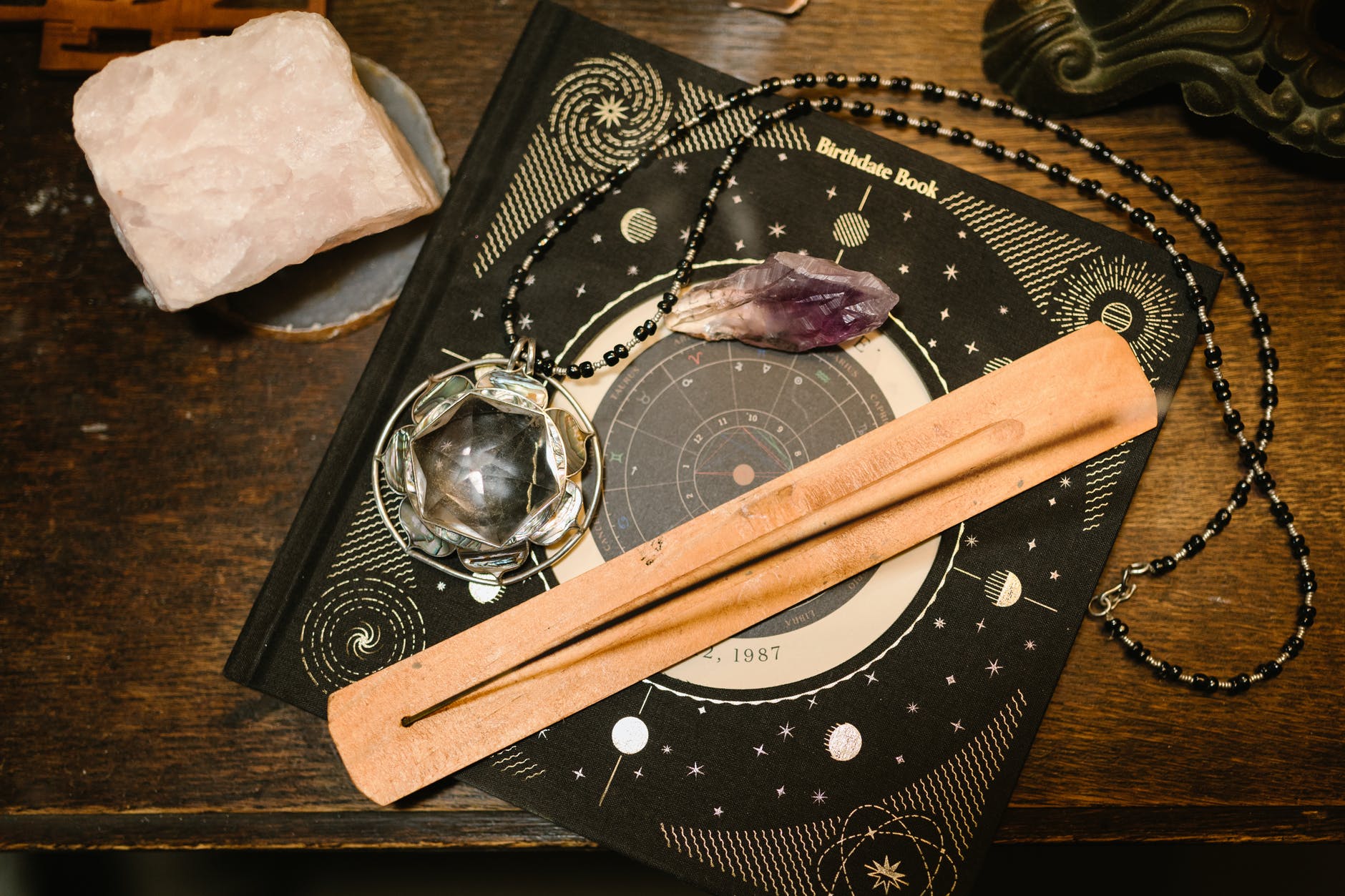
A horoscope (also known as a natal chart, astrological chart, astro-chart, celestial map, sky-map, star-chart, cosmogram, vitasphere, radical chart, radix, chart wheel, or simply chart) is an astrological chart or diagram that depicts the positions of the Sun, Moon, planets, astrological aspects, and sensitive angles at the time of an event, such as a birth.

Photo by RODNAE Productions on Pexels.com

Horoscope comes from the Greek words ra and scopos, which mean “time” and “observer” (horoskopos, pl. horoskopoi, or “hour marker(s)”). It is utilised as a means of divination for occurrences related to the time period it symbolises, and it is the foundation of astrology’s horoscopic traditions.

The horoscope depicts the skies as a stylised map over a certain area at a specific time. In most cases, the viewpoint is geocentric (heliocentric astrology being one exception).

The chart includes the positions of the actual planets (including the Sun and Moon), as well as entirely calculated features such the lunar nodes, house cusps (including the midheaven and ascendant), zodiac signs, fixed stars, and the lots.

Aspects are angular relationships between planets and other points that are commonly determined. 

The vernal point (the first day of spring in the northern hemisphere) is defined by the tropical zodiac as the first degree of Aries, although the sidereal zodiac permits it to process.

Many individuals are perplexed by the distinction between the sidereal and tropical zodiac signs.

t is worth pointing out that the sidereal signs and the tropical signs are both geometrical conventions of 30° each, whereas the zodiacal constellations are pictorial representations of mythological figures projected onto the celestial sphere based on patterns of visible star groupings, none of which occupy precisely 30° of the ecliptic.

So constellations and signs are not the same, although for historical reasons they might have the same names

An astrologer must first determine the exact time and location of the subject’s birth, or the start of an event, in order to generate a horoscope.

At the same time, the local standard time (adjusted for daylight saving time or wartime) is transformed into Greenwich Mean Time or Universal Time. To be able to calculate, the astrologer must translate this to the local sidereal time at birth.

Photo by RODNAE Productions on Pexels.com

The astrologer will then examine an ephemeris, a set of tables that displays the positions of the Sun, Moon, and planets for a given year, date, and sidereal time in relation to the northern hemisphere vernal equinox or fixed stars for a given year, date, and sidereal time (depending on which astrological system is being used).

The horoscope is divided into 12 sectors that circle the ecliptic, beginning with the ascendant or rising sign on the eastern horizon.

The houses are the 12 sectors, and there are several techniques for computing these divisions. Since the 19th century, tables of dwellings have been issued to make this otherwise difficult work easier.

Horoscopes and the zodiac sign have always been popular, and they continue to be so today. From celebrities to the ordinary population, there are a large number of devoted fans.

It can be tough to accept that astrology is not based on scientific facts and is a pseudoscience when there are so many believers and perhaps a personal connection to the horoscope or the zodiac.

Reference

http://www.wikipedia.com

http://www.timesofindia.com

http://www.elle.com