In our foreseeable future do we have more forests or deserts?

Forests make up nearly 33% of the land area on our planet. 1.6 billion People rely on the benefits that forests offer, that include food, fresh water, medicinal herbs and shelter. Most o the world’s threatened and endangered animals live in forests.

Forests also counter the negative effects of climate change. They serve as carbon stores, taking in the carbon dioxide that would be left in the atmosphere.

Every year 58 thousand square miles are lost — the equivalent to one football field every two seconds. The study, from the nonprofit research organization Center for Global Development, predicts that as much as 2,890,000 square kilometers — or over a million square miles — of tropical forest could be lost to deforestation due to land being cleared for industrial agriculture. Jonah Busch, a coauthor on the report, said they found a pattern to the destruction.

“That amount of loss will have a big impact on the climate because trees store a lot of carbon,” Busch said, “and when they’re burned, and cleared for soy or beef pastures, or palm oil, all that the carbon that’s stored in the trees goes up to the atmosphere.” Busch and his colleagues estimated that 169 billion tons of carbon-di-oxide could be released, which is the annual quantity of pollution emitted from about fifty thousand coal-burning power plants. Busch also said that half of the projected deforestation could happen in Latin America, with the other half split between Asia and Africa.

The forest cover of the world will increase by at least 10 percent of its original value today in the next 5–10 years. A few countries will increase their forest cover drastically like northern parts of Africa and Mongolia. As far as the United States is concerned the forest cover has increased, at this point of time they have more trees now than what they had hundred years ago. The Indian and Chinese government will continue to implement their schemes unless they have reached their country’s goal. Hope other countries start to implement schemes and programs to improve their forest cover.

In our foreseeable future do we have more forests or deserts?

Forests make up nearly 33% of the land area on our planet. 1.6 billion People rely on the benefits that forests offer, that include food, fresh water, medicinal herbs and shelter. Most o the world’s threatened and endangered animals live in forests.

Forests also counter the negative effects of climate change. They serve as carbon stores, taking in the carbon dioxide that would be left in the atmosphere.

Every year 58 thousand square miles are lost — the equivalent to one football field every two seconds. The study, from the nonprofit research organization Center for Global Development, predicts that as much as 2,890,000 square kilometers — or over a million square miles — of tropical forest could be lost to deforestation due to land being cleared for industrial agriculture. Jonah Busch, a coauthor on the report, said they found a pattern to the destruction.

“That amount of loss will have a big impact on the climate because trees store a lot of carbon,” Busch said, “and when they’re burned, and cleared for soy or beef pastures, or palm oil, all that the carbon that’s stored in the trees goes up to the atmosphere.” Busch and his colleagues estimated that 169 billion tons of carbon-di-oxide could be released, which is the annual quantity of pollution emitted from about fifty thousand coal-burning power plants. Busch also said that half of the projected deforestation could happen in Latin America, with the other half split between Asia and Africa.

The forest cover of the world will increase by at least 10 percent of its original value today in the next 5–10 years. A few countries will increase their forest cover drastically like northern parts of Africa and Mongolia. As far as the United States is concerned the forest cover has increased, at this point of time they have more trees now than what they had hundred years ago. The Indian and Chinese government will continue to implement their schemes unless they have reached their country’s goal. Hope other countries start to implement schemes and programs to improve their forest cover.

Another Key to Success : Consistency


We all know, what maintaining consistency can do when it comes to bringing change or achieving something. Maintaining consistency for some time in any work or process can do wonders for you. 

But, What does it mean to be consistent? 

When we say an individual is consistent, it means, that individual is clear on what he/she wants to achieve and is taking crucial steps to achieve his/her goals. The level of consistency we maintain reflects our values and standards. Being consistent means doing things that are required today to achieve a better tomorrow. Consistency is simply about doing things on repetition over a while to achieve desired results. 

Then, Why many of us fail to maintain consistency? 

Well, there are numerous reasons why many of us fail to maintain consistency. Mentioned below are some of them:-

★ Lack of patience.

★ The desire for instant gratification.

★ Lack of clarity and focus.

★ Not having supporting habits or triggers.

★ Having a “all or nothing” mindset.

Anthony Jay Robbins (an American author, coach, speaker, and philanthropist) said, “It’s not what we do once in a while that shapes our lives. It’s what we do consistently.”

Why consistency is important? 

Knowing a few reasons will help you to give more attention to it. Mentioned below are five reasons why consistency is important:-

I) It will create accountability.

II) It will help you to stand out or be noticed. 

III) It develops discipline and self-control.

IV) It builds a higher level of trust.

V) It can help you fast-track your improvement or development in any area.

Ways to Develop Consistency

Although every individual has their their way of developing consistency. Mentioned below are some general ways to develop consistency:

I) Create a schedule or plan to stay on track.

II) Start with small steps.

III) Give yourself a break when you get off track.

IV) Start with small steps.

There are very low chances of achieving what we want without a proper strategy and consistency. In short, hard work and smart work together with consistency and the right attitude are the keys to success. 

Another Key to Success : Consistency


We all know, what maintaining consistency can do when it comes to bringing change or achieving something. Maintaining consistency for some time in any work or process can do wonders for you. 

But, What does it mean to be consistent? 

When we say an individual is consistent, it means, that individual is clear on what he/she wants to achieve and is taking crucial steps to achieve his/her goals. The level of consistency we maintain reflects our values and standards. Being consistent means doing things that are required today to achieve a better tomorrow. Consistency is simply about doing things on repetition over a while to achieve desired results. 

Then, Why many of us fail to maintain consistency? 

Well, there are numerous reasons why many of us fail to maintain consistency. Mentioned below are some of them:-

★ Lack of patience.

★ The desire for instant gratification.

★ Lack of clarity and focus.

★ Not having supporting habits or triggers.

★ Having a “all or nothing” mindset.

Anthony Jay Robbins (an American author, coach, speaker, and philanthropist) said, “It’s not what we do once in a while that shapes our lives. It’s what we do consistently.”

Why consistency is important? 

Knowing a few reasons will help you to give more attention to it. Mentioned below are five reasons why consistency is important:-

I) It will create accountability.

II) It will help you to stand out or be noticed. 

III) It develops discipline and self-control.

IV) It builds a higher level of trust.

V) It can help you fast-track your improvement or development in any area.

Ways to Develop Consistency

Although every individual has their their way of developing consistency. Mentioned below are some general ways to develop consistency:

I) Create a schedule or plan to stay on track.

II) Start with small steps.

III) Give yourself a break when you get off track.

IV) Start with small steps.

There are very low chances of achieving what we want without a proper strategy and consistency. In short, hard work and smart work together with consistency and the right attitude are the keys to success. 

Another Key to Success: Consistency


We all know, what maintaining consistency can do when it comes to bringing change or achieving something. Maintaining consistency for some time in any work or process can do wonders for you. 

But, What does it mean to be consistent? 

When we say an individual is consistent, it means, that individual is clear on what he/she wants to achieve and is taking crucial steps to achieve his/her goals. The level of consistency we maintain reflects our values and standards. Being consistent means doing things that are required today to achieve a better tomorrow. Consistency is simply about doing things on repetition over a while to achieve desired results. 

Then, Why many of us fail to maintain consistency? 

Well, there are numerous reasons why many of us fail to maintain consistency. Mentioned below are some of them:-

★ Lack of patience.

★ The desire for instant gratification.

★ Lack of clarity and focus.

★ Not having supporting habits or triggers.

★ Having a “all or nothing” mindset.

Anthony Jay Robbins (an American author, coach, speaker, and philanthropist) said, “It’s not what we do once in a while that shapes our lives. It’s what we do consistently.”


Why consistency is important? 

Knowing a few reasons will help you to give more attention to it. Mentioned below are five reasons why consistency is important:-

I) It will create accountability.

II) It will help you to stand out or be noticed. 

III) It develops discipline and self-control.

IV) It builds a higher level of trust.

V) It can help you fast-track your improvement or development in any area.

Ways to Develop Consistency

Although every individual has their their way of developing consistency. Mentioned below are some general ways to develop consistency:

I) Create a schedule or plan to stay on track.

II) Start with small steps.

III) Give yourself a break when you get off track.

IV) Start with small steps.

There are very low chances of achieving what we want without a proper strategy and consistency. In short, hard work and smart work together with consistency and the right attitude are the keys to success. 


WHAT IS PHONOLOGY AND PHONEME?

Our speech sounds can produce a wide variety of speech sounds. However , each language makes use of only a selected group of sounds .These selected sounds are organized in different ways in different languages .This selection and organization of speech sounds in an individual language is called Phonology .

PHONEMES

Every language has a definite number of distinctive sound units .These sound units constitute the phonemes of that language .They are the most basic and smallest elements in the expression system of a language .A phoneme may be defined as the minimal ,distinctive sound unit of a language .By minimal we mean that it cannot be sub-divide ; by distinctive we mean that , when one phoneme is substituted by another it produces a meaning change .Thus the phoneme is the smallest unit of sound that forms the basis of distinction between words in a language .The two words , for example , bat and cat are distinguished and differentiated by the initial phonemes of these two words , /b/ and /k/ .

When /p/ is substituted by /b/ in the word pit it becomes bit . With substitution , a different word with a different meaning is formed . Thus /p/ and /b/ are contrastive in English and hence they are two phonemes in English. Phonemic symbols are enclosed with in slant lines ; phonetic symbols within square brackets indicate the precise phonetic qualities of sounds represented by the symbols . It is also to be noted that phonemes refers to sounds and never to spellings .

The English RP has a system of forty four phonemes .Hindi has forty six phonemes and Malayalam has fifty two .All these languages have their own language specific phonemes .As phonemes are contrastive units of sound in the sound system of a particular language , they have validity only in that language.

WHAT IS PHONOLOGY AND PHONEME?

Our speech sounds can produce a wide variety of speech sounds. However , each language makes use of only a selected group of sounds .These selected sounds are organized in different ways in different languages .This selection and organization of speech sounds in an individual language is called Phonology .

PHONEMES

Every language has a definite number of distinctive sound units .These sound units constitute the phonemes of that language .They are the most basic and smallest elements in the expression system of a language .A phoneme may be defined as the minimal ,distinctive sound unit of a language .By minimal we mean that it cannot be sub-divide ; by distinctive we mean that , when one phoneme is substituted by another it produces a meaning change .Thus the phoneme is the smallest unit of sound that forms the basis of distinction between words in a language .The two words , for example , bat and cat are distinguished and differentiated by the initial phonemes of these two words , /b/ and /k/ .

When /p/ is substituted by /b/ in the word pit it becomes bit . With substitution , a different word with a different meaning is formed . Thus /p/ and /b/ are contrastive in English and hence they are two phonemes in English. Phonemic symbols are enclosed with in slant lines ; phonetic symbols within square brackets indicate the precise phonetic qualities of sounds represented by the symbols . It is also to be noted that phonemes refers to sounds and never to spellings .

The English RP has a system of forty four phonemes .Hindi has forty six phonemes and Malayalam has fifty two .All these languages have their own language specific phonemes .As phonemes are contrastive units of sound in the sound system of a particular language , they have validity only in that language.

WHAT IS PHONOLOGY AND PHONEME?

Our speech sounds can produce a wide variety of speech sounds. However , each language makes use of only a selected group of sounds .These selected sounds are organized in different ways in different languages .This selection and organization of speech sounds in an individual language is called Phonology .

PHONEMES

Every language has a definite number of distinctive sound units .These sound units constitute the phonemes of that language .They are the most basic and smallest elements in the expression system of a language .A phoneme may be defined as the minimal ,distinctive sound unit of a language .By minimal we mean that it cannot be sub-divide ; by distinctive we mean that , when one phoneme is substituted by another it produces a meaning change .Thus the phoneme is the smallest unit of sound that forms the basis of distinction between words in a language .The two words , for example , bat and cat are distinguished and differentiated by the initial phonemes of these two words , /b/ and /k/ .

When /p/ is substituted by /b/ in the word pit it becomes bit . With substitution , a different word with a different meaning is formed . Thus /p/ and /b/ are contrastive in English and hence they are two phonemes in English. Phonemic symbols are enclosed with in slant lines ; phonetic symbols within square brackets indicate the precise phonetic qualities of sounds represented by the symbols . It is also to be noted that phonemes refers to sounds and never to spellings .

The English RP has a system of forty four phonemes .Hindi has forty six phonemes and Malayalam has fifty two .All these languages have their own language specific phonemes .As phonemes are contrastive units of sound in the sound system of a particular language , they have validity only in that language.

WHAT IS PHONOLOGY AND PHONEME?

Our speech sounds can produce a wide variety of speech sounds. However , each language makes use of only a selected group of sounds .These selected sounds are organized in different ways in different languages .This selection and organization of speech sounds in an individual language is called Phonology .

PHONEMES

Every language has a definite number of distinctive sound units .These sound units constitute the phonemes of that language .They are the most basic and smallest elements in the expression system of a language .A phoneme may be defined as the minimal ,distinctive sound unit of a language .By minimal we mean that it cannot be sub-divide ; by distinctive we mean that , when one phoneme is substituted by another it produces a meaning change .Thus the phoneme is the smallest unit of sound that forms the basis of distinction between words in a language .The two words , for example , bat and cat are distinguished and differentiated by the initial phonemes of these two words , /b/ and /k/ .

When /p/ is substituted by /b/ in the word pit it becomes bit . With substitution , a different word with a different meaning is formed . Thus /p/ and /b/ are contrastive in English and hence they are two phonemes in English. Phonemic symbols are enclosed with in slant lines ; phonetic symbols within square brackets indicate the precise phonetic qualities of sounds represented by the symbols . It is also to be noted that phonemes refers to sounds and never to spellings .

The English RP has a system of forty four phonemes .Hindi has forty six phonemes and Malayalam has fifty two .All these languages have their own language specific phonemes .As phonemes are contrastive units of sound in the sound system of a particular language , they have validity only in that language.

Gender inequality

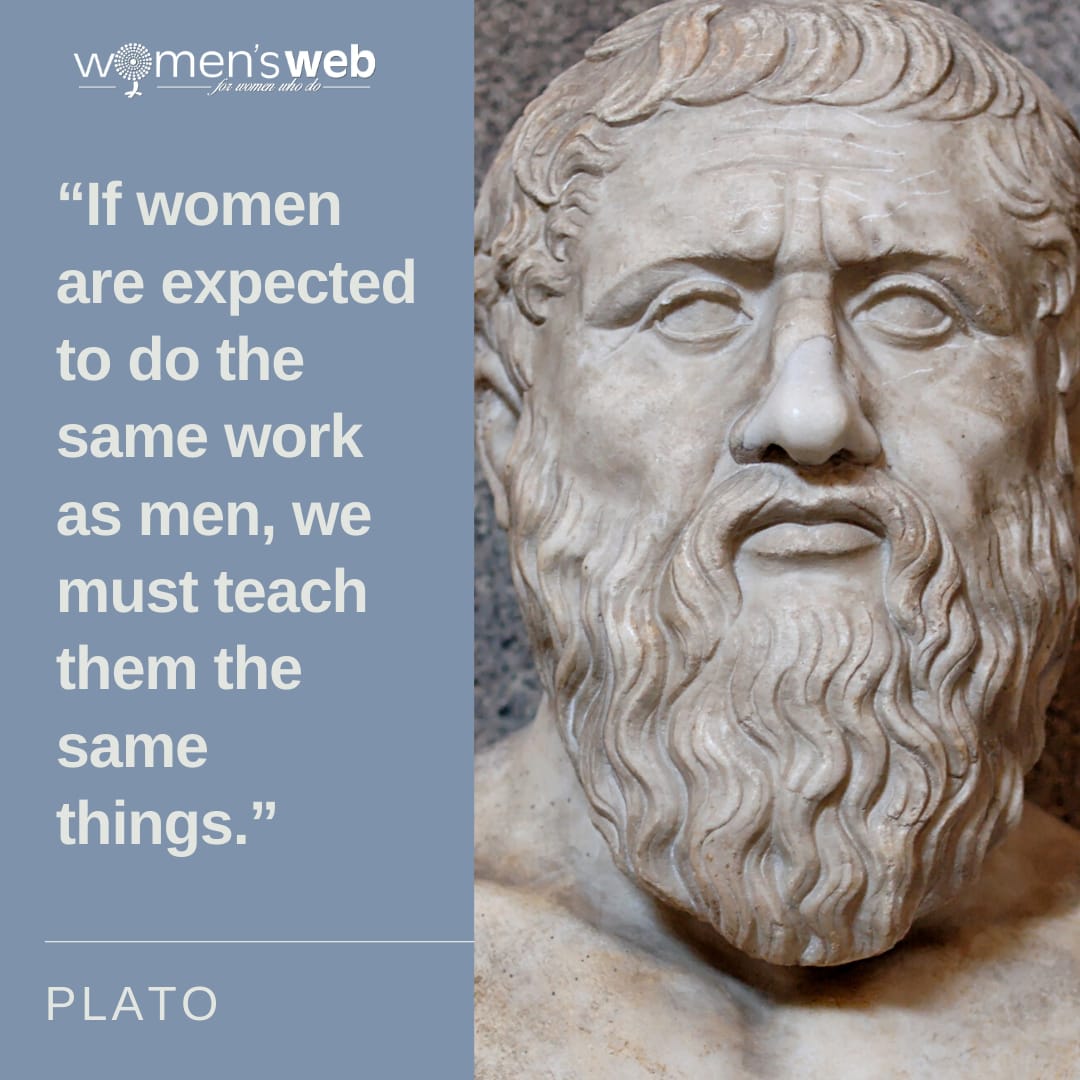
Gender inequality is the social process by which Mens, LGBTQ community and womens are not treated equally.

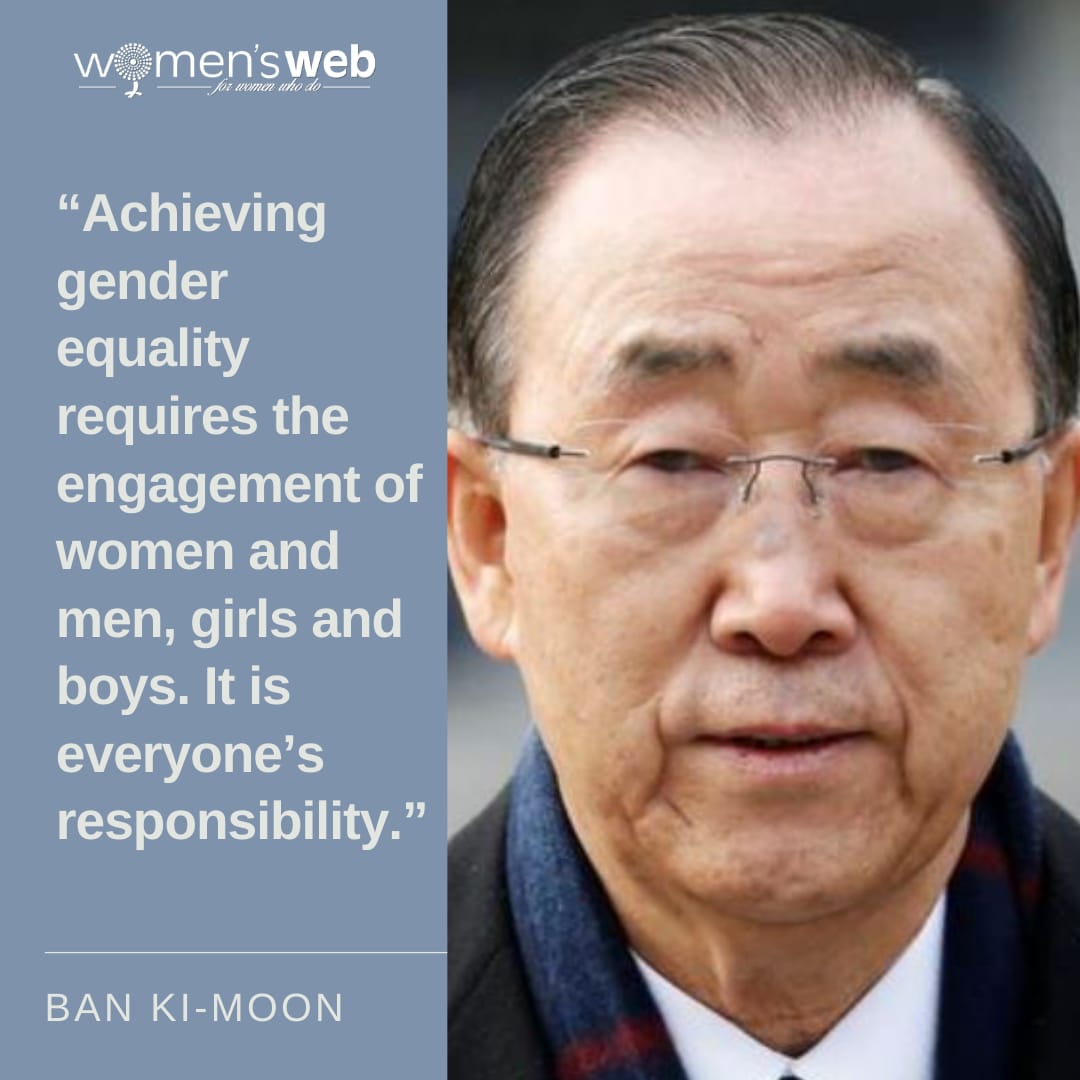
Gender equality is a human fight not a female fight.

Due to patriarchy many girls are hold back from striving for their dreams, receiving a quality education, medical facilities and overall awareness for their well being.

Everyday girls and boys see gender inequality in their homes, community, in textbooks, in media and among the adult.

Society assume an unequal responsibility for household work with mothers bearing the brunt of caregiving.

In schools, many girls receive less support than boys to pursue the studies they choose.

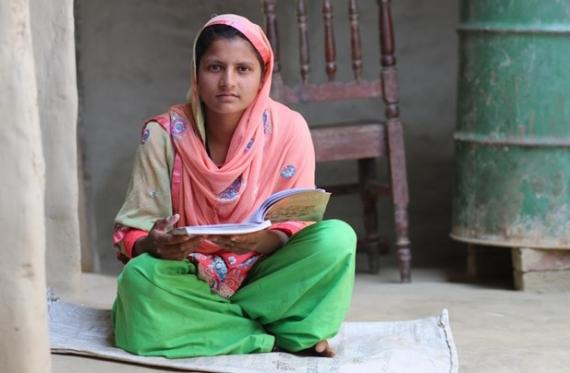
Rashida khatun says I realised the harm I would be causing myself if I agreed to get married. She in is enrolled in UNICEF supported program that provides out of school girls with basic numeracy, literacy and life skills.

Whenever we talk about gender inequality we always seems to focus on women but have anyone ever thought that what it’s like for men or LGBTQ community.

Gender equality, historically has been predominantly a women’s movement for women but I think the impact of gender inequality and how its affecting man hasn’t really been addressed.

Emma Watson

  • Generally we see in our families that boys told to pursue maths in higher studies and girls were told to pursue Biology so that the male became engineer for female can be a doctor.
  • Whenever a boy wants to be a cook, singer, dancer he is being discouraged by society or his parent by saying that these are for girls.
  • It’s a perception in our patriarchal society that boys do not cry that the crime is only for girls.
    • Mens are stronger than women and they will never bow in front of anyone
    • That’s why mens will never admit their faults because they are meant to be dominant in this patriarchal society.
  • When a girl wanted to be an officer then she is being discouraged by the family by saying that this is the job for Boys.
  • The perception of our societies that the household works are made for womens .
  • If people see a girl with short hair, the peoples in society tends to point at her and think of her as a freak.
  • If a girl is not interested in cooking but she still has to do it and she is pressurized by the family and Society by saying that you have to go to someone’s home and you have to do it because it is made for you.

Let’s talk about LGBTQ community. It is is the second of three issues focused on social inequalities.

  • LGBTQ community faces gender inequality in their everyday life.
  • They face inequalities in employment, education, health, survival and political empowerment.
  • It is not the only way by which they faces social inequalities.
  • Lgbtq people faces housing discrimination and workplace discrimination.
  • They faces basic human right such as – marriage and family adoption.
  • They have been discarded from their homes at their birth. The only reason of this is that they are not a male or female.
  • Peoples doesn’t behave properly with them.

Is this what we called Gender Equality??

We blame society for gender inequalities and for everything but why we forget that society is because of us. we are the part of society and to change this society we have to change our own mentality.

Gender inequality

Gender inequality is the social process by which Mens, LGBTQ community and womens are not treated equally.

Gender equality is a human fight not a female fight.

Due to patriarchy many girls are hold back from striving for their dreams, receiving a quality education, medical facilities and overall awareness for their well being.

Everyday girls and boys see gender inequality in their homes, community, in textbooks, in media and among the adult.

Society assume an unequal responsibility for household work with mothers bearing the brunt of caregiving.

In schools, many girls receive less support than boys to pursue the studies they choose.

Rashida khatun says I realised the harm I would be causing myself if I agreed to get married. She in is enrolled in UNICEF supported program that provides out of school girls with basic numeracy, literacy and life skills.

Whenever we talk about gender inequality we always seems to focus on women but have anyone ever thought that what it’s like for men or LGBTQ community.

Gender equality, historically has been predominantly a women’s movement for women but I think the impact of gender inequality and how its affecting man hasn’t really been addressed.

Emma Watson

  • Generally we see in our families that boys told to pursue maths in higher studies and girls were told to pursue Biology so that the male became engineer for female can be a doctor.
  • Whenever a boy wants to be a cook, singer, dancer he is being discouraged by society or his parent by saying that these are for girls.
  • It’s a perception in our patriarchal society that boys do not cry that the crime is only for girls.
    • Mens are stronger than women and they will never bow in front of anyone
    • That’s why mens will never admit their faults because they are meant to be dominant in this patriarchal society.
  • When a girl wanted to be an officer then she is being discouraged by the family by saying that this is the job for Boys.
  • The perception of our societies that the household works are made for womens .
  • If people see a girl with short hair, the peoples in society tends to point at her and think of her as a freak.
  • If a girl is not interested in cooking but she still has to do it and she is pressurized by the family and Society by saying that you have to go to someone’s home and you have to do it because it is made for you.

Let’s talk about LGBTQ community. It is is the second of three issues focused on social inequalities.

  • LGBTQ community faces gender inequality in their everyday life.
  • They face inequalities in employment, education, health, survival and political empowerment.
  • It is not the only way by which they faces social inequalities.
  • Lgbtq people faces housing discrimination and workplace discrimination.
  • They faces basic human right such as – marriage and family adoption.
  • They have been discarded from their homes at their birth. The only reason of this is that they are not a male or female.
  • Peoples doesn’t behave properly with them.

Is this what we called Gender Equality??

We blame society for gender inequalities and for everything but why we forget that society is because of us. we are the part of society and to change this society we have to change our own mentality.

GURU PURNIMA

Guru Purnima (Poornima) is a tradition dedicated to all the spiritual and academic Gurus, who are evolved or enlightened humans, ready to share their wisdom with no monetary expectation, based on Karma Yoga. It is celebrated as a festival in India, Nepal and Bhutan by Hindus, Jains and Buddhists. This festival is traditionally observed to honour one’s chosen spiritual teachers or leaders. It is observed on the full moon day (Purnima) in the Hindu month of Ashadha (June–July) as it is known in the Hindu calendar.  The festival was revived by Mahatma Gandhi to pay tribute to his spiritual guru, Shrimad Rajchandra. It is also known as Vyasa Purnima for it marks the birthday of Veda Vyasa, the sage who authored the Mahabharata and compiled the Vedas.

OBSERVANCES

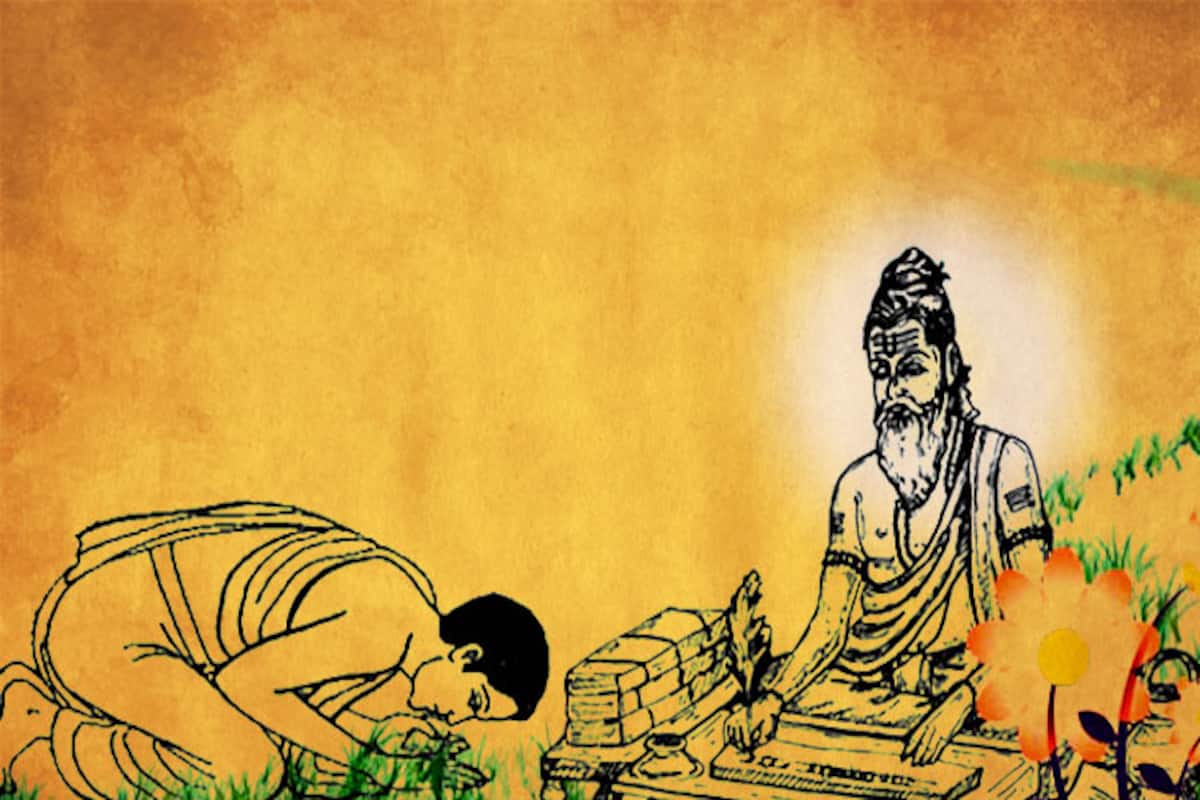
he celebration of Guru Poornima is marked by spiritual activities and may include a ritualistic event in honor of the Guru; that is, the teachers which is called Guru Pooja. The Guru Principle is said to be a thousand times more active on the day of Guru Purnima than on any other day. The word Guru is derived from two words, gu and ru. The Sanskrit root gu means darkness or ignorance, and ru denotes the remover of that darkness. Therefore, a Guru is one who removes the darkness of our ignorance. Gurus are believed by many to be the most necessary part of life. On this day, disciples offer pooja (worship) or pay respect to their Guru (spiritual guide). In addition to having religious importance, this festival has great importance for Indian academics and scholars. Indian academics celebrate this day by thanking their teachers as well as remembering past teachers and scholars.

Traditionally the festival is celebrated by Buddhists in honor of the Buddha who gave his first sermon on this day at Sarnath, Uttar Pradesh, India. In the yogic tradition, the day is celebrated as the occasion when Shiva became the first Guru, as he began the transmission of yoga to the Saptarishis. Many Hindus celebrate the day in honor of the great sage Vyasa, who is seen as one of the greatest Gurus in ancient Hindu traditions and a symbol of the Guru-shishya tradition. Vyasa was not only believed to have been born on this day, but also to have started writing the Brahma Sutras on ashadha sudha padyami, which ends on this day. Their recitations are a dedication to him, and are organised on this day, which is also known as Vyasa Purnima. The festival is common to all spiritual traditions in Hinduism, where it is an expression of gratitude toward the teacher by their disciple. Hindu ascetics and wandering monks (sanyasis), observe this day by offering puja to their Guru, during the Chaturmas, a four-month period during the rainy season, when they choose seclusion and stay at one chosen place; some also give discourses to the local public. Students of Indian classical music and Indian classical dance, which also follow the Guru shishya parampara, and celebrate this holy festival around the world. According to the Puranas, Shiva is considered the first Guru.

TRADITIONS IN INDIA

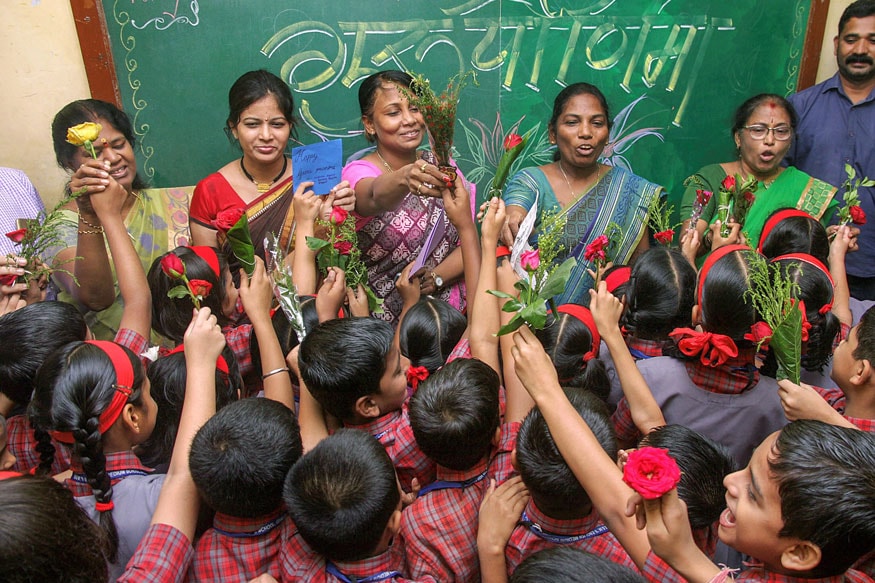
Irrespective of their religions, Indian academics celebrate this day by thanking their teachers. Many schools, colleges and universities have events in which students thank their teachers and remember past scholars. Alumni visit their teachers and present gifts as a gesture of gratitude.

Students arrange different art-competitions accordingly. The main tradition among guru-shishya is blessings (i.e. student greet his/her guru) by reciting a poetry or quote and the guru gives blessings for success and happiness of an individual. In short, guru purnima is a traditional way of Indians celebrating Teacher’s Day. According to FestiManiac, celebrating guru purnima with parents is the real motivation of the day.

In India, Hindu disciples often worship their spiritual teacher (or his idol) on the day of Guru Purnima.

GURU PURNIMA

Guru Purnima (Poornima) is a tradition dedicated to all the spiritual and academic Gurus, who are evolved or enlightened humans, ready to share their wisdom with no monetary expectation, based on Karma Yoga. It is celebrated as a festival in India, Nepal and Bhutan by Hindus, Jains and Buddhists. This festival is traditionally observed to honour one’s chosen spiritual teachers or leaders. It is observed on the full moon day (Purnima) in the Hindu month of Ashadha (June–July) as it is known in the Hindu calendar.  The festival was revived by Mahatma Gandhi to pay tribute to his spiritual guru, Shrimad Rajchandra. It is also known as Vyasa Purnima for it marks the birthday of Veda Vyasa, the sage who authored the Mahabharata and compiled the Vedas.

OBSERVANCES

he celebration of Guru Poornima is marked by spiritual activities and may include a ritualistic event in honor of the Guru; that is, the teachers which is called Guru Pooja. The Guru Principle is said to be a thousand times more active on the day of Guru Purnima than on any other day. The word Guru is derived from two words, gu and ru. The Sanskrit root gu means darkness or ignorance, and ru denotes the remover of that darkness. Therefore, a Guru is one who removes the darkness of our ignorance. Gurus are believed by many to be the most necessary part of life. On this day, disciples offer pooja (worship) or pay respect to their Guru (spiritual guide). In addition to having religious importance, this festival has great importance for Indian academics and scholars. Indian academics celebrate this day by thanking their teachers as well as remembering past teachers and scholars.

Traditionally the festival is celebrated by Buddhists in honor of the Buddha who gave his first sermon on this day at Sarnath, Uttar Pradesh, India. In the yogic tradition, the day is celebrated as the occasion when Shiva became the first Guru, as he began the transmission of yoga to the Saptarishis. Many Hindus celebrate the day in honor of the great sage Vyasa, who is seen as one of the greatest Gurus in ancient Hindu traditions and a symbol of the Guru-shishya tradition. Vyasa was not only believed to have been born on this day, but also to have started writing the Brahma Sutras on ashadha sudha padyami, which ends on this day. Their recitations are a dedication to him, and are organised on this day, which is also known as Vyasa Purnima. The festival is common to all spiritual traditions in Hinduism, where it is an expression of gratitude toward the teacher by their disciple. Hindu ascetics and wandering monks (sanyasis), observe this day by offering puja to their Guru, during the Chaturmas, a four-month period during the rainy season, when they choose seclusion and stay at one chosen place; some also give discourses to the local public. Students of Indian classical music and Indian classical dance, which also follow the Guru shishya parampara, and celebrate this holy festival around the world. According to the Puranas, Shiva is considered the first Guru.

TRADITIONS IN INDIA

Irrespective of their religions, Indian academics celebrate this day by thanking their teachers. Many schools, colleges and universities have events in which students thank their teachers and remember past scholars. Alumni visit their teachers and present gifts as a gesture of gratitude.

Students arrange different art-competitions accordingly. The main tradition among guru-shishya is blessings (i.e. student greet his/her guru) by reciting a poetry or quote and the guru gives blessings for success and happiness of an individual. In short, guru purnima is a traditional way of Indians celebrating Teacher’s Day. According to FestiManiac, celebrating guru purnima with parents is the real motivation of the day.

In India, Hindu disciples often worship their spiritual teacher (or his idol) on the day of Guru Purnima.

Why India’s gaming industry is on the rise ?

-India’s soaring gaming industry is valued at $930 million, and is number one in the world.
-India has over 560 million internet users, making it the second-largest internet consumer.
-Investors can expect a 10-year growth outlook with a $3.8 billion valuation by 2024.
-The first nine months of 2020 saw India rise to the number one spot in mobile game downloads worldwide, clocking 7.3 billion installs and raking in a 17% market share of the installs volume, as per SensorTower’s data.

Over 50% of India’s population is below the age of 25, and 60% of the nation’s gamers are under 25 years of age too. The gaming userbase surpassed 365 million in March 2020 as per KPMG’s media and entertainment report.

Mobiles staging the games

Mobile users form an overwhelming 85% of the industry, followed by PC users at 11% and tablet users at 4%. Internet penetration is 30%. Inc42 determined that the revenue of major Indian gaming and eSports companies was $68 million in 2019.

Mobile gaming takes the largest chunk of the gaming market thanks to access to affordable smartphones growing at 15% year-on-year for the past five years in India, high-speed 4G internet penetration and the world’s lowest data tariffs. Together with the rise of mobile games, these factors feed into India’s youth having a growing appetite for content.

At its peak, PUBG Mobile had an estimated 34 million Indians playing daily. Indians alone were responsible for downloading the battle royale genre title a whopping 175 million times.

A greater willingness to pay for services comes from improved disposable incomes at purchasing power parity (25% over 2016 levels) and wider adoption of digital payments as per Deloitte’s Telecom, Media and Telecommunications Predications report.

How COVID-19 turned us away from TV

The COVID-19 pandemic saw a shift in media and entertainment consumption trends, with KPMG estimating a 20% contraction in 2020 in typical segments such as film, TV and print. In contrast, they foresee rapid change to gaming and digital media consumption, projecting global growth bouncing up to 33% to reach $25.4 billion in 2021.

This is lent credence by gaming platforms such as Google Play and Apple App Storerecording 50% increases in engagement during lockdown. BARC & Nielsen report that Indians now spend 218 minutes gaming versus 151 minutes before lockdown.

Investors including Sequoia Capital and Kalaari Capital have already increased their investments by 78% during 2020 to $173 million, as per Tracxn Technologies data. There are now over 400 gaming companies in India, as reported by Maple Capital Advisors.

The surge in gaming comes from a growing need for virtual entertainment with friends, family and peer groups, coupled with the rise in influencers encouraging Indians to play more games. With digital consumption becoming mainstream, the demand for more diverse content has also grown.

Portable games fill in as virtual social spaces satisfying purchasers’ necessities to interface in testing times. Gaming cuts across geologies and penetrates both level one and two urban areas, and metropolitan and rustic regions the same.

An Inc42 report on the eSports scene found that eSports in India represents 4% of the country’s userbase and shaped simply more than 9% of industry income before the pandemic. This area is required to develop 36% year-on-year in the following three years, with extended income of $95 for 2020. The Indian eSports crowd for serious gaming competitions previously arrived at 17 million out of 2020 versus 6 million out of 2017.

Newzoo predicts that IP-holders looking to carry their establishments to new mediums will pick versatile gaming as the favored stage in view of lower advancement costs and more limited time spans. The most mainstream gaming sorts are the hypercasual and easygoing classifications which incorporates well known games like Hunter Assassin, Talking Tom and Carrom Pool, separately.

Designers should keep on making versatile first encounters, however guzzle new points of view that are more comprehensive towards female crowds.

How publicizing is adjusting

Publicists can successfully target crowds who as of now mess around with credible brand informing. Gaming partners share comparable segment and conduct profiles.

Newzoo tracked down that 80% of Indians burn-through food or beverages consistently while messing around. This data is basic to FMCG brands in fostering their promoting methodology. Brands can use these channels to assemble trust and commitment with possible clients.

The Indian gaming industry has developed almost 60% throughout the most recent three years, and the area gives no indications of easing back. In the long haul, it might can possibly surpass Indian film industry incomes, which are by and by more than twofold that of the gaming business. The normal buyer is esteem cognizant and value touchy, and the item methodologies and adaptation models mirror this.

Most income in gaming is created from promoting, and a more modest extent comes from client in-application buys. Up until this point, the plan of action has been unequivocally allowed to-play and is the norm in versatile gaming, a low-section obstruction for would-be gamers.

This is changing; according to the white paper, Understanding Value in Media: Perspectives from Consumers and Industry, connected with gamers are bound to be down help membership endorsers than different media and amusement purchasers. This is not normal for the conduct of connected video, music and sports buyers.

Guideline and ability especially on the public authority’s radar

As gaming develops, the Indian government is relied upon to assume a more dynamic part in working with and directing the business.

As of late, Indian executive Narendra Modi required the improvement of content advancing native Indian culture. Controllers are now observing organization information protection arrangements, for example, stockpiling and the transmission of information having a place with Indian clients.

Then, at that point there’s the expanding dream sports section, which presently despises autonomous legitimate acknowledgment, despite the fact that it rounded up $338 million in the last monetary year. The public authority’s arranging think tank, Niti Aayog, distributed its first draft rules proposed for the lead and guideline of imagination sports, however noticed that the portion could draw in FDI inflows of $1 billion in the coming not many years.

The Indian government is likewise expected to set up industry and the scholarly world interfaces to cultivate new profession ways in gaming and to develop an impressive ability pool in the area.


Why India's gaming industry is on the rise ?

-India’s soaring gaming industry is valued at $930 million, and is number one in the world.
-India has over 560 million internet users, making it the second-largest internet consumer.
-Investors can expect a 10-year growth outlook with a $3.8 billion valuation by 2024.
-The first nine months of 2020 saw India rise to the number one spot in mobile game downloads worldwide, clocking 7.3 billion installs and raking in a 17% market share of the installs volume, as per SensorTower’s data.

Over 50% of India’s population is below the age of 25, and 60% of the nation’s gamers are under 25 years of age too. The gaming userbase surpassed 365 million in March 2020 as per KPMG’s media and entertainment report.

Mobiles staging the games

Mobile users form an overwhelming 85% of the industry, followed by PC users at 11% and tablet users at 4%. Internet penetration is 30%. Inc42 determined that the revenue of major Indian gaming and eSports companies was $68 million in 2019.

Mobile gaming takes the largest chunk of the gaming market thanks to access to affordable smartphones growing at 15% year-on-year for the past five years in India, high-speed 4G internet penetration and the world’s lowest data tariffs. Together with the rise of mobile games, these factors feed into India’s youth having a growing appetite for content.

At its peak, PUBG Mobile had an estimated 34 million Indians playing daily. Indians alone were responsible for downloading the battle royale genre title a whopping 175 million times.

A greater willingness to pay for services comes from improved disposable incomes at purchasing power parity (25% over 2016 levels) and wider adoption of digital payments as per Deloitte’s Telecom, Media and Telecommunications Predications report.

How COVID-19 turned us away from TV

The COVID-19 pandemic saw a shift in media and entertainment consumption trends, with KPMG estimating a 20% contraction in 2020 in typical segments such as film, TV and print. In contrast, they foresee rapid change to gaming and digital media consumption, projecting global growth bouncing up to 33% to reach $25.4 billion in 2021.

This is lent credence by gaming platforms such as Google Play and Apple App Storerecording 50% increases in engagement during lockdown. BARC & Nielsen report that Indians now spend 218 minutes gaming versus 151 minutes before lockdown.

Investors including Sequoia Capital and Kalaari Capital have already increased their investments by 78% during 2020 to $173 million, as per Tracxn Technologies data. There are now over 400 gaming companies in India, as reported by Maple Capital Advisors.

The surge in gaming comes from a growing need for virtual entertainment with friends, family and peer groups, coupled with the rise in influencers encouraging Indians to play more games. With digital consumption becoming mainstream, the demand for more diverse content has also grown.

Portable games fill in as virtual social spaces satisfying purchasers’ necessities to interface in testing times. Gaming cuts across geologies and penetrates both level one and two urban areas, and metropolitan and rustic regions the same.

An Inc42 report on the eSports scene found that eSports in India represents 4% of the country’s userbase and shaped simply more than 9% of industry income before the pandemic. This area is required to develop 36% year-on-year in the following three years, with extended income of $95 for 2020. The Indian eSports crowd for serious gaming competitions previously arrived at 17 million out of 2020 versus 6 million out of 2017.

Newzoo predicts that IP-holders looking to carry their establishments to new mediums will pick versatile gaming as the favored stage in view of lower advancement costs and more limited time spans. The most mainstream gaming sorts are the hypercasual and easygoing classifications which incorporates well known games like Hunter Assassin, Talking Tom and Carrom Pool, separately.

Designers should keep on making versatile first encounters, however guzzle new points of view that are more comprehensive towards female crowds.

How publicizing is adjusting

Publicists can successfully target crowds who as of now mess around with credible brand informing. Gaming partners share comparable segment and conduct profiles.

Newzoo tracked down that 80% of Indians burn-through food or beverages consistently while messing around. This data is basic to FMCG brands in fostering their promoting methodology. Brands can use these channels to assemble trust and commitment with possible clients.

The Indian gaming industry has developed almost 60% throughout the most recent three years, and the area gives no indications of easing back. In the long haul, it might can possibly surpass Indian film industry incomes, which are by and by more than twofold that of the gaming business. The normal buyer is esteem cognizant and value touchy, and the item methodologies and adaptation models mirror this.

Most income in gaming is created from promoting, and a more modest extent comes from client in-application buys. Up until this point, the plan of action has been unequivocally allowed to-play and is the norm in versatile gaming, a low-section obstruction for would-be gamers.

This is changing; according to the white paper, Understanding Value in Media: Perspectives from Consumers and Industry, connected with gamers are bound to be down help membership endorsers than different media and amusement purchasers. This is not normal for the conduct of connected video, music and sports buyers.

Guideline and ability especially on the public authority’s radar

As gaming develops, the Indian government is relied upon to assume a more dynamic part in working with and directing the business.

As of late, Indian executive Narendra Modi required the improvement of content advancing native Indian culture. Controllers are now observing organization information protection arrangements, for example, stockpiling and the transmission of information having a place with Indian clients.

Then, at that point there’s the expanding dream sports section, which presently despises autonomous legitimate acknowledgment, despite the fact that it rounded up $338 million in the last monetary year. The public authority’s arranging think tank, Niti Aayog, distributed its first draft rules proposed for the lead and guideline of imagination sports, however noticed that the portion could draw in FDI inflows of $1 billion in the coming not many years.

The Indian government is likewise expected to set up industry and the scholarly world interfaces to cultivate new profession ways in gaming and to develop an impressive ability pool in the area.