Safdarjung Hospital hosts Seminar on Integrating Yoga into Medical Practice

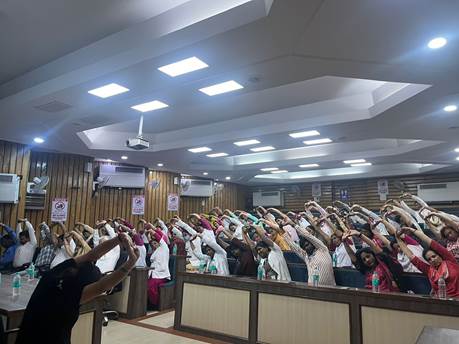
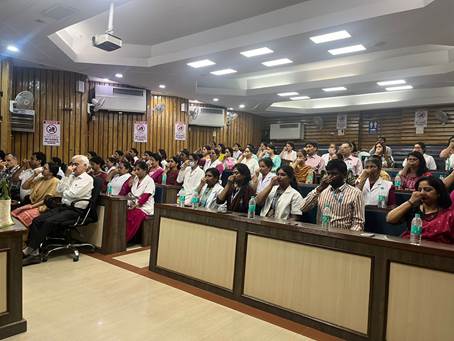
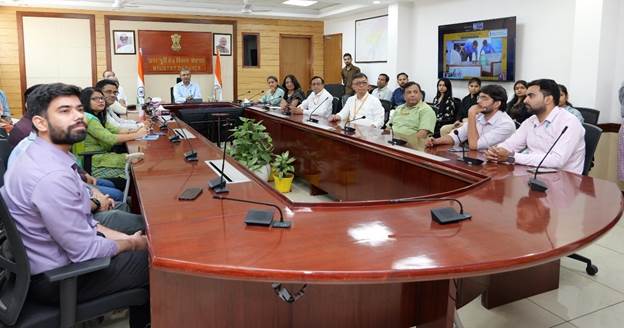
 The Yoga and Naturopathy OPD & Lifestyle Intervention Centre at Safdarjung Hospital, under the Central Council for Research in Yoga and Naturopathy (CCRYN), Ministry of AYUSH, Government of India, successfully organized a seminar titled “Integrating Yoga into Medical Practice to Enhance Well-Being of Patients and Healthcare Providers.”

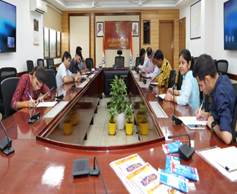
The seminar brought together distinguished experts from the fields of yoga, healthcare, and research to explore the multifaceted benefits of incorporating yoga into medical practices. The event was attended by around 85 medical professionals from Safdarjung Hospital, including Dr Jayanthi Mani Additional Medical Superintendent , Dr R P Arora ams, Dr Gaurav Arora AMS , allopathy doctors, residents, nursing staff, healthcare administrators, and doctors from the AYUSH department, stated Dr Sujatha George Yoga & Naturopathy Senior Consultant Physician.


Key highlights of the seminar included:

•  Evidence-based insights into the physiological and psychological benefits of yoga, presented by esteemed speakers such as Dr. Ragavendra Rao, Director of CCRYN.

•  Discussions on collaborative research opportunities between researchers and practitioners to further validate and expand the use of yoga in medical settings.

•  A practical session on “Healthy Lifestyle Practices & Yoga for Healthcare Professionals,” highlighting the importance of yoga for reducing burnout and improving mental health among healthcare providers was taken by Dr Athiray K.R.

•  Introduction of the “Y-Break” initiative, a short, guided yoga session designed for the workplace by the Ministry of AYUSH, to promote mental and physical health among employees.

******

For the first time in last six decades, a Prime Minister has got the third term

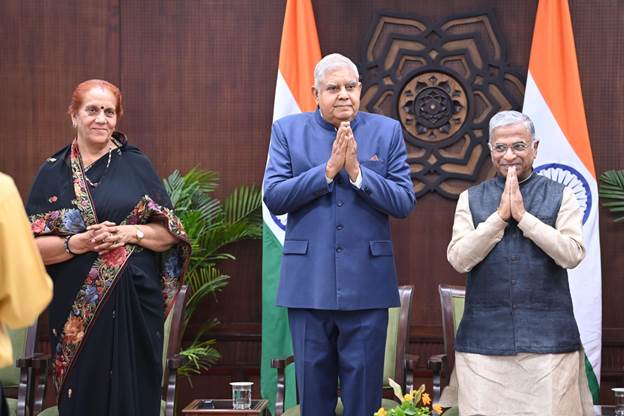
 The Vice-President, Shri Jagdeep Dhankhar today acknowledged the historical significance of the Government’s third term, unprecedented in last six decades. Emphasising the rarity of such an accomplishment, he stated “It is for the first time since 1962 that a Prime Minister has got a third term”.

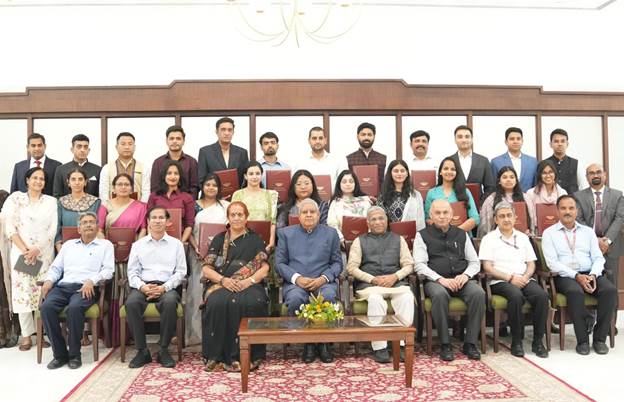
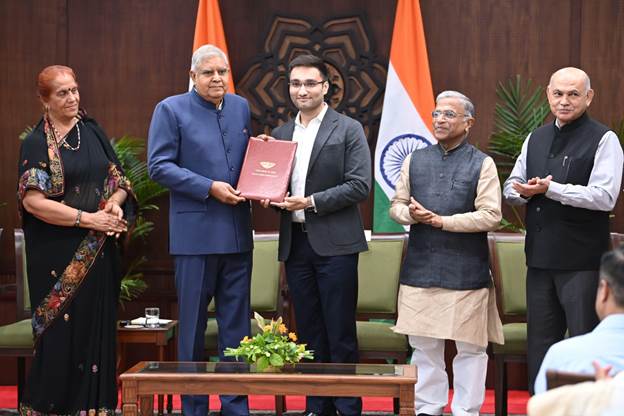
Addressing the participants of the Rajya Sabha Internship Programme at Vice President’s enclave, Shri Dhankhar urged the interns to harness the power of social media to express their views and remain vigilant against pernicious tendencies in democracy. Emphasizing the role of constructive debate, dialogue and discussion in the Parliament for positive growth, Shri Dhankhar urged the interns to mobilize public opinion if they see any deviation from these principles.

He further exhorted that Bharat is not a sleeping giant, instead we are a country on move that is rising every day and every moment. Emphasizing the significance of consulting the Indian Constitution for clarity, Shri Dhankhar advised the interns to text of Indian Constitution whenever in doubt about.

Describing the internship programme as a “Parliamentary Startup” that would provide a new direction and urge to engage with the country’s democratic processes, Shri Dhankhar highlighted how citizens can indirectly participate and raise public issues through petitions, without being a member of Parliament.

Dr Sudesh Dhankhar, Deputy Chairman, Rajya Sabha Shri Harivansh, Secretary General, Rajya Sabha Shri P.C. Mody, Secretary to the Vice President, Shri Sunil Kumar Gupta, Secretary Rajya Sabha, Shri Rajit Punhani and other senior officials were present.


******

Shri Narendra Modi has been elected as Leader of the BJP Parliamentary Party

 A delegation of the National Democratic Alliance (NDA) led by Shri J. P. Nadda, President, Bharatiya Janata Party (BJP) called on the President at Rashtrapati Bhavan today at 2.30 PM and handed over a letter stating that Shri Narendra Modi has been elected as Leader of the BJP Parliamentary Party. Letters of support from NDA constituent parties were also handed over to the President. The other members of the delegation were Shri Rajnath Singh, Shri Amit Shah, Shri Ashwini Vaishnaw and Dr. C.N. Manjunath from BJP; Shri N. Chandrababu Naidu from Telugu Desam Party; Shri Nitish Kumar, Shri Rajiv Ranjan Singh (Lalan Singh) and Shri Sanjay Jha from Janata Dal (United); Shri Eknath Shinde from Shiv Sena; Shri H.D. Kumaraswamy from Janata Dal (Secular);  Shri Chirag Paswan from Lok Janshakti Party (Ram Vilas); Shri Jitan Ram Manjhi from Hindustani Awam Morcha (Secular); Shri Pawan Kalyan from Janasena; Shri Ajit Pawar from Nationalist Congress Party; Smt. Anupriya Patel from Apna Dal (Soneylal); Shri Jayant Chaudhary from Rashtriya Lok Dal; Shri Joyanta Basumatary from United People’s Party Liberal; Shri Atul Bora from Asom Gana Parishad; Shri Indra Hang Subba from Sikkim Krantikari Morcha; Shri Sudesh Mahto and Shri Chandra Prakash Choudhary from All Jharkhand Students Union; and Shri Ramdas Athawale from Republican Party of India (A).

The President, having satisfied herself on the basis of the various letters of support received, that the BJP-led NDA alliance, which is also the largest pre-election alliance, is in a position to command majority support of the newly constituted 18th Lok Sabha and to form a stable government, appointed Shri Narendra Modi as the Prime Minister of India exercising powers vested in her under Article 75(1) of the Constitution of India.

The President requested Shri Narendra Modi to indicate the date and time of the swearing-in-ceremony to be held at Rashtrapati Bhavan and also advise her about the names of other persons to be appointed as members of the Union Council of Ministers.

********

Content Writing Internship Opportunity at Track2Training NGO

 Are you passionate about making a positive impact through your words? Do you have a knack for crafting compelling content that resonates with audiences? If so, Track2Training NGO has an exciting opportunity for you!

About Track2Training NGO:
Track2Training is a non-profit organization dedicated to empowering individuals through education and skill development. Our mission is to provide accessible learning opportunities to underprivileged communities, enabling them to realize their full potential and contribute meaningfully to society.

Internship Overview:
We are seeking enthusiastic and creative individuals to join our team as Content Writing Interns. This internship offers a unique opportunity to gain hands-on experience in crafting impactful content for various platforms, including social media, blogs, newsletters, and more.

Responsibilities:

  • Researching relevant topics and trends in education, skill development, and social impact.
  • Writing engaging and informative content for our website, social media channels, and other communication channels.
  • Collaborating with team members to develop content strategies and campaigns.
  • Proofreading and editing content to ensure clarity, accuracy, and consistency.
  • Assisting with content distribution and promotion efforts to reach our target audience effectively.

Qualifications:

  • Strong writing skills with impeccable grammar and attention to detail.
  • Passion for social impact and a desire to make a difference in the community.
  • Ability to conduct research and distill complex information into clear, concise content.
  • Creativity and a willingness to think outside the box.
  • Proficiency in MS Office suite and familiarity with content management systems (CMS) is a plus.
  • Previous experience in content writing, blogging, or digital marketing is preferred but not required.

Benefits:

  • Gain practical experience in content creation and digital marketing.
  • Work closely with a supportive team dedicated to making a positive impact.
  • Flexible hours and the opportunity to work remotely.
  • Certificate of completion and letter of recommendation upon successful internship.

How to Apply:
Interested candidates should submit their resume and a writing sample showcasing their ability to craft engaging content to [contact email]. Please include “Content Writing Internship Application” in the subject line.

Don’t miss this chance to use your writing skills for a meaningful cause! Join us in our mission to empower individuals and transform communities through education and skill development. Apply now and be a part of the Track2Training team!

The Economic Benefits of Investing in a Home Sauna

The Economic Benefits of Investing in a Home Sauna

Introduction to Home Saunas

Home saunas have become a popular addition for those looking to enhance their wellness routines and improve their living spaces. These installations not only provide numerous health benefits but also offer significant economic advantages. From saving on healthcare costs to boosting property value, investing in a home sauna can be a smart financial decision. If you’re considering this investment, buy barrel sauna;to experience the perfect blend of luxury and health benefits.

R9lgNLc6muhtYD10qnYv604WCNg6M0eDX_OCpSiVqdO6xLL-3hyOynBXL0MkDcV0adyVigwGC6JwhW4A5qtsfZkNn2NmotaEQpmPS965bNb4LKyswAkxz7yp-p0USmYpVL-oPnQW36X99R_ATd0LbrA

Cost Savings on Health and Wellness

One of the primary economic benefits of owning a home sauna is the potential reduction in medical expenses. Regular sauna use has been shown to improve cardiovascular health, aid in detoxification, and alleviate symptoms of chronic conditions such as arthritis and respiratory issues. By enhancing your physical health, you may find yourself visiting the doctor less often and spending less on medications.

Additionally, the mental health benefits of sauna therapy are substantial. Regular sessions can reduce stress, anxiety, and depression, which can, in turn, lower the costs associated with mental health care. By investing in a home sauna, you’re investing in your overall well-being, which can lead to fewer healthcare expenses over time.

Increased Property Value

A home sauna can significantly increase the value of your property. Potential buyers often view a sauna as a luxurious and desirable feature, making your home more appealing on the market. Compared to other home improvement projects, such as kitchen remodels or swimming pool installations, a sauna can offer a higher return on investment.

Real estate trends show that wellness amenities are becoming increasingly popular among homebuyers. By adding a home sauna, you’re not only enhancing your current living experience but also making a smart investment for the future.

Energy Efficiency and Cost-Effectiveness

Modern sauna technology has come a long way, with many models designed to be energy-efficient and cost-effective. Infrared saunas, in particular, are known for their lower energy consumption compared to traditional saunas. These saunas heat the body directly rather than heating the air, resulting in significant energy savings.

Over time, the reduced utility bills can add up, making your sauna a cost-effective addition to your home. By choosing an energy-efficient model, you’re not only saving money but also contributing to a more sustainable lifestyle.

Productivity and Performance Benefits

For business leaders and entrepreneurs, a home sauna can be a game-changer. The stress relief and mental clarity gained from regular sauna sessions can enhance productivity and performance. When working from home, having a personal wellness space can help maintain a balance between work and relaxation, leading to better overall job performance.

The benefits of a home sauna extend beyond physical health — they also contribute to mental well-being and cognitive function. By incorporating sauna sessions into your routine, you can experience a noticeable improvement in your professional life.

Tax Incentives and Financial Benefits

w2pRPURx2FbcY3OQ0vNDhwBnMSFRG4zkryCBvajpGlLY2hLgct7j4uM9B-bwosYMRMdwLEkB8Vim0FtXBCIMwYtuDOdoLgsm4po22z32md_y2rCeWF4YHljGigzB5jB5wmCyps-JJfNGMNaFW5gUz1w

Homeowners may be eligible for tax incentives when investing in a home sauna. Certain home improvements that contribute to energy efficiency or health and wellness can qualify for tax deductions. It’s worth consulting with a tax professional to explore the potential financial benefits specific to your situation.

Financing options are also available for those looking to install a home sauna. Many manufacturers and retailers offer financing plans that make it easier to manage the upfront costs. When considering the long-term savings on healthcare and utility bills, the return on investment for a home sauna can be quite attractive.

Case Studies and Testimonials

Hearing from other homeowners who have invested in a home sauna can provide valuable insights into the economic benefits. For example, John from New York shared how his sauna has helped reduce his medical expenses and increased the value of his home by $15,000. Similarly, Lisa from California noted a significant decrease in her stress levels, leading to better productivity at work.

These real-life examples highlight the practical benefits of owning a home sauna. Testimonials from satisfied customers can offer reassurance and confidence in making this investment.

Top Sauna Brands for Home Investment

When considering a home sauna, it’s essential to choose a reputable brand known for quality and durability. We Are Sauna offers a selection of top sauna brands, including ALEKO, Dundalk Leisurecraft, Finnleo, Finnmark, Harvia, Homecraft, HUUM, SaunaLife, Scandia, and Therasage. Each brand has its unique features and benefits, ensuring that there’s a perfect option for every homeowner.

Conclusion

Investing in a home sauna offers numerous economic benefits, from cost savings on healthcare and energy bills to increasing your property value. By enhancing both physical and mental well-being, a home sauna can improve your quality of life and provide a substantial return on investment. Whether you’re looking to boost productivity, enhance your home’s value, or simply enjoy the luxurious experience of a sauna, this investment is one that pays off in many ways.

Importance of Publishing Research Reports with ISBN before Sharing

Daily writing prompt
Describe one simple thing you do that brings joy to your life.

Publishing a research report with an ISBN (International Standard Book Number) and then uploading it to academic networking sites such as ResearchGate, Academia.edu, or Eduindex can significantly enhance the visibility, credibility, and impact of your work. Here are the key reasons for the importance of this practice:

Importance of Publishing with an ISBN

  1. Credibility and Professional Recognition:
    • Standardization: An ISBN provides a unique identifier that distinguishes your publication from others, making it easily recognizable and credible.
    • Cataloging: Libraries, bookstores, and online platforms use ISBNs for cataloging, ensuring your work is systematically recorded and accessible.
  2. Accessibility and Distribution:
    • Global Reach: ISBNs facilitate the inclusion of your work in international bibliographic databases, increasing its accessibility to a global audience.
    • Availability: With an ISBN, your research report can be distributed through various channels, including bookstores and online retailers.
  3. Protection of Intellectual Property:
    • Ownership: Having an ISBN helps in establishing and protecting your intellectual property rights, clearly identifying you as the author.
    • Tracking: ISBNs allow for efficient tracking and management of your publication’s sales and distribution.
  4. Academic Recognition:
    • Institutional Acknowledgment: Many academic institutions and funding bodies require ISBNs for publications to be considered in evaluations and reports.
    • Citation and Referencing: ISBNs make it easier for others to cite and reference your work accurately.

Importance of Uploading on ResearchGate, Academia.edu, or Eduindex

  1. Enhanced Visibility and Reach:
    • Broad Audience: These platforms have large user bases, including academics, researchers, and professionals, providing a wide audience for your work.
    • Discoverability: Uploading your research to these platforms increases the chances of your work being discovered by others in your field.
  2. Networking and Collaboration:
    • Community Engagement: These platforms enable you to connect with peers, engage in discussions, and collaborate on future research projects.
    • Feedback and Interaction: You can receive feedback on your work, engage in scholarly discussions, and build a network of collaborators and followers.
  3. Metrics and Impact:
    • Analytics: These platforms provide analytics on how many times your work has been viewed, downloaded, and cited, giving you insights into its impact.
    • Altmetrics: Alternative metrics can show how your work is being discussed and shared on social media and other platforms, contributing to your academic reputation.
  4. Open Access and Dissemination:
    • Free Access: By uploading your work to these platforms, you ensure it is freely accessible to anyone with an internet connection, promoting open access to knowledge.
    • Dissemination: The ease of sharing and disseminating your work on these platforms helps in spreading your research findings more widely and quickly.

Combining Both Practices

  1. Maximized Reach and Credibility:
    • By publishing your research report with an ISBN and then uploading it to academic networking sites, you combine the formal recognition and accessibility of traditional publishing with the broad reach and interactive potential of digital platforms.
  2. Comprehensive Impact:
    • This approach ensures your work is available in libraries and bookstores while also being discoverable and shareable online, maximizing its potential impact and readership.
  3. Professional and Academic Benefits:
    • Enhancing both the visibility and credibility of your work can lead to more citations, collaborations, and opportunities within your academic and professional community.

Practical Steps

  1. Obtain an ISBN:
    • Contact an ISBN agency in your country to obtain a unique ISBN for your research report.
  2. Publish and Distribute:
    • Publish your research report through an academic publisher or self-publishing platform that assigns ISBNs, ensuring it is available in print and digital formats.
  3. Upload to Academic Platforms:
    • Create accounts on ResearchGate, Academia.edu, and Eduindex, and upload your research report. Include the ISBN in the metadata and description to enhance discoverability.
  4. Promote Your Work:
    • Share links to your work on social media, academic forums, and professional networks to increase its visibility and impact.

By following these steps, you ensure that your research receives the recognition, accessibility, and impact it deserves, benefiting both your academic career and the wider scholarly community.

Opportunities for African Scholars in India

 India offers a myriad of opportunities for African scholars, leveraging its robust educational infrastructure, diverse academic programs, and a commitment to fostering international collaboration. These opportunities span across scholarships, academic exchange programs, research collaborations, and professional development initiatives. Below is an overview of the key opportunities available for African scholars in India:


1. Scholarships and Fellowships

a. Indian Council for Cultural Relations (ICCR) Scholarships

  • Overview: ICCR offers various scholarships to African students under the Africa Scholarship Scheme, enabling them to pursue undergraduate, postgraduate, and doctoral studies in Indian universities.
  • Fields of Study: Covers a wide range of disciplines including engineering, humanities, sciences, and arts.
  • Benefits: Includes tuition fees, living allowances, and travel expenses.

b. Study in India (SII) Program

  • Overview: An initiative by the Government of India to attract international students from various countries, including those in Africa.
  • Features: Offers scholarships and admissions to top Indian institutions.
  • Focus Areas: Includes technical education, management, humanities, and social sciences.

c. C.V. Raman International Fellowship for African Researchers

  • Overview: Sponsored by the Department of Science and Technology (DST), Government of India, this fellowship aims to foster scientific cooperation.
  • Benefits: Covers fellowships for postdoctoral research, visiting scientists, and senior researchers.
  • Research Areas: Encompasses fields like science, technology, and innovation.

2. Academic Exchange Programs

a. India-Africa Forum Summit Initiatives

  • Objective: To enhance educational cooperation between India and African nations.
  • Activities: Includes faculty exchange, joint research projects, and institutional partnerships.
  • Impact: Promotes academic and cultural exchange, enriching the educational experience for African scholars in India.

b. Bilateral Agreements

  • Overview: Several African countries have bilateral agreements with India to facilitate student and faculty exchanges.
  • Features: Provides opportunities for African students to study in India and for Indian students to study in Africa.
  • Fields of Collaboration: Includes agriculture, medicine, engineering, and environmental studies.

3. Research Collaborations

a. Indo-African Research Collaboration

  • Initiative: Promoted by the Government of India, focusing on collaborative research projects between Indian and African institutions.
  • Research Areas: Spans across biotechnology, information technology, renewable energy, and more.
  • Funding: Jointly funded by Indian and African governments or institutions.

b. Partnerships with Indian Institutes of Technology (IITs) and Indian Institutes of Management (IIMs)

  • Scope: IITs and IIMs often engage in international research collaborations, providing opportunities for African scholars to participate in cutting-edge research.
  • Benefits: Access to world-class research facilities, joint publications, and potential for innovation and technology transfer.

4. Professional Development and Training

a. Indian Technical and Economic Cooperation (ITEC) Program

  • Objective: To provide technical training and capacity building to professionals from developing countries, including Africa.
  • Programs Offered: Short-term training courses, workshops, and seminars in various fields such as IT, engineering, and management.
  • Benefits: Covers training costs, travel expenses, and accommodation.

b. Skill Development Initiatives

  • Focus: Enhancing skills in areas like healthcare, agriculture, and entrepreneurship.
  • Programs: Includes hands-on training, internships, and industry-academia collaborations.
  • Impact: Equips African scholars with practical skills and knowledge applicable to their home countries.

5. Higher Education Institutions and Special Programs

a. Jawaharlal Nehru University (JNU) and University of Delhi

  • Programs: Offer various undergraduate, postgraduate, and doctoral programs with a strong focus on international students.
  • Support Services: Provide dedicated international student offices to assist with admissions, visa processes, and integration.

b. Specialized Centers and Programs

  • Example: The African Studies Centre at JNU, which promotes research and academic exchange focused on African studies.
  • Activities: Includes conferences, seminars, and collaborative research projects.

Conclusion

India provides a diverse array of opportunities for African scholars, fostering academic growth, research collaboration, and professional development. Through scholarships, exchange programs, and research initiatives, India not only enhances the educational landscape for African scholars but also strengthens the ties between India and African nations. These opportunities empower African scholars to gain valuable knowledge and skills, contributing to their personal and professional growth and fostering a global exchange of ideas and innovations.

Commandant, College of Defence Management, Secunderabad

 Maj Gen Harsh Chhibber took over as the Commandant, College of Defence Management, Secunderabad on 31 May 24 from Rear Admiral Sanjay Datt. An alumnus of the National Defence Academy, Major General Harsh Chhibber was commissioned into the Army Service Corps in December 1988.

Maj Gen Harsh Chhibber holds a Doctor of Philosophy (PhD) on Public Policy along with two M.Phil degrees in Business Management and Public Administration. He has also undertaken Technical Staff Officers Course (TSOC), Higher Defence Management Course (HDMC), and the Advanced Professional Programme in Public Administration (APPPA).

Major General Chhibber’s military experience encompasses various important assignments in Eastern, Northern and Western Sectors including command of the Para ASC company, an ASC Battalion and the ASC Training Centre. He has been Brigadier General Staff (Information System) in Eastern Sector and Major General (Operational Logistics) in Northern Sector. He has also served as an instructor at the Army Service Corps Centre and College and as the Directing Staff and Head of the Financial Management Department at College of Defence Management. Software applications developed and implemented by him are in use in a large number of units.

***

Keep the wheels of democracy spinning as voting for the 18th Lok Sabha election

 India has made history today. Starting on the 19th of April with commencement of voting in phase 1 and spread over 7 phases, polling for General Election 2024 concluded today. Indian voters have given their most cherished right to vote for the constitution of the 18th Lok Sabha. Indian democracy and Indian elections have again done the magic. The great Indian voters, irrespective of their caste, creed, religion, socio-economic and educational background have done it once again. The real winner, indeed is the Indian voter.

Chief Election Commissioner Shri Rajiv Kumar along with Election Commissioners Shri Gyanesh Kumar and Dr. Sukhbir Singh Sandhu and ECI family are deeply humbled by the voters, who made it to the polling station overcoming many challenges and dilemmas they might have. The Commission, with all sincerity, wishes to place on record its thanks and appreciation to all voters. Through their emphatic participation, the voters have risen to the trust reposed by the founders of the Indian constitution, when they handed over the power of suffrage to the ordinary Indian. The massive participation in the democratic exercise reaffirms the democratic ethos and spirit of India.

ECI also expresses its gratitude to the entire election machinery including security forces for their dedication and commitment in providing smooth, peaceful and festive environment to voters across the country, braving tough weather, logistical challenges like tough terrains and managing law and order in a diverse demography.

The Commission also thanks all political parties and candidates which are a critical pivot of the Indian elections.

Commission is also thankful to the print, electronic and digital media for their contribution. The Commission has always considered media as an ally for a free and fair elections.

The importance of votes cast by centenarians, elderly, persons with disabilities, and transgenders are an inspiration to many, especially the youngsters

who will take forward the democracy further. ECI aspires that India’s next generation voters will take this participation to even greater heights.

The collective efforts of voters, political parties, candidates, election personnel and security forces during polling have strengthened Indian democracy, deserving great respect and appreciation. We, the people have kept the wheels of democracy spinning, thanks to collective efforts.

***

Ministry of Jal Shakti announces Mass Communication Internship Programme

 The Department of Water Resources, River Development and Ganga Rejuvenation (DoWR, RD, GR), under Ministry of Jal Shakti, has announced Mass Communication Internship Programme. It seeks to engage students pursuing Graduate / Post Graduate Degrees or are Research Scholars enrolled in recognized University/Institution in the field of Mass Communication in India, as interns.

The Internship Programme allows short term exposure to the selected candidates to be associated with the Department’s work related to media/social media activities. Students who have completed their graduation in mass communication or Journalism or related fields or the students who are pursuing their PG or Diploma (subject to completion of graduation in mass communication or related field) in the aforesaid fields from any recognized college/university are eligible, subject to conditions as mentioned in the Guidelines.

The duration of the internship will be of six to nine months. An honorarium of Rs.15,000/- per month and a certificate of internship will be given to the selected candidates on successfully completion of internship programme. The last date to apply is 29th June, 2024. Those interested in applying for the internship can apply only through online form, which is accessible at https://mowr.nic.in/internship/ . For other details, access at: https://jalshakti-dowr.gov.in/ .

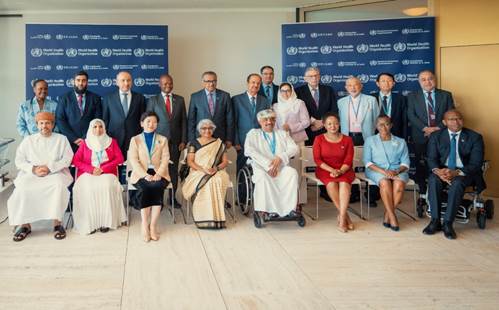
NIMHANS bags the Nelson Mandela Award for Health Promotion for 2024 by the World Health Organization


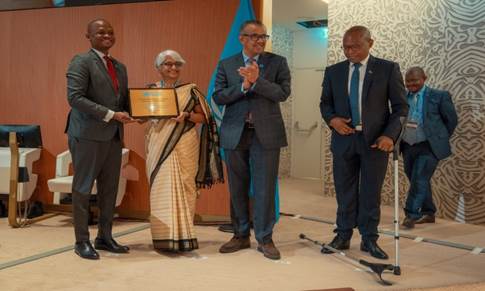
National Institute of Mental Health & Neuro Sciences (NIMHANS), Bengaluru, an Institute of National Importance under the Ministry of Health and Family Welfare, Government of India has been awarded with the Nelson Mandela Award for Health Promotion for 2024 by the World Health Organization (WHO).


The Nelson Mandela Award for Health Promotion, established by WHO in 2019, recognizes individuals, institutions and/or governmental or non-governmental organizations that have demonstrated remarkable contributions to health promotion.

Union Health Minister, Dr Mansukh Mandaviya congratulated NIMHANS on being conferred with this award. He stated that it is “a recognition of India’s efforts in inclusive healthcare.”

Shri Apurva Chandra, Union Health Secretary expressed his happiness at the recognition of India’s efforts and pioneering work in the field of mental health and congratulated NIMHANS for this achievement.


“We are immensely proud to receive the prestigious Nelson Mandela Award for Health Promotion at this juncture of our institutional journey,” said Dr. Pratima Murthy, Director, NIMHANS. “This award is not only a recognition of our past and present achievements but also a validation to the enduring legacy and vision that has guided NIMHANS since its inception. It reinforces our resolve to continue our mission of promoting mental health and well-being – making a tangible difference in the lives of those we serve”, she stated.


The award is a testament to NIMHANS’ dedication and outstanding contributions to promoting mental health and well-being. NIMHANS has been at the forefront of mental health and neurosciences, championing innovative approaches to research, education, and patient care. It has been instrumental in initiating and implementing avant-garde mental health programs that address the needs of diverse populations. Its efforts in integrating mental health care into general health care, developing community-based strategies, and pioneering digital health interventions have been recognized globally.

This accolade arrives at a particularly momentous time for NIMHANS, as the Institute celebrates 50 years of its formation and the 70th anniversary of its precursor, the All India Institute of Mental Health (AIIMH). As NIMHANS marks the dual milestone, the award holds special significance, highlighting the Institute’s rich legacy and continuous evolution in the field of mental health and neurosciences.

India has made major strides in the field of mental health in recent times. Mental Health Units are supported in almost all districts of the country today through the National Health Mission. India’s national tele mental health helpline, Tele MANAS, which was launched on 10th Oct 2022 also recently achieved the landmark of having handled 10 lakh calls.


Ms. Hekali Zhimomi, Addl. Secretary, Union Health Ministry and other senior officials of the Union Health Ministry were present on the occasion.


****

World No Tobacco Day 2024

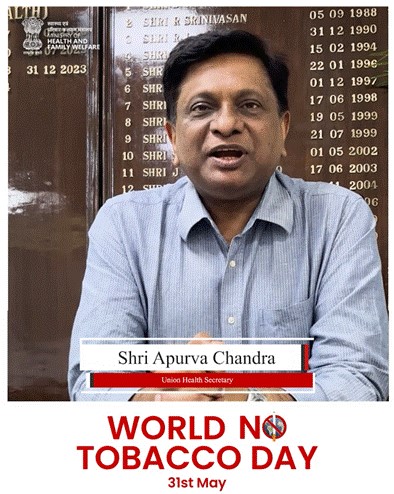
 The Ministry of Health and Family Welfare, Government of India, organized an event today to observe World No Tobacco Day 2024. This year’s theme, “Protecting Children from Tobacco Industry Interference,” underscores the urgent need to shield youth from the detrimental influences of tobacco consumption. Union Health Secretary Shri Apurva Chandra addressed the event through a video message, focusing on the devastating impact of tobacco use. He emphasized the Government’s  proactive stance, implementing measures across various levels—local, national, regional, and global—to significantly reduce tobacco prevalence and exposure to tobacco smoke, thereby fostering healthier communities. The message can be viewed here:

Speaking on the occasion, he reiterated India’s unwavering commitment to safeguarding current and future generations from the major health, social, environmental, and economic harms associated with tobacco use. He highlighted how India’s stringent enforcement of the WHO Framework Convention on Tobacco Control has yielded noticeable results, citing tangible outcomes evidenced by the tobacco surveillance and monitoring mechanisms in place.

Furthermore, he unveiled the key focus areas for tobacco control initiatives in 2024, which include strict enforcement of India’s National Tobacco Control Law – COTPA 2003, intensified public awareness campaigns, increasing tobacco-free educational institutions, and establishing tobacco-free villages nationwide.

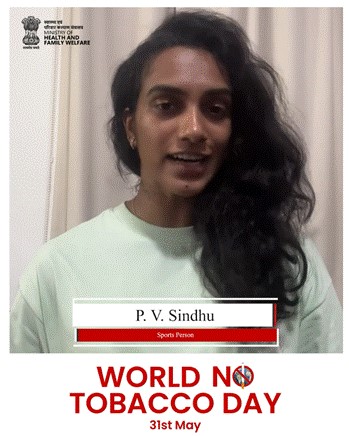
To motivate young children and youth to steer clear of tobacco in all forms, Indian badminton maestro Ms. PV Sindhu was designated as the brand ambassador for Tobacco Control today. In a compelling video message, Ms. Sindhu urged everyone to unite in the campaign against tobacco use, encouraging individuals to lead a tobacco-free life and embrace healthier choices today for a better tomorrow. Her message can be accessed here:

Smt. V. Hekali Zhimomi, Additional Secretary of the Ministry of Health & Family Welfare, stated that in 2023, the Government of India extended the TV and Film rules to OTT platforms on the official gazette and is the first country globally to regulate anti-tobacco warnings on streaming or OTT media platforms.

Prof. Dr. Atul Goel, Director General of Health Services, emphasized the urgent need for innovative strategies to educate youth about the harmful effects of tobacco use from an early age. He highlighted the importance of curbing tobacco advertising and engaging more influencers to spread awareness. Dr. Goel called for individual participation in raising awareness and urged a thorough examination of all health concerns associated with tobacco consumption.

Dr. Roderico Ofrin, WHO Representative to India, commended India’s leadership in tobacco control, highlighting its pioneering role in regulating tobacco depiction on OTT platforms and its policy on the prohibition of e-cigarettes. He urged for collective efforts to protect future generations from the adverse effects of tobacco consumption by raising public awareness and safeguarding tobacco control policies from industry influences.

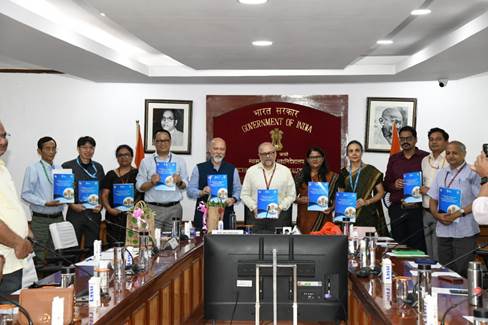
Operational Guidelines for Establishing Tobacco Cessation Centres in Medical Institutions was also unveiled. The initiative aims to educate and sensitize medical students about tobacco cessation, aligning with the guidelines set by the National Medical Commission to train graduates in holistic medicine. By offering these cessation services, medical institutions aim to substantially boost quit rates among tobacco users, thereby fortifying the overall healthcare system. The integration of tobacco cessation clinics into medical and other healthcare institutions will contribute to the universalization of cessation services and strengthen the health system as a whole.

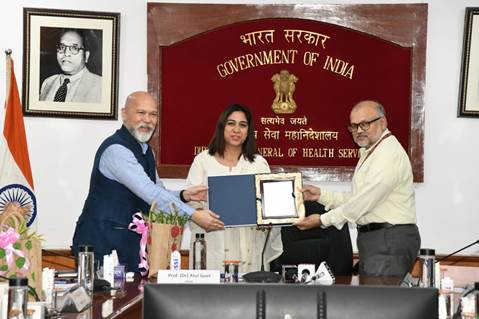
During the event, awardees of the WHO World No Tobacco Day 2024 Award were felicitated. The WHO WNTD Award for 2024 was presented to the State Tobacco Control Cell, Odisha and the Regional Director’s Special Recognition Award for 2024 was presented to Dr. Mir Mushtaq Ahmad, Nodal Officer Kashmir, National Tobacco Control Program and the Generation Saviour Association, Punjab. The awards are given annually by WHO on a nomination basis to individuals or organizations for their accomplishments in tobacco control.

The Ministry of Health & Family Welfare has enabled an online “No Tobacco Pledge” through the MyGov platform. States, Union Territories, and all stakeholders have been encouraged to disseminate the pledge widely and encourage maximum participation in the No Tobacco Pledge campaign starting from May 31. All the participants, including the Ministry of Health & Family Welfare, State Government officers, and partner organizations, took a “No Tobacco Pledge”.

Link for No Tobacco Pledge: https://pledge.mygov.in/no-tobacco-2024/

Under the National Oral Health Programme, an oral screening and tobacco cessation camp was also organized at Nirman Bhawan by the National Resource Centre for Oral Potentially Malignant Disorder (OPMD Hub) of the Lady Hardinge Medical College.

Dr. L. Swasticharan, Addl. DDG, Dte. GHS, Dr. Poonam Meena, Deputy Secretary (Tobacco Control), Ministry of Health & Family Welfare, and other senior officers of the Ministry of Health & Family Welfare were present on the occasion.


****

India successfully concludes hosting of the 46th Antarctic Treaty Consultative Meeting (ATCM-46) and the 26th Committee on Environmental Protection (CEP-26)

 India successfully concluded hosting of the 46th Antarctic Treaty Consultative Meeting (ATCM-46) and the 26th Committee on Environmental Protection (CEP-26) from May 20th to May 30th, 2024 in Kochi, Kerala.

Shri Kiren Rijiju, Union Minister, Ministry of Earth Sciences and Ministry of Food Processing Industries, announced India’s plan to set up an Antarctic research station, Maitri-II.

The ATCM-46 was held with the overarching theme of Vasudhaiva Kutumbakam, a Sanskrit phrase that means one Earth, one family, one future. This resonates deeply with the Antarctic Treaty System, which promotes peace, scientific cooperation, and the preservation of Antarctica for mankind. ATCM-46 was inaugurated by the Honourable Union Cabinet Minister, Shri Kiren Rijiju, Ambassador Pavan Kapoor, Secretary (West), Ministry of External Affairs and Dr Shailesh Nayak, former Secretary of MoES and Director, National Institute of Advanced Studies, Bengaluru. Ambassador Pankaj Saran, former Deputy Adviser to the National Security Board, was elected as the Chair of the 46th ATCM. Dr Vijay Kumar, Scientist G-Adviser, MoES, was the Head of the Host Country Secretariat.
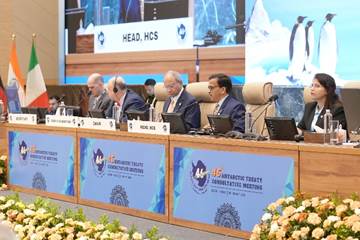


Dr. M. Ravichandran, Secretary, MoES and Head of the Indian delegation (host country), informed that soon India will be submitting comprehensive environmental evaluations for establishing Maitri-II. He said, “The successful hosting of the 46th ATCM and 26th CEP in India underscores our collective resolve to safeguard Antarctica’s unique ecosystems and promote global environmental sustainability. Through dialogue, cooperation, and concerted action, we can ensure that Antarctica remains a beacon of peace, science, and environmental protection for generations to come.”

The ATCM-46 and CEP-26 were hosted by the Ministry of Earth Sciences, Government of India, through the National Centre for Polar and Ocean Research (NCPOR), Goa, with support from the Antarctic Treaty Secretariat headquartered in Argentina. The event witnessed the reaffirmation of the Antarctic Treaty (1959) and the Protocol on Environmental Protection to the Antarctic Treaty (the Madrid Protocol, 1991) by the Parties. The ATCM and CEP are crucial global forums for Antarctic affairs convened annually that set collective and concerted dialogue and action towards preserving one of Earth’s most pristine and fragile ecosystems. An additional working group discussed the development of a tourism framework for the southern white continent this year.

The CEP-26, held from May 20 to 24, 2024, addressed a range of issues and contributed to the implementation of the Environmental Protocol in Antarctica. The Committee agreed to prioritize further work on the management implications of sea ice change, enhancing environmental impact assessment of major activities, protecting the emperor penguin, and developing an international framework for environmental monitoring in Antarctica. Following the advice of the CEP, the Parties adopted 17 revised and new management plans for ASPAs (Antarctic Specially Protected Areas) and several modifications and additions to the list of Historic and Monument sites. The ATCM also encouraged efforts to increase renewable energy use and to ensure robust implementation of biosecurity measures to minimize the risks of Highly Pathogenic Avian Influenza.

To mark the ATCM-46 and CEP-26, NCPOR (MoES) organised several side events. It organized a seminar entitled ‘Changing Antarctic and Challenges Ahead’ jointly with the Korean Polar Research Institute and Polar Cooperation Research Centre, Kobe University, on May 20, 2024, comprising two panel discussions themed ‘Challenges in Antarctic governance’ and ‘Shared responsibilities and commitments for Antarctic future’.
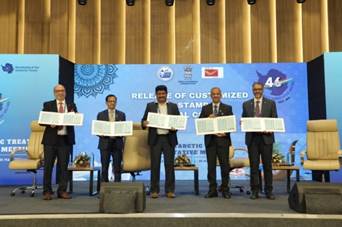
 

The release of a commemorative MyStamp marking the ATCM-46

Mystamp customised with the ATCM-46 logo was released in collaboration with India Post.
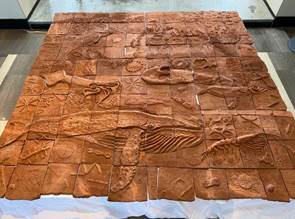
 

A mural depicting species-rich Antarctica designed by school students

A mural themed ‘Species-rich Antarctica’ designed by school children, aimed at enhancing awareness of Antarctica amongst young minds, was unveiled in collaboration with Germany, ASOC, and its partners. A panel discussion on ‘Antarctic Synergy: Driving Scientific Progress through Diplomacy, fostering Cooperation through Research’ was organized as an outreach effort for college students from Kochi, Kerala. Dr. Thamban Meloth, Director, NCPOR, congratulated his team for successfully hosting the high-level Antarctic meetings in Kochi. “Our active and strategic participation in Antarctic affairs, India’s polar programme and its role as host showcased our dedication to fostering global partnerships and advancing the cause of environmental conservation on a global stage,” he said.

The Parties also discussed several important Antarctic matters, including liability, biological prospecting, exchange of information, education and awareness, a multi-year strategic work plan, safety, inspections, science, future science challenges, scientific cooperation, climate change implications, and tourism management, amongst others. A significant outcome was the adoption of a decision to develop an ambitious, comprehensive, flexible, and dynamic framework for regulating tourism and non-governmental activities in Antarctica. The parties also discussed consultative status requests from Canada and Belarus, but no consensus was reached.
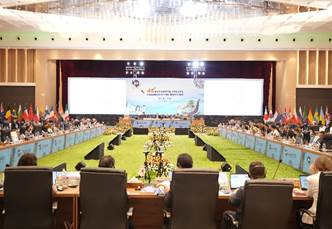
 

Glimpses from the ATCM-46 and CEP-26 in Kochi, Kerala

India hosted 400+ delegates from 56 countries at the global meeting on Antarctic affairs which brought together diplomats, scientists, and experts to discuss a variety of Antarctic matters, including science, policy, governance, logistics, operations, environmental stewardship, etc. The meetings were in-person events with a virtual audience.

***

The Ministry of Development of North Eastern Region (MDoNER) organized Swachhata Pakhwada from 16th May to 31st May 2024

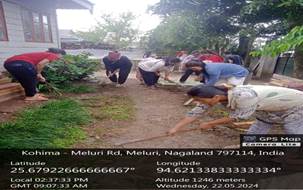
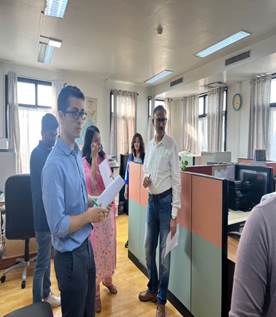
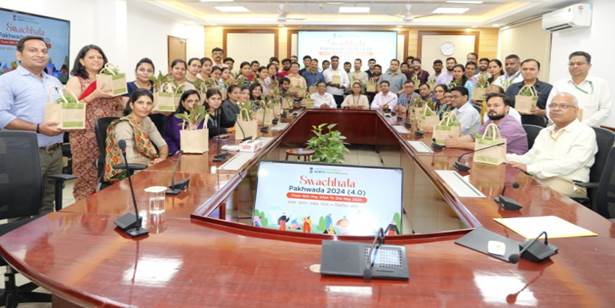
 The Pakhwada started with a Swachhata Pledge by Officers and Staff of MDoNER and Its Organisations, reaffirming their commitment towards cleanliness activities. A comprehensive cleaning of rooms, common spaces, common office equipment, computers, furniture etc. was conducted.  Records which are no longer required as per extant rules were disposed off. The waste material dumped in the backyard of Vigyan Bhawan Annexe was cleared. To create awareness about the importance of Plants, all the officers and staff were given indoor plants.


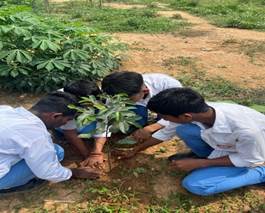
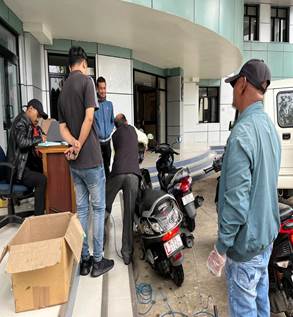
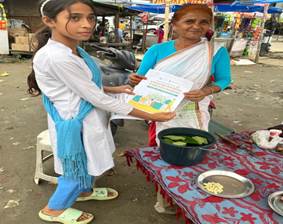
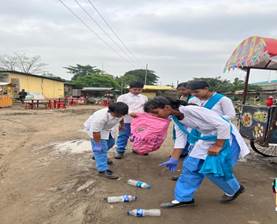
Organizations under MDoNER also distributed plants, Organized  tree plantation drive  in nearby locations, involving local communities and students from schools and colleges. Vehicular Emission testing was done at NEC, Shillong in addition to other activities. NERAMAC, NEDFi and NECBDC also organized similar activities in and around their offices, schools, local Bazars etc.


A workshop was organized by NEHHDC for students to create awareness on crucial environmental issues, particularly focusing on climate change and effective waste management practices. Nukkad Natak was performed emphasizing the critical role of cleanliness in community health and will being in NEHHDC. Wealth from waste competition was also organized at NEHHDC.


The concluding day of Swachhata Pakhwada ended with a prize distribution ceremony, where winners of the essay competition, poster making competition, and slogan writing competition were awarded. Additionally, the top three sections that excelled in Swachhta parameters were recognized and rewarded.

Speaking on the occasion, Secretary, MDoNER expressed his gratitude to the entire team for their enthusiastic participation in the cleanliness drive and advised to make Swachhata a habit and inculcate it in our daily routine. He also appreciated the efforts of  MDoNER’s Organisations which  performed spread swachhata awarness  at many villages and asked them to continue such activities.

Swachhata Pakhwada reflects the MDoNER’s commitment to promoting Swachh Bharat, not only within the organization but also in the wider community. During the Pakhwada, Team MDoNER demonstrated their strong resolve to promote cleanliness, good governance, and dedicated public service, aligning with the vision of a Swachh Bharat.

***

The Importance of Reading Instructions to Authors

Daily writing prompt
What jobs have you had?

In the world of academic publishing, the process of submitting a manuscript can be both thrilling and daunting. Researchers eagerly look forward to contributing their findings to their fields, but the path from manuscript preparation to publication is fraught with challenges. One of the critical steps in this process is thoroughly reading and adhering to the “Instructions to Authors” provided by the journal to which one is submitting. This step, often overlooked or underappreciated, holds paramount importance for several reasons.

Photo by William Fortunato on Pexels.com

1. Ensuring Compliance with Journal Requirements

Each academic journal has specific requirements regarding manuscript format, structure, and style. These requirements cover aspects such as word count, referencing style, section headings, and figure/table formats. By carefully reading the instructions, authors ensure their submissions comply with these guidelines, reducing the risk of immediate rejection on technical grounds. Non-compliance can lead to unnecessary delays as manuscripts are sent back for revisions, thereby elongating the publication process.

2. Enhancing the Quality of Submissions

Instructions to authors often include valuable insights into the journal’s expectations regarding the content and quality of submissions. This might encompass guidance on the level of detail required in the methodology section, the types of data presentation preferred, or the emphasis on novelty and significance of findings. By aligning their manuscripts with these expectations, authors can enhance the quality and relevance of their submissions, increasing the likelihood of acceptance.

3. Streamlining the Review Process

Reviewers play a critical role in the publication process by evaluating the validity, significance, and originality of submissions. When manuscripts adhere to the prescribed format and style, reviewers can focus on the content rather than getting distracted by format inconsistencies or missing elements. This not only facilitates a smoother review process but also portrays the authors as meticulous and professional, potentially influencing reviewers’ perceptions positively.

4. Avoiding Ethical Pitfalls

Ethical considerations are paramount in academic publishing. Journals often have detailed instructions on issues such as authorship criteria, conflicts of interest, ethical approval for studies involving human or animal subjects, and data sharing policies. By thoroughly understanding and adhering to these guidelines, authors can avoid ethical pitfalls that might lead to retractions or damage to their reputations. Properly addressing these aspects upfront demonstrates the authors’ commitment to ethical standards.

5. Efficient Use of Resources

Both authors and journal editorial teams invest significant time and resources in the publication process. Manuscripts that do not conform to submission guidelines can lead to wasted effort on the part of the editorial staff, who must then correspond with authors to rectify issues. For authors, resubmitting corrected versions can be time-consuming. By getting it right the first time, both parties can make more efficient use of their resources, expediting the publication process.

6. Facilitating Communication

Clear and effective communication is the backbone of academic publishing. Journals use their instructions to communicate specific preferences and requirements to authors. By following these instructions, authors respect and reciprocate this communication channel, fostering a positive relationship with the journal’s editorial team. This can be particularly beneficial for future submissions and establishing a long-term rapport with the journal.

Conclusion

In summary, reading and adhering to the instructions to authors is a crucial step in the manuscript submission process. It ensures compliance with journal requirements, enhances the quality of submissions, streamlines the review process, helps avoid ethical issues, makes efficient use of resources, and facilitates clear communication. For researchers aiming to contribute effectively to their fields, paying close attention to these guidelines is not just advisable but essential. By doing so, they can navigate the complex landscape of academic publishing with greater confidence and success.