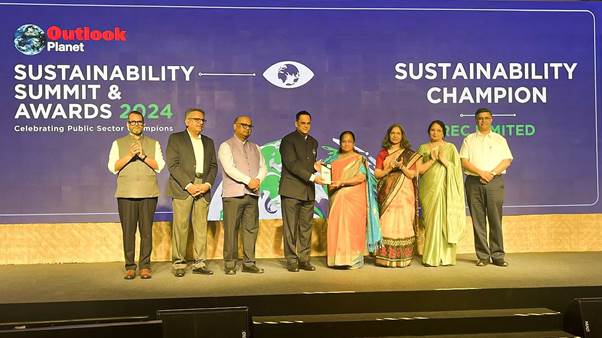
REC wins ‘Sustainability Champion – Editor’s Choice Award’ at Outlook Planet Sustainability Summit & Awards 2024

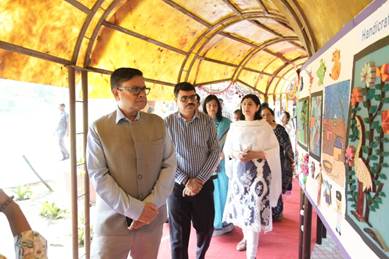
 REC Limited, a Maharatna Central Public Sector Enterprise under the Ministry of Power and a leading NBFC, has been honoured with the ‘Sustainability Champion – Editor’s Choice Award’ at the ‘Outlook Planet Sustainability Summit & Awards 2024’. The Award ceremony was organised by Outlook Group, in collaboration with IIT Goa.

This award recognizes REC’s commitment to sustainability initiatives and its efforts in driving progress towards a greener future. The award highlights the corporation’s pledge to sustainability initiatives, leading the path toward a greener future.

Smt. Saraswathi, Senior General Manager, REC’s Mumbai Office, received the award at an event held in Goa.

REC has been a front-runner in catalysing India’s energy transition. Its plans are intricately aligned with the global thrust towards clean energy sources, and the company remains committed to being the leading financier of India’s energy transition. REC is geared to invest significantly in sustainability initiatives, as reflected in its current loan portfolio of approximately ₹ 38,971 crores under renewable energy. It has set a target of improving the renewables mix to around 30% of projected loan book of about 10 lakh crores by the year 2030.

The Outlook Planet Sustainability Summit & Awards is a prominent platform that brings together industry leaders, policymakers, and sustainability advocates to celebrate and promote excellence in sustainable practices. This year’s summit featured insightful discussions, innovative ideas, and recognized the remarkable achievements of organizations dedicated to sustainability.


About REC Limited


REC is a ‘Maharatna’ company under the administrative control of the Ministry of Power, Government of India, and is registered with RBI as Non-Banking Finance Company (NBFC), Public Financial Institution (PFI) and Infrastructure Financing Company (IFC). REC is financing the entire Power-Infrastructure sector comprising Generation, Transmission, Distribution, Renewable Energy and new technologies like Electric Vehicles, Battery Storage, Pump Storage projects, Green Hydrogen and Green Ammonia projects. More recently, REC Limited has also diversified into the Non-Power Infrastructure sector comprising Roads & Expressways, Metro Rail, Airports, IT Communication, Social and Commercial Infrastructure (Educational Institution, Hospitals), Ports and Electro-Mechanical (E&M) works in respect of various other sectors like Steel and Refinery. REC Limited provides loans of various maturities to State, Central and Private Companies for creation of infrastructure assets in the country.

REC Limited continues to play a key strategic role in the flagship schemes of the Government for the power sector and has been nodal agency for Pradhan Mantri Sahaj Bijli Har Ghar Yojana (SAUBHAGAYA), Deen Dayal Upadhaya Gram Jyoti Yojana (DDUGJY) and National Electricity Fund (NEF) Scheme which resulted in strengthening of last-mile distribution system, 100% village electrification and household electrification in the country. REC has also been made the nodal agency for certain States and Union Territories for the Revamped Distribution Sector Scheme (RDSS). REC has also been given the responsibility of PM Surya Ghar Muft Bijli Yojna. The loan book of REC stands at ₹ 5.09 lakh crores and Net Worth at Rs. ₹ 68,783 crores as on 31 March, 2024.

***

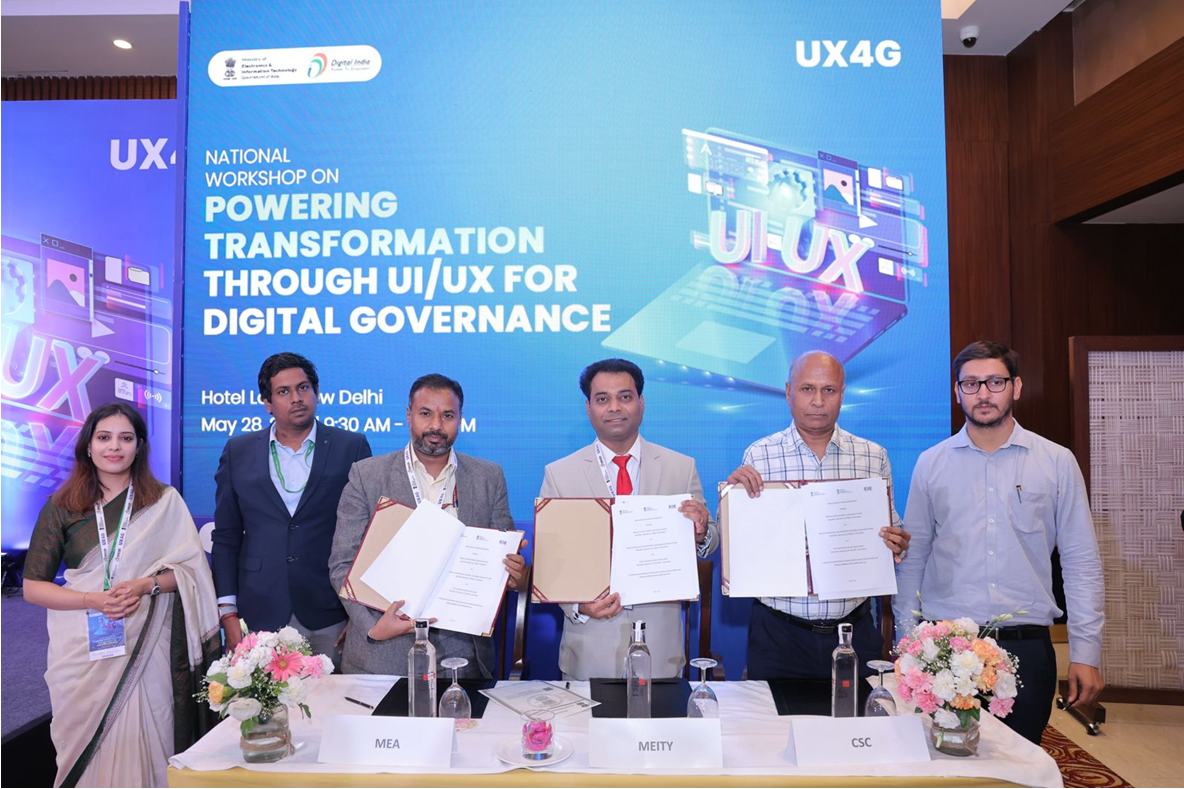
MEA, MeitY and CSC e-Governance Services India Ltd sign MoU to provide eMigrate services through Common Services Centres

 A Memorandum of Understanding (MoU) is entered into between Ministry External Affairs (MEA), Government of India, Ministry of Electronics and Information Technology (MeitY), Government of India and CSC eGovernance Services India Limited to create a synergy between CSC SPV & MEA to provide the eMigrate services through CSCs in the country.

eMigrate project is undertaken to assist mainly the blue-collar workers going to Emigration Check Required (ECR) countries. The project was conceptualized to address issues faced by the migrant workers by making emigration process online seamless and also to bring foreign employers and registered recruitment agents and insurance companies on one common platform aimed at promoting safe and legal migration.

Over the years, the number of Indians going abroad for employment has been increasing as well as the contribution of remittances sent by them has been significant.

The MoU has been signed during the conference of National Workshop on “Powering Transformation through UI/UX for Digital Governance” in the presence of esteemed dignitaries Shri Rajesh Singh, Joint Secretary & Financial Advisor, MeitY; Ms Debjani Ghosh, President, NASSCOM; Shri Amit Agrawal, CEO, UIDAI & DG, NIC and others.

The MoU has been signed by Shri Bramha Kumar, Joint Secretary (OE & PGE) Division, MEA; Shri Sanket Bhondve, Joint Secretary (DigiGov), MeitY and Shri Akshay Jha, COO, CSC eGovernance Services India Limited.

Under this MoU, eMigrate Portal of MEA would be integrated with CSC’s portal, to provide following eMigrate services to the citizens through CSCs:

  1. Facilitate registration of applicants on eMigrate portal through CSCs.
  2. Facilitation of uploading and processing the required documents for the applicants on eMigrate portal through CSCs.
  3. Facilitate and supporting booking for medical and other services required by migrant workers or applicants registered on eMigrate portal through CSC.
  4. Creating awareness about eMigrate services amongst citizens across India.

About CSC SPV:

Common Services Centers (CSCs) are an integral part of the Digital India mission. The CSCs are frontend services delivery points for the delivery of digital services to the citizens, especially in the rural and remote areas across the country. This helps in contributing towards the fulfilment of the vision of Digital India and the Government’s mandate for a digitally and financially inclusive society. Currently, more than 5.50 lakh CSCs are delivering more than 700 digital services to citizens in assisted mode with enhanced ease and convenience. Apart from delivering essential government and public utility services, CSCs also deliver a range of social welfare schemes, financial services, educational courses, skill development courses, healthcare, agriculture services, digital literacy, etc.

The MoU has been signed with an aim of expanding channels of safe & legal migration at grassroots level, with the particular aim of preventing exploitation from unscrupulous elements of Indian citizens when they seek employment overseas.

***

Shri Sanjay Kumar inaugurates Summer Fiesta 2024 at National Bal Bhavan, New Delhi

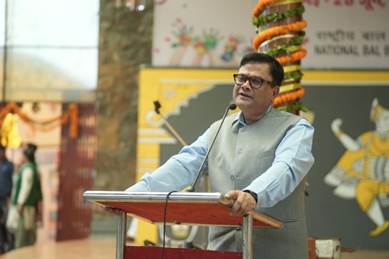
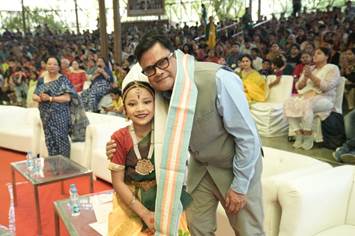
 Shri Sanjay Kumar, Secretary, Department of School Education & Literacy, Ministry of Education, today inaugurated the month-long “Summer Fiesta 2024” at the National Bal Bhavan, New Delhi. Summer Fiesta is a month-long camp comprising over 30 types of different activities for children aged between 5 to 16 years. Shri Vipin Kumar, Additional Secretary (SS-II), Department of School Education & Literacy, Ministry of Education and the Chairman of National Bal Bhavan, and senior officials from the Ministry were also present on the occasion.

Addressing the enthusiastic gathering of children and their parents, Shri Sanjay Kumar emphasized the significance of such interactive and innovative programmes in nurturing young minds. He said that along with academics, these types of extracurricular activities are equally important for children to become successful in the future. Further, he exhorted children to be curious and to explore things around them, which will help in opening their minds.

Summer Fiesta 2024, which runs from 29th May to 28th June 2024, promises a myriad of engaging and innovative activities in the fields of Creative and Performing Arts, Science, and more, ensuring that every child finds something intriguing to explore and learn. During the Summer Fiesta, special workshops and programs will be conducted weekly, including sessions on Odissi dance, Yoga, Calligraphy, Music recitals, Games etc. These workshops are designed to provide children with opportunities to develop and showcase their skills and talents.

The event will also feature eminent artists and guests who will participate in these special programmes, sharing their experiences and delivering captivating performances to inspire the children. The initiative has seen an overwhelming response, with over 2500 children already enrolled in the various workshops and programs. To facilitate easy access for all participants, transportation facilities all over Delhi have also been made available by the National Bal Bhavan.

The National Bal Bhavan, an autonomous body under the Department of School Education and Literacy, Ministry of Education, was established in 1956. It was founded with the vision of fostering learning through thinking, imagination, creativity, and entertaining activities for children.

******

Home Voting for eligible voters extended pan India for the first time in General Elections 2024

 The Election Commission of India has taken massive strides in ensuring inclusivity and accessibility in the General Elections 2024 to ensure that no eligible voter is deprived of their right to vote on account of physical or other barriers. So far, after the conclusion of 6 phases of elections, immense enthusiasm was seen amongst voters of various sections such as Persons with Disabilities, Senior Citizens, Transgenders, PVTGs. Facility for voting from the comfort of home for senior citizens above 85 years of age and PwDs with 40% benchmark disability was extended for the first time on pan India basis in General Elections 2024.


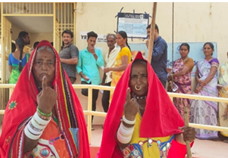
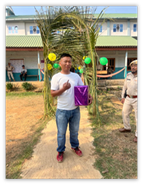
Lambada Tribe at Polling Station of Thiruvur Constituency, Shompen tribe of Great Nicobar voted for the first time in a General Election and Nishi Tribe in Arunachal Pradesh


The concerted efforts, throughout the country under the leadership of Chief Election Commissioner Shri Rajiv Kumar along with Election Commissioners Shri Gyanesh Kumar and Dr Sukhbir Singh Sandhu have seen many success stories from the States/UTs where election has been completed till the Phase 6 of the Lok Sabha Election – 2024. CEC Rajiv Kumar said “It has been the deep founded resolve of the Commission to strive for continuous improvement in the electoral processes setting new standards globally. ECI is determined to make the elections truly reflective of the spirit of plurality and diversity that is the pride of our country. ECI is dedicated to incorporating and deeply integrating the principles and practices of inclusivity and accessibility throughout the entire election process, setting an example before the society for replication everywhere.”
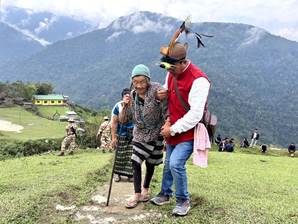
 

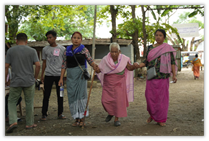
A senior citizen elector on the way to cast her vote in Arunachal Pradesh.


The preparations started two years back with concerted efforts of updation and registration of eligible citizens in the electoral rolls. This was achieved by conducting special registration drives, camps, targeting these categories of voters. ECI has adopted a multipronged strategy to enhance participation amongst communities which are prone to be deprived of their right to vote.

Optional home-voting facility: a first in India’s General Elections draws excellent response

The optional home voting facility marks a paradigm shift in the electoral process and has been made available for the first time in the history of India’s general elections. Any eligible citizen aged 85 and above or with 40% benchmarked disability, can avail the provision of home voting facility through postal ballot in these elections. This facility has received an enthusiastic response from voters. Gratifying scenes of smiling voters and their testimonials voting from the comfort of their homes have flooded social media from all parts of the country. Voting from home takes place with involvement of a full contingent of polling staff and security personnel with secrecy of voting diligently maintained. Agents of candidates are also allowed to accompany polling teams to witness the process.
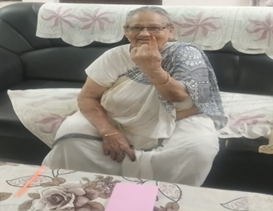
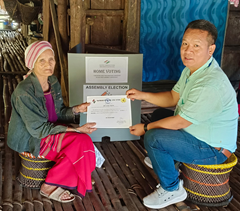
 

Smt. D. Padmavathi, 100 years of age, from Kovvuru Constituency and a Sr. Citizen elector from Arunachal Pradesh
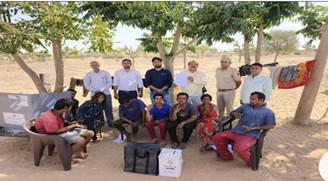
Eight PwD members of same family availing home facility in Churu, Rajasthan.

Bridging barriers: addressing infrastructural requirements for better participation

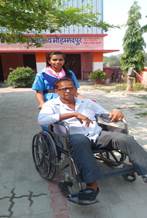
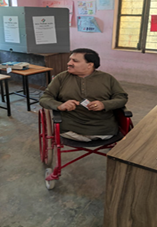
To bridge any infrastructural gaps, ECI ensured that every polling booth is on the ground floor, equipped with assured amenities including ramps, signages for voters, parking space, separate queues, and volunteers. Additionally, ECI’s SAKSHAM app has facilitated PwDs for availing various facilities at polling station like wheelchairs, pick-and-drop and volunteers services. There have been over 1.78 lakh downloads of the Saksham App since announcement of elections.

The Commission has also made provisions for Braille on EVMs, Braille enabled EPIC, and voter slips to assist visually impaired electors. Further, a Voter Guide for PwDs and Sr. Citizens, in English and Hindi, with information on the process of registration to poll day facilitation was made available.

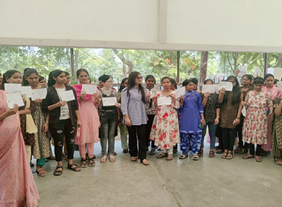
In Indore, Madhya Pradesh, 70 visually handicapped girls were assisted with free transportation to cast their vote.


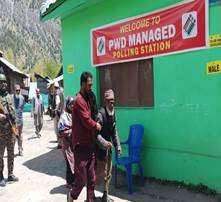
PwD managed PS in J&K


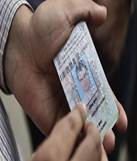
Photos: Braille-coded voter cards distributed to visually impaired electors  | Hindustan Times   

Braille enabled EPIC, Voter Guide, volunteer at a polling station in Bihar and provision of shamiyana at a polling station in Odisha


Inclusivity in spirit: removing psychological barriers to voting

Apart from eradicating physical barriers to voting, ECI also made efforts to address social barriers and stigma surrounding certain vulnerable populations like Transgenders, Sex workers, PVTGs to ensure their participation in election process. Special camps were arranged to enroll the third gender (TG) electors and other marginalized communities like sex workers and PVTGs by Thane District in collaboration with civil society. Over 48,260 TGs are enrolled all over the county, out of which Tamil Nadu has the highest number of third gender electors with 8467, followed by 6628 TGs in Uttar Pradesh and 5720 TGs in Maharashtra.

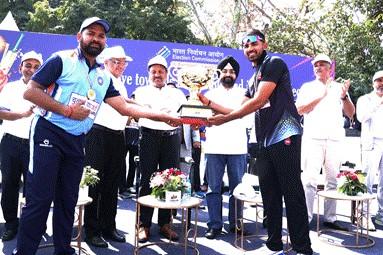
As part of SVEEP initiatives, Commission organized a T-20 Cricket Match on 16th March, 2024 between the IDCA (Indian Deaf Cricket Association) and DDCA (Delhi District Cricket Association) teams to create voter awareness among PwD electors and promote inclusive elections.
https://static.pib.gov.in/WriteReadData/userfiles/image/1BPQT.jpeg

Commission awarding the trophy to the winners at the T-20 Match


Efforts were made to the extent possible by the Commission, to set up at least one polling station in each AC, managed exclusively by PwD officials. For Lok Sabha Election -2024, approximately 2697 PwD managed Polling Stations have been set up across the country, with Uttar Pradesh setting up the highest PwD Manned Polling Stations i.e. 302.


Making registration and voting easy for vulnerable communities

The homeless and other nomadic groups are another critical demographic in achieving high electoral participation. Due to their unique circumstances, these individuals can experience unintentional electoral exclusion because of lack of proof of residency.  However, special efforts were made in the last two years for their enrolment as voters and also participation in the voting process. Location of new polling booths in previously inaccessible areas has led to the large-scale inclusion of PVTGs. In many States/UTs, where PVTGs reside in large numbers, free transportation facilities have been provided for enabling the PVTGs reach polling stations from remote areas. In a historic move, the Shompen tribe of Great Nicobar voted in the Lok Sabha Election -2024 for the first time.


Partnerships

To promote electoral awareness and instill a spirit of partnership and inclusion in the elections, ECI has designated eleven PwD individuals as “ECI Ambassadors” to involve the community further in the electoral process. Polling personnel were are also trained and sensitized regarding special needs of the PwDs to develop a sense of participation and ownership in the elections. State CEOs also collaborated with State Disability and health departments of the concerned states for providing better facilitation to PwDs and Senior Citizens.
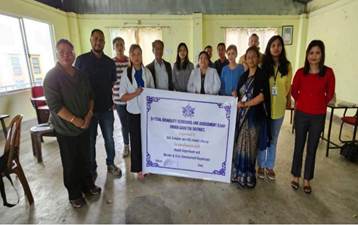
Camps organized in Gangtok by DEO in collaboration with Women & Child Development and Health Department

Also, a team of ECI officials visited Thane District and Kamathipura in Mumbai City to have an open dialogue with the Transgender and Female Sex workers, residing in these areas, to better understand the challenges faced by them in electoral participation, sensitizing the field machinery towards these electors and to encourage these voters to ensure their participation during the Lok Sabha Election-2024.
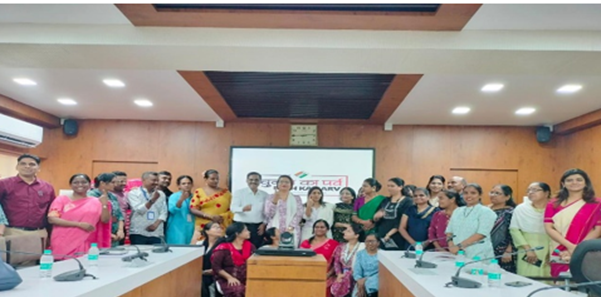
ECI team with NGOs/CSOs and TG community in Thane District and encouraging them to ensure 100% participation in the Lok Sabha Election.


The Commission also appointed Ms. Sheetal Devi, Arjuna Awardee and Para Archer, as the ECI National Icon, to motivate the PwD electors to exercise their franchise in the Lok Sabha Election-2024. Also, eleven prominent PwD personalities have been appointed as Ambassadors of ECI for taking part in various voter awareness initiatives of ECI and reaching out to PwD electors. Moreover, the Commission has also appointed State PwD Icons for the States/UTs.

https://www.newsonair.gov.in/wp-content/uploads/2024/03/para.jpg

Ms. Sheetal Devi, National PwD Icon, ECI


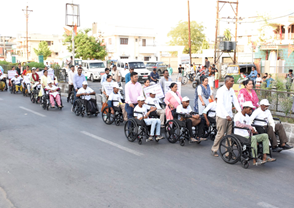
In Mehsana district in Gujarat, a wheelchair rally

was organized by PwD electors to create awareness

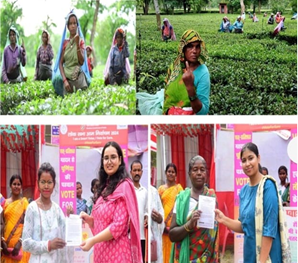
An extensive campaign including “Matdata appeal patra” was launched to enhance PVTG participation in the ongoing elections.

Reaching out to the last mile electors

The Commission is committed in ensuring that “no voter is left behind” and has taken special measures to reach out to the electors residing in the remotest corners of the county. For example, a polling station was set up in a shipping container in Aliabet in Gujarat to reach out to the tribal electors residing in this area. Similarly, voters from 102 villages in Bastar and Kanker PCs in Chhattisgarh cast their vote in a polling booth set up in their own village for the first time in a Lok Sabha Election.
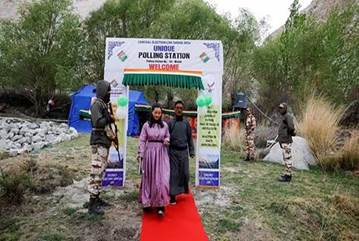
Polling station for just five members of a family in a remote village of Warshi in Leh district, Ladakh


Further, in a major decision to facilitate voting by Kashmiri migrants in the ongoing General Elections 2024, ECI abolished the cumbersome procedure of filling Form-M for the displaced people from the valley who are residing in Jammu and Udhampur. Additionally, for the migrants residing outside Jammu and Udhampur (who will continue to submit Form M), ECI has authorized the self-attestation of the certificate appended with Form-M, thus removing the hassle of getting this certificate attested by the Gazetted Officer. The Commission has enabled Kashmiri migrant voters residing at various relief camps in Delhi, Jammu, and Udhampur to also have the option of voting in person at designated special polling stations or using postal ballot. 21 Special Polling Stations were established at Jammu, 1 at Udhampur and 4 at Delhi.
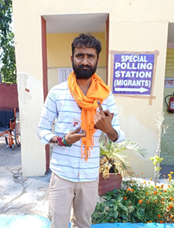

  

Kashmiri migrants casting their vote at Special Polling Stations


Similarly, to ensure voting rights for internally displaced persons (IDPs) in Manipur, 94 Special Polling Stations (SPS) were set up in 10 districts for (IDPs). One SPS was set up in Tengnoupal district for a single voter. Poll was conducted under webcasting/videography and displaced persons staying outside relief camps could also opt to vote at SPS.
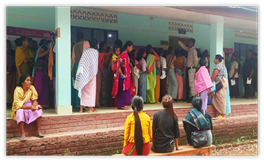


IDP in Manipur casting their vote at Special Polling Stations

******

Summer Training: A Crucial Step Towards Professional Development

 Summer training programs have become an integral part of the educational journey for students and young professionals. These programs, often organized during the summer break, provide hands-on experience and practical knowledge in various fields. Whether it’s engineering, management, healthcare, or any other discipline, summer training plays a pivotal role in bridging the gap between theoretical knowledge and practical application.

Importance of Summer Training

  1. Practical Experience: One of the most significant benefits of summer training is the practical experience it offers. Students get to apply what they have learned in their classrooms to real-world scenarios, which enhances their understanding and retention of the subject matter.

  2. Skill Development: Summer training programs focus on developing specific skills that are crucial in the professional world. This includes technical skills, such as programming or laboratory techniques, as well as soft skills like communication, teamwork, and problem-solving.

  3. Industry Exposure: These programs provide students with exposure to the industry they wish to enter. This exposure helps them understand the working environment, industry standards, and expectations, which is invaluable when they start their careers.

  4. Networking Opportunities: During summer training, students meet professionals, mentors, and peers who can be valuable contacts in their future careers. Networking can lead to job opportunities, collaborations, and guidance from experienced professionals.

  5. Enhancing Resume: A summer training experience adds significant value to a resume. Employers often look for candidates with practical experience, and having completed a summer training program can make a candidate stand out from the crowd.

  6. Career Clarification: For many students, summer training is a time of exploration. It allows them to experience different aspects of a field, helping them decide which area they are most passionate about and would like to pursue further.

Components of an Effective Summer Training Program

  1. Structured Curriculum: A well-structured curriculum that covers both theoretical and practical aspects is crucial. It should be designed to meet the specific needs of the industry and the participants.

  2. Experienced Trainers: The quality of training largely depends on the trainers. Experienced professionals who can share their knowledge and real-world experiences can significantly enhance the learning experience.

  3. Hands-on Projects: Practical projects that mimic real-world challenges are essential. They allow participants to apply their knowledge and develop problem-solving skills.

  4. Feedback and Assessment: Regular feedback and assessments help participants understand their strengths and areas for improvement. This can guide their learning process and ensure continuous improvement.

  5. Certification: A recognized certification upon completion of the training program adds credibility and can be a valuable addition to the participant’s credentials.

Choosing the Right Summer Training Program

When selecting a summer training program, it’s essential to consider the following factors:

  1. Relevance to Career Goals: Choose a program that aligns with your career aspirations and interests.

  2. Reputation of the Training Provider: Research the reputation of the organization offering the training. Look for reviews, testimonials, and the success rate of previous participants.

  3. Curriculum and Trainers: Ensure the curriculum is comprehensive and the trainers are experienced professionals in the field.

  4. Hands-on Experience: The program should offer ample opportunities for hands-on experience and practical learning.

  5. Duration and Timing: The duration of the program should be manageable within your summer break, and the schedule should allow for a balance between training and personal time.

Conclusion

Summer training is an invaluable opportunity for students and young professionals to gain practical experience, develop skills, and build a network within their chosen industry. By providing a bridge between academic knowledge and professional application, these programs play a crucial role in shaping the future workforce. Whether you are a student looking to enhance your resume or a young professional aiming to gain deeper industry insights, participating in a summer training program can be a significant step towards achieving your career goals.

Architectural Animation: Bringing Structures to Life

For the construction and design fields, it is significant that projects are visualized correctly and powerfully. 3D animation architectural comes in as a game changer here. It acts as a link between the blueprint and reality, giving stakeholders a lucid picture of what a structure will look like even before it is erected.

Definition of architectural animation

3D animation architecture is about creating animated versions of architectural designs that are dynamic and three-dimensional. Leading software tools create virtual models that are then made alive by computerized perceptions such as movement, texture, lighting, and atmosphere. This technique provides a complete visualization of a project, unlike static renderings or blueprints, offering viewers an experience similar to how the finished building would look.

Photo by Pavlo Luchkovski on Pexels.com

Significance of architectural animation in the construction industry

In the industry where accuracy and clarity are key, 3D animation in architecture serves as an essential communication tool for decision-making processes. Architects, engineers, developers and clients can collaborate more effectively through the help of architectural animation, allowing them to work on one idea in relation to design concept, spatial relationships, and elements of aesthetics.

How architectural animation brings projects to life

Architectural animation moves beyond still images or blueprints to represent built structures within its environment, thus making it dynamic in nature.

These advanced techniques include camera movements, lighting effects, and realistic textures that take viewers through imaginary walkthroughs inside the projected 3D animation building. This immersive environment allows stakeholders to explore from different perspectives, thus appreciating its scale proportions and spaces within it.

Advantages of using architectural animation in project presentations

The advantages of using a 3D architectural animation during presentations are the following:

  1. It simplifies conveying complex ideas by using visuals.
  2. Enables stakeholder participation by enabling clients to understand how their investments will appear.
  3. It helps to speed up the decision-making process by finding out any design defect or opportunity early.
  4. Simplifies presentation workflow when conveying design intent, thereby obtaining support from interested parties.

Case studies on successful architectural animation projects

Here are a few examples:

  • Marina Bay Sands, Singapore – Marina Bay Sands utilized its three-towered design with the world’s largest rooftop infinity pool, as shown by the architectural animation, which helped it gain funding and public interest.
  • The Shard, London – The Shard commands investors’, tenants’ and tourists’ attention through animation which emphasizes its slim elegance and picturesque views.
  • One World Trade Center, NYC – Architectural animation showed how One World Trade Center symbolized that New York was back in business after 9/11.

Future trends and advancements in architectural animation technology

The future of 3D architectural animations looks promising due to the advancements in technology, such as virtual reality (VR) and augmented reality (AR). These immersive technologies will extend architectural visualizations to new levels where users can interact with them in the real world.

On top of this, the integration of AI technology along with real-time rendering techniques will improve both realistic effects and the performance of architectural animation workflows.

Tips on how to incorporate architectural animation into design presentations

When using 3D architecture animation during design presentations, remember:

  • Make sure you make your point clear and have a coherent story arc.
  • It is crucial to establish your message for each clip so that you animate accordingly.
  • Direct your viewers’ focus by carefully selecting camera angles that present key elements in the project. These cameras should be directed towards certain points.
  • The project’s vision can be captured by lighting and ambience.
  • Ensure that the design intent is communicated effectively in the animation by asking for feedback from stakeholders.

Final thoughts

In summary, animation architecture has a great impact on modern architecture and construction; it is a strong visualizing, communicative, and decision-making tool. If you are interested in finding out more about our architectural animation services with which we can help improve your presentation as well as increase sales, contact us today: we are here to help.

Price publication: 844.20 UAH
Total: 844.20 UAH

Faster economic growth requires increased share of the manufacturing sector in GDP, particularly of MSMEs.

Faster economic growth requires a significant contribution from the manufacturing sector, particularly from Micro, Small, and Medium Enterprises (MSMEs).

The manufacturing sector has the potential to drive economic growth, create employment opportunities, and increase productivity. However, the share of the manufacturing sector in India’s GDP has remained stagnant at around 15-16% for several years.

To address this issue, the Government of India has implemented various policies to boost the growth of the manufacturing sector, particularly MSMEs. Some of the key policies include:
1. *Make in India Initiative*: Launched in 2014, this initiative aims to promote India as a global manufacturing hub. It focuses on easing regulations, improving infrastructure, and providing incentives for businesses to set up manufacturing units in India.
2. *MSME Development Act, 2006*: This Act provides a framework for the growth and development of MSMEs. It offers various benefits, including priority sector lending, technology upgradation, and marketing support.
3. *GST Reforms*: The Goods and Services Tax (GST) introduced in 2017 has simplified the tax structure and reduced the burden on MSMEs.
4. *Ease of Doing Business*: The Government has taken several steps to simplify regulations, reduce bureaucratic hurdles, and improve the business environment.
5. *Startup India Initiative*: Launched in 2016, this initiative aims to support startups and entrepreneurs, particularly in the manufacturing sector.
6. *Atmanirbhar Bharat Abhiyan*: Launched in 2020, this initiative aims to promote self-reliance and boost domestic manufacturing.
7. *Production Linked Incentive (PLI) Scheme*: This scheme offers financial incentives to businesses that invest in specific sectors, such as electronics, pharmaceuticals, and automobiles.
8. *Credit Guarantee Scheme*: This scheme provides credit guarantees to MSMEs, enabling them to access loans without collateral.
9. *Technology Upgradation*: The Government has established several technology centers and incubators to support MSMEs in upgrading their technology and improving productivity.
10. *Skill Development*: The Government has launched several initiatives to develop skills and provide training to workers in the manufacturing sector.
While these policies have shown positive results, there is still a need for more focused efforts to address the challenges faced by MSMEs, such as:
– Access to credit and finance
– Regulatory hurdles
– Infrastructure constraints
– Competition from larger industries
– Limited access to technology and innovation
To further boost the growth of MSMEs and increase their share in GDP, the Government could consider:
– Simplifying regulations and reducing compliance burdens
– Improving access to credit and finance
– Enhancing technology support and innovation
– Providing targeted incentives and subsidies
– Strengthening market linkages and export support
By addressing these challenges and building on existing policies, India can unlock the potential of its MSME sector and drive faster economic growth.

Job for Urban Planners

Hi all,
We are looking for candidates with:
A Bachelor’s degree (4 years) in Planning, Architecture or CIVIL 
With 
M.Plan or MBA (Finance) 
1 to 2 years of experience.
Requirements:
Understanding of Urban Planning and Urban Infrastructure 
Financial model 
Experience in managing bid processes (EoI, RfP GFR rules etc. )
Proficient report writing skills
Please share your CV at the given email address.
ankur.dwivedi1@crisil.com
Location: Mumbai (Panvel Municipal Corporation)
Engagement nature: Retainership
Thanks

Give out the major sources of terror funding in India and the efforts being made to curtail these sources. In the light of this, also discuss the aim and objective of the No Money for Terror (NMFT)' Conference recently held at New Delhi in November 2022.

Here are the major sources of terror funding in India and the efforts being made to curtail these sources

*Major sources of terror funding in India:*
– *State Sponsorship*: States sponsor crimes and support terrorist organizations to further their diplomatic interests.
– *Counterfeit Currency*: Counterfeit Indian currency is used by neighboring states to destabilize the Indian economy.
– *Organized Crime*: Criminal organizations work in nexus and are often connected to bigger terrorist groups.
– *Extortion*: Extortion remains the biggest source of funding of terrorism in India, especially in the North-East.
– *Hawala System*: This is an illegal method of transferring money, generally through international borders that is used by criminal networks.
– *Donations*: Contributions from sympathetic individuals and organizations.
– *Proxy organizations*: Funding from non-profit or charitable institutions which are put up as fronts.
– *Fake Currency Network*: Manufacturing counterfeit currency.
– *Hawala Operations*: Charge a fees for transfer of funds through an informal system.
– *Use of digital assets*: Such as cryptocurrencies.
*Efforts to curtail sources:*
– *National Investigation Agency (NIA)*: The premier agency in India for combating terror across states without special permission from the states.
– *Unlawful Activities Prevention Act*: This anti-terror legislation seeks to designate an individual as a “terrorist”.
– *National Intelligence Grid (NATGRID)*: A centralized data library of terror and crime-related information.
– *SAMADHAN Doctrine*: Developed specifically for the Left-Wing Extremism problems, it also aims to curb the access of terror organizations to funds.
– *Prevention of Money Laundering Act*: Focuses on preventing and controlling money laundering, with the Financial Intelligence Unit (FIU-IND) receiving reports on suspicious transactions.
– *Enforcement Directorate*: Investigates money laundering offenses and coordinates internationally.
– *Combating Financing of Terrorism (CFT) Cell*: Addresses terror funding cases.
– *Terror Funding and Fake Currency Cell*: Constituted in National Investigation Agency (NIA) to tackle terror funding cases.
– *Amendments to the Unlawful Activities (Prevention) Act*: Expanded its scope in 2013.
– *India is a member of international bodies*: Like FATF, EAG, and APG, to combat terror funding.
*Aim and objective of the No Money for Terror (NMFT) Conference:*
– *Collaborate with countries*: To curtail terror and extremist funding.
– *Set up a secretariat*: To operate on the concept of collaboration and cooperation.
– *Investigate new and emerging threats*: To understand and counter new methods of propagating terrorism.
The No Money for Terror (NMFT) Conference aimed to bring countries together to combat terror funding and to set up a secretariat to collaborate and cooperate in this effort. The conference also aimed to investigate new and emerging threats and methods of propagating terrorism. India has been actively working to combat terror funding through various efforts, including the NIA, UAPA, NATGRID, and SAMADHAN Doctrine. Despite facing challenges from its neighbors, India stands firm against terrorism.

Importance of Elections in India

Elections are a cornerstone of democracy, playing a vital role in ensuring the very fabric of a democratic society. The importance of elections in democracy can be seen in the following aspects:
1. *Accountability*: Elections hold elected representatives accountable to the people, ensuring they are answerable for their actions and policies.
2. *Representation*: Elections provide citizens with a voice, allowing them to choose representatives who reflect their values, beliefs, and interests.
3. *Power Transfer*: Elections facilitate the peaceful transfer of power, preventing violent coups and ensuring stability in government.
4. *Citizen Participation*: Elections encourage citizen engagement, fostering a sense of ownership and responsibility in the democratic process.

5. *Protection of Rights*: Elections help safeguard individual rights and freedoms, as elected officials are tasked with upholding the constitution and protecting citizens’ liberties.
6. *Promoting Political Pluralism*: Elections allow for the coexistence of diverse political parties and ideologies, promoting healthy competition and debate.
7. *Encouraging Political Engagement*: Elections inspire citizens to stay informed, engage in political discussions, and participate in the democratic process.
8. *Preventing Authoritarianism*: Elections prevent the concentration of power, ensuring that no single individual or group dominates the political landscape.
9. *Fostering Transparency*: Elections promote transparency in government, as elected officials are required to be open and accountable in their decision-making processes.
10. *Strengthening Democracy*: Elections reinforce democratic values, reinforcing the principles of equality, justice, and freedom that underpin democratic societies.
In summary, elections are the lifeblood of democracy, ensuring that power remains with the people and that government remains accountable, representative, and responsive to their needs.

SSC CGL Exam

The SSC CGL (Staff Selection Commission Combined Graduate Level) exam is a national-level competitive examination conducted by the Staff Selection Commission (SSC) to recruit personnel for various Group B and Group C posts in the Indian government ministries, departments, and offices.

*Exam Pattern:*
The SSC CGL exam consists of four tiers:
1. *Tier 1:* Preliminary exam (Objective type, 100 questions, 200 marks)
2. *Tier 2:* Main exam (Objective type, 200 questions, 400 marks)
3. *Tier 3:* Descriptive exam (Essay, Letter, Application, 100 marks)
4. *Tier 4:* Computer Proficiency Test/Skill Test (where applicable)
*Posts and Vacancies:*
The SSC CGL exam fills various posts, including:
1. Assistant Audit Officer
2. Assistant Accounts Officer
3. Assistant Section Officer
4. Inspector of Income Tax
5. Inspector of Central Excise
6. Assistant Enforcement Officer
7. Sub Inspector in CBI
8. Divisional Accountant
9. Junior Statistical Officer
10. Auditor
*Eligibility Criteria:*
1. Age: 18-32 years (varies for different posts)
2. Education: Bachelor’s degree from a recognized university
3. Citizenship: Indian citizen or subject of Nepal/Bhutan/Tibet
*Exam Dates:*
The SSC CGL exam is usually conducted annually, with the notification released in March and the exam held in June/July.
*Preparation Tips:*
1. Understand the exam pattern and syllabus
2. Prepare a study plan and stick to it
3. Focus on quantitative aptitude, reasoning, and English language
4. Practice with mock tests and previous year’s papers
5. Stay updated with current affairs and general knowledge
*Importance:*
The SSC CGL exam offers a chance to join the Indian government’s prestigious organizations and departments, providing a secure and challenging career with opportunities for growth and development.

Press Information Bureau (PIB)

*Press Information Bureau (PIB)*

*Introduction*
Press Information Bureau (PIB) is the nodal agency of the Government of India responsible for disseminating information to the print and electronic media on government policies, programs, initiatives, and achievements. It functions as an interface between the government and media and also serves to provide feedback to the government on people’s reaction as reflected in the media ¹.
*Objectives*
The main objectives of PIB are:
– *Dissemination of Information*: To disseminate information to the media on government policies, programs, initiatives, and achievements.
– *Interface between Government and Media*: To function as an interface between the government and media.
– *Feedback Mechanism*: To provide feedback to the government on people’s reaction as reflected in the media.
*Functions*
The PIB performs the following functions:
– *Press Releases*: Issues press releases on behalf of the government on various policies, programs, and initiatives.
– *Press Conferences*: Organizes press conferences for ministers and other government officials to brief the media on various issues.
– *Media Facilitation*: Facilitates media coverage of government events and programs.
– *Feedback Mechanism*: Provides feedback to the government on people’s reaction as reflected in the media.
*Importance*
PIB plays a crucial role in maximizing governance through effective government communication. It helps to:
– *Disseminate Information*: Disseminate information to the media and the public on government policies, programs, initiatives, and achievements.
– *Promote Transparency*: Promote transparency and accountability in government functioning.
– *Facilitate Media Coverage*: Facilitate media coverage of government events and programs.
– *Provide Feedback*: Provide feedback to the government on people’s reaction as reflected in the media.
*Conclusion*
In conclusion, Press Information Bureau (PIB) is an important agency of the Government of India responsible for disseminating information to the media on government policies, programs, initiatives, and achievements. It plays a crucial role in maximizing governance through effective government communication and promoting transparency and accountability in government functioning.

What is Research Question

A research question is a specific, focused, and concise query that guides the investigation and helps to identify the problem or issue to be addressed. It should be:
1. _Clear_: Easy to understand and interpret.
2. _Specific_: Well-defined and focused.
3. _Measurable_: Can be answered through data collection and analysis.
4. _Relevant_: Aligns with the research objectives and hypothesis.
5. _Feasible_: Can be answered within the scope of the study.
Research questions can be:
1. _Descriptive_: Seeking to describe a phenomenon or situation.
Example: “What are the demographic characteristics of patients with diabetes?”
2. _Comparative_: Comparing two or more groups or conditions.
Example: “Is there a difference in blood pressure between patients with and without hypertension?”
3. _Causal_: Examining the relationship between variables.
Example: “Does regular exercise reduce the risk of heart disease?”
4. _Exploratory_: Exploring a new area or phenomenon.
Example: “What are the experiences of patients with chronic pain?”
Example of a research question:
“What is the effectiveness of a new medication in reducing symptoms of depression in adults?”
A well-crafted research question serves as a guide for the entire research process, helping to ensure that the study stays focused and on track.

Salute to Rani Chennamma of Princely State Kittur: Presently Part of Karnataka State

 For the independence of the country from the British rulers, from time to time, many people fought and sacrificed their lives. Unfortunately, in the school history books, a few family’s names are highlighted as if, for them, India got her independence. In this article, I am presenting the case of Rani Chennamma, who bravely fought against British rule, but her great sacrifice was not highlighted in our history books across the country. 

Indians will not forget the valour of Queen/Rani Chennamma.  She was born on October 23, 1778, in Kakati village in the present Belagavi district of Karnataka in the Lingayat community and received training in horse riding, sword fighting, and archery from a young age. At the age of 15, her marriage was performed with King/Raja Mallasarja of the Desai family, who ruled the princely state until 1816.  Chennamma’s husband died in 1816, leaving her with a son and a state full of volatility. Later on, in 1824, her son died. Rani Chennamma was left with the State of Kittur and the great task of maintaining its independence from the British. Following the death of her husband and son, Rani Chennamma adopted Shivalingappa in 1824 and made him heir to the throne. This irked the East India Company, who ordered Shivalingappa’s expulsion. The State of Kittur came under the administration of the Dharwad collectorate in charge of St John Thackeray, of which Mr. Chaplain was the Commissioner; both of them did not recognise the new ruler and notified Kittur to accept British control. Because Lord Dalhousie the Governor General of India, introduced a policy called ‘The Doctrine of Lapse’   to annex the independent Indian States from 1848 in case the ruler of an independent princely state died childless. In 1823, Rani Chennamma sent a letter to Mountstuart Elphinstone, Lieutenant-Governor of the Bombay province, pleading her case, but the request was turned down, and war broke out. Rani Chennamma retaliated and killed a British official to protect and safeguard her homeland. She was trained in martial arts and military tactics and was a formidable leader. She led her army into battle, using guerrilla warfare tactics to surprise the British forces. The war lasted several days, but ultimately, the British could succeed due to their superior firepower. In the first war, during October 1824, British forces lost heavily, and St John Thackeray, collector and political agent, was killed in the war.  Two British officers, Sir Walter Elliot and Mr Stevenson, were also taken as hostages. Rani Chennamma released them with an understanding with the Chaplain that the war would be terminated, but the Commissioner Chaplain continued the war with more forces. During the second war, the sub-collector of Solapur, Munro, nephew of Thomas Munro, was killed. Rani Chennamma fought fiercely with the aid of her deputy, Sangolli Rayanna, but was ultimately captured and imprisoned at Bailhongal Fort, where she died on February 21, 1829, due to her health condition. Despite her capture and imprisonment in Bailhongal Fort (Belagavi, Karnataka), Rani Chennamma’s spirit remained unbroken.

 She became a symbol of courage and defiance. In 2007, the Indian Government honoured her by issuing a postage stamp. It is pertinent to mention that many Kannada folk songs  (Lavanis)  are recited that fondly remember Rani Chennamma as a protector and guardian. 

Regarding ‘Lavani’, it may be mentioned that it is a vibrant and expressive folk song with its roots in the cultural heritage of Maharashtra but has also found a place in certain parts of Karnataka. The word ‘Lavani’ is derived from the Marathi term “Lavanya,” which means beauty.

My salute to such a great Rani. She was a genius Rani endowed with much prowess, and her bravery is a source of inspiration irrespective of gender.

Prof Shankar Chatterjee, Hyderabad

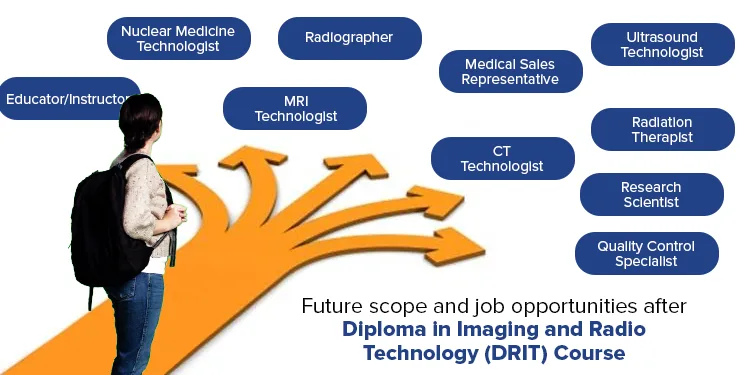
Future scope and job opportunities after Diploma in Imaging and Radio Technology (DRIT) course

Diploma in Imaging and Radio Technology (DRIT) course

Choosing a fascinating  career in Imaging and Radio Technology can open up so many opportunities in various fields of the healthcare sector. After this course you can also join as well as in research, academic, and various corporate industries.There are various Best paramedical colleges which provide best placement opportunities after the Diploma in Imaging and Radio Technology (DRIT) course.

After this diploma there are also job opportunities in the government sector too. You can join AIIMS, PGI, and other government hospitals and healthcare centres. You can also serve in various community centres and other district hospitals on attractive salary packages.

1.Radiographer: Radiographer famously known as radio technologists. After the DRIT course you can also become a Radiographer and it is one of the most demanding paramedical jobs in the medical sector. They are experts in handling various instruments in Radiology centres. They take out clear images of the patient’s body. They also control and ensure safety of patients while taking out images with dangerous rays coming out from machines which are very dangerous to the human body. They minimise the exposure of dangerous rays and patient body contact.

2. MRI Technologist: MRI technologists are the experts of operating magnetic resonance imaging (MRI) scanners. They create clear images of patients’ different body parts so the abnormalities inside the patient’s body could be identified and diagnosed with the proper medical treatment. MRI Technicians produce detailed images of mainly every internal structure in the human body like the organs, bones, muscles and blood vessels. With the help of these images Medical consultants identify the abnormality in the patient body to provide treatment. MRI technicians play a very important role in diagnosing various medical conditions of the patients.

3. CT Technologist: A CT technologist is mindful of helping patients and working hardware to perform radiologic exams. They plan and calibrate the CT filtering hardware. The technologist clarifies the preparation to the understanding, positions them for the check and makes a difference so they stay calm amid the method. After the strategy, the technologist assesses the picture closely to make beyond any doubt it’s clear.

In expansion to CT and CAT filters, a technologist may moreover perform ultrasounds, X-rays or mammograms, and they can run extra symptomatic tests.

4. Ultrasound Technologist: 

Ultrasound professionals are trained in creating images mainly called ultrasounds or sonograms. Sonography is done with the help of  high-frequency sound waves to create pictures of the human body’s organs and tissues. A sonographer is responsible for checking parts of your body with various equipment and  tries to create a clear image. In this process high sound waves are sent in the body and on behalf of their echoes the image formation is done by the Sonographer experts. The echoes shape a picture of the interior of your body on the sonographer’s computer screen.

5. Nuclear Medicine Technologist: A nuclear medicine technologist conducts nuclear imaging tests.He also assists doctors with making medical diagnoses of the patient. Under the supervision of physicians, they provide radioactive drugs, known as radiopharmaceuticals, to the patients. They also use imaging equipment to identify how radioactive elements respond and react with a patient’s organs and tissues. Physicians use the results of those tests to diagnose the disease and treat disease such as cancer.

6. Radiation Therapist: Radiation therapists provide radiation treatment to patients who are facing life-threatening conditions like cancer and other serious diseases. Providing medical knowledge with deep understanding of the equipment that are used to provide balanced radiation treatment, radiation therapists play a very important role in the treatment and supporting patients. They also provide mental support to the patient’s as they face a diagnosis that will likely be one of the most important events of their lives.

7. Research Scientist: DRIT graduates can pursue careers in medical research. Research scientists are one of the most responsible  and reputed job designations in the medical field. Research scientists are responsible for the investigation of various projects and identify the errors or other issues. They research, formulate, and at last execute the research that they have done. They are responsible and they conduct in-house research and presentations. Research scientists also perform laboratory-based experiments and trials and work in many fields of medical science. They plan and conduct various different experiments that become topics of research papers and reports. They collect samples and work out other types of field research and monitor their experiments by recording and analysing the data. 

8. Educator/Instructor: After completing you can study further and also become a teacher. By becoming a teacher you have a good opportunity to share your knowledge and experience with other aspiring candidates who are new in this field. Your experience and knowledge can embark on their future.

9. Medical Sales Representative: After the DRIT course you can work as a medical representative at any pharma company or medical instrument manufacturing company and promote the products.

10. Quality Control Specialist: Quality control specialists are the ones who work with various government and private imaging centres.  Quality control specialists confirm that imaging objects meet regulatory standards and perform well. Quality control specialists work for healthcare facilities, equipment manufacturers, diagnostic and imaging centres etc.

Responsibilities of Radiographers.

  • Has Clinical, Ethical, and legal responsibility, Performs Procedure in event of accident, radiographer and Patient.

  • Performs General Preliminaries to examination , patient on stretcher , Anaesthetizes Patient

  • Maintains Hygiene in X-Ray department 

  • Maintains Drugs in X-Ray department, Preparation of Patient Purgatives, Prevention of Intestine gas.

  • Checks Diabetic Patient, Infant, Mobile X-Ray set , Precaution in Patient.

This course provides you better knowledge and skills to work in all of the fields given above. There are various job opportunities in the government and private sector. These courses are available in various best paramedical colleges in delhi.  You can join this course and embark your career and secure your future.