The application of machine learning to financial markets has evolved from a niche academic pursuit into a mainstream analytical framework. Nowhere is this transformation more visible than in cryptocurrency markets, where extreme volatility, continuous trading cycles, and abundant data streams create conditions uniquely suited to algorithmic analysis. This article examines the current state of ensemble machine learning models applied to cryptocurrency price forecasting, evaluating their methodological foundations, comparative performance against traditional approaches, and implications for both institutional and retail market participants.
The Limitations of Traditional Forecasting in Crypto Markets
Traditional financial forecasting relies heavily on two pillars: fundamental analysis, which evaluates intrinsic value based on financial statements and economic indicators, and technical analysis, which identifies patterns in historical price and volume data. Both approaches face significant challenges when applied to cryptocurrency assets.
Fundamental analysis, effective for equities with quantifiable earnings and cash flows, struggles with digital assets that lack conventional valuation metrics. Bitcoin generates no revenue, pays no dividends, and has no earnings per share. While on-chain metrics such as hash rate, active addresses, and transaction volume serve as proxy fundamentals, their relationship to price is non-linear and context-dependent. Technical analysis, meanwhile, assumes that historical patterns repeat — an assumption that holds reasonably well in mature markets with stable participant behaviour, but proves less reliable in crypto markets where the participant base is rapidly expanding and behavioural dynamics shift quarterly.
Empirical evidence supports this scepticism. Studies conducted between 2022 and 2025 consistently show that pure technical analysis achieves directional accuracy of approximately 40-45% for Bitcoin price movements over 7-day horizons — marginally better than random chance. ARIMA models, the workhorse of traditional time-series forecasting, show RMSE values of 8-9% relative to actual price, making them impractical for actionable trading decisions.
The Architecture of Ensemble Approaches
Ensemble methods address the fundamental weakness of individual models: each captures certain patterns while remaining blind to others. By combining multiple independent models — each trained on different feature sets, using different algorithms, and optimised for different time horizons — ensemble systems achieve accuracy levels that no single component model can match.
The most effective ensemble architectures in current cryptocurrency forecasting typically integrate three layers. The first layer consists of time-series models, primarily LSTM and GRU recurrent neural networks, trained on historical price and volume data with attention mechanisms that weight recent observations more heavily. The second layer incorporates natural language processing models that quantify market sentiment from news articles, social media posts, and forum discussions, producing a real-time sentiment index that correlates with short-term price movements. The third layer adds macroeconomic and on-chain features — interest rate differentials, dollar index movements, whale wallet activity, and exchange inflow/outflow data — processed through gradient-boosted decision trees.
The ensemble combines these layers using a dynamic weighting system that adjusts component contributions based on recent performance. During periods of high social media activity, the sentiment layer receives greater weight. During macro-driven markets, the economic features layer dominates. This adaptive architecture is what produces the significant accuracy advantage visible in the data.
Performance Evaluation and Transparency
A critical challenge in evaluating forecasting platforms is the prevalence of survivorship bias and selective reporting. Many commercial prediction services publish only their successful calls while quietly omitting failures, creating an artificially inflated track record. Academic-grade evaluation requires comprehensive logging: every prediction timestamped at the point of issuance, with outcomes recorded against actual market data at the specified horizon.
Platforms that maintain this level of transparency provide a genuinely useful resource for the research community. An AI-powered financial forecasting platform that publishes complete, verifiable prediction histories — including failures — enables independent researchers to conduct their own statistical analysis of model performance. This open approach to evaluation aligns with the principles of reproducible research and represents the standard to which all commercial forecasting tools should be held.
Implications for Market Efficiency
The improving accuracy of machine learning forecasting models raises important questions about market efficiency. The efficient market hypothesis, in its semi-strong form, posits that all publicly available information is already reflected in asset prices, making systematic outperformance impossible. If ensemble models consistently achieve 75%+ directional accuracy, this would appear to contradict the hypothesis.
The resolution lies in understanding that cryptocurrency markets are still maturing. Retail participation is high, information asymmetry is significant, and behavioural biases are well-documented. These inefficiencies create extractable alpha that machine learning models can capture. However, as algorithmic trading adoption increases and more participants employ similar models, these inefficiencies will gradually diminish — a process already observed in traditional equity markets over the past two decades.
Conclusions and Future Directions
Ensemble machine learning models represent a meaningful advancement in cryptocurrency price forecasting, achieving accuracy levels approximately 30-35 percentage points above traditional technical analysis. The key technical innovations — multi-layer architecture, dynamic weight adjustment, and comprehensive feature engineering — are well-established in the literature and increasingly accessible to practitioners through cloud computing platforms.
For future research, three areas merit attention. First, the integration of reinforcement learning for adaptive position sizing alongside price predictions. Second, the development of causal inference frameworks that distinguish genuine predictive relationships from spurious correlations in high-dimensional feature spaces. Third, and perhaps most importantly, the establishment of standardised evaluation benchmarks that would allow meaningful cross-platform performance comparison — a gap that currently undermines the field’s credibility and makes it difficult for both researchers and practitioners to distinguish genuine capability from marketing.
The deployment of conversational AI systems in customer service has accelerated dramatically since 2023, driven by advances in large language models and growing consumer acceptance of automated interactions. However, the majority of research and commercial development has focused on English-language applications, leaving a significant gap in our understanding of how these systems perform across diverse linguistic contexts. This article examines the current state of multilingual conversational AI, evaluating both the technical progress in cross-linguistic natural language processing and the measurable business outcomes reported by organisations operating across multiple language markets.
The Multilingual Challenge in Conversational AI
Natural language processing has historically been an English-first discipline. The training data available for English exceeds that of all other languages combined by a factor of approximately eight, according to analyses of Common Crawl and similar web-scale corpora. This imbalance created a performance hierarchy: English-language models achieved near-human accuracy while models for languages with less training data — Arabic, Hindi, Swahili, Tagalog — produced significantly higher error rates.
The consequences for customer service are substantial. A business operating in a single language market can deploy a chatbot with high confidence that intent recognition, entity extraction, and response generation will perform adequately. A business serving customers in ten or twenty languages faces a compounding quality problem: if each non-English language has even a 5% lower accuracy rate, the aggregate customer experience across the entire user base degrades measurably. For organisations with global customer bases, this has historically meant maintaining separate systems or accepting lower quality outside their primary language.
Recent Advances in Cross-Linguistic Performance
The period from 2024 to 2026 has seen remarkable improvements in multilingual NLP, driven primarily by two technical developments. First, the emergence of massively multilingual foundation models — successors to mBERT and XLM-R — trained on curated multilingual corpora that deliberately oversample underrepresented languages. Second, the application of cross-lingual transfer learning techniques that allow models trained primarily on high-resource languages to transfer their capabilities to low-resource languages with minimal additional training data.
The performance improvements are substantial. Intent recognition accuracy for Arabic, which stood at 71% in 2023, has reached 91% in current-generation models — a 20-percentage-point improvement in three years. Hindi has improved from 69% to 90%. Even Japanese, with its complex writing system combining kanji, hiragana, and katakana, has moved from 76% to 92%. These gains have made truly multilingual customer service technically viable for the first time.
Practical implementations now exist that support customer conversations across 90 or more languages simultaneously. Platforms offering multilingual conversational AI across text and voice channels demonstrate that the technical capability to serve diverse language markets from a single system has moved from theoretical possibility to commercial reality. The significance for global businesses is considerable: rather than building or licensing separate chatbot systems for each market, a single platform can now handle the full spectrum of customer languages with comparable quality.
Business Outcomes: A Meta-Analysis
Technical capability alone does not justify deployment. The more pertinent question for organisations is whether conversational AI produces measurable improvements in customer service metrics. A meta-analysis of 47 implementation studies published between 2024 and 2026 provides clear evidence on this point.
The data reveals a nuanced picture. Pure AI chatbot interactions achieve a CSAT score of 74% — higher than email (62%) and comparable to phone support (71%), but lower than human live chat (78%). However, the highest satisfaction scores — 89% — come from hybrid models where AI handles initial triage and routine queries while seamlessly escalating complex issues to human agents with full conversation context. This finding is consistent across all studies reviewed and suggests that the optimal deployment strategy is not replacement of human agents but augmentation.
Cost metrics are equally significant. Organisations deploying conversational AI reported average reductions in cost per customer interaction of 55-65%, primarily through three mechanisms: elimination of after-hours staffing requirements, reduction in average handling time for routine queries from 12 minutes to under 2 minutes, and decreased training costs as AI handles the long tail of product-specific questions that previously required specialist knowledge.
Challenges and Limitations
Despite the progress documented above, several significant challenges remain. Cultural appropriateness — the ability to adjust not just language but communication style, formality level, and social conventions — is still poorly handled by most systems. A chatbot that translates its responses into Japanese but maintains a casual American English communication style will alienate Japanese customers regardless of linguistic accuracy.
Additionally, domain-specific terminology poses persistent challenges. While general conversational accuracy has improved dramatically, specialised vocabularies in fields such as medicine, law, and engineering remain problematic in many languages due to insufficient training data in those domain-language combinations. Organisations deploying multilingual chatbots in specialised fields must invest in custom training data to achieve acceptable accuracy levels.
Conclusions
Multilingual conversational AI has reached a maturity level where deployment across diverse language markets is both technically feasible and economically justified. The convergence of cross-linguistic NLP accuracy — now exceeding 90% for intent recognition across all major world languages — with demonstrated cost reductions of 55-65% creates a compelling case for adoption by organisations serving multilingual customer bases.
Future research should focus on three priorities. First, developing robust frameworks for measuring cultural appropriateness alongside linguistic accuracy. Second, establishing standardised benchmarks for domain-specific multilingual performance that enable meaningful cross-platform comparisons. Third, investigating the long-term effects of AI-mediated customer service on brand perception and customer loyalty across different cultural contexts — a question that existing studies, limited to six-month observation windows, cannot yet answer definitively.
Sergey Tokarev on Generation H’s Third Season Opening to International Startups for the First Time
The Generation H accelerator programme, run by SET University and the Tokarev Foundation, has announced the launch of its third intake. For the first time in its history, this HealthTech accelerator, which specialises in medical technologies, has expanded the list of teams eligible to participate. Ukrainian startups based abroad that have an MVP or a product ready to scale within ten weeks can now join the programme. This was announced by Sergey Tokarev, founder of the Tokarev Foundation and co-founder of SET University.
What is known about the Generation H programme
Over the past two seasons, 30 projects have gone through the HealthTech accelerator, and the total amount of investment raised by its alumni has reached 11 million hryvnias. The startups have won competitions such as Google for Startups, IT Arena, and EIT Jumpstarter, entered European and American markets, and made it into the top 200 of the TechCrunch Startup Battlefield.
Among the graduates are:
TAYRA.AI — an AI medical scribe that automatically structures doctors’ consultations
M Shield — a drug that prevents the spread of metastases
Ovul — an AI device for tracking fertility through saliva analysis
“In my opinion, the HealthTech sector offers the shortest path to making a real impact on quality of life. However, we need not only a high-quality product, but also an understanding of medical logic, regulatory frameworks, and decision-making cycles. That is why, unlike many other sectors, HealthTech cannot do without mentorship and acceleration,” says Sergey Tokarev.
According to the organisers, given current market dynamics, expanding internationally is a sound strategy: AI in healthcare is growing by 35–40% annually, and the global digital health sector has already surpassed $300 billion.
Programme participants can expect personalised mentoring, product crash tests, business model validation, workshops on entering international markets, individual matchmaking, and support with regulatory issues. Mentors include Eric Henry, Senior Counsel for FDA Compliance at King & Spalding; Fergus O’Dea, Vice President of Commercial Operations at FIRE1; Volodymyr Nerubenko, co-founder of Liki24 Foundation and TerraLab; and Alexa Sinyacheva, a Techstars mentor and co-founder of Moeco.
“One of the main reasons for launching Generation H was that the Ukrainian HealthTech sector was severely underestimated, and we needed to change that. Now we are testing whether it is possible to create a global hub for innovation in Ukraine. That is why, for the first time, we are expanding the programme to include Ukrainian startups based abroad,” adds Sergey Tokarev. Generation H will be held in a hybrid format. International participants can take part online. The grand prize is 650,000 hryvnias. Applications must be submitted by 24 May via the SET University website.
Daily writing prompt
Do you have a quote you live your life by or think of often?
At the end of April, a notable deal dropped in the edge AI space. Blaize and NeoTensr signed an agreement worth up to $50 million to deploy edge AI infrastructure across the Asia-Pacific region. This isn’t just another partnership announcement. It shows how fast edge AI is moving from concept to actual deployment, especially in Asia.
What the deal actually includes
The agreement focuses on building a full-stack edge AI ecosystem rather than delivering isolated components. Instead of selling just chips or servers, the two companies are working on co-branded AI edge data centers that combine hardware optimized for inference, a software layer for deployment and orchestration, and real enterprise-facing AI services. The projected value reaches $50 million, and this comes after the two companies already generated over $20 million together in 2025. That makes it clear this is not an early-stage experiment, but a continuation of something that is already working.
Why this matters now
The key idea behind this move is simple: AI is shifting closer to where data is created. Instead of sending everything to the cloud, companies are deploying compute directly at the edge, which reduces latency and allows systems to react in real time. It also changes how data is handled, especially in environments where privacy or bandwidth is a concern. This direction is described well in edge AI for real-time analytics systems, where local processing becomes the default instead of the fallback option.
The hardware layer behind the trend
None of this works without the right hardware. Edge AI systems need chips that can handle multiple workloads at once, including computer vision and neural network inference, while staying power-efficient. That is why the industry is moving toward newer SoC designs, such as those discussed in next-generation Rockchip AI processors comparison, where architectures are built specifically for mixed AI workloads rather than general-purpose computing. This shift in silicon design is what makes large-scale edge deployments like the Blaize and NeoTensr project possible.
Why APAC is the focus
Asia-Pacific is not a случайный выбор. The region combines dense urban infrastructure, strong manufacturing capacity, and rapid adoption of smart systems across industries. This creates an environment where edge AI can be deployed at scale and tested in real-world conditions. In many cases, technologies that succeed in APAC later expand globally, which makes this rollout particularly important to watch.
The bigger picture
What makes this deal stand out is not just the size of the investment, but how it is structured. Instead of focusing on isolated pilots or limited experiments, the companies are building infrastructure from the ground up with real deployment in mind. The emphasis is clearly on enterprise use cases, and the solution itself combines hardware, software, and services into one integrated system. This approach reflects a broader shift in the AI industry, where value is no longer in individual components but in complete, deployable platforms.
Final takeaway
The Blaize and NeoTensr partnership is a clear signal that edge AI is entering a new phase. This is no longer about concepts or early prototypes. It is about infrastructure that is being built and deployed in real environments. If this $50 million rollout proves successful, it will likely accelerate similar projects across other regions and push the industry further toward distributed AI systems that operate closer to where data is generated.
Wijesinghe, T. C., & Jiang, P. (2026). When Credibility Meets the Algorithm: How Trust and Algorithm Awareness Shape Influencer Effectiveness in Chinese Social Commerce. International Journal of Research, 13(4), 168–185. https://doi.org/10.26643/ijr/edupub/13
First author – Thivanka Chamith Wijesinghe
Associate Professor, School of Management, Chongqing college of international business and economics, Chongqing, China
Second author – Pei Jiang
Lecturer, School of Management, Chongqing college of international business and economics, Chongqing, China
Abstract
Social commerce has transformed online shopping by integrating influencer-driven content with platform-based interactions. Drawing on source credibility theory, this study investigates how influencer credibility affects consumers’ purchase intention in Chinese social commerce. We further examine the mediating role of trust and the moderating role of consumer algorithm awareness. Data were collected through an online survey across multiple regions in China, yielding 244 valid responses. Using SPSS, reliability, validity, regression, mediation, and moderation analyses were conducted. The results indicate that influencer credibility positively influences purchase intention both directly and indirectly through trust. Trust was found to be a key psychological mechanism driving influencer effectiveness. Importantly, algorithm awareness negatively moderates the relationship between influencer credibility and purchase intention. Higher algorithm awareness weakens the persuasive impact of influencer credibility. These findings highlight the growing importance of platform-level cognition in shaping influencer marketing outcomes.
Keywords: Social commerce, Influencer credibility, Trust, Purchase intention, Algorithm awareness, Influencer marketing, Chinese digital platforms
1. Introduction
Social commerce has rapidly transformed consumer purchase behaviour by merging social interactions with online shopping on platforms such as Douyin, Taobao Live, and Xiaohongshu (Hajli, 2015; Wongkitrungrueng & Assarut, 2020). Influencers have become central to this emerging ecosystem, acting as pivotal intermediaries who shape consumer engagement, attitudes, and decision-making processes (Lou & Yuan, 2019; Sokolova & Kefi, 2020). Prior research grounded in source credibility theory demonstrates that influencer credibility—commonly conceptualised through expertise, trustworthiness, and attractiveness—positively affects consumers’ purchase intentions (Hovland et al., 1953; Ohanian, 1990). Specifically, credible influencers enhance followers’ confidence, reduce perceived risk, and improve brand attitudes, which in turn increase the likelihood of purchase decisions (De Veirman et al., 2017; Ki & Kim, 2019). For example, studies show that influencer credibility positively impacts purchase intentions by enhancing brand equity and consumer attitudes toward promoted products (Lou & Yuan, 2019).
Beyond traditional social media settings, the role of influencer credibility has also been examined within social commerce contexts, including live-streaming e-commerce, where influencers’ persuasive effects on purchase intention are well documented (Sun et al., 2019; Wongkitrungrueng & Assarut, 2020). Moreover, recent literature suggests that influencer attributes significantly influence Gen Z’s online purchase decisions and that credibility continues to function as a core determinant of behavioural outcomes (Sokolova & Kefi, 2020; Ki et al., 2020).
However, most existing studies implicitly assume that consumers evaluate influencer credibility in isolation, without accounting for the broader algorithmic processes that govern content exposure and influencer visibility. In contemporary social commerce platforms, recommendation algorithms determine which influencers are surfaced to users and how often their content appears in personalised feeds (Zarouali et al., 2021). With the increasing commercial sophistication of these platforms, consumers are becoming more cognizant of algorithmic curation, a phenomenon that recent marketing and communication studies are beginning to acknowledge but have not yet systematically examined in relation to influencer effectiveness (Oeldorf-Hirsch, 2023).
Consumer awareness of platform algorithms may shift how credibility cues are interpreted. As users become more aware that influencer exposure may be driven by algorithmic logic rather than intrinsic expertise or authenticity, traditional credibility may no longer translate into trust and purchase intention as straightforwardly as previously thought (Friestad & Wright, 1994; Boerman et al., 2017). In other words, algorithm awareness may act as a boundary condition that weakens or alters the strength of influencer credibility’s effect on purchase decisions.
Despite a growing body of literature on influencer marketing and trust in social commerce, only a limited number of studies have explored how platform-level cognitive factors, such as algorithm awareness, impact influencers’ persuasive effectiveness. Most prior research has focused on individual-level psychological determinants such as trust, parasocial interaction, or authenticity (Gefen et al., 2003; Sokolova & Kefi, 2020), leaving a critical gap in understanding how consumers’ algorithm cognitions interact with influencer credibility in shaping purchase intention.
To address this gap, the present study investigates how consumer awareness of platform algorithms influences the effect of influencer credibility on purchase intention in Chinese social commerce. By introducing algorithm awareness as a moderating factor, this research advances the influencer marketing literature beyond traditional credibility models and highlights the importance of platform-level cognition in consumer decision processes (Zarouali et al., 2021; Oeldorf-Hirsch, 2023).
This study contributes to the literature in several key ways. First, it introduces a novel moderator—consumer algorithm awareness—thereby extending source credibility research to an algorithm-driven environment. Second, by integrating this moderator into the relationship between influencer credibility and purchase intention, this study provides new insights into why influencer effectiveness may vary across different consumer segments and platform contexts. Third, focusing on the Chinese social commerce market allows for empirically grounded insights from one of the most dynamic and algorithm-intensive digital ecosystems globally (Sun et al., 2019).
2. Literature Review
2.1. Influencer Credibility in Social Commerce
Influencer marketing research consistently emphasises source credibility as a primary driver of persuasion effectiveness (Hovland et al., 1953; Lou & Yuan, 2019). Within the source credibility tradition, credibility is commonly operationalised through expertise, trustworthiness, and attractiveness, a widely adopted measurement approach developed and validated by Ohanian (1990).
In social commerce environments, influencer credibility functions as a heuristic cue that shapes how consumers interpret product information, reduces uncertainty, and forms favourable evaluations toward promoted offerings (Ki & Kim, 2019; Sokolova & Kefi, 2020). Credible influencers are perceived as more reliable information sources. They are therefore more likely to influence consumers’ purchase decisions, especially when products are experiential or when consumers face information overload in platform feeds (De Veirman et al., 2017).
In China’s platform-driven social commerce (e.g., short-video and live-streaming commerce), influencers are not merely content creators but commerce facilitators who combine entertainment, product demonstration, and real-time interaction (Sun et al., 2019; Wongkitrungrueng & Assarut, 2020). Studies of live-streaming commerce show that trust-building and streamer-related attributes are strongly associated with consumers’ purchase intention(Xu et al., 2020; Wongkitrungrueng & Assarut, 2020). Similarly, research in Chinese community e-commerce contexts (e.g., Xiaohongshu) indicates that content marketing and community features influence value perceptions and purchasing readiness, supporting the importance of persuasive sources and content environments.
2.2. Purchase Intention as a Key Outcome in Influencer-Based Persuasion
Purchase intention remains one of the most common dependent variables in influencer and social commerce research because it captures consumers’ behavioural readiness to buy in digital environments (Hajli, 2015). In influencer-led commerce, purchase intention is frequently explained by trust, perceived value, and favourable attitudes, mechanisms that are directly shaped by the influencer’s perceived credibility (Lou & Yuan, 2019; Sokolova & Kefi, 2020). In live commerce specifically, streamer characteristics and trust have been shown to predict purchase intention, reinforcing credibility and trust as central predictors (Sun et al., 2019; Xu et al., 2020).
2.3. Consumer Awareness of Platform Algorithms
While influencer credibility has been widely studied, the platform context has often been treated as a neutral channel. This assumption is increasingly problematic because modern social commerce is shaped by algorithmic ranking and recommendation systems (Zarouali et al., 2021). Consumers’ awareness that “what they see” is filtered, prioritised, and repeatedly exposed by algorithms may change how they interpret influencer popularity, perceived authenticity, and persuasive intent (Oeldorf-Hirsch, 2023).
Recent communication and information systems research has begun to measure algorithm awareness directly. Zarouali et al. (2021) developed and validated the Algorithmic Media Content Awareness (AMCA) scale to assess users’ understanding that algorithms shape content selection and exposure. Further, research shows that algorithm awareness has meaningful attitudinal and behavioural correlates in social media environments; Oeldorf-Hirsch (2023) adapts AMCA to general social media awareness and demonstrates its relevance to user perceptions and outcomes.
More recent evidence suggests that algorithm awareness can influence technology-related beliefs such as perceived usefulness, ease of use, and trust, which are closely connected to behavioural intention (Shin et al., 2022).
2.4. Why Algorithm Awareness May Change the Credibility of Purchase Intention
A key theoretical explanation is that algorithm awareness may activate consumers’ persuasion coping and scepticism. Research grounded in the Persuasion Knowledge Model (PKM) suggests that when consumers recognise persuasive intent, they engage in more critical processing and resistance, thereby reducing persuasion effectiveness (Friestad & Wright, 1994). Disclosure research further shows that recognising sponsored persuasion can significantly alter consumer attitudes and behavioural outcomes (Boerman et al., 2017).
In algorithm-driven platforms, consumers who are highly aware of algorithmic amplification may attribute influencer visibility to platform manipulation rather than intrinsic expertise or trustworthiness (Zarouali et al., 2021; Oeldorf-Hirsch, 2023). As a result, the traditional persuasive power of influencer credibility may weaken among high algorithm-awareness consumers, while remaining stronger among low algorithm-awareness consumers who rely more heavily on credibility cues as decision shortcuts (Friestad & Wright, 1994).
2.6 Conceptual Framework
This study proposes a moderated mediation framework to explain how influencer credibility affects purchase intention in Chinese social commerce. Influencer credibility is conceptualised as a higher-order construct comprising expertise, trustworthiness, and attractiveness(Ohanian, 1990). Drawing on source credibility theory, influencer credibility is expected to positively influence purchase intention both directly and indirectly through trust (Lou & Yuan, 2019). Trust serves as a mediating mechanism that explains how credibility perceptions translate into behavioural intention (Gefen et al., 2003).
Furthermore, this study introduces consumer awareness of platform algorithms as a moderating variable. Algorithm awareness reflects consumers’ understanding that influencer visibility and content exposure are shaped by platform recommendation systems (Zarouali et al., 2021). It is proposed that higher levels of algorithm awareness weaken the positive effect of influencer credibility on trust and purchase intention, such that the indirect effect of influencer credibility via trust is also contingent on consumers’ algorithm awareness (Oeldorf-Hirsch, 2023).
2.7 Hypotheses Development
H1: Influencer credibility positively influences consumers’ purchase intention in Chinese social commerce. Credible endorsers are more persuasive and more likely to influence behavioural outcomes (Hovland et al., 1953; Ohanian, 1990; Lou & Yuan, 2019).
H2: Influencer credibility positively influences consumers’ trust in Chinese social commerce. In live-streaming commerce, trust is repeatedly identified as a central mechanism that converts influencer effects into purchase intention (Wongkitrungrueng & Assarut, 2020; Xu et al., 2020).
H3: Consumers’ trust positively influences purchase intention in Chinese social commerce. Trust reduces perceived risk and increases confidence in purchase decisions, particularly in online commerce environments (Gefen et al., 2003; Kim et al., 2008).
H4: Trust mediates the relationship between influencer credibility and purchase intention. Trust explains how credibility perceptions translate into behavioural intention (Lou & Yuan, 2019; Gefen et al., 2003).
H5: Consumer algorithm awareness negatively moderates the relationship between influencer credibility and purchase intention. Consumers with high algorithm awareness may respond more sceptically to influencer exposure, weakening credibility effects (Friestad & Wright, 1994; Zarouali et al., 2021).
H6: Consumer algorithm awareness negatively moderates the indirect effect of influencer credibility on purchase intention through trust. The mediating role of trust becomes weaker at higher levels of algorithm awareness due to increased persuasion resistance (Oeldorf-Hirsch, 2023; Boerman et al., 2017).
3. Methodology
Data were collected through an online questionnaire survey administered across multiple regions in China, ensuring broad geographical coverage. The survey targeted users with prior experience in social commerce and influencer-based online shopping. A total of 251 responses were collected. After screening for incomplete and invalid questionnaires, 244 valid responses were retained for analysis. All measurement items were assessed using a five-point Likert scale, ranging from 1 (strongly disagree) to 5 (strongly agree). The questionnaire consisted of items measuring influencer credibility, trust, purchase intention, and algorithm awareness. Prior to hypothesis testing, the data were examined for reliability and validity. SPSS 26.0 was employed to conduct reliability analysis, validity testing, correlation analysis, and regression analysis. Mediation effects were tested using a bootstrap approach, and moderation effects were examined through interaction term analysis. This analytical procedure ensured the robustness and reliability of the empirical findings.
4. Empirical Analysis Report
4.1. Sample and Data Description
A total of 244 questionnaires were collected through an online survey targeting Chinese social commerce users. After screening for completeness and response quality, 244 valid responses were retained for analysis. All items were measured using a five-point Likert scale ranging from 1 (strongly disagree) to 5 (strongly agree). Data analysis was conducted using SPSS 26.0. The sample was considered appropriate for examining the proposed relationships among influencer credibility, trust, purchase intention, and algorithm awareness.
4.2. Measurement Model and Construct Operationalisation
The study employed four reflective constructs: Influencer Credibility (IC), Trust (TR), Purchase Intention (PI), and Algorithm Awareness (AA). Each construct was measured using three items adapted from prior studies. Influencer Credibility captured respondents’ perceptions of the influencer’s expertise, trustworthiness, and overall credibility. Trust reflected the degree to which respondents believed the influencer and the recommendation context to be reliable. Purchase Intention assessed respondents’ likelihood of purchasing products promoted through social commerce. Algorithm Awareness measured the extent to which respondents were aware that platform algorithms influence content visibility and recommendation exposure. Composite scores were calculated by averaging the items for each construct.
4.3. Reliability Analysis
Reliability was assessed using Cronbach’s alpha to evaluate the internal consistency of the measurement scales. As presented in Table 1, all constructs demonstrated acceptable to excellent reliability. Specifically, Influencer Credibility recorded a Cronbach’s alpha of 0.748, indicating acceptable internal consistency. The remaining constructs showed very high reliability, with alpha values of 0.969 for Trust, 0.971 for Purchase Intention, and 0.915 for Algorithm Awareness. Overall, these results confirm that the measurement items used in this study were sufficiently reliable for subsequent analysis.
Table 1. Reliability Analysis
Construct
Items
Cronbach’s α
Influencer Credibility
Q1-Q3
0.748
Trust
Q4-Q6
0.969
Purchase Intention
Q7-Q9
0.971
Algorithm Awareness
Q10-Q12
0.915
4.4. Validity Analysis
Construct validity was assessed using Composite Reliability (CR) and Average Variance Extracted (AVE). As shown in Table 2, the CR values ranged from 0.79 to 0.98, all of which exceeded the recommended threshold of 0.70, indicating satisfactory construct reliability. Likewise, the AVE values ranged from 0.56 to 0.86, all above the recommended cutoff value of 0.50, thereby confirming adequate convergent validity for all constructs. These findings suggest that the measurement model demonstrates satisfactory reliability and validity, and that the observed items adequately represent their corresponding latent constructs.
Table 2. Validity Analysis
Construct
CR
AVE
Influencer Credibility
0.79
0.56
Trust
0.97
0.85
Purchase Intention
0.98
0.86
Algorithm Awareness
0.93
0.75
4.5. Descriptive Statistics
Descriptive statistics were calculated to provide an overview of the central tendency and dispersion of the study variables. As shown in Table 3, Algorithm Awareness had the highest mean score (M = 3.98, SD = 0.93), indicating that respondents were relatively aware of platform algorithms in social commerce settings. Influencer Credibility also recorded a moderately high mean (M = 3.45, SD = 0.74). In contrast, Purchase Intention (M = 3.12, SD = 1.33) and Trust (M = 2.77, SD = 1.08) showed comparatively lower mean values. These results suggest moderate variation in respondents’ perceptions and behavioural intentions across the measured constructs.
Table 3. Descriptive Statistics
Construct
Mean
SD
Influencer Credibility
3.45
0.74
Trust
2.77
1.08
Purchase Intention
3.12
1.33
Algorithm Awareness
3.98
0.93
4.6. Correlation Analysis
Pearson correlation analysis was conducted to examine the relationships among the key constructs. As presented in Table 4, all correlations were positive and statistically significant at the 0.001 level, providing preliminary support for the proposed hypotheses. More specifically, Influencer Credibility showed a strong positive correlation with Trust (r = 0.814, p < 0.001) and Purchase Intention (r = 0.850, p < 0.001). Trust also exhibited a very strong positive association with Purchase Intention (r = 0.880, p < 0.001), indicating that higher trust is closely related to stronger purchase intention in Chinese social commerce contexts. In addition, Algorithm Awareness was moderately and positively correlated with Influencer Credibility (r = 0.590, p < 0.001), Trust (r = 0.420, p < 0.001), and Purchase Intention (r = 0.400, p < 0.001). Overall, these findings indicate meaningful associations among the core study variables and provide an initial basis for the subsequent regression, mediation, and moderation analyses.
Table 4. Correlation Analysis
Construct
IC
TR
PI
AA
IC
1
TR
0.814
1
PI
0.850
0.880
1
AA
0.590
0.420***
0.400
1
Note. p < 0.001.
4.7. Regression Analysis and Hypothesis Testing (H1-H3)
Regression analysis was conducted to test the direct relationships proposed in H1 to H3. The results indicated that Influencer Credibility significantly predicted Purchase Intention, supporting H1. This finding suggests that consumers are more likely to purchase products promoted in Chinese social commerce when they perceive the influencer as credible. In addition, Influencer Credibility significantly predicted Trust, providing support for H2 and confirming that influencer credibility contributes to the development of consumer trust in the recommendation context. Trust also had a significant positive effect on Purchase Intention, thereby supporting H3. Taken together, these findings demonstrate that influencer credibility operates both as a direct driver of behavioural intention and as an antecedent of trust. Because the exact standardised coefficients, t-values, and significance levels were not included in the available results summary, this section reports the hypothesis outcomes qualitatively.
4.8. Mediation Analysis (H4)
To test H4, a mediation analysis was performed using a bootstrap approach. The results showed that Trust partially mediated the relationship between Influencer Credibility and Purchase Intention. This means that influencer credibility affected purchase intention not only directly, but also indirectly through the enhancement of consumer trust. The indirect effect confidence interval was reported to exclude zero, indicating that the mediation effect was statistically meaningful. Accordingly, H4 was supported. These finding highlights trust as an important psychological mechanism through which influencer credibility translates into stronger consumer purchase intention in Chinese social commerce.
4.9. Moderation Analysis (H5)
H5 proposed that consumer algorithm awareness negatively moderates the relationship between Influencer Credibility and Purchase Intention. The moderation analysis indicated that the interaction term between Influencer Credibility and Algorithm Awareness was significant. This suggests that the positive effect of influencer credibility on purchase intention becomes weaker as consumers’ awareness of algorithmic content curation increases. In practical terms, consumers who are more aware of how platform algorithms shape exposure to influencer content may respond more sceptically to influencer recommendations, thereby reducing the persuasive power of credibility cues. Therefore, H5 was supported.
4.10. Moderated Mediation Analysis (H6)
H6 proposed that consumer algorithm awareness negatively moderates the indirect effect of Influencer Credibility on Purchase Intention through Trust. Conceptually, this means that the mediating role of trust should be stronger when algorithm awareness is low and weaker when algorithm awareness is high. Based on the overall pattern of findings, the results are directionally consistent with H6: higher algorithm awareness appears to weaken the trust-based persuasive pathway from influencer credibility to purchase intention. However, because the available summary did not include the index of moderated mediation, conditional indirect effects at different levels of algorithm awareness, or the corresponding bootstrap confidence intervals, H6 should be reported with caution. Accordingly, the evidence may be described as providing preliminary or indicative support for H6 rather than definitive confirmation. If PROCESS output or equivalent conditional indirect effect statistics become available, this section can be upgraded to a fully supported hypothesis statement.
4.11. Summary of Empirical Findings
Overall, the empirical results provide strong support for the proposed research model. Influencer Credibility was found to have a significant positive effect on both Trust and Purchase Intention, supporting H1 and H2. Trust significantly enhanced Purchase Intention, supporting H3. The mediation analysis showed that Trust partially mediated the effect of Influencer Credibility on Purchase Intention, supporting H4. The moderation analysis further showed that Algorithm Awareness weakened the direct influence of Influencer Credibility on Purchase Intention, supporting H5. Finally, the broader pattern of findings is consistent with H6, although stronger statistical evidence is still required to confirm the moderated mediation effect conclusively. Taken together, the results suggest that trust is a key explanatory mechanism and algorithm awareness is an important boundary condition in influencer-based social commerce.
Trust mediates the relationship between influencer credibility and purchase intention.
Supported
H5
Algorithm awareness negatively moderates the relationship between influencer credibility and purchase intention.
Supported
H6
Algorithm awareness negatively moderates the indirect effect of influencer credibility on purchase intention through trust.
Preliminary support
The empirical results provide strong support for the proposed research model. Influencer credibility was found to have a significant positive effect on consumers’ purchase intention. Influencer credibility also significantly enhanced consumer trust in social commerce contexts. Trust demonstrated a strong positive influence on purchase intention, confirming its central role in online decision-making. Mediation analysis revealed that trust partially mediates the relationship between influencer credibility and purchase intention. This indicates that influencer credibility affects purchase intention both directly and indirectly through trust. Furthermore, algorithm awareness was found to moderate the relationship between influencer credibility and purchase intention negatively. Specifically, higher levels of algorithm awareness weakened the persuasive impact of influencer credibility. Overall, the findings highlight the importance of trust as a key mechanism and algorithm awareness as a critical boundary condition in influencer-based social commerce.
5. Conclusion
This study examined the relationship between influencer credibility and consumers’ purchase intention in Chinese social commerce, with particular attention to the mediating role of trust and the moderating role of algorithm awareness. The findings show that influencer credibility remains an important determinant of consumer behaviour in social commerce environments. Specifically, credible influencers were found to positively affect both consumer trust and purchase intention, confirming that credibility plays a central role in shaping persuasive outcomes.
The results also demonstrate that trust serves as a significant mediating mechanism in the relationship between influencer credibility and purchase intention. This suggests that consumers are more likely to develop purchase intentions when they perceive influencers as credible and, as a result, trustworthy. In this sense, trust functions as a key psychological pathway through which influencer marketing becomes effective in platform-based commerce settings.
In addition, the study highlights the growing importance of algorithm awareness as a boundary condition in social commerce. The findings indicate that higher levels of algorithm awareness weaken the positive influence of influencer credibility on purchase intention. This suggests that consumers who are more conscious of algorithmic content curation may become more sceptical of influencer recommendations and less responsive to traditional credibility cues. The moderated mediation results further imply that the indirect effect of influencer credibility on purchase intention through trust becomes weaker when algorithm awareness is high.
Overall, this study contributes to the literature by integrating source credibility theory with platform-level cognition in the context of Chinese social commerce. It extends existing research by showing that influencer effectiveness is not determined by credibility alone, but also by how consumers interpret the algorithmic systems that shape content exposure. From a practical perspective, the findings suggest that brands and influencers should not rely solely on credibility-building strategies but also focus on transparency, authenticity, and trust-enhancing communication in order to maintain persuasive effectiveness in increasingly algorithm-aware digital environments.
6. Recommendations
First, influencers should strengthen their credibility by demonstrating expertise, honesty, and consistency in their content. Since the results show that influencer credibility has a strong positive effect on both trust and purchase intention, influencers need to maintain authentic communication, provide accurate product information, and avoid exaggerated promotional claims. A credible influencer is more likely to gain consumer trust and generate stronger purchase intention in social commerce settings (Ohanian, 1990; Lou & Yuan, 2019; Djafarova & Rushworth, 2017).
Second, brands should prioritise long-term partnerships with credible influencers rather than relying solely on short-term promotional collaborations. Long-term cooperation can help consumers perceive the relationship between the brand and the influencer as more natural and trustworthy. This can improve consumer confidence, reinforce influencer credibility, and enhance the effectiveness of social commerce campaigns (Breves et al., 2019; Sokolova & Kefi, 2020).
Third, marketers should focus on trust-building strategies in influencer-based campaigns. Since trust was found to mediate the relationship between influencer credibility and purchase intention, brands should design campaigns that strengthen trust through honest product demonstrations, user testimonials, transparent reviews, and interactive communication with audiences. These elements can reduce uncertainty and increase consumers’ confidence in purchase decisions (Gefen et al., 2003; Hajli, 2015; Chen & Lin, 2019).
Fourth, platform operators should improve algorithm transparency. The findings indicate that algorithm awareness weakens the persuasive effect of influencer credibility. This suggests that consumers may become more sceptical when they are highly aware that content visibility is shaped by algorithms. Therefore, social commerce platforms should provide clearer explanations of recommendation systems, promotional labelling, and content ranking practices in order to reduce suspicion and improve user trust (Zarouali et al., 2021; Eslami et al., 2018; Shin, 2021).
Fifth, brands and influencers should adapt their strategies according to consumers’ levels of algorithm awareness. For consumers with lower algorithm awareness, traditional credibility cues may remain highly effective. However, for consumers with higher algorithm awareness, more transparent, evidence-based, and authentic communication is necessary. In such cases, marketers should place greater emphasis on product value, real user experience, and disclosure clarity rather than relying only on influencer image or popularity (Friestad & Wright, 1994; Boerman et al., 2017; Oeldorf-Hirsch, 2023).
Sixth, influencers targeting algorithm-aware audiences should emphasise authenticity and disclosure. Clear sponsorship disclosures, genuine product experiences, and balanced opinions can help reduce persuasion resistance and maintain trust. Consumers who understand algorithmic promotion are more likely to question overly polished or repetitive promotional content, so authenticity becomes especially important in these contexts (Evans et al., 2017; Audrezet et al., 2020; Boerman et al., 2017).
Seventh, from a broader strategic perspective, brands should combine influencer marketing with additional trust-enhancing mechanisms, such as consumer reviews, live interaction, after-sales support, and community engagement. These elements can strengthen the overall persuasive effect of influencer campaigns and reduce the risks associated with algorithm-driven scepticism (Hajli, 2015; Wongkitrungrueng & Assarut, 2020; Chen & Lin, 2019).
Finally, future research should further examine algorithm-related consumer cognition in social commerce. This study suggests that algorithm awareness is an important boundary condition. However, additional studies should test related variables such as perceived algorithmic fairness, perceived manipulation, and perceived control over content exposure. Future studies may also explore whether these relationships differ across age groups, product categories, or cultural contexts (Sundar, 2020; Lim et al., 2022; Zarouali et al., 2021).
References
Audrezet, A., de Kerviler, G., & Moulard, J. G. (2020). Authenticity under threat: When social media influencers need to go beyond self-presentation. Journal of Business Research, 117, 557–569. https://doi.org/10.1016/j.jbusres.2018.07.008
Boerman, S. C., Willemsen, L. M., & Van Der Aa, E. P. (2017). “This post is sponsored”: Effects of sponsorship disclosure on persuasion knowledge and electronic word of mouth in the context of Facebook. Journal of Interactive Marketing, 38, 82–92. https://doi.org/10.1016/j.intmar.2016.12.002
Breves, P. L., Liebers, N., Abt, M., & Kunze, A. (2019). The perceived fit between Instagram influencers and the endorsed brand: How influencer-brand fit affects source credibility and persuasive effectiveness. Journal of Advertising Research, 59(4), 440–454. https://doi.org/10.2501/JAR-2019-030
Chen, S. C., & Lin, C. P. (2019). Understanding the effect of social media marketing activities: The mediation of social identification, perceived value, and satisfaction. Technological Forecasting and Social Change, 140, 22–32. https://doi.org/10.1016/j.techfore.2018.11.025
De Veirman, M., Cauberghe, V., & Hudders, L. (2017). Marketing through Instagram influencers: The impact of number of followers and product divergence on brand attitude. International Journal of Advertising, 36(5), 798–828. https://doi.org/10.1080/02650487.2017.1348035
Djafarova, E., & Rushworth, C. (2017). Exploring the credibility of online celebrities’ Instagram profiles in influencing the purchase decisions of young female users. Computers in Human Behavior, 68, 1–7. https://doi.org/10.1016/j.chb.2016.11.009
Eslami, M., Krishna Kumaran, S. R., Sandvig, C., & Karahalios, K. (2018). Communicating algorithmic process in online behavioral advertising. In Proceedings of the 2018 CHI Conference on Human Factors in Computing Systems. Association for Computing Machinery. https://doi.org/10.1145/3173574.3174006
Friestad, M., & Wright, P. (1994). The persuasion knowledge model: How people cope with persuasion attempts. Journal of Consumer Research, 21(1), 1–31.
Gefen, D., Karahanna, E., & Straub, D. W. (2003). Trust and TAM in online shopping: An integrated model. MIS Quarterly, 27(1), 51–90.
Hajli, N. (2015). Social commerce constructs and consumer’s intention to buy. International Journal of Information Management, 35(2), 183–191. https://doi.org/10.1016/j.ijinfomgt.2014.12.005
Hovland, C. I., Janis, I. L., & Kelley, H. H. (1953). Communication and persuasion: Psychological studies of opinion change. Yale University Press.
Ki, C. W. C., & Kim, Y. K. (2019). The mechanism by which social media influencers persuade consumers: The role of consumers’ desire to mimic. Psychology & Marketing, 36(10), 905–922. https://doi.org/10.1002/mar.21244
Ki, C. W. C., Cuevas, L. M., Chong, S. M., & Lim, H. (2020). Influencer marketing: Social media influencers as human brands attaching to followers and yielding positive marketing results by fulfilling needs. Journal of Retailing and Consumer Services, 55, Article 102133. https://doi.org/10.1016/j.jretconser.2020.102133
Kim, D. J., Ferrin, D. L., & Rao, H. R. (2008). A trust-based consumer decision-making model in electronic commerce: The role of trust, perceived risk, and their antecedents. Decision Support Systems, 44(2), 544–564. https://doi.org/10.1016/j.dss.2007.07.001
Lim, W. M., & Rasul, T. (2022). Customer engagement and social media: Revisiting the past to inform the future. Journal of Business Research, 148, 325–342. https://doi.org/10.1016/j.jbusres.2022.04.068
Lou, C., & Yuan, S. (2019). Influencer marketing: How message value and credibility affect consumer trust of branded content on social media. Journal of Interactive Advertising, 19(1), 58–73. https://doi.org/10.1080/15252019.2018.1533501
Oeldorf-Hirsch, A., & Neubaum, G. (2023). Attitudinal and behavioral correlates of algorithmic awareness on social media. Journal of Computer-Mediated Communication, 28(5), Article zmad035. https://doi.org/10.1093/jcmc/zmad035
Ohanian, R. (1990). Construction and validation of a scale to measure celebrity endorsers’ perceived expertise, trustworthiness, and attractiveness. Journal of Advertising, 19(3), 39–52. https://doi.org/10.1080/00913367.1990.10673191
Shin, D. (2021). The effects of explainability and causability on perception, trust and acceptance: Implications for explainable AI. International Journal of Human-Computer Studies, 146, Article 102551. https://doi.org/10.1016/j.ijhcs.2020.102551
Sokolova, K., & Kefi, H. (2020). Instagram and YouTube bloggers promote it, why should I buy? How credibility and parasocial interaction influence purchase intentions. Journal of Retailing and Consumer Services, 53, Article 101742. https://doi.org/10.1016/j.jretconser.2019.01.011
Sun, Y., Shao, X., Li, X., Guo, Y., & Nie, K. (2019). How live streaming influences purchase intentions in social commerce: An IT affordance perspective. Electronic Commerce Research and Applications, 37, Article 100886. https://doi.org/10.1016/j.elerap.2019.100886
Sundar, S. S. (2020). Rise of machine agency: A framework for studying the psychology of human–AI interaction. Journal of Computer-Mediated Communication, 25(1), 74–88. https://doi.org/10.1093/jcmc/zmz026
Wongkitrungrueng, A., & Assarut, N. (2020). The role of live streaming in building consumer trust and engagement with social commerce sellers. Journal of Business Research, 117, 543–556. https://doi.org/10.1016/j.jbusres.2018.08.032
Xu, X., Wu, J. H., & Li, Q. (2020). What drives consumer shopping behavior in live streaming commerce? Journal of Electronic Commerce Research, 21(3), 144–167.
Zarouali, B., Boerman, S. C., & de Vreese, C. H. (2021). Is this recommended by an algorithm? The development and validation of the algorithmic media content awareness scale. Telematics and Informatics, 62, Article 101607.
Maya runs a corner bakery and posts reels every Friday. Her older clips disappeared from her phone, so she opened a Facebook downloader from fGet and pulled them back in minutes.
Most page owners hit the same wall. Reels age out of phones. Stories vanish in 24 hours. Live broadcasts get buried under newer page posts.
What a Facebook Downloader Actually Does
A Facebook downloader pulls the original media file from a public Facebook URL. The source file lands on your device with the original resolution intact and no login required.
The output keeps the upload quality, so an HD clip comes back in HD. Audio sits inside the MP4 or is extracted to MP3 for podcast use.
Three Steps Maya Uses Every Friday
Copy the post link from the Facebook share menu.
Paste the URL into the input field on fget.io.
Pick MP4 or MP3, then save the file to the camera roll.
The whole flow takes under fifteen seconds for one reel. Bigger live broadcasts finish in roughly a minute, depending on stream length.
How fGet Compares With Other Save Methods
Method
Speed
Output quality
Account needed
Screen recording
Slow
Reduced
No
Browser extension
Medium
Mixed
Often yes
fGet
Fast
Source HD
No
The table shows where each Facebook video download method falls short. Screen recording loses sharpness. Most extensions ask for browser permissions; Maya prefers not to grant them on a work laptop.
What This Means for Daily Bakery Operations
Maya stitches three older reels into a fresh weekend post. She also saves her live Q&A broadcasts so customers who missed the stream can still watch later.
Her phone holds the original MP4 files, not low-grade re-recordings. That matters when a clip needs to look sharp on a printed flyer or a future billboard mockup.
Stories and Live Broadcasts
Stories disappear in a day. With fGet, Maya saves story posts before the timer runs out, including the voice notes she records over morning prep clips.
Live Facebook video download works the same way. She pastes the broadcast URL after the stream ends and receives the full recording as one file.
Working on Any Device
The tool runs inside any web browser. No app store and no installer. iPhone, Android phone, iPad, and desktop laptops all get the same fb video download flow.
Mobile devices receive the file straight to the camera roll. Desktop machines drop the MP4 into the default download folder, ready for editing.
A Quiet Note on Privacy
fGet does not ask for a Facebook login. It processes the URL on the server, returns the file, and clears the request. Nothing stays behind for retargeting.
Files come out without watermarks, since Facebook does not stamp them onto native uploads. The fb download keeps the same quality the creator posted.
A bakery that handles customer footage benefits from that. Any page owner who wants a clean facebook video downloader can pick up fGet the same way Maya did.
The rules that have governed global economics and diplomacy for decades are undergoing a fundamental shift. A new framework suggests that humanity is no longer approaching the future—we are already operating within it.
As reported by TechBullion, economist and diplomat Dr. Drasko Acimovic introduces the concept of the “Third Gutenberg Moment,” a turning point where artificial intelligence and central bank digital currencies (CBDCs) redefine how nations compete, cooperate, and maintain sovereignty.
At its core, this idea builds on historical cycles of transformation. The first major shift came with the invention of the printing press, which made knowledge accessible beyond elite circles. Centuries later, the internet and mobile technologies triggered a second wave, decentralizing information and communication. Today’s phase, according to Acimovic, goes even further—merging digital systems directly into the foundations of economic and political power.
Unlike previous transitions, this moment is not theoretical or distant. It is already unfolding. AI is increasingly embedded in decision-making processes, while digital currencies are being tested and deployed by central banks worldwide. Together, they are reshaping how value is created, distributed, and controlled.
This transformation changes not only tools, but structures. Traditional intermediaries—financial institutions, regulatory layers, and even certain state mechanisms—are gradually losing their central role. In their place, new systems emerge where automation, data, and programmable money define interactions. CBDCs, for example, allow governments to issue and track currency in real time, altering how monetary policy is implemented. Meanwhile, AI systems optimize everything from logistics to governance, reducing reliance on legacy frameworks.
The implications depend largely on how quickly and effectively countries adapt. In previous eras, global hierarchies were relatively stable. Established economies maintained their dominance through infrastructure, capital, and influence. Today, that hierarchy is more fluid. Early adopters of AI-driven systems and digital financial tools can rapidly strengthen their position, regardless of size or historical standing.
For emerging economies, this creates a rare opportunity. By integrating these technologies early, they can bypass traditional development barriers and gain strategic relevance. However, the same dynamic also presents risks. Delayed adoption may lead to technological dependence, reduced sovereignty, and marginalization in global decision-making processes.
Another critical aspect of this shift is often overlooked: it is not purely technological. While engineers and developers build the systems, their design and purpose are shaped by broader societal input. Acimovic emphasizes that the future will be determined not just by code, but by the values embedded within it.
This means that experts from diverse fields—ethics, law, medicine, agriculture, and beyond—must contribute to shaping AI systems and digital financial infrastructures. The question is no longer simply how to build these tools, but how they should function within society. Who benefits? What principles guide their use? And how can they support sustainable and inclusive growth?
In this context, policy becomes as important as innovation. Nations that combine technological capability with clear, human-centered strategies are more likely to succeed. The competitive edge will not belong to those who develop the most advanced algorithms alone, but to those who align technology with long-term societal goals.
The “Third Gutenberg Moment” also introduces a shift in how sovereignty is defined. Traditionally tied to territory and physical resources, sovereignty now increasingly depends on control over digital infrastructure and data flows. Countries that manage these effectively can maintain independence and influence, while those that rely on external systems may face new forms of dependency.
Timing plays a decisive role. This transition phase acts as a window during which global positions can be reshaped. Once new systems become dominant, the structure may stabilize again—potentially locking in advantages for early movers. That is why many governments are accelerating investments in AI strategies and digital currency pilots.
Ultimately, this paradigm highlights a broader reality: the transformation is already operational. It is not something to prepare for in the distant future—it is actively redefining global dynamics today. Institutions are evolving in real time, and the gap between those who adapt and those who hesitate is widening.
Understanding this shift is no longer optional for policymakers, businesses, or institutions. It determines not only competitiveness, but also the ability to participate in shaping the next global order.
Daily writing prompt
Write about a time when you didn’t take action but wish you had. What would you do differently?
The rules of the digital economy are shifting, and this transformation is beginning to affect not only businesses and creators, but also education, skills development, and career building.
As reported by MSN, the long-standing model based on capturing attention is gradually losing relevance, as the volume of content grows and engagement becomes less meaningful as a measure of real value.
For decades, the internet operated on a simple premise: attention is limited, so whoever captures it gains influence and revenue. This idea shaped everything from social media algorithms to online learning platforms, where success was often measured by views, clicks, and completion rates. However, the explosion of digital content has fundamentally changed this equation. Today, learners, professionals, and consumers are exposed to overwhelming amounts of information, making it harder for any single piece of content to stand out or deliver lasting impact.
In education, this is particularly visible. Online courses, tutorials, and microlearning formats are more accessible than ever, yet completion rates remain low and retention is inconsistent. High enrollment numbers or video views no longer guarantee meaningful learning outcomes. This mirrors a broader trend: reach does not automatically translate into value.
The creator economy attempted to address some of these challenges by enabling individuals—educators, experts, and professionals—to monetize their knowledge directly. Through platforms offering subscriptions, paid courses, or community access, teachers gained new opportunities to earn independently. At the same time, learners benefited from more diverse and specialized content.
However, the limitations of this system quickly became apparent. Much like content creators in other industries, educators remain dependent on platforms for visibility and distribution. Algorithms determine which courses are promoted, while user data and audience relationships are often controlled by the platform itself. This makes it difficult for educators to build long-term, independent value around their expertise.
As a result, a new model is emerging—often referred to as the ownership or tokenized economy. In this framework, the focus shifts from content consumption to the individual as a core unit of value. For education, this means that skills, knowledge, experience, and reputation become structured assets that can be developed, verified, and transferred across different environments.
This approach changes how learning works in practice. Instead of relying solely on certificates issued by institutions or platforms, individuals can build portable records of their achievements. These records may include completed projects, demonstrated competencies, peer validation, and real-world results. Crucially, they are not tied to a single platform and can evolve over time.
One of the key enablers of this shift is the development of new technological infrastructure. Decentralized systems, including blockchain-based solutions, allow for secure and transparent storage of data related to skills and accomplishments. This makes it possible to verify credentials without relying on centralized authorities, reducing the risk of data loss or manipulation.
For students and professionals, this creates a more dynamic model of career development. Instead of following a linear path defined by degrees and job titles, individuals can build personalized portfolios that reflect their actual capabilities. Employers, in turn, gain access to more reliable indicators of performance, moving beyond traditional resumes toward verifiable, data-driven profiles.
Another important change is the evolution of metrics used to evaluate success. In the past, educational platforms focused on indicators such as enrollment numbers, completion rates, and user engagement. While still relevant, these metrics are increasingly complemented—or replaced—by more meaningful measures. These include long-term career outcomes, the ability to apply knowledge in real-world contexts, and the consistency of results over time.
This shift also highlights the growing importance of trust. As information becomes more abundant, learners are more selective about whom they follow and what sources they rely on. Individual educators, mentors, and experts are gaining prominence because they can build direct relationships with their audiences. Trust, once mediated by institutions, is increasingly centered around people.
Several factors are accelerating this transformation. First, the saturation of content makes it clear that simply producing more educational material is not enough. Quality, relevance, and applicability matter more than volume. Second, there is a growing demand for lifelong learning, driven by rapid changes in the labor market. People need flexible systems that allow them to continuously update their skills without starting from scratch. Third, technological innovation is making it possible to capture and manage personal value in new ways.
Platforms like Sl8 illustrate how these ideas can be implemented. By combining digital identity, financial tools, and mechanisms for tracking value, such systems allow users to turn their skills and reputation into structured assets. For educators, this means not just selling courses, but building ecosystems around their expertise. For learners, it provides new ways to demonstrate competence and participate in economic activity based on their knowledge.
Importantly, this model also changes incentives. Instead of optimizing for clicks or short-term engagement, participants are encouraged to focus on sustainable value creation. Educators are rewarded for delivering measurable results, while learners are incentivized to develop skills that have real-world impact.
At the same time, this transition introduces new challenges. Greater ownership over data and value requires stronger digital literacy. Individuals must understand how to manage their digital identity, protect their assets, and navigate decentralized systems. Educational institutions may also need to adapt, integrating new forms of credentialing and collaborating with emerging technologies.
Despite these challenges, the direction is clear. The digital economy is moving away from a model centered on attention toward one built on ownership, trust, and long-term value. For the education sector, this represents both a disruption and an opportunity.
In the coming years, the most successful learners and educators will not be those who simply attract the most views, but those who can build systems that demonstrate consistent, verifiable outcomes. Skills will matter more than signals, and reputation will become a measurable asset rather than an abstract concept.
Ultimately, this evolution redefines what it means to learn and to teach in the digital age. Education is no longer just about access to information—it is about the ability to transform knowledge into lasting value.
Ume, I. S., Onwuchekwe, S. I., Onuchukwu, G., & Obi, C. C. (2026). Challenges of Community Reentry for the Geriatric Inmate Population of Onitsha Correctional Centre, Anambra State. Think India Quarterly, 29(2), 1–13. https://doi.org/10.26643/rb.v118i11.10705
Geriatric inmates upon release form the correctional center face severe community reentry challenges, driven primarily by profound social stigma and exclusion, family abandonment, poor health, and lack of financial resources. This study examines Challenges of Community Reentry for the Geriatric Inmate Population of Onitsha Correctional Centre, Anambra State. The research adopted reintegration theory as theoretical framework. The study revealed that geriatric inmates face significant community re-entry barriers which include; stigmatization, homelessness, poor access to healthcare, lack of social and financial support, etc. The study concludes that without deliberate, age-specific interventions, geriatric inmates upon release from correctional centres are likely to face serious challenges which will make their re-entry into their community a herculean task for them. It therefore recommends that the Nigerian Correctional Service should establish transitional housing schemesand geriatric-specific healthcare access programs for geriatric inmates to address the pressing issues of homelessness and medical neglect post-release, amongst others.
Keywords; Community Reentry, Geriatric Inmate, Ex-offenders, Prisons, Correctional service
1. INTRODUCTION
Every constituted body is made with a general and specific function in mind, and the relevance of such body is always measured by its ability to fulfill its expected role (Onwuchekwe, Okafor & Madu, 2020). The prison system (or correctional service system) is a crucial component of a nation’s penal institutions, serving as the primary mechanism for securely confining individuals who have been convicted of crimes or are awaiting trial (Ajah&Nweke, 2017). It is a critical segment of the criminal justice system (Aboki, 2007). Ideally, the aim of putting somebody in prison or correctional centre among others is to help the person imbibe new ways of life, hopefully to get reintegrated into society. Prisons or correctional centers are therefore designed to provide a secure and safe place for individuals who have been convicted of a crime, with the hope of rehabilitation and reintegration into society. Historically, imprisonment has evolved as a more humane alternative to other forms of punitive measures, accommodating offenders within structured environments designed for behavioral correction (Feral, 2002). Modern prisons according to Giddens (1991) have their origins not in the jails and dungeons of former times but in workhouses (often referred to as “hospitals’’). However despite a prison’s intended rehabilitative function, Idowu and Muhammed (2019); Mohammad (2017) identifies several challenges affecting correctional centers in Nigeria. These include insufficient feeding, inadequate rehabilitation facilities and programs, poor working conditions, overcrowding/congestion, and the failure to separate inmates based on their specific needs. Also, lack of proper planning and provision for geriatric inmates is another big challenge that faces the correctional centers in Nigeria. Most correctional centers in Nigeria are designed only for young and active inmates. For most geriatric inmates they struggle to copy with difficulties in the correctional centres such as long distances, the stairs, top bunks, and dimly lit, cold, or damp environments.
No doubt the challenges faced by geriatric inmates have become an impediment to their full and proper reentry into their communities. Davis et al (2012) noted that the prison environment is markedly different from mainstream society. Therefore, when being released, ex-convicts are plunged into an environment that is quite different from that of the prison and they struggle to cope. Furthermore, given the dynamic and ever-changing nature of society, ex-offenders who spend long periods in prison are released into an environment that is very different from their former environment before imprisonment. This appears to pose a serious challenge for their smooth reintegration process ((Onwuchekwe, Ibekwe, Ezeh, &Okpala, 2023). Osayi (2015) noted that Nigerian prison has proved dysfunctional, because rather than reconciling the offender with the social order and its laws, the prison has been a center for the dissemination and exchange of criminal influences and ideas, and has usually rendered the prison processed offenders unable to re-integrate into the society.
The reentry of geriatric inmates into the community presents a more complex challenge due to their advanced age, declining health, and lack of social and financial support (Ajah&Nweke, 2017). Also, most geriatric offenders suffer from community rejection upon release from correctional center. According to Lindsey and Beach (2002), individuals do not respond to their environment rather, they respond to the meanings to which they ascribe to social events through their collective sharing of meanings through symbols. Through human interactions within their milieus, they determine what is important and what is not important for them (Nwosu, Abunike, Onwuchekwe &Onuchukwu, 2022). When individuals have the perception that ex-offenders are criminals, they tend to be more reserved in dealing and accommodating them within their environment. Most geriatric inmates upon release form the correctional center face severe community reentry challenges, driven primarily by profound social stigma and exclusion, family abandonment, poor health, and lack of financial resources. In fact, the reintegration of discharged geriatric offenders is often hindered by community perceptions of them as unrepentant criminals. Most of them are denied decent accommodation even in their family houses leading to homelessness. For Onwuchekwe et al., (2023) the manner in which marginalized members of a society is perceived or treated in social interaction seems to shape their wellbeing and subsequent actions. Most geriatric inmates often perceived as evildoers by community members face challenges of accessing genuine community-based support and social welfare upon release from correctional centre. Some of them suffer from loss of familial ties which leaves them isolated and abandoned. There are also instances where some of them are denied access to their personal assets, which has equally resulted cases of extreme poverty among them. Ajah&Nweke (2017) observes that the reintegration challenges faced by ex-convicts are largely shaped by the perceptions held by communities and society at large, which significantly hinder their ability to secure employment post-incarceration. In Nigeria today, it is common practice for employers to discriminate against individuals with prior criminal convictions, thereby reducing their chances of securing stable employment.
Bebbington et al., (2021) noted that recently released offenders suffer from negative mental health effects due to a lack of a support system and the resources required for reintegration into the community. Geriatric offenders often grapple with severe health challenges, including chronic illnesses, physical disabilities, and cognitive impairments. Studies reveal that approximately 40% of incarcerated individuals aged 55 and above suffer from cognitive impairments, making it difficult for them to navigate post-incarceration life without structured support. The lack of accessible healthcare services upon release further compounds their struggles, leaving them vulnerable to health deterioration, depression, and premature mortality. The case of the Onitsha Correctional Centre in Anambra State highlights the urgent need for structured reintegration programs tailored to the geriatric inmate population. Many geriatric inmates face severe barriers in accessing post-release support services. Given these challenges, there is a critical need to assess the existing community reentry mechanisms and develop policies that will address the unique needs of geriatric inmates.
2. Conceptual Framework
Concept of Geriatric Inmate
According to the Australian Institute of Criminology (AIC) (2011), a functional criterion for older incarcerated adults is 50 years of age or older. Grant (1999) and Hayes et al., (2012) posited that ageing is thought to begin at 50 in the prison population as opposed to 60 in the general population. Human Rights Watch (2012) noted that prison life may be difficult for everyone, but it can be especially difficult for those whose bodies and brains may be affected by changes associated with ageing and may depend more on others and may lose some or all of their autonomy due to ageing. Help Age International (2011) asserts that as we age, our rights do not alter. In addition, as people age, they encounter greater obstacles to involvement, depend more on others, and lose some or all of their autonomy. A geriatric inmate is referred to as an incarcerated person who experiences accelerated aging due to poor health, lifestyle, and the harsh conditions of prison confinement. Geriatric inmates often have higher rates of chronic illnesses (hypertension, diabetes, heart disease) compared to their younger counterparts and the general population. They frequently suffer from geriatric syndromes such as cognitive impairment/dementia, mobility issues, incontinence, falls, and sensory loss (hearing/vision). Older incarcerated persons also experience isolation and prejudice because their unique medical, social, and educational requirements are not being served (Prison Reform Trust, 2011).
Olaoye (2025) observed that apart from a strong indication of an increasing number of elderly prisoners, there is strong evidence that geriatric inmates in correctional institutions are exposed to a high burden of physical and mental health problems. Up to 90% have at least one moderate or severe medical condition, with more than 50% having three or more forms of health condition (Public Health England, 2017; Olaoye, 2025). Onwuchekwe, et al (2023) noted that irrespective of the circumstances that surround social existence of certain individuals, all human beings aspire to live a fulfilling, satisfying and meaningful life. The author argued that offenders released from correctional institutions could sometimes be confronted by socio-cultural, economic and personal challenges that tend to become obstacles to a crime free lifestyle and re entry process. Some of these challenges might be as a result of the consequences of incarceration and the difficulty of transiting back into the community (Ajala & Oguntuase, 2011; Onwuchekwe, et al, 2023). Ossayi (2015) noted that in Europe and America, a number of after-care initiatives such as Reintegrative Confinement, Structured Transition, Intensive After-care, and Community Correction which include Halfway Houses, Furloughs, Probation and Parole have been developed and implemented to ease the transition problems of released offenders. In Nigeria, the author argues that only while lip-service is paid to the existence of after-care services, also, provision for community based corrections is apparently not in existence.
The issue of geriatric inmates in correctional facilities has emerged as a significant concern, as the aging prison population continues to rise. Many correctional institutions were originally designed for younger offenders, leaving elderly inmates in environments that do not cater to their specific needs. Research highlights the growing medical, psychiatric, and social challenges that this population faces, as well as the policy implications and potential solutions to address these issues. It is concerning that older inmate in Nigeria correctional centers face difficult reentry challenges compared to their younger counterparts. Many geriatric ex-offenders are released into communities without access to stable housing, making them highly vulnerable to homelessness. Research indicates that formerly incarcerated individuals are ten times more likely to experience homelessness compared to the general population, with older adults being at an even higher risk. Asokhia and Agbonluae, 2013; Chukwudi (2012) observed that in Nigeria, social welfare systems are limited; the absence of structured reintegration programs exacerbates the struggles of elderly ex-inmates. Many of them lack financial resources, making it difficult to secure accommodation or afford basic needs upon release.
Concept of Community Re-entry
According to Okah et al. (2024) community re-entry is the process of facilitating a transition or movement of an offender who has completed their sentence, and rehabilitation programs in a correctional institution back to their family, environment, and community where they belong. Community reentry is the process by which ex-convicts transition back into society and gain acceptance from key stakeholders, including families, employers, and communities (Idowu&Odivwri, 2019). For Laub & Sampson (2003) community reintegration is the process of transitioning from incarceration to the community, adjusting to life outside of prison or jail, and attempting to maintain a crime-free lifestyle. Community reentry is frequently described as reintegration because it involves preparing not only the ex-offender but also the family, community, and victims for the transition process (Stravinskas, 2009). It is one of the most important indicators that determine the success of previously incarcerated individuals’ rehabilitation. It contributes to helping one’s adaptation to life adversities in the society.
Shajobi-Ibikunle (2014) and Aniekan (2016) observed that the common perception among communities is that little or nothing could be done to rehabilitate or change the behaviour of ex-offenders who they see as dangerous individuals. Thus, formerly incarcerated individuals face significant challenges during community re-entry. These barriers include stigma, difficulty in finding employment, limited access to housing, and lack of educational opportunities (Arevalo, 2020). Many re-entering individuals struggle to access quality re-entry programs, particularly those that address substance abuse and mental health needs. The financial burden associated with reintegration is also a major obstacle, disproportionately affecting marginalized groups, including people of colour and women. Social networks and family relationships further complicate re-entry, as individuals with a history of incarceration often experience strained relationships with loved ones, which can impact their emotional and financial stability (Weill, 2016). In Nigeria; prisoners are often released without adequate preparation for life outside the prison system. Upon release, they are left to find housing, employment, and basic necessities on their own, often with little to no support. Many ex-convicts experience isolation and alienation due to the absence of transitional case managers who could guide them through this critical period. As a result, they struggle to rebuild their lives and frequently resort to crime out of necessity (Petersilia, 2003; Stravinskas, 2009).
Studies highlight the need for comprehensive discharge planning that includes mental health services, substance abuse treatment, and access to healthcare (Luther et al., 2011). Without proper support, many individuals return to behaviors that led to their incarceration in the first place, increasing their risk of recidivism. According to Iremeka, F.U., Eseadi, C., Ezenwaji, C. et al (2021) rational emotive-behaviour therapy (REBT) has shown great promise in helping students manage mental distress. Such therapy can as well be adopted to address the need of geriatric inmates. Also, programs that integrate healthcare services with re-entry planning have been shown to improve long-term outcomes by addressing the root causes of criminal behavior and providing individuals with the tools they need to reintegrate successfully.
Theoretical framework
Reintegration Theory
Reintegration theory focuses on the process of re-entering individuals primarily ex-offenders back into society by restoring their social, economic, and psychosocial ties. It emphasizes a transition from a marginalized status to civilian or law-abiding life, requiring community acceptance and the reduction of stigma to lower recidivism rates. Muntingh (2005) noted that the rationale for reintegrating offender is based on two moral premises. Firstly, it is better for people to be in harmony with one another in their community, and secondly, wherever harmony and community are absent, they should be actively pursued. The author further noted that punitive approach stigmatises and belittles offenders. This results in a further breach of community and disruption of harmony in society. To this end, reform and reintegration of offenders should always be the ultimate aim of incarceration. In application therefore, reintegration theory tries to point to societal role in crime perpetration and dissuade the blame game of the community. It perceives the society as an accomplice in crime commission and therefore must help in treating and rehabilitating the offenders, especially in ensuring that they reintegrate successfully (Onwuchekwe et al, 2023).
Some of the conditions that breed criminals whom many societies create are discrimination against ex-convicts by community members and the assumption that upon released from correctional facilities, the ex-convicts may still go back to reoffending. Many geriatric inmates upon release from correctional centres suffer from community avoidance and stigmatization. The sense of not being welcomed anymore as part and parcel of their community depresses them the more. Therefore, for reintegration theorists, communities should be open minded and show willingness to welcome geriatric inmates back without any form of reservation. They argue that it is only through this that the gains of rehabilitation received by at the correctional service centres would be sustained.
Conclusion and recommendation
Geriatric inmates encounter significant community reentry challenges upon release from correctional center due to family and community abandonment, rejection and stigmatization, etc. They are most often stereotyped, labeled, and discriminated against by their own family and community. The stigmas they suffer most times erode their self-esteem and weaken their social cohesion. In most communities in Nigeria, ex-geriatric offenders are most often judged by their past crimes by community members. They are rejected and excluded from participating in key community activities. Most of them are pushed to the margins of society, unable to meet basic survival needs upon their release from the correctional centre. Ahmed (2015) further supports this, noting that harsh prison conditions and societal rejection create a cycle where ex-inmates, especially the vulnerable ones. Indeed, most elderly ex-inmates lacked the necessary support to be able to integrate proper into their community.
Most geriatric inmates of Onitsha correctional centre often leave the centre without having accessed any meaningful training or rehabilitation that will them integrate into their community. Although this study found that some reintegration programs actually exist, their impact on geriatric inmates is moderate and uneven. Idowu and Odivwri (2019) shares this concern in their study which found that Nigerian correctional facilities often fall short in delivering true rehabilitation, leading to high recidivism rates. Indeed, the geriatric inmates are often overlooked when reintegration services are designed by correctional service centers in Nigeria. They do not actually benefit because most of the programs target younger or more able-bodied inmates. Many of geriatric inmates who need healthcare navigation, housing assistance, and psychological support usually don’t get them. In the light of the above, this study concludes that without deliberate, age-specific interventions, geriatric inmates upon release from correctional centres are likely to face serious challenges which will make their proper re-entry into their community a herculean task for them.
Therefore, this paper recommends that:
1. The Nigerian Correctional Service should establish transitional housing schemes and geriatric-specific healthcare access programs for elderly ex-inmates to address the pressing issues of homelessness and medical neglect post-release.
Correctional facilities like Onitsha should revamp their rehabilitation approach by incorporating age-sensitive vocational training, counseling, and reentry planning that begins early in incarceration and continues post-release, specifically designed for elderly inmates.
Communities should be sensitized to accept ex-geriatric offenders back without reservations of any kind.
Policymakers should consider adopting a National Geriatric Reintegration Strategy (NGRS) that will target interventions such as micro-grants for ex-geriatric inmates and community reentry programs that will pair ex- ex-geriatric inmates with trained community volunteers.
References
Aboki, E. (2007). History of Nigeria Prisons Service: An Inside Account. Kaduna: Bizmak Publishers.
Ajah, B. O., &Nweke, J. O. (2017). Prison facilities and the welfare of inmates in Nigeria: A study of Abakaliki and Awka prisons. World Applied Sciences Journal, 35(3), 361-369.
Ajala, E. M., &Oguntuase, A. E. (2011). Effectiveness of after-care-services in the reintegration and supply of labour after incarceration in the prisons: Lagos and Oyo States Prison Command Experience. African Research Review, 5(5), 185-198.
Aniekan, S. B. (2016). Ex-convicts in a dilemma of reintegration: A study of Uyo, South-South Nigeria. International Journal of Social Sciences, 10(4), 81-91.
Arevalo, S. P. (2020). Barriers to Reentry Following Incarceration (Doctoral dissertation, California State University, Northridge).
Asokhia, M. O., &Agbonluae, O. O. (2013). Assessment of rehabilitation services in Nigerian prisons in Edo State. American International Journal of Contemporary Research, 3(1), 224-230.
Australian Institute of Criminology, Older prisoners (2011). A challenge for Australian corrections, Trends & Issues in Crime and Criminal Justice No 426, 1 – 10
Berghuis, M. (2018). Reentry programs for adult male offender recidivism and reintegration: A systematic review and meta-analysis. International Journal of Offender Therapy and Comparative Criminology, 62(14), 4655-4676.
Brown, A. S. (2016). Ex-convicts in a dilemma of reintegration: A study of Uyo, South-South Nigeria. International Journal of Social Sciences, 10(4), 81-91.
Chukwudi, F. (2012). Challenges of reforms in the Nigerian prison system: Lessons from USA and South Africa. Journal of social science and public policy, 4(9), 35-46.
Chukwu, C.C., Ume, I.S. and Dibia, S.B. (2018), “The role of neo-patrimonialism in elections and the challenge of national security in contemporary Nigerian society: An appraisal”, International Journal of Development and Sustainability, Vol. 7 No. 6, pp. 1800-1814
Davis, C., Bahr, S. J., & Ward, C. (2012). The process of offender reintegration: Perceptions of what helps prisoners reenter society. Criminology and Criminal Justice, 13(4), 446–469.
Egboh, F.A., and Nweke, G. I.(2020) National Security and Crime in Era Of Covid-19 in Nigerian Major Cities: Beyond A Lockdown, IGWEBUIKE: An African Journal of Arts and Humanities, Vol. 6. No. 5. ISSN: 2488- 9210 (Print) 2504-9038 (Online) 2020. Department of Philosophy and Religious Studies, Tansian University
Feral, S. (2002).Rethinking What Works with Offenders: Probation, Social Content and Desistence Form Crime. Devon: William Publishing.
Help Age International (2011). Submission for the consultation on the Human Rights of Older Persons Follow-up to the Second World Assembly on Ageing. Retrieved February 21,2023.
Human Rights Watch. (2012). Old behind bars: The aging prison population in the United States
Hayes, A. J., Burns, A., Turnbull, P. & Shaw, J. J. (2012). The health and social needs of oldermale inmates. International Journal of Geriatric Psychiatry 27, 1155 – 1162
Idowu, O. A., &Odivwri, E. J. (2019). Re-integration of released offenders: A panacea to vicious circle of recidivism in Ondo State, Nigeria. Gouni Journal of Faculty of Management and Social Sciences, 7(1), 32-51.
Iremeka, F.U., Eseadi, C., Ezenwaji, C. et al. Effect of School-based Rational-Emotive Behaviour Program on Burnout Among Adult Learners: Moderating Influence of Participants’ Demographic Variables. J Rat-Emo Cognitive-Behav Ther39, 712–729 (2021). https://doi.org/10.1007/s10942-021-00393-4
Mohammad, Y. (2017). The Roles of Correctional Institution (Remand Home) in Controlling Juvenile Delinquency in Kakuri, Kaduna-South LGA, Kaduna State, Nigeria (Unpublished B.Sc. Project). Department of Sociology.
Muntingh, L. (2005). Offender Rehabilitation and Reintegration: Taking the White Paper on Corrections Forward. Cape Town: Civil Society Prison Reform Initiative.
Murolo, A. S. (2020). Geriatric inmates: Policy and practice. Journal of Correctional Health Care, 26(1), 4-16.
Nwosu, K.U., Abunike, U.E., Onwuchekwe, S. I., & Greg Onuchukwu, G.(2022) Police Accountability in the Post-ENDSARS Protest: Perceptions of Youths in Southeast, Nigeria, International Journal of Health and Social Inquiry, Vol. 8, No.1, 2022
Nwune, E. C., Ajah, B. O., Egbegi, F. R., &Onyejegbu, D. C. (2019). Across the wall: The perception of rehabilitation, reformation and reintegration programmes in Anambra State Prison Command. Journal of Law and Judicial System, 2(2), 13-22.
Ojha, M. U., Pape, C. M., &Burek, M. W. (2018). Reentry in a comparative context: Exploring past, present, and future participation in services between nonurban and urban inmates. The Prison Journal, 98(2), 163-187.
Okunola, R. A., Aderinto, A. A., &Atere, A. A. (2002). The Prison as a Social System. In U. C. Isuigo-Abanihe, A. N. Isamah, & J. O. Adesina (Eds.), Currents and Perspectives in Sociology (pp. 319-333). Lagos: Malthouse Press
Onwuchekwe,S.1., Ibekwe, C.C., Ezeh, S.S., & Okpala, F.C (2023) Public Perception of Ex-Convicts Reintegration in Idemili-North Local Government Area of Anambra State, Nigeria, Journal of Law and Judicial System 2023;6(1): 15-29 https://doi.org/10.22259/2637-5893.0601002
Onwuchekwe, S.I, Okafor, F. C. and Madu, E.T (2020) A Perception Study Of The Niger-Delta Community On An ECOWAS Role In The Niger Delta Security Crisis, Nigerian Journal of African Studies, Vol. 2 No. 2, 2020 (ISSN: 2734
Osayi, K. K. (2015). Socio-cultural factors affecting reintegration of discharged prisoners in Anambra State, South East, Nigeria. International Journal of Social Science and Humanity, 5(1), 39-
Otu, M. S. (2015). Analysis of the causes and effects of recidivism in the Nigerian prison system. International Journal of Development and Management Review, 10(1), 136-145.
Petersilia, J. (2003). When Prisoners Come Home: Parole and Prisoner Reentry. Oxford University Press.
Ruggero, T., Dougherty, J., &Klofas, J. (2015). Measuring Recidivism: Definitions, Errors, and Data Sources. Working Better: Centre for Public Safety Initiatives.
Schneider, C. R., & Weber, E. U. (2020). Reducing discrimination and fostering prosociality towards ex‐prisoners in Nigeria and the United States. Journal of Social Issues, 76(1), 172-199.
Shajobi-Ibikunle, G. D. (2014). Challenges of imprisonment in the Nigerian penal system: The way forward. American Journal of Humanities and Social Sciences, 2(2), 17-25.
Stravinskas, S. (2009). Lower Crime Rates and Prisoner Recidivism (Honors College Thesis). Department of Criminal Justice, Pace University.
Travis, J. (2005). But they all come back: Facing the challenges of prisoner reentry. The Urban Institute.
Ume, I. S., & Chukwu, C.C (2019) Democracy And Sustainable Development In Nigeria: Challenges And Prospects In The Niger Delta, GSJ: Volume 7, Issue 9, September 2019 ISSN 2320-9186
Ugwoke, C. U., &Ameh, O. S. (2014). Rehabilitation of convicts in Nigerian prisons: A study of federal prisons in Kogi State. Journal of Humanities and Social Sciences, 4(26), 33–42.
Visher, C. A. (2015). Re-entry and Reintegration after Incarceration. In: International Encyclopedia of the Social &Behavioral Sciences. 2nd edn. Oxford: Elsevier, pp. 61–66.
Visher, C. A., Winterfield, L., &Coggeshall, B. (2005). Ex-offenders Employment Programmes and Recidivism: A Meta-analysis. Journal of Experimental Criminology, 1(3), 295-315.
Walmsley, R. (2003). Global Incarceration and Prison Trends. Forum on Crime and Society, 3(1&2), 65-78.
Williams, B., &Abraldes, R. (2007). Growing older: Challenges of prison and reentry for the aging population. In Public health behind bars: From prisons to communities (pp. 56-72). New York, NY: Springer New York.
Onwuchekwe, S. I., Ibekwe, C. C., Ume, I. S., Agbodike, M. C., & Onuchukwu, G. (2026). Artificial Intelligence Technologies and the Control of Oil Theft in Warri South-West Local Government Area of Delta State, Nigeria. International Journal for Social Studies, 12(2), 1–20. https://doi.org/10.26643/ijss/6
Oil theft in Nigeria has been a daunting challenge to meeting the approved 1.71 million barrels production per day and has led to the loss of over ten billion US dollars in foreign earnings. This paper examined artificial intelligence technologies and the control of oil theft in Warri South-West LGA of Delta State, Nigeria. Queer ladder theory was employed in explaining the complex dynamics around oil theft in the area. Mixed-methods research design was adopted. The target population was 22,234 and the sample size is 1,250 residents. This is in addition to five interviews that were conducted. Data were collected using structured questionnaire and in-depth interviews (IDI) guide. Quantitative data were analysed using percentage, frequency, charts, and multi-nominal logistic regression, while qualitative data were thematically analysed. Findings revealed that there was a high level of awareness amongst residents on AI enabled technologies used in controlling oil theft in their communities. It also showed that AI-powered devices, such as drones, satellites, CCTV and community-based mechanisms were used in the control of oil theft in the area. It equally indicated that these technologies are potentially useful, but their application was inadequate, leaving respondents skeptical of their effectiveness. It again showed that there was no significant positive relationship between respondents’ occupational group and their awareness of AI enabled technological tools for detecting oil theft. It concluded that application of AI technologies is sacrosanct in curbing oil theft, especially when synergized and blended with indigenous knowledge. Recommendations were made in line with the findings.
Nigeria is one of the largest oil producing countries in the world, yet it faces daunting challenges of crude oil theft. Criminal cartels and organized groups steal a substantial portion of the country’s daily oil production output. The country loses billions of dollars annually due to stolen oil, and it significantly affects national revenue and economic stability. Available statistics show that between January and July 2022, Nigeria lost an average of 437,000 barrels of crude oil to criminals on daily basis, which amounted to about 10 billion US dollars within the seven months period (Yusuf, 2022). This has equally resulted in the shortfall of supply of crude oil below the allotted 1.71 million barrels per day to Nigeria by the Organization of the Petroleum Exporting Countries (OPEC). The report further indicated that Nigeria was only producing about 50% of OPEC’s approved target for the country (Obiezu, 2022). This is not unconnected with the prevalence of oil theft in the oil producing communities in the Niger Delta.
The criminality associated with oil theft has indeed become a drain on Nigeria’s economy. Oil theft no doubt has triggered and perpetuated a circle of poverty and disillusionment among ordinary Nigerians, while enriching only a few elitists group and those involved in the illegal business. For most members of oil producing communities, oil resources are seen as a curse because their lives have not been impacted positively by it. There is lack of basic amenities such as pipe borne waters, electricity, good roads, and employment opportunities for teaming youth in the oil rich region (Akpan, Ufomba, Ibewke & Ufomba, 2017). Warri Southwest, which is part of the Niger Delta region is rife with civil unrest, militancy, social disorder, and disruption of the flow of crude oil supplies to illegal refineries, leading to production shortfall (Enuoh & Inyang, 2014). According to Onwuchekwe, Okafor and Madu (2020), the Federal Government of Nigeria has not been able to address most of the challenges dwindling the growth and prosperity of the area.
Evidence has shown that oil theft is not peculiar to any society, but a pervasive occurrence in many producing nations. In 2013, the Algerian Energy Authority reported losing US$1.3 billion a year as a result of fuel smuggling to neighboring countries (Al-Makhifi 2013). In 2015, during the Syrian civil war, the Islamic State of Iraq and Al-Sham (ISIS) made US$40 million a month from selling stolen crude oil to brokers. Some of the crude oil was refined into low-grade fuel and was smuggled into Turkey. ISIS sold most of its oil to the Assad regime, despite being its arch-enemy (Ralby, Ralby & Soud, 2017). This suggests a link between illegal access to oil and the funding of terrorism. Similarly, Russia’s state-owned investment bank, VTB Capital estimated that in 2013 the country’s oil companies were lost between US$1.8 to US$3.5 billion annually to oil theft (Khazov- Cassia, 2021). According to Ralby (2017), three million litres of fuel, valued at US$1.2 billion per annum are smuggled from Malaysia to Thailand through the land alone.
Onwuchekwe, Ezeah and Ikezue (2025) noted that oil deposits are found in different regions in Nigeria, but the issue of theft and lack of adequate control keep leading to losses. It does appear that the sustained oil theft syndrome in the Niger Delta, especially Warri Southwest is due to lack of suitable artificial intelligence (AI) enabled technologies. There is no doubt that lack of AI applications has emboldened oil thieves in the Niger Delta. Jia (2024) observed that non-deployment of modern and efficient technologies to achieve real-time aerial surveillance of oil facilities in the area have enabled oil theft to blossom. Similarly, Mallo (2024) noted that smart technologies, such as Fiber Optic Distributed Acoustic Sensing (DAS) are critical in detecting and classifying third party interference on oil installations. This suggests that AI enabled devices can actually prevent oil theft incidents before they occur.
A number of researches have been carried out on oil theft but none focused on issues of AI in the control of theft in Warri Southwest LGA, Delta State. While Eric and Oluwagbenga (2017) examined the impact of oil theft, illegal bunkering and pipeline vandalism on Nigeria’s economy between 2015 and 2016, Odalonu (2015) assessed the upsurge of oil theft and illegal bunkering in the region. Similar studies are either limited in contents, scope or forms, or centred on theoretical analysis of the issue. A preliminary scoping review on few academic databases including Science Direct, PubMed, Google Scholar and Web of Science showed that AI in the control of oil theft in Warri Southwest LGA, Delta State have not been reported in literature. This presents a gap in knowledge and it is against the backdrop that this paper examines artificial intelligence technologies and their application in the control of oil theft in Warri South-West LGA of Delta State, Nigeria.
Objectives of the Study
The broad objective of this paper is to examine artificial intelligence technologies and their application in the control of oil theft in Warri South-West LGA of Delta State, Nigeria. The specific objectives are;
To ascertain respondents’ level of awareness about AI enabled technologies in controlling oil theft in Warri Southwest LGA.
To identify AI surveillance technologies used in the control of oil theft in Warri Southwest LGA.
To ascertain respondents’ assessment of the effectiveness of AI enabled communication technologies in the control of oil theft in Warri Southwest LGA.
Hypothesis
There is a significant positive relationship between respondents’ occupational group and their awareness of AI enabled technological tools for detecting oil theft in Warri Southwest LGA.
Review of Theoretical Literature
Conceptualization of Oil Theft
Oil theft can be referred to in various terms as, oil bunkering, fuel scooping, and pipeline vandalism. It is a highly lucrative criminal activity, usually taking place in the creeks of the Niger Delta, where the pipelines are interconnected like a grid. This hazardous process involves illegally tapping into the pipelines and extracting crude oil (Onuoha, 2008). Crude oil theft, also known as illegal oil bunkering, is the illicit activity or unlawfully appropriating crude oil from pipelines or flow stations, as well as the unauthorized inclusion of additional crude oil into valid cargos without proper documentation or accountability (Asuni, 2009). Oil bunkering is commonly accomplished by breaching pipelines and tapping into them (Adegbite, 2013).
Crude oil theft is the unlawful carting away of crude oil or sabotaging of crude oil facilities through illegal bunkering, pipeline vandalism, fuel scooping, illegal refining and transportation and oil terrorism (Akpan et al, 2017). To Obasi (2011) oil theft in Nigeria is a generic term encompassing not only unauthorized loading of ships but also all acts involving diversion and smuggling of oil. A report by Stakeholders’ Democracy Network indicates that oil is being stolen at an industrial scale in the Niger Delta region (Boris, 2016).
According to Ayanruioh (2013:2), oil theft is the process through which crude oil or refined petroleum products are illegally siphoned from pipelines and sold to interested dealers / buyers waiting on the high sea or the unscrupulous individuals. Crude oil theft is often linked to organized crime, militant financing, and State corruption (NEITI, 2023).While traditionally analyzed as an economic crime, emerging studies emphasize its role in exacerbating insecurity (Obi, 2022). Unlike conventional theft, crude oil theft operates through a complex web involving political actors, security operatives, and transnational networks (Ibaba, 2021).
Furthermore, Saje and Abubakar (2023) conceptualized oil theft to mean illegal diversion and trade of either crude or refined petroleum oil by criminals for self-enrichment against the judicious exploitation of oil for revenue generation by the government. Romsom (2022) noted that these thefts are sometimes in small-scale, but the high profits in combination with the ability to penetrate multiple parts of the supply network, create incentives for criminals to expand their operations.
Artificial Intelligence Technologies and Oil Theft
AI is computer applications that simulate human intelligence or imagination to think, monitor, detect, and respond swiftly to threats of crime (David, Mustapha & Abubakar, 2025; Ikiyei & Amassomowei, 2025). The application of AI-enabled technologies in mitigating oil theft is sacrosanct. For instance, AI-powered drones and satellite imaging can be used to monitor oil pipelines and detect any anomaly or unauthorised activities in real time. By analysing the data collected through these technologies, authorities can identify hot spots of potential theft and take proactive measures. Bello, Odor, Busari, Ali, Girei, Alabi and Stephen (2025)noted thatAI offers a transformative solution to the challenges posed by oil theft. The authors observed that unlike traditional methods, AI-powered systems can provide real-time monitoring, predictive analysis, and automated threat detection. It also has the capacity to analyze oil flow in the pipeline and identify irregularities.
According to Ibrahim (2022), addressing the problems leading oil theft in the Niger Delta region requires high-breed technologies. Adelowo and Oladele (2022) noted that an anti-theft tracking system, such as pressure sensors can detect if pipelines and their contents were tampered. Similarly, it has been revealed that smart-pipeline technologies, such as fiber-optic sensors can detect leakages and compromise on oil pipelines. Adesuji (2026) argued that AI techniques such as machine learning, computer vision, neural networks, and predictive analytics can process vast amounts of data from sensors, drones, and supervisory control systems to detect anomalies, predict potential failures, and recommend optimal maintenance strategies. The author maintained that, given the growing complexity of Nigeria’s oil and gas operations, traditional manual and periodic inspection methods are no longer adequate. Therefore the adoption of AI enhanced technologies, such as drones, and remote sensing remains sacrosanct in dealing with oil theft.
AI Enhanced Technologies and Communities Mitigating Measures to Oil Theft
Wizor and Wali (2020) examined crude oil theft and oil companies-host communities’ conundrum in the Niger Delta. The study revealed that technological installations, such as satellite systems, CCTV and other digital instruments were some strategies adopted in monitoring activities of security men and criminals in the catchment areas. This suggests that not just that criminals are being monitored, but the compromise of State actors is not ruled out. This informs why activities of security personnel are being scrutinised closely using AI enabled devices. Similarly, Adelowo and Oladele (2022) examined the effectiveness of artificial intelligence and internet of things (IoT) in curbing oil theft in Nigeria. The study revealed that AI and the internet of things have been incorporated into Nigeria’s oil industry to tackle oil theft. It further posited that technologies, such as satellites, sensors, and communication devices are effective AI-powered devices in combating oil theft in the country.
Bello et al (2025) examined AI-assisted crude oil bunkering and illegal theft detection in the Nigerian oil and gas industry. The results showed there is application of AI in oil theft prevention and detection via machine learning, computer vision, and predictive analytics. The study submitted that AI has revolutionalised monitoring and control of oil and gas infrastructures in Nigeria. Another study by Adedoyin (2026) on artificial intelligence applications in pipeline monitoring and maintenance for sustainable oil and gas operations in Nigeria revealed that integration of AI-powered technologies has improved pipeline monitoring, maintenance, and overall system reliability.
Furthermore, Akaenye and Onosakponome (2023) examined youth restiveness and the challenges of oil theft in Niger Delta Region of Nigeria. The findings revealed that the government’s amnesty programme and engagement of ex-militants in pipelines surveillance helped to address restiveness. It also indicated that community engagement and access to the benefits from oil revenue mitigated oil theft in the area. Similarly, Gimah and Kobani (2024) made an assessment of efforts in discouraging crude oil theft in selected communities in Rivers State. The study found that community strategies for mitigating oil theft in the area included; entrepreneurship education, peace education, human rights advocacy, value-reorientation, agricultural extension and environmental education. However, the upsurge in oil theft in recent times clearly suggests that success has not been achieved.
Theoretical Orientation: Queer Ladder Theory
Queer ladder theory was developed by the American Sociologist, Daniel Bell (1919-2011) in an attempt to explain the instrumental essence of organized crime as a desperate means of economic empowerment and social climbing (Okoli & Agada, 2014). The theory’s basic assumption is that organized crime is an instrumental behavior and a means to an end. It is an instrument of social climbing and/or socio-economic advancement. It is also a means to accumulate wealth and build power (Okoli & Orinya, 2013).
The theory offers an in-depth understanding of the complex power dynamics, resistances, and community resilience towards oil theft in Warri Southwest. What this theory entails is that organized crime thrives in contexts where the government’s capacity to dictate, sanction, deter and control crime is poor; where public corruption is endemic; and where prospects for legitimate livelihood opportunities are slim (Okoli & Orinya, 2013). In such situations, the motivation to indulge in crime will be high, while deterrence from criminal living is low. In other words, the benefits of committing a crime surpass the costs and/or risks.
In understanding oil theft in Warri Southwest through the lens of this theory, it points to different angles. One angle is the oil theft activities that are being carried out by organized criminal groups and being facilitated by multi-national corporations and corrupt government officials, who use instrumentality or privileges of the State to indulge in illegal oil activities, such as smuggling of crude oil. On the other hand, the natives who are struggling to make ends meet sees the illegal sale of oil as a means of survival and also perpetrate this crime. It is also important to highlight that despite being rich in oil resources, poverty rate has remained high within the area. This is due to the systemic alienation or marginalization of the oil producing communities. Thus, from the lens of queer ladder theory, oil theft on the part of the community members could be seen as a response to marginalization and economic disparity, which creates an incentive or means of survival.
Materials and Methods
Mixed-methods research design was adopted. The choice of this design is that there is a combination of quantitative and qualitative methods. The general or universal population was one hundred and thirty-three thousand, three hundred and fifty-one (133,351) residents of Warri Southwest LGA of Delta State, while the target population was twenty-two thousand, two hundred and thirty-four (22,234) persons which comprised men group, women group, youth association and members of the traditional rulers council in the area. The sample size is 1,250 and it was statistically generated using Fisher, Laing, Stoeckel and Townsend (1998) formula. The choice of this category of persons is because they are adults and were informed on oil activities in their communities. In addition, in-depth interviews were conducted on notable individuals in the area, such as a Civil Defence Officer, a Vigilante leader, a Naval Officer, a DSS personnel, and a Civil Society Organization member. The choice of these personalities was based on the fact that they are actively involved in the security and advocacy for proper oil resources management. Instruments for data collection were structured questionnaire and in-depth interviews (IDI) guide. Multi-stage sampling techniques were used in selecting the respondents. Quantitative data were analysed using percentage, frequency, bar and pie charts, while qualitative data were thematically analysed through extraction and interpretation of quotes. Hypothesis was tested using multi-nominal logistic regression model.
Results and Discussion
This study administered 1,250 copies of questionnaire, out of which 922 copies that were properly filled were retrieved and used for analysis. This represent 74% response rate and was considered adequate for analysis. Findings are extensively discussed and related to the studies reviewed, thereby highlighting areas of convergence and divergence. The analyses are carried out in line with the specific objectives as follows;
Analysis of Objective One
The respondents’ level of awareness about AI enabled technologies in the control of oil theft in their communities was sought for. In doing this, the respondents were asked to indicate whether or not they were aware of theses technological devices. Their responses are presented in figure 1;
Fig 1. Respondents’ opinion on the awareness of AI technological tools used in controlling oil theft in their communities
Field Survey, 2025
The quantitative findings of figure 1 reveals that majority of the respondents (66.2%) had awareness of AI enabled technological tools being used to detect and control oil theft in their communities in Warri Southwest LGA. By contrast, 23.2% indicated they were not aware of such tools, while 10.6% expressed uncertainty. These results suggest that although awareness of AI enabled technological interventions is relatively widespread, there remains a significant minority who either lack knowledge or feel uncertain about the existence of such measures.
Furthermore, thematic evidence of the IDIs provides nuanced insights into the awareness gap. While the State security personnel interviewed demonstrated a more detailed familiarity with specific AI enabled technologies, the vigilante member reflected a more general or uncertain awareness. For example, an interviewee who is a Civil Defence Officer had this to say:
I am aware that presently the federal government has put some technology measures… just like when you are installing… CCTV cameras and using drones and all that, some of these measures have been used to send signal to security agents about the activities of oil thieves in this place (Civil Defense Officer, Female, 40, Kurutie, Warri Southwest LGA).
This aligns closely with the 66.2% who indicated awareness, but also shows that knowledge may be more conceptual than technical. Another interviewee reinforced this by referencing newer technological systems:
“There is now an emergence of hybrid AI technologies… CTV cameras are also being put in place to safeguard all these pipelines” (Naval Officer, Male, 36, Kurutie, Delta State).
Such statements reflect both awareness and confidence in specific AI monitoring tools, echoing the patterns captured quantitatively. By contrast, the community-based perspective conveyed more uncertainty, mirroring the 23.2% who reported no awareness and the 10.6% who were unsure. As one interviewee put it:
“If government see any technology that will help, it will be good… cameras can be mounted inside bush… or if they give us drones” (Vigilante Member, Male, 50, Oporoza, Warri Southwest LGA, Delta State).
This submission suggests openness to technological solutions but a lack of concrete knowledge about what systems are currently deployed. These data highlight that differences matter in terms of perspective and awareness about technologies adopted in detecting oil theft. The State actors demonstrated greater specificity, mentioning technologies such as CCTV and Combat Information Centers, while the other category of interviewees provided a more general perspective, highlighting uncertainty and some level of community awareness without technical detail. Generally, the findings indicate that there is a high level of awareness amongst residents of Warri Southwest on AI enabled technologies used in the control of oil theft in the area.
Analysis of Objective Two
The AI surveillance technologies used in the control of oil theft in Warri Southwest LGA are analysed hereunder. In doing this, the respondents were first asked to outline the AI surveillance technologies known to them in the control of oil theft in their communities and their responses are presented in figure 2;
Fig. 2. Respondents’ views on AI enabled communication technologies used to detect oil theft in their communities.
Field Survey, 2025
Figure 2 shows that respondents identified a wide variety of AI enabled technologies employed in detecting or preventing oil theft in their areas. Pipeline surveillance drones were the most frequently reported (18.3%), followed by community-based reporting strategies (14.8%), smart metering and flow monitoring systems (14.6%), and satellite imagery with remote sensing (14.5%). In addition, acoustic leak detection sensors (10.8%), fibre-optic pipeline monitoring systems (10.6%), and aerial patrols using helicopters or aircraft (10.5%) were other technological tools identified. However, while a smaller proportion of the respondents (3.9%) showed that they lacked knowledge about the technologies in use, 2.0% mentioned other tools not captured in the questionnaire.
Furthermore, the respondents were asked to indicate other AI-powered surveillance technologies they considered applicable in the control of oil theft in their areas but were not captured in the questionnaire, and their opinion are presented in table 1:
Table 1: Respondents’ opinion on AI surveillance technologies used in oil theft control in their communities
Response Options
Response Analysis
Frequency
Percent
Drones (Unmanned Aerial Vehicles)
166
23.7%
CCTV cameras
140
21.4%
Satellite monitoring systems
173
15.4%
Motion sensors or ground-based detectors
120
10.7%
Security patrols using advanced monitoring equipment
169
15.1%
Not Sure
101
9.0%
Other
53
4.7%
Total
922
100.0%
Field Survey, 2025.
Table 1 identified several AI-powered surveillance technologies used in controlling oil theft in the study area. The most frequently selected AI enabled technologies were drones or unmanned aerial vehicles (23.7%) and CCTV cameras (21.4%). Satellite monitoring systems (15.4%) and security patrols equipped with advanced monitoring devices (15.1%) were also commonly reported. Motion sensors or ground-based detectors accounted for 10.7% response. In addition, 9.0% of the respondents indicated that they were not sure which AI enabled technologies were in use, while 4.7% cited other forms of surveillance devices. These results suggest that aerial and visual surveillance technologies, particularly drones and CCTV were the most widely recognized by respondents, while ground-based or less visible technologies appear to be less frequently reported. These findings suggest that oil theft detection and control efforts in Warri Southwest rely on a mix of advanced AI surveillance technologies and community-driven intelligence systems.
In addition to the quantitative results, IDIs evidence corroborates survey patterns. Interviewees in the security sector demonstrated familiarity with AI technologies. For instance, one interviewee expressed his opinion as follows;
“We have what is called CIC, Combat Information Center. It is a hybrid AI enabled technology.. Inside the CIC, you will be able to see far inside the ship. It has area location tracker…satellite…tracking the whole environment. There’s also what is called IFF on board bigger ships. IFF means International Friend or Foe. If it is a ship that come to take our oil, the Nigeria Navy ship that has that IFF will send signal of that IFF, eh, identification of friend or foe. Once that thing goes to the ship and there was no respond, then the Nigeria Navy ship will know that, uh, that vessel is not a friendly vessel. Thereby, now from there, they can send the gun boat or patrol boat, Nigeria Navy patrol boats to the area to go and arrest the vessel” (Naval Officer, Male, 36, Kurutie, Delta State).
This aligns with the survey’s mention of AI satellite imagery and remote sensing (14.5%). Similarly, the transcripts reinforced the importance of drones, the single most frequently reported tool in the survey (18.3%). As one interviewee noted thus;
“The use of CCTV and drones to secure oil pipeline instead of using human security have been useful. You know that the world has gone digital, um … Most oil-producing countries are using CCTVs, and drones to secure their oil pipelines. So the use of AI hybrid technology facilitates the emergence of optimal security, and protection in oil pipeline because you don’t need to be there to strike at the individuals who engage on this. You can track and strike from the control centre” (DSS Personnel, Male, 40, Okporoza, Warri Southwest LGA).
This submission reflects both the drone category and the 14.6% citing CCTV-style monitoring systems. To another interviewee, this is what he had to say;
“AI video recording cameras can be useful… or government should give us drones… we think if they (drones) hover around this area, the people disturbing us and stealing our oil will be afraid. You will not see them again” (Civil Defense Officer, Female, 40, Kurutie, Warri Southwest LGA).
This submission again validates the strong emphasis on aerial surveillance in the quantitative findings. Beyond AI high-tech tools, the thematic data also highlights community-based intelligence and measures, resonating with the 14.8% who identified community-reporting strategies. The Vigilante leader who is one of the interviewees said;
“If these AI technologies you are talking about are made available to us, they will need to teach us, train us on how to carry and use them. We are ready to use technology to deal with this problem” (Vigilante Member, Male, 50, Okporoza, Warri Southwest LGA).
This submission emphasizes the readiness and willingness of local actors in adopting AI technological systems to tackle the problem of oil theft in Warri Southwest. In summary, the quantitative and qualitative findings converge on the conclusion that the detection and control of oil theft in Warri Southwest relies on AI hybrid technologies, such as drones, satellites, and CCTV for real-time surveillance, alongside community-based mechanisms that provide local knowledge and rapid reporting. This triangulation underscores the role of both formal security infrastructures and grassroots involvement in addressing oil theft. These findings align with Wizor and Wali (2020) who reported that satellite systems, CCTV and other digital instruments were AI-aided devices used in monitoring oil theft in Niger Delta region.
Analysis of Objective Three
The effectiveness of AI enabled communication technologies in the control of oil theft in Warri Southwest LGA was examined. In doing this, the respondents were asked to make their assessment on the effectiveness level of the devices and their opinions are presented in figure 3;
Fig. 3. Respondents’ views on perceived effectiveness of AI enabled communication technologies in reducing oil theft.
Field Survey, 2025.
Figure 3 shows mixed views regarding the effectiveness of AI enabled communication technologies in the control of oil theft in Warri Southwest LGA. The result reveals that majority of the respondents (36.0%) perceived these technologies as ineffective, and 27.6% also considered them to be very ineffective. In contrast, only 15.6% considered them effective, while a smaller fraction (3.5%) reported that they are very effective. This suggests that less than one-fifth of the overall respondents considered the devices to be effective. However, 17.2% of the respondents expressed a neutral position, implying lack of knowledge. In summary, the findings suggests that negative perceptions outweighed positive assessments, implying that most respondents were skeptical of the effectiveness of AI enabled communication technologies in addressing oil theft in their communities.
The qualitative data provide nuance insight to the survey results. While the interviewees acknowledged the potential of technology, they expressed skepticism about its current effectiveness, aligning with the respondents who rated it ineffective. For example, one interviewee considered AI enabled technologies to be having great usefulness, but expressed some reservations in their limitations:
“The technologies are good, and very, very effective in addressing oil theft, but you can hardly catch these guys if you don’t have intelligence report” (DSS Personnel, Male, 40, Okporoza, Warri Southwest LGA).
This submission reflects the survey’s minority (15.6%) who gave positive evaluations, while also highlighting the conditional nature of their perceived effectiveness. Another interviewee who is a member of Civil Society Organization (CSO) expressed her dissatisfaction in the effectiveness of the available technologies as follows:
“We need more technologies…the ones available here are obsolete…if the federal government can add more, it would help” (Civil Society Member, Female, 38, Kurutie, Warri Southwest LGA).
This submission points to the ineffectiveness of the technologies due to acute shortage and poor institutional presence in oil-producing communities. Similarly, a vigilante leader emphasized the perceived inefficiency of the AI enabled technological tools due to neglect and breakdowns. He was quoted as saying;
“Technology is good, but they hardly bring new ones to this place. Even the available ones are not in good condition and some have spoilt long ago” (Vigilante Member, Male, 50, Okporonza, Warri Southwest LGA).
This underscores both logistical failures and the consequences of poor maintenance culture, leading to inefficiency to technological tools in detecting and controlling oil theft in the area. The challenge was further reinforced by State security actors who stressed inefficiency of AI technological tools due to the mismatch between their capacities and the sophistication of the tools. One of the interviewees recounted thus:
“We have been trying to use them…but no proper training, no support… how can we operate them without proper training on how to use them? I must say we are struggling to use the technologies due to lack of training and support” (Civil Defense Officer, Female, 40, Kurutie, Warri Southwest LGA).
These perspectives reinforce why respondents overwhelmingly perceive AI technologies as ineffective: even where systems exist, they are underfunded, unevenly deployed, or not accompanied by sufficient training for local actors. Taken together, the quantitative and qualitative evidence converge to show that while surveillance technologies are recognized and seen as potentially useful, their current implementation is inadequate, leaving communities skeptical of their actual impact. However, it is important to note that the strong majority perception of the ineffectiveness is not a rejection of the technologies, but a reflection of gaps in resourcing, deployment, and integration with community-based security efforts. This finding slightly corroborates that of Adelowo and Oladele (2022) who noted that AI-powered devices are effective in combating oil theft.
Test of Hypothesis
There is a significant positive relationship between respondents’ occupational group and their awareness of AI enabled technological tools for detecting oil theft in Warri Southwest LGA. In testing this hypothesis, the respondents’ occupational group and their awareness of AI enabled technological tools for detecting oil theft were cross-tabulated, and tested using multi-nominal logistic regression. The result is presented in table 2;
Table2: Model fit statistics for multinomial logistic regression predicting awareness of oil theft detection technologies by occupation
Statistic
Value
Df
P
Model χ² (Final vs. Intercept Only)
3.817
12
.987
-2 Log Likelihood (Final)
65.892
–
–
Cox & Snell R²
.004
–
–
Nagelkerke R²
.004
–
–
McFadden R²
.002
–
–
Field Survey, 2025
A multinomial logistic regression was conducted to assess whether occupational positions of the respondents predicted their awareness of oil theft detection using AI enabled technologies. The overall model was not statistically significant, χ²(12) = 3.817, p = .987, with a NagelkerkeR² of .004, indicating negligible explanatory power. No occupational category significantly predicted awareness of oil theft detection using AI enabled technologies when compared to the reference group (“Not Sure”). In other words, respondents’ awareness of AI technological tools for detecting oil theft did not differ in any meaningful way across occupational groups. This suggests that knowledge of such technologies is relatively uniform across employment categories, regardless of whether respondents were unemployed, farmers, artisans, civil servants, traders, or in other forms of work.
The hypothesized association between occupational group and awareness of AI enabled technologies used in detecting oil theft turned to be untrue. This implies that people within the selected communities in Warri Southwest had similar levels of awareness about the technologies employed in detecting oil theft within their communities, irrespective of their occupational roles. Therefore, this paper submits that there is no significant positive relationship between respondents’ occupational group and their awareness of AI enabled technological tools for detecting oil theft in Warri Southwest LGA.
Conclusion and Recommendations
It is acknowledgeable that the respondents align with the fact that AI-powered technologies are essential in curbing oil theft in their area. The accuracy in analysis, precision and swift response of AI in tracking, dictating and responding to oil thievery cannot be overemphasized. However, the lack of adequate awareness, and training on how to deploy or use these technologies were the major constraints. When adequately addressed and synergized with the host communities control strategies, the phenomenon of oil theft in the Warri Southwest in particular and the Niger Delta region in general will be drastically curtailed. Therefore, this paper concludes that the application of technologies is sacrosanct in curbing oil theft, especially when blended with indigenous knowledge and synergy. Therefore, the following recommendations are made for policy direction;
There is need for intensified awareness in the communities. It is not something that the State security operatives should be aware of at the detriment of the natives. Carrying the people along will help create synergy between residents and State actors in the fight against oil theft in Warri Southwest LGA..
There is need for security agencies to deploy round-the-clock AI thermal drone surveillance technologies, focusing on high-risk pipelines and creeks during peak operating hours. Real-time surveillance should be linked with community vigilante reporting systems for prompt detection and deterrence.
There should be creation of State-level Oil Security Technology Hubs to train local technicians for maintenance of surveillance systems, and integrate community reporting platforms into the national monitoring dashboards. This will enhance sustained functionality, efficiency, and promote local ownership of anti-theft AI enabled technologies.
References
Adedoyin, A. (2026). Artificial intelligence applications in pipeline monitoring and maintenance: A pathway to sustainable oil and gas operations in Nigeria. World Journal of Engineering Research & Technology, 12(2), 19–34. https://doi.org/10.5281/zenodo.18440992
Adegbite, I. (2013). Climate change, perennial crude oil theft and the quest for sustainable development in Nigeria. The Nation, 30th March.
Adelowo, E., & Oladele, F. (2022). Application of artificial intelligence and internet of things. International Journal of Research and Scientific Innovation, 7(1), 22. https://www.rsisinternational.org
Adesuji, A. (2026). Artificial intelligence applications in pipeline monitoring and maintenance: A pathway to sustainable oil and gas operations in Nigeria. World Journal of Engineering Research & Technology, 12(2), 19–34. https://doi.org/10.5281/zenodo.18440992
Akpan, P. L., Ufomba, R. E., Ibewke, C. C. & Ufomba, A. J. (2017). Pipeline vandalisation and its implications on oil host communities of the Niger Delta (2003-2015). International Journal of Recent Research in Commerce, Economics & Management (IJRRCEM), 4(2), 42-52.
Al-Makhifi, J. (2013). Algeria smuggling crackdown cuts fuel line to Morocco. Arab News, 28 September. Available at: https://www.arabnews.com/news/466102 (accessed 22nd September 2025).
Asuni, J. B. (2009). Oil theft in Nigeria. The United States Institute of Peace Washington D.C.: Special Report No.: 229.
Bello, A, R., Odor, G, E, Busari, I, A., Ali, A, I., Girei, A.A., Alabi, J. O., & Stephen, V, I. (2025). AI-assisted crude oil bunkering and illegal theft detection in the oil and gas industry. IRE Journal, 8(10), ISSN: 2456-8880.
Chukwu, C.C., Ume, I.S. and Dibia, S.B. (2018), “The role of neo-patrimonialism in elections and the challenge of national security in contemporary Nigerian society: An appraisal”, International Journal of Development and Sustainability, Vol. 7 No. 6, pp. 1800-1814
David, D., Mustapha, A & Abubakar, S. I. (2025). Role of Artificial Intelligence (AI) in Intelligence Gathering and Management of Nigeria National Security. International Journal of Sub-Saharan African Research (IJSSAR), 3(3), 206-225.
Enuoh, R. O., & Inyang, B. J. (2014). Effective management of corporate social responsibility (CSR) for desired outcome: The Niger Delta issue in Nigeria. International Journal of Business Administration, 5(4), 32-38.
Eric, A., & Oluwagbenga, H. M. (2017). Oil theft, illegal bunkering and pipeline vandalism: Its impact on Nigeria’s economy, 2015–2016. IIARD International Journal of Economics & Business Management, 3(2). https://www.iiardpub.org
Fisher, A. A., Laing, J. E., Stoeckel, J. E. & Townsend, J. W. (1998). Handbook for family planning operations research design. (2nd ed.). New York: Library of Congress.
Ibaba, I. (2021). Oil theft, political corruption, and transnational criminal networks in the Niger Delta. Journal of African Studies, 18(2), 143–160.
Ikiyei, P. K. & Amassomowei, F. I. (2025). Artificial intelligence: An innovative technology towards solving insecurity challenges in Nigeria. European Journal of Contemporary Education & E-Learning, 3(3), 60-67. DOI: 10.59324/ejceel.2025.3(3).05
Jia, H. (2024). Combating oil theft, Thisday Newspaper online article.
Mallo, S. (2024). The deployment of UAVs using machine learning for security surveillances on the pipelines and illegal oil refining clusters: A critical review of the Nigerian scenario. International Journal of Advanced Engineering & Management Research, 9(1). ISSN: 2456-3676, http://www.ijaemr.com
NEITI (2023). Annual Report of the Nigerian Extractive Industry Transparency Initiative, NEITI, Abuja, Nigeria.
Nwosu, K.U., Abunike, U.E., Onwuchekwe, S. I., & Greg Onuchukwu, G.(2022) Police Accountability in the Post-ENDSARS Protest: Perceptions of Youths in Southeast, Nigeria, International Journal of Health and Social Inquiry, Vol. 8, No.1, 2022
Obasi, N. K. (2011). Organized crime and illicit bunkering: Only Nigeria’s problem? In Michael Roll & Sebastian Sperling (Eds.), Fuelling the world – failing the region? Oil governance and development in Africa’s Gulf of Guinea, pp. 55-72, Abuja: Friedrich Ebert Stiftung.
Obi, C. (2022). The security dimensions of oil theft in Nigeria: Emerging trends and policy implications. African Security Review, 17(1), 98–115.
Odalonu, H. B. (2015). The upsurge of oil theft and illegal bunkering in the Niger Delta region of Nigeria: Is there a way out? Mediterranean Journal of Social Sciences, 6(3), 563-573. https://doi.org/10.5901/mjss.2015.v6n3s2p563
Okoli, A. C & Agada, F. T. (2014). Kidnapping and national security in Nigeria. Res Hum Soc Sci 4(6):137–146.
Okoli, A. C & Orinya, S. (2013). Oil pipeline vandalism and Nigeria’s national security. Global Journal of Human Social Sciences (F: Political Science), 13(10), 37-46.
Onuoha, F. C. (2008). Oil pipeline sabotage in Nigeria: Dimensions, actors and implications for national security, African Secur. Rev., 17(3), 99–115.
Onwuchekwe, S. I, Okafor, F. C. & Madu, E. T. (2020). A perception study of the Niger-Delta community on an ECOWAS role in the Niger Delta security crisis. Nigerian Journal of African Studies, 2(2), (ISSN: 2734
Onwuchekwe, S. I., Ezeah P. & Ikezue, E. C. (2025). Prevalence, Causes and Consequences of Oil Theft in the Niger Delta, Nigeria, Think India Journal, 28(4), 67-73.
Saje, P., & Abubakar, S. A. (2023). An assessment of the impact of oil theft on sustainable economic development in Nigeria. Journal of Business & Economics, 14(2), 80-86. Doi: https://doi.org/10.15341/jbe(2155-7950)/02.14.2023/004
Ume, I. S., & Chukwu, C.C (2019) Democracy And Sustainable Development In Nigeria: Challenges And Prospects In The Niger Delta, GSJ: Volume 7, Issue 9, September 2019 ISSN 2320-9186
Wizor, C. H. & Wali, E. (202). Crude oil theft in the Niger Delta: The oil companies and host communities conundrum. International Journal of Research & Scientific Innovation, 7(1), 22-32.
Shaheed, I. M., Khudhair, K. T., & Hasan, N. F. (2026). Content Validity Testing of Items for Determining the Appropriateness of a Computer Science-Specific Learning Taxonomy Instrument. International Journal of Research, 13(4), 155–167. https://doi.org/10.26643/ijr/edupub/12
Iman Mousa Shaheed1, *, Kifah Taha Khudhair2, Noor Flayyih Hasan3
1General Directorate of Education in Najaf, Kufa department of education, Najaf, Iraq
2Technical College of Management – Kufa, Al-Furat Al-Awsat Technical University, Kufa, 54003, Iraq
3Southern Technical University, Thi-Qar Technical College, Department of Accounting Techniques, Iraq
According to Kropp, Stoker [8], a major problem is providing evidence of a taxonomy’s appropriateness including the development of a valid statistical methodology and models.
Unfortunately, there are few studies of the development of such models. Hauenstein [9] suggested five general rules of taxonomy evaluation: it should be applicable, inclusive, consist of categories that are independent from one another, reflect a consistent order, and use terms that are relevant to the subject area. Inclusivity prevents standards from being omitted, and mutual exclusivity prevents overlapping categories in a taxonomy.
The purpose of this study was to determine the content validity of an instrument to assess the appropriateness of a computer science-specific taxonomy. The results address the existing knowledge gap, and this instrument will provide computer science educators with a reliable, valid, and convenient tool for selecting the best taxonomy to use in their teaching practices.
To address this gap in the literature, the authors reviewed 40 studies of the application of Bloom’s taxonomy in computer programming courses. The aim was to answer the following key research questions: What are the deficiencies affecting currently used learning taxonomies with regard to computer-programming courses?
To answer this question, qualitative content analysis techniques were used to analyze statements about the computer programming-related shortcomings of Bloom’s taxonomy. These shortcomings were used to develop specifications for the appropriate computer science-specific learning taxonomy. Since the current adoption of Bloom’s taxonomy by ACM and IEEE Computer Society [10] to categorize the learning results of the basic programming course in the prospectus of the ACM/IEEE-CS, this search was limited to investigating the weaknesses of the original Bloom’s taxonomy and its revised versions. However, this analysis may also indicate other weaknesses in existing Bloom-based taxonomies.
The next sub-section describes the study performed to identify the specifications of a computer science-specific taxonomy and the dimensions required to evaluate the appropriateness of this learning taxonomy.
A qualitative content analysis was conducted using the NVivo version 10 qualitative software database (QSR International Pty Ltd, Burlington, MA, USA) and was guided by the procedure of Edwards-Jones [11] to partially automate our analysis of the discussion sections in the reviewed articles.
In particular, one of the authors performed a constant comparison analysis [12] of both deductive and inductive coding approaches [13]. In the deductive phase, the aforementioned rules by Hauenstein [9] were considered. This step was performed by reading the entire set of data. Then, the author chunked the data into smaller meaningful parts. The author then labeled each chunk with a descriptive title or a “code”. NVivo was used to highlight segments of the text that included coding representing a specific weakness. Each new chunk of data was then compared with previous codes so that similar chunks were labeled with the same code. After all the data were coded, the codes were grouped by similarity, and a theme was identified and documented based on each grouping.
As a result, comprehensive computer science-specific taxonomy specifications are proposed, namely, consistency, inclusivity, hierarchical adequacy, representativeness, usability, coherence, mutual exclusivity, and dimensional adequacy. Table 1 presents these primary dimensions along with the approach used and their descriptions.
To ensure inter-rater reliability, the data were coded first. Themes and randomly selected sample statements related to these themes were then given to two reviewers who had taken a course in qualitative research methods. The reviewers were Ph.D. holders in education whose research interests included computer science education. The reviewers were asked to code the documents based on the themes. The agreement between the two experts’ reports measured 86%.
The taxonomy should categorize programming learning objectives in a simple way that could break these objectives into their components (i.e. task(s) and knowledge(s)).
2
Consistency
Deductive
The taxonomy should involve a dependable classification and interpretation of programming learning outcomes. These outcomes should always be expressed the same way.
3
Learnability
Inductive
Taxonomic categories and their interpretations should be comprehensible.
4
Hierarchical adequacy
Deductive
The hierarchy of categories should effectively describe programming learning objectives.
5
Dimensional adequacy
Inductive
The taxonomy should have two distinct dimensions (knowledge types and cognitive processes) to successfully describe the constructive learning objectives of programming. According to Airasian and Miranda [14], a two-dimensional approach allows educators to create stronger objectives that address increasingly complex instruction methods.
6
Mutual exclusivity
Inductive
Each learning objective should be assigned to only one category.
7
Inclusivity
Deductive
The taxonomy should include a sufficient list of all necessary programming knowledge types and skills for the user to classify all programming learning standards.
8
Representativeness
Deductive
The taxonomy should use common relevant terms to describe programming skills, knowledge types, and competencies required for each skill. The programming knowledge framework should be considered [15, 16].
The development process of Lynn [17] was used to guide the content development for this instrument. In this process, when content is being developed for an affective measure such as one of taxonomic appropriateness, two sub-processes occur: development and judgment. Development involves the identification of dimensions or sub-dimensions and extends to item generation and the subsequent integration of items into a suitable form, according to Lynn [17]. Judgment involves determining whether the given content and instrument are sufficiently valid [17]. According to Turner, Quittner [18], during initial instrument development, a conceptual framework should be identified. This framework should be representative so that the domain content is specific and relates to the subject area. This specificity is achieved by reviewing the related literature, during which potential items are identified. Once the preliminary scope of the taxonomy has been identified, the proposed content is analyzed to achieve a satisfactory final structure.
1.2 This taxonomy is flexible in describing learning objectives.
1.3 Using this taxonomy is effortless.
1.4 This taxonomy gives me more control over the activities in my course.
2. Consistency
2.1 This taxonomy can be used to interpret programming learning tasks every time.
2.2 This taxonomy can be used to interpret programming learning knowledge every time.
2.3 This taxonomy can be used to classify programming learning outcomes every time.
3. Learnability
3.1 The categories in this taxonomy are comprehensible.
3.2 The categories in this taxonomy can be clearly interpreted.
3.3 This taxonomy is readable.
4. Hierarchical adequacy
4.1 The ordering of the taxonomy’s skill sets appropriately reflects the programming learning process.
4.2 The ordering of the taxonomy’s knowledge types appropriately reflects the programming learning process.
4.3 The ordering of the taxonomy’s categories appropriately reflects programming learning objectives.
5. Dimensional adequacy
5.1 This taxonomy includes enough distinctive dimensions of knowledge that can be used to successfully describe constructive programming learning objectives.
5.2 This taxonomy includes enough distinctive dimensions of cognitive that can be used to successfully describe constructive programming learning objectives.
5.3 This taxonomy includes enough distinctive categories that can be used to successfully describe constructive programming learning objectives.
6. Mutual exclusivity
6.1 When using this taxonomy, each knowledge type required in programming learning can be assigned to a single category.
6.2 When using this taxonomy, each programming learning skill can be assigned to a single category.
6.3 When using this taxonomy, each programming learning objective can be assigned to a single category.
7. Inclusivity
7.1 The set of knowledge types in this taxonomy include all necessary knowledge types that students must know to perform a given programming learning task.
7.2 The skills in this taxonomy include all the necessary skills that students must acquire to perform a given programming learning task.
7.3 The knowledge types in this taxonomy include all appropriate types that students must know to perform a given programming learning task.
7.4 The skills in this taxonomy include all appropriate skills that students must acquire to perform a given programming learning task.
8. Representativeness
8.1 The categories in this taxonomy are relevant to learning computer programming.
8.2 The knowledge types in this taxonomy are relevant to knowledge required to perform computer programming learning tasks.
8.3 The skill sets in this taxonomy are relevant to skills that must be acquired by students to perform computer programming learning tasks.
Many factors guided the selection of this index, including its ease of calculation and understanding. In contrast, the content validity ratio (CVR) developed by Lawshe [40], for example, is easy to calculate but not as easy to interpret [41]. Another desirable quality of a content validity measure is that it yields item-level information that can be used to refine or discard items and a summary of the content validity of the overall scale [41].
The CVI is the percentage of respondents who assign an item a score of 3 or 4 on a 1–4 scale of relevance or representativeness. It has been recommended that an individual CVI (I-CVI) and a scale CVI (S-CVI) should be calculated separately and that the S-CVI be reported [39, 41-43].
Polit and Beck [42] preferred the S-CVI in cases where more content-expert panel members are involved because one hundred percent agreement is not feasible. The S-CVI is determined by averaging I-CVI scores. When six or more experts are involved, Lynn [17] recommended a minimum I-CVI of 0.78. However, Waltz and Bausell [39] recommended a minimum S-CVI value of 0.90 for a valid scale in which items should be retained. In this study, we use both the I-CVI and S-CVI to determine the content validity of statements related to taxonomy appropriateness.
Lynn [17] argued that at least three experts should be consulted when performing content validation. Our expert panel included five subject matter experts with more than 10 years of teaching programming experience. These experts were invited to evaluate the content validity based on the I-CVI and S-CVI. Each respondent received an informational email that included a hyperlink to a questionnaire. Survey security was maintained using Secure Sockets Layer technologies to protect confidentiality, and no personal identifiers were collected. A four-point scale was used to evaluate the content validity, and the values were matched with verbal descriptions of taxonomic appropriateness as follows: 1 = the item is not representative; 2 = the item requires major revisions to be representative; 3 = the item requires minor revisions to be representative; 4 = the item is representative. The CVI was calculated as the percentage of experts who selected 3 or 4 when scoring the items. As prescribed in the proposed methodology of our study, both the I-CVI and S-CVI were calculated. The average scale CVI (S-CVI/Ave) was determined from all the I-CVI values. The target SCVI/Ave value, according to Polit and Beck [42], is 0.9.
For greater reliability, we then calculated a modified kappa statistic (k*) described by Polit, Beck [41]. According to Wynd, Schmidt [44], the kappa statistic is an important supplement to the CVI because it indicates the degree of agreement beyond chance. To assess the degree of agreement based on the value of κ*, the guidelines by Landis and Koch [45] are used.
According to Polit and Beck [42], the I-CVI of a new instrument should range between 0.78 and 0.80. As indicated, all the I-CVI scores for this instrument were 1.0. Therefore, all the items were retained in the questionnaire. Following the recommendations of Lynn [17], testing of a psychometric instrument should be conducted next. The expert panel assigned the instrument I-CVI scores of 1.0 (Table 3). Thus, the S-CVI/Ave value was recorded as 1.0, confirming that each individual item can be retained. The 26 items received an I-CVI value of 1.0. Because the CVI scores were consistently high, we concluded that none of the experts’ suggestions regarding item content needed to be adopted. The high degree of concurrence regarding taxonomy appropriateness among the respondents indicates that the instrument for assessing taxonomy appropriateness is adequate for progression to the next step of instrument development.
A modified kappa statistic (k*) was calculated to determine if there was agreement between the raters’ judgments regarding whether the 26 items regarding taxonomy appropriateness were relevant. There was high agreement between the five raters’ judgments of all the items: κ* = 1.0.
Table 3 Content validity indices (I-CVI and S-CVI)
1.2 This taxonomy is flexible in describing learning objectives.
1.0
1.0
5
1.3 Using this taxonomy is effortless.
1.0
1.0
5
1.4 This taxonomy gives me more control over the activities in my course.
1.0
1.0
5
2. Consistency
2.1 This taxonomy can be used to interpret programming learning tasks every time.
1.0
1.0
5
2.2 This taxonomy can be used to interpret programming learning knowledge every time.
1.0
1.0
5
2.3 This taxonomy can be used to classify programming learning outcomes every time.
1.0
1.0
5
3. Learnability
3.1 The categories in this taxonomy are comprehensible.
1.0
1.0
5
3.2 The categories in this taxonomy can be clearly interpreted.
1.0
1.0
5
3.3 This taxonomy is readable.
1.0
1.0
5
4. Hierarchical adequacy
4.1 The ordering of the taxonomy’s skill sets appropriately reflects the programming learning process.
1.0
1.0
5
4.2 The ordering of the taxonomy’s knowledge types appropriately reflects the programming learning process.
1.0
1.0
5
4.3 The ordering of the taxonomy’s categories appropriately reflects programming learning objectives.
1.0
1.0
5
5. Dimensional adequacy
5.1 This taxonomy includes enough distinctive dimensions of knowledge that can be used to successfully describe constructive programming learning objectives.
1.0
1.0
5
5.2 This taxonomy includes enough distinctive dimensions of cognitive that can be used to successfully describe constructive programming learning objectives.
1.0
1.0
5
5.3 This taxonomy includes enough distinctive categories that can be used to successfully describe constructive programming learning objectives.
1.0
1.0
5
6. Mutual exclusivity
6.1 When using this taxonomy, each knowledge type required in programming learning can be assigned to a single category.
1.0
1.0
5
6.2 When using this taxonomy, each programming learning skill can be assigned to a single category.
1.0
1.0
5
6.3 When using this taxonomy, each programming learning objective can be assigned to a single category.
1.0
1.0
5
7. Inclusivity
7.1 The set of knowledge types in this taxonomy include all necessary knowledge types that students must know to perform a given programming learning task.
1.0
1.0
5
7.2 The skills in this taxonomy include all the necessary skills that students must acquire to perform a given programming learning task.
1.0
1.0
5
7.3 The knowledge types in this taxonomy include all appropriate types that students must know to perform a given programming learning task.
1.0
1.0
5
7.4 The skills in this taxonomy include all appropriate skills that students must acquire to perform a given programming learning task.
1.0
1.0
5
8. Representativeness
8.1 The categories in this taxonomy are relevant to learning computer programming.
1.0
1.0
5
8.2 The knowledge types in this taxonomy are relevant to knowledge required to perform computer programming learning tasks.
1.0
1.0
5
8.3 The skill sets in this taxonomy are relevant to skills that must be acquired by students to perform computer programming learning tasks.
The authors are thankful to anonymous reviewers whose comments significantly improved this manuscript.
References
[1] Anderson, L., D. Krathwohl, and B. Bloom, A taxonomy for learning, teaching and assessing: a revision of Bloom’s taxonomy of educational objectives. 2001: Longman.
[2] Bloom, B.S., et al., Taxonomy of educational objectives: Handbook I: Cognitive domain. New York: David McKay, 1956. 19: p. 56.
[3] Fuller, U., et al., Developing a computer science-specific learning taxonomy. ACM SIGCSE Bulletin, 2007. 39(4): p. 152-170.
[4] Meerbaum-Salant, O., M. Armoni, and M. Ben-Ari, Learning computer science concepts with scratch. Computer Science Education, 2013. 23(3): p. 239-264.
[5] Santos, A., A. Gomes, and A. Mendes. A taxonomy of exercises to support individual learning paths in initial programming learning. in Frontiers in Education Conference, 2013 IEEE. 2013.
[6] Johnson, C.G. and U. Fuller. Is Bloom’s taxonomy appropriate for computer science? in Proceedings of the 6th Baltic Sea conference on Computing education research: Koli Calling 2006. 2006. ACM.
[7] Teodorescu, R.E., et al., New approach to analyzing physics problems: A Taxonomy of Introductory Physics Problems. Physical Review Special Topics-Physics Education Research, 2013. 9(1): p. 010103.
[8] Kropp, R.P., H.W. Stoker, and W.L. Bashaw, The Validation of the Taxonomy of Educational Objectives. The Journal of Experimental Education, 1966. 34(3): p. 69-76.
[9] Hauenstein, A.D., A conceptual framework for educational objectives: A holistic approach to traditional taxonomies. Vol. 100. 1998: University Press of America Lanham, MD.
[11] Edwards-Jones, A., Qualitative data analysis with NVIVO. Journal of Education for Teaching, 2014. 40(2): p. 193-195.
[12] Leech, N.L. and A.J. Onwuegbuzie, An array of qualitative data analysis tools: A call for data analysis triangulation. School psychology quarterly, 2007. 22(4): p. 557.
[13] Hsieh, H.-F. and S.E. Shannon, Three approaches to qualitative content analysis. Qualitative health research, 2005. 15(9): p. 1277-1288.
[14] Airasian, P.W. and H. Miranda, The role of assessment in the revised taxonomy. Theory into practice, 2002. 41(4): p. 249-254.
[15] Mayer, R.E., From Novice to expert, in Handbook of Human-Computer Interaction (Second Edition), M.G. Helander, T.K. Landauer, and P.V. Prabhu, Editors. 1997, North-Holland: Amsterdam. p. 781-795.
[16] Shneiderman, B. and R.E. Mayer, Syntactic/semantic interactions in programmer behavior: A model and experimental results. International Journal of Computer & Information Sciences, 1979. 8(3): p. 219-238.
[17] Lynn, M.R., Determination and quantification of content validity. Nursing Research, 1986. 35(6): p. 382-385.
[18] Turner, R.R., et al., Patient-Reported Outcomes: Instrument Development and Selection Issues. Value in Health, 2007. 10: p. S86-S93.
[19] Davis, F.D., Perceived usefulness, perceived ease of use, and user acceptance of information technology. MIS quarterly, 1989: p. 319-340.
[20] Alaoutinen, S., Evaluating the effect of learning style and student background on self-assessment accuracy. Computer Science Education, 2012. 22(2): p. 175-198.
[21] Ming-Han, L., R. Guido, and ling, Integrating categories of algorithm learning objective into algorithm visualization design: a proposal, in Proceedings of the fifteenth annual conference on Innovation and technology in computer science education. 2010, ACM: Bilkent, Ankara, Turkey.
[22] Gluga, R., et al. Coming to terms with Bloom: an online tutorial for teachers of programming fundamentals. in Proceedings of the Fourteenth Australasian Computing Education Conference-Volume 123. 2012. Australian Computer Society, Inc.
[23] Athanassiou, N., J.M. McNett, and C. Harvey, Critical thinking in the management classroom: Bloom’s taxonomy as a learning tool. Journal of Management Education, 2003. 27(5): p. 533-555.
[24] Ari, A., Finding Acceptance of Bloom’s Revised Cognitive Taxonomy on the International Stage and in Turkey. Educational Sciences: Theory and Practice, 2011. 11(2): p. 767-772.
[25] Thompson, E., et al. Bloom’s taxonomy for CS assessment. in Proceedings of the tenth conference on Australasian computing education-Volume 78. 2008. Australian Computer Society, Inc.
[26] Amer, A., Reflections on Bloom’s revised taxonomy. Electronic Journal of Research in Educational Psychology, 2006. 4(1): p. 213-230.
[27] Shuhidan, S., M. Hamilton, and D. D’Souza. A taxonomic study of novice programming summative assessment. in Proceedings of the Eleventh Australasian Conference on Computing Education-Volume 95. 2009. Australian Computer Society, Inc.
[28] Johnson, G., et al., Applying the revised Bloom’s taxonomy of the cognitive domain to linux system administration assessments. J. Comput. Sci. Coll., 2012. 28(2): p. 238-247.
[29] Petersen, A., M. Craig, and D. Zingaro, Reviewing CS1 exam question content, in Proceedings of the 42nd ACM technical symposium on Computer science education. 2011, ACM: Dallas, TX, USA. p. 631-636.
[30] Kyllonen, P.C. and V.J. Shute, Taxonomy of learning skills. 1988, DTIC Document.
[31] Wong, G. and H. Cheung, Outcome-Based Teaching and Learning in Computer Science Education at Sub-degree Level. International Journal of Information and Education Technology, 2011. 1(1).
[32] Starr, C.W., B. Manaris, and R.H. Stalvey. Bloom’s taxonomy revisited: specifying assessable learning objectives in computer science. in ACM SIGCSE Bulletin. 2008. ACM.
[33] Gluga, R., et al., Mastering cognitive development theory in computer science education. Computer Science Education, 2013. 23(1): p. 24-57.
[34] Annett, J. and K.D. Duncan, Task analysis and training design. 1967, HULL UNIV. (ENGLAND), DEPT. OF PSYCHOLOGY.
[35] Johnson, G., et al. Multi-perspective survey of the relevance of the revised bloom’s taxonomy to an introduction to linux course. in Proceedings of the 13th annual conference on Information technology education. 2012. ACM.
[36] Bümen, N.T., Effects of the original versus revised Bloom’s taxonomy on lesson planning skills: a Turkish study among pre-service teachers. International Review of Education, 2007. 53(4): p. 439-455.
[37] Lahtinen, E. A categorization of Novice Programmers: a cluster analysis study. in Proceedings of the 19th annual Workshop of the Psychology of Programming Interest Group, Joensuu, Finnland. 2007.
[38] Hambleton, R.K., et al., Criterion-referenced testing and measurement: A review of technical issues and developments. Review of Educational Research, 1978: p. 1-47.
[39] Waltz, C.F. and B.R. Bausell, Nursing research: design statistics and computer analysis. 1981: Davis FA.
[40] Lawshe, C.H., A quantitative approach to content validity. Personnel psychology, 1975. 28(4): p. 563-575.
[41] Polit, D.F., C.T. Beck, and S.V. Owen, Is the CVI an acceptable indicator of content validity? Appraisal and recommendations. Research in nursing & health, 2007. 30(4): p. 459-467.
[42] Polit, D.F. and C.T. Beck, The content validity index: are you sure you know what’s being reported? Critique and recommendations. Research in nursing & health, 2006. 29(5): p. 489-497.
[43] Grant, J.S. and L.L. Davis, Selection and use of content experts for instrument development. Research in nursing & health, 1997. 20(3): p. 269-274.
[44] Wynd, C.A., B. Schmidt, and M.A. Schaefer, Two quantitative approaches for estimating content validity. Western Journal of Nursing Research, 2003. 25(5): p. 508-518.
[45] Landis, J.R. and G.G. Koch, The measurement of observer agreement for categorical data. biometrics, 1977: p. 159-174.
Udegbunam, I. P., Idowu, M.-M. A., & Nwankwo, B. C. (2026). Effect of Welfare Administration on Employee Service Delivery in Nnamdi Azikiwe University, Awka, Anambra State, Nigeria: 2010 – 2024. International Journal of Research, 13(4), 128–143. https://doi.org/10.26643/ijr/edupub/11
Ifeoma Priscilla Udegbunam1, Michael-Mary A. Idowu2, & Prof. B. C. Nwankwo3
1, 2&3 Department of Public Administration Faculty of Management Sciences Nnamdi Azikiwe University Awka, Anambra state, Nigeria
1pi.udegbunam@unizik.edu.ng
2idowumicky@gmail.com
3bc.nwankwo@unizik.edu.ng
ABSTRACT
This study examined the effect of welfare administration on employee service delivery at Nnamdi Azikiwe University, Awka, Anambra State, Nigeria, covering the period 2010–2024. The study was motivated by persistent concerns regarding inadequate staff welfare, including poor funding, irregular allowances, and unsatisfactory working conditions, which may affect employee performance and service delivery in Nigerian universities. The specific objectives were to examine the effect of inadequate funding on employee effectiveness and to analyze the influence of workplace environment on efficient service delivery. The study adopted a descriptive survey research design. Data were collected from both primary and secondary sources, with primary data obtained through structured questionnaires administered to academic and non-academic staff of the university. A sample size of 380 was determined using the Taro Yamane formula, while 366 valid responses were analyzed. The study employed a stratified random sampling technique to ensure adequate representation of staff categories. The instrument was validated through expert review and tested for reliability using the test-retest method, yielding a high reliability coefficient of 0.93. Data were analyzed using descriptive statistics and multiple regression analysis with the aid of SPSS version 25. The findings revealed a significant negative relationship between inadequate funding and employee effectiveness (R = .612, R² = .375, p < 0.05), indicating that insufficient funding reduces employee productivity and performance. Conversely, the study found a strong positive relationship between workplace environment and efficient service delivery (R = .735, R² = .541, p < 0.05), suggesting that a conducive work environment enhances employee output and service quality. The study concluded that effective welfare administration is a critical determinant of employee performance and service delivery. While inadequate funding undermines staff effectiveness, a supportive workplace environment significantly improves service outcomes. The study recommended increased and consistent funding, as well as improvements in workplace conditions, to enhance employee productivity and institutional performance.
Keywords: Welfare Administration, Employee Effectiveness, Service Delivery, Workplace Environment, Funding, University System.
INTRODUCTION
Background to the Study
Employee welfare is a critical factor in the success of any organization, particularly in institutions of higher learning where productivity, service delivery, and educational outcomes are highly dependent on the motivation, satisfaction, and engagement of academic and non-academic staff. Staff welfare administration encompasses a range of policies, practices, and programs aimed at ensuring the well-being of employees in their workplace (Wokoma & Obasi, 2023). These include financial incentives, health and safety provisions, housing and transportation allowances, pension and retirement schemes, opportunities for professional development, and general workplace conditions. According to Poi (2020), effective welfare administration not only enhances employee satisfaction but also significantly improves organizational performance through increased efficiency, reduced absenteeism, and better service delivery.In Nigeria, the importance of staff welfare administration has received increased attention in recent years, especially within the public sector. Nigerian universities, particularly federal institutions such as Nnamdi Azikiwe University, Awka, operate in an environment where expectations for improved educational standards and administrative efficiency continue to rise amidst challenges of poor funding, infrastructural decay, and political instability. The growing emphasis on improving higher education has necessitated the need to explore the variables that drive staff performance, among which welfare administration plays a central role.
Nnamdi Azikiwe University, Awka, established in 1991 and named after Nigeria’s first president, is one of the federal universities in Nigeria with a reputation for academic excellence and administrative dynamism (Nnamdi Azikiwe University, Awka, 2021). With a large workforce of academic, administrative, and technical staff, the university reflects the broader Nigerian public service system. The Nigerian university system has witnessed both positive and negative developments in staff welfare administration. National policies such as the Integrated Payroll and Personnel Information System (IPPIS), Academic Staff Union of Universities (ASUU) strikes, and recent economic downturns have significantly influenced the dynamics of employee welfare. For instance, the implementation of IPPIS aimed at curbing corruption and ensuring transparency in salary administration was met with resistance by academic unions who claimed it infringed on university autonomy and disrupted welfare benefits (Olagunju & Olufemi, 2021; Adisa, 2024). Additionally, the frequent ASUU strikes during this period, often triggered by unmet welfare agreements, disrupted academic calendars and impacted service delivery.The challenges of staff welfare in Nigerian Universities, especially in Nnamdi Azikiwe University, Awka are complex and varied. University Staff have repeatedly complained about delayed promotions, irregular payment of allowances, inadequate health facilities, insufficient funding for research, and lack of institutional support for career advancement (Asiegbu & Nwajagu, 2022; Onwuka, Nwokolo & Achebe, 2022; Ogunode, Jegede & Musa, 2021). These concerns have raised questions about the effectiveness of the university’s welfare administration and its implications on employee output. Despite the existence of policies and welfare committees, there appears to be a gap between policy formulation and implementation, resulting in staff grievances and reduced morale.
The administration of staff welfare in Nigerian universities has evolved significantly over the years, shaped by economic realities, government policies, and union advocacy (Tom, Etukudoh & Edet, 2024). The 1990s and early 2000s were marked by widespread discontent among university staff due to worsening working conditions, infrastructural decay, and unattractive remuneration. These challenges triggered mass emigration of professionals (brain drain) and intensified the activities of staff unions, particularly the Academic Staff Union of Universities (ASUU) (Ogunode & Atobauka, 2021; Nwokeocha, 2015). The unions advocated for improved welfare through better salary structures, housing allowances, healthcare, and academic support. In response, the federal government introduced the Consolidated University Academic Salary Structure (CONUASS) and the Consolidated Tertiary Institutions Salary Structure (CONTISS) in the mid-2000s. These structures aimed to standardize remuneration and improve staff welfare across Nigerian universities (Inquire Salary, 2025). However, the implementation of these reforms was often inconsistent and plagued by funding limitations and bureaucratic delays.
The COVID-19 pandemic exposed further gaps in welfare administration, particularly in health coverage, digital infrastructure, and remote work support. Some universities responded by introducing health programmes and wellness initiatives, but challenges such as underfunding, inefficiency, and poor policy execution persisted (Ipia-Ogbu, 2021). Union engagement continues to shape the welfare discourse, with ASUU, NASU, and SSANU pushing for more robust welfare provisions. Despite these efforts, Nigerian universities still face structural obstacles, including poor funding, outdated infrastructure, and resistance to institutional reforms. Although several studies (e.g., Poi, 2020; Ogunode, Jegede & Musa, 2021; Asiegbu & Nwajagu, 2022) have examined welfare issues in Nigerian universities, much of the existing literature has concentrated on broad challenges such as delayed promotions, irregular allowances, and insufficient research funding. Limited attention has been given to specific welfare components such as medical insurance and healthcare services, housing assistance, childcare services, and insurance plans, which directly influence staff motivation, commitment, and service delivery. Moreover, most studies have taken a nationwide perspective, neglecting the institution-specific realities of universities such as Nnamdi Azikiwe University, Awka, which has its own peculiar administrative structures and welfare dynamics. In addition, the disconnect between welfare policy formulation and its implementation, as well as the lessons from the COVID-19 pandemic on staff welfare and service delivery, remain underexplored. This study, therefore, seeks to bridge these gaps by examining how staff welfare administration between 2010 and 2024 has affected employee service delivery in Nnamdi Azikiwe University, Awka.
Statement of the Problem
In a functional university environment, staff welfare administration is generally expected to contribute positively to employee motivation and performance. Financial incentives, a conducive workplace environment, access to healthcare, housing benefits, and opportunities for career advancement are often regarded as important factors that may support effective service delivery (Akintoye & Ofobruku, 2022). When these elements are adequately managed, they are presumed to promote employee satisfaction, improve productivity, and enhance the overall efficiency of university operations.
However, observations and available reports suggest that the reality of staff welfare administration in Nnamdi Azikiwe University, Awka, may not fully align with this ideal. Concerns have been raised by staff regarding delayed promotions, inconsistent payment of allowances, and limited access to healthcare services, and inadequate support for professional growth. These issues might be contributing to a decline in morale and possibly affecting the quality of service delivery across the institution. While various welfare policies exist, there appears to be a gap between policy formulation and actual implementation, which may be limiting the intended outcomes.
Efforts have been made at various times to improve staff welfare within Nigerian universities. For example, government interventions such as the introduction of the Integrated Payroll and Personnel Information System (IPPIS), the development of salary structures like CONUASS and CONTISS, and negotiations between staff unions and government bodies aimed to address welfare-related challenges. Additionally, during the COVID-19 pandemic, some institutions attempted to introduce health programs and digital support systems for staff. Despite these efforts, concerns about the adequacy and consistency of these interventions remain. Notwithstanding past efforts, challenges related to staff welfare administration seem to persist in Nnamdi Azikiwe University, Awka. Recurring industrial actions, continued staff complaints, and reported disruptions in service delivery indicate that the problem may not have been fully resolved. The extent to which welfare administration affects employee service delivery remains unclear, especially in light of the evolving economic and institutional context between 2010 and 2024. This uncertainty underscores the need for a systematic investigation into the relationship between staff welfare practices—particularly financial incentives and workplace environment—and employee service delivery within the university.
Objectives of the Study
The broad objective of this study was to assess effect of welfare administration on employee service delivery at Nnamdi Azikiwe University, Awka from 2010 to 2024. Specifically, the study seeks to achieve the following:
To examine how inadequate funding affect the effectiveness of employee in Nnamdi Azikiwe University, Awka.
To analyze the effect of workplace environment on efficient service delivery in Nnamdi Azikiwe University, Awka.
Research Questions
Two research questions were formulated:
How does inadequate funding affect employee effectiveness at Nnamdi Azikiwe University, Awka?
What is the effect of the workplace environment on efficient service delivery at Nnamdi Azikiwe University, Awka?
Hypotheses
The following two null hypotheses were tested for the purpose of this study
H₀₁: There is no significant relationship between inadequate funding and employee effectiveness at Nnamdi Azikiwe University, Awka.
H₀: There is no significant relationship between the workplace environment and efficient service delivery at Nnamdi Azikiwe University, Awka.
REVIEW OF RELATED LITERATURE
Conceptual Review
Welfare Administration
Olayinka (2019) defined Welfare Administration as a systematic and organized approach within an organization aimed at providing various services, facilities, and programs to ensure the overall well-being of employees. This concept encompasses a broad range of initiatives that are designed to enhance the personal and professional lives of employees. These welfare services can include, but are not limited to, health benefits (such as medical insurance or access to healthcare services), housing assistance (subsidized housing or home loans), childcare services (on-site daycare or financial support for childcare), insurance plans (life insurance, disability, or accident coverage), training and development opportunities (career advancement programs, skill development workshops), and other personal or professional support initiatives like counseling or stress management programs.A well-structured and efficiently managed welfare administration system plays a crucial role in improving employee satisfaction. By meeting employees’ basic needs and providing benefits that support both their personal and professional lives, such systems foster a work-life balance, which is essential for employee contentment and well-being. When employees perceive that their organization genuinely cares about their welfare, they are more likely to feel motivated and engaged in their work, which directly contributes to increased productivity.Moreover, employee morale is significantly boosted when they feel valued, supported, and respected within the workplace. Welfare programs create an atmosphere of trust and support, making employees more likely to stay committed to the organization. A well-supported workforce is less likely to experience high levels of stress or burnout, reducing the likelihood of turnover.
According to Dayarathna (2019), a welfare program that is both structured and objective in its approach can significantly enhance organizational performance. A structured welfare program means that the services and benefits offered to employees are clearly organized, systematically implemented, and consistently evaluated. This approach ensures that all employees have access to the same resources and that the program is aligned with the organization’s overall goals and values.By being objective, the program is designed with specific, measurable outcomes in mind. This means that the welfare services are not arbitrary but are carefully planned to address the actual needs and challenges faced by employees. The focus is on outcomes such as improved employee health, increased job satisfaction, reduced absenteeism, and enhanced productivity, all of which directly contribute to the success of the organization.A well-structured and objective welfare program provides several benefits to the organization. It can boost employee morale by making them feel valued and cared for, which in turn leads to increased job satisfaction. When employees are satisfied with their work environment and feel supported in both their personal and professional lives, they are more likely to be engaged and motivated, ultimately contributing to higher productivity.
Akinfolarin (2017) explained that welfare administration refers to the systematic process or act of providing welfare packages and programs designed to enhance workers’ job satisfaction and promote improvements within any enterprise. This process involves a comprehensive approach to addressing the physical, emotional, and psychological needs of employees through various support mechanisms. These welfare programs are aimed not only at improving the overall well-being of workers but also at ensuring that they remain motivated, engaged, and productive in their roles. Such programs may include healthcare benefits, retirement plans, work-life balance initiatives, career development opportunities, and other incentives that contribute to creating a supportive and conducive work environment. By addressing these needs, welfare administration plays a crucial role in improving employee morale, reducing turnover rates, and enhancing the overall performance and success of an organization.
Service Delivery
Samitier (2017) asserted that service delivery is the direct counterpart to service provisioning, and together they represent the complete customer-to-provider relationship. While service provisioning refers to the process of making services available or providing them to customers, service delivery is the actual execution or fulfillment of these services. The relationship between the customer and the provider is thus shaped by both the availability and the quality of the service being provided. Service delivery focuses on the interaction between the service provider and the customer, where the success of this relationship depends on the provider’s ability to meet the needs and expectations of the customer in a timely and efficient manner. This dynamic underlines the importance of both stages in ensuring customer satisfaction and fostering long-term loyalty.
Shittu (2020) defined service delivery as the extent to which the services provided by various sectors meet or exceed the expectations of the beneficiaries, which in this context refers to the general public. This definition emphasizes that the effectiveness of service delivery is measured by how well the services align with or surpass the anticipated needs and standards of the people they are intended to serve. When services meet or exceed these expectations, they contribute to higher levels of satisfaction among beneficiaries, enhancing the overall perception of service quality. On the other hand, a failure to meet these expectations can lead to dissatisfaction and a lack of trust in the service providers. Thus, the quality of service delivery plays a pivotal role in shaping public opinion and ensuring the success and credibility of the sectors involved.
Lovelock and Wright (2002, as cited in Martins & Ledimo, 2015) described service delivery as the actual process of delivering a service or product to the customer or client. This definition highlights the operational aspect of service provision, focusing on the point at which the customer receives the intended service or product. It encompasses all the activities, interactions, and procedures involved in ensuring that what has been promised by the service provider is effectively rendered to the end user. Service delivery, therefore, is a critical component of customer satisfaction, as it determines whether the client’s needs are met in terms of timeliness, efficiency, quality, and reliability. Effective service delivery not only enhances client experiences but also builds trust and reinforces the reputation of the service provider.
Carlson, Lamalle, Fustukian, Katy, Sibbons, and Sondorp (as cited in Kayoed, Adagba, and Anyio, 2013) offered a comprehensive and multidimensional understanding of service delivery by framing it as a complex interaction among key stakeholders—namely, policymakers, service providers, and marginalized or disadvantaged groups. According to their conceptualization, service delivery goes beyond the mere act of rendering services; it involves the strategic coordination and engagement of various actors to meet the essential needs of the population. This perspective incorporates a broad range of responsibilities traditionally associated with the state, including the provision of critical social services such as primary education, basic healthcare, and essential public infrastructure like potable water supply, adequate sanitation, and functional transportation systems, including roads and bridges. By emphasizing the interdependence of these elements, the authors highlight that effective service delivery relies on collaborative efforts and sound governance structures that prioritize equity and access.
Theoretical Framework
This study is anchored on Herzberg’s Two-Factor Theory, also known as the Motivation-Hygiene Theory, which was developed by Frederick Herzberg in 1959. The theory posits that there are two distinct categories of factors that influence employee motivation and satisfaction in the workplace: motivators and hygiene factors (Yongfang, 2024). These two sets of factors operate independently and affect job satisfaction and dissatisfaction differently. According to Hur (2018), motivators are factors intrinsically connected to the nature of the work itself. These include aspects such as recognition for accomplishments, responsibility entrusted to the individual, achievement in completing meaningful tasks, and opportunities for personal growth and self-development. These elements are primarily responsible for increasing job satisfaction and fostering a sense of purpose and motivation among employees. When present, motivators stimulate individuals to perform at higher levels because they fulfill their psychological needs for growth, advancement, and self-actualization.
In contrast, hygiene factors pertain to the extrinsic conditions surrounding the job, which, while not necessarily motivating, are essential in preventing dissatisfaction. These include salary and monetary benefits, workplace policies, supervisory practices, job security, and the quality of interpersonal relationships within the organization (Weber-Kramer, 2023). When these factors are inadequate or perceived as unfair, they lead to employee dissatisfaction. However, even when these factors are sufficiently addressed, they do not necessarily lead to increased motivation or satisfaction—rather, they create a neutral state in which dissatisfaction is absent, but motivation must still be driven by the presence of motivators. This distinction underscores the dual structure of job attitudes proposed by Herzberg, suggesting that improving workplace satisfaction requires more than just addressing grievances; it demands the incorporation of meaningful and fulfilling aspects of work that truly engage employees.
Figure 2: Herzbers‘s two-factor theory of motivation.
Sources: Adapted from Ololube, Obilor, Chinyere and Nwachukwu (2018,). https://www. researchgate.net/publication/330834729_Institutional_Management_Motivation_and_Human_Performance
Herzberg’s Two-Factor Theory (1959) distinguishes between two key categories of job-related factors: hygiene factors and motivational factors. Hygiene factors, such as salary, job security, organizational policies, supervision quality, and working conditions, address basic human needs and ensure employee comfort. While their presence may lead to general satisfaction, they do not actively drive motivation or performance. However, their absence results in dissatisfaction, making them essential for maintaining a baseline level of contentment within the workforce. Salary and benefits fulfill employees’ financial security needs, while job security mitigates stress and uncertainty. Additionally, the physical and psychological aspects of the work environment, such as cleanliness and stress levels, along with supervisory practices and company policies, shape employee attitudes. A company’s external reputation can also influence employees’ sense of pride and comfort in their roles. In contrast, motivational factors are intrinsic to the work itself and inspire employees to perform at higher levels. These factors include achievement, recognition, advancement, creativity, and personal development. When employees experience accomplishment, are recognized for their contributions, and are entrusted with responsibilities that allow autonomy, their motivation is significantly enhanced. Opportunities for intellectual stimulation and professional growth fulfill higher-level needs, leading to sustained engagement and job satisfaction.
Herzberg’s Two-Factor Theory provided a valuable framework for understanding the relationship between welfare administration and employee service delivery at Nnamdi Azikiwe University, Awka, from 2010 to 2024. The theory posits that employee satisfaction and motivation are influenced by two distinct categories of job-related factors: hygiene factors and motivational factors. In the context of the university, welfare administration encompasses various policies, practices, and provisions designed to enhance employee well-being and performance. These include salaries, benefits, job security, working conditions, and opportunities for growth and development.Hygiene factors, according to Herzberg, are the foundational elements that prevent dissatisfaction in the workplace. Within the university setting, when welfare policies adequately address basic needs such as fair compensation, secure employment, and conducive working environments, employees are more likely to experience a sense of stability and comfort. For instance, consistent salary payment, access to health insurance, and pension schemes contribute significantly to reducing financial stress and enhancing employee morale. Similarly, transparent administrative policies and respectful supervisory practices help build trust between staff and management, reducing workplace tensions. However, while these factors can lead to general job satisfaction, they do not necessarily drive employees to go above and beyond in their service delivery. Their absence, on the other hand, often results in demotivation, absenteeism, and poor performance.
On the other side of Herzberg’s model are motivational factors, which are intrinsic to the nature of the work itself and are essential for encouraging employees to deliver at their highest capacity. In the university, welfare administration that fosters achievement, recognition, and opportunities for personal and professional development plays a crucial role in motivating employees. When lecturers and administrative staff feel that their efforts are acknowledged and rewarded—whether through promotions, performance-based incentives, or public recognition—they are more likely to remain engaged and committed to their roles. Furthermore, when employees are entrusted with responsibilities that allow for autonomy, creativity, and intellectual stimulation, they derive a sense of purpose and fulfillment from their work. This, in turn, leads to enhanced performance, innovation in teaching and research, and improved service delivery across departments.The integration of both hygiene and motivational factors in welfare administration at Nnamdi Azikiwe University is therefore critical to cultivating a productive workforce. From 2010 to 2024, efforts to improve employee welfare—such as upgrading facilities, promoting staff development programs, and improving communication between staff and management—have contributed to varying degrees of employee satisfaction and performance. However, challenges such as inconsistent funding, delayed promotions, and inadequate recognition still pose barriers to optimal service delivery.
RESEARCH METHOD
The study adopted a descriptive survey research design, which is suitable for assessing employee perceptions and organizational practices without manipulating variables. This design enabled the collection of both quantitative and qualitative data on welfare components such as financial benefits, non-financial incentives, workplace environment, and recognition, as well as their influence on service delivery between 2010 and 2024. The study area is Nnamdi Azikiwe University, a major federal institution in Anambra State known for academic excellence and research productivity. Both primary and secondary data sources were used. Primary data were collected through structured questionnaires administered to academic and non-academic staff, while secondary data were obtained from institutional records, government publications, and relevant literature. This combination enhanced the validity of findings through triangulation.
The questionnaire served as the main instrument for data collection. It contained closed-ended and Likert-scale items designed to capture employees’ perceptions of welfare services and their impact on job performance. The population of the study comprised all 7,713 staff members of the university, including 2,770 academic and 4,943 non-academic staff. Using the Taro Yamane formula with a 5% margin of error, a sample size of approximately 380 respondents was determined. The sample was proportionately distributed between academic and non-academic staff to ensure adequate representation. A stratified random sampling technique was adopted, dividing the population into two strata (academic and non-academic), followed by simple random selection within each group to minimize bias. The instrument’s validity was ensured through face validation by academic experts, while reliability was tested using a pilot study and test-retest method. Spearman’s Rho correlation yielded a high reliability coefficient of 0.93, confirming the consistency of the instrument. Data analysis involved both descriptive and inferential statistics. Frequencies and percentages were used to summarize responses, while multiple regression analysis, conducted using SPSS version 25, examined the relationship between welfare administration and service delivery. Hypotheses were tested at a 0.05 level of significance, with decisions based on comparison of calculated and critical values.
RESULTS AND DISCUSSION
Demographic Data of Respondents
Table 1: Gender Distribution of Respondents
Gender
Frequency
Percentage%
Male
204
55.7%
Female
162
44.3%
Total
366
100%
Source: Field survey, 2026
In this dataset, males make up approximately 55.2% of the total, while females make up approximately 44.7%. This indicates a slightly higher representation of males compared to females. Gender balance is important because male and female employees may have different experiences and expectations regarding welfare administration—such as maternity leave, recognition, and access to housing or promotion opportunities.
Table 2: Age of Respondents
Range
Frequency
Percentage%
Below 30
74
20.2%
31-39
95
26%
40-49
102
27.9%
50 and Above
95
26%
Total
366
100%
Source: Field Survey, 2026
Table 2 shows the age distribution of the respondents. The youngest age group, those below 30 years, accounts for 74 respondents, representing 20.2% of the total sample. This is followed by the 31–39 age group, with 95 respondents, making up 26%. The 40–49 age group has the highest representation, comprising 102 respondents or 27.9% of the total. Lastly, respondents aged 50 and above make up 97 individuals, representing 26%. This distribution is relevant because welfare expectations often differ across age groups. Younger employees may value opportunities for training and career advancement, while older staff may prioritize pensions, medical benefits, and job security. Including all age groups ensures that the findings reflect the diverse welfare needs across the university workforce.
Table 3: Educational Qualification of Respondent
Education Qualification
Frequency
Percentage%
WAEC/NECO/GCE
69
18.9%
OND/NCE
93
25.4%
HND/B. Sc/BA/B. Ed
128
35%
M. Sc / MPA/MBA and Above
76
20.8%
Total
366
100%
Source: Field Survey, 2026
The table shows the distribution of respondents based on their highest level of educational qualification. A total of 366 valid responses were recorded. Starting from the lowest qualification, 69 respondents (18.9%) possess secondary-level certificates such as WAEC, NECO, or GCE. This group represents individuals with basic education, possibly occupying junior-level positions within the organization. Next, 93 respondents (25.4%) hold OND or NCE qualifications, indicating a moderate level of tertiary education. These individuals are likely to be in technical, administrative, or support roles. The highest proportion of respondents, 128 (35%), have attained HND, B.Sc., B.A., or B.Ed. degrees. This group likely represents the bulk of the professional or managerial workforce within the organization. 76 respondents (20.8%) possess postgraduate qualifications such as M.Sc., MPA, MBA, or higher. This category includes individuals with advanced education, possibly occupying senior, strategic, or specialized roles. This distribution is relevant because it reflects the diversity of job categories within the university, ranging from junior-level staff to professionals and management. Employees with higher qualifications may have higher welfare expectations such as research grants, study leave, or housing benefits, while those with lower qualifications may focus more on basic needs like salary, medical care, and transport. Hence, the educational background of respondents provides context for understanding variations in perceptions of welfare administration.
Data Analysis
Research Question One: How does inadequate funding affect employee effectiveness at Nnamdi Azikiwe University, Awka?
Table 4: Financial Incentives
S/N
Question
SA
A
UN
D
SD
Total
1
Inadequate funding limits access to necessary work resources and materials.
132 (36.07)
115 (31.42)
8 (2.19)
56 (15.30)
55 (15.03)
366 (100)
2
Lack of financial support reduces my motivation and job performance.
118 (32.24)
123 (33.61)
7 (1.91)
62 (16.94)
56 (15.30)
366 (100)
3
Inadequate funding affects the university’s ability to provide training and professional development opportunities.
146 (39.89)
112 (30.60)
10 (2.73)
47 (12.84)
51 (13.93)
366 (100)
4
Poor funding leads to understaffing, which increases workload and reduces effectiveness.
147 (40.16)
108 (29.51)
2 (0.55)
53 (14.48)
56 (15.30)
366 (100)
5
The delay or irregularity in salary payment due to inadequate funding negatively affects my work efficiency.
128 (34.97)
119 (32.51)
3 (0.82)
59 (16.12)
57 (15.57)
366 (100)
Total
671 (36.61)
577 (31.47)
30 (1.64)
277 (15.16)
275 (15.02)
1830 (100)
Note: Figures in Parenthesis are percentages
Table 5 presents the distribution of responses on how financial incentives, particularly funding adequacy, affect employee performance and service delivery at Nnamdi Azikiwe University, Awka. The data indicate that a significant number of respondents perceive inadequate funding as a major barrier to accessing necessary work resources and materials. Specifically, 36.07% of the respondents strongly agreed, and 31.42% agreed with this assertion, accounting for a combined 67.49% agreement. In contrast, 15.30% disagreed, 15.03% strongly disagreed, and only 2.19% were undecided. The respondents also affirmed that lack of financial support reduces their motivation and job performance. This was evident as 32.24% strongly agreed and 33.61% agreed, yielding a total agreement of 65.85%. Meanwhile, 16.94% disagreed, 15.30% strongly disagreed, and a minimal 1.91% remained neutral.
Regarding the university’s ability to provide training and professional development opportunities, 39.89% of the participants strongly agreed and 30.60% agreed that inadequate funding has a negative impact, resulting in a combined agreement of 70.49%. A total of 12.84% disagreed and 13.93% strongly disagreed, while 2.73% were undecided. This highlights a general perception among staff that financial constraints hinder their growth and capacity development. Furthermore, 40.16% of respondents strongly agreed and 29.51% agreed that poor funding leads to understaffing, which increases individual workloads and reduces overall staff effectiveness. Only 0.55% were neutral on this item, while 14.48% disagreed and 15.30% strongly disagreed, further emphasizing the strong belief that funding shortages have operational consequences. Finally, 34.97% of respondents strongly agreed and 32.51% agreed that delays or irregularities in salary payment due to inadequate funding negatively affect their work efficiency, yielding a total agreement of 67.48%. A combined 31.69% of respondents disagreed or strongly disagreed, while only 0.82% were undecided.
Research Question Two: What is the effect of the workplace environment on efficient service delivery at Nnamdi Azikiwe University, Awka?
Table 5: Workplace Environment
S/N
Question
SA
A
UN
D
SD
Total
6
My office/workspace is conducive to effective service delivery.
147 (40.16)
118 (32.24)
5 (1.37)
55 (15.03)
41 (11.20)
366 (100)
7
I have access to necessary work tools and equipment.
149 (40.71)
109 (29.78)
3 (0.82)
67 (18.31)
38 (10.38)
366 (100)
8
I feel safe and comfortable in my work environment.
141 (38.52)
94 (25.68)
6 (1.64)
71 (19.40)
54 (14.75)
366 (100)
9
My supervisors and colleagues support my professional efforts.
136 (37.16)
113 (30.87)
9 (2.46)
62 (16.94)
46 (12.57)
366 (100)
10
The physical and social environment encourages efficiency.
148 (40.44)
104 (28.42)
2 (0.55)
61 (16.67)
51 (13.93)
366 (100)
Total
538 (29.39)
25 (1.37)
316 (17.26)
230 (12.56)
230(12.57)
1830(100)
Note: Figures in Parenthesis are percentages
The table above presents respondents’ views on the relationship between the workplace environment and employee service delivery at Nnamdi Azikiwe University, Awka. The data show that across all five statements related to the work environment, a significant majority of respondents either strongly agreed or agreed with the positive assertions made, suggesting a generally favorable perception of their workplace conditions. The highest level of strong agreement was recorded for the item stating, “I have access to necessary work tools and equipment,” where 40.71% strongly agreed and 29.78% agreed, indicating that the availability of tools and equipment is seen as a major contributor to effective service delivery.
Closely following this, 40.44% of respondents strongly agreed and 28.42% agreed that “the physical and social environment encourages efficiency,” emphasizing the combined influence of both the physical setting and interpersonal interactions on productivity. Similarly, the statement “My office/workspace is conducive to effective service delivery” received 40.16% strong agreement and 32.24% agreement, further demonstrating the perceived importance of a supportive physical workspace. The sense of safety and comfort in the workplace was affirmed by 38.52% who strongly agreed and 25.68% who agreed, pointing to the value of a secure and comfortable environment in enhancing employee focus and performance.
Finally, professional support from supervisors and colleagues was acknowledged by 37.16% of respondents who strongly agreed and 30.87% who agreed with the statement that their efforts are supported. This reveals the relevance of workplace relationships and managerial backing in ensuring consistent service delivery. Overall, the trend in responses indicates a strong positive relationship between a favorable workplace environment and improved employee service delivery. The low percentages of neutrality, disagreement, and strong disagreement further validate that most staff perceive their work environment as enabling rather than hindering their performance.
Test of Hypotheses
Regression Analysis for Research Hypothesis One
Hypothesis one: H₀₁: There is no significant relationship between inadequate funding and employee effectiveness at Nnamdi Azikiwe University, Awka.
Model Summary
Model
R
R Square
Adjusted R Square
Std. Error of the Estimate
1
.612
.375
.373
.351
Coefficients:
Model
Unstandardized Coefficients
Standardized Coefficients
t
Sig.
B
Std. Error
Beta
(Constant)
3.456
.123
28.106
Inadequate Funding
-.275
.035
-.612
-7.857
Interpretation:
The results revealed a statistically significant negative relationship between inadequate funding and employee effectiveness, R = .612, R² = .375, F(1, N-2) = 61.73, p < .001. This indicates that approximately 37.5% of the variance in employee effectiveness can be explained by inadequate funding. The regression coefficient was also significant, B = -0.275, t(178) = -7.86, p < .001, suggesting that a one-unit increase in perceived inadequate funding is associated with a 0.275 unit decrease in employee effectiveness. The standardized beta coefficient (β = -0.612) indicates a moderately strong negative effect. Therefore, since the p-value is less than 0.05 and the effect is significant, we reject the null hypothesis (H₀₁). This means there is a statistically significant negative relationship between inadequate funding and employee effectivenessat Nnamdi Azikiwe University, Awka.
Regression Analysis for Research Hypothesis Two
Hypothesis 2: H₀: There is no significant relationship between the workplace environment and efficient service delivery at Nnamdi Azikiwe University, Awka.
Model Summary:
Model
R
R Square
Adjusted R Square
Std. Error of the Estimate
1
.735
.541
.539
.293
Coefficients:
Model
Unstandardized Coefficients
Standardized Coefficients
t
Sig.
B
Std. Error
Beta
(Constant)
1.987
.145
13.707
Workplace Environment
.521
.039
.735
13.359
Interpretation:
The results indicated a statistically significant positiverelationship between workplace environment and efficient service delivery, R = .735, R² = .541, F(1, N-2) = 178.46, p < .001. This means that the workplace environment accounts for approximately 54.1% of the variance in efficient service delivery. The unstandardized regression coefficient was B = 0.521, indicating that a one-unit increase in the quality of the workplace environment is associated with a 0.521 unit increasein efficient service delivery. The standardized beta coefficient (β = .735) suggests a strong positive effect. The result was statistically significant, t(178) = 13.36, p < .001. Based on these findings, the null hypothesis (H₀) is rejected. It is concluded that the workplace environment has a significant positive effect on efficient service delivery at Nnamdi Azikiwe University, Awka.
Discussion of Findings
The purpose of this study was to examine the relationship between key organizational factors, inadequate funding, workplace environment, and infrastructure, and employee outcomes such as effectiveness, service delivery, and commitmentat Nnamdi Azikiwe University, Awka. The findings from the three hypotheses provide empirical insight into how these structural conditions shape the performance and motivation of university employees.
Findings from Hypothesis One revealed a statistically significant negative relationship between inadequate funding and employee effectiveness. Specifically, inadequate funding was found to account for 37.5% of the variance in employee effectiveness (R = .612, R² = .375, p < .001). This result suggests that when funding is insufficient, employees are less likely to perform their tasks efficiently and may lack the necessary resources and motivation to meet performance expectations. These findings align with Wokoma and Obasi (2023), who found that well-designed financial and non-financial welfare packages enhance job satisfaction, leading to greater productivity and retention. Similarly, Akintoye and Ofobruku (2022) emphasized that fair and valued welfare provisions, guided by equity theory, boost employee motivation and organizational performance.
Hypothesis Two demonstrated a strong and statistically significant positive relationship between the workplace environmentand efficient service delivery, with the model explaining 54.1% of the variance (R = .735, R² = .541, p < .001). The results indicate that a conducive and supportive work environment significantly enhances the quality and timeliness of service provided by employees. These findings are supported by Udoye and Igbokwe-Ibeto (2024), who, applying the Two-Factor Theory, found that spacious offices and adequate lighting significantly enhanced employee service quality at Nnamdi Azikiwe University. Likewise, Opara and Nnaji (2024), using the General Adaptation Syndrome theory, showed that ergonomic workplace conditions, such as good air quality, lighting, and décor, positively influenced staff performance at the Enugu State Board of Internal Revenue. Both studies affirm the critical role of the physical environment in promoting productivity and effective service delivery.
CONCLUSION
This study examined the effect of welfare administration on employee service delivery at Nnamdi Azikiwe University, Awka, within the period 2010–2024, with particular focus on inadequate funding and workplace environment. The findings clearly demonstrate that welfare administration plays a crucial role in shaping employee effectiveness and the overall quality of service delivery in the university system. The study revealed that inadequate funding has a significant negative effect on employee effectiveness. Financial constraints limit access to essential work resources, hinder professional development opportunities, and contribute to irregular salary payments and increased workload due to understaffing. These challenges ultimately reduce employee motivation and productivity. The implication is that without adequate funding, welfare policies and programmes cannot be effectively implemented, thereby weakening their intended impact on staff performance. In contrast, the study found that a conducive workplace environment has a strong positive effect on efficient service delivery. Employees who work in supportive environments characterized by adequate tools, safety, comfort, and positive interpersonal relationships are more likely to perform effectively. The availability of necessary facilities and a collaborative atmosphere enhances morale, encourages commitment, and improves the quality and timeliness of service delivery. These findings validate the assumptions of Herzberg’s Two-Factor Theory, which emphasizes that while poor welfare conditions (hygiene factors) can cause dissatisfaction and reduce performance, the presence of supportive conditions and motivating factors enhances employee productivity. The study therefore concludes that effective welfare administration is not only essential for preventing dissatisfaction but also for promoting higher levels of employee performance and service delivery.
RECOMMENDATIONS
University management and relevant government agencies should prioritize increased and consistent funding to the institution. Adequate financial resources are essential for providing employees with the tools, materials, and incentives necessary to perform their duties effectively. Timely release and judicious use of funds can significantly enhance employee productivity and institutional performance.
Efforts should be made to create a more supportive and conducive workplace environment through improved office ergonomics, better interpersonal relations, effective communication, and responsive leadership. A positive work atmosphere enhances motivation, morale, and the quality of service delivery among employees.
References
Adisa, M. (2024). Impact of ASUU strikes on the quality of education in Nigeria: An assessment of Usmanu Danfodiyo University, Sokoto (B.Sc. thesis, Usmanu Danfodiyo University, Sokoto). https://doi.org/10.13140/RG.2.2.26166.06720
Akinfolarin, A. V. (2017). Comparative study of staff welfare administration in public and private secondary schools in Akoko North-West Local Government Area of Ondo State, Nigeria. SSRN. https://doi.org/10.2139/ssrn.3057935
Akintoye, E., & Ofobruku, S. A. (2022). Staff welfare package and organizational performance: A theoretical discourse. European Journal of Business Management and Research, 7(2), 155–159. https://doi.org/10.24018/ejbmr.2022.7.2.1288
Carlson, C., Lamalle, J. P., Fustukian, S., Katy, N. J., Sibbons, M., & Sondorp, E. (2005). Improving the Delivery of Health and Education Services in Difficult Environments: Lessons from Case Studies, DFID Health Systems Resource Centre. London. (Cited via Kayoed, Adagba, and Anyio, 2013)
Dayarathna, D. (2019). Employee Welfare Management. (Chapter in a handbook or ResearchGate publication; full details often referenced as Dayarathna, N. (2019) in related works).
Hur, Y. (2018). Testing Herzberg’s two-factor theory of motivation in the public sector: Is it applicable to public managers? Public Organization Review, 18(3), 329–343. https://doi.org/10.1007/s11115-017-0379-1
Ipia-Ogbu, G. I. (2021). COVID-19 pandemic in Nigeria: Challenges and opportunities. International Journal of Public Administration and Management Research, 6(1), 98–106. https://doi.org/10.36758/ijpamr/v6n1.2021/09
Martins, N., & Ledimo, O. (2015). The perceptions and nature of service delivery innovation among government employees: An exploratory study. Journal of Governance and Regulation, 4(1), 78–87. https://doi.org/10.22495/jgr_v4_i4_c5_p1
Nnamdi Azikiwe University Awka (2021, March 29). About NAU – Nnamdi Azikiwe University. https://unizik.edu.ng/about/
Ogunode, N. J., & Atobauka, I. S. (2021). Effects of brain-drain on higher institutions’ administration in Nigeria. Pindus Journal of Culture, Literature, and ELT, 8, 33–41.
Olagunju, F. O., & Olufemi, S. A. (2021). The gains and the pains of Integrated Payroll and Personnel Information Systems (IPPIS) policy implementation in Nigeria. Journal of Human Resource and Sustainability Studies, 9(4), 551–569. https://doi.org/10.4236/jhrss.2021.94035
Samitier, C. (2017). Introduction on Service Delivery. In: Samitier, C. (eds) Utility Communication Networks and Services. CIGRE Green Books. Springer, Cham. https://doi.org/10.1007/978-3-319-40283-3_12
Shittu, A.K. (2020). Public Service and Service Delivery. In: Farazmand, A. (eds) Global Encyclopedia of Public Administration, Public Policy, and Governance. Springer, Cham. https://doi.org/10.1007/978-3-319-31816-5_4005-1
Tom, E. J., Etukudoh, U. E., & Edet, E. K. (2024). The impact of trade unionism on staff welfare in Nigerian public institutions: A focus on Akwa Ibom State University (AKSU). International Journal of Social Science and Human Research, 7(10), 7947–7957. https://doi.org/10.47191/ijsshr/v7-i10-79
Mahindra, R. (2026). Quest For Identity: A Psychological Study of Margaret Atwood’s Surfacing and Toni Morrison’s The Bluest Eye. International Journal of Research, 13(4), 113–127. https://doi.org/10.26643/ijr/edupub/10
Riddhi Mahindra
riddhimahindra3@gmail.com
Amity School of Languages, Lucknow
Abstract
This research paper examines Quest for identity in The Bluest Eye by Toni Morrison and Surfacing by Margaret Atwood. The study focuses on how social expectations and norms affect the psyche of both the protagonist leading to identity crisis. Both the protagonist though of different age group face same kind of conflict which cause them suffering. The paper analyzes how these psychological impacts influence their sense of self and how they respond to these struggles on their own way. By applying theories like Feminist Theory, Psychological Development Theory and Trauma Theory it showcases how identity can be formed and damaged by patriarchal influence. Ultimately, the research highlights how patriarchal norms lead to psychological impacts and the struggle for identity in women’s life and how it’s a never ending process for a woman to find her identity in this patriarchal world.
The struggle of understanding and defining oneself has always been the central concerns in literature, especially in women’s lives. A person’s identity is formed not just by his own personal experiences but also by the society in which they live. This is often influenced by patriarchy for women, which expect them to be submissive, obedient and depend and expects men to dominate and be powerful. As Bell Hooks explains, Patriarchy is a system that assumes males are naturally dominant and superior, and women are considered weak and inferior. These beliefs slowly shape how women view themselves and the worth.
Moreover, Identity is not fixed it develops overtime by society, family. When a woman faces rejection, discrimination repeatedly by the society it affects herself worth and self identity.
The study explores how the protagonist of The Bluest Eye and Surfacing faces identity struggles and how patriarchy affects their psyche. The protagonist of The Bluest Eye is a black girl who faces internalize racism and believes in fake beauty standards, which makes her feel ugly and makes her believe that to be accepted and loved by the society she needs to have Blue eyes. On the other hand, In Surfacing an adult woman struggles with guilt of aborting her baby, trauma and memories of her past. Her journey is about attempting to reclaim her sense of self. However, both the text shows of Quest for Identity is a continuous process and how it’s influenced by various factors and how women face psychological issues due to patriarchy.
About The Authors
For understanding in depth about the protagonist of both the novels and their struggle. It’s important to know about the authors in brief, both the authors have explored the themes of identity, gender and memory. The writer’s historical context and personal context significantly influence the works they have written.
Toni Morrison was an Afro-American writer her writings focuses on the struggles and inner lives of Black women, their struggles because of internalized racism and social rejection. Morrison beautifully captures family relationships, beauty standards shaping the person’s self. In The Bluest Eye she represents a tragic life of a young black girl Pocola, who believes that she should change her appearance to be accepted by the society. Morrison reveals how prejudices damages the child’s developing identity.
Moreover, Margaret Atwood a well known Canadian writer shows a beautiful portrayal of women’s psychological depth and how a women’s role is defined by the society and how women feel pressured because of the expectations. The technique used by the writer was Stream of Consciousness to show how complex women’s mind can get because of trauma and guilt. In Surfacing the unnamed narrator goes on the journey to find her father and this acts as a catalyst, in finding herself and surfacing her own struggles. Through this she showcases how women’s sense of self can be fragmented Margaret Atwood’s writing style is reflective, allowing the readers to explore the journey for characters self discovery.
Analysis of Surfacing
It is a story of a Canadian adult who goes in search for his father with her friends and her boyfriend, but soon the old wounds start to come to surface because of her isolation which makes her neglect her city life and stays in isolated island and behaves like an animal. The protagonist of the novel is unnamed narrator which shows that she has no identity and shows that the struggles she has gone through can happen to anyone it is not specific to any one person but it can happen to anyone and the patriarchal society do not care about the age of the girl and can make her suffer psychologically. There are millions of girls that suffer because of patriarchy and lose themselves because of the patriarchal norms and expectations that society has with them and need to suppress their desires to fit in the society. In the novel, the narrator was going in search for her father, but this journey acted as a catalyst to help her find herself.
Initially, when she reaches the island her saying that “I like them, I trust them …but right now I wish they weren’t here” (Atwood, 7) .This marks as a start of her journey of healing herself from trauma and redefining her identity. While being with her friends and talking to Anna narrator remembers her childhood and agrees that her childhood was good, she never saw war and bombs but her life was peaceful only on the surface level, because she refused to see what’s happening. This also reflects that since childhood she had the tendency to refuse to look any deeper and fake that everything is good. This peace came only by ignoring reality this in future makes her unable to confront her trauma and she hides it. Narrator feels nostalgic while being in the island she says, “I’m in the village walking through it” (Atwood, 12) she wants to feel the same warmth that she felt in her childhood. She expects peace and comfort. She also longs for her father as she says, “He will be sitting in the cabin waiting for us” ( Atwood ,13) this reflects her eagerness to meet her father as this is symbolic to meeting her younger self that was buried deep inside her because of her city life. As the time passes and she lives in the remote island her memories and trauma starts to resurface. She starts to get memories of her aborted child and her former husband that imposed her decisions on the narrator. This shows that she couldn’t make her own decisions for her own life and she even says “I never identified it as mine” (Atwood, 20) reflects that she couldn’t even think the baby as her own, she “felt like an incubator” (Atwood, 20) reflects perfect example of identity crisis due to patriarchy. As the memories keeps on coming onto surface she feels like she is incomplete after the divorce, this reflects that her identity was tied to her marriage. She says “A divorce is like an amputation, you survive but there’s less of you” ( Atwood,26) this highlights the psychological impact that her marriage and the divorce as done to her and she is trying to survive all this silently. She has become emotionally distant and no longer thinks of his boyfriend as her partner, but as an object as she says “ I sum him up, diving him into categories” (Atwood, 26) shows the impact of divorce and reflects the urban mindset where people think practically rather than emotionally. Not only narrator but her friend Anna also faces similar kind of issues because of patriarchy, where her husband thinks of her as an object and Anna cannot be her true self with her husband, as Anna says “He doesn’t know I wear it” (Atwood, 27) shows the expectations society has from a woman to be beautiful and sexually appealing as she further says “ He doesn’t like to see me without it” ( Atwood , 27).
Furthermore, the narrator talks about the prejudices that the society has with a woman, she thinks that her former husband didn’t do any physical violence but it was about mental violence and pressure that he put on the narrator and the expectations that the husband has with her about motherhood, she says, “ he didn’t do anything to me, he wanted a child that’s normal” ( Atwood,30) shows that she was feeling burdened because of her own desire and the expectations the society had ,these were the wounds that still weren’t healed. She didn’t even tell anyone about her earlier pregnancy which reveals the avoidance about the trauma. She reveals that “It was taken away from me, A section of my own life” (Atwood,31) it reveals that she didn’t had any autonomy on her body and she couldn’t be assertive about her own desires. She tries to resist all these by silence but now as she is in a remote island she couldn’t skip her self- reflective period. It was evident that she was fed up by her own former husband as he dominates her and because of all these past trauma she was scared of love and marriage. It indicates that how wild a patriarchal society can go and how in this world woman are told to behave in a certain manner and not on the basis of her desire. She sees marriage as an institutional structure and she says “I do not want to go through that again” (Atwood, 61) shows the psychological impact the past has caused her and also in the city she could hide these wounds but now in the island she couldn’t hide these as they will surface, she feels she has become emotionally distant and doesn’t feel like giving second chance to love and marriage. Her former husband had treated her like an object to fulfil her desires and to show dominance and he had played with the psyche of the narrator, she is like a puppet in the hands of him and he moves her just like he wants. The strongest female objectivity occurs when David, openly comments on the body of the narrator by saying “It turns me on, when she bends over” (Atwood,62) he is sexually harassing the narrator without even thinking, which shows that society just thinks of girl’s body and shows the power he asserts and the comment reflects that she is seen merely as an object not as a person and Joe responding as “You can have it” (Atwood, 62) shows misogynistic behaviour, rather than protecting her he comments on her girlfriend. This shows male gaze and narrator and not even Anna could not speak in opposition. Narrator’s body became a site for male pleasure not identity. Similar kind of incident again takes place with narrator when David says, what’re you doing in my bed? You a customer or something” (Atwood, 63) again depicts the sexual objectification done by David, making her feel uncomfortable and she leaves the room immediately. Narrator also is closed off with Joe, she thinks of him merely as an object, “as a sack or a large turnip” (64) shows that she refuses to think of him as a partner but a object lying beside her, shows the lack of mutual connection. Here, narrator is mirroring patriarchal behaviour as now she is objectifying men. Further, text also reveals the emotional numbness that the narrator has within herself by saying “ I didn’t feel much of anything” (Atwood ,75). Even the imagery of vase and jam jar, shows that she is in isolation, instead of breaking she has frozen. This suggests the prolonged emotional numbness and emotional trauma that has made her lose her ability to feel anything. She is empty from inside and is also detached from herself, this shows her complex mental health because of the society and the trauma she has went through. “The voice wasn’t mine” (Atwood, 76) shows the fragmented identity.
Additionally, Anna also had to go through a lot of issues because of David, she panics about forgetting her makeup, she says, “he’ll kill me” (Atwood, 87) this shows that David wants Anna to look young and sexually appealing all the time and she could not be her true self with her own husband and her saying this shows the anxiety and psychological pressure, this indicates the internalized patriarchy. Violence and control against women have been explicit in the novel, David pressuring Anna to undress herself for his film ‘Random Samples’ and reducing her to body parts, she was tormented physically and on the other hand, narrator is traumatized internally because of patriarchy. As the days where passing by narrator’s memory of her aborted baby started to come to surface, “ The dark oval trailing limbs” (Atwood , 102) this reflects the reflection of the baby and the guilt, and the deep buried memory attached to it, this all made her anxious. She collapses when she finally gets the news about her father, initially it was not evident but she starts losing her psychological balance , she started to behave like an animal as she says, “I guide him into me, it’s the right season” (Atwood ,117) which reflects that she has primarily thinking and behaving like an animal. Soon, while having intercourse with Joe she could sense “lost child surfacing within me” (Atwood, 117) shows that now she has started to see her child internally. She rejects institutional control and she wants to give birth alone, just like animals do, this scene marks as a psychological rupture and seeks redemption. Her realisation, “I tried for all those years to be civilized ….but I’m done pretending” (122) her refusal to be ‘civilized’ shows liberation from control, she now completely withdraws from the society and even refuses to go back to the city, which indicates the freedom she demands. She starts living like a primitive being, she do not live with any restrictions, she removes all of them that bounded her, she clears all the memories of the past she clears everything , cuts all the items of the house like blankets, beds, tents. “I abolish them…space” (128) shows that she is healing , she finally removes the burdens that ever haunted her or tied her and didn’t allowed her to live a life on her own terms. She finally sheds her former identity that was imposed on her by the society. “Leaving my false body floated on the surface” (128) by this she emerges clean and this acts as a rebirth. She is trying to purify herself, reflecting as a final stage of her internal split. She is now behaving like an animal by living alone in the island, she is having her animal instinct, and she feels the part of the nature now. She says, “I wonder if they have set traps” (Atwood, 134). The turn comes when she realized that she is the part of the nature, she here is no longer a daughter, a lover, a woman. She has dissolved her individual identity; here the boundary between the self and the nature collapses. She realises that her father is also the part of the nature, this marks as a realization that she could loss herself by staying at the island for long.
Therefore, the novel shows that how a daughter comes to search for her father but this journey acts a as catalyst to find her own self, it also talks about patriarchy and male dominance that woman had to face. Through her healing she understands that she could no longer live alone in the island but also understands that she will now not allow anyone to show oppression over her, now she will no longer will be the victim of these things now. Through isolation, she comes across all the wounds that were hidden so that she could heal that properly.
Analysis of The Bluest Eye
It is a story of a young Afro-American girl, Pecola who is not from a well do to family and she had to face a lot of racism and she was the victim of internalized racism, she had the desire to get blue eyes so that people start to accept and love her. Toni Morrison in the novel shows the psyche of the girl, how she views the society and how these beauty standards and racism has affected her internally. The writer also accounts these standards and questions the trauma caused by the society to the Africans. Through all these experiences she tries to search for her identity but ends up losing her mental stability.
In the text its evident how Toni Morrison depicts that how the identity of a young 8 years old is too fragile and how self-esteem plays a major role in shaping the psyche of a person especially children. Pecola’s life is a study of how parents, environment and society can destroy the self worth of an individual and how the society do not bare the 8 years old girl from experiencing all these and how society do not care about the girls like Pecola. How early neglect in a child in a child creates trauma and low self- esteem. The saying that “the death of self esteem can occur quickly, easily in children” (Morrison, xi) this quote foreshadows the inner collapse of her identity. The Psychological theory of developmentby Erik Erikson talks about how identity develops through eight stages across the lifespan. In the novel, Pecola lacks nurturing, so she develops mistrust and low self- esteem, this is the stage of trust VS mistrust and Pecola in the novel because of the lack of nurturing develops insecurity. Morrison uses third person omniscient narrator in the novel, which helps us to observe and interpret without any biasness and in an objective manner, she criticises the society through the lens of narrator, she says “who told her? Who made her feel that is better…. she was” (Morrison, xi) this is the harsh comment that Morrison raises when the society imposes beauty ideals on such an innocent girl, who doesn’t even understand what she is going through because of the society. She through this also highlights that for these things the whole society is responsible not just a single person. The child believing that she is worthless according to the society and beauty also means fair skin and blue eyes,this destroys her and gives her inferiority complex. These questions help the readers question the society which tells girls or a person how they should be in the society, even though the people themselves are imperfect but makes perfect beauty standard, that it has been through generations, this is all so ironical this all indicates oppression and how the child absorbs these prejudices and accepts herself and her body as a flaw. In the start of the novel, the narrator Mc Teer, tells that in the autumn season it was, “Quiet as it’s kept, there were no marigolds in the fall of that year” (Morrison, 3) marigold reflects hope, nurturing, marigold also reflect emotional bareness in Pecola’s life, it means that the life or hope cannot flourish if there’s no supportive environment, the hostile environment never lets the child had peace and love that it requires, it talks about that Africans had to face a lot of oppression and racism which leads to generational trauma, so, Pecola’s family were all unhealed which lead to self worth issues in Pecola and also environment plays biggest role in making Pecola the way she is. Cholly Breedlove could not love because of her trauma (Morrison) which shapes the life of her, because the validation is absent from their family. As the child models the emotional behaviour of its parents. They were double marginalized which shows how society plays a biggest role in shaping the psyche of an individual. Identity and internalized racism is the problem that Pecola faces she did not get love and is also bullied by her own classmates, by this she gets an idea that if she gets blue eyes she will be different “ It had occurred to Pecola sometime ago that if her eyes were different….. be different” ( Morrison, 3) she thinks that her entire identity is physical beauty. She seeks a socially constructed identity instead of embracing her own beauty, this shows body image Dysmorphia, which is influenced due to external factors. This shows that she has totally indulged herself by accepting the beauty standards of the society and did not accept her true body, she was not able to accept her true self, this reflects how identity is socially constructed and how one cannot develop a self image if they are constantly being devalued by the society. The narrator observes how important self love is for forming stable identity. She understands this for herself and for Pecola too, Pecola could not understand how to love herself because of which this cause her destruction as it was not her fault she was born in a dysfunctional family where none of them know how to nourish themselves, this indicates generational trauma which has been carried forward, her parents were also abandoned by their family so they also don’t know what love and nourishment feels like. Pecola will always face issues and will never understand what accepting oneself means. Morrison strongly indicates that positive environment helps develop positive identity and Pecola’s environment lacks it, which leads to her collapse, psychologically; love is the only centre for forming a resilient sense of self. She could not survive in the world of prejudices; fake beauty standards and her rape which made her loose her. Pecola being a young girl just had a desire to be accepted and to be loved which was not possible in the society were the girls like Pecola was being oppressed. She just wanted to be like children who were loved, shows the desire and how her self-worth was externally validated and how societal idea of love and care destroyed her sense of self and even her dream to be accepted by everyone. Pecola had to go to a lot of hardships despite her age, “the damage done was total” (Morrison, 204) which shows the harsh reality and how society do not even help girls like Pecola and even when she loses psychologically, she thinks that she had got blue eyes, but that was merely her imagination, which shows how much desire was of her to get blue eyes. The story is a critic of how beauty standards, internalized racism work in the society and how girls like Pecola suffer due to her family conditions and because of society. How she suffers to find her real self but all she got was losing her real self to fit in the society. Morrison underscores the importance of love, acceptance and nurturing for healthy identity formation. It is a study of how social injustice and neglect can shape the self and how Pecola’s inability to love herself leads to her fragmentation of identity and her collapse psychologically shows the importance of self love and healing.
Theoretical analysis in the novels
Psychological Development Theory- Is a theory by Erik Erikson, which tells how a person’s identity and personality are shaped through eight stages throughout the lifespan and each psychological conflict should be resolved, otherwise it can lead to low self esteem or fragmented sense of self. In The Bluest Eye Pecola is constantly told that she is ugly and is worthless, she grows up in an abusive family, it is Identity Vs Role Confusion according to Eriksonit is the stage where, formation of self is made with the response of societal influence. The societal pressures that she had to face the idolized beauty standards and because of which she feels herself as ugly. Even her parents could not provide the love, she experiences abuse. The identity confusion begins as she thinks that if she were ‘beautiful’ she would have been accepted by the society. She seeks external validation and cannot accept her own identity. Unlike Pecola, the protagonist of Surfacing also feels identity crisis and she is juggling between the past memories and the present, she feels distant from both society and herself. She does not have a stable sense of identity. She is fragmented between social riles and authentic self. This is what Erikson calls role confusion. Even she represses her abortion trauma, she avoids to confront her true self, she even lacks emotional attachment. Her statement which says “I need to have a name, but I have forgotten it” (Atwood, 134) shows that the narrator takes a moment for redefining herself.
Feminist Theory- This theory shows how patriarchy shapes the lives of women and tells them their roles for living in a society. In both the novels, feminist theory is prominent as in The Bluest Eye, Pecola was also told about the standards, she was being oppressed as a girl and she was being told how she needs to be, how she internalizes these standards she is also being victim of violence, Pecola had no autonomy “The damage done was total” (Morrison, 204) shows how she was shattered. She never got agency of her body. On the other hand, Surfacing also did not have any autonomy of her body, she was being forced for abortion, she was being objectified by the males. She feels that marriage have some expectations with women. But unlike Pecola, she confronts and refuses to be a victim of patriarchy any further. She decides to stand against patriarchy and no further to be the victim and to understand herself and to regain her true self.
Trauma Theory- It tells how experiences affect memory, Identity and psychological stability. It talks about hoe trauma leads to psychological breakdown and disrupts identity formation. Cathy Caruth says that, trauma cannot be fully experienced when it happens, it comes in fragments causing disturbance in the psyche of an individual. In The Bluest Eye as Pecola was constantly told that she was ugly and also she becomes victim of internalized racism and because of which her identity collapses. As trauma theory says that when suffering is too intense that creates alternate realities in the mind of the individual, Pecola losing her is because of trauma. Unlike, Pecola narrator experiences emotional manipulation, abortion trauma. She buries her memory of abortion initially. Her trauma resurfaces when she isolates herself in an island and she refuses to be a victim, which eventually leads to reconstruction of her identity. Therefore, all these theories help analyse the psychological journey of both the protagonist, while Erik’s theory gives psychological foundation, Feminist theory gives the highlights of how patriarchy plays a major role in women’s life and Trauma theory explains how it helps with reconstructing the self and how it fragments the self. Together, these theories explain how identity is either destroyed or can be constructed with psychological pressures.
Different Ages, But Shared Psychological Struggles
Although separated by age, but both the protagonist of the novel face similar issues. This shows that the society do not care of what age, caste, creed you belong to, It has same rigid laws for all and even the kind of trauma’s that women face is also somewhat similar. Their journey’s show that crisis and trauma do not limit because of age it can emerge whenever social oppression or unresolved trauma exists. Like, in The Bluest Eye and in Surfacing both the protagonist experience identity conflicts and psychological fragmentation because of the society. These things demonstrate that conflicts like these can come at any stage. Pecola’s identity crisis began when she was in her childhood, when she was not accepted by the society not even got love from her parents. Instead of developing confidence and self worth, she had to face racism and inferiority. She believes that beauty can only make her accepted in the society. She believes that if she gets blue eyes then she can be accepted by the society and can make her feel beautiful. Her sense of self was being constructed by others. She repeatedly being told about being ugly and then sexually being abused by her own father. Pecola develops cumulative trauma, she lacks strength and support to resist these harsh forces. She creates an imaginary reality in which she thinks of having blue eyes, her conflicts remains unresolved this shows that her complete identity was shaken.
In the contrary, the narrator of Surfacing she faces identity conflict in her adulthood, she suffers too from repression, trauma and psychological deception. She also constructs false narratives about the past, she was all numb emotionally and she also refuses to marry and love. Like Pecola, she also struggles with bodily autonomy and the expectations society has from women, however, unlike Pecola she reaches a moment of self realisation in the moment when she was in isolation and she also refuses to be a victim. This becomes the turning point for her, where she finally rejects the oppression done on her by the society and she comes to the point where she understands that she no longer wants to be the victim of patriarchy. Thus, despite the age difference both the protagonist suffer similar kind of conflicts like trauma, alienation and societal pressure. Pecola, as she was young so she lost herself because of these expectations, but the narrator of Surfacing moves towards healing herself, even if done partially. These stories define that identity crisis and expectations of society is not confined to a particular age of a person.
Conclusion
This paper has explored the trauma, identity crisis a woman goes through living within the patriarchal structure, through the novel of The Bluest Eye and Surfacing. it shows how society have prejudices for women and also it shows how both the protagonist suffer due to societal pressure and trauma. Pecola’s tragedy reveals how deeply a child can internalise racism and how it make her lose her mental balance and trauma was so much it made her make her fake world, in which she had her eyes blue. This all happened just because she was not valued and loved in her family. Validation was absent in her family. In the contrary, the unnamed narrator in Surfacing shows the possibility of getting her identity reconstructed and stops being the victim of patriarchy. Her return to her hometown for finding her father acts as a catalyst for finding herself. The isolation helped her reclaim her identity.
Trauma and body autonomy are two important themes which can be seen in both the novels. How both the women do not had body autonomy and this shows how damage caused by patriarchy begins early and not every character succeeds to reclaim their identity. However, the quest for identity showcases that self is deeply connected by love and freedom. Thus the journey of selfhood is both social and psychological, shaped by the struggles but also by the possibility of transformation.
Okeke, N. C., Chukwuemeka, G. N., Ubaezuonu, C. A., & Okocha, O. G. (2026). Public Perception of Factors Associated with Antenatal Care Utilization among Women in Awka South LGA of Anamabra State, Nigeria. Think India Quarterly, 29(1), 106–125. https://doi.org/10.26643/think/4
1Department of Sociology, 2Department of Mass Communication
Nnamdi Azikiwe University, Awka, Anambra State.
Corresponding author: Ngozi Chinenye Okeke, Department of Sociology, Nnamdi Azikiwe University, Awka, Anambra, Nigeria. Email: cng.okeke@unizik.edu.ng. ORCID number: 0000-0001-6636-5166
Abstract
This paper examined public perception of the factors associated with antenatal care utilization among women in Awka South LGA. The objectives of this study were guided by conceptual issues such as; the state of antenatal care utilization among women, factors influencing antenatal care utilization among women, effects of poor antenatal care utilization among women, measures that could be put in place to improve antenatal care utilization among women in Awka South LGA. The research employed a mixed methods research design using a sample size of 204 respondents. Data collected from the questionnaire were processed using the Statistical Package for the Social Science (SPSS) software application version 23. The data were analyzed using descriptive statistics such as frequency tables and simple percentages. The hypotheses were tested using the Chi-square () statistics. The qualitative data collected from the field were transcribed which was thoroughly edited, analyzed thematically using narrative method of qualitative data analysis. The study identified distance to clinic as primary socio-cultural factors that determine the utilization of antenatal care service among women in Awka South Local Government Area. The study also found out that maternal death, pregnancy complications, infant death among others as effects of poor antenatal care services in Awka South Local Government Area. Finally, the research recommends that free and subsidized antenatal care service, improved facility infrastructure, community mobilization among others were listed as measures to improve antenatal care utilization among women in Awka South LGA.
Keywords: Antenatal care service, Antenatal care utilization, and Socio-economic factors
Introduction
Antenatal care (ANC) is the healthcare provided to women who are pregnant, for confirmation and monitoring of the progress of their pregnancy, and to promote their birth preparedness and complication readiness for ensuring optimal birth outcomes for both the mother and her baby (Marie, et. Al., 2022). Timely and quality antenatal care is a crucial determinant towards the prevention of maternal mortality, which is a significant developmental goal for developing countries, which contributes to more than 99% of maternal deaths worldwide (WHO, 2025).
Globally, ANC utilization has been recognized as an essential component of maternal healthcare, and efforts have been made to improve ANC utilization rates (World Health Organization, 2016). However, ANC utilization remains suboptimal in many low- and middle-income countries, including Nigeria (Federal Ministry of Health, 2013). According to the World Health Organization (2016), the ANC utilization rate in low- and middle-income countries is lower than the recommended standard. In Nigeria, the ANC utilization rate is lower than the World Health Organization’s recommended standard of at least four ANC visits per pregnancy (World Health Organization, 2016). According to the National Demographic and Health Survey (2018), only 58% of pregnant women in Nigeria attend ANC at least four times during their pregnancy. This low ANC utilization rate is attributed to various factors, including sociocultural, economic, and healthcare system-related factors.
Sociocultural factors, such as cultural beliefs, religious beliefs and practices, play a significant role in influencing ANC utilization among women in Nigeria. For instance, some women in Nigeria believe that pregnancy is a normal process that does not require medical attention, leading to low ANC utilization (Oladapo et al., 2019). Additionally, some cultural practices, such as the preference for traditional birth attendants, hinder ANC utilization among women in Nigeria (Egondi et al., 2017). Social factors, such as poverty and lack of access to healthcare facilities, are also significant barriers to ANC utilization among women in Nigeria. Many women in Nigeria cannot afford the cost of ANC services, leading to low ANC utilization (Adekanle et al., 2017). Furthermore, the lack of access to healthcare facilities, particularly in rural areas, hinders ANC utilization among women in Nigeria (Egondi et al., 2017). Healthcare system-related factors, such as the availability and quality of ANC services, also influence ANC utilization among women in Nigeria. The shortage of skilled healthcare providers, particularly in rural areas, hinders ANC utilization among women in Nigeria (Egondi et al., 2017). Additionally, the poor quality of ANC services, including the lack of essential equipment and supplies, deters women from utilizing ANC services (Adekanle et al., 2017). Lack of education further affects ANC use significantly as those without proper education are unable to see the benefits of ANC use.
In Anambra State the ANC utilization rate is lower than the national average. According to the Anambra State Ministry of Health (2020), only 50% of pregnant women in Anambra State attend ANC at least four times during their pregnancy. This low ANC utilization rate is attributed to various factors, including sociocultural, economic, and healthcare system-related factors. Awka South LGA is one of the areas in Anambra State where ANC utilization is a concern. The LGA has a population of over 200,000 people, with a significant proportion being women of reproductive age (National Population Commission, 2016). However, the ANC utilization rate in Awka South LGA is lower than the state average, with only 45% of pregnant women attending ANC at least four times during their pregnancy (Anambra State Ministry of Health, 2020). Therefore, there is a need to explore the public perception of the factors influencing ANC utilization among women in Awka South LGA.
Research Questions
The following research questions are put forward to guide the study
What is the state of antenatal care utilization among women in Awka South LGA?
What are the factors influencing antenatal care utilization among women in Awka South LGA?
What are the effects of poor antenatal care utilization among women in Awka South LGA?
What measures could be put in place to improve antenatal care utilization among women in Awka South LGA?
Study Hypotheses
The following hypotheses were formulated to guide this study
Women with higher levels of education are more likely to utilize antenatal care than women with lower levels of education
Women from low-income families are less likely to access antenatal care than their counterparts from high income families.
Research Methodology
The study adopted a mixed method research design, integrating quantitative and qualitative approach to provide a comprehensive understanding of public perception of the factors influencing antenatal care utilization among women. The study was conducted in Awka South Local Government Area of Anambra State, Nigeria, comprising nine towns and serving as the administrative center of the state. The target population include women of reproductive age (15years and above). The estimated target population was based on health records from local primary health centers, which indicated over 3,000 women fitting this description across the nine towns in the LGA. The scope of the study was limited to examining public perceptions of the state, influencing factors, effects, and improvement strategies regarding antenatal care utilization among women in the area. A sample size of 204 respondents was determined using Taro Ymane’s formula, while multi-stage sampling technique involving cluster, random and systematic sampling was used to select participants. Data were collected using structured questionnaire and in-depth interview guides. Questionnaires were administered face to face with the support of trained research assistants, while four purposely selected participants took part in in-depth interviews. Qualitative data were analyzed using SPSS with descriptive statistics and chi-square tests, while qualitative data were analyzed thematically and used to complement the quantitative findings.
Results
In this study, 204 questionnaires were administered by the researcher, out of which 198 (96.56%) of the questionnaires were correctly filled and returned. Six questionnaires were not completely filled. The analysis is consequently based on the correctly filled and returned 198 questionnaires. The quantitative data were also complemented by data from the in-depth-interview.
Socio-demographic Data of Respondents
Table 1: Distribution of Respondents by their Socio-Demographic Characteristics
Social Demo-graphicVariablesResponses
Frequency
Percent
Age
15-24
144
72.7
25 -34
39
19.7
35- 43 44 and above
8 7
4 3.5
Total
198
100.0
Sex(Gender)
Male
0
0
Female
198
100.0
Total
198
100.0
Religious Affiliation
Christianity
194
98
Islam
1
0.5
Traditional African religion
3
1.5
Subtotal
198
100
Total
198
100.0
Education Qualification
No Formal Education
0
0
Primary
25
12.6
Secondary Tertiary Post-Graduates
114 19 40
57.6 9.6 20.2
Total
198
100.0
Marital Status
Single
192
97
Married
3
3
Divorced Separated Widowed
0 0 0
0 0 0
Total
198
100.0
Occupation
Unemployed
86
43.4
Civil Servant
6
3.5
Trader Artisan Student Total
5 1 101 198
2.5 0.5 51 100.0
Income
1000- 30000
133
67.1
31000 – 60000
34
17.1
61000 – 90000
5
2.5
91000 and above
26
13.3
Total
198
100.0
Field survey 2025
Table 1 show that 144(72.2%) constituting the majority of the respondents are within the age bracket of 15-24 years. The mean age of respondents is 19.5 years old. It could be seen also that Females are the gender of the study. 194(98%) of the respondents are Christians, 1(0.5%) respondent are Islam while 3(1.5%) respondents are of the Africa Traditional Religion. Similarly, 25(12.6%) respondents have primary certificate as the highest education qualification, 114(57.6%) respondents have secondary certificate, 9(9.6%) respondents have tertiary certificate, while 40(20.2%) respondents had Post-Graduate Degree. Also, 86(43.4%) of the respondents are unemployment, 6(3.5%) respondents are civil servant, 5(0.5%) respondents identified as trader, while 101(51%) respondents are unemployed. However, 133(67.2%) of the respondents earn s between #1000- #30000 monthly, 34(17.2%) respondents earn #31000 – #60000 monthly, 5(2.5%) respondents earn #61000 – #90000, while 26(13.3) earns #91000 and above. Table1also shows that majority of the respondents are single, 6(3%) are married, while there were no responses for, separated, divorced or widowed.
Substantive Issues of the Research
This section deals with the analysis of research question formulated to guide the study
Research Question One: What is the state of antenatal care utilization among women in Awka South LGA? To answer the research question, responses to research questionnaire 8 to 11 were analyzed on table and chart below.
Table 2: Distribution of respondents’ views on the awareness of the importance of antenatal care services
Responses
Frequency
Percent
Yes
198
100
No
0
0
Total
198
100
Field survey 2025
Table 2 shows that 198 (100%) respondents held the view that they are aware of the importance of antenatal care services in Awka South LGA. Thus, all the respondents held the view that they are aware of the importance of antenatal care services in Awka South LGA.
Table 3: Distribution of respondents’ views on whether they have attended antenatal care during pregnancy
Responses
Frequency
Percent
Yes
79
39.9
No
119
60.1
Total
198
100
Field survey 2025
The information on the above table shows that 119(60.1%) respondents held the view that they haven’t attended antenatal care services during pregnancy in Awka South LGA, while 79(39.9%) of the respondents indicated that they have attended antenatal during. Summarily, majority (60.1%) of the respondents were of the view that they haven’t attended antenatal care services during pregnancy in Awka South LGA.
Table 4: Distribution of respondents’ views on number of times they have attended antenatal care during pregnancy
Responses
Frequency
Percent
Once
10
12.6
Twice
4
5.1
Three times
6
7.6
Four times or more
59
74.7
Total
79
100.0
Field survey 2025
Table 4 shows that 59(74.7%) of respondents held the view that they attended antenatal care services four times and more, while 4(5.1%) of the respondents indicated that they attended antenatal care services once in Awka South LGA. This implies that majority (74.7%) of the respondents opted that they attended antenatal care services four times and more in Awka South LGA
Table 5: Distribution of respondents’ views on where they usually attend antenatal care
Responses
Frequency
Percent
Government hospital Private clinic Traditional birth attendant Church/ Mosque-based center
129 56 0 13
65.1 28.3 0 6.6
Total
198
100.0
Field survey 2025
Table 5 shows that 129(65.1%) of the respondents were of the view that they usually attend antenatal at government hospital in Awka South LGA, while 13(6.6%) of the respondents indicated church/ mosques-based centre in Awka South LGA. Thus, majority (65.1%) of the respondents indicated that they usually attend antenatal at government hospital in Awka South LGA.
Figure One.Distribution of respondents’ views on where they usually attend antenatal care
Research Question Two: What are the factors influencing antenatal care utilization among women in Awka South LGA? To answer the research question, responses to research questionnaire 12 to 19 were analyzed on table and chart below.
Table 6: Distribution of respondents’ views on major factors that influence their decision to attend antenatal care
Responses
Frequency
Percent
Cost of service Distance to clinic Husband’s support Health worker attitude Lack of Knowledge
42 83 7 66 0
21.2 42 3.5 33.3 0
Total
198
100
Field survey 2026
Table 6 shows that 83(42%) of the respondents held the view that distance to clinic influence their decision to attend care in Awka South LGA, while 7(3.5%) of the respondents chose husband support. Summarily, majority (42%) of the respondents were of the view that distance to clinic influence their decision to attend care in Awka South LGA; response from the qualitative instrument state
…….In my opinion, I think what mostly influences the decision to attended antenatal care is the partners’ support and financial cost of the services. Most pregnancy women seldom attend antenatal care until they 7-8month pregnant which is very wrong and when asked, they either make reference to their partner or cost(IDI, 26year, Female, Nurse, Single).
Table 7: Distribution of respondents’ views on whether cultural belief discourages the use of antenatal services
Responses
Frequency
Percent
Yes
132
66.8
No
66
33.3
Total
198
100
Field survey 2025
Table 7 shows that 132 (66.8%) of the respondents held the view that cultural belief discourages the use of antenatal in Awka South LGA, while 66(33.3%) respondents indicated that it doesn’t. Thus, majority (66.8%) of the respondents were of the view that cultural belief discourages the use of antenatal in Awka South LGA.
Field survey 2025
Figure Two: Distribution of respondents’ views on the cultural belief that discourages the use of antenatal services
Figure 2 illustrate that 72(54.5%) of respondents held the view that use of traditional birth attendants/ home deliveries discourages the use of antenatal services, while 1(0.8%) of the respondents indicated fear. Thus, majority (54.5%) of the respondents were of the view that use of traditional birth attendants/ home deliveries discourages the use of antenatal services in Awka South LGA.
Table 8: Distribution of respondents’ views on whether level of education affects decision to use antenatal services
Responses
Frequency
Percent
Yes
198
100
No
0
0
Total
198
100
Field survey 2025
Table 8 shows that 198 (66.8%) of the respondents held the view that level of education affects decision to use antenatal care in Awka South LGA. Thus, majority (100%) of the respondents were of the view that level of education affects decision to use antenatal care in Awka South LGA.
Field survey 2025
Figure Three: Distribution of respondents’ views on how level of education affects decision to use antenatal services
Figure 3 illustrate that 89(45%) of respondents held the view that academic knowledge about healthcare affect decision on the use of antenatal services, while 33(16.7%) of the respondent good decision-making ability. Thus, majority (45%) of the respondents were of the view that academic knowledge about healthcare affect decision on the use of antenatal services in Awka South LGA.
Table 9: Distribution of respondents’ views on whether employment status affects women’s antenatal care utilization
Responses
Frequency
Percent
Yes
198
100
No
0
0
Total
198
100
Field survey 2025
Table 9 shows that 198 (66.8%) of the respondents held the view that employment status affects women’s antenatal care utilization in Awka South LGA. Thus, majority (100%) of the respondents were of the view that employment status affects women’s antenatal care utilization in Awka South LGA.
Table 10: Distribution of respondents’ views on whether monthly income influences the use of antenatal care services
Responses
Frequency
Percent
Yes
198
100
No
0
0
Total
198
100
Field survey 2025
Table 10 shows that 198 (66.8%) of the respondents held the view that monthly income influence the use of antenatal care service in Awka South LGA. Thus, majority (100%) of the respondents were of the view that monthly income influences the use of antenatal care service in Awka South LGA. Responses from the qualitative data states
…..It is very crystal clear that the level of wealth one has, have a long way of determining his/her lifestyle; so does it in health. You can’t speak of health insurance or antenatal care when you barely manage to feed or doing a diagnoses before buying medics for ailment. What am saying is that no matter your level of education or knowledge in health, once there’s no financial backing, you are going nowhere (IDI, 32year, Male, Health personnel, Married)
Research Question Three: What are the effects of poor antenatal care utilization among women in Awka South LGA? To answer the research question, responses to research questionnaire 20 and 21 were analyzed on table and chart below.
Table 11: Distribution of respondents’ views on the consequences of not attending antenatal care
Responses
Frequency
Percent
Maternal death Infant death
0 6
0 3
Pregnancy complications All of the above
46 114
23.2 73.7
Total
198
100.0
Field survey 2025
Table 11 shows that 114(73.7%) of respondents held the view that all of the above mention options are the consequences of not attending antenatal care in Awka South LGA, while 6(3%) of the respondents indicated infant death. Thus majority (73.7%) of the respondents were of the view that all of the above mention options are the consequences of not attending antenatal care in Awka South LGA; Responses from the qualitative data states;
…..there are consequences for everything which is vital but neglected, so it is for antenatal care for every pregnant women. There may be factors that might have prevented the utilization of antenatal care services but the effects are there and one of the numerous effects is health complications of the pregnant woman (IDI, 32year, Male, Health personnel, Married)
Figure Four.Distribution of respondents’ views on the consequences of not attending antenatal care
Table 12: Distribution of respondents’ views on whether they know any woman who have
experienced complications due to poor antenatal attendance
Responses
Frequency
Percent
Yes
33
16.7
No
165
83.3
Total
198
100
Field survey 2025
Table 12 shows that 165 (83.3%) of the respondents held the view that they don’t any woman who have experienced complications due to poor antenatal attendance, while 33(16.7%) of the respondents indicated that they have. Thus, majority (83.3%) of the respondents were of the view that they don’t any woman who have experienced complications due to poor antenatal attendance in Awka South LGA.
Research Question Four: What measures could be put in place to improve antenatal care utilization among women in Awka South LGA? To answer the research question, responses to research questionnaire 22 to 24 were analyzed on table and chart below
Table 13: Distribution of respondents’ views on what can be done to improve antenatal care utilization
Responses
Frequency
Percent
Health education and sensitization
13
6.6
Free or subsidized services
97
49
Community mobilization Improved facilities infrastructure
78 10
40.4 5.1
Total
198
100.0
Field survey 2025 Table 13 shows that 97(49%) respondents held the view that free or subsidized antenatal services can help improve antenatal care utility in Awka South LGA, while 13(6.6%) of the respondents indicated health education and sensitization. Thus, majority (49%) of the respondents were of the view that free or subsidized antenatal services can help improve antenatal care utility in Awka South LGA.
Figure Five: Distribution of respondents’ views on what can be done to improve antenatal care utilization
Table 14: Distribution of respondents’ views on whether government and NGOs should collaborate to improve antenatal care service
Responses
Frequency
Percent
Yes
198
100
No
0
0
Total
198
100
Field survey 2025
Table 14 shows that 198 (100%) respondents held the view that government and NGOs should collaborate to improve antenatal care service in Awka South LGA. Thus, all (100%) the respondents held the view that government and NGOs should collaborate to improve antenatal care service in Awka South LGA. Responses from the qualitative data states;
…….After God na government, I think the government are in the best position to improve the situation. Government self, na man dominant; but honestly, there are policies that could help to dicey the situation so as to improve antennal services. If not for one thing, at least the health sector knowing full well that women are the mechanism for population or reproduction. The government should make provision of fuctional primary healthcare centers accessible to every woman (IDI, 22year, female, Health personnel, Single).
Table 15: Distribution of respondents’ views on whether social workers and community leaders can play a role in encouraging antenatal care attendance
Responses
Frequency
Percent
Yes
198
100
No
0
0
Total
198
100
Field survey 2025
Table 15 shows that 198 (100%) of the respondents held the view that social workers and community leaders can play a role in encouraging antenatal care attendance. Thus, all (100%) of the respondents were of the view that social workers and community leaders can play a role in encouraging antenatal care attendance in Awka South LGA.
Test of Study Hypotheses
Details of test of the two hypotheses postulated for this study are shown hereunder:
Study Hypothesis One: Women with higher levels of education are more likely to utilize antenatal care than women with lower levels of education. Data on table 1 and 5 formed the basis for testing hypothesis one.
Table 16: Relationship between level of education and utilize antenatal care service in Awka South LGA
Educational Qualification
Distribution of respondents’ views on where they usually attend antenatal care
Government Hospital
Private Clinic
Traditional birth attendants
Church/ Mosque-Based center
Total
No formal Education
0
0
0
0
0
Primary
19
4
0
2
25
Secondary
84
24
0
6
114
Tertiary
9
7
0
3
19
Post-Graduates
17
21
0
2
40
TotalX2=24.53,DF=12,Pvalue=0.001
129
56
0
13
198
Source: SPSS version 25
The computed value of the chi-square is 24.53 while the table value of chi-square at 0.05level of significance with a degree of freedom (DF) of 12 is 21.026. Since the computed value of chi-square is greater than the table value, the researcher accepted the alternative hypothesis. There is therefore a significant relationship between levels of education and utilize antenatal care in Awka South LGA.
Study Hypothesis Two: Women from low-income families are less likely to access antenatal care than their counterparts from high income families. Data on table 1 and 4 formed the basis for testing hypothesis two.
Table 17: Relationship between level of income and utilize antenatal care service in Awka South LGA
Level of Income
Distribution of respondents’ views on where they usually attend antenatal care
Government Hospital
Private Clinic
Traditional birth attendants
Church/ Mosque-Based center
Total
1000 – 30000
82
46
0
5
133
31000 – 60000
26
6
0
2
34
61000 – 90000
3
1
0
1
5
91000 and above
18
3
0
5
26
TotalX2=22.1,DF=9,Pvalue=0.001
129
56
0
13
198
Source: SPSS version 25
The computed value of the chi-square is 22.1 while the table value of chi-square at 0.05level of significance with a degree of freedom (DF) of 9 is 16.919. Since the computed value of chi-square is greater than the table value, the researcher accepted the alternative hypothesis. There is therefore a significant relationship between levels of income and utilize antenatal care in Awka South LGA.
Discussion of Findings
This paper investigated the factors influencing antenatal care utilization among women in Awka South LGA. Two hundred and four (204) respondents were the study population within ages ranging from 15years and above. Two hypotheses were tested; hypothesis one stated that women with higher levels of education are more likely to utilize antenatal care than women with lower levels of education, while hypothesis two stated that women from low-income families are less likely to access antenatal care than their counterparts from high income families in Awka South LGA, Anambra State. Findings in all hypotheses tested shows that there is a significant relationship between both variables in Awka South LGA, Anambra State. From the quantitative data of the respondents, the study found out that majority of the respondents are male between the age of 15 to 24 and are single and of the Christian religious affiliation with secondary school certificate as the highest education attained by the majority of the study participants.
Findings from the analysis done on the responses to the questionnaire schedule; all of the respondents 198 (100%) indicated that they are aware of the importance of antenatal care service, while majority of the respondents indicated that they have attended antenatal at least four times or more during pregnancy. This is in consonance with the Anambra State Ministry of Health (2020), which noted that only 50% of pregnant women in Anambra State attend ANC at least four times during their pregnancy. This low ANC utilization rate is attributed to various factors, including sociocultural, economic, and healthcare system-related factors.
Findings in research question two, which set out to determine factors influencing antenatal care utilization in Awka South LGA; found out that majority 83(42%) of the respondents indicated distance to clinic, while others include cost of service, lack of knowledge amongst others. This is in consonance with A study by Ononokpono and Odimegwu (2014) found that Nigerian women with secondary education were twice as likely to attend ANC services compared to women without formal education. This correlation is attributed to greater awareness of the benefits of maternal healthcare and increased autonomy in decision-making. Similarly, financial stability plays a crucial role in ANC uptake, as out-of-pocket healthcare expenses can deter low-income women from seeking care (Basha, 2019).
Furthermore, findings in research question three, which set out to find the effects of poor antenatal care utilization in Awka South LGA; found out that it could lead to maternal death, infant death, pregnancy complications amongst others, however majority 114(73.7%) of the respondents chose all of the mentioned effects. This is in consonance with a study by Say et al. (2014), who stated that inadequate ANC is a major contributor to maternal deaths worldwide, particularly in low- and middle-income countries. The lack of routine check-ups prevents early detection of complications such as pre-eclampsia, gestational diabetes, and infections, which can be fatal if left untreated. According to Lawn et al. (2014), nearly 45% of neonatal deaths globally are attributed to complications arising from inadequate prenatal care.
The study further suggested measures to improve antenatal care utilization in Awka South LGA and these may include; collaboration between the government and NGOs in healthcare sector, health education and sensitization, improved facility infrastructure among others while a good number 97(49%) of the respondents indicated free and subsidized services which also is in consonance with Aiga et al. (2024) who noted that policy interventions and government commitment are fundamental to improving ANC utilization. Implementing and enforcing policies that mandate comprehensive maternal healthcare services, increasing healthcare funding, and integrating ANC services into primary healthcare systems ensure sustainable improvements in maternal health.
Finally, two hypotheses were formulated and tested. It was found that level of education can significantly influence the utilization of antenatal care among women in Awka South Local Government Area. Similarly, the study also found that there is a significant relationship level of income of female respondents and the utilization of antenatal care among women in Awka South L.G.A. This is in consonance with the social determinants of health theory by Marmot and Wilkinson (1999). The SDH posit that, it becomes clear that public perceptions are deeply embedded in socioeconomic and cultural realities. In many communities, especially in Nigeria, factors such as poverty, education level, and rural-urban disparities play a significant role in determining whether a woman seeks ANC services. Ononokpono and Odimegwu (2014) found that women with higher levels of education and greater financial stability were significantly more likely to attend at least four ANC visits compared to women with low income and little education. Public perception of ANC is shaped by these realities—when healthcare is seen as expensive or unnecessary, women are less likely to seek services
Conclusion
Based on the findings of the study, the researchers has been able to conclude that the phenomenon of antennal utilization among women is not new. The study further affirms that there are certain factors that determine the utilization of antenatal care service among women and the study also identified some of the measures to put in place to improve antenatal care. In this study two hypotheses were tested. Thus, the first hypothesis which stated that women with higher levels of education are more likely to utilize antenatal care than women with lower levels of education was confirmed and therefore accepted. The second hypothesis which state that women from low-income families are less likely to access antenatal care than their counterparts from high income families was also confirmed and therefore accepted. Based on the findings, some recommendations were made. Lastly, the study identified the need to address the problem and the role that can be played by different stake holders such as the social workers, community leaders, NGOs and the government in order to improve antenatal care utilization in the study.
Recommendations
Based on the research findings, the researchers put forward the following recommendations:
Through the Ministry of woman affair: through the ministry of woman affair, policies to eliminate existing socio-cultural disparities and existing gender relations and power disparities between women and men. For instance, programmes aiming at improving women’s access to health care services by developing locally-based facilities should make sure that women-to-women services will be available, with opening times adapted to women’s needs and activities. This will help resolve the state of antenatal care utilization among women in Awka South LGA
Mobilization of women’s organizations: women’s groups, unions, neighborhood associations and cooperatives in problem identification, strategy formulation and implementation. For instance, women’s organisations are likely to know which health problems women experience and which institutional, structural and cultural barriers impede their access to health care (e.g. in case of antenatal services). The will help checkmate the issue of patriarchy in resolving the factors influencing antenatal care utilization among women in Awka South LGA
Health Education and Sensitization: For instance, instead of devaluating their knowledge, traditional healthcare providers could be targeted by skills training programmes. Their participation in the development of health strategies should be sought. These measures will help ameliorate the effects of poor antenatal care utilization among women in Awka South LGA
Improved Facility Infrastructure; The government in collaboration with NGOs and stakeholder could join hand in improving our healthcare system and make it accessible and affordable for the low-income earners too because this strategy will improve antenatal care utilization among women in Awka South LGA
References
Adekanle, D. A., Isawumi, A. I., &Olayemi, O. O. (2017). Late antenatal care booking and its predictors among pregnant women in Nigeria. International Journal of Women’s Health, 9, 1–6. https://doi.org/10.2147/IJWH.S124766
Adepoju, A. O., Oladapo, O. T., &Iyaniwura, C. A. (2020). Barriers to antenatal care utilization in Nigeria: A qualitative study. BMC Pregnancy and Childbirth, 20(1), 1–10. https://doi.org/10.1186/s12884-020-03165-7
Aiga, H., Kawakatsu, Y., Kadoi, N., Obeng, E., Addai, F. T., Ofosu, F., Fujishima, K., Omachi, M., & Yamaguchi, E. (2024). Effectiveness of a community-based intervention package in maternal health service utilization: A cross-sectional quasi-experimental study in rural Ghana. PloS one, 19(11), e0311966. https://doi.org/10.1371/journal.pone.0311966
Anambra State Ministry of Health. (2020). ASMH antenatal care randomized trial: Manual for the implementation of the new model. ASMH.
Basha, G. W. (2019). Maternal healthcare utilization in Ethiopia: Trends and determinants. Ethiopian Journal of Health Development, 33(2), 1–8
Egondi, T., Oyolola, M., &Abuya, T. (2017). Cultural barriers to antenatal care in Nigeria. Journal of Biosocial Science, 49(4), 456–471. https://doi.org/10.1017/S0021932016000443
Federal Ministry of Health. (2013). National strategic health development plan framework (2010–2015). Federal Republic of Nigeria.
Izugbara, C. O., Wekesah, F. M., &Adedini, S. A. (2018). Male dominance and maternal healthcare in Nigeria. Culture, Health & Sexuality, 20(9), 981–995. https://doi.org/10.1080/13691058.2017.1407412
Lawn, J. E., Blencowe, H., Oza, S., You, D., Lee, A. C. C., Waiswa, P., Lalli, M., Bhutta, Z., Barros, A. J. D., Christian, P., Mathers, C., & Cousens, S. N. (2014). Every newborn: Progress, priorities, and potential beyond survival. The Lancet, 384(9938), 189–205. https://doi.org/10.1016/S0140-6736(14)60496-7
Marmot, M., & Wilkinson, R. G. (Eds.). (1999). Social determinants of health. Oxford University Press.
Marie, S., et al. (2022). Antenatal care and maternal outcomes in developing countries. Journal of Global Health, 12(1), 1–10.
National Population Commission. (2016). Nigeria demographic and health survey 2018. NPC.
Oladapo, O. T., Iyaniwura, C. A., & Sule-Odu, A. O. (2019). Sociocultural determinants of antenatal care utilization in Nigeria. BMC Pregnancy and Childbirth, 19(1), 1–9. https://doi.org/10.1186/s12884-019-2220-z
Ononokpono, D. N., & Odimegwu, C. O. (2014). Determinants of maternal healthcare utilization in Nigeria. African Journal of Reproductive Health, 18(3), 130–137.
Say L, Chou D, Gemmill A, Tunçalp Ö, Moller AB, Daniels J, et al Global causes of maternal death: a WHO systematic analysis. Lancet Glob Health. 2014;2(6):e323–33. doi: 10.1016/S2214-109X(14)70227-X
World Health Organization. (2002). WHO antenatal care randomized trial: Manual for the implementation of the new model. WHO.
World Health Organization. (2016). WHO recommendations on antenatal care for a positive pregnancy experience. WHO.
Organised crime does well in places with weak governments, corruption, and poor service delivery. This is a good example of a problem. There is a lot of illegal oil bunkering, human trafficking, and insurgency going on there, which makes it hard for the country to grow and run itself. This essay analyses the shortcomings in Nigeria’s governance that facilitate organised crime and suggests practical remedies. The study analyses the interaction between institutional failure and systemic injustice in enabling criminal enterprises. The study utilises a qualitative methodology based on the examination of secondary data obtained from official documents, policy reports, and scholarly publications. Thematic coding was utilised to identify patterns in organised crime and governance issues in critical domains. The results show that Boko Haram’s insurgency, illegal oil bunkering, and human trafficking networks are mostly caused by poor governance. Things like bad laws, pollution, unemployment, and corruption are examples of these. Systemic injustices and institutional failure keep the cycles of violence and loss of money going. The analysis arrives at the conclusion that addressing organised crime in Nigeria requires substantial reforms rather than superficial security measures. The study says that anti-corruption groups should be stronger, that it should be easier for people to get health care and education, that borders should be safer, and that countries should work together.
Keywords: Boko Haram, Fragile state, Global security, Insurgency, Organised crime
Introduction
Discussions about global security, governance, and development have focused more on state failure, especially in weak countries where the emergence of organised crime is facilitated by weak institutions. Nigeria, the most populous country in Africa and a major oil producer (Magadze & Ajah, 2025), is a prime example of how inefficient governmental structures may fuel the expansion of criminal groups. Over the past 20 years, Nigeria has seen a sharp rise in organised crime, including insurgency, human trafficking, illegal oil bunkering, and corrupt economies. These actions have reduced public trust in institutions, widened the income gap, and threatened regional peace in addition to making the country less stable. The idea of “state failure” is at the heart of this issue. This suggests that the government is incapable or unwilling to fulfil its most important responsibilities, which include upholding economic stability, providing basic services, and preserving peace (Magadze & Ajah, 2025). Nigeria is not yet a completely failed state, but a number of problems, including corruption, subpar courts, inept police, and subpar service, create the impression that it is. These problems make it simpler for criminals to get away with crimes since they may take advantage of the government’s deficiencies. Ajah (2026) and other scholars claim that these failures are frequently brought about by structural inefficiencies, political incompetence, and external causes that jeopardise the social compact between the government and its citizens. On the other hand, organised crime flourishes in places with weak governments. Boko Haram and the militants from the Niger Delta, which were once a problem in Nigeria, are now a global threat. They engage in illicit cross-border trading, use violence, and steal resources. Drug trafficking, gun smuggling, and marine piracy are currently significant problems in West Africa, according to Adeyanju (2022). Nigeria is at the center of it all because of its advantageous position and unregulated marketplaces (Huang, 2020). Illegal oil bunkering has also damaged the environment by causing resource-related disputes, forced displacement, financial losses, and contamination of ecosystems (Nweke & Ajah 2017).
This essay examines the clear connection between organised crime’s manifestations and Nigeria’s governance flaws. It looks at important topics such environmental damage, people trafficking networks, illegal oil bunkering, corruption, and insurgency as a type of organised crime. The analysis uses conflict theory and institutional theory to shed insight on how structural injustices and institutional dysfunction cooperate to support criminal businesses. Conflict theory, which is based on Marxist ideas, claims that unequal power and resource distribution can cause social unrest and violence (Marx & Engels, 1848). This paradigm explains how poor, unemployed, and service-deprived individuals are recruited by militant or insurgent groups in Nigeria. On the other hand, institutional theory looks at how both formal and informal rules affect how people behave in groups and communities (North, 1990). It talks about how different laws, corruption, and ineffective institutions make it easy for criminal networks to function. Only secondary data sources, such as official documents, policy reports, and academic publications, are employed in this study’s qualitative technique.
This study attempts to enhance the current discussion on development, security, and governance in Nigeria by applying rigorous theoretical frameworks and examining real-world scenarios. It concludes with policy recommendations aimed at addressing the root causes of organised crime, enhancing accountability, and fortifying institutions. The goal is to offer a thorough analysis that bolsters academic discussions as well as doable solutions meant to reverse the trend of state failure and restore public confidence in political institutions.
Methodology
Secondary data sources are used in this study’s qualitative research design. The information came from government documents, scholarly journals, and publications from international organisations. Thematic coding was used in the analysis to find recurrent themes and patterns pertaining to organised crime and the limitations of the Nigerian government. This method guarantees a complete understanding of the complexity of the situation. The method centers on the development and application of qualitative secondary data analysis, a powerful strategy designed to tackle intricate socio-political and economic problems such as corporate responsibility, environmental degradation, and insurgency. The study’s design is based on qualitative approaches, which are especially helpful when analysing intricate phenomena that call for contextual understanding. Because secondary data analysis may make use of pre-existing datasets, it was selected. This lessens resource limitations while guaranteeing the study’s breadth and depth. By reanalysing data that was previously gathered for other objectives, this approach enables researchers to discover new information or validate earlier discoveries. In order to create a thorough narrative on governance failures and their consequences, the emphasis here is on deciphering textual, visual, and statistical data from reports, legal papers, and academic publications. In addition to case studies and peer-reviewed articles, the study’s data sources include reliable publications from global organisations like the United Nations (UN). When discussing delicate subjects like insurgency and human trafficking, these resources offer reliable, high-quality information. In a similar vein, Amnesty International’s evaluations of oil spill disasters expose disparities in corporate reporting practices, highlighting the significance of cross-referencing numerous sources to guarantee accuracy and reliability. To find patterns, connections, and new themes in the dataset, the data analysis method makes use of thematic frameworks and systematic coding procedures. Data is first categorised into relevant segments using open coding, and connections between categories are then created using axial coding. Lastly, these categories are integrated into important themes that support the goals of the study using selective coding.
The effects of illicit oil bunkering on the environment
In the Niger Delta, illegal oil bunkering has grown into a persistent and damaging practice that significantly affects the ecology and the local economy. Crude oil removed from pipelines or storage facilities is transported, sold, and syphoned without permission as part of this illegal operation (Emeka et al., 2025). This practice causes unlawful syndicates to lose billions of dollars in revenue each year, resulting in large financial losses (Chinweze et al., 2024). In addition to widespread environmental degradation that has severely damaged ecosystems, illegal oil bunkering has had negative economic effects. Bunkering-related pipeline vandalism has caused leaks that have harmed aquatic life, poisoned water sources, and ruined agricultural land. The environment is negatively impacted in the long run by this. Inadequate cleanup efforts and inadequate enforcement of restrictions exacerbate these problems. The affected communities are forced to deal with severe repercussions. The prevalence of illicit oil bunkering is a result of governance shortcomings that permit these operations to go unchecked. Due to corruption and inadequate law enforcement, military responses—which are frequently the main tactic used to stop bunkering operations—have failed. For example, bunkering syndicates might operate without repercussions due to collaboration between criminal networks and security authorities (Awotayo et al., 2024). This creates cycles of lawlessness and challenges state authority. Additionally, amnesty programs that were implemented to combat militancy and promote peace in the Niger Delta have come under fire for neglecting to address the root causes of crime, including as poverty and unemployment (Moshood, 2016). These initiatives attempted to reintegrate former militants into society, but they unintentionally created new chances for criminal enterprises by offering stipends without addressing systemic problems like precarious livelihoods. Therefore, illicit bunkering activities are made easier by the lack of strong institutional frameworks. This exacerbates their negative impacts on the local population and environment. Illegal oil bunkering has serious social repercussions locally in addition to harming the environment. Among the most obvious effects are health crises. Residents who are exposed to hazardous pollutants may experience respiratory diseases and other illnesses associated with hydrocarbon pollution. Furthermore, Onyenekwe (2024) asserts that the decline of traditional livelihoods centred on fishing and agriculture has left many households in a difficult economic situation. Degraded soils and contaminated waterways make farming and fishing, which used to be the main drivers of local economies, unfeasible. Due to resource constraints, women and children are particularly vulnerable to exploitation, including forced work and human trafficking. These interrelated vulnerabilities show how urgently robust laws that prevent illegal bunkering while prioritising the welfare of affected populations are needed. In summary, illegal oil bunkering is a serious problem that needs to be addressed right away because of its negative effects on the environment and society. The examination of governance shortcomings and community-level consequences makes it evident that a comprehensive and long-term solution is required to address this issue. It is essential to combat systemic corruption, bolster institutional integrity, and promote community empowerment.
Nigerian networks of human trafficking and corruption
Because of systemic corruption, poor governance, and socioeconomic vulnerabilities, human trafficking networks are widespread and thrive in Nigeria. These networks exploit the country’s open borders, lax law enforcement, and pervasive corruption to fund their illicit activities both locally and internationally (Onyejegbu et al., 2024). The connection between human trafficking and corruption is particularly evident in places like the Niger Delta, where environmental degradation and economic marginalisation have encouraged organised crime. This section examines human trafficking networks in Nigeria and how corruption makes these operations easier. It also highlights systemic issues like bribery and weak enforcement. According to research, Nigerian human trafficking networks regularly use connections abroad to transport victims across international borders. For instance, investigations into human trafficking syndicates have shown links between criminal organisations in the Middle East, North America, and Europe and Nigerian traffickers (Abiodun et al., 2017; Campana et al., 2016). According to Shepherd et al. (2022), these networks typically target vulnerable people, such as women and children from impoverished communities who are forced into forced labour or sexual exploitation. On rare occasions, immigration officials have been charged for facilitating unauthorised border crossings (Adeyemi, 2020). Although the study does not particularly address human trafficking, it does demonstrate how corrupt officials actively support crimes, including trafficking along Nigeria’s porous border. This kind of cooperation not only jeopardises national security but also feeds the cycle of impunity, which may boost the confidence of traffickers. Corruption greatly aids in the ease of human trafficking by undermining border control protocols and obstructing the administration of justice. Research indicates that while paying bribes to immigration and customs authorities guarantees safe passage, traffickers are able to move victims covertly due to a lack of surveillance at border crossings (Feldmann, 2023). This involvement is a reflection of more significant institutional shortcomings brought on by structural defects, going beyond individual cases of corruption. For example, the history of illegal oil bunkering in the Niger Delta shows how corruption allows parallel economies to cooperate with people trafficking networks. High-ranking politicians, military personnel, and criminal organisations have united to create an environment that permits illicit activity to grow unchecked (Transparency International, 2019). Systemic issues like bribery and inadequate enforcement exacerbate the situation. Nigeria’s legal systems face numerous challenges. These include a limited capacity to handle complex trafficking cases, corruption, underfunding, and prosecution delays (Kekere, 2020). As a result, traffickers may evade accountability even after being apprehended. Low conviction rates can discourage thorough investigations and erode public trust in legal systems. The National Agency for the Prohibition of Trafficking in Persons (NAPTIP) created Anti-Corruption Transparency Units (ACTUs) to close these gaps. Among the institutional changes implemented by the current NAPTIP administration are staff sensitisation programs and the development of a code of conduct (NAPTIP, 2024). As a result, between 2022 and 2023, convictions against traffickers rose dramatically (NAPTIP, 2024). However, these initiatives remain insufficient without steady financing for court infrastructure and capacity-building initiatives.
This conversation suggests that significant institutional reforms are needed to address the issues of human trafficking and corruption. First and foremost, it is critical to enhance border control strategies through the use of enhanced surveillance technologies and community-based monitoring systems. Traffickers may find it more difficult to exploit vulnerabilities as a result. Second, establishing stricter laws against corruption in law enforcement. To aid in the dismantling of networks of complicity, whistleblower protections ought to be implemented. According to research, Nigeria’s institutional inefficiencies and systemic corruption support human trafficking networks (Dandison, 2021). Even if NAPTIP’s most recent modifications demonstrate progress, solving this issue requires an all-encompassing approach that includes socioeconomic initiatives, judicial reform, and law enforcement.
Organised crime and Insurgency
A form of organised crime known as insurgency results from the intricate interaction of socioeconomic problems, economic repercussions, and the exploitation of vulnerable groups. This section uses data from current study findings to analyse the expansion of Boko Haram in Northeast Nigeria from different perspectives. The group’s actions have significantly worsened poverty and human misery in addition to upending governmental structures. Systemic inequality and institutional failure are the main socioeconomic factors driving Boko Haram’s insurgency, according to Ojochenemi (2019). It is important to remember that poverty, unemployment, and illiteracy are important “push” elements that make a population more vulnerable to radicalisation. Aghedo and Eke’s 2013 study, for example, shows how recruiters have taken advantage of institutional weaknesses in marginalised communities to get access to the Almajiri system, a network of Quranic schools for underprivileged pupils. According to Gates (2017), these recruits are frequently persuaded to join rebel ranks by financial incentives or familial pressure. These dynamics mirror more general trends seen in other areas affected by organised crime, such the Niger Delta’s illegal oil bunkering, where comparable socioeconomic circumstances fuel criminal activity. These issues are made worse by weak governance structures, which allow corruption and insufficient social services to continue cycles of pain and violence. The Boko Haram insurgency has had a severe negative impact on the economy, mostly because of increased unemployment and disruptions to agriculture. Attacks on farms, marketplaces, and infrastructure in the impacted communities jeopardise livelihoods and exacerbate food insecurity. Two examples of the cascading consequences of organised crime on economic stability are pipeline sabotage and explosions at nearby illegal refineries. Attacks on rural farming communities in Northeast Nigeria have resulted in mass relocation (Mbah et al., 2021). Thousands of individuals lose out on job prospects and fertile land as a result. According to state failure indicators examined in previous studies (e.g., Sánchez-Talanquer & Greene, 2021), the ensuing drop in agricultural output adds significantly to GDP loss. Furthermore, long-term obstacles to sustainable growth are created when vital infrastructure is destroyed, which hinders recovery attempts. The intentional recruiting of young soldiers, which emphasises both tactical expediency and moral depravity, is one particularly obvious feature of Boko Haram’s operations. Bloom (2019) claims that because children are disposable and can avoid detection, insurgency groups purposefully use them as frontline fighters, suicide bombers, and spies. A January 2022 Islamist film showed youthful rebels killing Nigerian soldiers (Obiezu, 2022). This demonstrates their critical role in maintaining insurgency operations. Beyond the short-term military benefits, this strategy weakens social cohesiveness and leaves victims stigmatised and damaged. Reintegration programs face significant obstacles due to social discrimination against former child soldiers and restricted access to economic and educational prospects (Elkhaili & Sempijja, 2015). For example, anti-Boko Haram organisations have enlisted children (Aljazeera, 2019). This makes disengagement efforts more challenging and calls for all-encompassing rehabilitative techniques. The further ramifications of insurgency as a type of organised crime are illustrated by real-world examples. In addition to causing significant harm to local economies, attacks on infrastructure and markets can increase popular distrust of the government. Due in part to widespread pipeline sabotage and illicit refining operations, Nigeria’s crude oil production fell precipitously in February 2024 (Abdullahi, 2024). In a same vein, events like the explosion of an illicit refinery in Rivers State in October 2023 show the deadly link between criminal activity and environmental deterioration (Owolabi, 2023). These incidents show how organised crime groups exploit weaknesses in governance to expand their influence and cause serious socioeconomic harm. The Boko Haram insurgency is among the best illustrations of how systemic corruption, inadequate institutions, and poverty all contribute to the growth of organised crime. Strong legal enforcement, environmental restoration, and job creation must be given top priority in order to address these underlying issues. The transnational aspects of this risk could be lessened by promoting resource management transparency and bolstering international cooperation. However, there is still a dearth of information about the effectiveness of current interventions and the possibility of creative alternatives adapted to local circumstances.
Conclusion and Recommendations
Nigeria’s issues with governance, economic stability, and societal well-being are highlighted by this study’s examination of the intricate connection between organised crime and state failure. The results show a trend in which insurgencies like Boko Haram and organised crime like illegal oil bunkering are fuelled by a combination of institutional flaws, socioeconomic grievances, and external causes. For example, Boko Haram’s conflict has reduced agricultural productivity in northeastern Nigeria, making poverty and food insecurity worse. As a result, it is now easier for people to join violent extremist groups. Similar to this, illicit oil bunkering has been made possible by the Niger Delta region’s inadequate management, resulting in large losses for both public and private enterprises. These interrelated dynamics demonstrate the pressing need for all-encompassing approaches that deal with these crises’ underlying causes as well as their symptoms. Practical recommendations are crucial to reducing the negative consequences of organised crime and state failure. To strengthen institutions, robust anti-corruption measures must be implemented. Restoring public trust and ensuring fair resource distribution are two benefits of holding corrupt authorities accountable. Additionally, funding healthcare and education could lessen the socioeconomic inequalities that frequently encourage people to join terrorist or criminal organisations. Increasing young people’s access to high-quality education, for instance, may lessen their vulnerability to financial gain promises made by organisations like Boko Haram. Two further approaches to support national security objectives are to increase the transparency of the governance process and use contemporary technologies for intelligence operations against insurgents. Policies that target domestic capital formation and foreign direct investment (FDI), both of which have been adversely affected by growing insecurity, must be integrated with such measures.
References
Ajah, B. O. (2026). Cultural Syncretism and Crime: Exploring the Blending of Indigenous Practices and Modern Criminality in Uganda. Journal of Somali Studies (JOSS), 13(1), 1- 25.
Ajah, B. O., & Magadze, T. O. (2026). State Failure and the Rise of Organised Crime: A Case Study of Governance Gaps in Nigeria. African Renaissance, 23(1), 123-144.
Ajah, B. O., & Magadze, T. O. (2026). Combating Transnational Crime: Evaluating the Role of ECOWAS in West African Security Architecture. An-Najah University Journal for Research – B Humanities, 40(2), 1-15.
Ajah, B. O., Onyejegbu, C. O., Isife, C. T., Enweonwu, O. A., Chinweze, C. C., Anyadike, N. K., Ilo, K. O., Omaliko, J. C., Asadu, N., Ugwu, C. C. O., Okemini, O. O., Leweanya, K. C., Ohabuenyi, J., Uzoigwe, O. U., Iloma, O., Madubuko, J. C., & Ngwu, G. E. (2026). Narrative accounts, feelings, and perceptions of yahoo-plus offenders in Enugu and Abakaliki correctional centers, Nigeria. International Journal of Law, Crime and Justice, 84, 1-12. DOI: https://doi.org/10.1016/j.ijlcj.2025.100823
Asogwa, U., Ajah, B. O., Okpa, J. T., Ugwu, I. P., Nnamani, R. G., & Okorie, A. (2023). Examining the views and opinions of itinerary-traders on adherence to covid-19 lockdown in Enugu State, Nigeria. Fudan Journal of the Humanities and Social Sciences, 16, 1-24. doi: 10.1007/s40647-023-00376-y
Ezeanya, O.C.P., Ajah, B. O., Okpa, J.T., Chinweze, U. C., Onyejegbu, D.C., Enweonwu, O. A., & Obiwulu, A. C. (2023). Elite complicity in the non-egalitarian structures, occasioning violence and anarchy in the Nigerian State. African Renaissance, 20(1), 77- 92.
Okpa, J.T., Ugwuoke, C.U., Ajah, O. B*., Eshioste, E., Igbe, J. E., Ajor, O.J., Ofem, N.O., Eteng, M.J., & Nnamani, R.G. (2022). Cyberspace, black-hat hacking and economic sustainability of corporate organizations in Cross-River State, Nigeria. SAGE OPEN. 10.1177/21582440221122739.
Okpa, J. T., Ajah, B. O., Nzeakor, O.F., Eshioste, E., & Abang, T.A. (2022). Business E-mail compromise scam, cyber victimisation and economic sustainability of corporate organisations in Nigeria. Security Journal, 1-22. https://doi.org/10.1057/s41284-022- 00342-5
Iloma, D.O., Nnam, M. U., Effiong, J. E., Eteng, M. J., Okechukwu, G. P., & Ajah, B. O. (2022). Exploring socio-demographic factors, avoiding being a victim and fear of crime in a Nigerian university. Security Journal, 1-20. https://doi.org/10.1057/s41284-022- 00336-3
Ajah, B. O., Chinweze, U.C., Ajah, A.I., Onyejegbu, D.C., Obiwulu, A., Onwuama, E.M., & Okpa, J. T. (2022). Behind bars but not sentenced: the role of computerized central repository in addressing awaiting-trial problems in Ebonyi state, Nigeria. SAGE Open, 12(1). https://doi.org/10.1177/21582440221079822
Ajah, L.O., Ajah, M. I., Ajah, B. O., Onwe, E. O., Ozumba, B.C., Iyoke, C.A., & Nwankwo, T.C. (2022). A 20 Year retrospective review of rape pattern in Ebonyi State, South-East Nigeria. Heliyon, 8, e08894. https://doi.org/10.1016/j.heliyon.2022.e08894
Ezeanya, O.C.P., Ajah, B. O., Ibenwa, C.N., Onuorah, C. & Eze, U. (2022). A critical analysis of the impact of religion on the Nigerian struggle for nationhood. HTS Teologiese Studies/Theological Studies, 78(4), a7225. https://doi.org/10.4102/hts. v78i4.7225.
Ajah, B. O., Nnam, M. U., Ajah, I. A., Idemili-Aronu, N., Chukwuemeka, O. D., & Agboti, C. I. (2021). Investigating the awareness of virtual and augmented realities as a criminal justice response to the plight of awaiting-trial inmates in Ebonyi State, Nigeria. Crime, Law and Social Change, DOI:10.1007/s10611-021-09988-5.
Eze, O.J., Ajah, B. O., Nwonovo, O. S., & Atama, C.S. (2021). Health sector corruption and COVID-19 outbreak: evidence from Anambra and Enugu States, Nigeria. Journal of Contemporary African Studies, 40(1), 34-46. DOI:10.1080/02589001.2021.1921129
Nnam, M.U., Effiong, J.E., Iloma, D.O., Terfa, I.M., & Ajah, B. O. (2021). Hazardous drinking and the dark triad: an antidote for manipulative behaviour among students. Current Psychology, 40(4), 1-7.
Anthony, E.O., Obasi, C.O., Obi, D.O., Ajah, B. O., Okpan, O.S., Onyejegbu, C.D. et al., (2021). Exploring the reasons for perennial attacks on churches in Nigeria through the victims’ perspective. HTS Teologiese Studies/Theological Studies, 77(1), a6207.
Ezeanya, O. C. P. & Ajah, B. O. (2021). Addressing the biblical and ecclesial obligation of Nigerian Roman-Catholic priests in promotion of peace and social justice. HTS Teologiese Studies/ Theological Studies, 77(4), a7138. https://doi.org/10.4102/hts.v77i4.7138
Ugwuoke, C. O., Ajah, B. O., & Onyejegbu, C. D. (2020). Developing patterns of violent crimes in Nigerian democratic transitions. Aggression and Violent Behavior, 53, 1-8.
Okpa, J.T., Ajah, B. O., & Igbe, J. E. (2020). Rising trend of phishing attacks on corporate organisations in Cross River State, Nigeria. International Journal of Cyber Criminology, 14(2), 460–478.
Eze, O. J., Obi, D. O., & Ajah, B. O. (2020). Nigerian criminal justice system and victims of crime neglect in Enugu Urban. FWU Journal of Social Sciences 14(3), 41-53.
Ajah, B. O*, Uwakwe, E. E., Nwokeoma, B. N., Ugwuoke C. O., & Nnnamani, R. G. (2020). Ameliorating the plight of awaiting-trial inmates in ebonyi state, nigeria through reasonable bail condition. Pertanika Jounal of Social Sciences & Humanities, 28(4), 2897 – 2911.
Areh, C. E., Onwuama, E. M., & Ajah, B. O. (2020). Social consequences of wife-battering in Ogbaru and Onitsha North Local Government Areas of Anambra State, Nigeria. FWU Journal of Social Sciences, 14(4), 80-92.
Ajah, B. O., & Okpa, J. T. (2019). Digitization as a solution to the problem of awaiting-trial inmates in Ebonyi State, Nigeria. International Journal of Criminal Justice Sciences, 14(2), 199–207.
Ajah, B. O., & Onyejegbu, D. C. (2019). Neo-economy and militating effects of Africa’s profile on cybercrime. International Journal of Cyber Criminology, 13(2), 326–342.
Nnam, M. U., Ajah, B. O., Arua, C. C., Okechukwu, G., & Okorie, C. O. (2019). The war must be sustained: an integrated theoretical perspective of the cyberspace-Boko Haram terrorism nexus in Nigeria. International Journal of Cyber Criminology, 13(2), 379–395.
Ajah, B. O. (2018). Educational training of inmates in Awka and Abakaliki prisons, Nigeria. International Journal of Criminal Justice Sciences, 13(2), 299–305.
Ajah, B. O., & Ugwuoke, C. O. (2018). Juvenile justice administration and child prisoners in Nigeria. International Journal of Criminal Justice Sciences, 13(2), 438–446.
Enweonwu, O. A., Ugwu, I. P., Onyejegbu, D. C., Areh, C. E., & Ajah, B. O. (2021). Religious fanaticism and changing patterns of violent Crime in Nigeria. International Journal of Criminology and Sociology, 10, 1378–1389. https://doi.org/10.6000/1929- 4409.2021.10.158
Onyejegbu, D. C., Onwuama, E. M., Onah, C. I., Okpa, J. T., & Ajah, B. O. (2021). Special courts as Nigerian criminal justice response to the plight of awaiting trial inmates in Ebonyi State, Nigeria. International Journal of Criminology and Sociology, 10, 1172- 1177. https://doi.org/10.6000/1929-4409.2021.10.136
Nwadike, N. C., Okpa, J. T., Ofem, N. O., Ajah, B. O., Chinweze, U. C., & Isife, C. T. (2023). Socio-cultural practices and stress among working mothers of underage children in Nigeria Public Universities. Rupkatha Journal on Interdisciplinary Studies in Humanities, 15(3), 1-23.
Onwuama, O. P., Ajah, O. B., Asadu, N., Ebimgbo, S. O., Odii, A., & Okpara, K. C (2019). Public perception of police performance in crimes control in Anambra state of Nigeria. African Journal of Law and Criminology,9(1) 17-26.
Okpa, J. T., *Ajah, B. O*., Eze, O. J., & Enweonwu, O. A. (2022). Communal conflict and violence: Causes and impact. In C. Martin, V. R. Preedy and V. B. Patel (eds) Handbook of Anger, Aggression, and Violence. Springer, Cham. https://doi.org/10.1007/978-3-030- 98711-4_184-1
Eze, O.J., *Ajah, B.O.*, Okpa, J.T., Ngwu, G. E. (2023). Ethnic-based violence: Nigeria perspectives. In: Martin, C., V. R. Preedy and V. B. Patel (Eds), Handbook of anger, aggression, and violence. Springer, Cham. https://doi.org/10.1007/978-3-030-98711- 4_182-2
Alawari, B. M., & Ajah, O. B. (2017). Understanding the gender dimensions of cyberbullying among undergraduates in Nigeria. (A Book Chapter). Ahmadu Bello University Press Limited, Zaria.


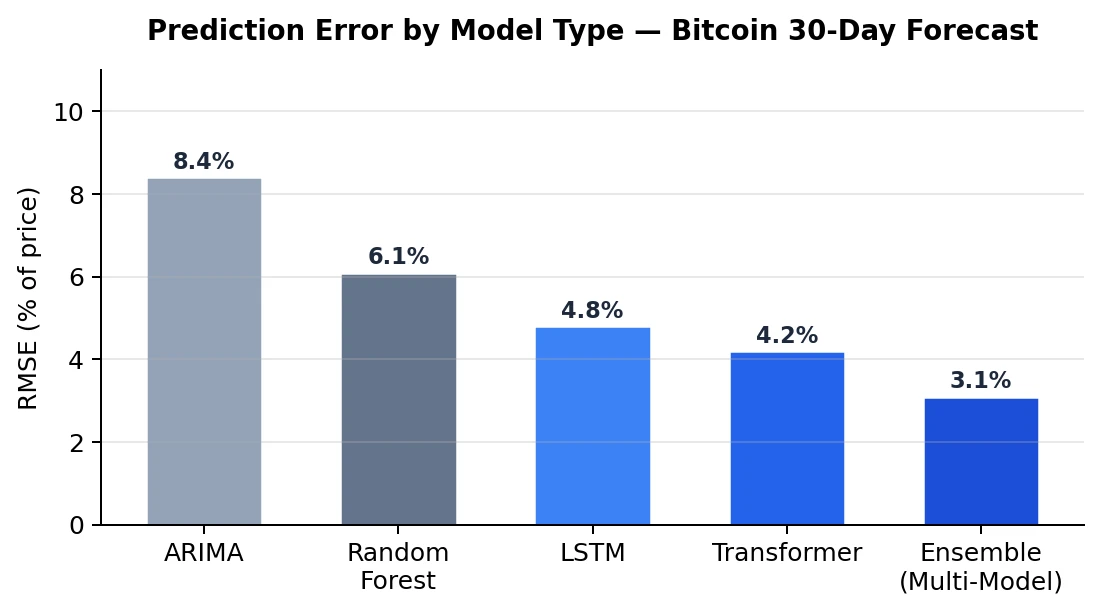
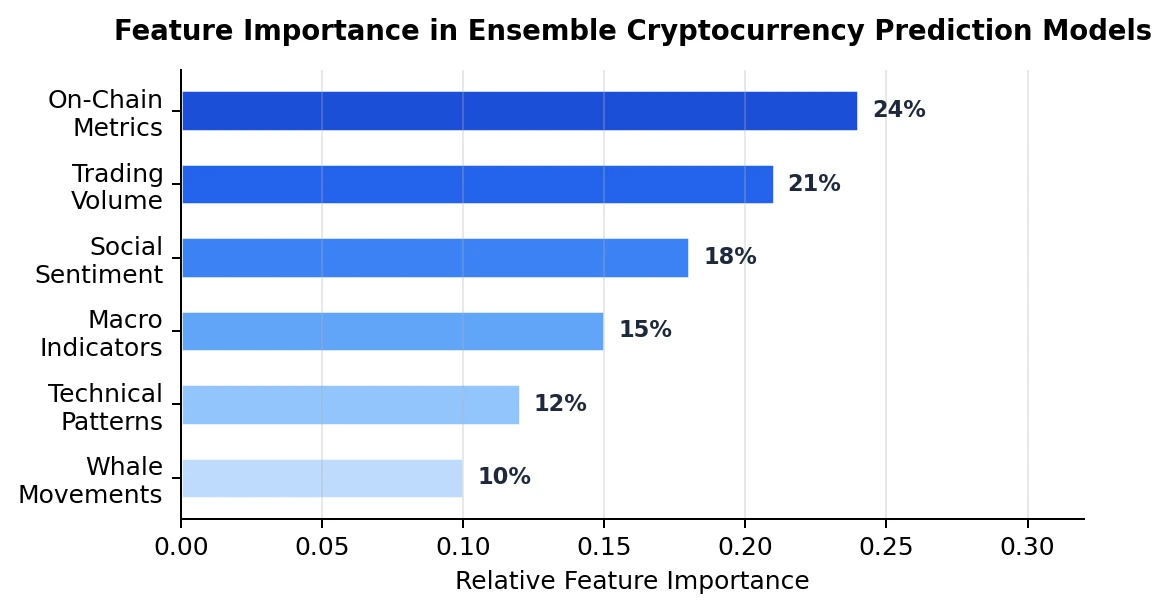


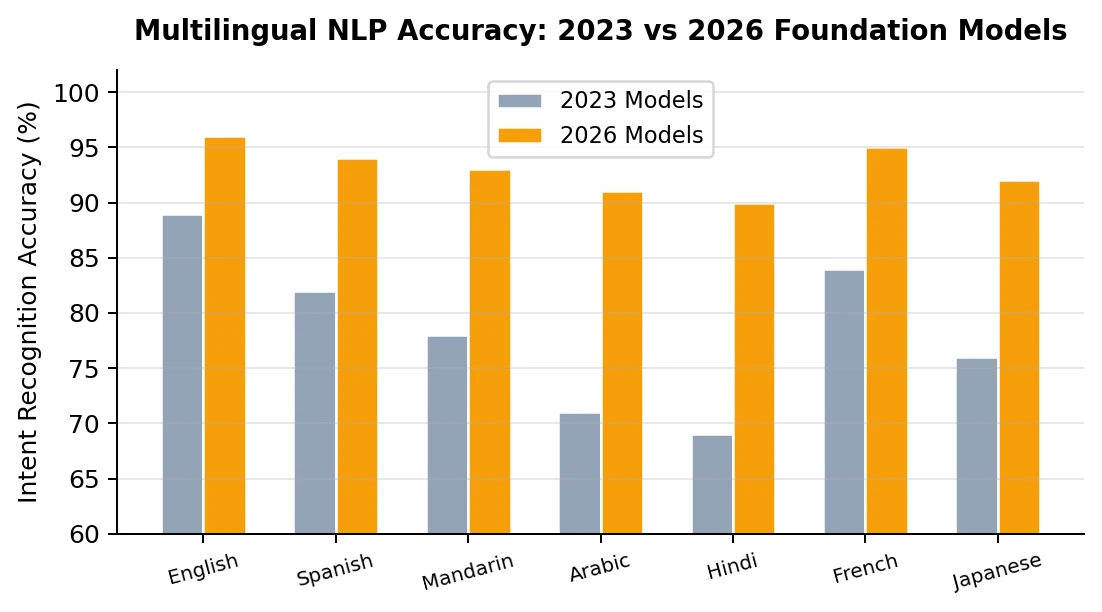
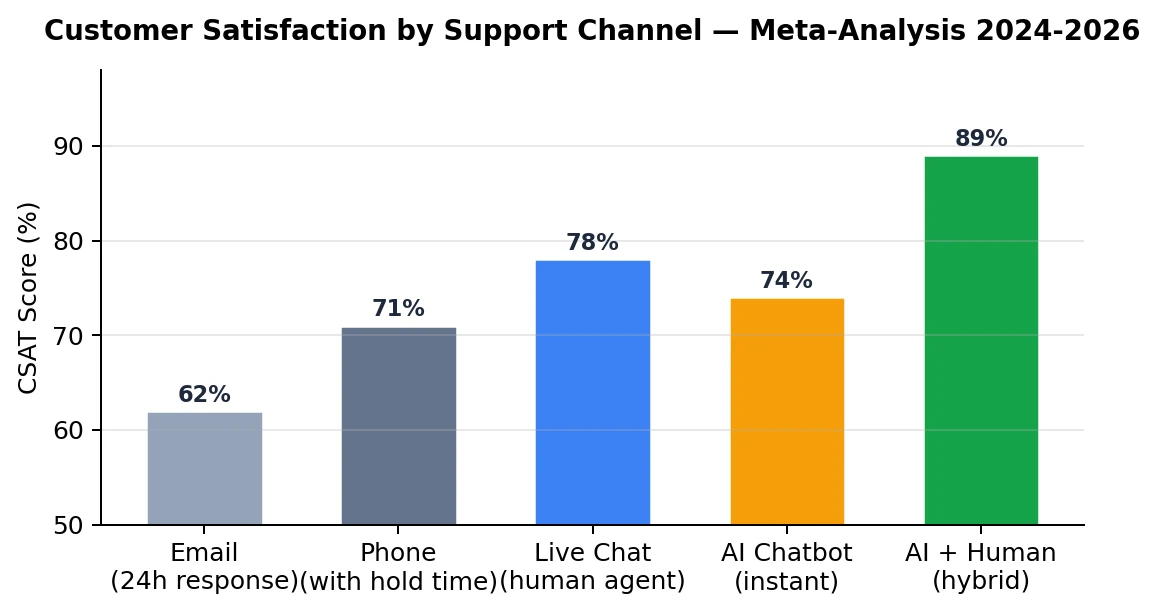















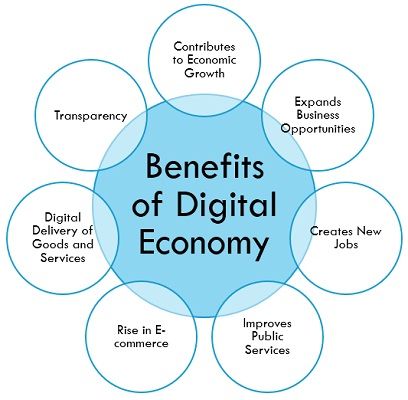



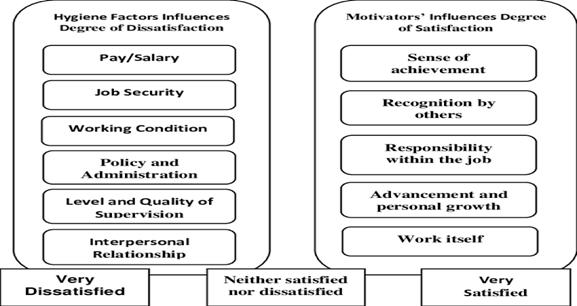


 ) statistics. The qualitative data collected from the field were transcribed which was thoroughly edited, analyzed thematically using narrative method of qualitative data analysis. The study identified distance to clinic as primary socio-cultural factors that determine the utilization of antenatal care service among women in Awka South Local Government Area. The study also found out that maternal death, pregnancy complications, infant death among others as effects of poor antenatal care services in Awka South Local Government Area. Finally, the research recommends that free and subsidized antenatal care service, improved facility infrastructure, community mobilization among others were listed as measures to improve antenatal care utilization among women in Awka South LGA.
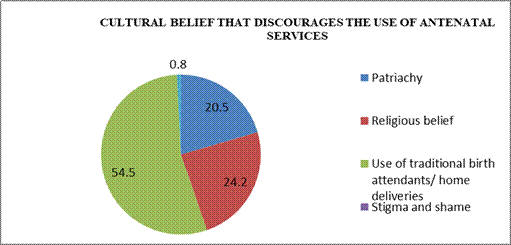
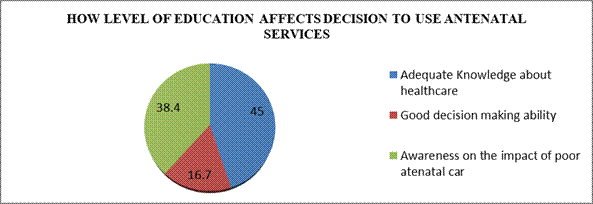
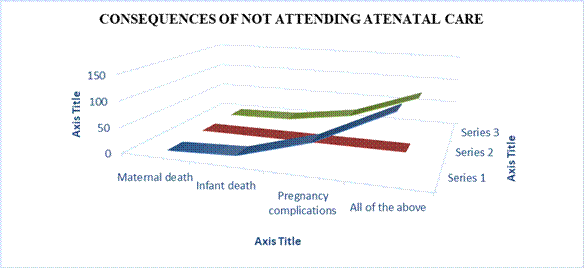
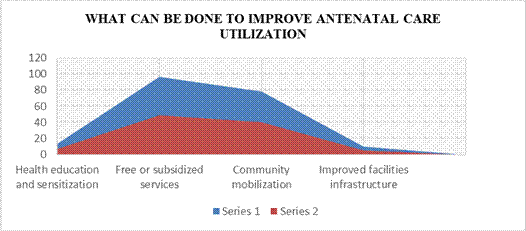


You must be logged in to post a comment.