Everything you need to know to build a thriving online teaching career in India — from registration to earning your first ₹10,000 a month.
Introduction
Online teaching jobs in India are currently one of the most searched employment categories, with over 1,35,000 monthly searches for ‘online teaching jobs India’ alone. The demand for qualified tutors is at an all-time high — and platforms like UrbanPro are making it easier than ever to connect with students across the country.
Whether you are a schoolteacher looking to supplement your income, a fresh graduate with subject expertise, or a professional wanting to share your skills — this guide will show you exactly how to start teaching online in India in 2026 and build a sustainable income from it.
Why Online Teaching Is One of the Best Work-From-Home Opportunities in India
The Indian online education market is projected to grow at 28% CAGR through 2030. This means demand for quality tutors is only going to increase. Here is why online teaching makes excellent career sense:
High earning potential: Experienced tutors on UrbanPro earn between ₹500 and ₹3,000+ per hour depending on subject and level.
Flexible schedule: Teach at times that suit you — evenings, weekends, or full-time. You control your calendar.
No commute: Teach from home via laptop or smartphone. All you need is a decent internet connection.
Massive student base: UrbanPro has 55 lakh+ students actively searching for tutors across India’s top cities and Tier-2 towns.
Growing demand in Tier-2/3 cities: Industry data shows Tier-2 and Tier-3 cities are the fastest-growing segments in Indian online education.
Who Can Become an Online Tutor in India?
The eligibility bar for online tutoring in India is broad. You can teach online if you are:
A schoolteacher or college lecturer with subject expertise.
A graduate or postgraduate with strong academic knowledge.
A working professional who can teach skills like Python, Excel, digital marketing, or accounting.
A language expert who can teach Spoken English, French, German, Spanish, or regional languages.
A hobby/arts professional — yoga instructor, dance teacher, guitar player, or painter.
A competitive exam coach for JEE, NEET, UPSC, IELTS, or IBPS.
Step-by-Step: How to Register as a Tutor on UrbanPro
Step 1 — Create Your Tutor Profile
Go to UrbanPro.com and click ‘Signup as a Tutor’. Fill in your name, location, and contact details. Choose the categories you want to teach — Tuition, Languages, IT Courses, Hobby Classes, or Exam Coaching.
Step 2 — Add Your Qualifications and Experience
A strong profile is your most important marketing tool. Make sure you include:
Your educational qualifications (degree, certifications).
Years of teaching experience and subjects taught.
A professional profile photo — profiles with photos get 70% more enquiries.
A well-written bio describing your teaching style and what students can expect.
Step 3 — Set Your Availability and Fees
List your available time slots and set your hourly or monthly fee. Research what other tutors in your subject and level charge — competitive pricing in the beginning can help you build reviews faster.
Step 4 — Respond Quickly to Enquiries
When students or parents send enquiries, respond within a few hours. Fast response rates significantly improve your chances of converting an enquiry into a paid student. UrbanPro sends real-time notifications via app and SMS.
Step 5 — Deliver Outstanding Demo Classes
The demo class is your chance to impress. Prepare a structured 30-minute lesson that showcases your teaching clarity, subject depth, and ability to engage the student. A great demo almost always converts to a paid engagement.
Top Categories in Highest Demand on UrbanPro (2026)
Based on search volume data and UrbanPro’s platform activity, these are the hottest teaching opportunities right now:
Class 10 & 12 Tuition: Boards season drives massive demand — maths, science, English, and commerce subjects are top picks.
JEE / NEET Coaching: Physics, Chemistry, Biology tutors are in extremely high demand year-round.
Spoken English: One of the most searched categories in India with 1,65,000+ monthly searches.
Python & Data Science: IT professionals can earn premium rates — one of the highest CPC categories.
Online Yoga Classes: Post-wellness boom, yoga instructors have a strong, growing audience.
UPSC & SSC Coaching: High-intent students willing to invest in quality coaching — strong earning category.
IELTS Coaching: Huge demand from students planning to study or migrate abroad.
How Much Can You Earn as an Online Tutor in India?
Earnings vary by subject, level, and how many hours you teach. Here are realistic monthly earning benchmarks:
Beginner tutor (5-10 hrs/week): ₹8,000 – ₹20,000 per month.
Part-time tutor (15-20 hrs/week): ₹25,000 – ₹60,000 per month.
Full-time tutor (30+ hrs/week): ₹70,000 – ₹1,50,000+ per month.
Premium subject specialist (JEE/NEET/UPSC): ₹1,00,000 – ₹3,00,000+ per month.
The key to higher earnings is building a strong review profile, becoming a specialist in high-demand subjects, and maintaining consistent quality across all sessions.
Pro Tips to Grow Your Online Teaching Business
Collect student reviews actively — a profile with 10+ positive reviews gets 5x more enquiries than a new profile.
Upload a short video introduction to your profile. Video profiles significantly increase trust and conversion.
Be responsive and professional in all communication with parents and students.
Offer trial or discounted demo sessions initially to build your review base quickly.
Upskill regularly — tutors who teach trending topics like AI basics, data science, or digital skills command premium fees.
Use UrbanPro’s built-in tools — scheduling, payments, and messaging — to keep your workflow professional.
Conclusion
Online teaching in India is not just a side hustle anymore — it is a legitimate, scalable career. With India’s EdTech market growing at 28% CAGR and platforms like UrbanPro giving you direct access to millions of students, the opportunity has never been bigger.
Start by creating your free tutor profile on UrbanPro today. Build your reviews, specialise in a high-demand subject, and watch your teaching income grow month after month. The students are already searching — all you need to do is show up.
Closed-loop supply chain (CLSC) is an important paradigm for sustainable supply chain management. This paper systematically reviews domestic and international literature to summarize the evolution of this field from linear supply chains to the circular economy transition. The study identifies three major trends in CLSC research: a shift from single-link optimization to whole-chain collaborative governance; an evolution from cost-orientation to value co-creation; and a move from deterministic modeling to robust optimization and intelligent decision-making. This paper further analyzes typical cases including new energy vehicle power battery recycling, electronic product remanufacturing, and apparel reverse logistics to reveal the application mechanisms and practical values of CLSC in different industrial contexts. The results show that the effective operation of CLSC requires systematic governance supported by government policies, enterprise strategic coordination, technological innovation, and consumer participation. Future research should focus on cutting-edge topics such as artificial intelligence-enabled intelligent decision-making and supply chain resilience mechanisms.
Keywords: Closed-loop supply chain; Reverse logistics; Power battery recycling; Sustainable development
1. Introduction
Traditional supply chains have long followed the linear model of “extract–make–use–dispose”. While promoting economic development, this model has also led to resource depletion, environmental pollution, and other problems (Guide & Van Wassenhove, 2009). At present, more than 50 million tons of electronic waste are generated globally each year, and large amounts of waste clothing are incinerated or landfilled. Low resource utilization has become a key bottleneck restricting sustainable development.
Against this background, the closed-loop supply chain has emerged. Unlike traditional linear supply chains, CLSC emphasizes the closed-loop flow of materials. After their service life, products are not simply discarded but recycled, remanufactured, redistributed, or safely disposed through reverse logistics networks (Fleischmann et al., 1997). Its core lies in creating “value recovery” opportunities to extend product life cycles through remanufacturing, reuse, and recycling, thereby generating economic benefits while reducing environmental burdens and achieving the unity of commercial and social values.
In recent years, research on CLSC has grown rapidly. Early studies mainly focused on reverse logistics network design and cost optimization, and gradually expanded to multiple directions such as supply chain coordination mechanisms, carbon emission constraint optimization, and intelligent decision support systems (Rodríguez‑Escoto et al., 2024). Notably, the booming new energy vehicle industry has triggered a large-scale wave of decommissioned power batteries, making power battery recycling and echelon utilization a new hotspot in CLSC research. This paper aims to systematically sort out the theoretical evolution of CLSC research, summarize the main research themes and methodological characteristics, and reveal the practical application mechanisms of CLSC through typical case studies. The research provides important references for promoting the theoretical development of CLSC and guiding enterprise practice and decision-making.
2. Literature Review
Research on closed-loop supply chains has evolved from conceptual initiation to systematic improvement. In the early 1990s, scholars began to focus on end-of-life product management and proposed the conceptual framework of “reverse logistics” (Dell, 1998; Rogers & Tibben‑Lembke, 1999). Subsequent studies recognized the need to systematically integrate forward and reverse logistics, giving rise to the concept of closed-loop supply chains. Guide and Van Wassenhove (2009) pointed out that the core of CLSC is “value recovery”, extending product life cycles through remanufacturing, reuse, and recycling.
From the perspective of research evolution, CLSC studies can be roughly divided into three stages. The first stage (1990–2000) focused on basic issues such as reverse logistics network design, recycling channel location, and inventory optimization. The second stage (2000–2015) shifted to supply chain coordination mechanisms, profit-sharing contracts, and incentive mechanism design under information asymmetry. The third stage (2015–present), driven by the sustainable development agenda, has focused on carbon emission constraints, green procurement, and ecological design. Meanwhile, the rapid development of artificial intelligence has brought new research opportunities for CLSC (Sahamie et al., 2013).
Regarding research content, scholars have explored the design of recycling networks including topology, node location, and capacity allocation. Due to widespread demand uncertainty and recycling rate fluctuations, robust optimization has attracted attention for its ability to handle uncertain problems (Elsevier, 2026a). Rodríguez‑Escoto et al. (2024) constructed a multi-objective optimization model considering economic cost, environmental impact, and social benefits. They found that introducing environmental objectives increases operating costs by 15%–20% but significantly reduces carbon emissions. In addition, the impacts of policy tools such as carbon subsidies and tax incentives on remanufacturing decisions have been studied, showing that moderate carbon subsidies can encourage enterprises to carry out remanufacturing (Zhang & Li, 2023).
The connection between CLSC and sustainable development has become increasingly close. A World Economic Forum (2025) report states that CLSC is a key path to industrial circular transformation, and leading enterprises can reduce waste emissions by 30%–50% by building closed-loop networks. The application of artificial intelligence has become a new trend, with machine learning, deep learning, and reinforcement learning applied to demand forecasting, inventory optimization, and reverse logistics routing (IEEE, 2024a). Decision support systems can improve operational efficiency by 20%–30% (Elsevier, 2024a). Risk modeling addresses disruptions, quality fluctuations, market changes, and policy adjustments (IEEE, 2024b).
3. Research Methods
This study adopts a combined paradigm of systematic literature review and case analysis.
For the literature review, major databases including Web of Science, Scopus, Elsevier ScienceDirect, and Google Scholar are used. Search keywords include “closed-loop supply chain”, “reverse logistics”, “remanufacturing”, “battery recycling”, and “reverse supply chain”. The inclusion criteria are peer-reviewed journal or conference papers directly related to CLSC published after 2000. Non-Chinese/English papers, purely methodological studies without empirical applications, and full-text-unavailable documents are excluded. Content analysis is used to code the included literature and extract research questions, theoretical perspectives, methodologies, and core findings.
For case analysis, a multiple-case study method is adopted. Three typical cases are selected: new energy vehicle power battery recycling, electronic product remanufacturing, and apparel reverse logistics. Cases are chosen for representativeness, covering different industries and including both mature applications and emerging practices.
The literature review provides theoretical perspectives and research contexts, while case analysis presents application mechanisms and value creation paths in practice. The two approaches verify and complement each other, supporting a systematic review and in-depth understanding of CLSC research.
4. Research Results
4.1 Distribution of Research Themes
Through literature analysis, CLSC research covers six major thematic areas. These themes are interrelated and progressive, forming a complete knowledge system.
Table 1 Distribution of Research Themes in Closed-Loop Supply Chain Studies
Theme
Proportion
Main Content
Network Design and Optimization
25%
Topology, node location, capacity allocation
Coordination Mechanisms
20%
Contract design, profit distribution, information sharing
Remanufacturing Decisions
20%
Feasibility assessment, process routes, quality control
The rapid development of the new energy vehicle industry has led to a large number of decommissioned power batteries, making their treatment increasingly prominent. Power batteries contain scarce metals such as lithium, cobalt, and nickel, so recycling has important economic and environmental value.
Representative enterprises such as CATL and BYD have established full-life-cycle power battery management systems. Brunp Recycling under CATD has built a closed-loop system: “battery production–use–echelon utilization–recycling”, achieving a recovery rate of over 99% for nickel, cobalt, and manganese. This model reduces raw material costs and environmental pollution, verifying the practical value of CLSC in the power battery field.
4.2.2 Electronic Product Remanufacturing
Electronic product remanufacturing is one of the most commercialized CLSC fields. Enterprises such as IBM and Dell have remanufacturing programs that refurbish retired enterprise servers and sell them at a discount to small and medium-sized enterprises. Compared with new manufacturing, remanufactured servers reduce energy consumption and carbon emissions by about 50%. A core challenge is product quality uncertainty: remaining life and condition vary widely, requiring strict quality assessment and pricing.
4.2.3 Apparel Reverse Logistics
The apparel industry is a typical linear economy sector and an important testing ground for CLSC innovation. Fast fashion brands such as H&M, Zara, and Uniqlo have launched clothing recycling programs where consumers can exchange old clothes for discount coupons. However, actual closed-loop effects are limited: most recycled clothes are exported to secondhand markets or used as industrial rags, with less than 1% recycled into new fibers. This shows that building recycling channels does not equal real closed-loop realization.
High-end outdoor brands such as Patagonia have explored high-value closed-loop models. Its “Worn Wear” program recycles, professionally refurbishes, and offers trade-ins. Refurbished products are sold at 70%–80% of the original price, effectively extending product life cycles. This case indicates that successful CLSC requires not only recycling networks but also deep value connections with consumers to achieve both commercial and environmental benefits through product servitization.
4.3 Summary
Based on literature and case analysis, three core findings are obtained. First, CLSC research has formed a relatively complete theoretical system, shifting from single-link optimization to whole-chain collaborative governance, reflecting deeper systematic understanding. Second, CLSC shows differentiated characteristics and diverse values across industries, requiring industry-specific design. Third, effective CLSC operation demands multi-stakeholder coordination: government policy support, enterprise strategic coordination, technological innovation, and consumer participation are all indispensable. Systematic thinking is key to understanding and advancing CLSC.
5. Discussion
The literature review reveals three theoretical contributions of CLSC research: constructing a CLSC analytical framework that integrates forward and reverse supply chains from a systems perspective; developing supply chain coordination theory with rich contexts of multiple uncertainties; and expanding sustainable supply chain management theory by incorporating environmental externalities into decision-making, leading to carbon-constrained supply chain optimization and green supply chain performance evaluation.
The findings have important practical implications. For enterprises, CLSC has become a strategic tool for competitive advantage. They should actively apply AI, IoT, and blockchain to improve CLSC intelligence. For supply chain governance, reasonable profit-sharing mechanisms and long-term stable reverse logistics networks are needed. Government support is critical: carbon subsidies, tax incentives, and extended producer responsibility can effectively promote CLSC practices, but balance between environmental goals and economic efficiency is required.
This study has limitations: qualitative literature evaluation involves subjectivity; it focuses on academic literature and does not fully include industry reports and enterprise practices. Future CLSC research can focus on: AI-enabled intelligent decision-making and deep reinforcement learning for dynamic optimization; supply chain resilience and risk management under emergencies; digital CLSC with digital twin and industrial internet for full-process visualization and intelligent scheduling.
6. Conclusion
Through systematic literature review and case analysis, this paper sorts out the theoretical evolution, research themes, and methodological characteristics of CLSC research. It covers network design, coordination mechanisms, remanufacturing decisions, recycling optimization, green transformation, and intelligent decision-making, forming a complete theoretical system. Three major trends in CLSC research reflect the deepening understanding of its complexity. Cases such as power battery recycling, electronic product remanufacturing, and apparel reverse logistics show that CLSC presents differentiated features and diverse values in different industrial scenarios. Enterprises should select suitable CLSC business models and operational strategies according to their industry characteristics and resource endowments.
With the promotion of circular economy and sustainable development goals, CLSC will play an increasingly important role in corporate strategy and industrial policy. Especially under the rapid development of artificial intelligence, the effective integration of intelligent technology and CLSC operations will be an important direction for theoretical research and practical exploration.
References
Dell. (1998). The defragmentation of corporate America [Corporate report]. Dell Inc.
Elsevier. (2024a). Decision support systems for a resilient and sustainable closed loop supply chain. Decision Support Systems, 114182. https://doi.org/10.1016/j.dss.2024.114182
Elsevier. (2026b). Coordination in closed‑loop supply chains with remanufacturing: A bibliometric and cluster analysis. Procedia CIRP. https://doi.org/10.1016/j.procir.2026.01.045
Elsevier. (2026c). Optimizing pricing, greening, recycling, and emission reduction in a closed‑loop supply chain. Journal of Cleaner Production. https://doi.org/10.1016/j.jclepro.2026.01.087
Fleischmann, M., Bloemhof‑Ruwaard, J. M., Dekker, R., van der Laan, E., van Nunen, J. A., & Van Wassenhove, L. N. (1997). Quantitative models for reverse logistics: A review. European Journal of Operational Research, 103(1), 1–17. https://doi.org/10.1016/S0377‑2217(97)00230‑0
Guide, V. D. R., & Van Wassenhove, L. N. (2009). Closed‑loop supply chains: An introduction to the feature issue (Part 1). Production and Operations Management, 18(5), 481–486. https://doi.org/10.1111/j.1937‑5956.2009.01033.x
IEEE. (2024a). Exploring the role of artificial intelligence in closed‑loop supply chain. IEEE Transactions on Engineering Management. https://doi.org/10.1109/TEM.2024.3387215
IEEE. (2024b). Risk modeling framework for strategic and operational intervention to enhance the effectiveness of a closed‑loop supply chain. IEEE Transactions on Engineering Management. https://doi.org/10.1109/TEM.2024.3356789
Rodríguez‑Escoto, M., et al. (2024). A multi‑objective sustainable closed‑loop supply chain network design with robust optimization. International Transactions in Operational Research. https://doi.org/10.1111/itor.13345
Rogers, D. S., & Tibben‑Lembke, R. S. (1999). Going backwards: Reverse logistics trends and practices [Industry report]. Reverse Logistics Executive Council.
Sahamie, R., et al. (2013). Transdisciplinary research in sustainable operations: An application to closed‑loop supply chains. Business Strategy and the Environment, 22(4), 245–268. https://doi.org/10.1002/bse.1756
World Economic Forum. (2025). Circular transformation of industries 2025: Leveraging closed‑loop supply chains for sustainable development [Industry report]. WEF Publications.
Zhang, W., & Li, Q. (2023). Construction and empirical test of remanufacturing closed-loop supply chain model considering carbon subsidy. Chinese Journal of Management Science, 31(5), 123–134.
Wang, F., & Liu, C. (2022). Research on recycling and pricing strategy of new energy vehicle power batteries in closed-loop supply chain. Systems Engineering — Theory & Practice, 42(8), 2158–2172.
Daily writing prompt
What’s a thing you were completely obsessed with as a kid?
The European crypto industry is entering a new regulatory era as the Markets in Crypto-Assets (MiCA) framework moves closer to full implementation. For many digital asset companies, the challenge is no longer whether regulation is coming, but how quickly they can adapt their businesses to meet the new requirements.
Against this backdrop, LegalBison has introduced a new research series aimed at helping crypto operators better understand the realities of MiCA compliance and licensing across the European Union.
According to Reuters, LegalBison partnered with Bitcoin.com News to launch “MiCA Decoded,” a 12-part editorial series focused on the operational and legal aspects of the EU’s crypto regulations.
The initiative combines data from public CASP registers, information published by the European Securities and Markets Authority (ESMA), and LegalBison’s own experience working with crypto licensing applications in multiple jurisdictions. Rather than offering general commentary on regulation, the series focuses on practical details that companies often misunderstand during the licensing process.
One of the key topics covered is the structure of the Crypto-Asset Service Provider (CASP) authorization system. The research points out that although more than 170 entities appear in the register, only a limited number currently have authorization to operate centralized cryptocurrency exchanges. This highlights the level of scrutiny regulators are applying to applications and the growing importance of compliance preparation.
The series also examines how MiCA timelines work in practice. While many companies rely on simplified estimates for approval periods, the actual operational process can take significantly longer depending on the jurisdiction, internal documentation, and communication with regulators. LegalBison argues that misunderstanding these timelines is one of the most common reasons crypto businesses experience delays or unsuccessful applications.
Another important issue discussed in the research is the preparation of crypto asset white papers. Under MiCA, projects must provide detailed documentation explaining the structure, purpose, and risks associated with their digital assets. The series notes that many founders still rely on informal or incomplete formats that may not satisfy regulatory expectations. As compliance standards become stricter, documentation quality is becoming a critical factor in the authorization process.
Jurisdictional strategy is another major focus. Although MiCA creates a unified framework across the EU, implementation can still vary between member states. Different countries may offer varying processing speeds, regulatory approaches, and operational advantages for crypto businesses. The research explores how companies evaluate these factors when deciding where to establish their licensing operations.
The growing attention around MiCA reflects a broader shift in the digital asset industry. Regulators are increasingly treating crypto businesses similarly to traditional financial institutions, especially in areas such as anti-money laundering controls, customer verification, operational transparency, and consumer protection. As a result, compliance is becoming part of long-term business strategy rather than a temporary legal obligation.
Industry analysts believe that companies capable of adapting early may gain a competitive advantage as the market matures. Firms with approved licenses are likely to benefit from stronger banking relationships, improved credibility with institutional partners, and broader access to European customers. At the same time, businesses that fail to meet the requirements could face operational restrictions or lose access to key markets.
LegalBison specializes in legal and regulatory services for fintech and digital asset companies. The firm supports projects with licensing strategy, regulatory architecture, AML and KYC compliance programs, and communication with authorities in multiple jurisdictions. Its operational network spans more than 50 countries, with offices in locations including Warsaw, Tallinn, Panama City, Manama, and Kuala Lumpur.
As the implementation deadlines approach, demand for regulatory guidance across the crypto sector is expected to continue growing. Educational initiatives such as “MiCA Decoded” reflect the industry’s increasing need for practical information based on real licensing experience rather than theoretical interpretation alone.
Daily writing prompt
What’s a classic book that you think is overrated?
As online trading continues to expand in Nigeria, more users are evaluating international platforms that promise access to global markets. Among them, IQ Option remains one of the most discussed names, raising questions about both legitimacy and security.
As covered by Tribune Online, the platform has been operating for over a decade and serves millions of users across different regions. While longevity can indicate stability, traders still need to assess how the platform functions and what safeguards are actually in place.
From a security perspective, IQ Option follows standard industry protocols. It operates under SKY LADDER LLC, registered in Antigua and Barbuda, and implements SSL encryption to protect data transmission. Account-level protection includes two-factor authentication, which adds an extra verification step during login. Another structural element is the separation of client funds from company funds—this is intended to prevent misuse and ensure that user balances are not tied to operational expenses.
Functionality plays a major role in evaluating platform safety. IQ Option offers a multi-asset environment where users can trade forex pairs, cryptocurrencies, stocks via CFDs, commodities, indices, and options. Having all instruments accessible within one interface simplifies the trading process, especially for users who want to diversify without switching platforms. The system also includes analytical tools such as RSI, MACD, and Bollinger Bands, which help traders interpret price movements and make more informed decisions.
One of the more notable features is how the platform structures risk. Unlike margin-based systems where losses can exceed deposits, IQ Option limits the maximum loss to the amount placed on a trade. This means traders cannot accumulate debt through trading activity. Additional tools enhance this control:
Stop-loss orders automatically close positions to limit downside risk
Take-profit settings secure gains once a target level is reached
Early closure allows traders to exit positions before expiration
Price alerts notify users when specific levels are reached
These mechanisms are built into the platform rather than offered as optional add-ons, which contributes to a more controlled trading environment.
Despite these safeguards, user feedback reveals some recurring concerns. Most complaints are related to withdrawal timing, particularly when accounts are undergoing verification. This process—commonly known as KYC (Know Your Customer)—requires identity and address confirmation before funds can be released. While standard across financial platforms, it can create delays if users are unprepared. Another common issue involves bonus terms, where traders activate promotions without fully understanding the conditions attached.
The onboarding process itself is relatively straightforward. New users can begin with a demo account that includes virtual funds, allowing them to explore the interface risk-free. Transitioning to a live account requires a minimum deposit, and Nigerian users can fund accounts through local payment systems. Withdrawals are processed back to local bank accounts, typically within several working days depending on verification status.
It is also important to consider regulatory context. IQ Option does not hold a Nigerian SEC license, which means it operates without local regulatory oversight. For some traders, this may be a significant factor when evaluating trust and accountability. Others may prioritize functionality, accessibility, and global presence instead.
In practical terms, the platform’s safety depends not only on its technical infrastructure but also on how it is used. Trading inherently involves financial risk, and no system can eliminate the possibility of loss. Tools and protections can reduce exposure, but they cannot replace strategy, discipline, or market understanding.
Overall, IQ Option presents itself as a legitimate trading platform with established security measures and operational history. For Nigerian traders, the key is to approach it with realistic expectations: use the demo environment first, understand all terms—especially bonuses—and ensure full account verification before initiating withdrawals.
Daily writing prompt
What are the biggest benefits of minimalist living?
The cryptocurrency sector is continuing to evolve from a niche financial market into a broader institutional ecosystem, and with that growth comes increasing attention to infrastructure security. As more enterprises and financial organizations integrate digital assets into their operations, independently verified cybersecurity standards are becoming a critical factor when selecting crypto payment and custody providers.
As noted by CoinMarketCap Community, CryptoProcessing by Coinspaid has achieved CCSS Level 3 certification for its Institutional-Grade Key Management and Wallet Infrastructure. The certification is the highest level available under the Cryptocurrency Security Standard framework developed by the CryptoCurrency Certification Consortium (C4).
The independent audit was conducted by Hacken, a cybersecurity and blockchain infrastructure auditor approved by C4. The assessment started in the fourth quarter of 2025 and reviewed the company’s Full System operational environment.
CCSS, short for Cryptocurrency Security Standard, is a framework created specifically for digital asset infrastructure. Unlike traditional cybersecurity certifications that focus mainly on general IT systems, CCSS evaluates the operational and technical processes directly involved in cryptocurrency management. This includes how companies generate, store, back up, and protect cryptographic keys, as well as how transactions are authorized and monitored.
The framework is widely recognized within the crypto industry because it addresses the unique risks associated with blockchain-based financial systems. Cryptocurrency infrastructure depends heavily on secure key management since private keys control access to digital assets. If these keys are compromised, funds can potentially be lost permanently. As a result, CCSS places significant emphasis on operational discipline, governance procedures, and layered security controls.
Level 3 is considered the most demanding tier within the CCSS framework. To achieve it, organizations must demonstrate mature infrastructure management, formalized operational policies, and advanced protection mechanisms across the entire system environment. Certification at this level indicates that security practices are integrated into everyday operations rather than implemented only as isolated safeguards.
During the audit, Hacken reviewed multiple areas of CryptoProcessing’s infrastructure. The assessment covered key generation processes, wallet creation procedures, secure key storage systems, backup protocols, access management controls, transaction authorization workflows, logging and monitoring mechanisms, and incident response strategies related to key compromise scenarios.
According to the findings, CryptoProcessing applies governance standards and operational procedures aligned with recognized crypto-native security practices. The review also confirmed that the company maintains structured risk management policies across its infrastructure environment.
The growing importance of certifications like CCSS reflects broader changes taking place across the digital asset industry. Enterprise clients and institutional investors are no longer evaluating providers only on transaction speed or payment functionality. Security transparency and independently validated infrastructure have become equally important, particularly for businesses managing large transaction volumes or operating under strict compliance requirements.
Independent audits can also simplify due diligence processes for financial institutions, banks, and corporate partners considering cryptocurrency integrations. In many cases, organizations entering the crypto sector must demonstrate that their partners follow recognized operational and cybersecurity standards before cooperation can proceed.
Another important factor is regulation. Governments and financial authorities around the world are introducing more detailed frameworks for digital asset oversight. In Europe, regulations such as MiCA and DORA are increasing expectations related to operational resilience, cybersecurity governance, and infrastructure reliability. Companies with independently verified security frameworks may find it easier to align with these regulatory standards.
Max Krupyshev, Executive Leader at CryptoProcessing, described the certification as a meaningful milestone for the company. According to him, CCSS Level 3 requires disciplined operations, resilient security controls, and formalized governance structures across the entire infrastructure environment. He noted that the certification validates the company’s operational maturity and reinforces trust for businesses relying on secure digital asset operations at scale.
CryptoProcessing by Coinspaid stated that it plans to continue investing in technology and security improvements to support businesses adopting cryptocurrency payments globally. The company sees the certification as another step toward delivering dependable and future-ready digital payment infrastructure for enterprise and institutional clients.
Hacken, the auditing company behind the assessment, is recognized within the blockchain cybersecurity sector and employs multiple specialists holding active CCSS Auditor certifications. Industry experts note that the increasing adoption of infrastructure audits and security certifications demonstrates how the crypto sector is gradually moving toward operational standards similar to those expected in traditional financial services.
As institutional adoption of digital assets continues expanding worldwide, independently verified security frameworks are likely to become even more influential in shaping the future of crypto payment infrastructure.
Daily writing prompt
What’s a thing you were completely obsessed with as a kid?
CHUKWUKA, E. J., & MOEMEKE, C. D. (2026). The Strategic Effect of Entrepreneurial Education on Nigerian Economic Development. International Journal for Social Studies, 12(2), 48–59. https://doi.org/10.26643/ijss/9
Ernest Jebolise CHUKWUKA (PhD)
Department of Entrepreneurship and Business Innovation
Faculty of Management Sciences
University of Delta, Agbor
ernest.chukwuka@unidel.edu.ng
Clara Dumebi MOEMEKE (Ph.D)
Department of Science Education
Faculty of Education,
University of Delta, Agbor
Orcid no: 0000 0003- 1848-0623
Abstract
This explorative study examined the effect of Entrepreneurial Education on Nigerian Economic Development. The main objective is to ascertain the exact nature of connection between entrepreneurial education and Nigeria’s economic growth. The study adopted systematic review methodology called thematic. Papers were selected from multiple databases thematically. Content analysis was used to examine the gathered data. Condensing lengthy textual information into fewer categories in accordance with clear coding standards is accomplished through the methodical and repeatable process of content analysis. The results demonstrated a substantial relationship or correlation between entrepreneurial education and Nigeria’s economic development. This implies that entrepreneurship education in Nigerian colleges has sparked a desire to capitalize on numerous business chances for Nigeria’s economic development. According to the findings, well-taught entrepreneurship courses that equip students with entrepreneurial knowledge and skills would encourage them to launch their own companies and contribute to Nigeria’s economic expansion. Determining the elements that affect economic development is one of the primary objectives of contemporary economics. The impact of entrepreneurship on a nation’s economy is enormous. This is known to economists and decision-makers. In actuality, entrepreneurship is now viewed as a catalyst for the growth and advancement of productive endeavors in all spheres of global economic life. The study concludes that there is a stronger correlation between economic growth and entrepreneurial education than with foreign assistance which contends that entrepreneurial education is essential for unlocking economic growth, generating employment, and lowering poverty, among other things, in developing countries like Nigeria. The study recommends, among other things, that entrepreneurship skills centers be set up in both rural and urban areas so that business owners can acquire new skills that will make them more productive and increase their contribution to economic development and growth.
Entrepreneurship education seeks to provide learners with the knowledge, skills and motivation to encourage entrepreneurial success in a variety of settings. Variations of entrepreneurship education are offered at all levels of schooling from primary or secondary schools through graduate university programmes. It is focused on realization of opportunities where management education is focused on the best way to operate existing hierarchies (Chukwuka & Nwaka 2026). Entrepreneurship Education focuses on developing understanding and capacity for pursuit, of entrepreneurial behaviours, skills and attributes in widely different contexts. It can be presented as being accessible to everyone and not just the province of ambitious, high-achieving businesspeople.
The inclination to act in an entrepreneurial manner is not unique to any one person. A person’s capacity to exhibit and develop entrepreneurial behaviors, abilities, and traits will vary. All students should be exposed to entrepreneurship education because these behaviors may be learnt, developed, and practiced (Asia-Pacific Economic Cooperation Forum, 2010). Beyond their use in commercial endeavors, entrepreneurial abilities and mindsets serve society. The development of new and efficient Small and Medium-Sized Enterprises (SMEs) should be viewed as crucial to the creation of a healthy African economy since the business sector is the dynamic mechanism underpinning every successful economy.
There seems to be no nation in the world that is not directly or indirectly impacted by the problems associated with youth unemployment, making it an epidemic that is quickly turning into a worldwide disaster. In 2020, the worldwide youth unemployment rate was 15.28% due to the fact that over 621 million people between the ages of 15 and 24 do not have gainful job (International Labour Organization (ILO) 2022). The situation is worse in Nigeria, where 21.72 million young people between the ages of 15 and 35 are unemployed. By the end of 2022, the country’s youth unemployment rate is expected to reach 53% (National Bureau of Statistics 2021). Nigeria’s rapidly growing population, which is expected to reach over 840 million by 2050 (United Nations Development Programme (UNDP), 2017) and is primarily made up of young people, is supposed to be the country’s greatest asset in terms of providing labor for industrialization. Sadly, this growing youth population has created a significant social burden for the government, the world, and even the young people themselves. If immediate action is not taken, the current situation has shown that this exponential expansion is more of a time bomb than an opportunity. Like other emerging nations, Nigeria faces a growing unemployment rate that has led to a number of social issues, including internet fraud, banditry, terrorism, kidnapping, and ritual killings.
Raising young employment has been attributed to the nation’s inadequate educational system. Education stakeholders have long bemoaned the regrettable tendency of postsecondary schools producing graduates who wander the streets every day looking for employment that don’t exist (Gabadeen & Raimi 2016). The Federal Ministry of Education (FME) incorporated entrepreneurship education into the curricula of universities, polytechnics, and colleges of education through their regulatory agencies, the National Universities Commission (NUC), National Board for Technical Education (NBTE), and National Commission for Colleges of Education (NCCE), in an effort to address this issue by turning graduates of Nigerian higher education into job creators rather than lifelong job seekers. With effect from the 2007–2008 academic year, entrepreneurship education was formally added to the curricula of higher education institutions (ILO, 2010).
The degree of development of a country’s human resources, as well as in the areas of social integration, psychological stability, functional education, and political stability, are used to determine its wealth. Any country that reaches this level of development will undoubtedly eradicate poverty, unemployment, and corruption and advance industrialization, peace, security, human and capital development, a sufficient supply of food, and fair wealth distribution among its people. This supports the ideas expressed by Scottish economist and moral philosopher Adam Smith in his book An Inquiry into the Nature and Causes of the Wealth of Nations, which is commonly known by its abbreviated title The Wealth of Nations.
Incorporating entrepreneurship education into Nigerian university curricula was intended to equip students with the skills necessary to succeed in the workforce and contribute to society once they graduated (Davwet, Damar, Goyit, & Kajang, 2019). This goal is reflected in Nigerian institutions’ strategic plans, which provide undergraduates with the chance to become entrepreneurs and lifelong learners. Entrepreneurship education was created to give undergraduates from a range of fields the entrepreneurial skills they would need to own requirements of life, be human, and be free from societal servanthood (Edokpolor, 2020). Undergraduates’ ability to obtain independence and the requirements of life is described in the literature on sustainability and economic development (Mensah, 2019).
Statement of Problem and the Justification of the Study
In Nigeria, entrepreneurial education has been extensively advocated as an essential strategy for addressing enduring issues like high young unemployment, sluggish industrial growth, poor levels of innovation, and an excessive reliance on crude oil earnings. Nigerian universities, polytechnics, and other postsecondary institutions have responded by establishing entrepreneurship centers and courses, frequently making them mandatory for students in all subject areas. However, despite these efforts, the nation still has a sizable unproductive informal sector and high rates of underemployment and unemployment, particularly among graduates.
This circumstance calls into question the true strategic impact of entrepreneurship education on Nigeria’s economic growth. In particular, there is no empirical knowledge about whether the way entrepreneurial education is currently designed, taught, and delivered in Nigeria truly results in quantifiable outcomes like the development of businesses, the creation of jobs, the capacity for innovation, and GDP contribution. Few studies examine how entrepreneurial education affects more general development indicators like employment structure, economic diversification, and poverty reduction; most concentrate on students’ attitudes or intentions. Because of this gap, it is challenging for educators and policymakers to assess whether current entrepreneurship programs are useful as tools for development or require substantial revision.
Additionally, there seems to be a mismatch between the skills taught in many Nigerian entrepreneurship programs and the real-world demands of the business environment, such as technology change, infrastructure deficiencies, regulatory restrictions, and financial access. As a result, graduates could learn about entrepreneurship theoretically without the skills, networks, or ecosystems needed to build long-term businesses that can spur economic growth. This discrepancy implies that entrepreneurship education’s strategic potential as a catalyst for national development is not being fully realized. The lack of data on how and to what degree entrepreneurial education, as it is currently organized and applied in Nigeria, strategically influences important aspects of economic development like job creation, innovation, enterprise expansion, and structural economic transformation is the issue this study attempts to solve. Without this proof, entrepreneurship education may continue to be funded and expanded without clear evidence of its developmental benefit or recommendations for enhancing its efficacy.
The urgent need for evidence-based solutions to Nigeria’s high youth unemployment, which has been recognized as a significant socioeconomic issue and a cause of instability and insecurity, justifies this study. The idea that entrepreneurial education might provide young people the mindset and abilities to make their own jobs instead of relying just on wage employment is frequently put forth. Determining if this widely held belief is true in the Nigerian context will require assessing its strategic impact on economic development (Bessant& Tidd 2011).
Policymakers and educational planners who devote significant funds to entrepreneurial initiatives at the federal, state, and institutional levels should also take note of the study. The research can direct changes in curriculum design, teaching strategies, and support systems like incubation, mentorship, and financial access if it makes clear how entrepreneurial education helps (or doesn’t help) employment, innovation, and economic diversity. This will make it possible to allocate scarce public and private funds to entrepreneurial education programs that have clear developmental benefits.
The report provides a foundation for universities and other educational institutions to match entrepreneurial education with national economic priorities, like boosting MSMEs, encouraging a knowledge-based economy, and advancing non-oil sectors. The study can help enhance course content, experiential learning, industry relationships, and evaluation techniques by determining which elements of entrepreneurial education are most closely associated with economic outcomes (Chukwuka et al 2026b). This will increase the relevance and efficacy of programs. Lastly, by examining entrepreneurship education’s wider strategic impact on economic development indicators in a developing-country setting, the study adds to the body of scholarly literature by going beyond attitudinal and intention-based studies. A targeted study helps close a conceptual and empirical gap and offers a model for comparable investigations in other African economies because current research on Nigeria is still developing and frequently dispersed.
This study main objective is to ascertain the exact effect of Entrepreneurial Education on Nigerian Economic Development.
Literature Review
The Concept of Entrepreneurship Education
Several authors have attempted to conceptualize entrepreneurship education. For example, entrepreneurship education is defined by Okifo and Ayo (2010) as the kind of education intended to alter the recipient’s orientation and attitude while acquiring the skills and information necessary to establish and run a business organization. Osuala (2010) defined entrepreneurship education as a program or component of a program that equips people to start and run small businesses, including franchise operations, for the purpose of carrying out all business functions related to a product or service with an emphasis on social responsibilities, legal requirements, and risks for the sake of profit involved in the conduct of private business enterprises. The primary goal of entrepreneurship education, according to Suleiman (2010), is to prepare young people to be responsible, enterprising individuals who become entrepreneurs or entrepreneurial thinkers by providing them with real-world learning experiences that allow them to take risks, manage results, and learn from the outcome.
The process of teaching people to identify and cultivate essential entrepreneurial traits, abilities, and behaviors is known as entrepreneurship education. Since these abilities are necessary in the workplace, everyday activities, household management, and society at large, entrepreneurial skills like creativity, innovation, quick decision-making, and risk-taking are applicable to everyone, not just those who want to launch and expand their own business. As the saying goes, learning never ends, and entrepreneurship education should never end either (Chukwuka et al 2026). Successful business owners never stop learning during the course of their venture or business. Adesulu (2010) asserts that in order for Nigeria to achieve its Vision 20:2020 objectives, the nation must not just teach entrepreneurship in schools but also be ready to put it into practice. Another meaning of entrepreneurship education is someone who develops original concepts and transforms them into successful enterprises. Adesulu continues, “The act of combining creative and inventive ideas with organizational management abilities in order to combine people, money, and resources to solve a recognized need and create profit” is the definition of entrepreneurship. According to
Egunjimi (2012), the goals of entrepreneurship education are as follows: To provide adolescents with practical knowledge that will help them become independent and self-employed. Give the young graduates enough training so they can find new business prospects with creativity and innovation, to act as an accelerator of development and economic growth. Provide graduates of postsecondary institutions with sufficient risk management skills to ensure that certain bearings are viable. Migration from rural to urban areas has decreased. To lower the high poverty rate. Make jobs. Give the recent graduates adequate training and assistance so they can start a career in small and medium-sized businesses. To instill in young people and adults the spirit of perseverance that will allow them to persevere in any business endeavor they take on. Make the shift from a traditional to a modern industrial economy seamless.
Economic development is a primary concern for any competent government. It is a key campaign commitment during electioneering campaigns and has a prominent place in its growth strategy. Since education is widely seen as the cornerstone of progress, many governments in developing countries have focused on it as a way to achieve national development. A nation with educated citizens is more likely to see national progress than one with uneducated citizens. This is based on the idea that educated citizens are not only creative and productive but also socially and culturally tolerant people who apply moral and ethical principles in their daily lives with an entrepreneurial spirit that helps to create jobs and lessen poverty among the hordes of young people. Because of their beliefs and leadership abilities, they support political, economic, and technical advancement. Since man’s divine creation, education has been used largely as a reformative process in the sustainable development of a dynamic society for shared wealth and citizen harmony (Awofala & Sopekan, 2013; Oyekan, 2015).
The relationship between economic development and entrepreneurship
The following are some ways that entrepreneurship aids in economic development: 1) Balanced regional development: The growth of commerce and industry benefits the public in many ways, such as transportation, health, education, and entertainment. Development is limited to the cities where industry are concentrated. Due to greater rivalry in and around cities, there is a rapid development when new entrepreneurs thrive at a faster rate and are motivated to start their firms in smaller towns far from large cities. This aids in the advancement of underdeveloped regions.
2) Dispersal of economic power: As a result of industrial growth, economic power is typically concentrated in a small number of hands. One effect of this concentration of power in a small number of hands is monopolies. The growth of numerous entrepreneurs contributes to the population’s distribution of economic power. Consequently, it helps lessen monopoly’s detrimental effects.
3) Creating jobs: The country is worried about rising unemployment, especially among educated people. There are hardly 5% to 10% of unemployed people who can find work. There are two ways that entrepreneurs generate employment: directly and indirectly. Through their self-employment as entrepreneurs and the creation of many manufacturing facilities, they directly and indirectly create work for millions of others.
Therefore, the best way to fight unemployment is through entrepreneurship. 4) Innovation: An entrepreneur is a person who is always searching for new chances. He not only mixes the factors of production but also introduces new ideas and combinations of factors. He is always trying to implement more advanced techniques for producing goods and services. An entrepreneur advances economic growth through invention.
5) National income: National revenue is derived from both domestic and foreign goods and services. Both domestic consumption and export demand are the goals of the produced goods and services. As the population grows and living standards rise, so does domestic demand.
Export demand increases to meet the demands of growing imports for a number of reasons. An increasing number of entrepreneurs are required to meet the growing demand for goods and services. Consequently, entrepreneurship increases the country’s income. 6) Higher living standards: Increasing economic growth rates requires entrepreneurs. Depending on their demands, entrepreneurs can produce goods at a lower cost and provide the community with high-quality commodities at a lower cost. Customers can buy more items to meet their needs as commodity prices decline. In this way, they will be able to improve the standard of living for the populace.
Ogundele and Egunjimi (2017) list the following additional advantages of entrepreneurial education for the Nigerian economy:
a) Employment opportunities: There are more job openings as a result of entrepreneurial activity. Businesses need people to work for them. Additionally, entrepreneurship reduces the number of job seekers on the streets searching for open opportunities. Unemployment and idleness are other contributing factors to the high incidence of crime and violence among young people and on the streets. b) Efficient use of natural resources: Entrepreneurship creates value for the economy and the entrepreneur by transferring resources from less productive to more productive areas. Nigeria’s vast natural and human resources are effectively used.
c) Equitable distribution of income and wealth: More entrepreneurial activity in rural areas generates more money, which spreads the economic prosperity of both communities and individuals. The rate of rural-urban migration will decrease as a result of more villages having more employment possibilities. In rural places, entrepreneurship creates new jobs, boosts local incomes, and enhances the standard of living. These kinds of entrepreneurial endeavors successfully link rural villages with larger urban areas. A nation’s increasing productivity and capital accumulation are further benefits of entrepreneurship education. In conclusion, the expansion of entrepreneurship is essential to the nation’s economic development. The role of entrepreneurship development can be summed up as follows: entrepreneurship is a cause of economic development, and economic development is a product of entrepreneurship (Kressel & Lento 2012).
According to Ogundele and Ogunjimi (2017), entrepreneurship has been a potent engine of economic growth and wealth creation for many developing nations, and it is essential for enhancing the quantity, diversity, and quality of employment prospects for the impoverished. Compared to other natural resources, which can run out, it is a better source of competitive advantage since it has several multiplier effects on the economy, encourages innovation, and encourages investment in people. Entrepreneurs launch new companies, economic sectors, and commercial endeavors.
They provide goods and services for society, develop new technologies, enhance or reduce the cost of outputs, generate jobs for others, and generate foreign exchange by increasing exports or replacing imports. With over 10% of the population living on less than $2 (two dollars) per day and 54% surviving on less than $1 per day, entrepreneurial activities have the potential to bring Nigeria out of poverty provided they are effectively carried out and supported by active government policies and infrastructures. Even while graduates who choose to pursue professional professions can find white-collar work, developing entrepreneurial abilities is also more practical. This is a way to generate more revenue for self-sufficiency (Adesulu, 2010).
Economic Development
In general, economic development refers to the persistent, coordinated efforts of communities and governments that raise the standard of living and economic well-being of a particular region. The quantitative and qualitative shifts in the economy are another name for economic progress. Human capital development, vital infrastructure, regional competitiveness, environmental sustainability, social inclusion, health, safety, literacy, and other activities are just a few of the topics that these measures may cover. Economic growth is not the same as economic development. Economic growth is a result of increased GDP and market productivity, whereas economic development is a governmental intervention effort aimed at improving people’s economic and social well-being (Abefe-Balogun & Nwankpa 2012).
As a result, “economic growth is one aspect of the process of economic development,” as noted by Amartya (1983). The method and policies that a country uses to enhance the social, political, and economic well-being of its citizens are included in the scope of economic development. According to Mansell and When (1998), economic growth—that is, improvements in per capita income—and the achievement of a quality of living comparable to that of industrialized nations have been considered components of economic development since the Second World War. Another way to think of economic development is as a static theory that describes the condition of an economy at a particular point in time (Awofala & Sopekan 2013).
Development and economic growth are two different concepts. It involves more than simply the economy growing (in terms of increased output). It entails increasing real per capita income and significantly improving every area of the economy (Dungrit, Bahago, & Gotip, 2022). Actually, there are numerous facets of economic development that cooperate with each other. It has to do with how far human potential has advanced, how well a nation’s citizens live, how robust and resilient its institutions are, and how effectively society is functioning overall.
Methodology
The literature review methodology used is thematic. Papers were selected from multiple databases thematically. The recentness and relevant theme were used to arrange the papers. On the other hand, similar but older studies were refuted just like the unrelated ones. As a result, the remaining recent articles that are relevant to the topic of this work were examined closely, and any flaws or deficiencies were noted. Recommendations for the examined papers were appropriate.
Content analysis was used to examine the gathered data. Condensing lengthy textual information into fewer categories in accordance with clear coding standards is accomplished through the methodical and repeatable process of content analysis. It entails looking for recurrent themes, patterns, and trends in written, visual, or auditory content (Krippendorff, 2019). Content analysis makes it possible to transform qualitative historical data into a structured framework for comparative study and interpretation in historical research.
Results and Discussion
The relationship between entrepreneurial education and Nigeria’s economic development was investigated in this study. The findings showed a strong correlation or connection between Nigeria’s economic development and entrepreneurial education. According to Okuneye, Idowu, and Dansu (2009), this suggests that entrepreneurship education in Nigerian universities has sparked a desire to take advantage of various entrepreneurship prospects for Nigeria’s economic development. The results suggest that well-taught entrepreneurship courses that give students entrepreneurial knowledge and skills would inspire them to start their own businesses and support Nigeria’s economic growth.
The study confirmed that Due to their various economies, both established nations like the United States and growing nations like Nigeria offer greater opportunities for entrepreneurs and are currently the focus of both domestic and international firms. In emerging nations like Nigeria, there is a clear correlation between economic growth and entrepreneurship. Consequently, it might be an answer to Nigeria’s financial issues. It is well known that entrepreneurship fosters skill development, creative thinking, product development, marketing, leadership development, and wealth creation. This leads to the development of successful micro, small, and medium-sized businesses (MSMEs) that produce profitable jobs, generate wealth, give women opportunities, diversify the economy, and ultimately expand it. The future of the Nigerian economy is primarily dependent on a new generation of entrepreneurs who must have the vision to create wealth and jobs in addition to coming up with innovative ideas and being committed to seeing them through to completion. Nigerian culture must change in order to achieve this. In the Nigerian economy, entrepreneurship education is necessary to build wealth and raise the standard of life while also reducing unemployment, crime, government spending, poverty, and social unrest.
Conclusion
This study examined the connection between entrepreneurial education and Nigeria’s economic growth. The results demonstrated a substantial relationship or correlation between entrepreneurial education and Nigeria’s economic development. This implies that entrepreneurship education in Nigerian colleges has sparked a desire to capitalize on numerous business chances for Nigeria’s economic development. According to the findings, well-taught entrepreneurship courses that equip students with entrepreneurial knowledge and skills would encourage them to launch their own companies and contribute to Nigeria’s economic expansion.
Determining the elements that affect economic development is one of the primary objectives of contemporary economics. The impact of entrepreneurship on a nation’s economy is enormous. This is known to economists and decision-makers. In actuality, entrepreneurship is now viewed as a catalyst for the growth and advancement of productive endeavors in all spheres of global economic life. The study concludes that there is a stronger correlation between economic growth and entrepreneurial education than with foreign assistance which contends that entrepreneurial education is essential for unlocking economic growth, generating employment, and lowering poverty, among other things, in developing countries like Nigeria.
Recommendation
The recommendations that follow are offered in order for entrepreneurship education at Nigerian institutions to be a tool for economic growth: 1. Regular training in entrepreneurial education should be provided to all instructors and lecturers. Lecturers should be hired, trained, and re-trained in this area. To increase their knowledge and successfully teach students entrepreneurial abilities, they should be financially supported to attend regional and global conferences. 2. Graduating students who choose to start their own business should have access to enough resources, including funding.
3. The various university administrations might get in touch with banks or non-governmental organizations (NGOs) to offer grants or low-interest loans to entrepreneurship instructors so they can launch and manage their own companies. Through their own efforts, they will be able to obtain real-world experience that they may then impart to the pupils. 4. The provision of suitable educational resources, local infrastructure, and support services to guarantee their applicability to the Nigerian context. 5. In order to promote entrepreneurship and boost efficiency, the federal, state, and local governments should supply the necessary social amenities, such as electricity, roads, and other infrastructure. 6. Particularly in the more remote areas, governments ought to implement policies that would assist in enhancing the physical infrastructure, such as power, broadband internet, and transportation.
7. To help entrepreneurs acquire new skills that will make them more productive and contribute more to economic growth and development, entrepreneurship skills centers should be set up in both rural and urban areas. 8. Governments ought to grant subsidies and tax breaks to businesses that provide excellent employee value propositions to potential professionals, such as specialized training or stock option programs. 9. To support the nation’s expansion and development, workshops, seminars, symposia, and lectures ought to be arranged.
References
Abefe-Balogun, B. & Nwankpa, N. N. (2012). Tackling unemployment through vocational education. Science Education Development Institute, 2(3), 103-110.
Abude, P., Chukwuka, E.J., Andrew, U.A., Efurueze, P.C., Kanene, K.C. (2025). Financial Risk and Firm Value in Nigeria: The Moderating Role of Ownership Structure. International Research Journal of Multidisciplinary Scope. 6(4):1471-1482. doi: https://10.47857/irjms.2025.v6i04.06697
Awofala, A. O. A. & Sopekan, O. S. (2013). Recent curriculum reforms in primary and secondary schools in Nigeria in the new Millennium. Journal of Education and Practice, 4(5), 98-107.
Bessant, J. & Tidd, J. (2011). Innovation and entrepreneurship. Chichester: John Wiley &Sons.
Chukwuka, E. J., & Amahi, F. U. (2026). Assessing the Modern Employee Management Strategies for Optimum Organizational Productivity in Nigeria. Journal for Studies in Management and Planning, 12(2), 1–27. https://doi.org/10.26643/jsmap/7
Chukwuka, E.J., & Igweh, K. F., I., & Nwaka, R.N. (2026). Assessing the contribution of small and medium-scale enterprises to economic development in Nigeria. International Journal of Development and Management Review, 21(1), 191–216. Retrieved from https://www.ajol.info/index.php/ijdmr/article/view/321832
Chukwuka, E.J, Nwaka, R.N., Idoye C., Azimi, S. A (2026). Effective Internal Control System as a Measure against Business Failures in Asaba, Delta State, Nigeria. International Journal of Advanced Research in Multidisciplinary Studies (Ijarms), 5(2), 569-580.
Chukwuka EJ, Moemeke CD, Onyemaechi U, Nneka NR, Ejaita OA, Chukwuka GE and Nkechi AT, 2026. The impact of modern technological innovations on food security in Nigeria: A cutting-edge technology from an agropreneurship perspective. Agrobiological Records 23: 158-172. https://doi.org/10.47278/journal.abr/2026.014
Chukwuka EJ, Peter A, Efurueze PC, Okolobi AN, Christian I. (2026). The Strategic Role of Financial Record keeping in the Development of Small and Medium Scale Enterprises in Nigeria. International Research Journal of Multidisciplinary Scope. 7(1):287-306. DOI: https://10.47857/irjms.2026.v07i01.06698
Dau, I. A., & Cuervo-Cazurra, A. (2014). To formalize or not to formalize: Entrepreneurship and market institutions. Journal of Business Venture, 29, 668-686.
Egunjimi, F. H. (2012). Entrepreneurship education: A tool for national economy in Nigeria. A seminar paper presented at University of Ilorin, Nigeria on 16th April.
Ememe, O. N. (2011). Entrepreneurship education in the university in the Eastern Nigeria: Implications for higher education administration. Unpublished PhD Dissertation, University of Port-Harcourt.
Kressel, H. & Lento, T. V. (2012). Entrepreneurship in the global economy: Engine for economic growth. Cambridge: Cambridge University Press.
Moemeka, C.D., Chukwuka, E.J. (2026). Effective Science Education for Technological Transformation and Entrepreneurial Digitization of Nigeria. International Journal of Multidisciplinary and Innovative Research 3(3), 168-179. https://doi.org/10.58806/ijmir.2026.v3i3n03
Naudé, W. (2011). Entrepreneurship and economic development. New York: Palgrave Macmillan.
Nkechi A., Emeh, I. E. J, & Okechukwu U. F. (2012). Entrepreneurship development and employment generation in Nigeria: Problems and prospect. Universal Journal of Education and General Studies, 1(4), 88-102.
Nwachukwu, A. C. (2012). The role of entrepreneurship in economic development: The Nigerian perspective. European Journal of Business and Management, 8(4), 95-105.
Ogundele, M. O. & Egunjimi, F. H. (2017). Entrepreneurship education: An instrument for sustainable economic development in Nigeria. The Online Journal of Quality in Higher Education, 4(2), 32-36.
Okoduwa, A . C., Chukwuka, E.J. , Ugbah, A. A., Ifurueze, C. P & Agbele, G. (2026). Impact of Crowdfunding as an Innovative Entrepreneurial Finance on Nigerian Small and Medium-Sized Businesses’ Funding Gaps. International Journal of Multidisciplinary and Innovative Research, 3(2), 100-110. https://doi.org/10.58806/ijmir.2026.v3i2n01
GOlawolu, O. E. & Kaegon, L. E. S. (2012). Entrepreneurship education as tool for youth empowerment through higher education for global workplace in Rivers. A paper presented at the Seventh Regional Conference on Higher Education for a Globalized World, organized by the Higher Education Research and Policy Network (HERPNET) held at the University of Ibadan, between the 19th to 21st September.
Oyekan, S. O. (2015). Diagnosis and remediation of challenges of education for quality human life in Nigeria. African Journal of Historical Sciences in Education, 11(1), 261-284.
Oyekan, S. O. (2016). Sustaining a diversified economy and combatting security challenges through science and technology education. Science & Technology, 2(6), 201-220.
Schumpeter, J. A. (1934). The theory of economic development. Cambridge: Harvard University Press.
Thaddeus, E. (2012). Perspectives: Entrepreneurship development & growth of enterprises in Nigeria. Entrepreneurial Practice Review, 2(2), 31-35.
Lariosa, Z., & Junio, O. (2026). Development of an Arduino-Based Smart Security System Integrating User Type, Authentication Method, and Access Status for Enhanced Access Control. International Journal of Research, 13(4), 189–196. https://doi.org/10.26643/ijr/edupub/19
Zandrex Lariosa, Oliver Junio
c1-241-02102@uphsl.edu.ph, omj@uphsl.edu.ph
University of Perpetual Help System Laguna
Abstract
The increasing trend of hacking attacks and security violations in addition to inefficiencies in access control mechanisms is one reason that calls for the implementation of an intelligent security mechanism. The purpose of this research is to design and implement the Arduino-based intelligent access control security system, which considers user type, authentication method sequence, and access status to strengthen multi-level access controls. With regards to the DiD security layer concept, the ABAC principle, and the IPO framework, the system features RFID and fingerprint-based sequential authentication to enhance the security process.
The designed system entails the use of RFID and fingerprint technology, attendance logging in real-time, intrusion detection, sending of alerts through email and SMS messages, remote monitoring via the Internet, and analysis of access pattern based on time and frequency of access. For this study, the descriptive developmental method of research was utilized, along with a waterfall software development process. The evaluation of the software was conducted among small business owners and IT personnel residing in the City of Trece Martires, Cavite, using the ISO/IEC 25010 software quality framework.
The results revealed that the proposed system is highly acceptable and efficient as a cost-effective smart security system. The inclusion of multi-factor authentication, real-time monitoring, and intelligent access control analysis improved the reliability of the security and access control system process. This study has contributed to the existing literature on Arduino and IoT security systems in that it demonstrated the practicality of implementing multi-factor authentication, role management, and intelligent monitoring into small business settings.
Introduction
The rapid advancement of technology has led to a corresponding increase in security threats, particularly in small businesses where resources for advanced protection are limited. Traditional access control systems, which often rely on single authentication methods, are becoming inadequate in addressing modern challenges such as unauthorized access, theft, and data breaches. These systems lack flexibility, real-time monitoring, and adaptive capabilities, making them vulnerable to exploitation. While previous studies have explored the use of RFID, biometrics, and monitoring technologies, many remain limited to isolated implementations without integrating multiple security layers or intelligent analysis.
To address these limitations, this study proposes the development of an Arduino-based smart security system that integrates multi-layered authentication mechanisms. The system utilizes a sequential process where RFID verification is followed by fingerprint authentication, ensuring enhanced identity validation before granting access. It also incorporates role-based access control for different user types and provides real-time monitoring of system activities, including detection of unauthorized access and intrusion attempts. This structured approach strengthens security by combining multiple authentication methods and improving overall access control efficiency.
In addition, the system introduces an intelligent access behavior analysis component that evaluates user activity based on time patterns and frequency of access attempts. This enables the detection of unusual or suspicious behavior, contributing to proactive security management. Designed as a cost-effective and open-source solution, the system is suitable for small businesses, offices, and similar environments. Overall, the study contributes to the development of a scalable and efficient smart security system that integrates multi-factor authentication, user management, and intelligent monitoring to address the limitations of existing access control technologies.
METHODOLOGY
This study employed a descriptive-developmental research design combined with the Waterfall software development model to design, develop, and evaluate an Arduino-based smart security system. The approach enabled the researchers to first assess existing security practices among small businesses, identify system requirements, and subsequently develop a solution that addresses identified gaps. The methodology followed a structured process consisting of needs assessment, system development, and evaluation, ensuring that the resulting system is both technically sound and aligned with user needs.
The system development process followed the Waterfall model, which consists of sequential phases: analysis, design, implementation, testing, and maintenance. During the analysis phase, system requirements and security challenges were identified. The design phase involved planning the hardware and software architecture, including the integration of RFID, fingerprint sensors, and web-based monitoring. Implementation focused on coding and assembling the hardware components, while testing ensured system accuracy, reliability, and performance. The Waterfall diagram is included in this study to illustrate the step-by-step development process followed.
The architecture of the system integrates both hardware and software components to support a multi-layered security mechanism. The system utilizes RFID and fingerprint authentication, a microcontroller (Arduino/ESP32), a web-based platform, and notification systems for real-time alerts. It enables role-based access control for administrators and staff, attendance monitoring, and intrusion detection based on unauthorized access attempts or irregular usage patterns. The design ensures secure, efficient, and reliable access control supported by real-time monitoring capabilities.
Data for system evaluation were collected from 100 purposively selected respondents, including business owners, staff, and IT professionals from Trece Martires City, Cavite. A structured questionnaire based on the ISO/IEC 25010 software quality model was used to assess system performance across nine criteria, including functionality, efficiency, security, and reliability. Data gathering procedures included surveys, usability testing, and interviews, while analysis was conducted using weighted mean and Likert scale interpretation. Ethical standards such as informed consent, confidentiality, and voluntary participation were strictly observed throughout the study.
Results and Discussion
The results of the study revealed that most small businesses still rely on traditional security mechanisms such as manual locks and basic surveillance systems, which are often not actively monitored and lack real-time alert capabilities. These systems are vulnerable to unauthorized access and fail to provide immediate response during security breaches. The findings highlight the need for a more advanced and integrated security solution that addresses these limitations through automation and multi-layered protection.
Based on the identified needs, the proposed Arduino-based smart security system was designed to incorporate key features such as multi-factor authentication using RFID and fingerprint scanning, real-time monitoring, attendance tracking, and remote access via a web-based platform. The system also includes alert mechanisms that notify administrators through SMS and email in cases of unauthorized access. These features directly respond to the operational requirements of small business owners and staff, improving both security and administrative efficiency.
The evaluation results showed that the system achieved “Excellent” ratings across all software quality attributes based on the ISO/IEC 25010 framework. IT experts, business owners, and staff consistently rated the system highly in terms of functional suitability, performance efficiency, compatibility, interaction capability, reliability, security, maintainability, flexibility, and safety. Among these, security received the highest ratings, indicating strong confidence in the system’s ability to protect against unauthorized access. Slightly lower but still excellent ratings in interaction capability suggest opportunities for further improving user interface design.
Overall, the findings demonstrate that the developed system is highly acceptable, reliable, and effective for small business environments. The integration of multi-layered authentication, real-time monitoring, and intelligent alert mechanisms significantly enhances security operations compared to traditional systems. The results also confirm that the system is practical, user-friendly, and adaptable, making it a viable solution for improving access control and security management in small-scale enterprises.
Criteria
IT Experts
Employers
Staff
Overall Mean
Interpretation
Functional Suitability
4.83
4.53
—
4.68
Excellent
Performance Efficiency
4.80
4.33
—
4.57
Excellent
Interaction Capability
4.73
4.30
—
4.52
Excellent
Compatibility
4.85
4.55
—
4.70
Excellent
Reliability
4.80
—
4.46
4.63
Excellent
Security
4.92
4.64
—
4.78
Excellent
Maintainability
4.84
—
4.56
4.70
Excellent
Flexibility
4.70
—
4.59
4.65
Excellent
Safety
4.80
—
—
4.80
Excellent
The statistical results indicate that the developed Arduino-based smart security system achieved consistently high ratings across all nine ISO/IEC 25010 software quality characteristics, with all computed means falling within the “Excellent” range (4.20–5.00). The overall grand mean of 4.67 confirms a very high level of acceptability and performance among all respondent groups, including IT experts, employers, and staff.
Among the evaluated criteria, Security (4.78) obtained the highest overall mean, reflecting strong confidence in the system’s ability to prevent unauthorized access and ensure data protection. This is followed by Compatibility and Maintainability (4.70), indicating that the system is adaptable across different environments and easy to manage. These findings suggest that the integration of multi-layered authentication and real-time monitoring significantly enhanced system robustness.
On the other hand, Interaction Capability (4.52) received the lowest mean, although it still falls under the “Excellent” category. This implies that while users find the system highly functional and reliable, there is still room for improvement in terms of user interface design and ease of interaction, particularly for non-technical users.
Overall, the statistical findings validate that the system is highly reliable, efficient, secure, and user-acceptable, making it a viable solution for improving access control and security management in small business environments.
Conclusion
This study concludes that Chinese technology enterprises demonstrate a high level of effectiveness in contract management practices, supported by well-established governance frameworks and positive contractor relationships; however, these practices do not directly translate into enhanced contractor performance. While effective contract management significantly improves relationship quality, contractor performance appears to be influenced by additional factors such as innovation capability, technological competence, and performance-based incentives. This indicates that contract management, while essential, must be strategically integrated with performance monitoring mechanisms and outcome-driven evaluation systems to generate measurable improvements. Therefore, to maximize contractor performance, technology enterprises must move beyond compliance to adopt performance-oriented contracting models that promote accountability, innovation, and continuous improvement.
Recommendations
Based on the findings of the study, several recommendations are proposed to further enhance the functionality, security, and usability of the developed system. First, the development of a mobile application is recommended to allow remote monitoring of access logs, user management, and real-time alert notifications. This will significantly improve user interaction, accessibility, and convenience, especially for administrators who need to manage the system off-site. In addition, the implementation of data encryption and secure communication protocols is strongly suggested to strengthen data protection, ensuring that sensitive information is safeguarded against potential data breaches and unauthorized access.
Furthermore, the inclusion of a device expansion module is recommended to improve system scalability. This feature may integrate an access point (AP) hotspot capability, enabling users to easily connect to Wi-Fi and manage multiple devices across different business branches efficiently. Another important enhancement is the incorporation of an emergency key mechanism, which can be used to grant access during unexpected situations such as power outages or internet interruptions, ensuring continuous system functionality.
Finally, the system can be further upgraded by incorporating advanced multi-factor authentication mechanisms that combine RFID technology, fingerprint scanning, and AI-based access behavior analysis. This enhancement will provide an additional layer of security by not only verifying user identity but also assessing access patterns for potential anomalies. Overall, these recommendations aim to improve the system’s adaptability, security, and reliability, making it more robust and suitable for wider implementation in various business environments.
References:
Afreen H., Kashif M., Shaheen Q., Alfaifi Y. H., & Ayaz M. (2023). IoT-Based Smart Surveillance System for High-Security Areas. Applied Sciences, Volume 13 Issue 15, 8936. https://doi.org/10.3390/app13158936
Alaba, A. F., Othman, M., & Hahsem, I. A. T. (2017). Internet of things security: A survey. Journal of Network and Computer Applications 88. https://doi.org/10.1016/j.jnca.2017.04.002
Ameer, S., Benson, J., & Sandhu, R. (2022). An Attribute-Based Approach toward a Secured Smart-Home IoT Access Control and a Comparison with a Role-Based Approach. Information 2022, 13(2), 60; https://doi.org/10.3390/info13020060
Atif Afroz (2022). Digital Smart Door Lock Security System Using Arduino Uno Microcontroller. Iconic Research and Engineering. JUL 2022, IRE Journals, Volume 6 Issue 1, ISSN: 2456-8880
Badmus E.O, Odekunle O.P, & Oyewobi D.O (2021). Smart Fingerprint Biometric and RFID Time-Based Attendance Management System. European Journal of Electrical Engineering and Computer Science. 5, 4 (Jul. 2021), 34–39. DOI: https://doi.org/10.24018/ejece.2021.5.4.339.
Bhanushali M., Bhanushali D., Chaugule A., & Bhelande M. (2020). Biometric Authentication System using Arduino. Journal of Advancement in Parallel Computing, 3(3), 1–5. https://doi.org/10.5281/zenodo.4335458.
Bounabi B., Mosbah C., Khiter O., & Soussi Y. (2024). Design and implementation of an intelligent building security system using Arduino GIGA R1 Wi-Fi. Vol. 5 No. 2 (2024): Studies in Engineering and Exact Sciences, Curitiba, v.5, n.2, 2024. https://doi.org/10.54021/seesv5n2-217
Irugalbandara, C., Naseem, A. S., Perera, S., Kiruthikan, S., & Logeeshan, V. (2023). A Secure And Smart Home Automation System With Speech Recognition And Power Measurement Capabilities. Sensors, 23(13), 5784.
Kassim, S.O, Idriss, A.S, Ahmed, A.I, (2023). Implementation of a Sustainable Security Architecture Using Radio Frequency Identification (RFID) Technology for Access Control. https://doi.org/10.48550/arXiv.2304.04628
Khabarlak K. & Koriashkina L. (2021). Mobile Access Control System Based on RFID Tags and Facial Information. In Bulletin of National Technical University “KhPI”. Series: System Analysis, Control and Information Technologies 2 (4) (2020): 69-74. https://doi.org/10.20998/2079-0023.2020.02.12
Kordov K. & Bilyal I. (2023). Access Control System Using Arduino Microcontroller and RFID Reader. Annual of Konstantin Preslavsky University of Shumen Faculty of mathematics and informatics XXIV C:9-15, https://doi.org/10.46687/QSFY7970
Lavanya Y., Rajitha Laksjmi M., Tarun V., Suma P., & Rakesh P. (2024). Design and Development of Biometric and Keypad Based Smart Door Security System for Residential Building. Vol. 10 No. 3: IJERAT May-2024. https://doi.org/10.31695/IJERAT.2024.3.2
Mohammed M. Sultan, Amer T. Saeed, & Ahmed M. Sana (2021). Design and implementation of an adaptive multilevel wireless security system using IoT. Vol.23, No.3 Institute of Advanced Engineering and Science (IAES). http://doi.org/10.11591/ijeecs.v23.i3.pp1804-1813
Mumtaz Z., Ilyas Z., Sohaib A., Ullah S., & Madni H.A. (2020). Design and Implementation of User-Friendly and Low-Cost Multiple-Application System for Smart City Using Microcontrollers. https://doi.org/10.48550/arXiv.2010.07016
Pamarthy, S. K. (2025). AI-Powered Risk-Based Access Control: Advanced Security Framework For Modern Systems. International Journal Of Research In Computer Applications And Information Technology, 8(1), 3031–3045.
Shreehari H S., Vinolya S, Siriguppa & Varshitha (2022). Smart Attendance System based on Biometrics and Location’s Boundary Conditions. (IJERT) ICEI – 2022 (Volume 10 – Issue 11), DOI : 10.17577/IJERTCONV10IS11024
Singh, J., Rani, S., & Kumar, V. (2024). Role-Based Access Control (RBAC) enabled secure and efficient data processing framework for IoT networks. International Journal of Communication Networks and Information Security, 16(2), 19–32.
Shubham R., Avinash G., Mudaliyar R. & Pratiksha P. (2020). Industry based security system using GSM and Arduino. Volume 5 Issue 3 March 2020 ISSN (Online) 2456-0774.
Sujatha, M., Muthusamy, M., Surya, T., Ravi, K., & Reddy K. (2022). Door locking system with Arduino based on mobile authentication. IP Conference Proceedings. 2022, Vol. 2452 Issue 1, p1-10. 10p. AIP Conf. Proc. 2452, 070002 (2022). https://doi.org/10.1063/5.0118165
Vinodhini S., Gnanavarshini S., Sheryl E., & Divya Prapanjani PA. (2024). Password based Smart Doorlock System using Arduino UNO for Enhanced Security. IRO Journal on Sustainable Wireless Systems Volume 6, No. 2 (2024): 95-109. http://doi.org/10.36548/jsws.2024.2.002
Zhou, W., Jia, Y., Yao, Y., Zhu, L., Guan, L., Mao, Y., Liu, P., & Zhang, Y. (2018). Discovering and understanding the security hazards in the interactions between IoT devices, mobile apps, and clouds on smart home platforms. arXiv. arXiv:1811.03241.
Olimpiada, A. E., & Junio, O. M. (2026). Development of a Blockchain-Based Tokenization Enhancing Diploma Security, Authenticity, and Verification at Cavite State University – Trece Martires Campus. International Journal of Research, 13(4), 150–188. https://doi.org/10.26643/ijr/edupub/18
Ariel E. Olimpiada
Faculty of the Graduate School
University of Perpetual Help System Laguna
Oliver M. Junio
Faculty of the Graduate School
University of Perpetual Help System Laguna
Abstract
There is a growing need for credible, valid, and efficient certification of diplomas. These needs have exposed some inadequacies within the current diploma management systems, which can be susceptible to forging and inefficient manual verification. This research project proposed a blockchain-enabled diploma tokenization solution that would help manage the security, validity, and verification process at Cavite State University-Trece Martires Campus.
The diploma management platform was developed according to the Input-Process-Output design model. It was developed using the Waterfall development approach. React 18, TypeScript, and TailwindCSS were the technologies used in the development of the frontend. Meanwhile, Express 5 with Passport.js was used for developing the backend. PostgreSQL was used for database management. Blockchain technology integration was done by deploying the platform on the Ethereum Sepolia test network using ethers.js. Diploma hashes were then stored on the blockchain network.
The system was assessed based on factors such as functionality, efficiency, usability, reliability, security, and safety. The outcomes were consistent in showing highly favorable scores described as “Excellent” on all criteria, meaning that the system successfully addressed both user and technical needs.
The findings revealed that blockchain technology greatly enhances the trustworthiness and verification of academic credentials. The system created through this study offers a safe, reliable, and efficient mechanism for handling diploma credentials.
Keywords: Blockchain Technology; Diploma Tokenization; Academic Credential Validation; Data Protection; Credibility; Smart Contracts; NFTs; Decentralization; Hash Function; Higher Education System; Digital Credentials; Fraud Detection; Self-Sovereign Identity (SSI); Immutable Ledger; Cavite State University
Introduction
The exponential advancements in digital technology have dramatically impacted data management techniques in numerous industries, including higher education. Modern universities often employ digital solutions in managing their academic records and other organizational processes. Nevertheless, the process of issuing and verifying diplomas has remained rather conventional and still depends on physical paper documents. Paper diplomas are easily subject to forgery, decay, loss, and the lengthy process of manual authentication. These vulnerabilities contribute to administrative inefficiencies and pose credibility concerns for educational organizations, especially considering the rising cases of credentialing fraud on a global scale (Gupta et al., 2020; Juan et al., 2023). In this regard, there is an increasing demand for safe, tamper-proof, and reliable credentialing management systems.
Blockchain technology can be regarded as a promising solution to the above-listed issues. Blockchain technology refers to a decentralized distributed ledger system that provides data with immutability, cryptographic protection, transparency, and consensus validation capabilities. After the information is confirmed and stored in the blockchain infrastructure, it becomes resistant to any unauthorized changes (Tian et al., 2020; Juan et al., 2023). Thus, blockchain appears to be highly effective in dealing with critical information like academic credentials.
Tokenization is one application of blockchain technology that refers to the process of creating digital tokens of physical and non-tangible resources within a blockchain system (Gupta et al., 2020; Freni et al., 2020). Diploma tokenization is an approach through which physical diplomas are transformed into digitally verifiable resources through the creation of digital tokens for diplomas through smart contracts. Smart contracts are blockchain-enabled mechanisms used to carry out programmed transactions upon the satisfaction of certain predefined conditions (Anderson & Park, 2022). Smart contracts can therefore be used in learning institutions to issue and verify diplomas, hence minimizing chances of errors in the manual process and ensuring record accuracy.
Despite several successful cases in international literature showing the viability of blockchain-based credential systems, most cases have only been implemented through pilots or those conducted in technologically advanced organizations (Zhuang et al., 2023; Queiroz et al., 2024). There is also a lack of empirical work regarding the creation and evaluation of blockchain-based diploma tokenization systems in higher education institutions in the Philippines. Blockchain has yet to be implemented to issue and verify diplomas in CSU-TMC and there has been no existing empirical work assessing the effectiveness of such a system using any form of standard software quality models, such as the ISO/IEC 25010 System and Software Quality Requirements and Evaluation (SQuaRE) Model.
According to many scholars, the implementation of blockchain technology can guarantee that digital documents will indeed prove to be secure and verifiable due to its unique characteristics (Gupta et al., 2020; Juan et al., 2023). It also provides efficient transaction management making it possible for blockchain technology to be used in certificate issuing systems (Buldas et al., 2022; Dutta, 2020). The self-sovereignty of identities and the use of smart contracts will allow for the autonomous control of credentials by the students.
Nevertheless, the fact that the above-mentioned research works had been conducted in international universities rather than at Philippine institutions signifies that little has been done concerning the application of such blockchain technology in the Philippines. Hence, there appears a significant discrepancy between theoretical concepts of its usage and practical application in Philippine institutions. Therefore, a proposal is to carry out an investigation on designing and testing blockchain-based tokenized diplomas at CSU-TMC.
The current research work offered designing and developing a blockchain-based tokenized diploma system with smart contracts for safe diploma token issuing and verification. There were three key concepts used in this study: security, authenticity, and verification. The former will be responsible for the issuing of the tokenized diplomas by administrators, the latter two will refer to the process of graduates’ diplomas accessing, managing, and verification by employers.
As it was mentioned before, the research will contribute significantly to the body of knowledge concerning the use of blockchain technology in educational systems by offering a localized approach to its application based on the standards presented in the ISO/IEC 25010 framework.
Theory/Manual Operation
The important feature, which characterizes the nature of the diploma tokenization based on blockchain, lies in distributed ledger technology used, where all academic diplomas will be registered, verified, and controlled with the help of decentralized and tamperproof technology. In this way, the diploma will become an electronic token, which contains key information regarding the identity of the owner of this diploma, educational program, date of graduation, as well as hash code, which is necessary to ensure the uniqueness of the document.
From the perspective of system synthesis and functioning, the process of diploma tokenization begins with encoding of the data of all graduates, who graduated from the given educational program, by the registrar. Then, the automatic generation of the digital token takes place by the system itself.
While the system integrity is maintained by the IT professionals/system administrators, they also watch out for the transactions in the blockchain network in order to see to it that everything has been done systematically without any disruptions. Meanwhile, the employers/verifiers enter the system through the verification interface where the QR code/token ID number of the credential details can be seen on the blockchain.
Generally, the process undertaken manually provides an easy flow of events from data encoding to verification of the academic credentials of the student or learner.
The operational framework illustrates how the diploma tokenization system, based on blockchain technology, works at Cavite State University – Trece Martires Campus. In the Input phase, the requirements of the entire system were gathered to identify its specifications. For the frontend, React 18, TypeScript, Vite, TailwindCSS, shadcn/ui, wouter, TanStack Query v5, and framer-motion were utilized for routing, fetching data, and creating animated UIs, respectively. As for the backend, the stack used was Express 5, Passport.js with local strategy and express session for authentication purposes. Database operations were handled with the help of PostgreSQL with Drizzle ORM for efficiency and proper structuring. Blockchain implementation entailed the utilization of Ethereum Sepolia testnet via ethers.js wherein the diploma hash was stored. Some of the features of the system include pdf export using jsPDF and jsPDF-autotable, excel export using exceljs, and qrcode creation using qrcode.react. Lastly, the hardware requirement for the project entails any computer (PC/Laptop) that can access the internet.
In terms of the procedure, the application is subjected to several steps, including Requirements gathering; System design; Implementation; Testing and Verification; Deployment; and Maintenance. This guarantees that the system will be able to handle the necessary functionalities and security measures, particularly for blockchain transactions.
Figure 1. Diploma chain operational framework
The Output phase involved developing the system for blockchain-based diploma tokenization that improves diploma security, validity, and verification in CSU-Trece Martires Campus.
Statement of the Problem
The main objective of this study was the design and development of a diploma tokenization system using blockchain technology that would enhance assurance concerning the security, authenticity, and verifiability of academic records.
This study aimed to answer the following research questions:
What problems and threats exist in the current process of diploma issuance and validation in Cavite State University – Trece Martires Campus?
What requirements must be met to provide sufficient security, authenticity, and verification for a diploma tokenization system using blockchain technology?
How should a diploma tokenization system using blockchain technology be designed and developed to resolve these problems?
How acceptable and effective is the system designed and developed from the perspective of IT specialists and end-users in terms of the ISO/IEC 25010 software quality characteristics:
4.3 Interaction Capability 4.4 Reliability 4.5 Security and 4.6 Safety?
Assumptions of the Study
The research relied on the following assumptions:
The blockchain technology provides a secure, decentralized, and tamper-proof method of storing electronic documents.
The application of smart contracts ensures efficient and accurate issuing and verifying of diplomas.
The tokenization of diplomas in the blockchain environment increases the reliability, security, and authenticity of educational documents.
Administrators, graduates, and employers possess enough digital literacy to operate in the proposed system without any difficulties.
Scope and Delimitation
The research focused on the design and development of a blockchain diploma tokenization system for Cavite State University – Trece Martires Campus. The design aimed to mitigate the security risks associated with the management of diplomas. The functionalities of the system include issuing diplomas via smart contracts, recording the diplomas using blockchain technology, and verifying their data through token IDs. It had role-based access, which gave admin, graduates, and employers different dashboards to perform tasks such as managing, accessing, and validating data. This project was evaluated based on the ISO/IEC 25000 software quality model. The parameters included functionality, performance, usability, reliability, security, and safety.
This study was limited to Cavite State University – Trece Martires Campus only. It excluded other universities that have branches in Cavite City. It did not cover any other external academic institution either. In addition, the study involved the issuance and verification of diplomas, not transcripts of records and certificates of grades. Finally, the study mainly relied on expert validation and selective user feedback for its evaluation.
Significance of the study
Conclusions made based on the results of the research will prove to be important for many interested parties involved.
For graduates, the solution guarantees possession of the diploma without any risk of damage, since the electronic document is safely stored on the blockchain technology. In such a way, they will be able to verify their diploma anytime they need, thus improving their chances on the job market and making their education recognized.
For the University and Registrar’s Office, the new system represents a modern innovation in diploma management and issue that significantly increases its credibility and eliminates risks of falsification. Thus, the employees will be able to save time by not verifying papers manually.
For employers, other universities, and even for students themselves, the system will ensure quick and trustworthy verification of the candidate’s educational history and documents, guarantee authenticity and eliminating the risk of making a wrong choice during hiring process.
In terms of contribution to the research community, this research contributes significantly to the literature surrounding the application of blockchain technology to education, specifically in the Philippine context where concrete implementation is still in its early stages. This study provides insight on how blockchain technology can be applied locally to help solve the issues surrounding credential verification for academic purposes, which will be helpful for further research or projects.
Lastly, to the next developers or IT professionals out there, this research is an actual example of applying blockchain, tokenization, and smart contracts to academic-related activities.
Definition of Terms
For purposes of clarity and uniformity, the following terminologies were operationally and conceptually defined as used in this study. These terms emanate from the Statement of the Problem and the Research Methodology.
Authenticity implies the genuineness of a digital credential and its source issuance authority (ISO/IEC 25000, 2011). Authenticity means the degree to which the diploma token recorded on the blockchain accurately represents the graduate’s achievements and is tamper-free.
Blockchain is a technology whereby records are maintained through distributed ledgers among multiple nodes that cannot be altered retroactively (Nakamoto, 2008). In this research, blockchain is the underlying technology that facilitates storing, protecting, and validating diploma tokens.
Compatibility implies a measure of the effectiveness of a computer system in working well with other computer systems and environments without problems (ISO/IEC 25000, 2011). In this study, compatibility will be considered regarding the system functioning under diverse browser, device, and blockchain conditions.
Diploma Token implies a distinct electronic representation of an educational certification that is issued using blockchain technology. In this study, the diploma token will refer to the token generated by the smart contract, which holds the verified credentials of the student, and recorded on the blockchain ledger.
The employer or verifier is an individual or organization tasked with verifying the academic qualifications of applicants. For this research, the employer is an authorized user whose role involves verifying the authenticity of the applicant’s diploma through checking the token record via the system.
Functional Suitability is a measure of the extent to which a system possesses functionalities necessary to address explicit and implicit needs in certain circumstances (ISO/IEC 25000, 2011). For this study, it will determine how effectively the diploma token system executes its functions.
Graduates are individuals who have completed all the academic demands of an institution. In this research, graduates are former students who hold a diploma tokenized on the blockchain.
Maintainability is the ease of modification and upgrade of a system (ISO/IEC 25000, 2011). For this research, it pertains to the ability of the developers to change or update the blockchain diploma system.
Performance Efficiency is the effectiveness of system performance in terms of adequate response times and resource usage in certain conditions (ISO/IEC 25000, 2011). For this research, it pertains to transaction speed, the period it takes to issue the diplomas, and verification response time.
Portability is the measure of ease of movement of a system from one setting to another (ISO/IEC 25000, 2011). In this case, portability relates to the ease of adaptation of the system to different platforms or prospective institutional deployments.
The registrar is the officially designated department within a university that deals with academic records and the issuance of diplomas. In this study, the registrar takes on the role of the administrator that authenticates academic records and initiates the issuance of diploma tokens using smart contracts.
Reliability is the capability of the system to provide the intended function under given conditions (ISO/IEC 25000, 2011). In this study, reliability concerns the consistency and stability of the diploma issuance and verification processes.
Security is the protection of the confidentiality, integrity, and availability of information and data from threats such as breaches or tampering (ISO/IEC 25000, 2011). In this study, security relates to the cryptographic mechanisms of the blockchain platform.
A smart contract is an algorithmic mechanism embedded in the blockchain that automatically implements the terms and conditions of a predetermined rule set once certain events occur (Szabo, 1997). In this study, smart contracts automate the process of issuing and validating diplomas.
Tokenization involves changing tangible or intangible assets into digital tokens that are held and controlled using a blockchain infrastructure (Gupta et al., 2020). In this research, tokenization represents the transition of traditional paper diplomas to secure digital diplomas. Usability represents the degree to which a system can be used productively, effectively, efficiently, and satisfyingly by users (ISO/IEC 25000, 2011). In this research, usability represents the ease of use of the system by administrators, graduates, and employers.
Verification entails verifying the legitimacy of the credentials. In this research, verification represents the validation of diploma tokens through blockchain, which relies on results provided by the system.
REVIEW OF RELATED LITERATURE
The following chapter provides selected research studies and literature that will be the basis for the conceptual framework that will serve as the foundation for designing the blockchain-enabled diploma tokenization system. The selected literature includes concepts related to blockchain technology, tokenization, smart contract, non-fungible tokens (NFTs), and digital credentialing systems.
Blockchain Technology for Tokenizing and Preventing Diploma Fraud
In their research paper, Gupta et al. (2020) investigated the use of blockchain technology for real estate tokenization and identified its utility in decreasing fraud through immutable recordkeeping. Their conclusions underscore the importance of blockchain technology’s immutability and decentralized verification methods in preventing any changes to digital assets. While their study did not consider academic credentials, these two issues are similar in that diploma validation is essential.
Juan et al. (2023) similarly explored the topic of tokenized markets and argued that blockchain technology can develop secure, transparent, and efficient digital representations of tangible and intangible assets. Their analysis confirms the idea that tokenization is beneficial because it provides traceability and credibility, which is relevant in diploma tokenization programs aiming to produce permanent documentation.
Finally, Joshi and Choudhury (2022) also showed how blockchain technology decreases fraudulent behaviors by enabling reliable ownership tracking. When applying this solution to diploma authentication, it ensures that academic credentials are not falsified or duplicated.
Scalability and Infrastructure for Tokenized Systems
Nevertheless, scalability is still a key criterion for the adoption by organizations that issue vast amounts of credentials every year. Buldas et al. (2022) suggested a super-scalable framework for blockchain which can sustain high transaction volume for asset tokenization platforms. The results prove that blockchain technology can be implemented in scalable environments thus providing the ability to use the technology for university diploma storage and processing.
Tian et al. (2021) examined blockchain tokenization technology within financial infrastructures and identified two important properties of such technologies: immutability and transparency which promote trust within transactions.
Token Classification and Standardization
Freni, Ferro, & Moncada (2022) developed a morphological classification system for tokens in the blockchain. The article is pertinent to the diploma tokenization process since it outlines the steps involved in designing structured tokens. Structured tokens promote interoperability among various systems, making them more accessible to institutions and organizations.
Wang & Nixon (2021) examined the legal and theoretical underpinnings of token creation, specifically regarding smart contract security and consensus protocols. These results are crucial in ensuring that the diplomas issued via blockchain networks comply with technical and regulatory standards.
NFT-Based Credentials and Patent Developments
The recent advancements in the use of non-fungible tokens (NFTs) have made it possible to apply blockchain technology to credentials management. NFTs are non-exchangeable digital assets that uniquely identify and track ownership. In a study by Zhuang et al. (2023), it was shown that the integration of self-sovereign identity (SSI) with NFT tokenization can be used to provide users with full control and sharing capabilities over their digital credentials without having to depend on central institutions. This approach would enable decentralized ownership and authentication of diplomas.
In addition to the research, the concept of NFTs is being developed through patent filing. Patents recently filed for blockchain technologies include systems and methods to issue, store, and validate digital credentials through NFTs, which ensure authenticity and immutability. Patent filings for such innovations highlight cryptographic hash functions, distributed storage, and automated certification processes, such as diploma issuance based on smart contracts.
Wang & Lin (2021) also came up with digital badges powered by blockchain technology. The concept is almost identical to diploma tokenization since both processes seek to create permanent and verifiable digital credentials.
Smart Contracts in Academic Credentialing
Smart contracts are integral to automation within blockchain systems. Anderson & Park (2022) proposed an application of blockchain technology to automate the issuance and validation of academic credentials.
According to their results, smart contracts are effective in eliminating manual involvement, reducing human error, and enhancing operational efficiency.
Kopp & Orlovskyi (2022) also emphasized the importance of decentralization and the application of smart contracts to ensure transparency and traceability within educational credentialing systems.
Tokenization and Blockchain Tokens Classification: a morphological framework
The IEEE (2020) scholarly article gives a brief account on the application of blockchain technology to authenticate educational credentials, stating how blockchain technology is useful in developing a safe and decentralized storage method for educational credentials. According to the study, blockchain technology removes all middlemen associated with the management of these educational credentials, making it easier to authenticate them.
Review of blockchain tokens creation and valuation. Future Internet
Use of blockchain in education was reviewed by Alammary et al. (2023). From the study, it is evident that blockchain technology can be used as an efficient, trustworthy, and decentralized system for managing academic credentials. First, there is no doubt that the use of blockchain technology will guarantee maximum integrity in the system due to its immutability nature. Secondly, this kind of technology makes the process of storing and verifying academic credentials simpler and faster.
Tokenized markets using blockchain technology: Exploring recent developments and opportunities. Information
Research by Khan et al. (2023) on the application of blockchain technology to address the issue of verification of degrees in educational institutions was carried out. The authors note that traditional techniques to handle such an issue could prove time-consuming and expensive, and even fraudulent sometimes. It means that Khan et al. have proposed that employing a blockchain-enabled framework could be helpful for solving such issues.
The findings indicate that blockchain provides high-level protection to information due to the use of an immutable ledger and cryptographic hash functions. In addition, the application of this innovative technique would allow verifying degrees effectively and securely without cases of fraud.
The art of tokenization: Blockchain affordances and the invention of future milieus. Media Theory
A study carried out by HAL (2020) concerning the implementation of blockchain technology in the management and validation of academic diplomas observed that the traditional method of managing and validating credentials was inefficient, involving manual processes, delays, and vulnerability to hacking. Therefore, the authors suggested the adoption of a blockchain mechanism whereby the details of the diploma will be stored safely and cannot be altered, and there is no requirement of an intermediary authority to validate the document.
According to the research, blockchain technology fosters data integrity and transparency since the data provided cannot be tampered with. This implies that the verification process is faster and reliable for educational organizations and prospective employers, demonstrating that blockchain technology is one of the best methods for protecting academic credentials.
Token Valuation: A Systematic Literature Review and Empirical Analysis.
From the results obtained from the research carried out at Politecnico di Milano (2025), blockchain technology helps to address critical issues facing existing systems, particularly trust issues, transparency, and management issues. By using blockchain technology, a decentralized system can easily be created where smart contracts and tokens will give room for participation by users, provide increased transparency, and enhance system security. It is also clear that blockchain technology enhances system reliability since there are verifiable transactions without over-dependence on central organizations.
Thus, from this research finding, it can be stated that blockchain technology provides an effective solution to existing problems in the systems such as inefficiencies and lack of trust.
Blockchain in cultural heritage: insights from literature review. Sustainability,
According to Bucea-Manea-Țoniş et al., (2022), the application of blockchain technology would enhance the current higher education system since it would ensure that there is an assurance that there is a safe and decentralized system in the management of academic records. This is because it was found that using blockchain technology makes it certain that data would not change due to the immutability aspect of the technology.
The authors noted further that the application of blockchain technology makes it easy to validate credentials, and this does not require centralization; consequently, this makes the process swift. Indeed, the application of blockchain technology can be viewed as an effective method that can help achieve the objectives of this research.
Tokenization, blockchain and web 3.0 technologies as research objects in innovation management. International Journal of Innovation.
It could be stated that the blockchain technology is a safe way of securing academic credentials because it guarantees the protection of academic degrees against tampering. The following are some problems associated with the verification of diplomas that can be solved with the help of the blockchain technology.
Blockchain technology implies using a decentralized model, meaning that the provided data cannot be modified in any way (Caramihai & Severin, 2023). Additionally, the process of verifying credentials becomes more effective since the verification is possible independently of the institutions that issue the diploma. Smart contracts could make the process automated, reducing human interference (Chaniago et al., 2021).
Overall, blockchain enhances the protection and verification of academic credentials.
Tokenization on blockchain. In Proceedings of the 14th IEEE/ACM international conference on utility and cloud computing companion
There is a lot of research that indicated that it was possible to verify educational documents based on blockchain technology. As reported by Heredia and Barros-Gavilanes (2021), the technology provides multiple levels of verification carried out in a decentralized manner, thus implying that the process is not controlled by a particular institution.
As was seen from the study discussed earlier, the same findings can be found in the current one, as the use of blockchain ensures immutability of educational documents and instant verification, which minimizes the risks of fraud as once the document has been validated, any changes cannot be made to it. In addition, the use of smart contracts automates the entire verification procedure.
The tokenization of everything: Towards a framework for understanding the potentials of tokenized assets.
Blockchain technology has attracted considerable interest around information systems to increase trust, transparency, and verifiability in digital environments. In the context of academic credentials, centralized models have resulted in inefficiencies and vulnerabilities such as forgery of documents, delays, and other issues.
As per Dela Cruz and Ramos (2021), the systematic way of verification with distributed data implies a lesser reliance on central institutions and increased data security. Hence, blockchain could help design a safer system with decentralized verification and better data security.
Regarding the challenge of diploma validation, blockchain solutions would enable securing the documents electronically and ensuring their veracity. Accordingly, blockchain technologies could help build trust among graduates, employers, and other stakeholders and reduce administrative efforts. Based on a review of previous literature, it seems that blockchain technologies offer more efficient and safe verification methods compared to conventional approaches.
Synthesis of the Reviewed Literature
From the literature, blockchain technology can serve as a channel through which digital credentials can be stored and authenticity of such digital credentials can be verified. There is abundant literature suggesting that the blockchain technology would ensure authenticity by reducing the chances of fraud while making sure that there is transparency. Gupta et al. (2020), Juan et al. (2023) believed conceptually that through the nature of the blockchain, which is decentralization and irreversibility, security and authenticity could be ensured when managing credentials. To put differently, there is the possibility of issuance and verification of academic credentials through the blockchain technology.
Buldas et al. (2022) and Dutta (2020) also demonstrated that due to the ability of the blockchain technology to manage many transactions effectively, it becomes relevant to use it in universities where thousands of diplomas are issued. Additionally, Tian et al. (2021), and Zhuang et al. (2023) argued that self-sovereign identity and smart contracts can allow graduates to maintain ownership of their credentials while at the same time ensure authenticity and trustworthiness.
In general, there is sufficient literature available about the application of blockchain technology in providing a secure and efficient way of managing diplomas. Nonetheless, this is seen in other parts of the world. There is still a lack of studies, including application studies, regarding this approach in Philippine universities. This study aims to bridge that gap through presenting an innovative diploma tokenization platform using blockchain technology for the Cavite State University-Trece Martires Campus.
Gap/s Bridged by the Present Study
As the interest in blockchain technology continues to grow worldwide and as more people become involved in exploring its application within the context of issuing academic credentials, very few practical applications of such technology have been attempted by public universities located in the Cavite region, particularly Cavite State University – Trece Martires Campus.
Majority of existing literature pertaining to blockchain technology in academia focuses only on theoretical discussions about the use of such technology without considering the real-life problems of local students, such as diploma fraud, inefficient verification process, and accessibility issues. Because of this, the development and evaluation of blockchain technology to enhance efficiency, security, and authenticity in local universities become very necessary to be done.
RESEARCH METHODOLOGY
The method of research is discussed in this chapter whereby the researcher describes the process of data collection used to accomplish the goals of the study. It covers research design, data sources, population and sampling, research instruments, data collection and analysis.
Research Design
Descriptive developmental research was used by the researcher to develop, test, and evaluate the performance of the computer system for issuing the tokenized diploma services, thus contributing towards the improvement in the aspect of the security, authenticity, and verification of the issuance of credentials at Cavite State University-Trece Martires Campus. This kind of research is relevant for this topic as it considers not only the problems associated with the current situation regarding the issuance and verification of the diploma but also provides the practical solutions for those issues. Four steps may be expected from the organization of this study, including the following ones:
1. What problems and risks exist when it comes to the process of the issuance and verification of diplomas in the Cavite State University – Trece Martires Campus?
2. What kind of requirements must be provided for making sure that a blockchain-based diploma tokenization system would have an adequate level of security, authenticity, and verification?
3. What should be done to provide the development of the computer system based on blockchain that would solve the problems mentioned above?
4. How could the computer system developed be evaluated by the experts and tested by users?
Figure 2: Waterfall Software Methodology
The process of developing the diploma tokenization system via blockchain was carried out following the Waterfall approach, which implies linearity and sequence of the processes performed. Thus, each phase needed to be accomplished before proceeding to the next step.
Requirements Analysis. As part of the current phase, all the requirements for creating the system were gathered. Stakeholders including registrars, IT specialists, and employers were recognized at this stage and their expectations such as issuing and verification of diplomas and requirements concerning security of the system were considered. It should be noted that specific technical requirements for building the system were formulated including the use of React 18, TypeScript, Express 5, PostgreSQL, and Ethereum Sepolia testnet.
System Design. The development of the system was conducted as a web application stack, where the blockchain technology was employed. For the front-end side, architecture design has been made with React, TailwindCSS, and shadcn/ui libraries. In terms of back-end development, Express.js along with the Passport.js authentication library has been used. The database design was performed based on PostgreSQL and Drizzle ORM, whereas smart contracts were designed to store diploma hashes in Ethereum blockchain.
Implementation. The development phase in our project was conducted according to the specification created before. The front end of the system was implemented using React library and TypeScript library for back-end APIs implementation. For data storage, PostgreSQL has been used; moreover, ethers.js library has been employed for blockchain interaction purposes (with Ethereum Sepolia testnet). Additionally, the system supports PDF generating (using jsPDF) and Excel spreadsheets exporting (using exceljs).
Testing. Testing of the created application is crucial for assessing its reliability and security features. The unit testing was performed to test different API endpoints, database operations, and working with blockchain as well. Verification of correctness of registering of diploma hashes in blockchain and verification through QR codes is included in the verification process.
Deployment. Following completion of the testing process, the created product was deployed in the required environment. App production and making it available for registrars, students, and external verifiers was performed. Checking the connectivity with blockchain on the testnet was also made.
Maintenance. Maintenance of the app included providing its reliability and upgrading of the system to avoid any future problems.
System Architecture
The use case diagram highlights the Blockchain Diploma Issuance and Verification System (CvSU-TMC). This includes interaction between three key stakeholders: Registrar, student, and employer/verifier within the system. The Registrar oversees user account management and generates blockchain-based diplomas to ensure that academic documents are stored securely and are immutable. On the part of the student, he or she can create an account, view the generated diplomas, and review transaction history in the blockchain. Additionally, the student can forward diplomas to potential employers. Lastly, the employer/verifier verifies the validity of the diploma by employing either of the two approaches; one involves verifying the ID of the document while the other involves scanning of QR codes.
Figure 3. Use case diagram of development of a blockchain-based diploma
Sources of Data
The primary sources of data in this research are the stakeholders who directly engaged in the issuing and validating of the academic credentials in the university – Cavite State University, Trece Martires campus. This includes the admin whose responsibility is to maintain and certify the student’s academic records, the graduates who got tokenized diploma, and the employers who validated the credentials provided by the applicant. The feedback from these parties played an important role in determining the efficiency and effectiveness of the system being developed.
Secondary data were collected from various readings, literature, journal articles, and relevant studies on blockchain technology, tokenization, smart contracts, and blockchain technology in higher education institutions’ credentialing. These sources served as the theory and the technical aspect of the system.
Population of the Study
This study was participated in by 50 people who were purposefully selected among the Cavite State University -Trece Martires Campus and its partners. Participants comprised three categories made up of 30 graduate students, 10 university IT personnel and registrars, and 10 employers. This categorization enabled the researchers to collect feedback from all people that took part in the issuance, authentication, and utilization of the diplomas.
Purposive sampling technique was used for the selection of research participants based on specific criteria according to the objectives set for this study. The technique involved the participation of individuals who had the appropriate experience to provide valuable insights concerning the blockchain-based tokenized diplomas.
According to the research researcher, there were three main criteria for inclusion of graduate students in the study, namely: (i) recent graduation, (ii) previous exposure to academic records, and (iii) readiness to undergo the evaluation of the system. Their responses would be very important during the evaluation of the system’s usability, accessibility, and verification capabilities.
University staff / Registrars were identified based on the following criteria: (i) directly involved in diploma generation and record management processes, (ii) aware of current systems of verification processes within the institution, and (iii) ready to give their feedback regarding the efficiency of the system’s security functions.
Employer and industry stakeholders were chosen by applying three factors that included qualification verification, their work experience, and knowledge regarding digital verification of records as well as their willingness to test the system. The researchers relied on their professional knowledge and skills to test three major features of the blockchain-based diploma tokenization system, such as usability testing, authentication, and reliability evaluation.
In terms of testing, the blockchain-based diploma tokenization system was tested comprehensively due to the presence of three groups of respondents involved in the process, including end users and system implementers and verifiers of the system’s functionalities.
Instrumentation and Validation
A survey questionnaire will be used by the researcher to determine the quality and effectiveness of the smart security system based on the software quality measurement model developed by ISO/IEC 25010:2011. The instrument was specifically created to measure six major quality attributes of software products, namely: functionality, performance, interaction, reliability, security, and safety.
Instrumentation
A structured questionnaire was used as the primary research instrument for the data collection process in this study. Based on ISO/IEC 25010:2011 software quality standards, the tool had been designed to gauge the degree of the acceptability and success of the application using the six software quality characteristics such as functional suitability, performance efficiency, interaction capabilities, reliability, security, and safety. These characteristics were assessed using statement evaluations based on the Likert scale that ranged from Poor (1) to Excellent (5).
Content validation of the research tool was conducted in relation to the relevant experts depending on their specialization and designation. IT specialists (software developers) validated items addressing issues of safety, security, maintainability, compatibility, and flexibility regarding ISO/IEC 25010:2011 software quality standards. Business administrators and human resource personnel validated items addressing functional suitability, performance efficiency, compatibility, and interaction capability to prove their appropriateness in relation to business operations and security practices.
Modified Questionnaire
The revised questionnaire was created to test the newly proposed diploma verification system based on blockchain using the ISO/IEC 25010 software quality model framework. It employed a 5-point Likert scale to rate users’ opinions on various parameters including but not limited to functionality, performance, usability, reliability, and security. Other aspects such as safety were also considered. This tool enabled the researchers to examine whether the system is efficient and secure enough to meet the user expectations.
Validation
The validation of the survey tool was performed to confirm the accuracy and efficacy of the assessment of the blockchain-based diploma authentication system that was created. To do so, the modified questionnaire according to the ISO/IEC 25010 framework underwent content validity analysis by information technology specialists and system developers. The specialists assessed whether each indicator was relevant, understandable, and pertinent to the research purpose.
Improvements were made regarding the indicators’ wording, structure, and applicability according to the recommendations. The process was aimed at ensuring that all dimensions, including functional suitability, performance efficiency, usability, reliability, and security, were adequately considered.
Evaluation and Scoring
The acceptance and performance of the designed smart security system using the blockchain technology were analyzed using a Likert scale of five points, following the ISO/IEC 25010:2011 recommendations for assessing software quality. Respondents had to rate their level of agreement regarding each statement where the value 1 stood for “Poor” and the value 5 for “Excellent.”
The evaluation of the software quality in the research was performed according to six characteristics: functional suitability, performance efficiency, intractability, reliability, security, and safety. The average weight of each quality was estimated, allowing for measuring the acceptance and performance of the system under consideration. Descriptive ratings scales were applied in assessing the outcome.
Scoring Framework
This study adopted a rating methodology that made use of a five-point Likert Scale in measuring the acceptability and efficacy of the smart security system developed for the study. The individual items were rated in line with the respondents’ level of agreement with each item, and numeric scores were allocated accordingly.
Individual items were assigned ratings ranging from Poor (1) to Excellent (5). These average ratings were then interpreted using the following scale:
5 – Excellent (4.20 – 5.00)
4 –Verry Good (3.40 – 4.19)
3 – Good (2.60 – 3.39)
2 – Pair (1.80 – 2.59)
1 – Poor (1 – 1.79)
Numerical Ranges and Verbal Interpretations
The responses were categorized based on their assigned point values, as shown below:
Assigned Point
Numerical Range
Categorical Response
5
4.20 – 5.00
Excellent
4
3.40 – 4.19
Very Good
3
2.60 – 3.39
Good
2
1.80 – 2.59
Fair
1
1.00 – 1.79
Poor
Data Gathering Procedure
Three major procedures were employed in the data gathering process. These are Requirement Assessment and System Evaluation and Validation and Feedback, which were the core components of the study. The blockchain-powered diploma tokenization system was subjected to such tests to evaluate its software quality properties, such as functionality, performance, usability, reliability, security, maintainability, compatibility, and scalability, as per ISO/IEC 25010 standards. Permission to conduct the research was acquired from the Dean’s Office, where consultations were made with concerned individuals at Cavite State University-Trece Martires Campus for organizing data gathering with the help of registrars and administrators and graduates and prospective employers. Initial discussions revealed issues that hampered the issuance and verification of diplomas and record safety. These discussions provided information on system requirements that would guide the design of the blockchain tokenization system.
The researcher went ahead and developed their data gathering instruments to collect data for their research work. The researcher developed questionnaires and interviews that followed ISO/IEC 25000 guidelines for assessing the diploma tokenization system based on its features including issuance and verification mechanisms and its use of blockchain-based transactions. The instruments were professionally validated by experts working in areas such as blockchain and IT systems development as well as academics. To validate the instruments, the researchers piloted the tool by collecting data from a few individuals, and the data collected tested the tools for attributes such as clarity and reliability and relevance.
The research study adopted semi-structured interviews as the main data collection approach for collecting qualitative data related to the system performance and security as well as verification of diplomas. Interviews were conducted either face-to-face on campus or via phone for individuals unable to make themselves physically available to participate in the interviews. The Validation and Feedback phase involved the process of data collection and data analysis.
Ethical Consideration
The researcher followed proper ethical procedures for conducting research by making sure that all subjects undergoing the intelligent security system were accorded dignity, privacy, and full protection. Prior to beginning data collection, the researcher will obtain the necessary clearance from the board of researchers and first receive approval from the Cavite State University-Trece Martires City Campus.
All the participants, that is, small business owners, registrar/staff, and IT professional participated in the research on a voluntary basis. All the participants were told of the nature of the research and informed of their right to terminate their participation anytime without any form of penalty. The researcher obtained information consent from the participants before administering the questionnaires and interviews.
Confidentiality was assured during the entire course of the research. Personal data was not collected, and responses were made anonymous to protect the privacy of the subjects. The information obtained was solely for academic purposes and was kept in safe custody, available only to the researcher and academic personnel involved.
It should also be noted that the participants of the study were not put into conditions that could cause them physical, emotional, or psychological harm. Research tools will be checked for clarity and neutrality to prevent any invasive questions. Moreover, participants were chosen according to their relevance to the purpose of the study, and there is no prejudice based on age, gender, socio-economic background, or personal history.
All these principles of ethics guarantee the integrity of the study and equal treatment of participants.
Statistical Treatment of Data
A weighted mean was employed to establish the level of acceptability and usability of the software application through an ISO/IEC 25010:2011 software quality assessment model, which was comprised of the following six parameters: functionality suitability, performance efficiency, interaction capability, reliability, security, safety.
PRESENTATION, ANALYSIS, AND INTERPRETATION OF DATA
The following chapter discusses the data collected during the investigation and interprets the findings in terms of their significance with respect to the implemented blockchain-based tokenization framework used to ensure the security, validity, and authentication of the diploma certificates at Cavite State University – Trece Martires Campus. The data was gathered from experts in IT, registrar office, university graduates, and employers, considering various software quality factors.
Challenges and Risks in the Current Diploma Issuance and Verification Process
Based on the findings above, the existing diploma issuance and verification processes are manual and centralized, thus posing numerous challenges that render the process highly inefficient and insecure. First, the existing diploma issuance and verification process suffers from the potentiality of forgery and counterfeiting. The traditional paper-based diplomas fail to provide adequate measures that can protect them from being forged or counterfeited.
Secondly, because of the existence of manual methods in the issuance and verification process, there is a lot of time involved. When a request for verification is made, it requires a personal visit to the registrar who will respond after some time, thus making it very inconvenient for the requestor.
Thirdly, because of the existence of centralized data storage in the system, there exist various challenges regarding the protection of the data from any kind of losses.
System Requirements for Security, Authenticity, and Verification
Apart from the advantages of blockchain, there are other requirements that need to be addressed for the system to fulfill the demands for high security, authenticity, and verification. The requirements have been developed by considering the problems associated with the existing diploma issuance procedure.
The first requirement concerns establishing a mechanism for authentication and authorization. The introduction of this requirement implies the implementation of an authentication and authorization procedure like role-based access control. With the help of this requirement, users who have roles in the system can perform certain actions. To ensure the authenticity of the data, it is necessary to introduce a requirement to use blockchain technology in which the information about diplomas will be stored in hashed data form.
Smart contract is another requirement of the system as its use will automate the issuance and validation procedures thus reducing errors. It is also required to implement a system that includes a secure backend with the necessary features for session and database management.
Another requirement for the system concerns implementing real-time verification methods like QR code and token verification.
Design and Implementation of the Blockchain-Based Diploma Tokenization System
To address the issues related to traditional management of credentials, the authors proposed and developed the decentralized platform for blockchain diploma tokens issuance. Within this framework, the full-stack architecture model was considered, which included such components as the front-end, back-end, database, and blockchain.
For developing the front-end, react 18, TypeScript, and TailwindCSS programming languages were used. As for the back end, the authors decided to use the following libraries: Express.js and Passport.js. For storing information effectively, PostgreSQL and Drizzle ORM tools were adopted.
Moreover, for interacting with blockchain, the Ethereum Sepolia test network and ethers.js library was chosen. Furthermore, the smart contracts were created to store the hash of diplomas in the blockchain. Every document issued by the registrar became tokenized on the blockchain.
Finally, for more interactive engagement with the system, the QR code generation was realized. Thus, users would be able to check their credentials either via QR code scanning or entering a unique identifier.
Interpretation of Results
Table 1: Functional Suitability
User
Functional Suitability
Verbal Interpretation
IT Expert
4.80
Excellent
Registrar
4.80
Excellent
Employer
4.90
Excellent
An assessment of the analysis of the system’s functional suitability according to the rating provided by the IT Experts, Registrars, and Employers is presented in Table 1 below. From Table 1 above, IT Experts and Registrars gave an average score of 4.80, implying that the performance of the system is “Excellent.” Employers, on the other hand, gave the best score of 4.90, meaning the performance is “Excellent.” From the above rating, it can therefore be deduced that the system has performed well according to its functions.
Regarding the process, the IT Experts’ rating implies that the operations carried out in the back-end systems, such as validation, processing, and integration of the data were done efficiently. This therefore means that the architecture of the system was appropriate in ensuring efficient data processing. In addition, the rating of Registrars also shows that data input and validation were executed successfully, indicating that both the data encoding and validation processes were accurate.
Lastly, from the Employer rating, one can deduce that the accuracy, reliability, and authenticity of system output was good, showing that the process of delivering results to the employers was successful.
Table 2: Performance efficiency
User
Performance efficiency
Verbal Interpretation
IT Expert
4.80
Excellent
Graduates
4.83
Excellent
Employer
4.87
Excellent
Performance efficiency assessment of the system was performed by rating of IT Experts, Graduates, and Employers. The mean score obtained by IT Experts for the performance efficiency of the system is 4.80 which was regarded as “Excellent” level of performance. On similar grounds, the average scores of 4.83 and 4.87 for Graduates and Employers, respectively, were regarded as “Excellent” rating of the system in terms of performance efficiency. It is observed from the obtained results that the system had been highly efficient in performance concerning the speed and responsiveness criteria.
In terms of system process view, the “Excellent” rating from IT experts shows that the system had performed transactional requests very effectively and with minimal usage of system processes. As a result, it was observed that the system performed efficiently during all its operation processes. In case of the “Excellent” rating of graduates, it means that the system was able to perform effectively and quickly whenever users were using it.
Furthermore, the “Excellent” rating of employers indicates that the system performed effectively and quickly in generating and retrieving system outputs. To conclude, it can be stated that the system is efficient regarding its performance efficiency criterion.
Table 3: Interaction capability
User
Interaction capability
Verbal Interpretation
IT Expert
4.87
Excellent
Graduates
4.83
Excellent
The interaction capability evaluation from IT experts and graduates is presented in Table 3. From the evaluation table, it is evident that the mean score from IT experts for interaction capability is 4.87 and it can be classified as excellent while the mean score from graduates for interaction capability is 4.83 which is also excellent. Therefore, the interaction capability of the system gives the best user experience.
Considering the process of the system, the excellent interaction capability implies that the interaction capability of the system has made the process of navigation through different modules of the system easy and it is also able to give an excellent command. In this case, it means that there is excellent interaction capability which allows communication between the user and the system processes regarding the input, command, and output operations. On the other hand, the excellent rating by graduates shows that the system is easy to interact because of convenience of the interface.
To conclude, the interaction capability evaluation implies that the system has excellent interaction capability.
Table 4: Reliability
User
Reliability
Verbal Interpretation
IT Expert
4.88
Excellent
Graduates
4.78
Excellent
Registrar
4.88
Excellent
Analysis based on the reliability of the system conducted by IT Experts, Graduates, and Registrars is shown in Table 4. In particular, the average scores of IT Experts and Registrars were both 4.88, which means that the system has “Excellent” reliability. The average score of Graduates was 4.78, and thus the system also has “Excellent” reliability in their opinion. These results mean that the system could perform all its tasks properly and consistently.
From the perspective of process running in the system, the ratings given by IT Experts and Registrars confirm that the process was stable, and therefore the system behaved correctly and could successfully perform transaction, data processing, and operate consistently and without any interruptions. Additionally, such a high rate given by the Registrar indicates that the system could handle record management and verifications operations reliably.
As for Graduates, the obtained rating indicated that the system behaved correctly while working with users, which means no interruptions, stability, and correct performance during generating output. To summarize, the system demonstrated itself to be very reliable while executing all kinds of its functions.
Table 5: Security
User
Security
Verbal Interpretation
IT Expert
4.84
Excellent
Graduates
4.78
Excellent
Registrar
4.84
Excellent
Employer
4.84
Excellent
The security aspect of the system assessed by the experts of IT Professionals, Graduates, Registrars, and Employers is indicated in Table 5. IT Professionals, Registrars, and Employers reached the mean value of 4.84, and this value was considered “Excellent”. In addition, Graduates received the average score of 4.78 which was also considered “Excellent”. These results prove the fact that high security of the system was provided for various types of users and situations.
Analyzing the operation of the system, it can be stated that the security of the system is provided by the process of the system’s functioning together with the use of access control and other required procedures. Blockchain processes help ensure security of information. Consequently, this means that information was secured while being processed, stored and retrieved in the course of work.
On the other hand, considering the opinion of the graduates, the security of the system was provided at the interaction stage too. This means that users felt confident while working with the system as far as the security of information was concerned.
Table 6: Safety
User
Safety
Verbal Interpretation
IT Expert
4.90
Excellent
Graduates
5.00
Excellent
Registrar
4.90
Excellent
Evaluation of safety of the system by IT Experts, Graduates and Registrars is shown on Table 6 below. The mean rating received by IT Experts and Registrars is 4.90 (Excellent). On the other hand, Graduates had an excellent rating of 5.00 (Perfect). This implies that the system is very safe when compared to other systems in terms of user interface and processes involved.
About the safety of the system process, it was noted that the high rating of experts and registrars is attributed to the presence of proper system designs which provided security during data handling and processing within the system. This means that operational processes involving handling user data and transactions in the system have been put into consideration and are very safe.
On the contrary, the perfect rating given by graduates means that the system is extremely safe and does not have any form of risk associated with it. Hence, users did not experience any form of complications and problems when using the system processes.
SUMMARY OF FINDINGS, CONCLUSIONS, AND RECOMMENDATIONS
This chapter contains the results, conclusions, and recommendations of the study entitled “Development of Blockchain-Based Tokenization to Improve Diploma Security, Authenticity, and Verification at Cavite State University-Trece Martires Campus.” It includes the important results obtained from the analysis and the conclusions drawn from the results. Recommendations are also given based on the results and conclusions of this study.
Summary of Findings
The current research entailed designing a novel diploma tokenization blockchain system aimed at ensuring improved validity, credibility, and enhanced level of security related to corresponding diplomas. The major conclusions based on the system evaluation results should include the following ones:
First, the existing process of diplomas issuance and validation can be criticized in terms of such problems as inefficiencies including the need for the involvement of human resources leading to a higher probability of errors and a high level of risks related to the occurrence of fraudulent activities due to the nature of the existing system.
Second, based on the requirements analysis, the importance of implementing such elements of functionality and features as the use of cryptography techniques, Blockchain technology, smart contracts, role-based access control, and QR verification was revealed.
Third, during the design process, the full-stack application utilizing React, Express.js, PostgreSQL, and Ethereum Blockchain technologies was developed. This system enables efficient tokenization and storage of the hashes of the corresponding diplomas.
Finally, the evaluation results obtained by experts in Information Technologies, Registrars, Graduates, and Employers prove that all the qualities, i.e., functional suitability, performance efficiency, reliability, security, safety, and interaction capability, can be assessed as “Excellent”.
Conclusions
Taking into consideration the results obtained from the current research, there are several conclusions that can be made regarding the implementation of the diploma tokenization system using blockchain technologies at Cavite State University – Trece Martires Campus.
1. The classical model of managing academic diplomas is rather inefficient due to the presence of potential issues such as delays in processing requests, as well as risks of frauds and other issues. In this case, a new solution needs to be developed to increase effectiveness, reliability, and security.
2. The evaluation of the designed system allowed concluding about the importance of system requirements for building a reliable and efficient diploma management system. This, in turn, proved the appropriateness and effectiveness of applying blockchain technology in this situation.
3. Evaluation of the developed application revealed high-quality metrics concerning suitability, performance, interoperability, reliability, and safety of the product under analysis. Hence, it can be suggested that the system will be well-received by the target audience.
4. Blockchain technology is highly effective for improving the validity and reliability of diplomas.
Recommendations
Recommendations based on the above findings include the following:
1. System Integration within the University System. The proposed system can be integrated within the official systems used by Cavite State University-Trece Martires Campus to provide added security and efficiency to the process of diploma issuance and verification.
2. Feedback Mechanism for Users. A feedback mechanism can be incorporated in the system, which will allow the users to give suggestions and comments for system improvement.
3. System Integration with Other Institutions. This system can be expanded for cooperation with other institutions for wider coverage and better functionality.
REFERENCES
Dutta, S. K. (2020). Tokenization. In The definitive guide to blockchain for accounting and business: Understanding the revolutionary technology (pp. 79–105). Emerald Publishing Limited.
Farabegoli, F., & Fucile, N. (2023). Token Valuation: A Systematic Literature Review and Empirical Analysis.
Freni, P., Ferro, E., & Moncada, R. (2020, July). Tokenization and blockchain tokens classification: A morphological framework. In 2020 IEEE Symposium on Computers and Communications (ISCC) (pp. 1–6). IEEE.
Freni, P., Ferro, E., & Moncada, R. (2020, July). Tokenization and Blockchain Tokens Classification: a morphological framework. In 2020 IEEE Symposium on Computers and Communications (ISCC) (pp. 1–6). IEEE.
Gunawan, I. K., Lutfiani, N., Aini, Q., Suryaman, F. M., & Sunarya, A. (2021). Smart contract innovation and blockchain-based tokenization in higher education. Journal of Education Technology, 5(4), 636–644.
Gupta, A., Rathod, J., Patel, D., Bothra, J., Shanbhag, S., & Bhalerao, T. (2020). Tokenization of real estate using blockchain technology. In Applied cryptography and network security workshops (pp. 77–90). Springer.
Gutierrez, A. (2023). Tokenizing college courses using the XRPL blockchain (Doctoral dissertation, Manhattan College).
Heines, R., Dick, C., Pohle, C., & Jung, R. (2021). The tokenization of everything: Towards a framework for understanding the potentials of tokenized assets.
International Organization for Standardization. (2019). ISO/IEC 25020:2019 Systems and software engineering — Systems and software quality requirements and evaluation (SQuaRE) — Quality measurement framework. ISO.
Joshi, S., & Choudhury, A. (2022). Tokenization of real estate assets using blockchain. International Journal of Intelligent Information Technologies, 18(3), 1–12.
Juan, A. A., Perez-Bernabeu, E., Li, Y., Martin, X. A., Ammouriova, M., & Barrios, B. B. (2023). Tokenized markets using blockchain technology: Exploring recent developments and opportunities. Information, 14(6), 347.
Juan, A. A., Perez-Bernabeu, E., Li, Y., Martin, X. A., Ammouriova, M., & Barrios, B. B. (2023). Tokenized markets using blockchain technology: Exploring recent developments and opportunities. Information, 14(6), Article 347.
Lotti, L. (2019). The art of tokenization: Blockchain affordances and the invention of future milieus. Media Theory, 3(1), 287–320.
Marin, O., Cioara, T., Toderean, L., Mitrea, D., & Anghel, I. (2023). Review of blockchain tokens creation and valuation. Future Internet, 15(12), 382.
Queiroz, B. A., Westphall, J., & Martina, J. E. (2024, September). Badges as a gamification tool in higher education through tokenization. In 2024 IEEE Biennial Congress of Argentina (ARGENCON) (pp. 1–6). IEEE.
Rani, P., Sachan, R. K., & Kukreja, S. (2023). Academic payment tokenization: An online payment system for academia utilizing non-fungible tokens and permissionless blockchain. Procedia Computer Science, 230, 347–356.
SCAFUTO, I. C. (2022). Tokenization, blockchain and web 3.0 technologies as research objects in innovation management. International Journal of Innovation.
Son-Turan, S. (2023). Tokenization and NFTs: A tokenized income sharing model for higher education as a potential solution for student debt in the USA. In Crowdfunding in higher institutions: Theory and best practices (pp. 145–158). Springer International Publishing.
Tian, Y., Lu, Z., Adriaens, P., Minchin, R. E., Caithness, A., & Woo, J. (2020). Finance infrastructure through blockchain-based tokenization.
Vacchio, E. D., & Bifulco, F. (2022). Blockchain in cultural heritage: insights from literature review. Sustainability, 14(4), 2324.
Wang, G., & Nixon, M. (2021, December). SoK: Tokenization on blockchain. In Proceedings of the 14th IEEE/ACM International Conference on Utility and Cloud Computing Companion (pp. 1–9).
Barabat, M., & Junio, O. (2026). Design And Implementation of a Blockchain-Based Certificate Management System for the Office of the Registrar of Cavite State University – Trece Martires City Campus. International Journal of Research, 4(13). https://doi.org/10.26643/ijr/edupub/17
Marjorie Barabat, Oliver Junio
c1-241-02095@uphsl.edu.ph, omj@uphsl.edu.ph
University of Perpetual Help System Laguna
Abstract
It is essential for educational institutions to possess efficient, transparent, and dependable administrative services that manage student information and certificates. The Office of the Registrar is responsible for maintaining confidential records, including grades, registration details,
and certificates. However, when these offices are required to perform tasks manually and on paper, they encounter numerous challenges. Traditional methods frequently result in errors, delays, and susceptibility to tampering, thereby diminishing the reliability of academic records and impeding
service delivery. At Cavite State University—Trece Martires City Campus, computer systems remain incompatible, and certificates continue to be distributed manually. Emerging technologies
such as web-based tracking, automation, and blockchain have been considered potential solutions;
however, options remain limited at present. Typically, they concentrate on one aspect or the other,
but never concurrently.
Smart contracts, blockchain technology, and the idea of making computers run themselves are what the answer is based on. Three things work together to keep them safe and healthy. The blockchain is what the system is built on. Student records are safe from fraud and cannot make any changes since this is under the use of blockchain, tampering credentials is not accessible in this system. This system assures the user that they process the request for the right owner of the credentials. It also easier to do administrative tasks, it lessens the manual work for the registrar employee all the process is automated, faster work and more accurate process. The Registrar’s Office can add information of the students to process the request of the certificates in blockchain- based certificate management system since it is the safe way to get the request of the student. On the blockchain check credentials quickly and since the system are created with blockchain, smart contracts, and automation, the certificates cannot be tampered. It will gain more trust to the university transaction in terms of releasing student credentials. The risk of fake certificates goes down, and it easier for students and employers to check them and it helps Cavite State University – Trece Martires City Campus to have a better manage certificates.
The ISO/IEC 25010:2011 software quality model was utilized to thoroughly evaluate the system, with feedback gathered from students, registrar staff, and IT experts. As anticipated, the acceptance scores remained high, falling within the “Excellent” range. The system received an average score of 4.85 from students, indicating that it performed well in terms of user interaction, safety, and security. However, it could benefit from the ability to integrate with other systems and adapt to changing circumstances. Registrar employee rating the system with a high average score of 4.96, reflecting their strong approval. They rated it highly in safety, dependability, functionality, and performance, suggesting confidence that it would enhance operational efficiency at the institution. IT experts provided a mean score of 4.95, praising its safety, security, ease of maintenance, and flexibility. They proposed strategies to improve its functionality and performance. A Cronbach’s alpha of 0.870 indicates that the evaluation tool demonstrates high reliability, making it trustworthy. Overall, the results affirm that the blockchain-based certificate management system is safe, reliable, and effective. Consequently, it is suitable for immediate implementation in educational institutions to meet their long-term needs.
The results indicate that the blockchain-based certificate management system is a reliable, secure, and effective method for tracking academic records and digital credentials. It effectively meets user needs by ensuring that the processes for issuing and verifying certificates are accurate, transparent, and difficult to alter. This technology safeguards records against unauthorized changes, thereby enhancing data integrity. Additionally, it streamlines and accelerates transactions
at the Registrar’s Office, increasing overall efficiency. The consistently high ratings from students,
registrar staff, and IT experts demonstrate a strong confidence in its functionality, user- friendliness, and technical performance. This overwhelmingly positive feedback suggests that the system is both practical and suitable for real-world application. In summary, the results indicate that the system is ready for implementation in educational institutions, with opportunities for continued improvement to maintain its usefulness, adaptability, and reliability over time.
Introduction
The study emphasizes the critical role of efficient, transparent, and secure management of academic records and certificates in higher education institutions. It identifies the Office of the Registrar as the central unit responsible for handling sensitive student data, including grades and credentials. However, traditional paper-based and manual processes remain prevalent, leading to inefficiencies, delays, human errors, and vulnerability to document tampering. These issues are particularly evident at Cavite State University – Trece Martires City Campus, where limited system integration and reliance on manual workflows hinder effective certificate management.
The introduction highlights emerging technologies—such as web-based systems, automation, and blockchain—as potential solutions to these challenges. Prior studies suggest that while these technologies improve accuracy, efficiency, and security, existing implementations often address only isolated aspects rather than providing a comprehensive solution. Blockchain technology, in particular, is recognized for its decentralized and immutable nature, enabling secure, tamper-proof, and transparent verification of academic credentials while reducing reliance on intermediaries.
Despite these advancements, a gap persists in the local implementation of integrated blockchain-based certificate management systems. The study addresses this gap by proposing the design and implementation of a blockchain-based system tailored to the university’s needs. The proposed system aims to automate certificate issuance, enhance data security, prevent forgery, and improve overall administrative efficiency. Ultimately, the research seeks to modernize academic record management, strengthen trust among stakeholders, and provide a reliable, secure, and efficient mechanism for issuing and verifying academic credentials.
The system follows an Input–Process–Output (IPO) operational model, where inputs such as student data, certificate templates, and academic requirements are processed through system development phases (planning, analysis, design, testing, and deployment) using a structured methodology, resulting in outputs that include automated, blockchain-secured certificates and a reliable verification mechanism accessible to stakeholders. This integrated approach aims to modernize academic record management, reduce administrative burdens, prevent fraud, and strengthen trust among students, institutions, and external verifiers.
METHODOLOGY
This part presents the research methodology employed in the study, focusing on the systematic processes used to design, develop, and evaluate the proposed blockchain-based certificate management system. The study adopts a descriptive-developmental research design, which is appropriate as it not only examines existing issues in certificate management but also develops a technological solution. The research is structured into three major phases: first, analyzing the current practices of the Registrar’s Office; second, designing and developing the blockchain-based system using smart contracts; and third, evaluating the system through expert validation and user testing to determine its effectiveness and usability.
The system development follows the Waterfall Software Development Methodology, ensuring a structured and sequential approach. This includes analysis of system requirements, design of system architecture and user interface, implementation through coding and blockchain integration, testing using the ISO/IEC 25010:2011 software quality model, deployment within the Registrar’s Office, and continuous maintenance for improvements. This step-by-step process ensures that the system is thoroughly planned, tested, and aligned with institutional needs, resulting in a secure, efficient, and reliable certificate management solution.
The study utilizes both primary and secondary data sources. Primary data are gathered from key stakeholders, including registrar employees, students, and IT experts, who serve as system users and evaluators. A total of 30 participants are selected using purposive sampling to ensure relevant expertise and experience. Secondary data are obtained from existing literature on blockchain, smart contracts, and digital credentialing, providing theoretical and technical support for system development. Data collection is conducted through structured questionnaires designed to assess usability, functionality, and technical performance of the system.
To evaluate the system, the study employs a validated survey instrument based on the ISO/IEC 25010:2011 software quality model, covering key attributes such as functionality, performance efficiency, usability, reliability, security, maintainability, compatibility, flexibility, and safety. Responses are measured using a five-point Likert scale, and the results are analyzed using weighted mean scores to determine overall acceptability and effectiveness. The evaluation process ensures a comprehensive assessment of both user experience and technical quality, confirming the system’s readiness for implementation in an academic environment.
Results and Discussion
This part presents the results and interpretation of data gathered from students, registrar employees, and IT experts regarding the developed blockchain-based certificate management system. The results reveal that the existing practices in the Registrar’s Office are largely manual, characterized by paper-based processing, delays, inefficiencies, and vulnerability to errors and document tampering. These findings validate the need for a more secure, automated, and integrated system. The developed blockchain-based solution directly addresses these issues by introducing automation, secure data handling, and a transparent verification mechanism, thereby improving both administrative processes and user experience.
The evaluation of the system shows a very high level of acceptability among end users. Students rated the system with a mean score of 4.85, indicating excellent performance in usability, security, and interaction capability. Registrar employees provided an even higher mean score of 4.96, reflecting strong agreement on its effectiveness in improving efficiency, reliability, and operational performance. These results suggest that the system successfully meets user expectations by simplifying certificate requests, reducing manual workload, and ensuring faster and more accurate processing of academic credentials.
From a technical perspective, IT experts also evaluated the system positively, assigning a mean score of 4.95. The system was highly rated in terms of security, maintainability, flexibility, and overall system integrity. Experts confirmed that the integration of blockchain technology and smart contracts effectively ensures data immutability, prevents unauthorized modifications, and enables secure and transparent verification of certificates. However, they also recommended further enhancements, particularly in system integration and scalability, to improve adaptability to future institutional requirements.
Statistically, the overall evaluation demonstrates strong reliability and consistency. The use of the ISO/IEC 25010:2011 software quality model and a five-point Likert scale allowed for systematic measurement of system performance across multiple criteria. The computed Cronbach’s alpha value of 0.870 indicates high internal consistency of the evaluation instrument, confirming that the results are reliable and dependable. The consistently high weighted mean scores across all respondent groups fall within the “Excellent” range (4.20–5.00), validating the system’s effectiveness, usability, and security. Overall, the statistical analysis supports the conclusion that the blockchain-based certificate management system is a robust, efficient, and ready-for-implementation solution for improving academic record management.
Conclusion
The findings confirm that the Blockchain-Based Certificate Management System is a dependable, secure, and efficient solution for managing academic records and digital credentials. It successfully addresses user needs by delivering accurate, transparent, and tamper-resistant processes for certificate issuance and verification. The system further strengthens data integrity by safeguarding records against unauthorized modification, while enhancing operational efficiency in the registrar’s office through faster and more streamlined transactions.
Furthermore, the high level of acceptance from students, registrar employees, and IT experts demonstrates strong confidence in its functionality, usability, and technical performance. This collective positive assessment indicates that the system is both practical and suitable for real-world application. Overall, the results suggest that the system is ready for institutional deployment, with opportunities for further enhancement to sustain effectiveness and adaptability over time.
Recommendations
Based on the findings, several recommendations are proposed to further enhance the system. Although the blockchain-based certificate management system received excellent ratings overall, improvements in interaction and user experience are suggested, particularly since students gave a slightly lower score (4.73) for interaction capability. Enhancing the user interface by simplifying navigation, improving visual clarity, and incorporating more user-friendly features can make the system easier and more intuitive to use. In addition, strengthening system maintainability is essential through regular updates, comprehensive documentation, and established maintenance procedures to ensure smooth operation and easier troubleshooting.
To sustain the system’s reliability, it is also important to maintain strong security measures by conducting regular audits, vulnerability assessments, and continuous system monitoring to safeguard academic records and certificates. Furthermore, providing training sessions for both students and registrar staff will help ensure effective system utilization, while establishing a feedback mechanism will allow users to report issues and suggest improvements. By implementing these measures, the institution can further enhance the system’s performance, usability, and sustainability, ensuring its long-term effectiveness in securing and managing academic credentials.
References:
Alharby, M., & van Moorsel, A. (2017). Blockchain-based smart contracts: A systematic mapping study. arXiv preprint arXiv:1710.06372. https://arxiv.org/abs/1710.06372
Andrade, A. J. E., & Amate, F. C. (2024). A smart contract based application for certificate issuance and student verification. arXiv preprint arXiv:2401.12345.
Akinnifesi, A. S., & Balogun, J. M. (2025). Design and implementation of a blockchain-based certificate verification system for secure academic credential authentication. University of Ibadan Journal of Science and Logics in ICT Research, 15(1), 209–218.
Bhumichitr, K., & Channarukul, S. (2021). AcaChain: Academic credential attestation system using blockchain. In Proceedings of the 18th International Joint Conference on Computer
Castro, R. Q., & Au-Yong-Oliveira, M. (2021). Blockchain and higher education diplomas. European Journal of Investigation in Health, Psychology and Education, 11(1), 154–167.
DIAR: A blockchain-based system for generation and verification of academic diplomas. (2021). Discover Applied Sciences. SpringerLink.
Gao, Y., Xu, L., Chen, L., & Shi, W. (2020). SmartCert: Redesigning digital certificates with smart contracts. In 2020 IEEE International Conference on Blockchain (Blockchain) (pp. 226– 233). IEEE. https://doi.org/10.1109/Blockchain50366.2020.00036
Jenifer, A., Mahadik, P., Sanskar, S., Gupta, T., & Meshram, Y. (2024). Certificate issuing and verification application using blockchain. International Journal of Software Computing and Testing, 10(1), 12–20.
Kistaubayev, Y., Mutanov, G., Mansurova, M., Saxenbayeva, Z., & Shakan, Y. (2023). Ethereumbased information system for digital higher education registry and verification of student achievement documents. Future Internet, 15(1), 3. https://doi.org/10.3390/fi15010003
Liu, M. (2021). A hybrid blockchain-based event ticketing system (Master’s thesis, University of Saskatchewan). University of Saskatchewan. https://harvest.usask.ca/handle/10388/13456
Nakamoto, S. (2008). Bitcoin: A peer-to-peer electronic cash system.
Oluwaseyi, O. S., & Akinyede, R. O. (2024). Utilizing blockchain technology for university certificate verification system. International Journal of Applied Information Systems, 12(45), 23–40. https://doi.org/10.5120/ijais2024451977
Páez, J., Pérez, M., Ramírez, G., & Montes, J. (2020). An architecture for biometric electronic identification document system based on blockchain. Future Internet, 12(1), 10.
Patil, R. V., & Kolhe, T. D. (2022). Blockchain-based academic certificate verification system. International Journal of Progressive Research in Engineering Management and Science.
Prasad Reddy, P., Srinivas, R., Raghavendran, C. V., Lalitha, R., & Annapurna, B. (2021). A zeroknowledge proof-enabled blockchain based academic record verification system. EURASIP Journal on Information Security. MDPI.
Raimundo, R., & Rosário, A. (2021). Blockchain applications in higher education: Enhancing security, transparency, and trust in academic credentials. Education Sciences, 11(1), 21.
Saeed, M., Alharbi, A., Ullah, I., & Alkhaldi, A. (2023). Blockchain-powered education: A sustainable approach for secured and connected university systems. Sustainability, 15(3), 2104. https://doi.org/10.3390/su15032104
Shinde, S., Myanewa, I. R., Nimbal, S., & Randhir, H. (2025). Blockchain-based academic credential verification system. International Journal of Engineering Research & Technology (IJERT), 14(1), 1–8. https://doi.org/10.5281/zenodo.18114880
Srinivasarao, N., Devakinandan, P., Srujan, S., & Kaliyamurthie, K. P. (2022). Event ticket management with blockchain implementation. Bharath Institute of Science & Technology.
Sriram, R., Kumar, S., & Ahmed, F. (2025). Enhancing digital identity and access control in event management using blockchain. UAE University Research Publications.
Teng, X., & Teng, Q. (2026). Ecological Classrooms as Pedagogical Intervention: Impact on English Writing Anxiety and Writing Achievement in Chinese Senior High Schools. International Journal of Research, 13(4), 117–141. https://doi.org/10.26643/ijr/edupub/16Style
APA
Xuan Teng1*, Qing Teng2
1 Foreign Studies College, Hunan Normal University, China
2 Foreign Studies College, Hunan Normal University, China
Keywords: Ecological classrooms, L2 writing anxiety; L2 writing achievement; Chinese senior high school English learners
ABSTRACT
In most English writing classrooms in China, the less than ecological learning environments often contribute to Chinese senior high school students’ moderate to high levels of English writing anxiety and hinder their progress in English writing achievement. To address this issue, this study constructed an ecological classroom for English writing instruction based on the nested ecosystems model (Bronfenbrenner, 1979, 1993) and the concept of affordances (van Lier, 2004). A 14-week pedagogical intervention was conducted in a senior high school in China with an experimental class following the ecological classroom instruction and a control class receiving the traditional classroom instruction. Results showed that participation in ecological classroom significantly reduced their writing anxiety and increased their writing achievement. A negative correlation was also found between these two variables in the experimental class. These findings demonstrated the effectiveness of ecological classroom for alleviating writing anxiety and improving writing achievement, and offer insights for the potential of ecological classrooms to create emotionally supportive and pedagogically dynamic environments that foster both affective well-being and English writing development.
Introduction
Writing is a vital component of English as a second or foreign language (L2) learning because it consolidates L2 learners’ mastery of vocabulary, grammar, and discourse structures, and cultivates their ability to think critically, express ideas coherently, and explore cultural perspectives thoroughly (Hu & Saleem, 2023; Li et al., 2024). This is particularly notable in the Chinese senior high school context, where writing, as a vital component of the large-scale high-stake examinations and the National English Curriculum Standards shapes both teaching practices and learning outcomes (Bai & Zhou, 2024). Importantly, the development of writing ability must take place within an ecosystem in which students engage in authentic communication, draw on diverse cultural resources, and interact with peers, teachers, and texts. Within this system, their writing and other language skills reinforce one another, and cultural understanding and cognitive development gradually deepen through meaningful practice. In this way, English writing bridges language knowledge with higher-order thinking, emotional well-being and communicative skills essential for their holistic growth.
However, the current writing instruction practices in many Chinese senior high schools have in reality detracted from the ecological balance of this system. According to Zhou (2017), the rigid physical settings, oversized classes, authoritative role of teachers, limited teacher-student interaction, real-life detached teaching content, underutilized teaching resources, teacher-centered instruction, and exam-oriented, unilateral teaching evaluation together contribute to the less than ecological situation in many English classrooms of Chinese senior high schools. Particularly for English writing teaching, as pointed out by Lian (2020), the dominance of teachers in the classroom, rigid formats of the writing tasks, heavy homework load, insufficient authentic language environments, and exam-oriented evaluation consist of the causes of ecological imbalance in the English writing classroom system.
This less than ecological status of English classroom writing instruction may, to a certain extent, impact on the affective states involved in English learners’ writing processes. One of the affective variables, notably anxiety, has increasingly drawn attention from educators and applied linguists in recent years. A few scholars (i.e., Saghafi et al., 2017) have found a profound association between ecological factors and the anxiety L2 learners have experienced during their writing. According to Krashen’s (1982) Affective Filter hypothesis, excessive anxiety could create a barrier that prevents L2 learners from effectively processing and internalizing language input, and thereby hinder L2 learning. As extant literature (Wang, 2024) showed, there is an overall moderate to high level of L2 writing anxiety among Chinese senior high school students, which is likely to have a detrimental effects on their writing performance. Therefore, it is of particular importance that appropriate measures, based on the relevant ecological factors, be implemented to create a supportive classroom environment that helps to alleviate their L2 writing anxiety and increase their L2 writing performance. This study seeks to fill this gap by examining the extent to which an ecological classroom, keeping balance through the harmonious interaction of its ecological factors, mitigates L2 writing anxiety and improves L2 writing performance among Chinese senior high school students.
Literature review
Definition and Characteristics of Ecological Classrooms
As the application of educational ecology (Cremin, 1980) to classroom teaching and learning, ecological classrooms are often described an organic ecosystem in which teachers and students establish the “symbiosis” relationship through dynamic interaction with each other and the classroom environment to support their growth (Feng, 2015; Kolpin, 2019). Rather than treating teaching as a unidirectional transfer of knowledge, ecological classrooms highlights the classroom teaching environment as a complex, adaptive system that evolves through the reciprocal relationships of its various factors and the environment (Hao, 2022). This perspective, aligning with Bronfenbrenner’s (1994) ecological systems theory and van Lier’s (2004) ecological approach to language learning, emphasizes the importance of balance and sustainability in human development and education.
A handful of scholars has described the characteristics of ecological classrooms (i.e., Wang, 2006; Zhou, 2017; Hao, 2022; Luu, 2022). According to Zhou (2017), the main features of an English ecological classroom in senior high schools consist of its overall openness, flexible interaction, respect for individual differences, harmonious symbiosis, and sustainable development. Openness means the reciprocal exchanges of knowledge and resources among teachers, students, and the wider community. Differing from the traditional teacher-centered instruction, flexible interaction embodies the adoption of diverse teaching methods and interactive activities to stimulate students’ critical thinking and foster their autonomous learning. By showing respect for individual differences, teachers tailor their instruction to students’ needs and help them find the learning methods that serve to exploit their potentials. With regard to harmonious symbiosis, there exists a harmony between teachers, students and the classroom teaching environment so that teachers and students inspire one another and work together as co-developers of knowledge. When it comes to sustainable development, teachers ensure that learning remains meaningful, motivating and long-lasting by cultivating students’ independent learning abilities, maintaining their interest in learning English, and communicating with them regularly for their long-term growth. Collectively, following these ecological laws, the various factors in the English classrooms, including students, teachers, learning content, learning methods, learning evaluation and learning environment, work together as micro educational ecosystem that achieves an ecological balance.
Ecological Classrooms and L2 Learners’ Academic Performance and Affective States
An expanding body of research has given credence to the link between ecological classrooms and students’ academic performance. For example, Oyinlade and Watson (2001), focusing on classroom arrangement of seating, found that where a student sat on any part of the single-row horseshoe configuration did not significantly affect their academic grades or class attendance. They claimed that the single-row horseshoe classroom design fostered a classroom ecology where a student’s seat location does not inherently place them at an academic disadvantage. Makaremi’s (2024) review of the building science-related literature showed the substantial impact of indoor environmental quality (i.e., thermal comfort, indoor air quality, acoustic and lighting conditions), classroom interior space quality (i.e., layout and furniture, window view and integration of nature, color), and individual characteristics on students’ overall well-being in higher education. Justice et al. (2023) unmasked the correlation between the four dimensions of the classroom ecology, notably classroom composition, peer network and norms, teacher practices, and student experiences and the five child outcomes (math, reading, behavioral control, peer social skill, and school liking) from pre-kindergarten to third grade. In the L2 learning context in China, Zhu’s (2018) study showed that the occurrence of peer scaffolding in the ecological classroom had improved college-level English learners’ group oral presentation quality. For high school students, Kang and Han (2025) investigated data from the China Education Panel Survey consisting of socio-demographic information collected from 7th and 9th grade junior high school students. Their results demonstrated that overall Chinese junior high schoolers’ academic performance is shaped by both ecological systems (individual, family, teacher, and school factors) and intersectionality (social positions like parental education, and family income).
Concomitant with this growing interest, a number of studies centering on the association of ecological classrooms with affective variables in L2 learning contexts have been conducted over the past couple of years. Li (2023), in particular, provided a systematic review of the ecological studies on L2 learners’ affective variables, including willingness to communicate, anxiety, enjoyment, and boredom. As she put it, the ecological perspective is especially relevant to the examination of emotional factors embedded in the L2 classrooms because “it takes into account the primary contextual aspects, both human and nonhuman, that might all impact on the growth and fluctuations in the affective states of language learners’ behavior” (p. 2). In line with this reasoning, findings from a few empirical studies have pointed to the embeddedness of L2 learners’ affective states in a network of external and internal sociocultural factors. For instance, Kruk et al.’s (2022) study showed that boredom in an online English language classroom emerged from a complex interplay of ecosystemic factors. These factors were identified across three levels: the microsystem (e.g., technological issues, teaching style, repetitive tasks), the mesosystem (e.g., past learning experiences, home distractions), and the exosystem (e.g., curriculum design, platform problems). Tewelde et al. (2023) likewise found that sophomore L2 students in Eritrea experienced a wide range of positive, negative, and ambivalent emotions in the English language education ecosystem. These emotions stemmed from individual, teacher-related, linguistic and systemic conditions, and informed their identity and visualization of their ideal selves within the ecosystem. In the L2 learning context in China, the study conducted by Long and Xu (2023) revealed that a college English teacher’s use of reformulations with the intention of providing emotional support encouraged student participation in the classroom conversation. Students’ perceptions of the emotional support, on the other hand, were shaped by the combination of a plethora of contextual factors. Taken together, these studies suggest that from an ecological perspective, the affective experiences in L2 learning are not simply isolated internal states. Rather, they emerge from and constantly interact with a multi-layered ecosystem of personal, social, and environmental factors.
Definition of L2 Writing Anxiety and Measures to Alleviate It
L2 writing anxiety usually denotes the feelings of tension, apprehension, and nervousness that L2 learners experience when they are in situations where writing in a language that is not their native tongue is required (Cheng, 2004a). It derives from multiple sources, including instructional practices (e.g., time pressure, unfamiliar topics), personal beliefs about writing (e.g., believing good writing is error-free), low self-confidence in L2 competences, and interpersonal threats (e.g., fear of negative evaluation), which often leads to avoidance behaviors and hinders the writing process and overall language acquisition (Cheng, 2004b). As a result, it is very likely that L2 writing anxiety is influenced by both internal and external factors.
Extant studies have in general revealed a negative correlation between L2 writing anxiety and L2 writing performance (Teimouri et al., 2019; Papi & Khajavy, 2023). For example, Zabihi et al. (2020), examining the effects of L2 writing anxiety on Iranian English learners’ written performance, found that while L2 writing anxiety mainly reduced accuracy in narrative writing, it mostly detracted from fluency, complexity, and accuracy in argumentative writing. Similarly with Iranian English learners, Abolhasani et al. (2022) investigated the contribution of L2 writing anxiety to their performance on graph-based writing tasks and found that L2 writing anxiety was a negative predictor of graph comprehension, graph interpretation, and graph translation. In their study, learners with lower L2 writing anxiety achieved higher level of graph writing performance. An and Li (2024) differentiated between task-specific writing anxiety and general L2 writing anxiety, and found that for Korean English learners, general L2 writing anxiety was consistently, negatively associated with learners’ immediate target structure accuracy, whereas task-specific anxiety had a detrimental effect in general but a positive one when learners received metalinguistic feedback under the within-task planning condition. Overall, these findings have unmasked the pervasive adverse effects of L2 writing anxiety on learners’ writing performance across task types and learning conditions.
According to Tahmouresi and Papi (2021), the negative relationship between L2 writing anxiety and L2 writing performance can be attributed to learners’ procrastination in their writing assignments, dissatisfaction with their writing experiences, avoidance of expressing complex ideas in their written work, and less effort to improve their writing skills. In face of these obstacles, educators and applied linguists have increasingly stressed the necessity of implementing pedagogical interventions that serve to alleviate L2 writing anxiety and increase L2 writing performance. As Papi et al. (2022) summarized it, teaching strategies useful for learners to cope with their L2 writing anxiety include providing face-to-face or computer-mediated peer feedback, writing dialogue journals, encouraging risk-taking and creativity in writing tasks, fostering positive attitudes to errors, enhancing their ideal L2 writing selves, using familiar writing topics, and adopting a process-oriented approach to L2 writing instruction. While most of these intervention measures may be effective as far as the immediate learning environment (i.e., L2 classrooms) is concerned, they are somewhat inadequate to probe the changes in affective states in relation to the multi-layered system in which L2 learners are affiliated with, including their family influences, school-based assessment policies, examination-oriented culture, as well as curricular transition. Therefore, it is of importance and relevance to examine the extent the use of pedagogical interventions beyond the local level aids in L2 learners’ alignment of ecological affordances and their cognitive-psychological well-beings.
Thus far, there are a few studies that have examined L2 anxiety in particular from an ecological perspective. Rani (2020), for example, employed an ecological systems module to better understand the factors contributing to English language learning anxiety among undergraduate students in Pakistan. The factors identified consisted of the classroom environment, peer pressure, involvement in extracurricular activities, parents’ financial status, institutional rules, the ethnic background of the students, and the culture of teaching and learning English. Based on the findings, she concluded that an ecological approach was advantageous in tracing the reasons for L2 anxiety both inside and outside the classroom and offering an more thorough understanding of the phenomena under exploration. Applying an ecological perspective, Kasbi and Elahi Shirvan’s (2017) study with Persian learners of English revealed L2 speaking anxiety as a fluctuating state influenced by a variety of internal and external factors, such as background knowledge, the use of new words and expressions, teacher and peer judgment, classroom environment, past learning experience, course assessment, and the goal to pass university entrance exam. As the only study until now concerning L2 writing anxiety, Saghafi et al. (2017), drawing on an ecological perspective, unmasked the emerging patterns of L2 writing anxiety on the basis of the synergistic interaction between Iranian English learners’ individual (i.e., linguistic, cognitive, affective) factors and a wide range of contextual factors (i.e., classroom environment, extracurricular activities, curriculum design, evaluation criteria, Iranian cultural themes). Additionally, they emphatically endorsed the use of the ecological approach as it offered a comprehensive, contextualized examination of the interactive factors that are vital for accounting for the fluctuation of L2 writing anxiety in the immediate classroom environment.
Although the aforementioned studies have offered valuable insights, their descriptive nature leaves unclear the usefulness of pedagogical interventions, informed by ecological factors, for alleviating L2 writing anxiety and, by extension, promoting L2 writing performance. There thus exists a critical gap in the literature concerning the development and implementation of ecological classroom intervention, and the measurement of its effectiveness.
Current Ecological Situation in Chinese Senior High School Writing Classrooms
According to Mo (2023), the classroom ecology in many Chinese high schools tends to be less than balanced. Specifically, students are often passive recipient of knowledge who demonstrate little willingness to actively participate in classroom activities. They are largely overwhelmed by the amount of homework and evaluated by the test-oriented unilateral assessment criteria. Teachers, on the other hand, in face of a large number of students, usually play an authoritative role in acquiring knowledge and find it difficult to take into consideration students’ individual needs and personal characteristics. The submissive teacher-student relationship often results in the school’s decreased likelihood of meeting students’ learning compared with extra-curricular institutions. With regard to English writing, Bai and Zhou (2024) pointed out that “test-driven culture, limited instructional time, tight schedule, large class size, teachers’ (mis)conceptions, students’ attitudes and other potential social-cultural factors” (p. 6) collectively constitute some of the most critical the issues in English writing instruction in China’s basic education. They also contented that an ecological approach might serve as the important attempts to improve English writing instruction in schools.
To sum up, the current situation in Chinese senior high school writing classrooms are less than ecological in terms of classroom environment, teacher-student relationship, teaching materials, teaching methods, and assessment criteria. Such a situation on the whole contrasts with the operationalization of aforementioned ecological classrooms, characterized by their openness, flexible interaction, respect for individual differences, harmonious symbiosis, and sustainable development. Based on the close association between ecological factors and L2 writing anxiety documented in the prior studies (i.e., Kasbi & Elahi Shirvan, 2017; Saghafi et al., 2017; Rani, 2020), it is valuable and need-fulfilling to construct an ecological classroom that addresses the ecological imbalance in current Chinese senior high school writing classrooms. Given the descriptive nature of most studies examining L2 writing anxiety from an ecological perspective, it is also necessary to implement the ecological classroom practice and assess the extent to which it can alleviate L2 learners’ writing anxiety and improve their writing performance. This study therefore seeks to design and implement an ecological classroom in Chinese senior high school writing instruction, with the aim of examining its effectiveness in reducing L2 writing anxiety and enhancing writing performance.
Theoretical Framework
This study deploys the nested ecosystems model (Bronfenbrenner, 1979, 1993) and the concept of affordances (van Lier, 2004) to examine L2 writing anxiety in an ecological English writing classroom in Chinese senior high schools.
Bronfenbrenner’s (1979, 1993) nested ecosystems model provides a conceptual and operational framework for understanding human development within interconnected environmental systems. At its core lies the microsystem, which, in the context of English writing instruction in Chinese senior high schools, refers to the immediate classroom environment where teacher-student and peer interactions directly shape learners’ affective and cognitive engagement. Encompassed within this is the mesosystem, which denotes the interconnections between students’ classroom environment and other key contexts in which they are situated, including home, school administration, and extracurricular learning spaces. The interactions across all these levels ultimately converge to shape students’ writing experiences. Beyond these lies the exosystem, which includes broader institutional and policy factors, such as curriculum standards, assessment practices, and teacher training programs, indirectly shaping classroom ecology. The macrosystem embodies overarching cultural norms and educational ideologies that frame beliefs about English writing, second language acquisition, teacher authority, and academic achievement. Finally, the chronosystem captures the dimension of time and highlights the way in which educational reforms, such as China’s “Double Reduction” policy, along with evolving societal values, dynamically reshape classroom practices over time. Together, these nested systems illustrate what Bronfenbrenner (1979, p.21) described as “the progressive, mutual accommodation between an active, growing human being and the changing properties of the immediate settings in which the developing person lives, as this process is affected by relations between these settings, and by the larger contexts in which the settings are embedded.” Adoption of this ecological perspective underscores the importance of fostering balanced, interactive, and adaptive learning environments that acknowledge the interdependent relationship between learners and the multilayered systems surrounding them.
The concept of affordances, originally proposed by Gibson (1979), is commonly described as “possibilities for action” (as summarized by Barsingerhorn et al., 2012, p. 54) present within a given environment. From a learning perspective, what is crucial is that such possibilities are neither fixed nor objectively given; instead, they emerge only when a learner interacts with the environment in a particular manner. This relational perspective, grounded in ecological psychology, redirects focus from the static attributes of a classroom setting to the dynamic, ongoing transactions between learners and their surroundings. In L2 contexts, these transactions manifest as opportunities for communication, participation, and language development arising from classroom discourse, established interactional routines, and the social relationships that underlie these exchanges. Van Lier (2004) aptly captures this notion by describing affordances as “action in potential” that only materializes as learners proactively engage with both the physical and social dimensions of their environment (p. 92).
Viewed from this perspective, affordances unfold through a recursive cycle of noticing, interpretation, and action. Learners first notice potential opportunities in their environment, including teacher feedback, peer responses, or authentic writing tasks. What they notice is simultaneously filtered through their attentional priorities and previous learning experiences. They then interpret these possibilities through evaluation of which ones matter for their immediate goals and which align with their developing identities as L2 writers. Only after this process of interpretation do they act and engage linguistically, cognitively, or socially with the opportunity at hand. Each action reshapes what they are able to perceive next and generate subsequent rounds of noticing and interpretation. Learning, in this way, becomes a dynamic and adaptive process rather than a linear uptake of instructional input.
In an ecological English writing classroom, this recursive perspective places responsibility not only on learners but also on teachers to design environments saturated with meaningful affordances. Such environments allow students to construct knowledge, strengthen their writing competence, and gradually cultivate learner autonomy through iterative engagement with the classroom ecology.
This study was conducted at a senior high school located in south-central China with a total of 100 second-year students from two parallel classes. These students, typically aged between 16 and 17, had been studying English for approximately six to eight years as part of China’s national curriculum. Like many Chinese senior high school students, they faced considerable academic pressure due to the highly competitive college entrance examination, which places strong emphasis on English proficiency and writing skills. In line with the general structure of English education in Chinese high schools, their English classes were held five to six times per week and focused primarily on reading comprehension, grammar, vocabulary building, and writing practice.
A convenience sampling method was adopted to select the participants. Two intact classes from the same grade level were chosen for the study: the experimental class (EC) was instructed by the researcher, while the control class (CC) was taught by an experienced English teacher from the same school. Both classes followed an identical curriculum and utilized the same instructional materials. All participating students were fully informed of the study’s objectives and procedures and provided their voluntary consent to participate. Prior to the intervention, these two classes were equivalent in terms of L2 writing anxiety (t = -.792, p = .430) and L2 writing performance (t = .084, p = .933).
This study employed a mixed-methods approach with a convergent design to comprehensively examine the effects of ecological classrooms on L2 writing anxiety and writing performance. In this design, quantitative and qualitative data were collected concurrently during the intervention period, analyzed separately, and subsequently integrated to provide a more holistic understanding of the research questions. Quantitative data, derived primarily from responses to the pre, post, and delayed post tests, as well as the Foreign Language Writing Anxiety Scale (FLWAS) questionnaire were used to measure changes in students’ writing performance and levels of writing anxiety. Qualitative data, gathered through semi-structured interviews, were used to capture participants’ perceptions and experiences of the ecological dynamics of classroom interactions. The integration of these two strands of data enabled triangulation of findings, which allowed for both statistical validation and in-depth interpretation of the way ecological classroom environments influence students’ affective and cognitive dimensions in L2 writing.
Data collection & analysis
Foreign Language Writing Anxiety Scale (FLWAS) questionnaires
According to Guo and Qin (2010), the FLWAS was adapted from Cheng’s (2004a) Second Language Writing Anxiety Inventory and validated with Chinese non-English majors. Designed to measure the specific types and levels of anxiety experienced by L2 learners in English writing, the scale contains 20 items rated on a five-point Likert scale (from 1 = strongly disagree to 5 = strongly agree). Six items (Items 4, 7, 17, 18, 21 and 22) are reverse-scored to control response bias. It consists of four dimensions of writing anxiety: Classroom Teaching Anxiety, Conceiving Anxiety, Avoidance Behavior, and Lack of Confidence Anxiety. Among these four dimensions, Classroom Teaching Anxiety (items 3, 8, 14, 19, 20) reflects the tension and nervousness students experience in classroom writing situations, particularly when their work is subject to teacher evaluation, peer comparison, or time constraints. Conceiving Anxiety (items 2, 6, 11, 13, 14) describes the cognitive difficulty and panic that students experience when generating ideas or organizing thoughts before or during timed writing tasks. Avoidance Behavior (items 4, 5, 10, 12, 18, 22) represents students’ tendencies to avoid writing in English whenever possible, reflecting a behavioral manifestation of anxiety and a negative coping strategy toward writing tasks. Lack of Confidence Anxiety (items 7, 9, 17, 21) denotes students’ worries, self-doubt, and low confidence regarding their English writing competence and potential evaluations. The overall internal consistency of the scale was high, with a Cronbach’s α of 0.842. Scores on the scale range from 20 to 100, with higher scores indicating greater levels of writing anxiety. Furthermore, for each item on the scale, a mean score of 3.5 or above indicates a high level of writing anxiety, a score between 2.5 and 3.4 represents a moderate level of anxiety, and a score of 2.4 or below suggests a low level of writing anxiety. To avoid practice effects, three versions of the FLWAS with identical content but different item orders were created. Among them, version 1 was administered before the ecological classroom intervention, version immediately after the intervention, and version 3 one month following the intervention.
English writing tests
An English writing test was administered to the participants in order to investigate their English writing performance. Three versions of the English writing test, equivalent in content, format, and difficulty, were administered throughout the intervention, comprising a pretest, an immediate post-test, and a delayed post-test. The test prompts, adapted from the school’s final examination papers, maintained a moderate level of difficulty, corresponded well with students’ background knowledge, and exhibited satisfactory reliability and validity. The writing genre for the tests was news report, given its importance in the 2017 English Curriculum Standards for Senior High Schools as one of the required discourse type for students to master its organizing structure and linguistic features. A pretest was conducted prior to the intervention to ensure the equivalence of English writing proficiency between the two classes. Its results also served as a baseline for comparison with those of the post test and the delayed post test. The post test was administered at the conclusion of the intervention to measure the short-term effects of the ecological classroom, while the delayed post test, conducted one month later, was designed to assess the persistence of these effects over time. Each test involved approximately 80 words and took 30 minutes to complete.
Semi-structured interviews
A semi-structured interview was conducted to obtain in-depth insights into the participants’ perceptions of the ecological classroom and its effects on their writing anxiety and writing performance. 10 students were randomly selected and interviewed in a relaxed setting one day after the post test. All interviews were conducted in Chinese, audio-recorded, and transcribed for subsequent thematic analysis.
Research procedures
The collection of data for this study lasted 14 weeks (September to December 2024). In week 1, the two classes were briefed on the study and gave their informed consent to participate. The FLWAS and the pretest was administered to both EC and CC. From weeks 2 to 9, the pedagogical intervention took place where both classes were taught using identical topics and materials, with the only difference being the teaching approach: EC received instruction based on the pre-writing, while-writing, post-writing (PWP) model embedded in an ecological classroom, while CC followed the PWP model within a traditional classroom. The post test was conducted in week 10, following the same procedures as the pretest. In addition, 10 students from EC were randomly selected and interviewed. One month later (week 14), a delayed post test was administered to both classes and concluded the study.
The ecological classroom was grounded in Bronfenbrenner’s (1979, 1993) ecological systems theory and van Lier’s (2004) affordance theory (see Figure 1), and emphasized harmony and balance among learners, teachers, and the environment. The teaching process included four stages: pre-writing, while-writing, post-writing, and summary with homework, each embodying the ecological principles of openness, interaction, diversity, and sustainability.
Before teaching, the teacher designed a supportive physical and social environment by arranging flexible seating, ensuring comfort, and providing accessible materials such as books, newspapers, and visual displays. This open and adaptable setting fostered communication and collaboration. In the pre-writing stage, teachers introduced writing objectives and motivated students through videos, discussions, and group brainstorming. Students took on different roles, such as reporter, secretary, and leader, and this group work promoted interaction and role diversity. Authentic materials such as news articles, cultural texts, and mind maps enriched the learning environment and reduced limiting factors, allowing students to perceive and interpret multiple affordances (cognitive, emotional, cultural, and social). The teacher acted as a facilitator and encouraged the key elements of openness and sustainability: curiosity, creativity, and learner autonomy.
During the while-writing stage, students engaged in independent writing supported by teacher guidance and peer collaboration. Writing progressed from words to sentences to paragraphs, reflecting gradual cognitive development within an interactive ecosystem. Group practice created real communicative contexts, reduced marginal participation, and promoted inclusivity and sustained engagement. Students transformed perceived and interpreted affordances into meaningful writing experiences or action, which reflected continuous ecological growth.
The post-writing stage emphasized multi-dimensional feedback through teacher, peer, and self-evaluation. Such diverse evaluation sources promoted openness and reflection, and enabled students to revise and refine their work through iterative drafts. The “living water effect” as a result of this ongoing feedback maintained the vitality of learning and supported
Figure 1 The ecological classroom model for EC
sustainable improvement in writing ability.
In the final stage, students collaboratively summarized their writing achievements and enhance their sense of agency and ecological presence in the classroom. Homework extended their learning beyond class through creative, open-ended tasks such as poster-making or online research. These activities fostered creativity, independent exploration, and respect for individual differences, which demonstrated the principles of diversity and sustainability.
In summary, the ecological classroom served to transform traditional writing instruction into a dynamic, student-centered ecosystem characterized by openness in communication, interaction among all participants, diversity of learning affordances, and sustainability of learning growth.
For CC, the students were guided from understanding the topic and brainstorming ideas to drafting, revising, and refining their compositions through peer and teacher feedback. The emphasis was placed on grammatical usage, lexical choices, and sentence structure, and the students received a final grade according to the quality of their drafts from the teacher.
Q1: What are the effects of an ecological classroom on Chinese senior high school students’ L2 (English) writing anxiety?
Table 1 reveals significant differences between ecological (EC) and traditional (CC) classrooms in their effects on overall L2 writing anxiety, both in the short term and long term. In the short term, EC reported significantly lower L2 writing anxiety (M = 2.578, SD = .260) compared to that of CC (M = 3.239, SD = .549), with a highly significant t value of 7.698, p < .05. This suggests that ecological classroom environments substantially reduced EC’ immediate L2 writing anxiety. In a similar vein, in the long term, EC continued to show lower
Table 1
Comparing the short and long-term effects of ecological vs. traditional classroom on overall L2 writing anxiety
Variable
M
SD
t
df
p
The short-term effects on overall L2 writing anxiety
EC
2.578
.260
7.698
98
.000
CC
3.239
.549
The long-term effects on overall L2 writing anxiety
EC
2.781
.310
2.489
98
.015
CC
3.012
.578
Independent Samples t-test
anxiety levels (M = 2.781, SD = .310) than CC (M = 3.012, SD = .578), with a t value of 2.489, p < .05. Although the long-term difference is less pronounced, it remains statistically significant, indicating that the ecological classroom provides both immediate and sustained benefits in lowering L2 writing anxiety over time.
The repeated measures ANOVA further supports this finding through the within-subjects effects analysis and shows a statistically significant main effect of time on L2 writing anxiety, F = 34.794, p < .05. This indicates that EC’ writing anxiety levels significantly differed across the three testing occasions. The results of the Bonferroni-adjusted pairwise comparisons among the three testing occasions further shows that the mean L2 writing anxiety score at the pretest was significantly higher than at both the post test (MD = 0.584, p < .05) and the delayed post test (MD = 0.381, p < .05). Moreover, there was a significant difference between the post test and the delayed post test (MD = −.203, p < .05), indicating that although L2 writing anxiety slightly increased between these two tests, it remained substantially lower than the pretest level. In contrast, no significant main effect of time on L2 writing anxiety was found in CC. This suggests that EC’s writing anxiety levels decreased remarkably and continuously across the three administration of the FLWAS questionnaire, and the ecological classroom intervention produced meaningful improvements in reducing L2 writing anxiety through time.
Table 2 presents a comparison of the short and long-term effects of ecological (EC) versus traditional (CC) classrooms on the four sub-components of L2 writing anxiety. These results indicate that ecological classrooms significantly reduced all its dimensions compared to traditional classrooms, particularly in the short term. For classroom teaching anxiety, EC reported lower anxiety (M = 1.828, SD = .434) than CC (M = 2.948, SD = .714), with a highly significant difference (t = 9.473, p < .05), and this reduction remained significant in the long term (t = 5.282, p < .05). Regarding conceiving anxiety, EC again showed significantly lower anxiety both in the short term (t = -5.307, p < .05) and long term (t = -6.486, p < .05). Similarly, ecological classrooms effectively reduced avoidance behavior in the short term (t = 8.105, p < .05) and to a lesser extent in the long term (t = 2.016, p < .05). For lack of confidence anxiety, significant short-term differences were observed (t = 3.339, p < .05), but the long-term difference was not statistically significant (t = -.910, p = .365). Overall, these results suggest that the ecological classroom environment considerably lowered L2 writing anxiety across multiple dimensions, particularly in the short term, with most effects persisting across time.
The repeated measures ANOVA further confirms these outcomes through the within-subjects effects analysis, revealing statistically significant changes in classroom teaching anxiety (F = 32.615, p < .05), conceiving anxiety (F = 28.473, p < .05), and avoidance behavior (F = 19.286, p < .05) over time. However, no significant within-subjects effect was found for lack of confidence anxiety (F = 1.784, p = .175). Conversely, no significant main effect of time was observed in CC for any of the sub-components. These results suggest that students in the ecological classroom experienced marked and consistent declines in classroom teaching anxiety, conceiving anxiety, and avoidance behavior across the three administrations of the FLWAS. Overall, the ecological classroom intervention clearly demonstrated remarkable and
Table 2
Comparing the short and long-term effects of ecological vs. traditional classroom on the sub-components of L2 writing anxiety
Variable
M
SD
t
df
p
The short-term effects on classroom teaching anxiety
EC
1.828
.434
9.473
98
.000
CC
2.948
.714
The long-term effects on classroom teaching anxiety
EC
2.120
.497
5.282
98
.000
CC
2.830
.810
The short-term effects on conceiving anxiety
EC
4.500
.491
-5.307
98
.000
CC
3.827
.751
The long-term effects on conceiving anxiety
EC
4.380
.535
-6.486
98
.000
CC
3.540
.744
The short-term effects on avoidance behavior
EC
2.173
.518
8.105
98
.000
CC
3.487
1.022
The long-term effects on avoidance behavior
EC
2.307
.425
2.016
98
.048
CC
2.580
.859
The short-term effects on lack of confidence anxiety
EC
2.820
.321
3.339
98
.001
CC
3.210
.761
The long-term effects on lack of confidence anxiety
EC
3.100
.363
.910
98
.365
CC
3.207
.745
Independent Samples t-test
sustained effectiveness in reducing multiple dimensions of L2 writing anxiety.
Qualitative data from semi-structured interviews additionally point to the positive impact of the ecological classroom practices in reducing L2 writing anxiety among students in EC. When queried about changes in their L2 writing anxiety compared to the pre-intervention period, all ten interviewed participants reported a noticeable decrease in their apprehension toward English writing. Thematic analysis of their responses identified several key areas of improvement:
1. shift from avoidance to engagement
A prominent theme was a move away from avoidance behaviors toward active engagement. For example, participant A stated, “I would not try to avoid writing in English as much as I used to.” Participant D similarly reported a reversal in attitude by mentioning, “Now, I’m not against writing in English. I’m going to seize the chance to write any chance I get.”
2. alleviation of cognitive and physiological stress
Students reported a reduction in both psychological and physiological symptoms of anxiety. Particularly student E explicitly noted, “I feel less stressed than I was earlier.” Student F observed that, “Some uncomfortable physiological reactions I used to have toward English writing diminished.” Student C reflected on her writing experience during the intervention by noting, “I noticed a decrease in my cognitive blocks, unlike before when my mind would just go blank. Now, I find that I can write more easily when I have a topic to talk about.”
3. increase in self-efficacy and positive affect
During the interview, a few participants expressed a growing sense of confidence and enjoyment in writing in English. “I actually find it enjoyable to communicate my ideas in English now.” stated student B, reflecting on a change in his attitude toward the writing tasks. Similarly, Student J remarked, “Writing in English is not as scary as I used to think.” With demonstration of an increase in self-efficacy, Student B shared, “I started making a writing plan to help me with my weak areas.”
Q2: What are the effects of an ecological classroom on Chinese senior high school students’ L2 (English) writing performance?
Table 3 compares the short and long-term effects of ecological (EC) and traditional (CC) classrooms on students’ L2 writing performance. In the short-term, EC achieved a higher mean writing score (M = 12.02, SD = 1.152) than CC (M = 10.86, SD = 0.948), and the difference was statistically significant (t = -5.500, p < .05), indicating that the ecological classroom had a significant positive impact on EC’ L2 writing performance in the short term. In the long-term, although both classes showed relatively stable performance over time, EC maintained a higher mean score (M = 11.74, SD = 0.853) compared to CC (M = 10.94, SD = 1.168). The difference remained statistically significant (t = -3.912, p < .05), suggesting that the ecological classroom continued to exert a beneficial effect on EC’s writing performance even after a longer period. On the whole, these results demonstrate that the ecological classroom practices not only enhanced L2 writing performance in the short term but also sustained such advantage along the way compared with traditional classroom instruction.
Results from the repeated measures ANOVA revealed a significant main effect of time on EC’s writing performance, F = 22.14, p < .05, showing that EC’s performance significantly changed across the three English writing tests. Pairwise comparisons in a similar vein showed that for EC, the mean writing score at the post test was significantly higher than at the pretest, MD = -1.26, p < .05, and the delayed post test score was also significantly higher than the pretest, MD = -.98, p < .05. However, there was no significant difference between the post test and the delayed post test, MD = 0.28, p = .195. In contrast, no significant main effect of
Table 3
Comparing the short and long-term effects of ecological vs. traditional classroom on L2 writing performance
Variable
M
SD
t
df
p
The short-term effects on L2 writing performance
EC
12.020
1.152
-5.500
98
.000
CC
10.860
.948
The long-term effects on L2 writing performance
EC
11.740
.853
-3.912
98
.000
CC
10.940
1.168
Independent Samples t-test
time on L2 writing performance was found in CC. These results indicate that the ecological classroom intervention led to significant improvements in EC’s L2 writing performance immediately after instruction, and that this improvement was largely maintained through the course of time.
Qualitative evidence based on the semi-structured interview data also showed the favorable influence that the incorporation of the ecological classroom instruction had on EC’s L2 writing performance. Analysis of the participant responses revealed several key themes as follows.
1. development of self-regulation and purposeful writing
During the interviews, several participants described their development of a greater sense of clarity and purpose in their writing, which mirrored a heightened level of self-regulation. Student J, for example, explained, “I’m learning with more clear aims now.” Similarly, student F expressed, “I feel more purposeful when writing.” With increased meta-cognitive awareness, student D reflected, “My mind is no longer in a chaos. I can recognize my areas of weakness and I am working diligently to refine my writing.”
2. improvement in writing fluency and idea generation
Many participants also highlighted their growing ability to generate and organize ideas more fluently. Student C, for instance, shared, “Now I can easily complete a writing task without much trouble. I’m striving to compose something more fluently and logically.” Likewise, student E commented, “I have more ideas to put into my writing”, and Student G remarked, “I can efficiently produce the writing content.”
3. increase in collaborative learning and resource utilization
Another recurring theme was the enhancement of collaborative learning and the proactive use of available resources. For example, student B observed, “We had more chances to share our ideas with our classmates.” Echoing this sentiment, student F emphasized the value of feedback by stating, “I’ve got more constructive comments and feedback from both teacher and classmates.” Meanwhile, student H recognized the importance of the use of learning resources by pointing out, “I can read and review the learning materials at my disposal and adapt them for my own writing. This allows me to learn from my mistakes and see the stead progress in my writing performance.”
4. formation of positive writing habits
A host of participants mentioned their development of autonomous writing habits that helped them transfer the L2 skills from a course requirement to a personal tool for communication and reflection. Student A, for example, shared, “Now I have formed the habit of writing English journals every day to keep a record of my daily routines, and this really helps me with my writing.” Students E made a similar comments by stating, “I’ve started using English to write short stories and social media posts. It no longer feels like homework, but a natural way for me to express myself.”
Q3: What is the relationship between L2 (English) writing anxiety and L2 (English) writing performance following the ecological classroom intervention?
As shown in Table 4, there was a significant negative correlation between overall L2 writing anxiety and L2 writing performance in both the post test (r = –.663, p < .05) and the delayed post test (r = –.702, p < .05). This result indicates that for both short and long time periods, higher levels of L2 writing anxiety were associated with lower L2 writing performance. Regarding the sub-components of L2 writing anxiety, classroom teaching anxiety showed a significant negative correlation with L2 writing performance in both the post test (r = –.360, p < .05) and delayed post test (r = –.520, p < .05). Similarly, lack of confidence anxiety was
Table 4
Correlations of EC’s L2 (English) writing anxiety and L2 writing performance in the post test and delayed post test
Variable
L2 (English) writing anxiety
CTA
CA
AB
LCA
L2 writing performance in the post test
Pearson Correlation
-.663**
-.360*
-.054
-.222
-.920**
Sig. (2-tailed)
.000
.010
.709
.120
.000
N
50
50
50
50
50
L2 writing performance in the delayed post test
Pearson Correlation
-.702**
-.520**
-.033
-.376**
-.805**
Sig. (2-tailed)
.000
.000
.823
.007
.000
N
50
50
50
50
50
Pearson Correlation Analysis
Note. CTA=Classroom Teaching Anxiety; CA=Conceiving Anxiety; AB=Avoidance Behavior; LCA=Lack of Confidence Anxiety; *. Correlation is significant at the 0.05 level (2-tailed); **. Correlation is significant at the 0.01 level (2-tailed).
strongly and negatively correlated with L2 writing performance in the post test (r = –.920, p < .05) and delayed post test (r = –.805, p < .05). However, cognitive anxiety did not exhibit any significant relationship with L2 writing performance at either testing session, whereas avoidance behavior showed a negative association with L2 writing performance only in the delayed post test (r = –.376, p < .05). Overall, these findings demonstrate that EC, who experienced lower levels of L2 writing anxiety, particularly classroom teaching anxiety and lack of confidence anxiety, tended to perform better in L2 writing tasks. Moreover, the stronger correlations observed in the delayed post test indicate that the negative association between these two variables may persist as time progressed.
The interview responses provided rich insights into EC’s emotional and cognitive experiences with their writing performance. For example, student H commented, “When I start writing in English, I always feel that my sentences are too simple or full of mistakes. Even if I have ideas, I stop many times to check grammar. I know it makes my writing slow and sometimes incomplete.” Student C further added, “When the teacher asked us to share our writing or give feedback to classmates, I felt really nervous. I worried that others would think my English was poor. Sometimes I just hoped the teacher wouldn’t call on me.” Several participants also indicated a longer-term persistence of writing-related apprehension, as student F noted, “Even after the final session, I still felt nervous when I had to write something in English by myself. I kept thinking about how the teacher would score it. I don’t think the nervousness went away completely.” Others mentioned that their anxiety was closely intertwined with their perceptions of self-efficacy and motivation. Student D, for instance, remarked, “Sometimes I felt that no matter how much I tried, my writing wouldn’t be as good as others’. This thought demotivated me to write longer essays or revise my drafts.” A few participants, such as student I, nevertheless reported that repeated practice and constant feedback contributed to reduced anxiety and improved outcomes, as she commented, “At the beginning, I was afraid to make mistakes. But after practicing more in class and getting feedback, I started to care less about being perfect. I think that’s when my writing got better.”
Discussion
Overall, the findings reveal that the ecological classroom exerted a significant positive influence on both L2 (English) writing anxiety and writing performance among Chinese senior high school students. Regarding the first research question, quantitative and qualitative data consistently showed that students in the ecological classroom experienced significantly lower overall writing anxiety than those in the traditional classroom, both immediately and over time, with notable reductions in classroom teaching anxiety, conceiving anxiety, and avoidance behavior. Interview data further highlighted decreased psychological tension, enhanced confidence, and a shift from avoidance to engagement in writing. Concerning the second research question, students in the ecological classroom demonstrated significantly higher L2 writing performance than their peers in the traditional classroom in both the short and long term, with improvements that were maintained over time. Qualitative findings supported these results, showing enhanced self-regulation, idea generation, collaboration, and positive writing habits. Addressing the third research question, correlation analyses indicated strong and persistent negative relationships between L2 writing anxiety and writing performance, particularly in classroom teaching anxiety and lack of confidence anxiety, suggesting that lower anxiety levels were closely associated with higher writing achievement. Collectively, these results demonstrate that the ecological classroom not only effectively reduces L2 writing anxiety but also enhances and sustains L2 writing performance, with reduced anxiety contributing meaningfully to improved writing outcomes.
Findings from research question one resonate with previous ecological studies showing that L2 learners’ affective states fluctuate in response to changes in their immediate and broader learning environments (Kruk et al., 2022; Tewelde et al., 2023) and are in line with the ecological perspective that stresses the dynamic interplay between learners, teachers, and their surrounding environment (Bronfenbrenner, 1994; van Lier, 2004). From an ecological standpoint, anxiety is not merely an internal psychological state but an emergent property of the classroom ecosystem shaped by multiple interrelated factors, including pedagogical practices, interpersonal relationships, and contextual affordances (Saghafi et al., 2017; Li, 2023). The reduced levels of L2 writing anxiety observed in the ecological classroom may thus be attributed to its openness, interaction, diversity and respect for individuality (Zhou, 2017; Hao, 2022). These characteristics are very likely to create a harmonious and supportive learning atmosphere where L2 learners felt emotionally secure and socially adept, and thereby alleviated their fear of negative evaluation and encouraged their active engagement in writing tasks. In contrast to traditional classrooms, which often emphasize performance outcomes and teacher-centered evaluation, the ecological classroom in this study placed importance on collaboration, autonomy, and sustainability. These are the factors that help to mitigate pressure and foster intrinsic motivation (Luu, 2022) throughout the writing process, and as prior studies (i.e., Alico, 2016; Wang, 2021; Sukjairungwattana et al., 2025) suggested, an increase in L2 learning motivation is often associated with a decrease in L2 writing anxiety. These findings overall substantiate earlier claims that interventions grounded in ecological principles can effectively transform debilitating emotions such as anxiety into positive affective engagement by reshaping the classroom into a balanced and reciprocal system (Rani, 2020; Kasbi & Elahi Shirvan, 2017). As a result, this study extends the ecological understanding of L2 writing anxiety by demonstrating that ecological classroom practices can durably lower students’ anxiety levels through systemic adjustments that nurture both the emotional and cognitive dimensions of L2 learning.
Findings from the second research question aligns with previous studies demonstrating that ecological classroom factors, such as teacher guidance, peer scaffolding, and enriched physical environments can significantly improve L2 learners’ academic performance (Justice et al., 2023; Zhu, 2018; Makaremi, 2024). It also corroborates the notion that learning outcomes are emergent from the complex, interactive dynamics of the classroom ecosystem (Cremin, 1980; Feng, 2015). The ecological classroom, characterized by openness, interaction, diversity, and sustainability (Zhou, 2017), provides abundant affordances for L2 development by fostering collaboration, learner autonomy, and meaningful engagement with authentic tasks. Specifically, the supportive physical and social setting, authentic materials, and collaborative pre-writing tasks enhanced student engagement, content relevance, and language variety. Guided and peer-aided writing fostered coherence and communicative effectiveness, while multi-dimensional feedback and reflection refined accuracy and organization. Extension activities further promoted creativity and autonomy, and sustained learning beyond the classroom. Altogether, these affordances enabled the L2 learners in this study to construct linguistic knowledge through continuous interaction with peers, teachers, and the environment, which is consistent with van Lier’s (2004) view of learning as an ecological process of attunement and adaptation. The observed long-term improvement in English writing performance further indicates that the ecological classroom can sustain their motivation and self-regulatory capacities, echoing Hao’s (2022) claim that ecological learning environments promote long-lasting cognitive and affective growth. Compared with the traditional classroom, which often restricts learning to linear instruction and summative evaluation, the ecological classroom’s emphasis on process-oriented writing, flexible interaction, and mutual respect likely empowered L2 learners to take ownership of their writing development and to internalize feedback more effectively. To sum up, these findings suggest that ecological classrooms facilitate both immediate and sustained improvements in L2 writing by integrating cognitive, social, and environmental dimensions into a cohesive and adaptive learning system.
The significant negative correlations found between L2 writing anxiety and writing performance following the intervention, as evidenced by findings of research questions three, further illuminate the reciprocal relationship between L2 learners’ affective states and their language development within an ecological framework. The strong and persistent negative correlations, particularly between classroom teaching anxiety, lack of confidence anxiety and writing performance suggest that emotional regulation and confidence in writing are central mediators of L2 learning outcomes in the ecological classroom. This finding supports van Lier’s (2004) assertion that affect and cognition are dynamically intertwined within the learning environment and that anxiety can either constrain or facilitate learner engagement depending on the quality of ecological interactions available. In this study, the reduction of anxiety and the corresponding improvement in writing performance, aligning with prior studies (i.e., Kasbi & Elahi Shirvan, 2017; Rani, 2020), indicate that the ecological classroom effectively nurtured positive affective conditions conducive to prolonged linguistic growth. Moreover, the persistence of these correlations in the delayed post test suggests that the ecological affordances, including peer collaboration, teacher encouragement, and a non-threatening atmosphere had lasting effects on students’ emotional stability and writing confidence. In contrast, students in more traditional classrooms may remain trapped in high-anxiety cycles due to rigid evaluation standards and limited interaction opportunities, as noted by Kruk et al (2022) and Tewelde et al (2023). Therefore, the present findings not only reaffirm the inverse relationship between anxiety and performance but also demonstrate how ecological classroom dynamics can moderate this relationship by creating an emotionally balanced and cognitively stimulating learning ecosystem.
Unexpectedly, the ecological classroom did not yield a sustained reduction in lack of confidence anxiety across time. This result suggest that while the immediate classroom ecology promoted short-term emotional relief, its long-term influence on deeper affective patterns was less pronounced. It may also reflect the firmly ingrained and trait-like nature of these anxiety dimensions, which are shaped not only by classroom interactions but also by broader exosystem and macrosystem factors such as institutional assessment pressures, cultural attitudes toward errors, and students’ long-standing self-beliefs about English writing (Saghafi et al., 2017; Kasbi & Elahi Shirvan, 2017). Although the ecological classroom initially provided supportive affordances, such as peer collaboration and teacher scaffolding that temporarily alleviated students’ lack of confidence anxiety, this anxiety appeared to resurface after the intervention ended and suggested a return to habitual patterns of self-doubt and insecurity. Similar observations were reported by Li (2023), who noted that L2 learners’ affective states fluctuate dynamically within and beyond classroom contexts, influenced by a network of social and institutional forces. Hence, the absence of long-term effects highlights the need for unremitting ecological support extending beyond classroom boundaries, through continuous teacher encouragement, reflective feedback, and institutional recognition of process-oriented learning, to consolidate affective resilience and foster enduring confidence in L2 writing.
Distinct from previous studies merely describing the association of the ecological factors in the classroom with L2 writing anxiety (i.e., Saghafi et al., 2017), this study examined the effectiveness of pedagogical interventions through the construction and implementation of an ecological classroom for alleviating Chinese senior high school students’ L2 writing anxiety and improving their L2 writing performance. The results revealed that students in the ecological classroom experienced significantly lower overall writing anxiety, with reductions most evident in classroom teaching anxiety, conceiving anxiety, and avoidance behavior, and higher writing performance than those in the traditional classroom. Correlation analyses further confirmed a strong negative relationship between L2 writing anxiety and writing performance, which indicated that alleviating anxiety can effectively enhance students’ writing outcomes.
One major pedagogical implication is that teachers should foster an open, interactive, and student-centered learning environment that values collaboration, constructive feedback, and process-based writing. Encouraging peer interaction, reflective writing, and tolerance for errors can help L2 learners build confidence and view writing as a dynamic process rather than a source of pressure. By recognizing individual differences and creating emotionally supportive spaces, teachers can promote both linguistic and affective growth. However, the absence of sustained reductions in lack of confidence anxiety indicates that ecological support must extend beyond the classroom. Schools should align assessment practices, parental involvement, and extracurricular writing opportunities with the ecological emphasis on dynamics, openness, diversity and sustainability. Continuous teacher professional development in ecological pedagogy is also essential to help educators design lessons that address both cognitive and emotional needs. In doing so, L2 writing instruction can foster enduring confidence, motivation, and engagement among students.
Several limitations of this study should be noted. First, it did not examine how ecological classroom interventions affect students with different levels of L2 writing anxiety (i.e., high, moderate, low), which may result in varying degrees of responsiveness to the intervention and limit understanding of for whom the approach is most effective. Second, writing performance was assessed only through holistic scores, leaving the impact on specific components, including content, organization, language, and mechanics unclear. Third, the study did not examine the effectiveness of ecological classrooms from the perspectives of teachers, and this would undoubtedly limit understanding of the instructional challenges teachers face and their perceptions of the effectiveness of the intervention. Future research should therefore investigate the effects of ecological classroom across varying anxiety levels to tailor interventions to learners’ needs, and use componential assessment of writing performance to reveal which aspects benefit most. Combining teacher insights with student outcomes could provide a more comprehensive picture of the mechanisms underlying anxiety reduction and writing improvement, as well as inform practical strategies for designing and sustaining effective ecological classrooms.
Acknowledgments
We sincerely appreciate the students and English instructors who generously contributed their time and expertise to this study. Their responses and insights were invaluable to our research.
References
Abolhasani, H., Golparvar, S. E., & Robatjazi, M. A. (2022). Modelling the role of l2 writing anxiety in graph-based composing performance and strategy use. Journal of Psycholinguistic Research, 51(2), 417-435. https://doi.org/10.1007/s10936-022- 09858-8
Alico, J. C. (2016). Writing anxiety and language learning motivation: Examining causes, indicators, and relationship. Communication and Linguistics Studies, 2(1), https://doi.org/10.11648/j.cls.20160201.12
An, H., & Li, S. (2024). Task-specific writing anxiety and self-efficacy are separate from general L2 writing anxiety and self-efficacy and they have differential associations with the effects of written corrective feedback in pre-task and within-task planning. System, 126, 103480. https://doi.org/10.1016/j.system.2024.103480
Bai, B., & Zhou, H. (2024). Standards, instruction and assessment of EFL writing in schools: Lessons from China’s basic education. European Journal of Education, 59(4), e12747. https://doi.org/10.1111/ejed.12747
Barsingerhorn, A. D., Zaal, F. T., Smith, J., & Pepping, G. J. (2012). On possibilities for action: The past, present and future of affordance research. Avant, 3(2), 54-69.
Bronfenbrenner, U. (1979). The Ecology of Human Development. Cambridge: Harvard University Press.
Bronfenbrenner, U. (1993). The ecology of cognitive development: Research models and fugitive findings. In R. H. Wozniak & K. W. Fischer (eds.), Development in Context: Acting and Thinking in Specific Environments (pp. 3-44). Hillsdale, NJ: Erlbaum.
Bronfenbrenner U. (1994). Ecological models of human development. In M. Gauvain & M. Cole (eds.), International Encyclopedia of Education (pp. 37-43). New York: Freeman.
Cheng, Y. S. (2004a). A measure of second language writing anxiety: Scale development and preliminary validation. Journal of Second Language Writing, 13(4), 313-335. https://doi.org/10.1016/j.jslw.2004.07.001
Cheng, Y. S. (2004b). EFL Students’ Writing Anxiety: Sources and Implications. English Teaching & Learning, 29(2), 41-62.
Cremin, L. A. (1980). American Education, the National Experience, 1783-1876. New York: Harper and Row.
Feng, L. (2015). Ecological perspective of classroom teaching manifest vigor of life, back to essence of classroom. In 2015 2nd International Conference on Education, Language, Art and Intercultural Communication (ICELAIC-15) (pp. 23-26). Atlantis Press. http://10.2991/icelaic-15.2016.6
Gibson, J. (1979). The Theory of Affordances: The Ecological Approach to Visual Perception. Boston: Houghton Mifflin.
Guo Y. & X. Qin. (2010). An English writing anxiety test report of Chinese non-English majors and its implications for writing teaching. Foreign Language World, 2, 54-62.
Hao, H. (2022). Analysis of ecological environment problems and countermeasures in ideological and political education in colleges and universities. Journal of Environmental and Public Health, 2022(1). https://doi.org/10.1155/2022/9479881
Hu, Y., & Saleem, A. (2023). Insight from the association between critical thinking and English argumentative writing: catering to English learners’ writing ability. PeerJ, 11, e16435. https://doi.org/10.7717/peerj.16435
Justice, L. M., Jiang, H., Sun, J., Lin, T. J., Purtell, K., Ansari, A., & Helsabeck, N. (2022). Classrooms are Complex Host Environments: An Integrative Theoretical Measurement Model of the Pre-K to Grade 3 Classroom Ecology. Early Education and Development, 1-31. https://doi.org/10.1080/10409289.2022.2079321
Kang, X., & Han, W. J. (2025). Exploring the role of ecological systems and intersectionality in shaping the academic performance of Chinese adolescents. Children and Youth Services Review, 172, 108266. https://doi.org/10.1016/j.childyouth.2025.108266
Kasbi, S., & Elahi Shirvan, M. (2017). Ecological understanding of foreign language speaking anxiety: emerging patterns and dynamic systems. Asian-Pacific Journal of Second and Foreign Language Education, 2(1), 1-20. https://doi.org/10.1186/s40862-017-0026-y
Kolpin, A. (2019). Understanding and Evaluating Classroom Ecology [Masterʼs thesis, Bethel University]. Spark Repository. https://spark.bethel.edu/etd/361
Krashen, S. D. (1982). Principles and Practice in Second Language Acquisition. Oxford: Pergamon Press.
Kruk, M., Pawlak, M., Elahi Shirvan, M., & Shahnama, M. (2022). The emergence of boredom in an online language class: An ecological perspective. System, 107, 102803. https://doi.org/10.1016/j.system.2022.102803
Li, X. (2023). The need for ecological nested models as emerging theoretical frameworks in the investigation of affective variables in L2 education. Heliyon, 9(6), e16891-e16891. https://doi.org/10.1016/j.heliyon.2023.e16891
Li, X., Li, Y., & Lou, Y. (2024). Research on the cultural awareness integration in senior high school English teaching in China. Creative Education, 15(12), 2574-2581. https://doi.org/10.4236/ce.2024.1512156
Lian, W. (2020). A study of English continuation writing teaching in senior high schools from the perspective of educational ecology. Academic Journal of Humanities & Social Sciences, 3(5), 14-20. https://doi.org/10.25236/AJHSS.2020.030503
Long, Z., & Xu, J. (2023). Investigating teacher reformulations in EFL classroom interaction: An ecological perspective. Journal of Language, Identity & Education, 1-16. https://doi.org/10.1080/15348458.2023.2187808
Luu, N. Q. H. (2022). Perspective chapter: Building an online ecosystem for English teaching and learning in the times of Covid-19 pandemic and beyond. IntechOpen eBooks. https://doi.org/10.5772/intechopen.105651
Makaremi, N., Yildirim, S., Morgan, G. T., Touchie, M. F., Jakubiec, A., & Robinson, J. (2024). Impact of classroom environment on student wellbeing in higher education: Review and future directions. Building and Environment, 265, 111958. https://doi.org/10.1016/j.buildenv.2024.111958
Ministry of Education of the People’s Republic of China. (2017). General Senior High School Curriculum Standards-English (2017 Edition). Beijing: Higher Education Press.
Mo, Y. (2022). Improving classroom ecology under the “Double Reduction” policy in China. In Proceedings of the 2022 2nd International Conference on Modern Educational Technology and Social Sciences (ICMETSS 2022) (pp. 648- 654). https://doi.org/10.2991/978-2-494069-45-9_78
Papi, M., & Khajavy, H. (2023). Second language anxiety: Construct, effects, and sources. Annual Review of Applied Linguistics, 43, 127-139. https://doi.org/10.1017/S0267190523000028
Papi, M., Vasylets, O., & Ahmadian, M. J. (2022). Individual difference factors for second language writing. In S. Li, P. Hiver, & M. Papi (eds.), The Routledge Handbook of Second Language Acquisition and Individual Differences (pp. 381-395). New York: Routledge. https://doi.org/10.4324/9781003270546-30
Rani, R. (2020). An ecological study of English language learning anxiety: A case study of National Textile University. NUML Journal of Critical Inquiry, 18(I), 64-85. https://doi.org/10.52015/numljci.v18ii.126
Saghafi, K., Adel, S. M. R., & Zareian, G. (2017). An ecological study of foreign language writing anxiety in English as a foreign language classroom. Journal of Intercultural Communication Research, 46(5), 424-440. https://doi.org/10.1080/17475759.2017.1367954
Sukjairungwattana, P., Xu, W., Dong, D., & Li, F. (2025). The influence of learning anxiety and involution on motivation among undergraduate English majors in Beijing and Macau. Frontiers in Education, 10. https://doi.org/10.3389/feduc.2025.1523205
Tahmouresi, S., & Papi, M. (2021). Future selves, enjoyment and anxiety as predictors of L2 writing achievement. Journal of Second Language Writing, 53, 100837. https://doi.org/10.1016/j.jslw.2021.100837
Teimouri, Y., Goetze, J., & Plonsky, L. (2019). Second language anxiety and achievement: A meta-analysis. Studies in Second Language Acquisition, 41(2), 363-387. https://doi.org/10.1017/S0272263118000311
Tewelde, M., Moate, J., & Posti-Ahokas, H. (2023). Investigating the emotional experiences of sophomore students in English language education in Eritrea from an ecological perspective. Education Sciences, 13(12), 1181. https://doi.org/10.3390/educsci13121181
Van Lier, L. (2004) the ecology and semiotics of language learning: A sociocultural perspective. Boston: Kluwer Academic Publishers. https://doi.org/10.1007/1-4020- 7912-5
Wang, H. (2021). Exploring the relationships of achievement motivation and state anxiety to creative writing performance in English as a foreign language. Thinking Skills and Creativity, 42, 100948. https://doi.org/10.1016/j.tsc.2021.100948
Wang, W. (2024). A survey of foreign language writing anxiety among Chinese high school students. Arts Culture and Language, 1(7). https://doi.org/10.61173/k36d2z31
Zabihi, R., Mousavi, S. H., & Salehian, A. (2018). The differential role of domain-specific anxiety in learners’ narrative and argumentative L2 written task performances. Current Psychology, 39(4), 1438-1444. https://doi.org/10.1007/s12144-018-9850-6
Zhou, Z. (2017). The model construction of English ecological class in the high school in China. English Language Teaching, 10(9), 227-231. http://doi.org/10.5539/elt.v10n9p227
Zhu, N. (2018). Effect of eco-class instruction on group oral presentation quality: With peer scaffolding as the tool. Foreign Languages and Their Teaching, 1(1), 101-109. https://doi.org/10.13458/j.cnki.flatt.004461
Biodata
Xuan Teng is a lecturer at the Foreign Studies College, Hunan Normal University, China. He has experience teaching various subjects, including English teaching methodology, applied linguistics, and academic writing. His research interests include applied linguistics, TESOL, and computer-assisted language learning.
Qing Teng is a graduate student at Hunan Normal University, majoring in subject (English language) teaching. She has experience supporting English classes and helping students enhance their language proficiency through a range of instructional and interactive activities. Her research interests include second language acquisition, language pedagogy, and the integration of technology in English language teaching.
* This research was funded by the Joint Foreign Language and Scientific Research Project sponsored by Hunan Provincial Planning Office of Social Sciences, Hunan Province, China (Grant No. 23WLH03) to the corresponding author.
* This research was funded by the Joint Foreign Language and Scientific Research Project sponsored by Hunan Provincial Planning Office of Social Sciences, Hunan Province, China (Grant No. 23WLH03) to the corresponding author.
Daily writing prompt
What’s a thing you were completely obsessed with as a kid?
Academic Stress Among Lower Secondary School Students In The Context Of Educational Digital Transformation
Hoàng Trung Thắng
Doctor of Education, Thai Nguyen University of Education, Vietnam
Abstract
This study aims to analyze the theoretical foundations of academic stress among lower secondary school students in the context of educational digital transformation. Using a theoretical and analytical approach, the study synthesizes previous research to clarify the concept, characteristics, and influencing factors of academic stress in digital learning environments. The findings indicate that academic stress among lower secondary school students is influenced by multiple factors, including academic pressure, digital learning demands, technological conditions, self-regulation skills, and support from teachers and families. While digital transformation provides opportunities for personalized and flexible learning, it also introduces challenges that may increase students’ academic pressure and emotional difficulties. The study contributes to expanding the theoretical understanding of academic stress in digitally enhanced learning environments and highlights the need for comprehensive educational strategies to support students’ well-being. The findings also provide implications for educators and policymakers to develop supportive learning environments and improve students’ adaptability and resilience in the context of digital transformation in education.
Keywords: academic stress, lower secondary school students, digital learning environment, educational digitalization
Introduction
In recent years, academic stress has become one of the most common and concerning psychological issues among lower secondary school students. The lower secondary school stage is characterized by rapid development in cognitive, emotional, and social domains, during which students face increasing academic demands, examinations, parental expectations, and competitive learning environments. Numerous studies indicate that academic stress is closely associated with learning anxiety, school burnout, and decreased academic performance among students (Gao, 2023). Moreover, academic stress negatively affects students’ mental health, learning motivation, and behavioral outcomes, particularly during early adolescence when emotional regulation abilities are still developing (Zhao et al., 2024). In addition, recent studies suggest that academic stress among lower secondary school students has been increasing due to changes in educational environments and rising academic expectations. Academic stress not only affects academic achievement but is also associated with health-related behaviors such as reduced physical activity, decreased learning motivation, and increased negative emotional experiences among students (Zhao et al., 2025). These findings highlight academic stress as a critical factor requiring early research attention and intervention to ensure the holistic development of lower secondary school students. In the current context, digital transformation in education has brought profound changes to teaching, learning, and educational management. The integration of digital technologies, online learning platforms, and multimedia learning resources has expanded opportunities for flexible and personalized learning. However, digital learning environments also introduce new challenges related to academic pressure, information overload, and difficulties in time management. Novak et al. (2023) found that factors such as digital workload overload, limited face-to-face interaction, and challenges in self-regulated learning may increase students’ stress and frustration in digital learning environments. Furthermore, recent research emphasizes that in the digital era, students’ academic stress is influenced not only by academic content but also by digital learning environments, technology-related demands, and evolving instructional approaches. Wang et al. (2025) indicated that digital learning environments and modern educational contexts may intensify academic pressure while requiring students to develop stronger adaptability and emotional regulation skills. These findings suggest that academic stress in the context of digital transformation presents distinct characteristics and requires new theoretical approaches. Although numerous studies have examined academic stress among lower secondary school students, most research has focused on traditional causes, manifestations, and intervention strategies. Research addressing academic stress within the context of digital transformation remains limited. In particular, systematic analyses of how digital learning environments influence academic stress among lower secondary school students are still insufficient. Based on these considerations, this study aims to analyze the theoretical foundations of academic stress among lower secondary school students in the context of digital transformation in education. By synthesizing previous studies, this paper clarifies the concept, characteristics, and influencing factors of academic stress among lower secondary school students in digital learning environments, while also proposing research directions and educational implications to improve educational quality and support students’ holistic development in the era of digital transformation.
Results
The synthesis of previous studies indicates that academic stress among lower secondary school students in the context of digital transformation is influenced by multiple interconnected factors, including academic demands, digital learning environments, individual characteristics, and social support systems. The findings are organized into three main aspects: the characteristics of academic stress among lower secondary school students, the impact of digital transformation on academic stress, and key factors influencing academic stress in digital learning environments. First, previous studies highlight that academic stress among lower secondary school students is characterized by cognitive, emotional, and behavioral manifestations. At this developmental stage, students experience increasing academic expectations, more complex learning content, and greater performance pressure. Research suggests that academic stress often manifests as anxiety about academic performance, fear of failure, difficulty concentrating, and emotional exhaustion (Putwain, 2007). Additionally, prolonged academic stress may lead to school burnout, decreased motivation, and reduced academic engagement (Salmela-Aro, Kiuru, Leskinen, & Nurmi, 2009). These findings indicate that academic stress not only affects students’ learning outcomes but also influences their psychological well-being and long-term educational development. Furthermore, studies have shown that academic stress during early adolescence is closely related to developmental transitions, including changes in learning environments, peer relationships, and increased academic responsibilities. Eccles and Roeser (2011) emphasized that transitions into more demanding academic environments often increase students’ stress levels and emotional challenges. These developmental factors highlight the need to understand academic stress within the broader context of students’ developmental characteristics and educational experiences. Second, digital transformation in education has introduced new dimensions of academic stress for lower secondary school students. While digital technologies create opportunities for flexible learning and access to diverse educational resources, they also increase academic workload and cognitive demands. Research indicates that students in digital learning environments often experience information overload, increased screen time, and difficulties managing multiple digital learning tasks (OECD, 2021). These challenges may contribute to heightened stress levels, particularly among students with limited self-regulation skills. In addition, digital learning environments require students to develop independent learning and self-regulated learning skills. Studies suggest that insufficient self-regulation skills may lead to procrastination, time management difficulties, and increased academic pressure (Zimmerman, 2008). Moreover, limited direct interaction with teachers and peers in digital learning environments may reduce emotional support and increase feelings of isolation, which can further intensify academic stress among students (Borup, Graham, & Davies, 2013). These findings suggest that digital transformation not only changes learning modalities but also reshapes the nature of academic stress among lower secondary school students. Third, several key factors influencing academic stress in digital learning environments have been identified. These factors include individual characteristics, family support, school environment, and technological conditions. Individual factors such as self-efficacy, emotional regulation, and digital competence play a significant role in determining students’ ability to cope with academic stress. Students with higher levels of self-efficacy and emotional regulation skills tend to experience lower levels of academic stress (Bandura, 1997). Family support also plays an important role in reducing academic stress. Research indicates that supportive family environments contribute to better emotional well-being and lower academic stress levels among adolescents (Wang & Eccles, 2012). Additionally, school-related factors, including teacher support, learning environment, and assessment practices, significantly influence students’ academic stress levels. Teacher support and positive classroom environments have been found to buffer the negative effects of academic stress (Reddy, Rhodes, & Mulhall, 2003). Technological factors also influence academic stress in the context of digital transformation. Access to digital devices, internet connectivity, and digital literacy levels affect students’ learning experiences and stress levels. Students with limited access to digital resources may experience additional stress due to technological barriers and learning difficulties (UNESCO, 2023). Overall, the results indicate that academic stress among lower secondary school students in the context of digital transformation is a multidimensional phenomenon influenced by developmental, technological, and environmental factors. These findings highlight the need for systematic approaches to addressing academic stress and emphasize the importance of integrating psychological support, digital competence development, and supportive learning environments in lower secondary education.
Discussion
The findings of this study highlight that academic stress among lower secondary school students in the context of digital transformation is a multidimensional phenomenon influenced by developmental, technological, and environmental factors. The results confirm that academic stress is not only related to increasing academic demands but is also shaped by the rapid integration of digital technologies into teaching and learning. These findings are consistent with previous research indicating that academic stress among adolescents is closely associated with academic workload, performance pressure, and changes in learning environments (Putwain, 2007; Salmela-Aro et al., 2009). In the context of digital transformation, these traditional stressors are further intensified by new challenges such as digital workload, information overload, and the need for self-regulated learning skills. First, the findings emphasize that early adolescence is a critical period for understanding academic stress. Lower secondary school students experience developmental transitions that influence their emotional regulation, motivation, and learning behaviors. Eccles and Roeser (2011) highlighted that transitions to more demanding academic environments often increase students’ vulnerability to stress and emotional challenges. In digital learning contexts, these developmental challenges may become more complex, as students are required to adapt to new learning formats, manage digital tasks, and maintain motivation in less structured environments. Therefore, academic stress in the context of digital transformation should be considered from both developmental and educational perspectives. Second, the discussion highlights the dual impact of digital transformation on students’ academic stress. On the one hand, digital technologies provide flexible learning opportunities, access to diverse learning resources, and personalized learning experiences. These advantages can reduce stress by supporting students’ learning autonomy and improving academic engagement. On the other hand, digital learning environments may increase academic pressure due to increased workload, continuous online assignments, and expectations for independent learning. OECD (2021) reported that students in digital learning environments often experience challenges related to time management, task overload, and reduced face-to-face interaction. These challenges may contribute to increased academic stress, particularly for students who lack self-regulation and digital competence skills. Furthermore, teacher support remains an essential factor in reducing academic stress in digital learning environments. Although digital technologies enable flexible learning, effective learning outcomes still depend on teachers’ instructional strategies and emotional support. Research by Borup et al. (2013) suggests that teacher engagement and communication play a critical role in supporting students’ emotional well-being in online learning environments. Similarly, Reddy et al. (2003) emphasized that teacher support and positive classroom environments can buffer the negative effects of academic stress. These findings indicate that teachers play an important role in designing balanced digital learning activities, monitoring students’ learning progress, and providing emotional support. In addition, family support and technological conditions also influence academic stress in the context of digital transformation. Wang and Eccles (2012) found that supportive family environments contribute to better emotional well-being and lower stress levels among adolescents. In digital learning contexts, family support becomes even more important, as students often rely on home-based learning environments and access to digital resources. Moreover, technological inequalities, such as limited access to digital devices or unstable internet connections, may increase academic stress among students. UNESCO (2023) emphasized that digital inequality remains a significant challenge in implementing digital transformation in education. Therefore, addressing technological barriers is essential to reduce academic stress among lower secondary school students. Overall, the findings suggest that academic stress in the context of digital transformation should be addressed through comprehensive approaches, including improving digital competence, strengthening teacher and family support, and creating supportive learning environments. These strategies can help reduce academic stress while maximizing the benefits of digital transformation in education.
Conclusion
Academic stress is a significant psychological and educational issue affecting lower secondary school students, particularly in the context of digital transformation in education. The integration of digital technologies into learning environments has created both opportunities and challenges for students’ academic experiences. While digital learning environments provide flexible and personalized learning opportunities, they also introduce new sources of stress related to digital workload, information overload, and self-regulated learning demands. The findings of this study indicate that academic stress among lower secondary school students is influenced by multiple factors, including developmental characteristics, digital learning environments, teacher support, family support, and technological conditions. These factors interact to shape students’ academic experiences and emotional well-being in digital learning contexts. Therefore, addressing academic stress requires systematic and comprehensive approaches that integrate psychological support, digital competence development, and supportive learning environments. Furthermore, the study highlights the importance of strengthening teacher capacity, improving technological infrastructure, and promoting collaboration between schools and families. These efforts can help reduce academic stress and support students’ holistic development in the context of digital transformation. Despite the contributions of this study, further research is needed to examine academic stress among lower secondary school students in different educational contexts and to explore effective interventions for reducing stress in digital learning environments. Future empirical studies may provide additional evidence to support educational practices and policies aimed at improving students’ well-being and learning outcomes in the digital era.
References
Borup, J., Graham, C. R., & Davies, R. S. (2013). The nature of teacher engagement at an online high school. British Journal of Educational Technology, 44(5), 793–806. https://doi.org/10.1111/bjet.12011
Eccles, J. S., & Roeser, R. W. (2011). Schools as developmental contexts during adolescence. Journal of Research on Adolescence, 21(1), 225–241. https://doi.org/10.1111/j.1532-7795.2010.00725.x
Gao, X. (2023). Academic stress and academic burnout in adolescents: A moderated mediating model. Frontiers in Psychology, 14, 1133706. https://doi.org/10.3389/fpsyg.2023.1133706
Novak, E., McDaniel, K., & Li, J. (2023). Factors that impact student frustration in digital learning environments. Computers and Education Open, 5, 100153. https://doi.org/10.1016/j.caeo.2023.100153
Putwain, D. (2007). Researching academic stress and anxiety in students: Some methodological considerations. British Educational Research Journal, 33(2), 207–219. https://doi.org/10.1080/01411920701208258
Reddy, R., Rhodes, J. E., & Mulhall, P. (2003). The influence of teacher support on student adjustment. Journal of School Psychology, 41(1), 31–43. https://doi.org/10.1016/S0022-4405(02)00139-0
Salmela-Aro, K., Kiuru, N., Leskinen, E., & Nurmi, J. E. (2009). School burnout inventory: Reliability and validity. European Journal of Psychological Assessment, 25(1), 48–57. https://doi.org/10.1027/1015-5759.25.1.48
UNESCO. (2023). Digital learning and transformation of education. UNESCO Publishing.
Wang, M. T., & Eccles, J. S. (2012). Social support matters: Longitudinal effects of social support on three dimensions of school engagement from middle to high school. Child Development, 83(3), 877–895. https://doi.org/10.1111/j.1467-8624.2012.01745.x
Zhao, H., Han, M., Wang, Z., & Liu, B. (2024). School connectedness and academic burnout in middle school students: A multiple serial mediation model. Behavioral Sciences, 14(11), 1077. https://doi.org/10.3390/bs14111077
Zhao, X., et al. (2025). Relationship between middle school students’ academic stress and physical exercise behavior from the perspective of self-determination theory. PLOS ONE, 20(1), e0316599. https://doi.org/10.1371/journal.pone.0316599
Zimmerman, B. J. (2008). Investigating self-regulation and motivation: Historical background, methodological developments, and future prospects. American Educational Research Journal, 45(1), 166–183. https://doi.org/10.3102/0002831207312909
Wang, R., Yang, S., Xu, X., Mi, S., & Hao, N. (2025). Exploring adolescent academic stress in the digital and urban age: A mixed-methods study. Frontiers in Psychology, 16.
Daily writing prompt
What’s the most interesting local custom you’ve encountered?
Ezeme, P. E., & Ohabuenyi, J. (2026). Socio-Political Analysis of Land Deals in Uganda and Nigeria. International Journal for Social Studies, 12(2), 38–47. https://doi.org/10.26643/ijss/8
Transparent transactions, the protection of ownership rights, investor security, and sustainable growth all depend on effective land management. With an emphasis on ownership rights, deal procedures, and investor protection, this study contrasts the legal systems controlling real estate transactions in Nigeria and Uganda. Using a doctrinal research approach, this study looked at a number of significant legal sources, including the Land Use Act of 1978 in Nigeria, the Land Act of Uganda, pertinent constitutional provisions, and court decisions. Secondary sources include reports and academic articles. Important results show that Nigeria’s centralised approach, which gives state governors control over property, has frequently resulted in power abuse and erected obstacles to profitable land investment. In contrast, Uganda’s Constitution recognises a number of tenure arrangements that improve transaction security by protecting individual rights, spousal consent, and public access to property registration data. Additionally, it ensures that its residents possess property. According to the study’s findings, Uganda’s strategy offers investors and landowners clearer protections and is more in line with international best practices. In order to boost investor confidence and lower the risk of litigation, it advises Nigeria to think about amending its Land Use Act to add clauses requiring spousal permission, boundary confirmations by nearby landowners, and harsher penalties for fraudulent transactions. Nigeria’s legal system would be enhanced by these changes, which would also make it more favourable to investment and sustainable land management.
Keywords: Land deals, Land Use Act, Land management, Legal structure, National development
Introduction
Long-term national development depends on an efficient land management system that has an impact on the social, economic, and environmental facets of a country. Land administration is more than just managing ownership; it includes the intricate social, economic, cultural, technological, and legal frameworks that regulate how land is used, transferred, and maintained (Anierobi et al., 2024). In order to achieve societal benefits while safeguarding the rights of individuals, communities, and future generations, these frameworks are crucial. One of the fundamental ideas of land management is intergenerational equality, which highlights that land resources should not only benefit the current generation but also be preserved to meet the demands of future generations (Okpa et al., 2022). As urbanisation and population growth puts unprecedented pressure on land resources, especially in areas that are rapidly growing, this concept is becoming more and more crucial (Eze et al., 2022). Therefore, the primary objectives of national land administration laws and policies must be equitable distribution and sustainable management.Legal frameworks are essential for controlling land transactions in order to advance transparency, protect ownership rights, and enhance commercial security. Strong legal frameworks allow investors and stakeholders to do business with confidence because they know their investments are secure (Obasi et al., 2024). These frameworks also prevent fraud while promoting moral and lawful transactions. In regions with high land demand and frequent changes in land use, well-defined legal laws are required to ensure orderly urban expansion and lessen the risks associated with rapid urbanisation (Chinweze et al., 2024).In countries like Nigeria and Uganda, legal regulations specify the responsibilities, rights, and required documentation for real estate transactions. However, the structure, application, and enforcement of these laws varied widely according to a variety of historical, cultural, and political variables. Nigeria’s Land Use Act of 1978, for instance, grants state governors trustee authority over all land under their control (land Use Act, 1978). Although this paradigm was intended to promote fair land distribution and speed land administration, it has often led to the concentration of power in the hands of governors, who may have substantial control over the distribution and management of land. This centralised arrangement has raised concerns about accountability and transparency since governors can operate as de facto landlords rather than impartial guardians (Elias, 2024).Nonetheless, Uganda’s land management system has a number of tenure systems, each with its own set of rules and ownership rights, such as Mailo, Customary, Freehold, and Leasehold (Musinguzi et al., 2021). According to Magadze and Ajah (2025), these institutions are intended to satisfy a range of social and cultural demands and are a reflection of Uganda’s colonial past. However, international investors who are not familiar with local laws and customs may find this variety of tenure regimes confusing (Ajah et al., 2025). With an emphasis on each nation’s legislative frameworks, this article seeks to provide a thorough legal study of land transfers in Nigeria and Uganda. To make wise choices and successfully negotiate the problems pertaining to property ownership, tenure, and rights in these two countries, investors must be aware of these distinctions.
In order to assess, interpret, and synthesise legal texts, principles, and reliable sources, this study uses a doctrinal research technique, which is frequently employed in legal studies (Osadebe et al., 2024). This issue is a good fit for doctrinal study since it enables a thorough examination of the existing legal frameworks governing land transfers in Nigeria and Uganda. Using this approach, the study examines the legislation and case law of each jurisdiction for significant parallels, discrepancies, and possible opportunities for reform. The investigation makes use of both primary and secondary materials.The fundamental legal rights and principles pertaining to property ownership and management are established by the constitutions of Uganda and Nigeria, among other significant sources that form the basis of this study. Two important laws that control land tenure, transactions, and property rights in each nation are the Land Use Act of 1978 in Nigeria and the Land Act (as amended) in Uganda. Secondary sources provide context, criticism, and more viewpoints for this analysis. A thorough grasp of the historical, social, and economic elements influencing land governance in many nations can be found in scholarly books, periodicals, novels, and reliable media coverage.
Legal Structures
Since it outlines the rights and obligations of both the government and its citizens, a nation’s legal system serves as the foundation for regulating land transactions. Because they promote fairness, efficiency, and transparency in land transactions, these frameworks are crucial to the development of the country and the defence of property rights. Inheritance, land ownership, transfer, and conflict resolution are just a few of the many topics covered by land laws (Ajah et al., 2025). In addition to protecting property rights, a well-designed legal framework encourages fair land allocation, investor confidence, and sustainable land management techniques. This section looks at the advantages, disadvantages, and adherence to international best practices of Nigeria’s and Uganda’s land transfer laws.
Uganda’s Legal Structure for Land Sales
With explicit legal criteria in the Land Act and the Constitution offering a solid foundation for land ownership and transfers, Uganda’s land deal regulations offer a more organised and transparent system than Nigeria’s (Gerald, 2021). In contrast to Nigeria’s model under the Land Use Act, which placed property ownership under the state, Uganda’s Constitution, specifically Article 237, grants land ownership to Ugandan citizens. This disparity reveals a basic difference in how land rights are distributed and administered in the two nations. Additionally, traditional, freehold, mailo, and leasehold land tenure are the four main categories recognised under Uganda’s Land Act of 1998 (Musinguzi et al., 2021). Because each of these tenure systems is governed by particular laws and regulations, land ownership and transactions are handled more carefully (Obala & Kitulazzi, 2024). It is essential for both landowners and investors to understand these differences since each kind of tenure has unique legal requirements, particularly with relation to succession, transfer, and registration.For example, the Land Act imposes restrictions on the Mailo land tenure, which is exclusive to Uganda and gives landowners everlasting ownership rights (Nabawanda, 2024). Only the legal processes specified in the Act may be followed for leasing or transferring Mailo land. According to Section 3(4) of the Land Act, all transfers must be formalised through the appropriate legal procedures to avoid disputes, and Mailo land must be registered to guarantee its legality (Isaac, 2023). Mailo tenure has its own set of difficulties, especially when it comes to the intricacies of land transfers and the history of land ownership under this tenure type, in contrast to freehold land, which gives comparable but typically simpler ownership rights (Musinguzi et al., 2021).
Nigeria’s Legal Structure for Land Sales
Land transactions in Nigeria are governed by both statutes and customary law. The most significant of them are the Land Use Act of 1978, the Federal Republic of Nigeria Constitution, and several state-level laws. The Land Use Act, which grants state governors ownership of all the country’s land in trust for the people, is a significant component of Nigerian law. This Act significantly alters the traditional land ownership arrangement, which was formerly governed by customary law. Because the Land Use Act grants the governor the power to grant land use rights to people and groups, the government is heavily involved in land transactions (Derri & Egemonu, 2022). However, the Act’s centralisation of land rights and the abuse of this power by state governors have come under heavy fire (Makata & Udobi, 2024). The state governor’s concentration of authority has led to issues with corruption and abuse, despite the Act’s efforts to prevent land hoarding and guarantee fair distribution. In addition to the Land Use Act, Nigeria’s customary land laws continue to play a significant role in land transactions, particularly in rural areas. Regional norms and traditions serve as the foundation for these rules, which regulate property ownership, inheritance, and transfer among communities. Despite the fact that customary law often provides a more flexible and localised approach to land transactions (Chigbu et al., 2021), its absence of formal documentation can lead to disputes and challenges when formalising property transactions. When statutory law and customary law coexist, it is challenging to guarantee uniform enforcement, particularly when disputes arise between parties that adhere to different legal systems (Nwocha, 2016). In addition to the Land Use Act, two more laws that affect land transactions in Nigeria are the Property and Conveyancing Act and the Nigerian Land Title Registration Act (Abraham, 2023). In order to ensure that ownership is properly documented and recognised by the state, these laws, along with a number of state laws, establish procedures for registering property titles. However, these rules are administered unevenly due to problems including corrupt land administration agencies and inefficient land registration processes.
Contemporary Land Deal Processes
To ensure legal compliance and safeguard the rights of both buyers and sellers, modern real estate transactions must strictly conform to a range of national laws, rules, and due diligence procedures (Dieterle, 2023). The complexity of these transactions, which can include numerous verification procedures and discussions, increases in tandem with the value of land. The main stages of contemporary land deals are broken down as follows:
Searching the land registration is one of the most crucial procedures in the transaction process. According to the Trusted Advisors, the search is conducted at the land registry office and verifies the property’s ownership history, ensuring that the seller is the legitimate owner and that there are no disputes or claims from third parties. The search also turned up encumbrances like mortgages, liens, or unpaid taxes that could legally tie the land and limit its transferability. Completing this critical step is necessary to establish a clean title, which is a title free of any legal barriers to ownership. Verifying that the corporation is legally registered and has the authority to sell the property is essential if the landowner is a corporation. For example, in Nigeria, this process comprises a search with the Corporate Affairs Commission (CAC) to confirm that the corporate entity is in good standing, has not been dissolved, and that its representatives are legally allowed to act on its behalf in the transaction (Corporate Affairs Commission, 2022). According to the Commission, this step lessens fraud and illegal activities by ensuring that the transaction is conducted with a reputable, legally authorised business. It is typically advised to involve legal experts in these verifications to avoid problems. In other countries, comparable investigations are carried out with the relevant authorities. Hiring a skilled surveyor to confirm the exact boundaries of the property is necessary for a thorough understanding of the land being transferred (Reed, 2021). Surveyors conduct field assessments to ensure that land measurements match official records and to mark and confirm boundary lines in compliance with government-approved survey plans. According to Çağdaş et al. (2023), inaccurate border demarcation may lead to disputes with neighbouring property owners and, in some cases, legal action. By preventing further encroachments, boundary verification also enables the purchase to legally and physically defend the land. In certain places, particularly those with significant community or customary land rights, it is frequently required to consult local stakeholders, such as surrounding landowners, community leaders, or traditional authorities (Notes et al., 2021). For instance, in many rural African areas, the consent of a village chief or other community leader increases the agreement’s legitimacy and helps prevent future disputes with the local populace (Ndi, 2022). This consultation may involve formal discussions, agreements, or, in some cases, getting express written authorisation to proceed with the sale. This stage is especially crucial in transactions involving land that was formerly governed by customary law since such land may have unwritten obligations or access rights. Legal counsel is highly recommended to manage the intricacy of land regulations and protect the buyer’s rights. Attorneys can assist in confirming that the deal paperwork is examined, the title is genuine, and all procedural requirements are met (Stark & Llorente, 2024). Certain transactions, especially those involving valuable assets, may also require financial appraisals. Financial due diligence helps ensure that the acquisition price is fair and that there are no hidden financial obligations, such as unpaid property taxes or outstanding loans associated with the property. Fulfilling specific regulatory criteria, which may vary depending on the locality, is a common prerequisite for modern land purchases. These include acquiring government clearances, adhering to zoning laws, and gaining environmental approvals if the land will be utilised for commercial development (Dixon, 2021). In certain jurisdictions, paying taxes or stamp fees is necessary for a transaction to be performed legally. The likelihood of fines, penalties, or other legal problems with regulatory authorities is decreased by adhering to these rules.When combined, these processes reduce the possibility of fraudulent property transactions, shield buyers from potential issues, and offer a straightforward and safe route to ownership. Legal and real estate experts should be consulted by investors, particularly if they are unfamiliar with local regulations or are new to a certain market.
Conclusion and Recommendations
The legal systems of Uganda and Nigeria both offer fundamental frameworks for land transactions, but substantial changes are needed to improve their efficacy, guarantee fair land allocation, and encourage sustainable land management. By addressing the differences in land registration, bolstering enforcement strategies, and boosting transparency, both nations’ land laws will be in line with global best practices. Both people and investors will benefit from a more stable and secure land tenure environment as a result. In order to verify the validity of property boundaries during land transfers, Ugandan law requires boundary neighbours to sign documents and provide information from their national identity cards. Boundary disputes are prevented and unambiguous borders are established thanks to this need. Nigeria ought to implement a similar law requiring boundary neighbour verification before buying real land. In order to ensure balanced family rights and forbid unilateral actions that would endanger the family’s financial stability, Uganda’s legal system contains a clause demanding spousal approval when a husband is the vendor in a land transaction. Nigerian lawmakers ought to think about enacting a comparable law. Family assets would be safeguarded by requiring spousal consent for real estate transactions involving married people. Nigeria lags behind other nations that regularly modify their legal frameworks to satisfy modern demands because its land laws, especially the Land Use Act of 1978, have essentially remained untouched since their creation. It is recommended that Nigerian lawmakers give careful review and revision of these laws top priority in order to establish a more effective and investor-friendly legal environment for real estate transactions. While Nigeria’s land is controlled by the government under the Land Use Act, which occasionally disadvantages locals, Uganda’s Constitution grants its residents the right to own land. In addition to bringing Nigeria into line with Uganda’s strategy, a constitutional amendment granting Nigerians direct land ownership rights will boost individuals’ sense of accountability and lessen bureaucratic inefficiencies in land administration. Uganda’s RTA keeps prospective buyers from inadvertently acquiring contested land by enabling parties with reservations about a real estate transaction to record a caveat with the land registry and inform the public of any continuing conflicts. It is advised that Nigeria implement a comparable caveat procedure, which would make it simple for buyers to obtain this information before closing a deal and for interested parties to issue caveats.
References
Magadze, T. O., & Ajah, B. O. (2025). From Protectors to Perpetrators: The Role of the Nigerian State in Perpetuating Crime. International Journal of Criminal Justice Science, 20(1), 109–126. DOI: 10.5281/zenodo.20107.
Ajah, B.O., & Magadze, T. O. (2025). The African Union and Organised Crime: Between Normative Frameworks and Practical Constraints. Journal of African Union Studies (JoAUS), 14(3), 23-47.
Ajah, B. O., & Magadze, T. O. (2025). Language as a Tool for Peace: Addressing Rising Bigotry and Criminality in Nigeria. Journal of African Dialects and Literary Studies (JoALLS), 6(3), 51-67.
Ajah, B.O., & Magadze, T. O. (2025). Criminality in the Name of God: Investigating the Role of Religious Institutions in Perpetuating Violence in Nigeria. African Journal of Religion, Philosophy and Culture (AJRPC), 6(4), 149-171.
Ajah, B. O., & Magadze, T. O. (2025). Screening the Streets: How Recurrent Narratives in Nollywood Films Shape Public Perceptions of Crime and Law Enforcement. Journal of African films and Diaspora Studies (JAFDIS) (Research on African Films, Diaspora Studies, Performance Arts and Communication Studies), 8(3), 153 – 168.
Ajah, B. O., Ogar, J. A., Ojong-Ejoh, M. U., Ejimonye, J. C., Onwuchekwe, S. I., Ngwu, G. E., Okoye, C. A. C., Obioji., J, N., & Asadu, N. (2025). Exploring the Legal Rights of Expatriates on Taxation in Their Host Countries: The Case of Uganda. Journal of Somali Studies (JoSS), 12(3), 9-29.
Ajah, B. O., Onyejegbu, D. C., Chinweze, U. C., Nwangwu, C., Nwonovo, O. S., Onoh, F. C., Ugwu, I. P., Onwe, D. P., & Egbo, D. D. (2025). Critical Assessment of Trial De Novo and Its Implications for Justice Delivery in Nigeria. Journal of Nation-building & Policy Studies (JoNPS), 9(1), 33-51.
Anierobi, C. M., Obasi, C. O., Obioha, E. E., Onyejegbu, D. C., & Ajah, B. O. (2025). Community land conflicts and pro-poor urban land access in Enugu, Nigeria: Church involvement for social inclusion. HTS Teologiese Studies/Theological Studies, 81(1), 1- 11.
Emeka, J., Etobe, E. I., Aloye, O. L., John-Okpa, P. A., Ozoemena, I. C., Enweonwu, O. A., Ilo, K. O., Nwonovo, O. S., Aigbe, D. S., & Ajah, B. O. (2025). African Union and the Quest for Socio-Economic Emancipation in the Face of Xenophobia. Journal of African Union Studies (JoAUS), 14(2), 5-23.
Ajah, B. O. (2026). Cultural Syncretism and Crime: Exploring the Blending of Igbo Practices and Modern Criminality in Uganda. Journal of Somali Studies (JOSS), 13(1), 1-25.
Ajah, B. O., & Magadze, T. O. (2026). State Failure and the Rise of Organised Crime: A Case Study of Governance Gaps in Nigeria. African Renaissance, 23(1), 123-144.
Ajah, B. O., & Magadze, T. O. (2026). Combating Transnational Crime: Evaluating the Role of ECOWAS in West African Security Architecture. An-Najah University Journal for Research – B Humanities, 40(2), 1-15.
Ajah, B. O., Onyejegbu, C. O., Isife, C. T., Enweonwu, O. A., Chinweze, C. C., Anyadike, N. K., Ilo, K. O., Omaliko, J. C., Asadu, N., Ugwu, C. C. O., Okemini, O. O., Leweanya, K. C., Ohabuenyi, J., Uzoigwe, O. U., Iloma, O., Madubuko, J. C., & Ngwu, G. E. (2026). Narrative accounts, feelings, and perceptions of yahoo-plus offenders in Enugu and Abakaliki correctional centers, Nigeria. International Journal of Law, Crime and Justice, 84, 1-12. DOI: https://doi.org/10.1016/j.ijlcj.2025.100823
Ajah, B.O., Akwaji, F. N., Ogenyi, F., Nwonovo O. S., Antai, G. O., Shigaba, D. G., Onyejegbu, D. C., Chinweze, U. C., & Ngwu, G. E. (2025). An Evaluation of the Jurisprudential Impact of the Administration of Criminal Justice Act 2015 on the Implementation of Restorative Justice Practices in Enugu State, Nigeria. African Journal of Law and Justice System (AJLJS), 4(2), 79-103.
Ajah, B. O., Obioha, E. E. Obioha, O. O., & Onyejegbu, D. C. (2025). The Cost of Insecurity: How Terrorism Shapes Africa’s Economic Relations with Global Powers. Journal of African Foreign Affairs (JoAFA), 12(2), 49-68.
Ajah, B. O., Morojele, R., Phokojoe, M., Thabane, S., Mundau, M., & Matele, M. J. (2025). Strengthening Nation-Building in Nigeria Through Gender-Inclusive Health and Crime Policies. Journal of Nation-building & Policy Studies (JoNPS), 9(2), 49-63.
Perbawa, K. S. L. P., Aidonojie, P. A., Ajah, B. O. (2025). Disability and electoral justice for inclusive participation. Journal of Sustainable Development and Regulatory Issues, 3(2), 221-246. DOI: https://doi.org/10.53955/jsderi.v3i2.93
Ajah, B. O., Akwaji, F. N., Ossai, A., Ajah, M. C., Uzoigwe, C. O., Damina, J. J., Ugwu, I. P., Nzewi, N. L., Chinweze, U. C. (2025). Potential strategies of using virtual and augmented realities in Nigeria’s conflict resolution and interfaith dialogue. African Journal of Religion, Philosophy and Culture (AJRPC), 6(2), 157-175. DOI: https://doi.org/10.31920/2634-7644/2025/v6n2a9
Ajah, B.O., Okpa, J. T., Eneji, R. I., Morojele, R., Asomba, I. U., Nwonovo, O. S., Ajah, M. C., Igwe, O., & Nweke, I. O. (2025). Incorporating Igbo Dialects into the Rehabilitation and Reintegration of Inmates in Nigeria’s Correctional Centres. Journal of African Dialects and Literary Studies (JoALLS), 6(1), 5-12. DOI https://doi.org/10.31920/2633-2116/2025/v6n1a1
Ilo, K.O., Ekwok, I. C., U. T. O., Ajah, B. O., Uzoigwe, C. O., Omaliko, C. J., Ukam, P. I., & Isife, T. C. (2025). How a Digital Repository Platform Can Be Used In the Administration of Awaiting Trial Issues in Uganda. Journal of Somali Studies (JoSS), 12(1), 171-186. DOI: https://doi.org/10.31920/2056-5682/2025/v12n1a8
Ajah, B. O., Obioha, E.E., Thaban, S., & Ogbuke, M. U. (2025). Exploring the Place of 4ir in Preventing and Addressing Ethnoreligious Conflict in Nigeria. Parkistan Journal of Criminology, 17(2), 61-75. https://doi.org/10.62271/pjc.172.61.75
Onah, C. C., Chekwube, O. M., Okechukwu, E., Olorunfemi, G. C., Asogwa, ,M. O., Ejim, E. P., Ajah, B. O., Oluwasanmi, O. I. (2024). Poverty and human capital development: The role of politico-administrative factors in a failed/fragile state, Nigeria. Journal of Somali Studies (JoSS), 11(3), 69-94.
Antai, G. O., Ajah, B. O., Onyejegbu, D. C., Nwonovo, O. S., Enweonwu, O. A., & Agwano, D. E. (2024). An Examination of the African Response to International Crimes and Extradition vis-à-vis Inter-Regional Cooperation. African Journal of Law and Justice System (AJLJS), 3(2), 5-24.
Obasi C. O., Igbo, P., Onyenali, R., Enweonwu, O. A., Onyejegbu, D. C., Isife, C. T., Nwonovo, O. S., & Ajah, B. O. (2024). Religion and Legitimization of Violence in Nigeria: Towards Peace Education. African Journal of Religion, Philosophy and Culture (AJRPC), 5(2), 133-150.
Ajah, B. O., Ekwok, I. C., Akwaji, F. N., Onyejegbu, D. C., Nwonovo, O. S., Isife, C. T., Nwangwu, C. N., Agwanwo, D. E., & Umahi, O. T. (2024). Assessing the Role of the African Union in Addressing Democratic Recession in Africa. Journal of African Union Studies (JoAUS).
Osadebe, N. O., Ajah, B. O., Onyejegbu, D. C., Obumunaeme, I. K., Theresa, I. C., Chuwkuka, U. C., Ohabuenyi, J., & Ugwu, C. C. O. (2024). Incorporating virtual reality and augmented reality into the rehabilitation and re-empowerment of victims of Sudanese political unrest. African Renaissance (AR), 21(4), 437-456.
Onyejegbu, D. C., Ajah, B.O., Ekwok, I. C., Obisessan, O. O., Uzoigwe, C. O., Isife, C. T., Enweonwu, O. A., Okemini, O. O., & Eze, O. J. (2024). How Nollywood Can Facilitate Criminal Justice Responses to Herdsmen Issues in Nigeria. Journal of African films and Diaspora Studies (JAFDIS) (Research on African Films, Diaspora Studies, Performance Arts and Communication Studies), 7(3), 291-306.
Chinweze, U. C., Ajah, B. O., Osadebe, N. O., Isife, C. T., Umahi, O. T., Enweonwu, O. A., Ogbodo, C. S., Chukwuanu, S. C., Aladokiye, E. G. (2024). Prospective Strategies for the use of Virtual and Augmented Realities by the Somali Criminal Justice System in Bringing Al-Shabab Terrorists to Justice. Journal of Somali Studies (JoSS), 11(2), 79-104.
Eze, O.J., Onyejegbu, D.C., Chinweze, U.C., Nwokedi, M., Ajah, B.O., & Obi, D.O (2023). Dark Figure: Traders’ Crime Reporting Behaviour in Enugu State, Nigeria. Journal of African films and Diaspora Studies (JAFDIS) (Research on African Films, Diaspora Studies, Performance Arts and Communication Studies), 6(4), 45-63.
Ugwuoke, C.O., *Ajah, B.O*., Akor, L., Ameh, S.O., Lanshima, C.A., Ngwu, C.E., Eze, U.A, & Nwokedi, M. (2023). Violent Crimes and Insecurity on Nigerian Highways: A Tale of Travelers’ Trauma, Nightmares and State Slumber. HELIYON, HLY_e20489
Asogwa, U., Ajah, B. O., Okpa, J. T., Ugwu, I. P., Nnamani, R. G., & Okorie, A. (2023). Examining the views and opinions of itinerary-traders on adherence to covid-19 lockdown in Enugu State, Nigeria. Fudan Journal of the Humanities and Social Sciences, 16, 1-24. doi: 10.1007/s40647-023-00376-y
Ezeanya, O.C.P., Ajah, B. O., Okpa, J.T., Chinweze, U. C., Onyejegbu, D.C., Enweonwu, O. A., & Obiwulu, A. C. (2023). Elite complicity in the non-egalitarian structures, occasioning violence and anarchy in the Nigerian State. African Renaissance, 20(1), 77- 92.
Okpa, J.T., Ugwuoke, C.U., Ajah, O. B*., Eshioste, E., Igbe, J. E., Ajor, O.J., Ofem, N.O., Eteng, M.J., & Nnamani, R.G. (2022). Cyberspace, black-hat hacking and economic sustainability of corporate organizations in Cross-River State, Nigeria. SAGE OPEN. 10.1177/21582440221122739.
Okpa, J. T., Ajah, B. O., Nzeakor, O.F., Eshioste, E., & Abang, T.A. (2022). Business E- mail compromise scam, cyber victimisation and economic sustainability of corporate organisations in Nigeria. Security Journal, 1-22. https://doi.org/10.1057/s41284-022- 00342-5
Iloma, D.O., Nnam, M. U., Effiong, J. E., Eteng, M. J., Okechukwu, G. P., & Ajah, B. O. (2022). Exploring socio-demographic factors, avoiding being a victim and fear of crime in a Nigerian university. Security Journal, 1-20. https://doi.org/10.1057/s41284-022- 00336-3
Ajah, B. O., Chinweze, U.C., Ajah, A.I., Onyejegbu, D.C., Obiwulu, A., Onwuama, E.M., & Okpa, J. T. (2022). Behind bars but not sentenced: the role of computerized central repository in addressing awaiting-trial problems in Ebonyi state, Nigeria. SAGE Open, 12(1). https://doi.org/10.1177/21582440221079822
Ajah, L.O., Ajah, M. I., Ajah, B. O., Onwe, E. O., Ozumba, B.C., Iyoke, C.A., & Nwankwo, T.C. (2022). A 20 Year retrospective review of rape pattern in Ebonyi State, South-East Nigeria. Heliyon, 8, e08894.
Ezeanya, O.C.P., Ajah, B. O., Ibenwa, C.N., Onuorah, C. & Eze, U. (2022). A critical analysis of the impact of religion on the Nigerian struggle for nationhood. HTS Teologiese Studies/Theological Studies, 78(4), a7225..
Ajah, B. O., Nnam, M. U., Ajah, I. A., Idemili-Aronu, N., Chukwuemeka, O. D., & Agboti, C. I. (2021). Investigating the awareness of virtual and augmented realities as a criminal justice response to the plight of awaiting-trial inmates in Ebonyi State, Nigeria. Crime, Law and Social Change.
Eze, O.J., Ajah, B. O., Nwonovo, O. S., & Atama, C.S. (2021). Health sector corruption and COVID-19 outbreak: evidence from Anambra and Enugu States, Nigeria. Journal of Contemporary African Studies, 40(1), 34-46. DOI:10.1080/02589001.2021.1921129
Nnam, M.U., Effiong, J.E., Iloma, D.O., Terfa, I.M., & Ajah, B. O. (2021). Hazardous drinking and the dark triad: an antidote for manipulative behaviour among students. Current Psychology, 40(4), 1-7.
Anthony, E.O., Obasi, C.O., Obi, D.O., Ajah, B. O., Okpan, O.S., Onyejegbu, C.D. et al., (2021). Exploring the reasons for perennial attacks on churches in Nigeria through the victims’ perspective. HTS Teologiese Studies/Theological Studies, 77(1), a6207.
Ezeanya, O. C. P. & Ajah, B. O. (2021). Addressing the biblical and ecclesial obligation of Nigerian Roman-Catholic priests in promotion of peace and social justice. HTS Teologiese Studies/ Theological Studies, 77(4), a7138. https://doi.org/10.4102/hts.v77i4.7138
Ugwuoke, C. O., Ajah, B. O., & Onyejegbu, C. D. (2020). Developing patterns of violent crimes in Nigerian democratic transitions. Aggression and Violent Behavior, 53, 1-8.
Okpa, J.T., Ajah, B. O., & Igbe, J. E. (2020). Rising trend of phishing attacks on corporate organisations in Cross River State, Nigeria. International Journal of Cyber Criminology, 14(2), 460–478.
Eze, O. J., Obi, D. O., & Ajah, B. O. (2020). Nigerian criminal justice system and victims of crime neglect in Enugu Urban. FWU Journal of Social Sciences 14(3), 41-53.
Ajah, B. O*, Uwakwe, E. E., Nwokeoma, B. N., Ugwuoke C. O., & Nnnamani, R. G. (2020). Ameliorating the plight of awaiting-trial inmates in ebonyi state, nigeria through reasonable bail condition. Pertanika Jounal of Social Sciences & Humanities, 28(4), 2897 – 2911.
Okeke, N. C., Ohachenu, I. E., & Ojiochie, J. A. (2026). Socio-Cultural Determinants of Drug and Substance Use among Pregnant Women in Nigeria: A Literature Review. International Journal for Social Studies, 12(2), 21–37. https://doi.org/10.26643/ijss/7
1Ngozi Chinenye Okeke, 1Ifeoma Elizabeth Ohachenu, 2Joshua Akaolisa Ojiochie,
1 Department of Sociology, Nnamdi Azikiwe University, Awka, Anambra State.
2Department of Sociology, Caritas University, Amorji Nike Enugu State
Corresponding author: 1Ngozi Chinenye Okeke, Department of Sociology, Nnamdi Azikiwe University, Awka, Anambra, Nigeria. Email: cng.okeke@unizik.edu.ng. ORCID number: 0000-0001-6636-5166
Abstract
The increasing prevalence of drug and substance use among pregnant women poses significant risks to maternal and fetal health, particularly in developing countries like Nigeria. Drawing on the body of existing research, including publications and articles, this theoretical paper attempts to investigate the determinants of drug and substance use among pregnant women in Nigeria. The Social Learning Theory (SLT) is adopted as the theoretical framework. This paper identifies important factors that affect drug and substance use among pregnant women in Nigeria. Through a thorough analysis of secondary data. These factors include maternal age, partner/husband and maternal education level, monthly income, occupation, partner/husband’s substance use, healthcare access, maternall age, socioeconomic status, lack of awareness, societal stigma, place of residence, stress, and cultural beliefs. The study also addresses the effects of drug and substance use on pregnancy outcomes and emphasizes the necessity of focused treatments and legislative changes. To reduce drug and substance use among pregnant women, this paper advocates that the government and non-governmental organizations should consider subsidizing the cost of antenatal medications, community engagement, enhancing public health initiatives, and educational programs aimed at reducing drug use and improving maternal and child health outcomes.
Keywords: Drug use, Maternal health, Nigeria, Pregnant women, Substance use,
Introduction
A drug is any substance, typically of a chemical type, that alters or changes the user’s physiological or psychological state. Both medical and non-medical justifications are given for drug use. However, the time, method, and purpose of drug use can all have an impact on the user, both positively and negatively. Drug use, abuse, and misuse are all possible (Olofintuyi et al, 2019). According to Mohammed et al. (2025), substance use is the use of harmful stimulants, such as alcohol, tobacco products, caffeine, khat leaves, illegal drugs, inhalants, and other substances that can be ingested, inhaled, injected, or absorbed into the body. These substances can cause dependence and have negative effects on physiological, mental, physical, or emotional functions. Pregnancy and unborn infants are affected since a sizable part of the females who engage in this behavior are of reproductive age. These substances may be self-prescriptions, medications provided by doctors or pharmacists, or behaviors inherited from their mothers or other family members (Atiba et al, 2023).
Pregnant women, like their non-pregnant counterparts, seem to abuse a variety of drugs and substances. Commonly used over-the-counter medications, as well as substances like caffeine, alcohol, cigarettes, stimulants, sedatives, and several other illegal substances, can have long-lasting effects on an unborn child. These substances are as harmful to fetal development as illegal drugs like marijuana, cocaine, and methamphetamine (Sulyman et al., 2021). Pregnant women may use these substances for a variety of reasons, such as easing symptoms that are more prevalent in the first trimester, controlling nausea and vomiting, improving the quality and volume of their blood, helping their babies sleep better, lowering pain, and improving the babies’ weight, among other reasons (Atiba et al 2023, Sulyman, et al, 2021).
Child mortality, perinatal morbidities, and congenital abnormalities are associated with substance use during pregnancy, and these risks are exacerbated by inadequate prenatal care (Lee et al., 2023). For example, if pregnant women consume crystal meth or marijuana, the fetus will also be impacted. Additionally, the woman is endangering not only her own life but also the health of the unborn child if she is addicted to cocaine, also referred to as coke, snow, or blow. Seizures, heart attacks, strokes, and respiratory failure are all potential consequences of cocaine usage. It has been determined that the main way pregnant women are exposed to unintentional caffeine intake is through the careless consumption of all meals and beverages. For instance, they may be exposed to accidental caffeine consumption if they consume kola nuts and certain so-called cola drinks (Lee et al., 2023).
One of the major risk factors for global health, according to the World Health Organization (WHO, 2018), is hazardous alcohol consumption and substance use. These behaviors directly affect several SDGs’ health-related targets, such as maternal and child health, infectious diseases (HIV, viral hepatitis, and tuberculosis), and non-communicable diseases like mental health, injuries, and poisonings. WHO (2018). According to a 2018 World Health Organization report, approximately three million people died in 2016 as a result of alcohol and other substance abuse. They also showed that alcohol use caused 26.1 million disability-adjusted life years (DALYs) and 0.7 million deaths among women. Mortalities from alcohol (including drug and other substances) were higher than those from HIV/AIDS, diabetes, and tuberculosis. WHO (2018) in 2025, Pregnancy-related substance use varies from 2.2% to 36.5% in Sub-Saharan Africa (15–17) and from 11.3% to 60% in East African nations, such as Ethiopia (18–23). 1.53 percent of people reported regularly using alcohol, cocaine, and marijuana, 0.51% exclusively using marihuana, and 0.51% only using crack (Olofintuyi, 2019).
In Nigeria, 18.28% of expectant mothers reported abusing drugs, including alcohol, cigarettes, and illegal substances like cocaine and marijuana. Additionally, 44–65% of prescription drugs were considered dangerous during pregnancy, which can lead to fetal complications like low birth weight and stillbirth (Onah et al., 2023, Kassada et al., 2013). Codeine and tramadol were the most misused substances, according to a study conducted in northern Nigeria that reported a 9.3% prevalence of psychoactive substance use disorders among females (Ibrahim et al., 2018). Pregnancy-related substance use is greatly influenced by many sociocultural factors, such as maternal age, income, education, and access to healthcare. Studies show that women who are unintended mothers and those who lack access to healthcare are more likely to take drugs, and that younger mothers, especially those under 20, are linked to higher rates of substance use (Tabatabaei et al., 2018). A key factor is educational attainment; higher education frequently results in improved health-seeking behaviors, while lower education levels are associated with increasing substance use (Horan et al., 2024). Higher rates of substance use are also associated with financial restrictions, such as an annual income below $20,000 (Horan et al., 2024). The domicile is also important, as rural women have a harder time getting support and medical care (Tabatabaei et al., 2018). Additionally, cultural views and interactions with intimate partners can either reduce or increase substance use, underscoring the intricate interaction of socio-cultural factors in this situation (Berra et al., 2019).
In Nigeria, interventions like the Alcohol, Smoking and Substance Involvement Screening Test (ASSIST) which was created under the World Health Organization’s (WHO) umbrella and is culturally neutral, is available to screen for the use of the following substances: alcohol, cannabis, cocaine, tobacco products, amphetamine-type stimulants, sedatives and sleeping pills (benzodiazepines), hallucinogens, inhalants, opioids, marijuana, and “other drugs.” Despite these initiatives, substance use is on the rise among Nigerian women, and it has been a serious health concern during pregnancy. Health care practitioners are reportedly not regularly screening pregnant women for drug and substance use, despite this concerning reality. Although the antenatal clinic offers frequent screenings for certain physical disorders (such as diabetes and anemia), health care practitioners are hesitant to screen for drugs (Adebowale et al., 2018). The dearth of research on drug and substance use among pregnant women is problematic since it makes it more difficult to develop effective policies and treatments. It is crucial to perform this research in particular settings and locales since country-specific differences in drug and substance trends may dictate the kind of laws and services required locally. However, to the best of the authors’ knowledge and search, there aren’t many previous studies that have tried to identify the different factors that influence drug and substance use among pregnant women in Nigeria. To fill this research gap, the purpose of this study is to identify the socio-cultural determinants of drug and substance use among pregnant women in Nigeria.
Pregnancy is a dynamic process in which anatomic and physiological changes occur from fertilization to parturition (Suleyman et al., 2022). Pregnancy is a delicate time, and any mistakes made during this time could have short-term or long-term negative effects on both the mother and the unborn child. Since the majority of drugs cross the placental and hematoencephalic barriers without any prior metabolization, drug use complications are not limited to pregnant women; they also affect the fetus. These substances specifically affect the fetus’s central nervous system, resulting in cognitive deficits, deformities, abstinence syndromes, and other problems in the newborn (Olofintuyi, 2019).
Drug use
Pregnancy-related drug use includes both legal and illicit substance use, which can have a serious negative effect on the health of the mother and fetus. According to Confino and Gleicher (1985), it is the administration of any chemical substance that has the potential to have negative effects, regardless of whether it is utilized for therapeutic objectives. To protect the safety of both the mother and the fetus, pregnant women frequently need to take medications for a variety of medical issues, which calls for careful evaluation of the USFDA drug risk categories (Geetha et al., 2024).
Substance Use
The complex biopsychosocial phenomena of substance use have been characterized in a variety of ways throughout history and across academic fields. The World Health Organization (WHO, 2010) defines substance use as the use of psychoactive substances, such as alcohol, tobacco, illegal drugs, and prescription pharmaceuticals, in a way that can result in dependence, negative societal effects, or health issues. Strong cravings, less control over use, physiological withdrawal symptoms, tolerance building, disregard for other pleasures, and continued use in the face of harm are all signs of substance use. Alcohol, opioids, stimulants, and cannabis are examples of chemicals that can cause substance use disorders (SUDs) when consumed compulsively despite negative consequences. Substance use during pregnancy is a serious health concern that includes the use of alcohol, tobacco, cannabis, and other illegal drugs, and can have negative effects on the health of both the mother and the fetus. The prevalence of SUDs among women of reproductive age is alarming, with high rates of alcohol and drug use, especially among those between the ages of 18 and 29 (Prince & Ayers, 2023). The most commonly used substance during pregnancy is tobacco, followed by alcohol and cannabis, and polysubstance use is common (Forray, 2016; Prince & Ayers, 2019).
Drug and Substance Use among Pregnant Women
There are serious public health issues associated with drug and substance use among pregnant women; numerous studies have shown how common these behaviors are and the negative effects they can have. Substance abuse and drug use during pregnancy are complicated issues that have a big impact on the health of the mother and the fetus. Substance abuse during pregnancy is an increasing global concern, while prevalence varies by region and population. According to Forray (2016), tobacco is the most commonly used substance, followed by alcohol, cannabis, and other illegal substances. In the United States, more than 4.4% of pregnant women report abusing one or more substances. The prevalence of substance use disorders (SUDs) is particularly high among women of reproductive age, and the risks are higher during pregnancy, especially for those who use alcohol, tobacco, and cannabis (Prince & Ayers, 2023).
The National Survey on Drug Use and Health indicates that while pregnant women exhibit lower rates of illicit drug use compared to non-pregnant women, polysubstance use remains a concern, with nearly one-fifth of substance-using pregnant women engaging in multiple substance use (Board et al., 2023). The co-use of tobacco and other drugs exacerbates health risks for both mother and fetus, necessitating comprehensive screening and integrated treatment approaches that address both substance use and mental health (Board et al., 2023). Barriers to treatment, including socioeconomic factors and stigma, hinder access to necessary care, underscoring the need for tailored interventions to support this vulnerable population (Prince & Ayers, 2023). Multiple substance use during pregnancy is a typical occurrence that frequently co-occurs with environmental stresses and psychological disorders. This may exacerbate adverse effects and make maternal and fetal health more difficult (Forray, 2016).
Theoretical framework
Social Learning Theory (SLT)
Social Learning Theory (SLT), developed by Albert Bandura, posits that social environments teach people habits through imitation, reinforcement, and observation. Pregnant women’s drug and substance usage can be explained by this hypothesis since social models, including peers, family, and the media, frequently shape their behavior. For example, if a pregnant woman has been exposed to a culture that normalizes substance use, such as witnessing her parents, boyfriends, or friends take drugs, she may emulate similar behaviors because she believes they are acceptable or even helpful for relieving stress. Furthermore, she might continue using drugs despite the risks if doing so is rewarded by social approval or momentary emotional comfort. On the other hand, substance use may be further reinforced if there are no obvious negative repercussions (such as not seeing others experience unfavorable pregnancy outcomes). Glamorized depictions of drug or alcohol use in the media can potentially influence public opinion by downplaying its negative effects during pregnancy. Additionally, addiction might persist in the absence of significant social support or positive role models due to low self-efficacy, which is a lack of confidence in one’s capacity to stop. Although SLT places a lot of emphasis on social and environmental factors, it frequently ignores the biological and psychological aspects of substance use. Hormonal changes, genetic susceptibilities to addiction, and mental health issues (such as anxiety or depression) can all contribute significantly to drug dependence in pregnant women, and SLT does not adequately account for these aspects.
Socio-cultural determinants of drug and substance use among pregnant women
Partner/husband’s substance use
Partner/husband’s substance use is one of the major determinants of drug and substance use among pregnant women, according to a study (Voutilainen et al., 2022). Substance abuse by a partner is a strong predictor of increased maternal alcohol use during pregnancy. A study found that reduced prenatal alcohol intake among pregnant women is associated with higher partner influence, including substance use and relationship satisfaction (Voutilainen et al., 2022; Mburu et al., 2020). Intimate relationships have a big impact on pregnant women’s drug use and frequently mediate their choices. Due to the complicated dynamics involved, some women started using drugs to achieve perceived relationship standards, while others experienced conflict when their spouses objected to their drug use (Mburu et al., 2020). Substance abuse by a father is thought to be a predictor of continued substance use issues for his partner and kids because it can make it more difficult for the mother to stop using drugs and compromise her ability to provide emotional and physical support throughout pregnancy and the first few years of motherhood (Voutilainen et al., 2022; Mburu et al., 2020).
Maternal age
The age of the mother has a substantial impact on pregnant women’s substance usage, with different age groups showing varied patterns. Younger and older women had considerably different predictors of alcohol use during pregnancy, which reflects different social and contextual factors. Research shows that younger pregnant women, especially those under 25, are more likely to drink alcohol in a risky manner and are more likely to have risk factors such as mental health disorders and unemployment (Genna et al., 2017). Once more, younger pregnant women, especially those between the ages of 20 and 25, had greater rates of risk factors such as being single, giving birth for the first time, smoking, and having depressive symptoms. These factors are also associated with higher alcohol use (Genna et al., 2017). According to Meschke et al. (2013) & Genna et al. (2017), adolescent and young adult mothers are more susceptible to dangerous drinking behaviors due to peer alcohol use and coping reasons, which are diminished in older mothers. Both age groups require focused efforts to reduce prenatal alcohol exposure because older mothers’ alcohol consumption is less predictable than that of younger mothers, who confront numerous recognized risk factors (Meschke et al. 2013).
Socioeconomic Status
Several studies have shown that pregnant women’s substance usage is highly influenced by their monthly income, indicating the socioeconomic factors at work. Those who are unemployed or underemployed are more likely to use drugs like crack and cocaine, and pregnant women with lower incomes frequently experience more pressures as a result (Almeida et al., 2021). Higher education and early prenatal care are two positive demographic and behavioral traits that are typically seen in employed women and are linked to decreased rates of substance use during pregnancy. According to Miller et al. (2023), women without jobs, on the other hand, frequently have worse health outcomes and more financial hardship, which raises their rates of substance use. The socioeconomic context has a significant impact on substance use behaviors, as evidenced by a study that found women with opioid use disorder (OUD) in rural areas, who frequently face financial difficulties, exhibited different substance use patterns from their urban counterparts (Miller et al., 2023).
According to Kuo et al. (2017), substance use was also identified by women who are in poverty as a widespread problem that was frequently connected to their social settings and unstable financial situations. The financial strain of substance abuse exacerbates the cycle of poverty and addiction by leading to worse newborn outcomes and increased maternal hospital costs. Therefore, lowering pregnant women’s substance use and enhancing maternal and newborn health outcomes depend heavily on addressing income disparities (Kuo et al., 2017). Another study found that women with lower levels of education used kola nuts far more frequently. Compared to women with higher levels of education, the higher rates among those with less education may be the result of their inadequate understanding of foods that are safe to eat during pregnancy. It might also be a reflection of the low socioeconomic standing of less educated women who would not have the money to visit PHCs and TBA clinics for treatment of symptoms like nausea and vomiting, which would lead to a greater use of kolanut in these facilities (Atiba et al., 2023).
Place of residence
Substance use among pregnant women is strongly influenced by where they live, with major differences between rural and urban populations. Pregnant women in rural areas are 8.4 times more likely to report illicit opiate use than their urban counterparts, and studies show that they also have higher rates of injectable drug use, illicit opiate use, and polysubstance use (Shannon et al., 2010). According to Jumah (2016), rural women frequently encounter particular difficulties, like restricted access to healthcare and treatment programs, which might worsen substance use disorders. In contrast, pregnant women in metropolitan areas are more likely to perceive that their prenatal care is insufficient (Miller et al., 2023). Living in a rural or regional area is linked to increased alcohol use during pregnancy because these women are less likely to have access to specialized obstetric hospitals and treatment programs, which affects their general health and involvement in prenatal care. (Burns et al., 2011) Lack of awareness
Drug and substance usage during pregnancy is greatly influenced by a lack of knowledge, which can have negative health effects on both the mothers and the fetuses. Evidence shows that most pregnant women are unaware of how drugs and other substances affect the health of the fetus; for example, in one study, nearly 91% of participants were unaware of the effects of drugs on the fetus (Banzal et al., 2017). Additionally, 59.2% of pregnant women are not aware of the possible health concerns associated with endocrine-disrupting substances (Okman & Yalçın, 2024). The problem is made worse by the stigma and fear of legal consequences that prevent substance-using women from getting the help they need (Stone, 2015). To mitigate these risks and promote safer behaviors among expectant mothers, it is essential to raise awareness through targeted public health campaigns.
Stress
Stress is one of the major factors in substance use among pregnant women, emphasizing the link between substance use and psychological discomfort. High levels of stress during pregnancy are linked to higher odds of antenatal substance use, such as alcohol and tobacco, especially for mothers who were born in the United States as opposed to those who were born abroad (Surkan, 2022). Serious psychological distress (SPD) has also been associated with increased substance use frequency and quantity; pregnant women with SPD report substantially more days of alcohol, cannabis, and tobacco use (David et al., 2023). Stressors before and after childbirth might worsen drug use problems, as evidenced by the fact that negative childhood experiences and recent stressful life events have been demonstrated to increase postpartum substance use rates (Stewart et al., 2023). Stress and drug use may interact in a complex way during the perinatal period, as longitudinal studies show that although stress may decline throughout pregnancy, it frequently resurfaces after delivery, correlating with an increase in substance use (Wu et al., 2021). Therefore, interventions aimed at reducing stress may be essential in reducing pregnant women’s risks of substance use.
Limited access to health care/Societal Stigma
Social stigma has a significant influence on pregnant women’s substance use since it makes treatment difficult and makes them feel alone and unworthy. Self-efficacy and the conviction that these women should receive care are undermined by stigmatization, which frequently results in the idea that addiction is a moral failing rather than a medical condition (Shank et al., 2024). According to Wolfson et al. (2021), societal stigma affects substance use among pregnant women by erecting obstacles at the individual, interpersonal, institutional, and population levels. These obstacles lead to feelings of fear, shame, guilt, and mistrust of services, as well as the perpetuation of negative stereotypes and high organizational expectations. These factors ultimately make it difficult for pregnant women to receive the necessary treatment support and cause underreporting of substance misuse. As a result, many pregnant women who struggle with substance use disorders might delay getting treatment, which could worsen their diseases and put them and their unborn children at greater risk (Stephenson et al., 2024).
Substance-using mothers are stigmatized by cultural attitudes that frequently blame them for birth abnormalities while ignoring paternal involvement. This prejudice affects how these women are supported and how treatment is perceived in society, which feeds into unfavorable stereotypes (Babcock, 2008). The problem is further exacerbated by the stigma attached to substance use during pregnancy, which frequently causes women to withdraw and put off getting the help they need. (Stone, 2015). Pregnancy interventions against alcohol use are made more difficult by cultural beliefs that strongly influence substance use among pregnant women by ingraining alcohol consumption into daily routines, encouraging the idea that homemade alcohol is harmless, and creating drinking-supporting social norms (Pati et al., 2018).
Adverse effects of drug and substance use
Drug and substance use during pregnancy has serious and complex negative impacts on the health of the mother and the fetus. Preterm birth, low birth weight, and neonatal abstinence syndrome are among the serious consequences that can result from substance use disorders (SUDs), which are common during pregnancy. Significant rates of alcohol, nicotine, and opiate use have been documented (El-Nahas & Thibaut, 2023). Pregnancy-related physiological changes may change how drugs are metabolized, raising the chance of developing life-threatening disorders such maternal dysrhythmias and placental abruption for both the mother and the fetus (Barry et al., 2021). Additionally, the increase in pregnancy-associated deaths linked to drug use highlights the pressing need for efficient screening and intervention methods (El-Nahas & Thibaut, 2023). Neurocognitive and behavioral problems are among the long-term effects of substance exposure in utero for infants, which calls for a multidisciplinary approach to care that takes into account both substance use and mental health approach to care that takes into account both substance use and mental health approach to care that takes into account both substance use and mental health (El-Nahas & Thibaut, 2023;Barry et al., 2021).
Measures towards reducing drug and substance use among pregnant women
A multidimensional strategy including screening, behavioral interventions, and specialized treatment choices is used to prevent drug and substance use among pregnant women. Various guidelines promote screening and counseling as crucial techniques to detect and treat substance use in pregnant women. They emphasize the importance of integrated care approaches to address mental health and substance use disorders (Prince & Ayers, 2023). In addition to providing brief therapies, such as motivational interviewing and cognitive behavioral therapy, to address alcohol and drug dependence, healthcare practitioners are urged to regularly screen for substance use during prenatal visits using approved tools (Ordean et al., 2017). Research indicates that behavior modification strategies including social support and action planning, can successfully lower alcohol intake during pregnancy (Fergie et al., 2019). Moreover, opioid-dependent pregnant women should be treated with opioid agonists such as buprenorphine or methadone, and tobacco users should be provided with smoking cessation therapies and psychosocial support (Ordean et al., 2017).
Discussion of key issues
The problem of substance use in pregnant women is complex and influenced by several interconnected factors. Women with less education are frequently unaware of the serious risks drugs pose to fetal development, such as birth abnormalities and developmental delays and their degree of education is important. A general lack of knowledge or information exacerbates this issue; many pregnant women wrongly think that occasional drug or alcohol use is harmless, while others are ignorant of the available support options. Additional obstacles are brought about by societal stigma, as women are deterred from seeking help and continue to use drugs due to fear of criticism from medical professionals or legal consequences like losing custody of their children.
Geographical location also plays an important role because a woman’s residence may either increase her exposure to drugs or restrict her access to treatment; for instance, urban regions may have greater drug availability, but rural areas typically lack specialized rehabilitation centers. Limited access to healthcare exacerbates the issue, as many expecting moms miss out on crucial opportunities for early intervention due to financial constraints, transportation issues, or just a lack of addiction treatment programs that are customized to meet their specific needs. Economic issues such as low income and unemployment can cause more stress, which can subsequently trigger drug usage as a coping mechanism. However, even women who work in low-paying, high-stress jobs may turn to drugs as a coping strategy. Pregnancy-related substance use is a chronic public health concern that calls for all-encompassing, multidimensional solutions that close the knowledge gap, lessen stigma, increase access to healthcare, offer financial assistance, and include partners in the healing process. Drug use by a spouse or partner may be one of the most significant variables as it can normalize substance use in the family and put pressure on others to continue engaging in addictive behaviors. Women who have substance-using partners frequently have more difficulty quitting, particularly if their partners don’t support their efforts to stay sober. If these problems are not addressed, there may be detrimental effects on the mother’s and the child’s health as well as their future well being
Conclusion
Drug and substance use among pregnant women in Nigeria is a multifaceted issue influenced by sociocultural, economic, and systemic factors, requiring a coordinated response from government agencies, healthcare providers, community leaders, NGOs, families, and the media. Effective strategies must include stigma reduction through community education, poverty alleviation via economic empowerment, culturally sensitive health interventions, improved antenatal care with substance abuse screening, and stronger policies regulating harmful substances while protecting vulnerable women. Sustainable progress hinges on collaborative efforts, adequate funding, and tailored programs that respect local traditions, with a recommended national task force ensuring unified action and long-term impact on maternal and child health outcomes.
Recommendation
Based on the paper the following recommendations were made
The National Agency for Food and Drug Administration and Control (NAFDAC) ought to regulate the dangerous drugs and herbal concoctions sold to expectant mothers.
Policies (such as subsidized cost of antenatal care) which protect expectant mothers from substance-related damage should be promoted by the Ministry of Women Affairs & Social Development.
Medical professionals should educate pregnant women about the dangers of substance use and screen them for substance use. Some women overcome these challenges by building resilience through positive self-identities and support systems, underscoring the need for trauma-informed care approaches that prioritize compassion and empathy.
Mental health specialists ought to provide pregnant women who use substances with addiction treatment, counseling, and psychosocial support.
Traditional authorities, religious leaders, and faith-based organizations ought to speak out against harmful cultural behaviors (such using kola nuts during pregnancy) and stigmatization. They can also encourage assistance for women who are affected.
Door-to-door awareness campaigns should be carried out by Community Health Workers (CHWs) to provide pregnant women with sufficient information regarding the negative consequences of drug and substance use.
Husbands and other family members should refrain from encouraging substance abuse and provide emotional support to expectant mothers.
Future healthcare professionals should receive training on managing maternal addiction from medical and nursing schools.
References
Adebowale, O., & James, B. (2018). Psychoactive substance use and psychiatric morbidity among pregnant women attending an ante-natal clinic in Benin City, Nigeria. Nigerian Postgraduate Medical Journal, 25(1), 8. https://doi.org/10.4103/npmj.npmj_189_17
Almeida, G. C. D., Corrêa, N. R., Mendes, B., Magalhães, C. O. D., Peixoto, M. F. D., Cassilhas, R. C., & Scherrer, I. R. S. (2021). Cocaine/crack use in the context of pregnancy: study of the socioeconomic profile of pregnant women and perinatal outcomes. Brazilian Journal of Development. https://doi.org/10.34117/bjdv.v7i5.2955
Banzal, N., Saxena, K., Dalal, M., & Srivastava, S. K. (2017). A study to assess awareness amongst pregnant women about the effects of drugs on the fetus and self-medication. International Journal of Basic and Clinical Pharmacology, 6(4), 924–927. https://doi.org/10.18203/2319-2003.IJBCP20171105
Barry, J. M., Birnbaum, A. K., Jasin, L. R., & Sherwin, C. M. (2021). Maternal exposure and neonatal effects of drugs of abuse. The Journal of Clinical Pharmacology, 61, S142-S155.
Berra, A., Kamo, S., Mohnot, S., Rosselot, J., Suire, A., Stafford, J., Hagan, J. L., & Stafford, I. (2019). The Association Between Antenatal Maternal Self-reported Substance Use, Maternal Characteristics, and Obstetrical Variables. Journal of Addiction Medicine, 13(6), 464–469. https://doi.org/10.1097/ADM.0000000000000521
Board, A., D’Angelo, D. V., von Essen, B. S., Denny, C. H., Miele, K., Dunkley, J., … & Kim, S. Y. (2023). Polysubstance use during pregnancy: The importance of screening, patient education, and integrating a harm reduction perspective. Drug and alcohol dependence, 247, 109872.
Burns, L., Black, E., Powers, J. R., Loxton, D., Elliott, E. J., Shakeshaft, A., & Dunlop, A. (2011). Geographic and maternal characteristics associated with alcohol use in pregnancy. Alcoholism: Clinical and Experimental Research, 35(7), 1230–1237. https://doi.org/10.1111/J.1530-0277.2011.01457.X
David, A. T., Bittencourt, L., Gurka, K. K., Pérez-Carreño, J. G., & Lopez-Quintero, C. (2023). Exploring the associations between serious psychological distress and the quantity or frequency of tobacco,
ELNahas, G., & Thibaut, F. (2023). Perinatal psychoactive substances use: a rising perinatal mental health concern. Journal of Clinical Medicine, 12(6), 2175.
Forray A. (2016). Substance use during pregnancy. F1000Res. 5:887. doi: 10.12688/ f1000research.7645.1
Geetha, K., Begum, S. R., Kumar, A., Hussain, N., Rao, T. R., & Amaravadi, D. (2024). Drug use in pregnancy: A review.
Genna, N. M., Goldschmidt, L., Marshal, M. P., Day, N. L., & Cornelius, M. D. (2017). Maternal Age and Trajectories of Risky Alcohol Use: A Prospective Study. Alcoholism: Clinical and Experimental Research 41(10), 1725–1730. https://doi.org/10.1111/ACER.13451
Ibrahim, A. W., Pindar, S. K., Shetma, F. B., Mshelia, A. A., Amodu, M. O., Machina, B. K., & Placidus, O. (2018). Psychoactive substance use disorders among females in northern Nigeria: Findings of a five-year descriptive survey at the Federal Neuropsychiatric Hospital, Maiduguri. African Journal of Drug and Alcohol Studies, 17(1), 1–12. https://doi.org/10.4314/AJDAS.V17I1
Kassada, D. S., Marcon, S. S., Pagliarini, M. A., & Rossi, R. M. (2013). Prevalência do uso de drogas de abuso por gestantes. Acta Paulista De Enfermagem, 26(5), 467–471. https://doi.org/10.1590/S0103-21002013000500010
Kuo, I., Turner, M., Trezza, C., & Peterson, J. (2017). Chapter 6 Substance Use Among Women in Poverty (pp. 93–112). Springer, Cham. https://doi.org/10.1007/978-3-319-43833-7_6
Lee, C. T. C., Chen, V. C.-H., Lee, J., Wu, S.-I., & Gossop, M. (2023). Substance use before or during pregnancy and the risk of child mortality, perinatal morbidities and congenital anomalies. Epidemiology and Psychiatric Sciences, 32. https://doi.org/10.1017/S2045796023000549
López-Granados, L. M., & J Cruz-Cortés, C. de. (2017). Factores psicosociales y sociodemográficos vinculados al uso de sustancias psicoactivas en mujeres durante el embarazo. Una revisión narrativa. 3(2), 45–56. https://doi.org/10.28931/RIIAD.2017.2.06
Mburu, G., Ayon, S., Mahinda, S., & Kaveh, K. (2020). Determinants of Women’s Drug Use During Pregnancy: Perspectives from a Qualitative Study. Maternal and Child Health Journal, 24(9), 1170–1178. https://doi.org/10.1007/s10995-020-02910-w
Meschke, L. L., Holl, J. A., & Messelt, S. (2013). Older Not Wiser: Risk of Prenatal Alcohol Use by Maternal Age. Maternal and Child Health Journal, 17(1), 147–155. https://doi.org/10.1007/S10995-012-0953-
Miller, J., Bada, H., Dunworth, C., & Charnigo, R. (2023). Recent and lifetime maternal substance use: Rurality and economic distress. Research in Nursing & Health. https://doi.org/10.1002/nur.22330
Mohammed K., Shawel G. M., Abera B. Y., Mohammed F. N. and Mekuria N. Y. (2025). Maternal substance use during pregnancy and associated factors in Adama, central Ethiopia. Front. Glob. Women’s Health 6:1540814. doi:10.3389/fgwh.2025.1540814
Okman, E., & Yalçın, S. S. (2024). Awareness and Knowledge of Endocrine-Disrupting Chemicals among Pregnant Women and New Mothers: A Cross-Sectional Survey Study. Toxics, 12(12), 890. https://doi.org/10.3390/toxics12120890
Onah, P., Idoko, C., & Abdulateef, S. (2023). Fetal Exposure to Risky Drugs: Analysis of Antenatal Clinic Prescriptions in a Nigerian Tertiary Care Hospital. International Journal of Integrated Health Sciences, 11(1). https://doi.org/10.15850/ijihs.v11n1.2840
Ordean A, Graves L, Chisamore B, Greaves L, Dunlop A. Prevalence and consequences of perinatal substance use—growing worldwide concerns. Subst Abus. (2017) 11:1178221817704692.
Pati, S., Chauhan, A. S., Mahapatra, P., Hansdah, D., Sahoo, K. C., & Pati, S. (2018). Weaved into the cultural fabric: a qualitative exploration of alcohol consumption during pregnancy among tribal women in Odisha, India. Substance Abuse Treatment Prevention and Policy, 13(1), 9. https://doi.org/10.1186/S13011-018-0146-5
Powell, M., Pilkington, R., Ahmed, T., Hanly, M., Newton, B., Lynch, J., Dobbins, T., Stewart, J. A., Cretikos, M., Havard, A., & Falster, K. (2024). Prevalence of maternal substance use during pregnancy and first two years of life: A whole-population cohort of 970,470 Australian children born 2008-2017. https://doi.org/10.1101/2024.12.09.24318518
Shank, T., Tjahaja, S., Rutter, T., & Mackiewicz Seghete, K. L. (2024). Substance use during pregnancy: the role of mindfulness in reducing stigma. Frontiers in Psychology, 15. https://doi.org/10.3389/fpsyg.2024.1432926
Stephenson, K. M., Wahler, A., Berdine, D. E., McCormick-Cisse, M., Abdelsayed, S., & Kahn, L. S. (2024). I’m not a bad mother: the experience of stigma among mothers with substance use disorder in the criminal justice system. Women & Health, 1–10. https://doi.org/10.1080/03630242.2024.2437492
Stewart, A., Ko, J., Salvesen von Essen, B., Levecke, M., D’Angelo, D. V., Romero, L., Cox, S., Warner, L., & Barfield, W. D. (2023). Association of Mental Health Conditions, Recent Stressful Life Events, and Adverse Childhood Experiences with Postpartum Substance Use ― Seven States, 2019–2020. Morbidity and Mortality Weekly Report, 72(16), 416–420. https://doi.org/10.15585/mmwr.mm7216a1
Stone, R. (2015). Pregnant women and substance use: fear, stigma, and barriers to care. Health & justice, 3, 1-15.
Sulyman, D., Ayanda, K. A., Aminu, M. B., & Dattijo, L. M. (2021). Psychoactive substance use and associated factors among pregnant women attending antenatal clinic. Sahel Medical Journal, 24(1), 28–33. https://doi.org/10.4103/smj.smj_11_20
Surkan, P. J. (2022). Effects of Stress and Nativity on Maternal Antenatal Substance Use and Postnatal Mental Disorders. 31(6), 878–886. https://doi.org/10.1089/jwh.2021.0016
Voutilainen, T., Rysä, J., Keski-Nisula, L., & Kärkkäinen, O. (2022). Self‐reported alcohol consumption of pregnant women and their partners correlates both before and during pregnancy: A cohort study with 21,472 singleton pregnancies. Alcoholism: Clinical and Experimental Research, 46(5), 797–808. https://doi.org/10.1111/acer.14806
Wolfson, L., Schmidt, R. A., Stinson, J., & Poole, N. (2021). Examining barriers to harm reduction and child welfare services for pregnant women and mothers who use substances using a stigma action framework. Health & Social Care in the Community, 29(3), 589–601. https://doi.org/10.1111/HSC.13335
World Health Organization (2010). WHO Atlas on substance use, resources for the prevention and treatment of substance use disorders, World Health Organization, Geneva, Switzerland.org/10.1002/AJIM.22700
World Health Organization. (2018). Global status report on alcohol and health. WHO Publication. Retrieved 2nd September, 2020, from http://www.who.int/about/licensing
Wu, Z. H., Wu, R., Brownell, E., Oncken, C., & Grady, J. J. (2021). Stress and Drug Use from Prepregnancy, During Pregnancy, to Postpartum. Journal of Racial and Ethnic Health Disparities, 8(2), 454–462. https://doi.org/10.1007/S40615-020-00802-X
Ezeme, P. E., & Ohabuenyi, J. (2026). The Comparative Assessment of Nigerian and Ugandan Gender Policies. International Journal of Research, 13(4), 196–208. https://doi.org/10.26643/ijr/edupub/14
Abstract Since women’s rights and participation are impacted by historical, societal, legal, and institutional issues, gender equality is a significant issue in both Nigeria and Uganda. The changes in gender policy in Nigeria and Uganda are examined in this essay. Comparing the efficacy of gender laws in the two nations, identifying obstacles to their full implementation, and making policy recommendations for enhancing gender parity were the goals. The study uses a doctrinal research strategy, which includes a thorough examination of international frameworks, state policies, and legal documents pertaining to gender equality in Nigeria and Uganda. The results demonstrate how the legal systems in Uganda and Nigeria have significantly improved gender equality. However, it will be challenging to successfully apply these laws due to social opposition, a lack of finance, insufficient institutional ability, and unpredictable political will. The study comes to the conclusion that, despite advancements, legislation pertaining to gender equality can occasionally be challenging to implement due to societal biases, a lack of political will, and a lack of funding. The study suggests, among other things, improving the competence of institutions in charge of carrying out gender policy and fortifying institutional frameworks.
In many facets of society, such as economic empowerment, educational access, and violence prevention, gender policies are essential for creating equal opportunities and protections. Smith and Sinkford (2022) argue that promoting gender equality is not only a legal or economic necessity but also requires altering deeply rooted social norms, creating inclusive institutional structures, and changing policy frameworks in order to acknowledge and address the particular difficulties faced by women and gender minorities. Two African nations with distinct historical trajectories and complex social dynamics—Nigeria and Uganda—make compelling arguments for examining gender policy reform projects throughout the continent. This study aims to identify barriers and practical solutions for achieving gender equality by comparing and contrasting their approaches, offering knowledge pertinent not just to these two countries but also to the greater African context.Gender inequality is a major barrier to social progress in Uganda and Nigeria, impacting development, human rights, and overall societal well-being. Despite efforts to address these issues, cultural, economic, and political constraints have impeded the implementation and effectiveness of gender programs (Hervías Parejo & Radulović, 2023). Gender roles and actions in Uganda and Nigeria now are greatly influenced by past occurrences. For example, indigenous gender relations were changed and patriarchal norms were often reinforced by colonial laws and social institutions that privileged men’s access to formal employment, education, and leadership roles (Ajibade et al., 2020). The strengthening of regional and religious divisions brought forth by British colonial authority had distinct effects on gender roles in Nigeria’s North and South (Olonade et al., 2021). However, Uganda’s colonial experience under British rule resulted in unique social and economic policies that specifically changed the roles of men and women in politics and the economy (Sseremba, 2023). Women’s social standing, access to resources, and capacity for decision-making were all impacted by a number of firmly embedded gender norms, notwithstanding post-colonial efforts to bridge these gaps.Both Uganda and Nigeria have made strides toward enacting laws and policies that promote gender equality. For instance, according to UN Women (2021), Uganda’s Constitution recognises women’s rights and has several provisions, such as affirmative action programs to increase the representation of women in politics. Nigeria’s National Gender Policy (NGP) places a strong focus on women’s rights, political participation, and the eradication of gender-based violence (Okunade et al., 2023). However, the effectiveness of these tactics varies widely due to differences in political will, cultural resistance, and financial allocation. Nigerian implementation gaps are sometimes brought about by differences in how policies are carried out in various states, primarily because of the influence of customs and religion (Adenekan, 2022). Although Uganda is more progressive in certain ways, there are still problems with implementation, especially in rural areas where traditional ideas may clash with gender norms (UN Women, 2021). Gender legislation is still difficult to change, despite significant progress in both countries.
Frameworks and Initiatives for National Policy
Nigeria
The gender equality policies in Nigeria are the outcome of intricate relationships between regional differences, cultural norms, and legislative frameworks. Nigeria has passed important legislation to combat gender-based violence and advance gender equality, but the country’s diverse ethnic and religious terrain makes it difficult to completely achieve these objectives. Initiatives to advance gender parity include the following: The historic Violence Against Persons (Prohibition) Act (2015) seeks to end all forms of violence against women, including female genital mutilation, sexual harassment, and domestic abuse. The Act offers survivors legal protection and forbids harmful behaviours like forced marriage and spousal abuse. Nigeria, like Uganda, finds it difficult to put this law into effect, especially in areas where its goals clash with regional traditions and religious beliefs. By encouraging female education, economic involvement, and protection against gender-based violence, Nigeria’s National Gender Policy aims to lessen gender inequities. Maternal mortality, gender-based violence, and the under-representation of women in government are some of the challenges that the strategy aims to address. Despite the policy’s broad goals, there are geographical differences in women’s access to healthcare, education, and employment prospects due to its uneven implementation. Gender initiatives encounter strong opposition in northern Nigeria, where traditional cultural and religious beliefs may restrict women’s rights (Olonade et al., 2021).
Uganda
Uganda has made great progress in passing legislation that protects women’s rights, prevents gender-based violence, and grants access to healthcare and education. The country’s national policy frameworks aim to promote gender parity and protect women’s rights, but there are still barriers to their effective execution and the achievement of measurable outcomes for women. The following is a list of the operational frameworks.
The Domestic Violence Act (2010) is a significant piece of legislation in Uganda that addresses financial, psychological, and physical abuse in homes (Ahimbisibwe, 2023). It provides victims of domestic abuse with legal protection in addition to safety measures like shelters and legal aid. However, enforcing the Act has been challenging due to a lack of funds, inadequate training for law enforcement officers, and persistent cultural ideas that normalise violence against women. According to Mukasa et al. (2024), Uganda’s Gender Policy was developed to address gender inequities and promote gender equity in areas like education, health, employment, and political involvement. The policy encourages the creation of gender-sensitive programs and activities in order to empower women and give them equal opportunity. For instance, the policy emphasises the importance of women’s participation in leadership and decision-making processes, as well as their access to financial resources and healthcare.
The 1995 Ugandan Constitution, which gives equal rights to all persons, including special protections for women, enshrines gender equality. The Constitution mandates that men and women have equal opportunities in all spheres of life, including employment, education, and political participation. This legislative framework serves as the foundation for numerous gender-sensitive government programs and is crucial to the advancement of gender equality. The Constitution is reformist, but because of deeply ingrained sociocultural practices and viewpoints that still marginalise women, its implementation has proven challenging.
Frameworks for Law and Policy Encouraging Gender Equality
One important piece of Nigerian legislation that supports equal rights and aims to stop discriminatory practices against women is the National Gender Policy (2006), which has been revised to the National Gender Policy 2021-2026. Aspects of women’s rights covered by this policy include their access to economic opportunities, healthcare, education, and decision-making (Ayamba et al., 2024). By prohibiting violent actions like female genital mutilation, domestic violence, and the destruction of widowhood customs, the Violence Against Persons (Prohibition) Act (2015) further promotes gender equity (The National Agency for the Prohibition of Trafficking in Persons [NAPTIP], 2022). However, poor enforcement procedures and uneven state-by-state implementation frequently undermine the efficacy of these legislation.A strong legal basis for gender equality in Uganda is provided by the 1995 Ugandan Constitution, which ensures equal rights for men and women in a number of areas of life, including employment, education, and political involvement (Ndagire, 2022). Another important piece of legislation that attempts to shield people from gender-based violence is the Domestic Violence Act (2010), which forbids domestic abuse and establishes victim support programs. Despite the progressive legislative framework, Bauer (2021) pointed out that societal beliefs that normalise gender inequity and violence against women, especially in rural regions, frequently impede the execution of these laws.
Opportunities for Economic Growth and Education
In order to advance gender equality, economic growth and education are crucial. Economic opportunities guarantee that women can become financially independent and actively engage in society, while access to education allows them to raise their social and economic standing. The Ugandan Ministry of Education and Sports (2015) reports that female enrolment in basic and secondary schools has significantly improved and that there is gender parity in elementary education. Teenage pregnancy, child marriage, and cultural beliefs that value boys’ education over girls’ are barriers that prevent women from pursuing an education (UNICEF, 2015). Furthermore, many women still do not have access to higher education, particularly in rural areas. More focused efforts are required to reduce gender-specific educational barriers, even though programs like Universal Secondary Education (USE) and Universal Primary Education (UPE) have shown promise.Barriers like early marriage, poverty, and gender-based violence continue to prevent girls from attending school despite the Nigerian government’s efforts to improve girls’ education, especially through programs like the Girls’ Education Programme Phase 3 (GEP3) (Egberi & Madubueze, 2023). Additionally, women’s access to credit, financial resources, and land ownership is restricted, particularly in rural areas, which limits their economic potential (Udoh, 2024). Gender discrimination and a lack of support for work-life balance further hinder women’s involvement in the formal employment market.
Gender-Based Violence
In both Nigeria and Uganda, gender-based violence (GBV) is a major obstacle to attaining gender equality. According to O’Mullan et al. (2024), gender inequality and power disparities are the main causes of GBV, which disproportionately affects women and girls. The goal of Uganda’s 2010 Domestic Violence Act is to shield women and children from emotional, sexual, and physical abuse (Amegbor & Pascoe, 2021). GBV is nevertheless common despite this legal framework, and survivors have little access to support services, especially in rural regions (Anguzu et al., 2022). Women find it challenging to pursue justice due to societal beliefs that favour violence against women as well as inadequate law enforcement and support networks.Among the most common types of gender-based violence in Nigeria include child marriage, female genital mutilation, and domestic abuse (United Nations, 2020). By giving victims legal protection and punishing criminals, the Violence Against Persons (Prohibition) Act (2015) aims to solve these problems. However, Mshelia (2021) noted that enduring obstacles to implementation include deeply ingrained patriarchal practices, a lack of public awareness, and inadequate legislative enforcement. Furthermore, because of cultural taboo, GBV is frequently underreported, and survivors frequently struggle to access mental and legal support.
Thinking About Uganda’s and Nigeria’s Gender Policy Reforms
The challenging process of changing gender policy in Nigeria and Uganda must include the removal of long-standing institutional, legal, and societal barriers to gender equality. In addition to enacting new laws, this reform aims to create an atmosphere that promotes significant social, political, and economic change. Therefore, a comprehensive approach to reforming gender policy is required, considering the connections between legislative frameworks, societal norms, and women’s involvement in governance (Okunade et al., 2023; Vijeyarasa, 2021). This section looks at the legal and regulatory frameworks, women’s rights and participation, gender-based violence (GBV), access to economic and educational opportunities, and inclusive governance structures—all of which are essential to the reform process in both nations.
Structures of Inclusive Governance
In order to achieve gender equality, inclusive governance is essential since it ensures that women’s opinions are heard during decision-making processes. According to the United Nations Development Programme, UNDP (2022), the Ugandan Equal Opportunities Commission works to ensure that men and women have equal access to opportunities and resources and has helped close gender inequalities in a variety of areas. However, women continue to be under-represented in the executive, judicial, and local branches of high-level government. To promote gender-inclusive governance, more work is needed to ensure that women have a meaningful voice in policy decisions and to increase the representation of women in important jobs.Affirmative action laws have considerably improved women’s political representation in Nigeria, although they are still under-represented in high-level positions, particularly in local government and traditional leadership roles. Gender-inclusive governance institutions must not only promote women’s participation but also provide an environment where women can reach their leadership potential without fear of discrimination or violence (World Health Organization, 2017).
Engagement in Women’s Rights and Governance
Improving women’s rights and involvement in governance is a crucial part of changing gender policy. To guarantee that policies represent their needs and viewpoints, women must participate in decision-making processes at all levels. The Ugandan Constitution guarantees women a direct say in the legislative process by assigning them seats in the Ugandan Parliament (Muzee, 2023). Although the number of women in political office has increased since affirmative action was implemented, gender stereotypes and cultural norms still prevent women from assuming leadership positions (Chemutai & Mulyampiti, 2023). Lack of funding and strongly ingrained patriarchal ideas that support male leadership further limit women’s access to leadership roles in political parties and other public roles.Nigeria has seen notable advancements in the representation of women in politics, including female legislators, governors, and ministers. The Beijing Platform for Action and other international commitments have established a target for their representation, but it still falls short. Agbalajobi (2021) claims that institutional and cultural barriers that keep women from fully engaging in politics include intimidation, gender-based violence, and political parties’ preference for male candidates. The problem is made worse by the underfunding of women’s political campaigns. Quota systems and affirmative action, two policies that support gender equality in government, have not been successful in removing these obstacles (Adigun Yusuf, 2024).
The Global Legal Structure for Reforming Gender Policy
The global legal frameworks are essential for promoting gender equality and directing nations to enact laws, regulations, and policies that protect women’s rights. These frameworks hold nations responsible for their pledges and create a global consensus on what gender equality and women’s empowerment entail. Uganda and Nigeria have accepted a number of international agreements aiming at advancing gender equality, but they differ in terms of compliance and how well they are carried out. The main international frameworks that guide the reform of gender policy are listed below.
Often called the “international bill of rights for women,” the Convention on the Elimination of All Forms of Discrimination Against Women (CEDAW) is the cornerstone of international efforts to abolish gender discrimination (Gouri, 2021). Adopted by the UN in 1979, CEDAW requires member governments to take all necessary steps to end discrimination against women in all spheres of life, including public participation, work, education, and healthcare. Nigeria and Uganda have both signed CEDAW, pledging to respect its tenets. The degree to which these nations have integrated the provisions of CEDAW into their own legal frameworks differs, nevertheless. With the passage of the Equal Opportunities Commission Act (2007), which attempts to eliminate gender disparity in a number of areas, Uganda has achieved notable progress (Jackline, 2024). However, there are still difficulties in putting CEDAW’s tenets into reality. The effective implementation of CEDAW is nevertheless hampered by sociocultural norms and deeply ingrained gender prejudices, especially in rural areas where conventional gender roles predominate (Nalule, 2022). Although CEDAW’s goals are reflected in Nigeria’s National Gender Policy and other legislative frameworks, such the Violence Against Persons (Prohibition) Act (2015), gender discrimination is still widespread in both law and practice. The full implementation of CEDAW’s provisions is hampered, for example, by the non-ratification of the Violence Against Women Bill and the inconsistent application of gender-related laws among states.Twelve crucial areas of concern, including women’s health, education, economic empowerment, and political engagement, were identified in the Beijing Declaration and Platform for Action, which was endorsed during the Fourth World Conference on Women in 1995 (Gondal et al., 2023). This proclamation highlights the necessity for nations to develop thorough and well-thought-out programs to tackle the difficulties women encounter in these domains. It also emphasises how crucial it is to create a social and legal climate that allows women to reach their full potential in all facets of life. Nigeria and Uganda have both committed to the Beijing Platform, but their execution of its objectives has been uneven. The government of Uganda has made some headway in expanding women’s access to healthcare and education. However, problems including high rates of maternal death, gender-based violence, and the lack of economic prospects for women in the unorganised sector continue to be major obstacles (Tetui et al., 2024).Nigeria’s gender-related policies, especially those aimed at increasing female political involvement, have been influenced by the Beijing Platform. One notable accomplishment is the employment of women to key administrative positions. However, cultural barriers, religious prohibitions, and deeply embedded patriarchal structures continue to limit women’s participation in politics and other decision-making processes (Alokwu, et al., 2024). Despite these challenges, programs like the National Policy on Women’s Empowerment aim to increase women’s responsibilities in the political and economic spheres.In order to solve global concerns and advance sustainable development by 2030, the United Nations established the Sustainable Development Goals (SDGs) in 2015. Goal 5, which emphasises gender equality and women’s empowerment, calls for the eradication of all forms of violence, discrimination, and harmful practices against women and girls while ensuring their full participation in public, political, and economic life. As signatories to the SDGs, Uganda and Nigeria have pledged to accomplish Goal 5 as well as other associated objectives such expanding women’s access to economic, healthcare, and educational opportunities (Jackline, 2024; Egberi & Madubueze, 2023). In Uganda, women’s political representation and literacy rates have significantly improved. The government has also started programs to promote women’s economic development and reduce maternal mortality. However, problems such limited financial resources, gender-based violence, and inadequate access to reproductive healthcare persist (Mambo et al., 2023).Nigeria, on the other hand, has made some progress toward SDG 5, particularly in the areas of female education. However, the country has serious issues like economic inequality that disproportionately impacts women, especially in the northern regions, gender-based violence, and cultural practices such child marriage (United Nations, 2020). Nigeria has committed to several international frameworks, including the SDGs, however implementation is patchy and monitoring systems are often insufficient.
Conclusion
The implementation, difficulties, and effects of international legal frameworks for gender reforms have been highlighted by this study’s analysis of the gender policy frameworks in Nigeria and Uganda. According to the study, both nations have made great progress in enacting gender policies that uphold women’s rights and advance equality, but they still have a long way to go before reaching complete gender parity. However, cultural resistance, a lack of funding, and insufficient institutional ability hinder the implementation of laws such as the Gender Policy and the Domestic Violence Act, as well as Uganda’s constitutional provisions of gender equality. Enforcing national gender laws such as the Violence Against Persons (Prohibition) Act and the National Gender Policy is more difficult in Nigeria due to its ethnic, religious, and regional diversity. Although these laws seek to safeguard women from gender-based violence and advance their rights, their implementation varies by region, especially in places where cultural and religious traditions clash with the goals of gender equality.Stronger institutional backing, improved legal enforcement, and a cultural movement toward gender equality are all necessary for effective gender policy reform in both nations. To guarantee that women may fully utilise their rights and opportunities, there must also be consistent political will and sufficient resources for gender programs. Governments, the general public, and international partners must work together to foster an environment that supports women’s inclusion and empowerment in order to overcome these obstacles.
References
Ajah, B. O., Onyejegbu, D. C., Chinweze, U. C., Nwangwu, C., Nwonovo, O. S., Onoh, F. C., Ugwu, I. P., Onwe, D. P., & Egbo, D. D. (2025). Critical Assessment of Trial De Novo and Its Implications for Justice Delivery in Nigeria. Journal of Nation-building & Policy Studies (JoNPS), 9(1), 33-51.
Anierobi, C. M., Obasi, C. O., Obioha, E. E., Onyejegbu, D. C., & Ajah, B. O. (2025). Community land conflicts and pro-poor urban land access in Enugu, Nigeria: Church involvement for social inclusion. HTS Teologiese Studies/Theological Studies, 81(1), 1-11.
Emeka, J., Etobe, E. I., Aloye, O. L., John-Okpa, P. A., Ozoemena, I. C., Enweonwu, O. A., Ilo, K. O., Nwonovo, O. S., Aigbe, D. S., & Ajah, B. O. (2025). African Union and the Quest for Socio-Economic Emancipation in the Face of Xenophobia. Journal of African Union Studies (JoAUS), 14(2), 5-23.
Ajah, B. O. (2026). Cultural Syncretism and Crime: Exploring the Blending of Igbo Practices and Modern Criminality in Uganda. Journal of Somali Studies (JOSS), 13(1), 1- 25.
Ajah, B. O., & Magadze, T. O. (2026). State Failure and the Rise of Organised Crime: A Case Study of Governance Gaps in Nigeria. African Renaissance, 23(1), 123-144.
Ajah, B. O., & Magadze, T. O. (2026). Combating Transnational Crime: Evaluating the Role of ECOWAS in West African Security Architecture. An-Najah University Journal for Research – B Humanities, 40(2), 1-15.
Ajah, B. O., Onyejegbu, C. O., Isife, C. T., Enweonwu, O. A., Chinweze, C. C., Anyadike, N. K., Ilo, K. O., Omaliko, J. C., Asadu, N., Ugwu, C. C. O., Okemini, O. O., Leweanya, K. C., Ohabuenyi, J., Uzoigwe, O. U., Iloma, O., Madubuko, J. C., & Ngwu, G. E. (2026). Narrative accounts, feelings, and perceptions of yahoo-plus offenders in Enugu and Abakaliki correctional centers, Nigeria. International Journal of Law, Crime and Justice, 84, 1-12. DOI: https://doi.org/10.1016/j.ijlcj.2025.100823
Ajah, B.O., Akwaji, F. N., Ogenyi, F., Nwonovo O. S., Antai, G. O., Shigaba, D. G., Onyejegbu, D. C., Chinweze, U. C., & Ngwu, G. E. (2025). An Evaluation of the Jurisprudential Impact of the Administration of Criminal Justice Act 2015 on the Implementation of Restorative Justice Practices in Enugu State, Nigeria. African Journal of Law and Justice System (AJLJS), 4(2), 79-103.
Ajah, B. O., Obioha, E. E. Obioha, O. O., & Onyejegbu, D. C. (2025). The Cost of Insecurity: How Terrorism Shapes Africa’s Economic Relations with Global Powers. Journal of African Foreign Affairs (JoAFA), 12(2), 49-68.
Ajah, B. O., Morojele, R., Phokojoe, M., Thabane, S., Mundau, M., & Matele, M. J. (2025). Strengthening Nation-Building in Nigeria Through Gender-Inclusive Health and Crime Policies. Journal of Nation-building & Policy Studies (JoNPS), 9(2), 49-63.
Perbawa, K. S. L. P., Aidonojie, P. A., Ajah, B. O. (2025). Disability and electoral justice for inclusive participation. Journal of Sustainable Development and Regulatory Issues, 3(2), 221-246. DOI: https://doi.org/10.53955/jsderi.v3i2.93
Ajah, B. O., Akwaji, F. N., Ossai, A., Ajah, M. C., Uzoigwe, C. O., Damina, J. J., Ugwu, I. P., Nzewi, N. L., Chinweze, U. C. (2025). Potential strategies of using virtual and augmented realities in Nigeria’s conflict resolution and interfaith dialogue. African Journal of Religion, Philosophy and Culture (AJRPC), 6(2), 157-175. DOI: https://doi.org/10.31920/2634-7644/2025/v6n2a9
Ajah, B.O., Okpa, J. T., Eneji, R. I., Morojele, R., Asomba, I. U., Nwonovo, O. S., Ajah, M. C., Igwe, O., & Nweke, I. O. (2025). Incorporating Igbo Dialects into the Rehabilitation and Reintegration of Inmates in Nigeria’s Correctional Centres. Journal of African Dialects and Literary Studies (JoALLS), 6(1), 5-12. DOI https://doi.org/10.31920/2633-2116/2025/v6n1a1
Ilo, K.O., Ekwok, I. C., U. T. O., Ajah, B. O., Uzoigwe, C. O., Omaliko, C. J., Ukam, P. I., & Isife, T. C. (2025). How a Digital Repository Platform Can Be Used In the Administration of Awaiting Trial Issues in Uganda. Journal of Somali Studies (JoSS), 12(1), 171-186. DOI: https://doi.org/10.31920/2056-5682/2025/v12n1a8
Ajah, B. O., Obioha, E.E., Thaban, S., & Ogbuke, M. U. (2025). Exploring the Place of 4ir in Preventing and Addressing Ethnoreligious Conflict in Nigeria. Parkistan Journal of Criminology, 17(2), 61-75. https://doi.org/10.62271/pjc.172.61.75
Onah, C. C., Chekwube, O. M., Okechukwu, E., Olorunfemi, G. C., Asogwa, ,M. O., Ejim, E. P., Ajah, B. O., Oluwasanmi, O. I. (2024). Poverty and human capital development: The role of politico-administrative factors in a failed/fragile state, Nigeria. Journal of Somali Studies (JoSS), 11(3), 69-94.
Antai, G. O., Ajah, B. O., Onyejegbu, D. C., Nwonovo, O. S., Enweonwu, O. A., & Agwano, D. E. (2024). An Examination of the African Response to International Crimes and Extradition vis-à-vis Inter-Regional Cooperation. African Journal of Law and Justice System (AJLJS), 3(2), 5-24.
Obasi C. O., Igbo, P., Onyenali, R., Enweonwu, O. A., Onyejegbu, D. C., Isife, C. T., Nwonovo, O. S., & Ajah, B. O. (2024). Religion and Legitimization of Violence in Nigeria: Towards Peace Education. African Journal of Religion, Philosophy and Culture (AJRPC), 5(2), 133-150. DOI: https://doi.org/10.31920/2634-7644/2024/v5n2a8
Ajah, B. O., Ekwok, I. C., Akwaji, F. N., Onyejegbu, D. C., Nwonovo, O. S., Isife, C. T., Nwangwu, C. N., Agwanwo, D. E., & Umahi, O. T. (2024). Assessing the Role of the African Union in Addressing Democratic Recession in Africa. Journal of African Union Studies (JoAUS).
Osadebe, N. O., Ajah, B. O., Onyejegbu, D. C., Obumunaeme, I. K., Theresa, I. C., Chuwkuka, U. C., Ohabuenyi, J., & Ugwu, C. C. O. (2024). Incorporating virtual reality and augmented reality into the rehabilitation and re-empowerment of victims of Sudanese political unrest. African Renaissance (AR), 21(4), 437-456.
Onyejegbu, D. C., Ajah, B.O., Ekwok, I. C., Obisessan, O. O., Uzoigwe, C. O., Isife, C. T., Enweonwu, O. A., Okemini, O. O., & Eze, O. J. (2024). How Nollywood Can Facilitate Criminal Justice Responses to Herdsmen Issues in Nigeria. Journal of African films and Diaspora Studies (JAFDIS) (Research on African Films, Diaspora Studies, Performance Arts and Communication Studies), 7(3), 291-306.
Chinweze, U. C., Ajah, B. O., Osadebe, N. O., Isife, C. T., Umahi, O. T., Enweonwu, O. A., Ogbodo, C. S., Chukwuanu, S. C., Aladokiye, E. G. (2024). Prospective Strategies for the use of Virtual and Augmented Realities by the Somali Criminal Justice System in Bringing Al-Shabab Terrorists to Justice. Journal of Somali Studies (JoSS), 11(2), 79-104.
Eze, O.J., Onyejegbu, D.C., Chinweze, U.C., Nwokedi, M., Ajah, B.O., & Obi, D.O (2023). Dark Figure: Traders’ Crime Reporting Behaviour in Enugu State, Nigeria. Journal of African films and Diaspora Studies (JAFDIS) (Research on African Films, Diaspora Studies, Performance Arts and Communication Studies), 6(4), 45-63.
Ugwuoke, C.O., *Ajah, B.O*., Akor, L., Ameh, S.O., Lanshima, C.A., Ngwu, C.E., Eze, U.A, & Nwokedi, M. (2023). Violent Crimes and Insecurity on Nigerian Highways: A Tale of Travelers’ Trauma, Nightmares and State Slumber. HELIYON, HLY_e20489
Asogwa, U., Ajah, B. O., Okpa, J. T., Ugwu, I. P., Nnamani, R. G., & Okorie, A. (2023). Examining the views and opinions of itinerary-traders on adherence to covid-19 lockdown in Enugu State, Nigeria. Fudan Journal of the Humanities and Social Sciences, 16, 1-24. doi: 10.1007/s40647-023-00376-y
Ezeanya, O.C.P., Ajah, B. O., Okpa, J.T., Chinweze, U. C., Onyejegbu, D.C., Enweonwu, O. A., & Obiwulu, A. C. (2023). Elite complicity in the non-egalitarian structures, occasioning violence and anarchy in the Nigerian State. African Renaissance, 20(1), 77- 92.
Okpa, J.T., Ugwuoke, C.U., Ajah, O. B*., Eshioste, E., Igbe, J. E., Ajor, O.J., Ofem, N.O., Eteng, M.J., & Nnamani, R.G. (2022). Cyberspace, black-hat hacking and economic sustainability of corporate organizations in Cross-River State, Nigeria. SAGE OPEN. 10.1177/21582440221122739.
Okpa, J. T., Ajah, B. O., Nzeakor, O.F., Eshioste, E., & Abang, T.A. (2022). Business E-mail compromise scam, cyber victimisation and economic sustainability of corporate organisations in Nigeria. Security Journal, 1-22. https://doi.org/10.1057/s41284-022- 00342-5
Iloma, D.O., Nnam, M. U., Effiong, J. E., Eteng, M. J., Okechukwu, G. P., & Ajah, B. O. (2022). Exploring socio-demographic factors, avoiding being a victim and fear of crime in a Nigerian university. Security Journal, 1-20. https://doi.org/10.1057/s41284-022- 00336-3
Ajah, B. O., Chinweze, U.C., Ajah, A.I., Onyejegbu, D.C., Obiwulu, A., Onwuama, E.M., & Okpa, J. T. (2022). Behind bars but not sentenced: the role of computerized central repository in addressing awaiting-trial problems in Ebonyi state, Nigeria. SAGE Open, 12(1). https://doi.org/10.1177/21582440221079822
Ajah, L.O., Ajah, M. I., Ajah, B. O., Onwe, E. O., Ozumba, B.C., Iyoke, C.A., & Nwankwo, T.C. (2022). A 20 Year retrospective review of rape pattern in Ebonyi State, South-East Nigeria. Heliyon, 8, e08894. https://doi.org/10.1016/j.heliyon.2022.e08894
Ezeanya, O.C.P., Ajah, B. O., Ibenwa, C.N., Onuorah, C. & Eze, U. (2022). A critical analysis of the impact of religion on the Nigerian struggle for nationhood. HTS Teologiese Studies/Theological Studies, 78(4), a7225. https://doi.org/10.4102/hts. v78i4.7225.
Ajah, B. O., Nnam, M. U., Ajah, I. A., Idemili-Aronu, N., Chukwuemeka, O. D., & Agboti, C. I. (2021). Investigating the awareness of virtual and augmented realities as a criminal justice response to the plight of awaiting-trial inmates in Ebonyi State, Nigeria. Crime, Law and Social Change, DOI:10.1007/s10611-021-09988-5.
Eze, O.J., Ajah, B. O., Nwonovo, O. S., & Atama, C.S. (2021). Health sector corruption and COVID-19 outbreak: evidence from Anambra and Enugu States, Nigeria. Journal of Contemporary African Studies, 40(1), 34-46. DOI:10.1080/02589001.2021.1921129
Nnam, M.U., Effiong, J.E., Iloma, D.O., Terfa, I.M., & Ajah, B. O. (2021). Hazardous drinking and the dark triad: an antidote for manipulative behaviour among students. Current Psychology, 40(4), 1-7.
Anthony, E.O., Obasi, C.O., Obi, D.O., Ajah, B. O., Okpan, O.S., Onyejegbu, C.D. et al., (2021). Exploring the reasons for perennial attacks on churches in Nigeria through the victims’ perspective. HTS Teologiese Studies/Theological Studies, 77(1), a6207.
Ezeanya, O. C. P. & Ajah, B. O. (2021). Addressing the biblical and ecclesial obligation of Nigerian Roman-Catholic priests in promotion of peace and social justice. HTS Teologiese Studies/ Theological Studies, 77(4), a7138. https://doi.org/10.4102/hts.v77i4.7138
Ugwuoke, C. O., Ajah, B. O., & Onyejegbu, C. D. (2020). Developing patterns of violent crimes in Nigerian democratic transitions. Aggression and Violent Behavior, 53, 1-8.
Okpa, J.T., Ajah, B. O., & Igbe, J. E. (2020). Rising trend of phishing attacks on corporate organisations in Cross River State, Nigeria. International Journal of Cyber Criminology, 14(2), 460–478.
Eze, O. J., Obi, D. O., & Ajah, B. O. (2020). Nigerian criminal justice system and victims of crime neglect in Enugu Urban. FWU Journal of Social Sciences 14(3), 41-53.
Ajah, B. O*, Uwakwe, E. E., Nwokeoma, B. N., Ugwuoke C. O., & Nnnamani, R. G. (2020). Ameliorating the plight of awaiting-trial inmates in ebonyi state, nigeria through reasonable bail condition. Pertanika Jounal of Social Sciences & Humanities, 28(4), 2897 – 2911.
Areh, C. E., Onwuama, E. M., & Ajah, B. O. (2020). Social consequences of wife-battering in Ogbaru and Onitsha North Local Government Areas of Anambra State, Nigeria. FWU Journal of Social Sciences, 14(4), 80-92.
Ajah, B. O., & Okpa, J. T. (2019). Digitization as a solution to the problem of awaiting-trial inmates in Ebonyi State, Nigeria. International Journal of Criminal Justice Sciences, 14(2), 199–207.
Ajah, B. O., & Onyejegbu, D. C. (2019). Neo-economy and militating effects of Africa’s profile on cybercrime. International Journal of Cyber Criminology, 13(2), 326–342.
Nnam, M. U., Ajah, B. O., Arua, C. C., Okechukwu, G., & Okorie, C. O. (2019). The war must be sustained: an integrated theoretical perspective of the cyberspace-Boko Haram terrorism nexus in Nigeria. International Journal of Cyber Criminology, 13(2), 379–395.
Ajah, B. O. (2018). Educational training of inmates in Awka and Abakaliki prisons, Nigeria. International Journal of Criminal Justice Sciences, 13(2), 299–305.
Ajah, B. O., & Ugwuoke, C. O. (2018). Juvenile justice administration and child prisoners in Nigeria. International Journal of Criminal Justice Sciences, 13(2), 438–446.
Enweonwu, O. A., Ugwu, I. P., Onyejegbu, D. C., Areh, C. E., & Ajah, B. O. (2021). Religious fanaticism and changing patterns of violent Crime in Nigeria. International Journal of Criminology and Sociology, 10, 1378–1389. https://doi.org/10.6000/1929- 4409.2021.10.158
Onyejegbu, D. C., Onwuama, E. M., Onah, C. I., Okpa, J. T., & Ajah, B. O. (2021). Special courts as Nigerian criminal justice response to the plight of awaiting trial inmates in Ebonyi State, Nigeria. International Journal of Criminology and Sociology, 10, 1172- 1177. https://doi.org/10.6000/1929-4409.2021.10.136
Nwadike, N. C., Okpa, J. T., Ofem, N. O., Ajah, B. O., Chinweze, U. C., & Isife, C. T. (2023). Socio-cultural practices and stress among working mothers of underage children in Nigeria Public Universities. Rupkatha Journal on Interdisciplinary Studies in Humanities, 15(3), 1-23.
Onwuama, O. P., Ajah, O. B., Asadu, N., Ebimgbo, S. O., Odii, A., & Okpara, K. C (2019). Public perception of police performance in crimes control in Anambra state of Nigeria. African Journal of Law and Criminology,9(1) 17-26.
Eze, O.J., *Ajah, B.O.*, Okpa, J.T., Ngwu, G. E. (2023). Ethnic-based violence: Nigeria perspectives. In: Martin, C., V. R. Preedy and V. B. Patel (Eds), Handbook of anger, aggression, and violence. Springer, Cham. https://doi.org/10.1007/978-3-030-98711- 4_182-2
Alawari, B. M., & Ajah, O. B. (2017). Understanding the gender dimensions of cyberbullying among undergraduates in Nigeria. (A Book Chapter). Ahmadu Bello University Press Limited, Zaria.
Okpa, J. T., *Ajah, B. O*., Eze, O. J., & Enweonwu, O. A. (2022). Communal conflict and violence: Causes and impact. In C. Martin, V. R. Preedy and V. B. Patel (eds) Handbook of Anger, Aggression, and Violence. Springer, Cham. https://doi.org/10.1007/978-3-030- 98711-4_184-1
Search engine optimisation remains one of the most cost-effective digital marketing channels available, yet a significant proportion of websites — particularly those operated by small and medium-sized enterprises — fail to capitalise on its potential due to preventable technical deficiencies. This article examines the relationship between technical SEO health and organic search performance, drawing on recent empirical data to quantify the impact of systematic auditing and remediation across different website categories. The findings have implications for digital marketing practitioners, business strategists, and researchers studying the economics of web-based customer acquisition.
The Technical SEO Landscape: Scope and Prevalence of Issues
Technical SEO encompasses the non-content elements that influence a search engine’s ability to crawl, index, and rank web pages. Unlike content strategy or link building — which involve subjective quality judgements — technical SEO factors are largely binary: a page either has a valid meta description or it does not, images either include alt attributes or they do not, and server response times either meet Core Web Vitals thresholds or they fail.
This measurability is both the strength and the overlooked opportunity of technical SEO. A comprehensive audit can identify every technical deficiency on a website in minutes, producing a prioritised remediation plan that requires no subjective interpretation. Yet despite this accessibility, the prevalence of technical issues remains remarkably high across the web.
An analysis of 12,000 websites conducted between January and March 2026 revealed that 68% had three or more critical technical SEO issues. Missing alt text on images was the most common deficiency, affecting 71% of sites surveyed. Missing or duplicate meta descriptions affected 67%. Suboptimal page speed — defined as failing one or more Core Web Vitals metrics on mobile — affected 58%. These are not obscure or debatable issues; they represent clear, documented ranking signals that Google has publicly identified as evaluation criteria.
Correlation Between Technical Health and Rankings
The relationship between technical SEO factors and search rankings has been quantified through several large-scale correlation studies. Content relevance shows the strongest individual correlation (r = 0.85), followed by backlink quality (r = 0.81), technical SEO health as a composite score (r = 0.77), and mobile responsiveness (r = 0.72). These correlations are not independent — a technically sound website tends to load faster, provide better mobile experience, and retain visitors longer, creating positive feedback loops that reinforce ranking signals.
The practical implication is that technical SEO, while not sufficient on its own for strong rankings, is a necessary foundation. A website with excellent content and strong backlinks will still underperform if its technical infrastructure prevents search engines from efficiently crawling and indexing its pages. Conversely, fixing technical issues on a site with decent content often produces disproportionate ranking improvements because the content value was already present but technically suppressed.
Quantifying the Impact of Remediation
The most compelling evidence for the value of technical SEO auditing comes from before-and-after analyses of websites that underwent systematic remediation. This tool enables the kind of comprehensive scanning that produces actionable audit reports, identifying issues across crawlability, indexability, page speed, mobile usability, schema markup, and internal linking structure.
The results, aggregated across multiple implementation studies, demonstrate consistent and substantial improvements. Small business websites with fewer than 50 pages showed average organic traffic increases of 185% within six months of completing recommended fixes. Mid-sized sites of 50 to 500 pages showed even larger gains — 240% on average — likely because larger sites have more pages that benefit from improved crawl efficiency. Enterprise sites with more than 500 pages showed the highest absolute gains at 310%, reflecting the compounding effect of technical improvements across thousands of indexed pages.
E-commerce sites averaged 275% improvement, driven primarily by product page optimisation and structured data implementation that enabled rich snippets in search results. SaaS and technology sites showed 220% improvement, with page speed optimisation and technical content indexation being the primary drivers.
Cost-Effectiveness Analysis
The economic case for technical SEO auditing becomes clearer when compared against alternative customer acquisition channels. Pay-per-click advertising in competitive sectors costs between $1.50 and $8.00 per click, with conversion rates typically between 2% and 5%. This translates to a cost per acquisition ranging from $30 to $400, depending on the sector.
Technical SEO remediation, by contrast, is largely a one-time investment. The audit itself can be performed using automated tools at negligible cost. Implementation requires either internal development resources or a modest consultancy engagement. Once completed, the resulting traffic improvements persist indefinitely — assuming basic site maintenance continues — at zero marginal cost per visitor. For a small business generating 1,000 monthly organic visitors after remediation, the equivalent PPC cost would range from $1,500 to $8,000 per month, making the SEO investment recoupable within weeks rather than months.
Methodological Considerations and Limitations
Several caveats apply to the data presented above. First, correlation studies cannot establish causation — websites with better technical SEO may also invest more in content and link building, confounding the relationship. Second, the traffic improvement figures represent averages; individual results vary significantly based on competitive landscape, content quality, and domain authority. Third, the six-month measurement window captures the initial impact but may not reflect long-term trends, as competitors also improve their technical SEO over time.
Conclusions
Technical SEO auditing represents a high-return, low-risk investment for organisations seeking to improve organic search performance. The evidence demonstrates consistent and substantial traffic improvements across all website categories, with the magnitude of improvement correlating positively with site size and the severity of pre-existing technical issues. For researchers, the standardisation of audit methodologies provides opportunities for more rigorous longitudinal studies that could establish clearer causal relationships between specific technical interventions and ranking outcomes. For practitioners, the immediate takeaway is straightforward: a comprehensive technical audit is the highest-ROI first step in any SEO strategy, and the tools to conduct one are freely accessible.







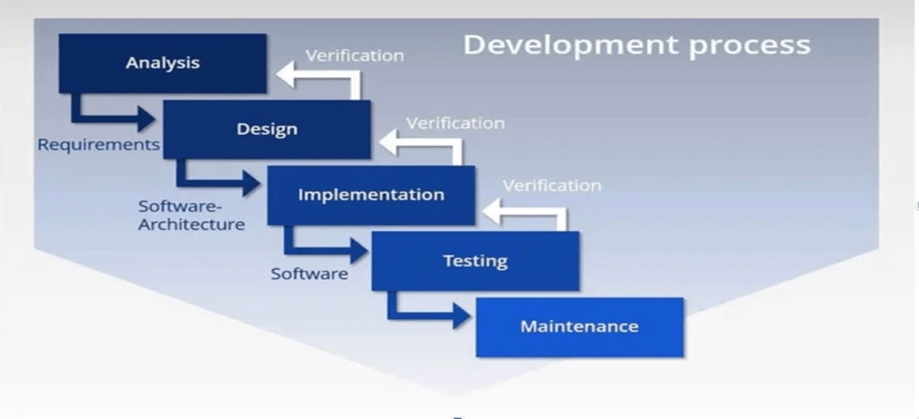
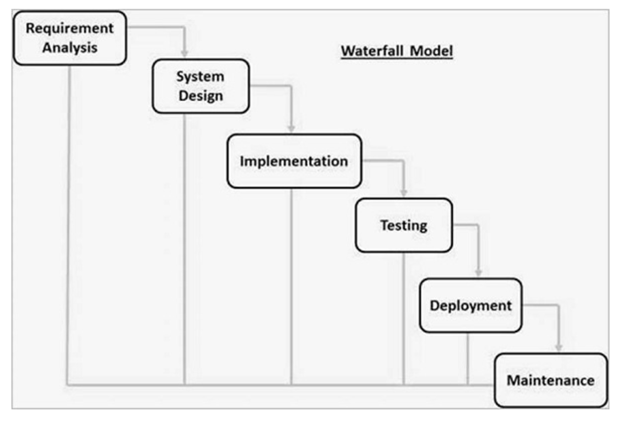

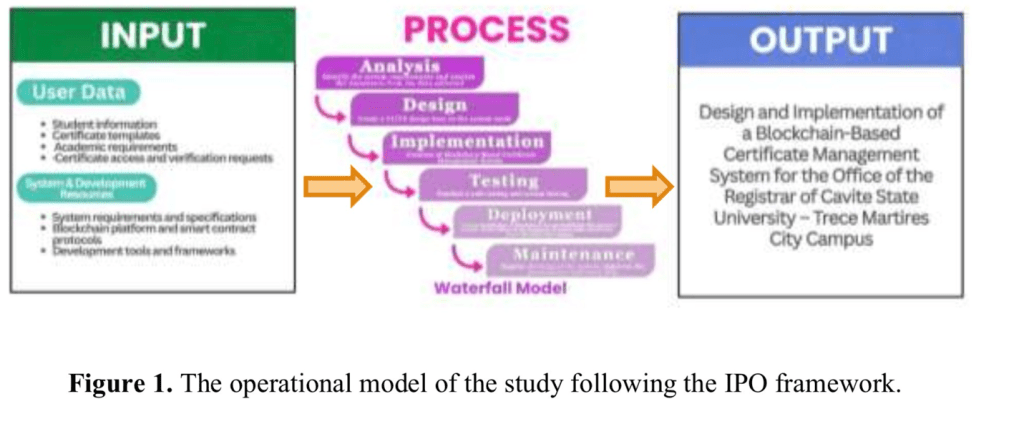


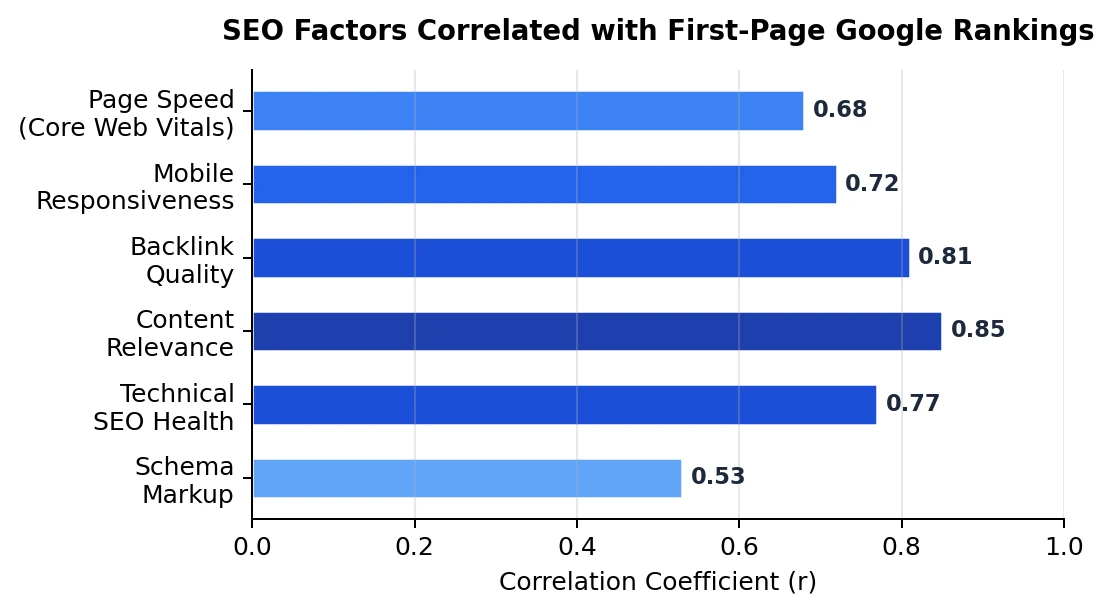
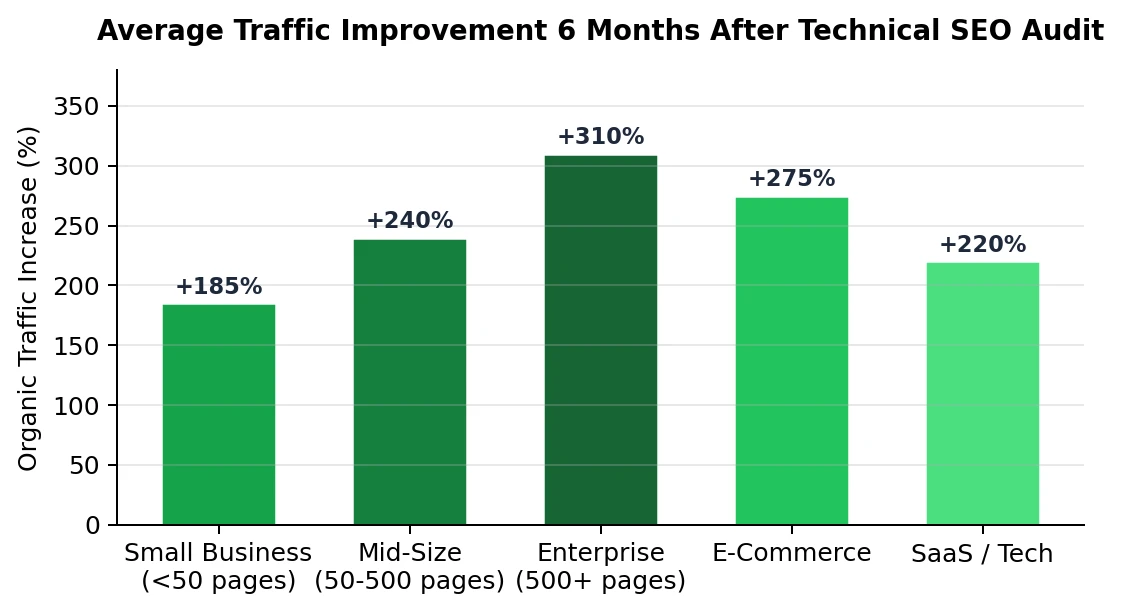


You must be logged in to post a comment.