On the basis of the result of the written part of the National Defence Academy and Naval Academy Examination, (I) 2024 held by the Union Public Service Commission on 21st April, 2024, candidates with the under mentioned Roll Nos. have qualified for interview by the Services Selection Board (SSB) of the Ministry of Defence for Admission to Army, Navy and Air Force Wings of the National Defence Academy for the 153rd Course and for the 115th Indian Naval Academy Course (INAC) commencing from 2nd January, 2025. The result is also available at Commission’s websitewww.upsc.gov.in.
2. The candidature of all the candidates, whose Roll Nos. are shown in the list is provisional. In accordance with the conditions of their admission to the examination, “candidates are requested to register themselves online on the Indian Army Recruiting website joinindianarmy.nic.in within two weeks of announcement of written result. The successful candidates would then be allotted Selection Centers and dates, of SSB interview which shall be communicated on registered e-mail ID. Any candidate who has already registered earlier on the site will not be required to do so. In case of any query/ Login problem, e-mail be forwarded to dir-recruiting6-mod[at]nic[dot]in.”
“Candidates are also requested to submit original certificates of Age and Educational Qualification to respective Service Selection Boards (SSBs) during the SSB interview.” The candidates must not send the Original Certificates to the Union Public Service Commission. For any further information, the candidates may contact Facilitation Counter near Gate ‘C’ of the Commission, either in person or on telephone Nos. 011-23385271/011-23381125/011-23098543 between 10:00 hours and 17:00 hours on any working day. In addition for SSB/Interview related matter the candidates may contact over telephone no. 011-26175473 or joinindianarmy.nic.in for Army as first choice, 011-23010097/ Email: officer-navy[at]nic[dot]in or joinindiannavy.gov.in for Navy/ Naval Academy as first choice and 011-23010231 Extn. 7645/7646/7610 or www.careerindianairforce.cdac.infor Air Force as first choice.
3. The mark-sheets of the candidates will be put on the Commission’s website within fifteen (15) days from the date of publication of final result. (After concluding SSB Interviews) and will remain available on the website for a period of thirty (30) days.
International delegates have expressed their happiness at having witnessed the polling process first-hand in General Election 2024. While some of the delegates appreciated transparency others termed ECI’s initiatives such as Green Polling Stations as inspirational. Delegates also appreciated the use of technology at scale in the elections including during randomization of EVM-VVPATs. Some of the delegates also said that they were particularly struck by the unwavering faith and commitment of Indian voters towards strengthening democratic ideals. Overall, there was unanimity among the visiting members of the Election Management Bodies of these countries that the election process in India was a peaceful, inclusive and accessible and takes place in a festive mood.
These reactions came after largest ever contingent of international delegates experienced India’s General Elections first-hand in the recently concluded third phase of the elections as part of the International Election Visitors’ Programme (IEVP).
Polling was held in 93 Constituencies across 11 States/UTs in the third phase and the delegates watched the polling in 6 States/UTs including the preparatory work that goes into making what is arguably the largest logistical exercise involving movement of men and machinery in the world.
IEVP 2024 experiences from ground
Karnataka
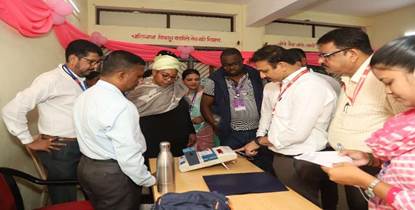
Delegates from Cambodia, Tunisia, Moldova, Seychelles, and Nepal visited Belgaum Parliamentary constituency in Karnataka and interacted with polling officers and presiding officers inside the polling station, witnessed mock poll, visited command control center, media monitoring facilities. The delegates appreciated the transparency as underscored by mock poll, presence and involvement of candidates’ representative inside the polling station.
Goa
Delegates from Bhutan, Mongolia and a media team from Israel witnessed polling and related arrangements in both the constituencies in Goa. They were also exposed to mock poll, command control center, media monitoring facilities and dispatch centers. CEC Bhutan and Electoral officials of Bhutan & Mongolia appreciated transparency in involving political parties, media, candidates’ representative inside the polling station in conduct of elections. Admiration and surprise was expressed to see PwD managed Polling stations, and Pink Polling stations by the visiting delegates. Delegates appreciated the use of software for randomization of EVM-VVPATs.
Madhya Pradesh
A 11-member international team comprising delegates from Sri Lanka and Philippines visited polling stations across Bhopal, Vidisha, Sehore, and Raisen constituencies, gaining firsthand insights into the electoral process of the Lok Sabha elections. Interacting with voters, they observed the enthusiasm and active participation of Indian citizens in the democratic process. Reflecting on their experiences, the delegates expressed admiration for the vibrant democracy they witnessed in India. They were particularly struck by the unwavering faith and commitment of Indian voters towards strengthening democratic ideals.
Uttar Pradesh
Delegates from Chile, Georgia, Maldives, Namibia, Papua New Guinea and Uzbekistan witnessed the polling on 7th May, 2024 in Fatehpur Sikri and Agra Parliamentary constituency in Uttar Pradesh. Visiting dignitaries were taken to see architectural marvel of Taj Mahal and the Fatehpur Sikri falling in these two constituencies. They were exposed to the various arrangements/activities on the poll day and the day before the polling day. There was unanimity among the visiting members of the Election Management Bodies of these countries that the election process in India was a peaceful, inclusive and accessible.
Gujarat
Delegates from Fiji, Australia, Russia, Madagascar, Kyrgyz Republic witnessed pre- poll arrangements and polling process for the General Elections to the Lok Sabha, 2024 in Ahmedabad. The delegation was impressed with strong room(s) having double lock system and deployment of armed police personnel ensuring effective security for EVMs. Female managed polling stations in Assembly Constituency of Sanand in Ahmedabad East PC was also drew appreciation and invited comments that they boost confidence in women and increase their participation. Facility of ramp and wheelchairs in all places along with volunteers to help elderly voters was also highly appreciated. The concept of Braille ballot paper for blind voters was also liked as a good initiative to help blind people.
Maharashtra
Representatives from the Election Management Bodies of Bangladesh, Sri Lanka, Kazakhstan and Zimbabwe visited Raigad parliamentary constituency in Maharashtra and witnessed the pre-poll arrangements, dispersal of polling parties and other logistics. The group interacted with the District Election Officer, Returning Officer, Presiding Officers and other election related officials about the various facets of the Indian Elections. The delegates were impressed with the transparency measures at polling stations.
Background
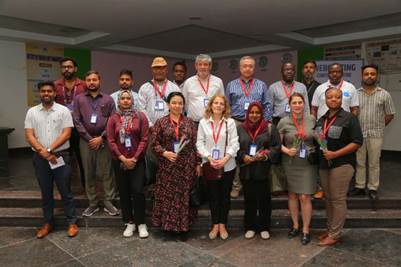
Delegates from 23 countries namely Australia, Bangladesh. Bhutan, Cambodia, Chile, Fiji, Georgia, Kazakhstan, Kyrgyz Rep, Madagascar, Maldives, Mongolia, Moldova, Namibia, Nepal, New Guinea, Philippines, Russia, Seychelles, Sri Lanka, Tunisia, Uzbekistan, Zimbabwe arrived at New Delhi to witness the Elections in the third phase of polling on the 5th May 2024. They interacted with the Election Commission of India in the inaugural session presided over by the Chief Election Commissioner Sh. Rajiv Kumar along with Election Commissioners Shri Gyanesh Kumar and Dr. Sukhbir Singh Sandhu. Thereafter the delegates were divided into 6 smaller groups to visit different states viz. Karnataka, Maharashtra, Gujarat, Uttar Pradesh, Goa and Madhya Pradesh and visited polling stations in 13 constituencies for this purpose. The CEOs of the States organized the visit of the groups to see the poll preparedness, logistics and webcasting arrangements as well as engaging with polling officers and presiding officers on pre-poll day and to witness the mock poll, actual polling and to interact with voters on election day i.e.7th May 2024.
Copy editing is a crucial stage in the preparation of manuscripts, encompassing a detailed review and correction process to ensure clarity, coherence, accuracy, and consistency in texts. This editing phase bridges the gap between writing and publishing, focusing on the mechanics of language, factual correctness, and the fine details that enhance the readability and professionalism of a document.
1. Purpose and Importance of Copy Editing
Copy editing serves several key purposes:
Enhances Clarity and Readability: Refines language to ensure clear communication.
Ensures Accuracy: Checks for factual errors, logical inconsistencies, and typographical mistakes.
Maintains Style Consistency: Aligns the document with specific style guides or internal consistency.
Improves Grammar and Syntax: Corrects grammatical mistakes and enhances sentence structure.
Legal and Ethical Assurance: Helps prevent plagiarism and ensures that sensitive content is handled appropriately.
2. Elements of Copy Editing
Copy editing involves meticulous attention to various elements of the text:
Grammar and Punctuation: Ensures correct use of language mechanics.
Spelling and Typographical Errors: Identifies and corrects misspellings and inadvertent keystroke errors.
Style and Tone: Adapts the voice of the text to suit the intended audience and purpose, often adhering to specific style guides like APA, MLA, or Chicago.
Structure and Flow: Modifies awkward phrasing and ensures sentences flow smoothly into one another, improving the overall readability of the text.
Fact-Checking: Verifies the accuracy of dates, names, citations, and other factual information.
Consistency: Checks for uniformity in terminology, numerals, fonts, and layout.
3. The Copy Editing Process
The typical copy editing process includes several steps:
Initial Assessment: The copy editor reviews the text to understand its content, structure, and the amount of editing required.
Detailed Editing: The editor goes through the text line by line, correcting grammatical errors, improving syntax, and ensuring style consistency.
Interaction with Authors: Copy editors may query authors to clarify ambiguous points or suggest significant changes.
Final Review: After initial edits, the text is reviewed again to catch any remaining issues and ensure all changes improve the text.
Formatting: Final adjustments are made to align the document with required formatting standards.
4. Tools and Resources for Copy Editors
Copy editors use a variety of tools to aid their work:
Digital Tools: Software like Microsoft Word (Track Changes), Google Docs, and Adobe Acrobat are common for making and tracking edits.
Style Guides: Resources such as The Chicago Manual of Style, AP Stylebook, or specific academic style guides provide standards for consistent formatting.
Grammar Checkers: Tools like Grammarly or ProWritingAid offer preliminary checks for grammar and style but do not replace human judgment.
Dictionaries and Encyclopedias: Essential for verifying spelling and factual information.
5. Skills Required for Effective Copy Editing
Strong Command of Language: Expertise in the language of the text is crucial.
Attention to Detail: Ability to spot minor errors and inconsistencies that others might overlook.
Good Judgment: Knowing when to make changes and when to consult the author.
Technical Knowledge: Understanding of typesetting, formatting, and publishing processes.
Communication Skills: Effective interaction with authors to make necessary changes without altering the intended meaning.
6. Challenges in Copy Editing
Maintaining Voice: Keeping the author’s original voice while making necessary edits.
Handling Complex Content: Working with texts that require specialized knowledge.
Time Constraints: Meeting publishing deadlines while ensuring thorough editing.
Conclusion
Copy editing is an indispensable part of the publishing process that significantly enhances the quality of written work. Whether it’s a book, academic paper, or online content, effective copy editing ensures that the final product is polished, accurate, and ready for publication. By focusing on the finer details of language and consistency, copy editors play a pivotal role in the success of any written material.
Non-fungible tokens (NFTs) are still in high demand in the area. They are employed by projects in several ways, despite the United Arab Emirates (UAE) continuing to offer a friendly legal environment for blockchain-based technology. To read more about Encryption and Decryption in cryptocurrency visit the page.
NFTs make it easier for doctors to get data about gamers
Researchers of Bitcoin smart may now utilize NFTs to obtain funds and data thanks to a project still in progress at Dubai’s Jumeirah Village Circle. Dmitry Mikhailov, an artificial intelligence expert from Farkana Laboratories, spoke with Cointelegraph about his organization’s use of NFTs in research during the recent AIBC Dubai symposium in Festival City.
NFT tickets from BnB Chain infiltrate a party concert in Abu Dhabi Ultra Abu Dhabi, an underground electronic dance music (EDM) extravaganza including appearances by well-known DJs like Calvin Harris and Skrillex, Fellaz, and Taste of Web3. The race was staged on Yas Island, home to several attractions, including Ferrari World and the Yas Marina Circuit, where the Formula One Abu Dhabi Grand Prix has been held annually since 2009.
NFT incentives are important for the charity.
The UAE has a strong tradition of civic engagement and philanthropic giving. The nation’s leaders lead several programs, and the government oversees social, philanthropic, and humanitarian activities inside and beyond the UAE.
What are NFTs?
If you have been keeping up with recent technological advances, you have likely heard about NFTs or non-fungible currencies. Still, it might be difficult to grasp for someone with little or no technical experience. Here are my few bits on NFTs. This digital asset denotes ownership of an original piece of writing or material.
Consider it the digital equivalent of a collectible object like a rare baseball card or one-of-a-kind artwork.
The value of an NFt stems from its rarity and uniqueness, much like with these real works of art.
How are NFTs being adopted all over the world?
The United States, China, South Korea, and Japan are some of the nations that use NFTs in a significant way. Artists, singers, and even sports are utilizing NFTs in these nations to monetize their work and interact with their audience.
For its acceptance, the USA has seen a considerable increase in launching numerous NFT marketplaces & platforms. These nations are all leading the NFT revolution and advancing its growth and development.
NFTs adoption in Dubai, Abu Dhabi, or UAE at large:
As every nation has joined the NFT bandwagon or is about to, a significant global economic hub like the UAE, whose core economy is dependent on oil, doesn’t want to fall behind in the NFT adoption race. In the UAE, especially in Dubai & Abu Dhabi, there is a surge in the usage of NFTs. Individuals, companies, and governmental organizations are adopting this cutting-edge technology at an increasing rate.
Role of government & Industries in promoting the Usage of NFTs in UAE
Through several initiatives, including “The Dubai Future Foundation,” which is leading the Global Cryptocurrency Challenge and inviting start-ups and innovators to come up with solutions using blockchain and NFTs to address general challenges, the government of Dubai is actively encouraging the adoption of NFTs and blockchain technology.
Some sectors in the UAE are already investigating the use of NFTs. For instance, the Dubai-based art marketplace Artify allows artists to sell their non-traditional works on its website, giving them a new method to reach a worldwide audience and profit from their works. Seeing the potential of NFTs, the UAE’s sports sector has introduced NFT collections for football clubs & leagues, giving fans a new opportunity to interact with their personal favorites & players.
The Abu Dhabi government is investigating the use of NFTs in the real estate industry with intentions to digitize land registration and issue NFTs as ownership verification. Such actions by the UAE government would undoubtedly increase its ability to compete in the global economy.
Conclusion:
In conclusion, the UAE’s ambitious goal and intention to become a major center for NFTs adoption through distributed ledger technology & innovation has fueled the acceptance of NFTs in the country, notably in Dubai & Abu Dhabi.
Multiplying your dollar into a hundred dollars is everything that we need as investors. We turn saving into investments to generate a heavy flow of income. Acquiring profits by investing in cryptos is an easy way of intelligent earning. We long to invest more of our savings into places that potentially generate income In addition, you may improve your trading skills by using a reputable trading platform like www.immediateconnect-se.com
Yet, most of the middlemen infuse her wealth for unproductive purposes rather than inducing for their well-being. A general spread of awareness has to be attained to avoid this behavior. Enouage to save and invest in the best legitimate sources of earning should be an investor’s target.
Cakes with a sweet frosting require more effort and time. Similarly, more returns might often take longer time but the wait is worthwhile. So, grab your cake in advance and enjoy your frosting when the trends shoot your way high.
Let’s seize the golden chance to turn your dollar into thirty dollars by investing in the best-rated cryptos. There is no better opportunity to do so and build up your portfolio. Here are the 3 most incredible cryptos paving a new way of meaning opportunity:
RenQ Finance (RENQ)
RENQ is a bridge to isolated blockchains on a decentralized Finance DeFi platform. Its mission is to resolve the ever-raging problem of liquidity. Innovation is the key intention of the platform and has placed it on its platter very precisely.
Apart from the liquidity concept, it further emphasizes several other features. One of which is the scalability concept. The scalability is refurbished to promote a swift mode of transactions in a short time. Furthermore, its low transaction fees make RENQ the best choice for traders and investors.
The wallet system is purely centralized with decentralized security set up to maintain transparency and uniformity. It further slaves the complexity issues that traders come across while dealing with DeFi exchanges. If you’re a trader of a basic level and have the least experience in managing DeFi networks then this is a perfect pick.
It is a user-friendly platform that builds investors’ trust by resolving their issues. Traditional platforms have infused the scalability and liquidity concept but had a backlog in balancing the two.
Shiba Inu (SHIB)
Shiba Inu token is an inspiration from a dog breed that has a whole community-driven ecosystem. The meme crypto started its journey in the year 2020 in August. SHIB has a decentralized blockchain base that has come under the limelight recently.
According to the resorts of the portal, the SHIB token is flaring remarkably. The initial price of one SHIB token in 2020 was $0.00000001 which has touched beyond the sky to $0.00001088. The reason behind this is the innovation and technology the model inhabits.
The growth trajectory to Shiba Inu is bound to shoot up with no stop signs visibility. The meme coin is also framed as the “Dogecoin KIller” as it has been replacing it and setting its significant position. The SHIB token predictions reveal it will touch $30 by 2023 from a dollar investment to thirty.
Cardano (ADA)
The Cardano portal addresses interoperability on its front base. Additionally, it also aids the scalability issues by accessing faster transactions than Bitcoin and Ethereum. The blockchain platform aims at sustainability and an energy-efficient structure in its framework. To bring this into its model it runs on proof-of-stake consensus.
On the other hand, well-known cryptos like BTC and ETH have a proof-of-work consensus. By market cap, Cardano ADA has touched the seventh-largest position in the galaxy of cryptos. Cardanoo has taken a steady climb from $0.18 in March 2020 to $3.10 in September 2021.
The current price of Cardano is running at $0.414. Positive trends are favoring the Cardano portal which has highly friendly indications for its length as well as short-term investors. If ADA sets to rise at the same velocity then it is certainly bound to achieve $30.
Let us switch in to buy these cryptos and strengthen your portfolio and enhance your presence in the crypto industry. For crypto trading and investment log onto Bitcoin smart
As the blockchain industry continues to grow, smart contracts have emerged as one of its most promising applications. These self-executing contracts allow for secure and automated transactions between parties, without the need for intermediaries. However, for smart contracts to reach their full potential, they must be able to connect to real-world data sources and external systems. This is where Chainlink comes in. If you are interested in bitcoin trading, then you can start your trading journey by (Official App)
Chainlink is a decentralized oracle network that provides reliable, tamper-proof inputs and outputs for smart contracts. In other words, it acts as a bridge between smart contracts and the outside world, enabling them to access real-world data and execute accordingly. In this article, we will explore why Chainlink is critical for the future of smart contracts, how it works, and what benefits it offers.
Chainlink is a decentralized oracle network that provides secure and reliable inputs and outputs for smart contracts. Oracles are essential for smart contracts because they enable them to access data outside of the blockchain, such as stock prices, weather reports, and sports scores. Without oracles, smart contracts would be limited to executing only within the blockchain, which would significantly reduce their usefulness.
Chainlink is unique in that it is a decentralized oracle network, meaning that it is not controlled by a single entity or authority. Instead, it uses a network of nodes to provide inputs and outputs for smart contracts. These nodes are run by independent operators, who are incentivized to provide accurate data by receiving payment in LINK, Chainlink’s native cryptocurrency.
How Does Chainlink Work?
Chainlink works by connecting smart contracts to real-world data sources and external systems. It does this by using a three-step process:
Aggregation: Chainlink aggregates data from multiple sources to ensure accuracy and reliability. This helps to mitigate the risk of a single point of failure or a single source of data being compromised.
Validation: Chainlink validates the data using multiple nodes to ensure that it is accurate and tamper-proof. If a node provides inaccurate data or fails to respond, it is penalized by losing LINK.
Delivery: Chainlink delivers the data to the smart contract in a format that it can understand and execute accordingly. This enables the smart contract to execute autonomously and securely, without the need for intermediaries.
Why is Chainlink Critical for the Future of Smart Contracts?
Chainlink is critical for the future of smart contracts because it enables them to access real-world data and external systems. Without Chainlink, smart contracts would be limited to executing only within the blockchain, which would significantly reduce their usefulness.
Chainlink also offers several other benefits for smart contracts, including:
Security: Chainlink’s decentralized oracle network provides a high level of security for smart contracts. By using multiple nodes to validate data, Chainlink helps to mitigate the risk of a single point of failure or a single source of data being compromised.
Reliability: Chainlink’s aggregation process ensures that data is accurate and reliable. This helps to ensure that smart contracts execute correctly and as intended.
Flexibility: Chainlink can connect smart contracts to a wide range of data sources and external systems, making them more versatile and adaptable to real-world use cases.
Cost-effectiveness: Chainlink’s decentralized oracle network reduces the cost of accessing real-world data for smart contracts. This is because it eliminates the need for intermediaries and reduces the risk of data tampering.
Use Cases for Chainlink
Chainlink has a wide range of use cases in various industries. Some of the most promising use cases include:
Finance
Chainlink can be used in the finance industry to connect smart contracts to financial data sources, such as stock prices and interest rates. This can enable the creation of decentralized financial products, such as prediction markets, insurance products, and decentralized exchanges.
Supply Chain
Chainlink can be used in the supply chain industry to provide real-time data on shipments, inventory levels, and other key metrics. This can enable more efficient and transparent supply chain management, as well as reduce the risk of fraud and counterfeiting.
Gaming
Chainlink can be used in the gaming industry to provide real-time data on in-game events, such as scores, achievements, and rewards. This can enable the creation of more immersive and interactive games, as well as provide players with more control over their in-game assets.
Insurance
Chainlink can be used in the insurance industry to provide real-time data on weather events, traffic patterns, and other key metrics. This can enable more accurate and automated insurance products, such as parametric insurance and microinsurance.
Conclusion
Chainlink is critical for the future of smart contracts because it enables them to access real-world data and external systems. It offers several benefits, including security, reliability, flexibility, and cost-effectiveness. With its decentralized oracle network and wide range of use cases, Chainlink has the potential to revolutionize various industries, from finance to gaming to insurance. As blockchain technology continues to evolve, Chainlink will undoubtedly play a vital role in its development and adoption.
FAQs
What is the LINK token?
The LINK token is Chainlink’s native cryptocurrency. It is used to incentivize node operators to provide accurate data and penalize them for providing inaccurate data. It can also be used to pay for data feeds and other services on the Chainlink network.
How is Chainlink different from other oracles?
Chainlink is unique in that it is a decentralized oracle network, meaning that it is not controlled by a single entity or authority. This helps to ensure that the data provided to smart contracts is accurate and tamper-proof.
What are some examples of companies using Chainlink?
Several companies are currently using Chainlink, including SWIFT, Google, Oracle, and Web3 Foundation.
How can businesses integrate Chainlink into their operations?
Businesses can integrate Chainlink into their operations by using the Chainlink API or partnering with a Chainlink node operator. They can also develop their own Chainlink nodes if they have the necessary technical expertise.
In the world of blockchain, smart contracts are becoming increasingly popular. These self-executing contracts allow for trustless transactions to take place without the need for intermediaries. However, one of the main challenges with smart contracts is accessing real-world data. That’s where Chainlink comes in. You can go for crypto trading and investment by Register Today and logging into Bitcoin smarter.
Chainlink is a decentralized oracle network that connects smart contracts to real-world data and events. In this comprehensive guide, we’ll explore what Chainlink is, how it works, and its many use cases.
What is Chainlink?
Chainlink is a decentralized oracle network that provides smart contracts with secure access to off-chain data. In simpler terms, it’s a bridge between blockchain and the real world.
Chainlink was founded in 2017 by Sergey Nazarov and Steve Ellis. Its native cryptocurrency, LINK, is used to incentivize the network’s nodes to provide accurate and reliable data.
Chainlink works by using a decentralized network of nodes to retrieve data from various sources, such as APIs, websites, and other blockchains. These nodes are called oracles, and they are responsible for retrieving and validating the data before sending it back to the smart contract.
Here’s a step-by-step breakdown of how Chainlink works:
A smart contract requests data from Chainlink by creating a job.
The job is then assigned to one or more oracles.
The oracles retrieve the data from various sources.
The oracles validate the data to ensure its accuracy and reliability.
The oracles then send the data back to the smart contract.
The smart contract can then execute based on the received data.
Chainlink’s decentralized network ensures that the data provided to smart contracts is secure, reliable, and tamper-proof. It also allows for customization, as smart contract creators can choose which nodes to use and which data sources to access.
Why is Chainlink Important?
Chainlink is important because it solves a critical problem in the world of smart contracts. Smart contracts are only as good as the data they rely on, and Chainlink provides a reliable and secure way to access real-world data.
Without Chainlink, smart contracts would be limited to on-chain data only, which severely limits their potential use cases. With Chainlink, smart contracts can access data from virtually any source, opening up a world of possibilities.
Use Cases for Chainlink
Chainlink has many potential use cases across various industries. Here are just a few examples:
Finance
Chainlink can be used to provide secure and reliable price feeds for financial applications, such as decentralized exchanges and derivatives platforms. It can also be used to access credit scores and other financial data for lending platforms.
Gaming
Chainlink can be used to provide verifiable randomness for gaming applications, such as lotteries and online casinos. It can also be used to provide real-world data for sports betting platforms.
Supply Chain Management
Chainlink can be used to provide real-time tracking of goods and materials throughout the supply chain. This can help prevent fraud and ensure that products are authentic and ethically sourced.
Insurance
Chainlink can be used to provide real-world data for insurance applications, such as weather data for crop insurance and flight data for travel insurance.
Conclusion
Chainlink is a critical component of the blockchain ecosystem, providing reliable and secure access to real-world data for smart contracts. Its decentralized network and customizable options make it a powerful solution with many potential use cases.
Whether you’re a developer looking to integrate Chainlink into your application or a user curious about its potential, understanding what Chainlink is and how it works is essential. With this comprehensive guide, you’re now equipped with the knowledge to explore the world of Chainlink and its many possibilities.
FAQs about Chainlink
What is the difference between Chainlink and other oracle solutions?
Chainlink differs from other oracle solutions in several ways. First, it’s decentralized, which means that there’s no single point of failure. This makes it more secure and reliable than centralized solutions.
Second, Chainlink provides a wide range of customization options. Smart contract creators can choose which data sources to access and which nodes to use. This allows for greater flexibility and can result in more accurate and relevant data.
What is the LINK token used for?
The LINK token is used to incentivize nodes to provide accurate and reliable data. Nodes are paid in LINK tokens for their services, and smart contract creators must pay in LINK tokens to use the Chainlink network.
How does Chainlink ensure the security of its network?
Chainlink uses a combination of cryptographic protocols, secure hardware, and tamper-resistant software to ensure the security of its network. Nodes are required to stake LINK tokens as collateral, which incentivizes them to behave honestly.
Is Chainlink easy to use?
Chainlink can be complex for non-technical users, but there are tools and resources available to make it easier. The Chainlink documentation provides detailed instructions on how to use the network, and there are third-party tools available to simplify the process.
Blockchain technology has revolutionized the world of finance by creating a decentralized system that removes the need for intermediaries, reduces costs, and increases efficiency. One of the most exciting innovations in the blockchain space is decentralized finance (DeFi), which has seen explosive growth in recent years. In DeFi, smart contracts automate financial transactions, allowing for more transparent, secure, and accessible financial services. However, one major challenge for DeFi is the lack of reliable and secure data feeds, which are essential for executing smart contracts. This is where Chainlink comes in – a decentralized oracle network that provides a secure and reliable bridge between smart contracts and external data sources. In this article, we will explore the benefits of Chainlink for DeFi. If are you interested in bitcoins trading then Join Immediate Edge Trading Platform.
Chainlink is a decentralized oracle network that connects smart contracts with external data sources, such as price feeds, weather reports, sports scores, and more. In other words, it acts as a bridge between on-chain and off-chain data, allowing smart contracts to access and use information from the real world. Chainlink was founded in 2017 by Sergey Nazarov and Steve Ellis, and it has since become one of the most popular oracle networks in the blockchain space.
How does Chainlink work?
Chainlink works by connecting smart contracts with decentralized oracles, which are nodes that retrieve and verify data from off-chain sources. These oracles are incentivized to provide accurate and timely data through a system of staking and reputation. When a smart contract needs to access external data, it sends a request to the Chainlink network, which then selects a set of oracles based on their reputation and availability. The oracles retrieve the data from the external sources, verify its accuracy, and then send it back to the smart contract. This process ensures that the data used by smart contracts is reliable and tamper-proof.
Benefits of Chainlink for DeFi
Reliable Data Sources
One of the biggest challenges for DeFi is the lack of reliable and secure data feeds. Smart contracts rely on accurate and up-to-date information to execute financial transactions, such as trading, lending, and insurance. Chainlink solves this problem by providing a network of decentralized oracles that retrieve and verify data from multiple sources, ensuring that the data used by smart contracts is accurate and tamper-proof.
Decentralized Oracle Network
Chainlink’s decentralized oracle network is one of its key strengths. Unlike centralized oracles, which are controlled by a single entity and can be subject to manipulation or censorship, Chainlink’s oracles are distributed across multiple nodes, making it highly resistant to attacks and failures. This also ensures that there is no single point of failure, which makes the network more reliable and secure.
High Level of Security
Security is paramount in DeFi, as the value of assets at stake is often significant. Chainlink’s oracle network uses a combination of cryptographic techniques and economic incentives to ensure that data used by smart contracts is secure. The system uses a reputation-based model, where oracles with a good track record are rewarded, while those that provide inaccurate data are penalized. Additionally, the system uses advanced cryptography to ensure that the data is not tampered with or manipulated during transmission.
Flexibility and Customization
Chainlink is highly customizable, allowing developers to create their own oracle networks and customize them to their specific needs. This flexibility means that developers can design their own data sources and customize the parameters of their smart contracts to fit their requirements. This allows for more complex and sophisticated smart contracts, which can perform a wide range of functions.
Cross-Chain Interoperability
One of the most exciting features of Chainlink is its ability to work across different blockchain networks. This means that developers can create smart contracts that interact with multiple blockchains, which increases the flexibility and scope of DeFi applications. Additionally, Chainlink can integrate with traditional financial systems, providing a bridge between the old and new financial worlds.
Use Cases for Chainlink in DeFi
Chainlink has a wide range of use cases in DeFi, including:
Decentralized Exchanges (DEXs)
Decentralized exchanges (DEXs) rely on accurate and up-to-date price feeds to execute trades. Chainlink provides a reliable and secure source of price data, which ensures that trades are executed at the correct price.
Insurance
Insurance is an important application of DeFi, but it requires accurate and reliable data to assess risk and calculate premiums. Chainlink provides a secure and tamper-proof source of data, which can be used to create innovative insurance products.
Lending and Borrowing
Lending and borrowing are key functions of DeFi, but they require accurate and up-to-date information to assess creditworthiness and calculate interest rates. Chainlink provides a reliable source of data, which can be used to create sophisticated lending and borrowing platforms.
Prediction Markets
Prediction markets rely on accurate and timely data to make predictions about future events. Chainlink provides a secure and reliable source of data, which can be used to create prediction markets for a wide range of events.
Gaming
Gaming is an emerging application of DeFi, but it requires secure and tamper-proof data to ensure fairness and prevent cheating. Chainlink provides a reliable and secure source of data, which can be used to create innovative gaming platforms.
Challenges and Criticisms of Chainlink
While Chainlink has many benefits, it is not without its challenges and criticisms. Some of the key challenges include:
Centralization: While Chainlink is decentralized in theory, the reality is that a few large nodes control a significant portion of the network. This could potentially lead to centralization and reduce the security and reliability of the network.
Complexity: Chainlink is a complex system that requires significant technical expertise to understand and use. This could limit its adoption and make it less accessible to developers with limited experience.
Cost: Chainlink’s decentralized oracle network can be expensive to use, particularly for small-scale applications. This could limit its adoption and make it less accessible to developers with limited resources.
Conclusion
Chainlink is an important innovation in the DeFi space, providing a secure and reliable source of data for smart contracts. Its decentralized oracle network and reputation-based model ensure that the data used by smart contracts is accurate and tamper-proof, while its flexibility and customization allow for sophisticated and complex applications. While there are challenges and criticisms, Chainlink has the potential to transform the DeFi landscape and create new opportunities for financial innovation.
FAQs
What is Chainlink?
Chainlink is a decentralized oracle network that connects smart contracts with external data sources, allowing for more reliable and secure financial transactions in DeFi.
How does Chainlink ensure the security of its data feeds?
Chainlink uses a reputation-based model and advanced cryptography to ensure that the data used by smart contracts is secure and tamper-proof.
What are some of the use cases for Chainlink in DeFi?
Chainlink has many use cases in DeFi, including decentralized exchanges, insurance, lending and borrowing, prediction markets, and gaming.
What are some of the challenges facing Chainlink?
Chainlink faces challenges with centralization, complexity, and cost, which could limit its adoption and accessibility.
How does Chainlink compare to other oracle networks in the blockchain space?
Chainlink is one of the most popular and widely used oracle networks in the blockchain space, but there are other competing oracle networks, such as Band Protocol and API3.
Ethereum is a decentralized platform in the crypto world which has recently introduced the MERGE in the trade market. If you do not have much idea on Ethereum and other related cryptocurrencies then you can keep an eye on the following article to know more. Click to sign up & start trading ethereum. Learn more.
Ethereum is an open-source, publicly accessible, and decentralized blockchain platform that is designed to support the development and deployment of decentralized applications, or dApps. This essay will provide a comprehensive overview of Ethereum, including its historical context, underlying technology, potential applications, and future potential. By delving into these critical aspects of the platform, readers will gain a deeper understanding of the unique features and capabilities of Ethereum, as well as the broader implications of this emerging technology for the world of blockchain and decentralized applications.
Ethereum’s Past
Vitalik Buterin, inspired by Bitcoin’s blockchain technology, introduced Ethereum in 2013. He saw a network capable of hosting both a digital money and a network of decentralized programmes. In 2014, the Ethereum platform was created after its creators successfully crowd funded $18 million.
Ethereum’s Decentralized Technology
Ethereum is a blockchain-based distributed application (dApp) platform. Ethereum is a platform that allows developers to construct smart contracts and decentralised apps on top of its blockchain, whereas Bitcoin is mostly used as a digital money. They get rid of the need for middlemen like banks, brokers, and attorneys.
Proof of Stake (PoS), the consensus method used by Ethereum’s blockchain, is more energy-efficient than Bitcoin’s Proof of Work (PoW). In contrast to PoW, which relies on processing power, PoS enables validators to produce and verify new blocks on the blockchain depending on the number of coins they own. Since validators stake their bitcoin and stand to lose it if they engage in harmful activity, they have an incentive to keep the network secure.
Potential Applications of Ethereum
Ethereum’s blockchain is used to power dApps, or decentralized apps. Trust and security-critical use cases are well-suited to these open-source, transparent, and tamper-proof solutions. The most popular applications of Ethereum include:
Ethereum is the backbone of the DeFi movement, which seeks to build a global, borderless, decentralized financial system.
With Ethereum, developers may create games that run on the blockchain and provide players the ability to purchase, sell, and trade virtual items. These items are kept on the distributed ledger and may be utilized in a wide variety of video games and app stores.
Ethereum’s identity tools may be used to build private, secure, and user-managed digital ID systems. These decentralised methods of identity verification remove the requirement for third parties like governments or companies.
Blockchain technology, such as Ethereum’s, makes it possible to construct an immutable log of a product’s travels through the supply chain. Businesses and customers alike will benefit from being able to verify the legitimacy and provenance of goods.
Ethereum may be used to build ad-hoc, censorship-resistant social networks without the need for a governing body or third-party moderators. Using these systems, individuals are in charge of their own information and may safeguard their own privacy.
What’s Next for Ethereum
The outlook for Ethereum is bright, owing in large part to the dedicated development team that is continuously striving to enhance the platform and introduce new features. Among the most eagerly anticipated updates is Ethereum 2.0, which promises to replace the existing Proof of Work (PoW) consensus mechanism with Proof of Stake (PoS), as well as incorporate novel features like sharding to improve the network’s scalability. As a result of these improvements, Ethereum is poised to become more robust and faster, capable of handling a greater volume of transactions and supporting a broader range of decentralized applications. These developments hold great potential for advancing the state of the art in blockchain technology and driving further innovation in the space.
One of Ethereum’s primary benefits is that it can run smart contracts, which is a kind of computer programme. This implies that decentralized apps (including online marketplaces, voting systems, and more) may be built on the Ethereum blockchain and utilized for a wide range of purposes. A smart contract is a computer-generated agreement that is pre-set to go into effect under certain circumstances. The trust and openness it affords are unparalleled in the world of legal transactions.
Ethereum also has the added advantage of having speedier transaction times. In contrast to Bitcoin, where a transaction might take up to 10 minutes to complete, Ethereum transactions normally only take a few seconds. Due to the use of a distinct consensus technique called Proof of Stake, Ethereum is able to process transactions far more quickly.
Conclusion
Ethereum is a groundbreaking platform that has significantly advanced the cryptocurrency industry. Smart contract execution and reduced transaction times are only two ways in which it has the potential to transform the way we do business online. The hazards and difficulties associated with this new technology, however, must be overcome. Users may make well-informed judgments on whether or not to use Ethereum if they have a thorough grasp of the advantages and disadvantages of this cryptocurrency. Ethereum is a major development in the field of decentralized technology and has the potential to drastically alter the way we interact with one another in the digital sphere.
NFTs differ from traditional assets because they represent digital titles rather than physical objects. While a traditional asset such as a stock certificate represents ownership of a company, an NFT represents ownership of the right to control that specific digital asset. Websites like Create Account offer trading features like artificial intelligence, trading bots, market analysis, live customer and much more for bitcoin traders. The NFT is not the physical object itself but rather its title. Regardless of how often an NFT is traded, its title or ownership will not be affected unless there is a change in its underlying rights.
NFTs can change hands frequently without affecting their underlying value because they are not tied to physical objects that could wear out with use or be stolen/damaged by others. It can also make it easier to prove that you own an item because you have its digital proof on the blockchain rather than relying on now-ancient paper documents.
It means that once an NFT is ‘sold’, no one else has the right to sell it, trade it, or give it away. It prevents their value from going down in the case of downturns. One of the most popular applications for NFTs is collectables like card games; however, more applications for ownership rights and trading will follow as developers gain more experience with blockchain technology.
This freedom is also facilitated by the fact that each NFT is unique and can contain various information, such as its price/market value, supply and demand figures, and growth rate. In addition, every NFT has a verifiable identity that people on the blockchain can create. The data associated with it at the time of creation will remain unchanged on the blockchain. No one can change the original copy of that data; people could overwrite only an identical copy of the same data (if any) through forgery.
Are NFTS similar to cryptocurrencies?
What NFTs are not is a cryptocurrency or a digital currency. While many technologies associated with cryptocurrencies are compatible with NFTs, they are not identical. Cryptocurrencies are virtual currencies that use blockchain technology to ensure security and transparency.
One of the reasons why NFTs can be used almost interchangeably is because they do not require any external third party to confirm the ownership of an item or rights over it. It makes them better suited for applications where a third party is needed or where there are a lot of trust issues (like in contracts). In addition, it means that users can use each NFT for a specific purpose, and no one else can use it similarly. Comparatively, cryptocurrencies like Bitcoin do not have this attribute; instead, all of them have a unique value attributed to them.
The uniqueness of NFTs:
This uniqueness also makes NFTs resistant to fractional reserve banking as they cannot be created at zero cost, as explained here. Any NFT associated with a particular asset will only contain enough currency or value to cover the needs of its creator and any other owners at its launch date. Each NFT will have a much smaller circulation than that of cryptocurrencies.
This lack of fractional reserve banking in using NFTs is also why their value is (currently) more stable. Cryptocurrencies, by comparison, continue to see wild price swings even after a decade in use.
Aside from this, there is another significant difference between NFTs and cryptocurrencies: ownership over an asset (NFT) cannot be transferred without the new owner changing every node on the blockchain network. Instead, it uses self-executing intelligent contracts – computer protocols that ensure transparency and trust between two parties while interacting.
Authenticity and preservation:
Blockchains support NFTs because they can make it possible for anyone to authenticate the authenticity of an item without having to rely on a third party. It also makes it easier to preserve the value of a particular item as the user can quickly transfer it from one owner to another.
With their ability to cut costs, eliminate third-party interference, and enhance security practices and their value preservation, NFTs will impact the financial, gaming and other industries in the foreseeable future. Furthermore, when you own an NFT, you do not need to trust the issuer or anyone else that it is safe. You are its sole owner; no one can change this unless you decide to alter the associated data. All of this makes using NFTs a significant improvement on traditional assets that users could lose – or damage by others – without your knowledge or consent.
Additionally, because no party has rights over any assets issued in the NFT standard, they have a limited supply in circulation (the ‘minting’ is hard-wired into every asset), and they cannot be counterfeited; meaning that each one is sure to hold its value as long as there are buyers who need it.
The DeFi (Decentralized Finance) ecosystem is a rapidly growing sector in the world of finance. DeFi refers to a new financial system built on top of Bitcoin Loophole Technology, which operates without intermediaries or centralized control. DeFi has gained significant traction over the past few years, with the total value locked in DeFi protocols reaching an all-time high of over $80 billion in January 2021.
One of the key benefits of DeFi is that it is built on decentralized networks, meaning that it operates on a peer-to-peer (P2P) basis without intermediaries. This makes DeFi more transparent, secure, and resistant to censorship or fraud, compared to traditional financial systems. Decentralization also means that DeFi users have control over their own financial assets, without the need for intermediaries such as banks or other financial institutions.
Accessibility
Another advantage of DeFi is its accessibility. Unlike traditional financial systems, which often require extensive documentation and can be difficult to access for people without bank accounts, DeFi is accessible to anyone with an internet connection. This makes DeFi a valuable tool for people in countries with underdeveloped financial systems, or for those who are unbanked or underbanked.
Innovation
DeFi is also driving innovation in the world of finance. DeFi protocols are being developed at an incredible pace, offering new financial products and services that were previously not possible. For example, DeFi protocols now offer P2P lending and borrowing, yield farming, stablecoins, and prediction markets, among other services. The DeFi ecosystem is also constantly evolving, with new protocols and products being developed all the time.
The Risks of DeFi
Security
While DeFi offers many benefits, it also comes with its own set of risks. One of the main risks is security. Because DeFi protocols operate on blockchain technology, they are vulnerable to hacking and other forms of cyberattacks. This can result in the loss of funds for DeFi users. To mitigate these risks, it is important for DeFi users to educate themselves on the security measures that are in place, such as multi-signature wallets and smart contract auditing.
Volatility
Another risk associated with DeFi is volatility. Because many DeFi protocols are built on cryptocurrencies, the value of these assets can be highly volatile. This can result in substantial losses for DeFi users if they are not properly hedged against the risks of volatility. To mitigate this risk, it is important for DeFi users to understand the nature of the assets they are holding and to have a solid risk management strategy in place.
Regulation
Regulation is another risk for the DeFi ecosystem. While DeFi operates on decentralized networks, it is still subject to the laws and regulations of the countries in which it operates. This can result in challenges for DeFi protocols and for users, who may be required to comply with various regulations and reporting requirements. To mitigate these risks, it is important for DeFi protocols to understand the regulatory environment in which they operate and to work closely with regulators to ensure that they are in compliance.
Conclusion
The DeFi ecosystem is a rapidly growing sector in the world of finance, offering many benefits such as decentralization, accessibility, and innovation. However, it also comes with its own set of risks, such as security, volatility, and regulation. To mitigate these risks, it is important for DeFi users to educate themselves on the security measures that are in place and to have a solid risk management strategy in place. This includes understanding the nature of the assets they are holding and being aware of the regulatory environment in which they operate. As the DeFi ecosystem continues to grow and evolve, it will be important for users to stay informed and to stay up-to-date with the latest developments in the sector. With the right knowledge and preparation, DeFi has the potential to revolutionize the world of finance and provide new and innovative financial services to people all over the world.
Scientific research communicates advancements and discoveries that influence various fields. Writing a scientific article or manuscript requires meticulous preparation, clear structure, and effective communication. Below is a comprehensive guide to assist you in developing a well-organized and impactful scientific manuscript.
A. Identifying Objectives and Audience Before writing, determine the purpose of your study and identify your target audience. Consider whether the manuscript aims to inform, challenge, or expand knowledge in a specific area.
B. Manuscript Structure The general structure of a scientific article often follows the IMRaD format:
Introduction: Contextualizes the study, stating its objectives and rationale.
Materials and Methods: Describes the methodology used, enabling reproducibility.
Results: Presents findings in an organized and unbiased manner.
Discussion: Interprets results, connecting them to existing literature and outlining implications.
Conclusion: Summarizes the study’s contributions and potential future research avenues.
Additional sections include:
Title: A concise and descriptive headline for your work.
Abstract: A brief summary that highlights objectives, methods, results, and conclusions.
Keywords: Relevant terms aiding in search and indexing.
Acknowledgments: Recognizes contributions and funding.
References: A list of all sources cited.
2. Writing Each Section
A. Title and Abstract
Title: Should be specific, descriptive, and include relevant keywords.
Abstract: Written last to capture the entire essence of the study. It should not exceed 250 words and should stand alone for readers.
B. Introduction
Start broadly to set the context, narrowing to the specific focus.
Highlight gaps in the existing literature or unresolved issues.
Clearly state the study’s aims and hypothesis.
C. Materials and Methods
Provide detailed information to allow replication by others.
Include information about experimental design, data collection, and analysis.
Specify statistical or analytical methods used.
D. Results
Present findings in a logical sequence.
Use tables and figures for clarity.
Provide only factual results without interpretation.
E. Discussion
Analyze the results concerning the study’s objectives.
Compare your results with previous research, pointing out consistencies and discrepancies.
Discuss limitations and suggest improvements.
Outline practical implications and propose future research.
F. Conclusion
Provide a concise synthesis of the study’s findings.
Emphasize the significance of the research.
Offer recommendations for policy, application, or further investigation.
3. Finalizing and Submission
A. Revision and Editing
Review the manuscript for clarity, coherence, and grammatical errors.
Seek feedback from colleagues or mentors.
Ensure consistency in terminology, style, and formatting.
B. Figures, Tables, and References
Make sure figures and tables are clearly labeled and appropriately cited in the text.
Use appropriate citation software or follow journal guidelines meticulously.
C. Cover Letter
Write a cover letter for the journal editor, highlighting the article’s importance and its fit with the journal’s scope.
D. Journal Selection and Submission
Select a journal that aligns with your study’s theme and objectives.
Adhere strictly to the journal’s submission guidelines.
4. Post-Submission
A. Peer Review Process
Address reviewer comments thoroughly and professionally if revisions are required.
Clarify any misunderstandings and modify the manuscript as suggested.
B. Acceptance and Publication
Finalize any last-minute revisions before publication.
Consider post-publication strategies like sharing on social media, presenting at conferences, and engaging with stakeholders.
By carefully following these steps, your scientific article will be well-structured and effectively communicate the significance of your research. The process demands attention to detail and collaboration, ultimately resulting in valuable contributions to your field of study.
Meta-analysis is a quantitative research technique that involves synthesizing results from multiple independent studies to identify overall trends and patterns. This method is particularly useful in fields like medicine, psychology, and social sciences, where numerous individual studies are conducted on similar research questions. Here is a detailed overview of the steps and considerations involved in conducting a meta-analysis:
Formulating the Research Question:
The research question should be clear, focused, and well-defined.
It often starts with a broad systematic review of the literature to identify relevant studies that have addressed similar research questions.
Defining Inclusion and Exclusion Criteria:
Criteria should be established to determine which studies to include in the meta-analysis.
Common criteria include publication date, type of study (e.g., randomized controlled trials), study design, population characteristics, and outcome measures.
Grey literature (unpublished studies, dissertations) may also be included to minimize publication bias.
Searching for Studies:
A systematic search strategy is crucial. It involves searching academic databases like PubMed, PsycINFO, or Web of Science.
Boolean operators and specific keywords are used to refine searches.
References from relevant articles and reviews are also screened for additional sources.
Screening and Selecting Studies:
After the search, studies are screened against the inclusion criteria.
This process often requires two or more independent reviewers to reduce selection bias.
Any discrepancies between reviewers are resolved through consensus or by involving a third reviewer.
Extracting Data:
Relevant data from each selected study is extracted using a pre-designed coding sheet or software.
Extracted data may include sample size, effect sizes, standard deviations, study design, and demographic information.
Inter-rater reliability checks ensure data extraction accuracy.
Assessing Study Quality:
Each study’s quality is assessed using standardized tools like the Cochrane Risk of Bias tool.
Quality assessment helps to determine how study quality impacts the overall findings.
Calculating Effect Sizes:
Effect size is a key component of meta-analysis as it standardizes the magnitude of outcomes across studies.
Common effect size measures include odds ratios (OR), standardized mean differences (SMD), and correlation coefficients.
These measures allow for direct comparison despite different outcome measurement scales.
Conducting Statistical Analysis:
Fixed-effects or random-effects models are used to pool effect sizes.
The choice depends on the heterogeneity across studies. Fixed-effects models assume that all studies estimate a common effect, whereas random-effects models account for variation across studies.
Heterogeneity is assessed using statistics like I² and Q-test.
Assessing Bias and Sensitivity Analyses:
Publication bias is evaluated using funnel plots, Egger’s regression test, or Begg’s test.
Sensitivity analyses determine the robustness of the results by systematically excluding certain studies or changing analysis parameters.
Interpreting Results:
The pooled effect size, confidence intervals, and heterogeneity statistics provide insights into the overall effect.
Results are often visualized using forest plots and detailed tables.
Reporting and Writing Up the Results:
The findings are reported according to guidelines like PRISMA (Preferred Reporting Items for Systematic Reviews and Meta-Analyses).
Reports should include search strategies, inclusion/exclusion criteria, quality assessment results, and detailed descriptions of statistical analyses.
Drawing Conclusions:
Conclusions should address the research question, discuss implications for practice, and suggest future research directions.
Limitations, potential biases, and generalizability are also considered.
A well-conducted meta-analysis can provide comprehensive and evidence-based conclusions that contribute to advancing knowledge and guiding practice.
Books come in a variety of formats, each offering unique benefits and catering to different preferences and needs. From traditional hardcovers to innovative digital formats, the evolution of book formats reflects changes in technology, consumer habits, and accessibility. Here’s an in-depth look at the different formats of books available today:
Hardcover books are characterized by their durable bindings and thick covers, usually made from cardboard covered in cloth or paper. They are often the first format in which a book is released, due to their appeal as collectibles and their robustness. Hardcovers are favored by collectors and those looking for a more durable, aesthetically pleasing book. They also typically have a higher price point and are more resistant to wear and tear.
2. Paperback Books
Paperback books, also known as softcovers, are made with a thick paper or light cardboard cover. They are more affordable and lighter than hardcovers, making them a popular choice for casual reading and travel. Paperbacks are released after the hardcover edition and are preferred for everyday reading due to their portability and lower cost.
3. Mass Market Paperbacks
A subset of paperbacks, mass market paperbacks are smaller in size—usually pocket-sized—and printed on cheaper paper. These books are highly affordable and are commonly found in supermarkets and drugstores, catering to a wide audience. They are perfect for readers who are looking for cost-effective, portable options.
4. Board Books
Designed specifically for toddlers and young children, board books are made with thick, durable cardboard pages that are easy for small hands to turn and tough enough to withstand rough handling. They often feature bright, colorful illustrations and minimal text, making them ideal for early literacy development.
5. Audiobooks
Audiobooks are recorded readings of books, typically narrated by voice actors or sometimes the authors themselves. They are available on CDs or as digital downloads. Audiobooks have gained immense popularity for their convenience, allowing users to listen to books while driving, exercising, or engaging in other activities. They are especially beneficial for those with visual impairments or reading disabilities.
6. E-Books
Electronic books, or e-books, are digital versions of texts that can be read on dedicated e-readers, tablets, smartphones, or computers. E-books offer features such as adjustable text size and font, customizable backgrounds, and built-in dictionaries. They are environmentally friendly, often cheaper than physical books, and provide instant access to a vast library without requiring physical storage space.
7. Interactive Books
Interactive books, which can be either physical or digital, incorporate various interactive elements to engage the reader more deeply. In print, this might include lift-the-flap features, pop-ups, or embedded textures. Digitally, interactive e-books might include animated illustrations, sound effects, and hyperlinks, which enhance the reading experience, particularly for educational and children’s books.
8. PDFs
PDFs (Portable Document Format) are a common format for distributing electronic documents, including books. While they do not offer the same level of interactivity as dedicated e-book formats, PDFs preserve the original layout of the page and can be viewed on most devices. They are often used for academic texts, manuals, and reports.
9. Large Print Books
Large print books are designed for readers with visual impairments. These books are printed with larger text than normal, making them easier to read without the aid of magnification devices. They are beneficial for the elderly or those with conditions that affect eyesight, such as macular degeneration.
Conclusion
The variety of book formats available today ensures that readers can find a style that best suits their needs, whether they prioritize convenience, affordability, durability, or accessibility. As technology continues to evolve, we can expect further innovations that will continue to enhance the reading experience, making books more accessible and enjoyable for all.
In today’s fast-paced and rapidly changing world, staying informed and up-to-date is crucial for success. Conferences offer a unique opportunity for individuals to come together, share knowledge, and learn from each other’s experiences. These events provide a platform for experts and professionals to exchange ideas, discuss best practices, and explore new perspectives.
Benefits of Conferences:
1. *Knowledge Sharing*: Conferences facilitate the exchange of information and ideas among attendees, allowing them to learn from each other’s experiences and expertise.
2. *Networking Opportunities*: Conferences provide a chance to connect with like-minded individuals, build relationships, and establish valuable professional networks.
3. *Professional Development*: Attendees can gain insights into the latest trends, technologies, and innovations in their field, enhancing their skills and knowledge.
4. *Collaboration and Partnerships*: Conferences foster collaboration and partnerships among attendees, leading to new projects, business opportunities, and joint ventures.
5. *Inspiration and Motivation*: Conferences offer a stimulating environment that inspires and motivates attendees to tackle challenges and pursue new goals.
Types of Conferences:
1. *Industry Conferences*: Focus on specific industries, such as technology, healthcare, or finance.
2. *Academic Conferences*: Centered on research and academic topics, often featuring presentations and paper submissions.
3. *Professional Development Conferences*: Emphasize skill-building and training for professionals.
4. *Networking Conferences*: Prioritize building connections and relationships among attendees.
Best Practices for Effective Conferences:
1. *Clear Objectives*: Define the conference’s purpose and goals.
2. *Engaging Speakers*: Select speakers who are experts in their field and can deliver informative and engaging presentations.
3. *Interactive Sessions*: Incorporate workshops, panel discussions, and Q&A sessions to encourage audience participation.
4. *Networking Opportunities*: Provide dedicated time for attendees to connect and build relationships.
5. *Follow-up*: Encourage post-conference collaboration and knowledge sharing through online platforms and social media.
In conclusion, conferences offer a powerful platform for knowledge sharing, collaboration, and professional growth. By understanding the benefits, types, and best practices of conferences, individuals and organizations can harness their full potential and drive success in their respective fields.
























 Eduindex
You must be logged in to post a comment.