Sanjaya Kumar Mishra as the first President of GST Appellate Tribunal in New Delhi

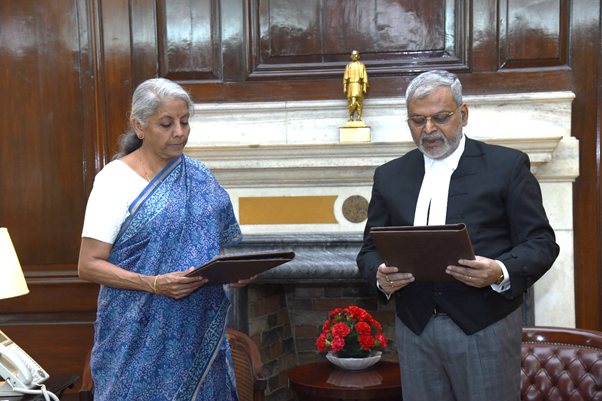
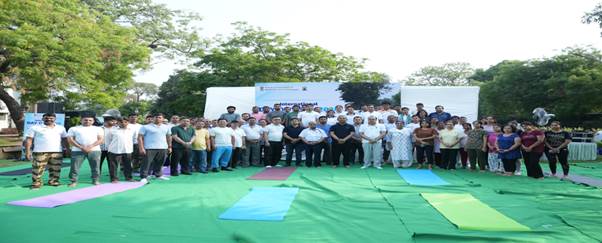
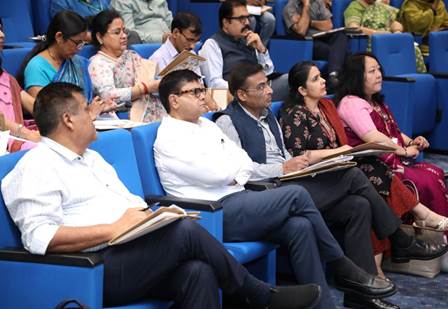
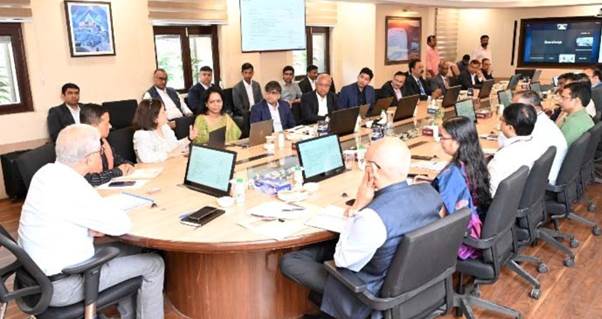
 Union Minister for Finance and Corporate Affairs Smt. Nirmala Sitharaman administered the oath of integrity and secrecy to Justice (Retd.) Sanjaya Kumar Mishra as the President of the GST Appellate Tribunal (GSTAT), in New Delhi, today. Justice (Retd.)  Mishra’s appointment marks the beginning of the operationalisation of the GSTAT, a crucial body for resolving GST-related disputes.


The GSTAT is the Appellate Authority established under the Central Goods and Services Tax Act, 2017, to hear various appeals under the said Act and the respective State/Union Territories GST Acts against the orders of the first appellate authority. It consists of a Principal Bench and various State Benches. As per the approval of the GST Council, the Government has notified the Principal Bench, to be located at New Delhi, and 31 State Benches at various locations across the country. Process for appointment of Judicial Members and Technical Members is already in progress.

The Tribunal will ensure swift, fair, judicious and effective resolution to GST disputes, besides significantly reducing the burden on higher courts. The establishment of the GSTAT would further enhance the effectiveness of the GST system in India and foster a more transparent and efficient tax environment in the country.

GSTAT’s first President, Justice (Retd.) Mishra was a former Chief Justice of the Jharkhand High Court and was selected by a Search-cum-Selection Committee headed by the Hon’ble Chief Justice of India.


****

Ministry of Tourism participates in Arabian Travel Mart 2024 in Dubai

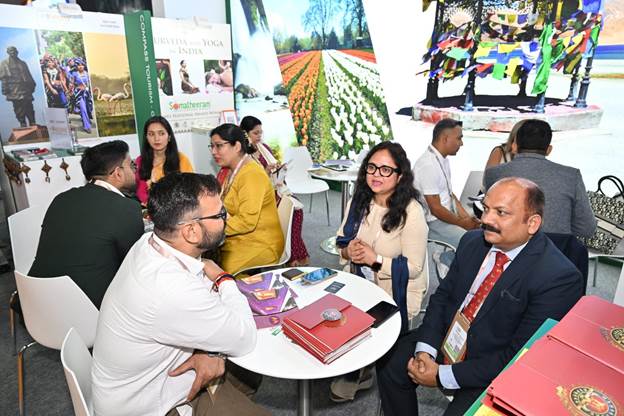
 Ministry of Tourism, Government of India is participating in Arabian Travel Mart 2024, being held in Dubai from May 6th to 9th May, 2024. The event marks a significant step in strengthening India’s presence in the Middle East tourism market.

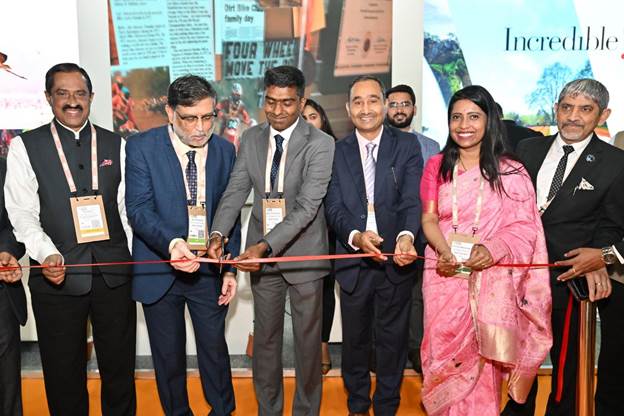
Incredible India pavilion was Inaugurated today by Mr. Satish Kumar Sivan, Counsul General of India to Dubai.  The pavilion has made a resounding entry, aiming to capture the entirety of the UAE market. Leading a delegation comprising tour operators, luxury hotels, wellness resorts, and the Indian Railway Catering and Tourism Corporation, India is poised to showcase itself as a 365-day destination.

Highlighting lesser-known yet refreshing destinations, the Ministry of Tourism has launched the ‘Cool Summers of India’ campaign at Arabian Travel Mart. This digital campaign challenges the notion of India being too hot for summer travel, emphasizing its offerings in hill resorts, including the Himalayas. The campaign seeks to promote India as a holistic destination throughout the year.

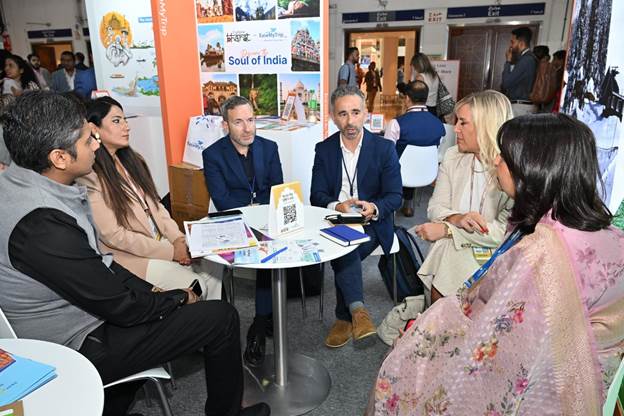
India’s participation in the Arabian Travel Mart 2024 holds immense potential for the tourism industry and the economy at large. The event provides a platform for Indian tourism players to exhibit their offerings, forge alliances within the industry, and attract visitors from the MENA region. This, in turn, is expected to bolster revenue generation and foster job creation within the tourism sector.

***

Department of Scientific and Industrial Research (DSIR) commemorates Swacchta Pakhwada

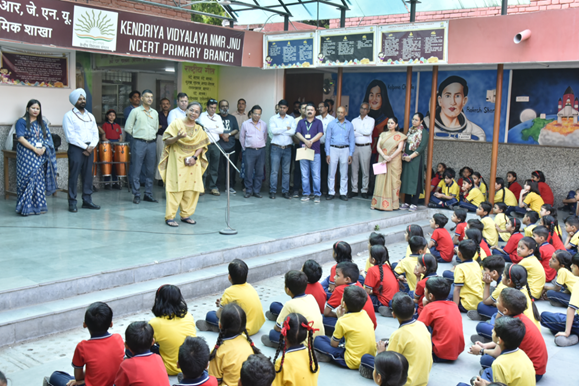
 Under the auspices of the Ministry of Science & Technology, Government of India, the Department of Scientific and Industrial Research (DSIR) commemorates Swacchta Pakhwada from May 1 to May 15, 2024, in an effort to raise awareness of cleanliness and hygiene. The first Swachhta drive was organized today at PM SHRI Kendriya Vidyalaya, Jawaharlal Nehru University (JNU), NCERT Campus, New Delhi.

Dr. N. Kalaiselvi, Secretary, DSIR and DG CSIR addressing the campaign


The Swachhta drive began with an address of Dr. N. Kalaiselvi, Secretary, DSIR and DG CSIR where she motivated the children to become the future leaders in different walks of life. She also emphasized the significance of cleanliness in fostering a healthy and vibrant society. Shri Surinder Pal Singh, Joint Secretary, DSIR also encouraged the children to maintain for personal hygiene and cleanliness of their surroundings. Thereafter the DSIR team conducted cleanliness drive and motivated the children for keeping their surroundings clean.

Swachhta Pledge taken by entire DSIR family focused on individual’s commitment towards cleanliness, devoting hundred hours per year for cleanliness and propagating the message of Swachh Bharat Mission. Pledge encourages every individual to promote 100 other persons to take this pledge and make them devote their 100 hours for cleanliness. The Swacchta Pakhwada initiative aims to instill a sense of responsibility towards cleanliness and hygiene among individuals, particularly the younger generation.


****

26 States Participate in the Workshop on State Mining Index Organized by Mines Ministry to Discuss and Finalize the Indicators of Performance

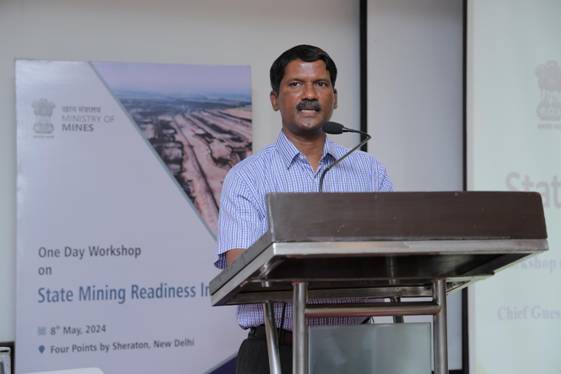
 Ministry of Mines, in collaboration with the Indian Institute of Technology-Indian School of Mines (IIT-ISM), Dhanbad successfully organized a one-day workshop on State Mining Index, here today. The Index would serve as a tool for stakeholders of the mining sector to understand various aspects related to the Ease of Doing Mining Business within a State.

The workshop was chaired by Secretary, Ministry of Mines, Shri V. L. Kantha Rao. In his keynote address, Shri Rao emphasized the importance of States’ efforts in the development of mining sector getting properly reflected in the policy narrative. He emphasized the importance of having a State Mining Index, which will promote cooperative federalism as well as competition among States. Emphasizing the active participation of States being important in making the exercise successful, he requested the States to help in data collection efforts by properly submitting the statistical returns in time.

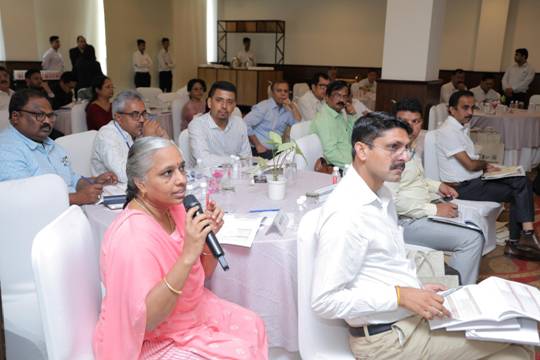
The workshop brought together policymakers, administrators and practitioners from the Central and State governments. Principal Secretaries, Directors and other officials from 26 States actively participated in the workshop to discuss and finalize the indicators and sub-indicators of performance which form part of the Index framework and methodology. Post consultations and feedback from the States, the Framework of the State Mining Index will be finalized and released in July 2024 for actual ranking to take place in April 2025.

****

International Thalassemia Day

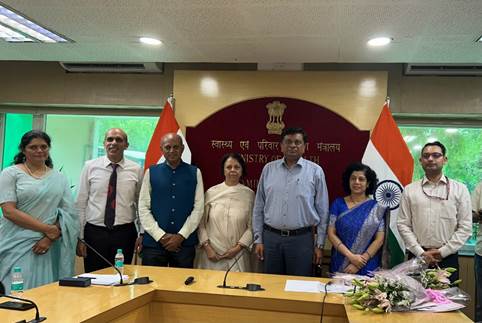
 Shri Apurva Chandra, Secretary, Ministry of Health and Family Welfare stressed on the importance of timely detection and prevention of Thalassemia to tackle the disease. He stated that only by preventing it at the right time, can the burden of this disease be curtailed. The Union Health Secretary was speaking at an event to mark the International Thalassemia Day, here today.

Speaking on the occasion, the Union Health Secretary stated, “Timely detection and prevention are the most effective strategies to tackle Thalassemia.” He added that there are almost 1 lakh Thalassemia patients in the country, with approximately 10,000 new cases reported each year. He emphasized on the urgency for proactive intervention aided by timely detection through screening.

Shri Apurva Chandra also highlighted the critical need for wide awareness around the subject. He stated that “Still many people are unaware of this disease and how this can be prevented. It is imperative that all stakeholders in this arena collaborate for a nationwide campaign to enhance awareness on Thalaseemia”. As a significant step in this direction, he launched a video made in collaboration with the Indian Association of Pediatrics and Thalassemics India to promote effective prevention methods and optimal treatment for Thalassemia
(https://youtu.be/H__bidXcanE?si=-_87PEPxAdsPNaw1).

Union Health Secretary also advocated for inclusion of compulsory Thalassemia testing in the existing reproductive and child health (RCH) programs under NHM as a means to curtail the prevalence of the disease. He added that some states have included this in their public health programs and activities; other states will be urged to include and expand screening and testing for Thalassemia.


Thalassemia is an inherited blood disorder that causes a body to have less hemoglobin than normal. Celebrated every year, International Thalassemia Day serves as a crucial platform to emphasize the importance of disease prevention, raise awareness, sensitize stakeholders, promote early detection, and ensure quality care for those affected by thalassemia. This year’s theme, “Empowering Lives, Embracing Progress: Equitable and Accessible Thalassemia Treatment for All,” encapsulates the collective mission toward universal access to comprehensive Thalassemia care.

Ms. Aradhana Patnaik, AS&MD (NHM); Dr. G. V. Basavaraja, President, Indian Academy of Pediatrics; Ms. Shobha Tuli, Secretary, Thalassemics India; Dr. Manas Kalra, Honorary Secretary, PHO Chapter of IAP and other senior officials from Union Health Ministry were present on the occasion.

*****

AWPO SUMMIT 2024 – CONVERGING REQUIREMENTS OF BUSINESSES & INDUSTRY WITH VETERANS

 The Army Welfare Placement Organisation (AWPO) today, organised the AWPO Summit 2024 in Manekshaw Centre, New Delhi. The Summit witnessed convergence of notable personalities from various sectors to include veteran entrepreneurs, veterans leading in the field of businesses and industry, corporate entities, representatives from government and social sector. 

The aim of the Summit was to bring together different stakeholders on a common platform, to bridge the gap between requirements of enterprise and core competencies possessed by the veterans. While the demand for a skilled and experienced workforce exists at the industry end, a disciplined human resource pool of veterans with adequate experience and unique skill sets exit from active service each year. Such a resource pool provides an opportunity to the industry to absorb this workforce. The Summit was an endeavour to synergise the two converging requirements. The AWPO Summit assisted in strengthening the linkages of the veteran community with the industry, PSUs and Quasi Government organisations. The presence of Corporate Heads, representatives of Industry, Start Ups, Ministry and Government Officials in the Summit, underscored this facet.

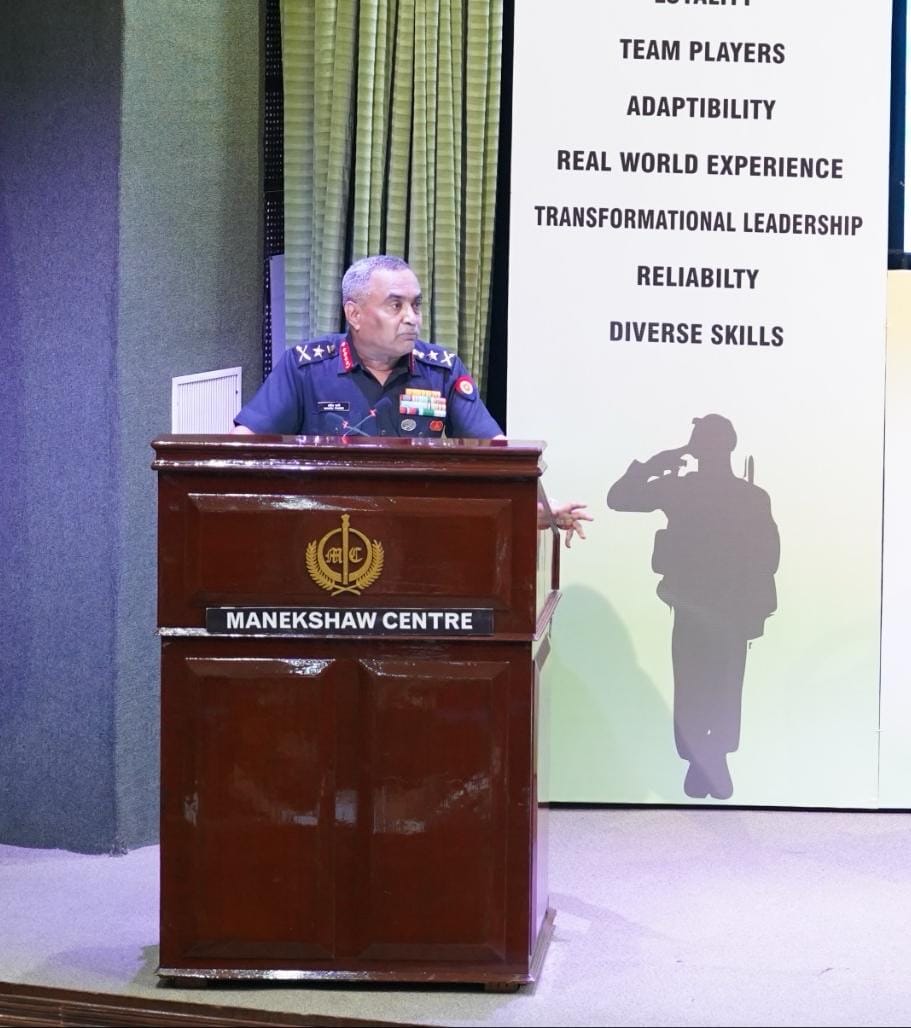
General Manoj Pande, Chief of the Army Staff (COAS), in his remarks, emphasised the invaluable contributions of veterans to the nation’s prosperity and reiterated the commitment of the Indian Army to facilitate their integration into various sectors. He said that veterans bring with them, a unique set of qualities and experiences that can be harnessed by the industry. He acknowledged the opportunities provided by several corporate houses and enterprises to veterans and added that veterans bring with them a unique set of qualities and experiences. The COAS mentioned that services to the nation by the veterans do not end when they bid farewell to military life, instead it transitions into a new chapter or second innings of dedication and commitment to the society and nation building. He urged all to recognize the potential of the words – ‘भूतपूर्व सैनिक, अभूतपूर्व योगदान’.

The COAS underscored that Indian Army has undertaken the process of holistic skill certification, as per the core competency of each individual, in collaborative efforts with the Ministry of Education and Ministry of Skill Development and Entrepreneurship. He also mentioned that initiatives such as Project KAUSHALVEER help serving personnel in acquiring certification for skill sets as per established industry standards thereby meeting the requirements of both stakeholders. He mentioned that the veterans, with diverse knowledge, experience, managerial acumen and adaptability can contribute in fields such as entrepreneurship, HR consultancy, mentorship, education, crisis management, infrastructure development, healthcare etc.

The COAS further highlighted that Veer Naris also bring with them unparalleled determination and resilience and urged the entrepreneurs to integrate them as part of their initiatives on human capital intake, from the ‘uniformed community’. He emphasised that the Veer Naris also possess vocational skills, entrepreneurship acumen and aptitudes in many professional domains.

This Summit was an endeavour in Indian Army’s pursuit to evolve an institutionalised support eco-system for the veterans. Insightful perspectives were put forth by panelists from different fields on the entire landscape of avenues, potential, challenges and initiatives with respect to absorption of veterans into new roles. Veterans who have established themselves into a successful second career, also shared their experiences and success stories. The subjects were discussed across three main themes, aimed at fostering synergy between veterans and various sectors with an important role in nation building.

Theme 1: Harnessing Veterans’ Potential & Experience.  The panel for Theme 1 included distinguished Veteran Entrepreneurs such as Major V P Sharma (Retired) from Gratitude Farms, Colonel Subhash Deswal (Retired), the Carrot King of India, Naik Shivaji Dole (Retired), who took initiative to revive Venkateshwara Co-operative which practices agro farming, organic farming and water conservation, and Naik Daljinder Singh (Retired), an entrepreneur and established businessman. The discussion was moderated by Major General Ajay Singh Chauhan, Managing Director, AWPO and Brigadier Vikas Bhardwaj from the Directorate of Indian Army Veterans. The session focussed on veterans’ potential as entrepreneurs, success stories of achievers and the way ahead. The panelists delved into their inspiring journeys, challenges faced, and the roadmap ahead. Key points discussed were the unexplored potential of veterans in innovative sectors and strategic entrepreneurship that align with national growth imperatives.

Theme 2: Skills Required to Meet Public and Private Sector Needs.   Addressing the need for skilled workforce integration, the session highlighted the significance of the Skilling & Training Ecosystem. The panel for the theme included Colonel Sunil Prem (Retired) from Brisk Olive, Lieutenant Colonel Iqbal Singh (Retired) from Google India and Major Md Ali Shah (Retired). The discussion was moderated by Major General Deepak Sapra (Retired). The session focussed on skills needed in corporate/ industry and strengthening capabilities for veterans in the emerging industrial landscape. The panelists explored avenues, challenges, and strategies to effectively harness the unique skills and experiences veterans bring to the table. They underscored the essential role veterans play in bridging the skills gap in both public and private sectors and deliberated on the road map to explore the veterans’ potential.

Theme 3: Unveiling Opportunities for Veterans in India’s Growth Story.  This session explored the diverse skill sets of veterans, widows, and dependents, showcasing their potential in emerging sectors of both the public and private sectors. The panel for the theme included Major General Rajesh Jha (Retired), Director NEEPCO, Colonel RS Bhatia (Retired), Chairman & MD Bharat Forge Ltd, Mr Gurdeep Singh, CMD of NTPC and Ms Anuradha Prasad, Founder & CEO of India Leaders for Social Sector (ILSS). The session was moderated by Major General Ajay Singh Chauhan (Retired), MD, AWPO. The discussions centred around strategies to enhance veterans’ potential and opportunities in the social sector. This comprehensive dialogue addressed the multifaceted contributions and tremendous capacities of veterans in furthering India’s social and economic frameworks.

The Summit has been a catalyst for dialogue, collaboration and inspiration, spotlighting vital role of veterans in India’s progress. It is crucial for all industries to recognise and utilise unique strengths and skill sets of the veterans by having matching policies for their smooth transition into civilian roles. The nation’s growth hinges on nurturing the veterans, whose ongoing contributions are essential for sustained progress and collective wellbeing. Assimilation of skilled and disciplined resource pool of veterans into industry and services sectors will be a win- win situation for both and a game changing venture.

***

National Archives of India Acquires the private paper collection of Late Shri Rafi Ahmad Kidwai

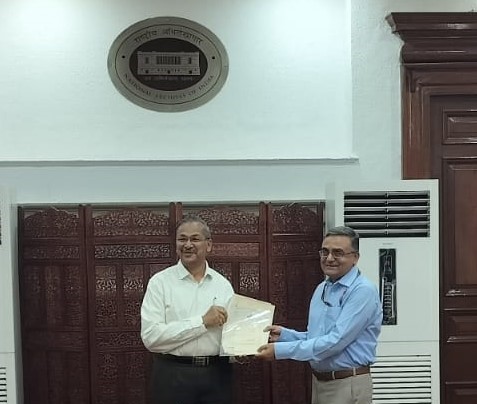
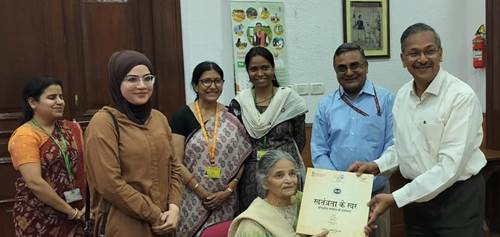
 National Archives of India (NAI) has acquired the private paper collection of Late Shri Rafi Ahmad Kidwai, comprising original correspondences of Shri Kidwai with other eminent leaders like Pt. Nehru, Sardar Patel, Shyama Prasad Mukherjee, P.D. Tandon etc. These papers were handed over to D.G. NAI by Shri Faiz Ahmad Kidwai (IAS), Additional Secretary, Ministry of Agriculture and Farmers Welfare, in the presence of Smt. Tazeen Kidwai, daughter of Late Shri Hussain Kamil Kidwai, youngest brother Shri Rafi Ahmad Kidwai and Ms. Sarah Manaal Kidwai.

National Archives of India is the custodian of the non-current records of the Government of India and holds them in trust for the use of administrators and researchers as per the provision of Public Record Act 1993. As a premier archival Institution, National Archives of India plays a key role in guiding and shaping archival consciousness. Apart from the vast collection of public records, NAI has a rich and ever-growing collection of private papers of eminent Indians from all walks of life, who have made significant contributions to our nation.

Shri Rafi Ahmad Kidwai was a man of vivacity, brilliance and charm who is known for his ceaseless efforts towards Independence of our country and for refuting communalism and superstitions of every type. Born on February 18, 1894, in Masauli, Uttar Pradesh, he hailed from a middle-class zamindar family. His political journey began in 1920 with his involvement in the Khilafat Movement and the Non-Cooperation Movement, leading to imprisonment. Kidwai served as the Private Secretary to Motilal Nehru and later held significant positions in the Congress Legislative Assembly and the United Provinces Congress Committee. His political acumen led him to become a Minister in Pandit Govind Ballabh Pant’s cabinet, where he managed Revenue and Jail portfolios. Post-independence, he served as India’s first Minister for Communications in Jawaharlal Nehru’s cabinet, launching initiatives like the “own your telephone” service and night air mail. In 1952, he took charge of the Food and Agriculture portfolio, successfully tackling food rationing challenges with his administrative skills.

Kidwai’s dedication to liberating India and strengthening the nation remained unwavering throughout his political career. His contributions were recognized with the creation of the Rafi Ahmed Kidwai Award by the Indian Council of Agricultural Research in 1956. Kidwai’s tenure as Communication Minister earned him a reputation for innovation and effectiveness, while his leadership in the Food Ministry was hailed as a triumph over adversity, earning him the moniker of a magician and a miracle man. Rafi Ahmed Kidwai indeed embodied action and dedication in his pursuit of Indian independence and later in his administrative roles. His ability to swiftly address crises and implement innovative solutions highlights his remarkable leadership qualities. His contributions to various sectors, from communications to agriculture, left a lasting impact on the nation’s development. His legacy as a committed freedom fighter and a skilled administrator continues to inspire generations.

***

DoT in first-of-its-kind initiative brings together 15 startups, academia on "Telecom Design Collaboration Sprint"

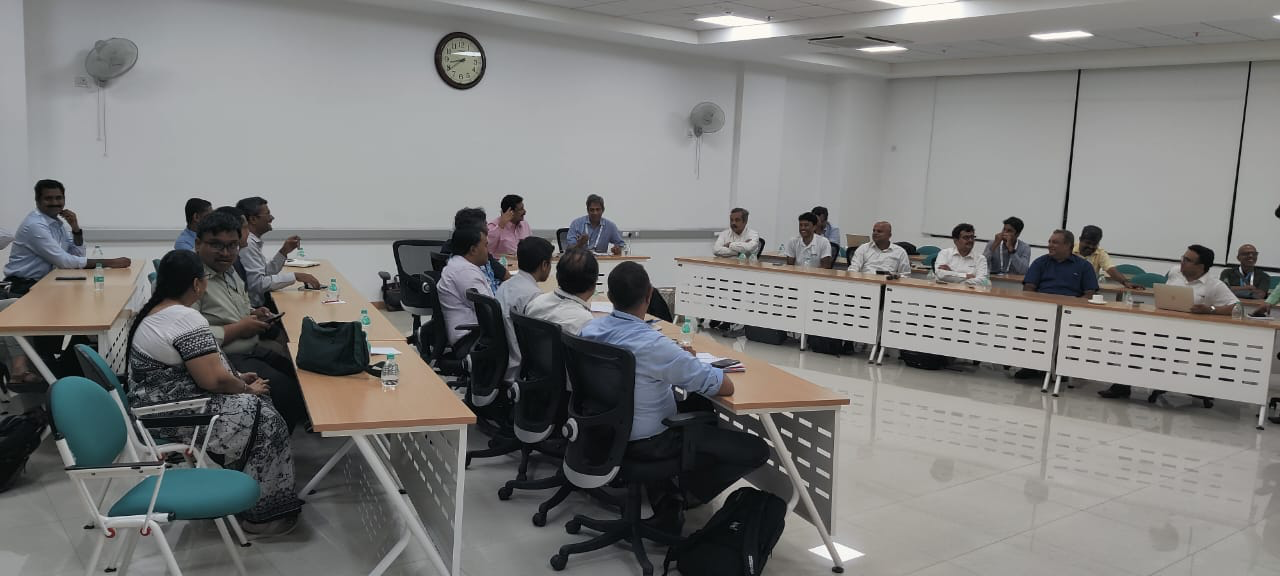
 In a novel initiative, the Department of Telecommunications (DoT) brought together start-ups/MSMEs, academia and research institutions under the “Telecom Design Collaboration Sprint”. This Sprint was organised by DoT at IIIT, Bangalore. Fifteen leading startups/MSME in the Radio Access Network (RAN), Core ecosystems, esteemed institutions such as IIT Madras, C-DOT, IIT Delhi and other network entities participated.

This collaboration engaged in deep-Tech rapid ideation and innovative solution towards developing a comprehensive and future-ready telecom stack encompassing comprehensive 5G solution and setting the stage for future advancements to 6G. The Sprint was driven by three primary objectives:


  1. Leveraging Collective Strengths: The Sprint enabled startups to combine expertise in critical 5G infrastructure areas, fostering innovation and speeding up a common telecom stack development.
  2. Fostering Holistic Solutions: Through collaboration, startups aim to create comprehensive 5G solutions, addressing industry needs and preparing for future advancements.
  3. Creating Market Opportunities: By aligning efforts, it seeks to unlock market potential, empowering startups to compete and grow in the telecom landscape.


After in-depth and extensive discussions during the sprint event, outcome-based focused groups were formed to address gaps in the Indian telecom ecosystem and get ready for 6G and other upcoming technologies. These groups will concentrate on areas like core infrastructure, distribution units (DUs), radio units (RUs), central units (CUs) and others elements with an objective to bridge current gaps and provide solutions that are suited to meet future needs. Two working groups were also formed.

The participants expressed appreciation for this pioneering initiative, marking it as a first-of-its-kind endeavour in the industry. They also expressed interest in close collaboration and urged the DoT to continue with such initiatives.

The Sprint underscores DoT’s commitment to nurturing innovation and fostering industry collaboration to propel India’s telecommunications sector towards global leadership in the 5G era and beyond. Bringing together unique strengths and competence of start-ups and MSMEs, together with academia and industry, the DoT aims at creating a robust and forward-looking mobile telecom stack with an emphasis on advancing towards 6G technology.

*****

Two-day conference on jointness & integration of Armed Forces on 9-10 May

 In light of the imminent Theaterization, the Indian Armed Forces are intent on giving momentum to the ongoing Jointness and Integration initiatives amongst the three services.

“Parivartan Chintan”, a pioneering conference for the heads of all Tri-services Institutes, aimed at generating novel reformative ideas & initiatives, was conducted on 08 Apr 2024. Parivartan Chintan – Il, chaired by Chief of Defence Staff General Anil Chauhan, is planned over a period of two days on 09-10 May 2024 in New Delhi.

Members from all the sub-committees of the apex Chiefs of Staff Committee; the CDS as its permanent Chairman and the three Service Chiefs, shall review the progress made in multiple domains, and ideate on the necessary reforms to achieve the desired end state towards transformation through jointness and integration.

****

Two-day National Symposium & Industry Meet on ‘Emerging Technologies in Infrastructure Development’ in New Delhi

 A National Symposium and Industry Meet on ‘Emerging Technologies in Infrastructure Development’, organised by Defence Research and Development Organisation (DRDO), was inaugurated by Defence Secretary Shri Giridhar Aramane in New Delhi on May 09, 2024. The two-day event, with the participation from the Armed Forces, academia, industry and DRDO, aims to foster dialogue, exchange knowledge and explore innovative approaches to address the challenges and opportunities presented by emerging technologies in infrastructure development in line with the vision of ‘Aatmanirbhar Bharat’.

In his address, the Defence Secretary emphasised on the need to achieve self-reliance in every field to deal with future challenges. He stated that India is a country with a significant percentage of young population, and self-reliance will ensure gainful employment to them.

Underlining the importance of achieving ‘Aatmanirbharta’ in defence, Shri Giridhar Aramane asserted that there is no trusted trend in geopolitics, and India cannot depend on other countries for its security & safeguarding national interests. He stressed that self-reliance will help the country take giant strides on the path of becoming a developed nation by 2047.

Highlighting the emphasis being laid by the Government on infrastructure development along the borders, the Defence Secretary exhorted the infrastructure firms to contribute in further strengthening the apparatus. He added that while the Armed Forces personnel are being provided with latest weapons/equipment, the private sector should contribute in bolstering the infrastructure set-up in the border areas. He referred to the Vibrant Villages Programme which aims to motivate people to stay in their native locations in border areas, and urged the firms to set up a separate section, within their respective organisations, which focuses on development in far-flung areas.

Shri Giridhar Aramane stated that the DRDO is extending support to the private sector in Research & Development, and together they can come up with new innovations to build faster & better in the times to come. He called upon the industry to walk hand-in-hand with the government, and focus more on the mass production of quality products in a time-bound manner. He also urged the industry to collaborate with the academia to enhance the skills of the workforce, which can help realise a technology into a product.

Speaking on the occasion, Secretary, Department of Defence R&D and Chairman DRDO Dr Samir V Kamat emphasised on the importance of infrastructure in the development of a nation. He stated that India is witnessing a phenomenal growth in the field of technical infrastructure, which is required to maintain the country’s strategic deterrence.

The DRDO Chairman added that technology is evolving rapidly, and the necessity of sustainable infrastructure and green infrastructure is now becoming a part of technical domain. “It’s time to explore ways to incorporate the latest technologies in our technical infrastructure. We have made a good start, but work needs to be done to catch up with the best practices,” he said.

Director General, Resource & Management Shri Purushottam Bej said the symposium, being attended by over 500 delegates with five technical sessions, will deliberate upon varying topics on emerging technologies in infrastructure development being expounded by experts from the users, industry, academia and scientists from DRDO. This will go a long way in igniting the minds of users, planners, designers, architects and ultimately the executives in realising the vision of the government and proving to be the stepping stone for a glorious future for the infrastructure development in the country at large.

The Defence Secretary also inaugurated the industry-partner exhibition, organised on the sidelines of the event, showcasing latest technologies and products developed by the various industry partners. The event also includes student competition from IITs, NITs and other Engineering colleges. A symposium souvenir and Research & Development Construction Establishment Work Procedure 2024 were also released during the event.

****

International Day of Yoga -2024 at Vigyan Bhawan Annexe, New Delhi

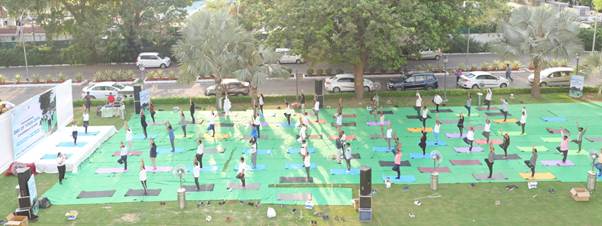
 In anticipation of the upcoming International Day of Yoga, the Ministry of Development of North Eastern Region (MDoNER) organized a countdown event at VigyanBhawan Annexe in New Delhi. Secretary and officers/officials of MDoNER and CISF officers and staff posted in VigyanBhawan Annexe, activelyparticipated under the guidance of Yoga Instructor and Demonstrators from MDNIY highlighting the timeless benefits of yoga deeply ingrained in Indian heritage.


The event featured dynamic yoga practices aimed at nurturing holistic well-being. Secretary DoNER emphasized yoga’s role in promoting physical, mental, and spiritual health

As MDoNER hosts the countdown to this transformative day, it reaffirms India’s commitment to nurturing a culture of health and wellness through yoga. The event at Vigyan Bhawan serves as a reminder of yoga’s universal appeal and its enduring relevance in addressing contemporary challenges.

A group of people doing yogaDescription automatically generated

Yoga, with its roots in ancient Indian tradition, has been widely recognized for its positive impact on physical, mental, and spiritual health. MDoNER’s event highlights the importance of incorporating yoga into daily life for a healthier and more balanced lifestyle.

A group of people standing in front of a bannerDescription automatically generated

****

Early Childhood Care & Education (ECCE)

 Secretary, School Education & Literacy, Ministry of Education, Shri Sanjay Kumar, chaired a meeting for achieving the broader objectives of Early Childhood Care & Education (ECCE), at Ambedkar International Centre, New Delhi today. The representatives of the Ministry of Women & Child Development (MoWCD), States, and Autonomous bodies of the Department of School Education & Literacy (DoSE&L) attended the meeting. As envisioned under the National Curriculum Framework-Foundational Stage (NCF-FS) a continuum of pre-school education and School education is required for seamless transition and quality ECCE.

Speaking on this occasion Shri Sanjay Kumar set the context of the meeting and highlighted the importance of every stakeholder in quality ECCE. Shri Kumar reiterated that it was heartening to see various initiatives taken by MoWCD and various States/UTs.

The need to have three Balvatikas for 3 to 6-year-olds for pre-primary in all CBSE and Kendriya Vidyalayas having Class 1 was emphasised during the meeting. Co-locating Anganwadis with primary schools in villages was recommended in coordination with WCD, in a decentralised manner to get a proper preschool education and smooth transition to Grade 1.

It was also suggested to use Jaadui Pitara at the Government schools with pre-primary classes for a well-rounded learning experience. It was suggested that NCERT can work with state officials to assess existing learning toys, ensuring alignment with NCF-FS goals.

It was also suggested that MoE and WCD should collaborate to link Poshan Tracker and UDISE+ data to track pre-primary to Class-1 transitions. States can define parameters and use Requests for Proposals (RFPs) for Jaadui Pitara materials to ensure transparency and efficiency in procurement.

Discussions were also held on the standardization of branding for programs such as NIPUN Bharat, Jaadui Pitara, e Jaadui Pitara and Vidya Pravesh across states to enhance visibility and recognition.

It was suggested that the adopted and adapted version of Jaadui Pitara should correspond with the prescribed learning outcomes curated by NCERT for Jaadui Pitara. NCERT should support SCERTs in following the designated Learning Outcomes.

The need for proper training of preschool teachers and Anganwadi Worker (AWW) was also discussed at length during the meeting.


***

Workshop on ‘State of Artificial Intelligence in Banks’ with representatives from 12 Public Sector Banks and other financial institutions under DFS

 Dr. Vivek Joshi, Secretary, Department of Financial Services (DFS), chaired a workshop on the ‘State of Artificial Intelligence in Banks’ as part of its lecture series, in New Delhi, today. The NASSCOM made a presentation during the workshop to provide banks and financial institutions with insights into best practices for AI adoption and risk mitigation. 

The event featured several industry experts who shared their experiences and insights on the AI. Besides, DFS Secretary, attendees included senior officials from the DFS, CEOs, MDs, CTOs, and CDOs from 12 Public Sector Banks (PSBs), as well as MDs and CEOs from various financial institutions under administrative control of DFS and delegates from NASSCOM.

The workshop served as a platform for participants to learn about various case studies and strategies for implementing AI in the banking sector. By leveraging the expertise of industry leaders, the workshop aimed to enhance the understanding of AI technologies and their potential impact on the financial services industry. The industry experts discussed how AI can be used to enhance customer service, make better decisions regarding credit, detect fraud and defaults, manage risks early, and boost employee productivity and efficiency.

The workshop also addressed the emerging challenges of AI in terms of data governance, cybersecurity, transparency and compliance.

****

IREDA Global Green Energy Finance IFSC Limited

 Indian Renewable Energy Development Agency Ltd. (IREDA) has incorporated a wholly owned subsidiary in the International Financial Services Centre (IFSC) located in GIFT City, Gujarat. Named “IREDA Global Green Energy Finance IFSC Limited,” the subsidiary was officially incorporated on 7th May, 2024. Earlier, on 8th February, 2024, the Reserve Bank of India gave its No Objection letter to set up the finance company in IFSC GIFT City.

Commenting on the development, Chairperson & Managing Director of IREDA Shri Pradip Kumar Das, said that IREDA’s presence in GIFT City signifies a momentous step in its mission to pioneer innovative approaches to green financing. “This subsidiary not only positions IREDA to extend its global reach but also acts as an offshore platform for securing competitive funding to drive the renewable energy sector’s growth, aligning with the Government of India’s ambitious ‘Panchamrit’ targets.”

The CMD added that IREDA’s entry into the IFSC is anticipated to unlock fresh business prospects and establish its global footprint in the renewable energy sector. “This strategic step is in line with IREDA’s vision of facilitating sustainable development through renewable energy investments, both domestically and internationally. With IREDA’s presence in the IFSC, we anticipate greater access to innovative financing alternatives and enhanced collaboration with international investors, encouraging the advancement of renewable energy projects in the country and abroad.”

***

India’s Technical Textiles market has huge potential backed by a significant growth rate of 10%:

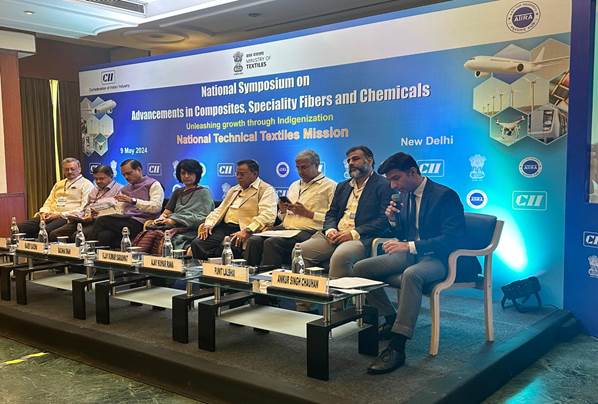
 The Ministry of Textiles in partnership with Confederation of Indian Industry (CII) and Ahmedabad Textiles Industries’ Research Associations (ATIRA) organized a National Symposium on Advancements in Composites, Speciality Fibres and Chemicals here in New Delhi today.

India’s Technical Textiles market has a huge potential backed by a significant growth rate of 10% and placement as the 5th largest technical textiles market in the world, said Mrs Rachna Shah, Secretary, Ministry of Textiles while addressing the symposium.

She further said that that composites has distinct structural and physical features, which make them suitable for specific applications across various sectors. For example, in infrastructure development, aerospace, automotive sector, Military and Defence sector, medical devices, composite materials, among others. She highlighted the significance and importance of institutional buyers, user Ministries and industries in the adoption of technical textiles and products made out of specialty fibres and composites.
 

A collaborative approach among stakeholders including industry representatives, policymakers, researchers, and investors is imperative to address the cost implications in the field of composites and specialty fibres and work together in increasing awareness and education for wider adoption by the larger community for the growth of the sector, she added.

Dr Vijay Kumar Saraswat, Member, NITI Aayog, highlighted that the specialty fibres are the building blocks of the advanced composites and its choice is a strategic decision on a blend of performance requirements and cost consideration.

He mentioned that specialty fibres like aramids, carbon fibre, zylon, ultra-high molecular weight polyethylene (UHMWPE), glass fibre, ceramic fibre can be tailored for diverse applications and strategic needs, such as Fire Retardant fabrics, Bullet Resistant Jackets, ropes and cables, windmills (renewable energy) and in gas and chemical filtration respectively. He highlighted the top trends in composite materials including but not limited to high performance resins and adhesives, carbon fibre based materials light weighting advanced polymer composites, biomaterials, nanocomposites, intelligence design and manufacturing.

He elucidated the advancements in material science are not just about creating stronger or lighter materials, but also about ensuring their sustainable use through material circularity. He also stressed that the demand for bio-composites is increasing due to growth in its adoption by construction, furniture industry and increased compatibility in medical applications.

Dr Saraswat also said advanced composites and specialty fibres are continuously evolving with research, pushing the boundaries of fibre performance. Future developments will include fibres with even greater strength and stiffness, enhanced thermal properties and even self-healing capabilities. He also emphasised that although composite materials have been around for many years, the industry is still amid innovation and evolution. There is a need to adopt sustainable practices which will be a key feature of the composites industry going forward.

Shri Ajay Kumar Rana, Director General, RDSO during his address talked about the use of geotextiles and geo-composites in the railways sector. He highlighted the use of geotextiles, geogrids, pre-fabricated vertical drains (PVDs) for load bearing applications, slope erosion protection control application, drainage, separation, filtration etc. He also stated RDSO is actively working in developing new guidelines and standards for use of geo-composites in railways sector, in association with BIS.

Shri Rajeev Saxena, Joint Secretary, Ministry of Textiles suggested technical textiles is one of the fastest growing segment with a strong global demand. The technical textiles industry holds immense potential to drive productivity, efficiency, cost-effectiveness, and innovative solutions across engineering and general applications. He highlighted that NTTM is a flagship mission with a view to position India as the Global Leader in Technical Textiles. During his speech, Shri Saxena elucidated various guidelines under the NTTM mission related to Research & Innovation, Start-up, machinery development, internship, education and skilling.

While deliberating on the importance of composites, he stated that textile composite materials are replacing the conventional materials in several fields.

Shri Nilesh M Desai, Director, Space Applications Centre (SAC/ISRO) said that SAC is the second largest research centre of ISRO with a long association with ATIRA. He said that space and aerospace is going to be a major area for composites applications, due to its light weight and durable properties. CFRP and Asto glass fibres are majorly used nowadays in space and aerospace sector.

Around 150 participants attended the conference including Officials and Representatives from Central Ministries, user Departments of Central and State Governments, industry leaders, scientific experts, researchers, and professionals related to technical textiles.


***