Lotus Herbals Tea Tree And CinnamonAnti-Acne Oil-control face Wash controls skin break out and lessens plenitude canvas without deserting any cleft- clogging buildup. It further controls sebum creation, lessens dry patches, and hydrates your skin. The cinnamon in it goes about as a natural constituent that evacuates dead skin cells and enhances blood income to make you look replenished and immature.
Either Stable burning in various states accrued the air pollution in Delhi and created a gas chamber around NCR ; SC came upon a committee to observe scenario , Or 4 industries inflicting stream pollution were shut down by Maharashtra pollution board . Everybody has responsive to environmental problems as higher than . The key solution for resilience to environmental issues are provided by government in various legislations , enactments and provisions on environment laws .
In republic of India environmental law is concern with the policy and law for protection of the environment . It aims for achieving carbon free economy through taking measures for reducing climate change. All the acts under this laws are safeguards in ensuring effective management of the environment and its multiple ecosystems . It provides for preventing environmental damage .
Natural resources in the earth were unscathed from millions of years. It were remain pure until the industrialized started . After the industrialization this resources have been exploited in Spain of 100 years only . From 19th century, the environment (air , water and land ) is directly exploited by rapidly growing population at alarming-rates.
environment includes water, air and land and the inter-relationship which exists among and between water, air and land, and human beings, other living creatures, plants, microorganisms and property , as mentioned in section 2 of environmental protection Act of 1986 . Environment is a wide sphere , it consists of social, economically , political , religious dimensions .
Addressed area of environmental laws in India :
1. Quality of water : For the prevention and control of water pollution and to maintain or restore wholesomeness of water in the country the water act of 1974 was enacted. It further provides for the establishment of Boards ( CPCB and SPCB ) for the prevention and control of water pollution with a view to carry out the aforesaid purposes. This act prohibits the discharge of pollutants into water bodies beyond a given standard, it also lays down fine and penalties for non-compliance.
2. Reduction of air pollution and maintaining air quality : The Air (Prevention and Control of Pollution) Act, 1981 (the “Air Act”) is an act to provide for the prevention , protection and abatement of air pollution .It provides for establishment of Boards at the Central and State levels with a view to carrying out the aforesaid purposes.
3. Hazardous Waste management : legislations that directly or indirectly deal with hazardous waste management are the Factories Act, 1948, the Public Liability Insurance Act, 1991, the National Environment Tribunal Act, 1995 and rules and notifications under the Environmental Act.
4. Containment cleanup, damage mitigation : preventing future damage to the environment is undeniably the primary objective of environmental law, mitigating and reducing existing damage is also important. This area most often deals with issues like toxic leaks and oil spills. The central objective of this branch of environmental law is deciding liability, planning an appropriate response, and also determining the best process of investigation and monitoring in the overall clean up process. This area also concerns itself with the study and assessment of risk in the long term, to better mitigate any future accidents and risks.
5. Sustainability of resources : United Nations has put great emphasis on ensuring the sustainability of resources. For this vision , it has advocated the formation of various legal principles and legislation. In this regards concept of environmental impact assessment introduced .
Noble legislations and enactments on environment law in India :
Laws on Forest and wild life protection: • The Indian Forest Act, 1927 ; The Wildlife Protection Act, 1972; The Forest (Conservation) Act, 1980 ; The Environment (Protection) Act, 1986; The National Green Tribunal Act, 2010.
Laws on Water pollution : • The Water (Prevention and Control of Pollution) Act, 1974.
Laws on air pollution : • The Air (Prevention and Control of Pollution) Act, 1981 (the “Air Act”)
Laws on hazardous waste management : • Biomedical Waste (Management and Handling) Rules, 1998 ; Municipal Solid Wastes (Management and Handling) Rules, 2000 ; Batteries (Management & Handling) Rules, 2001 ; Hazardous Wastes (Management, Handling and Transboundary) Rules, 2008 ; E – Waste (Management and Handling) Rules, 2011 . Laws on wetlands
•Ramsar convention (1971) : This convention was initiated to push for greater conservation and sustainable use of wetlands ; Wetlands (Conservation and Management) Rules, 2017. Constitutional provisions on environment laws
• Part IVA (Art 51A-Fundamental Duties) of the constitution casts a duty on every citizen of India to protect and improve the natural environment including forests, lakes, rivers and wildlife, and to have compassion for living creatures.
• the Constitution of India under Part IV (Art 48A-Directive Principles of State Policies) stipulates that the State shall endeavour to protect and improve the environment and to safeguard the forests and wildlife of the country.
environment makes human life possible, and our cultural environment helps define who we are. It is therefore essential that our population and economic growth are environmentally sustainable.
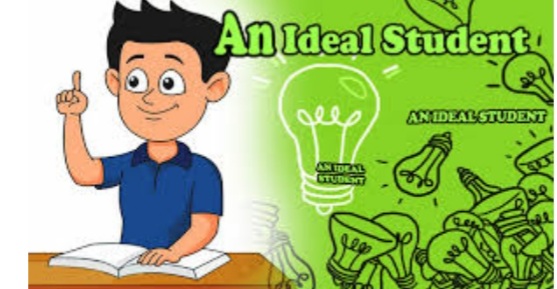
An ideal student is one who is good at skills and an motivation to everyone in the class. Schooling is one of the best blessings that a child can have. It is one of the best feelings which no others can have.
The ideal student is the one who respects others feelings and who will be obedient in many of the situations.
The student’s relation with the teacher is a great one. A student must maintain a healthy relationship with the teachers. Teachers play a very important role in making the student perfect and make them to understand the need of the situation. Teachers help the students to reach their desired goals and in any situation teacher motivates a student to get up and stand in all the ups and downs. Like that of the mother and the father, the teacher also feels equally happy when their student acheives high in their life and when they reach their desired goals.
An ideal student will never feel low at the failures. Instead, they will take their mistakes as an experience and will continue the hard work.
Some of the qualities that make an ideal student are :
Hard work
Discipline
Taking responsibility
Maintaining friendly relationships
Respecting everyone
Raising diubts without features.
SOME QUALITIES THAT MAKE AN IDEAL STUDENT FOR KIDS :
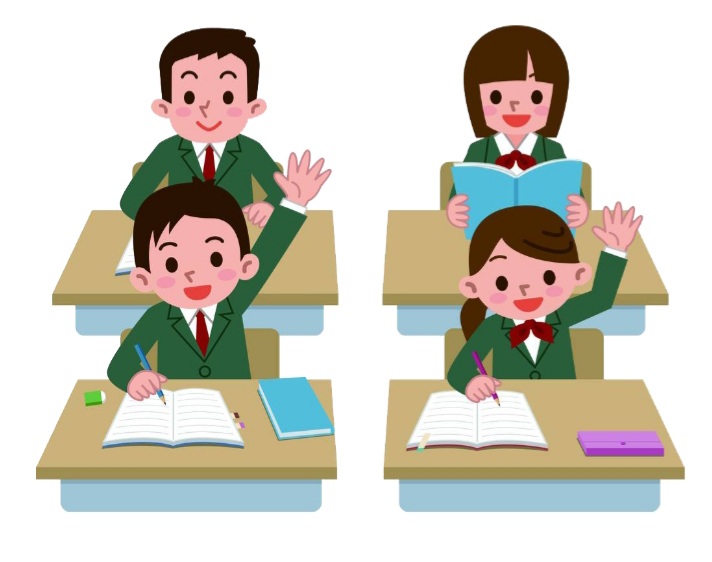
• Ideal student traits make him uniqu, anong others. • It is believed that an ideal student will never waste his time and energy on non- productive things. • The ideal student has inborn winning qualities. • Ideal students will always goal- oriented. Thys, they play according to actions to reach their goals. • It is proven that ideal students will punctual in school and always on time regularly. • He respects everyone. He also obeys their instructions and others. • Ideal students are not bookwarms. They keenly observe and read wisely. • Ideal students take his studies with all seriousness. They dont’t allow any other activites to disturb them • Ideal students always seek the teacher’s guidance. Also, they believe in the knowledge of their teachers.
SOME QUALITIES THAT MAKE AN IDEAL STUDENT FOR SCHOOL STUDENTS :
• Ideal students are always thirsty to gain knowledge.
• They always strive to reach their goals • Ideal students always dedicated to their education and work. • Ideal students behave well and very attentive in classes. They always listen to their teachers while classes are going on • They never hesitate to raise their doubts about studies if they feel some difficulty in understanding. • one of the best things about ideal students is that they are very friendly. Also, they help yo his friends regarding studies. • Ideal students are creative and think out of the box for any completion of tasks. • He always inspire eveyone and attracts the teachers and elders easily. • Ideal students are very responsible and underdtand the value of every wird from their elders.
SOME QUALITIES THAT MAKE IDEAL STUDENT FO HIGHER CLASS STUDENTS :
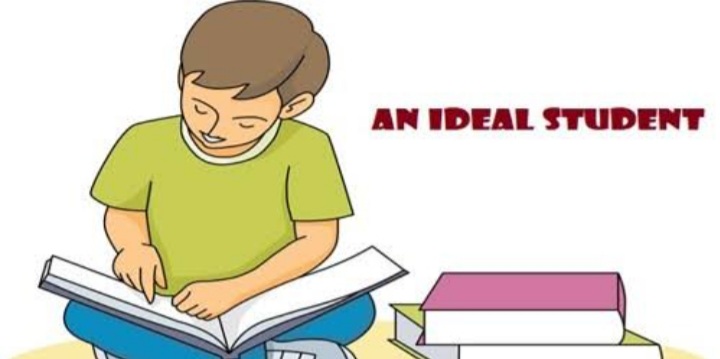
• Ideal students are always fit both physically and mentally. • Ideal students can differentiate between what is right and what is wrong . • Ideal students always keep friendly relations with othet students even though he has many competitors • He always maintains his promise and never feels proud of his awards and achievements. • Ideal students will nevet trust in superstitions, but believe beliefs. It is because they think very logically abd ratinally. • An ideal students tries to improvr in all aspects of his life and to reach goals. • Ideal students show affection and respect towards their elders and parents. • Ideal students read a lot of books. • The ideal students will take responsibility for their society and country. • An ideal student will never look fir shortcuts. They believe that hard work is the only way to succeed in life.
In simple terms, an ideal students is science towards academics and maintains friendly relations with teachers and elders. Aldo, an ideal student will have leadership and communication skills. The role of an ideal student is both attentibe and punctual in duties. He goes to his school, college or university in time. He attends the classes on regular basis .








 Eduindex
You must be logged in to post a comment.