
Contemporary Fashion: The Minimalist’s Coverbook

Models walk the runway at the 3.1 Phillip Lim Fashion Show during Mercedes-Benz Fashion Week Fall 2015 at Skylight Clarkson SQ. on February 16, 2015 in the Brooklyn borough of New York City.

Introduction

The sense of fashion never goes out-of-date for a true fashionista. Among the Millions of fashion lingos in today’s market , one that often dominantly buzzes around, is the term “Contemporary Fashion”.Meant to describe labels with a designer aesthetic and more accessible price points and we use the term “accessible” loosely, with most pieces averaging out around $500 , the term means big bucks where the fashion industry’s concerned, having become one of the biggest areas people spend their money in the last few years.

What Contemporary Fashion Is

Contemporary apparel is clothing that is accessible, in price and in terms of the way people wear it. The contemporary category often contains more modern-style clothes compared to the higher end luxury market. The voice of the contemporary industry is a bit more modern and a tad younger. Contemporary brands appeal to both the luxury shopper and the new breed of aspirational shopper.  This tier has become a go-to for women who can no longer justify shelling out huge amounts of cash on designer garb. It is also appealing to people bored of regular fashion and who are prepared to spend that little bit extra for something that will last.

A great contemporary brand is one with a unique look and feel. Garments and accessories will have interesting construction details and a good-quality finish. The collections are in line with seasonal trends but also incorporate signature items that consumers immediately recognize and associate with the designer brand.

A Harpen Fashion Show

Is It Futurist: The Sustainability Question

In fashion, the term ‘futuristic’ is often used to describe avant-garde clothing designs. It could refer to several things, such as the clothing’s method of production, the materials used, or the garment’s design. Futurism can even refer to the 20th century Italian art movement, and indeed, this movement addressed the problem of designing fashion for the 20th century. We would learn much by examining Futurist fashions in order to understand its legacy in relation to contemporary fashion designers viewed as futuristic today. This paper will review this legacy by looking at five specific examples—Italian Futurists and their contribution to classless and genderless fashion; French designer Yves Saint Laurent’s iconic minidress inspired by the De Stijl art movement; fashion designed specifically for women with active lifestyles; technological advancement and space exploration seen in the designs of André Courrèges and Pierre Cardin; and advancements in textile manufacturing during the late 20th and early 21st century in relation to Karl Lagerfeld, Donatella Versace, and Hussein Chalayan. This leads to the primary analysis of Iris van Herpen and other contemporary designers including Noa Raviv and Neri Oxman. Their designs will be discussed in relation to the problem of labelling fashion as futuristic.
A Paris Georgia Apparel

Challenges of Contemporary Fashion

The contemporary brands fashion market is clearly brimming with a high level of competition. The up-and-coming contemporary designers are forced to continuously compete with older, established luxury brands in the targeting of the younger generation of consumers. The contemporary market began out of consumers’ need and want to own versatile clothing that could be worn on a daily basis.  Stylish consumers were hungry for locating a head-to-toe outfit that luxury brands create, but could be sold at a more reasonable tag.

Simone Racha Catwalk Show at London Fashion Week

Scopes of Contemporary Fashion

Due to the fact that contemporary brands appeal to several groups of consumers, this industry will continue to see global opportunities. Fashion editors and industry insiders agree that contemporary brands have stolen the limelight and are helping to bridge the gap between luxury brands and main street.

Not only will contemporary labels allow you to up your designer arsenal without forcing you to exist on an exclusively Kraft Dinner diet, but the pieces are also constructed with everyday wear in mind (no couture-like assembly required). Not to mention that contemporary lines still boast that oh-so-coveted designer aesthetic and quality craftsmanship—perfect if you’re looking to break away from the usual suspects in fast fashion retail.

Famous Contemporary Fashion Designers and Their Works

Carven: Founded in 1945 in Paris, Carven has enjoyed a resurgence since the hiring of designer Guillaume Henry in 2009, who transformed the house from old-school couturier into the cool girl’s label du jour.


Carven Spring 2014 ready-to-wear collection
Carven Fall-Winter 2015-16 collection

N°21:  Started in 2010 in Milan by designer Alessandro Dell’Acqua, the brand offers a smorgasbord of whimsical designs that can be effortless.


N°21 Spring- Summer 2018 collection
N°21 Spring-Summer 2021 collection

Jonathan Simkhai: Starting from NYC His first womenswear collection was shown in 2010, where Simkhai debuted his take on dressing for today’s cosmopolitan woman. A master at tailoring oversized pieces to flatter the female form, his designs run the gamut from exaggerated boxer shorts to basketball jerseys.

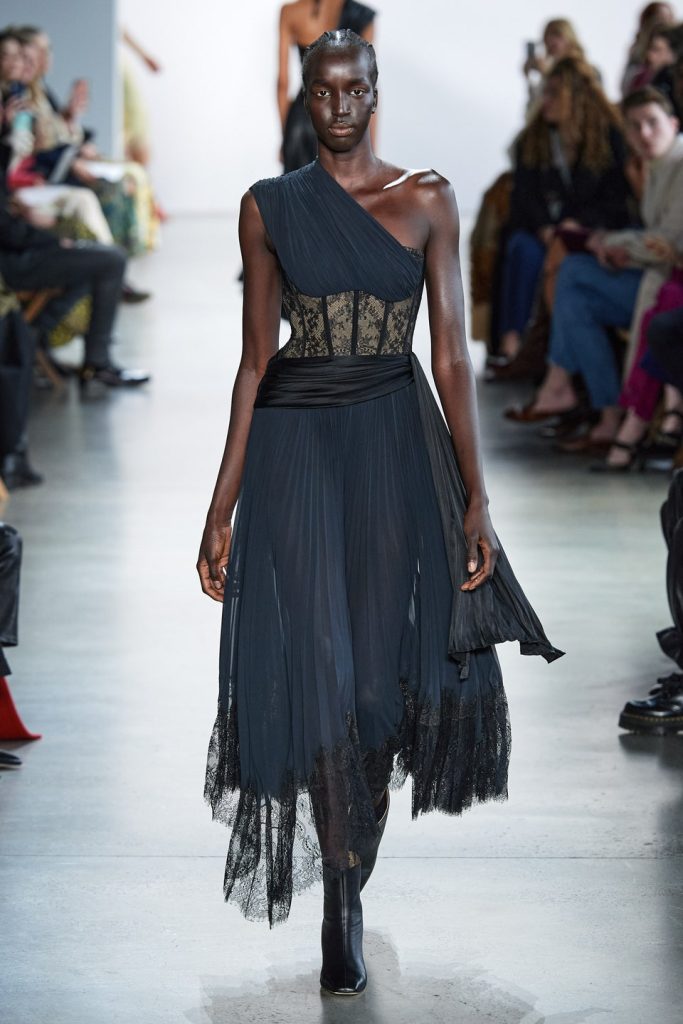
Simkhai Fall 2017 collection
Simkhai Fall 2020 ready-to-wear collection

Sandro : Launched by husband-and-wife duo Didier and Evelyne Chétrite, Sandro is a well-known and popular brand in the contemporary market.  Since its launch in 1984 (in the Marais district of Paris), the label has gathered a cult following with women charmed by its insouciant, season less separates and rock’n’roll aesthetic. Sandro has stores worldwide in places such as New York and Japan, and a flagship store based in Covent Garden, central London.
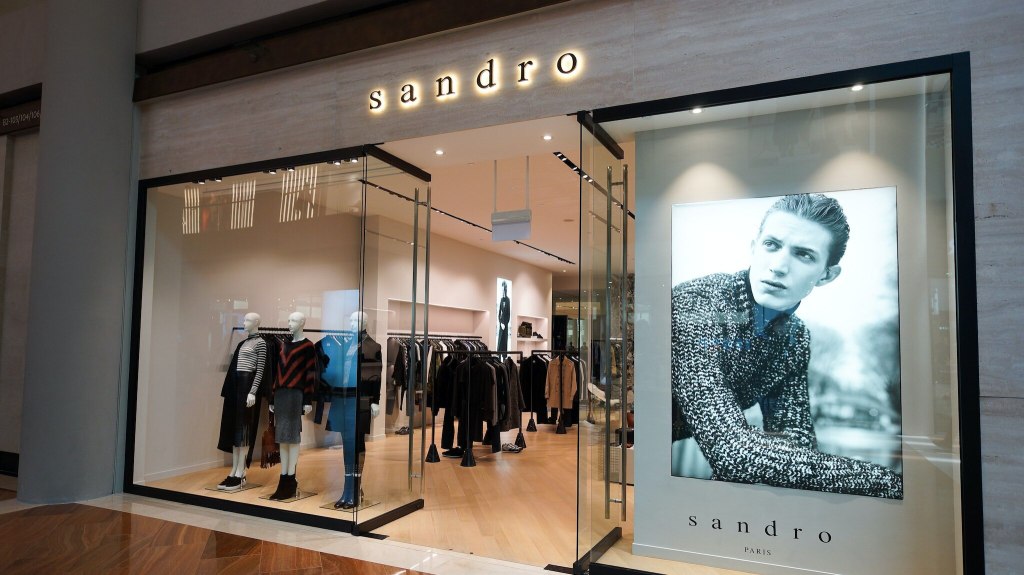
A Sandro Store
Sandro Spring-Summer 2021 Menswear Collection

Conclusion

Consumers want to feel like they own something special and unique. They want exclusive quality labels that are not mass produced, yet are still affordable.  It is important to keep in mind that this category is less expensive then higher tiers such as Haute Couture, but the prices are clearly higher than budget collections.The changing demographic of fashion consumers and the rise of contemporary brands. To stay in the game, luxury fashion marketers must compete on a global scale.
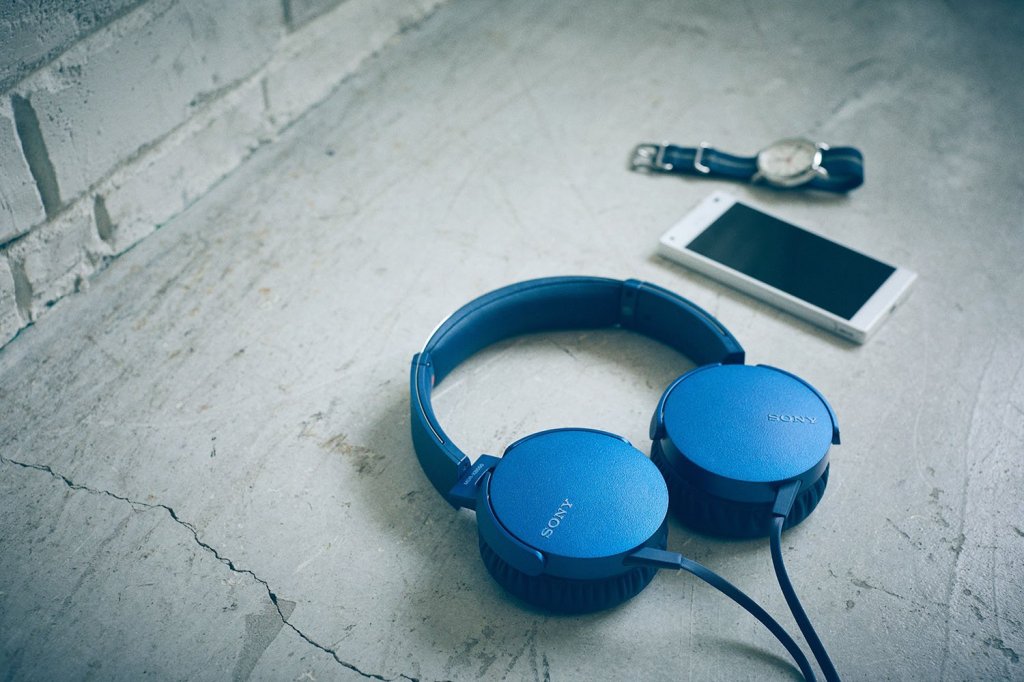
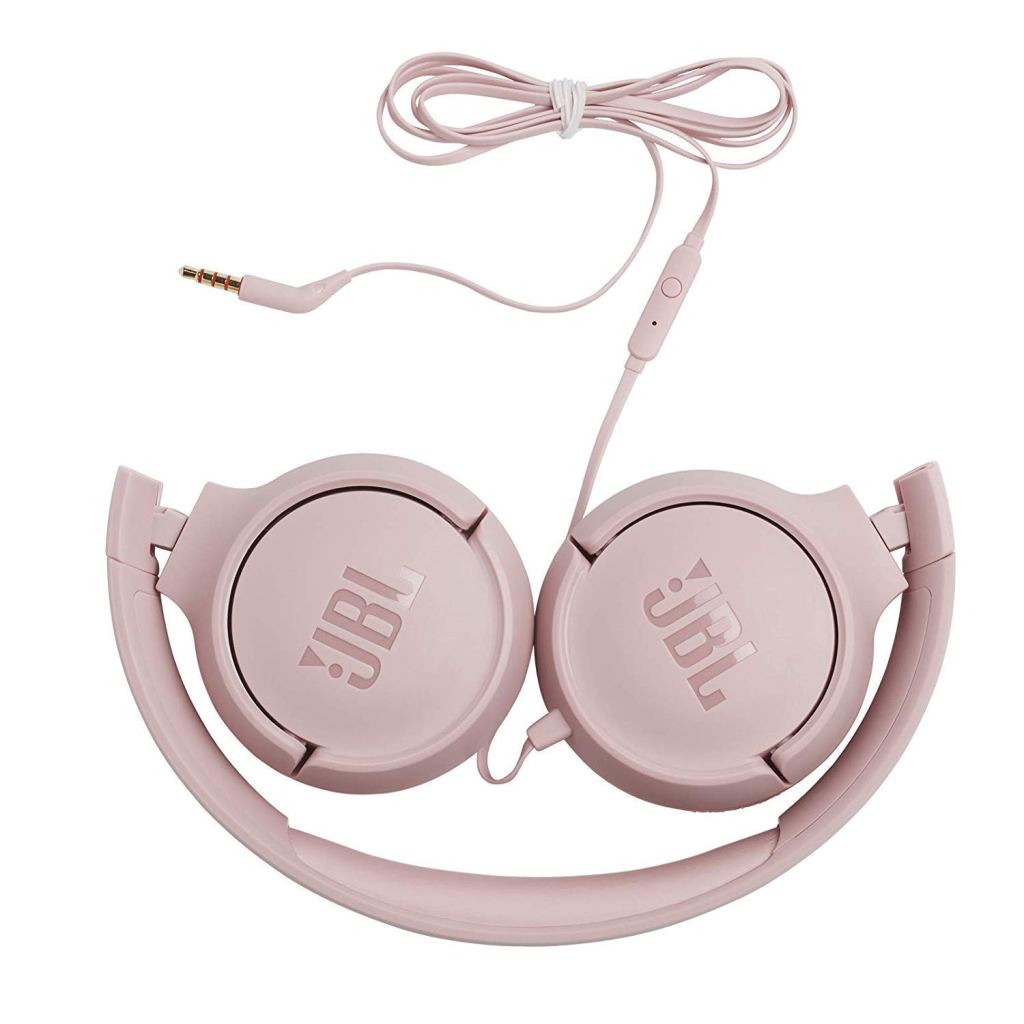
5 best affordable headphone July 2021.

Are you a music lover too? Check out these five amazing budget headphones.

  1. Sony MDR-XB550AP Wired Extra Bass On-Ear Headphones.

Sony has been producing audio equipment for many years and is capable of producing high-quality portable headphones that seldom disappoint clients.
The Sony MDR-XB550AP is a small and light speaker that weighs only 190 grammes. Sharp colours were chosen by Sony to give these headphones an edgy look. When it comes to wired headphones, you won’t have to worry about audio compression or battery life.

Red, Black, and Blue are the three colours available for the headphones.
The headphones’ finer features will leave you speechless. You’ll note that the earcups have a rough surface and are somewhat marbled.
The wire on these headphones is quite durable. When you store it in your bag, it will retain its shape and will not tangle.

Key specification:

  • In-line mic for hands-free calling
  • Tangle-free flat serration cord
  • Portable and revolving folding design
  • Matte finish
  • Cord-length – 1.2 meter.
  • Sensitivity – 102dB, Frequency Response – 5Hz-22,000Hz, Impedance – 24 ohm.
  • Cushioned ear pads
  • 30mm dynamic driver unit
  • 1-year warranty.

Pros

  • The earcups are quite soft and plush and allow you to wear for a long duration sans any discomfort
  • The headphones work in conjunction with all other sounds.
  • Good Bass if you’re looking for extra bass.
  • The headphones sound quite precise, controlled, and tight thus leaving you engaged and impressed
  • You can also attend a call without any hassle
  • Offers you an incredibly great value
  • The headphones offer great durability

Cons

  • Not extremely loud.
  • Headphone foams can get soiled after a year or two (replaceable).
  • Active noise cancellation is missing

2. JBL Tune 500 Powerful Bass On-Ear Headphones

If you’re looking for a pair of headphones that won’t break the bank, the JBL Tune 500 is a good option. Also, if you enjoy listening to contemporary music, you will be completely happy with these.
The JBL Tune 500 has a foldable and lightweight design. You’ll have the choice of purchasing the headphones in one of four beautiful hues. While travelling, the strong and flat cable can efficiently maintain the cable tangle-free.
The concept for travelling, listening to music, and playing games while on the go.

Key specification

  • Quick launch access to Google Assistant and Siri
  • 12 months manufacturing warranty
  • Compatible with Android and IOS mobile, tablet, laptop, and audio player
  • It weighs 150g
  • One button remote/mic
  • Tangle-free flat cable
  • Requires a Li-ion battery

Pros

  • You will get good cushioning on the headband and it sits quite firm against ears.
  • The button lets you play/pause, skip tracks, and answer the phone calls
  • The terminations of the headphones appear to be well-insulated
  • The small yet foldable design of the on-ear cans make them quite portable
  • The frequency range of the headphones is 20-20,000 Hz

Cons

  • May not excite bass heads and audiophiles looking for studio-grade audio.
  • Overall a good mix of sound and ergonomics – not excel in any field.

The headphones allow you to enjoy clear audio for music, calls, and games. When you buy the headphones, you are assured of a trustworthy headset for daily chores that may include video calls with family members and friends.

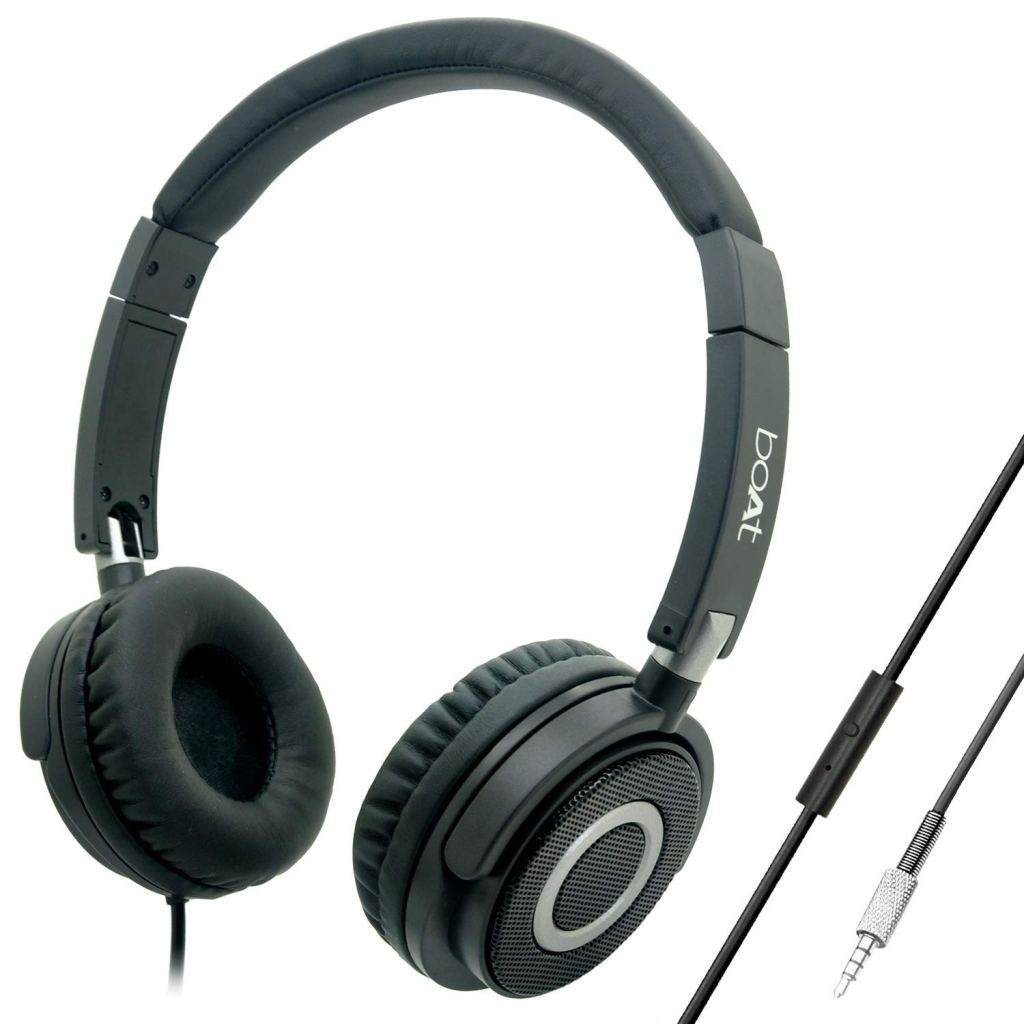
3. Boat BassHeads 900 Wired Headphone with Mic

The headphones’ super extra bass allows you to experience a shockingly strong and dramatic bass at an inexpensive price.
The sound stage will be more grounded, and the frequency response will range from 20 to 20,000 Hz. The headphones’ sleek and small form makes them extremely portable.
Furthermore, the on-ear headphones with rotating ear cups offer a flexible fit and a pleasant fit for all users.

Key specifications

  • Designed for all 3.5mm supported device
  • On the ear
  • 12 months warranty
  • In-line microphone
  • Tangled-resistant cable
  • 40mm Neodymium drivers
  • Weighs 150 g

Pros

  • Offers flexible wearing and comfortable fit for all users
  • The headphones are available in sleek, compact, and lightweight design.
  • The travel-friendly headphones are easy to store.
  • The price is quite affordable.
  • The padding in the device helps in blocking external noise.

Cons

Average comfort and they don’t sound very natural and miss on lows and highs.

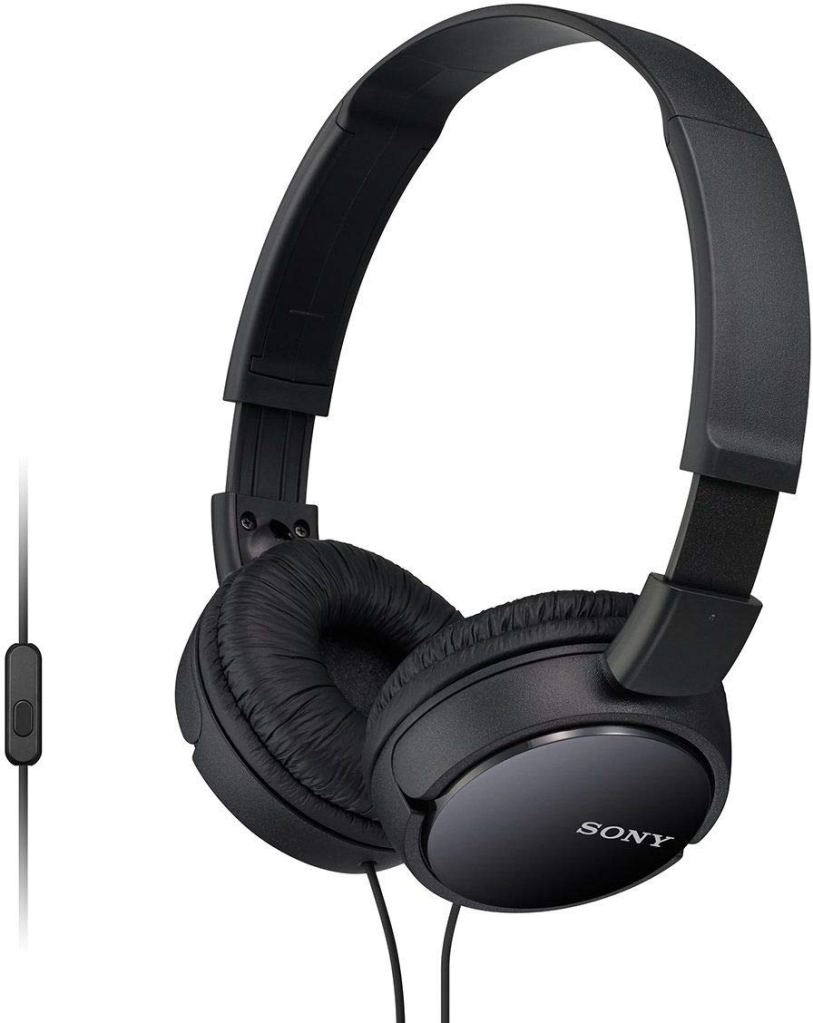
4. Sony MDR-ZX110AP Wired On-Ear Headphones

The Sony MDR-ZX110 wired headphones have 30 mm dynamic drivers for incredible sound. The cushioned earpads provide a lengthy period of pleasant use.
Almost all soundtracks feel sharp and rhythmic through the headphones. These headphones have a well-balanced sound with no excessive bass or treble.

These also have a wide frequency range of 12Hz to 22KHz, allowing for a more immersive listening experience. On some of the most basic TWS headsets, you can hear the small beats that you might miss.
The enfolding shape prevents you from being distracted when listening to music or making phone calls.

Key specification:

  • 30 mm dynamic driver unit
  • On-ear headband
  • Cushioned Earpads
  • In-line microphone and controls
  • Tangle-free cord
  • Portable and Swivel folding design
  • Weight – 120 grams
  • Frequency Response – 12 Hz-22 kHz
  • Impedance – 24 ohm
  • 3.5 mm jack

Pros

  • Good sound clarity 
  • Soft and comfortable cushions
  • Handy and lightweight
  • Durable

Cons

  • Missing active noise cancellation
  • Cable is fragile.

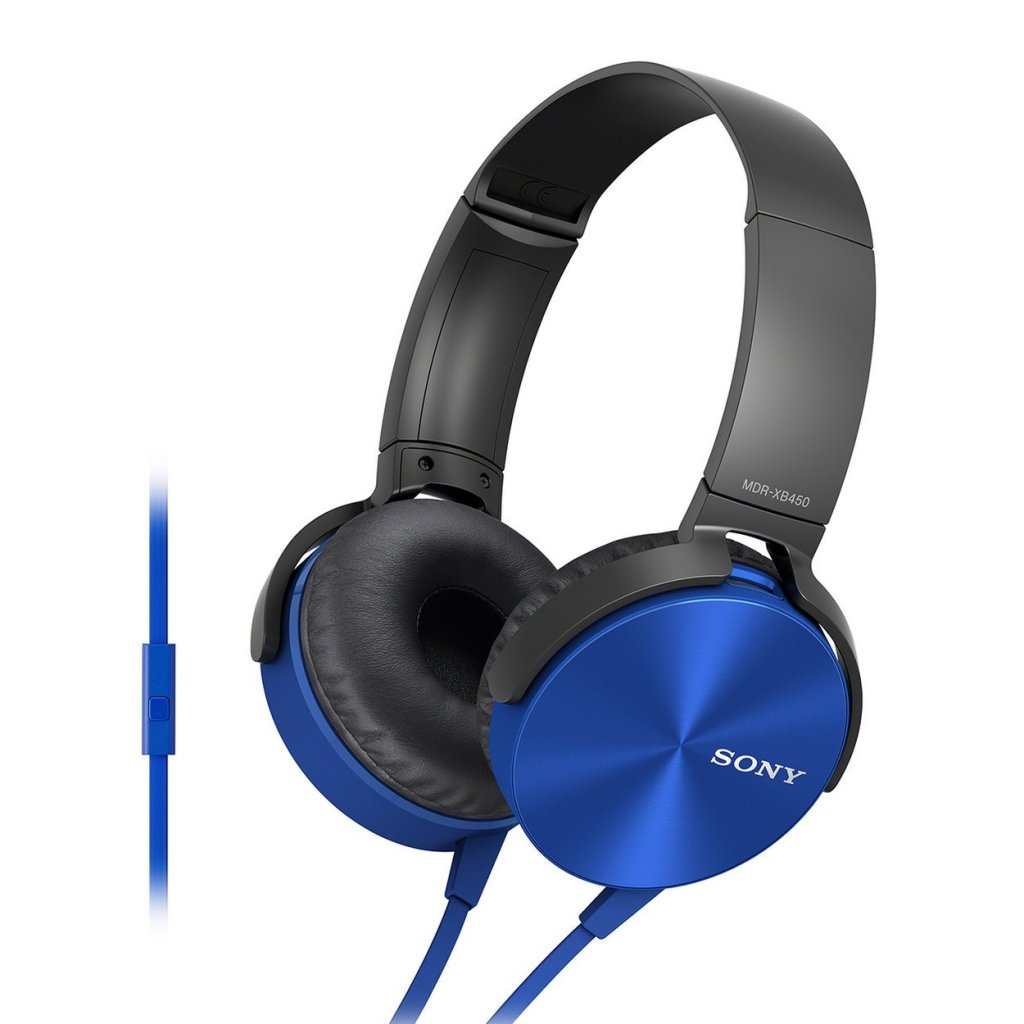
5. Sony MDR- XB 450AP (Bass King)

The headphones were created with electronic dance music fans in mind. Deep bass notes are made possible with Extra Bass technology.
Furthermore, it has the ability to efficiently enhance low-end frequencies, providing you with a memorable experience. The swivel design in the housing allows you to store your headphones flat, making them ideal for travel.

Key specifications

  • Weighs 165 g
  • Wired extra bass headphones
  • Tangle-free wire
  • Frequency response 5 -22000 Hz
  • Available in 3 colors
  • 30 mm powerful bass
  • Wired 3.5 mm single pin  

Pros

  • The headphones are equipped with cushioned earpads for maximum comfort
  • Strong sensitivity for clear and loud sound
  • The headphones offer an in-line remote and mic for hands-free calls
  • Neodymium dynamic driver help in providing top-quality sound

Cons

  • Sound Stage is not as wide as on Sennheiser.

MOST CHEAP & AFFORDABLE CITIES FOR STUDENTS in the WORLD

Students are already drowning in student loan and upon that they have miscellaneous expenses to cover. Many of you would have lost hopes of studying in prestigious Universities thinking about the expensive cos of living there. However there are cities in the world which offer cheap and affordable living especially for students.

This article derives results based on the average costs indicated on the Mercer Cost of Living Survey. Each of these cities contain not only cheap living but also some of the top universities one might be delighted to get into.

Kuala Lumpur

Kuala Lumpur, Malaysia’s capital and largest city, ranks second in the world for affordability. Also featuring in joint 29th place overall in the best student cities this year, tuition fees at one of Kuala Lumpur’s five ranked universities will cost an average of only US$2,500 per year for international students. For those looking to live in the city center, a one-bedroom apartment will cost an average of US$568 per month.

IHG to develop new Holiday Inn in Kuala Lumpur, Malaysia | Hotel ...

Kuala Lumpur also ranks well for affordability in the Mercer Cost of Living Survey, coming 141st of 209 countries in terms of expense.

Bangalore

the Indian city of Bangalore, a new entry in this year’s Best Student Cities index at 81st, has the lowest tuition fees of all the cities on this list (only costing US$100 per year on average.) The city also has extremely low living costs , a one bedroom apartment in the city center, for example, will cost you an average of US$250 — this is extremely low compared to cities such as London, where you’d be paying a monthly average of US$2,132.

Bengaluru Smart City Project: Free Wi-Fi, E-Toilets, Water ATMs ...

Bangalore has two universities currently featuring in the world university rankings. It also ranks highly in both the student view indicator and the employer activity indicator, suggesting that Bangalore’s graduates are viewed highly among graduate employers.

Johannesburg

Coming in at ninth worldwide for affordability in 2019, individuals in Johannesburg’s city center can expect to pay an average of US$471 in rent per month for a one bedroom apartment, excluding bills and annual tuition fees of around US$2,300. The city also ranks 185th out of 209 cities in the Mercer Cost of Living Survey (where first place is the most expensive).

The Ultimate Guide To Cheap Hotels in Johannesburg - Hotels.ng Guides

This sunny South African city is ranked 78th overall in the Best Student Cities and climbed six places this year in the affordability indicator. The city is home to two institutions featured among the world’s top 550 in the world university rankings.

Budapest

Boasting three world leading universities, and home to over three million people, Hungary’s capital ranks first once again for the affordability category in 2019. Budapest also comes 43rd overall in the Best Student Cities, rising six places his year due to its improved scores in the desirability and student mix indicators (appearing in the global top 60 for both).

Traveling to Budapest in October

Budapest will cost international students an average of US$1,400 in tuition fees per year (much lower than many other study destinations). The city also ranks 164th out of 209 countries in the Mercer Cost of Living Survey.

Tomsk

Ranking 73rd overall in the Best Student Cities index, Tomsk places joint fourth for affordability in 2019 along with fellow Russian cities Novosibirsk and St. Petersburg. Tomsk gained the title of the ‘cultural capital of Siberia’ from the 1960s, when it was fill of artists, writers and film directors, and is still known today as a major educational, scientific and innovation center in Siberia. 

Siberian IT exchange – Software cluster in Tomsk in 2017 ...

If you’re interested in studying at one of Tomsk’s leading institutions, international undergraduate tuition fees cost an average of US$2,600 per year.

St. Petersburg

St. Petersburg is Russia’s second largest city (after Moscow, of course) and home to over five million people. Ranked 66th in the city ranking in 2019, it’s climbed four places in the affordability indicator to claim joint fourth place, with tuition fees at its three leading universities costing an average of US$2,600 per year.

48 hours in St. Petersburg, Russia | Luxury Travel Magazine ...

Students looking to study in this awe-inspiring city will be pleased to find out that the city’s cost of living is 28.2 percent cheaper than in Russia’s capital, Moscow. And although St Petersburg’s best score overall is for its affordability, its biggest improvement this year is in the student view indicator, rising 16 places in 2019, reflecting its popularity among students.

Manila

The capital city of the Philippines and one of the oldest cities in the world, Manila is ranked eighth in the world for affordability this year, as well as joint 85th overall in the Best Student Cities index. Manila contains four excellent universities, led by the University of Philippines, which places joint 356th in the world.

Experience the Best of Spain by Train | Railbookers

With tuition fees averaging out at around US$2,400, and the city ranking 109th out of 209 in the Mercer Cost of Living Survey, Manila is a great place to get a top-quality education without breaking the bank. On top of this, Manila earns its best score in Student View this year, based on student’s experiences whilst studying in the city, and their perceptions of the availability and quantity of graduate employment.

Wroclaw

With sensational architecture and a plethora of diverse cafés and restaurants, Wroclaw, the fourth-largest city in Poland, comes third in the affordability indicator and is a new entry in the Best Student Cities index in 2019 at 108th. Students looking to study in Wroclaw will be pleased to hear that higher education is free for Polish students, and for international students willing to take the same entrance exams and to study a course taught in Polish.

Wroclaw | L.E.K. Consulting

However, if you’d prefer to study in English, tuition fees are still much lower than you’ll find elsewhere. The cost of living in Wroclaw is also relatively low, estimating that the monthly rent for a single person living in the center will cost on average around US$597.

Novosibirsk

Russia’s third largest city, Novosibirsk is packed full of parks and tree lined avenues, as well as being a major manufacturing and administrative center.

Novosibirsk travel | Western Siberia, Russia - Lonely Planet

It climbed six places to rank 92nd in the Best Student Cities ranking this year and is rated joint fourth for affordability, with tuition fees averaging at US$2,600 per year for international students. Living costs are lower here than in Moscow, with a single metro ticket for example only costing 22 rubles (the equivalent to only 35 US cents).

Hsinchu

Putian Temple in Hsinchu tells your fortune, makes relationship ...

Perhaps those of you looking for a great place to study abroad will be blown away by Hsinchu, the second city laying claim to the title, ‘The Windy City’ (the first, of course, being Chicago). Coming 10th for affordability this year and joint 68th overall in the Best Student Cities index, Hsinchu is an excellent option for those who want to study in Taiwan without all the hustle and bustle of a big city.

MOST LOW-PRICE & AFFORDABLE INTERNET IN THE WORLD

Internet has become the most essential virtual commodity due to the Global Pandemic 2020. Its demand has reached a peak now more than ever. It has been declared as the basic necessity along with Food, Clothing, Shelter and Education.

In most Countries, schools and colleges are functioning through digitalized classrooms which require high speed data. 75% of office goers are working from home and the servers that connects the employers to the employees is kept alive on internet connections.

How can everybody afford the Internet? A recent report by Visual Capitalist reveals how much 1GB of mobile data costs in every country. Let’s have a look at what it costs to stay virtually connected in many Countries of the World:


1) India:

The Visual Capitalist report states that India has the most-affordable mobile data plans worldwide. India offers 1GB mobile data for just under Rs. 7, which is the cheapest in the world.

 Why is data so cheap in India? A significant factor is the country’s intense market competition, driven by Reliance Jio—a telecom company owned by Reliance Industries, one of the largest conglomerates in India. Reliance Jio launched in 2016, offering customers free trial periods and plans for less than a $1 a month. This forced other providers to drop their pricing, driving down the overall cost of data in the region.


2)  Sri Lanka:

Mobile internet in India’s southern neighbouring country, Sri Lanka, costs roughly Rs 38 per 1GB data. Some of the biggest Telcos in the country are Dialog, Airtel Lanka, SLT Mobitel, etc.


3)  Russian Federation:

1GB of mobile data plan in Russia costs roughly Rs 39. This makes Russia the ninth most-affordable country for cheap mobile data plans. Some of the biggest telecoms in the country, which is the fourth biggest smartphone market, are Mobile TeleSystems (MTS), Beeline, MegaFon, etc.


4)  Vietnam:

Mobile Internet in Vietnam costs roughly Rs 43, which according to the latest data, ranks 10th in the list of countries that offer the most affordable 1GB data plan. The biggest telecom operators in the Asian country are Viettel, MobiFone, Vinaphone.


5)  Italy:

Italy ranks fourth in the list of countries that offer the most affordable data plans worldwide. In Italy, 1GB of mobile data Rs.32.


6)  Israel:

 1GB of mobile data in Israel costs roughly Rs 8, making it the second most-affordable nation for internet usage.


7)  Ukraine:

Ukraine shares a similar per GB mobile data tariff cost as Kazakhstan, where 1GB mobile data costs Rs 34.


8)  Somalia:

1GB mobile data in Somalia costs roughly Rs 38, slightly cheaper than Sri Lanka’s per GB cost. The biggest telecom operators in the African country are Hormuud, Telecom Somalia, etc.


There has been a significant surge in the number of internet users over the last few years, which has led to telecom service providers competing against each other and lure consumers with the most value-for-money packs. the internet in India is quite affordable if you compare it with the rest of the world.