Blast at mosque in Afghan city of Kandahar, atleast seven dead

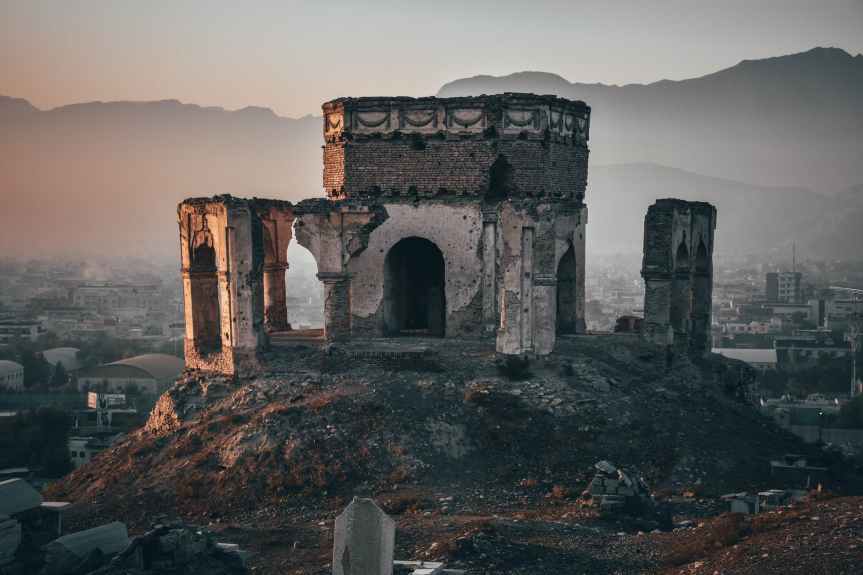
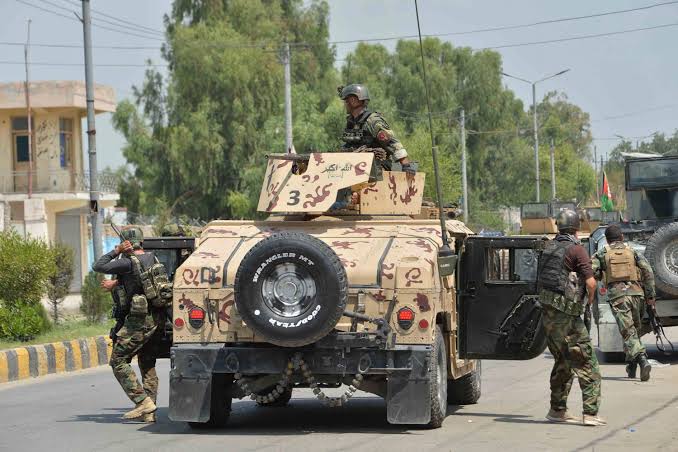
A large explosion tore through a Shi’ite mosque in the southern Afghan city of Kandahar during Friday prayers, killing at least seven people and wounding 13, officials and provincial leaders said.

Qari Saeed Khosti said authorities were collecting details of the explosion, which took place days after a suicide bomb attack claimed by Islamic State on a Shi’ite mosque in the northern city of Kunduz that killed scores of people.

Photographs posted by journalists on social media showed many people apparently dead or seriously wounded on the floor of the mosque.

Nematullah Wafa, a former member of the provincial council, said the blast occurred at the Imam Bargah mosque and caused heavy casualties but there were no immediate confirmation of the number of dead and wounded.

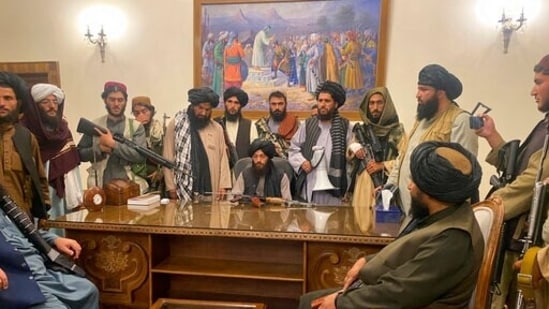
The blast, coming so soon after the Kunduz attack underlined the increasingly uncertain security in Afghanistan as Islamic State has stepped up operations following the Taliban victory over the Western-backed government in Kabul in August.

Written by : Ananya Kaushal

PLIGHT OF WOMEN IN AFGHANISTAN

BY DAKSHITA NAITHANI

The Afghan women, maybe more than anybody else, have dreaded the Taliban’s return. There have been many advances in women’s rights over the last 20 years, which appear to be set to erase nearly overnight.

A quick lesson from history…

The Taliban, a political and military force, is said to have started in Islamic schools in Northern Pakistan in the early 1990s. Its aim was to restore order in Afghanistan following the withdrawal of Soviet troops in 1989, as well as to impose a harsh form of Sharia law. By 1998, the organisation had seized 90% of Afghanistan’s territory.

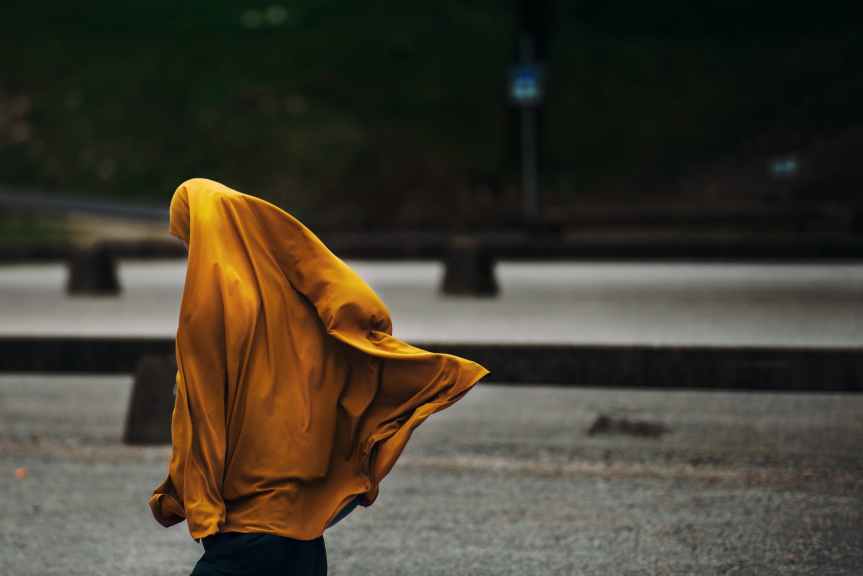
Once in control, the organisation garnered worldwide condemnation for a slew of human-rights violations. The ban on female education above the age of ten as well as harsh limitations on day-to-day liberties, were among the stringent mores imposed on women and its influence has frequently threatened to expand beyond, to places like Pakistan, where the organisation memorably shot teenager Malala Yousafzai in 2012. Women were treated worse than at any previous period or by any other culture throughout its rule (1996–2001). They were prohibited from working, leaving the house without a male escort, seeking medical assistance from a male doctor, and being compelled to cover themselves from head to toe, including their eyes. Women who had previously worked as physicians and teachers were compelled to become beggars or even prostitutes in order to feed their families during the Taliban’s rule.

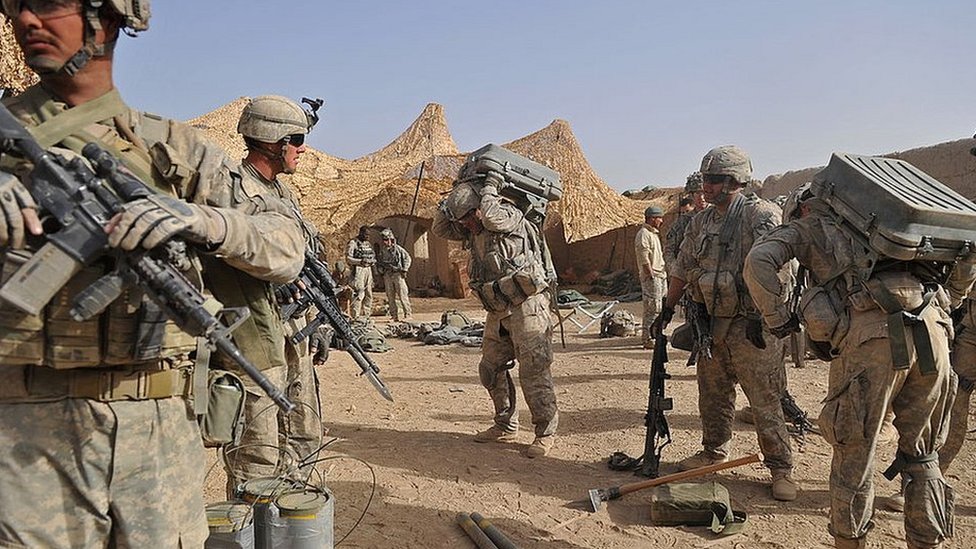
Following the 9/11 attacks, it was thought that the Taliban were harbouring Al-Qaeda soldiers, thus an US-led international operation was started against Afghanistan. As a consequence, the Taliban were deposed from power, an Afghan government was established, and soldiers occupied the country for 20 years. It destabilised several regions of the nation due to battles with US and UK forces on a regular basis, and Afghan people were continued to be assaulted. Many would agree that the political and cultural status of Afghan women had improved significantly since the Taliban’s collapse in late 2001.

The Bush administration’s acceptance of women’s rights and empowerment as rationale for its assault on the Taliban is long gone. So it was under the Barack Obama administration, when then-Secretary of State Hillary Clinton stated that the Taliban’s repudiation of al-Qaida and promise to support the Afghan constitution and safeguard women’s rights were preconditions for US discussions with them. The rejection of al-Qaida has yet to be declared openly and publicly less than 10 years later; the constitutional order and women’s rights are still subject to intra-Afghan talks and will be influenced by the changing balance of military power.

In February 2020, US-Taliban peace talks were concluded, with the US pledging a quiet departure in exchange for an end to hostilities. Afghan leaders and top military generals have warned that the government will collapse without foreign assistance. It looks like the worst has transpired only weeks before Biden’s deadline of September 11th.

The Taliban rule wreaked havoc on the institutions and the economy, which had already been ravaged by decades of conflict and the Soviet scorched-earth counterinsurgency policy.

The post-Taliban constitution of 2004 granted Afghan women a wide range of rights, and the political epoch brought social and economic progress, which greatly improved the socioeconomic situation. From a crumbling health-care system with almost no healthcare available to women during the Taliban years, the post regime built 3,135 functional facilities by 2018, giving more than 80 percent of Afghans access to a medical facility within two hours’ drive.

 Less than 10% of females were enrolled in elementary schools in 2003; by 2017, that figure had risen to 33%, while female secondary school attendance increased from 6% to 39%. As a result, 3.5 million Afghan females were enrolled in education, with 100,000 of them enrolled in academic institutions. Women’s life expectancy increased from 56 to 66 years in 2017 and maternal mortality fell from 1,100 per 100,000 live births in 2000 to 396 per 100,000 in 2015. By 2020, women made up 21% of Afghan public workers, including 16% of top management positions, and 27% of Afghan parliamentarians.

 These benefits for women have been dispersed inequitably, with women in metropolitan areas benefiting considerably more than women in rural regions. Despite formal legal empowerment, life for many rural women has not improved much since the Taliban era, notably in Pashtun regions but also among other rural minority groups. Many Afghan males are staunch conservatives. Families often let their daughters to complete a primary or secondary education before proceeding with planned marriages. The burqa is worn by the majority of Afghan women in rural regions without any pushing from the Taliban.

What is the situation for women in Afghanistan now?

Women’s rights in Afghan had arguably maintained pace with many other Western countries prior to the 1970s. Women were granted the right to vote in 1919, one year after women in the United Kingdom. In the 1950s, gender segregation was eliminated, and in the 1960s, a constitution was enacted that included women in political life. As the region became more unstable in the 1970s, these rights were steadily eroded.

Only 38% of the international humanitarian response plan for Afghanistan is financed as of August 2021. This gap might result in the loss of specialised protection services for 1.2 million children, putting them at risk of abuse, recruitment, child labour, early and forced marriages, and sex abuse. About 1.4 million females, many of whom are survivors of domestic abuse, would be left without access to safe spaces where they may receive full care.

Females, who have experienced life with rights and freedoms, are among the most exposed as a result of the Taliban’s fast progress in Afghanistan. As the Taliban capture control of Kabul, they risk losing their hard-won achievements.

Those cries for aid may be too late as the capital city falls into the clutches of Islamist rebels. There have been several stories of the Taliban going door-to-door and compiling a list of women and girls aged 12 to 45 who are then compelled to marry Taliban warriors. Women are told that they cannot leave the house without a male escort, that they cannot work or study, and that they cannot wear anything they want. Schools are also being shuttered.

There is a lot to lose for a whole generation of Afghan women who entered public life – legislators, journalists, local governors, physicians, nurses, teachers, and public administrators. While they worked alongside male colleagues and in communities that were unfamiliar with people in positions of power to help establish a truly democratic civil society, they also wanted to pave the way for future generations to follow in their footsteps.

The Taliban offers itself a broad range of possibilities by claiming that they will “protect” women’s rights under sharia but refusing to explain how women’s rights and life in Afghanistan will alter if they achieve their goals. Even if the government did not openly adopt as cruel a system for women as in the 1990s, the Taliban’s dispositions are quite likely to undermine women’s rights, impose cultural prohibitions on women, and reduce socio-economic possibilities for them.

In summary, even with this change in behaviour, the Taliban in power would almost certainly strive to curtail Afghan women’s legal rights, exacerbating their social, economic, and political circumstances. How much and in what manner, is the question.


Crisis in AFGHANISTAN

Photo by Pixabay on Pexels.com

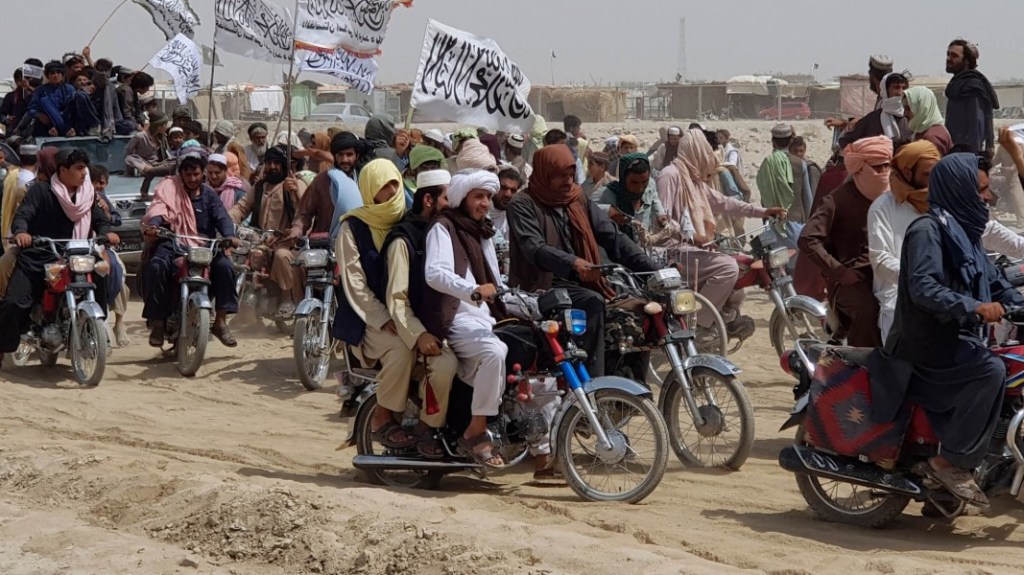
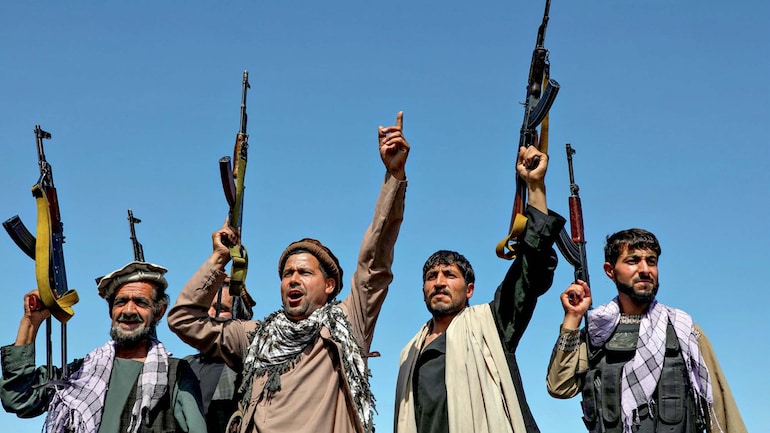
Now that the US army has pulled out from Afghanistan after spending 20 years there, the Taliban has taken control of almost whole of the country. HISTORY REPEATS ITSELF, and here history is repeating itself for the worst. Politicians have fled from the country leaving their countrymen to die and the civilians are in a state of panic. As Taliban has taken control from all the borders leaving no exit point.

What is Taliban

Taliban is the word for ‘student’ in pashto language. Ironically they have nothing to do with knowledge, at least on humanitarian basis. They emerged from the northern part of Pakistan in the early 1990s, they basically promised peace to the peope an to impose Sharia or islamic law, once in power. In September 1995, they started their rule by capturing Herat and then all the major cities one by one and by 1998, they had captured about 90% of Afghanistan.

They became popular as they finished corruption and lawlessness. They also introduced roads. But at the same time they implemented the Sharia law and gave punishments according to it, like public execution for murderers and adultration, amputating those, who were found guilty of theft. Girls were not allowed to go to school after the age of 10, women had to wear chaadri (burqa, covering whole body) when going out and they had to be accompanied by a man all the time, men too had to grow beard. Cinema, music and television were banned. women were not allowed to work even when their husbands died. Basically all their rights were taken away.

Read more about Afghanistan: https://edupub.org/2021/07/19/afghanistan-through-khaled-hosseinis-a-thousand-spendid-suns/

Major terrorist activities by Taliban

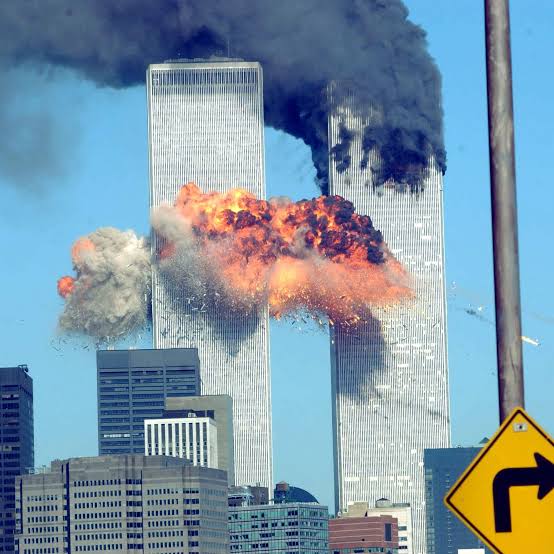
On 11 September, 2001 the world trade center was attacked and Taliban was accused of providing safety to Al Qaeda.

Malala Yousafzai was shot by the talibani terrorists as she refused to leave school and continued to study.

pic courtesy: shutterstock

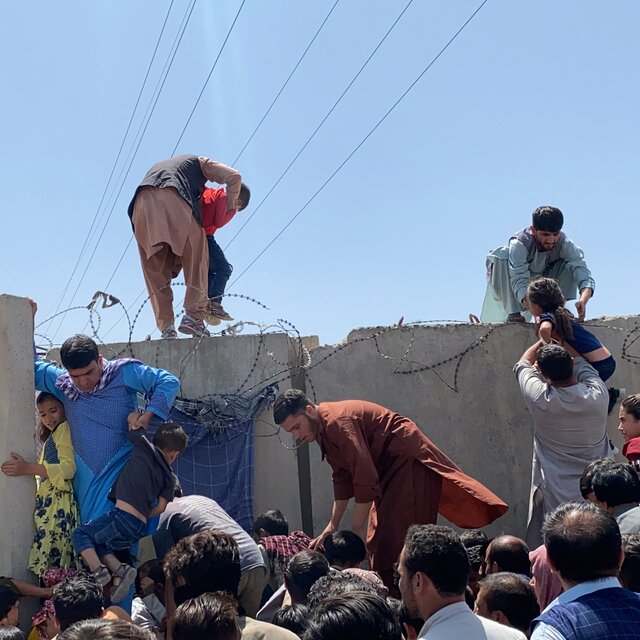
Disturbing images have been coming in from airport where people were rushing as their last hope of fleeing from there. It’s very saddening to see politicians leaving their people to die on the streets. Even though talibanis have said that the people need not be scared of anything but can we trust them?? Not really. Several videos have been surfacing on the net of dead bodies littered on roads. People are being dragged out of their houses, specifically those who have in any way helped American forces.
Residents are trying any possible way to get out of there but unfortunately the only exit left at last, the airport in kabul, has been shut off, shutting their last hope for now.

Photo by Disha Sheta on Pexels.com

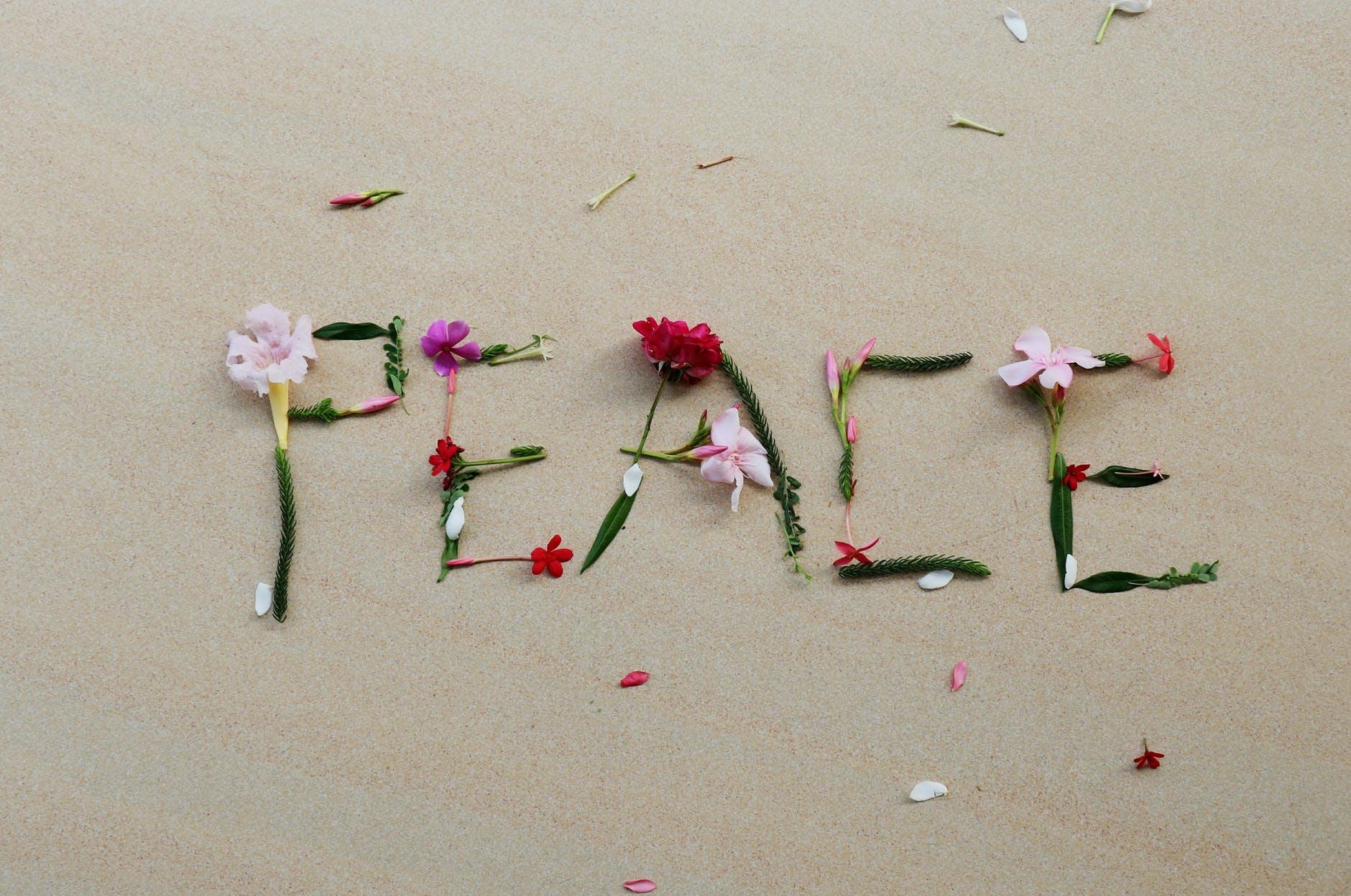
Well, I hope for now at least the citizens will be safe and peace will be restored soon. The Afghanistan of 1960s-70s, where women enjoyed freedom and the country was progressing will be back. Children will play with toys and not guns, knowledge will be used as weapon and not violence.

Everything You Should Know About Afghanistan Crisis

US Talking To Pakistan Leaders To Shut Down Safe Havens For Taliban:  Pentagon
Taliban’s surge in Afghanistan has intensified as US troops wrap up their withdrawal 

US Forces are pulling out from Afghanistan after 20 years of war. The US’s longest-ever war cost them hundreds of billions of dollars. Due to war thousands of people lost their lives and millions were displaced in their own country. In February 2020, both US and the Taliban signed a peace treaty that states that the Taliban will not allow the use of Afghan land as a terrorist base. Taliban also took the pledge of maintaining peace in the country. US President Joe Biden has set a symbolic date of 11 September 2021 for full withdrawal.

What Is Taliban?

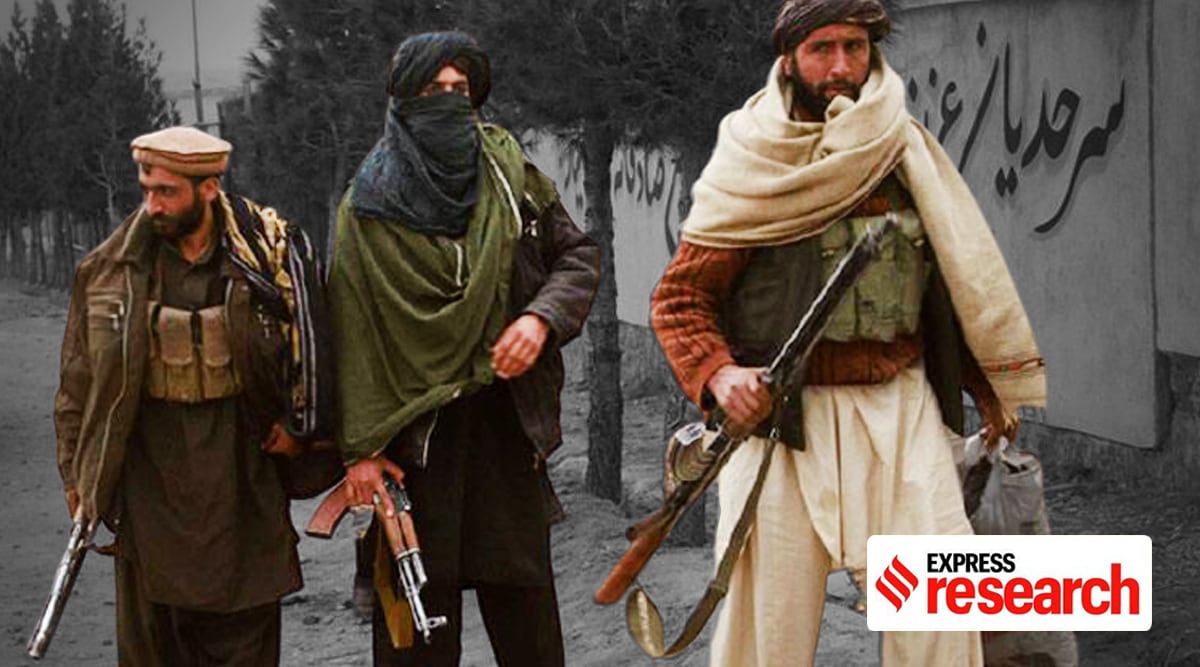
Who are the Taliban – Part 2: Will there be changes on the ground? |  Research News,The Indian Express
Courtesy-Indian Express

Mullah Mohammad Omar, a Pashtun tribe member who became a mujahedeen commander and helped push the Soviets out of Afghanistan in 1989, created the Taliban in southern Afghanistan. Mullah Omar founded the organization in Kandahar in 1994 with around 50 members to combat the insecurity, corruption, and criminality that gripped Afghanistan during the post-Soviet civil war. In 1996, the Taliban rapidly conquered Kandahar and the capital, Kabul after which they imposed severe Islamic restrictions including Sharia Law, banning television and music, prohibiting girls from attending school, and requiring women to wear burqas from head to toe.

US Invasion in Afghanistan 

Afghanistan war: What has the conflict cost the US? - BBC News
Courtesy-BBC

On 11 September 2001, a terrorist attack happened in the US which took the lives of around 3000 civilians. Osama Bin Laden, the leader of the Islamic militant group Al-Qaeda took responsibility for the attack. Bin Laden ran to Afghanistan to seek shelter where the Taliban gave him protection and refused to hand over Laden to the US. After which the US intervened militarily in Afghanistan and removed the Taliban from power. By December 17, 2001, the US and its allies had removed the Taliban from power and established military bases near major towns around the country. During the Battle of Tora Bora, the majority of al-Qaeda and Taliban members escaped, either to Pakistan or fleeing to rural or remote mountainous areas.

The return of the Taliban | Guest column - UP Front News - Issue Date: Jul  26, 2021
Photo By Reuters

As per the latest report, the Taliban has taken control of over 90% area of Afghanistan. More than 1,000 civilians lost their lives in the past month. 

Afghanistan – A tragedy that has no saving

The President of the USA, Joe Biden chose to play the card that the presidents before him had put on the game – the complete withdrawal of armed personnel from Afghanistan. This would mean an end to about 20 years of war in the country that had pitched the NATO and the US against a radical Islamic militant group to a supposed war on terrorism.

The Taliban controlled about 90% of all Afghanistan before 2001. It even had embassies established in Pakistan and Saudi Arabia – the only two countries to give recognition to the government. It was after the 9-11 attacks that it suddenly became an enemy to every state on the planet that supported USA. The US and its NATO allies invaded the Afghanistan that was already torn between the Taliban led groups and the democratic rebels. 20 years have passed since then. From young adults born after 2001 to a now estranged prince of the British royal family, a lot of people fought in Afghanistan. The results were visible with the Taliban clearly on the loss. But, the results were never conclusive. And now, when the US and the NATO would finally withdraw from a war that never reached a conclusion, Taliban has all good reasons to take back what it owned for a brief period of time.

Afghan politics has become highly broken – factions that want peace but not the loss of a theologically driven Taliban government and many more of people wanting a democracy – the government promised in the first Afghan republic in the late 1960s. For the present state of a mujahideen within the once flourishing nation has always been there, but the present state of catastrophe is a result of the Soviet-American rivalry. It was due to the establishment of the Afghan Socialist state that the mujahideen and the Soviet-Afghan war erupted and it was because of obvious and many-a-times accepted training by the Pakistani(Parvez Musharaff, the Army general of Pakistan and later President of Pakistan accepted on a TV show that the Taliban and Lashkar were heroes to him and his people) and American forces (American newspapers have routinely praised not just Taliban but also the infamous Osama Bin Laden during the war) that the logistics, tactics and power of these mujahideen forces reached to a point where they could establish an emirate that spanned most of Afghanistan.

Afghanistan - Wikipedia
Is there any redemption for Afghanistan?

The return of Taliban will not only usher a new era of repression for the Afghans – especially women, children and the now diminished minorities, but also to the neighbouring nations of India, Iran and Central Asia – where the rise of Taliban may lead to new found difficulties in security and trade. The radical Islamists founded the Indian mujahideen as a cause to create a similar situation in India a couple of decades ago. The specific case of India is being raised here because it has strong cultural and economic interests in Afghanistan. The Chabahar port in Iran is India’s strongest option against China’s CPEC and the Gwadar port. Other than this, with an unfortunate history of militancy and extra state actors in North Western India, to have a neighbour ruled by groups of similar ideologies is dangerous for it. India should find ways to support Kabul militarily, for the statements made by Pakistan Prime Minister where he expressed his inadequacy in pressuring Taliban for a ceasefire leaves no neighbour but India to hold the hands of a now weaker government at Kabul. However, India has so far refused to be involved militarily, let alone be involved now, when it could end being the only player in the game.

Afghanistan looks grim. So does its future. The case is unlike ISIS. Common people had supported the Taliban insurgency. And the opium rich state an fund the group for years once it comes to power. Afghanistan looks like a lost cause, with no friends to support it in the problem that should have the highest priority to be solved – the problem of insurgency.

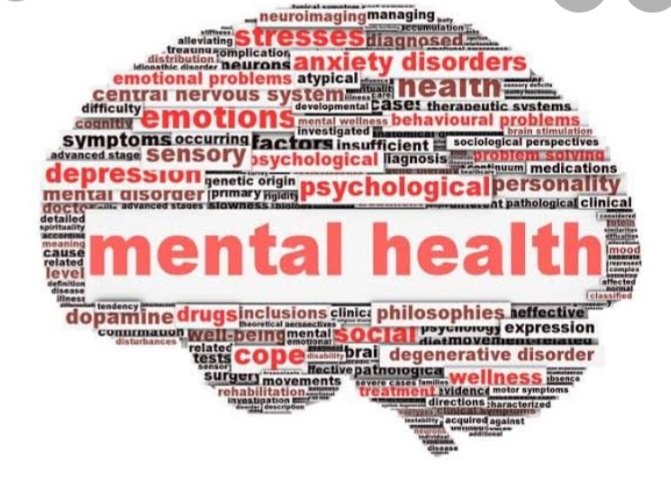
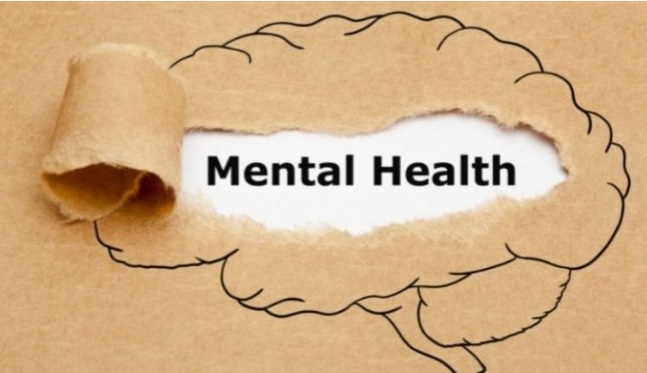
Mental Health

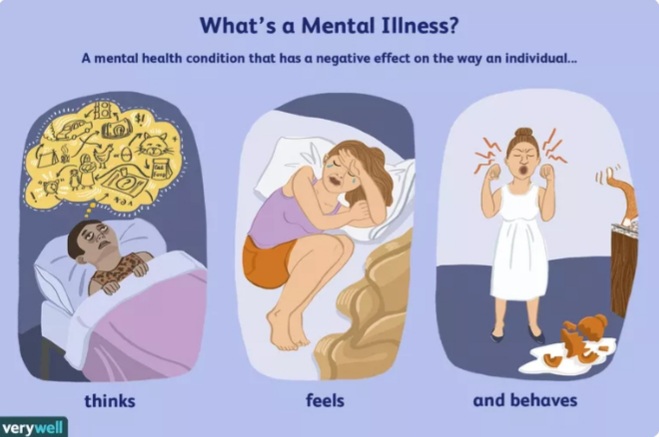
We human beings often tend to pay less attention to our mental health than our physical one, but we all should understand its heavy importance and admit the fact that they can be equally or even more dangerous than the physical issues so one should take immediate help of doctor or councilor in case some abnormalities or issues arises.

Importance of mental health :

Mental and physical health are equally important components of overall health. Mental illness, especially depression, increases the risk for many types of physical health problems, particularly long lasting conditions like stroke, type 2 diabetes and heart disease. Similarly, the presence of chronic conditions can increase the risk for mental illness.

Some mental illnesses :

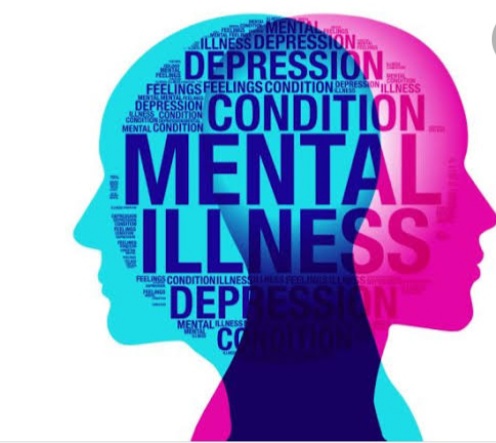
Mental illnesses are among the most common health conditions in the united states.

* More than 50% will be diagnosed with a mental illness or disorder at some point in their lifetime.

* 1 in 5 children,either currently or at some point during their life, have had a seriously debilitating mental illness.

Causes of mental illness :

There is no single cause for mental illness. A number of factors can contribute to risk for mental illness, such as

* Early adverse life experiences such as trauma or a history of abuse.

* Experiences related to other ongoing medical condition, such as cancer or diabetes

* Biological factors, such as genes or chemical imbalances in the brain.

* use of alcohol or recreational drugs.

Types of mental illness :

People can experience different types of mental illnesses or disorder and they can often occur at the same time.Mental illness can occur over a short period of time or be episodic. This means that the mental illness comes and goes with discrete beginnings and ends. Mental illness can also ongoing or long term.

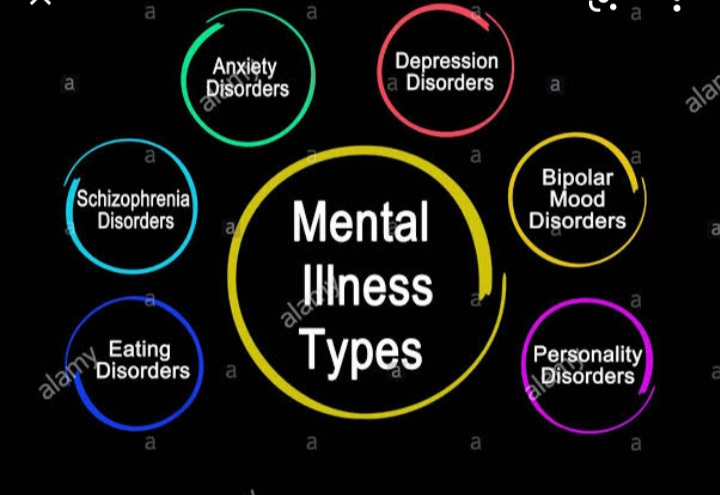
There are more than 200 classified types of mental illness. Some of the main types of mental illness and disorders are listed below; however; this list is not exhaustive.

Anxiety Disorders :

People with anxiety disorders respond to certain objects or situations with fear and dread or terror. Anxiety disorders include generalized anxiety disorder, social anxiety, panic disorders and phobias.

Hyperactivity Disorder :

It is one of the most common childhood mental disorders. It can continue through adolescence and adulthood. People diagnosed with ADHD may have trouble paying attention, controlling impulsive behaviors or be overly active.

Disruptive Behavioral Disorders :

It involves a pattern of disruptive behaviors in children that last for atleast 6 months can cause problems in school, at home and in social sitauations.Behavioral symptoms can also continue into adulthood.

Depression and other mood disorders :

While bad moods are common and usually pass in a short period, people suffering from mood disorders live with more constant and severe symptoms. People living with this mental illness find that their mood impacts both mental and psychological well- being, nearly evry day and often for much of the day.

Eating Disorders :

Eating disorders involve obsessive and sometimes distressing thoughts and behaviors including

* Reduction of food intake

* overeating

* Feelings of depression or distress

* concern about weight, body shape, poor self image

Personality Disorders :

People with personality disorders have extreme and inflexible personality traits that cause problems in work, school or social realtionships. Personality disorders include antisocial personality disorder and borederline personality disorder

Substance use Disorders :

Substance use disorders occur when frequent or repeated use of alochol and or drugs causes significant impairment, such as health problems, disability, and failure to meet major responsibilities at work, school, or home. Substance use problems can be fatal to the user or others. Exsmples include drunk driving fatalities and drug overdoses.

In this busy world our brain gets a lot stressed and its very important that we should take due care of it, some of the practices which will help us to do better with our mental health are:

  1. Yoga plays a great role in keeping our mind calm and also helps us to focus and concentrate on things. It also helps us deal with tough situations and gives us the strength to stay away from negativity.
  2. Exercising regularly is a key to healthy body and we all know that a healthy body and a healthy mind goes hand in hand, so we must ensure that we exercise daily to keep ourselves fit.
  3. The environment that we stay in also the company with which we spend time also plays a major role we should be extremely aware while selecting our company and in case we are not able to adjust we should walk away.
  4. Food is the fuel and is of immense importance we should ensure that we are not nutrient deficient also we should ensure that we intake enough amount of water daily.

INSPIRATIONAL STORY OF J.K ROWLING

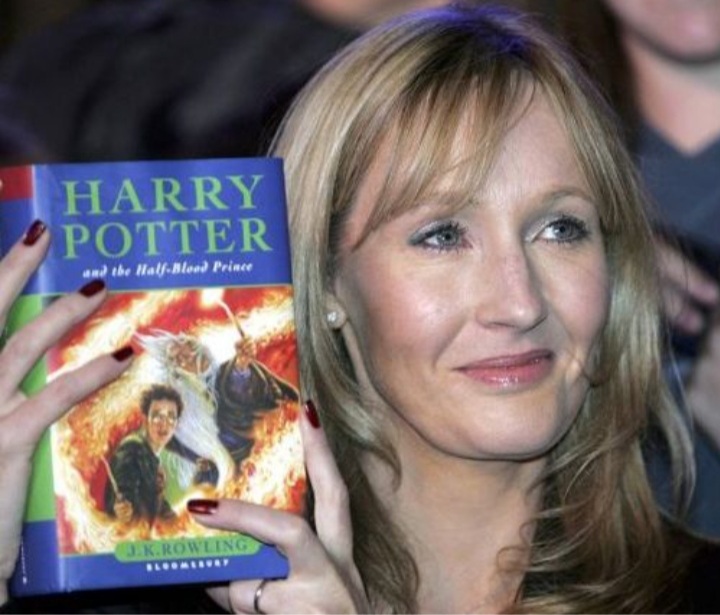
J.K Rowling’s story is one of the most famous insipirational failures to the success story of our time. She had failed in almost everything she attempted to do in her life and at one point she considers herself a major failure.


Most of the people only know her as a woman writer who created Harry Potter, but what people don’t know about the struggle she faces before reaching the stardom.


BIRTH AND CHILDHOOD :


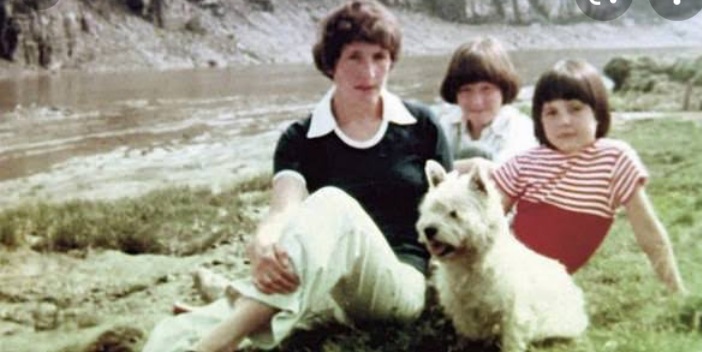
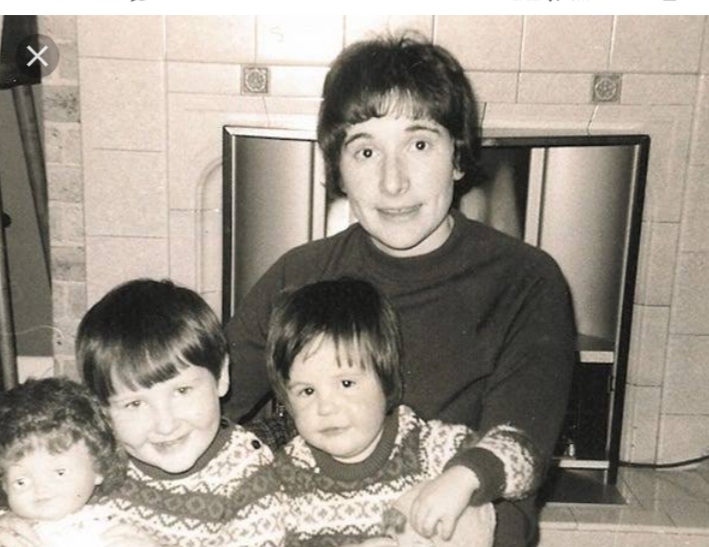
Joanne Rowling was born on 31st July 1965 in yate, Gloucestershire, England to Peter James Rowling and Anne Rowling. Her father was a Rolls- Royce aircraft engineer and mother was a science technician
She had one little sister, Dianne, as a child Rowling loves to write fantasy stories and read them to her younger sister. When she was a teenager she got a chance to read Jessica Mitford ‘s autobiography, from then on Mitford become her heroine and after that, she read all her books.


BOOK INSPIRATION AND MOTHER ‘S DEATH :


After working for Amnesty International as a researcher and bilingual secretary in London, Rowling moved to Manchester with her then- boyfriend where she worked at chamber of commerce. In1990, Rowling first had the idea for Harry Potter, a story of a young boy who attends a school of wizards, while she was on a 4 hour delayed train trip from Manchester to London.
While travelling the idea fully formed in her mind and when she reached her flat she began writing furiously. However, in December 1990 her mother died after 10 years of complications from Mutiplr sclerosis Mother’s death heavily affects Rowling and leave her extremely distraught and upset. Later she channelled her own feelings of her loss by writing about Harry’s feelings in her first book.


MARRIAGE, DIVORCE AND SINGLE MOTHER:


After a few months of her mother’s death, she moved to Portugal to teach the English language. There she met a man, fall in love with him, got married and gave birth to her daughter. In 1993 her marriage ended in Divorce and she with her infant daughter moved to Edinburgh Scotland to be closer to her sister.
This is the most struggling time for Rowling and she saw herself as a complete failure. She was divorced, jobless, no money and a dependent child. Because of all this, she suffered bouts of depression and contemplated suicide. Eventually, she signed for Government-assisted welfare describing her economic status as poor. It was a really difficult time in her life but she kept going on and put all her energy on completing her novel.


HARRY POTTER :


In 1995 Rowling completes her manuscript for Harry Potter and the philosopher’s stone on an old manual type writer. She was so poor at that time she could not afford a computer or even the cost of photocopying the novel, so she manually typed each copy and submitted to twelve publishing house in London.
The manuscript was rejected almost dozens time until she was finally given chance with £1,500 advance by a small London publisher, Bloomsbury after the company’s CEO little 8 years old daughter fell in love with it after reading the first chapter of the book.


In July 1997 Bloomsbury published first 1000 copies of Harry Potter series out of which 500 copies were distributed to libraries. Just five months later the book won Nestlé smarties Book prize it’s first award . In early 1998 an auction was held in America for the printing rights to publish the novel.
Scholastic INC won the auction for USB 105, 000, later Rowling said in a interview that she nearly died when she heard the news of this amount for printing her novel. Today Harry Potter is a global brand worth an estimated 15 billion dollars.
The last four Harry Potter books have set the records for the fastest selling books in history. The Harry Potter series to talking 4, 195 pages have been translated either in whole or in part into 65 languages. The Harry Potter books series have also gained recognition for creating an interest in reading among the children’s at a time when they were more inclined towards the Internet, computers and television.


FINANCIAL SUCCESS :


In 2001 J.K ROWLING purchased a 19th century killiechassie House, an estate house on the banks of the river tay in Perth. She also owns a £ 4.5 million Georgian house in West London. In 2004 , Forbes named Rowling as the first person to become a us dollar billionaire by only writing books.In 2017, according to Sunday times, Richard list Rowling net worth was approx. £ 650 million.


PERSONAL LIFE :


Rowling and her second husband Neil Murray were married on 26th December 2001. They live in Edinburgh with their 3 children. Rowling was a runner up in 2007. Time’s annual person of the year issue after Russia’s president Vladimir putin.


JK ROWLING’S RULES OF SUCCESS :

  • Failure helps you discovers yourself.
  • Take action on your ideas.
  • You will be criticised
  • Remember where you started
  • Truly Believe in yourself
  • learn from adversity.
    *Visualise to achieve
  • Persevere
  • Dreams can happen.
  • use your creativity.

Religion in India

Being a part of a mixed economy , where politics tend to exploit the peace between different religions and so on …….. .

“India was the motherland of our race, and Sanskrit the mother of Europe’s languages: she was the mother of our philosophy; mother, through the Arabs, of much of our mathematics; mother, through the Buddha, of the ideals embodied in Christianity; mother, through the village community, of self-government and democracy. Mother India is in many ways the mother of us all.”

Will Durant, American historian

And now you want to know why I am being so dramatic over such things . Well , if you want to know than start reading the editorial .

Introduction

Indians say it is important to respect all religions, but major religious groups see little in common and want to live separately

More than 70 years after India became free from colonial rule, Indians generally feel their country has lived up to one of its post-independence ideals: a society where followers of many religions can live and practice freely.

Religion has historically influenced Indian society on a political, cultural and economic level. There is a sense of pride associated with the country’s rich religious history as the traditions of Hinduism, Buddhism, Sikhism and Jainism all emerged out of India. Moreover, while a majority of people in India identify as Hindu (79.8%), the medley of religions that exist within the country continually impact contemporary society.

Census

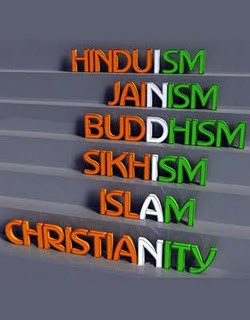
The 2011 Indian census indicated that 79.8% of Indians identified as Hindu, 14.2% identified as Muslim and 2.3% identified as Christian. A further 1.7% of the population identified as Sikh, 0.7% identified as Buddhist and 0.37% identified as Jain. Due to the massive population size of India, religious minorities still represent a significant number of people. For example, although only 0.37% of India may identify with Jainism, that still equates to over 4 million people. While not all religions in India can be discussed in detail, the following provides an overview of the major religions in the country as well as sizable religions that originated in India.

Social beliefs

“India has two million gods and worships them all. In religion all other countries are paupers; India is the only millionaire.”

Mark Twain

Karma, Acceptance and Personal Choice . Many Indians tend to have a sense of acceptance towards one’s life position or a belief that, due to actions in one’s past life, good or bad personal circumstances are deserved. This attitude partly stems from religious ideas such as ‘karma’ (the idea that one’s actions will affect their current or future life) and ‘samsara’ (the cycle of rebirth).

The interplay of these social, cultural and religious factors allows people to be accepting of life events and trajectories. However, this is not to be interpreted as Indians being unwilling to take responsibility for life circumstances. Many often contemplate how their actions may impact their future and make decisions accordingly. Some of India’s youth are challenging a fatalistic perspective by asserting their free will to choose their vocation, spouse and other life factors. Indeed, as social mobility becomes more common, there is a growing belief that one can change their circumstances.

It’s Role

Religion plays a major role in the Indian way of life. Rituals, worship, and other religious activities are very prominent in an individual’s daily life; it is also a principal organizer of social life. The degree of religiosity varies amongst individuals; in recent decades, religious orthodoxy and observances have become less common in Indian society, particularly amongst young urban-dwellers. As of the politics , they play with religion , people’s belief and with their trust .

Link :

Afghanistan- A war-torn nation

With Al-Qaeda militants carrying out coordinated attacks on American soil,also known as 9/11 Attacks and Taliban government refusing to hand over the main culprit behind these attacks ‘Osama Bin Laden’. A war was declared by US and it’s allies against terrorism and Afghanistan was invaded in 2001.

US tried it’s best to avoid the mistakes done by British & Russia (then USSR),it gained some success by driving out the Taliban government and killing the Terrorists. This whole operation have costed US more than $800 billions and more than 2300 soldiers lives. While on the other side, Afghan civilians had been caught in between this war and have suffered at the hands of both US & Terrorists (Al-Qaeda & Taliban) .

There is a popular saying about Afghanistan – ‘The Graveyard Of Empires’ for those who have tried to conquer it. Afghanistan is tough to rule, not only because of its terrain but also of the hostilities between the different tribes present there.

US Navy seals carried out a mission code-named ‘Operation Neptune Spear’ and killed Laden on 2nd May 2011 in Pakistan. US thought that by killing Laden they had achieved their goal but they were mistaken.

India aided in the overthrow of the Taliban-led government and has been the largest regional provider of humanitarian and reconstruction aid in the country. India have provided over $3 billion in assistance and every year it continues to do so.

Challenges ahead for Afghanistan and it’s neighbours

Taliban is slowly gaining pace and have formed alliance with other terror outfits to overthrow the present government. Civil war is not far, after US withdrawal. Fight is going on between Afghan security forces supported by civilians against the Taliban.

There’s little hope that Taliban will agree on the terms mentioned in peace talks . War-torn Afghanistan is now at the same stage before US invasion and onus now is on China,india,pakistan,Iran to maintain peace and provide stability in the Afghanistan.

Is the war in Afghanistan finally coming to an end?

Recently we witnessed the withdrawal of the final group of the troops of the United States from Afghanistan. A Taliban group is utilizing this situation over the past few years generating profit from these battlefield casualties and weaponry. The locals are now scared that the war might become more violent and claim more lives after the foreign troops have been evacuated. The States and its alliances will finally receive back the war material and troops that were placed in the east for over 20 years. It has also been saying the United States will still have control to defend the Afghans from the Taliban until the end of September. The Sates have the authority to plan strikes from the warplanes present in the outskirts of the war-torn nation.
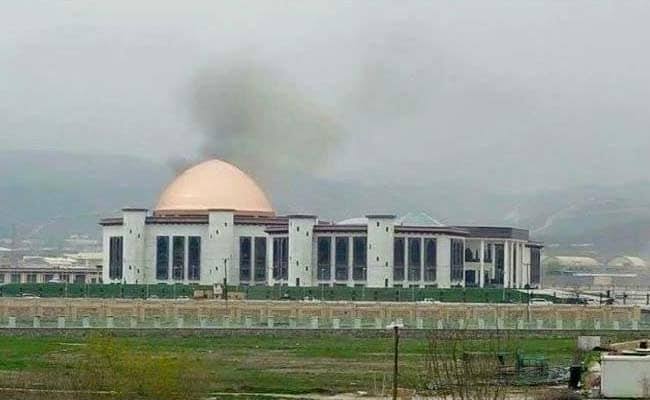
The war initially began in 2001 with an intention of the States and its allies to drive out the Taliban and to deny Al-Qaeda a safe base for operations. After the initial objectives were successfully carried out a coalition was made with over 40 countries to eradicate terrorism from Afghanistan. The main reason behind the US invading the Afghans was Osama Bin Laden. The man, who was responsible for the attacks in September 2001, was living in hiding in Afghanistan with support from the Taliban. Followed by the attacks the States ask the Taliban to hand over the man accused in their case. The Taliban requested evidence supporting the crimes Bin Laden had committed, which the authorities refused to share.

On the night of 7th October 2001, the United States along with the United Kingdom launched an operation code-named Operation Enduring Freedom. Post the invasion from the west the Taliban and its allies were defeated. By the end of 2001, the Taliban no longer had control over the nation and the Al-Qaeda was almost deceased. The nation suffered for a while until a solid political reform was put into place. According to a report the number of casualties amounted to around 150,000 civilians who had to succumb to the conflicts between organizations.

Some argue that this war has made the nation suffer but on the other hand when we take a look into the healthcare of the nation the numbers are quite surprising. Since the start of the war, life expectancy has increased from 56 to 61. Also, the mortality has immensely decreased to about half of the initial rate. Now about 90% of the citizens reside in the cities and have access to clean drinking water and other basic amenities. But the sad part is the number of people that have been displaced due to this war. The United Nations estimated that over 8 million rushed out of the nation when the invasion began, of which around 5 million returned after the situation improved in the war-afflicted zone. But to date, over 2 million remain dispersed throughout the world and some live in the refugee camps located at borders.

Once, Donald Trump came into power things finally began to settle between the Taliban and the States, providing hope to the residents of the country. The current scenario as it lies; the war may be finally coming to an end. Biden recently ordered the Pentagon to evacuate its troops present in Afghanistan by the end of 2021. So to answer the question; the war is finally at its climax and the Afghan nationals can see a brighter future.

India’s Afghanistan Challenge

As the United States of America continues to pull out its troops out of Afghanistan, there has been wide discussions as to who would fill that vacuum

Biden’s decision to remove all US soldiers from Afghanistan has fueled domestic unrest in the nation, where violence is on the rise as the Taliban scores more combat successes against the Afghan government and foreign forces disengage. However, Washington’s decision to withdraw has prompted a regional struggle for power, with many parties ranging from China to Turkey, Russia to India, trying to capitalise on the diplomatic power vacuum in Afghanistan.

India, which has long provided diplomatic and financial assistance to the Afghan government, has allegedly altered its long-held policy of not interacting with the Taliban and is now engaging in direct discussions with the rebel group’s leadership. However, India’s presence in Afghanistan has long been balanced by the presence of the one nation that, whether it wants to or not, will have to pick up the majority of the pieces America leaves behind: Pakistan. 

India is engaging with the Taliban because the Taliban are winning. Conservative, largely rural, and illiterate Afghans defeated the Soviet Union at its peak as the Mujahideen. They achieved it with enormous support from the United States, Pakistan, Saudi Arabia, China, and others. The same group has now vanquished the world’s sole superpower. They’ve done it with only Pakistan’s aid. 

Before delving into the risks and advantages of dealing with the Taliban, it is important to reaffirm the primary objective of India’s Afghanistan policy, which is to maintain a strategic balance between Kabul and Islamabad. Despite the disparity of strength between two nations, India wants to guarantee that nationalist Afghan thought, which is critical of Pakistan’s interventionism, stays active and aggressive. This is why New Delhi has maintained its support for a “Afghan-owned, Afghan-led” peace process. Engaging with the Taliban is an exercise in averting harm to India’s interests as it is in determining the extent of the group’s nationalism.

The advantages of this successful outreach are obvious. The Taliban recognises India’s beneficial role in Afghanistan and does not want its diplomatic presence to be reduced.The outreach in Doha has given Indian authorities cautious hope that the Taliban will not be openly antagonistic and may even want deeper ties in the medium term. 

However, the outreach is not without danger. One possibility is that the Taliban would break its pledges and, with a shove from Pakistan, will strike Indian interests. If this does not happen, the Taliban interlocutors with whom India is negotiating may be marginalised, or worse, replaced by pro-Pakistan supporters such as the Haqqanis. Second, reaching out to the Taliban might hasten the fall of Kabul while complicating India’s ties with existing allies.

Despite these concerns, India has solid reasons to engage the Taliban. For one thing, these worries would persist regardless of India’s approach. If nothing else, undoubtedly India’s absence from the Taliban’s calculus makes it much more vulnerable if the Islamic republic falls apart. For India, the only way to achieve long-term peace in Afghanistan is for there to be peace within Afghanistan and peace around Afghanistan, which will need aligning the interests of everybody, both inside and outside that country.