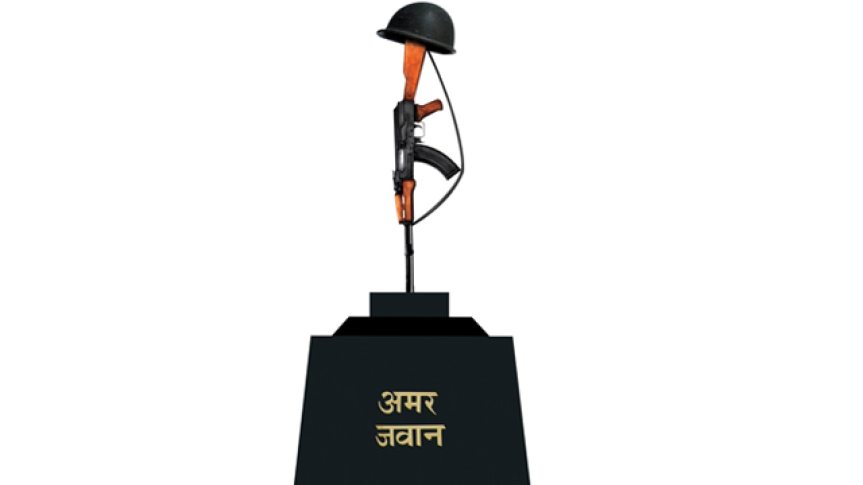
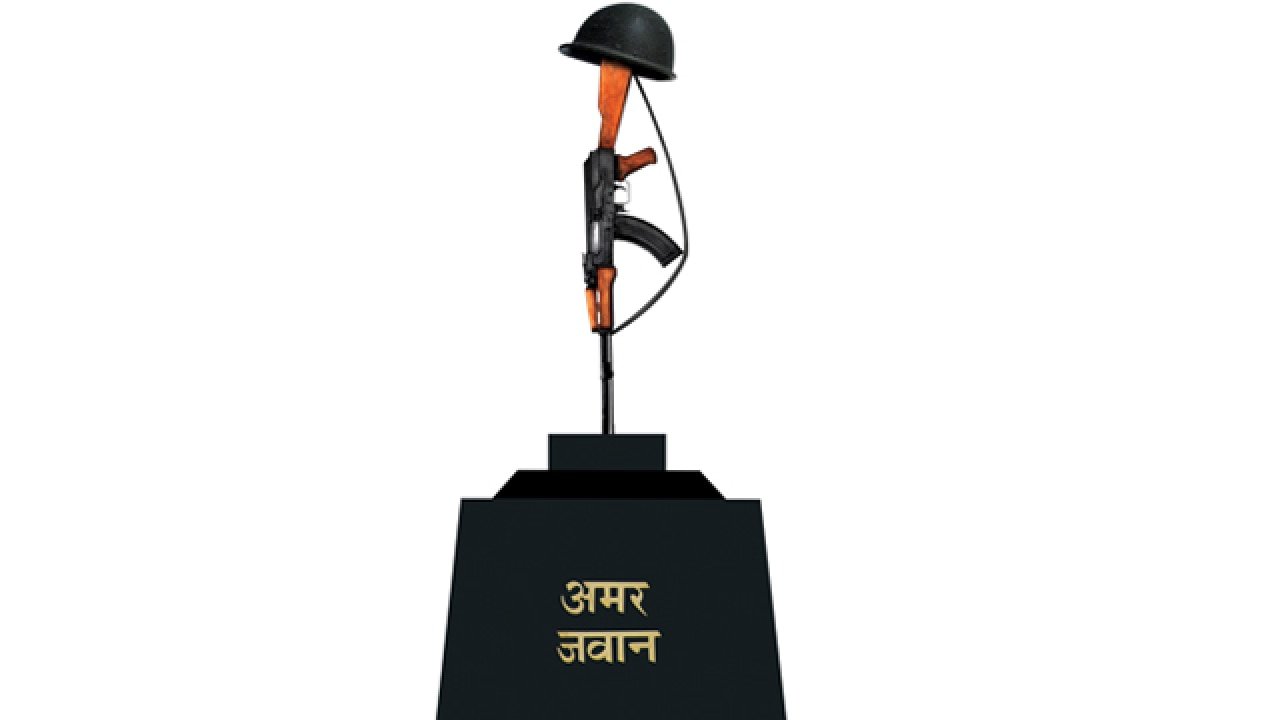
History of the use of the word martyr: The government has claimed for nearly a decade that the word “martyr” has not been officially recognized. In 2013 and 2014, in response to RTI’s request, the Ministry of Home Affairs revealed that the words “martyr” and “shahid” were not defined anywhere by the Government of India. In December 2015, then Home Affair Minister Kireen Rijiju said in Lok Sabah that it is advised that the word “martyr” is not refer to any of the victims of the Indian army. He added that such terms were not used by Central Armed Police Forces (CAPF) and Assam Rifles personnel either. In December 2021, Minister of State Home Nityanand Rai told Rajya Sabha again that there was no formal term like “martyr.”
Credit- Ketto
Objections to the use of martyrs’ words: The word “martyr” has religious implications and has historically been used to refer to people making sacrifices for their religious beliefs like in Christianity . The word “Shahid”, which is used as a Hindu alternative to the word “Martyr”, also has a religious meaning and is associated with the Islamic concept of Shahadat. The word “martyr” is said to be derived from the Greek word “martur”. In various dictionaries, “martyr” is defined as a person who is willing to die as a punishment for refusing to abandon religion. Since the Indian army is not affiliated with any religion and does not sacrifice their lives for religious principles, the use of such words for their sacrifice is found wrong,including the supreme leader of the army. Using words like martyr may not be correct in context to armed forces especially in India according to many legal experts and prominent officers of army and retired officers.
Credit- News18
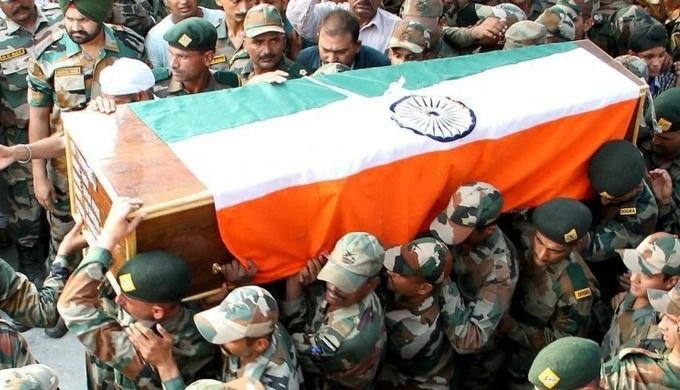
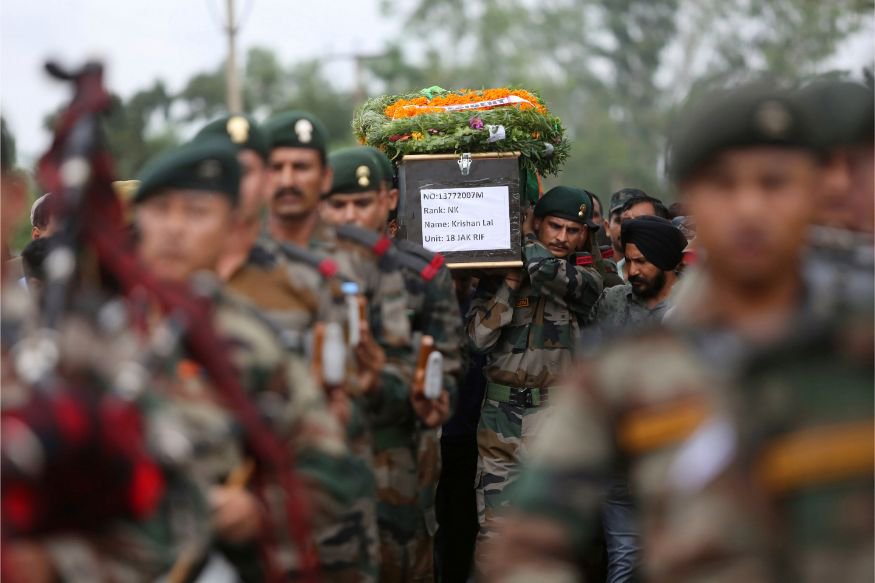
Steps Taken By Government To Stop Use Of Martyr Word: Despite the repeated assertions of the government about the word martyr having no official recognition, it was mostly used in government statements issued by various PR Officers for the defence services and the CAPFs. Many senior serving and retired officers also used it frequently to describe the death of soldiers in action. Thus, the word remained in common use. The Army in 2022 issued a letter to all its commands asking them to abstain from using the word martyr as it may not be appropriate for soldiers who die in the line of duty. They have been, instead, asked to use phrases such as killed in action, supreme sacrifice for the nation, battle casualty, laid down their lives,veergati etc.
“Either I will come back after hoisting the tricolor, or I will come back wrapped in it, but I will be back for sure. “
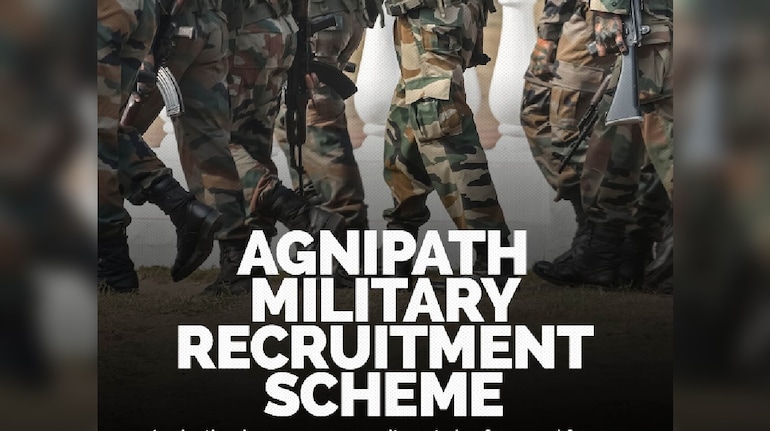
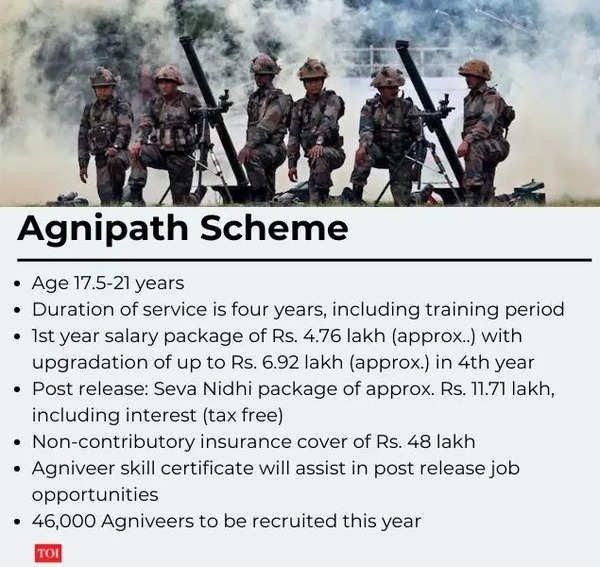
The Agnipath Program is a new program launched by the Government of India on June 14, 2022 to recruit soldiers under Corporal into three armies. The Agnipath program will be the only means of recruiting the military. All new employees will only be hired for 4 years. The personnel hired under this system are called Agniveers, a new military rank. The introduction of this system has been criticized for lack of consultation and open debate. The program is scheduled to start in September 2022. The Agnipath program was approved by the Government of India in June 2022 and will be implemented from September 2022. The announcement was made on June 14, 2022. This program is intended for both male and female applicants between the ages of 17.5 and 21. In widespread protests against the Agnipath program, the central government raised the cap from 21 to 23, but only in 2022. Recruitment under this program is held twice a year by the Indian Army, Indian Navy, and Indian Air Force. The available posts are below the executive list. The Agnipath program is the only way to serve in the army.
New employees, under the Agnipath scheme will be called “Agniveers,”who will have a four-year tenure, including six months of training followed by a 3.5-year deployment. After leaving the service, they have the opportunity to apply to continue in the army. Less than 25 percent of the retired group’s total strength is selected for the permanent roster. Employees who retire after four years of work are not eligible for a pension, but will receive a lump sum of approximately Rs 11,71,000 at the end of their tenure. The Government of India plans to hire 45,000-50,000 new employees each year through this program. In September 2022, 46,000 young people will be hired through this program. Prior to the start of the Agnipath program, soldiers were in the army for more than 15 years of service on a lifetime pension. As of 2019, there was no military recruitment for three years. The Government of India quoted the COVID-19 pandemic in India tye reason for no recruitment. Meanwhile, 50,000 to 60,000 soldiers continued to retire each year, leading to labor shortages and beginning to affect the military’s operational capabilities.
Credit- TOI
On June 16, 2022, fierce protests took place in several Indian states, where military candidates who were preparing for the armed forces were angry at the new system, demanding its rollback, and damaging public property. By June 17, 12 trains had been fired, affecting the movement of 300 trains. 214 trains were canceled, 11 trains were detoured, and 90 trains ended short of their destination. This scheme does not include long-term holdings, pensions and other benefits that existed in the old scheme. Individuals who wanted to join the army were disappointed with the rules of the new system. Of particular concern were short tenure, no early retirement pension, and an age limit of 17.5-21 years, making many of the current candidates unsuitable for serving in the Indian Army.
On June 20, a national strike called Bharat Bandh was summoned by a protesting organization calling for the withdrawal of the program. The call was made via social media without naming the organization. More than 600 trains were canceled due to a strike. Section 144 was imposed in parts of Rajasthan, Punjab, Uttar Pradesh and Haryana.
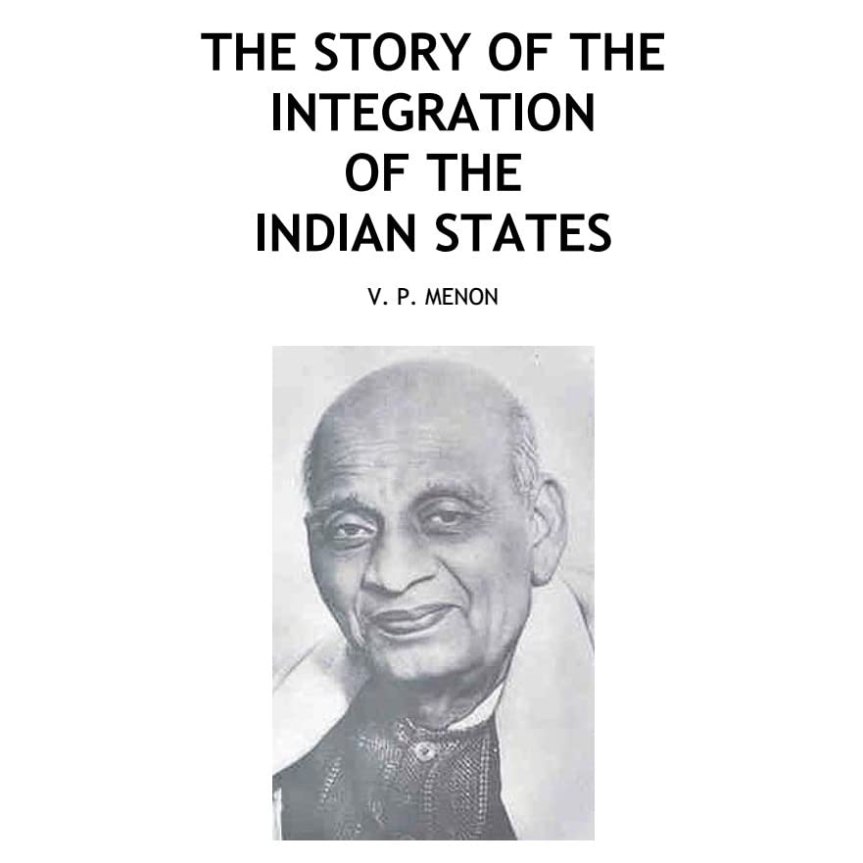
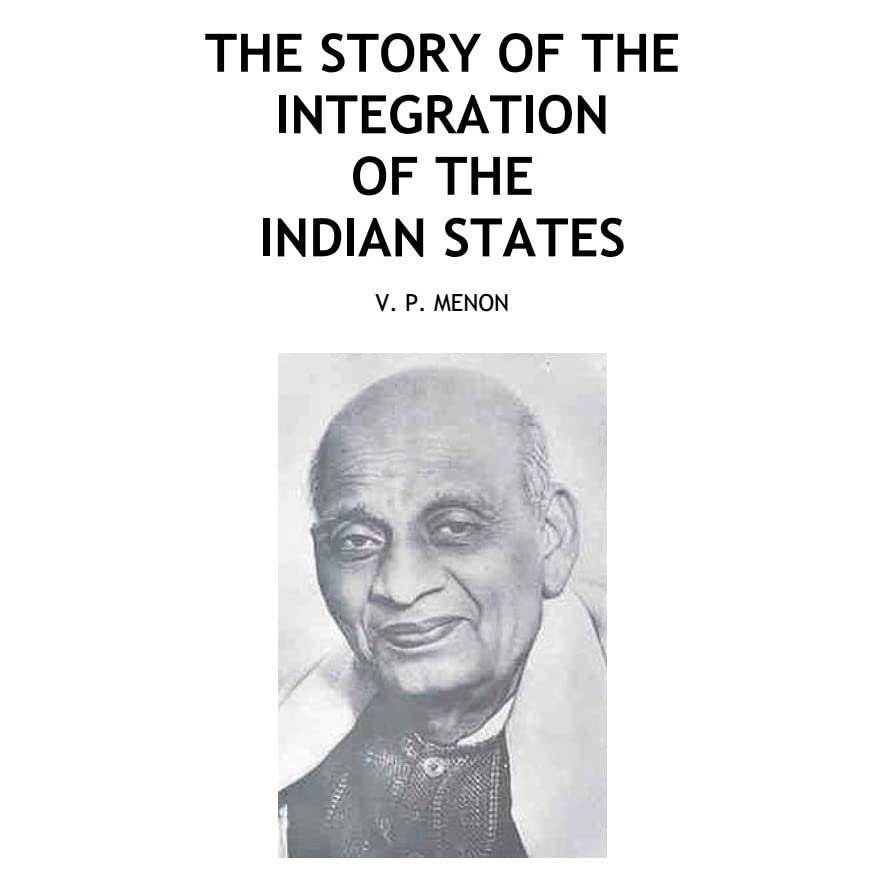
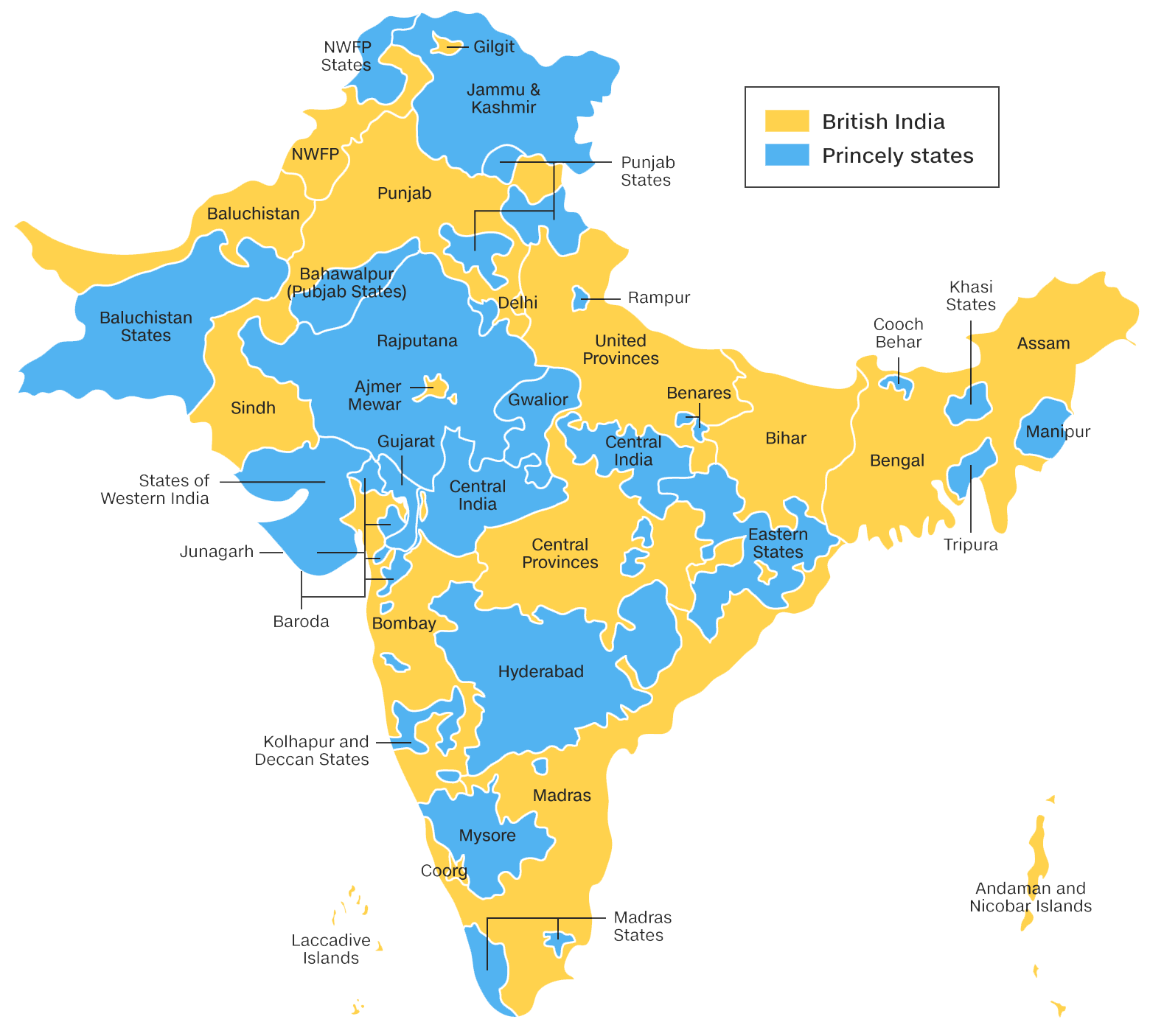
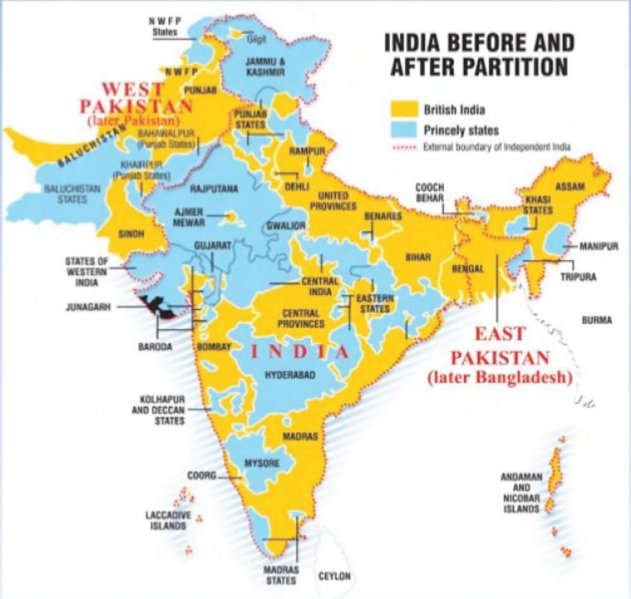
Sardar Vallabhbhai Patel played an important role in the integration of the princely state into the Dominion of India. This achievement laid the foundation for Patel’s popularity in the post-independence era. He is still remembered as the man who united India today. In this respect he is compared to Otto von Bismarck, who united many German states in 1871. The June 3 plan gave more than 565 princely states the option of joining India or Pakistan or choosing independence. Most Indian nationalists and the masses were afraid that most people and territories would be fragmented without the participation of these states. Parliament and British officials considered Patel to be the best man on a mission to secure the conquest of the princely state from Indian rule. According to Gandhi only Patel could solve this problem. Patel had practical insight and determination to accomplish monumental work. Patel asked V.P. Menon, a senior official involved in the division of India, to become his right-hand man as Principal Secretary of State. Patel used a social gathering and informal setting to involve most monarchs and invite them to their home in Delhi for lunch and tea. At these meetings, Patel stated that there was no essential conflict between Congress and the prince’s order. Patel aroused the patriotism of the Indian monarchs and urged them to embrace the independence of their country and act as responsible rulers who care for their people’s future. He persuaded the rulers of 565 states about the impossibility of independence from the Republic of India, especially in the face of rising opposition from their subject. He proposed favorable conditions for the merger, including the creation of a secret purse for the descendants of the ruler. Patel encouraged the rulers to act patrioticly, and to thought about his states people and their futur, but he did not rule out violence. He emphasized the need for the princes to join India in good faith and gave them to sign the membership certificate until August 15, 1947. All but three states were willing to join the Indian Union. Only Jammu and Kashmir, Junagad and Hyderabad were States which were tough to brought under Indian Dominion.
Credit-Youtube
Junagadh being situated in Gujrat it was very important for Patel to bring it under Indian’s dominion. This was also important because there was the super-rich Somnath Temple (a temple where different stones were their including emeralds, diamonds, and gold which were looted by Mohd. Ghazni) in the Kathiawar district. Bieng under the pressure from Sir Shah Nawas Bhutto, a Nawab who joined Pakistan. However, it was far from Pakistan, with 80% of its state population being Hindus.Patel combining diplomacy and power, Pakistan invalidated Pakistan’s accession and demanded that Nawab join India. Patel sent troops to occupy the three principalities of Junagadh to show his determination. After widespread protests and the formation of the civilian government, or Aarzi Hukumat, both Bhutto and Nawab fled to Karachi, and under Patel’s orders, Indian troops and police forces invaded the state. A later organized referendum resulted in 99.5% of the votes in favor of the merger with India. After taking over, Patel, who spoke at the University of Bahauddin in Junagad, emphasized his sense of urgency regarding Hyderabad. He believes this is more important to India than Kashmir.
Credit-Youtube
Hyderabad was the largest of the princely states and which included States parts of which are now Telangana, Arndra Pradesh, Karnataka and Maharashtra. Its ruler, Nizam Osman Ali Khan, was Muslim, but more than 80% of the population of state was Hindu. Nizam called for independence or accession to Pakistan. Under Kasim Razvi, an army of Nizam-faithful Islamic troops called Razakar urged Nizam to confront India and at the same time organize an attack on the people of India’s soil. The standstill agreement was signed by Lord Mountbatten’s in desperate efforts to avoid the war, but Nizam refused to trade and changed his position. At a cabinet meeting in September 1948, Patel emphasized that India should stop speaking and reconciled Nehru and Governor Chakravarti Rajgoparachari with military action. After preparation, Patel ordered the Indian troops to invade Hyderabad (in his position on behalf of the Prime Minister) when Nehru traveled to Europe. This action, called Operation Polo, in which thousands of Razakar troops were killed , but Hyderabad was secured and integrated into the Republic of India. Mountbatten and Nehru’s main goal was to avoid forced annexation to prevent the outbreak of Hindu and Muslim violence. Patel argued that if Hyderabad was allowed to survive as an independent state surrounded by India, the government’s fame would decline and neither Hindus nor Muslims would feel reassured in their empire. After defeating the Nizam, Patel held him as the head of state of the ritual and met with him. India had 562 princely states after addition of Junagarh, Heydrabad and Jammu& Kashmir.
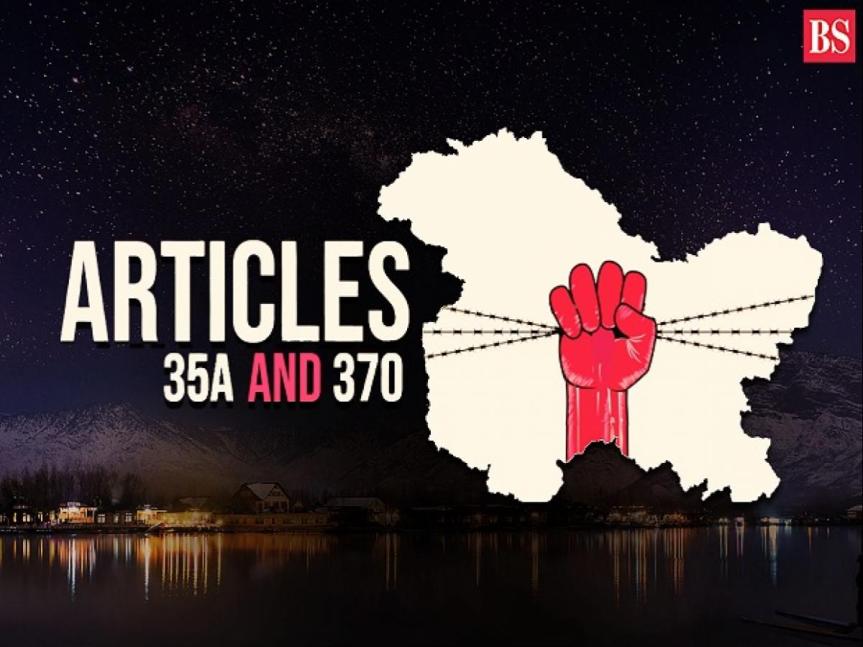
Article 370 The first accession of Jammu and Kashmir, like all other princely states, involved three issues: defense, diplomacy, and communications. All princely states were invited to send representatives to the Constitutional Parliament, which drafted the Constitution across India. They were also encouraged to establish a constituent parliament for their own state. Most states were unable to establish a parliament in time, but some states, especially Saurashtra Union, Travancore-Cochin, and Mysore. The State Department had drafted a model state constitution, but on May 19, 1949, the governors and Chief ministers of each state met in the presence of the State Department and agreed that no separate state constitution was needed. They accepted the Indian Constitution as their own constitution. The state in which the elected constituent council proposed some changes that were accepted. Therefore, the status of all states has been placed on par with the status of ordinary Indian states. In particular, this meant that the subjects available for legislation by central and state governments were consistent and same throughout India.
In the case of Jammu and Kashmir, state politicians have decided to establish a separate constitutional council for the state. Representatives of the Indian Constitutional Assembly applied only the provisions of the Indian Constitution corresponding to the original accession documents to the state, and demanded that the state Constitutional Assembly decide on other matters. The Government of India agreed to the request shortly before its meeting with the other states on 19 May. Therefore, Article 370 was included in the Constitution of India, which provided that other provisions of the Constitution empowering the central government would apply to Jammu and Kashmir only with the approval of the State Constitutional Assembly.This was a “provisional provision” because it was applicable until the State Constitution was enacted and adopted. However, the State Constitutional Assembly was dissolved on January 25, 1957, and did not recommend the abolition or amendment of Article 370. This article was considered an integral part of the Indian Constitution, as confirmed by various recent April 2018 rulings by the Supreme Court of India and the Supreme Court of Jammu & Kashmir.
Credit- Legal Service India
Article 35A Article 35A of the Constitution of India was a provision authorized by state to define the “permanent residents” of Jammu and Kashmir State and to give them special rights and privileges. It was added to the Constitution by an Executive Order, the 1954 Constitutional Order (application to Jammu and Kashmir). It was issued by the President of India under Article 370. Jammu & Kashmir has these privileges, the ability to acquire land and real estate, vote and participate in elections, pursue government employment, and receive the benefits of other governments such as higher education and medical expenses. Defined to include. Non-permanent residents of the state were not eligible for these “privileges”, even if they were Indian citizens.
On October 17, 1949, Article 370 was added to the Indian constitution, as a ‘temporary provision’, which exempted Jammu & Kashmir, permitting it to draft its own Constitution and restricting the Indian Parliament’s legislative powers in the state. It was introduced into the draft constitution by N Gopalaswami Ayyangar as Article 306 A.
Under Article 370: The Constituent Assembly of Jammu & Kashmir was empowered to recommend which articles of the Indian Constitution should apply to the state,The J&K Constituent Assembly was dissolved after it drafted the state’s constitution. The article allowed the state a certain amount of autonomy – its own constitution, a separate flag and freedom to make laws. Foreign affairs, defence and communications remained the preserve of the central government.As a result, Jammu and Kashmir could make its own rules relating to permanent residency, ownership of property and fundamental rights. It could also bar Indians from outside the state from purchasing property or settling there.
On 5th August 2019, President of India in the exercise of the powers conferred by Clause (1) of Article 370 of the Constitution had issued the Constitution (Application to Jammu and Kashmir) Order, 2019. Through this, Government of India has made modifications in Article 370 itself (not revoked it).With this, the Government of India has dramatically altered the relationship between the state of Jammu and Kashmir and the Indian Union. Order, 2019 has replaced Presidential Order of 1954.Subsequently, the Jammu and Kashmir Reorganisation Bill, 2019, passed by Parliament divides the state of Jammu and Kashmir into two new Union Territories (UTs): Jammu & Kashmir, and Ladakh.This is the first time that a state has been converted into a UT.Of the six Lok Sabha seats currently with the state of Jammu and Kashmir, five will remain with the union territory of Jammu and Kashmir, while one will be allotted to Ladakh.The UT of Jammu and Kashmir will have an Assembly, like in Delhi and Puducherry.Instead of 29, India will now have 28 states. Kashmir will no longer have a Governor, rather a Lieutenant .The special status provided to J&K under Article 370 will be abolished. Jammu & Kashmir will no longer have the separate constitution, flag or anthem. The citizens of Jammu and Kashmir will not have dual citizenship. As the new union territory of Jammu and Kashmir will be subject to the Indian Constitution, its citizens will now have the Fundamental Rights enshrined in the Indian constitution. Article 360, which can be used to declare a Financial Emergency, will now also be applicable. All laws passed by Parliament will be applicable in Jammu and Kashmir, including the Right to Information Act and the Right to Education Act. The Indian Penal Code will replace the Ranbir Penal Code of Jammu and Kashmir. Article 35A, which originates from the provisions of Article 370 stands null and void. Since Presidential Order has extended all provisions of the Constitution to Jammu and Kashmir, including the chapter on Fundamental Rights, the discriminatory provisions under Article 35A will now be unconstitutional.
The Need for Changes in abolishing A370 was dire. Article 370 was added in the Indian constitution to provide autonomy to J&K.However, it failed to address the well-being of Kashmiris who have now endured two generations of insurgency and violence. It contributed to the gap between Kashmir and the rest of the nation. In the newly-formed Union Territory of J&K, the central government is trying to formulate new rules that will give domicile rights to residents over land and in government jobs. This has been a response to the perception that the unemployment rate in J&K is higher than the national average.Domicile rights have also been a long-standing demand of the Dogras of Jammu and the Buddhists of Ladakh. While most of those interviewed by this author chose to remain silent on the issue of domicile rights, a few expressed their fears that such a move will further limit the employment opportunities for the local youth and also lead to a demographic disruption in the Valley.
Possible Consequences include rise in militancy as Article 370 was seen by Kashmiris as a marker of their separate identity and autonomy. Widespread protests and violence as a reaction to the dilution of Article 370 are bound to take place .Terror elements in Pakistan would find Kashmir to be the most fertile ground for breeding terrorism. The unrest can affect the democratic progress that has been made so far. Opposition political parties could launch a legal challenge but Kashmir is an emotive issue with many Indians, and most parties would be wary of opposing the move lest they be branded anti-India. All in all, Kashmir and the people there are reaching towards normalcy after 2 years of removing article 370, but for how long will peace prevail? India is hoping for a long one.
NIVEA Milk Delights Minding besan Facewash does a nice job as it cleanses well, removing redundant canvas and dirt, without leaving skin dry or any slippery u forward. It adds a subtle fluorescence to the skin on regular employment. Suitable for both, dry and gushing skin.
Article 370 was drafted under Part XXI (Part 21) which deals with “Temporary, Transitional and Special provisions
Article 370 under the Constitution of India gives special status to the state of Jammu & Kashmir.
The article came into effect in 1949.
All the provisions of the Constitution which apply to other states do not apply to J&K until and unless the state legislative assembly separately passes such provision.
Except for defence, foreign affairs, finance, and communications, Parliament needs the state government’s concurrence for applying all other laws.
The residents of the state of Jammu & Kashmir live under a separate set of laws including those related to :
Citizenship
Ownership of property
Fundamental rights
The Directive Principle of State Policy and Fundamental Duties do not apply to the state of J&K
What is Article 35A?
Article 35A was inserted through the Constitution (Application to Jammu and Kashmir) Order, 1954.
President Rajendra Prasad issued it under Article 370
No outsider can own a property in J&K
No outsider can get a state job in J&K
It would be good to understand the background of Article 370 of the Indian constitution which gave special status to Jammu & Kashmir. Article 370 was temporary, transitional with special provisions. Whereas Article 35A was meant for residents of Jammu & Kashmir with a separate set of laws including those of citizenship and fundamental rights and ownership of the property in that state.
On August 5, 2019 Government of India has superseded both provisions and both clauses of Article 370 & 35A have become inoperative and now State of Jammu & Kashmir have become Union Territories and Ladakh being separate Union Territory.
Now Jammu & Kashmir can make their own rules for permanent residency, ownership of property and fundamental rights. Present Government says that they have scrapped the provisions of Article 370 so that Kashmir can be integrated with rest of India. Whereas the critics of the Government are of the view that the Kashmir issue is continuing to burn and the present Government is unnecessarily going with the issue to avoid the side effects of Economic slowdown.
On the ground people in general are abiding with the laws but opposition is not buying the points of the Government.
Hopefully in the months to come people of Jammu & Kashmir will come up for the cause of Nation and all will be settled for growth of economy.
The abrogation of Article 370 by the present-day Modi Government has divided the country. Some are for it and some against. With the Article 370 being scrapped, J&K will not enjoy any special status and the Indian constitution will be applicable to all its residents from now. Right to Information & Right to Education will be applicable and minorities in the region will l enjoy 16% reservations. Also, women from J&K can still retain their rights and citizenship even if they marry someone outside the state. While a certain sect is happy with these implications, many consider it as a threat to human rights and the Indian Democracy.
Here are the advantages and disadvantages of repealing Article 370 and Article 35A.
Advantages of Scrapping Article 370
Attempts to unite Kashmir with other states of India.
Propagates One Nation One Constitution Slogan
Open doors for growth and development in the valley
Private investors can invest and boost the economy of the state
Better medical and education facilities can be provided to the residents of the Valley
Central government can curb corruption since it is a UT now.
Authorities are in a better position to curb terrorism and instill peace in the Valley
Disadvantages of Scrapping Article 370
Instilled insecurity in the locals as they have to give away their dual citizenship
Kashmiri Muslims feel it threatens the state’s unity and integrity
Add on to the political vulnerability and instability in the Valley
Hampers the delicate relationship with Pakistan. It is like a nail in the coffin
Implants the seeds of insecurity in certain section of citizens.
The implementation of the abrogation of Article 370 is a threat to the democracy. It is an attempt to polarize and appease the Hindu population in the valley.
Safety of Kashmiri girls is questioned. Certain Hindu fascists have threatened to marry girls of the region. This is outrightly exist.
The advantages and disadvantages can be subjective. We expect reader’s discretion.
Issues over Article 370
On 5th August 2019, the Union Home Minister of India, Shri Amit Shah announced the abrogation of Article 370 and Article 35A of the Indian Constitution which granted the state of J&K special status. The state is now divided into two union territories – Jammu & Kashmir (with a legislature) and Ladakh (with no legislature). This is a very significant step when it comes to managing ‘things’ in the valley and will have grave consequences for future generations as well. As always, there is a divided opinion.
Implications of Removal of Article 370
J&K will no longer enjoy special status now
The Indian Constitution laws will be 100 percent applicable to all residents of Jammu & Kashmir.
Part 4 of the Indian Constitution, the Directive Principle of State Policy and Fundamental Duties will now apply to the state of J&K
There will be no separate flag for J&K now
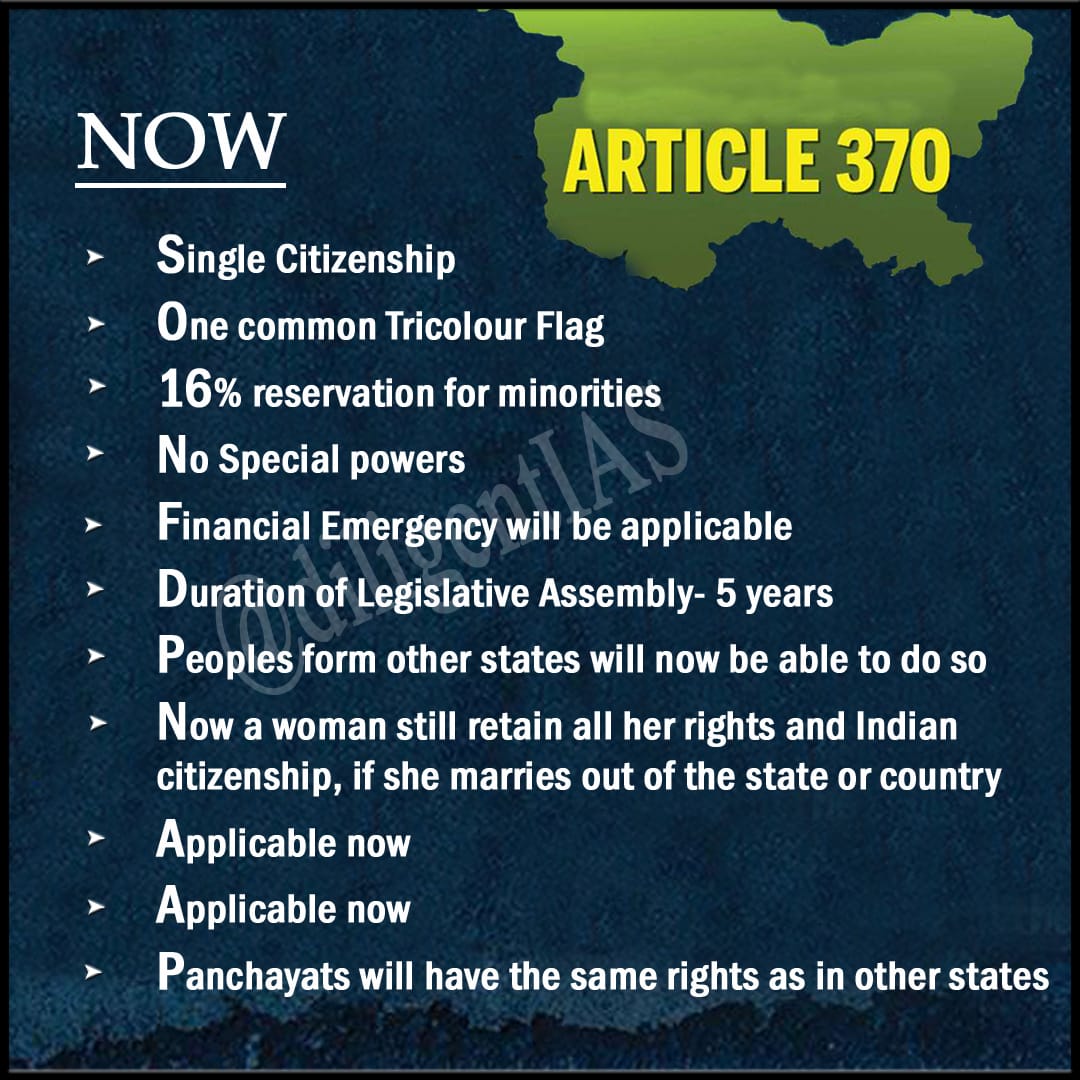
Article 360 (Financial Emergency) of the Indian Constitution will now be applicable
Minorities (Hindus & Sikhs) will have 16% reservation now
Right to Information & Right to Education will be applicable now
The duration of the legislative assembly will now be five years instead of 6
Article 35A will be nullified. A woman from J&K can still retain her rights and citizenship even if she marries someone out of the J&K state
The Panchayats will enjoy the same powers as in other states.
Enough has been said and written about Article 370 and its abrogation earlier in August 2019. While political and social analysts were predicting such a move, a few believed that the existing government will not be able to implement any changes. Eventually on August 5, 2019 the President of India issued the Constitution (Application to Jammu & Kashmir) Order, 2019, C.O. 272 and the special status of J & K was revoked. The state of J&K is now divided into two union territories – Jammu and Kashmir (with a legislature) and Ladakh (without a legislature).
Article 370 : Current Situation
This decision has garnered a lot of criticism by a large section of general population and the opposition. There have been mass protests organized in different cities in India in the last few months. Some have been in support of it and some opposing it. The current Modi government has been criticized at a national and global level on the way the changes were implemented. It is considered as a hazard to the human rights.
Major leaders of the popular political parties were house arrested. Internet and telephone services were revoked. Heavy troops were deployed all across the streets to curb any unrest or protests. Public movements were banned and schools and offices were shut. Such steps are considered an outright threat to the democracy. With no direct communication with the local residents of the Valley, the Government clearly denies any protests took place. However, certain media outlets have confirmed that there have been protests. Also, forceful arrests are being taken to infuse fear in the locals so that no unrest outbreak.
For almost four months Kashmir was completely cutoff with the rest of the world. Gradually schools, shops and offices have opened. The internet services still remain suspended in the Valley.
Article 370 : Government’s Take
The current Government believes to have corrected the historical blunder. It urges it was necessary to scrap Article 370 to integrate Kashmir with the rest of the country. The government aims to restore peace, curb corruption and enable growth in the Valley with this step. But only time will tell the implications of this decision.
This day last year began a golden chapter in the history of Indian democracy. It was after several decades that the people of the country voted back a full term government with a full majority.
Once again, I bow to the 130 crore people of India and the democratic ethos of our nation.
During normal times, I would have been in your midst. However, the present circumstances do not permit that. That is why, I seek your blessings through this letter.
Your affection, goodwill and active cooperation have given new energy, and inspiration. The way you have showcased the collective strength of democracy is a guiding light for the whole world.
Back in 2014, the people of the country voted for a substantive transformation. In the last five years, the nation saw how the administrative apparatus broke itself free of status quo and from the swamp of corruption as well as misgovernance. True to the spirit of ‘Antyodaya’ the lives of millions have been transformed.
From 2014 to 2019, India’s stature rose significantly. The dignity of the poor was enhanced. The nation achieved financial inclusion, free gas and electricity connections, total sanitation coverage, and made progress towards ensuring ‘Housing for All.’
India demonstrated its mettle through the surgical strike and air strike. At the same time, decades old demands such as OROP, One Nation One Tax- GST, better MSP for farmers were fulfilled.
In 2019, the people of India voted not merely for continuity but also with a dream- of taking India to new heights. A dream of making India a global leader. The decisions taken in the last one year are directed at fulfilling this dream.
Today, 130 crore people feel involved and integrated in the development trajectory of the nation.The light of ‘Jan Shakti’ and ‘Rashtra Shakti’ has ignited the entire nation. Powered by the Mantra of ‘Sabka Saath, Sabka Vikas, Sabka Vishwas’ India is marching forward in all spheres.
My fellow Indian,
In the last one year, some of the decisions were widely discussed and remain etched in public discourse.
The decision on Article 370 furthered the spirit of national unity and integration. The Ram Mandir judgment, delivered unanimously by the Honourable Supreme Court of India, brought an amicable end to a debate persisting for centuries. The barbaric practice of Triple Talaq has been confined to the dustbin of history. Amendment to the Citizenship Act was an expression of India’s compassion and spirit of inclusiveness.
But there have been many other decisions that have added momentum to the nation’s development trajectory.
The creation of the post of the Chief of Defence Staff was a long pending reform that has improved coordination among the armed forces. At the same time, India has stepped up preparations for Mission Gaganyaan.
Empowering the poor, farmers, women and youth has remained our priority.
PM Kisan Samman Nidhi now includes all farmers. In just one year, more than Rupees 72,000 crore has been deposited in the accounts of over 9 crore 50 lakh farmers.
The Jal Jeevan Mission will ensure supply of potable drinking water through piped connections to over 15 crore rural households.
A huge campaign of free vaccination is being conducted for better health of our 50 crore livestock.
For the first time in our country’s history, farmers, farm labourers, small shopkeepers and workers in unorganised sector are assured the provision of regular monthly pension of Rs. 3000 after the age of 60 years.
Besides the facility of availing bank loans, a separate department has also been created for fishermen. Several other decisions have been taken to strengthen the fisheries sector. This will boost the blue economy.
Similarly, it has been decided to constitute a Vyapari Kalyan Board for timely resolution of the problems of the traders. Higher quantum of financial assistance is being provided to more than 7 crore women attached to self help groups. Recently the loans without guarantee for self help groups has been doubled to 20 lakh from the earlier 10 lakh.
Keeping in mind the education of tribal children, we have begun the construction of more than 400 new Ekalavya Model Residential Schools.
Several people friendly laws have been ushered in during the last year. Our Parliament has broken the decades-old record in terms of productivity. As a result, whether it be the Consumer Protection Act, the amendment to Chit Fund Law or laws to provide more protection to women, children and Divyang, their passage in the Parliament was expedited.
As a result of the policies and decisions of the government, the rural-urban gap is shrinking. For the first time, the number of rural Indians using internet is 10% more than the number of urban Indians.
The list of such historic actions and decisions taken in national interest would be too long to detail in this letter. But I must say that every day of this year, my government has worked round the clock with full vigour, taking and implementing these decisions.
My fellow Indian,
As we were moving ahead at fast pace in the fulfilment of hopes and aspirations of our countrymen, the Coronavirus global pandemic engulfed our country as well.
While on one hand are powers with great economic resources and state-of-the-art healthcare systems, on the other hand is our country besieged with problems amidst a vast population and limited resources.
Many feared that India will become a problem for the world when Corona hits India. But today, through sheer confidence and resilience, you have transformed the way the world looks at us. You have proven that the collective strength and potential of Indians is unparalleled compared even to the powerful and prosperous countries of the world. Be it clapping and lighting a lamp to the honouring of Corona Warriors by India’s armed forces, Janta curfew or by faithful adherence to rules during the nationwide lockdown, on every occasion you have shown that Ek Bharat is the guarantee for ShresthaBharat.
In a crisis of this magnitude, it can certainly not be claimed that no one suffered any inconvenience or discomfort. Our labourers, migrant workers, artisans & craftsmen in small scale industries, hawkers and such fellow countrymen have undergone tremendous suffering.We are working in a united and determined way to alleviate their troubles.
However, we have to take care to ensure that inconveniences that we are facing do not turn into disasters. Hence, it is very important for every Indian to follow all rules and guidelines. We have displayed patience so far and we should continue to do so. This is one of the important reasons for India being safer and in a better state than many other countries. This is a long battle but we have started traversing on the path of victory, and victory is our collective resolve.
In the last few days, a super cyclone has wreaked havoc in parts of West Bengal and Odisha. Here too, the resilience of the people of these states is noteworthy. Their courage inspires the people of India.
Dear friends,
At such a time, there is also a widespread debate on how the economies of various countries, including India’s, will recover. However, given the way India has surprised the world with its unity and resolve in the fight against Coronavirus, there is a firm belief that we will also set an example in economic revival. In the economic domain, through their strength, 130 crore Indians can not only surprise the world but also inspire it.
It is the need of the hour that we must become self-reliant. We have to move forward based on our own abilities, in our own way, and there is only one way to do it – Aatmanirbhar Bharat or Self-reliant India.
The recent Rs 20 lakh crore package given for Aatmanirbhar Bharat Abhiyan is a major step in this direction.
This initiative will usher in a new era of opportunities for every Indian, be it our farmers, workers, small entrepreneurs or youth associated with start ups.
The fragrance of Indian soil along with the sweat, hard work and talent of our workers will create products that will reduce India’s dependence on imports and will move towards self-reliance.
Dear friends,
In this journey of the last six years, you have continuously showered me with love and blessings.
It is the strength of your blessings that has made the nation take historic decisions and progress rapidly in the last one year. However, I am also aware that there is a lot that needs to be done. There are many challenges and problems that our country faces. I am working day and night. There could be deficiencies in me but there is nothing that our country lacks. So, I believe in you, your strength and your abilities even more than I believe in myself.
The source of strength for my resolve is you, your support, blessings and affection.
Due to the global pandemic this is certainly a time of crisis but for us Indians this is also a time for a firm resolve.
We must always remember that the present and future of 130 crore Indians will never be dictated by an adversity.
We will decide our present and our future.
We will move ahead on the path of progress and victory will be ours.
It is said that- कृतम्मेदक्षिणेहस्ते, जयोमेसव्यआहितः
This means, if we have action and duty on one hand, then success is assured in the other hand.
With prayers for our country’s success, I bow to you once again.



 Eduindex
You must be logged in to post a comment.