There’s a wealth of publication services available for aspiring authors and seasoned writers alike, each offering distinct features and benefits. Here’s a glimpse into ten notable publication services that have made their mark in the literary world:
Amazon Kindle Direct Publishing (KDP): As one of the most popular self-publishing platforms, KDP allows authors to publish and distribute eBooks and paperbacks globally. Its user-friendly interface, extensive reach, and royalty structure make it a go-to choice for many independent authors.
IngramSpark: Renowned for its wide distribution network, IngramSpark enables authors to publish print and eBooks. It offers access to various distribution channels, including bookstores, libraries, and online retailers, making it a preferred choice for authors aiming for broad market reach.
Smashwords: Focused on eBooks, Smashwords provides authors with a platform to publish and distribute their works across multiple retailers. It offers formatting tools, marketing options, and a broad distribution network, empowering authors to reach diverse audiences.
Draft2Digital: Similar to Smashwords, Draft2Digital streamlines the eBook publishing process, providing authors with tools to format manuscripts, distribute across various platforms, and manage royalties. Its user-friendly interface and distribution options make it a convenient choice.
BookBaby: Offering a comprehensive suite of services, BookBaby assists authors in self-publishing eBooks, print books, and audiobooks. It provides editing, design, and distribution services, catering to authors looking for a one-stop solution.
Lulu: Lulu provides a platform for authors to self-publish print books and eBooks. It offers customizable publishing packages, printing services, and distribution options, catering to authors seeking control over the publishing process.
Blurb: Known for its high-quality printing, Blurb specializes in enabling authors to create and publish print books, photo books, and magazines. It offers design tools and distribution services, emphasizing visual content and professional printing.
Kobo Writing Life: Kobo Writing Life is an eBook publishing platform catering to authors interested in reaching Kobo’s global audience. It provides easy eBook creation tools, distribution options, and promotional opportunities within the Kobo ecosystem.
Wattpad: Popular among writers and readers, Wattpad allows authors to publish stories serially, fostering a community-driven approach to storytelling. It provides exposure to a vast audience and engagement through reader interaction.
Reedsy: More than just a publishing platform, Reedsy offers a marketplace connecting authors with professional editors, designers, marketers, and other publishing services. It provides a curated experience for authors seeking professional assistance throughout the publishing journey.
Each of these publication services caters to specific needs and preferences of authors, offering a range of tools, distribution networks, and support systems. Choosing the right service depends on an author’s goals, genre, publishing format, and desired level of control over the publishing process. Ultimately, authors benefit from exploring these options to find the service that aligns best with their vision for their work.
Africa is a diverse continent with a rich history and a wealth of cultures. Reading books that explore various aspects of Africa can provide valuable insights. Here are ten books that cover different facets of African history, society, and literature:
“Things Fall Apart” by Chinua Achebe:
A classic novel that explores the impact of British colonialism on Igbo society in Nigeria. It’s a powerful narrative that delves into cultural clashes and the consequences of change.
“Half of a Yellow Sun” by Chimamanda Ngozi Adichie:
Set during the Nigerian Civil War, this novel vividly portrays the lives of three characters whose paths become intertwined. It offers a glimpse into the complexities of the war and its aftermath.
“Long Walk to Freedom” by Nelson Mandela:
An autobiography of Nelson Mandela, the iconic South African leader and anti-apartheid revolutionary. The book provides a firsthand account of his life, struggles, and the fight against apartheid.
“Cutting for Stone” by Abraham Verghese:
Set in Ethiopia, this novel follows the lives of twin brothers born in a mission hospital. It weaves together themes of family, medicine, and political upheaval in a beautifully written narrative.
“Things: A Story of the Sixties” by Georges Perec:
This novel, originally written in French, offers a unique perspective on urban life in post-colonial Dakar, Senegal. It’s a linguistic experiment that captures the rhythm and diversity of the city.
“The Cairo Trilogy” by Naguib Mahfouz:
Comprising “Palace Walk,” “Palace of Desire,” and “Sugar Street,” this trilogy by Nobel laureate Naguib Mahfouz explores the lives of a Cairo family over three generations. It provides a nuanced portrayal of Egyptian society.
“We Need New Names” by NoViolet Bulawayo:
A novel that follows the life of a young girl named Darling who grows up in a Zimbabwean shantytown and later experiences the challenges of immigration in the United States.
“A Grain of Wheat” by Ngũgĩ wa Thiong’o:
Set in Kenya during the Mau Mau rebellion, this novel examines the impact of colonialism and the struggle for independence. It offers a complex narrative with multiple perspectives.
“The Shadow of the Sun” by Ryszard Kapuściński:
A collection of journalistic essays by Polish journalist Ryszard Kapuściński, who spent many years covering events across Africa. The book provides a unique outsider’s perspective on the continent.
“Purple Hibiscus” by Chimamanda Ngozi Adichie:
Another work by Adichie, this novel is set in Nigeria and tells the story of a young girl’s coming-of-age in a family ruled by a strict and abusive father. It explores themes of religion, politics, and personal freedom.
These books offer a diverse range of perspectives on Africa, encompassing history, literature, and personal narratives. Reading them can provide a deeper understanding of the continent’s complexities and contribute to a more nuanced appreciation of its people and cultures.
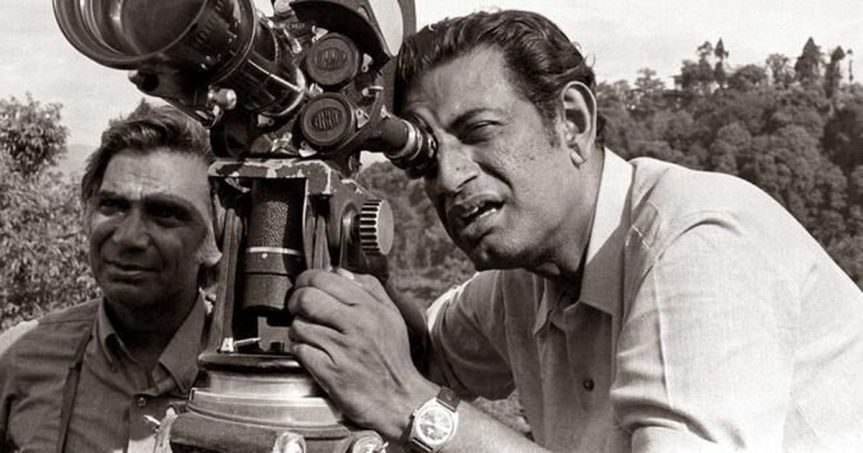
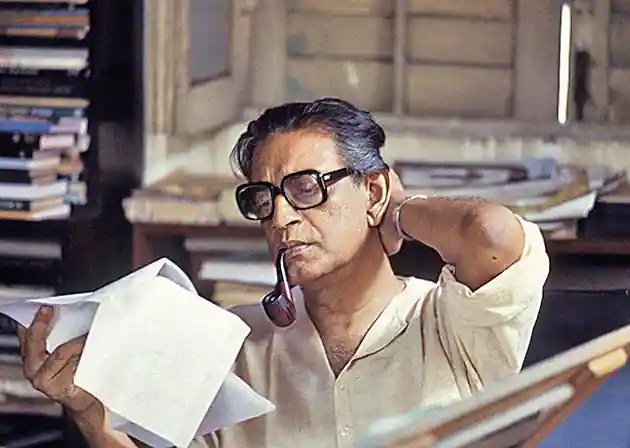
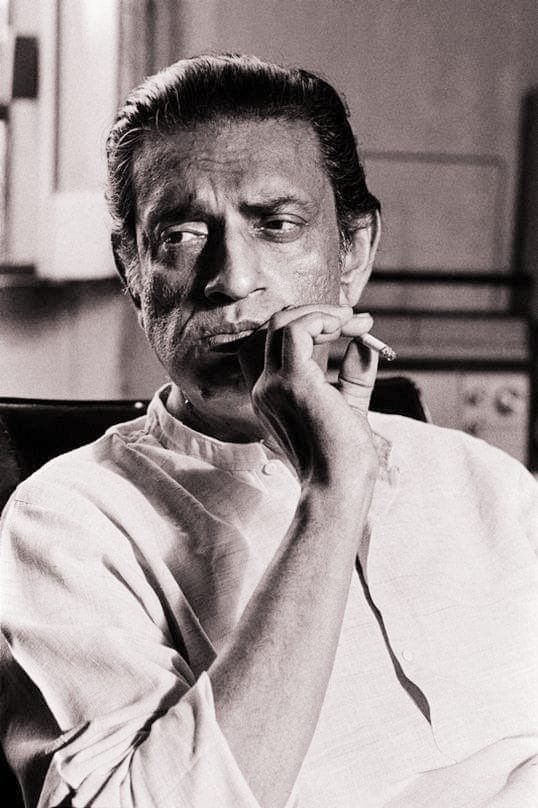
Satyajit Ray was India’s first internationally recognized film-maker and, several years after his death, still remains the most well-known Indian director on the world stage. Ray has written that he became captivated by the cinema as a young college student, and he was self-taught, his film education consisting largely of repeated viewings of film classics by de Sica, Fellini, John Ford, Orson Welles, and other eminent directors.
Satyajit Ray
Early Life and Family Background
Satyajit Ray was born into an illustrious family in Kolkata (then Calcutta) on 2nd May,1921. His grandfather, Upendra Kishore Ray-Chaudhary, was a publisher, illustrator, musician, the creator of children’s literature in Bengali and a leader of the Brahmo Samaj, a religious and social movement in nineteenth century Bengal. His father, Sukumar Ray, was a noted satirist and India’s first writer of nonsensical rhymes, akin to the nonsense verse of Edward Lear. Having studied at Ballygunge Government High School, Calcutta and completed his BA in economics at Presidency College, Satyajit Ray went on to develop an interest in fine arts. Later in life, Satyajit Ray made a documentary of his father’s life. His film, Goopy Gyne Bagha Byne, was based on a story published by his grandfather in 1914, but even other films, such as Hirok Rajah Deshe, “The Kingdom of Diamonds”, clearly drew upon his interest in children’s poetry and nonsensical rhymes.
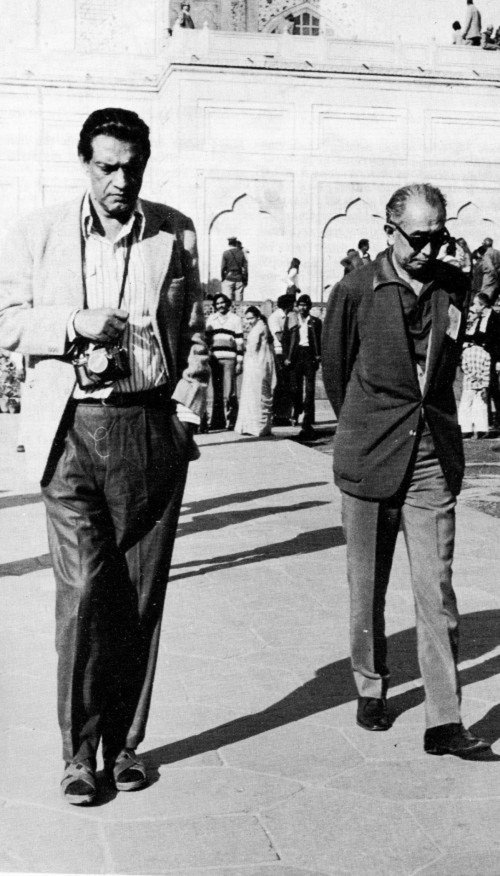
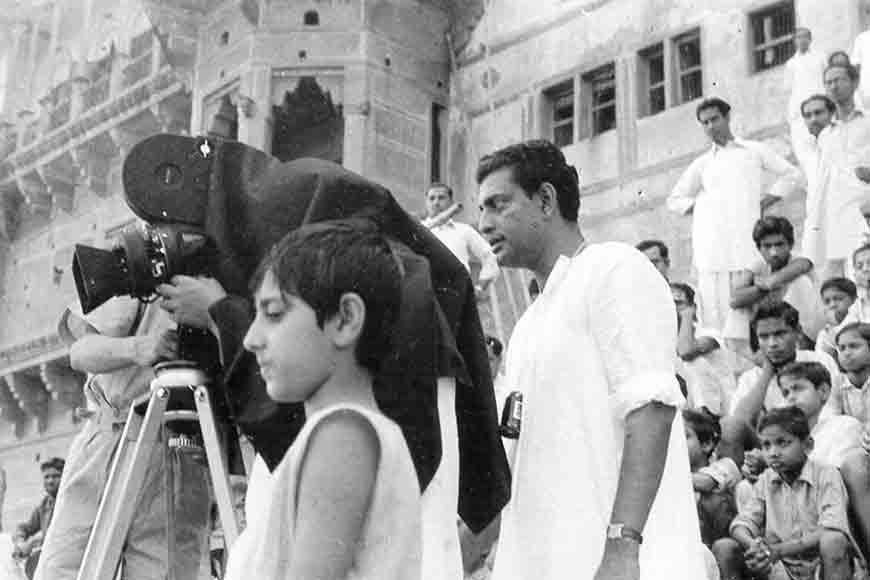
Satyajit Ray with Akira Kurosawa
The Crisis of Indian Cinema Before Ray
From the 1920s to the early 1950s, several directors working within Hollywood—as well as filmmakers in former Soviet Union, France, Italy, Germany, and Japan—considered cinema not as a mere tool of entertainment but as a medium for creative expression. Filmmakers such as Charlie Chaplin, Sergei Eisenstein, Jean Renoir, Roberto Rossellini, Vittorio De Sica, Akira Kurosawa, and others deployed artistically innovative filmic devices to convey profound statements about the complexities of life. Some of the aesthetically satisfying films produced during this period were hailed as cinematic masterpieces. Films in India, however, prioritised cliched elements such as sentimental slush, ersatz emotion, theatricality, romantic tales, spectacle-like songs, and happy endings in these decades. Instead of making serious attempts at formal experimentation, Indian directors continued catering to the lowest common denominator audience.
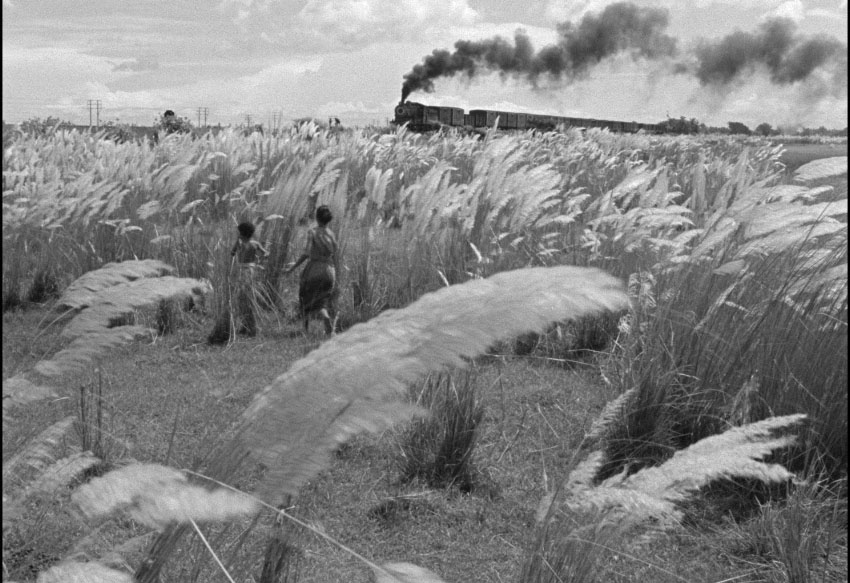
Iconic scene from Pather Panchali (1955)Pather Panchali (1955)
Breakthrough of Satyajit Ray
A young Ray had grown up on Hollywood movies, so when his ad agency sent him to London for higher training, he spent more and more of his time in the company of films and started “losing interest in advertising in the process,” he once said in an interview. During this trip, he saw Vittorio De Sica’s “Ladri di biciclette” (Bicycle Thieves),in 1948, a neo-realist Italian masterpiece of post-War despair and was entranced by its beguiling simplicity and humanism. Back in Calcutta, he heard that Jean Renoir was in town and walked straight into the hotel where the great French filmmaker was staying to confide in his own dreams of making a movie someday. Renoir, who was location-scouting for The River in Calcutta at the time, encouraged the aspirant. And so began the journey of the song of the little road.
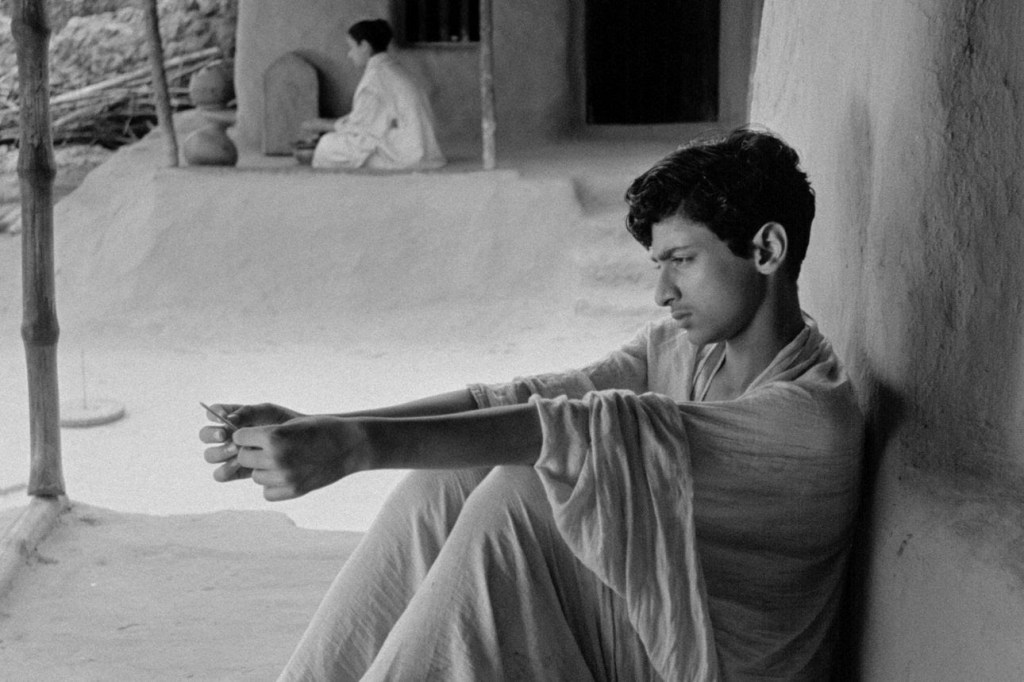
Subir Banerjee as Apu in Pather Panchali (1955)
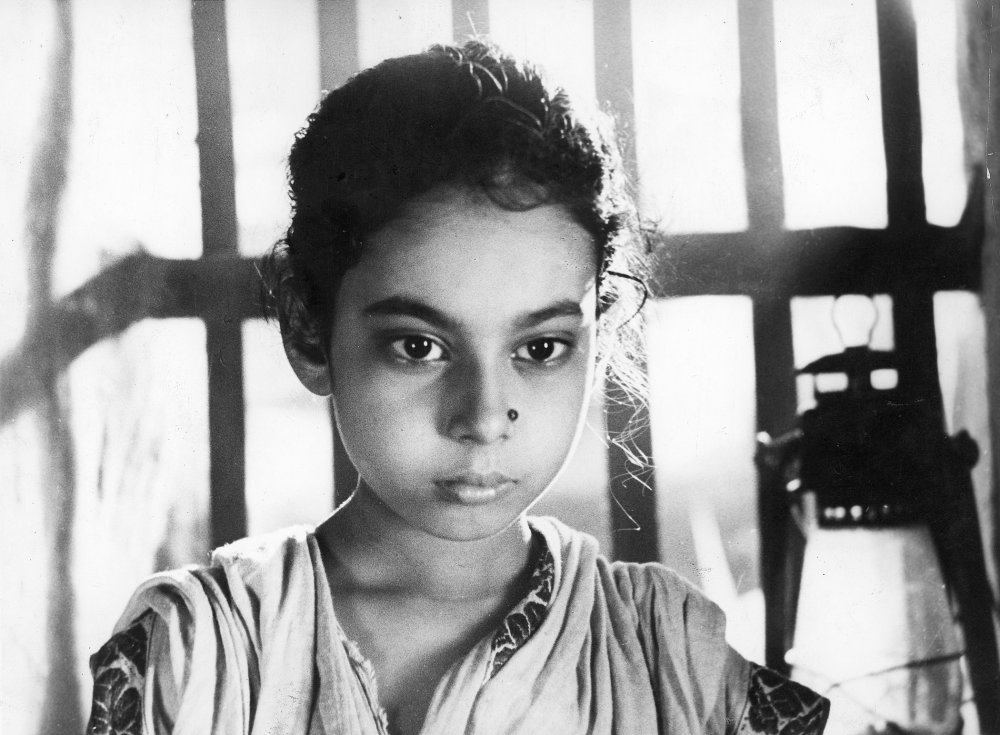
Ray’s landmark debut, Pather Panchali ( which was adapted from eponymous 1928Bengali novel “Pather Panchali” by eminentBengali novelist Bibhutibhusan Bandopadhay) was on a shoe-string budget in 1955 with a mostly non-professional cast. All the while, he clung on to his job for a safety net even as he shot what would become the first of the classic Apu Trilogy on weekends. The film was apparently being made by a group of neophytes, who had to stop filming more than once, owing to the depletion of their shoestring budget.
Smaran Ghoshal as Apu in Aporajito (1956)
Notable Films of Satyajit Ray
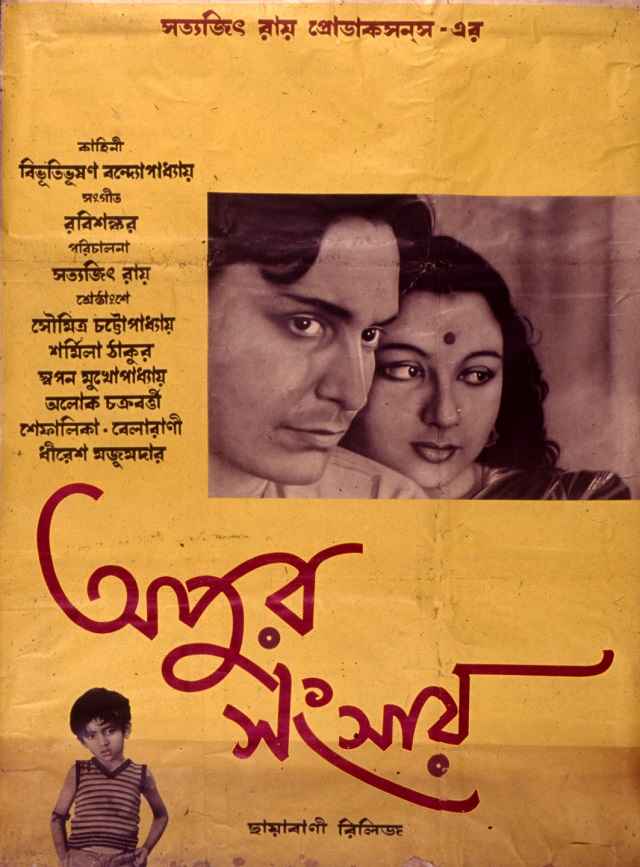
Ray directed 36 films, comprising 29 feature films, five documentaries, and two short films.Pather Panchaliwas completed in 1955 and turned out to be both a commercial and a tremendous critical success, first in Bengal and then in the West following a major award at the 1956 Cannes InternationalFilm Festival. sured Ray the financial backing he needed to make the other two films of the trilogy: Aparajito (1956; The Unvanquished) and Apur Sansar (1959; The World of Apu).Pather Panchaliand its sequels tell the story of Apu, the poor son of a Brahman priest, as he grows from childhood to manhood in a setting that shifts from a small village to the city of Calcutta.
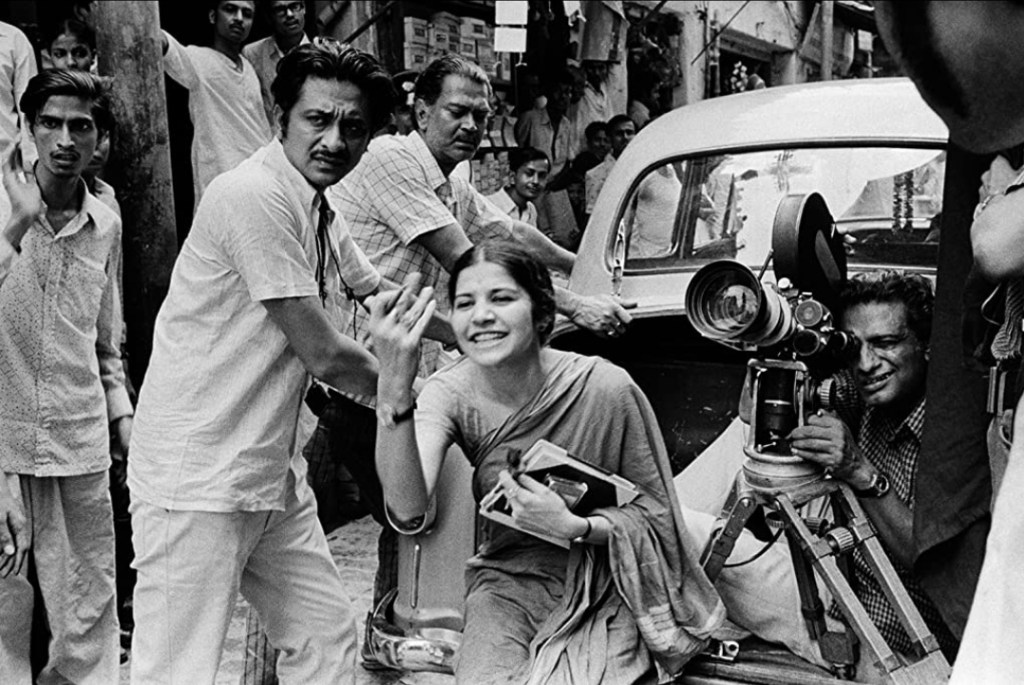
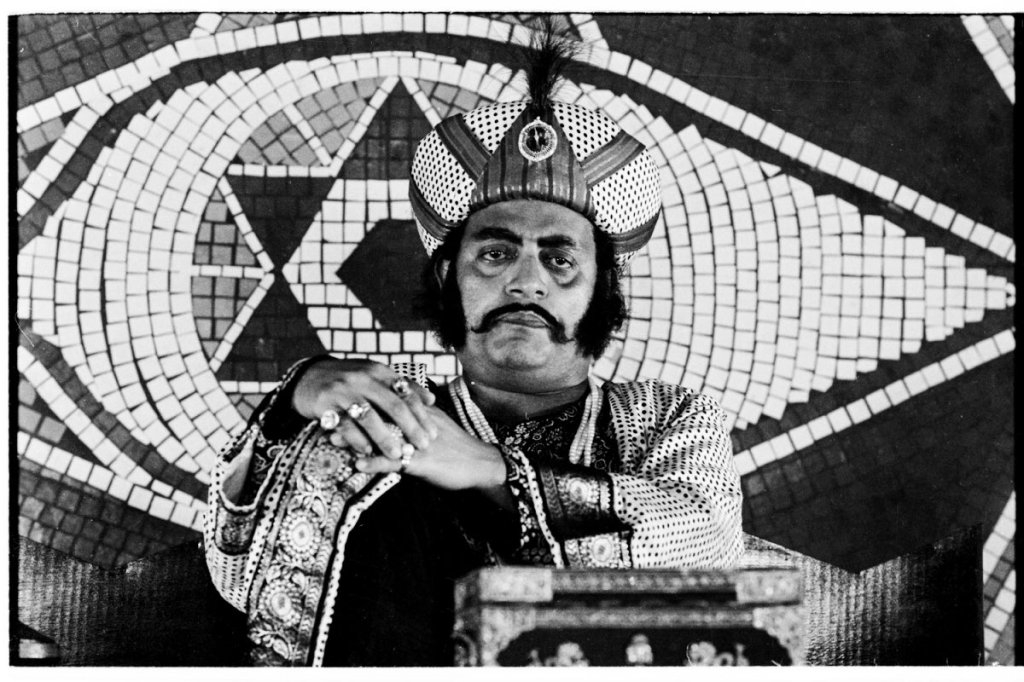
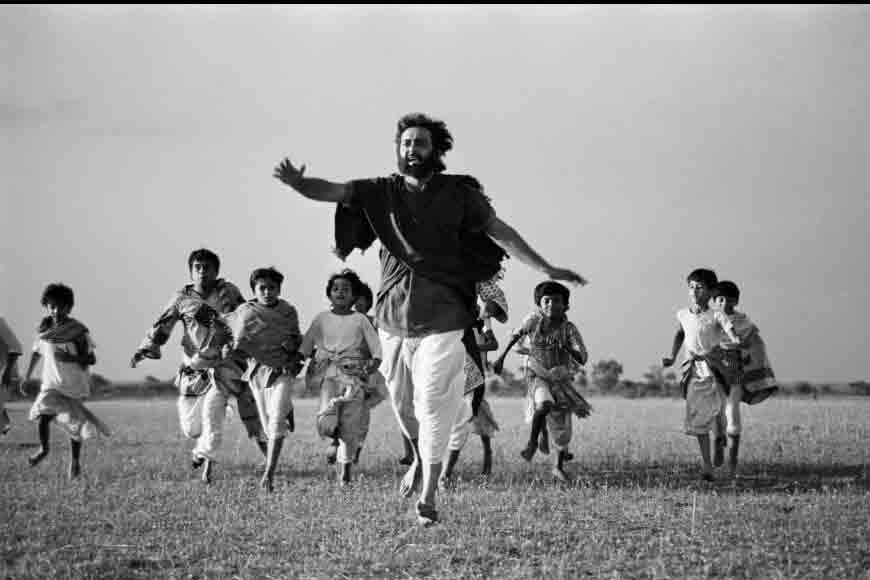
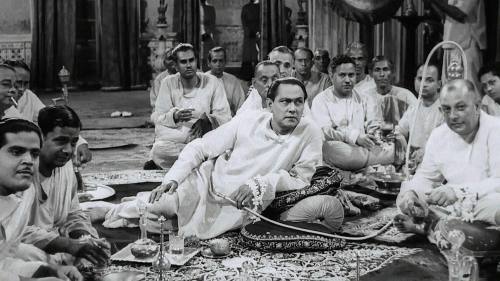
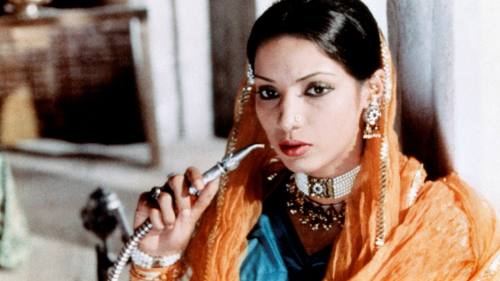
Chandana Banerjee in Teen Kanya (1961)During the Shooting of Jana Aranya (1975)Utpal Dutta in HirokRajar Deshe(1980)Soumitra Chatterjee in Hirok Rajar Deshe (1980)Chhabi Biswas (in middle) in Jalsaghar (1958)Shabana Azmi in Shatranj ke Khilari (1977)Satyajit Ray during the shooting of Sonar Kella(1974)
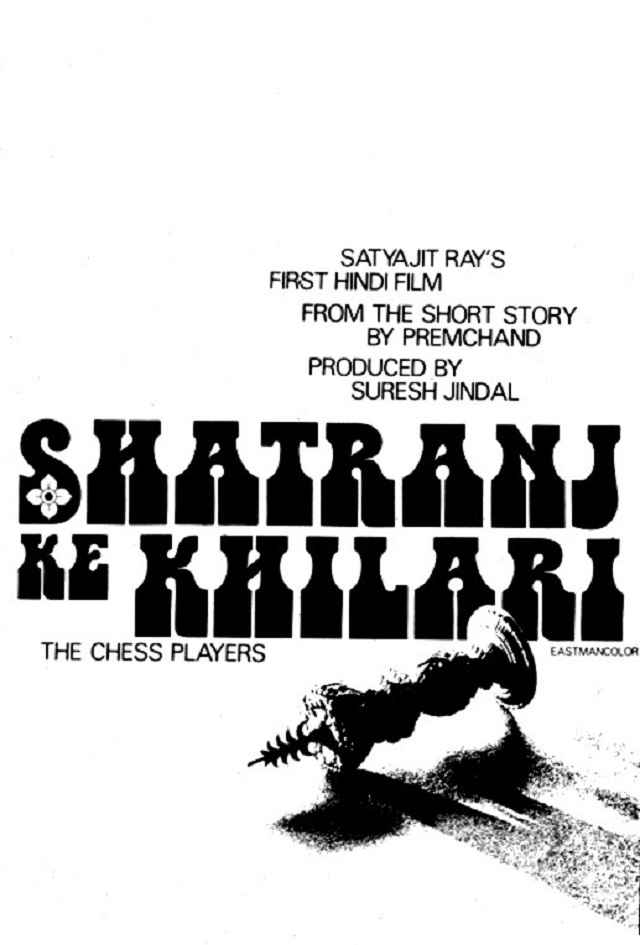
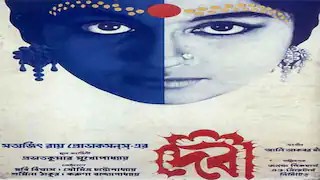
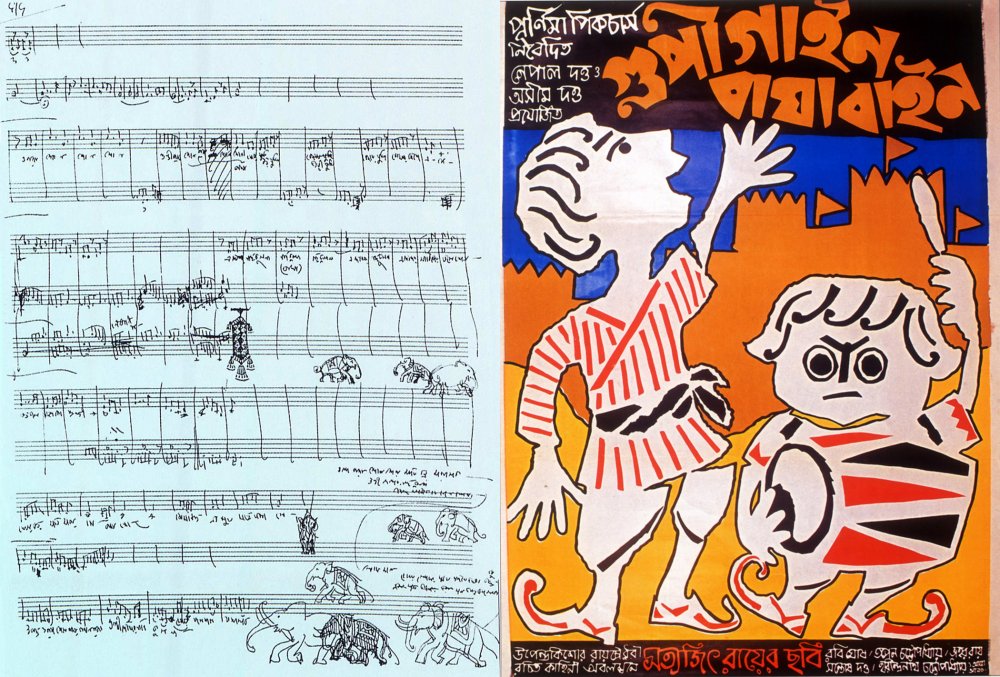
Ray’s major films about Hindu orthodoxy and feudal values (and their potential clash with modern Western-inspired reforms) include Jalsaghar (1958; The Music Room), an impassioned evocation of a man’s obsession with music; Devi (1960; The Goddess), in which the obsession is with a girl’s divine incarnation; Sadgati (1981; Deliverance), a powerful indictment of caste; and Kanchenjungha (1962), Ray’s first original screenplay and first colour film, a subtle exploration of arranged marriage among wealthy, westernized Bengalis.Shatranj ke Khilari (1977; The Chess Players), Ray’s first film made in the Hindi Language , with a comparatively large budget, is an even subtler probing of the impact of the West on India. Although humour is evident in almost all of Ray’s films, it is particularly marked in the comedy Parash Pathar (1957; The Philosopher’s Stone) and in the musical Goopy Gyne Bagha Byne (1969; The Adventures of Goopy and Bagha), based on a story by his grandfather.
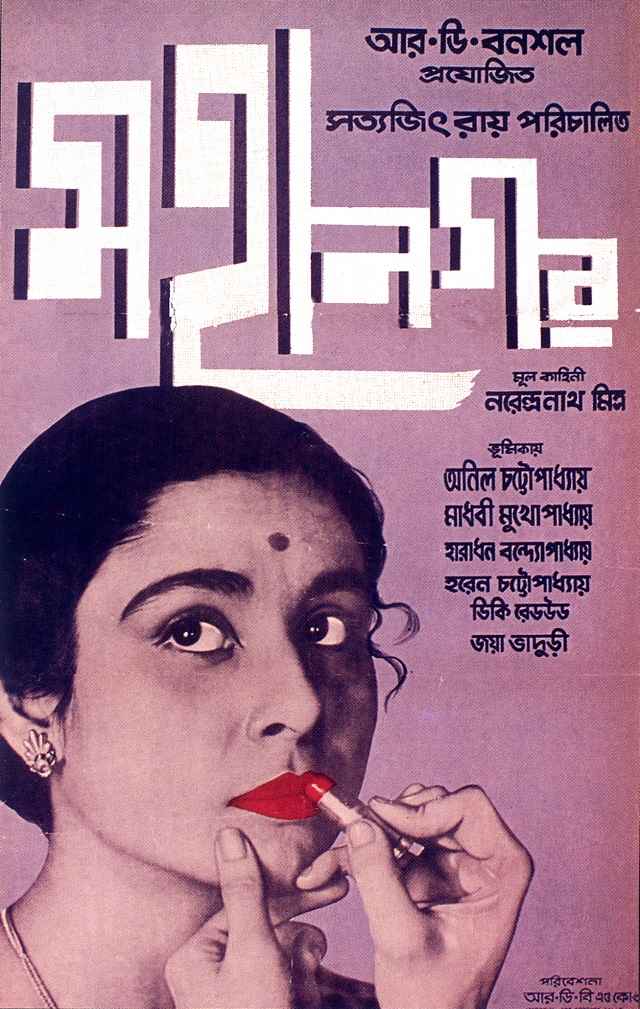
His other notable films were Ahsani Sanket (1973; Distant Thunder), Aranyer Din Ratri (1970; Days and Nights in the Forest) , Mahanagar (1963; The Big City) and a trilogy of films made in the 1970s—Pratidwandi (1970; The Adversary), Seemabaddha (1971; Company Limited), and Jana Aranya (1975; The Middleman), Ganashatru (1989; An Enemy of the People), Shakha Prashakha (1990; Branches of the Tree), and the Agantuk (1991; The Stranger).
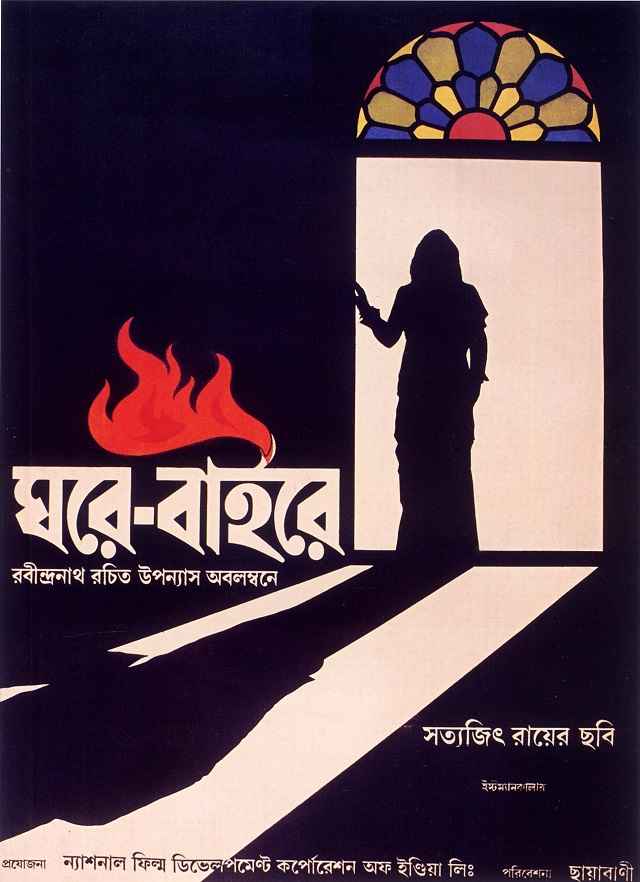
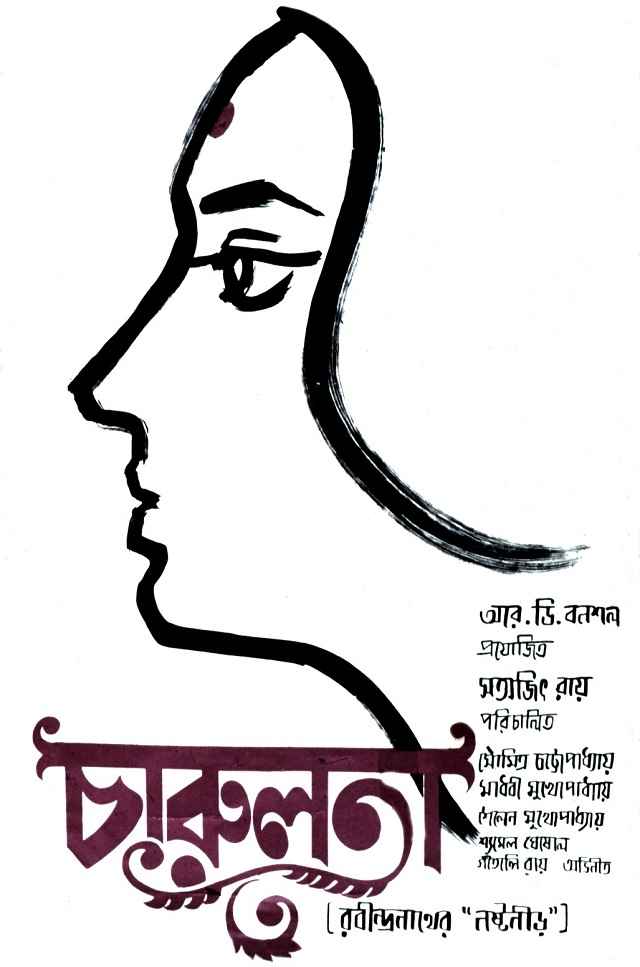
Poster of Shatranj ke Khilari (1977)Poster of Devi(1960)Poster of Ghore-BairePoster of Mahanagar(1963)Poster of Apur Sansar (1959)Poster of Nayak Poster of Charulata
Work As A Novelist
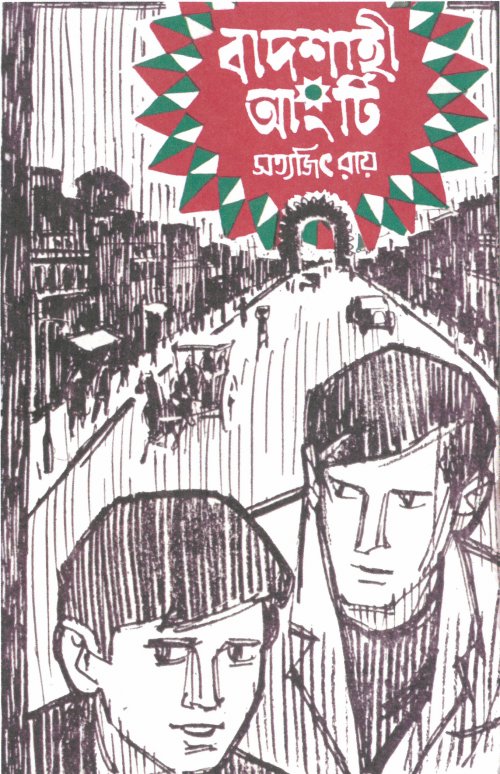
Ray created two popular fictional characters in Bengali children’s literature—Feluda, a sleuth, and Professor Shanku, a scientist. The Feluda stories are narrated by Topesh Ranjan Mitra aka Topse, his teenage cousin, something of a Watson to Feluda’s Holmes. The science fictions of Shonku are presented as a diary discovered after the scientist had mysteriously disappeared. Ray also wrote a collection of nonsensical verses named Today Bandha Ghorar Dim, which includes a translation of Lewis Carroll’s “Jabberwocky”. He wrote a collection of humorous stories of Mulla Nasiruddin in Bengali. Ray wrote an autobiography about his childhood years, Jakhan Chhoto Chhilam (1982), translated to English as Childhood Days: A Memoir by his wife Bijoya Ray. In 1994, Ray published his memoir, My Year’s with Apu, about his experiences of making The Apu Trilogy.
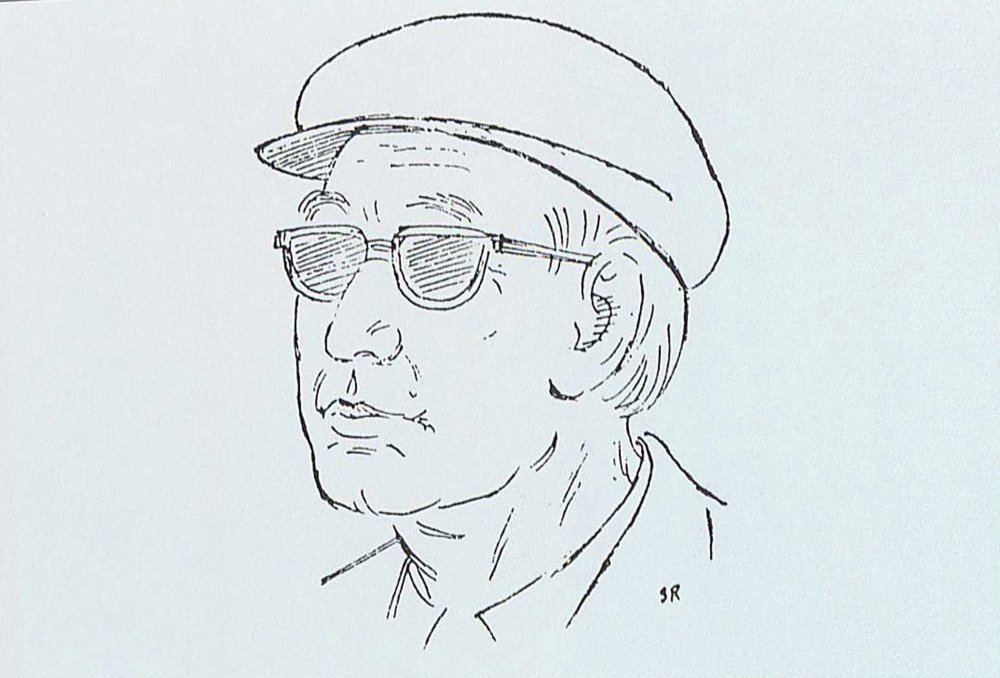
Book Cover illustrated by Satyajit Ray, himself for his first detective novel “Badshahi Angti”.The musical score and Poster for Goopy Gyne Bagha Byne(1969), done by Satyajit Ray, himself Portrait of Akira Kurosawa, illustrated by Satyajit Ray
Critical Analysis of Satyajit Ray
Instead of acting like a propagandist, Ray wanted to make people aware of the persistence of certain social problems. Devi and Ganasatru show people’s blind religious beliefs, Sakha Prasakhadiscloses the involvement of the top officials with bribery and corruption, Shatranj ke Khilari indicates the indolence and lack of political consciousness of the wealthy people, Aranyer Din Ratrireveals the insensitivity and boasting of the urban young men, and Mahapurushmockingly exposes the failure of the urban elite to embrace rational thoughts. Given the necessity of making people conscious of the same problems in present-day society, these films are still relevant today. Ray’s films also made a departure from tradition by frequently including strong women characters. Sarbajaya in Pather Panchali and Aparajito, Manisha in Kanchenjungha, Arati in Mahanagar, Charu in Charulata, Karuna in Kapurush, Aditi in Nayak, Aparna and Jaya in Aranyer Din Ratri, Sudarshana in Seemabadhdha, and Ananga in Asani Sanketappear as bolder, more confident, and more resilient than the male characters. In an interview, Ray states that the inclusion of unwavering women characters reflects his own attitudes towards and personal experience with women.
Awards Received by Satyajit Ray
Ray received many awards, including 36National Film Award by the Government of India, and awards at international film festival. In 11th Moscow InternationalFilm Festival 1979, he was awarded with the Honorable Prize for the contribution to cinema. At the Berlin International Film Festival, he was one of only four filmmakers to win the Silver Bear for Best Director more than once and holds the record for the most Golden Bear nominations, with seven. At the Venice Film Festival, where he had previously won a Golden Lion for Aparajito (1956), he was awarded the Golden Lion Honorary Award in 1982. That same year, he received an honorary “Hommage à Satyajit Ray” award at the 1982 Cannes International Film Festival. Ray is the second film personality after Charlie Chaplin to have been awarded an honorarydoctorate by Oxford University.
He was awarded the Dadasaheb Phalke Award in 1985, and the Legion of Honour by the President of France in 1987. The Government of India awarded him the Padma Bhusan in 1965 and the highest civilian honour, Bharat Ratna, shortly before his death. The Academy of Motion Picture Arts and Sciences awarded Ray an Honorary Award in 1992 for Lifetime Achievement. In 1992, he was posthumously awarded the Akira Kurosawa Award for Lifetime Achievement in Directing at the San Francisco International Film Festival.
Conclusion
Whenever we talk about radical filmmaking in the realm of Bengali cinema, Satyajit Ray’s maiden feature (made in the face of tremendous odds) is mentioned. From Pather Panchali to his last film Agantuk, Ray never compromised on high standards, thereby making a huge impression. Having a greater familiarity with the oeuvre of Ray would enable people to understand the impressive qualities and importance of socially-meaningful cinema. We are surely in need of films that would make us perceive the beauty of a dewdrop on a blade of grass, strengthen our sense of humanism, and raise our social consciousness—hence, the everlasting relevance of the cinema of Satyajit Ray.
Authors, in todays world authors are considered as minor celebrities. Most of the best seller authors are usually in fame for a short period of time after which they are lost to obscurity. Yet there are some with writings of such epic proportions that they are still celebrated as influential authors by many. One such author was the world’s first author, and despite such a feat not much is known about her by the general populace. 4,300 years ago, in ancient Sumer, the most powerful person in the city of Ur was banished to wander the vast desert. Her name was Enheduanna, a high priestess and the world’s first author. And by the time of her exile, she had written forty-two hymns and three epic poems— and Sumer hadn’t heard the last of her. Who was this woman, and why was she exiled?
Enheduanna lived 1700 years before Sappho, 1500 years before Homer and about 500 years before the biblical patriarch Abraham. Born in Mesopotamia, her birthplace was one of the first cities and cultures to have emerged in the world. Her father was King Sargon the Great, history’s first empire builder who conquered the independent city states and was often seen as somewhat of a foreign invader by the Sumerian cities of the south. Thus, to bridge the gap between the cultures, Sargon appointed his only daughter, Enheduanna, as high priestess. Female royalty was traditionally given religious roles, and she was educated to read and write in both Sumerian and Akkadian and make mathematical calculations. The worlds first writing started in Sumer as a system of accounting, allowing merchants to communicate over long distances with traders abroad. This pictogram system of record keeping developed into a script about 300 years before Enheduanna’s birth. But until Enheduanna, this writing mostly took the form of record keeping and transcription, rather than original works attributable to individual writers. As high priestess, she oversaw hundreds of temple workers, interpreted their dreams and set about unifying the older Sumerian culture with the new Akkadian civilisation. To accomplish this feat, she wrote 42 religious hymns that combined both mythologies. Since each Mesopotamian city was thought to be ruled by a patron deity, her hymns were dedicated to the ruling of each major city. In her writing she humanized the once aloof gods- now they suffered, fought, loved and responded to human pleading. Enheduanna’s most valuable literary contribution is said to her poetry dedicated to Inanna, the goddess of war and desire. Her odes to Inanna, mark the first time an author used the pronoun “I” and the first-time writing was used to explore deep, private emotions. After the death of king Sargon, a power-hungry general took advantage to the power vacuum to stage a coup. As a powerful member of the ruling family, naturally Enheduanna was targeted, thus the general exiled her from Ur. Her nephew, the legendary Sumerian king Naram- Sin, ultimately crushed the rebellion and restored his aunt as the high priestess. She died after serving as high priestess for 40 years. After her death she was regarded as a minor deity and her poetry was copied, studied and performed throughout the empire. Her poems influenced the Hebrew Old Testament, the epics of Homer and Christian Hymns.
Today, Enheduanna’s legacy still exists on clay tablets that have stood the testaments of time. To end lets celebrate a quote of Enheduanna herself “With your strength, my lady teeth can crush flint”.
In the world full of competitors to be successful student/businessman etc. should have a different approach. They need do things which have already less participants. It would be best if none of the competitors are present, it doesn’t mean you have to do very odd thing. Everyone needs a better lifestyle and a proper career so that they can live luxurious life with the family, for that we have to start at early as possible and gain the maximum experience. There are many of the websites nationally and internationally that provide work to college students as in the name of freelancers some of the popular sites are:
1- Internshala
2- LetsINTERN
3- LinkedIN
4- GlassDoor
5- Hello Intern
6- Twenty19
7- AngelList
8- Indian Internships
9- Oyster Connect
10- Interlelo
The above listed Internship site are the popular one yet there are many more to be listed.
Internships not only make a student financial independent at college life but it plays a very important role as while on last year of college it boost the CV and the chances of selection in your dream company gets increased by 10 folds.
Internship help a student start to build a professional network that can be a resource for the student.
Internship also help student to decide a second option of career and also can make it as a part-time works on his professional job.
Many companies are in search of students who have already completed an internship related to professional job which will also help student to do the work which is of his choice and already experienced on it.
Internships provide a great impact on confidence of the student which will help a lot in the actual job.
Students gain knowledge and get aware on how to talk with superior person, how to keep conversation on and most importantly how to influence anybody with the power of the words.
Students also get hands on to manage the task assigned. They also get to know to give a separate time table to each task and mange the workflow while studying.
They get the professional guidance even if they fail to mange the task as the internship provider cannot force any student and they encourage the student on compilation of task.
This are the most benifits of the Internship…Hope it will be helpful.
If you are in college and not having any internship, than go for it…It will prove helpful in the future.
The terminology of politics has its origin in the Greek term ‘polis’ which means city-state. A number of city-states like Athens, Sparta existed in ancient Greece where polity touched every aspect of social life is it education, occupation, organizations, culture, etc. Later on, as organized life became more complex, polity turned into a more specialized activity restricted to secular and civil affairs in western countries. Since that time, politics has begun and spread all over the world and people are caught up in the rat race of politics. in the past, there was only one political party congress, it started from 18 December 1885, and they lead the nation, and the first precedent if the congress was Womesh Chunder Bonnerjee and after that, all congresspeople make many discussion regarding the education, business, finance sector, and health sector which help people to live batter life after getting freedom from the British people.
congress lead India for 70 years and they did many frauds and scams, Several top Congress leaders have been accused of indulging in multi-crore scams with some of the corruption cases running into lakhs of crores. According to the ZEE news, congress allowed scams after scams during its rule which have resulted in the loss of a staggering amount of Rs 48,20,69,00,00,000 over the last 70 years. The jeep scandal of 1948 was one of the first major corruption case in independent India in which the Jawaharlal Nehru-led Congress government was the accused.
After that, the BJP party was announced on 6th April 1980 and the early year they try to breakdown the congress party but they could not when the Narendra Modi-led government came to power in 2014, India’s ranking on the global corruption index improved as the new regime cracked down on those accused in scams and graft cases. The country’s ranking had dipped to an all-time low of 94 during UPA reign in 2013.BJP leader Narendra Modi was done many appreciate work for the people like Goods and Service Tax The GST is the indirect tax that subsumed a variety of central and state levies and replaced a cascading and complicated tax system. infrastructure work This is the one bright spot in the government’s record. The speeding up of highway construction, the new Bharatmala and Sagarmala projects, the building or revival of regional airports and regional air connectivity, and much work on modernizing and expanding railways are all achievements that the Modi government can claim. furthermore, they also have done Flagship Programmes like Swachh Bharat, Make in India, Ujwala Millions of us gave up subsidised cylinders when Modi gave a call, Ayushman Bharat. however, if we considered the National Security the Narendra Modi never stape back he has introduced Pakistan Policy, Kashmir Policy. he has open all the scams cases like Rafale Deal and Mallya & two Modis. He also took revenge from Pakistan in the form of URI surgical strick, and give justice to the Indian soldier.
Nowadays, in the time of Coronavirus, congress never gives up to accuse the BJP party, they always see the negative side of BJP which is only 15-20% but they never update themself or support and give motivation to the citizens what to do in this kind of scenario or support BJP. whenever BJP politicians do something good, congress always ready to pull them down they never see good work done by the opposition party. in time of critical condition, all BJP candidates done a lot of good work but the congress party came out for a showing off. we also see many debates on the news channels regularly they fight like cats and dogs.
all people from India always pray that please put politics behind and do something to bring out the country in developed countries index.









 Eduindex
You must be logged in to post a comment.