Strengthening Inclusive Education: Block Resource Centres under Samagra Shiksha provides Essential Therapy Services for Children with Autism Spectrum Disorder

Daily writing prompt
What Olympic sports do you enjoy watching the most?

On the occasion of World Autism Awareness Day (April 2, 2025), the Ministry of Education, Government of India reaffirms its commitment to inclusive education by strengthening support systems for children with autism spectrum disorder in schools.

Through Block Resource Centres (BRCs), the government is ensuring that children with autism spectrum disorder (ASD) receive essential therapy services, specialized interventions, and learning support to help them reach their full potential.

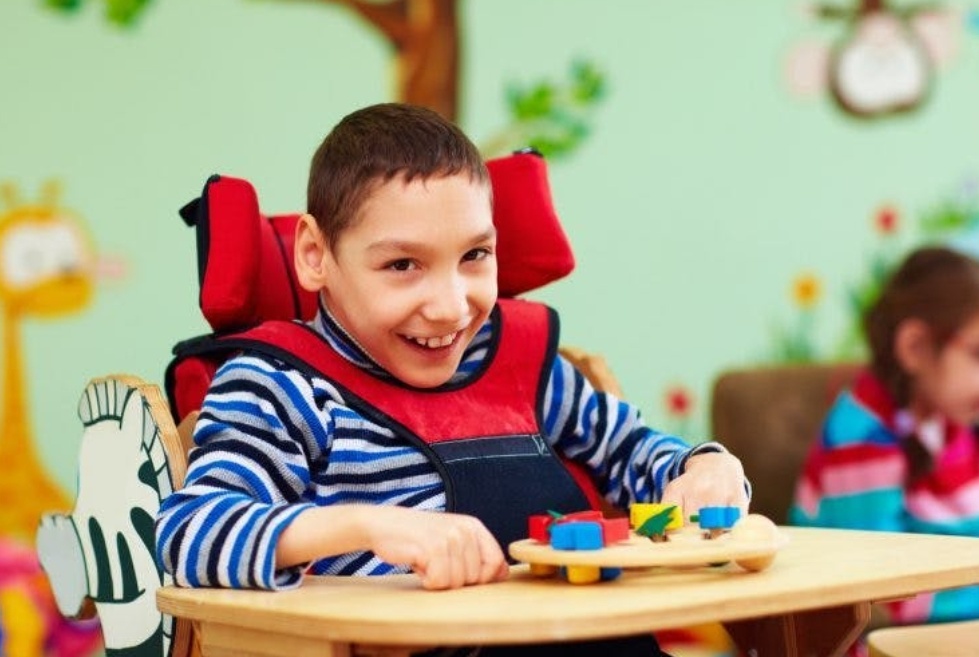
Supported under the centrally sponsored scheme- Samagra Shiksha, the BRCs serve as dedicated resource centers, offering essential therapy-based interventions to support the physical, cognitive, and communicative needs of CwSN.

These include:

  • Occupational Therapy: Helps children develop fine motor skills, hand-eye coordination, and independence in daily activities.
  • Physiotherapy: Supports children with mobility challenges, improving posture, muscle strength, and physical coordination.
  • Speech and Communication Therapy: Supports children with delayed speech, difficulty in communication, or social interaction challenges, especially beneficial for children with autism.
  • Psychological & Behavioural Support: Provides emotional and behavioural counselling to enhance confidence, social interaction, and well-being.

BRCs are staffed with trained resource persons, special educators, and therapists who work closely with parents, teachers, and caregivers to create personalized intervention plans for children.

These centres also organize regular screening camps, parent counselling sessions, orientation/teacher training programs, assistive devices, appropriate Teaching-Learning Material (TLM), and aids & appliances etc. to ensure a holistic approach to inclusive education.

As envisioned in the National Education Policy (NEP) 2020, the government is continuously strengthening these inclusive learning environments by integrating therapy services with classroom learning and ensuring accessible infrastructure, assistive devices, and digital learning solutions for CwSN across the country.

State and district education authorities are encouraged to maximize the utilization of Resource Centres and also collaborate with local health and social welfare departments to further expand support for children with diverse needs.

On this World Autism Awareness Day, the Ministry appeals to schools, educators, and parents to optimally utilise the services of BRCs for CwSN and also work together to promote awareness, acceptance, and meaningful inclusion of children with autism spectrum disorder.

******
Autism Spectrum Disorder

Photo by Polina Kovaleva on Pexels.com

What is Autism Spectrum Disorder?

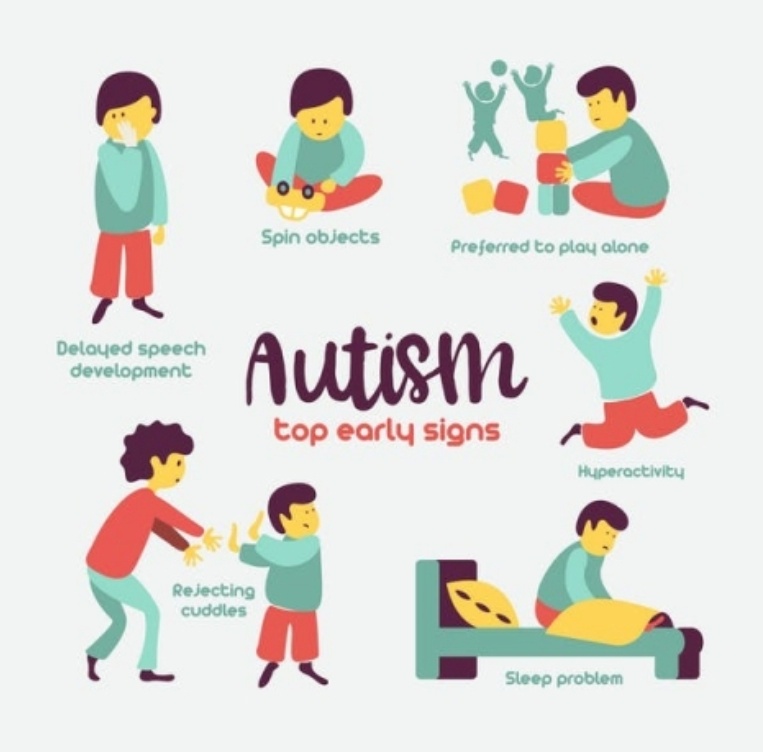
  • It is a developmental disorder characterized by behavioral and communicational affections.
  • It impacts a person’s ability to navigate social interactions and causes repetitive and restricted behavior.
  • Many children show symptoms of autism by 12months to 18 months of age or earlier.

What causes Autism?

  • Genetic factor:
    • Something happens during fetal development that alters a gene.
    • Child inherits problematic gene/genes from one or both parents
  • Environmental factors: Mothers exposed to high levels of pesticides and air pollution may also be at high risk of having a child with ASD.
  • Brain Development: Children with ASD have more cells in their brain, than they require. Even the connections between the cells are not proper.

These factors by themselves, don’t cause autism. Rather, in combination with genetic factors, they appear to increase risk.

World Autism Day

  • Mozah Bint Nasser Al-Missned, the UN representative from Qatar proposed the idea of recognizing World Autism Day.
  • The UNGA unanimously declared 2nd April as World Autism Awareness Day to highlight the need to help improve the quality of life of those with autism, so that they can lead full and meaningful lives as an integral part of the society.

Facts about Autism

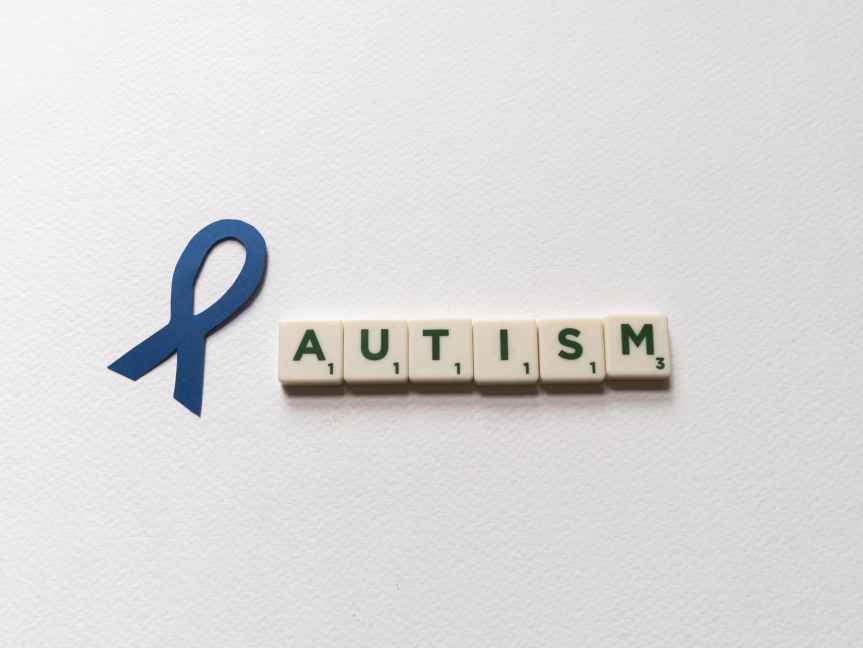
  • A puzzle ribbon is used as the new symbol for autism.
  • ASD now affects 1 in 68 children.
  • Boys are nearly 4.3 times more likely to be diagnosed with ASD than girls.
  • ASD is more common than childhood cancer, diabetes and AIDS combined.

Autism is Normal

Have you ever met an autistic child? If you have, you must have noticed some irregular behavior in them. This behavior may include repetitive body movements such as rocking, clapping, spinning and you can also notice obsessive attachment towards strange articles such as switches, boxes, rubber bands, etc.
There is no particular reason for this condition but genetics can be a reason for this condition.
After brain scans, it is seen that the shape and size of a brain in an autistic child is bigger as compared to a typical child.
They find it difficult to communicate and won’t be able to express their emotions to us too but that doesn’t mean they don’t feel any emotions.

Their way of loving and caring is unique in its own way and many would even fail to understand it.
Taking care of an autistic child is far more difficult than raising a normal child. It takes a lot of time to understand the behavior and act accordingly.
There are few tips to remember while taking care of an autistic child.

 • Be patient
 • Follow a schedule
 • Create a safe environment in the house
 • Pay attention to the child’s sensory sensitivities.
 • Show love and Interest

Therapy For Autism
There is no cure for autism but there are various therapies available to reduce the symptoms and focus on development and learning.
There are different therapies available such as
 • Speech Therapy
 • Applied Behavior Analysis
 • Sensory Processing
 • Play Therapy
 • Occupational Therapy, etc

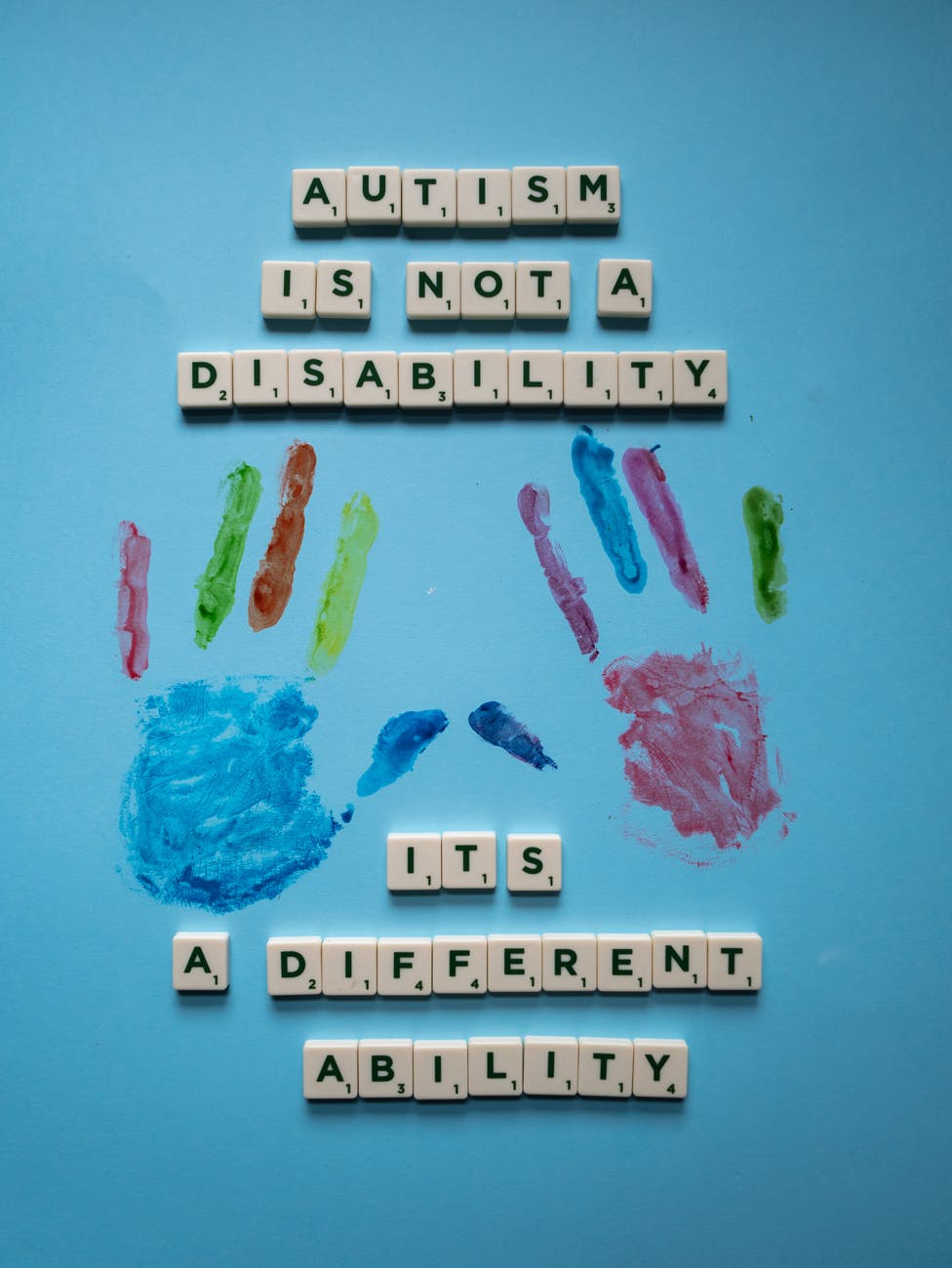
Even an autistic child deserves the same love as a normal child and has all the rights to study and grow among other children. Autism is normal.