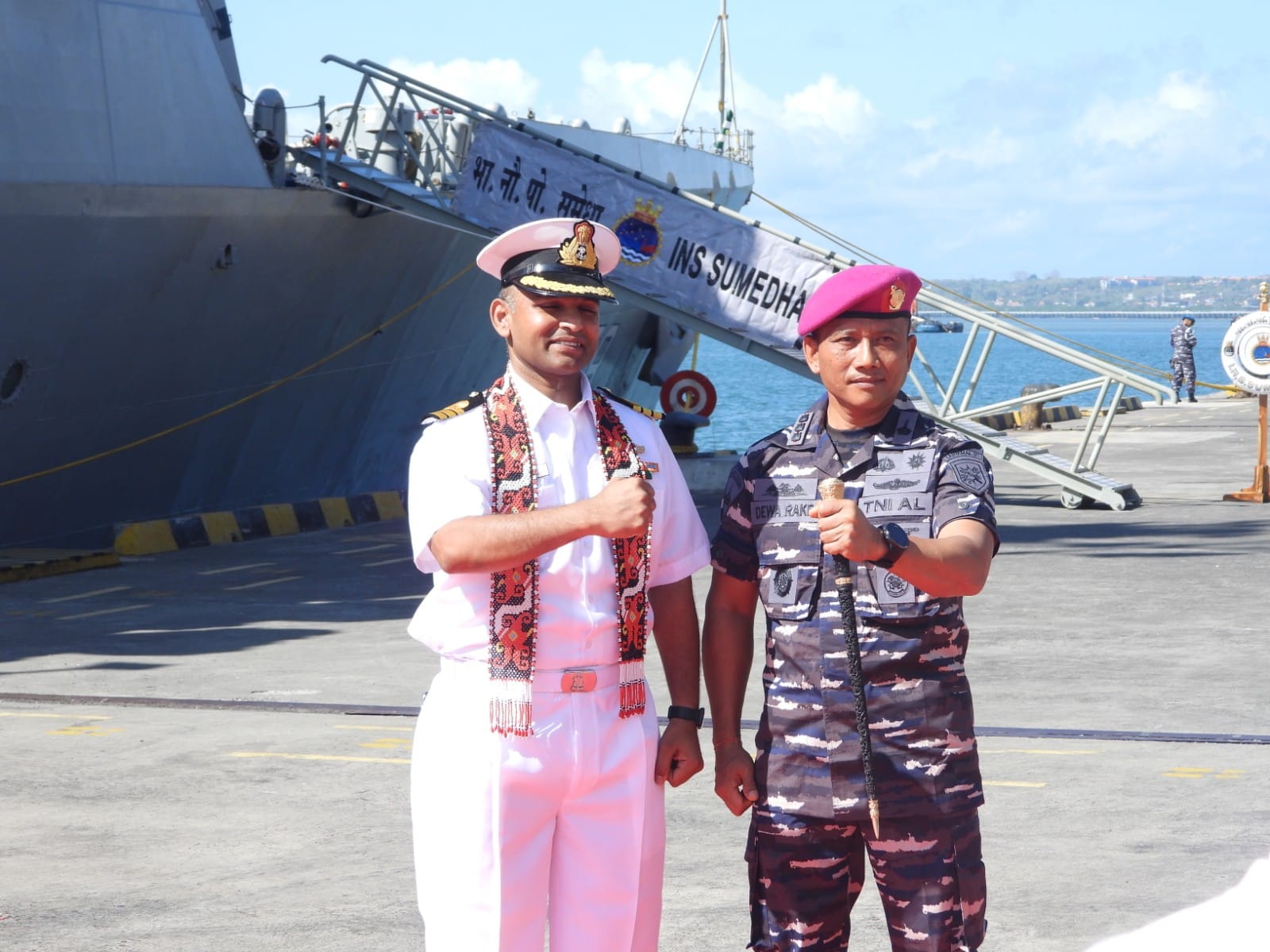
As part of the Indian Navy’s Long Range Deployment in the South Eastern Indian Ocean, INS Sumedha, is on a visit to Port Tanjung Benoa, Bali, from 04 Aug to 06 Aug 2022. The ship is en route to Perth, Australia, to coincide with India’s Independence Day and celebrations of Azadi Ka Amrit Mahotsav. The visit to Bali is aimed at strengthening bilateral ties, enhancing military cooperation and improving interoperability with the Indonesian Navy. During her stay at Bali, the ship’s crew will engage in professional interactions, cross-deck visits and sports fixtures with their Indonesian Navy counterparts.
Prior to entering Bali, the ship undertook a Maritime Partnership Exercise with KRI Sultan Hasanuddin, a Sigma class corvette of the Indonesian Navy on 02 August 2022. The exercise which included seamanship evolutions, tactical manoeuvres and communication procedures provided an opportunity for sharing professional experiences and strengthening maritime cooperation between the two navies.
INS Sumedha is an indigenously built Naval Offshore Patrol Vessel and is deployed for multiple roles independently and in support of fleet operations. She is part of the Indian Navy’s Eastern Fleet based at Visakhapatnam and functions under the operational command of the Flag Officer Commanding-in-Chief, Eastern Naval Command.
Ni Ketut Kasih is a widow who lives in a small village in Bali, Indonesia. She is a proud mother of four children and the grandmother of twelve grandchildren. She’s lived her whole life surrounded by the complex cadences and mandates of the Balinese ritual calendar with events such as temple observances, holy days, festivals, etc. happening nearly every other day, and for many years Ketut has faced a specific kind of difficulty with the stress and anxiety surrounding her ritual obligations as the village’s ceremonial leader.
She anticipates and prepares for the ceremonies and rituals far in advance, repeatedly assessing the state of her family’s preparations because of her position in her community as priestess. She finds her mind overrun by thoughts of failure and worry as she also reminisces the stresses of her childhood when her father was taken as a prisoner of war and she was forced to leave her schooling in order to look after her family.
When the worries get too much, Ketut has a “fit”, she could disappear from home leaving her family and wander off to far places acting out in alarming ways such as undressing herself in the market or challenging others to a fight. When her situations get beyond the support her family could give her, they take her to the state psychiatry hospital or give her the medications prescribed for her manic-episodes. She generally recovers quite fast and experiences long stretches of peace and quiet before another financial obligation or ritual evokes more stress, causing another episode.
Ketut’s response to the stressors caused by familial, ritual or financial obligations raises questions about the purpose of these rituals and the psychological cost it brings for the those that execute and organize it. Ketut’s case exhibits a unique assemblage of stressors such as cultural obligations, childhood trauma, and neurobiology overlay to trigger cyclic manic-depressive episodes. This shows us the impact of individual paradigms of suffering and the requisite connotations which make ritual burdens excruciating on mental health.
Familial Support- Both a Stressor and Strength
In an intricate but compelling discourse, it’s seen that Ketut’s family has always acted as both a stressor and strength throughout the course of her life. Meeting her extended family tends to elicit feelings of shame if rituals are improperly carried out and anger or envy over financial differences between family relations, however, her immediate kin provide a shield of support by actively avoiding labeling or stigmatizing her diagnosis in any way.
During times when she calls herself as sakit jiwa, or mentally ill, her family unwaveringly does not call her gila, or crazy. Despite the fact that she’s been institutionalized many times for her manic-episodes, the family chooses to normalize Ketut’s experiences and in evading to merge her symptoms with herself, her family accentuates the temporary nature of her illness and this provides a sense of continuity to her daily life.
The “Burden” Paradox of the Balinese Ritual
The term “ritual density” is used to describe the frequency of rituals/ceremonies within any particular culture. The Balinese culture is known to be one of the most ritually dense cultures in the world. The Balinese ritual calendar is 210 days long and full of cyclic events. An integral part of the Balinese ritual customs is the sesajen, or offerings. In the documentary, Ketut and her family talk about the practice ofngayah, “pledging oneself to god by making ritual offerings.” This idea shows us that the importance given to the preparation of these offerings in not only just the tangible result of the product but also the manifestation of the devotional method in which it was made in the end product.
In Balinese culture, the etiology of illness and healing of a wide variety of personal and family diseases and problems are often interpreted as a result of inadequately done, forgotten or neglected rituals. Because of this, many families go into debt in order to ensure that a ceremony is performed in an appropriate and well-timed manner in order to avoid such kind of troubles. Thus, in making offerings and performing rituals correctly, many Balinese women take it upon themselves to ensure the well-being of their families and their communities. The extensive female labor and female leadership in consolidating sometimes hundreds of family members involved in ritual preparations may speak to the esteemed and valued role that women play in Balinese spirituality.
Understanding the herculean task of physical labor, time, emotional and monetary investment, and spiritual strength required to make these offerings and fulfill familial obligations, combined with the importance of ritual in Balinese families and communities emphasizes how ceremonies aren’t just culturally elaborate celebrations, but also culturally evident stressors that strain pre-existing weaknesses or cause an illness episode in the likes of individuals such as Ketut. Thus, it becomes a matter of irony that the rituals meant to shield and encourage the purity, peace and balance of the community can also result in significant mental pressure for an individual.
J.K Rowling’s story is one of the most famous insipirational failures to the success story of our time. She had failed in almost everything she attempted to do in her life and at one point she considers herself a major failure.
Most of the people only know her as a woman writer who created Harry Potter, but what people don’t know about the struggle she faces before reaching the stardom.
BIRTH AND CHILDHOOD :
Joanne Rowling was born on 31st July 1965 in yate, Gloucestershire, England to Peter James Rowling and Anne Rowling. Her father was a Rolls- Royce aircraft engineer and mother was a science technician She had one little sister, Dianne, as a child Rowling loves to write fantasy stories and read them to her younger sister. When she was a teenager she got a chance to read Jessica Mitford ‘s autobiography, from then on Mitford become her heroine and after that, she read all her books.
BOOK INSPIRATION AND MOTHER ‘S DEATH :
After working for Amnesty International as a researcher and bilingual secretary in London, Rowling moved to Manchester with her then- boyfriend where she worked at chamber of commerce. In1990, Rowling first had the idea for Harry Potter, a story of a young boy who attends a school of wizards, while she was on a 4 hour delayed train trip from Manchester to London. While travelling the idea fully formed in her mind and when she reached her flat she began writing furiously. However, in December 1990 her mother died after 10 years of complications from Mutiplr sclerosis Mother’s death heavily affects Rowling and leave her extremely distraught and upset. Later she channelled her own feelings of her loss by writing about Harry’s feelings in her first book.
MARRIAGE, DIVORCE AND SINGLE MOTHER:
After a few months of her mother’s death, she moved to Portugal to teach the English language. There she met a man, fall in love with him, got married and gave birth to her daughter. In 1993 her marriage ended in Divorce and she with her infant daughter moved to Edinburgh Scotland to be closer to her sister. This is the most struggling time for Rowling and she saw herself as a complete failure. She was divorced, jobless, no money and a dependent child. Because of all this, she suffered bouts of depression and contemplated suicide. Eventually, she signed for Government-assisted welfare describing her economic status as poor. It was a really difficult time in her life but she kept going on and put all her energy on completing her novel.
HARRY POTTER :
In 1995 Rowling completes her manuscript for Harry Potter and the philosopher’s stone on an old manual type writer. She was so poor at that time she could not afford a computer or even the cost of photocopying the novel, so she manually typed each copy and submitted to twelve publishing house in London. The manuscript was rejected almost dozens time until she was finally given chance with £1,500 advance by a small London publisher, Bloomsbury after the company’s CEO little 8 years old daughter fell in love with it after reading the first chapter of the book.
In July 1997 Bloomsbury published first 1000 copies of Harry Potter series out of which 500 copies were distributed to libraries. Just five months later the book won Nestlé smarties Book prize it’s first award . In early 1998 an auction was held in America for the printing rights to publish the novel. Scholastic INC won the auction for USB 105, 000, later Rowling said in a interview that she nearly died when she heard the news of this amount for printing her novel. Today Harry Potter is a global brand worth an estimated 15 billion dollars. The last four Harry Potter books have set the records for the fastest selling books in history. The Harry Potter series to talking 4, 195 pages have been translated either in whole or in part into 65 languages. The Harry Potter books series have also gained recognition for creating an interest in reading among the children’s at a time when they were more inclined towards the Internet, computers and television.
FINANCIAL SUCCESS :
In 2001 J.K ROWLING purchased a 19th century killiechassie House, an estate house on the banks of the river tay in Perth. She also owns a £ 4.5 million Georgian house in West London. In 2004 , Forbes named Rowling as the first person to become a us dollar billionaire by only writing books.In 2017, according to Sunday times, Richard list Rowling net worth was approx. £ 650 million.
PERSONAL LIFE :
Rowling and her second husband Neil Murray were married on 26th December 2001. They live in Edinburgh with their 3 children. Rowling was a runner up in 2007. Time’s annual person of the year issue after Russia’s president Vladimir putin.
“Science has learned recently that contempt and indignation are addictive mental states. I mean physically and chemically addictive. Literally! People who are self-righteous a lot are apparently doping themselves rhythmically with auto-secreted surges of dopamine, endorphins and enkephalins. Didn’t you ever ask yourself why indignation feels so good?”
~ David Brin
Introduction
Doping in sport is a widespread problem not just among elite athletes, but even more so in recreational sports. In scientific literature, major emphasis is placed on doping detection, whereas detrimental effects of doping agents on athletes’ health are seldom discussed. Human growth hormone also increases muscle mass, although the majority of that is an increase in extracellular fluid and not the functional muscle mass.
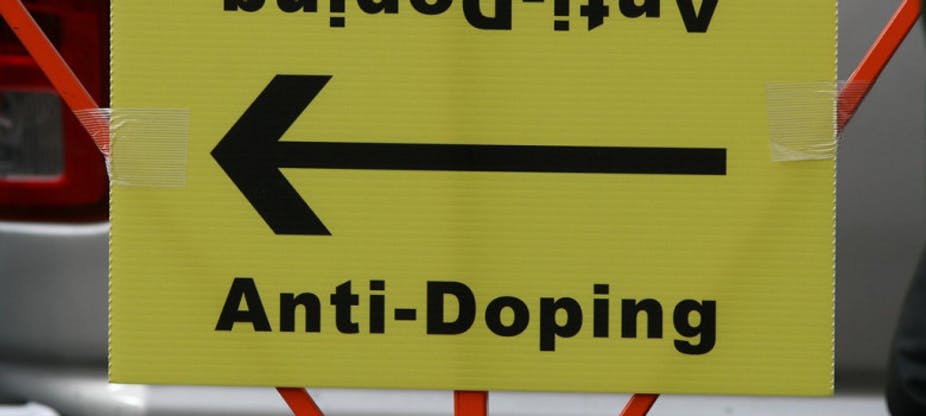
The term doping is widely used by organizations that regulate sporting competitions. The use of drugs to enhance performance is considered unethical, and therefore prohibited, by most international sports organizations, including the International Olympic Committee.
History
According to the World Anti-Doping Agency (WADA), the term “doping” probably comes from the Dutch word “dop,” an alcoholic beverage made of grape skins that was used by Zulu warriors to make them stronger in battle.
Ancient Greek athletes used special diets and stimulating potions to improve performance, and 19th century endurance athletes indulged in strychnine, caffeine, cocaine and alcohol.
The American specialist in doping, Max M. Novich, wrote: “Trainers of the old school who supplied treatments which had cocaine as their base declared with assurance that a rider tired by a six-day race would get his second breath after absorbing these mixtures.”[8] John Hoberman, a professor at the University of Texas in Austin, Texas, said six-day races were “de facto experiments investigating the physiology of stress as well as the substances that might alleviate exhaustion.”
Effects of doping in sports
It builds muscle but causes abnormal growth, heart disease, diabetes, thyroid problems, hypertension, blood cancers and arthritis. Other adverse effects include joint pain, muscle weakness, visual disturbances, enlarged heart and diabetes.
Other side effects include:
Heart palpitations.Heart rhythm abnormalities.
Weight loss.
Tremors.
Mild high blood pressure (hypertension)
Hallucinations.
Stroke.
Heart attack and other circulatory problems.
Constipation.Skin rash or dermatitis.
Diarrhea.
Dizziness.
Drowsiness.
Dry mouth.
Headache.
Insomnia.
UFC ( Ultimate Fighting Championship ).
In December 2013, the UFC began a campaign to drug test their entire roster randomly all year-round. Random testing, however, became problematic for the promotion as it began to affect revenue, as fighters who had tested positive would need to be taken out of fights, which adversely affected fight cards, and therefore pay-per-view sales.
According to Steven Marrocco of MMAjunkie.com, about 31% of UFC fighters subjected to random testing since the program first started have failed due to using performance-enhancing drugs. That is approximately five failed tests for every sixteen random screenings.
From July 2015, the UFC has advocated to all commissions that every fighter be tested in competition for every card. Lorenzo Feritta, who at the time was one of the presidents of the UFC, said, “We want 100 percent of the fighters tested the night they compete”. Also, in addition to the drug testing protocols in place for competitors on fight night, the UFC conducts additional testing for main event fighters or any fighters that are due to compete in championship matches.
Discrimination is the state when all individuals are not treated equally and not given equal rights. Every individual in the community yearns for equal status, opportunities, and equal rights. People generally say these days that everyone is treated equally but they are not. Discrimination usually exists because of cultural differences, geographical differences, and gender. Inequality on the basis of gender is something that is not appreciated, but it is seen many times in many companies. There are many areas where equal opportunities are not provided to women.
We are in the 21st century, and even now, women are not treated equally as men. It is generally believed that women are more talented than men, and it has been proved many times, but society is not yet ready to accept this fact. Gender equality is the term used when equal opportunities in the fields of politics, economics, education, and health are provided to both men and women.
As per the World Economic Forum’s gender gap ranking, India holds the rank 108 out of 149 countries. The rank should be a major concern in the country as it signifies the immense gap between the opportunities given to women when compared to men. The structure in India is such that women are neglected in many fields like education, health, finance, etc. They are just limited to household chores which should not be the scene here. There are many places in India where women are considered as a burden and they are not allowed to go to school and study as well. Also, a preference for sons prevails in many areas in India.
The seven important forms of gender inequality :
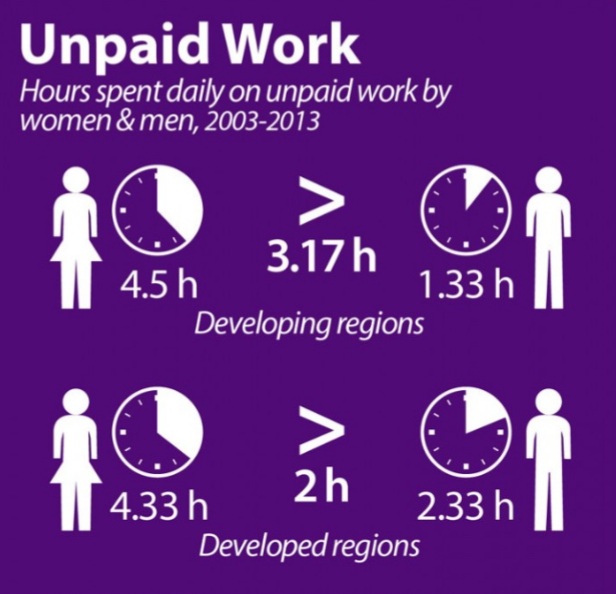
1 . Women works Longer than Men :
In most of the societies the male – stream is the main stream who argues that women have comparative advantage in household non- market production, like cooking and cleaning for the family that cant be called emotional and personal caring work. Based on this thinking, household jobs are then asymmetrically distributed. Women are more valued in home. Men are specialised in market- baesd production. Thus, being the bread- earners, males enjoy both power and status.
2. Inequality in Employment and Earnings :
Historically, men have greater participation in work outside home than women. But women ( particularly of poor households) share unequally household duties in addition to economic production. Thus they work longer than males. This kind of ‘ division of labour’ may be seen as the ‘ accumulation of labour’ on women, as described by Amartya sen. Household activites are often viewed as ‘ sedentary activites’ which require less ‘ calore’ to gain energy.
3. Ownership Inequality :
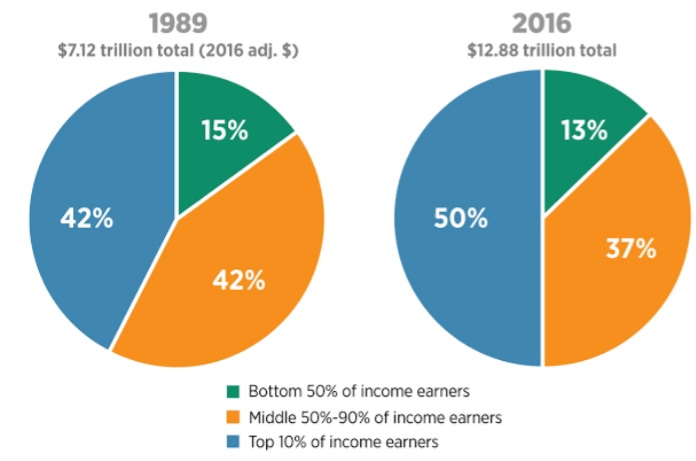
A case of social inequality. Let us turn to another kind of inequality, called ownership inequality a classic case of social inequality. In most of the societies, ownership over property and means of production rests mainly on male members . The law of inheritance provides such ownership rights on male child. Such denial coming out of hierarchical dualism within the family not only reduces the voice of women but also prevents them from participating in commerial, economic and social activites.
This kind of social deprivation means absence or lack of capability or because of ‘capability deprivation’, women are subject to various kinds of exploitation and unfreedoms. Social inequality distorts the process of development. Unfortunately, ownership inequality in any country is not of recent origin. In her earlier life, a woman comes under the influence of her father, then husband as she enters a married life and finally, under sons ownership right over property is skilfully avoided. A telugu proverbs corraborates this understanding: ” Bringing up a daughter is like watering a plant in anothers courtyard.”
4. Survival Inequality :
Another crudest from of gender disparity is the unusally high mortality rates of women , though biologically, women live longer than men! Thus more boys than girls are born evrywhere leading to a ‘ deficit’ of women and a ‘ surplus’ of men. In developed countries beacuse of absence of gender bias in health care and nutrition, women outnumber men. In Europe and in north America, 105 or more girls are born per 100 boys. Such high female- male genderd survival rate in different age groups.
5. Gender Bias in the Distribution of Education and Health :
Health and education are the major forms of human capital are realted to economic development . Human capital gets accumulated as a society advances in education . The contribution of human capital towards Japan’s remarkable economic progress attracts our attention . Improvement in health capital also improves the return to investments in education .
However, one finds a huge education and health gaps between developed and developing countries. In recent times, despite a large increase in econoc advancement on times, despite a large increase in economic advancement in asia and africa, these countries lag far behind the developed countries in terms of educational attainment particularly in respect of women’s education. Gender disparity not only hindrrs economic progress but also exacerbates social inequality.
6. Gender Inequality in Freedom Expression :
Let us talk about gender inequality beyond economic issues or factors. Women are not only subject to income or asset inequality but also in terms of freedom and power deprivation of women goes beyond one’s imagination. They lack not only economic freedom at home because of absence of autonomy in house hold decisions, limited or poor wages earned but also lack any freedom in airing opinions over education of children.
In some backward poor societies the right of women giving options is completely denied. Such un – freedoms, however, are not uncommon even among the educated elites who enjoy enormous power and authority in the male domined society. Historically , this sort of law socioeconomic status of women has been continuing nowasdays.
7. Gender Inequality in Respect of viloence and victimisation :
Finally, anti – female bias starts before the girl child is born and this attitide of the society a female member carries throughout her life. It is because of the unequal sharing of income, property, household benefits . Women are subject to both physical and sexual violence – the oppsite of freedom, and an extreme form of coercion. This is common for both poor and not too much uncommon in rich countries as well as among rich people. One in three women in the word is beaten or raped during her life times.
Dowry harassement is considered as an ‘ instrumental use’ of violence. Dowry death is the most serious form of domestic violenece. Wife beating is not uncommon. Sexual violence is an obnoxious form of human rights violation.
Specifically, public health can contribute to reducing health inequities by integrating health equity considerations into policy and programs, collebrating with other sectors to address inequities engaging with communities to support their efforts to adress inequities, identifying the reduction of health inequities.
Reducing inequality requires transformative change. Greater efforts are needed to eradicate ectreme poverty and hunger and invest more in health, education, social protection and decent jobs especially for young people, migrants and other vulnerable communities.
We should understand that women are the part and parcel of any family. When it comes to flexibility, they can manage their home and offices at the same time. If equal opportunities are not given to them, they will be led down and won’t be able to achieve big milestones which they are obviously capable of.
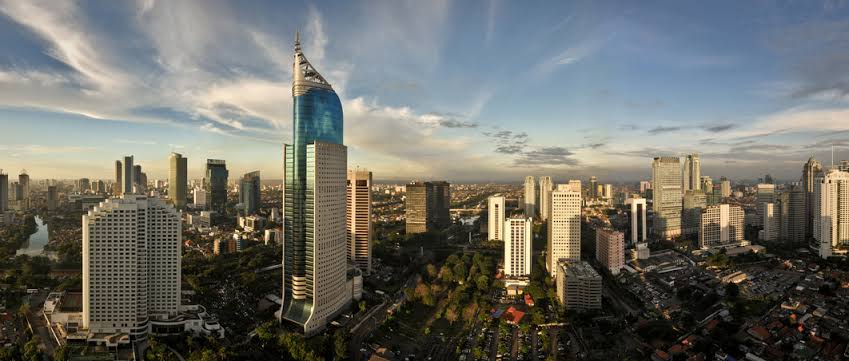
Officially Indonesia is a country in Southeast Asia and Oceania between the Indian and Pacific oceans.It is the world’s largest island country and the 14th-largest country by land area, at 1,904,569 square kilometres which consists of over seventeen thousand islands, including Sumatra, Java, Sulawesi, and parts of Borneo and New Guinea.Indonesia is the world’s fourth-most populous country and the most populous Muslim-majority country. Jakarta is the capital of Indonesia and it is the world’s second-most populous urban area.
HOW IS THE CLIMATE OF INDONESIA?
Basically Indonesia’s climate is almost entirely tropical.The coastal plains’ climate is average 28 °C, the inland and mountain areas are 26 °C, and the higher mountain regions, 23 °C. Temperature depends on the season, and through the change of seasons there is little change in the length of daylight hours.The main changeable thing is not Indonesia’s climate or air pressure, but rainfall. The area’s correlative humidity ranges between 70% and 90%. Although air temperature changes little from season to season or from one region to the next, cooler temperatures prevail at higher elevations. In general, temperatures drop approximately 1°C/90-meter increase in elevation.
Indonesia is a naturally tropical country, that’s why there are two seasons those are mainly Rainy and Dry, and it does not have spring, summer, autumn, or winter. In most of the country (including Java and Bali) the dry season is from April to October, while the wet season is from November to March.
PLACES TO VISIT –
There are many places to visit and each and every one is very beautiful. Indonesia is one of the world’s most beautiful places to visit and the most visited holiday destination. Let’s find out by my article what makes Indonesia so interesting !!
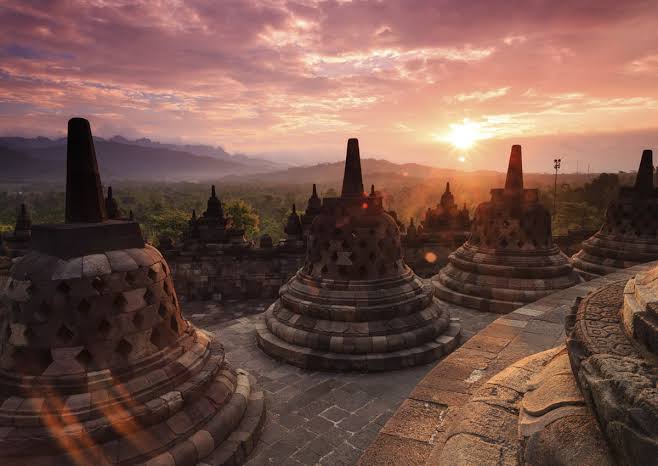
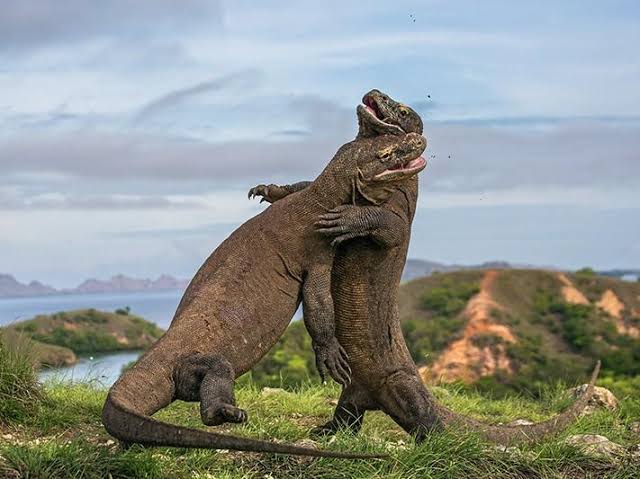
Gili Islands is for the best nightlife,Raja Ampat Islands for explore rare species of corals,Maluk Beach for witness the changing colors of sun rays,Kelimutu Lake for dramatic volcanic peaks,Lake Toba for largest caldera,Bunaken Marine Park for exotic range of fish species,Komodo National Park for giant monitor lizards,Mount Bromo for the active volcano,Mount Rinjani which is the second highest volcano of indonesia,Ijen for mining activities,Dieng Plateau which is an abode of god,Torajaland which relishes the culture,Borobudur Temple which is the world’s biggest buddhist sanctuary,Ubud for hike through rainforests & rice paddy fields,Tanjung Puting National Park for trekking in tropical jungle,Derawan Islands for relaxing & unwinding,Belitung for dutch colonial architecture,Nusa Dua for white sand beaches,Seminyak is the most happening place,Jakarta which is melting pot of cultures,Lombok is a stunning marine life,North Sulawesi is the best diving sites,Nusa Penida is offbeat yet spectacular,Bali which is cliche yet the best,Yogyakarta is a quaint little pretty place,Bandung is a different kind of calm,Bangka Islands is simply blissful and the Wae Rebo village is for iconic culture.
Indonesia city
LET’S TALK ABOUT 10 BEST PLACES IN INDONESIA-
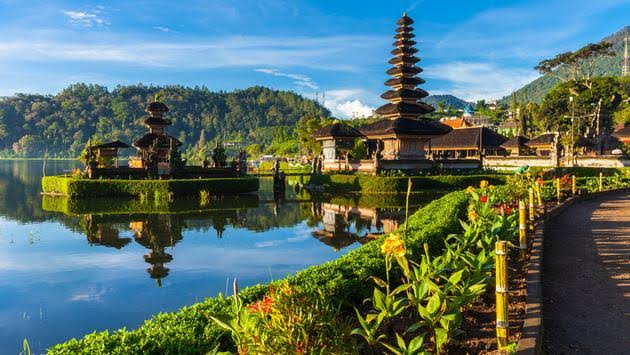
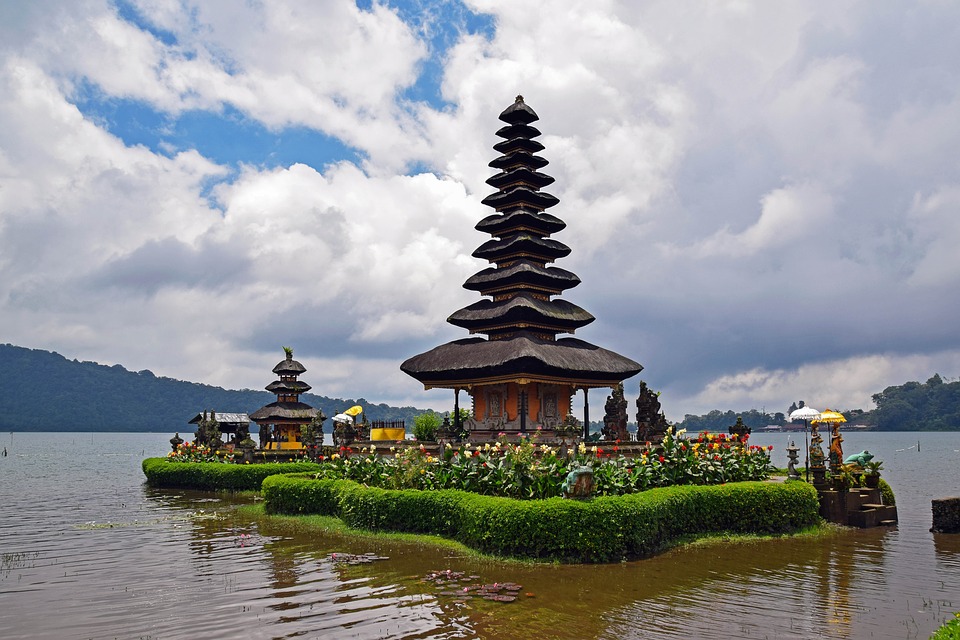
Bali- Bali is the most desirable place in Indonesia. We can say it is a dream destination. Bali is a fair of beautiful beaches, volcanic hills, lush rice paddies, and thousands upon thousands of Indonesian temples.It has the nickname “Island of God”.
Bali
Yogyakarta- It is located on the Island of Java. Yogyakarta is regarded as an important centre for classical Javanese fine arts and culture such as ballet, batik textiles, drama, literature, music, poetry, silversmithing, visual arts, and wayang puppetry.
Yogyakarta
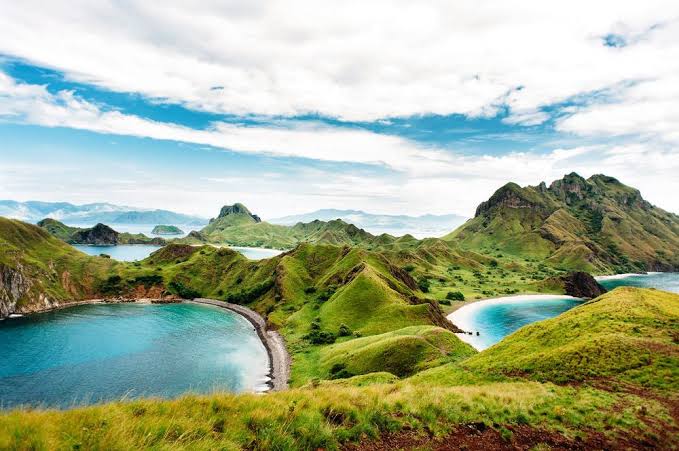
Komodo National Park- It is a national park which is located within the Lesser Sunda Islands in the border region between the provinces of East Nusa Tenggara and West Nusa Tenggara. It is founded to protect the world’s largest lizard. Now it protects other species, including marine species. In 1991 UNESCO declared it a World Heritage Site.
Komodo National Park
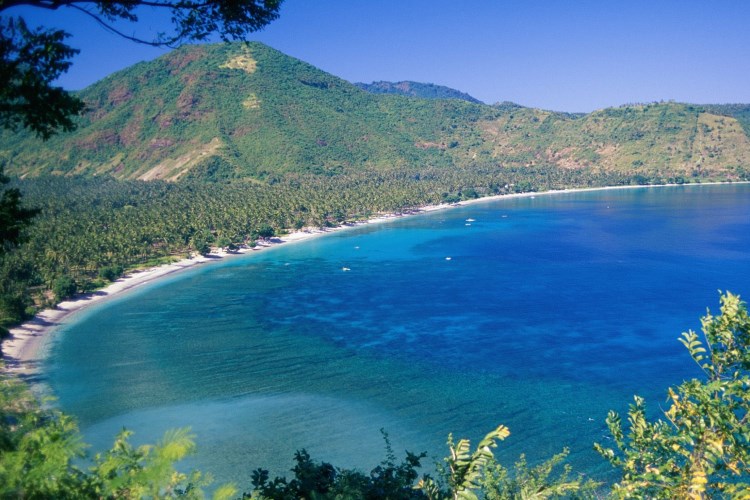
Lombok- It is an Island which is located in West Nusa Tenggara province.Lombok is surrounded by a number of smaller islands locally called Gili. Other interesting things are surfing hotspots, uncrowded beaches, and magical waterfalls tucked within steamy jungles, of which Tiu Kelep Waterfall tops the list without question.There’s also a fantastic nightlife scene.
Lombok
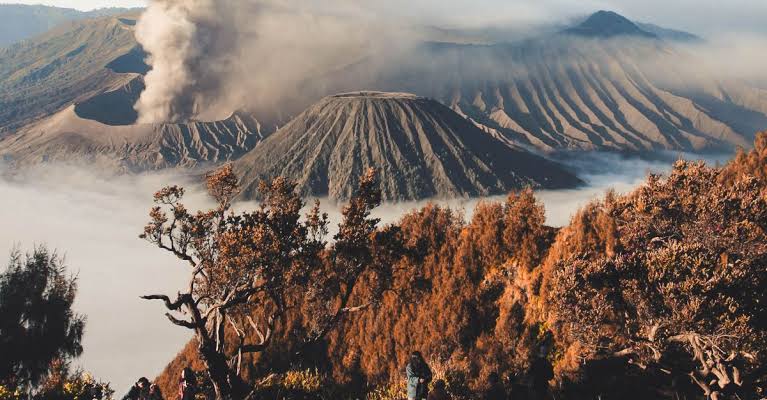
Bromo Tengger Semeru National Park- Bromo Tengger Semeru National Park, known locally as Taman Nasional Bromo Tengger Semeru (TNBTS) is a national park located in East Java. It is an ethereal yet barren wonderland of volcanic calderas seemingly continuously surrounded by smoke and clouds.
Bromo Tengger Semeru National Park
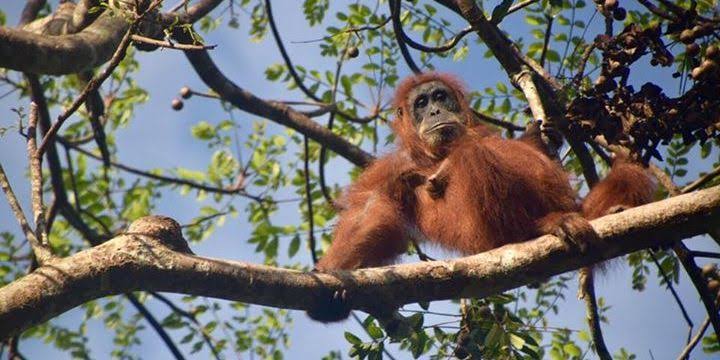
Bukit Lawang- It is a small tourist village on the bank of Bahorok River in North Sumatra province.Bukit Lawang is known for the largest animal sanctuary of Sumatran orangutan and also the main access point to the Gunung Leuser National Park from the east side.
Bukit Lawang
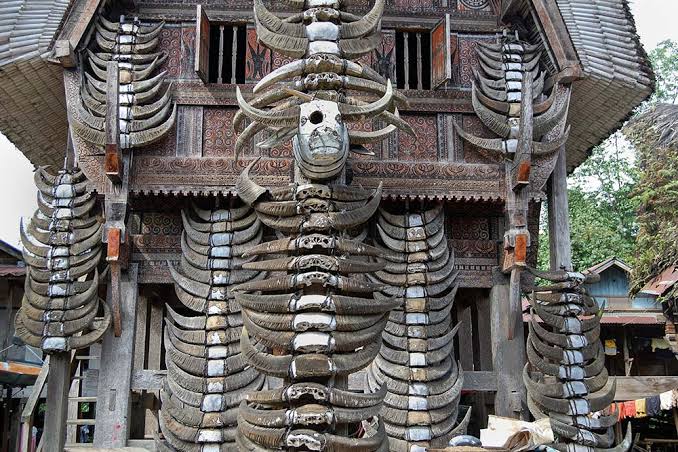
Torajaland- Nickname is ‘the Land of the Heavenly Kings,’it is famous for their massive peaked-roof houses known as tongkonan and spectacular but gruesome funeral rites. After a person’s death, the body is often kept for several years until the actual funeral ceremony. The deceased is then finally buried in a small cave or in a hollow tree. The biggest funerals are usually held in the dry-season months of July and August, but there are funerals year-round.
Torajaland
Flores Island- it is one of the Lesser Sunda Islands,The lakes are truly a sight to behold in every color you can think of – from browns and greens to aqua blue; colors caused by the minerals reacting to the gas of the region’s volcanoes. The Kelimutu three-colored lake is a must-see from the top of the volcano at sunrise.
Flores Island
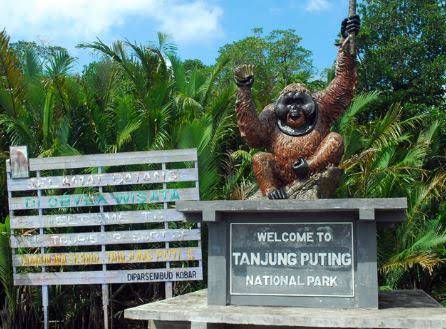
Tanjung Puting National Park- Located in the jungles of Borneo.The third-largest island in the world that’s part of Indonesia.
Tanjung Puting National Park
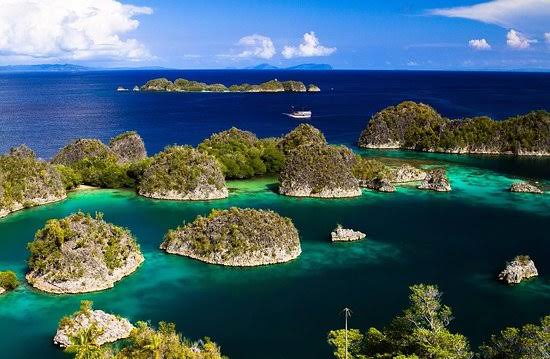
Raja Ampat Islands- Raja Ampat is one of the most sensational diving destinations in Indonesia. Raja Ampat, which means ‘Four Kings’. It consists of four major jungles.Clad islands surrounded by turquoise lagoons and pearly,white palm,fringed beaches like Waigeo,Salawati, Misool, and Batanta and along with thousands of smaller islands.
Bali is the only Hindu-majority province in Muslim-majority Indonesia, with 86.9% of the population adhering to Balinese Hinduism. Bali is a province of Indonesia and the westernmost of the Lesser Sunda Islands. In east of Java and waste lombok , there is a few smaller neighbouring islands, notably Nusa Penida, Nusa Lembongan, and Nusa Ceningan. The town of Ubud is known as Bali’s cultural center. The provincial capital, Denpasar, is the most populous city in the Lesser Sunda Islands and the second-largest, after Makassar, in Eastern Indonesia.
Scince the 1980’sIndonesia’s main tourist destination, with a significant rise in tourism. Tourism-related business makes up 80% of its economy. Bali is renowned for its highly developed arts, including traditional and modern dance, sculpture, painting, leather, metalworking, and music. Bali is part of the Coral Triangle, the area with the highest biodiversity of marine species especially fish and turtles. In this area alone, over 500 reef-building coral species can be found.
Why Bali is dream destination for all?
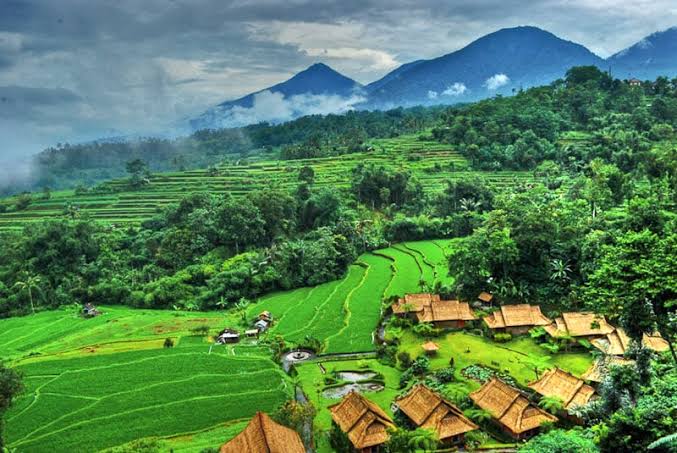
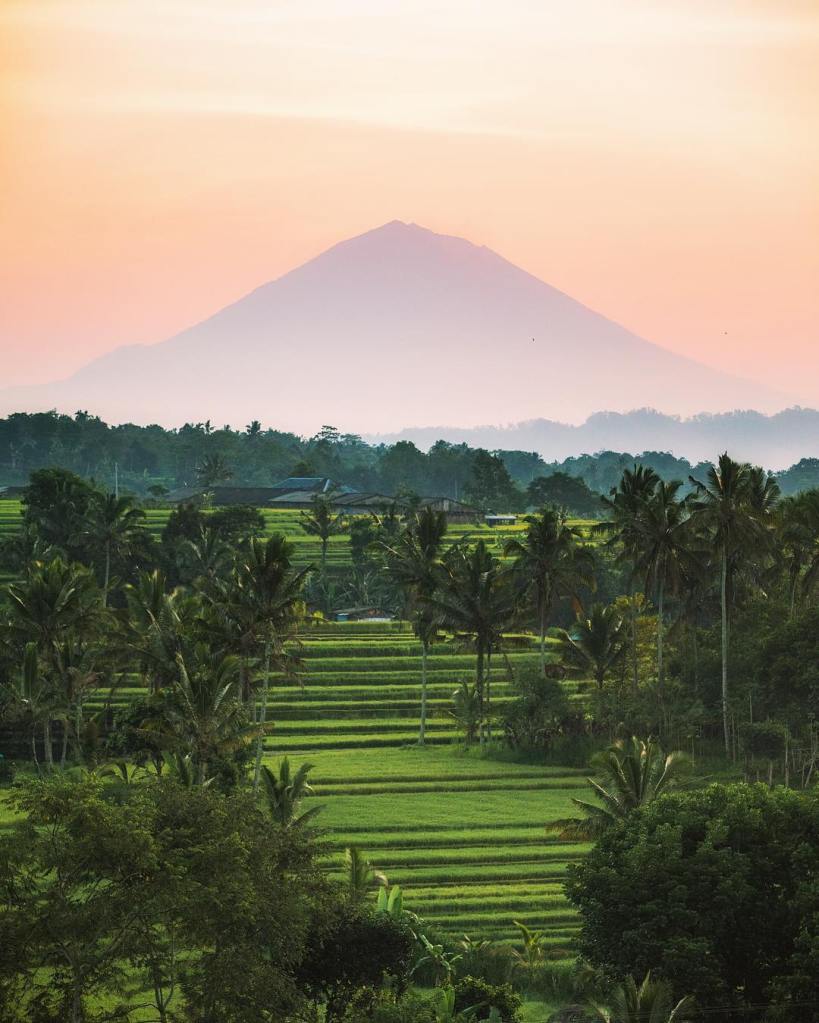
Bali has a ‘One-of-a-kind-wildlife’. Bali also has some most complex sites in the world. Beyond stunning beaches and magical temples, Bali has virtually every kind of natural beauty. Glorious mountainous areas with lush greenery, scenic lakes, gorgeous waterfalls, iconic rice fields, flower gardens, gushing sacred rivers and secret canyons all make up the island’s landscape.
Many people visit it for those mesmerizing beach places, exotic landscape and animals are also point of attraction. You can climb mountains, meet landscapes and swim a ocean life all together.
Bali, Indonesia
Is Bali cheap or expensive?
A visit to the island of Bali is essential part of any visit to Indonesia and must not be missed, but it would be wise to plan a separate budget for this portion of your trip. Bali is already the most expensive tourist destination in Indonesia and is slowly becoming more expensive as tourists discover more of Bali, but cheap food and accommodation are still widely available if you don’t mind basic accommodations, stick to your budget, and bargain respectfully for prices.The easiest way to save money is to leave the more popular destinations and head to the smaller towns and villages where tourists are still less frequent and you will save greatly on accommodations and food.
Why people say that Bail is cheap?
We usually hear about how low the prices are in Asia. Bali is one of the part of Asia. To make that day as real as possible, I found real restaurants and hotels. The prices are from real menus and stores can be found online. Besides that, Bali is extremely cheap because daily expenses are way lower than in other countries. Meals, hotels rooms, shopping, transport fees, and every other expense are all much cheaper. After reaching bail,it costs around $80 dollars per day to live a great life in Bali (as experiment says).
Top 5 must visit places in Bali :-
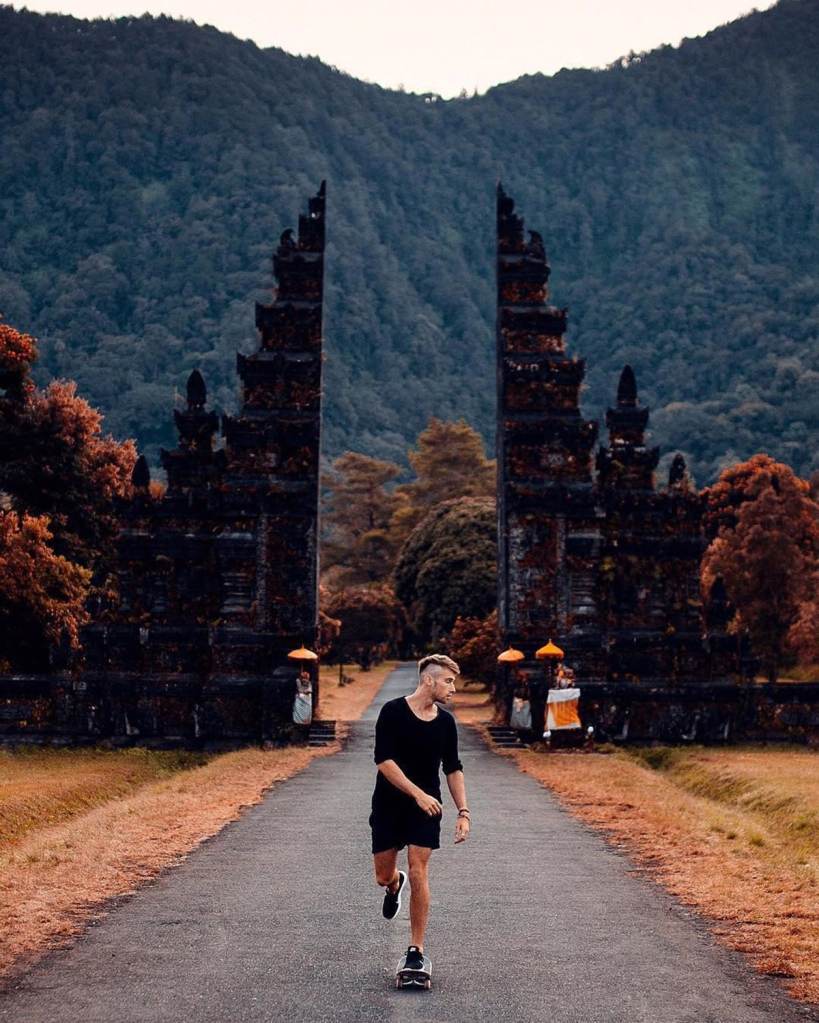
1. Handara Golf Course Gate
The iconic gate to a pathway to serenity has also become one of the hottest spots for Instagram posts lovers. Aside from the already gigantic exotic traditional Balinese gate, pamper your eyes and decorate your pictures with an amazing green surrounding and the silhouettes of green hills as your backdrop. With its beautiful green scenery and peaceful ambiance, it is no wonder people visiting Bali would squeeze this into their itinerary. If you are looking for a couple photoshoot then that’s your ultimate destination.
Handara Golf Course Gate
2. Ubud :-
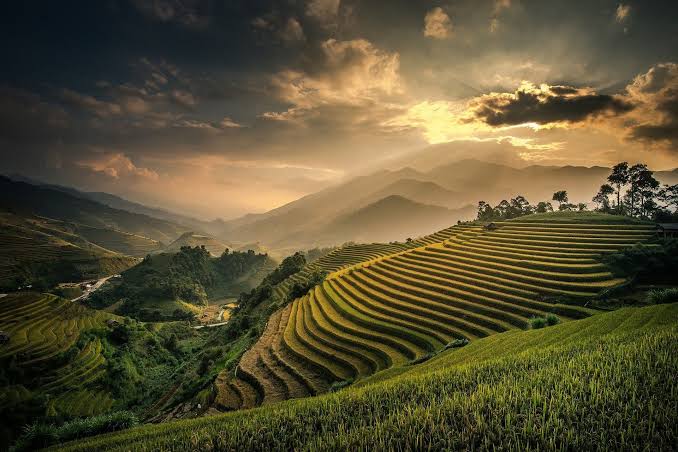
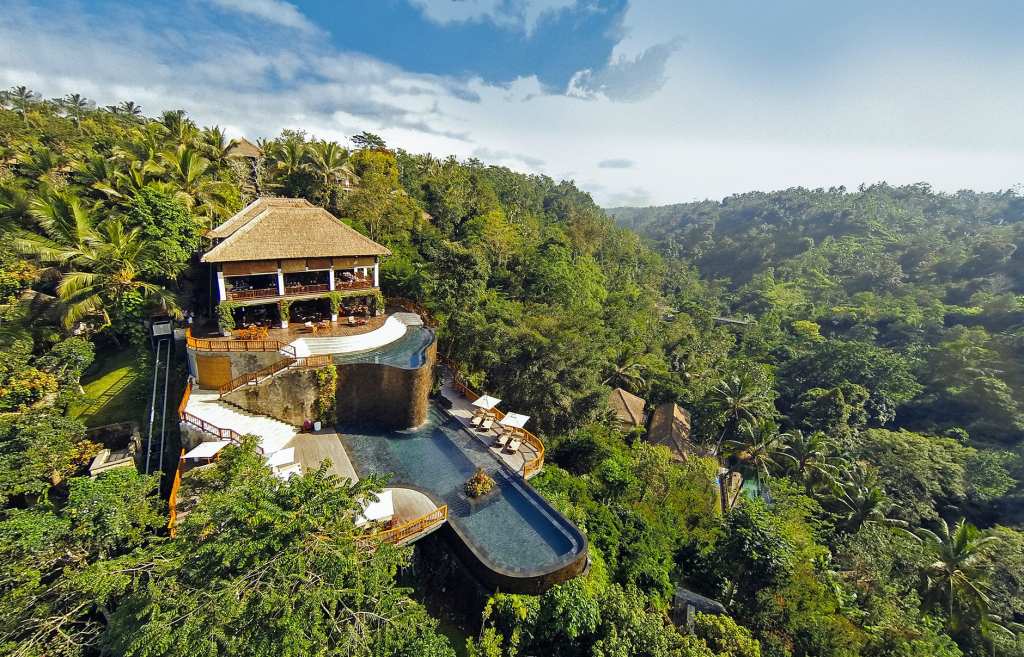
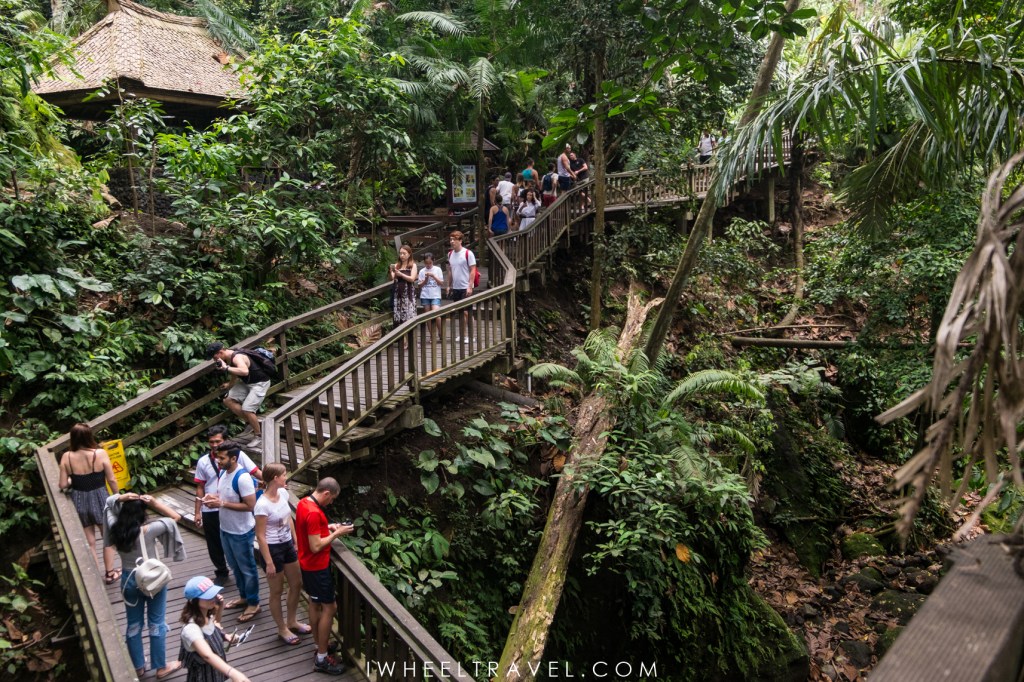
Ubud is the ultimate place to enjoy various traditional performances, from the notorious Kecak fire dance to local youths practicing their gamelan in the town hall. The surrounding Ubud District’s rainforest and terraced rice paddies, dotted with Hindu temples and shrines, are among Bali’s most famous landscapes. You can caught various surprise anywhere from the Royal Palace to public places and restaurants.
Hanging Garden Cottage, Ubud Ubud, Monkey Forest
3. The Bali Swing :-
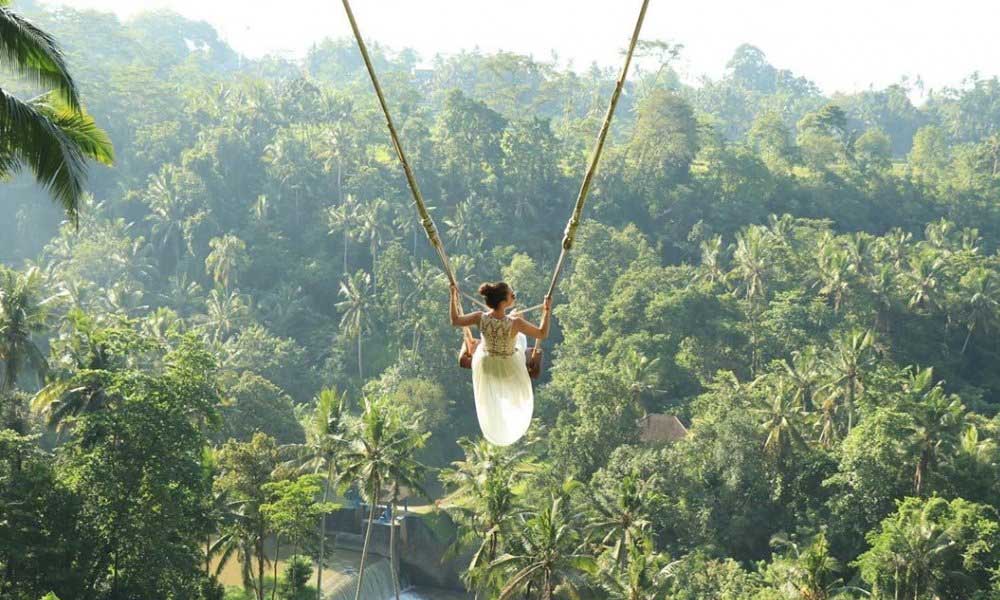
The Bali Swing is getting all the hype nowadays with people visiting just for the visitors nowadays. Be sure to visit at the right time because the hype with this spot and the stunning view attracts many visitors. Several different swings varying heights overlook a beautiful palm tree valley with a river. This gives out the real Balinese jungle ambiance that’ll mesmerized your heart. It is also important to click the right time for visti and best to check on the weather and best to go in the golden hours of the evening or early mornings with the soft light for the best picture effect.
Bail Swing
4. Tirta Ganga Water Palace :-
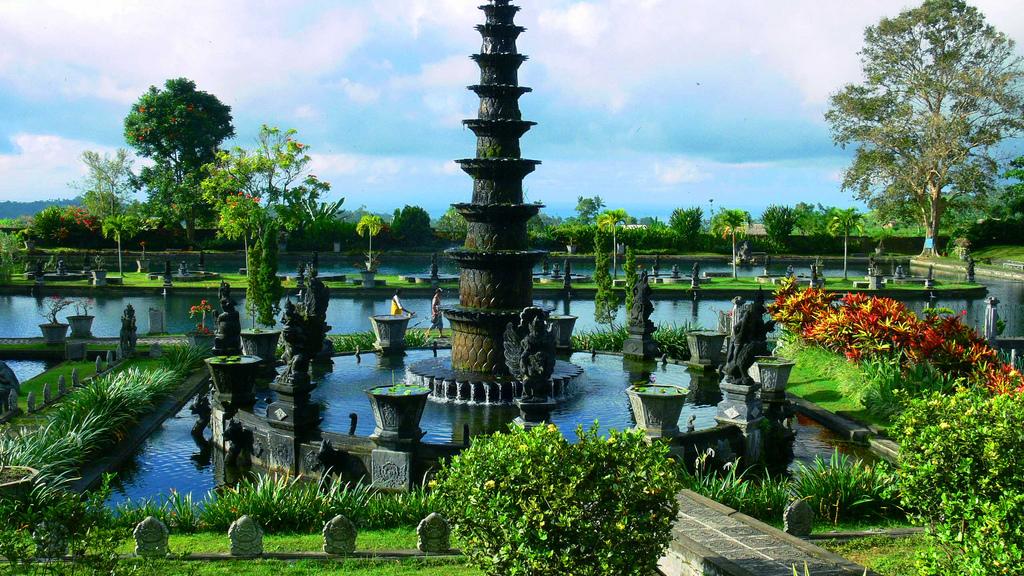
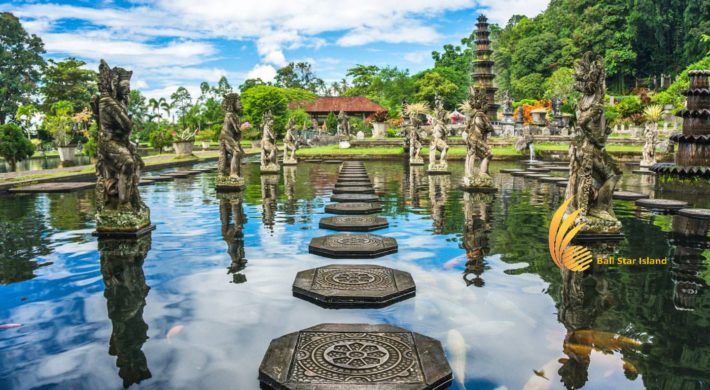
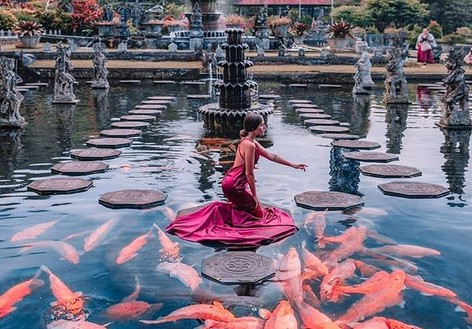
Famous for its lavish water garden, Tirta Gangga has become one of the destinations that attract many aesthetic enthusiasts to come and take pictures in. This is the most visited picture spot in Bail. The mystical ambiance of serenity from the traditional Balinese architecture will surely make impact in your soul. It is located in the village of Ababi, an approximate 75 km east of Denpasar.
Tirta Gangga TempleFish Pond
5. Kelingking Beach Nusa Penida :-
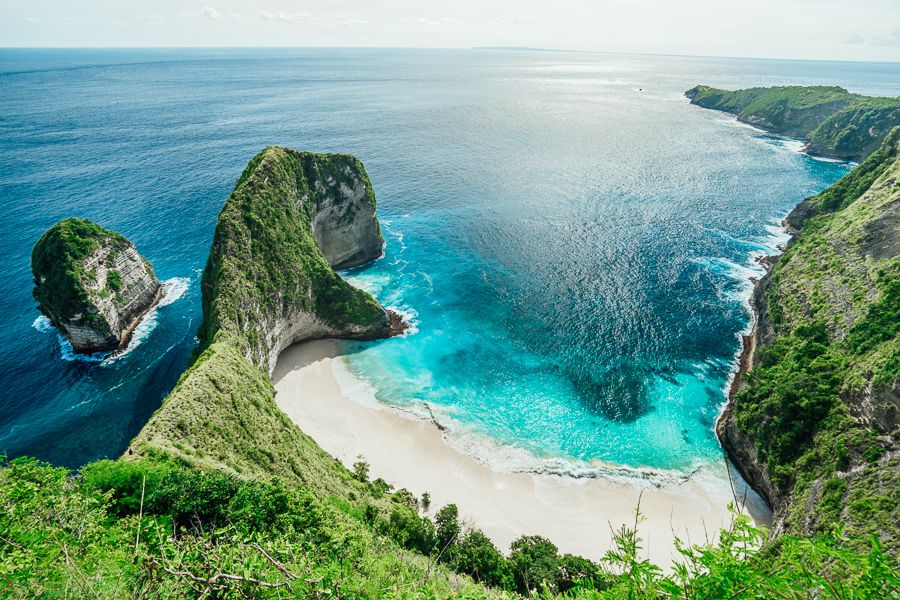
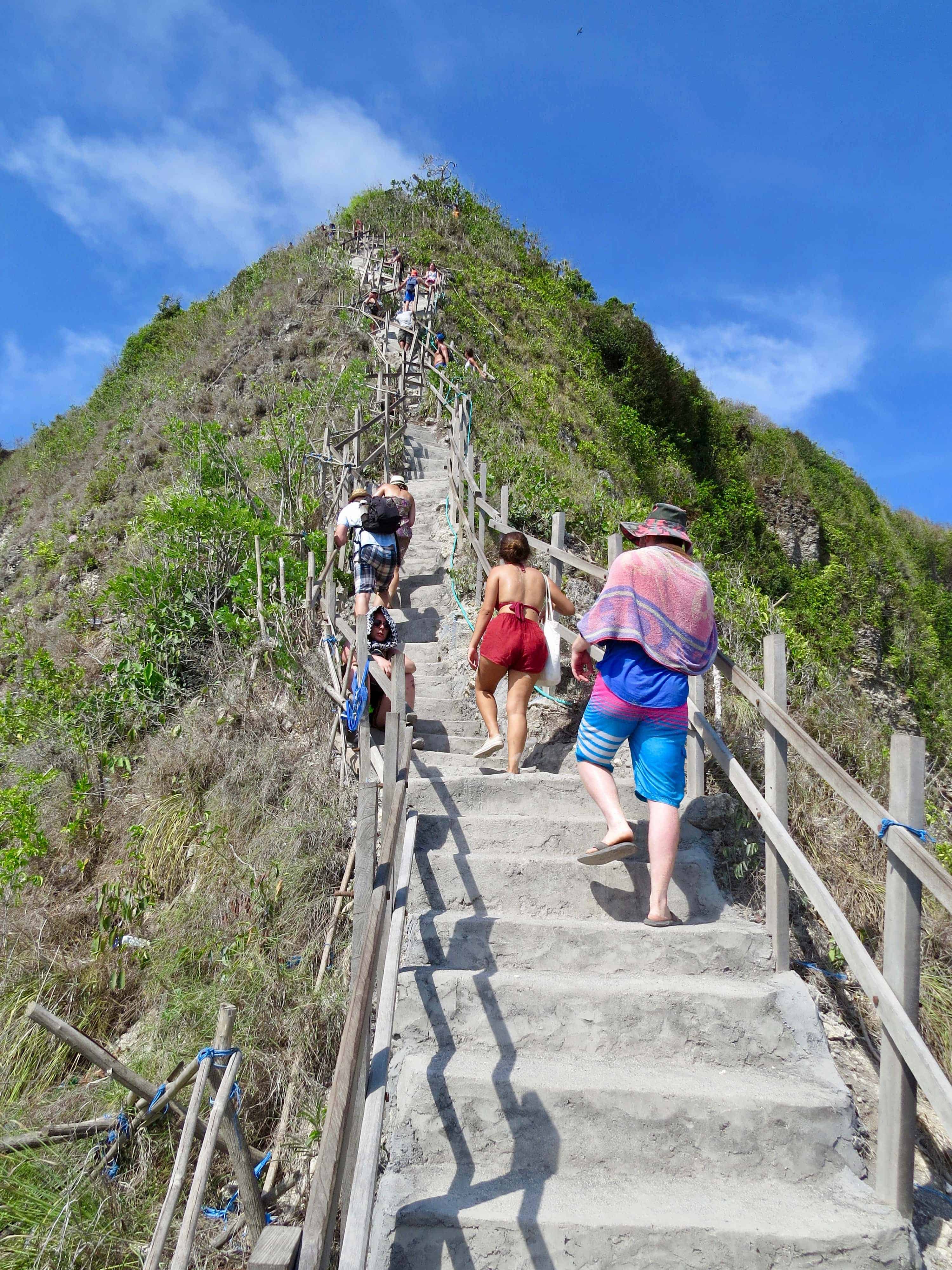
Bali has its fair share of stunning beaches and is even popular around the world because of these natural beauties. Kelingking Beach, however, brings it all up to a whole new level. You can also view the hidden beach of Kelingking in between these cliffs and only accessible through this climb then continuing down a short yet very steep descend through some stairs provided.As Bali’s most breathtaking places to visit, Kelingking Beach definitely deserves a spot on your must-do-list in Bali. The cliffs are steep and lack of maximum safety, but it is still a safe hike if you are careful of your steps. The sceneries on the viewpoint are out of this world with a view looking down to the clear blue waters and the obvious shape of the cliffs as a T-Rex.
Kelingking Beach stairs
After visiting all those places we must say Bail is worthy to be a ‘Dream Destination’. It’s actually incredible Bail, Indonesia.

















 Eduindex
You must be logged in to post a comment.