Banking Sector Growth

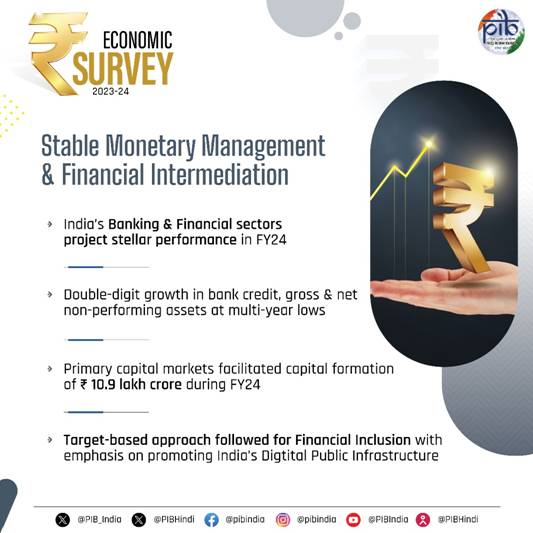
 Indian economy’s financial and banking sectors have shown strong performance despite continuous geopolitical challenges, said the Economic Survey 2023-24 tabled by Union Minister of Finance and Corporate Affairs, Smt. Nirmala Sitharaman in the Parliament today. The survey notes that the Central Bank maintained a steady policy rate throughout the year, with the overall inflation rate under control. The effects of the monetary tightening following the Russia-Ukraine conflict are evident in the lending and deposit interest rates increase among banks. Bank loans saw significant and widespread growth across various sectors, with personal loans and services leading the way.
Monetary Policy

The Monetary Policy Committee (MPC) maintained the status quo on the policy repo rate at 6.5 per cent in FY24. During the current tightening cycle, i.e., from May 2022 to May 2024, the external benchmark-based lending rate and the one-year median marginal-cost-of-funds based lending rate increased by 250 bps and 175 bps, respectively.

Important factors impacting the evolution of monetary and credit conditions during FY24 were the withdrawal of ₹2,000 banknotes (May 2023), the merger of HDFC, a non-bank, with HDFC Bank (July 2023), and the temporary imposition of the incremental CRR (I-CRR) (August 2023).

The growth in Broad Money (M3), excluding the impact of the merger of HDFC with HDFC Bank (with effect from 1 July 2023), was 11.2 per cent (YoY) as of 22 March 2024, compared to 9 per cent a year ago.

During FY24, 17 fortnightly Variable Rate Reverse Repo (VRRR) auctions and seven Variable Rate Repo (VRR) auctions were undertaken as the primary operation. In addition, 49 fine-tuning operations (25 VRRR and 24 VRR) were conducted intermittently, modulating liquidity conditions in alignment with the monetary policy stance, the survey notes.

Bank Credit

Credit growth remains robust, mainly driven by lending to services and personal loans.

Lending by non-banking financial companies (NBFCs) accelerated, led by personal loans and loans to the industry, and their asset quality improved. Credit disbursal by SCBs stood at ₹164.3 lakh crore, growing by 20.2 per cent at the end of March 2024, compared to 15 per cent growth at the end of March 2023.

Agricultural credit increased nearly 1.5 times from ₹13.3 lakh crore in FY21 to ₹20.7 lakh crore in FY24. The Kisan Credit Card (KCC) scheme played a pivotal role in providing timely and hassle-free credit to farmers, with over 7.4 crore operative KCC accounts at the end of 2023.

Industrial credit growth picked up in H2 of FY24, registering 8.5 per cent growth in March 2024, compared to 5.2 per cent a year ago, driven by an increase in bank credit to small and large industries.

Improving credit flow to the MSME sector at low cost has been a policy priority of the Government and RBI. Bank credit disbursal to the services sector remained resilient despite a slowdown in credit growth to NBFCs Credit disbursal for housing loans increased from ₹19.9 lakh crore in March 2023 to ₹27.2 lakh crore in March 2024.

Banking Sector

There has been a significant enhancement in the asset quality of banks, led by improved borrower selection, more effective debt recovery and heightened debt awareness among large borrowers. In addition to regulatory capital and liquidity requirements, qualitative metrics such as enhanced disclosures, robust code of conduct, and transparent governance structures also improved banking performance.

The gross non-performing assets (GNPA) ratio of SCBs continued its downward trend, reaching a 12-year low of 2.8 per cent at the end of March 2024 from its peak of 11.2 per cent in FY18.

The macro-and micro-prudential measures by RBI and the Government have enhanced risk absorption capacity in recent years, improving the banking system’s stability. For the top 10 Indian banks in asset size, loans constitute more than 50 per cent of their total assets, making banks immune to the rising interest rate cycle.

In the eight years since 2016, 31,394 corporate debtors involving a value of ₹13.9 lakh crore have been disposed of (including pre-admission case disposals) as of March 2024. ₹10.2 lakh crore of underlying defaults were addressed at the pre-admission stage.

The Government has taken several measures to improve the insolvency ecosystem. It has strengthened the NCLT regarding infrastructure, increasing its strength by filling vacancies and proposing an integrated IT platform. The regulations have been amended to keep in line with the needs of the markets and the advances in judicial pronouncements, the survey notes.

Strong Primary Markets

The Survey highlights the remarkable expansion of Indian capital markets. Capital markets have shown impressive results, with India’s stock market capitalisation to GDP ratio ranking fifth globally.

Primary markets remained robust during FY24, facilitating capital formation of ₹10.9 lakh crore (which approximates 29 per cent of the gross fixed capital formation of private and public corporates during FY23), compared to ₹9.3 lakh crore in FY23. Fund mobilisation through all three modes, viz., equity, debt, and hybrid, increased by 24.9 per cent, 12.1 per cent and 513.6 per cent, respectively, in FY24 compared to the previous year.

The number of initial public offers (IPOs) increased by 66 per cent in FY24 from 164 in FY23 to 272 in FY24, while the amount raised grew by 24 per cent (from ₹54,773 crore in FY23 to ₹67,995 crore in FY24). The corporate debt market in India is going from strength to strength. During FY24, the value of corporate bond issuances increased to ₹8.6 lakh crore from ₹7.6 lakh crore during the previous financial year. The number of corporate bonds public issues in FY24 was the highest for any financial year so far, with the amount raised (₹19,167 crore) at a four-year high. Increasing investor demand and the rise in the cost of borrowing from banks have made these markets more attractive for corporates for funding requirements.

Robust Secondary Markets

Indian stock market was among the best-performing markets, with India’s Nifty 50 index ascending by 26.8 per cent during FY24, as against (-)8.2 per cent during FY23. The Survey says that the exemplary performance of the Indian stock market compared to the world can be primarily attributed to India’s resilience to global geo-political and economic shocks, its solid and stable domestic macroeconomic outlook, and the strength of the domestic investor base.

The Indian capital markets have seen a surge in retail activity in the last few years. The registered investor base at NSE has nearly tripled from March 2020 to March 2024 to 9.2 crore as of 31 March 2024, potentially translating into 20 per cent of the Indian households now channelling their household savings into financial markets. The number of demat accounts rose from 11.45 crore in FY23 to 15.14 crore in FY24.

FY24 has been a spectacular year for Mutual Funds as their Assets under Management (AuM) increased by ₹14 lakh crore (YoY growth of 35 per cent) to ₹53.4 lakh crore at the end of FY24, boosted by mark-to-market (MTM) gains and expansion of the industry.

Economic Survey notes that the significant increase in retail investors in the stock market calls for careful consideration as there is the possibility of overconfidence leading to speculation. It says that the firms operating in banking and capital markets must keep the interests of the consumers in mind through fair selling, disclosure, transparency, reliability, and responsiveness.

Progress of financial inclusion

The Survey highlights that the Government has prioritised delivering financial services to the last mile. The number of adults with an account in a formal financial institution increased from 35 per cent in 2011 to 77 per cent in 2021. Not only there is a decline in the access gap between the rich and the poor but the gender divide in terms of financial inclusion has also narrowed.

Survey notes a shift in focus of the financial inclusion strategy in the country, from ‘every household’ to ‘every adult,’ with added emphasis on direct benefit transfer (DBT) flows, promoting digital payments using RuPay cards, UPI123 etc.

Highlighting the progress of financial inclusion so far in the country, the survey says that India is among the fastest-growing fintech markets in the World, hailing as the third-largest growing fintech economy. A key enabler of this financial inclusion drive has been the digitalisation of the financial system, which the survey terms “transformative”. ‘Digital financial inclusion (DFI)’ is the next big target of the government. The survey says that the COVID-19 pandemic gave further momentum to Digital financial inclusion (DFI) when the most vulnerable and excluded citizens were severely affected.  Some flagship schemes such as the Digital India Mission, Make-in-India, Aadhaar, e-KYC, Aadhaar-enabled Payment System, UPI, Bharat QR, DigiLocker, e-sign, Account Aggregator, Open Network for Digital Commerce, etc came to the rescue.

The success of UPI has been enhanced by the expansion of smartphone usage in India, with more than 116.5 crore smartphone subscribers as of 31 March 2024. The value of transactions conducted on the UPI platform has increased multifold from ₹0.07 lakh crore in FY17 to ₹200 lakh crore in FY24.

Microfinance has been playing an essential role in meeting low-income households’ credit needs by providing affordable doorstep services. Globally, the Indian microfinance sector is the second largest after China in terms of number of borrowing customers in India, which are about three times that of the next biggest market, i.e., Indonesia.

Insurance sector

The survey says that the insurance sector has seen a remarkable growth. India is poised to emerge as one of the fastest-growing insurance markets in the coming decade. Economic growth, an expanding middle class, innovation, and regulatory support have driven insurance market growth in India. Non-life premium growth moderated slightly from 9 per cent in FY22 to an estimated 7.7 per cent in as the market stabilised after the pandemic.  Recently, Ayushman Bharat Pradhan Mantri Jan Arogya Yojana (AB-PMJAY) achieved a milestone of generating 34.2 crore Ayushman cards across India, with 49.3 per cent of them held by females.

Pension sector

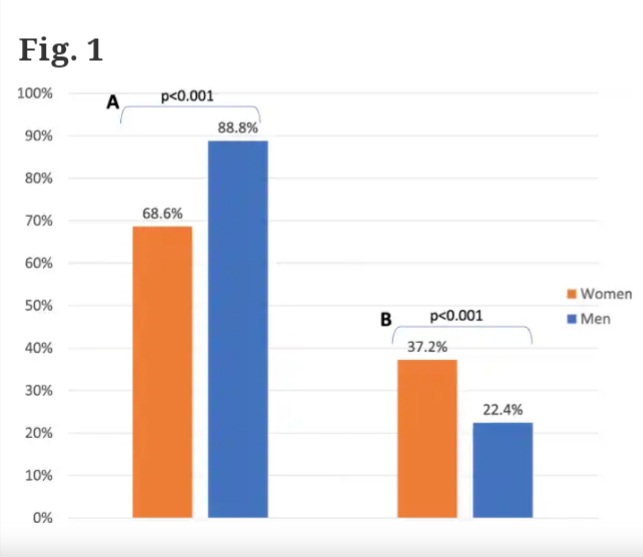
Talking about the developments in the pension sector, the survey states that India’s pension sector has expanded since the introduction of the National Pension Scheme (NPS) and, more recently, the Atal Pension Yojana (APY). The total number of subscribers stood at 735.6 lakh as of March 2024, registering a YoY growth of 18 per cent from 623.6 lakh as of March 2023. The total number of APY subscribers (including its earlier version, NPS Lite) increased from 501.2 lakh as of March 2023 to 588.4 lakh as of March 2024. APY subscribers account for around 80 per cent of the pension subscriber base. APY subscribers have witnessed an improvement in gender mix, with female subscriber share rising from 37.2 per cent in FY17 to 48.5 per cent in FY23.

The survey also mentions the mechanisms to ensure regulatory coordination and overall financial stability, which should withstand unforeseen shocks so that there is a high degree of confidence. It recognizes the key role of Financial Sector Development Council (FSDC) to deal with a wide range of issues relating to financial stability and financial sector development. 

*****
Bank card for children: why it is worth issuing it

 Digital banking money management is the best way to learn by doing. Without even noticing it, kids start budgeting intuitively. If you have a daughter or son under the age of 18, then a child bank card can be a great alternative to cash. You have the opportunity to replenish it at any time, controlling expenses conveniently and simply.

Bank card for children: why it is worth issuing it

Many people choose to give their kids cash as pocket money, and there’s nothing wrong with that. Children’s bank cards have clear advantages. The most obvious way is to teach them how money and banking work in the real world, and help them (and you) keep track of how much they spend. The control often appeals to many parents, as depending on the card you choose, you may even receive text notifications each time your child makes a payment, detailing what they bought and how much it costs.
In addition, it is much safer than cash. Such bank cards from 14 years old, contactless payment is supported. You can easily use your smartphone, which provides a high degree of security, as well as a guarantee that the savings will not be lost. You can check your account balance at any time. The WestStein Prepaid Card is completely free. Gives the child the necessary skill in the modern world of digitalization of society. He or she learns how to properly and rationally manage financial resources.


How to order a prepaid Mastercard

One of the parents must open an account on our website. You must specify the physical and email addresses, contact phone number, full name. After registration, access to your personal account opens. Now you have a virtual debit card that you can use for personal purposes.
bank card for a child will be linked to an open online account of his mother or father. We recommend that adults first familiarize themselves with the tariffs, additional features. Have a conversation with a young user, show with a real example how he or she can buy something in online stores, what dangers are possible and so on. Help me come up with a PIN to make it memorable. Our support experts are ready to provide the information you need and answer all your questions.

Regional Rural Banks of Northern Region

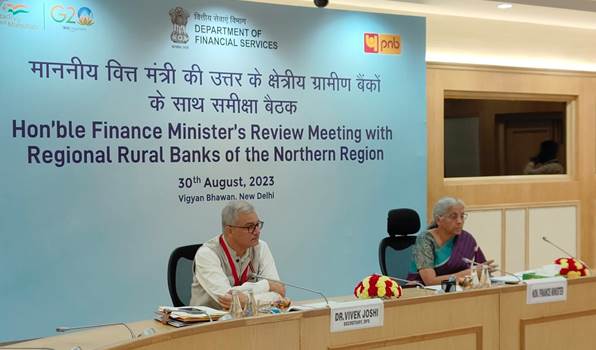
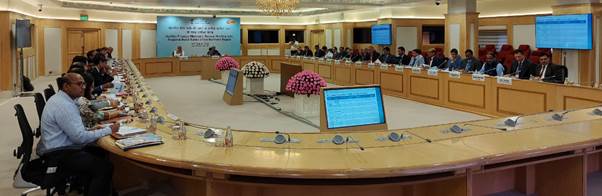
 Union Finance Minister Smt. Nirmala Sitharaman chaired a review meeting of Regional Rural Banks of Northern Region in New Delhi, today.

During the review meeting, the Union Finance Minister emphasised on digital capability upgradation of RRBs and instructed Managing Director & CEO, Punjab National Bank (PNB) to ensure that all RRBs with PNB acquire digital onboarding capability by 1st November 2023.

Finance Minister Smt. Sitharaman urged the RRBs to undertake removal of duplication of Pradhan Mantri Jan Dhan Yojana (PMJDY) accounts and facilitate storage facility for apple growers particularly in J&K and Himachal Pradesh.

The Union  Finance Minister also said that banks should map RRBs with MSME clusters and put greater thrust on increasing network of rural branches in cluster areas identified by the Ministry of Micro, Small and Medium Enterprises.

Finance Minister Smt. Sitharaman further emphasised on increasing penetration under Pradhan Mantri Mudra Yojana (PMMY) and Financial Inclusion and stated that a roadmap has to be prepared for completing the designated activities in a timebound manner. 

Also present during the meeting were Secretary, Department of Financial Services (DFS), Additional Secretary, other senior DFS officials, representatives of RBI, respective State Governments, NABARD, sponsor Banks and RRBs.

****

India Post Payments Bank continues profit streak with sustained growth

 Making a transformative milestone in the realm of banking services, India Post Payments Bank (IPPB) proudly declares the continuation of its profit streak, reiterating its steadfast dedication to sustainable financial inclusion and citizen empowerment. Celebrating maiden profit journey last financial year and continuing of a successful profit run with the close of first-quarter this financial year, the IPPB is wholeheartedly committed to driving the Digital India initiative, ensuring no one is left behind, even in the remotest corners of the country.

Since its foundation, the IPPB has been motivated by the dream of extending doorstep banking services to millions of households nationwide. The journey began with pilot branches launched in Ranchi, Jharkhand and Raipur, Chhattisgarh in the year 2017 and witnessed unprecedented success in a remarkably short span to make it a dominant banking service provider at the last mile.

The IPPB is delighted to share the extraordinary accomplishment of generating a net profit of Rs. 20.16 crore during financial year 2022-23, culminating in a year of tremendous progress for the bank. A growth of 66.12 per cent in overall revenue was witnessed, which surpassed an increase in overall operating costs of 17.36 per cent, were the main factors in this accomplishment, demonstrating the power of IPPB’s customer-centric and cost-effective banking model.

“The IPPB’s success story is a testament to the collective efforts of our dedicated team, stakeholders, and most importantly, the trust of our family consisting of more tthan seven crore valuable customers,” quoted Shri J Venkatramu, MD & CEO, India Post Payments Bank. “Thanks to the slew of policy initiatives like Jan Dhan, Aadhaar, India Stack, etc & regulatory push like differentiated banking category, e-KYC, etc in the domain of financial inclusion that contributed tremendously in propelling IPPB’s success story. The bank’s prudent financial management, backed by regulatory support, has paved the way for exponential growth in customer base and product offerings,” he added.

Today IPPB has become the Most Accessible, Affordable and Trusted Bank for the unbanked & underbanked common man in India by leveraging the World’s Largest Postal Network comprising 1,55,000 Post Offices (1,35,000 in rural areas) and 3,00,000 postal employees, aided amply by the country’s Digital Public Infrastructure in delivering citizen centric financial services to the common man at their doorstep. Thus, a PHYGITAL Banking Service platform at a national scale has been created, with a differential positioning, envisaged to operate where traditional banking failed to catch up owing to conventional barriers.

This journey to profit with a purpose has been a collective effort. IPPB is indebted to tireless services of the Postmen/Gramin Dak Sevaks who have immensely contributed to the journey. IPPB will continue to sow seeds of financial prosperity with newly introduced services including loan referral services, low cost health & accidental products like Antyodaya Shramik Suraksha Yojana for Shramyogis registered on e-Shram portal, Digital Life Certificate to pensioners, citizen services initiatives like Aadhaar-mobile update, child Aadhaar enrolment, Aadhaar based banking transactions (AePS), enabling citizen access to govt. Direct Benefit Transfer programmes like PM KISAN etc. It’s initiatives like ‘Niveshak Didi’ has been able to reach to women beneficiaries across countries and helped them in providing much needed financial literacy to lay strong foundation of empowered India of the future.

Going forward, the IPPB aims to transform itself into a Universal Service platform bridging the last mile accessibility gaps using Digital Public Infrastructure.

About India Post Payments Bank

Communication with 100 per cent equity owned by Government of India. The IPPB was launched by the Prime Minister Shri Narendra Modi on September 1, 2018. The bank has been set up with the vision to build the most accessible, affordable and trusted bank for the common man in India. The fundamental mandate of India Post Payments Bank is to remove barriers for the unbanked & underbanked and reach the last mile leveraging the Postal network.

The IPPB’s reach and its operating model is built on the key pillars of India Stack – enabling Paperless, Cashless and Presence-less banking in a simple and secure manner at the customers’ doorstep, through a CB—integrated smartphone and biometric device. Leveraging frugal innovation and with a high focus on ease of banking for the masses, IPPB delivers simple and affordable banking solutions through intuitive interfaces available in 13 languages.

It is committed to provide a fillip to a less cash economy and contribute to the vision of Digital India. India will prosper when every citizen will have equal opportunity to become financially secure and empowered. Our motto stands true – Every customer is important, every transaction is significant and every deposit is valuable.

*****

Urban Co-operative Banks (UCBs) in the country

  To realise Prime Minister Shri Narendra Modi’s vision of ‘Sahakar se Samridhi, four important initiatives have been taken to strengthen 1,514 Urban Co-operative Banks (UCBs) in the country. Pursuant to detailed discussions held by Union Home Minister and Minister of Cooperation Shri Amit Shah, with Finance Minister Smt. Nirmala Sitharaman and Governor, Reserve Bank of India, the RBI has notified these vital measures to strengthen Urban Co-operative Banks.

1. In order to expand their business, Urban Cooperative Banks (UCBs) can now open new branches.

UCBs can now open new branches up to 10% (maximum 5 branches) of the number of branches in the previous financial year without prior approval of RBI in their approved area of operation. In order to avail this facility, UCBs have to get the policy approved by their board and comply with the Financially Sound and Well Managed (FSWM) Norms.

2.      UCBs can also do One Time Settlement at par with Commercial Banks

RBI has notified a framework governing this aspect for all regulated entities including Urban Co-operative Banks. Now co-operative banks through board-approved policies may provide process for technical write-off as well as settlement with borrowers. This has brought cooperative banks at par with other commercial banks now.

3.      Revised timelines for PSL targets given to UCBs

The Reserve Bank of India has decided to extend the timeline for UCBs to achieve Priority Sector Lending (PSL) targets by two years i.e. up to March 31,2026. Deadline of March 31, 2023 to achieve PSL target of 60% has now also been extended to March 31,2024.The excess deposits, if any, after clearing the shortfall of PSL during FY 2022-23 will also be refunded to UCB.

Since UCB work in urban areas unlike commercial banks who have branches in rural areas as well, they were facing hardships on this score.

4.      Designating a Nodal Officer in RBI

    In order to meet the long pending demand of the cooperative sector for closer coordination and focused interaction, RBI has recently notified a nodal officer as well.

The above initiatives will further strengthen the Urban Co-operative Banks. Under the leadership of Prime Minister Shri Narendra Modi, the Ministry of Cooperation is committed to strengthen cooperatives and treat them at par with other forms of economic entities, both as beneficiaries and participants.

*****
Digital Banking

Digital Banking has completely changed the way we bank in today’s times. With Digital Banking, you can transact with higher speed, ease and convenience.

What is Digital Banking? 

In simple terms, Digital Banking means availability of all banking activities online. Here, you have the luxury to freely access and perform all traditional banking activities 24*7 without having to personally go to a bank branch to get your work done. Some of the major online banking activities include-

(1) Money Deposits, Withdrawals, and Transfer
(2) Checking/Savings Account Management
(3) Applying for Financial Products
(4) Loan Management
(5) Bill Payment
(6) Account Services

Many banks also offer other integrated services like investing in Mutual Funds and other investment options online. Thus, making Digital Banking a widely used concept.

Digital Banking in India

Digital Technology has drastically changed the way banks interact with us. Similarly, it has completely changed the way we transact and interact with the bank. This is especially true in the case of a booming technological and financial economy like India, where more and more people are being connected to Digital Banking Platforms with each passing day. 

With Digital Banking you can perform every transaction, from start to end in a seamless, secure manner. You can withdraw money, deposit money, apply for loans, invest in Mutual Funds- all at a click of a button.

With the introduction of mobile banking you can perform transactions on the go. Mobile banking is a convenient and easy way to finish your transactions. For example, you can do over 125 transactions through HDFC Bank’s mobile banking app. 

The latest addition to mobile banking feature is the Mobile Banking LITE app.The HDFC Mobile Banking app can work without an internet connection, italso doesn’t take up too much space and is quick to install over slow connections. It’s a safe and secure way of making transactions on the go.

Digital Banking services are offered by all major retail banks in the country today and have, in fact, become an integral part of their services. So, one can now bank from the ease of one’s home, with the convenience of smartphone screens.

(1) Indian Financial System Code (IFSC)
The Indian Financial System Code (IFSC) is an 11-character code in alphanumeric format to uniquely identify all bank branches within the NEFT, RTGS, and the Immediate Payment Service (IMPS) network within India. This code is printed on every cheque leaf in your personal or company chequebook. To transfer funds to an account electronically, the receiver must share his IFSC code as it identifies the receiver bank and branch.Magnetic Ink Character Recognition (MICR)
Magnetic Ink Character Recognition (MICR) is a technology used to verify the legitimacy or originality of paper documents, especially cheques. A special ink sensitive to magnetic fields is used in the printing of certain characters. Every bank branch has a unique MICR code, which helps the RBI speed up the cheque clearing process, with MICR readers.

(2)Magnetic Ink Character Recognition (MICR)
Magnetic Ink Character Recognition (MICR) is a technology used to verify the legitimacy or originality of paper documents, especially cheques. A special ink sensitive to magnetic fields is used in the printing of certain characters. Every bank branch has a unique MICR code, which helps the RBI speed up the cheque clearing process, with MICR readers.

(3) Electronic Clearing Service (ECS)
Electronic Clearing Service (ECS) is another method of transferring funds from one bank account to another. It is most often used to pay regular bills (telephone, mobile, credit card, electricity, etc, to make EMI payments (Personal, Car, Home Loan), and SIP investments. This is done by invoking the auto debit facility. ECS is also used by entities for payment of salaries, pensions, distribution of dividend interest etc.

(4) Immediate Payment Service (IMPS)
Since NEFT may not be available for use on weekends and bank holidays, you could try using IMPS or Immediate Payment Service. The service is available 24X7. The minimum transfer value is Rs 1 and the maximum value is Rs 2 lakh.
But to use this service, you will need to register via your bank and provide the mobile number and MMID of the beneficiary as IMPS transfer can also be done through mobile phones. Mobile Money Identifier (MMID) is a seven-digit unique number issued by the bank.

(5) National Electronic Funds Transfer (NEFT)
The National Electronic Funds Transfer (NEFT) system allows individuals, companies, and other entities to transfer funds electronically from one bank to another within India. Normally, funds from the remitting bank will be sent to the RBI within three hours of the transaction. However, the time taken to credit the beneficiary bank’s branch account depends on how long it takes the bank to process the transaction. It should be noted that NEFT operates only during business hours on weekdays. NEFT transactions cannot be done on Sundays, bank holidays, and second and fourth Saturdays of the month. The minimum transfer value is Rs 1 and there is no upper limit.

(6)Real Time Gross Settlement (RTGS)
Another method for transferring money electronically, from bank to bank, within the Indian banking system is Real Time Gross Settlement (RTGS) scheme, where the minimum amount for each transaction is Rs 2 lakh and there is no upper limit. The beneficiary account receives the money immediately.
The RTGS system is primarily meant for large value transactions.With effect from 00:30 hours on December 14, 2020, RTGS facility is available round the clock on all days i.e. 24 hrs. India one of the few countries to operate the system 24×7. This comes within a year of the Reserve Bank of India (RBI) operationalising NEFT 24×7. NEFT is the popular mode for small-value transactions. RTGS, which started on March 26, 2004 with a soft launch involving four banks, presently handles 6.35 lakh transactions daily for a value of Rs 4.17 lakh crore across 237 participant banks. The average ticket size for RTGS in November 2020 was Rs 57.96 lakh, making it a truly large-value payment system. RTGS uses ISO 20022 format which is the best-in-class messaging standard for financial transactions. The feature of positive confirmation for credit to beneficiary accounts is also available in RTGS.
Earlier, the RBI had decided not to levy charges on transactions through NEFT and RTGS in order to promote digital transactions, and had asked banks to pass on the benefits to customers. The RBI used to levy minimum charges on banks for transactions routed through RTGS and NEFT. Banks, in turn, levied charges on their customers. RTGS is meant for large-value instantaneous fund transfers, while NEFT is used for fund transfers of up to Rs 2 lakh.
It should be noted that NEFT, RTGS and IMPS impose transaction fees in slab rates.

(7) Society for Worldwide Interbank Financial Telecommunication (SWIFT)
SWIFT is an acronym for Society for Worldwide Interbank Financial Telecommunication. It is an internationally recognised identification code forbanks worldwide, and is usually used for international wire transfers. Only those banks that are SWIFT-enabled can take part in this system. In EU nations SWIFT is also known as BIC or Bank Identification Code. When dealing with international transfers also be aware of IBAN or International Bank Account Number. IBAN (International Bank Account Number) appears in bank statements and the bank’s online systems. IBAN and BIC (Bank Identification Code ) contain your bank account number and sort code written in an internationally recognised format. All these numbers can make your wire transfers happen quickly and securely.

Role of IBC in the credit sector


                                                                (Photo: SignalX)
As per the Reserve Bank of India (RBI), India’s banking sector is sufficiently capitalized and well – regulated. Credit, market and liquidity risk studies suggest that Indian banks are generally resilient and have withstood the global downturn well. The Indian economy is a mixed economy. It is known to be the world’s sixth largest in terms of nominal GDP. The legal environment plays a vital role in the economic development of a country.

After GST, IBC is the second most crucial reform in the legal setting of India. It was implemented through an act of Parliament. The law was necessitated due to huge pile up of non-performing loans of banks and delay in debt resolution. Insolvency resolution in India took 4.3 years on an average against other countries such as U.K (1 year) and U.S.A (1.5 years), which is sought to be reduced besides facilitating the resolution of big-ticket loan accounts. Two years on the IBC has succeeded in a large measure in preventing corporates from defaulting on their loans. The IBC process has changed the debtor-creditor relationship. A number of major cases have been resolved in two years, while some others are in advanced stages of resolution. 

With a strict 180+90 days ‘resolve-or-liquidate’ diktat, the Code has received commendation, not only from the Indian Industry, but from the global fraternity, including The World Bank and IMF, and has materially contributed to India’s 30 place jump in 2018’s Ease of Doing Business ranking. IBC truly enforces the concept of ‘creditor in control’ instead of ‘debtor in possession’, and maximize value recovery potential corporate debtors.  “Capitalism without Bankruptcy is like Catholicism without Hell,” said Frank Borman, renowned astronaut and erstwhile chairman of a failed US airline. As such, the institutions established by the state should promote freedom to start a business (entry), to run the business (level playing field) and to exit/discontinue the business. The reforms of the 1990s focused on freedom of entry (dismantling the license-quota raj) and then, from the beginning of this century, the focus shifted to freedom of continuing business. The third leg, which is freedom to exit, has now been provided in the shape of the IBC, to provide a mechanism to stressed businesses to resolve insolvency in an orderly manner.

The IBC seeks to consolidate scattered and unstructured jurisprudence on insolvency prevalent in various Acts, like the Presidency Towns Insolvency Act, 1909, Sick Industrial Companies Act, 1985, Limited Liability Partnership Act, 2008, Companies Act, 2013, etc. On the positive side, we have witnessed that debtors were reconciling with the ‘creditor in control’ scenario, with the committee of creditors (CoC) becoming all- powerful in the resolution process.

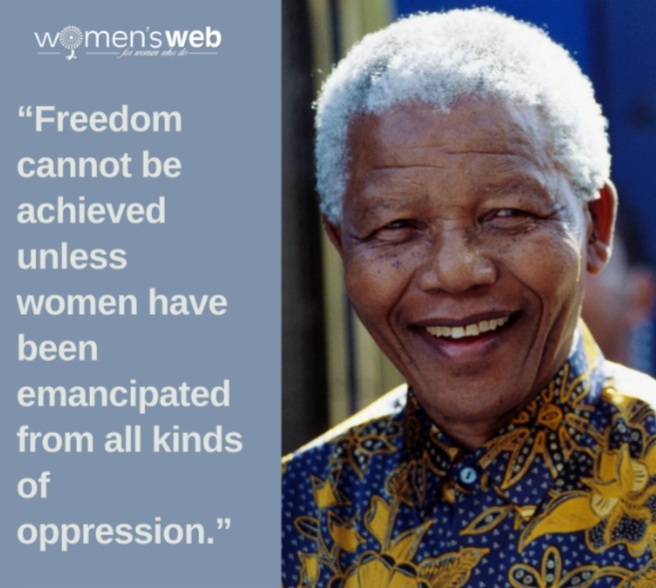
It was the first time that the government and Reserve Bank of India were on the same page for effective resolution of the problem of bad debt and improving overall financial discipline in the way business is conducted in India. As Nelson Mandela said, “I never lose; I either win or I learn.” The jury is still out on the IBC even though the World Bank has acknowledged the efforts.

WHAT IS INSOLVENCY AND BANKRUPTCY CODE, 2016?

“In One line we can say that in case of a default by the equity owners to meet their debt obligations, control is transferred to the creditors and equity owners take a back seat.”

The insolvency and Bankruptcy code, 2016 (IBC) is the bankruptcy law in India and whose aim is to consolidate the existing framework by creating a single law for insolvency and bankruptcy and amend the laws relating to the entities in India with the time being enforce. The consolidation of laws in India is not a new concept like GST was framed by consolidating 17 laws into one. This code was introduced in Lok Sabha in December 2015. It was passes by Lok Sabha on 5 May 2016. 

The purpose of this act can be divided into the following two goals:

 1. Making sure that the insolvency proceedings can be completed within a minimum amount of time.

 2. Making sure that the financial risks to the foreign investors is decreased.
Its primary goal was to consolidate insolvency resolution process for LLPs. Companies, individuals and partnerships.
 That being said, the purposes of these codes, being a part of The Companies (Amendment) Act 2017, are the following:

 1.  Establishing and amending the laws associated with reorganizing and resolving the insolvency of entities like partnership firms, individuals and corporate persons.

 2.  Providing resolution in a time bound manner.

3.  Promoting entrepreneurship in India.

4.  Maximizing the availability of credit in the Indian market.

5.  Establishing Insolvency and Bankruptcy Board in India.

The four pillars of supporting institutional infrastructure, to make the Insolvency and Bankruptcy Process work efficiently are:

  1. The regulator – The Insolvency and Bankruptcy Board of India (IBBI)
  2. Adjudicating Authority (AA):
    1. National Company Law Tribunal (NCLT) – For Corporate, i.e., Companies and Limited Liability Partnerships
    2. National Company Law Appellate Tribunal (NCLAT) will act as Appellate Authority.
    3. Debt Recovery Tribunal (DRT) – For Individuals and Unlimited Partnership Firms
  3. A private industry of Insolvency Professionals (IPs) with oversight by private Insolvency Professional Agencies (IPAs)
  4. A private industry of Information Utilities (Ius)

THE ROUTE TO THE IBC

The main objective of the act is to consolidate and amend the laws relating to reorganization and insolvency resolution of corporate persons, partnership firms and individuals in a time bound manner for maximization of value of assets of such persons, to promote entrepreneurship, availability of credit and balance the interests of all the stakeholders including alteration in the order of priority of payment of Government dues and to establish an Insolvency and Bankruptcy Board of India, and for matters connected therewith or incidental thereto.

IBC provides for a time-bound process to resolve insolvency. When a default in repayment occurs, creditors gain control over debtor’s assets and must make decisions to resolve insolvency. When a default in repayment occurs, creditors gain control over debtor’s assets and must make decisions to resolve insolvency. Under IBC, debtor and creditor both can start ‘recovery’proceedings against each other.


It is a comprehensive Code enacted as the Preamble states, to

“consolidate and amend the laws relating to reorganization and insolvency resolution of corporate persons, partnership firms and individuals in a time bound manner for maximization of value of assets of such persons, to promote entrepreneurship, availability of credit and balance the interests of all the stakeholders including alteration in the order of priority of payment of Government dues and to establish an Insolvency and Bankruptcy Board of India, and for matters connected therewith or incidental thereto”.

The Preamble clearly states that the legislative intent to incorporate this code is

Firstly, to remove the ambiguity that had been prevailing in the previous legislations;

Secondly, to prevent unnecessary delays and to ensure fast dismissal of matters, i.e., within 180 days;

Thirdly, to prevent loss to corporate creditors due to depreciation of assets of the insolvent company;

Fourthly, to establish a balance among the interests of the various stakeholders, and

Lastly, to create a common forum to deal with such matters.

IMPACT OF IBC

The Covid-19 pandemic has been driving corporate failures around the world, including in India. The global financial news reveals an increase in bankruptcies due to the Covid-19 induced global lockdowns. While the bankruptcies are unfortunate, a recognition of the bankruptcies facing companies in the face of the collapse and an efficient resolution of such bankruptcies (which will allow both the companies and creditors involved to move along) is vital to rejuvenating the economy.

 In the light of the Covid-19 pandemic and business failures globally, it is important that financially distressed companies can still access the credit market thanks to a strong bankruptcy system and survive under stressed scenarios. Using a panel of 33,845 non-financial firms for the period of 2008-19 and by exploiting a difference-in-differences analysis, a study has been undertaken revealing the impact of the IBC policy on the availability of long- and short-term financing for, and the cost of, credit of distressed firms as compared to their non-distressed counterparts. As in most emerging markets, India’s debt market is dominated by state-owned banks and the domestic credit to private sector by banks (percentage of GDP) is 50 per cent in 2019 compared to a world average of 90.5 per cent (Source: World Development Indicators). Recent statistics from World Bank’s Doing Business Data show the creditor rights index in India improving from 6 in 2014 to 9 in 2019 compared to the world average of 5.67 in 2019.

Bose et al. (2021) study shows that after the introduction of the IBC reform, the access to long-term debt increased by 6.3 per cent, short-term debt increased by 1.4 per cent, while the cost of borrowing declined for distressed firms. This is the first study that provides evidence on the impact of the IBC policy on the “credit channels” of distressed firms. The enactment of the code has helped to enforce discipline in the country’s credit culture. IBC has created a credit culture that discourages defaults. There has been a change in the business culture as well: there is now an understanding that when things go wrong, companies will not get an automatic rescue package from the taxpayer funds. The objective of IBC was to create conditions so that credit could be generated from the domestic market and investments drawn from the international market. In order to achieve those objectives, it was necessary to create a culture of deterrence against default. The practice of dragging lenders to court to delay the repayments of outstanding loans is slowly coming to an end. India’s Insolvency and Bankruptcy Code is ensuring that lenders get repaid on time and this is making India a more attractive investment destination.

IBC has played a great role in macroeconomic objectives providing India a strong stand in the global platform. After the enactment of the code, the FDI has substantially increased. In 2012-13, the FDI of India was 34298 US$ Million and just after enactment of the code it rose to 61463 US$ Million in 2017-18 which is growing by approximately 80%. There has been an increase in Mergers and Acquisitions activity in the country. It also led to the establishment of Information Utilities (IUs) which further accelerated the development of the credit market of India.

In previous, no law prevented the operational creditors but under the code, there is a provision that the operational creditors (domestic as well as international) have right to file suit against the default. Thus, the code provides right to the foreign creditors which will enhance the economic transactions of India and others.

 MEASURES TAKEN DUE TO COVID

The global COVID-19 pandemic and its consequential lockdown are having an economic ripple effect on the business of Indian citizens. To mitigate its impact, in the last tranche of economic reforms, the Central Government made numerous changes upon the Insolvency and Bankruptcy Code, 2016 (“IBC”), and its adjudicatory processes, which will have wide-ranging ramifications. In exercise of its powers under Section 4 of the IBC, the Central Government has raised the threshold for invoking insolvency to Rs 1 crore from the existing Rs 1 lakh. This provision will relegate MSMEs to civil remedies for debt recovery and may have an effect of excluding it under the IBC. At this cost, the amendment may have successfully addressed the issue of frivolous recovery claims initiated under the grab of insolvency processes due to the seemingly low original threshold of rupees one lakh.

The government has come up with IBC 2020 to streamline the CIRP, protect last-mile funding, and boost investment in financially distressed sectors. The changes put a threshold condition for initiating CIRP by the financial creditors, who are allottees under a real estate project. It also imports safeguards for successful bidders, the corporate debtors, and its assets from the offenses of the former promoters or management.

India took decades to implement such an effective insolvency regime and improve its global ranking of doing business. It promotes entrepreneurship and tries to balance the interest of the various stakeholders.

CONCLUSION

Resolving insolvency in a strict time bound manner is an important challenge for any country to maintain a healthy and robust economic system. This study has made an attempt to understand and analyze the impact of the IBC on the credit sector of the economy. The study emphasizes the fact that IBC is a big step in the direction of resolving the issues of Non-Performing Assets and hence will act to the rescue of banks which have been facing a lot of difficulties due to corporate defaults. The number of companies that have benefitted from this law is large, there has been improvement in the speed as well as the success rate of the resolution process.

There is still a long way to go ahead and as the saying goes,

“We have to acknowledge the progress we made, but understand that we still have a long way to go. That things are better, but still not good enough.”

Nationalization of Banks

Despite the provisions, control and regulations of the Reserve Bank of India (RBI) , banks in India except the State Bank of India (SBI), remain owned and operated by private persons. By the 1960s, the banking industry had become an important tool to facilitate the development of the Indian economy. At the same time, it had emerged as a large employer, and a debate had ensued about the nationalization of the banking industry. The then Prime Minister of India, Indira Gandhi, expressed the intention of the Government of India in the annual conference of the All India Congress Meeting in a paper entitled Stray thoughts on Bank Nationalization.

The decision came at the end of a troubled decade. India was buffeted by economic as well as political shocks. There were two wars—with China in 1962 and Pakistan in 1965—that put immense pressure on public finances. Two successive years of drought had not only led to food shortages, but also compromised national security because of the dependence on American food shipments to keep hunger at bay. Fiscal retrenchment through a three-year plan holiday had hurt aggregate demand as public investment was cut.

Thereafter, the Government of India issued the Banking Companies (Acquisition and Transfer of Undertakings) Ordinance, 1969 and nationalized the 14 largest commercial banks with effect from the midnight of 19 July 1969. These 14 banks included: Allahabad Bank (now Indian Bank), Bank of Baroda, Bank of India, Bank of Maharashtra, Central Bank of India, Canara Bank, Dena Bank (now Bank of Baroda), Indian Bank, Indian Overseas Bank, Punjab National Bank, Syndicate Bank (now Canara Bank), UCO Bank, Union Bank of India United Bank of India (now Punjab National Bank). These banks contained 85 percent of bank deposits in the country. Within two weeks of the issue of the ordinance, the Parliament passed the Banking Companies (Acquisition and Transfer of Undertaking) Bill, and it received presidential approval on 9 August 1969.

As a result of this nationalization, it led to an impressive growth of financial intermediation. The share of bank deposits to GDP rose from 13% (1969) to 38% (1991), the gross saving rate rose from 12.8% (1969) to 21.7% (1991). Gross Domestic Savings almost doubled as a percentage of national income in the 1970s. The reach of the banking system also increased and banks were no longer confined to the metropolitans and reached remote areas of the country, thus promoting rapid growth in agriculture, small scale industries and development of these remote and backward areas. The nationalization furthered India’s growth process, particularly during the Green revolution.

There were also some harmful effects of the nationalization. The primary purpose for which the nationalization was done i.e. extending bank facilities to rural areas was also unfulfilled and many areas of the country including Uttar Pradesh, Chhattisgarh and the North Eastern part remain unbanked. It failed to eradicate poverty and scaling down of wealth inequalities. Financial inclusion was only increased post the implementation of the Jan Dhan Yojana. Moreover, multiple public sector banks also suffered due to political interference. Banking was no longer done on professional and ethical grounds. It resulted in lower efficiency and poor profitability. The performance of these banks on the basis of branch expansion and number of deposits never surpassed the numbers shown by private banks.

Bank nationalization was the beginning of a broader political economy strategy in the 1970s- a decade where economic growth barely outpaced population growth. This nationalization did succeed in certain areas such as financial deepening cause of the rapid spread of branches but eventually, it did more harm than good. As of 2021, there are a total of 12 nationalized banks in India.

Depression

Depression and anxiety are very common problem these days starting from teenager to elderly adults anyone and everyone can face this at any point in life and they equally affect us as any physical disease does, many people don’t take mental health seriously but it is outmost necessary to do so. Here are a few simple daily habits which will help you to deal with depression:

  1. Stay away from negative thoughts, and always try to focus on the filled part of the glass and try not to worry about the empty.
  2. Practice meditation regularly it helps to calm one’s mind and helps in relaxing the brain.
  3. Try to stay out from field where you feel irritated and also do try ignoring unnecessary mess.
  4. Physical exercising is a must for a healthy mind as it keeps the body fit and also helps keeping negativity away.
  5. The physical environment where one spends time and the company of people with which one spend time also plays a key role in determining the and dealing with depression issues.
  6. One must also take care of the diet, consuming fresh fruits and vegetables are highly recommended and one must take care that proper diet is consumed.

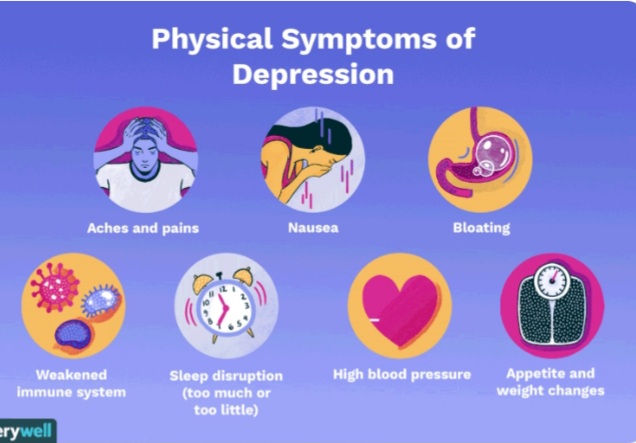
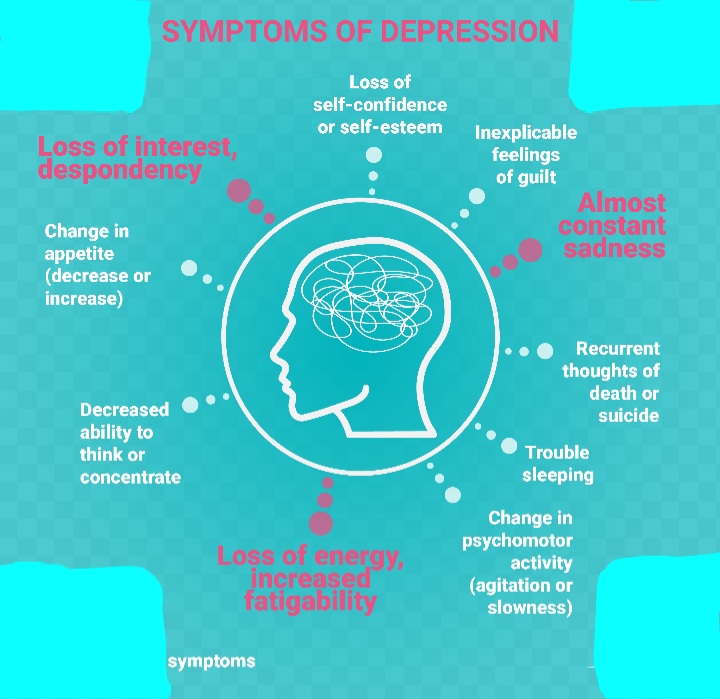
Depression symptoms :

Depression can be more than a constant state of sadness or feeling ” blue”. Major depression cane cause a variety of symptoms. Some affect your mood, and others afect your body. Symptoms may also be onging or come and go. The symptoms of depression can be experienced differently among men, women and children differently.

Men may experience symptoms related to their:

* Mood, such as anger, aggressive, irritability, anxiousness, restlessness.

* Emotional well- being such as feeling empty, sad, hopeless.

* Behavior, such as loss of interest, no longer finding pleasure in favorite activites feeling tired easily , thiughts of suicide, drinking- execessively , using drugs, engaging in high- risk activities.

* sexual interest, such as reduced sexual desire, lack of sexual performance

* cognitive abilities , such as inability to concentrate, difficulty completeing tasks, delayed responses during- conversations.

* sleep patterns, such as insomina, restless slepp, excessive sleepiness, not sleeping through the night.

* physical well- being, such as fatigue, pains, headache, digestive problems.

Women may experience symptoms related to their:

* mood, such as irritability

* emotional well- being, such as feeling sad or empty, anxious or hopless.

* congnitive abilities,such asthinking or talking more slowly

* behavior, such as loss of interest in activities, withdrawing from social engagements, thoughts of suicide

* sleep patterns, such as difficultu sleeping through the night, waling early, sleeping too much.

* physical well- being, such as decreases energy, greater fatigue, changes in appetite, weight changes, aches,pain, headaches, increased cramps.

Children may dxperiences symptoms related to their :

* mood such as irritability, anger, mood swings, crying.

* emotional well- being, such as feelings of incompetence or despair, crying, intense sadness

* behavior, such as gettkng into trouble at school or refusing to go to school, avoiding friends or siblings thoughts of death or suicide.

* cognitive abilities, such as difficulty concentrating, decline in school performance, changes in grades.

* sleep patterns, such as difficulty sleeping or sleeping too much

*physical well- being, such as loss of energy digestive problems, changes in appetite, weight loss or gain.

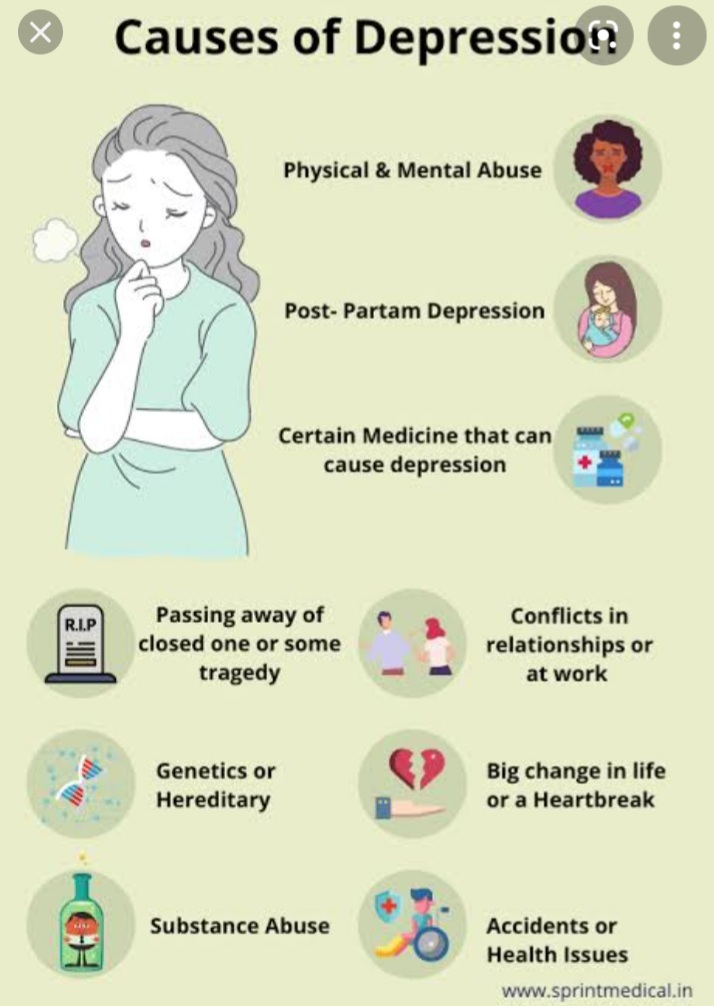
Depression causes :

There are several possible causes of depression. They can range from biological to circumstantial.

Common causes include ;

* Family history :

You’re at a higher risk for developing depression if you hace a family history of depression or another mood disorder.

* Early childhood trauma :

Some events affect the way your body reacts to fear and stressful situations

* Brain structure :

There’s a greater risk for depression if her frontal lobe of your brain is less active.

* Medical conditions :

Certain conditions may put you at higher risk, such as chronic illness, insomia, chroinc pain or attention- deficit hyperactivity disorder

* Drug use :

A history of drug or alcohol misuse can affect your risk.

Many factors can influence feelings of depression, as well as who develops the condition . The causes of depression are often tied to other elements of your health. Depression can be linked with to other health problems, your healthcare provider may also conduct a physical examination and order blood work.

Types of depression :

Depression can be broken into categories depending on the severity of symptoms. Some people experience mild and temporary episodes, whike other experience severs and ongoing depressive episodes.

There are two main types. Major depressive disorder and persistent depressive disorder .

Major depressive disorder :

Major depressive disorder is the more severe form of depression. It’s characterized by persistant feelings of sadness, hoplessness and worthlessness that dont’t go away on their own.

Persistent depressive disorder :

Persistent depressive disorder ( pDD) used to be called dysthymia. It is a milder, but chronic, form of depression.

It’s common for people with PDD to

* lose interest in normal daily activites.

* feel hopless

* lack productivity

* haveclow self- esteem

Depression can be treated successfully, but it’s important to stick your treatment plan.

Treatment for depression :

Living with depression can be difficult, but treatment can help improve your quality of life. Talk to your health care provider about possible options. You may successfully manage symptoms with one form of treatment ,or may find that a combinations of treatment works best.

Unemployment

Unemployment has become one of the biggest problems around the world. When an individual is an implied, he or she will know very less about the mankind. It is so difficult to face situation and handle situations when the individual is unemployed. Unemployment leads to many silly mistakes. And an unemployed person cannot take over the family and lead the family as well. There is a huge competition in highly populated countries like India. In order to be employed, the only method is to study hard and improve the skills and score better. Basically, the students are not showing good amount of interest towards the studies. Let us now see how to motivate them.

Covid crisis has made many people unemployed. It has taken away the basic need of living. Many people are left with the unfilled stomachs. Some people are dead about by not finding a way to live.

Types of unemployment :

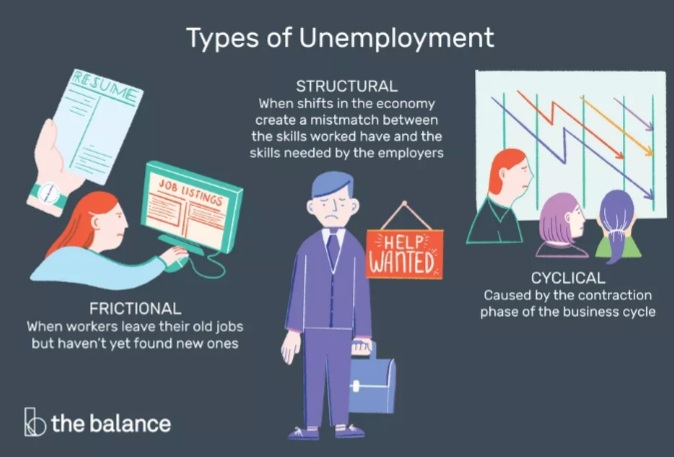
There are four main types of unemployment in an economy frictional, structural, cyclical, and seasonal and each has a different cause.

1. Frictional unemployment :

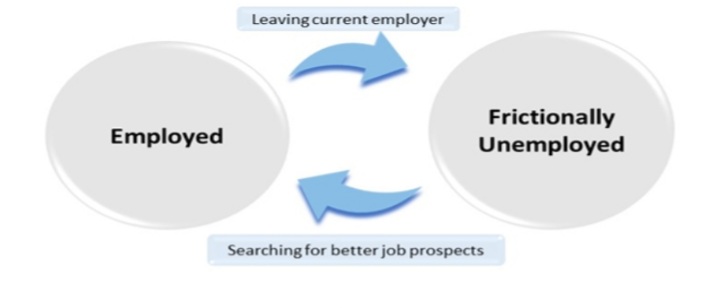
Frictional unemployment is caused by temporary transitions in workers lives, such as when a worker moves to a new city and has to find a new job. Frictional unemployment also includes people just entering the labor force, such as freshly graduated college students. It is the most common cause of unemployment, and it is always in effect in an economy.

2. Structural unemployment :

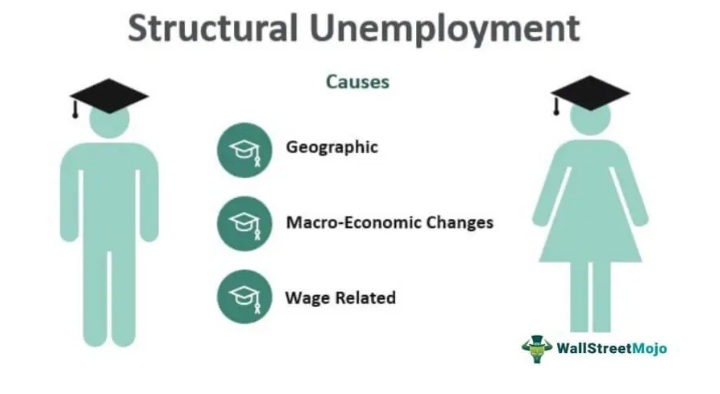
Structural unemployment is caused by a mismatch in the demographics of workers and the types of jobs available, either when there are jobs available that workers don’t have the skills for, or when there are workers availabes but no jobs to fill. Structural unemployment is most obvious in industries undergoing technological advancements.

3. Cyclical unemployment :

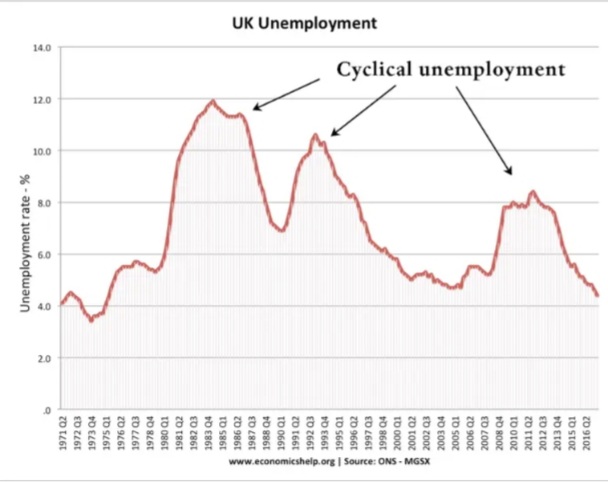
Cyclical unemployment is caused by declining demand. When there is not enough demand in an economy for goods and services, businesses cannot offer jobs . According to keynesian economics , cyclical unemployment is a natural result of the business cycle in times of recession: if all consumers become fearful at once, consumers will attempt to increase their saving at the same time, which means there will be a decrease in spending, and businesses will not be able to employ all employable workers.

4. Seasonal unemployment :

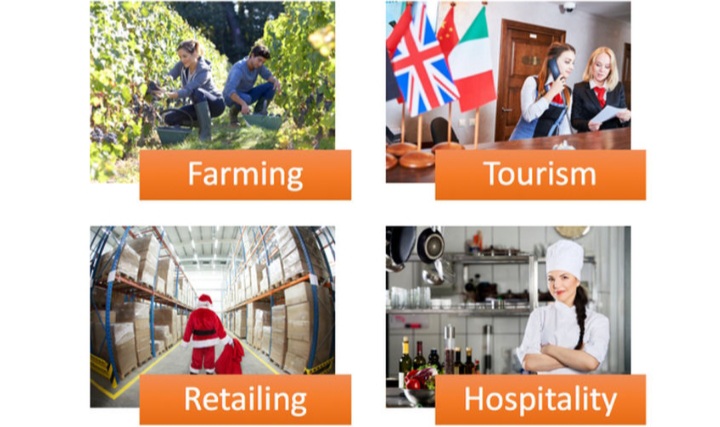
Seasonal unemployment is caused by different industries or parts of the labor market being available during different seasons. Fot instance, unemployment goes up in the winter months, because many agricultural jobs end oncr crops are have harvested in the fall, and those wotkers are left to find new jobs.

Consequences of unemployment in an Economy :

Low unemployment is key to economic stability High and long- term unemployment can cause significant stress on a nation in three key areas.

* Individuals :

Unemployed people have no ability to fulfill their financial obligations and can become mentally stressed, ill, and even homeless.

* Economic efficiency :

During times of high unemployment many job seekers will accept new jobs below their skill level, a situation called “underemployment ” which translates to a loss of human capital for an economys labor market. Unemployed workers will also significantly decreases their consumer spending, which is one of the driving forces of economic growth. Without consumer spending, the economy will slow dramatically.

* socio- political stability :

If unemployment remains high, citizen dissatisfaction can rise to the point of widespread civil unrest.

Possible solutions for Unemployment :

Solving unemployment is a hotly debated topic, and no economists agree on one simple way to do it. However, in the U.S ,if unemployment rises noticeably, the government usually steps in with specific policies designed to lower the total number of unemployed people.

1. Monetary policy :

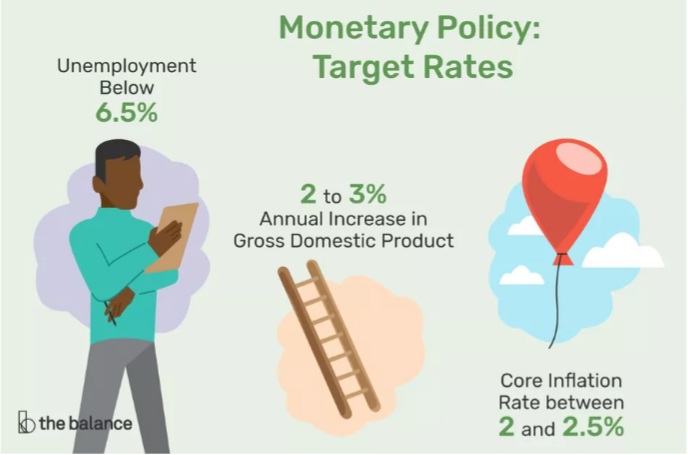
Monetary policy is financial influence implemented by a central bank . Monetary policies usually come in the form of lower interest rates, which increase the total money supply within an economy by allowing banks and businesses more access to loans and therefore, more accessible spending power.

2. Fiscal policy :

If expansionary monetary policy doesn’t adequately lower the unemployment rate government agencies will turn to fiscal policy. Fiscal policy is fiscal stimulus implemented by the national government and fiscal policies include spending on infrastructure, proposingtax cuts , increasing the minimum wage, or implementing unemployment benefits. These methods are designed to inject more demand into private economy and strengthen economic activity.

Let us now see some of the ways to motivate the students to study and get employeed.

Make things easier :

Showing the things easier and explaining them with clarity helps the students to show better interest on the subject and makes them to pay more attention on what the teacher is trying to convey. When the topics are shown easier for the students, they start learning them and they feel achieved and they pay more attention to study. When a student learns a particular topic or a question, he/she feels comfortable and happy for getting it. Once if they start reading, they develop the interest in them and they continue to read more and more.

Tell the importance :

The students must be motivated with good number of words to understand the need of studying and what happens if they don’t study. A student is like a bird without the wings when they don’t study. So, it is very important to motivate students to study and to make them understand the need of the situation. Motivation brings the right change in the students who are not interested in learning. It develops the interest in them to study.

It seems good if the government provides good number of jobs.

Gender inequality

Discrimination is the state when all individuals are not treated equally and not given equal rights. Every individual in the community yearns for equal status, opportunities, and equal rights. People generally say these days that everyone is treated equally but they are not. Discrimination usually exists because of cultural differences, geographical differences, and gender. Inequality on the basis of gender is something that is not appreciated, but it is seen many times in many companies. There are many areas where equal opportunities are not provided to women.

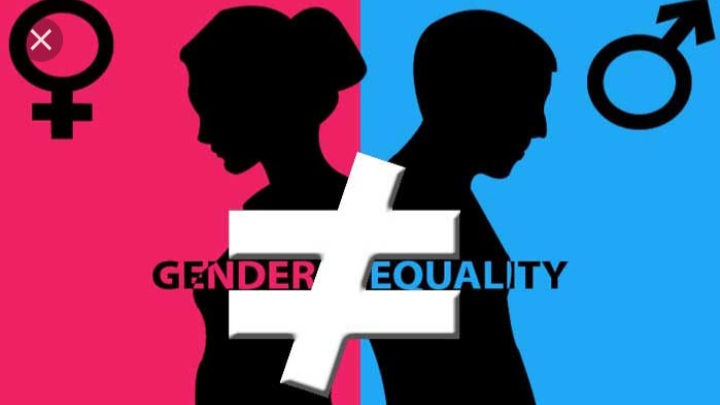
We are in the 21st century, and even now, women are not treated equally as men. It is generally believed that women are more talented than men, and it has been proved many times, but society is not yet ready to accept this fact. Gender equality is the term used when equal opportunities in the fields of politics, economics, education, and health are provided to both men and women.

As per the World Economic Forum’s gender gap ranking, India holds the rank 108 out of 149 countries. The rank should be a major concern in the country as it signifies the immense gap between the opportunities given to women when compared to men. The structure in India is such that women are neglected in many fields like education, health, finance, etc. They are just limited to household chores which should not be the scene here. There are many places in India where women are considered as a burden and they are not allowed to go to school and study as well. Also, a preference for sons prevails in many areas in India.

The seven important forms of gender inequality :

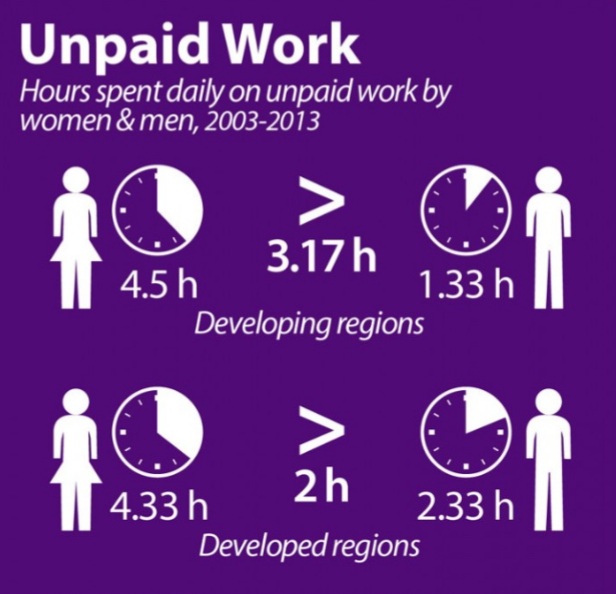
1 . Women works Longer than Men :

In most of the societies the male – stream is the main stream who argues that women have comparative advantage in household non- market production, like cooking and cleaning for the family that cant be called emotional and personal caring work. Based on this thinking, household jobs are then asymmetrically distributed. Women are more valued in home. Men are specialised in market- baesd production. Thus, being the bread- earners, males enjoy both power and status.

2. Inequality in Employment and Earnings :

Historically, men have greater participation in work outside home than women. But women ( particularly of poor households) share unequally household duties in addition to economic production. Thus they work longer than males. This kind of ‘ division of labour’ may be seen as the ‘ accumulation of labour’ on women, as described by Amartya sen. Household activites are often viewed as ‘ sedentary activites’ which require less ‘ calore’ to gain energy.

3. Ownership Inequality :

A case of social inequality. Let us turn to another kind of inequality, called ownership inequality a classic case of social inequality. In most of the societies, ownership over property and means of production rests mainly on male members . The law of inheritance provides such ownership rights on male child. Such denial coming out of hierarchical dualism within the family not only reduces the voice of women but also prevents them from participating in commerial, economic and social activites.

This kind of social deprivation means absence or lack of capability or because of ‘capability deprivation’, women are subject to various kinds of exploitation and unfreedoms. Social inequality distorts the process of development. Unfortunately, ownership inequality in any country is not of recent origin. In her earlier life, a woman comes under the influence of her father, then husband as she enters a married life and finally, under sons ownership right over property is skilfully avoided. A telugu proverbs corraborates this understanding: ” Bringing up a daughter is like watering a plant in anothers courtyard.”

4. Survival Inequality :

Another crudest from of gender disparity is the unusally high mortality rates of women , though biologically, women live longer than men! Thus more boys than girls are born evrywhere leading to a ‘ deficit’ of women and a ‘ surplus’ of men. In developed countries beacuse of absence of gender bias in health care and nutrition, women outnumber men. In Europe and in north America, 105 or more girls are born per 100 boys. Such high female- male genderd survival rate in different age groups.

5. Gender Bias in the Distribution of Education and Health :

Health and education are the major forms of human capital are realted to economic development . Human capital gets accumulated as a society advances in education . The contribution of human capital towards Japan’s remarkable economic progress attracts our attention . Improvement in health capital also improves the return to investments in education .

However, one finds a huge education and health gaps between developed and developing countries. In recent times, despite a large increase in econoc advancement on times, despite a large increase in economic advancement in asia and africa, these countries lag far behind the developed countries in terms of educational attainment particularly in respect of women’s education. Gender disparity not only hindrrs economic progress but also exacerbates social inequality.

6. Gender Inequality in Freedom Expression :

Let us talk about gender inequality beyond economic issues or factors. Women are not only subject to income or asset inequality but also in terms of freedom and power deprivation of women goes beyond one’s imagination. They lack not only economic freedom at home because of absence of autonomy in house hold decisions, limited or poor wages earned but also lack any freedom in airing opinions over education of children.

In some backward poor societies the right of women giving options is completely denied. Such un – freedoms, however, are not uncommon even among the educated elites who enjoy enormous power and authority in the male domined society. Historically , this sort of law socioeconomic status of women has been continuing nowasdays.

7. Gender Inequality in Respect of viloence and victimisation :

Finally, anti – female bias starts before the girl child is born and this attitide of the society a female member carries throughout her life. It is because of the unequal sharing of income, property, household benefits . Women are subject to both physical and sexual violence – the oppsite of freedom, and an extreme form of coercion. This is common for both poor and not too much uncommon in rich countries as well as among rich people. One in three women in the word is beaten or raped during her life times.

Dowry harassement is considered as an ‘ instrumental use’ of violence. Dowry death is the most serious form of domestic violenece. Wife beating is not uncommon. Sexual violence is an obnoxious form of human rights violation.

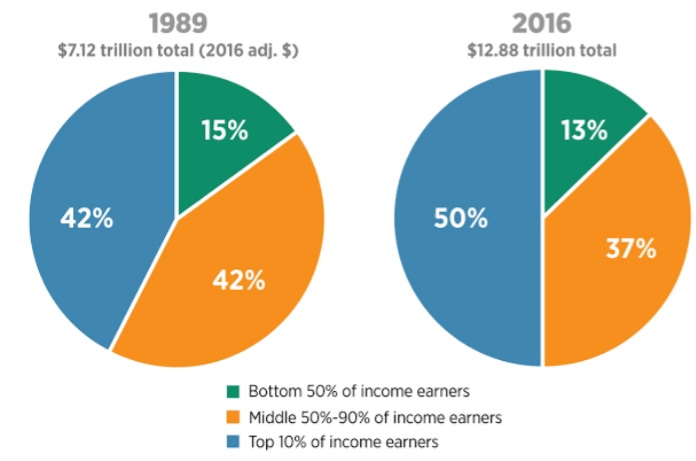
Specifically, public health can contribute to reducing health inequities by integrating health equity considerations into policy and programs, collebrating with other sectors to address inequities engaging with communities to support their efforts to adress inequities, identifying the reduction of health inequities.

Reducing inequality requires transformative change. Greater efforts are needed to eradicate ectreme poverty and hunger and invest more in health, education, social protection and decent jobs especially for young people, migrants and other vulnerable communities.

We should understand that women are the part and parcel of any family. When it comes to flexibility, they can manage their home and offices at the same time. If equal opportunities are not given to them, they will be led down and won’t be able to achieve big milestones which they are obviously capable of.

Structure of banking system in India

Introduction

Banking in India in the mdern sense originated in the last decades of the 18th century . The first banks were Bank of Hindustan (1770-1829) and the General Bank of India established 1786. The largest bank and the oldest still in existence, is tge State bank of India, which originated in the Bank of Calcutta in June 1806 , which almost immediately became the bank of Bengal. This was one of the three presidency banks , the other two being The Bank of Bombay and The bank of Madras , all three of which were established under charters from the British East India Company. The three banks merged in 1921 to form the Imperial Bank of India , which , upon India’s independence became the State Bank of India in 1955. For many years the presidency banks acted as quasi-central banks , as did their successors until the reserve Bank of India was established in 1935 .

Reserve bank of India (RBI)

The Reserve Bank of India is India’s central banking institution, which controls the monetary policy of the Indian rupee. It commenced its operations on 1 April 1935 during the British Rule in accordance with the provisions of the Reserve Bank of India Act,1934 and in 1949 it was nationalized.The central office of the Reserve Bank was initially established in Calcutta but was permanently moved to Mumbai in 1937. The central office is where the Governor sits and where policies are formulated. Sir CD Deshmukh is the first Governor of RBI. The RBI has four zonal offices at Chennai, Delhi, Kolkata, Mumbai and 20 regional offices mostly located in the state capitals and 11 sub-offices. Reserve Bank of India Act,1934 is the legislative act under which the Reserve Bank of India was formed. This act along with the Comapnies Act, which was amended in 1936, were meant to provide a framework for the supervision of banking firms in india.

Scheduled and non-scheduled banks

Scheduled banks in India refer to those banks which have been included in the second schedule of Reserve Bank of India Act, 1934. Banks not under this schedule are called non-scheduled banks. In other words, Banks with a reserve capital of less than 5 lakh rupees qualify as non-scheduled banks. Unlike scheduled Banks , they are not entitled to borrow from the RBI for normal banking purposes, except, in emergency or ‘abnormal circumstances’. Coastal local Area Bank Ltd. (Vijayawasa,AP), Capital Local Area Bank Ltd. (Phagwara, Punjab), Krishna Bhima Samrudhi Local Area Bank Ltd. (Mehbubnagar, Telangana), Subhadra Local Area Bank Ltd. (Kolhapur, Maharashtra) are the only non-scheduled banks in India.

Scheduled banks are further internally classified into commercial banks and cooperative banks.

Public Sector Banks

Public sector banks (PSBs) are banks where a majority state (ie., more than 50%) is held by a government . The shares of these banks are listed on stock exchange. There are a total of 21 PSBs in India and State Bank of India group.

  • In 1969, the Indira-Gandhi headed government nationalised 14 major commercial banks ( Allahabad Bank , Bank of Baroda , Bank of India , Bank of Maharashtra , Canara Bank , Central Bank of India , Dena Bank , Indian Bank , Indian Overseas Bank , Punjab and Sindh Bank , Punjab National Bank, Sindicate Bank , UCO Bank , United Bank of India)
  • In 1980 , a further 6 banks were nationalised (Andhra Bank , Cooperation Bank , New Bank of India , Oriental Bank of Commerce, Punjab and Sindh Bank , Vijay Bank )
  • IDBI Bank is an Indian government-owned financial service company, formarly known as industrial Development Bank of India , headquartered in Mumbai , India .It was established in 1964 and nationalised in year 2005 .

Private Sector Banks

The ‘Private- Sector’ banks are baks where greater parts of share or equity are not held by the government but by private shareholders . There are many Indian and Foreign Banks in India . HDFC Bank , ICICI Bank , Axis Bank , Kotak Mahindra Bank , Yes Bank , IDFC Bank , RBL Bank , Federal Bank , City Union Bank are the major private banks in India.

Regional Rural Banks

Regional Rural Banks were formed on October 2,1975 upon the recommendations of M. Narsimham working group during the tenure of Indira Gandhi’s government. The object behind the formation of RRBs was to serve large unserve population of rural areas and promoting financial inclusions . They have been created with a view to serve primarily the rural areas of India with basic banking and financial services. However, RRBs may have branches set up for urban operations and their area of operation may include urban areas too.

Cooperative Banks

The cooperative banks are furtger classified into:

  • State cooperative banks: These are small financial institutions which are governed by regulations like Banking Regulations Act , 1949 and Banking Laws Cooperative Socities Act ,1965 . At present there are about 33 state cooperative banks of which 19 are scheduled.
  • Urban/ Central cooperative banks: The term urban cooperative banks (UCB) refers to primary cooperative banks located in urban and semi-urban areas . These banks till 1996 , were allowed to lend money only for non-agricultural purposes. This distinction does not hold today . They essentially lent to small borrowers abd business . There are about 2,104 UCBs of which 56 were scheduled Banks. About 79 percent of these are located in 5states- Andhra Pradesh, Gujarat, Karnataka, Maharashtra and Tamil Nadu .
  • Primary credit Socities: Primary Credit Societies or primary agricultural credit society (PACs) is a basic unit and smallest cooperative credit institutions in India. It works on the grassroot level (Gram panchayat and village level ) . It virtually function like banks , but whose net worth is less than Rs. 1 lakh; who are not members of the payment system and to whom deposit insurance is not extended .

HOW TO FILL NEFT/RTGS FORM

Step 1:- Fill the Branch Code and Branch Name where service is being availed.

Step 2:- Mention Date and Time

Note:- Non Bank Customer/ Walk in Customer or Indo-Nepali NEFT Remittance can also avail the facility of NEFT and can transfer an amount up to Rs. 50,000 by vising a Bank Branch.

Step 3:- Tick the type of transfer required i.e. NEFT or RTGS.

Note:- If the amount is Rs. 2,00,000 or above, then tick RTGS otherwise tick NEFT.

Step 4:- If using a cheque for transfer, then fill the details like cheque number and amount

Note:- Sender need to write “Bank Name- NEFT” in Pay Column on Cheque in case of NEFT transaction and “Bank Name- RTGS” in Pay Column in case of RTGS transaction

Step 5:- Fill Beneficiary Details i.e. the person to whose account the amount is to be transferred.

NEFT vs IMPS vs RTGS: Which One Should You Opt To Make Fund Transfer? -  informalnewz

Beneficiary Details include:-

Beneficiary Name as per Bank Records

Beneficiary Account Number

Beneficiary Address

Beneficiary Bank Name and Branch

Beneficiary Bank IFSC Code

Account Type i.e. Resident/ Non Resident

Amount to be Credited ( In Figures)

Amount To be Credited (In Words)

This image has an empty alt attribute; its file name is image-276.png

Step 6:- Fill Remitter/Sender Details i.e. the person from whose account the amount is to be transferred.

Sender/ Remitter Details

• Remitter Name as per Bank Records

• Remitter Account Number

• Cash Deposited ( For Non Bank Customer)

• Mobile/ Phone Number of Remitter

• E-Mail Id

• Address of Remitter

• Remarks

Immediate Payment Service - IMPS Payment & Fund Transfer | Instant Money  Transfer

Step 7:- Read the terms and Conditions

Step 8:- Attest the authorised Signature

Note:- All the account Holders need to attest their signature in case of Joint Account

Note:- If the transaction is done using a Current Account, then the Company Stamp is mandatory to be attested.

After verification of details, the transaction will be processed and conducted. The amount will be debited from Remitter’s Account and will be credited to the Beneficiary Account .