Man’s Search for Meaning by Viktor E. Frankl – Book Review

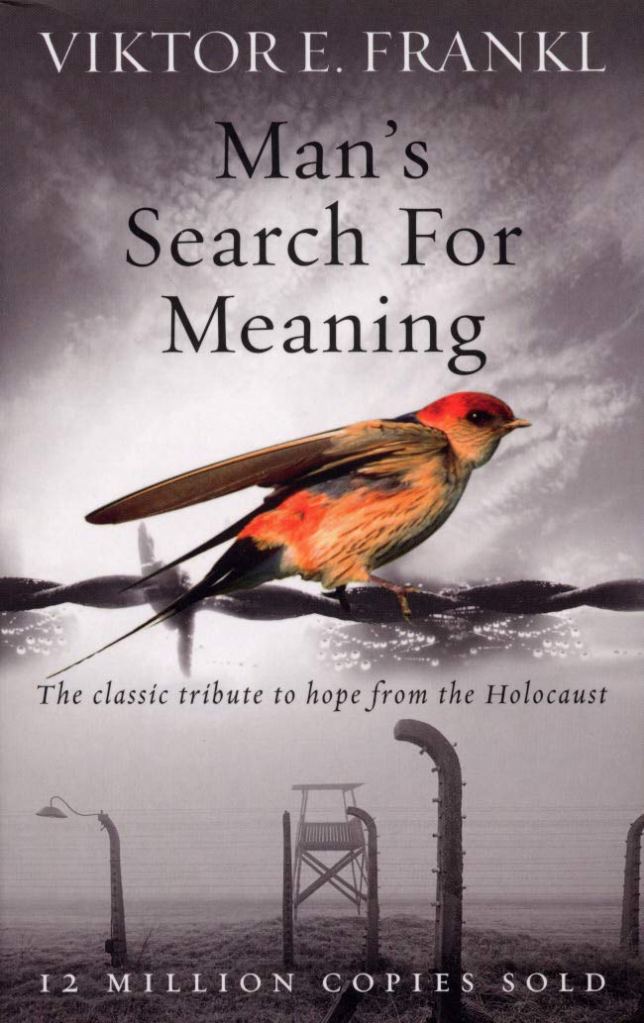
Man’s Search for Meaning by Viktor E. Frankl, originally written in German and translated to other languages, is a part memoir of the author’s experiences in concentration camps part non-fiction on psychology. It was first published in 1946 in its original language and English version was published in 1959. The book is divided into two parts – Experiences in a Concentration Camp and Logotherapy in a Nutshell – the first talks about his experiences in camps and explains the basis of his findings, and second part is completely about logotherapy(“meaning”). Viktor E. Frankl, an Austrian psychiatrist, was born on the 26th of March, 1905 in Vienna, Austria. He was a psychiatrist and psychotherapist and also a philosopher and Holocaust survivor. He developed “Logotherapy” – a psychological approach. His developments and findings are categorised as the third school of Viennese psychotherapy. The works of Sigmund Freud and Alfred Adler belong to first and second school of Viennese psychotherapy. His primary focusses in university, where he was a student of psychiatry and neurology, were the areas of sucide and depression. He received his MD and PhD from the University of Vienna. He based his works on his experiences in concentration camps. He breathed his last on 2nd September, 1997 in Vienna.
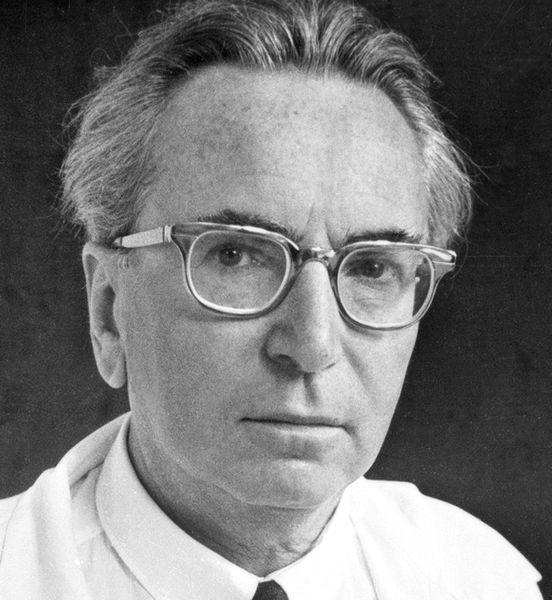
This work is based on Frankl’s own experiences and observations of other inmates in four different concentration camps(between 1942 and 1945). He lost his parents, brother and his pregnant wife in concentration camps.The book is written in a lucid manner and explains the concepts clearly. Based on his experiences and observations in the camp, Frankl argues that man by nature is not a pleasure seeking animal and his primary is motivation is to search for meaning in his circumstances. He states that only when man falls into a gulf devoid of meaning he resorts to seeking pleasure in immediate pleasure providing activities and needs.His concept logotherapy focusses on helping an individual find meaning in his circumstances. He quotes his experiences to show that man can find strength even in seemingly hopeless situations. His concept logotherapy focusses on helping an individual find meaning in his circumstances. Finding that meaning can help an individual bear suffering and find hope. 

“Those who have a ‘why’ to live, can bear with almost any ‘how’.”

His work on logotherapy and his existential analysis is mostly based on finding meaning and free will. In this work, he also explains certain techniques to deal with life. He uses the concept ‘paradoxical intention’ – practising contrary and humorous thoughts – to deal with anxieties and other problems. He also introduces the concept of dereflection – diverting the concentration of a person from his symptoms to other things – as a technique of logotherapy. Another of his techniques is about questioning the patient in a way to help him find meaning.  

“But there was no need to be ashamed of tears, for tears bore witness that a man had the greatest of courage, the courage to suffer.”

“Everything can be taken from a man but one thing: the last of the human freedoms—to choose one’s attitude in any given set of circumstances, to choose one’s own way.”

Throughout his book, the author emphasises on the human capability to deal with even the most challenging circumstances. He states that man can find courage and strength no matter what the circumstance. His views, in certain aspects, echoes the teachings of religions.

“Ultimately, man should not ask what the meaning of his life is, but rather must recognize that it is he who is asked. In a word, each man is questioned by life; and he can only answer to life by answering for his own life; to life he can only respond by being responsible.”

How to Win Friends and Influence People by”Dale Carnegie”

The book “How to win friends and influence people” written by “Dale Carnegie”. In 1936 only 500 copies were published in that edition as they never expected this book to be that famous but today August 16 million
copies of this book as it is sold the first part of the book is about the fundamental techniques of handling people.

“Dale Carnegie” is not asking you to go in manipulate them is basically asking you to become a more genuine and kind person and do not treat people unnecessarily when
it is not even require there is a thin line between criticism and you always have to understand that if it’s feedback and its positive it’s ok but just unnecessarily criticizing someone not be welcomed and you may not come across the person who is positive for even if your intentions are good it will not be welcome so if you are want people to like you when you have to
become a person who goes out in this feedback in a kind and a more subtle manners and not in a very rude way or you just do not have to become all straight forward and plant if it’s not necessary because there is a difference between being rude and being straight forward a lot of people think that if they are plant then is it tell honestly how they think about a certain things they think that it is a good quality but it might not be welcome.

The second part list down six ways to make people like you and the best point I liked in this part is that he asked you to be genuinely interested in other people so if you want other people to like you you have to be first interested in them in their life and their personality usually give ourselves a lot more important than we give other people we think that whatever we are feeling is most important but if you go out and see and see how different people are there you will know that you not the only one stories to tell if you look in a more deeper manner then you will see that those people are not just people they are stories in themselves you would never know that a person whom you find going save someone’s life could be a person who has played.

Very important role in someone’s life you do not know what a person has to offer to you until and unless you go and talk to him and listen to that was obviously you cannot just go and force the person to tell his stories to you but you have to create an atmosphere where they are comfortable and they can find me so Dale Carnegie also uses a lot of the examples in his books to tell you how you can actually implement these stories in real life here are just not discussed these and the points but here also made sure that he tells you how you can actually incorporate those points in your own life so it really willing to make changes in your life you can actually looked towards example and used examples as and when it is required in your own life how to win people to your way of Thinking there will Carnegie has spoken about communication and how you can go out and about in talk in a way that people agree with you and they know that you are willing to do with them it’s all about communication and how you can mitigate the barriers to communication and if you think that you lack in that aspect and this part will be really good for you

The fourth part is all about being a leader and if you are someone who wants to be a leader then what are the qualities and how you can gain those qualities on those things are given in this part and this is very important for those people who are going out toward a career or a place where they would want to be leaders are they want others to follow their orders for their Ideas mainly their ideas.

Also, the language used in this book is written normal not very fancy or not
very gym it is moderates even if you are not an avid reader you can still read this book and be able to absorb the ideas so do not worry about that this book is not written in a language that is too heavy for everyone it is a very simple book so it’s written in a way so that anyone can learn things from this it’s mostly about learning and how you can improve yourself as this is a self help books and it will make you know how to how to just get along with people in a better way. It will dealing with the problem of socializing but obviously only after practicing it for a long time in one day after reading this book is can’t do that you have to continue the practice. all I think how to win friends and influence people is a really good book and it is written so many years back and even after the get it is just as relevant today as a student it is today a lot of Forward depends on team leadership and corporation and co￾ordination so it becomes even more relevant for you to be able to influence and communicate your ideas in a better way Dale Carnegie give you some examples that are very evergreen future going to a mental Rattan you think that you are not confident enough to go out and lead people or just communicate your ideas in the better than other than reading this book will bring you out of that and it will help you to rebuild your space in your this book will be helpful for a lot of people.

These, Our Bodies, Possessed By Light – Book Review

Introduction

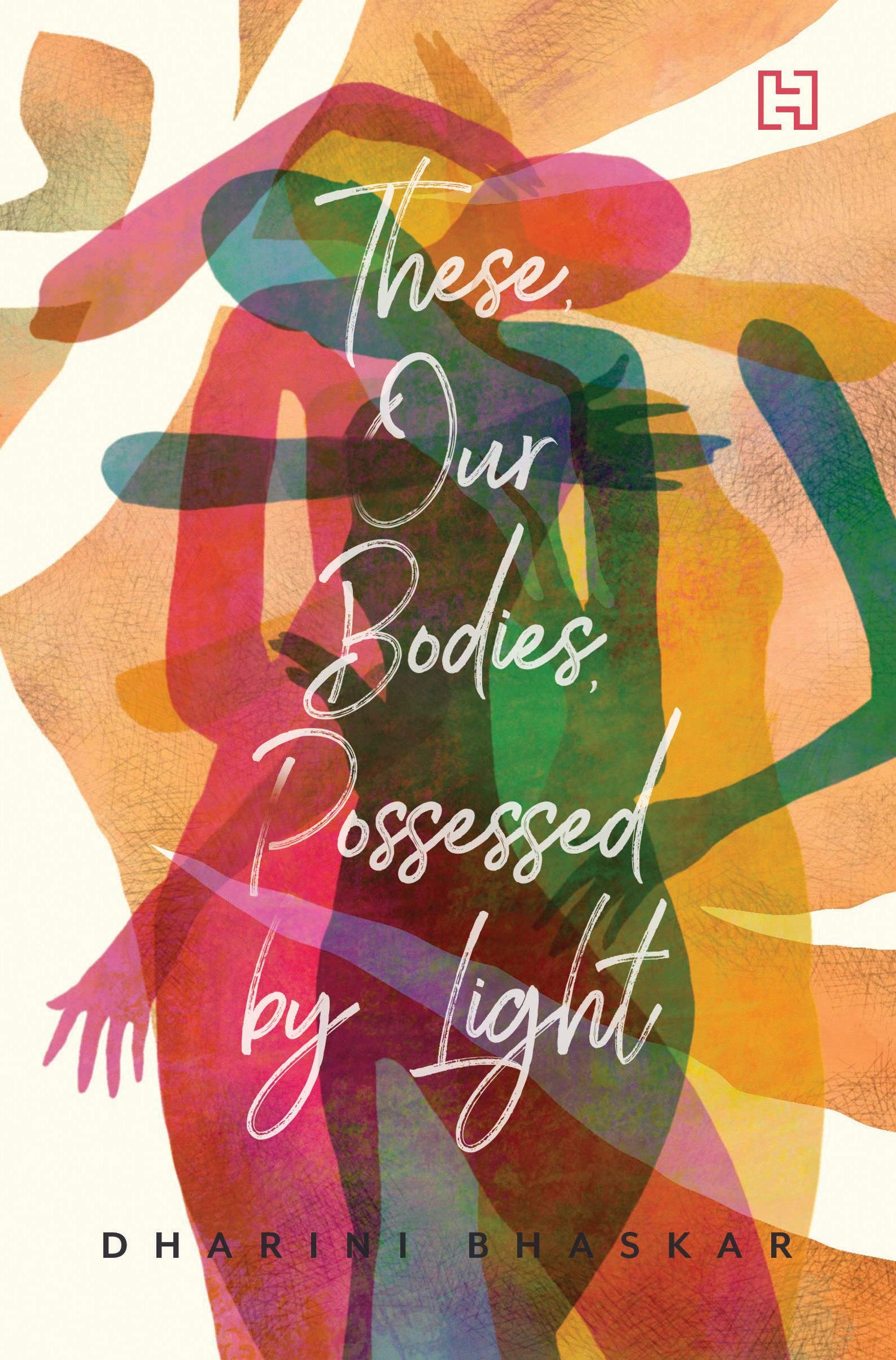
‘What can one say of childhood grief? That it is lonely. That it is invisible. That it is denied the vocabulary granted to adult despair. That it shifts, mutates, but seldom vanishes. That it casts a mark. My sisters and I, were sorrow stained.’

‘These Our Bodies Possessed by Light’ by Dharini Bhaskar.

Central Theme

This is that book you want to sink your teeth into, heedlessly you try to embrace the characters and before putting it down, your eyes won’t tear away from the pages. This is that cavernous, mercurial prose I’ve been wanting to read everytime I pick up a book. I was effortlessly sliding down into the souls of Saroja, Vanaja and Deeya, into their sorrows, happiness, unearthliness. Some of their emotions got no name, it strikes you hard, it’s evocative but it’s got no name.

Plot Analysis

Let’s start with Amamma, Amamma in 1943 as Saroja, brushing her pinky finger with Venu’s, feeling the utmost ecstacy and suddenly Ranga overstrips him and imprisoning Amamma, she’s now traveling with Ranga in a bullock cart, faraway, faraway from Venu. Saroja becomes Amamma and Amamma forgets her memories. Her story ends here with indelible pain and forgotten memories.

Karthik writes letters to Vanaja in 1980s,’Dear Vanna’ he starts, he scrawls with love, he weds Vanaja and leaves one night, leaving his three children, Karthik goes away, farway from Vanna, somewhere colder than Bombay. Here, Vanaja scrawls, ‘Dear Karthik’ she starts, and ends every letter with ‘Is it cold? Hope to see you soon in Bombay’. Vanna becomes Vanaja, her story ends here with indelible memories and forgotten pain.

Deeya is now struggling to find premonition of love (vaguely translated from Japanese phrase ‘koi no yokan’) in an old man Sahil, her love for Sahil suffocates her, and Deeya’s story doesn’t end here, unlike Amamma and Vanaja, Deeya’s story starts in the ending.

Closure | These Our Bodies Possessed By LightBook Review

Every page has a strange evasiveness, the story of these three women and many other women in this book will not get erased from your heart for years, it stays there. It stays in your heart and asks you to draw a conclusion.

These, Our Bodies, Possessed by Light‘ by Dharini Bhaskar is an ambiguous story of broken souls. It encapsulates a lot of emotions, as I have mentioned above some emotions are nostalgic and anonymous, the father issue of Deeya and her struggles in the relationships are strikingly profound. Dharini Bhaskar has weaved a storyline that bewilder and astonish you at the same time.

Book Review – Shamal Days

“He realized that any form of pain needed time to turn itself into art… In the cold face of tragedy, in the heat of pain reality, no one could express its gravity in poetry or any other form of art. Time has to work on sense of loss, squeeze the heart over lonely days and nights to churn out art from pain”

– Shamal Days by Sabin Iqbal

Theme –

Solitude has two different interpretations, it sculpts your soul to experience the most beautiful occurrences in the world, it makes you contemplate your existence, Solitude has an immense power to transform you, on the other hand, Solitude turns you cold, rigid, numb, the pain it’s inflicted upon you never fades, it deteriorates your heart and makes you yearn for the beautiful memories.

‘Shamal Days’ by Sabin Iqbal cloaks the second interpretation, this book is petrifying and strikingly veristic. Thinking about the novels I’ve read on expatriates’ issues, those novels intrigued, fascinated and overwhelmed me, but ‘Shamal Days’ emotionally destroyed me. I’m still traveling with Abbas and his regrets. I carry the cumbersome thoughts inside my mind, the thoughts of Abbas, Ratnam, Matt, Abimanyu, ‘Mirror’ magazine, Abdullah and Ed. The characters are flickering inside me.

The pivot of the story

This book unravels the horrifying issues that were happening in 1990s along with the life of our protagonist Abbas, set in Arabian Gulf, the story is told in a haunting, atmospheric narration. Abbas, our protagonist works at a small newspaper ‘Mirror’ in an anonymous country in Arabian Gulf. ‘Mirror’ is a hub of expatriates, the journalists are from different regions, China, India, Africans, Pakistanis. Abbas, who lived a lonely life since his school days, decides to work in Arabian Gulf without settling down in Allepey, his hometown in Kerala, India. Abbas travels with guilts, regrets, longing for those days he’s lost. His dark memories, memories of cheating, subjected to abuse in his childhood and the hoaxer inside Abbas plagues him.

From searching Saddam Hussain and arresting him in the end, the story delineates the political issues alongside the regretful decisions of Abbas. Sabin Iqbal has weaved the convulsing political issues with the disturbing personal life of Abbas. The characters are divergent, repulsive and conflicting. The realistic portrayal of expatriates in the Arabian Gulf is astonishing, the author has also created the backdrop with the Palestinians’ struggles and Zionists’ attack on Palestine, though the author has not extensively portrayed in the novel, the author sends a shiver down our spine in the very first page.

Conclusion

The novel ends with the quest, with a strange determination, the audacity of the few characters are flickering in the end, the novel is certainly a page turner with the Abbas’ interview with Saddam Hussain, the Sheiks in the Arab, the government controlling journalism in a desert country and the unforeseen betrayals of the characters. ‘Shamal Days‘ is haunting and idiosyncratic.

Books About ‘Healing’ and ‘History’

It’s incredible how one can get inspired by a bundle of words that are woven into a book. Books are an ocean of knowledge, some give you the scientific edge while some teach you the best life experiences. It’s the way that these books manage to hover around your peripheral vision even after you put down the book that gets me flustered each time. With that being said, here are my two new picks for reading!

Healing Is the New High

This massively helpful, lucid and honest book by Vex King holds space for you to achieve genuine inner healing, let go of trauma(subtle or significant) whilst letting you be yourself. Taking charge of your inner healing is one of the best things you can do for yourself. If you’re willing to do the work, this book helps you achieve that and more with brilliant actionable techniques that would  transform your mind, heart and soul! This outstanding read gently helps you to overcome the hurdles that sit deep in the mind, allowing you to unlock your own inner superpower with compassionate understanding, love and heart wrenching yet beautiful illustrations. He eloquently puts life into perspective while debunking some of the misinterpreted perspectives.

The book is aptly named, because going through this process and finding release from your inner pain really is like a high-a feeling of liberation, empowerment that’s addictive! So, get ready to make space for more joyful and immersive life experiences. Here’s to fulfilling healthier relationships and most importantly being a much better you, the one you deep down know, you are! This book is for everyone as we all have surely been through something unpleasant at least to some degree which governs our lives in a not-so-positive way and to change the fact – please do get this book right away!

Lord of the Royal Umbrella

Have you read about your country’s history extensively? (Other than reading in the text books)

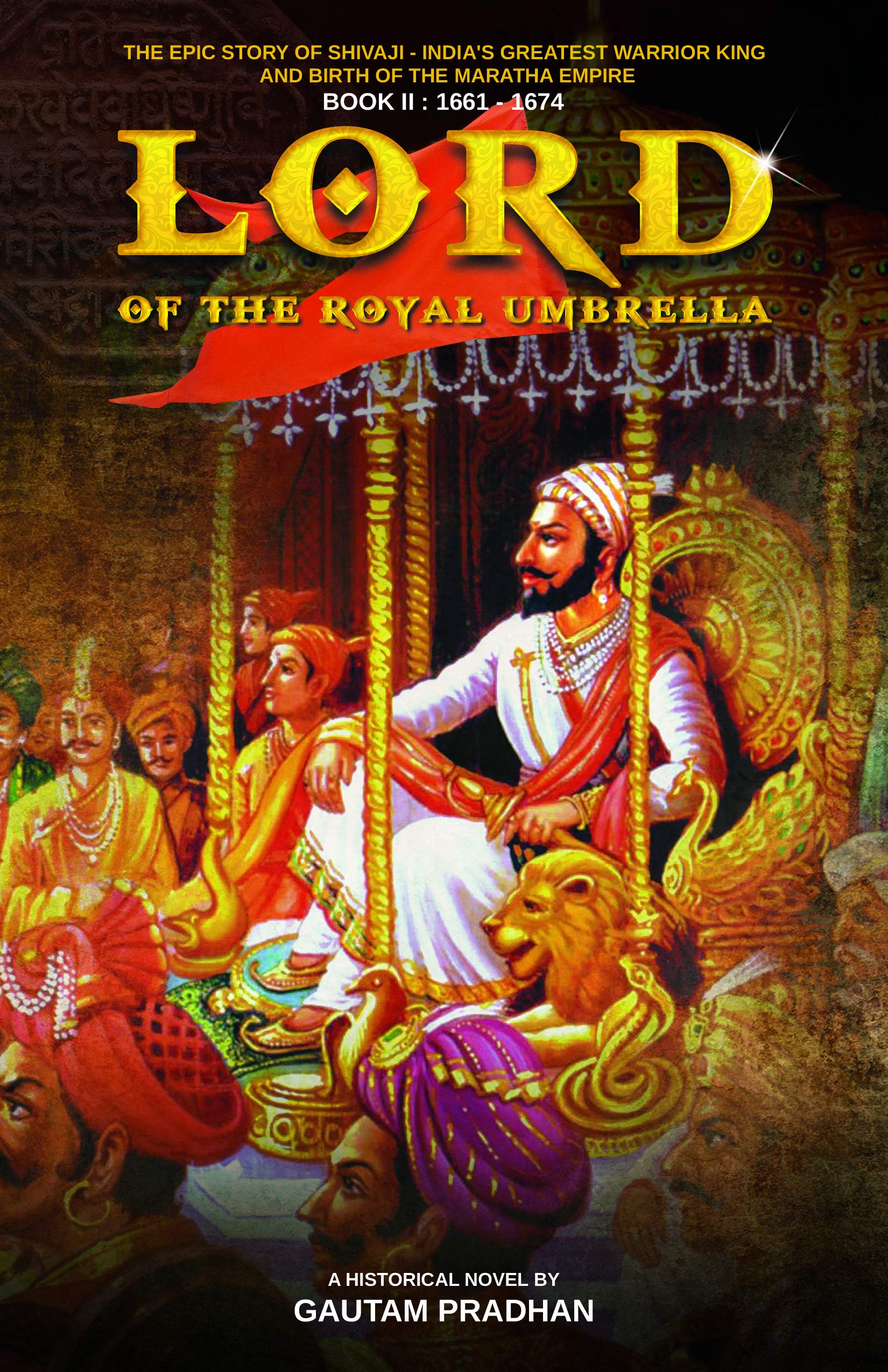
Lord of Royal Umbrella by Gautam Pradhan is a sequel to ‘300 Brave Men’. These two books narrates the story of a brave Indian king Chhatrapati Shivaji. Reading the first book was an amazing experience for me as reading about Indian kings always piqued my curiosity. ‘Lord of the Royal Umbrella’ isn’t an exception. This book elaborates the prowess of Shivaji and the obstacles he’d encountered by the imperial powers. The book starts with the gripping setting in the fort of Chakan, North of Pune. Shivaji’s army skirmishes against the imperial Mughal army, the stoical acceptance of Shivaji’s army will send goose pimples all over the readers.

‘What kind of men’ are these, Shaista Khan wondered. He could not help but admire the stubborn resilience of Marathas.’ The story flows with the colossal setting and extraordinary diction, the flow of the incidents and the language are perfectly adorning this grand historical novel.

The author has extensively sketched the characters pertaining to the grandeur of the storyline. He makes the readers view the landscape with his embellished and picturesque writing style. Writing a historical novel certainly has its own challenges, the perfect portrayal of the Shivaji’s character and the historical events apprises the readers about the boundless research work of author. This book also has the illustrations of maps that literally made me visualize the historical events mentioned.The characters are sketched quintessentially with exquisite descriptions of their dispositions.The tendency of the characters is pertaining to the mood of a typical historical fiction.

The story of ‘Lord of the Royal Umbrella’ is not merely elaborating the battlefield, the storyline also revolves around Shivaji’s astuted temperament and judicious sovereignty. The political moves of Shivaji are certainly quick witted. Gautam Pradhan’s writing style heightens the intensity of the story. If you are looking for a colossal historical novel, I would recommend you this book.

Comment down below if you’ve got any awesome recommendations too!

The Sun is also a Star by “Nicola Yoon”

The Sun is also a Star” is written by Nicola Yoon and this is his second book.

The Sun is also a Star is the young adult novel it is really popular like it one of the best selling books and a lot of people having talking about this book.

The character in this book or Nathasha and Daniel both of them or going through their own set of problems at one hand Nathasha is going through the crises were her family will be devoted from the USA because they are legal immigrants who came to the USA illegally and now they will be sent back to Jamaica and everything is very terrifying for them because they have to not be to Jamaica for long years now she tries her level bed so that she can do or arrange something for her family so that she does not have to be devoted so she tries and goes to all the administrative office to talk to the officer something and other can happen. she does not have to go back to Jamaica and she gets to live her

On the other hand, Daniel is going through this problem where his family has extreme expectations from him that is mainly because his family was having a lot of expectations from his elder brother now somehow his elder brother fail his exams and now all the expectation have come on the soldier of Daniel and now he is really terrified because all he thinks about it how he will get his life figure out.

Both Natasha and Daniel are going through their own set of problem personalities of Nathasha is someone who believes in science and logic. she does not believe in dreams and romanticism. On the other hand, Daniel is someone who likes all these things something that has other meaning other than logic. This is the main personality of both the character and now somehow this two life these two people came across each other and in 12 hours they fall in love with each other, and a lot of new Adventures had a lot of things happen. This is the basic outline of the story of the book.

The writing style of Nikola is used it very simple very plain if you are someone just starting to read that it is if you are a beginner then this book will be good for you. At a story is nat a boring at all lots of things are happening so it will give to engage to the story and you will not just lead the book just finished a book you will get to know what will happen until this is a love story you interested even more because the story quite interesting and predictable the outline of stories tell you what going to happen the amount of creativity and thought process that were put into creating this book cover. For a person who just getting into reading it will be good because you have no read many books don’t have many expectations through the sun is also a star book is good for beginners. Advanced level leaders stay away from this book.

Abandonment of Human and onset of Fractured family in the Novel: “The Metamorphosis”- By Franz Kafka

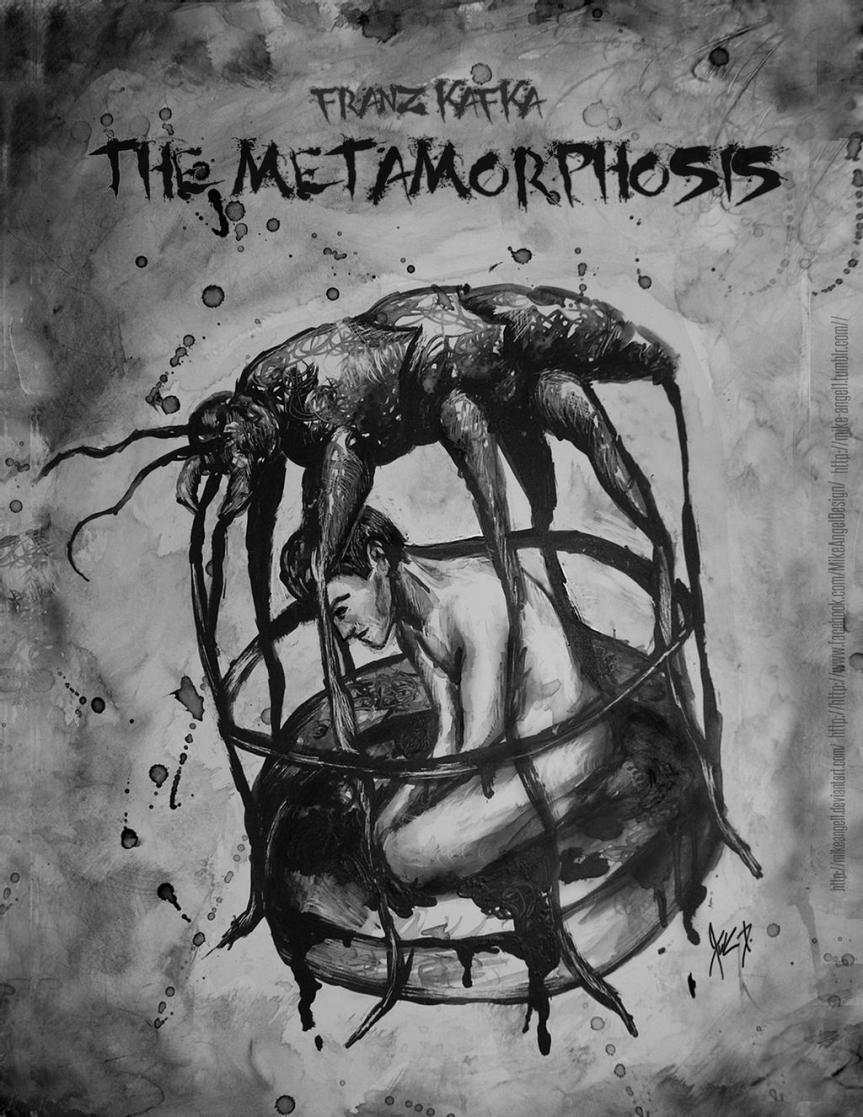
Devastation in a life of a Human being comes in various versions which ultimately hollows a person psychologically, emotionally, and sometimes physically too. Kafka’s one of the most popular novellas to date is  “Metamorphosis”, which is the best example of Human abandonment from their own society. This novella portrays how a human is outcasted by their own family and left to die.

A Tragic Story of Gregor Samsa –

The Novella begins with a setting of a bedroom where the protagonist is first introduced to the readers, as “Gregor Samsa”, who wakes up from his bed and sees himself transformed into a bug which brings him into a state of perplexing situation of his sudden body changes. He started to anticipate many assumptions of what had really happened to his body in one night but he failed in vain with the running thoughts.

Gregor Samsa was a salesman and a sole breadwinner who had a bunch of family responsibilities piled upon him. Even in the state of his physical transformation, he was concerned about his job and how would he be able to go to his office and catch his train at 7am.

Shock to the family –

When Gregor’s family members came to know about his physical transformation there were abashed and terrified by his transformation and avoided him mostly due to his nasty appearance. They were least bothered about Gregor, rather they were trying to avoid him by looking in this room and treating him like a real bug. Gregor’s father who never had any emotion and concern for his son only treated Gregor as someone who is paying off his debts. Gregor’s mother who loved Samsa dearly couldn’t be able to see his own son’s face as he looked disgusting and she was horrified with his appearance.

The only member who had a little bit of concern was Grete ( Sister of Gregor), who used to feed food to Samsa, but later on, in the story, she also loses interest in taking care of his own brother.

Family becomes Rebellious and Abandons Gregor :

This novella highlights the Fractured Family Relationships and the ill consequences which happened to Gregor after his transformation. His family, in particular, treated him like a disgusting insect which they wanted to get rid of, as the days were passing, Gregor who was once taking the responsibility for every member of his family now became a burden to them.

His father, Mr. Samsa even tried to kill Gregor with an apple, as he hated his own son so much. His mother though loved his son so much but never tried to visit him due to his condition.

The transformation was just a physical pain to Gregor, but the emotional and mental pain he received from his own family who was betraying him every day and alienated him in the end.

Tragic death Of Gregor:  

“He thought back of his family with emotion and love. If it was possible, he felt that he must go away even more strongly than his sister. He remained in this state of empty and peaceful rumination until he heard the clock tower strike three in the morning. He watched as it slowly began to get light everywhere outside the window too. Then, without his willing it, his head sank down completely, and his last breath flowed weakly from his nostrils.”

This quote mainly reflects the tragic death of Gregor which created a  sense of happiness for his family members. Profoundly, Grete is portrayed as responsible for Gregor’s death, but as we look into the story, we can’t blame only one character as responsible for his death, it is the whole family which should be blamed. Gregor was suffering from a state of identity crisis which brought his suicidal thoughts.

If we look into the story from a critical point of view, we can find that Gregor was depressed and was suffering from a breakdown. Unlike, other men of his age, he was different, he never enjoyed his life and never went to hang out with his friends, rather he was a workaholic and loner who used to be distant from socializing.

As we look into the story, Gregor died in his own room due to the burdensome of his own existence. His family made him feel like an outcast who should be dead and that made him demotivated to even live in this world.

His death was tragic because he died emotionally, mentally and when he was dead from inside his physical state couldn’t bear his body and left him abandoned, so he died tragically.

The ill fate of Gregor – An Alienated living being.

Gregor as a young salesman and even as a  son, brother played all of his responsibility in an admirable way, he never disappointed anyone but rather always worked hard in spite of any situations.

When his life became upside down when he became a bug and his transformation made him realize that he has no one in this real world. His family was a mirage of happiness that abandoned him in the end. All his family urged was the money. They were happy with Gregor till he was capable of earning, the day he was of no use his family changed their attitudes towards him which made Gregor feel alone.

The author tried to make understand through the situation of Gregor to his readers that, when a person is physically able, they are treated as a prominent part of the society, but when they have any flaws or deficits in their body, they are discriminated against by there looks and appearances and left alone by criticizing and judging them, which makes the person hollow from inside.

A fractured family basically lives a materialistic life where emotions and understanding are not prominent instead there is always a motive of taking advantage of each other. Gregor’s family were money-oriented people who only urged for money and not didn’t worried about Gregor’s crisis he was going through.

Metamorphosis is the best work Novella which tells about Humans and their family relationships that, if a person is dead their life doesn’t stop as like the flowing water their life moves on and people forget there past like the dawn of other days.

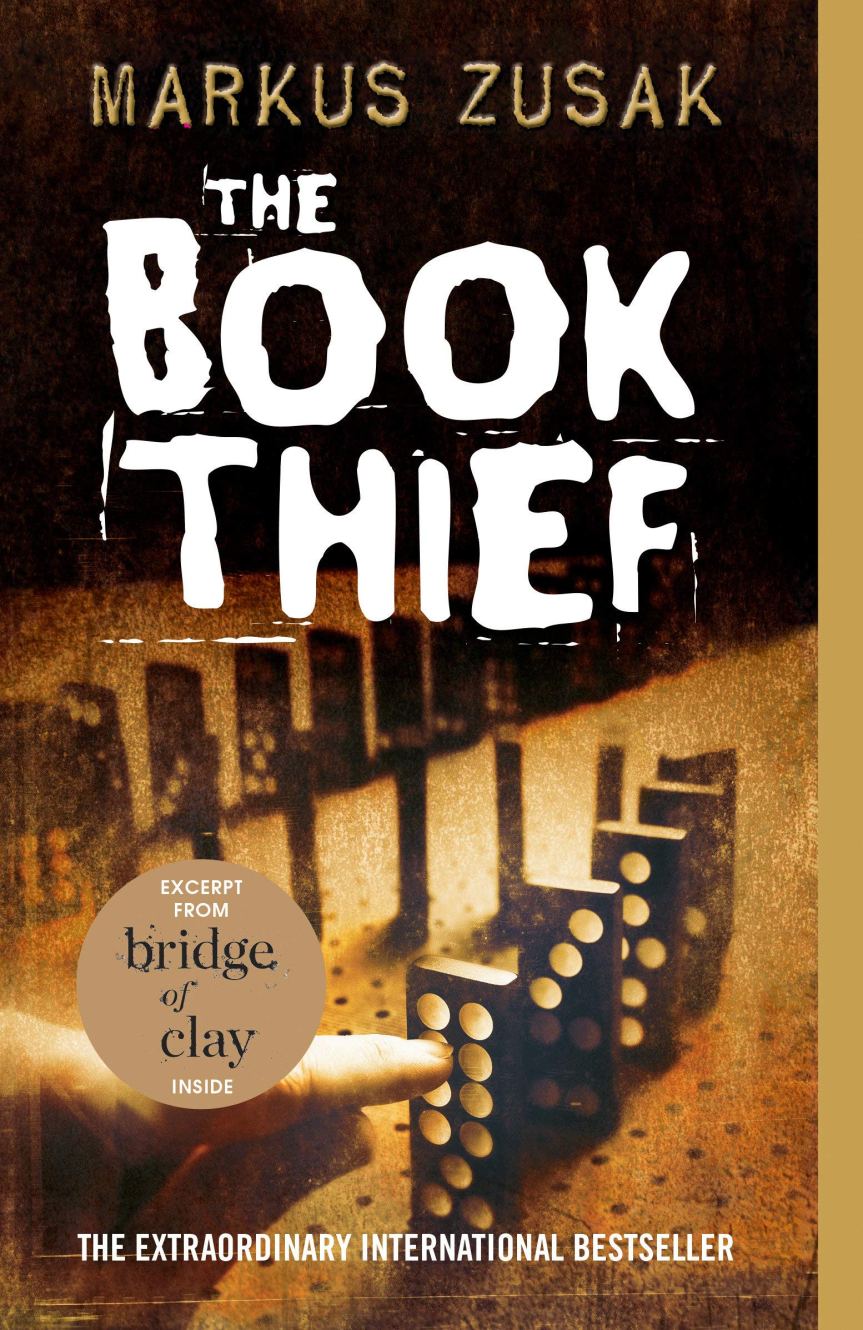
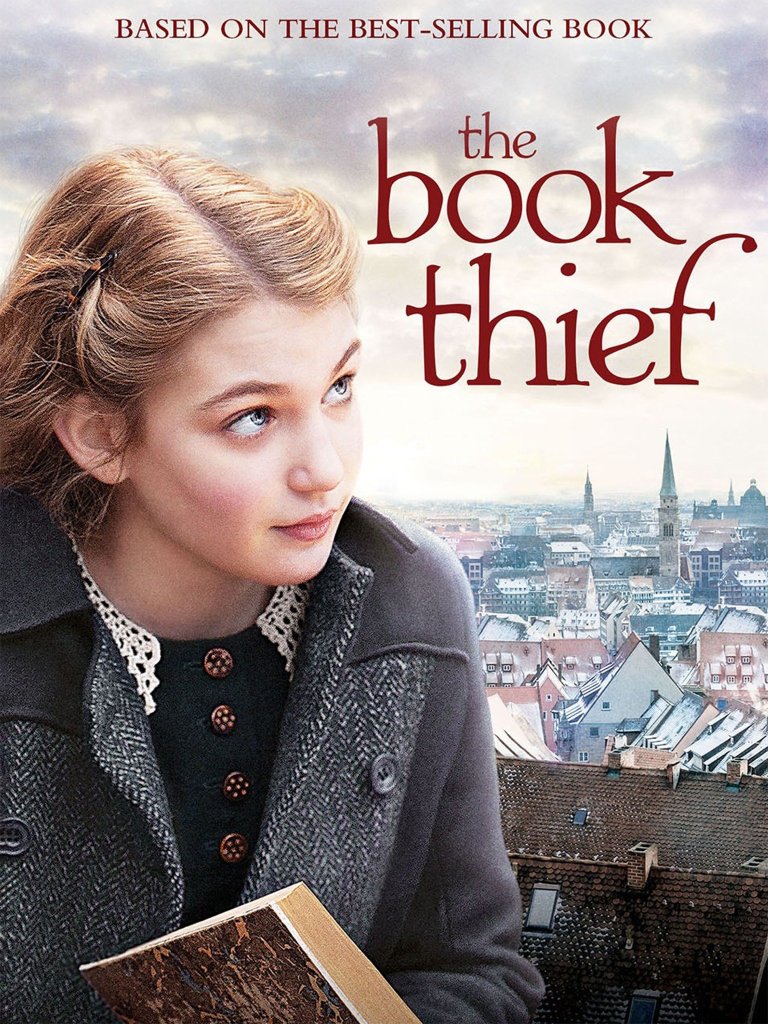
Holocaust in children’s Literature in the Novel – The Book Thief

“It was a place nobody wanted to stay and look at, but almost everyone did. Shaped like a long, broken arm, the road contained several houses with lacerated windows and bruised walls. The Star of David was painted on their doors. Those houses were almost like lepers. At the very least, they were infected sores on the injured German terrain.”
― Markus Zusak, 
The Book Thief

In reference to the novel, The Book Thief written by Markus Zusak which is a Young Adult Fiction and Historical Fiction by Genre gives us a clear image of the best classical works found in the literature. Markus has portrayed a beautiful story about a girl named Liesel Meminger, which is also the protagonist of the story. In which “Death” himself is the narrator and portrays us the beautiful relationship of a Foster Father and daughter.

Foster parenting is most fragile and negative but living in an environment where the background shows us the Nazi Germany War and the Autocratic power of Hitler and suppression of the Jews and the incidents of the holocaust, war and Violence may often haunt and be Depressing for the young Readers.

Why holocaust in children’s Literature?

Here the question raises about Markus is why he used Holocaust in children’s Literature?

The reason can be numerous, but the fine line of choosing the holocaust and Hitler was the prominent and best option because of the reason that Adolf Hitler himself targeted young minds to brainwash them by all political conspiracies against the Jewish people. This fact should be considered prominent, and the young generation of contemporary society should well know about holocaust literature.

Markus Zusak has explained the story of the book thief(Liesel Meminger) who was 10 years old girl living in Nazi Germany with her foster parents. Markus specifically took Liesel as a girl character to explain the scenario of children living in Nazi Germany.

The book Thief novel presents us the elements of contemporary issues in which a girl develops her emotional, physical, mental, cognitive skills and IQ skills with a presence of an ideal father.

Most Prominently, the novel is a complete package of love, friendship, hate, war, suppression under Hitler are the major themes found among them.

Holocaust – A deadly topic among children

Although, Holocaust is one of those terrible historical events which is still a heated topic and gives us goosebumps even to the adult readers. So the question that arises is how Markus have been able to make this as a children’s knowledge and bring the serious topic as an interesting genre among young readers . The answer is simple, as the book is enough to tell anyone why it’s been one of the classic books in the field of literature with a perfect balance of Emotional and feel-good genres.

The Book Thief –

The story is about a 10 yr. an old girl named Liesel Meminger, whose life was always a series of miserable life as she lost his brother at the beginning of the story and her own mother abandoned her and was kept under foster care.

Unlike other foster parents, rosa, her foster mother was always a rude mother who was always strict with her, but definitely her life was beautiful and contended because she had a foster father named; Hans Huberman, who always motivated her to read books and learn new vocabulary.

The whole book is set under the regime of Nazi Germany where it is all about children and their lives out there, where Liesel met many people like; Max ( A Jew, who was hidden in the attic), Rudy( His best friend), Illa ( The commander wife, who used to be good companion of Liesel in her reading time).

Liesel’s  life has always been tragic because she was always welcomed by grief, remorse and death. She lost many close people in her life due to death, and that is the reason death as a narrator quotes that: “I’ve touched Liesel many times, but her soul always lets me allow her to live more”. Liesel in the end becomes a successful writer and her journey as a writer explains to us how tragic her whole life was.

Elements of Nazi Germany-

The whole Book portray us the background of which the whole novel was based, as Jewish were beaten, the burring of books, max as a Jewish hiding in the attic, Hans going to war, Young boys enthusiastic and idolising Hitler these are elements in the book portray us the condition of Nazi Germany.

The ending of the book is bit tragic as though she becomes a famous writer , but she lossses everyone in the end of the war. Her foster parents, best friend Rudy all dies and she is left alone. The Book Thief is a perfect blend of War and fragility of a little girl who suffered so much because of a war. This also shows us how death plays a major roles in a way and is always terrible with mortal humans.

BOOK REVIEW : HOW TO WIN FRIENDS AND INFLUENCE PEOPLE

How to win friends and influence people is a great book to read . Dale Carnegie provides timeless, rock solid and practical advice that can be applied in our personal life.

Here are few methods to win friends and influence people that I learnt from this book :

1. Don’t criticise, condemn, or complain.

2. Give honest and sincere appreciation.

3. Go out of your way to make people feel important.

4. Become genuinely interested in other people.

5. Remember to use the other person’s name.

6. When wrong, admit it quickly and emphatically.

7. Publicly praise the other person’s accomplishments.

8. Show respect for other people’s opinions.

9. Try to see things from other’s perspective.

10. To get the best of an argument , avoid it.

11. Always begin in a friendly way.

12. Ask questions rather than give orders.

13. Smile.

14. Let the other person save face.

15. Let the other people do all the talking.

HAPPY READING ; )

Top Reads for Teenagers!

Bare Necessities: How To Live A Zero-Waste Life by Mansoor and Riddler

This insightful read introduces and guides you towards inculcating positive steps that benefit both – the planet and us.  It’s a complete guide to a zero waste lifestyle. Being more mindful about our consumption and striking a healthy balance between what’s good for the environment, what’s good for us and a harmonious co-existence with all other living beings would be the takeaway!

This essential book is authored by 2 passionate sustainability enthusiasts – Sahar Mansoor and Tim de Riddler who draw inspiration and illustrate their personal stories to strengthen their case. I have been wanting to move towards a more sustainable  lifestyle for a while now so the tips mentioned in the book were pretty helpful and challenged my take on certain topics which helped me realise my standpoint and where I need to be headed.

Take it slow, read every chapter which is topic-specific, reflect and start by implementing at least one or two if you’re just starting out or a few new ones if you’re already begun your sustainability journey. Every little deed towards a greener lifestyle goes a long way and if every little choice we make is rooted in respecting the diversity of our incredible nature , we’d be making this world much better place to live in. 

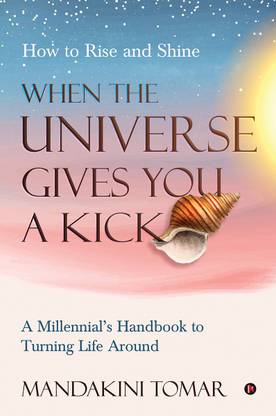
When the Universe Gives You a KickHow to Rise and Shine by Mandakini Tomar

This is a compelling, positive, comforting and outstanding book by Mandakini Tomar  which aims at raising our consciousness and uplifting our souls by getting us back in touch with our spiritual roots. It helps the reader think a little more clearly about the power of choices, defining the right values, importance of self-awareness, necessity for self-transformation and most importantly to align yourself spiritually and emotionally! With a pragmatic approach this book is remarkably transformative yet simple. Turn it over to any page and you’d be inspired!

I loved how inclusive and diverse the author has been in laying out facts and drawing wisdom from, whilst covering the entire spectrum of realizing our inner power! It’s an extremely insightful ,remarkably inspiring and lucid read that helps you in a holistic way and elaborates on many topics such as love, intuition, ego, flexibility and merged within some fascinating lines in inspirational crafted approaches! The book has a trinity approach : STOP, START & LEARN, and it has a rich compelling prose, poetries, dialogues that helps us to understand every detail and soak in the main concepts way clearly.

Comment down below your favorite books of the season!

The Henna Artist – Book Review

The Henna Artist is Alka Joshi‘s debut novel that was published in early 2020. It instantly became a NY best seller, a Reese Witherspoon book club pick and currently being developed into a TV series. Furthermore, it was longlisted for the Center for Fiction First Novel Prize.

Why may The Henna Artist be worth your time?

The Henna Artist is a captivating, engrossing and beautifully written historical fiction set in India in the 1950s.

The story follows Lakshmi, a strong-willed and decisive young woman who ran away from her marriage and family to the pink city Jaipur to become the talk of the town henna artist, herbalist and confidante for the elite circle of Jaipur ladies. Lakshmi’s talent, together with her determination and focus, rewarded her with the security, freedom and independence she strived for. A major life event takes place in Lakshmi’s personal life that forces on her new circumstances requiring tough decisions. Later on, we realize that this turning point was actually the catalyst for Lakshmi to reevaluate her priorities, free herself from the limitation of attachments and become closer to her true self and her real purpose.

Shedding light on social issues

This is a story abouy struggle, freedom, women’s choices, prostitution, abortion, ethical codes, early marriage, teenage pregnancy, perseverance, resilience, self-worth and forgiveness. It is a story about womanhood.

The Henna Artist is a compelling story with vivid rich descriptions that has the power of transporting the reader to that era written in a way that triggers all senses to truly enable the reader to picture the events and feel with the characters. The book is packed with cultural details such as henna art, natural and herbal medicine, Indian cuisine and family customs and traditions.

Closure

I truly enjoyed reading this novel and it made me think a lot more about my roots. Moreover, I am eagerly looking forward to reading the recently published sequel ‘The Secret Keeper of Jaipur’.

Comment down below your review of the book or suggestions for my next read!

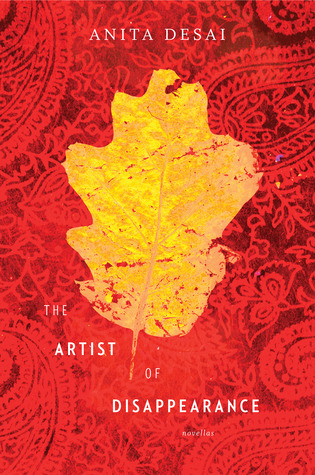
Desertion of Lost artists in the Novella – The Artists of Disappearance by Anita Desai

Artists who create the magnificent form of artwork usually portray their inner personality in there all forms of art. They represent who they are, and how their psyche is. The creators of extraordinary art live a life of incompleteness, dullness, and hollowness within themselves.

Their creativity glorifies their inner self and how miserable their life is. All legendary wizards of art contribute incredible work despite having and living a horrible life. Whether it is Shakespeare who lost her 8yr old daughter, or whether it is Franz Kafka who had a fractured/failed relationship with his own father, or whether it is J.K. Rowling who had lived a miserable life striving between her failed career and failed family life while being a single mother, these all examples are basically the real lives of these great writers who imprinted their skills and printed their hands in the history of literature forever.

There are serval times when artists fail living in a complicated society when they are being judged and due to several cultural mishaps, which affect their lives. Likewise, The Novella “Artists of Disappearance” is one among them.

Artists of Disappearance – A Novella about unsuccessful Artists

This is a Novella, which is only one of its kind in its own way because this novel which has 3 novellas within it talks about what happens when the artists fail to satisfy their piece of art?  How can an artist fail in his forte? For a writer/ or an artist the art is the reason why they survive in this uncanny world where there is a bridge between the writer and the injustices held against them, which ultimately oppose a writer to create their art! Readers will experience some kind of queries in their heads if they read these stories written by Anita Desai.

The writer had beautifully written these stories especially for the contemporary readers who are bustling their life and don’t have much time to read. But this Novella is amazing as all the 3 stories are somewhere relatable to readers of all ages.

“The Museum of Final Journey” –

This is the first novella of this book which is narrated by an unnamed Government bureaucrat who wanted to be a writer but unfortunately had to suppress his long writing career due to his father’s dream and expectation of his son to follow his footsteps and become a govt bureaucrat. As the story moves forward, we see that in the later years of the life of the narrator when he was a junior official and was posted into one of the remote areas, he describes his past experience as a flashback to the readers.

His experience was something which brought him in a state of apathy when one day an old man who was the caretaker of the “Mukherjee estates”  came to the office for a favor to rescue the treasures of the states as some people were stealing it and disrespecting those precious things by exporting it to other countries. The Museum, which was now an abandoned museum for the residents living there, still had authentic elements present in it.

As the narrator quotes that: “While others dreamt dreams and lived lives of imagination and adventure, my role was only to take care of the mess left by them.” When the official comes in counter with the museum, he realizes the art and his life, his life is rusty and mundane like the dust-covered on the treasure’s museum, even if he tries to save the estate the art will be auctioned by other greedy people. When the artist dies, the art is never protected rather it becomes a means for greedy people to fulfill their needs.

The narrator finds himself and the Museum similar and ended his story by having this grief that he should have followed his dream, yet he was a failed writer whose life was hollowed and gloomy.

“Translator, Translated”

Another story of a journey of a Failed writer, who is the protagonist of the story, named “Prema”, whose life was miserable and uncertain. She lived a mundane life as an English professor in a girl’s school where her own students mocked her and criticized her due to her appearance and her age. She didn’t have any goal and she always compared and envied her life with others, especially with one of her school acquaintances “Tara” who was now an editor head in a feminist publishing company.

When these 2 characters collide in one of the school programs, Tara allowed her to do a translating job. Initially, Prema’s journey as a translator was like a “Carousel”, but things fall apart when she tried to translate an Oriya book written by Suvarna Devi into English which later on ended her writer career ultimately.

Translating is a form of art that depends on how the translator deals with the language and brings the best piece of all. It becomes a sentimental concern if the translated work is not satisfied by the readers. This is what happened in the end, as her translated book didn’t receive much appreciation and in the end, Prema lost her dream to become an eminent writer and went back to her mundane life of being an English professor.

Her failure proves to us that, as the art fairs, the artists die! As the artist in Prema was dead when the art didn’t flourish. Her ability to write was dead when she drained by her own skills and failed with her own existence as an artist.

“The Artist of Disappearance” –

This is the title story of the novella with a protagonist named “Ravi” who had an unfortunate life who had been adopted at a very young age by a very wealthy couple. Even living in a mansion which was located at the foothills of the Himalayas, he never loved his life as his life was not peaceful like the other kids of his age. He had neglected parents who used to beat him up and used to leave him and traveled to Europe without having any concern for their son.

He was always caged in the house and what he always wanted is “Freedom”. This is what every artist wants to be free from the clutches of society, to think freely and exploring themselves.

In a fire accident when he lost his parents, he became to be with himself away from the social life and created much great artwork in his own house. His artwork was so much amazing that people who were filming near the village wanted to expose his work but he denied it and wanted to live an isolated life with his art.

The last story of Ravi proves that an artist is always attached to his work and never wants to leave it. Whether they fail or flourish, art is the reason which keeps them alive.

Though unnamed official, Prema and Ravi failed, their failures in there art form kept them alive from this undeserving world where they are not accepted for their art and yet these artists choose a life living in uncertainty with a certainty of hope hidden in their hearts and that surely one day they will reach their destination.

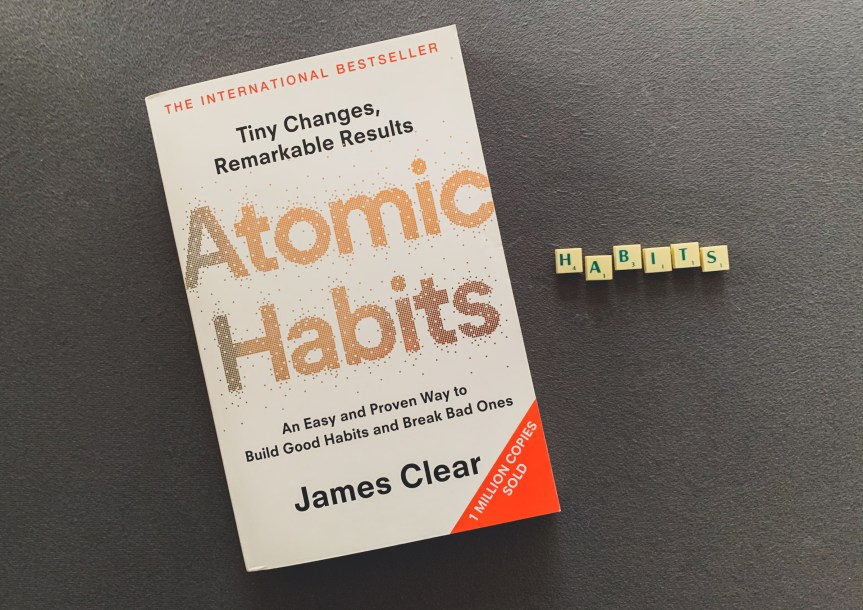
Book Review: Atomic Habits by James Clear

There are very few books in your life that you will read and think “Wow, this was life-changing”. You may enjoy reading books, and may even be a fan of a certain series of books like Harry Potter or Game of Thrones. However, these are generally limited to serving entertainment purposes only and are not the kind of books that will give you deep insights into life or help you reflect on yourself. Having said all this, I do believe the book “Atomic Habits’ that I am going to discuss in this article is the type of self-help book that will change or give you a new perspective on habits and lifestyle choices in general.

General Idea

The general idea of the book is this: small changes or habits you incorporate in your life will compound into much greater results in the long-run. Hence the use of the word ‘atomic’. The author is trying to explain that even small habits materialize into major results if we keep at them. This is a fairly new idea being introduced in this book, as we are often told if we want to change our lives, we have to take drastic steps like moving to a new place or quitting our jobs. This book replaces this notion with a new and improved one: change can occur even through miniscule habits and can provide life-altering results. You do not have to take drastic steps to create change, in fact you are probably better off starting at something very small and sticking with that. The process of building and sustaining these tiny habits, while also stopping or breaking free from bad ones, will help create the positive change we require.

Key Insights

  • The 1% rule – This relates to ‘compounding’ as mentioned before. It works in a similar way to compound interest. As we leave something to develop for a long period of time, eventually the net growth is massive. In this way, if we try to better our lives by even just 1% everyday, then we will be a 37% better version of ourselves after a year. The author provides a very insightful quote “Habits are the compound interest of self-improvement”. We should be careful though, as it also works the other way and even bad habits can compound to make us worse. So, we should focus on the self-beneficial ones while trying to limit or remove the harmful ones.
  • Focus on ‘Systems’ not ‘Goals’ – An important idea stressed upon in the book is on building ‘habits’ and not focusing on ‘goals.’ Our behavior should be such that it becomes repetitive and compelling, and not completely goal-oriented. If we become goal-oriented, we may become disappointed if we don’t meet our goals, but if our sole focus is on building a habit which we will maintain for the rest of our lives, there will be a much greater positive impact. For example, if your goal is to lose 5 kgs in one month, you will become disappointed if you don’t. Even if you do, it is only a temporary achievement and you may gain weight again after that. Instead, you should build the habit of exercising routinely to sustainably lose weight and stay fit.
  • Identity is the north star of habit change – This basically means that we should not solve problems based on their outcomes and results, as this means we only solve them temporarily. To solve problems for the long-term, we need to change our identity itself. This ties into the previous point in essence. For example, instead of saying you want to eat less junk food to lose weight, you should change your identity to a person who likes eating healthy and wants to build a good diet. To quote the book; “The ultimate form of intrinsic motivation is when habits become part of our identity.”
  • How to build a habit – There is a basic 4 step process for building habits: cue, craving, response, reward. Cue triggers the brain to perform an action, Craving provides the motivational force to perform it, Response is the habit/action that we perform and Reward is the end result. So, we should build habits that we want to incorporate into our lives through this process, by making the habit obvious, attractive, easy to perform and satisfying. In case all these are adhered to, the process of habit formation becomes rather easy.

Conclusion

As mentioned earlier, the book really is life-changing for anyone struggling to build a habit or break an old one. The aim should be to build long-lasting and sustainable habits (systems), however small, and to not focus on achieving some set goals in life. It is hard for many of us, in this world of instant gratification, to stick to habits that will show outcomes only after a long time and through a process of compounding, However, this book helps us with this and guides us on how we can build habits in and easy and efficient manner, and also explains the benefit this may have on our lives if we are just able to stay discipled and stick to them. Tiny changes, remarkable results.

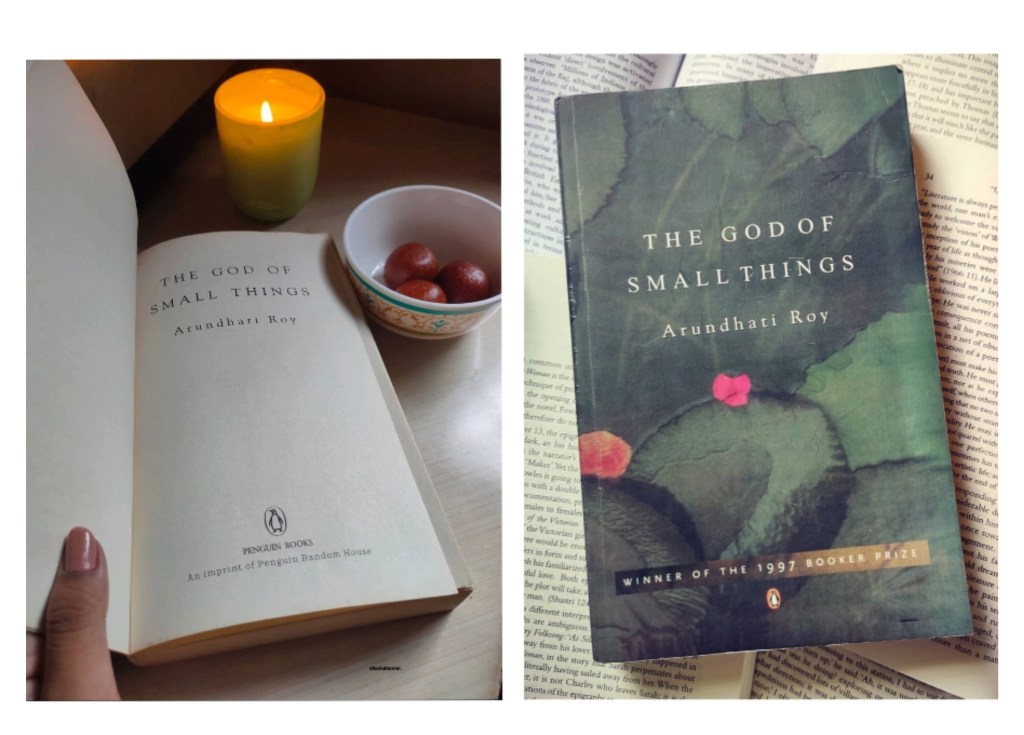
The God of Small Things by Arundhati Roy

Genre: Fiction, Drama

Rating: 4/5

“They all crossed into forbidden territory. They all tampered with the laws that lay down who should be loved and how. And how much.” Arundhati Roy – God of small things. 

This book was published and won the man booker prize in the year 1997.

A story about three generations of one broken family made up of flawed and broken individuals. It deals with themes of class and caste, love and sexuality, family and politics, and other little things. The God of Small Things is more than a novel. It’s an immersion of senses into a world, a language, a society, a culture that leaves you shattered. Arundhati Roy has crafted a world within the sleepy little town of Ayemenem. The way she has written is almost as if she invented her own language. The prose is so distinct and poetic that I’ve never read anything like it. At its heart, this is a story of family struggle (and everything that entails), but the trauma and division are beautifully balanced with lush descriptions of Kerala life.

‘May in Ayemenem is a hot, brooding month. The days are long and humid. The river shrinks and black crows gorge on bright mangoes in still, dustgreen trees. Red bananas ripen. Jackfruits burst. Dissolute bluebottles hum vacuously in the fruity air. Then they stun themselves against clear windowpanes and die, fatly baffled in the sun.’

Estha and Rahel, two-egg twins have met after years of staying apart. Set in the backwaters of Kerala during the height of Marxist influence, the book moves back-and-forth in time to establish the twins’ lives, and also that of their family – their parents, uncle, grandmother, and grandaunt. One tragic evening unravels any semblance of balance in their lives and leaves the family broken.

Arundhati Roy


“Perhaps it’s true that things can change in a day. That a few dozen hours can affect the outcome of whole lifetimes. And that when they do, those few dozen hours, like the salvaged remains of a burned house—the charred clock, the singed photograph, the scorched furniture—must be resurrected from the ruins and examined. Preserved. Accounted for. Little events, ordinary things, smashed and reconstituted. Imbued with new meaning. Suddenly they become the bleached bones of a story.”

Through the eyes of the twins, Estha and Rahel, she’s pointed out the hypocrisy, dejection, and sadness that is in the world. Specifically related to Love. About who should be loved and how much. Neither the questions asked, nor the answers given are easy. I can only imagine what her process might have been while writing this masterpiece. It is one of the finest pieces of literature I’ve ever read. The beautiful prose makes rain soaked, pickled flavour, cast ridden, left leaning Kerala come alive.


But what really bothered me is the constant repetition and lack of setting and description.
The story goes back and forth in time and and is filled with rich metaphors so it demands more attention.
If I have to describe it in a sentence I would say – It’s a lesson in sociology baked in prose poetry.

Pick this book up when your brain isn’t too scrambled.

A Corner of a Foreign Field by Ramachandra Guha – Book Review

Ramachandra Guha is an Indian Historian and a columnist. His notable works include India After Gandhi and Gandhi: The Years That Changed the World. He has been awarded with several accolades for his achievements in the field of history. He has experiences of teaching at Yale University, the Indian Institute of Science and the University of California at Berkeley. He was also the Indo – American Community chair professor in 1997 and 1998. 

A Corner of a Foreign Field is a fascinating fusion of Indian history and Indian cricket.The book is divided into four chapters titled Race, Caste, Religion and Nation respectively. The first three chapter greatly benefit from thorough research and the skill of a great historian. The last chapter contains more of the authors feeling and opinion. Nevertheless, the book does not suffer from the personal feeling of the author. Throughout the book, the reader can experience the author’s love for the game. 

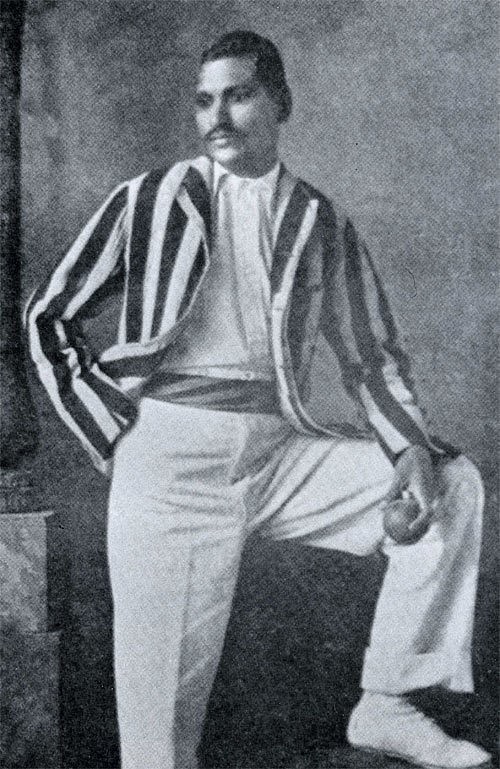
Palwankar Baloo

A Corner of a Foreign Field: The Indian History of a British Sport is a book about, one feels, the life of cricket in India so far. It is not just a history of the sport, but also a as much objective document of the sport as is possible. Cricket in India, as it is often said, is more than a sport. It evokes strong feelings from the audience and it won’t be an exaggeration to say that the team carries the burden of expectations of a billion people. Every on and off the field happening related to cricket is closely watched and excites opinions from all. This book views the unique sport through the lenses of race, religion, caste and nation. It speaks about the beginnings of cricket in India, how people reacted to this sport, its growth, impact and reception, BCCI, politics and much more. The book also gives insights into lives of people connected to the sport in one way or the other. The tales of cricketers like C. K Nayudu, Vijay Merchant, Palwankar Baloo and his brothers, Vijay Hazare makes it an interesting experience. It is astonishing how the game reflects the society at that point of time and the impacts each have had on one another throughout their history. It portrays the socio-cultural, political, economical aspects of the society by placing cricket at its centre. The book reflects the feelings of both an enthusiastic admirer of the sport and a historian keen on the socio-political happenings. The tales about cricketers are also good character sketches of the person. Not surprising, the story of Palwankar Baloo and his family is at the heart of this book as this originally began as a book about the life of Baloo. The book draws information heavily from newspapers of the day and the author uses this information beautifully to breathe life into the stories. The responses of various presses to the sport make for an interesting read. The knowledge of the author is seamless woven into the narrative. The writing of this book makes it an engaging experience even for a person not acquainted with the sport. Even for a fan of cricket, the book has much to offer and provide a great experience. It provides a whole lot new information and perspective even to a devoted follower of the sport.