Rethinking Progress: How Technology and Global Shifts Shape the Business Landscape

Modern life feels like a constant movement forward. Industries evolve, consumer expectations rise, and technologies that once seemed futuristic have quietly become part of our routines. As the world integrates digital habits into nearly every sphere, the line between professional and personal life continues to blur. Today, business is no longer a separate domain — it is woven into the rhythm of daily experience.

A World Built on Rapid Adaptation

In just a few years, business models that seemed unshakable have transformed beyond recognition. Automation has become the backbone of efficiency, data stands at the center of every serious strategy, and flexibility has become a core value for companies of all sizes. Consumers expect seamless experiences, instant communication, and clear ethical positioning. These expectations reshape how brands operate, measuring success not only in revenue but also in trust and transparency.

The Human Side of Economic Shifts

As economies integrate and global networks grow stronger, individuals are increasingly aware of how their choices influence broader systems. People think more critically about the companies they support and the technologies they rely on. Economic behavior mirrors lifestyle: dynamic, highly connected, and shaped by continuous learning. Understanding these patterns is essential not only for investors or entrepreneurs but for anyone who wants to navigate the future with confidence.

Finance For You: Expert Guidance for a Changing World

In an environment where trends shift quickly, Finance For You (finanz4u.com) has established itself as a trusted source of clarity. The platform offers accessible explanations and practical insights, helping readers understand key aspects of finance without unnecessary complexity.

Its analytical articles explore major finance, economy and business fundamentals, showing how global markets, policy decisions, and consumer habits interact. Through this lens, readers can better anticipate shifts instead of merely reacting to them.

Finance For You also examines how new technology is transforming business, revealing how artificial intelligence, digital logistics, and advanced analytics influence long-term strategy. These materials explain why innovation is no longer optional — it is the primary driver of competitiveness.

Additionally, the platform highlights emerging business opportunities in tourism, a sector experiencing rapid reinvention. By covering sustainable travel, hybrid work mobility, and digital booking ecosystems, Finance For You helps readers see new potential in an industry once defined solely by leisure.

The Acceleration of Innovation

Across the world, companies are reinventing themselves. Startups challenge traditional industries, established brands invest heavily in digital tools, and governments push for smarter infrastructure. These movements show that innovation is not a trend but a necessity. With technology influencing everything from logistics to customer experience, the market rewards those who can adapt quickly and consistently.

Moving Toward a Connected Future

The coming years promise deeper integration of technology, creativity, and global cooperation. People will expect more personalized services, faster solutions, and smarter systems that anticipate their needs. Businesses that recognize these expectations now will be the ones shaping tomorrow’s landscape.

Progress has always depended on connection — between ideas, cultures, and opportunities. Today, that connection is stronger than ever, offering a world full of possibilities for those ready to learn, adapt, and lead.null

HandiFox: Bringing Innovation to Small Business Inventory and Warehouse Management
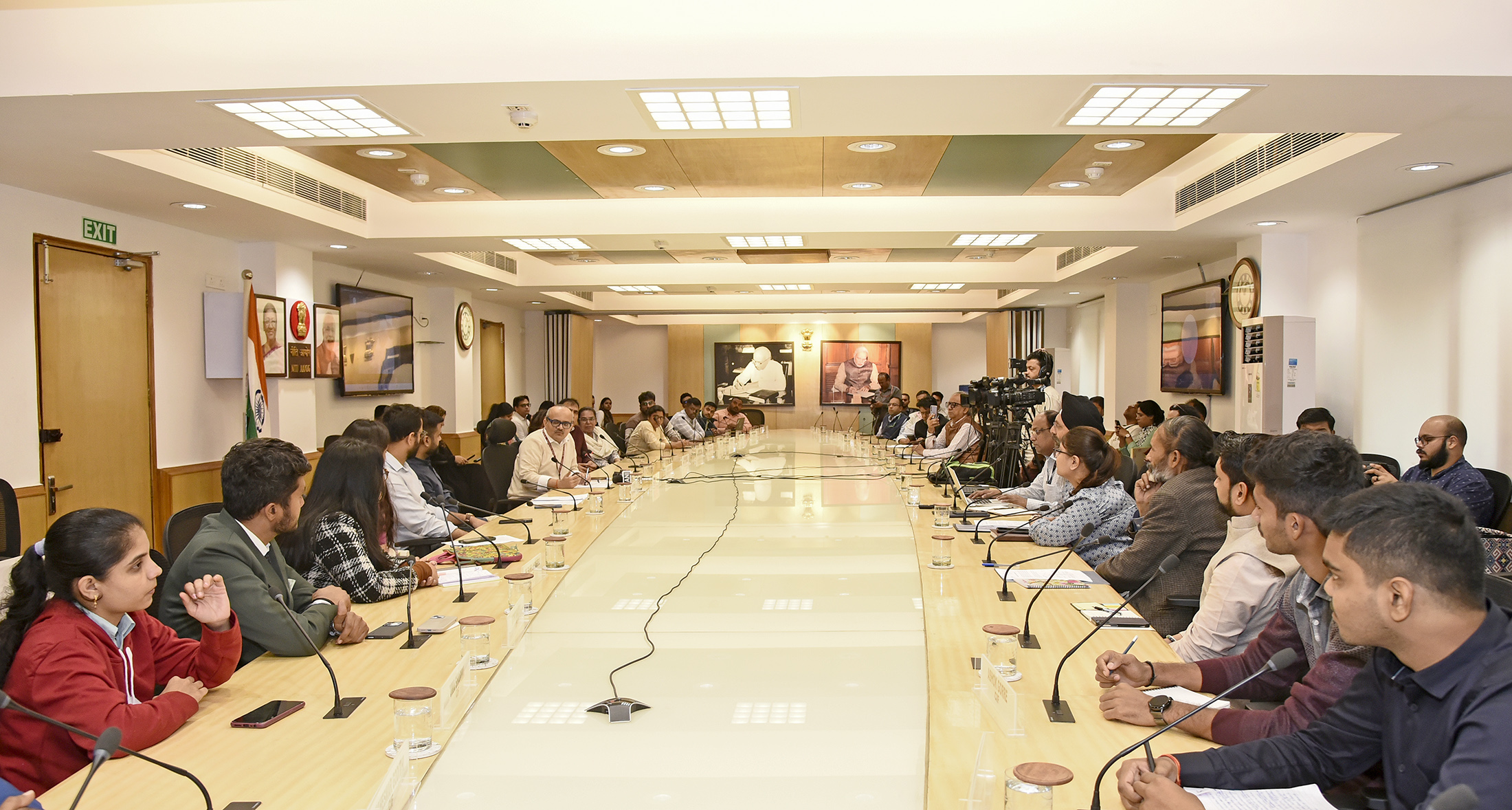
Photo by Ivan Samkov on Pexels.com

In today’s digital economy, technology isn’t just a competitive advantage — it’s a necessity. Small businesses across the United States are under increasing pressure to operate with the same efficiency as large enterprises, all while working with smaller teams and tighter budgets. One of the areas where technology makes the biggest impact is inventory and warehouse management.
This is exactly where HandiFox steps in. As a trusted provider of warehouse automation and sales management tools for more than 15 years, HandiFox delivers cutting-edge solutions that allow small businesses to work smarter, not harder.

Innovation at the Core

HandiFox was designed with a forward-thinking philosophy: give small businesses access to the same technology that powers big corporations but make it simple, mobile, and affordable. By combining barcode technology, real-time inventory tracking, and seamless integrations with accounting and e-commerce platforms, HandiFox transforms how businesses handle daily operations.

The result is more than just efficiency — it’s the ability to stay competitive in a fast-changing market.

How HandiFox Uses Technology to Empower Businesses

  • Mobile-first design – With iOS and Android support, HandiFox turns smartphones and tablets into full-featured warehouse tools. Employees can scan barcodes, manage stock, and process orders anywhere.
  • Smart automation – Routine tasks like stock counts, purchasing, and order updates are automated, reducing human error and saving valuable time.
  • Data-driven insights – By centralizing sales and inventory data, HandiFox helps owners make smarter purchasing decisions and forecast demand.
  • Cloud-enabled flexibility – With secure synchronization, businesses can access accurate data anytime, from any location.
  • Seamless integrations – QuickBooks users gain advanced inventory functions without leaving their trusted accounting system. Shopify retailers enjoy automatic order and inventory sync, keeping online stores updated in real time.

Why Technology Matters for Small Businesses

Many small companies hesitate to adopt advanced software, fearing complexity or cost. But outdated manual processes are far more expensive in the long run. Errors in stock counts, slow fulfillment, or poor visibility can quickly erode profit margins.

By embracing modern tools like HandiFox, businesses benefit from:

  • Faster workflows with minimal training.
  • Accurate, up-to-date information available on mobile devices.
  • The ability to scale without dramatically increasing overhead.
  • Improved customer trust thanks to reliable fulfillment.

In other words, technology levels the playing field, allowing small businesses to compete with much larger organizations.

A Future-Ready Solution

What makes HandiFox unique is not just its current features, but its commitment to continuous improvement. The software evolves based on feedback from thousands of users, ensuring that it keeps pace with new trends and challenges in the business world.

As supply chains become more complex and customer expectations rise, having a future-ready platform becomes critical. HandiFox isn’t just solving problems today — it’s preparing businesses for tomorrow.

Technology is no longer optional — it’s essential for survival and growth. HandiFox empowers small businesses across the USA with innovative, easy-to-use tools that bring order, accuracy, and scalability to warehouse and inventory management.

By combining mobility, automation, and seamless integrations, HandiFox delivers the efficiency of enterprise systems in a package designed for small business needs.

Top 7 Servo Stabilizer Manufacturers in India – Best Rated

Daily writing prompt
What is your favorite holiday? Why is it your favorite?

Imagine the level of frustration if voltage fluctuations damage a new, expensive electronic device you bought. The unstable power supply is the real threat.

To tackle this threat, there is only one solution: a servo stabilizer.

The machine protects your sensitive devices from voltage fluctuations and increases the electronics’ lifespan.

With the wide range of servo stabilisersStabilizers available in the market, it can be challenging to decide which one to choose. So let’s delve into India’s top brands for servo Stabilizers.

Which company is best for servo stabilizer?

If you search for the best company offering servo Stabilizers, then Servo Stabiliser India will stand out as the most reliable, boasting the highest Google rating and customer reviews.

Their reputation as the top brand in India has been growing for the last 30 years.

Still, it is important to consider your needs, budget, and after-sales services before making an informed decision.

1. Servo Stabiliser of India

Servo Stabiliser India has you covered if you want tailored and specialised solutions. Known for energy-efficient designs tailored particularly for your sector needs, they… Their sophisticated servo technology guarantees dependable and consistent performance.

Furthermore, should any problems arise, their outstanding after-sales support will assist you.

2. Purevolt India

Whether for homes or businesses, Purevolt India is well-known for its high-quality servo Stabilizers.

Their small but strong design, exact voltage correction skills, and great industry knowledge distinguish them from others. Purevolt guarantees you are never left stranded with a nationwide service network.

3. Servokon

When dependability and durability are your main concerns, Servokon holds firm.

Perfect for heavy-duty use, their Stabilizers guarantee seamless operation even under severe circumstances by means of automatic voltage control.

If you operate big industrial machinery, this is a reliable selection.

4. Microtek

Known for its user-friendly designs, Microtek is well-known and respected all throughout India.

Perfect if you’re not a tech-savvy user, their servo Stabilizers offer great efficiency, digital displays for simple monitoring, and operational simplicity.

5. V-Guard

V-Guard, a brand well known for consumer electronics, provides value without sacrificing quality.

Their Stabilizers promise dependability and consistent performance with a wide product range suited to different consumer needs, particularly perfect for home use.

6. Servomax Ltd.

Servomax Limited is outstanding for heavy industrial needs.

Renowned for their robust and exacting servo Stabilizers, they can easily handle tough industrial settings. Built to last, their goods guarantee exact voltage control.

7. VCS India: Voltage Control & Stabilizers

With creative ideas and cutting technology, VCS India is fast establishing its presence.

Their emphasis is on tailored servo Stabilizers meant to improve performance and energy economy. A wonderful option if you want something catered to your particular needs.

Factors to Consider When Choosing a Servo Stabilizer

Picking the right servo stabilizer is something more than brand value and reputation.

Here we are listing some of the crucial factors to consider before buying the right servo stabilizer:

Power capacity: It should match your power requirement.

Type of load: Load tolerance must be slightly more than the total load your devices induce, regardless of whether you are using it for residential or industrial purposes.

Reliability & efficiency: It must be reliable enough to be efficient for a long duration.

After Sales Support: It must be fast and prompt to save you from the frustration of downtime.

Warranty: Before buying a servo stabilizer, make sure it comes with a standardised warranty.

Wrapping Up

Selecting the appropriate servo stabilizer will help you to avoid needless downtime and expensive damages.

Investing in trusted brands like Servo Stabilizer India and Purevolt India guarantees consistent performance and peace of mind. 

Choose carefully to safeguard your priceless equipment right now.

Ready to choose?

Visit the official sites or contact approved dealers of these companies for individual advice suited to your requirements.

Efforts made by Ministry of Education to make ‘Viksit Bharat’ by 2047

Daily writing prompt
What Olympic sports do you enjoy watching the most?

The National Education Policy 2020 (NEP 2020) announced on 29.07.2020 is the first education policy of the 21st century and aims to address the many growing developmental imperatives of our country. The Policy proposes the revision and revamping of all aspects of the education structure, including its regulation and governance, to create a new system that is aligned with the aspirational goals of 21st century education, including SDG-4, while building upon India’s traditions and value systems.

NEP 2020 envisions an education system rooted in Indian ethos that contributes directly to transforming India, that is Bharat, sustainably into an equitable and vibrant knowledge society, by providing high-quality education to all, and thereby making India a global knowledge superpower. Towards this, a number of transformative changes have taken place both in school and higher education after announcement of National Education Policy (NEP 2020).

Further recognizing research as core requisite for better education in line with vision of NEP 2020 Anusandhan National Research Foundation has been established which aims to provide high-level strategic direction for research, innovation and entrepreneurship in the fields of natural sciences including mathematical sciences, engineering and technology, environmental and earth sciences, health and agriculture. It also seeks to promote scientific and technological interfaces of humanities and social sciences.

Ministry of Education has also been implementing various schemes to promote research and development in the Higher Educational Institutes of the Country which includes Prime Minister’s Research Fellowship scheme(PMRFs), Impacting Research Innovation and Technology (IMPRINT), Scheme for Trans-Disciplinary Research for India’s Developing Economy (STRIDE), Scheme for promotion of Research and Academic Collaboration (SPARC), National Initiative for Design Innovation (NIDI) and Scheme for Transformational and Advanced Research in Sciences (STARS). Also, PM-USHA aims at funding the State Government Universities and Colleges so as to improve the overall quality, including ‘Research Innovation and Quality Improvement’.

In pursuance to Para 60 of the Budget Announcement 2023-24 regarding “Centres of Excellence for Artificial Intelligence” for the vision of “Make AI in India and make AI work for India”, Government has approved three Centres of Excellence (CoE) in Artificial intelligence (Al), one each in the areas of health, agriculture and sustainable cities with a total financial outlay of Rs. 990.00 Cr over the period of FY 2023-24 to FY 2027-28. Further, a Centre of Excellence in Artificial Intelligence for Education with a total outlay of Rs. 500 crore has been included in the Budget Speech 2025-26.

Various schemes/projects/programmes of Ministry of Education have been aligned with NEP 2020 to realise the vision of making India a developed Nation by 2047.

Combatting Misinformation with AI

Daily writing prompt
What movies or TV series have you watched more than 5 times?

Introduction


The TruthTell Hackathon, part of the Create in India Challenge – Season 1, is designed to develop cutting-edge AI-powered tools for real-time fact-checking during live broadcasts. Supported by prominent organizations like the India Cellular & Electronics Association (ICEA), Ministry of Information & Broadcasting (MIB), Ministry of Electronics & Information Technology (MeitY), and IndiaAI Mission, the hackathon brings together key stakeholders to foster innovation in the media and technology sectors. This initiative is a crucial component of the inaugural WAVES (World Audio Visual & Entertainment Summit).

The World Audio Visual & Entertainment Summit (WAVES) in its first edition is a unique hub and spoke platform poised for the convergence of the entire Media and Entertainment (M&E) sector. The event is a premier global event that aims to bring the focus of the global M&E industry to India and connect it with the Indian M&E sector along with its talent.

The summit will take place from May 1-4, 2025 at the Jio World Convention Centre & Jio World Gardens in Mumbai. With a focus on four key pillars—Broadcasting & Infotainment, AVGC-XR, Digital Media & Innovation, and Films-WAVES will bring together leaders, creators and technologists to showcase the future of India’s entertainment industry.

The TruthTell Hackathon is a key component of Pillar One of WAVES, focusing on Broadcasting and Infotainment. To date, 5,650 participants have registered, including 186 international entries.

Registration Process and Timeline

The TruthTell Hackathon invites participants to develop an AI-powered solution to counter misinformation and promote ethical journalism. Participants can join individually or form teams of up to 5, including developers, data scientists and media professionals. Registrations are now closed, with the final date being 21st February 2025.

  • Opening of Registrations: 1st October 2024
  • Deadline for Submissions of Ideas and Prototypes: 21st February 2025
  • Announcement of Top 25: 7th March 2025
  • Mentoring & Tinkering: 8th – 18th March 2025
  • Jury Presentation & Selection of Top 5 Winners: 24th – 28th March 2025
  • WAVES Summit: 1st – 4th May 2025

Tasks Include:

  1. Dataset Preparation:
    • Analyze data using external fact-checking APIs.
    • Pre-process and clean text-based media content (tokenization, entity extraction).
  2. Developing a Real-time NLP Model:
    • Train machine learning/deep learning models on misinformation datasets.
    • Implement NLP techniques (text classification, sentiment analysis, entity recognition) for real-time text analysis.
  3. Fact-checking Integration:
    • Integrate external fact-checking APIs to verify flagged content.
    • Cross-reference live broadcasts with trusted knowledge databases.
  4. Real-time Data Processing:
    • Set up streaming infrastructure for live broadcast feeds.
    • Implement data pipelines to process new information as it arrives.
  5. Knowledge Graph for Fact-checking:
    • Build and deploy a knowledge graph to track entities and their verified status.
    • Use the graph to detect patterns of misinformation.
  6. Real-time Dashboard for Broadcasters:
    • Create an interactive dashboard displaying real-time alerts, confidence scores, and verification info.
  7. Testing and Validation:
    • Test with live or recorded broadcasts.
    • Validate accuracy using ground-truth data from fact-checking organizations.

Project Submission Guidelines

  1. Written Proposal:
    • Project Description: Provide a detailed explanation of your proposed tool and its intended functionality.
    • Problem Statement: Clearly describe the specific problem your tool addresses.
    • Target Audience: Identify the intended users or beneficiaries of your tool.
    • Technical Approach: Outline the methods, algorithms, and technologies you will use, with a focus on APIs and datasets provided by the hackathon.
    • Development Timeline: Provide a realistic timeline with key milestones and deadlines.
  2. Prototype:

Working Prototype: Demonstrate the core functionality of your tool. Ensure it is user-friendly, functional, and showcases the impact of your solution.

    • Key Considerations:
      • Functionality: Ensure it can perform the intended tasks effectively.
      • User Experience: Design an intuitive and easy-to-navigate interface.
      • Completeness: Include all essential features of your tool.
      • Documentation: Provide clear instructions on using your prototype.
  1. Additional Tips:
    • Use clear, concise language.
    • Support claims with evidence and examples.
    • Ensure your proposal is visually appealing and well-formatted.

Access to Powerful Tools and Technologies

The TruthTell Hackathon offers a unique opportunity to develop innovative AI-driven solutions to combat misinformation. Participants will have access to powerful tools, mentorship and resources to build their projects. Here are some popular tools and technologies that can be used to develop AI-driven solutions for combating misinformation:

  • Programming Languages:
    • Python (with libraries like TensorFlow, PyTorch, NLTK, Scikit-learn)
    • R, Java, javascript
  • Natural Language Processing (NLP) Libraries:
    • TensorFlow Text, Hugging Face Transformers, SpaCy, Gensim
  • Machine Learning Frameworks:
    • TensorFlow, PyTorch, Keras

Key Considerations for Development

    • Functionality: Ensure your tool performs its intended tasks effectively.
    • User Experience: Design an intuitive, user-friendly interface.
    • Completeness: Include essential features and components of your tool.
    • Documentation: Provide clear instructions for using your prototype.

Evaluation Criteria

The evaluation criteria for the TruthTell Hackathon are as follows:

  1. Innovation: The originality and creativity of the solution.
  1. Impact: The potential of the solution to make a significant impact on combating misinformation.
  1. Technical merit: The quality of the code, data analysis and AI implementation.
  1. Scalability: The ability of the solution to be applied at a larger scale.
  1. User experience: The ease of use and effectiveness of the user interface.
  1. Adherence to ethical guidelines: The compliance of the solution with ethical principles and standards.
  1. Presentation and communication: The clarity and persuasiveness of the project presentation.
  1. Proof of concept (PoC): The demonstration of the solution’s functionality and effectiveness.

Prizes
The top 5 winners will be recognized and awarded at the WAVES event, with cash prizes for the winners.

Conclusion

the TruthTell Hackathon offers a valuable platform for innovation, enabling participants to create AI-driven solutions that combat misinformation and promote ethical journalism. With access to powerful tools, expert mentorship, and a chance to showcase impactful solutions at the WAVES Summit, this event presents an exciting opportunity to make a real difference in the media landscape.

References

Click here to see PDF.

*****

Santosh Kumar/ Ritu Kataria/ Kamna Lakaria

About WAVES

The first World Audio Visual & Entertainment Summit (WAVES), a milestone event for the Media & Entertainment (M&E) sector, will be hosted by the Government of India in Mumbai, Maharashtra, from May 1 to 4, 2025.
Whether you’re an industry professional, investor, creator, or innovator, the Summit offers the ultimate global platform to connect, collaborate, innovate and contribute to the M&E landscape.
WAVES is set to magnify India’s creative strength, amplifying its position as a hub for content creation, intellectual property, and technological innovation. Industries and sectors in focus include Broadcasting, Print Media, Television, Radio, Films, Animation, Visual Effects, Gaming, Comics, Sound and Music, Advertising, Digital Media, Social Media Platforms, Generative AI, Augmented Reality (AR), Virtual Reality (VR), and Extended Reality (XR).
Have questions? Find answers here
Come, Sail with us! Register for WAVES now (Coming soon!).

Department of Biotechnology Hosts the Ninth Webinar in its Webinar Series on Biomanufacturing and Biofoundry Initiative on the Theme “Biomanufacturing of Biopolymers

Daily writing prompt
What is your middle name? Does it carry any special meaning/significance?

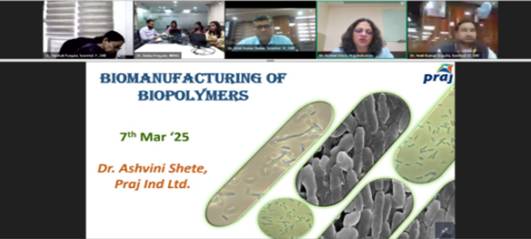
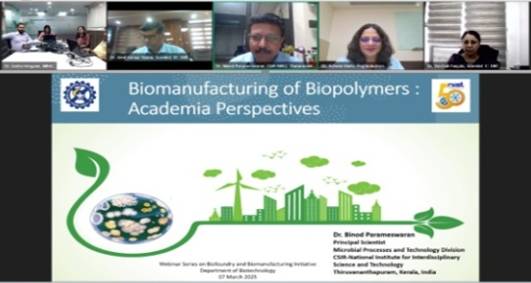
The Department of Biotechnology, Government of India hosted the ninth Webinar in its Biofoundry and Bio manufacturing Initiative series on March 7, 2025. The session centered on “Bio manufacturing of Biopolymers,” a crucial area under the BioE3 Policy, which was approved by the Union Cabinet in August 2024. The BioE3 Policy is designed to establish India as a global leader in bio-based innovations, emphasizing sustainable biomanufacturing across various thematic areas, including biopolymers. This Webinar served as a platform for academia, industry leaders, startups, and researchers to engage in discussions about advancements and opportunities in biopolymer biomanufacturing.

Dr. Vaishali Panjabi, Scientist ‘F’, DBT, highlighted the BioE3 Policy’s vision to foster high-performance biomanufacturing. She informed that the ninth Webinar in this series focuses on ‘Biomanufacturing of Biopolymers’. India, given its academic and industrial strength, is poised to create a vibrant ecosystem for cost-effective biopolymer production. She mentioned the potential gaps, challenges in this sectors followed by strengths and opportunities to address the same.

Dr. Binod Parameswaran, CSIR-NIIST, Thiruvananthapuram mentioned the major differences between biopolymers, process involved along with challenges and limitations in biomanufacturing. Finally he also shared the key trends shaping the future of biopolymer R&D in India.

Dr. Ashvini Shete, Praj Industries Ltd. mentioned in detail the process involved in the production of Biopolymers and the challenges associated with its production. She emphasized on the importance of strain and feed stock selection, process optimization and downstream processing for biopolymer production. She mentioned that a Vibrant Ecosystem for Cost-Effective Biopolymer Production can be created in India based on the rich availability of feedstock and technology with in the country.

The session concluded with a vibrant Q&A segment moderated by DBT and BIRAC officials. Participants actively engaged with the experts, discussing challenges and opportunities in bio manufacturing of biopolymers.

****

From Manager to Visionary: How to Lead Business Transformation in Uncertain Times

Daily writing prompt
Share one of the best gifts you’ve ever received.

Picture this – you’re steering a ship in the middle of a storm. The winds are howling, the waves are unpredictable, and your crew looks to you for direction. In today’s volatile business environment, managers are facing a similar challenge. Economic fluctuations, rapid technological advancements, and evolving customer expectations have made traditional management styles obsolete. To survive and thrive, leaders must move beyond managing tasks – they must become visionaries who anticipate change, inspire innovation, and drive transformation.

Photo by Eva Bronzini on Pexels.com

So, how does one make this leap from manager to visionary? What skills and mindset shifts are required to navigate uncertain times successfully? This article explores the key strategies that can help leaders transform businesses while ensuring stability and long-term growth.

1.     Shift From Being Reactive to Being Proactive

Traditional managers are often reactive – responding to challenges as they arise. Visionary leaders, on the other hand, anticipate change before it happens. They don’t just solve problems; they look ahead, identify opportunities, and shape the future. Here’s how you can be a visionary leader:

  • Embrace Scenario Planning: The most successful leaders don’t wait for crises; they prepare for them. Companies like Amazon and Tesla thrive because their leaders think five to ten years ahead. Regularly conducting “what-if” analyses can help businesses stay ahead of disruptions.
  • Encourage a Culture of Innovation: Visionary leaders foster environments where employees feel empowered to experiment and challenge the status quo.
  • Stay Ahead of Industry Trends: Subscribe to reports, attend conferences, and network with thought leaders to predict industry shifts before they happen.

2.     Adapt to Digital Transformation

Technology is the biggest disruptor in today’s business landscape. AI, automation, and big data are not just buzzwords; they are fundamentally reshaping industries. Managers who resist digital transformation risk becoming obsolete, while visionary leaders harness these tools to drive efficiency, enhance decision-making, and create new revenue streams. Steps to lead this digital transformation:

  • Invest in Digital Literacy: Even if you’re not in a tech-heavy industry, understanding AI, blockchain, and data analytics is crucial. Many executives enroll in a general management course to strengthen their ability to integrate technology into business strategy. You can consider enrolling in a general management programme to learn these skills.
  • Leverage AI for Smarter Decision-Making: Companies like Netflix use AI-driven analytics to predict customer preferences and enhance user experience. Could your business use AI to forecast market trends or optimize supply chain management?
  • Adopt Agile Practices: Traditional business models follow rigid hierarchies. Visionary leaders embrace agility, enabling their teams to pivot quickly in response to change.

3.     Lead with Purpose

A manager manages teams; a visionary inspires movements. To lead transformation in uncertain times, leaders must establish a clear purpose that resonates with employees, customers, and stakeholders. You need to build a compelling vision.

  • Define Your ‘Why’: What impact does your company want to create? Visionary leaders, like Steve Jobs and Elon Musk, built companies with missions that were larger than profits.
  • Communicate with Clarity: A vision is useless if your team doesn’t understand it. Every decision, project, and strategy should align with the company’s broader purpose.
  • Lead by Example: Employees look to leadership for cues. If you want your organization to embrace transformation, demonstrate adaptability and forward-thinking in your own actions.

4.     Build Resilience

In uncertain times, resilience is the most important trait a leader can cultivate. Visionary leaders don’t fear failure; they see it as a learning opportunity. How to build organizational resilience:

  • Encourage a Growth Mindset: Visionary leaders foster a culture where employees feel safe to take risks and innovate.
  • Develop Strong Crisis Management Skills: Leaders must be prepared to respond to market downturns, supply chain disruptions, or workforce challenges without losing momentum.
  • Strengthen Financial Agility: Businesses that survived the COVID-19 crisis were those that quickly adapted their financial strategies. Maintaining healthy cash reserves and diversifying revenue streams can be game-changers.

5.     Embrace People-Centric Leadership

At the heart of every transformation is people. The best strategies and technologies mean nothing if employees are disengaged or resistant to change. Visionary leaders prioritize people over processes, ensuring that teams remain motivated, aligned, and prepared for the future.

  • Empower Teams with Autonomy: Employees perform better when they have ownership over their work. Autonomy fosters creativity and innovation.
  • Prioritize Employee Well-Being: Burnout is a major challenge for organizations undergoing transformation. Companies with strong well-being programs see higher productivity and retention rates.
  • Develop Future-Ready Skills: A general management course can help leaders refine their skills in change management, strategic thinking, and employee engagement.

6.     Make Bold, Data-Driven Decisions

In uncertain times, relying on intuition alone can be risky. Visionary leaders combine data-driven insights with bold decision-making to navigate uncertainty with confidence.

  • Leverage Predictive Analytics: AI-driven analytics can help forecast customer behavior, market trends, and operational risks.
  • Test and Iterate: The best leaders experiment with new strategies, analyze results, and pivot quickly if needed.
  • Balance Logic with Instinct: While data is powerful, gut feeling and experience also play a role in high-stakes decisions.

Final Thoughts

The leap from manager to visionary isn’t about a title change – it’s about adopting a mindset that embraces change, inspires innovation, and leads with clarity and purpose. As the business world grows increasingly complex, the most successful leaders will be those who:

  • Anticipate and adapt to change
  • Leverage technology for transformation
  • Lead with vision and inspire their teams
  • Prioritize resilience and agility
  • Make bold, data-driven decisions

For managers looking to step into visionary leadership roles, investing in executive education, like IIM General Management Program, which can provide the strategic insights, leadership skills, and digital expertise needed to lead successfully in an era of uncertainty.

Serhii Tokarev: How AI Can Turn Business Failures into Success

Daily writing prompt
What would you do if you won the lottery?

Artificial Intelligence (AI) is reshaping how businesses operate, offering tools to streamline processes and improve decision-making. Despite its potential, many companies don’t fully utilize AI. Serhii Tokarev, an IT entrepreneur and co-founder of Roosh Ventures, explains how AI can help businesses turn mistakes into valuable lessons and thrive.

Learning from Mistakes with AI

Failure is part of business and life, but repeating the same mistakes leads to setbacks. Serhii Tokarev explains that AI can analyze errors and transform them into actionable insights. He outlines several ways businesses can use AI effectively:

1. Finding Cause-and-Effect Relationships

AI excels at uncovering complex connections that might go unnoticed. Serhii Tokarev highlights how declining sales could be linked to factors like pricing, changing demand, weather, or emerging trends. AI can analyze such patterns across areas like sales, logistics, and production workflows, helping businesses fix problems at their root.

“For example, if there is a drop in sales, we might attribute it to decreased demand or pricing issues. AI, however, can uncover unexpected correlations—such as the influence of weather, emerging trends, local nuances, or geographical factors,” explains the entrepreneur.

2. Building “Institutional Memory”

AI can learn from a company’s past to improve its future. By analyzing historical data, AI identifies patterns in successes and failures, offering strategies tailored to specific contexts.

Tokarev points to UPS’s ORION system as a strong example. ORION uses AI to optimize logistics by studying delivery routes, customer data, and performance history, saving time and costs.

3. Listening to Customers

Customer interactions hold valuable insights. Whether through chatbots, reviews, or feedback, AI can analyze data to improve customer experiences.

For example, if customers frequently ask the same question, it may signal a need to update the company’s website or social media. AI can detect these patterns faster and more comprehensively than humans, making it especially useful for B2C businesses.

4. Balancing AI and Human Oversight

AI isn’t a standalone solution. Serhii Tokarev stresses that human supervision is critical for making contextually sound decisions. 

“Consider the case of Zillow’s real estate division, Zillow Offers, which relied solely on algorithms to predict housing prices. Without human intervention, the system failed to adapt to unforeseen events like COVID-19 and labor shortages, leading to massive losses, layoffs, and the division’s eventual shutdown,” explains Serhii Tokarev.

By combining AI insights with human expertise, businesses can avoid similar pitfalls. Learning from others’ mistakes, as well as their own, is key to building a successful AI strategy.

Serhii Tokarev shows how AI can turn business challenges into opportunities. By identifying patterns, learning from the past, and listening to customers, companies can use AI to enhance operations and decision-making. However, a balanced approach—mixing AI with human judgment—is essential for long-term success.

The Ultimate Guide to Office Safety Training: Best Practices and Tips

Daily writing prompt
Have you ever performed on stage or given a speech?

Effective office safety training is key to a safe workplace. Every employee deserves a safe, hazard-free workplace.

Office safety training prevents injuries. It also gives employees the skills and knowledge to use safety measures effectively.

This guide will detail the best practices for office safety training.

Understanding the Importance of Office Safety Training

Office safety training is crucial for creating a safe working environment. It trains employees to spot dangers and act.

Proper training can significantly reduce workplace injuries. An organization that invests in safety training protects its employees. It also boosts productivity and morale.

Identifying Workplace Hazards

Being aware of office hazards is the first step towards prevention. Common office hazards include slips, trips, and falls from clutter or wet surfaces.

To ensure safety, assess risks regularly and reduce them. Encourage employees to report any unsafe conditions immediately. This proactive approach fosters an environment of accountability and vigilance.

Integrating Ergonomic Safety Training

One of the significant aspects of office safety training is ergonomic safety. Long hours at desks put employees at risk for musculoskeletal disorders.

Ergonomic training teaches employees to set up their workstations. This minimizes discomfort and prevents injuries. This includes adjusting chair heights, monitor positions, and keyboard placements.

Focusing on ergonomic safety can boost productivity and comfort. It can also reduce injury risk.

Implementing Emergency Response Procedures

Emergency response procedures are a critical component of office safety training. Train all employees to respond to emergencies. Having a well-structured plan helps minimize chaos and ensures everyone understands their role.

Conduct regular drills to familiarize staff with evacuation routes. Be sure to designate emergency contacts and ensure all employees know them. Keep first-aid kits accessible and well-stocked

Regularly reviewing and updating these procedures based on feedback and changes is vital. A prepared workforce is key to minimizing risks in unexpected situations.

Training Programs and Resources

Effective office safety training often includes interactive programs, workshops, and online resources. Many organizations offer training sessions.

They tailor them to their workplace’s specific needs and hazards. Using expert trainers in workplace injury prevention can improve the training.

Also, safety training courses boost employees’ confidence in emergencies. To improve employee safety skills, provide resources on workplace hazards.

A culture of continuous learning about safety will keep employees prepared. For further assistance in office safety training, visit Cprcertificationnow.com.

Creating a Safety Culture

Beyond formal training, developing a safety culture within the organization is vital. This means making safety a priority at every level, from management to new hires. Regular safety meetings and open discussions about hazards promote employee involvement.

When employees take ownership of their safety, they become more engaged. Celebrate safety achievements to reinforce positive behavior. Remember, a collective effort is more effective than individual actions.

Conducting an Office Safety Training

Office safety training is indispensable for a healthy work environment. Organizations can cut workplace injury risks by using best practices. These include hazard awareness, ergonomic training, and emergency response. Make safety a priority. Foster a culture of care among employees.

If you enjoyed this article and would like to read more like it, please check out the rest of our blog today.

Financial Assistance to Micro Food Processing Enterprises

Ministry of Food Processing Industries (MoFPI) is implementing a Centrally Sponsored- “Pradhan Mantri Formalisation of Micro Food Processing Enterprises (PMFME) Scheme” for providing financial, technical and business support for upgradation of micro food processing enterprises in the country. The scheme is operational for a period of five years from 2020-21 to 2025-26 with an outlay of Rs. 10,000 Crore.  The scheme aims to enhance the competitiveness of existing individual micro-enterprises in the unorganized segment of the food processing industry and promote formalization of the sector. The Scheme primarily adopts One District One Product (ODOP) approach to reap the benefit of scale in terms of procurement of inputs, availing common services and marketing of products. It provides the framework for value chain development and alignment of support infrastructure.  The ODOP are identified by States / UTs based on the agriculture production, raw material availability, perishability of the product etc. The details of financial assistance offered to the prospective entrepreneurs under PMFME Scheme to promote ODOP are at Annexure.

Ministry of Food Processing Industries (MoFPI) extends financial assistance as grant-in-aid to various institutions/ universities, Public funded organizations and recognized R&D laboratories both in public and private sector, to promote and undertake demand driven R&D work in the Food Processing Sector for product and process development, design and development of equipment, improved storage, shelf-life, packaging etc.

Under the scheme, financial assistance as grant-in-aid is given to Private organizations/ Universities/institutions/R&D laboratories and Council of Scientific & Industrial Research (CSIR) recognized R&D units in private sector to the tune of 50% of equipment cost in general areas and 70% in difficult areas and to various Universities, Indian Institute of Technology (IITs), Central/ State Government Institutions, Government funded organizations to promote and undertake demand driven R&D work in food processing sector for product & process development, design and development of equipment, improved storage, shelf-life, packaging etc. R&D projects of Government organizations/ Institutions are eligible for 100% grant-in-aid for the cost of equipment, consumables and expenditure related to Research Fellows, etc. R&D portal had been developed through the National Institute of Food Technology, Entrepreneurship & Management (NIFTEM), Kundli, Sonepat, Haryana to disseminate information relating to research & development work supported by MoFPI scheme, including outcomes, technologies developed, etc. The portal will also be a repository of R&D work by other Ministries/Institutions in the food processing sector.

This information was given by Union Minister of Food Processing Industries Shri Chirag Paswan in a written reply in Lok Sabha today.

ANNEXURE

The details of financial assistance offered to the enterprises under Pradhan Mantri Formalisation of Micro Food Processing Enterprises (PMFME) Scheme are as under:

(i). Support to Individual / Group Category Micro Enterprises: Credit-linked capital subsidy @35% of the eligible project cost, maximum ceiling Rs.10 lakh per unit;

(ii). Support to SHGs for seed capital: Seed capital @ Rs. 40,000/- per member of SHG engaged in food processing for working capital and purchase of small tools subject to maximum of Rs. 4 lakh per SHG Federation.

(iii). Support for Common Infrastructure: Credit linked capital subsidy @35% subject to maximum of Rs. 3 crore to support FPOs, SHGs, Cooperatives and any Government agency for setting up of common infrastructure. The common infrastructure will also be available for other units and public to utilize on hiring basis for substantial part of the capacity.

(iv). Branding and Marketing Support: Grant upto 50% for Branding and Marketing to groups of FPOs/ SHGs/ Cooperatives or an SPV of micro food processing enterprises.

(v). Capacity Building: The scheme envisages training for Entrepreneurship Development Skilling (EDP+): program modified to meet the requirement of food processing industry and product specific skilling.

*****

Cabinet approves continuation of the Atal Innovation Mission

The Union Cabinet, chaired by the Prime Minister Shri Narendra Modi, has approved the continuation of its flagship initiative, the Atal Innovation Mission (AIM), under the aegis of NITI Aayog, with an enhanced scope of work and an allocated budget of Rs.2,750 crore for the period till March 31, 2028.

AIM 2.0 is a step towards Viksit Bharat that aims to expand, strengthen, and deepen India’s already vibrant innovation and entrepreneurship ecosystem.

The approval underscores the government’s commitment to fostering a robust innovation and entrepreneurship ecosystem in India. With India at rank 39 on the Global Innovation Index and home to world’s third-largest start-up ecosystem, the next phase of Atal Innovation Mission (AIM 2.0) is expected to further enhance India’s global competitiveness. The continuation of AIM will directly contribute to creating better jobs, innovative products, and high-impact services across sectors.

While building on the accomplishments of AIM 1.0, such as Atal Tinkering Labs (ATL) and Atal Incubation Centers (AIC), AIM 2.0 marks a qualitative shift in the mission’s approach. Whereas AIM 1.0 involved implementing programs that built new innovation infrastructure to strengthen India’s then nascent ecosystem, AIM 2.0 involves piloting new initiatives designed to fill gaps in the ecosystem and scaling successes through central and state governments, industry, academia and community. 

AIM 2.0 is designed to strengthen India’s innovation and entrepreneurship ecosystem in three ways: (a) by increasing input (i.e., ushering more innovators and entrepreneurs),  (b) by improving the success rate or ‘throughput’ (i.e., helping more startups succeed) and (c) by improving the quality of ‘output’ (i.e., producing better jobs, products and services).

Two programs target increasing input to the ecosystem:

  • The Language Inclusive Program of Innovation (LIPI) to build innovation and entrepreneurship ecosystems in India’s 22 scheduled languages for lowering entry barrier confronting innovators, entrepreneurs and investors who don’t speak English. 30 Vernacular Innovation Centers will be established in existing incubators.
  • The Frontier Program to create customized templates for the innovation and entrepreneurship ecosystems of Jammu and Kashmir (J&K), Ladakh, the North Eastern states (NE), Aspirational Districts and Blocks where 15% of India’s citizens live. 2500 new ATLs will be created for template development.

Four programs target improving the throughput of the ecosystem:

  • The Human Capital Development Program to create a system for producing professionals (managers, teachers, trainers) to build, operate, and maintain India’s innovation and entrepreneurship ecosystem. The pilot will produce 5500 such professionals.
  • The Deeptech Reactor to create a research sandbox for testing ways of commercializing research-based deep tech startups that require significantly longer time and deeper investment to get to market. Minimum 1 Deeptech Reactor will be piloted.
  • The State Innovation Mission (SIM) to assist states/UTs with building a strong innovation and entrepreneurship ecosystem that focuses on their areas of strength. SIM will be a component of the NITI Aayog’s State Support Mission.
  • The International Innovation Collaborations program to take India’s innovation and entrepreneurship ecosystem international. Four areas of intervention are identified: (a) an Annual Global Tinkering Olympiad (b) creation of 10 Bi-lateral, multilateral engagements with advanced nations (c) as a knowledge partner, helping the United Nation’s World Intellectual Property Organization (WIPO) spread the models of AIM and its programs (ATL, AIC) to the countries of the global south, and (d) anchoring the Startup20 Engagement Group of the G20 for India.

Two programs target improving the quality of output (jobs, products, and services):

  • The Industrial Accelerator program to increase industry involvement in scaling-up advanced startups. Minimum 10 Industry Accelerators in critical sectors will be created in Public Private Partnership (PPP) mode.
  • The Atal Sectoral Innovation Launchpads (ASIL) program to build iDEX-like platforms in central ministries for integrating and procuring from startups in key industry sectors. Minimum 10 launchpads will be built across key ministries.

*****

Surveys conducted in digital platform using Computer Assisted Personal Interview (CAPI) or web-based application to ensure consistency at the stage of data collection

National Statistics Office (NSO) under the MoSPI is responsible for conducting large scale sample surveys on various socio-economic subjects on All India basis. These surveys are either Household based surveys where the primary unit of enumeration is a household or Enterprise based surveys where the primary unit of enumeration is an enterprise. These surveys are designed to meet the requirements of various stakeholder Ministries and departments, based on recommendations from various expert groups and committees. The household surveys primarily collect information that is not available either through administrative records or through surveys conducted by domain-specific Ministries or departments.

The surveys are being conducted in digital platform using Computer Assisted Personal Interview (CAPI) or web-based application with in-built validation mechanism to ensure consistency at the stage of data collection. Collected data are thoroughly scrutinized by the supervisory level officers to identify inconsistency, if any and necessary clarifications are obtained/corrections are incorporated. Monitoring of survey process is also accomplished through the digital platform. Before commencement of any survey, extensive training on survey instruments as well as use of CAPI are provided to the field officials. Clarifications are also given on a regular basis on the queries raised by field officials during the course of the survey. Further, Data quality workshops are also organised to address the conceptual queries and monitoring the survey data quality time-to-time. Additionally, survey instruments are periodically improved to enhance data quality. Before taking up any new survey, whether the indicators to be generated from the surveys are available from any other government survey/administrative data sources, are extensively verified to rule out the possibility of duplication of surveys. Also, consultations with relevant line Ministries and departments are held to avoid duplication of work, effort, etc.

Regular dialogues with data users are conducted so that Ministries/ Departments can incorporate their feedback on additional data coverage and disclosure requirements. To facilitate this, MoSPI conducts Data User Conferences after release of results of sample surveys with an aim to engage stakeholders and enhance understanding of the survey’s findings, focusing on data access, interpretation, user concerns and survey methodology. Further, to ensure transparency of survey results, unit level data of the surveys are also made available on MoSPI’s website for access by various researchers, policymakers, etc to better understand, analyze and explore the country’s data.

This information was given by the Minister of State (independent Charge) of the Ministry of Statistics and Programme Implementation, Minister of State (Independent Charge) of the Ministry of Planning and Minister of State in the Ministry of Culture, Shri Rao Inderjit Singh in a written reply in the Rajya sabha today

*****

Great Nicobar Island Project

The decision on the proposal involving development of Great Nicobar Island project has been taken after due consideration of potential environmental impacts on island ecology and also taking into account the significant strategic, defence and national importance of the developmental projects. As per EIA notification, 2006, as amended from time to time, prior environmental clearance is required for all new projects and/or activities or modernization of existing projects or activities as listed in the schedule to the Notification, 2006. The process of prior Environmental Clearance involves an examination of the project for assessment of impacts and preparation of an Environmental Management Plan through different stages such as screening, scoping, public consultation, and appraisal.

Several studies were conducted to carryout the environmental impact assessment and studies regarding their consequent mitigation measures were undertaken by the top statutory and non-statutory bodies like Zoological Survey of India (ZSI), Salim Ali Centre for Ornithology and Natural History(SACON), the Wildlife Institute of India (WII), Indian Institute for Science(IISc) as a part of the preparation of EIA/EMP report. Independent organization with specialized skill such as Indian Institutes of Technology (IIT), National Institute of Ocean Technology(NIOT), National Centre for Coastal Research(NCCR), National Institute of Oceanography(NIO), etc. were also involved during the appraisal process.

A detailed scrutiny of the EIA/EMP report took place during the appraisal of the project by an independent Expert Appraisal Committee (EAC) having experts from the field of science and engineering. The Environmental Clearance accorded contains as many as 42 specific conditions dealing with each component of the project for the safeguard of marine and terrestrial biodiversity.

Further, three independent Monitoring Committees to oversee the implementation of Environmental Management Plan is also prescribed in the Environmental Clearance letter namely (i) Committee to oversee pollution related matters (ii) Committee to oversee biodiversity related matters (iii) Committee to oversee welfare and issues related to Shompen and Nicobarese.

Further, also a High Power Committee (HPC) was constituted by the Ministry of Environment Forest and Climate Change pursuant to the order of the NGT dated 03/04/2023.

Atal Innovation Mission unveils fourth cohort of Community Innovator Fellows supported by Capgemini, India

Daily writing prompt
Who are your current most favorite people?

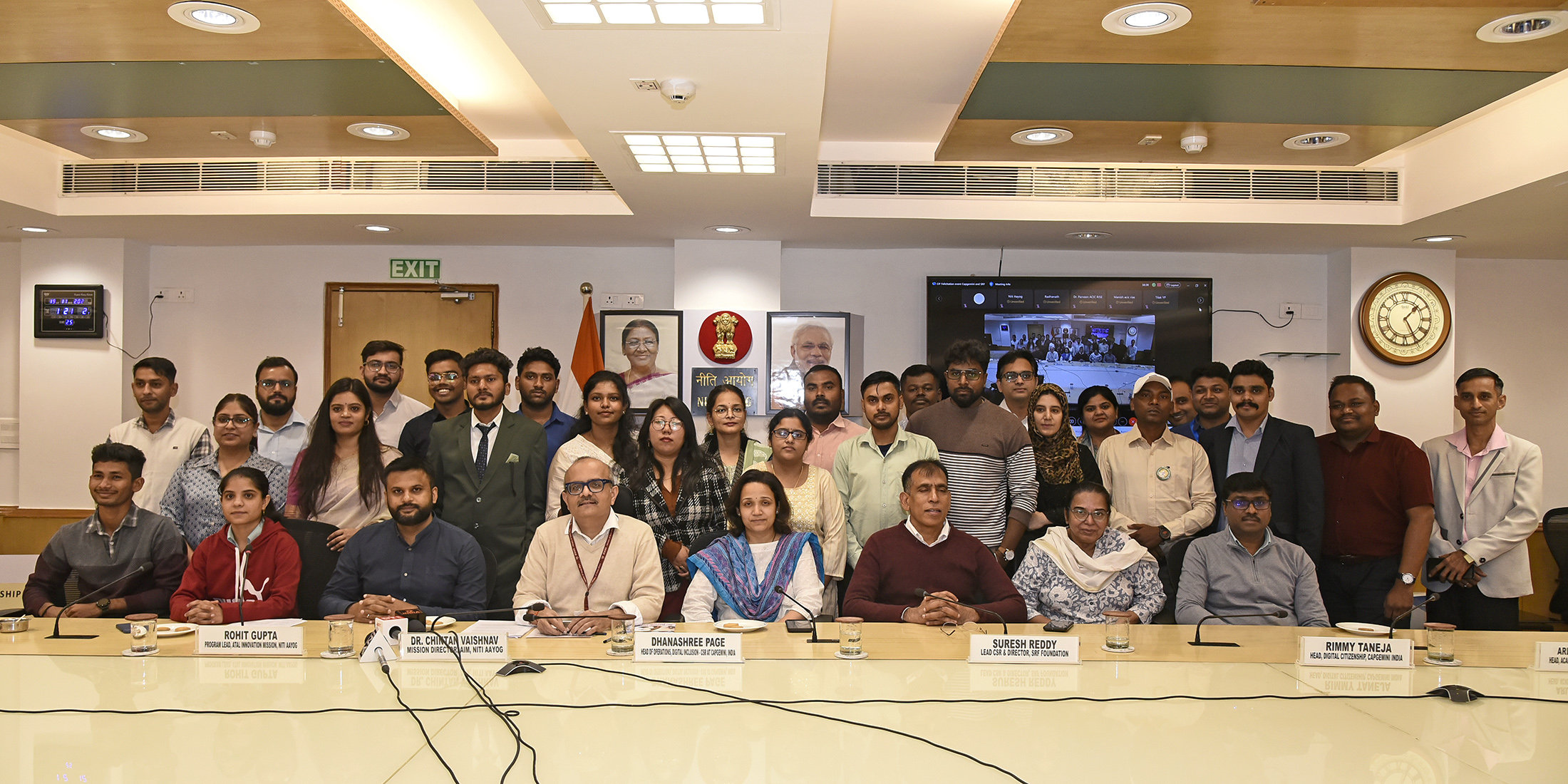
The Atal Innovation Mission (AIM), NITI Aayog marked a significant milestone today with the formal recognition of its fourth cohort of Community Innovator Fellows (CIFs). This year, the program has been further strengthened with the support of Capgemini India, marking a key partnership in fostering grassroots innovation across the country. The CIF initiative continues to empower local innovators, enabling them to address community-specific challenges through creative and sustainable solutions.

In conjunction with the cohort recognition, AIM commenced a two-day intensive bootcamp aimed at equipping these CIFs with the necessary skills and knowledge to scale their innovative solutions as part of AIM’s continued commitment to fostering grassroots innovation and promoting an entrepreneurial ecosystem across India, particularly in underserved regions. AIM, through its Atal Community Innovation Centers (ACIC) program has envisaged to serve the unserved/underserved areas of the country and provide support to every grassroots innovator and work towards accelerating the pathway to reach SDGs 2030.

The CIF Program is a one-year intensive initiative designed to provide aspiring innovators from all socio-economic backgrounds with the infrastructure, training, and mentorship necessary to scale their ideas and build sustainable businesses. Each Fellow is hosted at an Atal Community Innovation Center, where they receive entrepreneurial, SDG-focused, and life skills training while working on solutions tailored to their community’s unique challenges.

Speaking during the keynote address, Mission Director AIM, Dr.Chintan Vaishnav while applauding the program’s role in empowering innovators from Tier 2 and Tier 3 cities said, “The Community Innovator Fellows are uniquely positioned to address community-level problems with solutions that are both relevant and sustainable. This program is aspiring to create a model of excellence, where innovation meets purpose and where community-centric ideas drive national progress.”

He further highlighted the importance of initiatives like the CIF Program in advancing solutions to community level challenges in critical sectors.

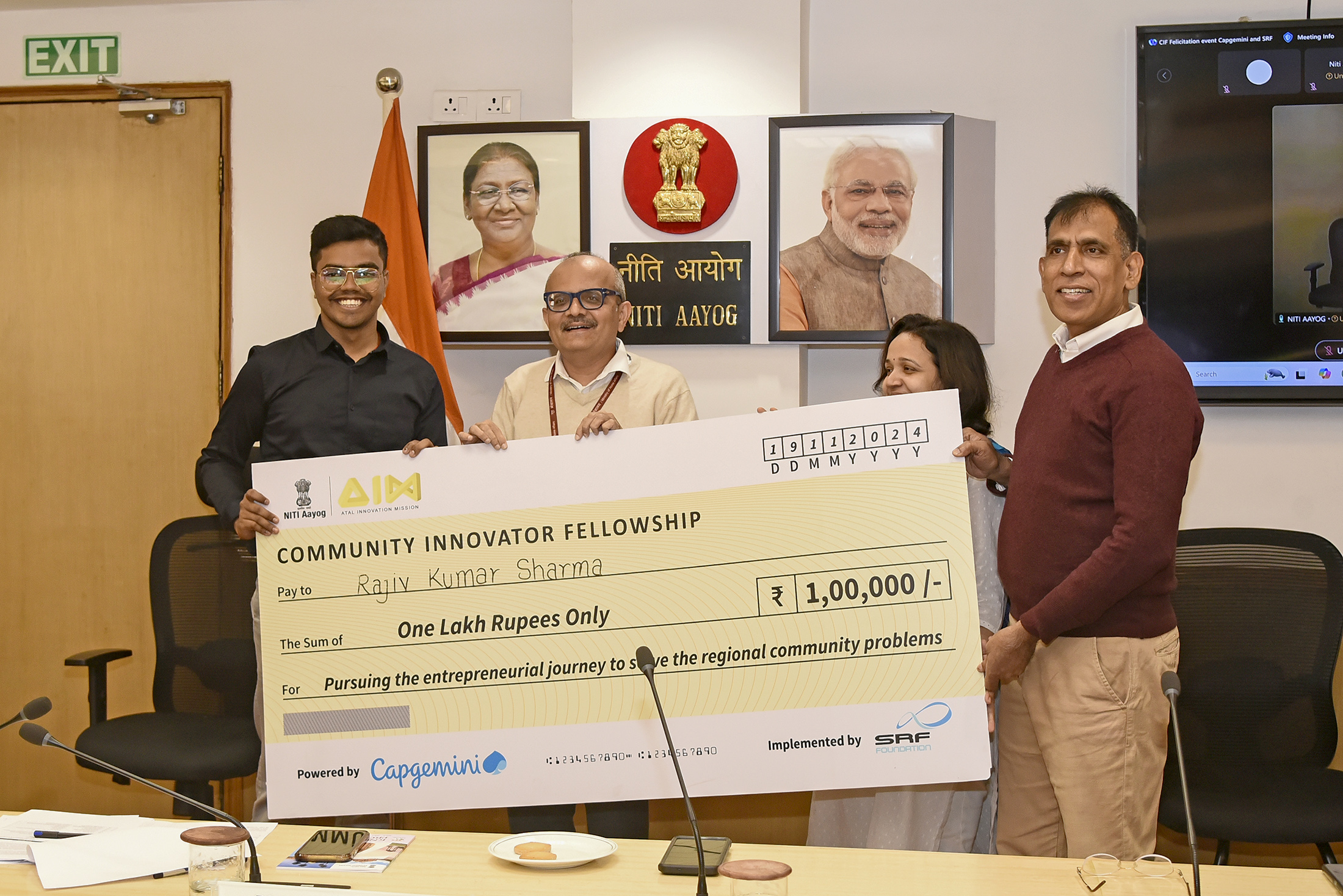
Capgemini India, a global leader in consulting, technology services, and digital transformation, is supporting this cohort by providing grants of INR 1 lakh each to 15 CIFs, helping them scale their innovative solutions. SRF Foundation is leading the program’s implementation in collaboration with AIM and Capgemini.

The event witnessed profound insights from distinguished speaker Dhanashree Page, Head of Operations, Digital Inclusion – CSR at Capgemini India. In her address, she emphasized the power of collaborative partnerships in fostering local innovation and driving societal progress. She remarked, “The CIFs represent the hope and creativity of India’s grassroots innovators. By empowering these individuals, we are enabling real, scalable solutions that can transform communities and drive sustainable change,” She said.

Dr. Suresh Reddy, Lead CSR & Director at SRF Foundation, spoke about the significant impact of social entrepreneurship in solving community challenges. “Today’s event showcases the commitment and ingenuity of the CIFs. They are truly the brightest minds in India, using their innovation to address critical local issues,” he said. “We, at SRF Foundation, remain committed to supporting such transformative initiatives and ensuring that their impact reaches every corner of the country.”

The event culminated with the presentation of grants to the CIFs, marking the beginning of their entrepreneurial journey as they work to scale their ideas and make a tangible impact in their communities.

 *****

Cost Management Strategies in Large-Scale Operations

Daily writing prompt
What is your favorite form of physical exercise?

In today’s competitive business environment, cost management in large-scale operations has become a critical component for maintaining profitability and sustainability. Whether you’re managing a manufacturing plant, a sprawling logistics network, or a multi-national corporation, understanding and implementing effective cost management strategies can mean the difference between thriving and merely surviving. This blog post will explore various techniques and insights into managing costs effectively, tailored for decision-makers who aim to enhance operational efficiency.

Photo by Photo By: Kaboompics.com on Pexels.com

Understanding the Importance of Cost Management

Effective cost management is crucial for any business, but it becomes even more essential as operations scale. Large-scale operations often involve complex processes, multiple stakeholders, and significant capital investments. Mismanagement at any level can lead to financial losses and potential operational setbacks. By focusing on cost management, businesses can optimize resources, streamline operations, and improve overall financial health.

Cost management is not just about cutting expenses; it’s about making strategic decisions that align with long-term goals. For example, investing in technology that reduces manual labor can lead to immediate costs but result in substantial savings over time. This mindset shifts the focus from short-term budget constraints to long-term operational efficiency and sustainability.

Lastly, operating at a large scale allows businesses to take advantage of economies of scale. However, without proper cost management strategies, these advantages can quickly dissipate. Implementing robust cost management processes ensures that large-scale operations remain agile, efficient, and competitive in a rapidly changing market.

Streamlining Procurement Processes

Procurement is a major cost center in large-scale operations. Efficient procurement strategies can significantly reduce waste and lower costs. Centralizing procurement functions to enhance negotiation power with suppliers is one approach. By consolidating purchases, businesses can leverage better pricing, terms, and contracts, thereby reducing costs.

Automation is another valuable tool for streamlining procurement. Implementing technology solutions like procurement software can reduce manual errors, increase transparency, and improve efficiency. Automation also enables real-time analytics, allowing businesses to make data-driven decisions that enhance cost management.

Building strong relationships with suppliers also plays a pivotal role in cost management. Collaborating with suppliers can lead to better pricing agreements, improved product quality, and quicker delivery times. Establishing trust and open communication lays the groundwork for a mutually beneficial partnership that enhances cost efficiency.

Enhancing Workforce Efficiency

Labor costs are a significant expense for large-scale operations. Improving workforce efficiency can yield substantial cost savings. One approach is to invest in employee training and development programs. Equipping employees with the skills they need to work efficiently reduces errors, improves productivity, and increases job satisfaction.

Adopting flexible work arrangements is another strategy that can enhance workforce efficiency. Offering remote work options or flexible schedules can reduce overhead costs while improving employee morale and retention. This flexibility can lead to increased productivity and lower turnover rates.

Leveraging technology to automate repetitive tasks can also pay dividends. By freeing up employees from mundane tasks, businesses can focus their efforts on higher-value activities. This not only leads to cost savings but also drives innovation and continuous improvement within the organization.

Optimizing Supply Chain Management

Supply chain management is a critical area for cost management in large-scale operations. Effective supply chain strategies can reduce costs and improve service levels. One way to achieve this is by optimizing inventory levels. Implementing just-in-time inventory systems can reduce carrying costs and minimize waste.

Utilizing technology to improve supply chain visibility is another key strategy. Real-time tracking and data analytics can provide insights into demand patterns, supplier performance, and potential disruptions. Businesses can proactively address issues and avoid costly delays by gaining better visibility into the supply chain.

Collaborating with supply chain partners can also yield cost-saving opportunities. Developing strategic partnerships and sharing information can improve coordination, reduce duplication, and enhance efficiency. Such collaboration fosters an integrated supply chain that operates seamlessly and cost-effectively.

Leveraging Technology for Cost Efficiency

Technology plays a crucial role in cost management for large-scale operations. Investing in advanced technologies can improve processes, reduce errors, and enhance decision-making. For instance, utilizing industrial piping in Utah can streamline production processes, reduce downtime, and enhance overall efficiency.

Data analytics is another powerful tool for cost management. By analyzing large volumes of data, businesses can identify cost-saving opportunities, uncover inefficiencies, and make informed decisions. Predictive analytics can also help anticipate demand fluctuations and optimize resource allocation.

Incorporating automation into various aspects of operations can result in significant cost savings. Automated systems can handle repetitive tasks, monitor performance, and generate insights. This reduces labor costs and enhances accuracy, speed, and consistency across the organization.

Conclusion

Effective cost management is essential for large-scale operations seeking sustainable growth and profitability. By implementing strategies such as streamlining procurement, enhancing workforce efficiency, optimizing supply chain management, and leveraging technology, businesses can achieve cost efficiency and maintain a competitive edge.

To further enhance your cost management efforts, consider exploring additional resources or consulting experts in the field. Remember, successful cost management requires a holistic and proactive approach. By continually evaluating and optimizing your operations, you can ensure a strong foundation for long-term success.