The Press Information Bureau (PIB), Ministry of Information & Broadcasting, in collaboration with the Film and Television Institute of India (FTII), Pune, organised an engaging Film Appreciation Course on ‘Reviewing Films: From Critiquing to Reading Cinema’ for media delegates on the sidelines of the 55th International Film Festival of India (IFFI) in Goa. The course was organized exclusively for IFFI media delegates focused on exploring the various aspects of the art and craft of films and the importance of learning to read the films in an informed manner. The course was led by industry experts such as Dr. Indranil Bhattacharya, Prof. Amlan Chakraborty, and Ms. Malini Desai from FTII, Pune.
The participants were introduced to ‘Principles of Film Analysis,’ by Prof. Dr. Indranil Bhattacharya. This was followed by a session on ‘Editing as an Artistic Tool’ led by Prof. Amlan Chakraborty. In another engaging session, Prof. Malini Desai explored the significance of ‘Lighting as a Dramatic Tool.’
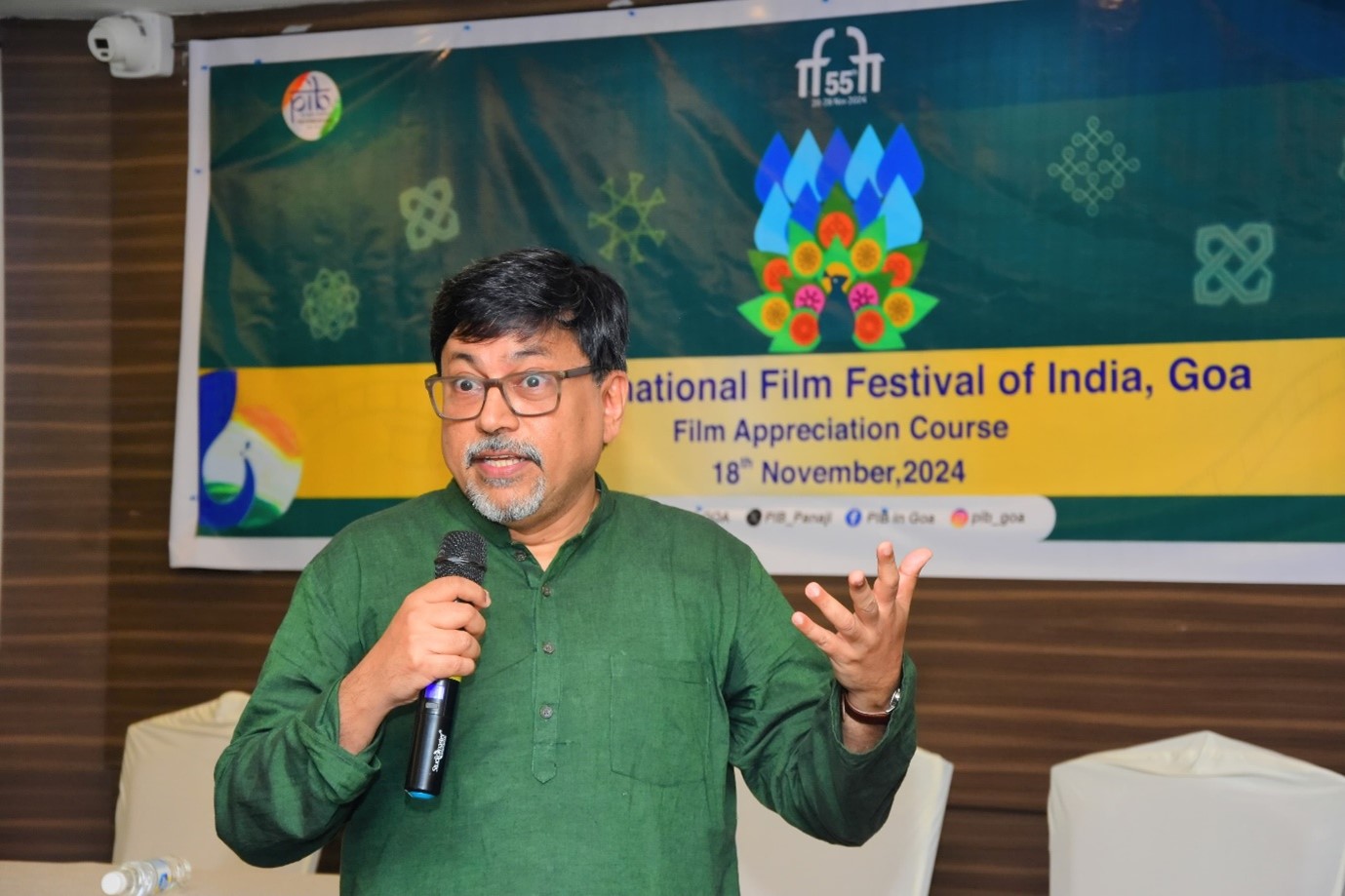
Prof. Amlan Chakraborty also highlighted the importance of film appreciation, stating that “Film appreciation is not just about admiration but about understanding. Every film is designed to impact its audience. Some films stay with you, and you need to ask why.” He illustrated the deeper sociological meanings embedded within films illustrating the example of India’s official entry for Oscars 2025, Lapata Ladies.
Later, Prof. Bhattacharya conducted a special session focused on the analysis of short films, offering participants valuable insights into the structure and storytelling techniques of short-form cinema.
Managing Director, NFDC Shri Pritul Kumar thanked the Media for their active participation and stressed the significant role played by media in promoting films. Speaking about the importance of understanding films, he mentioned, “the Film Appreciation Course will be really helpful in delving deep into the world of films which will enrich the media in understanding and writing about them.”
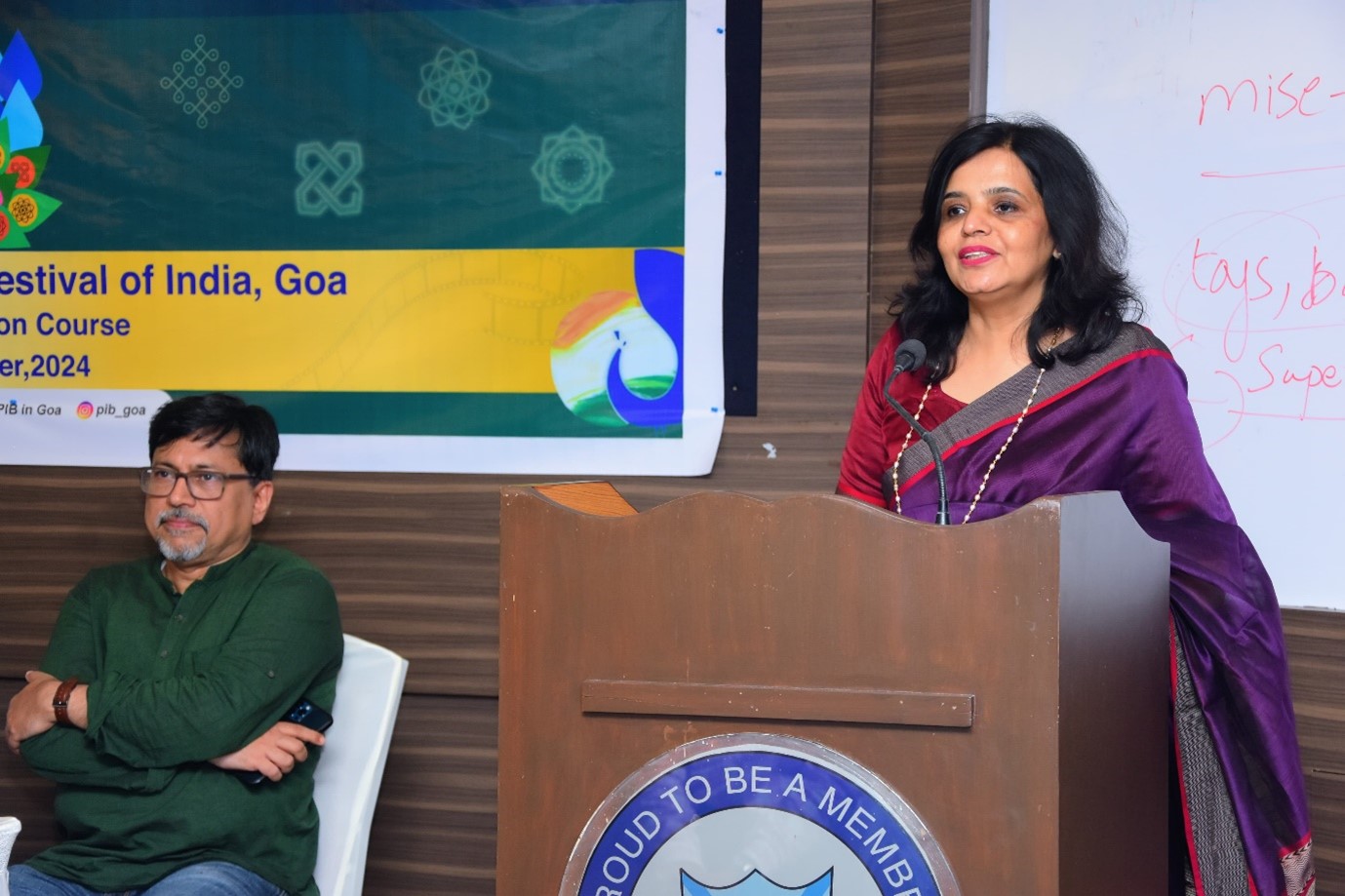
Director General West Zone, M/o I&B. Ms. Smita Vats Sharma while addressing the participants informed that “the course was open to media across India, including both Goan and all-India representatives as Media plays a critical role in the celebration of cinema and taking the films across the country and the world, and hence this course has been timed during IFFI to facilitate our media professionals.” She also thanked FTII for their invaluable support in making this possible.
Joint Director, PIB Mumbai, Sayyid Rabeehashmi emphasized the need to not only celebrate films but also delve into their intricate details.
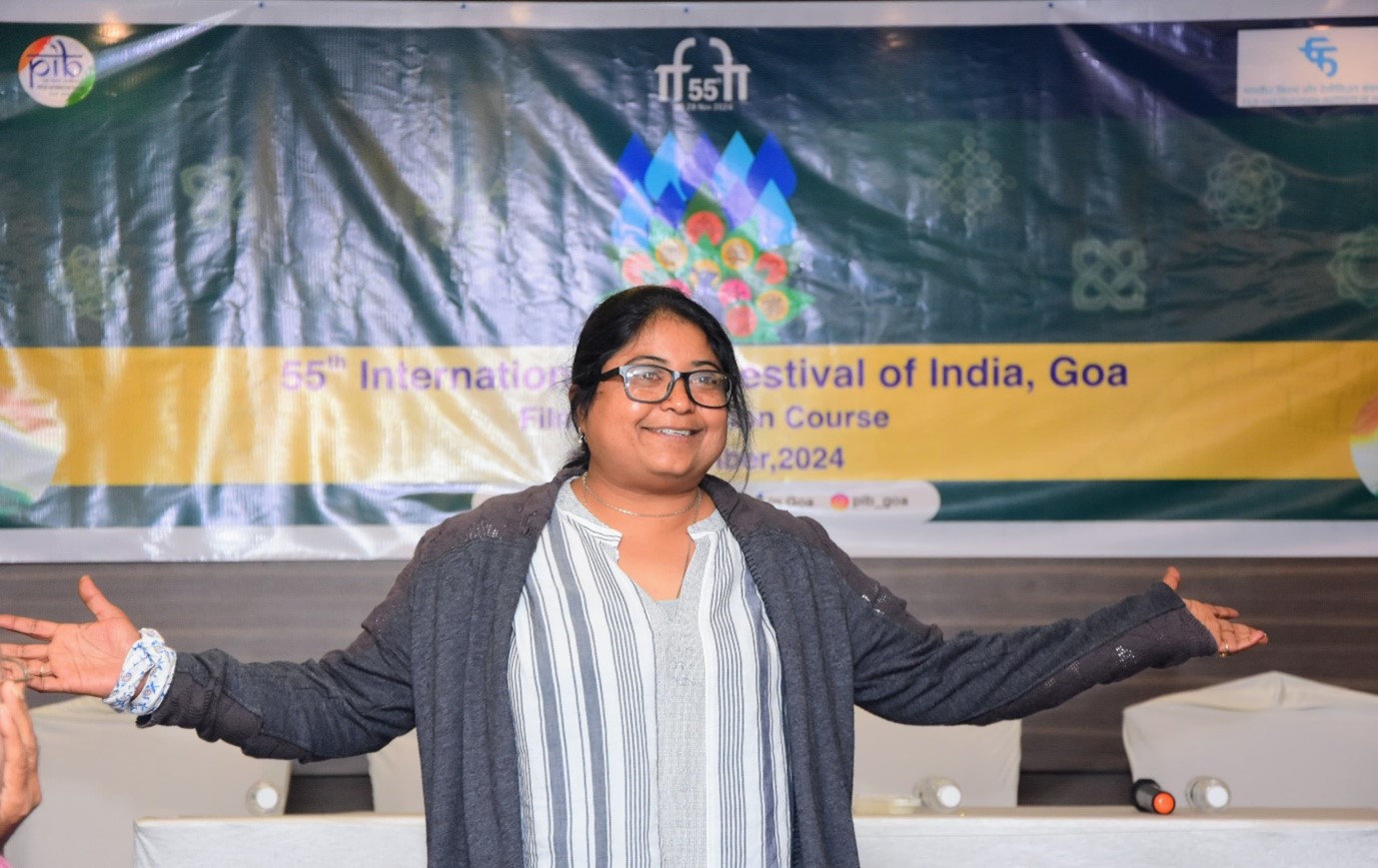
Speaking about the significance of such initiatives, Prof. Malini Desai emphasized, “Media plays an essential role in exchanging ideas and helping the world understand the art of cinema. And as filmmakers we are also communicating our perspectives to the audience. This interaction between media and filmmakers – both of whom are into ‘communication’ greatly enriched our understanding about each others’ perspective.”
Appreciating the initiative, journalist and participant, Ms. Harshita from Screen Grafia who has been covering IFFI since 1999, said that “this is a great initiative by the Ministry to educate film journalists. It will expand their knowledge about films. I hope this course is repeated in future editions too.”
Shri Satyendar Mohan, a Veteran Journalist who has been attending IFFI since four decades expressed that “I’ve been attending IFFI since 1983. This session was very informative and educational. It will help journalists appreciate films on a much deeper level, adding immense value to the 55th IFFI.”
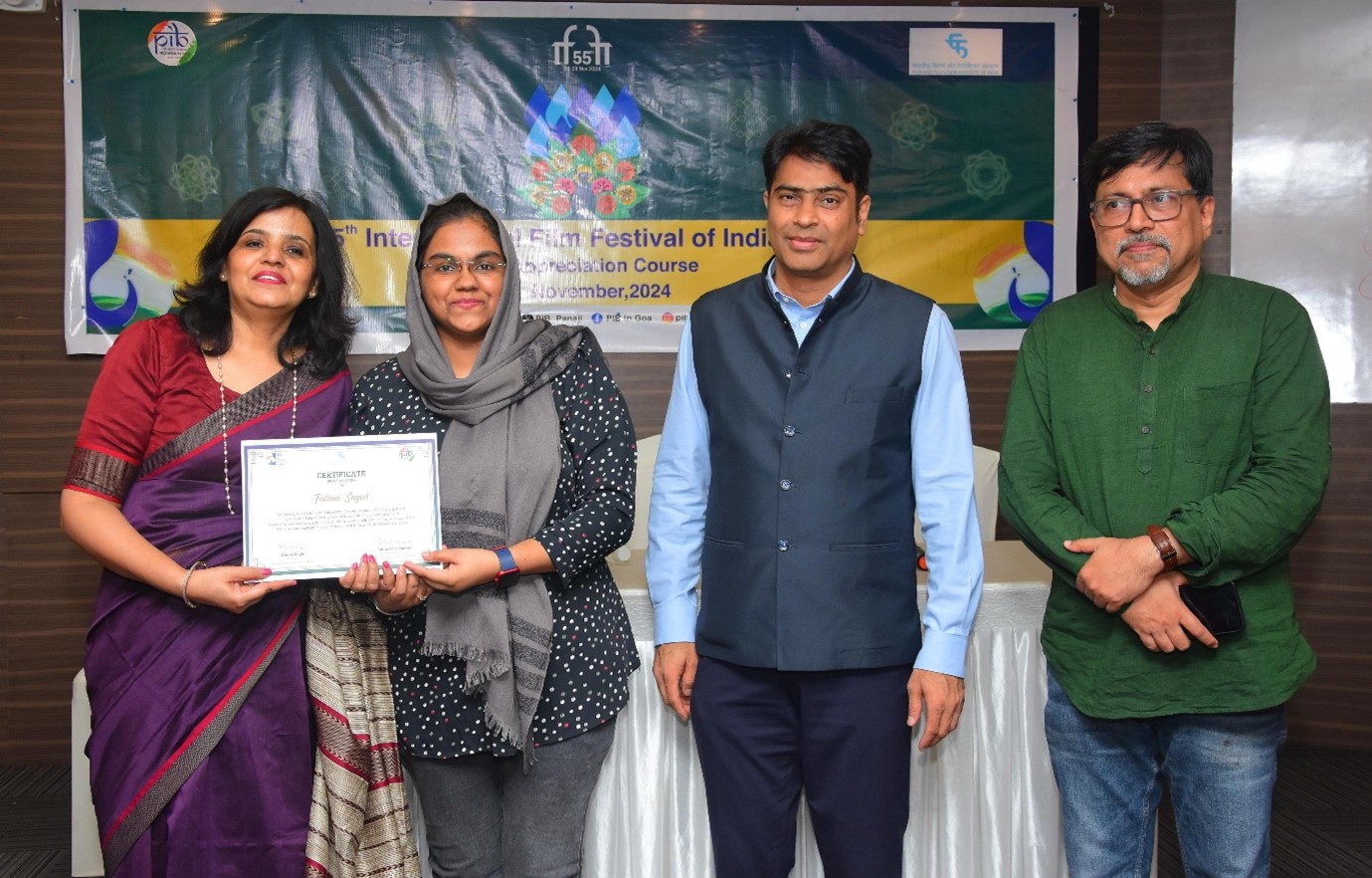
The event concluded with a Valedictory Session. Certificates were distributed to more than 30 media delegates who attended the session, acknowledging their efforts in advancing their understanding of film appreciation.
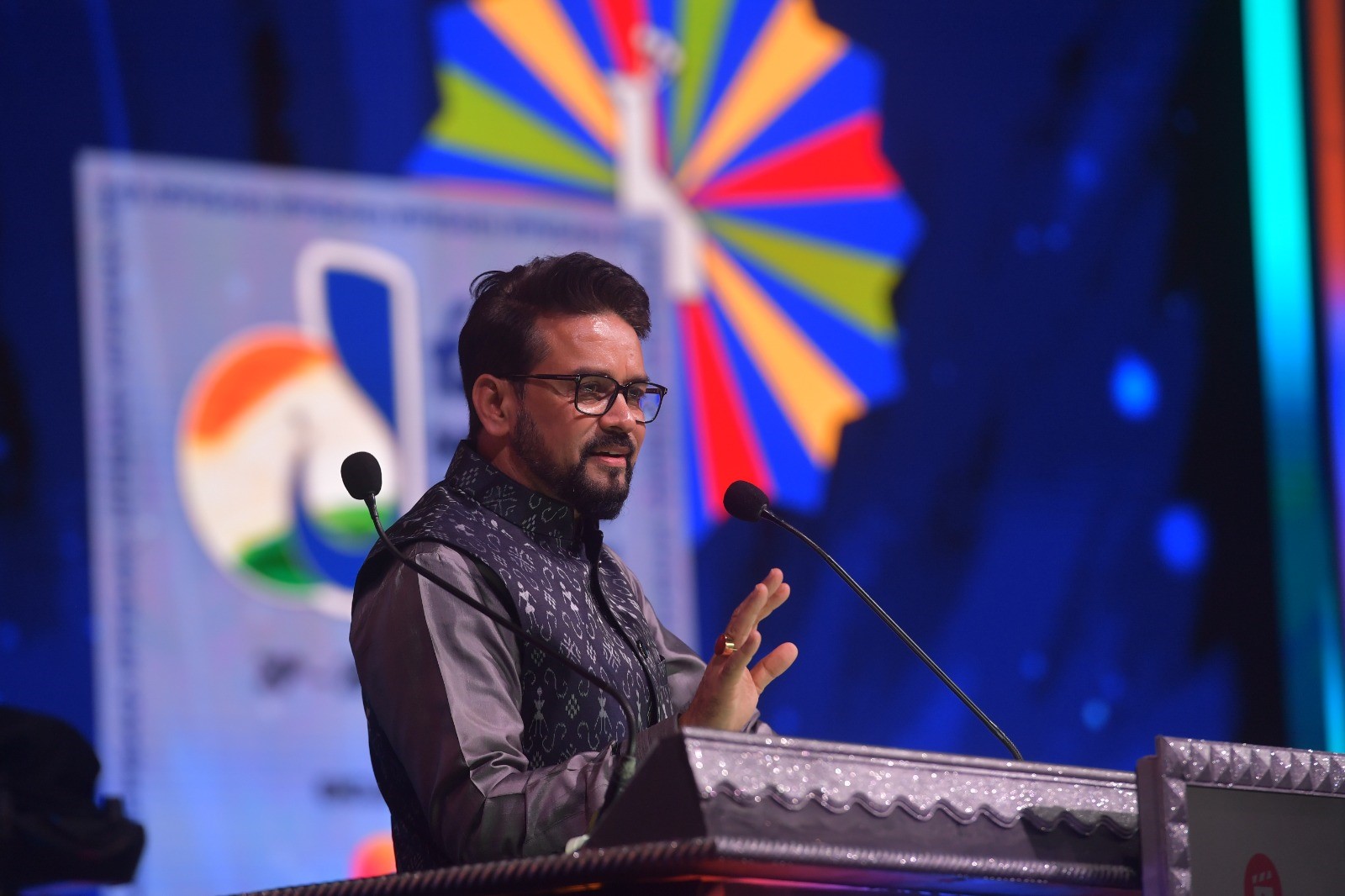
Union Minister for Information & Broadcasting and Youth Affairs & Sports Shri Anurag Singh Thakur said that India will increase the incentive for foreign film production in the country to 40 % of the expenses incurred with an increased cap limit of Rs.30 crore (exceeding 3.5 million US Dollars). Earlier, the per project cap for the incentives only Rs 2.5 Crore. An additional 5% percent bonus for Significant Indian Content (SIC), in his inaugural address at the 54th International Film Festival of India at Panaji, Goa today.
Shri Thakur said that there was a need for a higher incentive to attract medium and big budget international projects to the country considering India’s size and vast potential. “ This paradigm shift in incentivizing film production serves as a testament to India’s commitment and support for artistic expression and reinforces our position as a preferred destination for cinematic endeavors”, he added.
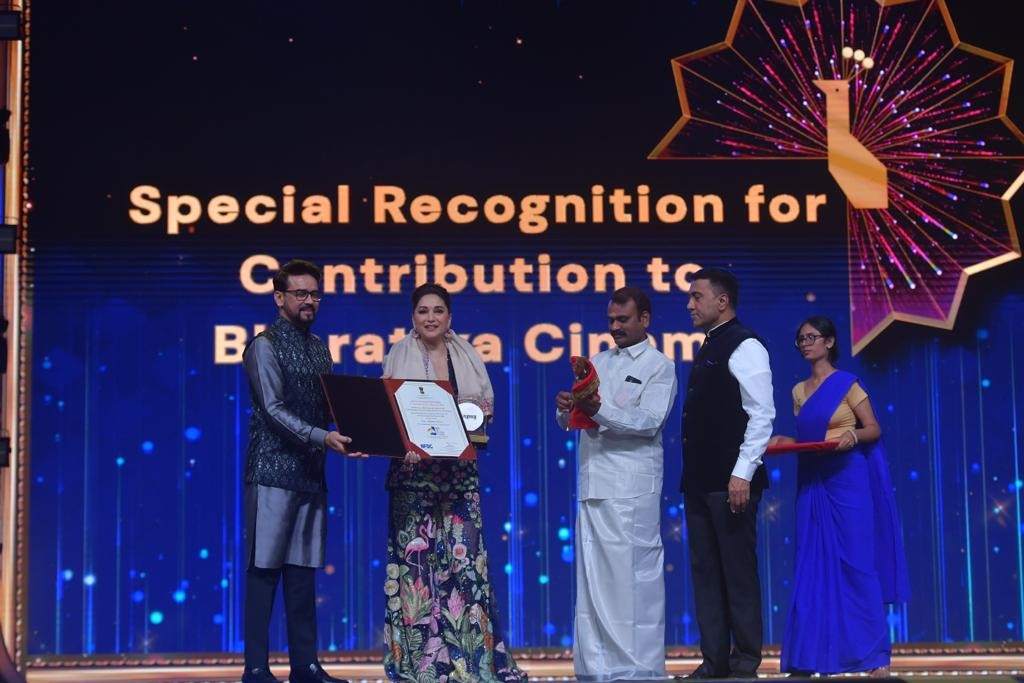
Further, in a glorious tribute to the legendary actress Madhuri Dixit, the 54th International Film Festival of India honoured her with ‘Special Recognition for Contribution to Bharatiya Cinema’ Award. “An icon across the ages, Madhuri Dixit has graced our screens with unparalleled talent for four incredible decades,” posted the Union Minister for Information & Broadcasting and Youth Affairs & Sports Shri Anurag Singh Thakur on X.
The Union Minister also announced a recruitment drive for the young minds who were selected in the ’75 Creative Minds of Tomorrow,’ opening up doors to limitless opportunities for their blossoming talents and career trajectories. The ’75 Creative Minds of Tomorrow,’ now in its 3rd edition, was born in 2021 from the Prime Minister’s vision to provide the youth with a platform to showcase their creative expression through the medium of cinema. “This year, out of nearly 600 entries across 10 categories, 75 young filmmakers have been handpicked from 19 states, including remote areas like Bishnupur, Jagatsinghpur, and Sadarpur”, the Minister added.
The Minister also announced a new category of awards – Best Web Series (OTT) Category – being introduced in this edition of IFFI. Highlighting the new components in the festival, Shri Anurag Thakur said that IFFI will acknowledge and honour the transformative role of original content creators in India, celebrating their contributions to employment and innovation. The Minister emphasized that, “for the first time, IFFI has augmented the scope of Film Bazaar by introducing a well-curated ‘VFX & Tech Pavilion’ to showcase the latest innovations from the cinema world, and a documentary section to its co-production market to support non-fiction storytelling.”
Confirming India’s commitment to the cause of women empowerment, Shri Thakur said that this year’s IFFI will feature films from 40 remarkable women filmmakers. “Their talent, creativity and unique perspectives promise to make the festival a celebration of diverse voices and narratives”, he highlighted.
Prime Minister of India, Shri Narendra Modi, has consistently stressed the creation of an inclusive and accessible India through the mantra of ‘Sabka Saath, Sabka Vikas.’ Adding another dimension to the PM’s vision, the Minister emphasized that IFFI is upholding ‘Sabka Manoranjan’ i.e ‘Entertainment for all’ by making inclusivity a guiding principle. “All venues for this year’s festival will be equipped with facilities catering to the differently abled. There will be four additional special screenings for visually and hearing impaired delegates with embedded audio descriptions and sign language provisions”, he added.
The Minister also touched upon several measures taken by Government of India in the recent past to augment the Media & Entertainment Sector in India. “Recently, under the leadership of Hon’ble Prime Minister, Shri Narendra Modi ji, the Cinematograph (Amendment) Bill, 2023, received approval from both the Lok Sabha and Rajya Sabha. This legislation not only broadens the legal framework, shifting its focus beyond censorship to encompass copyright protection but also introduces rigorous measures against piracy”, he emphasized.
Underlining the significant role of Cinema as a uniting force, Shri Thakur said, “I strongly believe that, throughout its history, Cinema has captured and chiseled ideas, imagination and innovation such that it forms the driving force for peace, progress and prosperity in a world which is increasingly distressed with division.”
Linking India’s successful Chandrayaan-3 Mission to the scientific possibilities offered by visionary works of art, the Minister said, “in 1902, long before space organizations were even conceived or conceptualized, a remarkable visionary work of art and a French Film by Georges Méliès, A Trip to the Moon spread the seeds of scientific possibility and progress in people’s minds.” The Minister said, “the power of cinema is incredible and it is fascinating how these ideas shape our world.”
Shri Anurag Singh Thakur congratulated Hollywood Actor/Producer Michael Douglas for having been conferred with the prestigious Satyajit Ray Lifetime Achievement Award for 2023. He also extended heartfelt gratitude to the esteemed Jury of the International Competition, the Indian Panorama, the Best Web Series (OTT), and the 75 Creative Minds of Tomorrow.
Concluding his remarks, the Minister said that his vision for IFFI is not limited to one event, but what IFFI should be when India celebrates its 100th year of Independence once we transition from Amrit Mahotsav to Amrit Kaal.
Most of the times, artforms are considered as the medium for adults. But there are some films which proved it is not so. There are some great films were told from the perspective of children. From simple life lessons to biggest events in world history, all these films have amused the viewers by the stunning performances of child actors. When we experience such great performances from children, the impact is several times bigger.
Let us check such films:
Jojo rabbit
Jojo Rabbit is a 2019 comedy-drama film written and directed by Taika Waititi, adapted from Christine Leunens’s 2008 book Caging Skies. Roman Griffin Davis portrays the title character, Johannes “Jojo” Betzler, a ten-year-old Hitler Youth member who finds out that his mother (Scarlett Johansson) is hiding a Jewish girl (Thomasin McKenzie) in their attic. He must then question his beliefs while dealing with the intervention of his imaginary friend (Waititi), a fanciful version of Adolf Hitler with a comedic stance on the politics of the war.
Capernaum
Capernaum is a 2018 Lebanese drama film directed by Nadine Labaki and produced by Khaled Mouzanar. The film stars Syrian refugee child actor Zain Al Rafeea as Zain El Hajj, a 12-year-old living in the slums of Beirut. Capernaum is told in flashback format, focusing on Zain’s life, including his encounter with an Ethiopian immigrant Rahil and her infant son Yonas, and leading up to his attempt to sue his parents for child neglect.
Children of heaven
Children of Heaven is a 1997 Iranian family drama film written and directed by Majid Majidi. It deals with a brother and sister, and their adventures over a lost pair of shoes. It was nominated for the Academy Award for Best Foreign Language Film in 1998.
The white balloon
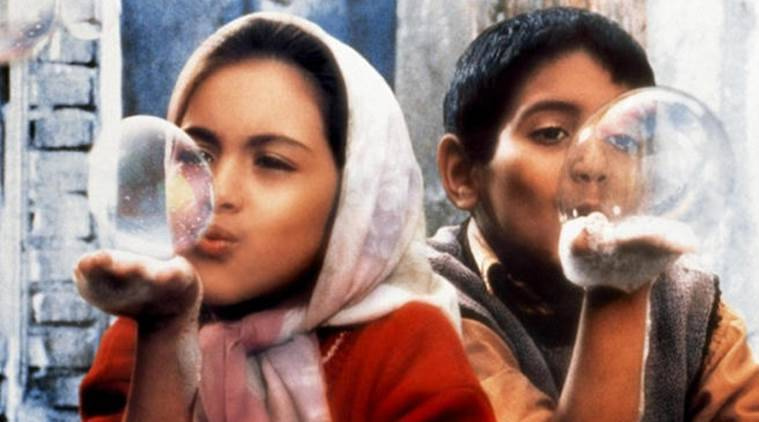
The White Balloon is a 1995 Iranian film directed by Jafar Panahi, with a screenplay by Abbas Kiarostami. The film is on the BFI list of the 50 films you should see by the age of 14. The film is about a brother and sister and has several intense scenes.
Machuca
Machuca is a 2004 Chilean film written and directed by Andrés Wood. Set in 1973 Santiago during Salvador Allende’s socialist government until shortly after General Augusto Pinochet’s military coup in 1973, the film tells the story of two pupils: Gonzalo Infante comes from a rich family with a European background, while Pedro Machuca comes from an indigenous background and lives in very poor conditions. They meet at an elite, English-language Catholic school, where the director, Father McEnroe, is developing a social integration project.
Belfast
Belfast is a 2021 British coming-of-age drama film written and directed by Kenneth Branagh. The film chronicles the life of a working-class Ulster Protestant family from the perspective of their nine-year-old son Buddy during The Troubles in Belfast, Northern Ireland. Buddy’s father Pa works overseas in England, while the family—Ma, elder brother Will, and paternal grandparents Granny and Pop—live in Belfast.
Tare Zameen par
Taare Zameen Par (transl. Stars on land), also known as Like Stars on Earth in English, is a 2007 Indian Hindi-language drama film produced and directed by Aamir Khan. The film stars Khan himself, along with Darsheel Safary. The film explores the life and imagination of Ishaan (Safary), an 8-year-old dyslexic child. Although he excels in art, his poor academic performance leads his parents to send him to a boarding school. Ishaan’s new art teacher Nikumbh suspects that he is dyslexic and helps him to overcome his reading disorder.
Kakka muttai
Kaaka Muttai is a 2015 Indian Tamil-language comedy-drama film written, directed and filmed by M. Manikandan. The film’s storyline revolves around two slum children of Chennai, whose desire is to taste a pizza.
Life is beautiful
Life Is Beautiful is a 1997 Italian movie directed by and starring Roberto Benigni, who co-wrote the film with Vincenzo Cerami. Benigni plays Guido Orefice, a Jewish Italian bookshop owner, who employs his fertile imagination to shield his son from the horrors of internment in a Nazi concentration camp.
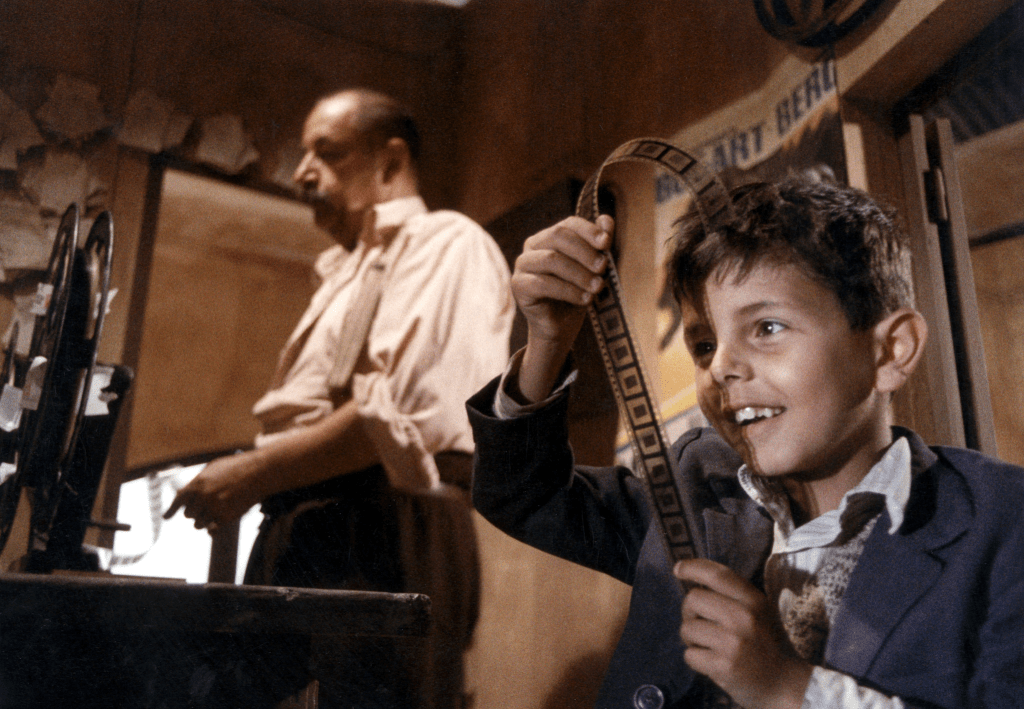
Cinema paradiso
Cinema Paradiso is a 1988 coming-of-age drama film written and directed by Giuseppe Tornatore. Set in a small Sicilian town, the film centers on the friendship between a young boy and an aging projectionist who works at the titular movie theatre.
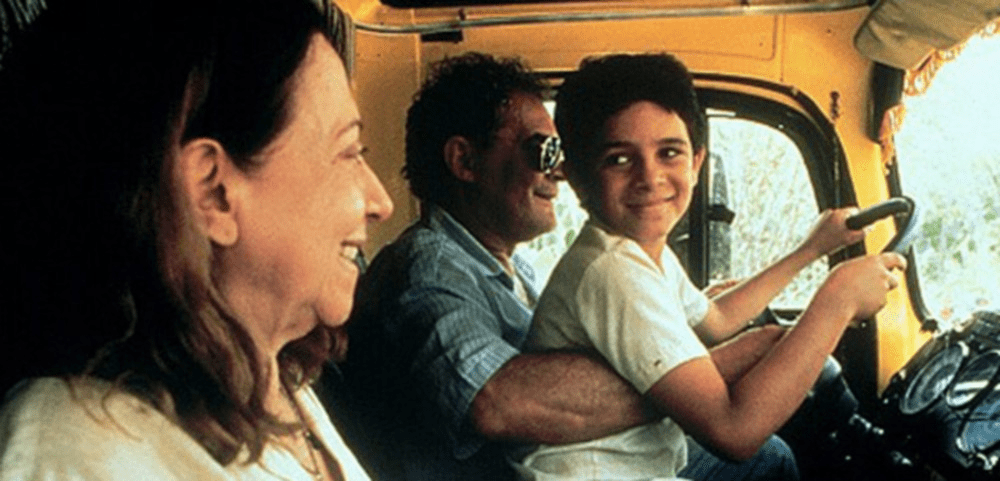
Central station
Central Station is a 1998 Brazilian–French drama film directed by Walter Salles and starring Fernanda Montenegro and Vinícius de Oliveira. The screenplay, adapted by João Emanuel Carneiro and Marcos Bernstein from a story by its director Walter Salles, tells the story of a young boy’s friendship with a jaded middle-aged woman
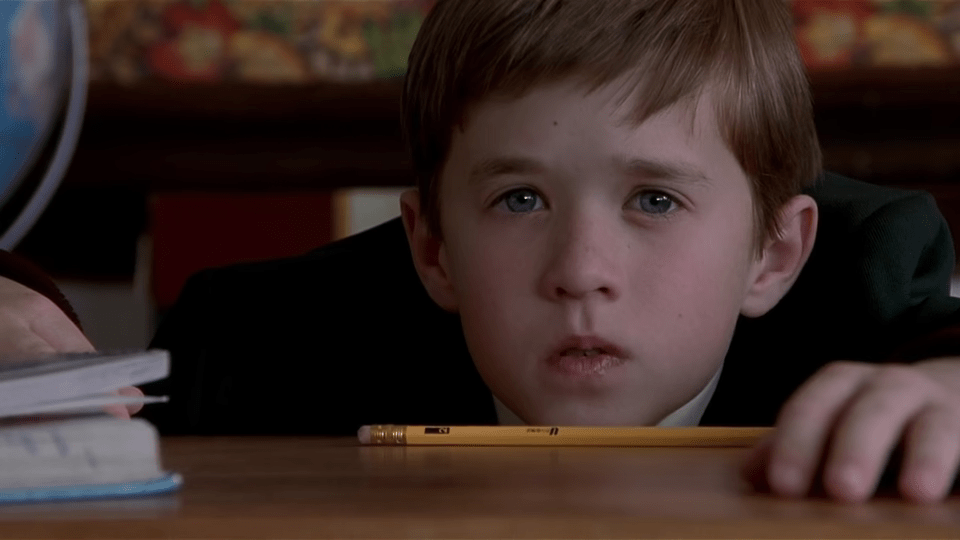
Sixth sense
The Sixth Sense is a 1999 American supernatural psychological thriller film written and directed by M. Night Shyamalan. It stars Bruce Willis as a child psychologist whose patient (Haley Joel Osment) can talk to the dead. The film established Shyamalan and introduced the cinema public to his traits, most notably his affinity for surprise endings
Most of the times, artforms are considered as the medium for adults. But there are some films which proved it is not so. There are some great films were told from the perspective of children. From simple life lessons to biggest events in world history, all these films have amused the viewers by the stunning performances of child actors. When we experience such great performances from children, the impact is several times bigger.
Let us check such films:
Jojo rabbit
Jojo Rabbit is a 2019 comedy-drama film written and directed by Taika Waititi, adapted from Christine Leunens’s 2008 book Caging Skies. Roman Griffin Davis portrays the title character, Johannes “Jojo” Betzler, a ten-year-old Hitler Youth member who finds out that his mother (Scarlett Johansson) is hiding a Jewish girl (Thomasin McKenzie) in their attic. He must then question his beliefs while dealing with the intervention of his imaginary friend (Waititi), a fanciful version of Adolf Hitler with a comedic stance on the politics of the war.
Capernaum
Capernaum is a 2018 Lebanese drama film directed by Nadine Labaki and produced by Khaled Mouzanar. The film stars Syrian refugee child actor Zain Al Rafeea as Zain El Hajj, a 12-year-old living in the slums of Beirut. Capernaum is told in flashback format, focusing on Zain’s life, including his encounter with an Ethiopian immigrant Rahil and her infant son Yonas, and leading up to his attempt to sue his parents for child neglect.
Children of heaven
Children of Heaven is a 1997 Iranian family drama film written and directed by Majid Majidi. It deals with a brother and sister, and their adventures over a lost pair of shoes. It was nominated for the Academy Award for Best Foreign Language Film in 1998.
The white balloon
The White Balloon is a 1995 Iranian film directed by Jafar Panahi, with a screenplay by Abbas Kiarostami. The film is on the BFI list of the 50 films you should see by the age of 14. The film is about a brother and sister and has several intense scenes.
Machuca
Machuca is a 2004 Chilean film written and directed by Andrés Wood. Set in 1973 Santiago during Salvador Allende’s socialist government until shortly after General Augusto Pinochet’s military coup in 1973, the film tells the story of two pupils: Gonzalo Infante comes from a rich family with a European background, while Pedro Machuca comes from an indigenous background and lives in very poor conditions. They meet at an elite, English-language Catholic school, where the director, Father McEnroe, is developing a social integration project.
Belfast
Belfast is a 2021 British coming-of-age drama film written and directed by Kenneth Branagh. The film chronicles the life of a working-class Ulster Protestant family from the perspective of their nine-year-old son Buddy during The Troubles in Belfast, Northern Ireland. Buddy’s father Pa works overseas in England, while the family—Ma, elder brother Will, and paternal grandparents Granny and Pop—live in Belfast.
Tare Zameen par
Taare Zameen Par (transl. Stars on land), also known as Like Stars on Earth in English, is a 2007 Indian Hindi-language drama film produced and directed by Aamir Khan. The film stars Khan himself, along with Darsheel Safary. The film explores the life and imagination of Ishaan (Safary), an 8-year-old dyslexic child. Although he excels in art, his poor academic performance leads his parents to send him to a boarding school. Ishaan’s new art teacher Nikumbh suspects that he is dyslexic and helps him to overcome his reading disorder.
Kakka muttai
Kaaka Muttai is a 2015 Indian Tamil-language comedy-drama film written, directed and filmed by M. Manikandan. The film’s storyline revolves around two slum children of Chennai, whose desire is to taste a pizza.
Life is beautiful
Life Is Beautiful is a 1997 Italian movie directed by and starring Roberto Benigni, who co-wrote the film with Vincenzo Cerami. Benigni plays Guido Orefice, a Jewish Italian bookshop owner, who employs his fertile imagination to shield his son from the horrors of internment in a Nazi concentration camp.
Cinema paradiso
Cinema Paradiso is a 1988 coming-of-age drama film written and directed by Giuseppe Tornatore. Set in a small Sicilian town, the film centers on the friendship between a young boy and an aging projectionist who works at the titular movie theatre.
Central station
Central Station is a 1998 Brazilian–French drama film directed by Walter Salles and starring Fernanda Montenegro and Vinícius de Oliveira. The screenplay, adapted by João Emanuel Carneiro and Marcos Bernstein from a story by its director Walter Salles, tells the story of a young boy’s friendship with a jaded middle-aged woman
Sixth sense
The Sixth Sense is a 1999 American supernatural psychological thriller film written and directed by M. Night Shyamalan. It stars Bruce Willis as a child psychologist whose patient (Haley Joel Osment) can talk to the dead. The film established Shyamalan and introduced the cinema public to his traits, most notably his affinity for surprise endings
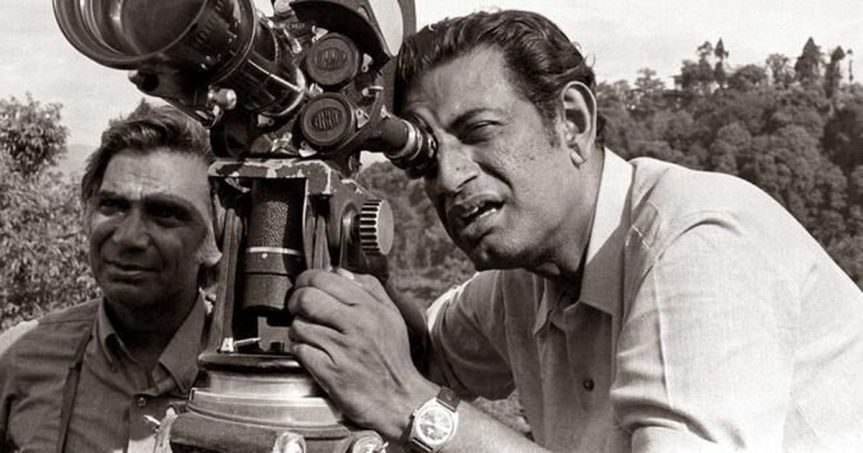
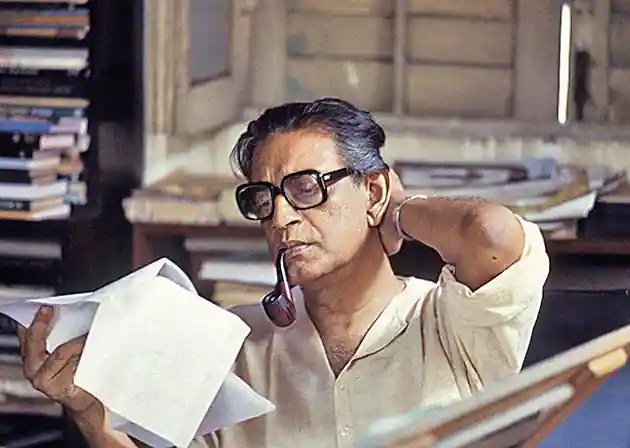
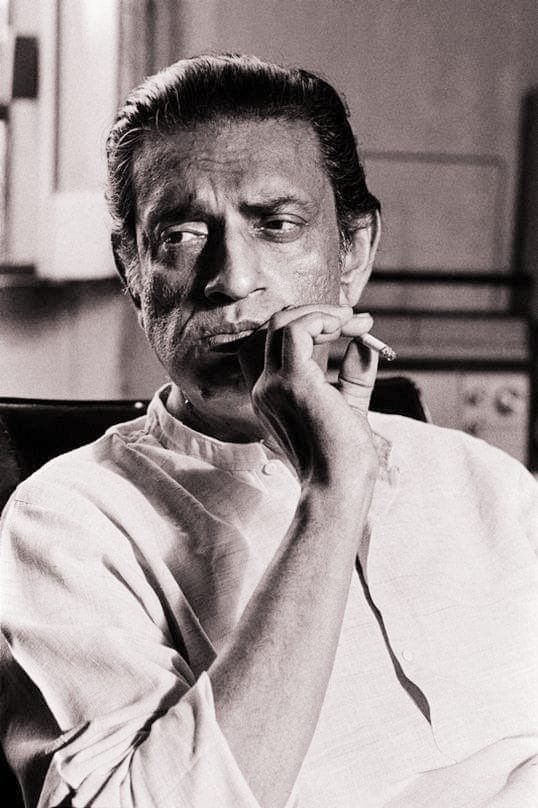
Satyajit Ray was India’s first internationally recognized film-maker and, several years after his death, still remains the most well-known Indian director on the world stage. Ray has written that he became captivated by the cinema as a young college student, and he was self-taught, his film education consisting largely of repeated viewings of film classics by de Sica, Fellini, John Ford, Orson Welles, and other eminent directors.
Satyajit Ray
Early Life and Family Background
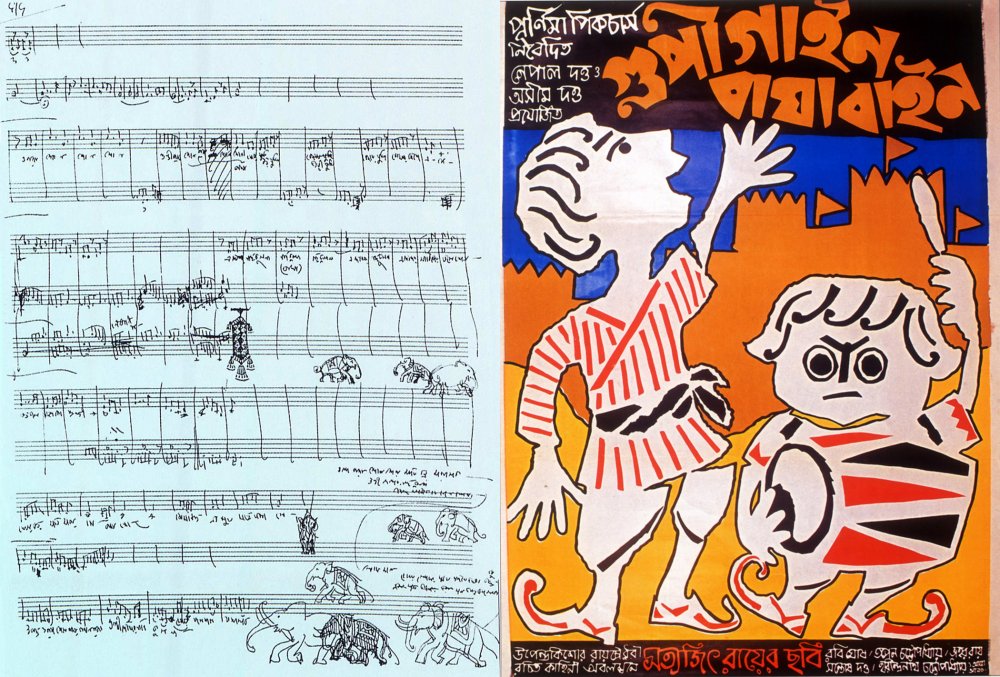
Satyajit Ray was born into an illustrious family in Kolkata (then Calcutta) on 2nd May,1921. His grandfather, Upendra Kishore Ray-Chaudhary, was a publisher, illustrator, musician, the creator of children’s literature in Bengali and a leader of the Brahmo Samaj, a religious and social movement in nineteenth century Bengal. His father, Sukumar Ray, was a noted satirist and India’s first writer of nonsensical rhymes, akin to the nonsense verse of Edward Lear. Having studied at Ballygunge Government High School, Calcutta and completed his BA in economics at Presidency College, Satyajit Ray went on to develop an interest in fine arts. Later in life, Satyajit Ray made a documentary of his father’s life. His film, Goopy Gyne Bagha Byne, was based on a story published by his grandfather in 1914, but even other films, such as Hirok Rajah Deshe, “The Kingdom of Diamonds”, clearly drew upon his interest in children’s poetry and nonsensical rhymes.
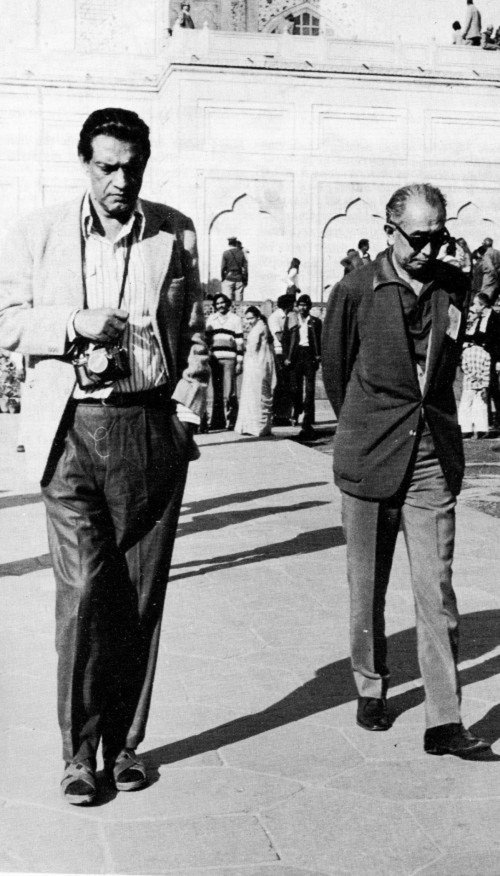
Satyajit Ray with Akira Kurosawa
The Crisis of Indian Cinema Before Ray
From the 1920s to the early 1950s, several directors working within Hollywood—as well as filmmakers in former Soviet Union, France, Italy, Germany, and Japan—considered cinema not as a mere tool of entertainment but as a medium for creative expression. Filmmakers such as Charlie Chaplin, Sergei Eisenstein, Jean Renoir, Roberto Rossellini, Vittorio De Sica, Akira Kurosawa, and others deployed artistically innovative filmic devices to convey profound statements about the complexities of life. Some of the aesthetically satisfying films produced during this period were hailed as cinematic masterpieces. Films in India, however, prioritised cliched elements such as sentimental slush, ersatz emotion, theatricality, romantic tales, spectacle-like songs, and happy endings in these decades. Instead of making serious attempts at formal experimentation, Indian directors continued catering to the lowest common denominator audience.
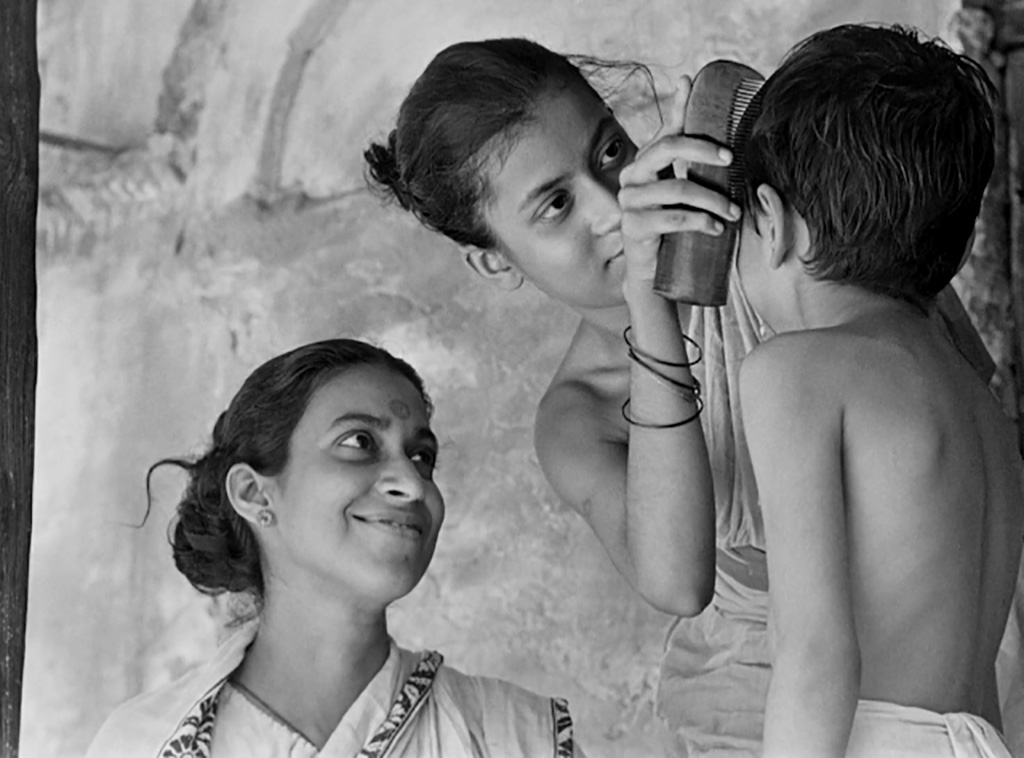
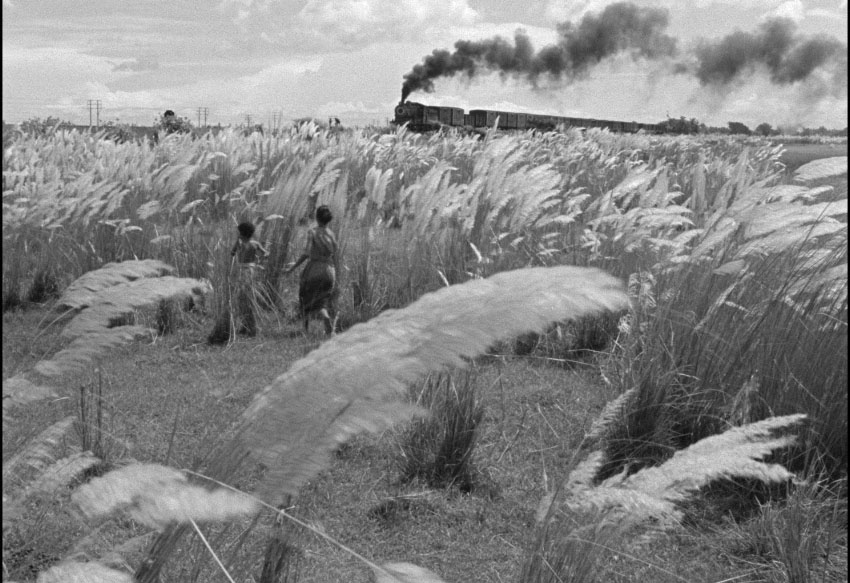
Iconic scene from Pather Panchali (1955)Pather Panchali (1955)
Breakthrough of Satyajit Ray
A young Ray had grown up on Hollywood movies, so when his ad agency sent him to London for higher training, he spent more and more of his time in the company of films and started “losing interest in advertising in the process,” he once said in an interview. During this trip, he saw Vittorio De Sica’s “Ladri di biciclette” (Bicycle Thieves),in 1948, a neo-realist Italian masterpiece of post-War despair and was entranced by its beguiling simplicity and humanism. Back in Calcutta, he heard that Jean Renoir was in town and walked straight into the hotel where the great French filmmaker was staying to confide in his own dreams of making a movie someday. Renoir, who was location-scouting for The River in Calcutta at the time, encouraged the aspirant. And so began the journey of the song of the little road.
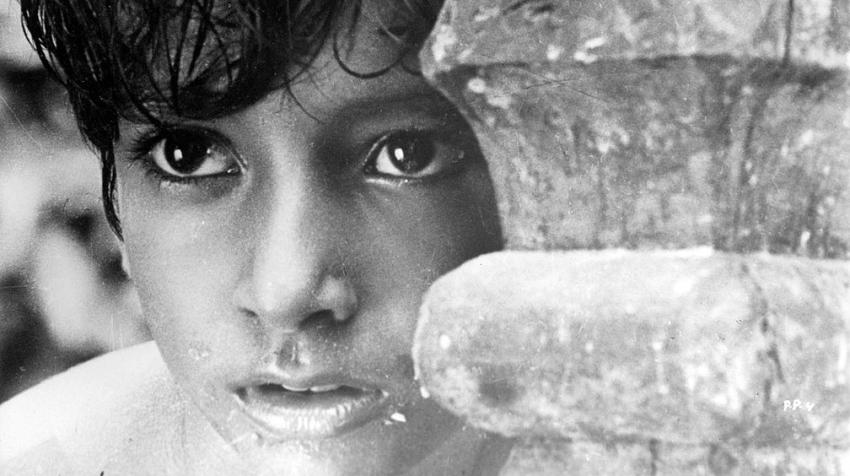
Subir Banerjee as Apu in Pather Panchali (1955)
Ray’s landmark debut, Pather Panchali ( which was adapted from eponymous 1928Bengali novel “Pather Panchali” by eminentBengali novelist Bibhutibhusan Bandopadhay) was on a shoe-string budget in 1955 with a mostly non-professional cast. All the while, he clung on to his job for a safety net even as he shot what would become the first of the classic Apu Trilogy on weekends. The film was apparently being made by a group of neophytes, who had to stop filming more than once, owing to the depletion of their shoestring budget.
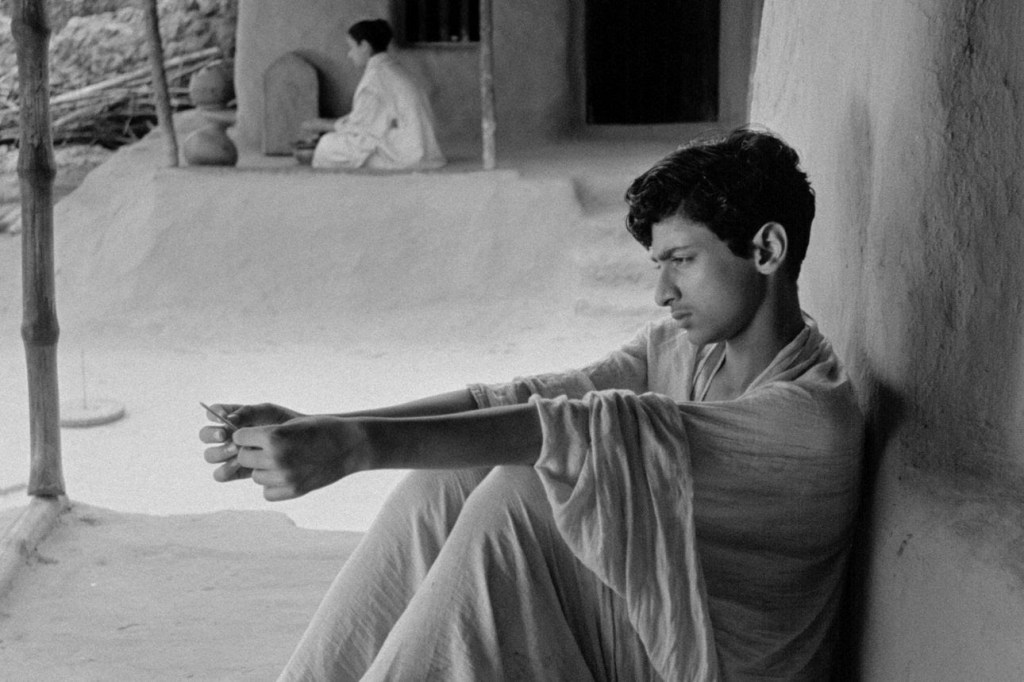
Smaran Ghoshal as Apu in Aporajito (1956)
Notable Films of Satyajit Ray
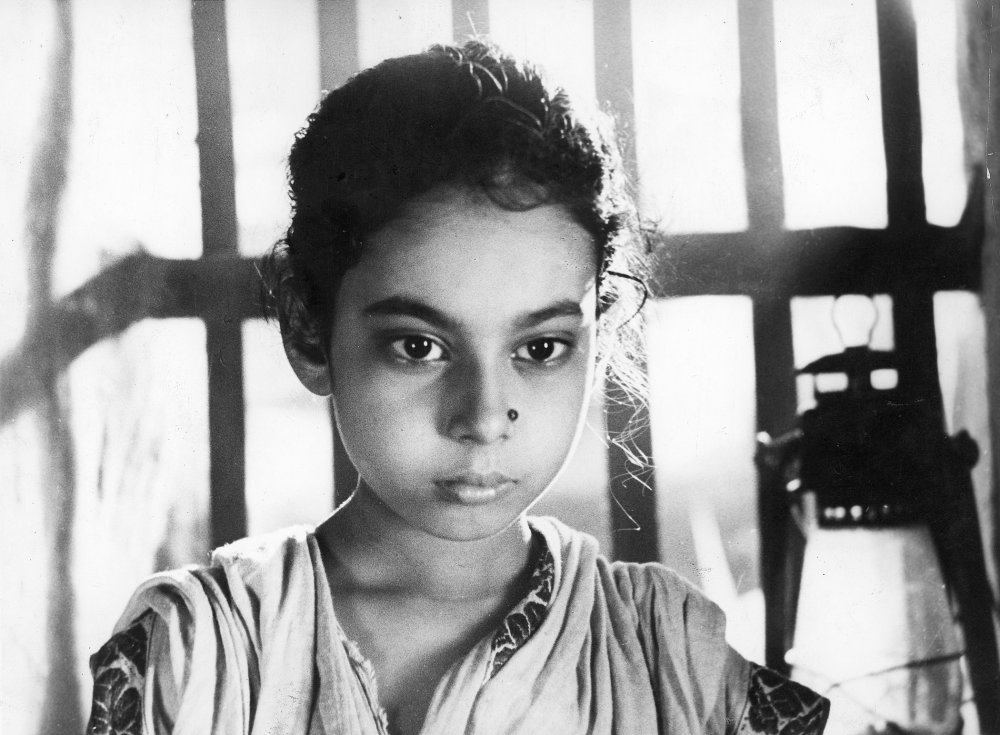
Ray directed 36 films, comprising 29 feature films, five documentaries, and two short films.Pather Panchaliwas completed in 1955 and turned out to be both a commercial and a tremendous critical success, first in Bengal and then in the West following a major award at the 1956 Cannes InternationalFilm Festival. sured Ray the financial backing he needed to make the other two films of the trilogy: Aparajito (1956; The Unvanquished) and Apur Sansar (1959; The World of Apu).Pather Panchaliand its sequels tell the story of Apu, the poor son of a Brahman priest, as he grows from childhood to manhood in a setting that shifts from a small village to the city of Calcutta.
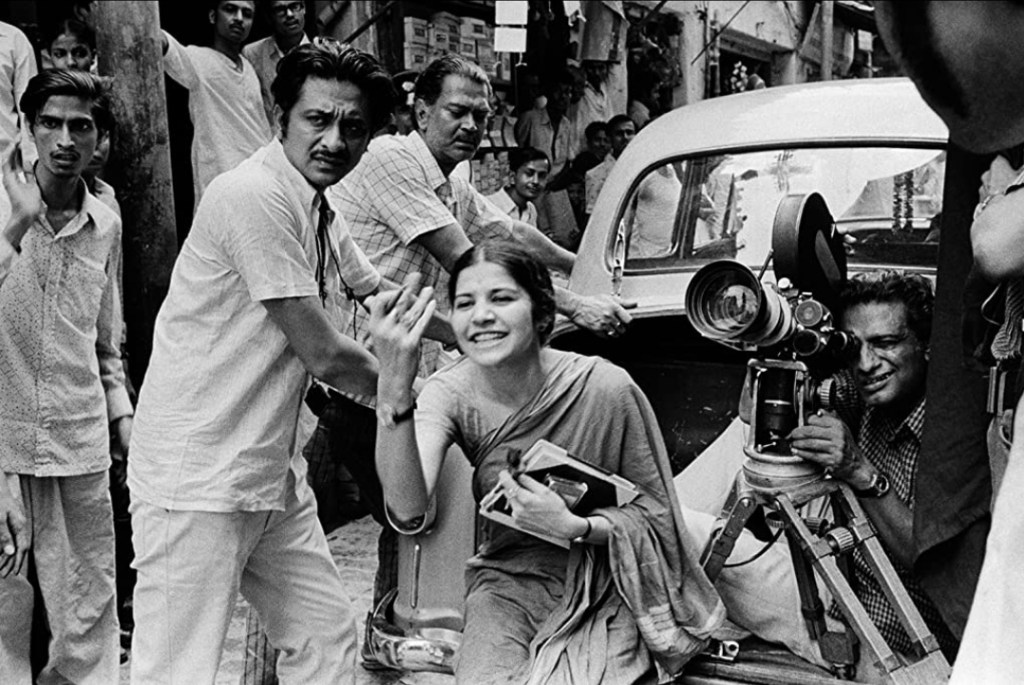
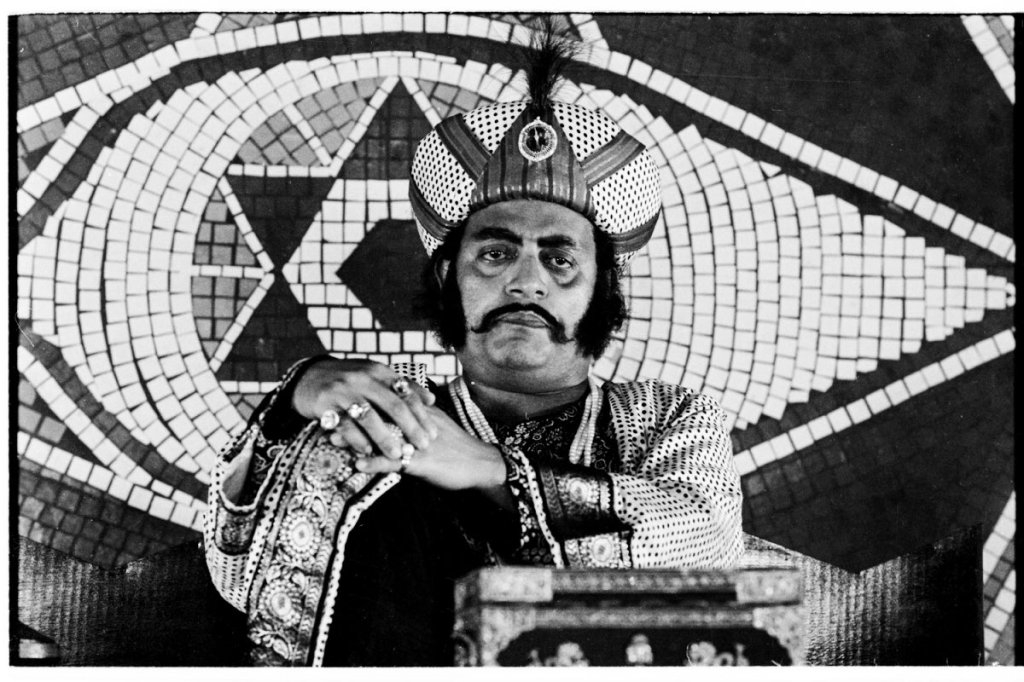
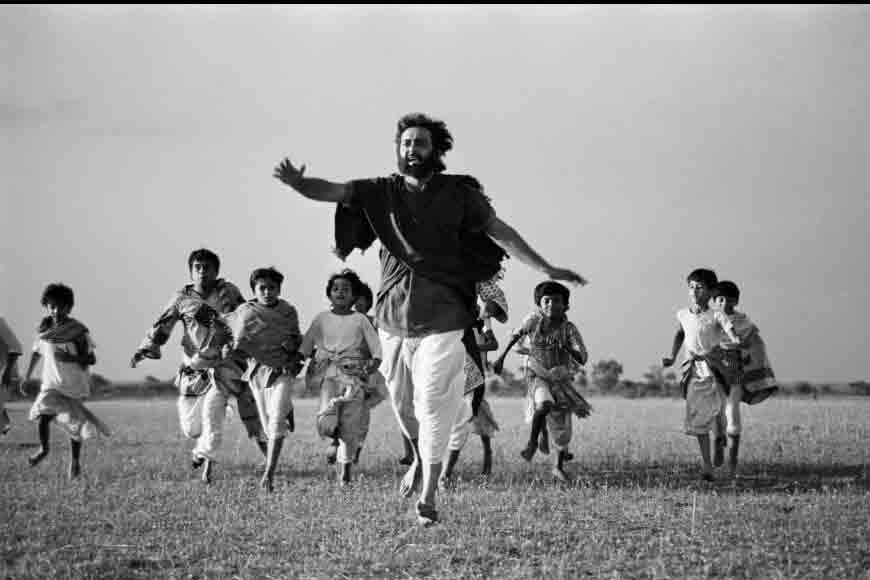
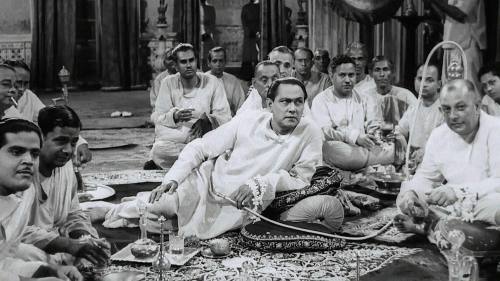
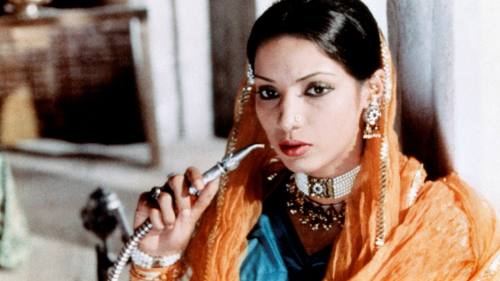
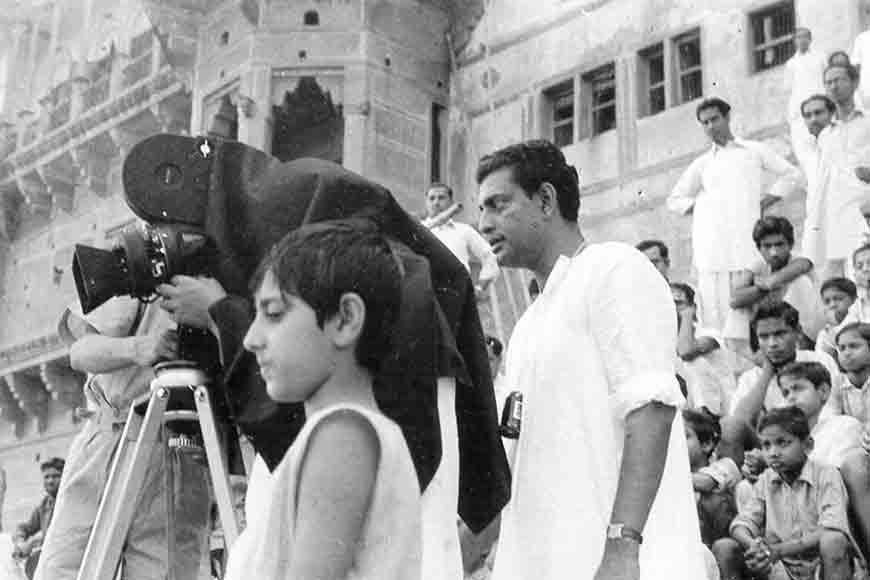
Chandana Banerjee in Teen Kanya (1961)During the Shooting of Jana Aranya (1975)Utpal Dutta in HirokRajar Deshe(1980)Soumitra Chatterjee in Hirok Rajar Deshe (1980)Chhabi Biswas (in middle) in Jalsaghar (1958)Shabana Azmi in Shatranj ke Khilari (1977)Satyajit Ray during the shooting of Sonar Kella(1974)
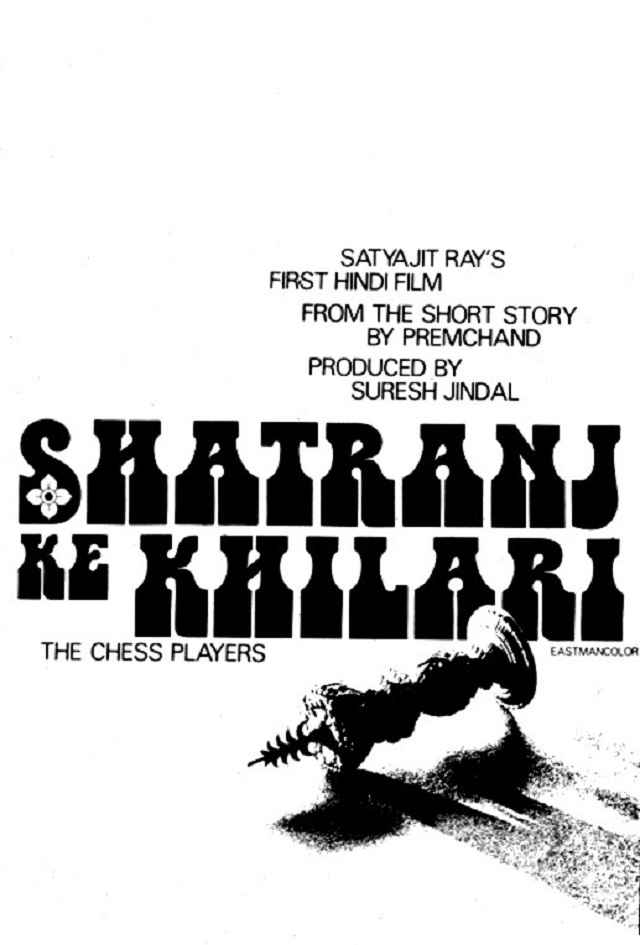
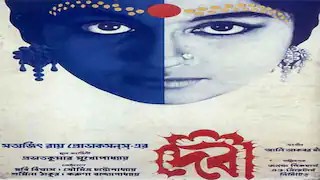
Ray’s major films about Hindu orthodoxy and feudal values (and their potential clash with modern Western-inspired reforms) include Jalsaghar (1958; The Music Room), an impassioned evocation of a man’s obsession with music; Devi (1960; The Goddess), in which the obsession is with a girl’s divine incarnation; Sadgati (1981; Deliverance), a powerful indictment of caste; and Kanchenjungha (1962), Ray’s first original screenplay and first colour film, a subtle exploration of arranged marriage among wealthy, westernized Bengalis.Shatranj ke Khilari (1977; The Chess Players), Ray’s first film made in the Hindi Language , with a comparatively large budget, is an even subtler probing of the impact of the West on India. Although humour is evident in almost all of Ray’s films, it is particularly marked in the comedy Parash Pathar (1957; The Philosopher’s Stone) and in the musical Goopy Gyne Bagha Byne (1969; The Adventures of Goopy and Bagha), based on a story by his grandfather.
His other notable films were Ahsani Sanket (1973; Distant Thunder), Aranyer Din Ratri (1970; Days and Nights in the Forest) , Mahanagar (1963; The Big City) and a trilogy of films made in the 1970s—Pratidwandi (1970; The Adversary), Seemabaddha (1971; Company Limited), and Jana Aranya (1975; The Middleman), Ganashatru (1989; An Enemy of the People), Shakha Prashakha (1990; Branches of the Tree), and the Agantuk (1991; The Stranger).
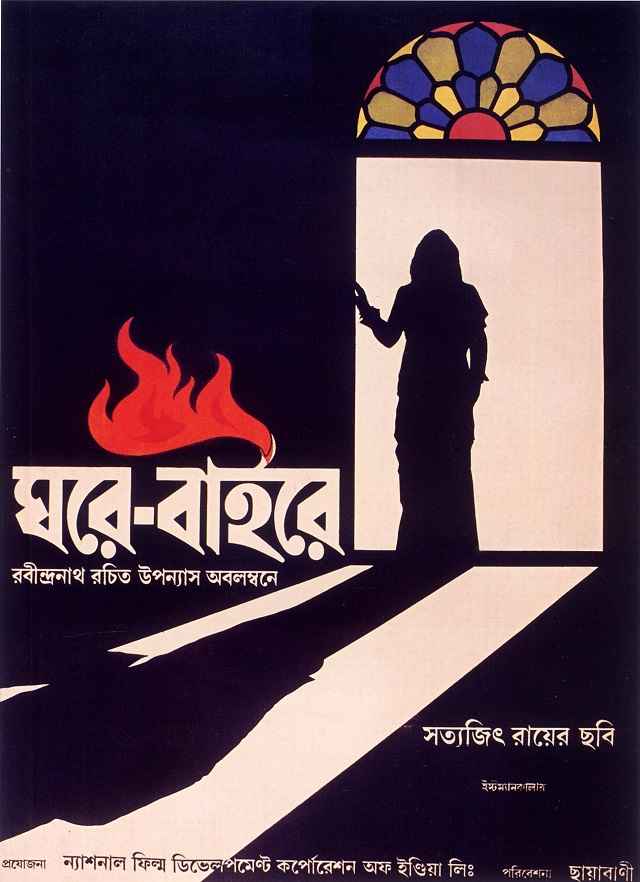
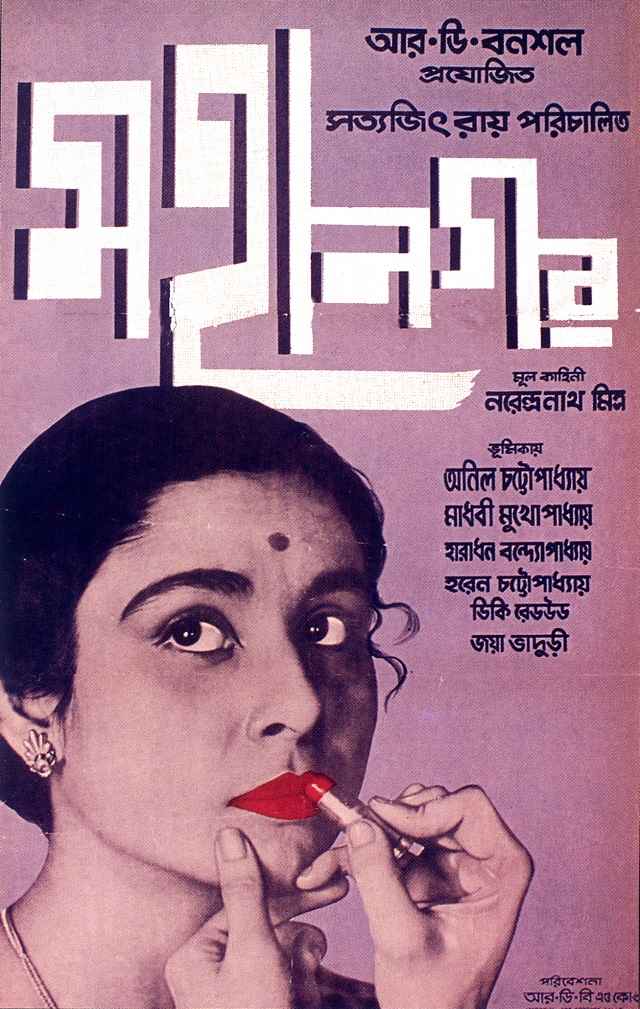
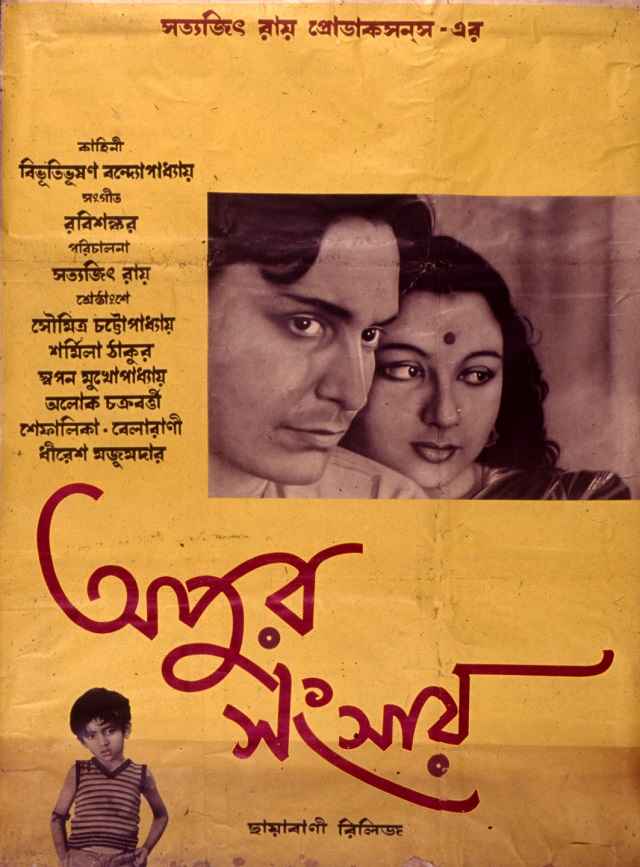
Poster of Shatranj ke Khilari (1977)Poster of Devi(1960)Poster of Ghore-BairePoster of Mahanagar(1963)Poster of Apur Sansar (1959)Poster of Nayak Poster of Charulata
Work As A Novelist
Ray created two popular fictional characters in Bengali children’s literature—Feluda, a sleuth, and Professor Shanku, a scientist. The Feluda stories are narrated by Topesh Ranjan Mitra aka Topse, his teenage cousin, something of a Watson to Feluda’s Holmes. The science fictions of Shonku are presented as a diary discovered after the scientist had mysteriously disappeared. Ray also wrote a collection of nonsensical verses named Today Bandha Ghorar Dim, which includes a translation of Lewis Carroll’s “Jabberwocky”. He wrote a collection of humorous stories of Mulla Nasiruddin in Bengali. Ray wrote an autobiography about his childhood years, Jakhan Chhoto Chhilam (1982), translated to English as Childhood Days: A Memoir by his wife Bijoya Ray. In 1994, Ray published his memoir, My Year’s with Apu, about his experiences of making The Apu Trilogy.
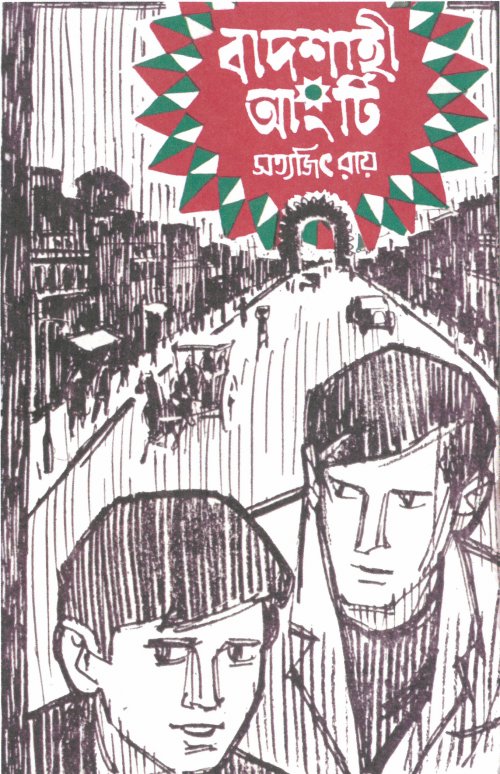
Book Cover illustrated by Satyajit Ray, himself for his first detective novel “Badshahi Angti”.The musical score and Poster for Goopy Gyne Bagha Byne(1969), done by Satyajit Ray, himself Portrait of Akira Kurosawa, illustrated by Satyajit Ray
Critical Analysis of Satyajit Ray
Instead of acting like a propagandist, Ray wanted to make people aware of the persistence of certain social problems. Devi and Ganasatru show people’s blind religious beliefs, Sakha Prasakhadiscloses the involvement of the top officials with bribery and corruption, Shatranj ke Khilari indicates the indolence and lack of political consciousness of the wealthy people, Aranyer Din Ratrireveals the insensitivity and boasting of the urban young men, and Mahapurushmockingly exposes the failure of the urban elite to embrace rational thoughts. Given the necessity of making people conscious of the same problems in present-day society, these films are still relevant today. Ray’s films also made a departure from tradition by frequently including strong women characters. Sarbajaya in Pather Panchali and Aparajito, Manisha in Kanchenjungha, Arati in Mahanagar, Charu in Charulata, Karuna in Kapurush, Aditi in Nayak, Aparna and Jaya in Aranyer Din Ratri, Sudarshana in Seemabadhdha, and Ananga in Asani Sanketappear as bolder, more confident, and more resilient than the male characters. In an interview, Ray states that the inclusion of unwavering women characters reflects his own attitudes towards and personal experience with women.
Awards Received by Satyajit Ray
Ray received many awards, including 36National Film Award by the Government of India, and awards at international film festival. In 11th Moscow InternationalFilm Festival 1979, he was awarded with the Honorable Prize for the contribution to cinema. At the Berlin International Film Festival, he was one of only four filmmakers to win the Silver Bear for Best Director more than once and holds the record for the most Golden Bear nominations, with seven. At the Venice Film Festival, where he had previously won a Golden Lion for Aparajito (1956), he was awarded the Golden Lion Honorary Award in 1982. That same year, he received an honorary “Hommage à Satyajit Ray” award at the 1982 Cannes International Film Festival. Ray is the second film personality after Charlie Chaplin to have been awarded an honorarydoctorate by Oxford University.
He was awarded the Dadasaheb Phalke Award in 1985, and the Legion of Honour by the President of France in 1987. The Government of India awarded him the Padma Bhusan in 1965 and the highest civilian honour, Bharat Ratna, shortly before his death. The Academy of Motion Picture Arts and Sciences awarded Ray an Honorary Award in 1992 for Lifetime Achievement. In 1992, he was posthumously awarded the Akira Kurosawa Award for Lifetime Achievement in Directing at the San Francisco International Film Festival.
Conclusion
Whenever we talk about radical filmmaking in the realm of Bengali cinema, Satyajit Ray’s maiden feature (made in the face of tremendous odds) is mentioned. From Pather Panchali to his last film Agantuk, Ray never compromised on high standards, thereby making a huge impression. Having a greater familiarity with the oeuvre of Ray would enable people to understand the impressive qualities and importance of socially-meaningful cinema. We are surely in need of films that would make us perceive the beauty of a dewdrop on a blade of grass, strengthen our sense of humanism, and raise our social consciousness—hence, the everlasting relevance of the cinema of Satyajit Ray.
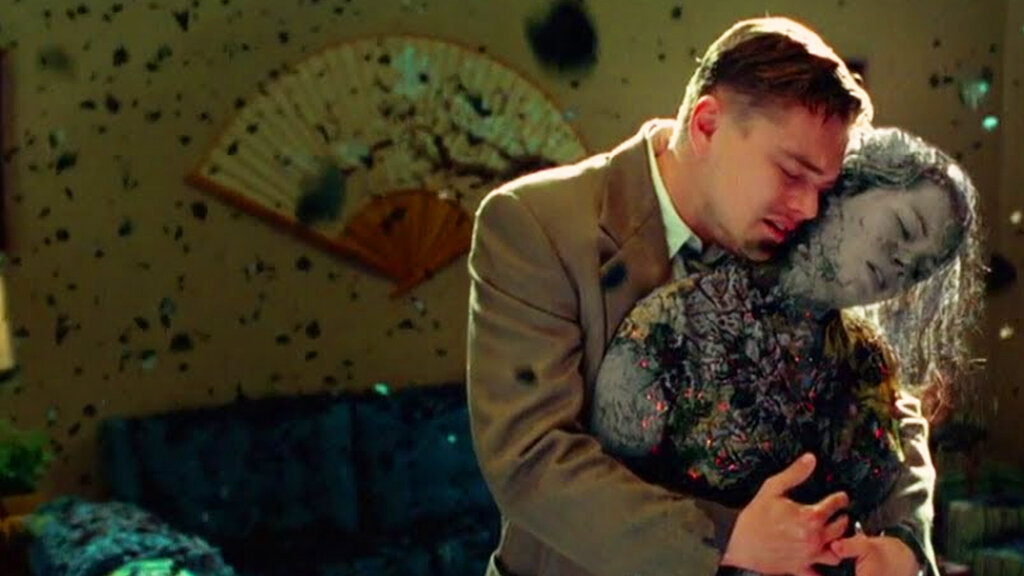
This neo-noir film marked the 4th collaboration between the great Scorsese and DiCaprio. An enthralling psychological thriller based on a 2003 novel by the same name. Arguably, it runs along the same lines of that of Nolan’s Inception, where we are left with an aching mind as we over-analyze and try to make sense of the reality of these characters. The strongest asset of this film is the character commitment. From DiCaprio, to Ruffalo, to Ben Kingsley – they draw us into this sense of fear and irrationality needed to carry the intrigue the film requires. One that when viewed a second time, you wish you picked up the clues along the way during your first.
Two US marshals are sent to an asylum on a rainy, remote island to investigate the disappearance of a patient. The trip uncovers shocking truths about the institution and its newest guests.
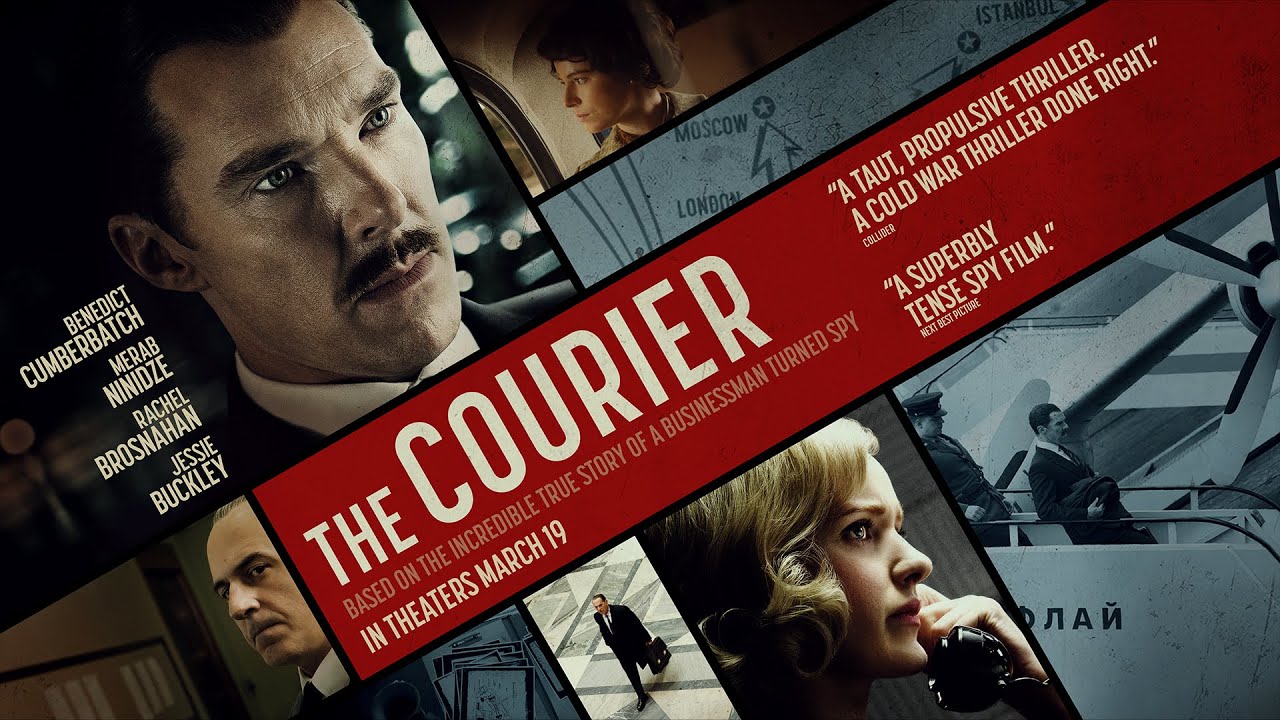
Based on the true life of Grenville Wynne, this thrilling dramatic, cold-war era spy film does not need to exaggerate to impress. Benedict Cumberbatch’s nervy performance makes him the perfect actor to be casted for this role. His journey from an everyday salesman to a courier for the US Government divides the film into two halves, the latter half darker and more intense. Required however to evoke the trauma and angst the moments deserve.
An unassuming British businessman is recruited into one of the greatest international operations in history. Under the organization of the MI-6 and CIA operatives, he forms a covert, dangerous partnership with a Soviet officer in an effort to provide crucial intelligence needed to prevent a nuclear war.
Unraveling the plight of women in both love and money in the 19th century, this 1996 adaptation of Jane Austen’s Sense and Sensibility ignites the pull between heart and head. Set in the early 1800s, the cinematography of this film is telling of its 1990s production. With that in mind, I watch and re-watch this for the beauty of the set, location and characters. Before Titanic, Winslet captured my heart here with her portrayal of Marianne, providing the perfect balance of naivety and strength. Emma Thompson graces the screen with the elegance she always brings, as Elinor. Although changes have been made from Austen’s first published work of Sense and Sensibility, this film brings the story of romance, sisterly bonds and betrayal to life.
Mrs. Dashwood and her daughters, Elinor, Marianne and Margaret are cast out from their beloved home and lavish lifestyle after the death of Mr. Dashwood. Marianne falls in love with the wrong suitor and Elinor denies her feelings for another. This film encapsulates the romance, loss, betrayal and realization of finding love in a world built for men.
“The Artist” is a movie for people who love movies. It is a touching and mostly silent movie with a musical soundtrack about an aging film idol, a peppy young actress and the passing of the silent-movie era. For a silent movie, this French salute to Hollywood’s transition to talkies in the late ’20s sure has some interesting things to say, it is simply irresistible. More than a skit, this is a lively and lovable comedy that’s full of personality and charm. This glorious film won Best Picture at the Oscars and is enhanced by brilliant performances.
Peppy Miller falls in love with the silent film star George Valentin. Things change when Peppy becomes a famous actor while George’s career goes downhill with the introduction of talkies.
In the course of its long history, the Hindi Cinema has gone through constant evolutions and is still witnessing massive socio-cultural changes, however, from substantive and insular point of view; the Hindi Film Industry still retains its own unique and peculiar characteristics. Since the beginning, the Hindi Cinema has drawn its inspiration from the styles and aesthetics of the mega diverse Indian culture.
In general great emphasis has been put on classical Indian traditions over the years including Indian storytelling, epics, and poems and like. Although movies came to India in July 1896 as famous French Lumiere Brothers screened their short films in Watson Hotel, Mumbai, the first ever Indian film was ‘Raja Harishchandra’, a mythological film released in 1913 directed by Dada Saheb Phalke, who is often called as the father of Indian Cinema.
Film Poster of Raja Harishchandra, 1913.
Raja Harishchandra being a silent film had Hindi, Marathi and English interfiles. In 1905, filmmaker Hiralal Sen documented “Swadeshi Movement of India” and screened it at Town Hall, Calcutta on 22nd of September which is considered as India’s first political film. H.S. Bhatavdekar’s first movie and the first film by an Indian Filmmaker was shot in 1899 in which he shot a Wrestling Match in Mumbai’s Hanging Gardens. By the 1930s, the industry was producing 200 films per year and it was in 1931, the industry had its first sound film named ‘Alam Ara’ by director Ardeshir Irani which had a mixture of both Hindi and Urdu.
Alam Ara, India’s first Sound Film. (1931)
Since then the talkie films quickly were in high demand by the audience mostly in big cities and hence the industry permanently switched to sound films. The first ever Hindi color film was released in 1937 by Ardeshar Irani named “Kisan Kanya ”, however the colour films became popular among the audience only in late 1950s and early 1960s. The industry has also witnessed the breakdown of the studio system and complete on location shooting over the years. At present, Hindi Cinema produces over 1000 movies per year.
A still from Kisan Kanya (1937).
The Song and Dance Sequences
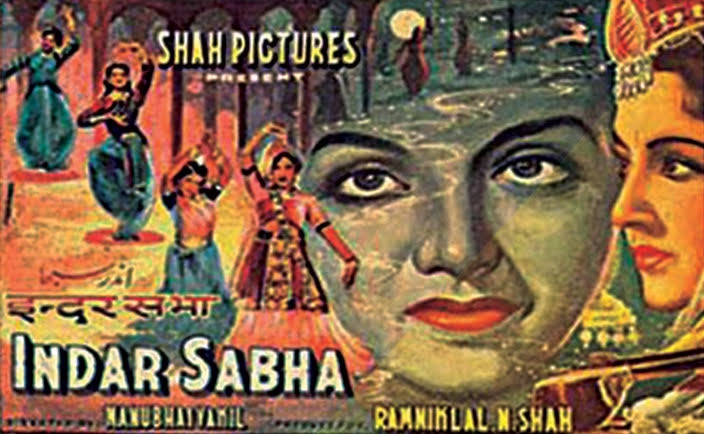
As mentioned earlier, the Hindi movies have always been a reflection of Indian culture and so hasn’t been any Hindi movie without a song till date. Two of the major characteristics of Hindi Cinema are songs and dance sequences. In fact, these two unique features are considered as the ‘peculiarities’ of Hindi Cinema which separates it from Hollywood or any other foreign film industry. In earlier times whenever there was a requirement of steamy scenes in movies, the protagonists, that is the hero and the heroine used to indulge into a song and dance sequel. The song and dance sequences pop up here and there according to necessary requirements and situations. The 1932 movie Indra Sabha was one of the first Indian movies with over 70 songs.
Film Poster of Indra Sabha (1932).
Truly, Hindi Cinema has entertained audiences worldwide for more than a century now. Informally and popularly known as Bollywood, Hindi Films will always have a special place in hearts of millions of Bollywood fans!
but it is too much for my strength — I sink under the weight of the splendour of these visions!
I am alone, and feel the charm of existence in this spot, which was created for the bliss of souls like mine. I am so happy, my dear friend, so absorbed in the exquisite sense of mere tranquil existence, that I neglect my talents.


























 Eduindex News
You must be logged in to post a comment.