Renewable resources .

Replacing traditional sources of energy completely with renewable energy is going to be a challenging task. However, by adding renewable energy to the grid and gradually increasing its contribution, we can realistically expect a future that is powered completely by green energy.

– Tulsi Tanti
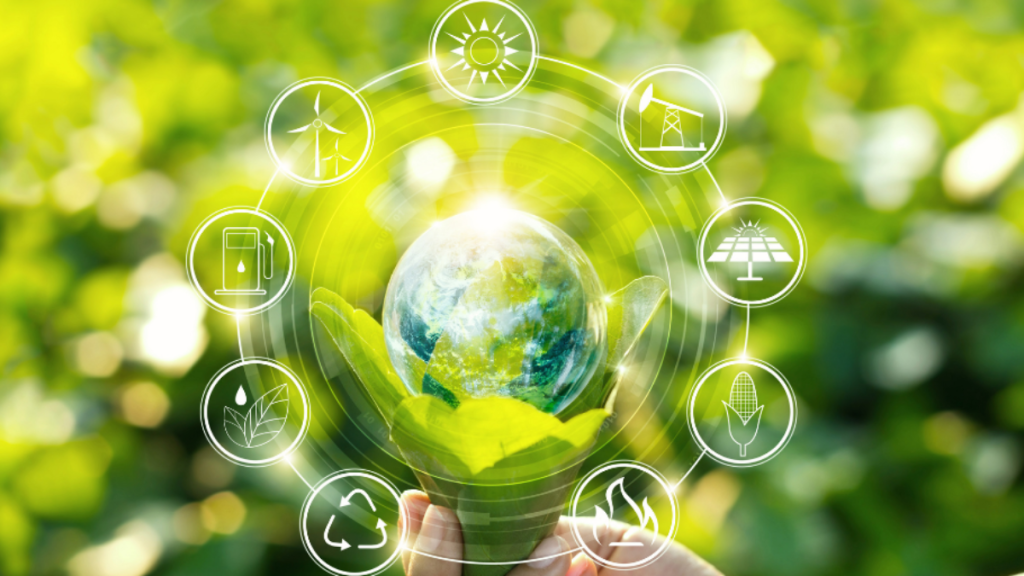
A way to live a new life . Without any destruction , without worrying about the future . Live a life where we can grow together , develop a life with renewable resources.

Introduction

A renewable resource, also known as a flow resource, is a natural resource which will replenish to replace the portion depleted by usage and consumption, either through natural reproduction or other recurring processes in a finite amount of time in a human time scale.

When such recovery rate of resources is unlikely to ever exceed a human time scale, these are called perpetual resources. Renewable resources are a part of Earth’s natural environment and the largest components of its ecosphere. A positive life-cycle assessment is a key indicator of a resource’s sustainability.
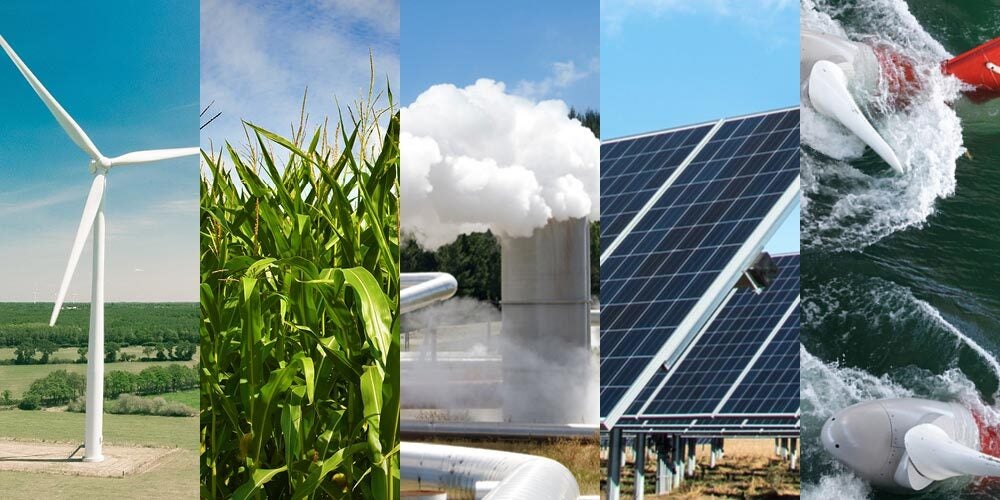
Renewable resources are an energy source that cannot be depleted and are able to supply a continuous source of clean energy.

Renewable resources also produce clean energy, meaning less pollution and greenhouse gas emissions, which contribute to climate change.

Examples of renewable resources.

  • Biomass .
  • Biogas.
  • Tidal Energy.
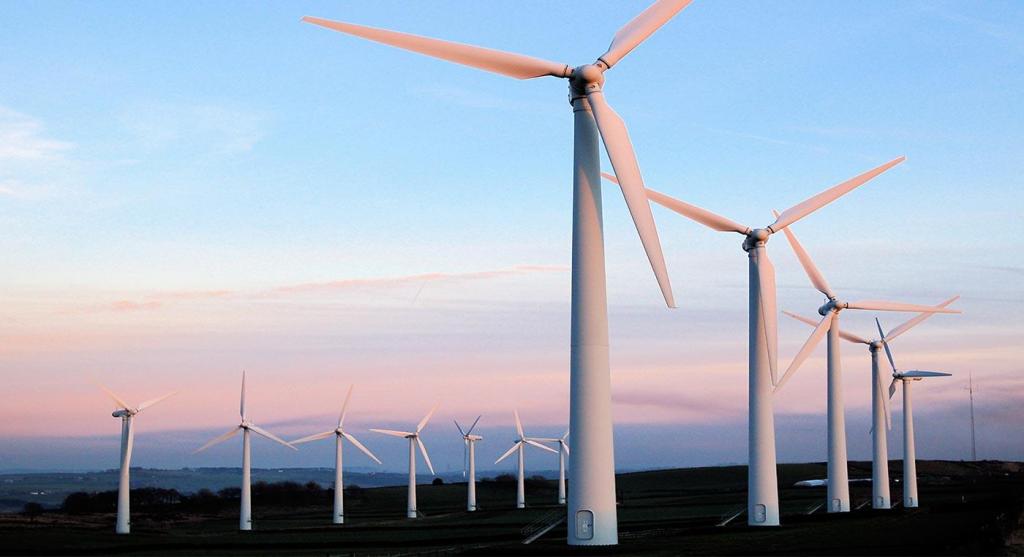
  • Wind Energy.
  • Geothermal Energy.
  • Radiant Energy.
  • Hydro Electricity.
  • Compressed Natural Gas.

Types of renewable resources.
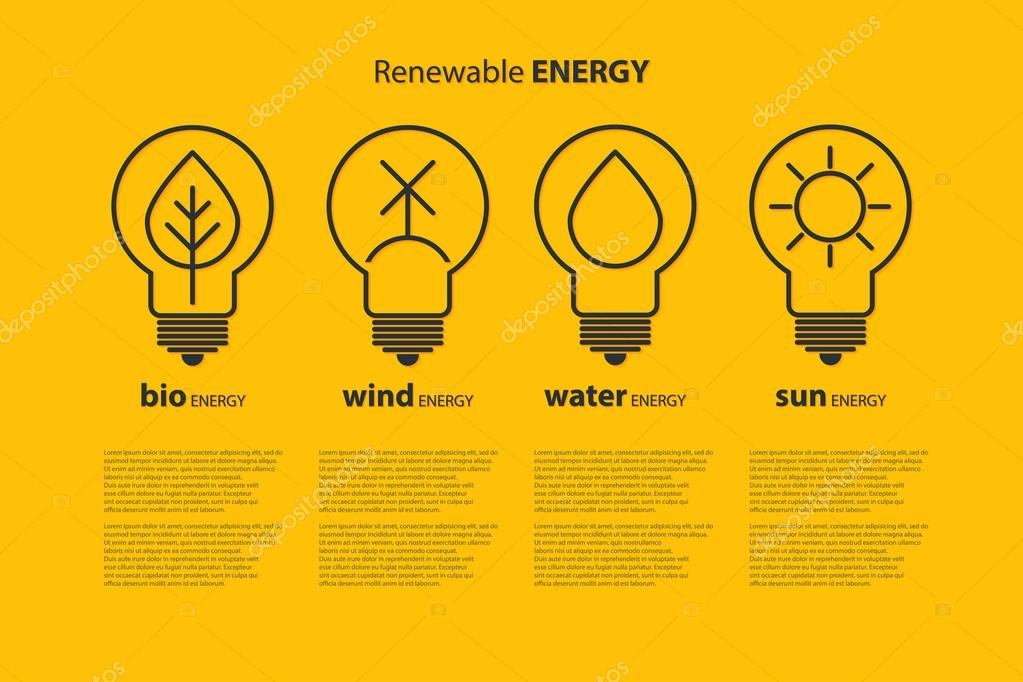
1) Solar energy. Sunlight is one of our planet’s most abundant and freely available energy resources. 2) Wind energy. Wind is a plentiful source of clean energy. 3) Hydro energy.
4) Tidal energy.
5) Geothermal energy. 6) Biomass Energy.

Impact of renewable resources.

Environmental impact

Renewable energy projects have also contributed in improving environmental impacts such as reduction of carbon dioxide gas, awakening community about the climate change. The study observed very small impacts on the people living in a particular area, tourism, cost of energy supply, and educational impacts. Significant impacts were observed in improvement of life standard, social bonds creation, and community development. They also observed that the renewable energy projects are complex to install and are local environmental and condition sensitive. Their forecasting, execution, and planning require more consideration and knowledge as compared to other projects.
Social impact

These resources also provide social benefits like improvement of health, according to choice of consumer, advancement in technologies, and opportunities for the work, but some basic considerations should be taken for the benefit of humans, for example, climate conditions, level of education and standard of living, and region whether urban or rural from agricultural point of view. Social aspects are the basic considerations for the development of any country. The following social benefits can be achieved by renewable energy systems: local employment, better health, job opportunities, and consumer choice.

Advantages of renewable resources.

  • Renewable energy won’t run out.
  • Maintenance requirements are lower.
  • Renewables save money.
  • Renewable energy has numerous health and environmental benefits.
  • Renewables lower reliance on foreign energy sources.
  • Higher upfront cost.
  • Intermittency.
  • Storage capabilities.

Conclusion

Renewable energy is becoming an important resource in all over the world . I do agree that people might exploit the resources for there own benefit . But the government is working on that aspect and trying to provide resources that can help our future households .
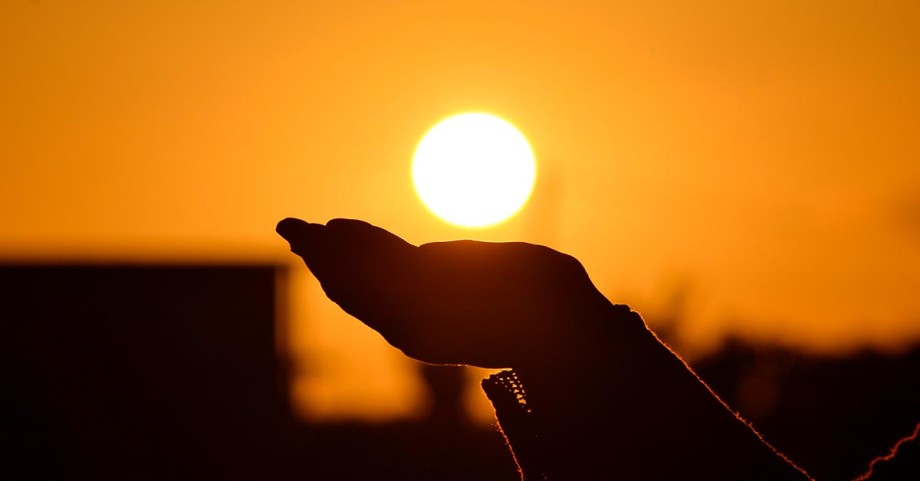
There are a lot of different ways of building a prosperous society, and some of them use much less energy than others. And it is possible and more practical to talk about rebuilding systems to use much less energy than it is to think about trying to meet greater demands of energy through clean energy alone.

– Alex Steffen

Link

The Amazon

The forest is a peculiar organism of unlimited kindness and benevolence that makes no demands for its sustenance and extends generously the products of its life activity; it affords protection to all beings, offering shade even to the axe-man who destroys it.

– Gautama Buddha

Today , let’s feel the presence of fresh air , waterfall , trees , flora and fauna . Being a citizen of a country , which is well known for its resources , different species, mixed economy and different cultures. It is important for us to see the world of flora and fauna.

Well you get to know by the heading , today we are gonna talk about THE AMAZON’S which is well known for its vast species .

Introduction .


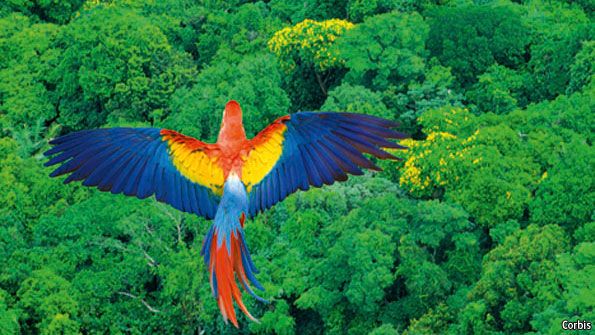
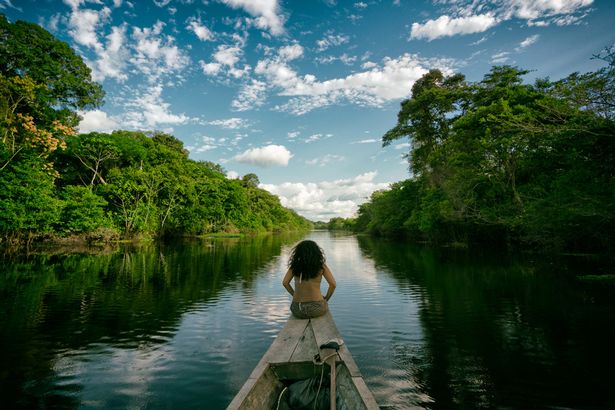
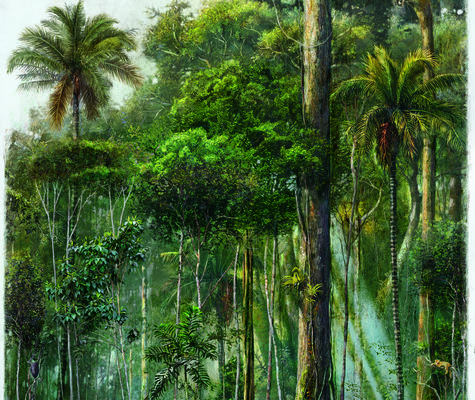
The Amazon jungle or Amazonia, is a moist broadleaf tropical rainforest in the Amazon biome that covers most of the Amazon basin of South America. This basin encompasses 7,000,000 km2 (2,700,000 sq mi), of which 5,500,000 km2 (2,100,000 sq mi) are covered by the rainforest. This region includes territory belonging to nine nations and 3,344 formally acknowledged indigenous territories.

The majority of the forest is contained within Brazil, with 60% of the rainforest, followed by Peru with 13%, Colombia with 10%, and with minor amounts in Bolivia, Ecuador, French Guiana, Guyana, Suriname, and Venezuela. Four nations have “Amazonas” as the name of one of their first-level administrative regions, and France uses the name “Guiana Amazonian Park” for its rainforest protected area. The Amazon represents over half of the planet’s remaining rainforests, and comprises the largest and most biodiverse tract of tropical rainforest in the world, with an estimated 390 billion individual trees divided into 16,000 species.

The name Amazon is said to arise from a war Francisco de Orellana fought with the Tapuyas and other tribes. The women of the tribe fought alongside the men, as was their custom. Orellana derived the name Amazonas from the Amazons of Greek mythology, described by Herodotus and Diodorus.

Flora and Fauna.

Wet tropical forests are the most species-rich biome, and tropical forests in the Americas are consistently more species rich than the wet forests in Africa and Asia.

This constitutes the largest collection of living plants and animal species in the world.

The region is home to about 2.5 million insect species, tens of thousands of plants, and some 2,000 birds and mammals. To date, at least 40,000 plant species, 2,200 fishes, 1,294 birds, 427 mammals, 428 amphibians, and 378 reptiles have been scientifically classified in the region.

The biodiversity of plant species is the highest on Earth with one 2001 study finding a quarter square kilometer (62 acres) of Ecuadorian rainforest supports more than 1,100 tree species.

Human impact on Amazon jungle.

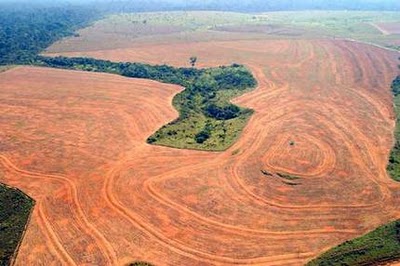
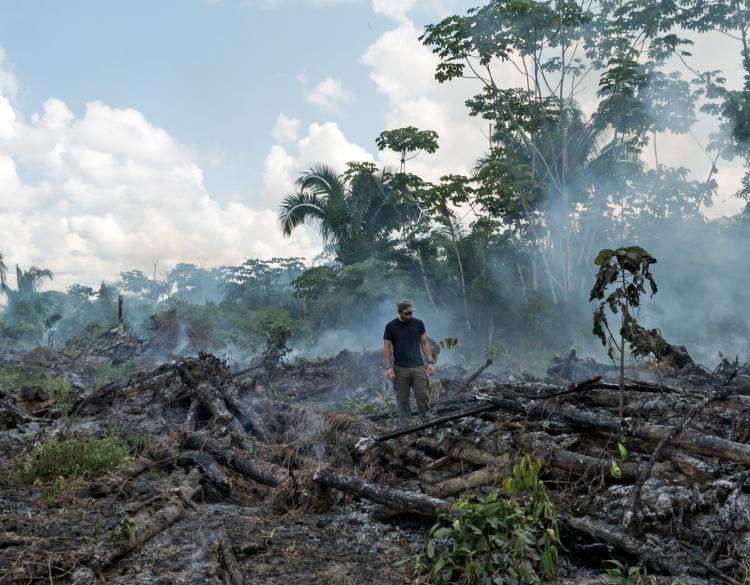
The human impact on the Amazon rainforest has been grossly underestimated according to an international team of researchers. … They found that selective logging and surface wildfires can result in an annual loss of 54 billion tonnes of carbon from the Brazilian Amazon, increasing greenhouse gas emissions.

Lead researcher Dr Erika Berenguer from Lancaster University said: “The impacts of fire and logging in tropical forests have always been largely overlooked by both the scientific community and policy makers who are primarily concerned with deforestation. Yet our results show how these disturbances can severely degrade the forest, with huge amounts of carbon being transferred from plant matter straight into the atmosphere.”

The second author, Dr Joice Ferreira from Embrapa in Brazil, said: “Our findings also draw attention to the necessity for Brazil to implement more effective policies for reducing the use of fire in agriculture, as fires can both devastate private property, and escape into surrounding forests causing widespread degradation. Bringing fire and illegal logging under control is key to reaching our national commitment to reducing carbon emissions.”

The forest is not a resource for us, it is life itself. It is the only place for us to live.

-Evaristo Nugkuag Ikanan

Link

How to do reforestation

the process of replanting trees as a recovery process of deforestation is known as reforestation. Reforestation has very large importance to recover for the harm of deforestation. It is important to decrease the pollution, specifically air pollution and also helps to fight climate change.

Every person asks to plant trees and has a list of reasons to do so. But nobody told about the right way to do reforestation. Is it ok to go on planting any species thinking every plant gives oxygen, what is the difference. Along with reforestation, protecting our biodiversity is also crucial. Just planting same species to an entire area is just like agriculture. It will never contribute more than oxygen and never helps to address other co-existing problems.

Conducting right reforestation programs will help to restore habitats. A large number of animal species are facing the fear of extinction because of deforestation. They just not need any tree to survive, Their survival depends on the biodiversity as well. Forests take part in ecological changes. Forests maintain soil quality. Planting a single species will surely not helps to restore the soil quality and also maintaining humidity and temperature.

HOW TO SELECT SUITABLE SPECIES

Go for the study of the site or place where you are planning to do reforestation. Study the soil composition and derive conclusions based on that. See whether the place has the capacity to grow the species you are selecting. Look for the plants that have naturally regenerated in that place. That will give you an idea about the verities that originally belong to that place. Study about the historical vegetation that is try to get knowledge about the vegetation present there before deforestation. This can be done by looking for old forest department records. After you decide for the species that to be planted collect information about the growth of each type. Look for requirements of water and sunlight and other necessary things and whether they are now available at that site.

HOW YOU PLANT WILL ALSO MATTER

There are two methods in regeneration: 1. Natural regeneration in which includes natural seeding techniques, stump sprouting and root suckering. 2. Artificial regeneration method which involves machine planting, hand planting, aerial and ground seeding methods. Choose whatever works for you.

Choose the plants samplings from the local source. This will help in effective reforestation. Go for mixing of species, both naturally occurring and planted and maintain diversity. In the area with management problems go for long-lived species. Use species which is appropriate for the site.

Promote natural appearing style rather than planting in rows and columns. Leave enough space between the samplings and allow for establishment of other species. consider other soil management techniques like scarifying and irrigation if needed. Protect the surrounding natural habitats like lakes and ponds. Provide debris to the plants. And also increasing complexities may increase the cost of reforestation. Always manage the budget.

Kwimba Reforestation project of Tanzania is an example for successful reforestation project. This project was commenced in 1990 funded by World land trust. The main purpose of the project was to restore the biodiversity of the Usambara mountains. Now species like ficus, mahogany cedar, plum tree, apple trees are the part of that biodiversity and world needs to be inspired by such stories.

CLIMATE CHANGE AND PLANT SCIENCE

When prevention of climate change is uncertain, preparation is necessary .

CLIMATE CHANGE

Climate change continues to cause unusual and unpredictable weather around the world.
Longer drought, flooding, major stroke, snowfall, temperature extreme will increase earth’s temp upto 3-4 ‘C.

Rising CO² level and warmer earth means plant will grow bigger (more surface area of leaves) and thus plant consume more water.
Thus, we face water scarcity.

Smog contain Ozone particles and causes various problems – asthma, heart disease, skin cancer etc.

Plant sciences is the study of plants in all their forms and interactions using a scientific approach.

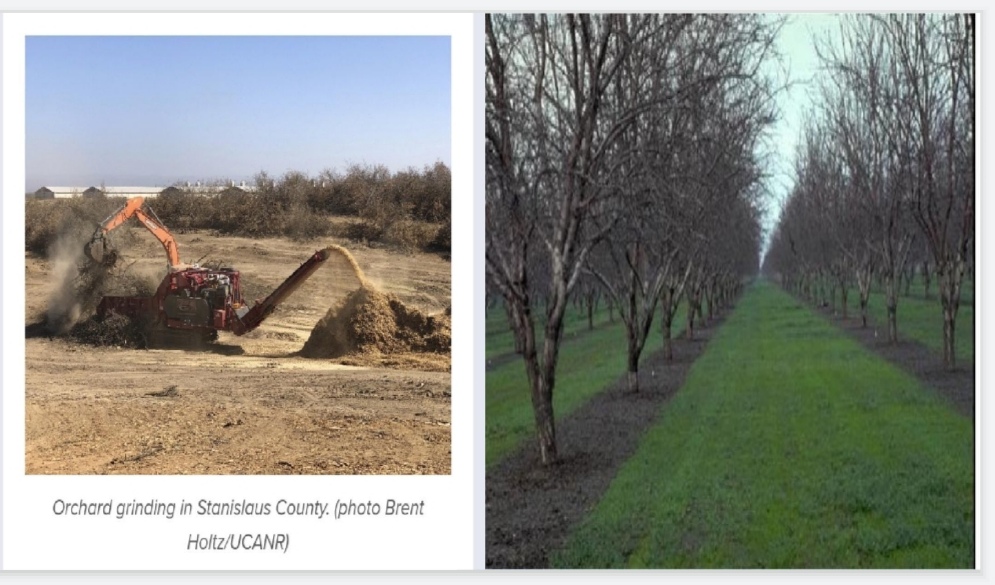
California’s Almond Orchard:-

In the past, for removing and disposing of the old trees we burn them in the field. But now Old trees are ground, chipped and turned back into soil before New almond tress are planted.
It help almond orchard to be more sustainable and resilient to drought and also increasing carbon content in soil.

Whole orchard recycling result compare to burned treatment :
1) Sequester 5 tons of carbon per hectare.
2) Increase water-use efficiency by 20 percent.
3) Increase crop yields by 19 percent.

scientists from the BBSRC managed to breed a new fast-growing broccoli that no longer relies on a period of cold weather to flower, and goes from seed to harvest in only 8-10 weeks. This discovery is especially relevant for broccoli, as it is flower buds that we eat.

Many terrestrial, freshwater, and marine species have shifted their geographic ranges, seasonal activities, migration patterns, abundances, and species interactions in response to ongo­ing climate change.

Increased carbon dioxide tends to suppress photo-respiration in plants. 

  • C⁴ plant adapt better for high CO² Concentration and photorespiration. 
  • It make 4 C sugar (OAA) thus fix more CO² and produce high amount of energy. 
  • It suited for hot dry climate.
  • C4 plants include such low-latitude crops as maize, sorghum, sugar-cane, and millet, plus many pasture and forage grasses. 
  •  Better adapt for photo oxidation. Prevent photooxidation due to kranz anatomy.

THE CLIMATE CRISIS HAS ALREADY BEEN SOLVED. WE ALREADY HAVE A FACTS AND SOLUTIONS . ALL WE HAVE TO DO IS WAKE-UP AND CHANGE                     – Greta Thunburg

Chamoli disaster

Avalanche

• A large amount of snow moving quickly down a
mountain- on slopes of 30 to 45 degrees.

• When it stops, the snow becomes solid – people
may die from suffocation, trauma or hypothermia.

Flash Floods

• Caused by heavy rainfall in a short period of time – generally less than 6 hours.

• Characteristics: raging torrents after heavy rains.
 Rip through river beds, urban streets, or mountain canyons etc.

• Can also occur even if no rain has fallen.
 After a dam has failed/after a sudden release of water by ice jam.

Glacial Lake Outburst Flood (GLOF)

• Glacial lakes: bodies of water influenced by the presence of glaciers.

• Moraine: field of dirt and rocks/debris moving with glaciers- •

When glacier melts, it will change into a lake- moraines act as a dam to the lake.

• When this moraine dam fails- water will be drained through the subsurface tunnels.

• GLOF: release of meltwater from a moraine/ice-dam glacial lake due to dam failure.

Cloudbursts

• A sudden, very heavy rainfall- localised and brief.

• Most cloudbursts occur in connection with
thunderstorms.

• Usually occurs in high altitude areas.
 Formation of a low-pressure zones on
the top of a mountain.

Climate Change

• Long-term change in the average weather patterns that have come to define Earth’s local, regional and
global climates.
 Frequent and intense drought.
 Increased frequency and intensity of storms and heat waves.
 Caused rising sea levels, melting of glaciers and warming of oceans.
 Directly harm flora and fauna, destroy the places they live, and wreak havoc on people’s livelihoods
and communities.

Atlas of Glacial Lakes

• Ministry of Jal Shakti -updated atlas of glacial
lakes that are part of the Ganga River basin.

• Similar inventory of glacial lakes was prepared for the Indus River basin.

• Present Ganga study – Glacial lakes were mapped
using Resourcesat-2 (RS-2) Linear Imaging Self Scanning Sensor-IV (LISS-IV) satellite data.

• Process of lake formation, location, and type of damming material – glacial lakes are identified in
nine different types & majorly grouped into four
categories.

• Bhuvan portal of National Remote Sensing Centre, ISRO.

• Create “comprehensive and systematic” glacial lake database for Ganga River basin.

Ganga River

• Ganga rises in the Gangotri glacier -Uttarkashi district of Uttarakhand.

• Source -Bhagirathi.

 At Devprayag joining another hill stream Alaknanda becomes Ganga.

• Principal tributaries from right – Yamuna, the Son and the Damodar.

• Principal tributaries from left -The Ramganga, the Ghaghra, the Gomati, the Gandak, the Kosi and the
Mahananda.
• The Chambal and the Betwa -important sub- tributaries.

• River Ganga -Uttarakhand, Uttar Pradesh, Bihar, Jharkhand, and West Bengal.

• River basin -Uttar Pradesh, Bihar, West Bengal, Madhya Pradesh, Rajasthan, Jharkhand, Haryana,
Uttarakhand, Chhattisgarh, Himachal Pradesh and the Union Territory of Delhi.

CLIMATE CHANGE

“Saving our planet, lifting people out of poverty, advancing economic growth… these are one and the same fight. We must connect the dots between climate change, water scarcity, energy shortages, global health, food security, and women’s empowerment. Solutions to one problem must be solutions for all.”

Climate is sometimes mistaken for weather. But climate is different from weather because it is measured over a long period of time, whereas weather can change from day to day, or from year to year. The climate of an area includes seasonal temperature and rainfall averages, and wind patterns. Different places have different climates. A desert, for example, is referred to as an arid climate because little water falls, as rain or snow, during the year. Other types of climates include tropical climates, which are hot and humid, and temperate climates, which have warm summers and cooler winters.

Climate change is the long-term alteration of temperature and typical weather patterns in a place. Climate change could refer to a particular location or the planet as a whole. Climate change may cause weather patterns to be less predictable. These unexpected weather patterns can make it difficult to maintain and grow crops in regions that rely on farming because expected temperature and rainfall levels can no longer be relied on. Climate change has also been connected with other damaging weather events such as more frequent and more intense hurricanes, floods, downpours, and winter storms. In polar regions, the warming global temperatures associated with climate change have meant ice sheets and glaciers are melting at an accelerated rate from season to season. This contributes to sea levels rising in different regions of the planet. Together with expanding ocean waters due to rising temperatures, the resulting rise in sea level has begun to damage coastlines as a result of increased flooding and erosion.

The cause of current climate change is largely human activity, like burning fossil fuels, like natural gas, oil, and coal. Burning these materials releases what are called greenhouse gases into Earth’s atmosphere. There, these gases trap heat from the sun’s rays inside the atmosphere causing Earth’s average temperature to rise. This rise in the planet’s temperature is called global warming. The warming of the planet impacts local and regional climates. Throughout Earth’s history, climate has continually changed. When occurring naturally, this is a slow process that has taken place over hundreds and thousands of years. The human influenced climate change that is happening now is occurring at a much faster rate. To avoid the worst effects of climate change, we need to dramatically reduce global carbon emissions. But we must also prepare for the significant and unavoidable consequences of carbon emissions such as increasing temperatures, shifting precipitation patterns, ocean acidification, sea level rise and the increasing intensity and frequency of extreme weather events. WWF works with local communities, governments and others around the world to help nature and people prepare for the many impacts of a changing climate. e are the first generation to feel the sting of climate change, and we are the last generation that can do something about it.

Climate change

Climate change refers to the change in the environmental conditions of the earth. This happens due to many internal and external factors. The climatic change has become a global concern over the last few decades. Besides, these climatic changes affect life on the earth in various ways. These climatic changes are having various impacts on the ecosystem and ecology. Due to these changes, a number of species of plants and animals have gone extinct.

When Did it Start?

The climate started changing a long time ago due to human activities but we came to know about it in the last century. During the last century, we started noticing the climatic change and its effect on human life. We started researching on climate change and came to know that the earth temperature is rising due to a phenomenon called the greenhouse effect. The warming up of earth surface causes many ozone depletion, affect our agriculture, water supply, transportation, and several other problems.

Reason Of Climate Change

Although there are hundreds of reason for the climatic change we are only going to discuss the natural and manmade (human) reasons.

Natural Reasons

These include volcanic eruption, solar radiation, tectonic plate movement, orbital variations. Due to these activities, the geographical condition of an area become quite harmful for life to survive. Also, these activities raise the temperature of the earth to a great extent causing an imbalance in nature.

Human Reasons

Man due to his need and greed has done many activities that not only harm the environment but himself too. Many plant and animal species go extinct due to human activity. Human activities that harm the climate include deforestation, using fossil fuelindustrial waste, a different type of pollution and many more. All these things damage the climate and ecosystem very badly. And many species of animals and birds got extinct or on a verge of extinction due to hunting

.

Effects Of Climatic Change

These climatic changes have a negative impact on the environment. The ocean level is rising, glaciers are melting, CO2 in the air is increasing, forest and wildlife are declining, and water life is also getting disturbed due to climatic changes. Apart from that, it is calculated that if this change keeps on going then many species of plants and animals will get extinct. And there will be a heavy loss to the environment.

What will be Future?

If we do not do anything and things continue to go on like right now then a day in future will come when humans will become extinct from the surface of the earth. But instead of neglecting these problems we start acting on then we can save the earth and our future. Although humans mistake has caused great damage to the climate and ecosystem. But, it is not late to start again and try to undo what we have done until now to damage the environment. And if every human start contributing to the environment then we can be sure of our existence in the future.

Global Warming : A closer look

Many people are still unaware about the changes in the overall climate of the planet. Human emissions of carbon dioxide and other greenhouse gases are posing an unprecedented threat to the future of life on Earth. Recent observations suggest that the planet has experienced the largest increase in surface temperature over the last 100 years. The continuous rise in temperature of the planet is really upsetting and will severely affect ecosystems and disturb ecological balance and the fundamental cause for the rapid climate change is global warming. Global warming is caused due to human activities such as industrialization and burning of fossil fuel thereby releasing uncontrolled emission of green house gases. Fossil fuels are being continuously used to produce electricity. The burning of these fuels produces gases like carbon dioxide, methane and nitrous oxides which lead to global warming. It is the considered to be the root cause of rising sea level, flooding, changes in weather patterns, storms, cyclone, epidemic diseases, lack of food, death, etc. Melting of polar ice caps will lead to floods which can cause mayhem everywhere. Rise of sea levels will devastate agricultural and fishing activities. Hence appropriate measures must be taken to tackle this problem.

Global warming has impacted the nature’s balance, biodiversity and climatic conditions of the earth over decades. Another cause of global warming is the ozone depletion. The ozone layer protects the earth surface by inhibiting the harmful sun rays to coming to the earth. However because of the gradually declining ozone layer , ultraviolet sun rays are entering to the biosphere and get absorbed by the green houses gases which ultimately increase the global warming. The process of global warming begins when sunlight reaches the Earth. The clouds, atmospheric particles and surface of oceans then sends back sunlight back into the space, whilst the remaining is absorbed by oceans, air and land. This heats up the surface of the planet and atmosphere, making life feasible. As the Earth warms up, this solar energy is radiated by thermal radiation and infrared rays, propagating directly out to space thereby cooling the Earth. However, some of the outgoing radiation is re-absorbed by carbon dioxide, water vapours, ozone, methane and other gases in the atmosphere and is radiated back to the surface of Earth and are commonly known as greenhouse gases. The concentration of greenhouse gases in the atmosphere was artificially increased by humankind at an alarming rate since the past two centuries. According to a study, over 8 billion tons of carbon dioxide was pumped, huge amounts of methane gas are generated in landfills and agricultural decomposition of biomass and animal manure, nitrous oxide is released into the atmosphere by various nitrogen-based fertilizers including urea and ammonium phosphate and other soil management utilization . As a result, thermal radiation is further hindered by increased levels of greenhouse gases.

 We must solve the issue of global warming by spreading social awareness among people about global warming to get it eradicated from worldwide and make the possibilities of life on earth forever as usual.