Navigating College Costs: The Critical Role of High School Scholarships

The rising cost of higher education has put a strain on the finances of families across the nation, creating a barrier to accessing college for many students. Scholarships, especially those awarded during high school, can play a pivotal role in overcoming this barrier, offering students the chance to lessen the burden of tuition fees and other college-related expenses. Identifying and applying for scholarships early in one’s high school career can lead to significant financial relief down the line. Keep reading to uncover the vital steps and strategies that high school students can deploy to reduce college expenses through scholarships.

Understanding the Importance of High School Scholarships in College Funding

As tuition rates climb, the pursuit of high school scholarships has morphed into a crucial strategy for prospective college students. These scholarships can cover a portion or even the entirety of tuition costs, depending on the award’s value. They offer a form of financial aid that doesn’t require repayment, unlike student loans, making them a highly attractive option.

Furthermore, high school scholarships can diminish the need for part-time jobs during college, allowing students to focus more on their studies and extracurricular activities. They also serve as a recognizant of academic or personal achievement, bolstering a student’s resume and college applications. In some cases, the prestige associated with scholarships can pave the way for additional opportunities, such as internships or research positions.

Meritorious and need-based scholarships can have far-reaching implications for students from economically challenged backgrounds. They act as a leveling field, providing equal opportunities for quality education regardless of a family’s financial standing. Scholarships reward initiative and hard work, encouraging other students to strive for excellence in their academic endeavors. The early pursuit of scholarships for juniors in high school is an excellent first step on this rewarding journey.

Exploring Types of Scholarships Available to High School Students

High school students may be surprised by the diversity of scholarships accessible to them, each with its own set of criteria and benefits. Academic scholarships are among the most well-known, typically awarded based on exceptional grades, test scores, or other scholarly achievements. These can spring from schools, private organizations, or federal and state governments.

Athletic scholarships are another type, earmarked for students who excel in sports. Universities often offer such scholarships to recruit top talent to their athletic programs. Creative merits, such as those in arts, music, and writing, can also be recognized through scholarships, supporting students with specific talents and aspirations in these fields.

Community service scholarships reward students who have made significant contributions through volunteer work, signaling a commitment to civic engagement and leadership. Additionally, many organizations support scholarships aimed at minority groups, intending to cultivate diversity and equal opportunity in higher education environments.

Strategies for Successfully Applying to High School Scholarships

Securing scholarships requires a strategic approach that begins with thorough research and organization. Students should start by mapping out scholarships that align with their strengths, interests, and career goals. This targeted approach can increase the chances of success and avoid the wastage of effort on unlikely matches.

Preparation is the key to a strong scholarship application. Students should collate all necessary documents, such as transcripts, letters of recommendation, and personal statements, well in advance of deadlines. It’s also essential to tailor applications to reflect the values and objectives of the awarding body, showcasing a well-rounded candidate.

Essays are a critical component of many scholarship applications, giving students the platform to articulate their achievements, aspirations, and the impact the scholarship will have on their futures. These essays should be crafted with care, undergoing multiple drafts and revisions to refine their messaging and clarity.

How to Integrate Scholarship Hunting Into Your High School Education Plan

Integrating scholarship hunting into a student’s high school education plan calls for a proactive and well-organized approach. Students should start early, identifying potential scholarship opportunities as soon as possible, even as early as their freshman year. Keeping abreast of scholarship deadlines and requirements should become a regular part of their educational routine.

High school counselors can be invaluable resources in the scholarship search, helping to identify opportunities that fit a student’s profile. They can also provide guidance on the application process and offer support in preparing necessary documents or practicing for interviews.

Academics should remain a priority, but students should also seek experiences that could strengthen their scholarship applications. Participating in clubs, sports, volunteer work, or internships could provide personal growth and also material for compelling applications that resonate with scholarship committees.

Overall, scholarships can dramatically transform a student’s college experience, alleviating financial pressures and broadening opportunities for personal and academic growth. By understanding the types of scholarships available, adopting successful application strategies, and managing awards effectively, students can step confidently into adulthood, well-equipped to succeed.

Top 10 Colleges in the USA (2025)

Daily writing prompt
What colleges have you attended?

The United States is home to some of the world’s most prestigious colleges and universities, known for their rigorous academic programs, state-of-the-art facilities, and vibrant campus communities. Here is a list of the top 10 colleges in the USA, known for their excellence in education and research:


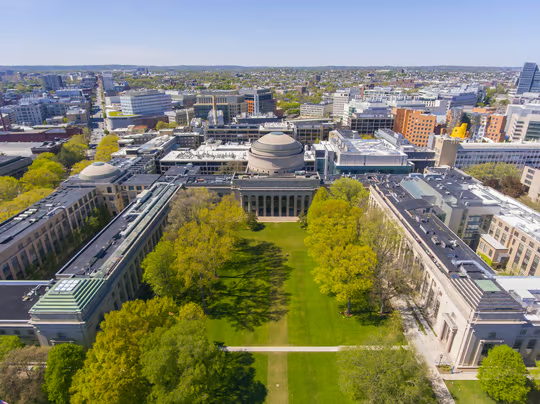
1. Massachusetts Institute of Technology (MIT)

Located in Cambridge, Massachusetts, MIT consistently ranks as the top college in the world for its cutting-edge research and innovation in science, technology, and engineering. Its collaborative and entrepreneurial culture attracts some of the brightest minds globally.

Highlights:

  • World-class STEM programs
  • Strong emphasis on entrepreneurship
  • High return on investment for graduates

2. Stanford University

Situated in the heart of Silicon Valley, California, Stanford is synonymous with innovation. It offers a diverse array of programs in fields such as business, engineering, and humanities.

Highlights:

  • Close ties to the tech industry
  • Exceptional research opportunities
  • Stunning campus architecture

3. Harvard University

As the oldest institution of higher education in the U.S., Harvard in Cambridge, Massachusetts, is a symbol of academic excellence. Its reputation spans across law, medicine, business, and arts.

Highlights:

  • Rich history and traditions
  • Prestigious alumni network
  • Strong financial aid programs

4. California Institute of Technology (Caltech)

Located in Pasadena, California, Caltech is renowned for its focus on science and engineering. It boasts a small student body and an impressive faculty-to-student ratio.

Highlights:

  • Intense focus on STEM disciplines
  • Access to cutting-edge research facilities
  • Close collaboration between students and faculty

5. University of Chicago

This Illinois-based institution is celebrated for its intellectual rigor and strong programs in economics, political science, and the humanities.

Highlights:

  • Nobel Prize-winning faculty
  • Emphasis on critical thinking and inquiry
  • Unique Core Curriculum

6. Princeton University

Located in Princeton, New Jersey, this Ivy League institution offers a unique blend of undergraduate focus and world-class research.

Highlights:

  • Strong liberal arts curriculum
  • Stunning Gothic architecture
  • Generous financial aid packages

7. Yale University

Situated in New Haven, Connecticut, Yale is known for its programs in law, drama, and the humanities. Its residential college system creates a close-knit community.

Highlights:

  • Renowned performing arts programs
  • Historic and picturesque campus
  • Strong emphasis on leadership and service

8. Columbia University

Located in New York City, Columbia offers unparalleled access to global opportunities in finance, media, and arts, making it a magnet for ambitious students.

Highlights:

  • Vibrant urban campus
  • Strong focus on research and innovation
  • Home to the Pulitzer Prize

9. University of Pennsylvania (Penn)

Penn in Philadelphia, Pennsylvania, combines a strong liberal arts education with world-class professional programs in business, law, and medicine.

Highlights:

  • Founding member of the Ivy League
  • Wharton School for business
  • Focus on interdisciplinary studies

10. Duke University

Located in Durham, North Carolina, Duke is known for its rigorous academics, strong athletics, and vibrant campus life.

Highlights:

  • Excellent programs in business, law, and medicine
  • Beautiful campus and athletic facilities
  • Commitment to global education

Factors for Consideration

The rankings above consider academic excellence, faculty quality, research output, financial aid, student satisfaction, and global reputation. Choosing the right college depends on personal goals, preferred programs, and campus culture.

Would you like additional information on admission requirements, financial aid, or campus life for any of these colleges?

Applications (fresh & renewal) on National Scholarship Portal for 2024-25 under NMMSS

The last date for submission of applications by the selected meritorious students on the National Scholarship Portal (NSP) for the National Means-cum-Merit Scholarship Scheme (NMMSS) for the year 2024-25 has been extended up to 31.10.2024. The NSP portal is open for submission of applications by students with effect from 30th June 2024. In this project year 2024-25, the selected students are first to do a One-Time Registration (OTR) on the NSP, after which they have to apply for the scholarship scheme that they have selected. The FAQ details for registration on NSP can be accessed at https://scholarships.gov.in/studentFAQs.

Through the ‘National Means-cum-Merit Scholarship Scheme’ implemented by the Department of School Education & Literacy, scholarships are awarded to meritorious students from economically weaker sections to arrest their drop-out after elementary level, i.e., Class VIII and encourage them to complete their school education up to higher secondary level, i.e., Class XII.

The scheme provides one lakh fresh scholarships every year for Class IX students who clear the qualifying exam for the scholarship conducted by the State/UT governments. The scholarship is continued through renewal mode from Classes X to XII based on the student’s academic performance. The scheme is applicable only to students studying in State Government, Government-aided, and local body schools and the scholarship amount is Rs. 12000 per annum per student.

The National Means-cum-Merit Scholarship Scheme (NMMSS) is implemented through the National Scholarship Portal (NSP) – the one-stop platform for scholarship schemes disbursed to students by the Government of India. As of 15.10.2024, 84606 fresh and 158312 renewal applications have been finally submitted by applicants. NMMSS scholarships are disbursed directly into the bank accounts of selected students by electronic transfer through the Public Financial Management System (PFMS) following DBT mode. The eligibility parameters for availing the scholarship include parental income not more than Rs. 3.50 lakh per annum and a minimum of 55% marks or equivalent grade in the Class VII examination for appearing in the selection test for award of scholarship (relaxable by 5% for SC/ST students).

On the NSP portal, there are two levels of verification of the scholarship application of selected students: Level-1 (L1) verification is at the Institute Nodal Officer (INO) and Level-2 (L2) is with the District Nodal Officer (DNO). The last date for INO level (L1) verification is 15.11.2024 and for DNO level (L2) verification is 30.11.2024.

*****

National Scholarship Portal for 2024-25 under NMMSS

The last date for submission of applications by the selected meritorious students on the National Scholarship Portal (NSP) for the National Means-cum-Merit Scholarship Scheme (NMMSS) for the year 2024-25 has been extended up to 15.11.2024. The NSP portal is open for submission of applications by students with effect from 30th June 2024. In this project year 2024-25, the selected students are first to do a One-Time Registration (OTR) on the NSP, after which they have to apply for the scholarship scheme that they have selected. The FAQ details for registration on NSP can be accessed at https://scholarships.gov.in/studentFAQs.

Through the ‘National Means-cum-Merit Scholarship Scheme’ implemented by the Department of School Education & Literacy, scholarships are awarded to meritorious students from economically weaker sections to arrest their drop-out after elementary level, i.e., Class VIII and encourage them to complete their school education up to higher secondary level, i.e., Class XII.

The scheme provides one lakh fresh scholarships every year for Class IX students who clear the qualifying exam for the scholarship conducted by the State/UT governments. The scholarship is continued through renewal mode from Classes X to XII based on the student’s academic performance. The scheme is applicable only to students studying in State Government, Government-aided, and local body schools and the scholarship amount is Rs. 12000 per annum per student.

The National Means-cum-Merit Scholarship Scheme (NMMSS) is implemented through the National Scholarship Portal (NSP) – the one-stop platform for scholarship schemes disbursed to students by the Government of India. As of 01.11.2024, 86323 fresh and 162175 renewal applications have been finally submitted by applicants. NMMSS scholarships are disbursed directly into the bank accounts of selected students by electronic transfer through the Public Financial Management System (PFMS) following DBT mode. The eligibility parameters for availing the scholarship include parental income not more than Rs. 3.50 lakh per annum and a minimum of 55% marks or equivalent grade in the Class VII examination for appearing in the selection test for award of scholarship (relaxable by 5% for SC/ST students).

On the NSP portal, there are two levels of verification of the scholarship application of selected students: Level-1 (L1) verification is at the Institute Nodal Officer (INO) and Level-2 (L2) is with the District Nodal Officer (DNO). The last date for INO level (L1) verification is 30.11.2024 and for DNO level (L2) verification is 15.12.2024.

*****

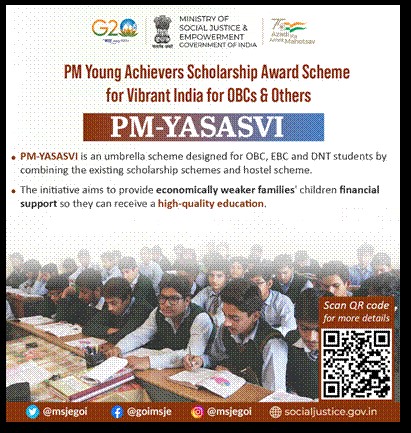
PM Young Achievers’ Scholarship Award Scheme for Vibrant India (PM YASASVI)

Daily writing prompt
What food would you say is your specialty?

With a vision of “Sabka Sath, Sabka Vikas”, the Ministry of Social Justice and Empowerment has implemented the PM Young Achievers Scholarship Award Scheme for Vibrant India (PM-YASASVI). This comprehensive umbrella scheme is aimed at uplifting students from Other Backward Classes (OBC), Economically Backward Classes (EBC), and Denotified Tribes (DNT) by providing them with access to quality education during their formative years.

The PM YASASVI scheme consolidates and enhances several earlier initiatives, including the Dr. Ambedkar Post-Matric Scholarship Scheme for EBCs and the Dr. Ambedkar Pre-Matric and Post-Matric Scholarship Scheme for DNTs, which were subsumed under this program starting from 2021-22. By integrating these schemes, PM YASASVI aims to ensure a more streamlined and impactful approach to supporting the educational needs of socially and economically disadvantaged students.

Objective

The overarching goal of the scheme is to promote educational empowerment among these vulnerable groups, helping them overcome financial barriers and complete their education. This initiative not only fosters individual academic growth but also contributes to the broader vision of creating a more inclusive and equitable society.

Under this Scheme students can avail Pre-Matric Scholarship from Class 9 to 10 and Post Matric Scholarship for their higher studies at post-matriculation or post-secondary stage. Students who excel in their studies also get an opportunity of Scholarship to study in Top Class Schools and Colleges under the Scheme of ‘Top Class School Education’ and ‘Top Class College Education’. Hostel facilities are also provided to OBC students under the ‘Scheme of Construction of Hostels for OBC boys and girls.’

PM –YASASVI for OBC, EBC and DNT students has been formulated having following five sub-schemes:

  • Pre-Matric Scholarship for OBC, EBC and DNT Students
  • Post-Matric Scholarship for OBC, EBC and DNT Students
  • Top Class School Education for OBC, EBC and DNT Students
  • Top Class College Education for OBC, EBC and DNT Students
  • Construction of Hostel for OBC Boys and Girls

Scope

The Pre-Matric Scholarship is designed for students in classes IX and X attending government schools, offering an annual academic allowance of Rs. 4,000 to families with an income below Rs. 2.5 lakh. For the 2023-24 academic year, Rs. 32.44 crore has been allocated to states and Union Territories for its implementation. The Post-Matric Scholarship supports students pursuing post-secondary education, providing academic allowances ranging from Rs. 5,000 to Rs. 20,000 based on the category of the course. For this scheme, Rs. 387.27 crore has been released for the current year.

Additionally, the Top Class School and College Education schemes are designed to support meritorious students from OBC, EBC, and DNT categories. These programs cover tuition fees, hostel expenses, and other academic costs, with school students (Class 9-12) eligible for funding up to Rs. 1.25 lakh annually. College students at top institutions receive full financial support, including tuition, living expenses, and educational materials. To further enhance access to education, Rs. 12.75 crore has been allocated in 2023-24 under the ‘Construction of Hostels for OBC Boys and Girls’ scheme, which aims to provide accommodation for socially and educationally backward students near government schools and institutions, ensuring they have better access to quality education.

Benefits

The PM YASASVI aligns with the government’s broader vision of fostering inclusivity, equity, and societal upliftment. By offering comprehensive support to students from OBC, EBC, and DNT categories, it directly addresses the systemic barriers that prevent many from accessing quality education. This initiative not only ensures financial assistance but also promotes educational empowerment for some of the most vulnerable sections of society, thereby creating opportunities for upward mobility and self-reliance.

The scheme’s focus on supporting students at both school and college levels helps to nurture talent from an early age and carry it through to higher education, laying a strong foundation for personal and professional growth. Moreover, by integrating earlier scholarship initiatives into a single, streamlined program, PM YASASVI enhances the impact of these efforts, contributing to the creation of a more inclusive and equitable education system. PM-YASASVI is ensuring that no student is left behind in the pursuit of academic and social progress. This scheme is playing a crucial role in the welfare and upliftment of marginalized communities, enabling them to contribute meaningfully to the vision of Viksit Bharat @ 2047.

Impact

The PM YASASVI (Young Achievers Scholarship Award Scheme for Vibrant India) scheme has made significant strides in providing financial assistance to students from Other Backward Classes (OBC), Economically Backward Classes (EBC), and De-Notified Tribes (DNT). In Financial Year 2023-24, a substantial sum of ₹ 193.83 cr. was allocated for the Pre-Matric Scholarship, benefiting 19.86 lakh students during 2023-24, with further beneficiaries for 2023-24 expected. Similarly, under the Post-Matric Scholarship scheme, ₹988.05 cr. was released, benefiting 27.97 lakh students in 2023-24. These scholarships aim to empower underprivileged students by alleviating financial burdens, thereby promoting education across marginalized communities.

Additionally, the government has invested in other educational support initiatives. ₹14.30 cr. has been released for the construction of hostels, accommodating 1146 students in 2023-24. Top-class education programs and overseas study interest subsidies have also seen significant funding, reaching thousands of students. For example, ₹ 111.18 cr. was allocated to support 4762 students in top Class education in college scheme and Rs. 6.55 Cr. Was allocated to support 2602 students in Top Class education in Schools for OBC, EBC & DNT Students and ₹ 56.24 Cr. was granted as interest subsidies to 2789 students pursuing overseas education. These efforts reflect the growing impact of the PM YASASVI scheme, which is transforming the educational landscape for disadvantaged students, enabling them to achieve their academic potential and contributing to overall societal upliftment.

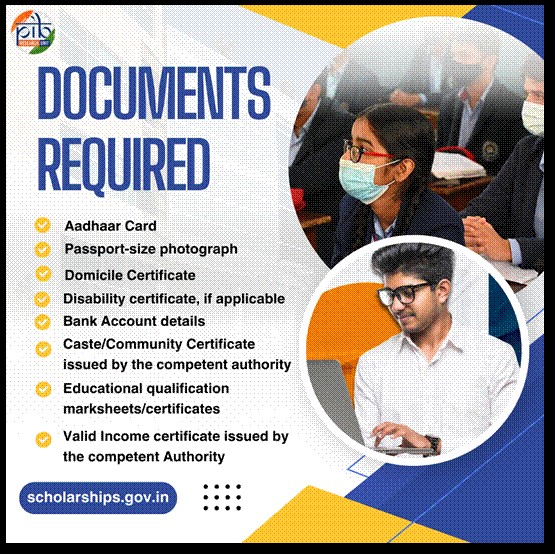
*Any additional documents specified in the application form

Key Points

  • Selection Process: The YASASVI Entrance Test (YET) 2023 is the basis for candidate selection, conducted by the National Testing Agency (NTA) under the direction of the Ministry of Social Justice and Empowerment (MSJ&E), Government of India.
  • Eligibility: Open to OBC, EBC, and DNT students with a total annual family income of up to ₹2.50 lakhs. Additional eligibility criteria may apply, depending on the specific scholarship scheme.
  • Where to Apply: Eligible students can apply online at the National Scholarship Portal: scholarships.gov.in.

Conclusion

By offering a comprehensive array of scholarships and support programs, PM-YASASVI is addressing the financial constraints that often hinder access to education for marginalized communities. The integration of various earlier schemes into one streamlined initiative ensures that students are supported from their school years through to higher education, creating pathways for personal and professional growth. With the government’s ongoing commitment to expanding access to quality education, the PM YASASVI Scheme is making a tangible impact on the lives of thousands of students, helping to create a more inclusive and prosperous India.

References:

Click here to see in PDF:

Benefits of Attending College

 Attending college offers a multitude of benefits that extend beyond acquiring knowledge within a specialized field. Here are several key advantages:

  1. Higher Earning Potential: College graduates typically earn higher salaries than those with only a high school diploma. A degree can significantly enhance career opportunities and earning potential over a lifetime.

  2. Expanded Career Opportunities: A college education opens doors to a broader array of career paths. Many professions require specialized knowledge and skills that are obtained through higher education.

  3. Personal Growth and Development: College fosters personal growth by encouraging critical thinking, problem-solving, and decision-making skills. It’s an environment that promotes independence, responsibility, and self-discovery.

  4. Networking and Social Connections: College provides an invaluable opportunity to connect with a diverse range of people, including professors, peers, and professionals. These connections often translate into lifelong friendships and professional networks.

  5. Enhanced Skill Set: Beyond subject-specific knowledge, college hones various skills like communication, teamwork, time management, and research abilities that are invaluable in both professional and personal spheres.

  6. Access to Resources and Facilities: Colleges offer access to libraries, laboratories, research facilities, and expert faculty, providing resources essential for in-depth learning and skill development.

  7. Cultural Exposure and Diversity: Colleges are melting pots of cultures, beliefs, and perspectives. Exposure to this diversity enriches one’s understanding of the world and fosters a global mindset.

  8. Opportunities for Innovation and Entrepreneurship: Colleges often encourage innovation and entrepreneurship through research programs, startup incubators, and partnerships, fostering a culture of creativity and problem-solving.

  9. Higher Job Stability: College graduates tend to have more job stability and are often better equipped to adapt to changing job markets due to their diverse skill set and adaptability.

  10. Personal Fulfillment and Confidence: Achieving a college degree instills a sense of accomplishment and confidence. It often leads to increased satisfaction and a sense of fulfillment in one’s personal and professional life.

While the benefits of attending college are vast, the experience and outcomes can vary for each individual. Nonetheless, higher education remains a transformative journey that equips individuals with skills, knowledge, and opportunities that can shape their futures in numerous positive ways.


Top 10 Engineering Collage in India

 Top 10 Engineering collage in India

Getting admission to an engineering college is a dream for a lot of students in India. IITs and NITs are engineering colleges that provide education in the field of engineering.


These are the top ten engineering collage in India:

1. Indian Institute of Technology, Madras

It is an internationally complemented institution and stands in the top five engineering institutions by the ranking system of NIRF. The IIT Madras has all the basic amenities including a beautiful garden which is always taken care of and the Central library present at the hostel. As the students are excellent in their technical efficiency and have a very good practical knowledge in their field of engineering, there are always pre-placement offers and many workshops are conducted by these companies to hire the students. Interaction seminars are also conducted and internships are also a medium for the placement procedure.

2. Indian Institute of Technology, Delhi      

 Indian Institute of Technology Delhi has bagged the second position in the NIRF ranking for its efficient faculties and excellent teaching content. The knowledge provided is not only commendable but also layered up with technical enhancements so that theoretical, as well as practical knowledge, grows up simultaneously. A total of 11 hostels for the boys and three hostels for the girls are present on the campus with the facilities of a beautiful launch, areas of gaming, computer rooms, and study rooms provided. The placements are based on a procedure and over 500 companies come to the campus to hire the students. The placement is totally on campus and more than 60% of the students get selected for the offers which provide a dream package. Unlike all other IITs, it has a beautiful robotics room, a gymnasium for fitness awareness, and swimming pools with a central library that is always open. All the laboratories work according to the latest technologies.

3.Indian Institute of Technology, Bombay 

As it is one of the most reputed engineering institutions in India, it stands within the top 10 engineering institutions by the ranking system of NIRF. Not only it is highly qualified faculty members but also innovative methods in the field of teaching and practical application. A total of 16 hostels with all the facilities are provided on the campus. Generally, the placement records show a 100% placement rate, and the companies which offer and provide packages in lakhs are very popular including Amazon, Flipkart, and Cadbury. The placement as well as the professional board of IIT Bombay with all the companies is not only strong but also provides commendable statistics for building up the career of the students. The infrastructure is not only beautiful but has all the amenities including the staff room, library, lecture halls and seminar halls, and E consortium.

4.Indian Institute of Technology, Kanpur  

Academically, the IIT Kanpur bags its position in the top five of the NIRF ranking and it is also complimented for its extracurricular activities. Students not only better themselves in the field of engineering but also polish their extracurricular talents. The placement records stand is very high and the packages of the salary increase arithmetically each year. Sometimes there are international companies that provide packages in crores.


5. Indian Institute of Technology, Kharagpur

Like all other IITs, it also provides quality education along with commendable teachers Who are highly educated in the field of teaching with many years of experience. Apart from this, it is fully facilitated with fans that work according to the Wi-Fi and the campus LANs. The highest packages are offered to the students in lakhs and around 15 LPA is the average score of the batch Income.       

6. Indian Institute of Technology, Roorkee

It has multi-variant courses along with 14 undergraduate and 24 post-graduate courses. It also provides Ph.D. courses which is not only restricted to engineering but also extend to the field of science and architecture, social studies, and business management. With a total of 13 hostels among which two are for girls and 11 are for male students, it facilitates the mess, stationery shop, a salon, gymnasium, gaming room, reading space, and laundry. It also facilitates a guest room which is provided in every single hostel. For the history of placements, 85% of the students are completely placed and both international, as well as domestic offers, are received. The average amount goes to INR 2.17 crores for the international packages and 1.92 crores for the domestic packages.

7. Indian Institute of Technology, Guwahati

It has highly skilled professors along with experienced teachings are provided in the IIT Guwahati. It comprises a canteen, mess, a juice corner, an in-campus shop of stationery, a gymnasium, and a laundry room. The central library and TV room are common in every IIT. The Wi-Fi connections are very efficient. For the enhancement of the sports activities, various basketball, football, and volleyball courts are available on the campus.


8. Birla Institute of Technology and Science (BITS)

The Birla Institute of science and technology has a very good bond with both the students as well as the teachers. The first campus was situated at Pilani on the year 1943. Later it stretched its branches all over India and outside like Dubai, Hyderabad, etc. The BITS Pilani is the most famous institution for the engineering field and various courses including BE, management, B pharma, M.Sc. Every year, the Birla Institute of technology and science conducts its entrance examinations for the students to get admitted for these courses.


9. Vellore Institute of Technology

 This institute provides many courses including graduate, postgraduate, and also research programs. It also gives dual integrated courses for the students. The placement records are excellent and the whole average batch is being offered jobs from various companies. The B.Tech courses are the most popular in the field of biotechnology, electronics and communication, and computer science engineering. The Vellore Institute of Technology conducts its examination and students have to achieve the minimum cut-off to get admitted to this college.

10. Delhi Technological University

This college was previously known as Delhi College of engineering. After it had got its affiliated with the University of Delhi the year of 1962 it came to be known as Delhi Technological University. It also provides a lot of courses including BTech, MTech, MBA, and BBA courses, and offers research programs. The facility of both shifts is provided while conducting the classes. The mode of admission is by the scores of the joint entrance examination and students have to achieve the minimum cut-off to get into this college.

Thus, if you want to get admission to an engineering college you can choose the best collage of your choice.

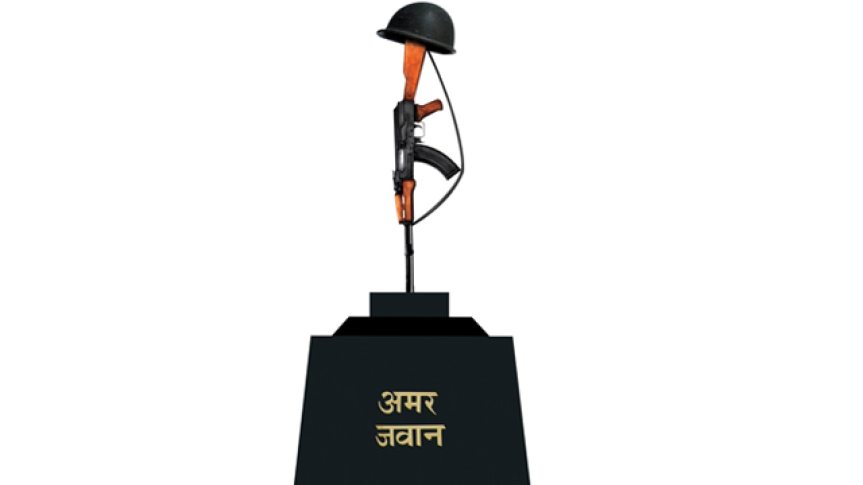
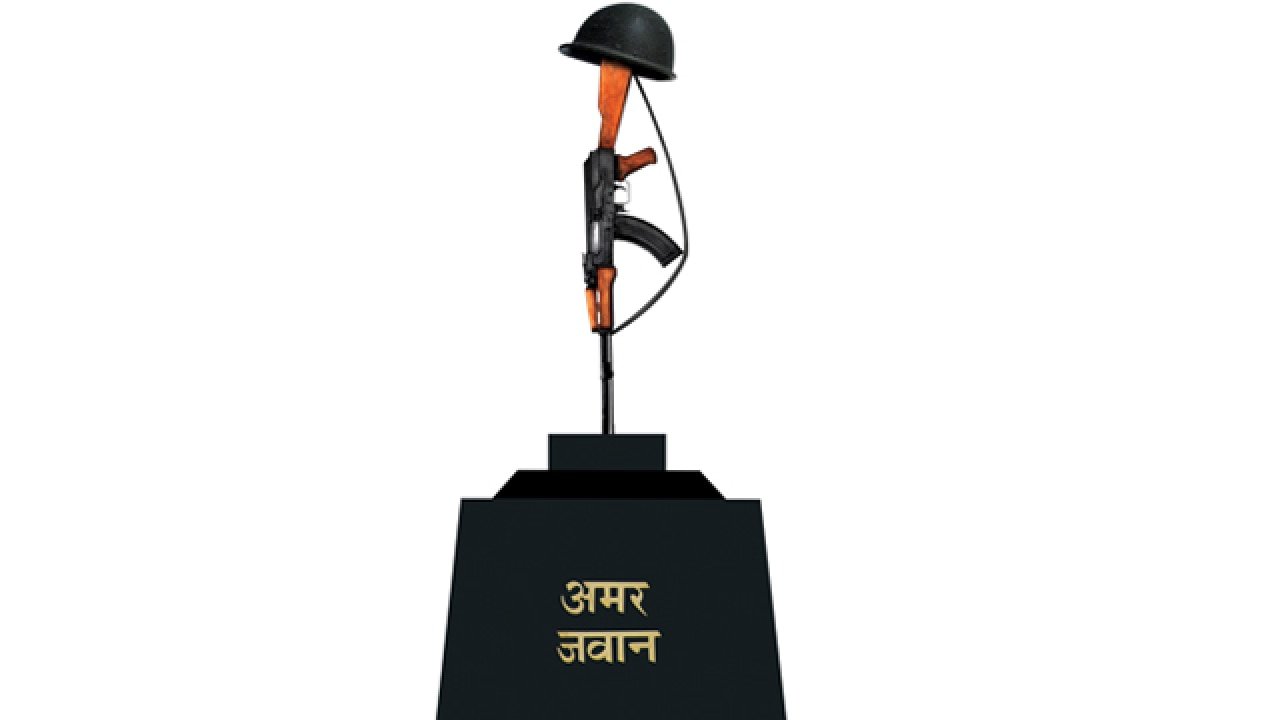
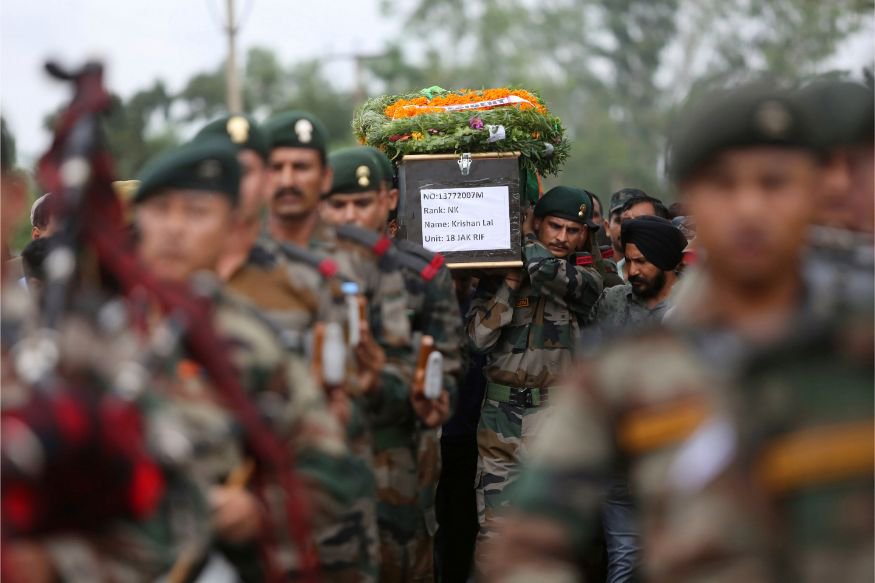
No use of ‘Martyr’ word in Army for death of on duty soldier .

History of the use of the word martyr:
The government has claimed for nearly a decade that the word “martyr” has not been officially recognized. In 2013 and 2014, in response to RTI’s request, the Ministry of Home Affairs revealed that the words “martyr” and “shahid” were not defined anywhere by the Government of India.
In December 2015, then Home Affair Minister Kireen Rijiju said in Lok Sabah that it is advised that the word “martyr” is not refer to any of the victims of the Indian army. He added that such terms were not used by Central Armed Police Forces (CAPF) and Assam Rifles personnel either.
In December 2021, Minister of State Home Nityanand Rai told Rajya Sabha again that there was no formal term like “martyr.”


Objections to the use of martyrs’ words:
The word “martyr” has religious implications and has historically been used to refer to people making sacrifices for their religious beliefs like in Christianity . The word “Shahid”, which is used as a Hindu alternative to the word “Martyr”, also has a religious meaning and is associated with the Islamic concept of Shahadat. The word “martyr” is said to be derived from the Greek word “martur”. In various dictionaries, “martyr” is defined as a person who is willing to die as a punishment for refusing to abandon religion.
Since the Indian army is not affiliated with any religion and does not sacrifice their lives for religious principles, the use of such words for their sacrifice is found wrong,including the supreme leader of the army. Using words like martyr may not be correct in context to armed forces especially in India according to many legal experts and prominent officers of army and retired officers.

Steps Taken By Government To Stop Use Of Martyr Word:
Despite the repeated assertions of the government about the word martyr having no official recognition, it was mostly used in government statements issued by various PR Officers for the defence services and the CAPFs. Many senior serving and retired officers also used it frequently to describe the death of soldiers in action. Thus, the word remained in common use.
The Army in 2022 issued a letter to all its commands asking them to abstain from using the word martyr as it may not be appropriate for soldiers who die in the line of duty. They have been, instead, asked to use phrases such as killed in action, supreme sacrifice for the nation, battle casualty, laid down their lives,veergati etc.

“Either I will come back after hoisting the tricolor, or I will come back wrapped in it, but I will be back for sure. “

-Late Captain Vikram Batra (PVC)

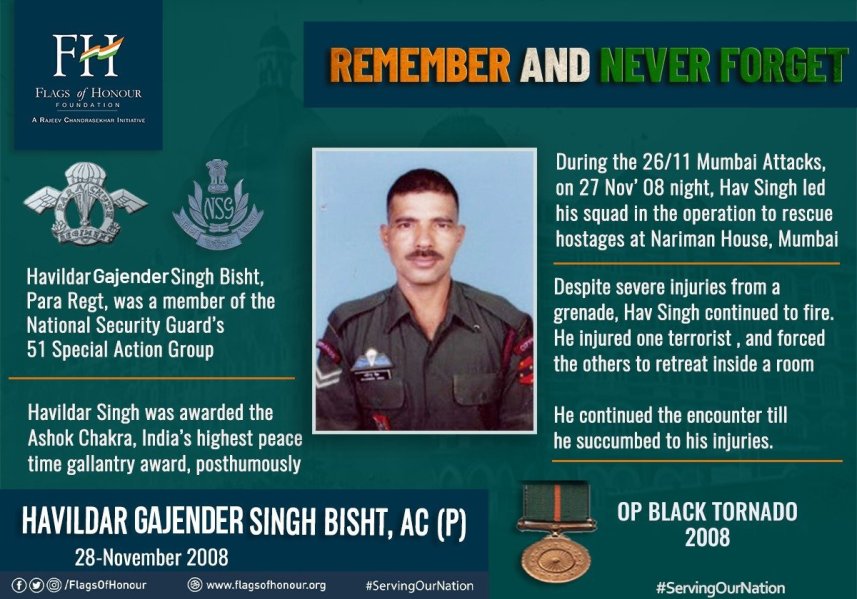
A warrior who can not be forgotten Hav. Gajender Singh Bisht.

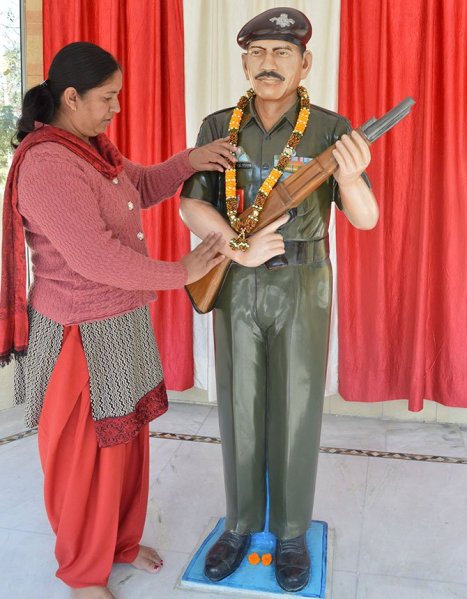
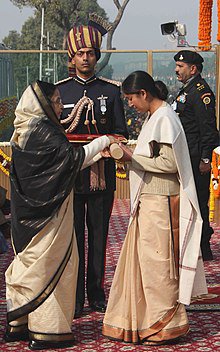
Havaldar Gajender Singh Bisht was an NSG commando who was martyred in the 2008 Mumbai attack. His bravery received the Ashoka Chakra Award from the President of India on January 26, 2009, on the Anniversary of the Republic of India.
He was born on 1 July,1972 in Dehradun, Uttarakhand.

He persued his education from the Janata Inter College in Naya Gaon.As a student he used to participate in every event organised in the school, sports or cultural activities. But he had a particular interest in boxing. Havaldar Gajendra Singh joined Garhwal Rifles in 1991 and later decided to become part of the 10 Para (Special Forces). Havaldar Gajendra also actively participated in Operation Kargil in 1999. Havaldar Gajendra was a trained commander of the Indian Army Special Forces, but he was commissioned to serve the National Security Guard’s Elite Special Action Group.
Gajendra Singh Bisht was a member of the 51st Special Action Group of the National Guard. He was part of a team of NSG Command rushed to the roof of Nariman’s house to neutralize an terrorist inside the building who had at least six hostages.


According to NSG Secretary Jyoti Krishna Dutt, Bisht led one of the teams entering the building. The team was hit by a violent terrorist attack and returned to fire while trying to contain the situation. Terrorists also threw some grenades at Commando. At this point,Bisht had the opportunity to retire with his team. But he realized they needed to seize this opportunity and went forward with thier mission.Instead of turning his back on the militants, he made the way to other troops instead, despite the grenades being thrown. He suffered multiple gunshot wounds in the process, but moved forward and was eventually injured. This allowed his team to secure a dominant position in the encounter. On the night of November 27, 2008, Havildar Gajender Singh Bisht led his army in an operation to rescue hostages from terrorists at the Nariman House in Mumbai. While securing the Nariman House during Operation Black Tornado, Bisht got fatally injured at Jewish center attack and died.

Agnipath Scheme a new vision for future India?


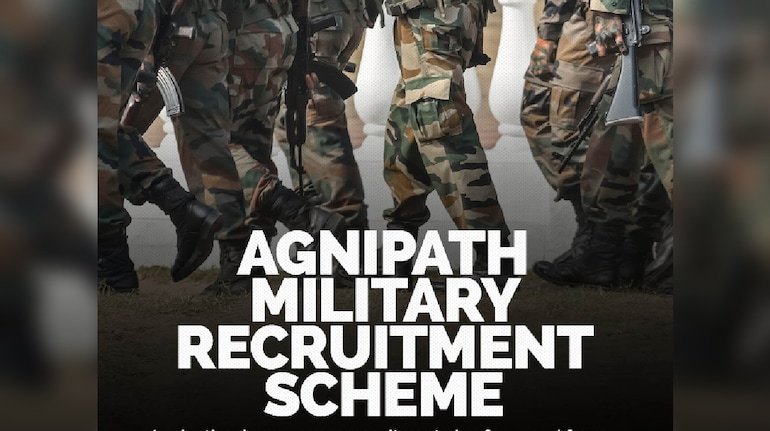
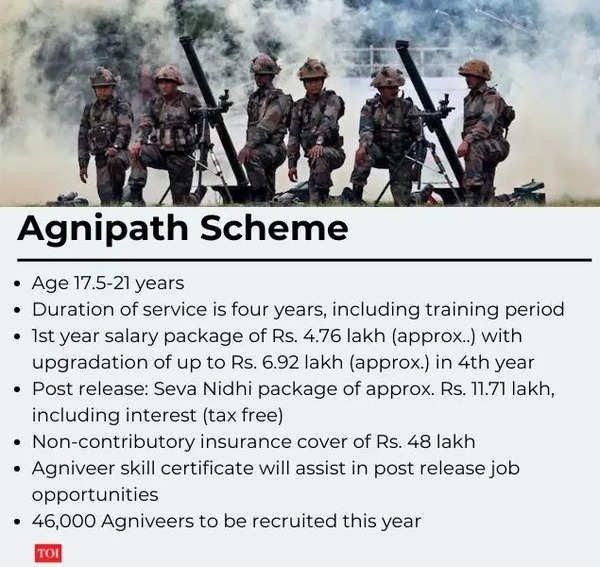
The Agnipath Program is a new program launched by the Government of India on June 14, 2022 to recruit soldiers under Corporal into three armies. The Agnipath program will be the only means of recruiting the military. All new employees will only be hired for 4 years. The personnel hired under this system are called Agniveers, a new military rank. The introduction of this system has been criticized for lack of consultation and open debate. The program is scheduled to start in September 2022. The Agnipath program was approved by the Government of India in June 2022 and will be implemented from September 2022. The announcement was made on June 14, 2022. This program is intended for both male and female applicants between the ages of 17.5 and 21. In widespread protests against the Agnipath program, the central government raised the cap from 21 to 23, but only in 2022. Recruitment under this program is held twice a year by the Indian Army, Indian Navy, and Indian Air Force. The available posts are below the executive list. The Agnipath program is the only way to serve in the army.


New employees, under the Agnipath scheme will be called “Agniveers,”who will have a four-year tenure, including six months of training followed by a 3.5-year deployment. After leaving the service, they have the opportunity to apply to continue in the army. Less than 25 percent of the retired group’s total strength is selected for the permanent roster. Employees who retire after four years of work are not eligible for a pension, but will receive a lump sum of approximately Rs 11,71,000 at the end of their tenure. The Government of India plans to hire 45,000-50,000 new employees each year through this program. In September 2022, 46,000 young people will be hired through this program. Prior to the start of the Agnipath program, soldiers were in the army for more than 15 years of service on a lifetime pension. As of 2019, there was no military recruitment for three years. The Government of India quoted the COVID-19 pandemic in India tye reason for no recruitment. Meanwhile, 50,000 to 60,000 soldiers continued to retire each year, leading to labor shortages and beginning to affect the military’s operational capabilities.


On June 16, 2022, fierce protests took place in several Indian states, where military candidates who were preparing for the armed forces were angry at the new system, demanding its rollback, and damaging public property. By June 17, 12 trains had been fired, affecting the movement of 300 trains. 214 trains were canceled, 11 trains were detoured, and 90 trains ended short of their destination. This scheme does not include long-term holdings, pensions and other benefits that existed in the old scheme. Individuals who wanted to join the army were disappointed with the rules of the new system. Of particular concern were short tenure, no early retirement pension, and an age limit of 17.5-21 years, making many of the current candidates unsuitable for serving in the Indian Army.

On June 20, a national strike called Bharat Bandh was summoned by a protesting organization calling for the withdrawal of the program. The call was made via social media without naming the organization. More than 600 trains were canceled due to a strike. Section 144 was imposed in parts of Rajasthan, Punjab, Uttar Pradesh and Haryana.

Shortage in Indias Power Supply.

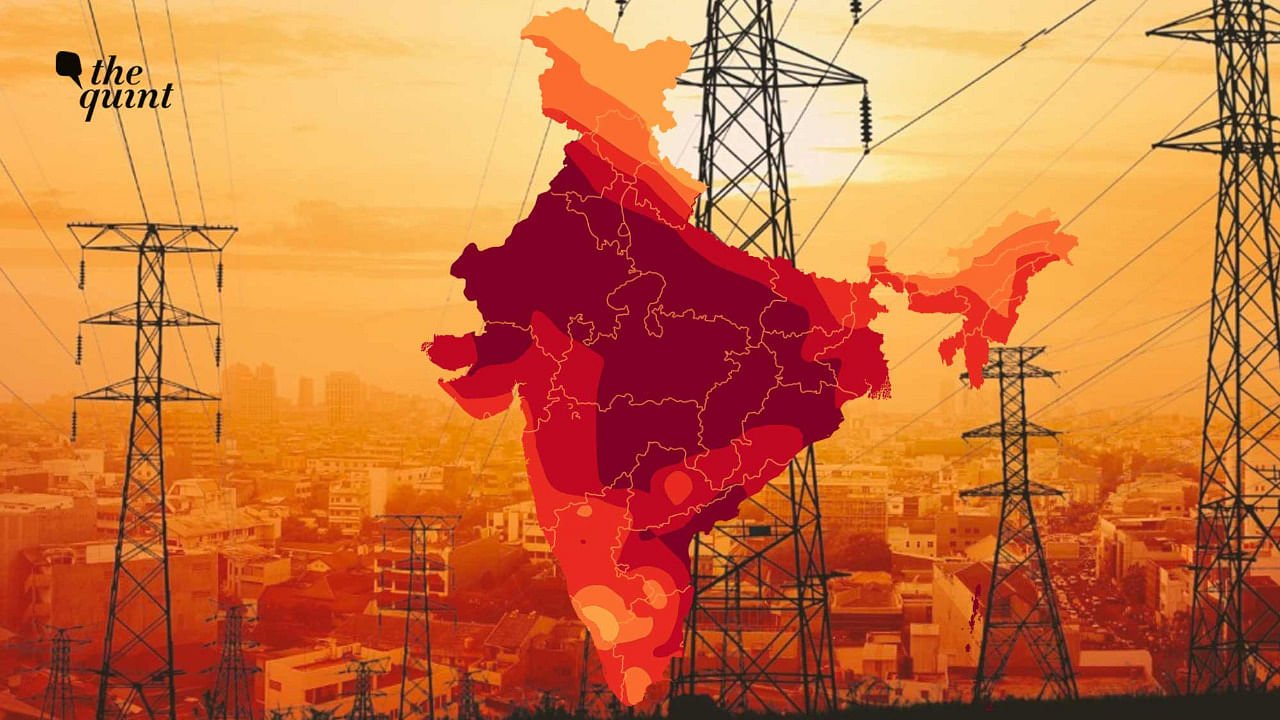
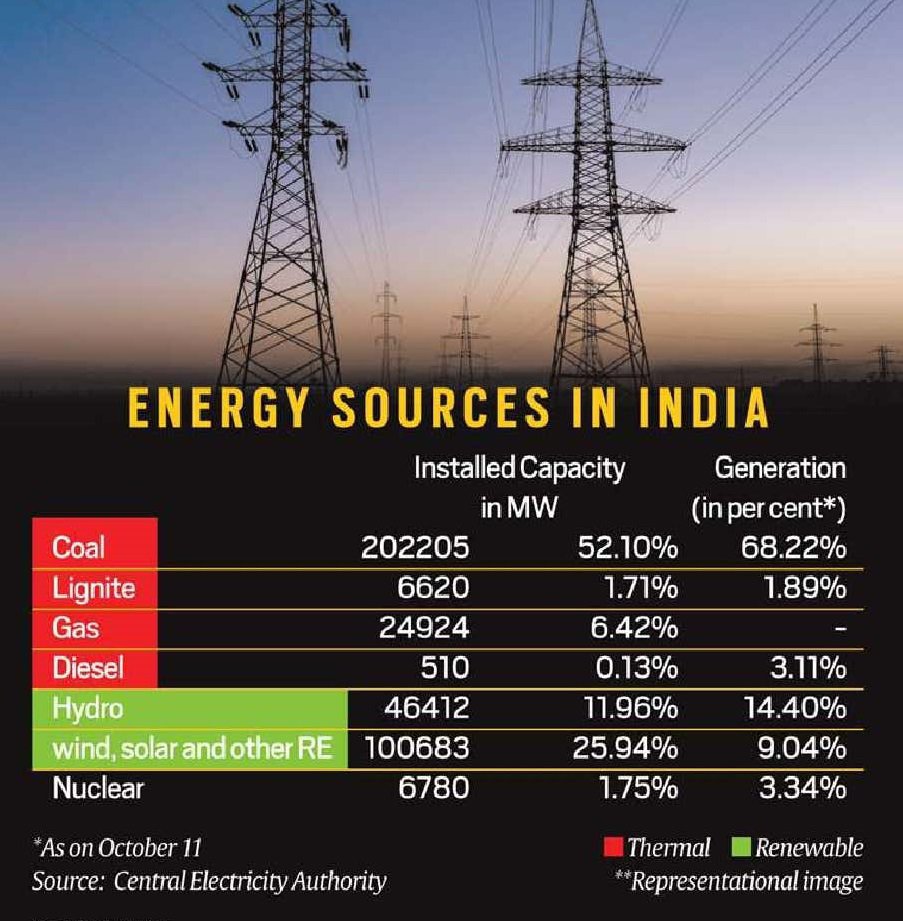
India has the fourth largest coal deposit in the world. It is the second largest fossil fuel producer after China and is home to Coal India, the world’s largest coal mining mine, which accounts for 80% of domestic production. Already allocated coal block mining capacity exceeds expected demand in 2030 by approximately 15% to 20%.


So why are India’s power plants facing coal shortages each year, leading to widespread power outages, exposing parts of the country to darkness and endangering industry?
There are several factors. India has a long time policy of minimizing coal imports. In February 2020, Coal Minister Pralhad Joshi announced that the country would stop importing steam coal from 2023 to 2024.
Mr Joshi said the Ministry of Coal will work with the Ministry of Railways and the Ministry of Shipping to allow Coal India, prisoners and commercial miners to discharge more coal from their supply by 2030. And the coal supply at power plants is running out at an alarming rate. The Department of Energy is currently blaming the decline in coal imports due to the current crisis. In 2018-19, 21.4 million tonnes of coal were imported for mixing, down to 23.8 million tonnes in 2019-20 and 8.3 million tonnes in 2021-22.


Power plant coal inventories have fallen by about 13% since April, reaching pre-summer lows. And for the first time since 2015, Coal India will import fuels used by state-owned and private power companies. The Ministry of Energy said almost all states showed that multiple state bids for coal imports would cause confusion and that the decision was made after calling for centralized procurement by Coal India.
Imported coal costs five times as much as domestic mining, so the center is being pushed back by the state.
Recently, the government has also pressured utilities to increase imports to mix with local coal. Last year, after a two-year break, three tranches of coal auctions were held and nine blocks were successfully awarded.

In September 2021, the Ministry of Coal issued a strict warning to owners of confined coal blocks, stating that their mines should increase production or face restrictions on coal supply by the CIL.
The ministry has discovered that these mines are producing below target.

Of the 43 coal mines outsourced to private companies in the energy, steel and metals sectors, none have met their annual production targets.
On May 6, Coal India announced that it would provide the private sector with 20 closed and abandoned underground coal mines and reopen and operate its revenue sharing model.

According to journalist Shreya Jai the current power supply chain does not seem ready to handle periods of high growth and state discos cannot pay gencos, but the power supply chain starts with state discos and needs repairs. Railroads, on the other hand, are struggling to align the thermal power industry’s demands for faster coal supply with those from other industries. Rakes must be prepared to meet the growing demand for almost all other bulk commodities, from cement and steel to sand and edible grains. By strengthening the value chain of the electric power sector, it is possible to resolve the coal supply-demand mismatch in the long run.

Integration of Indian States of Independent India.

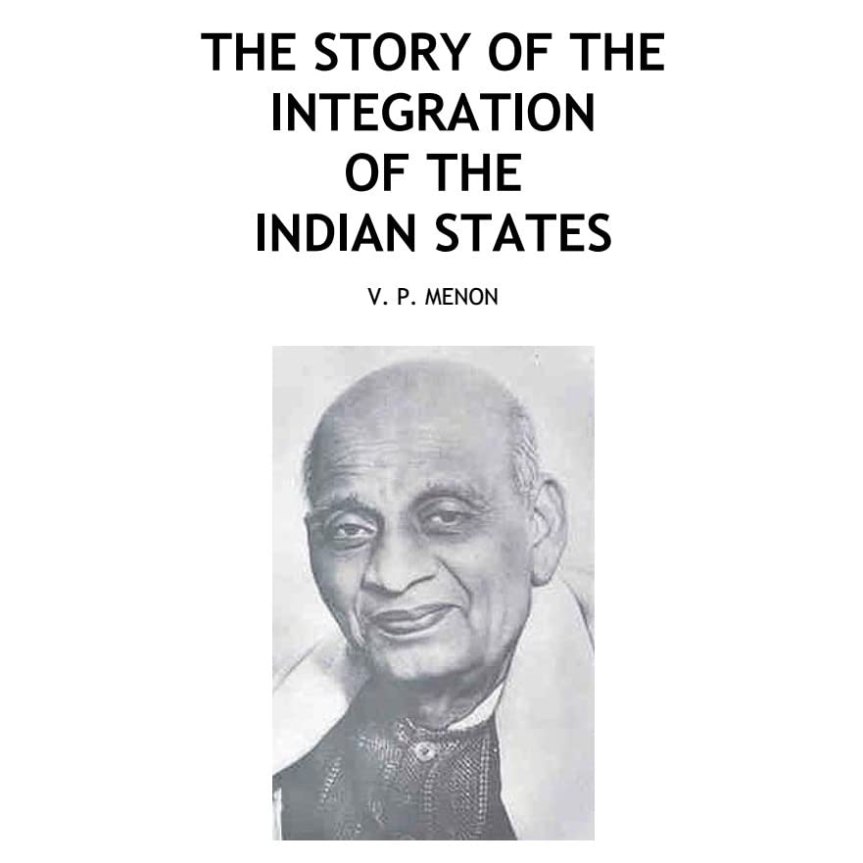
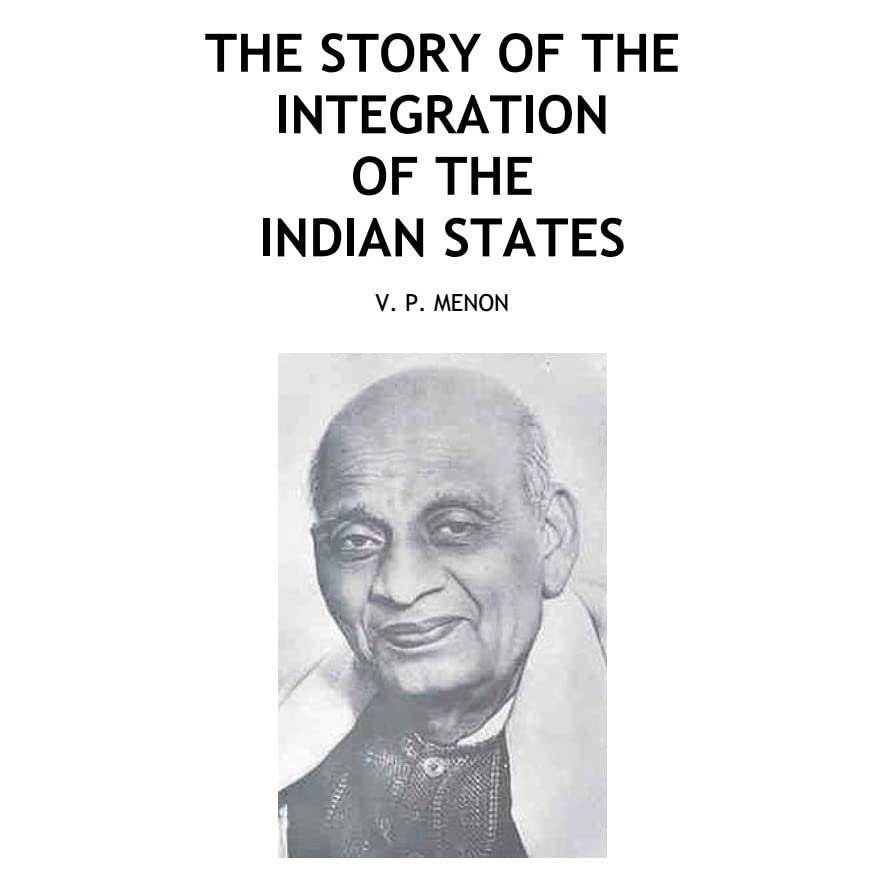
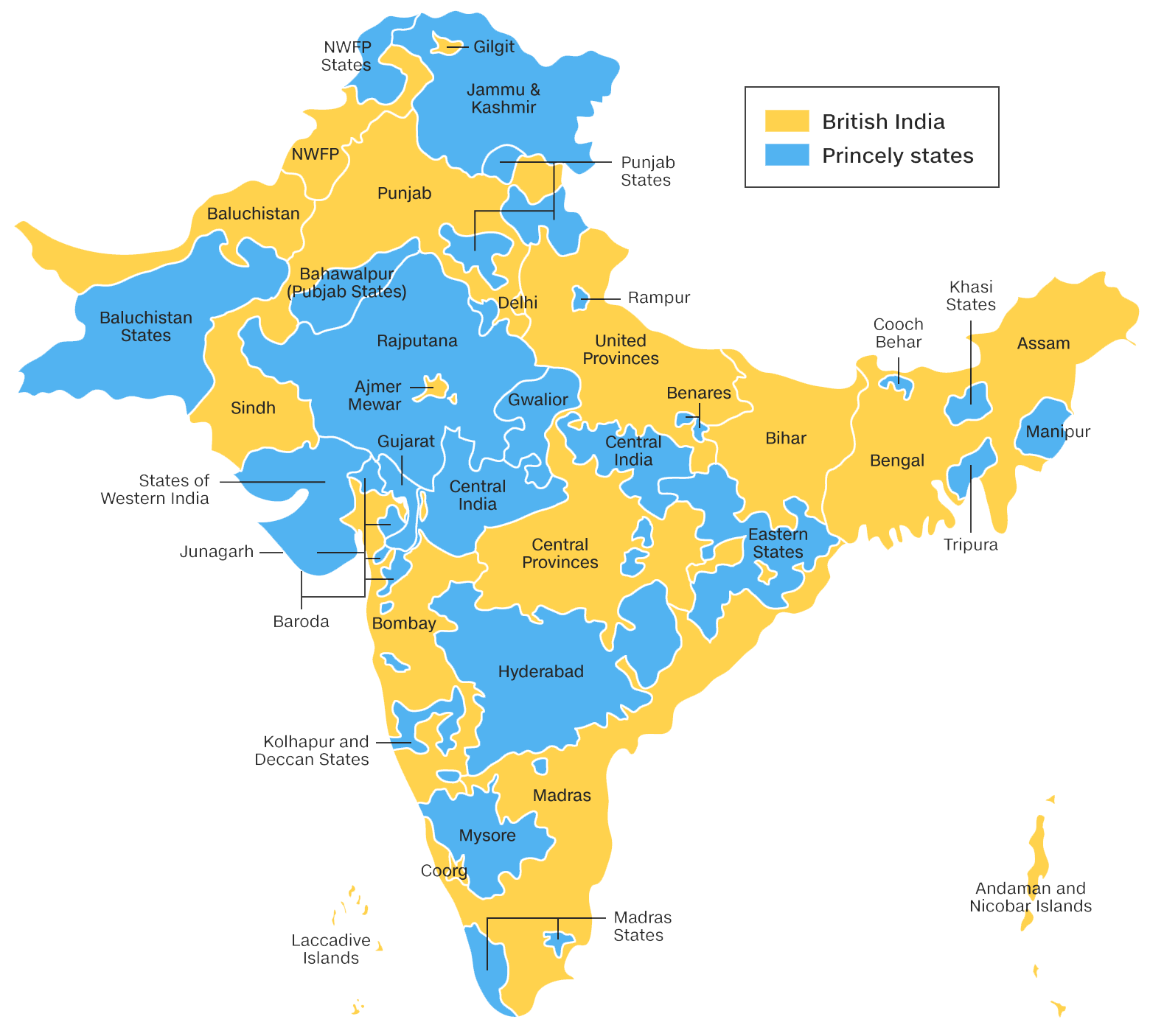
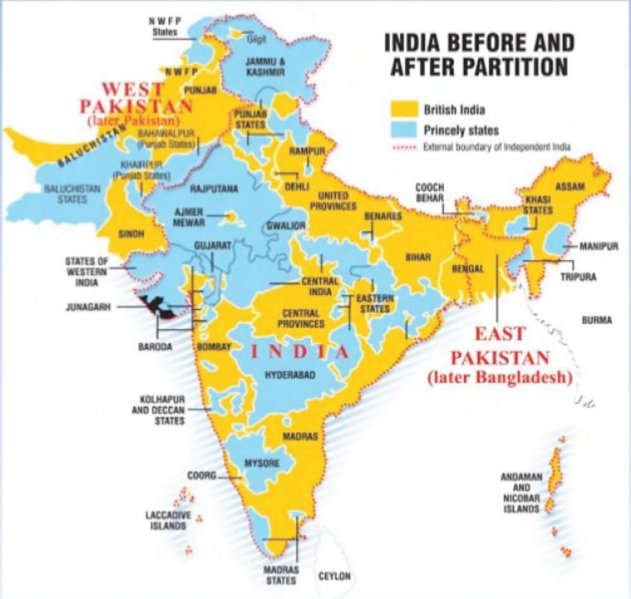
Sardar Vallabhbhai Patel played an important role in the integration of the princely state into the Dominion of India. This achievement laid the foundation for Patel’s popularity in the post-independence era. He is still remembered as the man who united India today. In this respect he is compared to Otto von Bismarck, who united many German states in 1871. The June 3 plan gave more than 565 princely states the option of joining India or Pakistan or choosing independence. Most Indian nationalists and the masses were afraid that most people and territories would be fragmented without the participation of these states. Parliament and British officials considered Patel to be the best man on a mission to secure the conquest of the princely state from Indian rule. According to Gandhi only Patel could solve this problem. Patel had practical insight and determination to accomplish monumental work. Patel asked V.P. Menon, a senior official involved in the division of India, to become his right-hand man as Principal Secretary of State. Patel used a social gathering and informal setting to involve most monarchs and invite them to their home in Delhi for lunch and tea. At these meetings, Patel stated that there was no essential conflict between Congress and the prince’s order. Patel aroused the patriotism of the Indian monarchs and urged them to embrace the independence of their country and act as responsible rulers who care for their people’s future. He persuaded the rulers of 565 states about the impossibility of independence from the Republic of India, especially in the face of rising opposition from their subject. He proposed favorable conditions for the merger, including the creation of a secret purse for the descendants of the ruler. Patel encouraged the rulers to act patrioticly, and to thought about his states people and their futur, but he did not rule out violence. He emphasized the need for the princes to join India in good faith and gave them to sign the membership certificate until August 15, 1947. All but three states were willing to join the Indian Union. Only Jammu and Kashmir, Junagad and Hyderabad were States which were tough to brought under Indian Dominion.


Junagadh being situated in Gujrat it was very important for Patel to bring it under Indian’s dominion. This was also important because there was the super-rich Somnath Temple (a temple where different stones were their including emeralds, diamonds, and gold which were looted by Mohd. Ghazni) in the Kathiawar district. Bieng under the pressure from Sir Shah Nawas Bhutto, a Nawab who joined Pakistan. However, it was far from Pakistan, with 80% of its state population being Hindus.Patel combining diplomacy and power, Pakistan invalidated Pakistan’s accession and demanded that Nawab join India. Patel sent troops to occupy the three principalities of Junagadh to show his determination. After widespread protests and the formation of the civilian government, or Aarzi Hukumat, both Bhutto and Nawab fled to Karachi, and under Patel’s orders, Indian troops and police forces invaded the state. A later organized referendum resulted in 99.5% of the votes in favor of the merger with India. After taking over, Patel, who spoke at the University of Bahauddin in Junagad, emphasized his sense of urgency regarding Hyderabad. He believes this is more important to India than Kashmir.


Hyderabad was the largest of the princely states and which included States parts of which are now Telangana, Arndra Pradesh, Karnataka and Maharashtra. Its ruler, Nizam Osman Ali Khan, was Muslim, but more than 80% of the population of state was Hindu. Nizam called for independence or accession to Pakistan. Under Kasim Razvi, an army of Nizam-faithful Islamic troops called Razakar urged Nizam to confront India and at the same time organize an attack on the people of India’s soil. The standstill agreement was signed by Lord Mountbatten’s in desperate efforts to avoid the war, but Nizam refused to trade and changed his position. At a cabinet meeting in September 1948, Patel emphasized that India should stop speaking and reconciled Nehru and Governor Chakravarti Rajgoparachari with military action. After preparation, Patel ordered the Indian troops to invade Hyderabad (in his position on behalf of the Prime Minister) when Nehru traveled to Europe. This action, called Operation Polo, in which thousands of Razakar troops were killed , but Hyderabad was secured and integrated into the Republic of India. Mountbatten and Nehru’s main goal was to avoid forced annexation to prevent the outbreak of Hindu and Muslim violence. Patel argued that if Hyderabad was allowed to survive as an independent state surrounded by India, the government’s fame would decline and neither Hindus nor Muslims would feel reassured in their empire. After defeating the Nizam, Patel held him as the head of state of the ritual and met with him. India had 562 princely states after addition of Junagarh, Heydrabad and Jammu& Kashmir.

Article 370 & Article 35A

Article 370
The first accession of Jammu and Kashmir, like all other princely states, involved three issues: defense, diplomacy, and communications. All princely states were invited to send representatives to the Constitutional Parliament, which drafted the Constitution across India. They were also encouraged to establish a constituent parliament for their own state. Most states were unable to establish a parliament in time, but some states, especially Saurashtra Union, Travancore-Cochin, and Mysore. The State Department had drafted a model state constitution, but on May 19, 1949, the governors and Chief ministers of each state met in the presence of the State Department and agreed that no separate state constitution was needed. They accepted the Indian Constitution as their own constitution. The state in which the elected constituent council proposed some changes that were accepted. Therefore, the status of all states has been placed on par with the status of ordinary Indian states. In particular, this meant that the subjects available for legislation by central and state governments were consistent and same throughout India.

In the case of Jammu and Kashmir, state politicians have decided to establish a separate constitutional council for the state. Representatives of the Indian Constitutional Assembly applied only the provisions of the Indian Constitution corresponding to the original accession documents to the state, and demanded that the state Constitutional Assembly decide on other matters. The Government of India agreed to the request shortly before its meeting with the other states on 19 May. Therefore, Article 370 was included in the Constitution of India, which provided that other provisions of the Constitution empowering the central government would apply to Jammu and Kashmir only with the approval of the State Constitutional Assembly.This was a “provisional provision” because it was applicable until the State Constitution was enacted and adopted. However, the State Constitutional Assembly was dissolved on January 25, 1957, and did not recommend the abolition or amendment of Article 370. This article was considered an integral part of the Indian Constitution, as confirmed by various recent April 2018 rulings by the Supreme Court of India and the Supreme Court of Jammu & Kashmir.

Article 35A
Article 35A of the Constitution of India was a provision authorized by state to define the “permanent residents” of Jammu and Kashmir State and to give them special rights and privileges. It was added to the Constitution by an Executive Order, the 1954 Constitutional Order (application to Jammu and Kashmir). It was issued by the President of India under Article 370. Jammu & Kashmir has these privileges, the ability to acquire land and real estate, vote and participate in elections, pursue government employment, and receive the benefits of other governments such as higher education and medical expenses. Defined to include. Non-permanent residents of the state were not eligible for these “privileges”, even if they were Indian citizens.

Eligibility criteria of 75 % in Class 12th relaxed for IIT admissions

Considering the decision taken for IIT JEE (Advanced) and in line with the decision taken for the last academic year, the Ministry of Education had decided to waive off the 75% marks (in class 12 exam) eligibility criteria under Joint Entrance Examination (Main) for the next academic year 2021-2022 in respect of NITs, IIITs, SPAs and other CFTIs, whose admissions are based on JEE (Main).

The admissions to various Under Graduate (UG) programmes of the National Institutes of Technology (NITs), Indian Institute of Engineering Science and Technology (IIEST), Shibpur (West Bengal) and other Centrally Funded Technical Institutions (CFTIs – excluding IITs) are made on the basis of ranks / merit secured by the candidates in Joint Entrance Examination (Main) conducted by the National Testing Agency (NTA).

For the candidates to qualify for admission in the IITs / NITs / IIITs and such other CFTis whose admissions are based on the JEE Ranks, they should have secured at least 75% marks in the 12th Class exam, or be in the top 20 percentile in the 12th Class exam conducted by the respective Boards. For SC/ST students, the qualifying mark in 12th Class exam is 65%.

While declaring the date of JEE (Advanced) exam, the Education Minister has announced to waive off the 75% marks (in class 12th exam) eligibility criteria for admissions to the academic year 2021-2022 for the ease of students.


Popular myths!

Set Learning Styles

There’s no research to support learning styles. 
How to learn: Match your content to the process – students should learn music by listening to music, while students should learn reading by doing more reading.

Rereading Material

How to learn: Instead of rereading, highlighting, or underlining important information, ask yourself:

  • What is the author trying to say?’ 
  • How is this different from other things I’ve read?’ 
  • How does this relate to other material I know?’ 
Focusing On One Subject At A Time

When it comes to learning a difficult subject, people often believe you should practice one thing at a time.
How to learn: Mixing it up, however, is a better approach. In mixed learning, you get a chance to see the core idea below it.

Sticking With The First Answer

In school, many of us were taught that if you put an answer on a test you shouldn’t change it, but we’re better off reconsidering. We need time to deliberate and reflect to understand something.
How to learn: While facts are important, how you use them is key. To solve new problems and come up with ideas, you need analogies and systems of how things relate to each other.

More Time For Learning

Putting in a lot of hours doesn’t always mean you’ll become good at something. People tend to be blissfully unaware of their incompetence.
How to learn: What works instead isn’t just time; it’s outside advice and input. That’s why hiring coaches and tutors are so beneficial to learning.

Reference

https://www.fastcompany.com/40420472/five-popular-myths-about-learning-that-are-completely-wrong