Exploring the Cycle of Nutrients in Natural Ecosystems

Nature is an intricate ballet of life, energy, and nutrients—a dance that sustains the world around us. In the heart of ecosystems, whether dense forests or arid deserts, lies a cycle of nutrients that fuels this balance. This process not only supports the thriving diversity of flora and fauna but also underpins agricultural productivity and climate stability. By grasping how nutrients move through ecosystems, we gain insight into how to preserve and enhance these natural processes.

Photo by Pixabay on Pexels.com

The Marvel of Nature’s Nutrient Cycle

The nutrient cycle is a continuous loop vital for life on Earth. It involves the movement and exchange of organic and inorganic matter back into the production of living matter. Plants, animals, and microorganisms all play crucial roles, working together to keep the environment balanced. This cycle encompasses the major nutrients necessary for life, including carbon, nitrogen, phosphorus, and others.

Decomposers The Unsung Heroes

Have you ever wondered what happens to fallen leaves or deceased animals? Decomposers—bacteria, fungi, and certain insects—are nature’s recyclers. They break down dead organic matter, transforming it into simpler substances. This decomposition returns nutrients to the soil, making them available for plants to absorb and use in their growth and development.

Plants The Primary Producers

Plants are remarkable entities that harness sunlight, water, and nutrients from the soil to create food via photosynthesis. They form the foundational base of the food web, providing nourishment to herbivores, which in turn support carnivores. By absorbing nutrients through their roots, plants redistribute these essential elements throughout the ecosystem.

Herbivores and Carnivores Transferring Energy

Herbivores, such as deer and rabbits, consume plants, transferring the stored energy and nutrients to higher trophic levels. Carnivores, like wolves or eagles, then prey on herbivores, further distributing nutrients. This consumption cycle ensures that nutrients flow throughout the ecosystem, supporting diverse life forms.

Symbiotic Relationships Nature’s Partnerships

Within ecosystems, symbiotic relationships between organisms enhance nutrient cycling. For example, nitrogen-fixing bacteria in the roots of legumes convert atmospheric nitrogen into a usable form for plants. In return, plants provide carbohydrates to the bacteria. Such partnerships boost soil fertility and productivity, showcasing nature’s collaborative spirit.

Nutrient Storage in Soil The Reservoir

The soil acts as a reservoir for nutrients, storing them until they are needed by plants. Organic matter, such as decaying plant material and animal waste, enriches the soil with essential elements. This dynamic storage system prevents nutrient loss and serves as a buffer during periods of scarcity, ensuring ecosystems remain resilient.

Human Impact on Nutrient Cycles

Human activities, including agriculture and industrialization, can disrupt natural nutrient cycles. Excessive use of fertilizers, for instance, can lead to nutrient runoff, polluting water bodies and causing harmful algal blooms. Recognizing our impact and adopting sustainable practices are vital for maintaining nutrient balance and ecosystem health.

The Role of Organic Compost

One of the most effective ways to support natural nutrient cycling is by using organic compost. Composting organic waste allows us to recycle nutrients back into the soil, improving both its fertility and structure. In Salt Lake City, many residents and community gardens embrace organic compost to strengthen local ecosystems, showcasing their commitment to sustainable practices.

Agricultural Practices Mimicking Nature

Innovative agricultural practices, such as crop rotation and cover cropping, mimic natural nutrient cycles. These methods enhance soil health by reducing erosion, maintaining moisture, and improving nutrient availability. By aligning farming techniques with nature’s wisdom, we can ensure long-term productivity and environmental stewardship.

Climate Change and Nutrient Dynamics

Climate change poses challenges to nutrient cycles by altering temperature and precipitation patterns. These changes can affect the timing and availability of nutrients, impacting plant growth and ecosystem stability. Understanding these dynamics is crucial for developing strategies to adapt to and mitigate climate change impacts.

The Future of Nutrient Cycling in Ecosystems

As we look to the future, safeguarding nutrient cycles is paramount for sustaining life on Earth. By fostering education, research, and collaboration, we can devise solutions to preserve these natural processes. A collective effort will ensure that ecosystems continue to thrive, providing essential services for generations to come.

Conclusion

The cycle of nutrients in natural ecosystems is a testament to nature’s ingenuity and resilience. By appreciating and nurturing these cycles, we safeguard the delicate balance that sustains biodiversity and human civilization. Through conscious actions and sustainable practices, we can ensure that this intricate dance of nutrients continues to support life in all its forms.

Understanding Soil Types and Their Impact on Construction

Daily writing prompt
What’s the biggest risk you’d like to take — but haven’t been able to?
Photo by Andre on Pexels.com

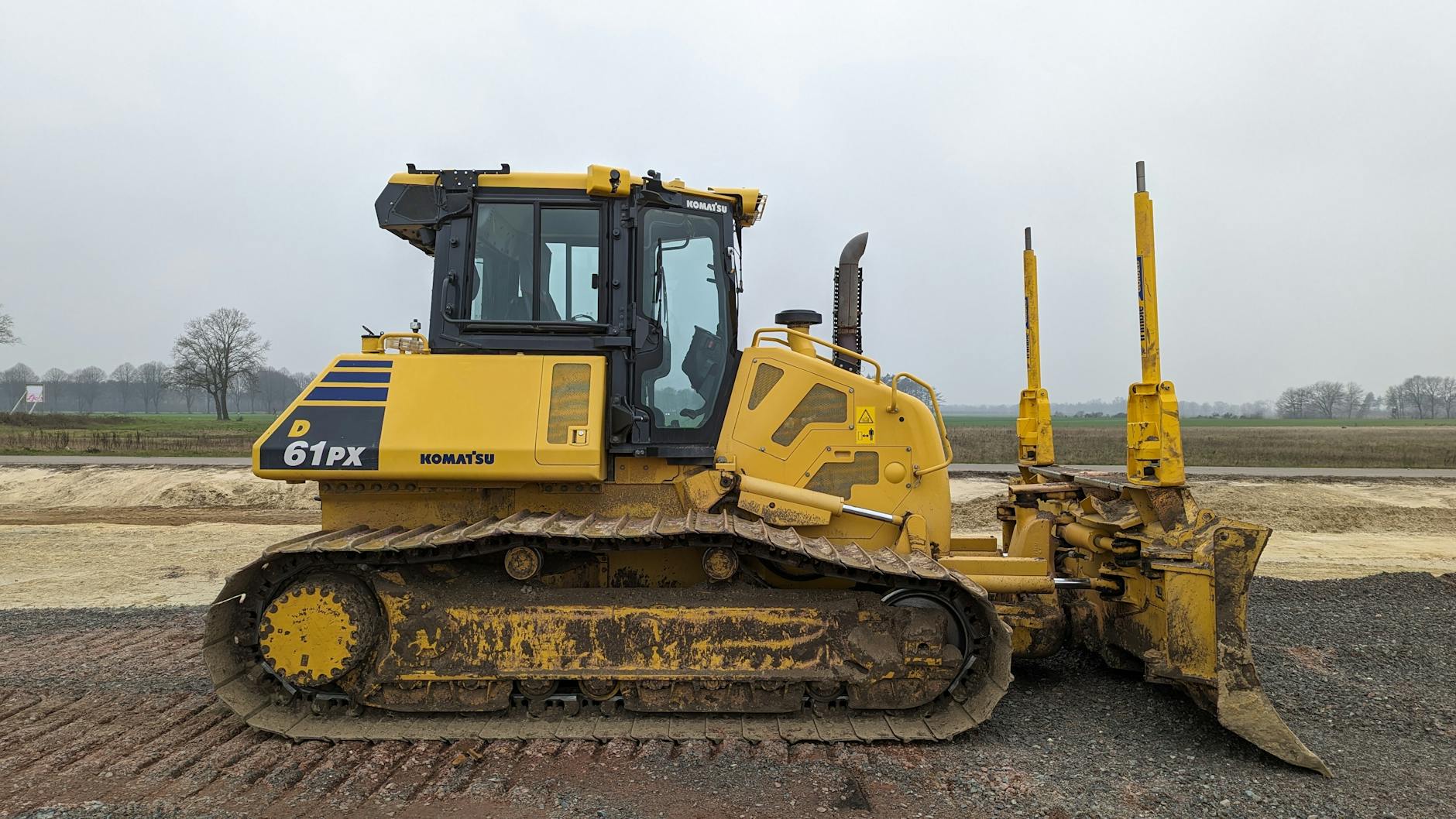
When it comes to construction, what’s beneath the surface is as crucial as what’s above it. Understanding soil types can mean the difference between a sturdy structure and a costly mishap. For professionals in the construction industry, knowing the types of soil they are dealing with is not just beneficial—it’s essential. This blog post will uncover the importance of soil analysis in construction and provide insights into how different soil types can impact your building projects.

Why Soil Matters in Construction

The ground you build on is your foundation, both literally and figuratively. The type of soil determines the stability of your project. For builders, this knowledge ensures safety, durability, and cost-effectiveness. Each type of soil behaves differently under various conditions, and these differences can influence everything from the choice of materials to the design of the foundation.

First, soils have distinct properties—such as moisture retention, density, and load-bearing capacity—that directly affect how they interact with structures. Ignoring these properties can lead to issues like settling, shifting, or even structural failure. Second, understanding soil types helps in planning effective drainage solutions, which are critical in preventing water-related damage. Finally, knowing your soil type aids in estimating project timelines and costs, minimizing unexpected surprises.

Common Soil Types in Construction

Builders encounter a variety of soil types, each with unique characteristics. The most common ones include clay, silt, sand, gravel, and loam. Clay soils are dense and hold water well but can expand and contract dramatically, leading to potential foundational cracks. Silt, found near bodies of water, is smooth and retains water, but it can become unstable when wet.

Sand, with its large particles, drains well but doesn’t hold its shape, making it less stable. Gravel offers excellent drainage and stability, yet it doesn’t retain moisture, which can be both an advantage and a drawback. Loam, considered the ideal soil, is a balanced mix of clay, silt, and sand, providing good drainage, stability, and fertility.

The Impact of Soil Composition

Understanding the composition of the soil on a building site is crucial for making informed decisions. Soil composition affects load-bearing capacities and the potential need for soil modification techniques. For instance, clay-heavy soils might require stabilization or specific foundation designs to accommodate their expansion and contraction tendencies.

The mineral content of soil also influences its behavior. High organic content can cause soil to shrink or decompose, impacting structural integrity. Furthermore, certain minerals can corrode building materials over time, necessitating protective measures. By analyzing soil composition, builders can tailor their approach to ensure safety and longevity.

Soil Testing Methods

Before breaking ground, it’s vital to perform a thorough soil test. Several methods can help determine soil type and suitability for construction. The simplest is the visual inspection, observing color, texture, and structure. However, more detailed laboratory tests analyze moisture content, density, and load-bearing capacity.

Field tests, such as the Standard Penetration Test (SPT) and Cone Penetration Test (CPT), provide in-situ data about soil conditions, helping builders understand how soil will behave under stress. These tests are crucial for designing foundations and predicting how soil might shift over time.

The Role of Soil in Foundation Design

The type of soil influences the design and depth of foundations. For example, clay soils might require deeper or wider foundations to distribute weight and prevent movement. Sandy soils, which offer less support, may necessitate specialized piling techniques to achieve stability.

Understanding soil properties allows builders to choose appropriate foundation types, whether slab, pier, or basement. Proper foundation design minimizes risks and ensures long-term structural safety.

Drainage and Soil Considerations

Effective drainage is integral to maintaining soil stability around a structure. Poor drainage can lead to waterlogging, erosion, and foundation issues. Different soil types require unique drainage solutions. Clay, which holds water, demands well-planned systems to divert excess moisture away from structural elements.

Conversely, sandy soils require techniques to retain enough moisture for plant growth while avoiding erosion. Implementing the right drainage solutions enhances the longevity and safety of construction projects.

Addressing Soil Stability Challenges

In some cases, soils may not be naturally suitable for construction, necessitating stabilization techniques. Lime stabilization, for instance, can improve clay soil’s load-bearing capacity by altering its chemical properties. Geotextiles and geogrids are often used to reinforce weak soils, providing additional support.

These techniques enhance soil stability, allowing for safe construction on challenging sites. By addressing soil stability concerns early, builders can avoid costly repairs and ensure the success of their projects.

The Importance of Local Expertise

Local knowledge plays a significant role in understanding soil types and their impact on construction. Excavation contractors in Salt Lake City, for instance, have unique insights into the regional soil conditions and can provide invaluable guidance. Collaborating with local experts ensures that your project adheres to best practices and local regulations.

This partnership minimizes risks associated with soil-related challenges and helps streamline the construction process, saving time and resources.

Environmental Considerations in Soil Management

Sustainable construction practices take into account the environmental impact of soil management. Preserving the natural landscape and minimizing soil disruption are key factors. Implementing erosion control measures, such as vegetation cover and retaining walls, helps maintain soil health.

Additionally, using recycled materials and environmentally friendly stabilization techniques contribute to sustainable building practices, benefiting both the environment and the community.

Monitoring Soil After Construction

Once a project is complete, soil monitoring remains essential. Regular inspections help identify shifts or changes in soil conditions that could affect structural integrity. Monitoring moisture levels, drainage efficiency, and any signs of erosion are important maintenance tasks.

Proactive soil management ensures that the building remains safe and stable over time, protecting both the investment and its occupants.

Conclusion

Understanding soil types and their impact on construction is a foundational aspect of successful projects. By knowing the characteristics and behaviors of different soil types, builders can make informed decisions that enhance safety, longevity, and sustainability. From testing and stabilization to collaboration with local experts, every step contributes to a solid foundation for your construction endeavors.

For further exploration of soil types and construction techniques, consult industry resources or connect with professionals who can provide tailored guidance. With the right knowledge and approach, you can ensure that your construction projects stand the test of time.

Organic Manure

Organic manure usage in agriculture is becoming more and more famous day by day. Organic manure, as the name suggests are the natural nutrients from sources like Human and animal excreta, decomposing vegetable wastes and leftovers of agricultural practices. Plants extract the nutrients from the soil for their growth and organic manure helps in restoring that nutrients by undergoing decomposition easily and getting mixed with the soil perfectly. By restoring the nutrients, manure increases the fertility of the soil. Regular usage of organic manure maintains the level of soil organic matter.

sources of organic manure
  • Cattle wastes like cow dung and urine, slurry from biogas plant, Human wastes like sewage, sludge can be used in organic manure preparation.
  • Dry leaves, stubble, sugarcane trash, crop residue and some other agricultural wastes can be used.
  • oil cakes, vegetable processing wastes wheat straw and bran are agriculture industry byproducts and these are also sources of organic manure.
  • Slaughterhouse wastes like blood and bone meal are also can be the sources.
methods of preparing manure at your home

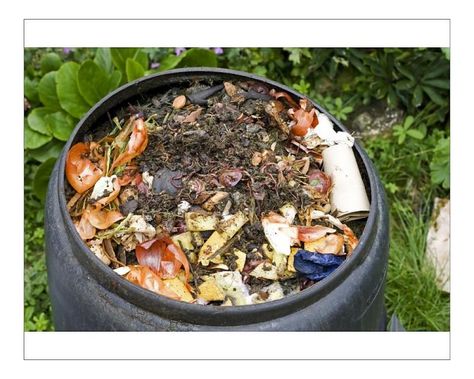
POT COMPOSTING CAN BE DONE: Pot composting can be done using wastes from kitchen. Take a container and add some pebbles and soil at the bottom. Take dry wastes like paper and dry leaves and add them. Collect all the wet wastes from kitchen. They may include food leftovers, fruit peels etc. Put them in the container after the dry waste. You can make 3-4 layers like this. Sprinkle water to keep them moist. Keep this arrangement away from rain. Keep on mixing the layer everyday. And keep it moist. After 30-45 days compost will be ready.

THE VERMICOMPOSTIING: Verm compost is the droppings of the earthworm after they consume the organic waste. Take container or you can make a separate large concrete tubs if you want to produce in large quantity. Put first layer of soil and pebble. On that add the organic wastes that are collected. Put handful of worms in the tub. Water is sprayed to them on daily basis to keep everything moist. Earthworms will produce the droppings which can be used as the manure.

USING BOKASHI METHOD: In this method, collect some kitchen waste in an airtight drum and add some Bokashi powder. Bokashi powder is inoculated with microbes which help in decomposition, made of bran based material. After 15 days fungus growth will be seen indicating fermentation has happened. Put this fermented waste in a trench and wait for 3 weeks. Black compost which can be used as manure will be ready.

benifits of using organic manure

Organic manure provides all the nutrients to the soil and maintains its fertility. They also improve soils physical properties like texture and structure and also improve aeration. organic manure increases the water holding capacity of the soil and helps in retaining rain water. Soil pH is also maintained. Organic manure usage increases the microbe population in the soil resulting in increased biological activity. Carbon nitrogen ratio will be well maintained.

Usage of organic manure is economically beneficial also. The production can be extended as a small scale business and it requires less investment. Hence it will be a very profitable business.

What to do with kitchen waste?

Our kitchen generates lot of waste throughout the day whether it is vegetable peel, leftover meal or rotten vegetables and fruits. All of these waste goes into dustbin.

According to report 60% of waste comes from kitchen. These waste gets mixed and collected in landfills. These waste releases methane gas which is a greenhouse gas. This pollutes air and water.

We can use these kitchen waste to make compost. Nowadays people buy fertilizers from market but what if we use kitchen waste to make compost. Isn’t this amazing way to save Earth as well as money ?

How to make compost :-

First we need is kitchen waste called as green waste. Drained the excess water from it. These waste are rich in nitrogen. Second we need is dried leaf called brown waste. Third microbes ( an accelerator ). Fourth is container you can use any container either of earthen pot or anything as per your ease.

Put dried leaves in the lower of container above it spread green kitchen waste add some accelerator i.e; microbes on top of it. Again put another layer of dried leaves and close the lid of container. That’s one day waste. On second day repeat the same process. Once in 4-5 days mix it well so that it can absorb oxygen. Oxygen is essential for its breakdown.

When container get full keep it aside for 20-30 days. After 30 days compost is ready to use. We can this compost to nourish the plants and grow whatever we want.