Northern India has emerged as the most favoured spiritual travel destination followed by Southern, Western and Eastern regions in the country, reveals OYO Cultural Travel 2022 Roundup Report by global hospitality chain OYO.
Regarded as the spiritual capital of India, Varanasi, which is also one of the oldest cities in the world, emerged as the top religious destination for bookers across India. This was followed by Tirupati, Puri, Amritsar and Haridwar, as per the report.
In the North zone, Varanasi emerged as the most popular destination due to its favored status among Hindus and Buddhists. This was followed by Prayagraj, Amritsar, Haridwar, Katra, and Rishikesh.
The cultural cities of Vijayawada, Mysore, Tirupati, Madurai and Vellore were most favored in South India. In the West zone, Shirdi received the maximum traction from travellers followed by Mahabaleshwar, Nashik, Ujjain, and Pushkar. Goa, which has always been a popular tourist spot, was the most favoured destinations in East India, along with Puri.
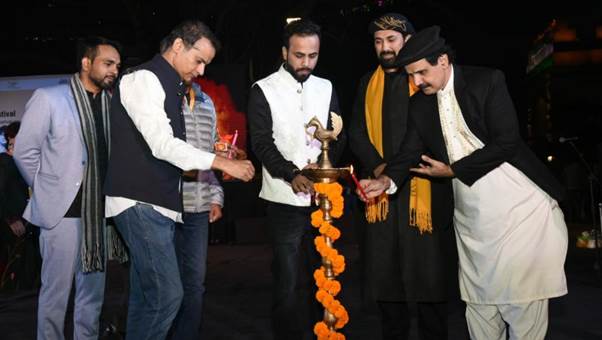
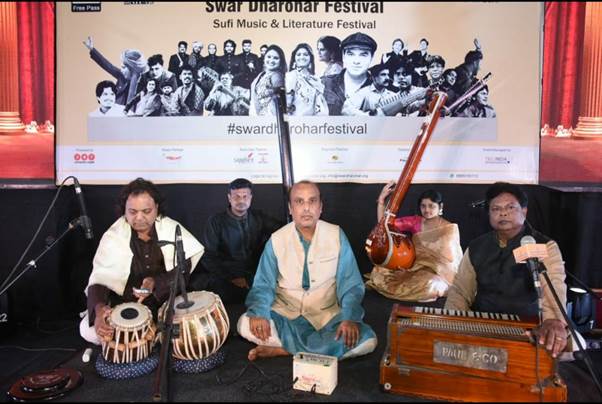
Ministry of Culture, Government of India in collaboration with “Swar Dharohar Foundation,” inaugurated three day “Swar Dharohar Festival” under Kalanjali. “Swar Dharohar Festival” is a Music, Art & Literature Festival to showcase the iconic art and culture of India and, the rich literary Art & Heritage of Indian States.
Swar Dharohar festival was Inaugurated today by Chief Guest Sh. Mehtab Ali (Sitar Player) and Pt. Lalit Prasad (Classical Vocal). On the first day Classical Performance, Ghazal, Kavi Sammelan, Mushaira, Sufi Performance were organised. Ghazal was performed by Sh. Diwakar Meena, Sh. Hamsar Hayat and Athar Hayat performed Sufi Music.
Under Kalanjali, cultural programmes are being organised at Central Vista every week. The 3 days festival will continue to be organized on 3rd and 4th of December 2022 at the Central Vista, India Gate, New Delhi, Delhi.
Swar Dharohar Utsav started in the morning with Ragaas, and many celebrities performed.
In this program the upcoming local Artists will perform with Legend Artist on the same platform to showcase their talents. The National as well as Local Poets will exhibit their artistry through Kavi Sammelan.
Ministry of Culture, Government of India in collaboration with “Swar Dharohar Foundation,” inaugurated three day “Swar Dharohar Festival” under Kalanjali. “Swar Dharohar Festival” is a Music, Art & Literature Festival to showcase the iconic art and culture of India and, the rich literary Art & Heritage of Indian States.
Swar Dharohar festival was Inaugurated today by Chief Guest Sh. Mehtab Ali (Sitar Player) and Pt. Lalit Prasad (Classical Vocal). On the first day Classical Performance, Ghazal, Kavi Sammelan, Mushaira, Sufi Performance were organised. Ghazal was performed by Sh. Diwakar Meena, Sh. Hamsar Hayat and Athar Hayat performed Sufi Music.
Under Kalanjali, cultural programmes are being organised at Central Vista every week. The 3 days festival will continue to be organized on 3rd and 4th of December 2022 at the Central Vista, India Gate, New Delhi, Delhi.
Swar Dharohar Utsav started in the morning with Ragaas, and many celebrities performed.
In this program the upcoming local Artists will perform with Legend Artist on the same platform to showcase their talents. The National as well as Local Poets will exhibit their artistry through Kavi Sammelan.
India is home to some of the most stunning natural attractions and historical sites in the world. With so many places to visit and things to do, it’s hard to know where to start. But if you want something off-the-beaten path, these 10 destinations are sure to satisfy your wanderlust.
1. Goa
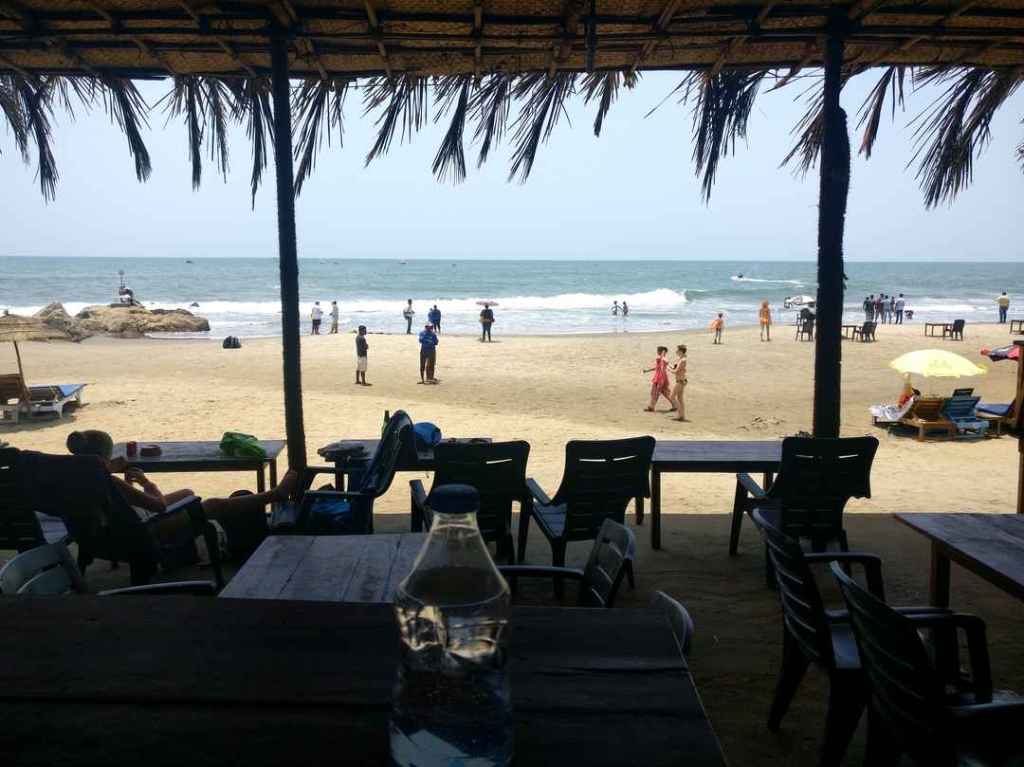
Vagator Beach, Goa
Goa is a popular tourist destination in India and has been attracting visitors for years. It’s known for its beaches, which are clean and have plenty of space to relax on them.
Goa also has great food, music and culture. The best way to experience all this is by staying at an airbnb or other bed & breakfast type place that hosts travelers from around the world!
2. Kerala
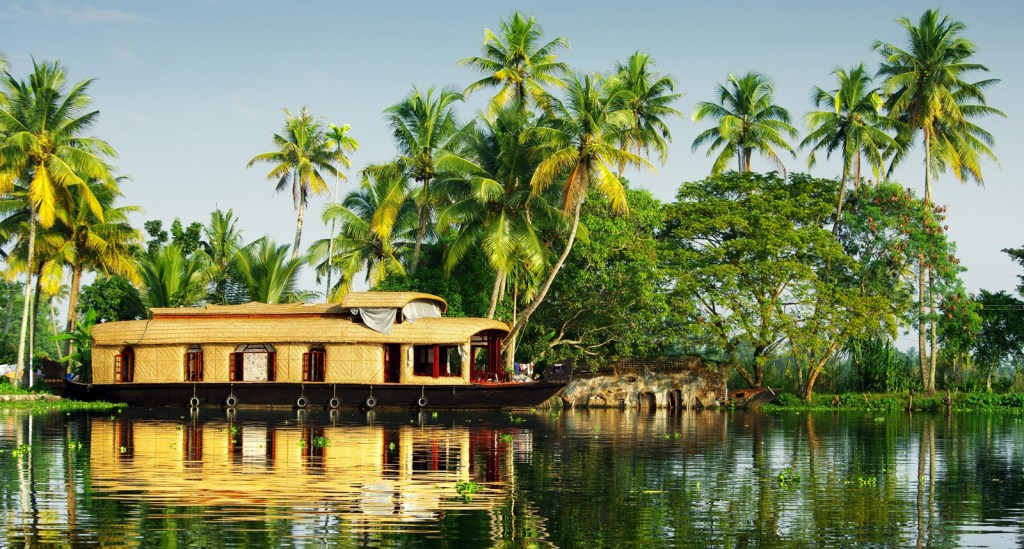
Kumarakom, Kerala
Kerala is a beautiful place to visit in India. It has many beaches, backwaters and historical sites. One of its most famous attractions is the backwaters of Alleppey that are home to some interesting wildlife sanctuaries. The state also has many temples which are a must-see during your trip here.
3. Andaman and Nicobar Islands
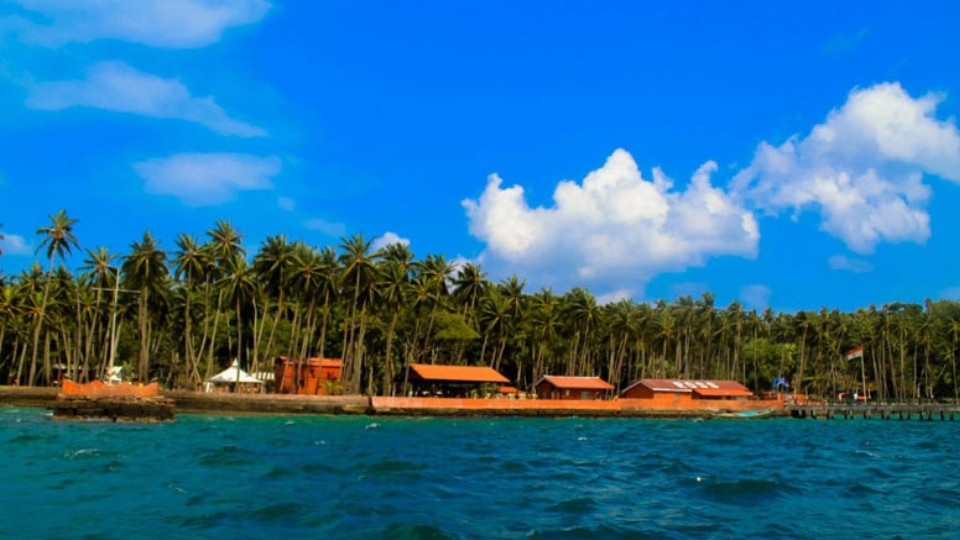
Andaman
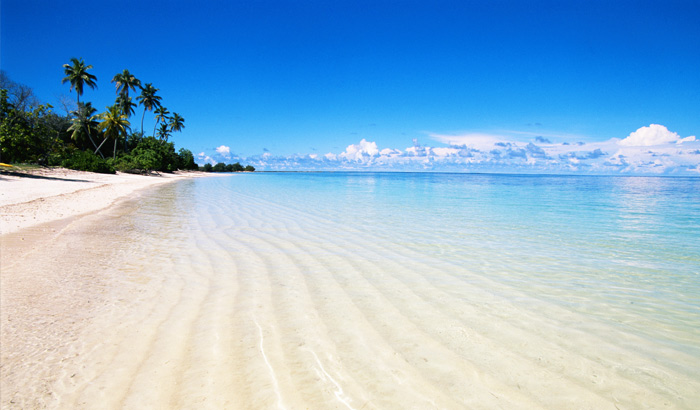
The Andaman and Nicobar Islands are located in the Bay of Bengal, just off India’s coast. These islands are a part of India and home to many different tribes. The islands have a great climate for relaxation, as well as beaches with white sand.
4. Pondicherry
Serenity beach, Pondicherry
Pondicherry is a city in the union territory of Puducherry. It was formerly known as Pondicherry and it is located on the Coromandel Coast, India’s east coast, which is known for its beaches and resorts. The city has an old-world feel to it with buildings that date back to French rule over India during the 19th century.
Pondicherry has many beaches where you can go swimming or just relax on your day off from work.
5. Leh Ladakh
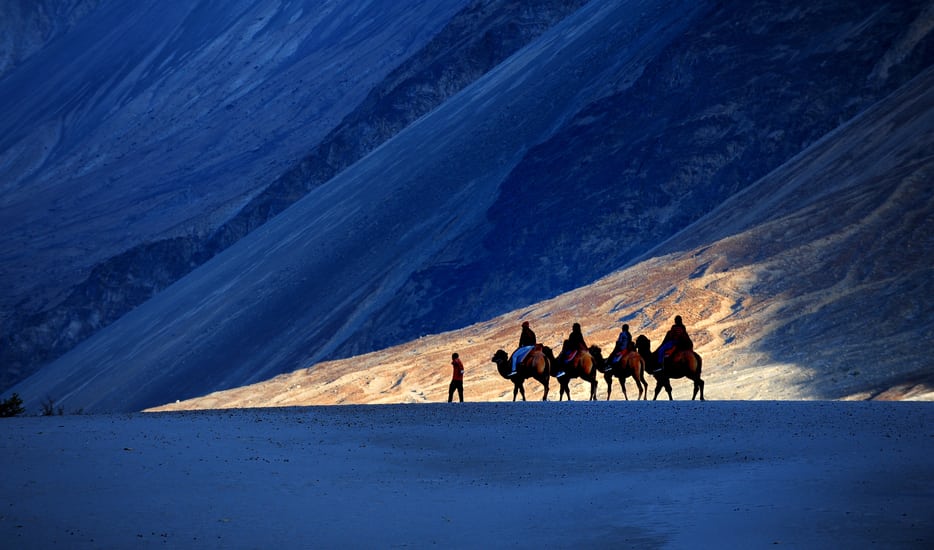
Nubra Valley, Ladakh
Leh Ladakh is a cold desert in the Himalayas, close to the Chinese border. It’s a great place to visit if you want to see the mountains and enjoy some hiking or trekking. There are many places where you can go for this activity, but one of them is called “Nubra Valley”. In this valley there are many different things that you can do: horseback riding (on horses), skiing down from a mountain peak or just walking around looking at all those beautiful views.
6. Rajasthan
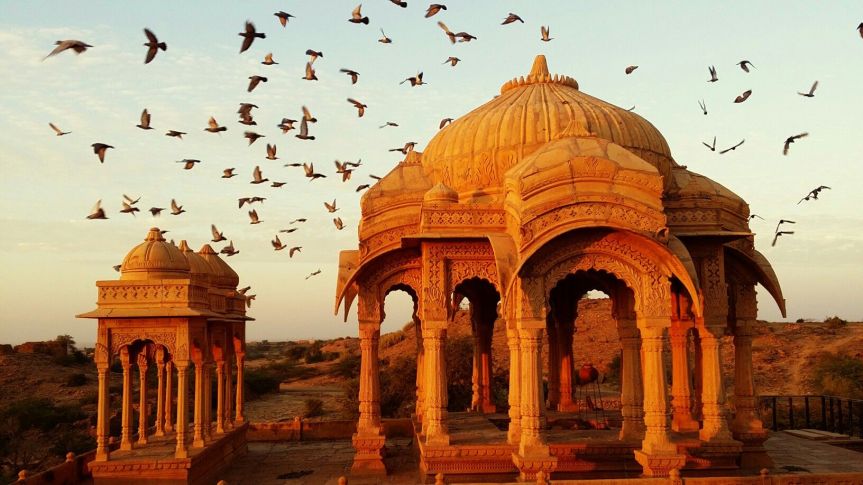
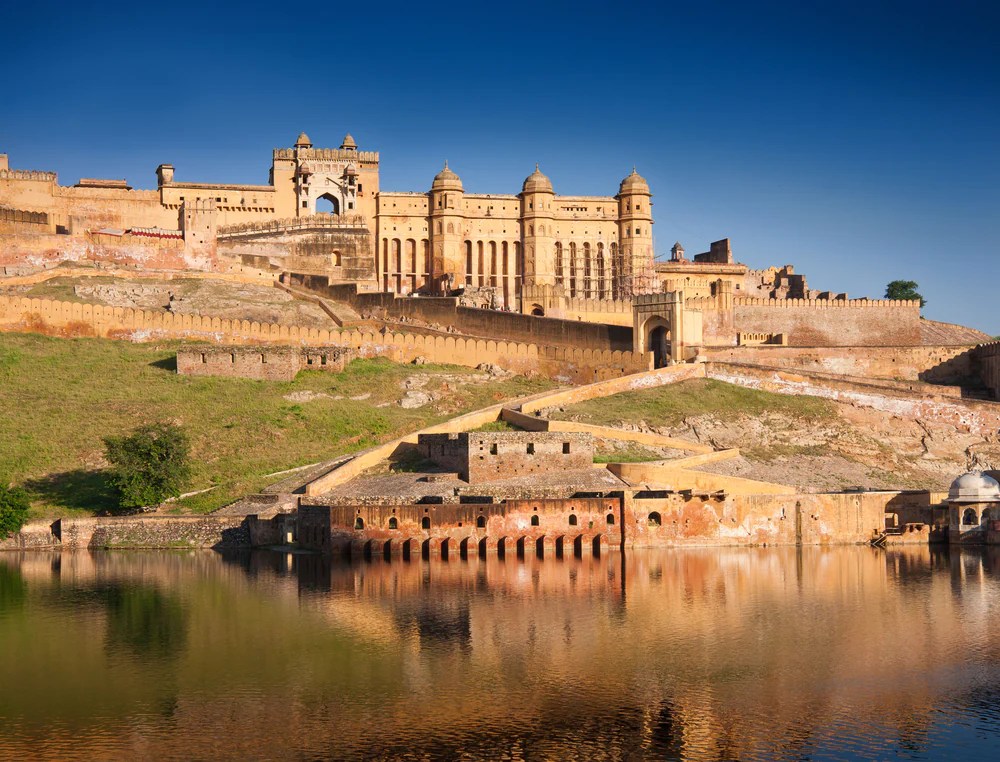
Amer fort, jaipur
Rajasthan is a state in northern India. It has a desert climate, but it’s also known for its palaces and forts. The city of Jaipur is home to several of these attractions, including the Amber Fort and Jantar Mantar Observatory. It also has many lakes, some famous (Lake Pichola) and some not so much (Kumbhalgarh). Some people visit these lakes during wintertime because they’re warm then; others go there in summer because it looks like an ice skating rink. There are plenty of temples as well: we’re talking about hundreds of them.
7. Darjeeling
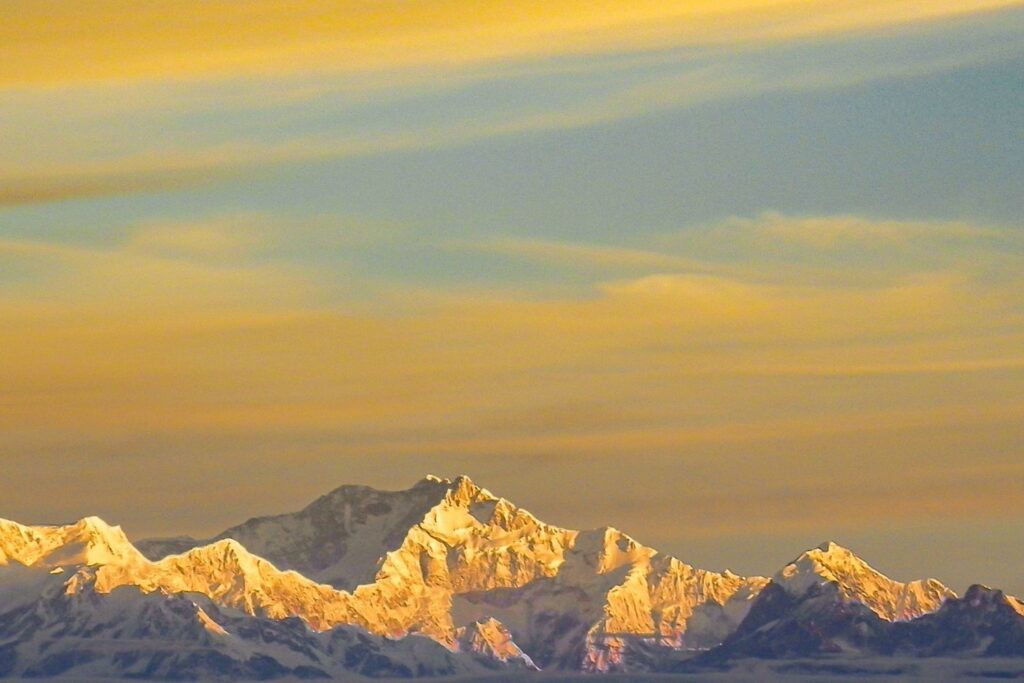
The Kanchenjunga
Darjeeling is a hill station in West Bengal. The city is located on the foothills of the Himalayas and offers panoramic views of the plains below.
The town has been known for its tea plantations since 1834 when it was first discovered by British colonists. It’s also a popular destination for trekkers, who can choose from several trails to explore this beautiful area along with its rich history and natural beauty.
8. Varanasi
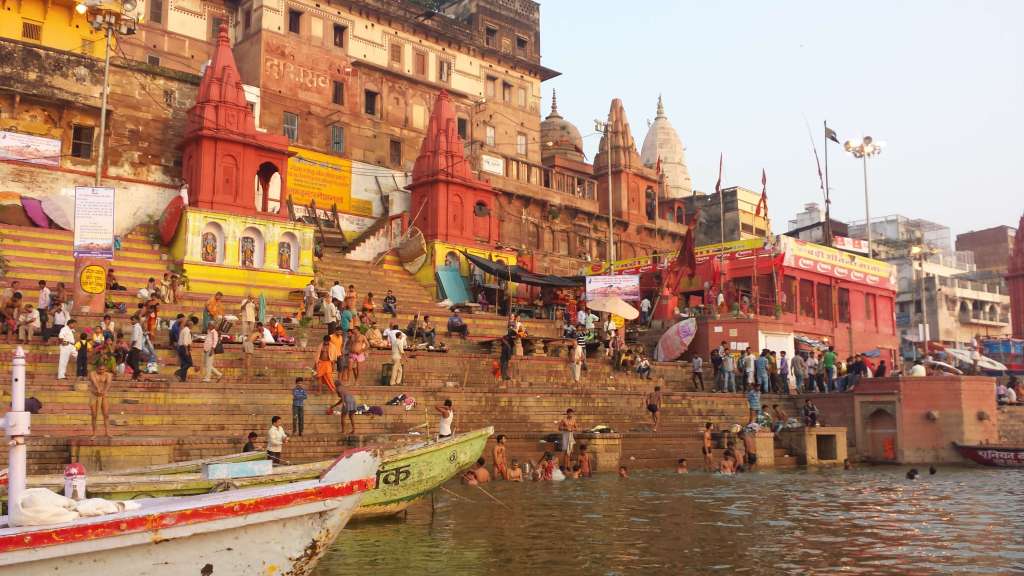
A ghat in varanasi
Varanasi is a religious, cultural and historical city located on the banks of River Ganges. It has been called one of the most sacred places in India as it’s believed that Lord Shiva resided here for some time before passing away.
The city is known for its ghats (steps leading down to the river), temples and food which are all part of its rich history. Varanasi offers tourists everything they need during their stay – from budget accommodation options to luxury hotels & resorts offering everything from pampering spa treatments to yoga classes at sunrise. Not only this but there are plenty of things to do when you visit Varanasi including visiting one or more ghat sites where pilgrims perform rituals during monsoon season when temperatures rise up high enough so visitors can bathe in freezing waters without getting cold feet.
9. Rishikesh
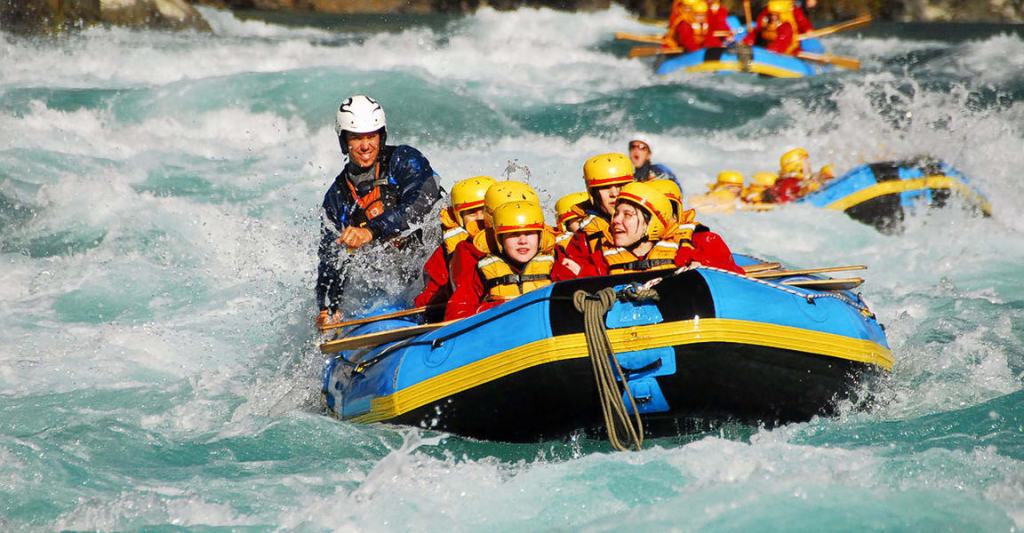
Rafting in Rishikesh
Rishikesh is full of amazing sights—from its spectacular natural surroundings to its historic temples and churches. Other sights include Lakshman Jhula Bridge built between 1822–1823 across River Ganges near Yamuna Sagar Lake during British rule; Vishwanath Temple dedicated specifically because he was considered Hindu god Vishnu’s favorite son; Kedarnath Temple built by King Bhagwan Nand Lal in memory of his father who died while building this temple during his lifetime. River rafting and other fun activities are organised here.
10. Gulmarg, Jammu and Kashmir
Gulmarg Golf Club area
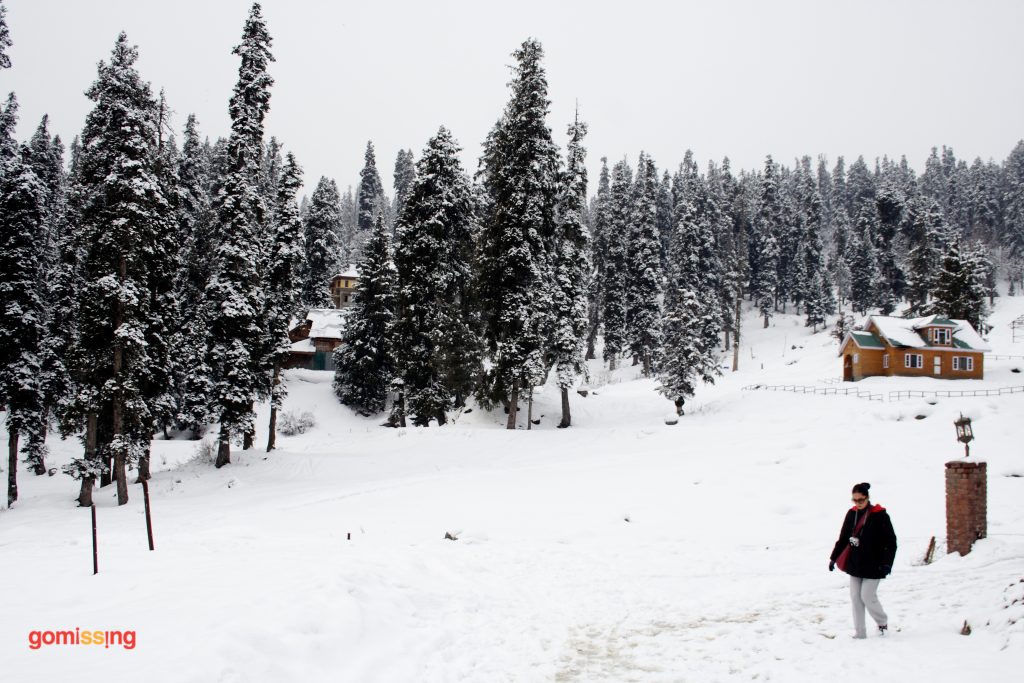
Gulmarg is a ski resort in Kashmir, located at an altitude of 11,500 feet. It is one of the oldest and most popular tourist destinations in Jammu and Kashmir. The area has 300 km of pistes that can be reached by cable cars or snowshoes. Gulmarg also hosts many other activities like skiing, heli-skiing, snowboarding and more.
These are just a few of the travel destinations in India that you can experience and enjoy.
India is home to some of the most stunning natural attractions and historical sites in the world. With so many places to visit and things to do, it’s hard to know where to start. But if you want something off-the-beaten path, these 10 destinations are sure to satisfy your wanderlust.
1. Goa
Vagator Beach, Goa
Goa is a popular tourist destination in India and has been attracting visitors for years. It’s known for its beaches, which are clean and have plenty of space to relax on them.
Goa also has great food, music and culture. The best way to experience all this is by staying at an airbnb or other bed & breakfast type place that hosts travelers from around the world!
2. Kerala
Kumarakom, Kerala
Kerala is a beautiful place to visit in India. It has many beaches, backwaters and historical sites. One of its most famous attractions is the backwaters of Alleppey that are home to some interesting wildlife sanctuaries. The state also has many temples which are a must-see during your trip here.
3. Andaman and Nicobar Islands
Andaman
The Andaman and Nicobar Islands are located in the Bay of Bengal, just off India’s coast. These islands are a part of India and home to many different tribes. The islands have a great climate for relaxation, as well as beaches with white sand.
4. Pondicherry
Serenity beach, Pondicherry
Pondicherry is a city in the union territory of Puducherry. It was formerly known as Pondicherry and it is located on the Coromandel Coast, India’s east coast, which is known for its beaches and resorts. The city has an old-world feel to it with buildings that date back to French rule over India during the 19th century.
Pondicherry has many beaches where you can go swimming or just relax on your day off from work.
5. Leh Ladakh
Nubra Valley, Ladakh
Leh Ladakh is a cold desert in the Himalayas, close to the Chinese border. It’s a great place to visit if you want to see the mountains and enjoy some hiking or trekking. There are many places where you can go for this activity, but one of them is called “Nubra Valley”. In this valley there are many different things that you can do: horseback riding (on horses), skiing down from a mountain peak or just walking around looking at all those beautiful views.
6. Rajasthan
Amer fort, jaipur
Rajasthan is a state in northern India. It has a desert climate, but it’s also known for its palaces and forts. The city of Jaipur is home to several of these attractions, including the Amber Fort and Jantar Mantar Observatory. It also has many lakes, some famous (Lake Pichola) and some not so much (Kumbhalgarh). Some people visit these lakes during wintertime because they’re warm then; others go there in summer because it looks like an ice skating rink. There are plenty of temples as well: we’re talking about hundreds of them.
7. Darjeeling
The Kanchenjunga
Darjeeling is a hill station in West Bengal. The city is located on the foothills of the Himalayas and offers panoramic views of the plains below.
The town has been known for its tea plantations since 1834 when it was first discovered by British colonists. It’s also a popular destination for trekkers, who can choose from several trails to explore this beautiful area along with its rich history and natural beauty.
8. Varanasi
A ghat in varanasi
Varanasi is a religious, cultural and historical city located on the banks of River Ganges. It has been called one of the most sacred places in India as it’s believed that Lord Shiva resided here for some time before passing away.
The city is known for its ghats (steps leading down to the river), temples and food which are all part of its rich history. Varanasi offers tourists everything they need during their stay – from budget accommodation options to luxury hotels & resorts offering everything from pampering spa treatments to yoga classes at sunrise. Not only this but there are plenty of things to do when you visit Varanasi including visiting one or more ghat sites where pilgrims perform rituals during monsoon season when temperatures rise up high enough so visitors can bathe in freezing waters without getting cold feet.
9. Rishikesh
Rafting in Rishikesh
Rishikesh is full of amazing sights—from its spectacular natural surroundings to its historic temples and churches. Other sights include Lakshman Jhula Bridge built between 1822–1823 across River Ganges near Yamuna Sagar Lake during British rule; Vishwanath Temple dedicated specifically because he was considered Hindu god Vishnu’s favorite son; Kedarnath Temple built by King Bhagwan Nand Lal in memory of his father who died while building this temple during his lifetime. River rafting and other fun activities are organised here.
10. Gulmarg, Jammu and Kashmir
Gulmarg Golf Club area
Gulmarg is a ski resort in Kashmir, located at an altitude of 11,500 feet. It is one of the oldest and most popular tourist destinations in Jammu and Kashmir. The area has 300 km of pistes that can be reached by cable cars or snowshoes. Gulmarg also hosts many other activities like skiing, heli-skiing, snowboarding and more.
These are just a few of the travel destinations in India that you can experience and enjoy.
Regionalism can be explained as an ‘insider-outsider’ thought process where the loyalties are tied to the region of origin. Regional movements fall under the category of “identity movements,” and they often call for special rights or self-government. People get united in their desire to establish their regional identity strongly and see it as the answer to the state’s unfavourable policies against them in the face of prolonged hardship or neglect (actual or imagined).
AIM OF REGIONALISM
Those who believe in regionalism and its ideology are interested in increasing the political power and influence of the inhabitants of a particular region. Their demands include, but are not limited to, sovereignty, separatism, separatism, and independence. Regionalists favour a coalition of deficit nations rather than a unified nation-state with a strong central government. At that time, they tended to embrace an alternative form of federalism.
For those who believe in regionalism, strengthening the governing body and political power in the region benefits the local people as it improves the regional economy through better resource allocation, regional development, and better implementation of regional policies, Claims to bring. Of course, this comes at the expense of weakening the central government and reducing its role in governance.
REGIONALISM IN INDIA
Although there is an essential sense of pan-Indian identity, various foreign sociologists / scholars focus on caste, tribes, languages, and adherence to the community. The counterargument is that India’s regionalism has led to the deepening of multi-party politics and federalism. Regionalism is not necessarily “anti-state” or even “anti-people”, but it has both functional and dysfunctional aspects to consider. It can be traced back to the colonial divide and rule policy sowed in India. Over the last 100 years, there have been many regional movements in India, and demand falls into the following broad categories:
Demand for Withdrawal-Extreme Form-Extremist / Fundamentalist Group-A New Country Separate from India Separatist Demand-We need to form a new state that can better serve the linguistic / ethnic minorities of the region.
Full State System – Over the years, some Union Territories of India have been granted full state system. Autonomy – Demands more power over political interference from the central government.
CAUSES OF REGIONALISM IN INDIA
Language.
Religion.
Regional Culture.
Economic Backwardness.
Rise of Political Parties with a regionalist agenda
It is difficult to contain regionalism in a large and diverse country like India. However, to mitigate some of the worst effects, we can do the following:
1. Elimination of regional imbalances
2. Economic development in underdeveloped regions
3.Rebuilding society to promote unity
4. Cultural awareness
We have seen how regionalism is good or bad for a country or a group of countries. Article 19 of the Constitution of India gives all citizens the fundamental right to move freely and settle in peace anywhere in the country. And as an Indian citizen, everyone should respect this basic human right and avoid conflicts . The need for hours is to develop all parts of India by delegating power to local governments and allowing people to participate in decision making. State-level governments need to explore alternative energy sources, sources of local employment, governance, planning, and the use of technology in agricultural development. The 12th Five-Year Goal for “Faster, Sustainable and Comprehensive Growth”, the Key to Balanced Regional Growth. In the future, by further integrating the different regions of each country, we will be able to respect and emphasise their needs.
Globalization has many meaning depending on the circumstance and on the individual who is talking about. There is one of the term of Globalization is a process of the “reconfiguration of geography, so that social space is not entirely mapped in terms of territorial distance, territorial places and territorial borders.” The simple term of globalization refers to the integration of economies of the world through uninhibited trade and financial flows, as also through mutual exchange of technology and knowledge. Ideally, it also contains free inter country movement of labor.
Indian society drastically changes after urbanization and globalization. The economic policies has direct influence in forming the basic framework of the Indian economy. The government shaped administrative policies which aim to promote business opportunities in every country, generate employment and attract global investment. In which the Indian economy witnessed an impact on its culture and introduction to other societies and their norms brought various changes to the culture of this country as well. The developed countries have been trying to pursue developing countries to liberalize the trade and allow more flexibility in business policies to provide equal opportunities to multinational firms in their domestic market. The International Monetary Fund (IMF) and World Bank helped them in this endeavor. Liberalization began to hold its foot on barren lands of developing countries like India by means of reduction in excise duties on electronic goods in a fixed time Frame.
Globalization has several aspects and can be political, cultural, social, and economic, out of Financial integration is the most common aspect. India is one of the fastest-growing economies in the world and has been predicted to reach the top three in the next decade. India’s massive economic growth is largely due to globalization which was a transformation that didn’t occur until the 1990s. Since then, the country’s gross domestic product (GDP) has grown at an exponential rate.
Indian government did the same and liberalized the trade and investment due to the pressure from the World Trade Organization. Import duties were cut down phase-wise to allow MNC’s operate in India on an equal basis. As a result globalization has brought to India new technologies, new products and also the economic opportunities.
Despite bureaucracy, lack of infrastructure and an ambiguous policy framework that adversely impact MNCs operating in India, MNCs are looking at India in a big way, and are making huge investments to set up R&D centres in the country. India has made a lead over other growing economies for IT, business processing, and R&D investments. There have been both positive and negative impacts of globalisation on social and cultural values in India.
Economic Impact:
1. Greater Number of Jobs: The advent of foreign companies led to the growth in the economy which led to creating job opportunities. However, these jobs are concentrated in the various services sectors and led to rapid growth of the service sector creating problems for individuals with low levels of education. The last decade came to be known for its jobless growth as job creation was not proportionate to the level of economic growth.
2. More choice to consumers: Globalisation has led to having more choices in the consumer products market. There is a range of choices in selecting goods unlike the times where there were just a couple of manufacturers.
3. Higher Disposable Incomes: People in cities working in high paying jobs have greater income to spend on lifestyle goods. There’s been an increase in the demand for products like meat, egg, pulses, organic food as a result. It has also led to protein inflation.
Protein food inflation contributes a large part to the food inflation in India. It is evident from the rising prices of pulses and animal proteins in the form of eggs, milk and meat. With an improvement standard of living and rising income level, the food habits of people changed. People tend toward taking more protein intensive foods. This shift in dietary pattern, along with rising population results in an overwhelming demand for protein rich food, which the supply side could not meet. Thus resulting in a demand supply mismatch thereby, causing inflation.
In India, the Green Revolution and other technological advancements have primarily focused on enhancing cereals productivity and pulses and oilseeds have traditionally been neglected.
• Shrinking Agricultural Sector: Agriculture now contributes only about 15% to GDP. The international norms imposed by WTO and other multilateral organizations have reduced government support for agriculture. Greater integration of global commodities markets leads to constant fluctuation in prices.
• This has increased the vulnerability of Indian farmers. Farmers are also increasingly dependent on seeds and fertilisers sold by the MNCs.
Globalization does not have any positive impact on agriculture. On the contrary, it has few detrimental effects as the government is always willing to import food grains, sugar etc. Whenever there is a price increase of these commodities.
• Government never thinks to pay more to farmers so that they produce more food grains but resorts to imports. On the other hand, subsidies are declining so the cost of production is increasing. Even farms producing fertilizers have to suffer due to imports. There are also threats like introduction of GM crops, herbicide resistant crops etc.
• Increasing Health-Care costs: Greater interconnections of the world have also led to the increasing susceptibility to diseases. Whether it is the bird-flu virus or Ebola, the diseases have taken a global turn, spreading far and wide. This results in greater investment in the healthcare system to fight such diseases.
• Child Labor: Despite prohibition of child labors by the Indian constitution, over 60 to a 115 million children in India work. While most rural child workers are agricultural laborer’s, urban children work in manufacturing, processing, servicing and repairs. Globalization most directly exploits an estimated 300,000 Indian children who work in India’s hand-knotted carpet industry, which exports over $300 million worth of goods a year. The many effects of globalization of Indian society and has immense multiple aspects on Indian trade, finance, and cultural system. Globalization is associated with rapid changes and significant human societies. The movement of people from rural to urban areas has accelerated, and the growth of cities in the developing world especially is linked to substandard living for many.
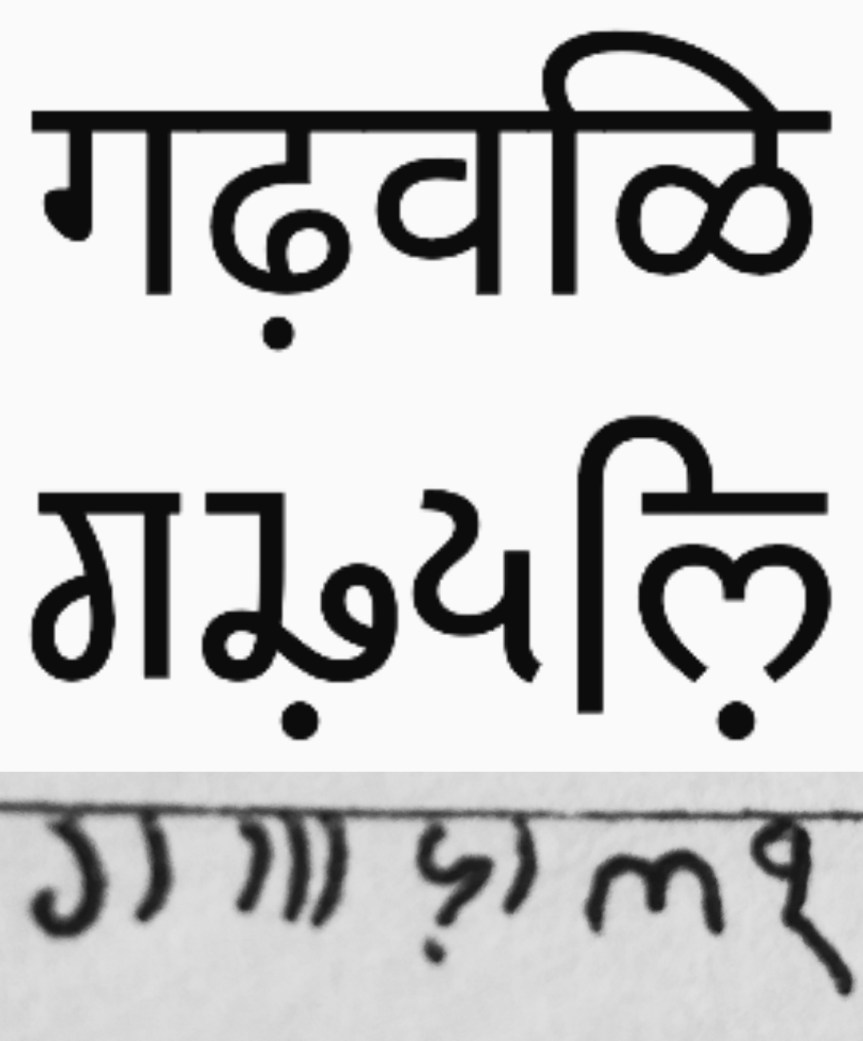
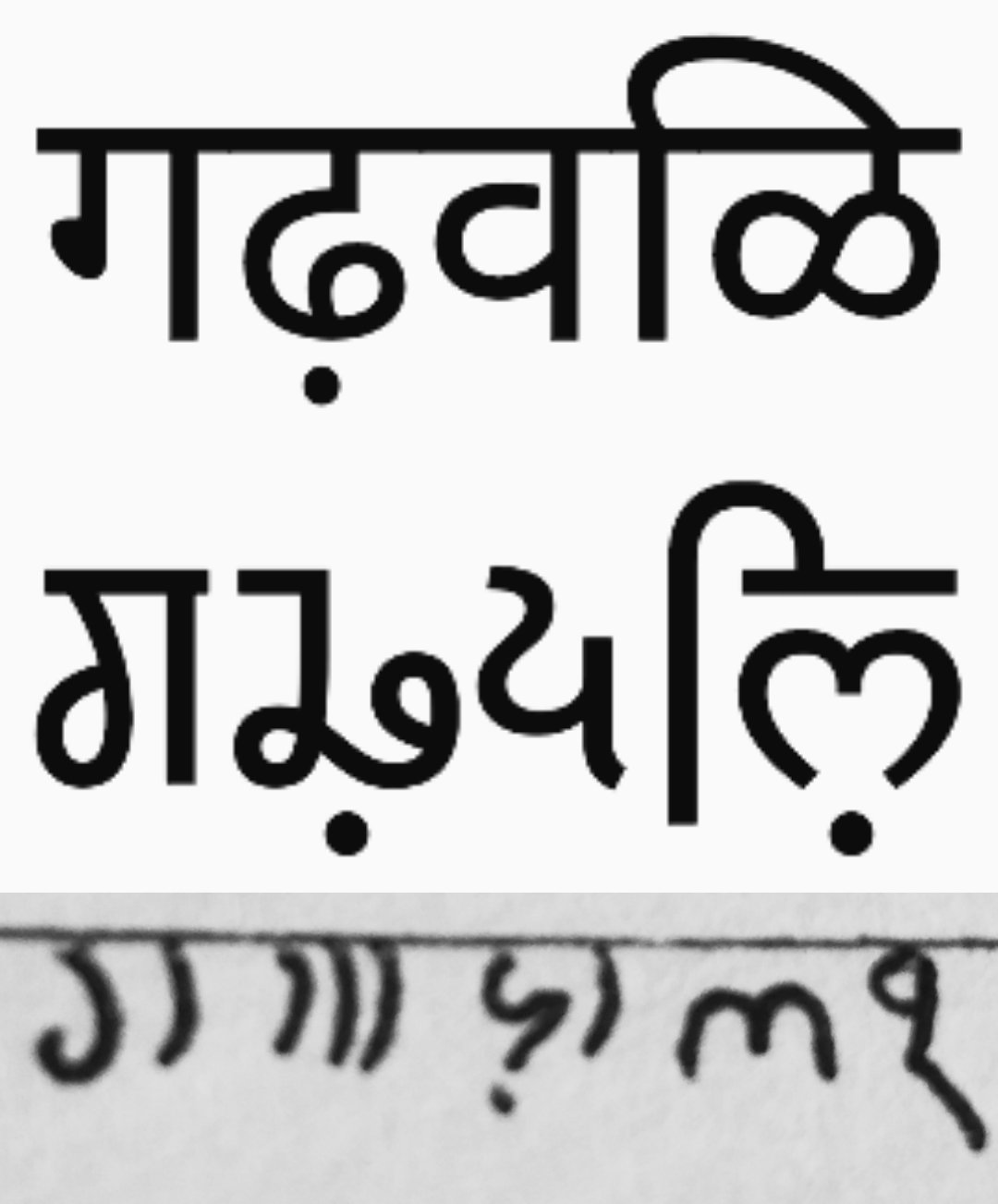
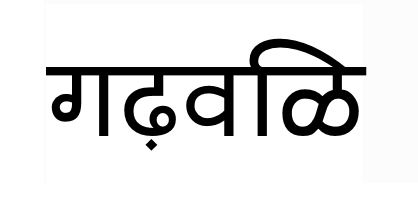
Garhwali is the Indo-Aryan language of the Central Pahari Region which is mainly spoken by more than 2.5 million people in the Garhwal region of Uttarakhand, northern India, in the Himalayas of India, Uttarakhand. Garhwali is also spoken by Garhwali people living in other parts of India, such as Himachal Pradesh, Delhi, Hariyana, Punjab and Uttar Pradesh. According to various estimates, at least 3.5 million Garhwali migrants live in Delhi and other cities.
HISTORY During the Middle Indo-Aryan era, there were various languages called Prakrit. Of which, Khas Prakrit language is believed to be the source of Garhwali language.The earliest forms of Garhwali can be traced back to the 10th century and can be found in temple stones, including numismatics, royal seals, copper plate inscriptions, royal orders and grants. An example is the inscription of King Jagatpal’s Temple Grant in Dev Prayag in 1335 AD. Most Garhwali literature survives in vernacular form and is transmitted verbally. But since the 18th century, Garhwali has developed a literary tradition.
LITERETURE & WRITERS Among the famous Garhwali writers in hiastory of literature are Sudarsan Shah, Kumdanand Bahguna, Hari Dutt Sharma (Nautiyal), Hari Krishna Daurga Dutti Rudra, Urvi Dutt Shastri ,Mahidhar Dangwal, etc. , Satyasaran Raturi, Atma Ram Gairola, Devendra Dutt Raturi, Suradutt Saklani and more. Among historians are Mola Ram, Miya Prem Singh, Hari Dutt Shastri, Hari Krishna Raturi and Vijaya Ram Raturi. Garhwali literature is thriving despite the ignorance of the government. Today, newspapers like Uttarakhand Khabarsar and Rant Raibaar are published entirely in Garhwali. Magazines such as Baduli, Hilaans, Chitti-patri and Dhaad have contributed to the development of GarhwaliGarhwali language.
Some Notable works of Gharwali writers: •)Abodh Bandhu Bahuguna – (1927–2004) Garhwali writer. Some nitable writings include Gaad, Myateki Ganga, and Bhumyal. •)Bachan Singh Negi – “Garhwali translation of Mahabharata and Ramayana”. •)Lalit Mohan Thapalyal – “Achhryun ku taal” •)Leeladhar Jagudi – (1944) Writer and novelist. PadmaShri •)Lokesh Nawani – “Phanchi” •)Madan Mohan Duklaan – “Aandi-jaandi saans” •)Chandramohan Raturi – “Phyunli” •)Chinmay Sayar – “Aunar” •)Dr. Narendra Gauniyal – “Dheet” •)Durga Prasad Ghildiyal – “Bwari”, “Mwari” and “Gaari” •)Gireesh Juyal ‘Kutaj’ – “Khigtaat”.
Struggle of Official RecogItion: Since the establishment of Uttarakhand in 2000, the state governments have made slow progress in promoting and developing the regional language of Uttarakhand. Like other languages in Uttarakhand, Garhwali, the most widely spoken language, is not officially recognized. In 2010, Hindi became the official language and Sanskrit became the second official language of Uttarakhand. In 2014, after making Garhwali the official language of Uttarakhand and demanding that it be taught at schools and universities for many years, the Uttarakhand State Government established Kumaoni and Garhwali departments at Kumaoni and Garhwali universities, respectively, to study the regional languages. At the national level, Garhwali is always required to be included in the 8th schedule of the Indian Constitution in order to be one of India’s schedule languages. In July 2010, Parliamentary member Satpal Maharaj of Pauli Garhwal submitted a legislative bill to Lok Sabha to include the languages of Garhwali and Kumaoni in the eighth schedule of the Constitution. Like most private citizen bills, the bill has not been discussed in Parliament and has since expired.
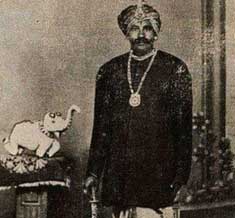
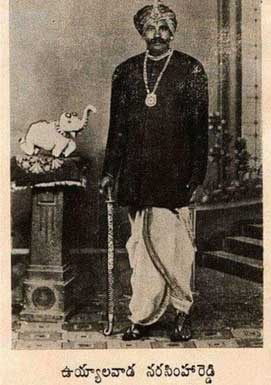
Uyyalawada Narasimha Reddy was an Indian freedom fighter and he was born in Rupanagudi village, on 24 November 1806.
The father of Narasimha Reddy was related to the Palegar family of Uyyalawada in Koilakuntla taluk who had married two daughters of the Palegar of Nossam. He had three sons, of whom Narasimha was the youngest son of the Palegar of Nossam, Seethamma. He married a woman named Siddhamma at the age of 6 . The British East India Company’s preface to the Chennai Presidency of the 1803 endless agreement, which had first been legislated in Bengal Presidency ten times preliminarily, replaced the agricultural socio- profitable status quo with a further egalitarian arrangement where anyone could cultivate handed that they paid a fixed sum to the East India Company for the honor of doing so. The Palegars and other advanced- status people who preferred the old agricultural system” represented the decadent social order”, were in numerous cases” arrivistes” and” were also the heirs at law of a social system in which colorful orders of Hindu society were integrated through periods”. These people were ousted of their lands, which were also redistributed, but the primary purpose of the changes was to increase product rather than to restructure the social order. In some cases, it coincided with a discipline because among the dispossessed were those who had lately been involved in fighting the East India Company in the Palegar Wars. Some entered pensions in lieu of the lost lands but at inconsistent rates.
The changes, which included the preface of the ryotwari system and other attempts to maximize profit, deprived vill helmsmen and other advanced- status people of their part as profit collectors and position as lodgers, while also impacting on lower- status tillers by depleting their crops and leaving them impoverished. The East India Company were economically exploiting the people and that those who were dependent on the traditional work were no longer had a means of making a living. As the old order collapsed into disarray, the formerly-authoritative Palegars, including Narasimha Reddy, came the focus of attention from victims, whose pleas fell on deaf cognizance. The Palegars saw a chance to rally peasant opposition both for genuine social reasons. Narasimha Reddy’s own expostulations too was grounded on their issues. Compared to the Palegar of Nossam, the pension awarded to his family upon their acquisition was paltry and the authorities refused to increase it by redistributing some of the Nossam moneybags when that ultimate family came defunct in 1821. At the same time, some of his cousins were facing proffers for farther reductions in their land rights, including by a reform of the vill policing system.
WAR AGAINT BRITISH EMPIRE Effects came to a head in 1846 when the Company authorities assumed land rights preliminarily held by colorful people who had failed in the townlets of Goodladurty, Koilakuntla and Nossum. Encouraged by the disgruntlement of others, Reddy came the statuette for an insurrection. An fortified group, originally comprising those ousted of inam lands around Koilakuntla, was led by Reddy’s Right- hand man Vadde Obanna in July 1846. The Amusement Collector for the area Lord Cochrane, believed that Reddy had material support from fellow pensioners in Bhagyanagar and Kurnool, whose land rights had also been appropriated. The group soon attracted support from the peasantry and was reported by Company authorities to have rampaged in Koilkuntla, taking back the pillaged storeroom there and escaping the police before killing several officers at Mittapally. They also despoiled Rudravaram before moving to an area near to Almore, pursued by the East India Company forces who also girdled them. A battle between Obanna’s 5000-strong band of revolutionists and a much lower British contingent also took place, with around 200 of the revolutionary being killed and others captured before they were suitable to break out in the direction of Kothakota, Giddalur where Reddy’s family were positioned. He with his family moved to Nallamala Hills . The British offered impulses for information regarding the whereabouts of the revolutionists, who were again girdled amidst reports that uneasiness was now growing in other townlets of the area. In a farther skirmish between the revolutionists and the British, who had transferred for mounts, 40 – 50 revolutionists were killed and 90 were captured, including Reddy. Although there was no substantiation of Obanna’s prisoner, he most conceivably was also a interned along with his leader. clearances were issued for the arrest of nearly,000 of the revolutionists, of which 412 were released without charge. A farther 273 were bailed and 112 were condemned. Reddy, too, was condemned and in his case entered the death penalty. On 22 February 1847, he was executed in Koilkuntla in front of a crowd of over 2000 people. Reddy’s head on the stronghold wall in public view until 1877.
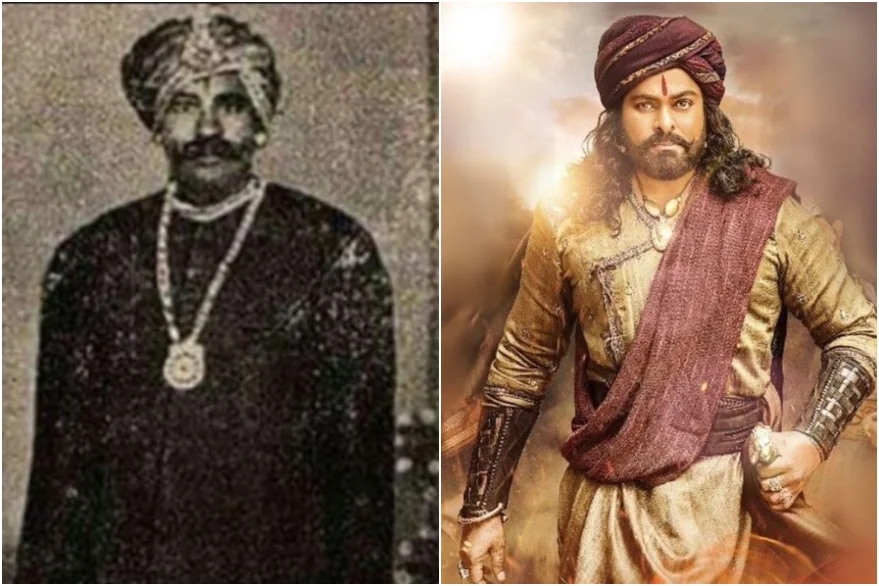
LEGACY On 2 October 2019 , a film based on the life of Narsimha Reddy’s life named Sye Raa Narasimha Reddy was released . On 25 March 2021 Kurnool Airport at Orvakal was named as Uyyalawada Reddy Airport .
Mother tongue is the language that a child gets to hear after birth and grows up listening to it and adapting it. Mother tongue is also called as the native language and it helps to give shape to our thoughts and beliefs. In today’s world where a child is expected to be proficient in not just one but rather two to three languages, knowing one’s mother language by heart becomes secondary. However, learning one’s mother tongue is not only important but is beneficial for the child as well. If a child wants to be well versed in any foreign language, he must be well versed in his mother tongue the first thing. Below are some of the reasons as to why one’s mother tongue is so important and hence should not be taken lightly.
1) Our Mother tongue helps us to stay grounded to our traditional culture and values. It is a means of keeping our culture alive. No matter what part of the world, one must always take pride in one’s culture and help to bring it forth to the outer world but that can only be done if one is well known with one’s mother tongue
2) If one is well versed in one’s own mother tongue, he can learn a secondary language faster. He will also be a better communicator and will have better writing and reading skills in other languages.
3) If one is aspiring to become an entrepreneur, then knowing his mother tongue will benefit him while interacting with local customers. The possibilities of making money with one’s mother tongue has also increased globally.
4) Knowing one’s mother tongue is a matter of pride and honor. It boosts our self esteem and confidence while making us connected with our cultural identity.
Mother tongue is the language that a child gets to hear after birth and grows up listening to it and adapting it. Mother tongue is also called as the native language and it helps to give shape to our thoughts and beliefs. In today’s world where a child is expected to be proficient in not just one but rather two to three languages, knowing one’s mother language by heart becomes secondary. However, learning one’s mother tongue is not only important but is beneficial for the child as well. If a child wants to be well versed in any foreign language, he must be well versed in his mother tongue the first thing. Below are some of the reasons as to why one’s mother tongue is so important and hence should not be taken lightly.
1) Our Mother tongue helps us to stay grounded to our traditional culture and values. It is a means of keeping our culture alive. No matter what part of the world, one must always take pride in one’s culture and help to bring it forth to the outer world but that can only be done if one is well known with one’s mother tongue
2) If one is well versed in one’s own mother tongue, he can learn a secondary language faster. He will also be a better communicator and will have better writing and reading skills in other languages.
3) If one is aspiring to become an entrepreneur, then knowing his mother tongue will benefit him while interacting with local customers. The possibilities of making money with one’s mother tongue has also increased globally.
4) Knowing one’s mother tongue is a matter of pride and honor. It boosts our self esteem and confidence while making us connected with our cultural identity.
Evolution and development of the local self Government has long history. The notion of direct democracy in janapada and mahajanapadas, that said to be precursor of panchayati Raj Institutions in Post – independence India. The idea of local self – Government (LSG) was also extended to the urban areas, thereby making the notion of local self government two dimensional i.e. rural local self Government and urban local self Government.
Local Self Government based on basic human needs having direct bearing on the lives of the individual and the community as whole, better fulfilled by a government to which the individual and the local community have direct and easy access. Panchayati Raj in India signifies the system of rural local self Government.
Post independence times, democratisation of the Polity in the members of the constituent assembly, Gandhian plea for a village based system of political formation fostered by a stateless, classless society was initially rejected by the Congress Constitution committee. The idea of Panchayati Raj finding a place in the Constitutional framework of the country persuaded to provide a place of relative insignificance to the dream of Panchayati Raj by placing part IV of the Constitution.
It was created to establish democracy at the grassroot level. It was constitutionalised through 73rd Constitutional Amendment Act 1992. The Ministry of Rural Development looks after the matters relating to panchayati Raj bodies. The 5th entry of state list of the 7th schedule to the Constitution of India deals with local government. The government to operationalize the panchayati Raj with the inauguration of the Constitution on 26th January 1950.
Committees on Local Self Government
Balwant Raj Mehta Committee
In 1957, Government of India appointed a committee under Balwant Mehta to examine the working of the community development Programme and National Extension services. The committee recommended the establishment of democratic decentralization, which ultimately came to known as Panchayati Raj.
Recommendations of Balwant Mehta Committee are as follows;
Establishment of a 3 tier panchayat Raj system Gram panchayat at the village level, panchayat samiti at the block level, Zila Parishad at the district level.
The village Panchayat should be constituted with directions elected Representatives. The panchayat samiti and Zila Parishad should be constituted with indirectly elected members.
These bodies are entrusted with all developmental activities. The Panchayat samiti should be the executive body while the Zila Parishad be the advisory body.
The district collector should be the Chairman of Zila Parishad.
National Development Council accepted these recommendation, but left to states to evolve their own patterns.
Ashok Mehta Committee
In December 1977, the janta Government appointed a committee on panchayat. Raj Institutions under the chairmanship of ashok mehta. It submitted it’s report in August 1978 and made 132 recommendations to revive and strengthen the declining Panchayati Raj system in the country.
The 3 tier system of Panchayati Raj be replaced by the two tier system, Zila Parishad at the district level. A district should be the first point for decentralization under popular supervision below the state level. Zila Parishad should be the executive body and made responsible for planning at the district level.
There should be an official participation of political parties at all levels of panchayat elections. The panchayat Raj Institutions should have compulsory powers of taxation to mobilize their own financial resources.
A minister for panchayat Raj should be appointed in the state council of ministers to look after the affairs of the panchayati Raj Institutions. Seats for SC and ST should be reserved on the basis of their population.
GVK Rao Committee
The planning commission of India in 1985, appoint GVk Rao as the Chairman of the committee on administrative arrangement for rural development and poverty alleviation programmes. The commission found that bureaucracy side lined Panchayati Raj in developmental process. The phenomenon of bureaucratisation of development administration’ results into grass without roots.
The committee made following recommendations:
Zila Parishad should become the principal body for management of all development programme at the district level. Planning functions at the state level should be transferred to the district level planning units.
A post of District Development commissioner should be created. He should act as the chief Executive officer of Zila Parishad.
The Panchayati Raj Institutions at the district and lower levels should be assigned an important role with respect to planning implementation and monitoring of rural development programme. Election to Panchayati Raj Institutions should be held regularly.
LM Singhvi Committee
Rajiv Gandhi Government in 1986, appointed a committee on “Revitalization of Panchayati Raj Institutions for democracy and development” under the ‘Chairmanship of LM Singhvi’.
Constitutional recognition of the Panchayati Raj Institutions were recommended. It suggested Constitution provisions to ensure regular , free and fair elections to the panchayati Raj bodies.
Nyaya panchayat should be established for cluster of village. The village Panchayats need to be equipped with financial resources.
The judicial tribunals should be established in each state to adjudicate controversies about the election to the panchayati Raj Institutions their dissolution and other matter related to their functioning.
73rd Amendment Act 1992
The Constitutional Amendment Act of 1992 has added Part – IX to the Constitution of India. It is entitled as The Panchayats’ and consists of provision from Article 243 to 243. The act also add 11th schedule to the Constitution. It contains 29 functional items of the panchayat and deals with Article 243- G.
Panchayati Raj Institutions get a constitutional status and State Government are oblised to adopt the new Panchayati Raj Act. Constitution balance between the center and state is not disturbed by the act.
Gram Sabha
Gram Sabha as the foundation of the panchayati Raj system. The Gram Sabha is a body consisting of persons registered in the electoral rolls of a village comprised within the area of panchayat at the village level. The Gram Sabha exercise such powers and functions at the village level. The Balwant Rai Mehta committee report, which envisaged a three tier structure at local level, made no formal mention of the Gram Sabha.
Gram Sabha exists as a statutory body in almost all states except in Kerala and Tamil Nadu. In states like Bihar, Odisha and Rajasthan, all the audit residents of a village or a group of village are it’s member.
Functions of Gram Sabha
To help implementation of the development programme and schemes of the panchayat. To support the programme of mass education and family welfare.
To solicit support in cash or kind or both and voluntary labour from the Public for community welfare programme. To discuss and appropriate action with regard to reports of the vigilance committee.
Evolution and development of the local self Government has long history. The notion of direct democracy in janapada and mahajanapadas, that said to be precursor of panchayati Raj Institutions in Post – independence India. The idea of local self – Government (LSG) was also extended to the urban areas, thereby making the notion of local self government two dimensional i.e. rural local self Government and urban local self Government.
Local Self Government based on basic human needs having direct bearing on the lives of the individual and the community as whole, better fulfilled by a government to which the individual and the local community have direct and easy access. Panchayati Raj in India signifies the system of rural local self Government.
Post independence times, democratisation of the Polity in the members of the constituent assembly, Gandhian plea for a village based system of political formation fostered by a stateless, classless society was initially rejected by the Congress Constitution committee. The idea of Panchayati Raj finding a place in the Constitutional framework of the country persuaded to provide a place of relative insignificance to the dream of Panchayati Raj by placing part IV of the Constitution.
It was created to establish democracy at the grassroot level. It was constitutionalised through 73rd Constitutional Amendment Act 1992. The Ministry of Rural Development looks after the matters relating to panchayati Raj bodies. The 5th entry of state list of the 7th schedule to the Constitution of India deals with local government. The government to operationalize the panchayati Raj with the inauguration of the Constitution on 26th January 1950.
Committees on Local Self Government
Balwant Raj Mehta Committee
In 1957, Government of India appointed a committee under Balwant Mehta to examine the working of the community development Programme and National Extension services. The committee recommended the establishment of democratic decentralization, which ultimately came to known as Panchayati Raj.
Recommendations of Balwant Mehta Committee are as follows;
Establishment of a 3 tier panchayat Raj system Gram panchayat at the village level, panchayat samiti at the block level, Zila Parishad at the district level.
The village Panchayat should be constituted with directions elected Representatives. The panchayat samiti and Zila Parishad should be constituted with indirectly elected members.
These bodies are entrusted with all developmental activities. The Panchayat samiti should be the executive body while the Zila Parishad be the advisory body.
The district collector should be the Chairman of Zila Parishad.
National Development Council accepted these recommendation, but left to states to evolve their own patterns.
Ashok Mehta Committee
In December 1977, the janta Government appointed a committee on panchayat. Raj Institutions under the chairmanship of ashok mehta. It submitted it’s report in August 1978 and made 132 recommendations to revive and strengthen the declining Panchayati Raj system in the country.
The 3 tier system of Panchayati Raj be replaced by the two tier system, Zila Parishad at the district level. A district should be the first point for decentralization under popular supervision below the state level. Zila Parishad should be the executive body and made responsible for planning at the district level.
There should be an official participation of political parties at all levels of panchayat elections. The panchayat Raj Institutions should have compulsory powers of taxation to mobilize their own financial resources.
A minister for panchayat Raj should be appointed in the state council of ministers to look after the affairs of the panchayati Raj Institutions. Seats for SC and ST should be reserved on the basis of their population.
GVK Rao Committee
The planning commission of India in 1985, appoint GVk Rao as the Chairman of the committee on administrative arrangement for rural development and poverty alleviation programmes. The commission found that bureaucracy side lined Panchayati Raj in developmental process. The phenomenon of bureaucratisation of development administration’ results into grass without roots.
The committee made following recommendations:
Zila Parishad should become the principal body for management of all development programme at the district level. Planning functions at the state level should be transferred to the district level planning units.
A post of District Development commissioner should be created. He should act as the chief Executive officer of Zila Parishad.
The Panchayati Raj Institutions at the district and lower levels should be assigned an important role with respect to planning implementation and monitoring of rural development programme. Election to Panchayati Raj Institutions should be held regularly.
LM Singhvi Committee
Rajiv Gandhi Government in 1986, appointed a committee on “Revitalization of Panchayati Raj Institutions for democracy and development” under the ‘Chairmanship of LM Singhvi’.
Constitutional recognition of the Panchayati Raj Institutions were recommended. It suggested Constitution provisions to ensure regular , free and fair elections to the panchayati Raj bodies.
Nyaya panchayat should be established for cluster of village. The village Panchayats need to be equipped with financial resources.
The judicial tribunals should be established in each state to adjudicate controversies about the election to the panchayati Raj Institutions their dissolution and other matter related to their functioning.
73rd Amendment Act 1992
The Constitutional Amendment Act of 1992 has added Part – IX to the Constitution of India. It is entitled as The Panchayats’ and consists of provision from Article 243 to 243. The act also add 11th schedule to the Constitution. It contains 29 functional items of the panchayat and deals with Article 243- G.
Panchayati Raj Institutions get a constitutional status and State Government are oblised to adopt the new Panchayati Raj Act. Constitution balance between the center and state is not disturbed by the act.
Gram Sabha
Gram Sabha as the foundation of the panchayati Raj system. The Gram Sabha is a body consisting of persons registered in the electoral rolls of a village comprised within the area of panchayat at the village level. The Gram Sabha exercise such powers and functions at the village level. The Balwant Rai Mehta committee report, which envisaged a three tier structure at local level, made no formal mention of the Gram Sabha.
Gram Sabha exists as a statutory body in almost all states except in Kerala and Tamil Nadu. In states like Bihar, Odisha and Rajasthan, all the audit residents of a village or a group of village are it’s member.
Functions of Gram Sabha
To help implementation of the development programme and schemes of the panchayat. To support the programme of mass education and family welfare.
To solicit support in cash or kind or both and voluntary labour from the Public for community welfare programme. To discuss and appropriate action with regard to reports of the vigilance committee.
Good content driven movies are not new phenomena in indian cinema. We have already encountered since 60s but like change is part of any civilization or human life same occurred in Indian cinema which eventually turned out only in Bollywood. Firstly we need to understand Bollywood is not sole representer of Indian cinema infact it is just a entity of ocean. Why I am saying content had it’s own long back story with filmmakers like Bimal Roy, hrishikesh Mukherjee, shyam benegal, guru dutt.
We had tendency to watch good cinema but off course how human evolve too fast in peculiar manner as no other species able to do. That’s how ‘Art of filmmaking ‘ appeared to distorted in 80s and 90s.
What is content? First, we need to track down the meaning of CONTENT that what do we mean by content ?
Information , experience of our surrounding ; expressing through the medium of writing , speech, poster and film. The main components are here – Information and experience. When any filmmaker portraying real life challenges , situations what happens people feel attach to those situations audience ready to believe what writers wants us to believe audience feels like he/she like me it okay not to be okay.
Content is something when filmmaker become successful to build that bond between script and audience which was result of real life experiences.
Golden age of Cinema
60s and 70s was the time when Indian cinema was on it’s peak of content driven script best part was audience love those movie. Let’s talk about few movies from that time – A kannada film Malaikkallu (1954) beautiful love story , Bedara kannapa. Bimal Roy was one of the finest filmmaker in india. He made movies on class struggle, casteism. For instance Do bigha zameen (1953) which was story of misuse of Power, Sujata( 1959), Bandini (1963). Each film has their own questions to the Society. These are not critical claim movies but real entertainment even in 21th century.
Hrishikesh Mukherjee who introduced new blend of entertainment and depicted the real life difficulties beautifully like in Anand (1971), Anari ,Abhimaan (1973) these films has its own substance to deal with filmmaking. If we talk about Abhimaan , Mukherjee was depicted as love, bliss, anger, ago, heartbreak and reunion of love again.
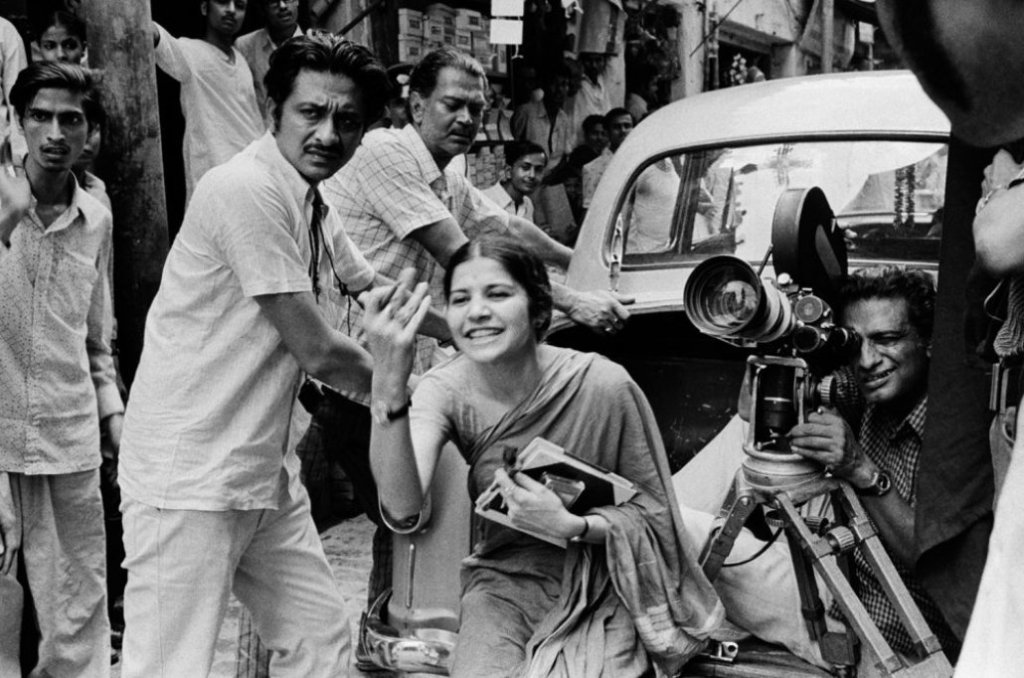
Now, the man who inspires and motivates young filmmakers to work on their ideas makes us all love his movies that is one and only satyajit Ray who changed the entire experience of filmmaking. The Apu trilogy (1955- 59) , The music room (1964) even though these films are in Bengali Language but language couldn’t switch off the impact.
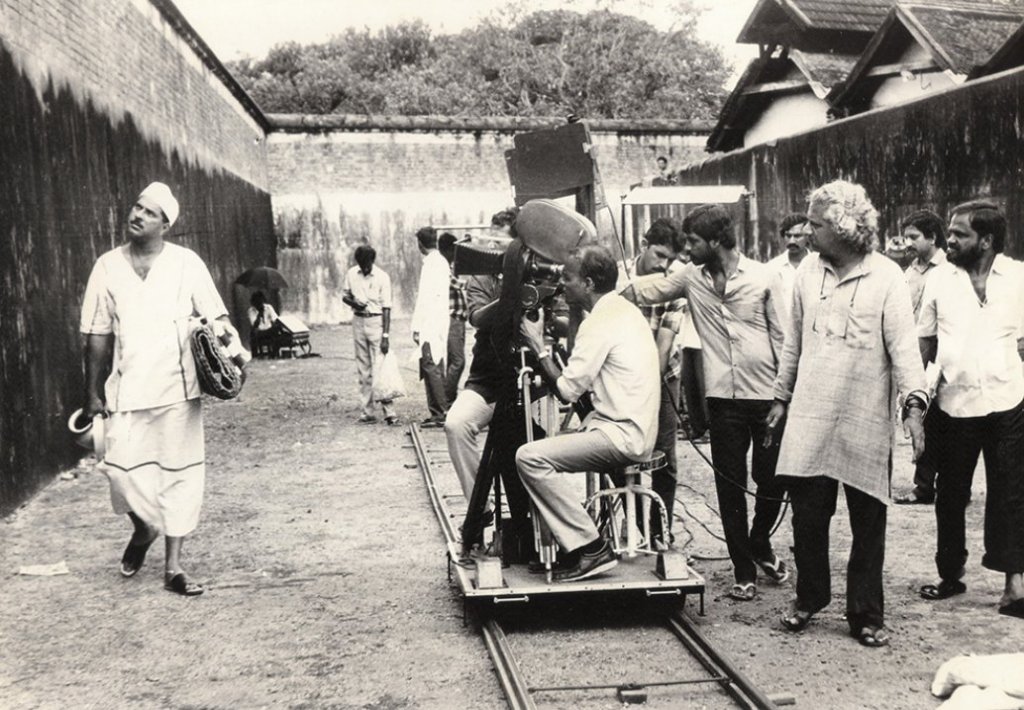
Guru dutt another renowned filmmaker who made such incredible films – pyasa, kagaaz ke phool, chaudhvin ka Chand. Shyam benegal is one of understated filmmaker in modern time and for millennials. He gave Nishant , ankur, manthan( Indian’s first crowdfunded film by farmers who donated 2 rupees each) & terikal. Nishant was emphasize on during the time of feudalism in India, rural elite and sexual exploitation of women. This movie selected for Palme d’or 1976 Cannes film festival. The treatment of movie was so real that appeared very much real even in today’s time.
One element was common in 60s and 70s that filmmaker were not afraid to make good cinema, those makers knows how to write script that turned into great screenplay. Remember this is all happening in 60s where no use of excessive technology or no business Mongols of Bollywood.
Emphasis of Bollywood
From the time of 80s the style of filmmaking was changed or more likely to say distorted. Now, in 90s the explosion of star power corrupted the scripts , producers more inclined towards taking big stars in their movies without thinking about script and screenplay.
In 80s & 90s most common script pattern was “love story” and STARS like we don’t have mind to understand other kind of genres. Movies like – Tezaab, lamhe, raja hindustani , Dil toh pagal hai Chandni and kuch kuch hits hair, Hum aapke hair kon an d Hum sath sath hai etc. Now, we are not saying these were the only type of movies at that point of time exist ; there was also good movies like parinda, arth, sparsh, masoom, ek doctor ki maut, Drishti.
Reign of the good movies
After the gangs of wasseypur (2012) Bollywood discovered new and improved love for content driven cinema. After that Bollywood flooded with good filmmakers but old, rotten content still not vanished but level was decreased.
Queen, gangs of wasseypur, Hindi medium, The lunchbox , Vicky donor, udta Punjab , Shahid, talvar , piku are the movies which got tremendous account of love from audience as well as critical claimed movies. So now happened producers started to invest their money in fresh and fine scripts distributors had to turned their sides.
Let’s talk about web series if we talking about content web series culture changed the whole market for digital media. Where filmmakers are ready to play with screenplay, giving twist and turn. In this process , actors who are talented but put on backfoot now got their fair chance and basically employment.
When Content became Business
Movie business is unknown to commoners but insiders (families of Bollywood) knows really well how this business runs , have their production house. The whole idea is big production house grabs more screens on the basis of big stars only. Distributors are all set to do whatever these big house demands for example Thugs of Hindustan. In terms of box office collection masaan was flop but not literally. Ishqzaade, jab Tak hai jaan , rowdy rathore, ek tha tiger, agneepath, cocktail , Chennai express were all big blockbusters but as far as we see content was in dry and ancient well.
Regional Cinema of India
Regional Cinema has vast variety of exploration , big spectrum of ideas most importantly courage to implement their ideas in better screenplay. Veedu , sairat, chumbak, jogwa naal, aamas , visaranai, baaram all these movies has their different way to deal with society norms which wrapping in entrainment.
Conclusion
We should start praising good movies, audience (we) are everything in show business. If we find bad scripted film good because of stars then we are at the wrong side. We are investing our money at wrong recreation in terms of movies. Now we have to decide what we want in our entrainment list. Create a kind of environment for stars that if they produce and feature in trash films we not going to watch then stars will also take serious measures in the departments of script, writers and audience.
Remember we make them stars so, we are more responsible!!
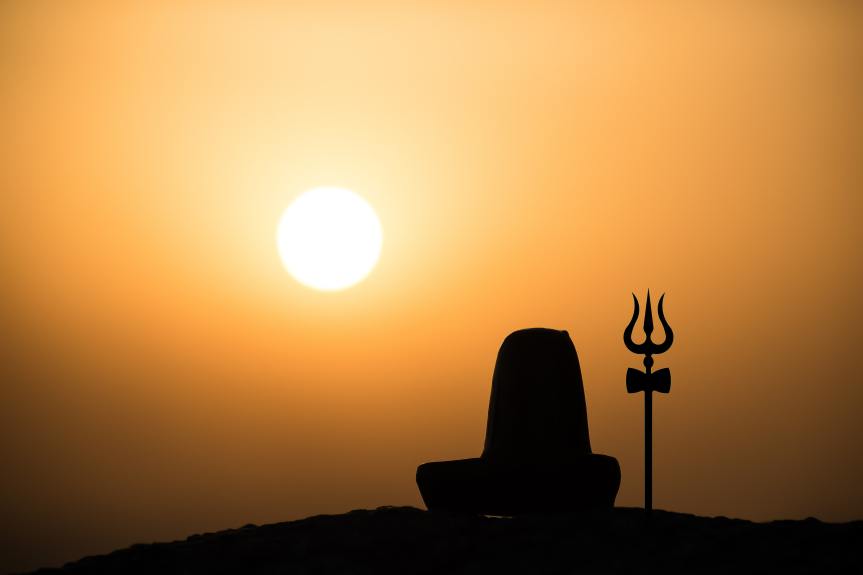
Hindus all around the world observe the night of Maha Shivratri today on the 1st of March 2022. Maha Shivratri (“The Great Night of Shiva”) is celebrated every year on Chaturdashi Tithi during Krishna Paksha in the month of Magha according to the South Indian calendar, or on 13/14 night of Krishna Paksha in Phalguna of the North Indian Hindu calendar. It is said to be the day Lord Shiva performs his heavenly dance (“Tandav“) of creation, preservation, and destruction. According to other legends, it is also the night Lord Shiva married Mata Parvati. So it is considered to be the night of union of Shiva and Shakti – the embodiment of love, power, and oneness. Devotees worship and pray to Lord Shiva, perform all-day fasting, and maintain an all-night vigil on this day. Some visit Shiva temples or go on pilgrimage to Jyotirlingams, the holiest of Shiva temples.
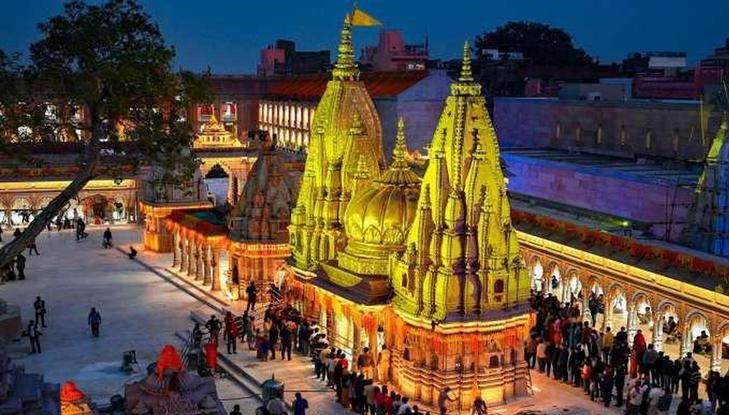
Kashi Vishwanath Temple Source: Republic World
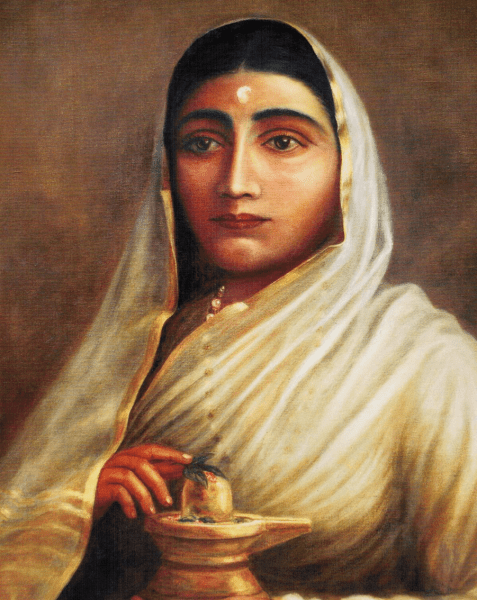
The Kashi Vishwanath temple in Varanasi, Uttar Pradesh is one of the sites of the 12 Jyotirlingams across India. This holy temple is one of the most important places of worship in the Hindu religion, with Vishveshvara or Vishvanath, the Jyotirlinga of Shiva residing inside the temple. The history of this sacred place of worship, however, is one of a cycle of destruction and plunder and re-construction. The original temple was destructed at the hands of Qutb al-Din Aibak in 1194 CE, re-constructed in 1230, and then again destroyed by the Mughal Emperor Aurangzeb in 1669 CE, building the Gyanvapi mosque in its place. It was a great and virtuous queen by the name of Ahilyabai Holkar who re-built the present-day Kashi Vishwanath temple beside the mosque. The story of this little-known noble queen is truly magnificent.
Ahilyabai was born on 31 May 1725 to Mankoji Rao Shinde, the Patil or Chief of Chondi village, Ahmednagar in present-day Maharashtra. Ahilyabai was not born into royal lineage but was married to Khanderao Holkar, after the Lord of the Malwa territory, Malhar Rao Holkar, became impressed by the young girl’s reverence and strong character. She became a widow at 29 when her husband died in the battle of Kumbher in 1754. It was her father-in-law, Malhar Rao Holkar, who prevented Ahilyabai from committing Sati after her husband’s death. Tragedy struck Ahilyabai again when her father-in-law, who was her greatest pillar of support passed away in 1766. This led to Ahilyabai’s only son Male Rao Holkar ascending the throne under her regency. He also died a few months later in 1767 which resulted in Ahilyabai becoming the ruler of Indore on 11 December 1767, despite some objections from the kingdom. She proved all those who opposed her wrong when she protected her kingdom from invaders who wanted to plunder Malwa, barely a year into her rule. She was a learned politician, cautioning the Maratha Peshawa against the British in a letter in 1772, comparing the British embrace to a bear-hug.
During her 30-year rule, she transformed Indore from a tiny village to a prosperous city. She constructed numerous forts and roads in Malwa, sponsored festivals, and donated to many Hindu temples. She built dozens of temples, ghats, wells, tanks, and rest-houses stretching from the Himalayas in the north to the pilgrimage centers in the south. It was in 1780 that Ahilyabai re-constructed the present-day Kashi Vishwanath Temple adjacent to the mosque. The noble queen also beautified various holy sites including Gaya, Somnath, Ayodhya, Mathura, Haridwar, Kanchi, Avanti, Dwarka, Badrinarayan, Rameshwar, and Jaganathpuri as recorded by the Bharatiya Sanskritikosh.
Maheshwar, her capital was a center of literary, artistic, musical, and industrial achievement. She established a textile industry in the city and gained supporters like the Marathi poet Moropant, Shahir Anantaphandi, and Sanskrit scholar, Khushali Ram. Historians write of her kind rule, encouraging all within her realm and her kingdom to do their best.
She was 70 when she died in 1795 and was succeeded by her commander-in-chief and nephew, Tukoji Rao Holkar. As a tribute to her, Indore international airport has been named Devi Ahilyabai Holkar Airport. Similarly, Indore university has been renamed Devi Ahilya Vishwavidyalaya. A commemorative stamp was also issued in her honor in 1996. On 13 December 2021, India’s Prime Minister Narendra Modi inaugurated the Kashi Vishwanath Corridor Project in Varanasi, restoring an array of temples to their past glory. On this day, let us remember the great queen of Malwa and her invaluable contribution to our nation. The legacy of the great queen of Malwa lives on.



 Eduindex
You must be logged in to post a comment.