RainWater Harvesting

N kavya

Rainwater harvesting is a sustainable process that helps in preserving water for future needs. Water scarcity is a major concern in today’s scenario. The process of rainwater harvesting is a good way to conserve water. Rainwater Harvesting is one of the most used methods to save water. It refers to storing rainwater for various uses. The notion behind rainwater harvesting is to not waste the rainwater and prevent it from running off. In other words, it is done to collect rainwater using simple mechanisms. It is usually collected at the place the rain falls from the ground or rooftops. Rainwater harvesting is an alternative to reduce the stress of public water supply sources. The recharge of rainwater to the ground in the coastal regions prevents seawater immersion into the freshwater. Finally, rainwater harvesting reduces water supply bills.

Rainwater Filtration -:

Rainwater can be harvested or purified in multiple ways. The catch area before harvesting must be cleaned thoroughly, and the pipelined must be flushed regularly. Initially, the water flow is diverted to wash or rinse the area.
Rainwater contains contaminants or other waste materials that affect the quality of the water. Contaminants such as dust, Bird excreta, pollution, leaves, and sand particles can affect water quality.


Filtration removes contaminants and other impurities and purifies rainwater for drinking and other purposes. However, the harvested water must be treated and tested before consumption to ensure the right quality check.
Industries use the practice of pre-filtration to ensure that the purified water is directed water to the tank. The pre-filtration measure is a vital step that the water supply system should not compromise in terms of water quality.


Some techniques of rainwater purification are solar sterilization, the use of chemicals like iodine or chlorine, or sediment filtration. However, harvested rainwater used for drinking purposes can be filtered through Reverse Osmosis (RO).

Favorable aspects of Rainwater Harvesting -:

Rainwater Harvesting positively affects underground water quality. It dilutes the number of nitrates, fluorides, and salinity of the underground water. It contains zero hardness and almost neutral pH, making it highly suitable for industries, homes, institutions, industries, and other commercial establishments. Rainwater Harvesting reduces water supply bills. It is an excellent method that solves the water shortage crisis and lessens the energy consumption in water disturbance. Rooftop Rainwater harvesting controls urban flooding. The recharge of rainwater to the ground in the coastal regions prevents seawater immersion into the freshwater. Rainwater harvesting is an alternative to reduce the stress of public water supply sources. Construction of deeper wells can damage the natural environment as well as upscale. Therefore, the source of rainwater is highly effective and dependable. Stored harvested rainwater can be used as an alternative to municipal water and used during the water crisis.

Rainwater harvesting can be done in a variety of methods, including -:

1. A watershed is a region where precipitation flows directly into a river or another reservoir.
2. There are two ways to keep water: on the roof or the ground.
3. Normally, rainwater is collected on the rooftops. The rainwater from the roof is usually collected in PVC pipes and stored in a sump (a deep pit dug into the earth) or a tank.
4. The water in the tank can then be used for home purposes after it has been filtered.
5. Rainwater collection also helps to restore natural aquifers.

The two types of rainwater harvesting -:

1. Surface runoff harvesting -:

In this method, rainwater flows away as surface runoff and can be stored for future use. Surface water can be stored by diverting the flow of small creeks and streams into reservoirs on the surface or underground. It can provide water for farming, cattle, and for general domestic use. Surface runoff harvesting is most suitable in urban areas.
Rooftop rainwater/storm runoff can be harvested in urban areas through:
• Recharge Pit
• Recharge Trench
• Tubewell
• Recharge Well

Groundwater recharge -:

Groundwater recharge is a hydrologic process where water moves downward from surface water to groundwater. Recharge is the primary method through which water enters an aquifer. The aquifer also serves as a distribution system. The surplus rainwater can then be used to recharge Grothe underwater aquifer through artificial recharge techniques.

3. Rainwater in rural areas can be harvested through -:

• Gully Plug
• Contour Bund
• Dugwell Recharge
• Percolation Tank
• Check Dam/Cement Plug/Nala Bund
• Recharge Shaft


Although rainwater harvesting measure is deemed to be a desirable concept for the last few years, it is rarely implemented in rural India. Different regions of the country practiced a variety of rainwater harvesting and artificial recharge methods. Some ancient rainwater harvesting methods followed in India includes Madaras, Ahar Pynes, Surangas, Taankas, etc.

Advantages of Rainwater Harvesting -:

1. Less cost.
2. Helps in reducing the water bill.
3. Decreases the water demand.
4. Reduces the need for imported water.
5. Promotes both water and energy conservation.
6. Improves the quality and quantity of groundwater.
7. Does not require a filtration system for landscape irrigation.
8. This technology is simple and easy to install and operate.
9. It reduces soil erosion, stormwater runoff, flooding, and pollution of surface water with fertilizers, pesticides, metals, and other sediments.
10. It is an excellent source of water for landscape irrigation with no chemicals, or dissolved salts, and is free from all minerals.

Disadvantages of Rainwater Harvesting-:

1. In addition to the great advantages, the rainwater harvesting system has a few disadvantages like unpredictable rainfall, unavailability of the proper storage system, etc.
2. Listed below are a few more disadvantages of the rainwater harvesting process.
3. Regular maintenance is required.
4. Requires some technical skills for installation.
5. Limited and no rainfall can limit the supply of rainwater.
6. If not installed correctly, it may attract mosquitoes and other waterborne diseases. 7. One of the significant drawbacks of the rainwater harvesting system is storage limits.

The world faces an increasingly critical need to address climate change, and the impact that water conservation has on a sustainable environment is undeniable. Groundwater is the primary source of freshwater that caters to the demand of the ever-growing domestic, agrarian, and industrial sectors of the country. Over the years, it has been observed that the necessity for the exploitation of groundwater resources for various everyday needs, like toileting, bathing, cleaning, agriculture, drinking water, industrial and ever-changing lifestyles with modernization is leading to tremendous water wastage. Harvesting and collecting rainwater is an adequate strategy that can be used to address the problem of water crisis globally. The use of a rainwater harvesting system provides excellent merits for every community. This simple water conservation method can be a boost to an incredible solution in areas where there is enough rainfall but not enough supply of groundwater. It will not only provide the most sustainable and efficient means of water management but also unlock the vista of several other economic activities leading to the Empowerment of people at the grass-root level.

For this, the Government should come out with an appropriate incentive structure and logistic assistance to make it a real success. Rainwater harvesting is something that thousands of families across the world should participate in rather than pinning hopes on the administration to fight the water crisis. This water conservation method is a simple and effective process with numerous benefits that can be easily practiced in individual homes, apartments, parks, and across the world. As we all know that charity begins at home, likewise, a contribution to society’s welfare must be initiated from one’s home.
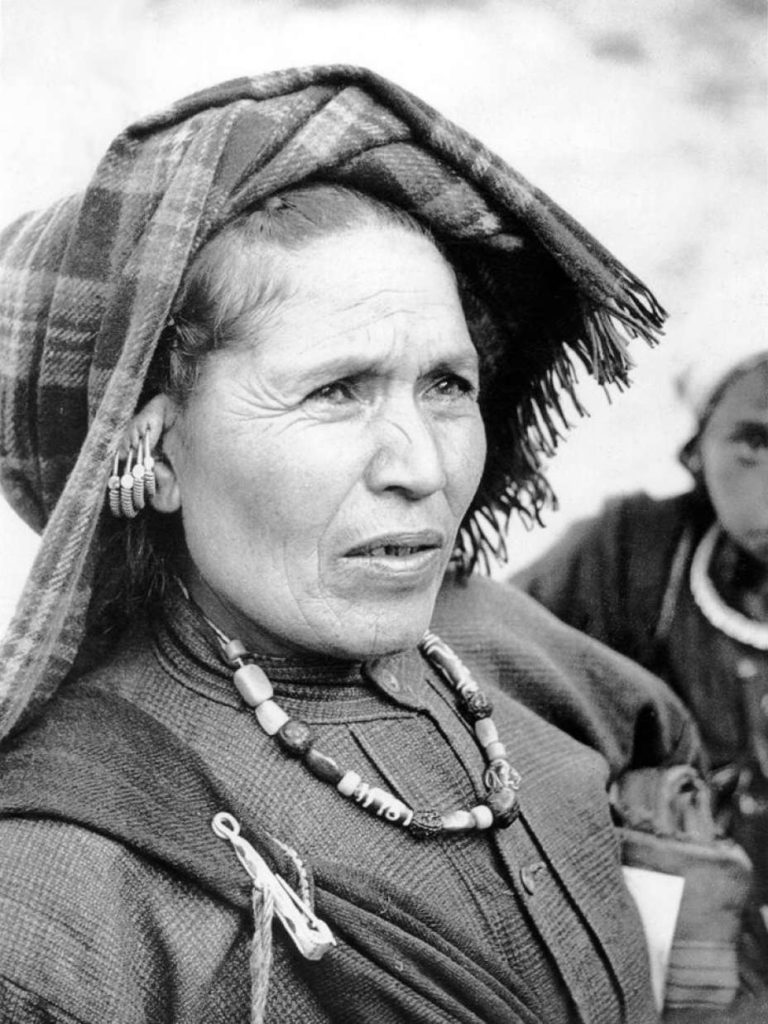
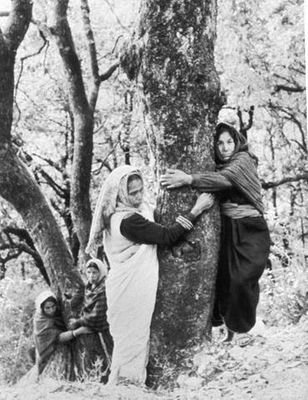
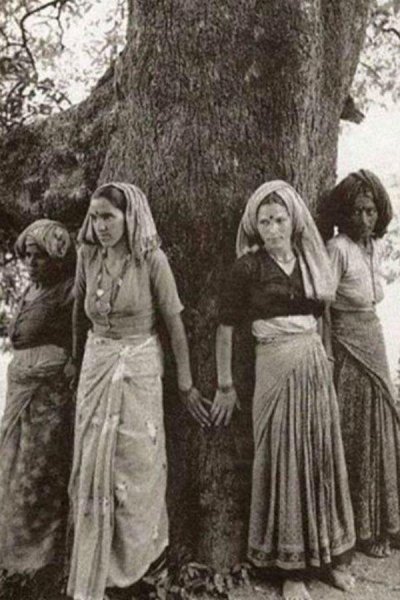
Gaura Devi who played an important role in Chipko Movement.

Gaura Devi (1925 – 1991) was a social activist and a rural women community leader from Uttarakhand, India who played an important role in the Chipko movement in 1970’s .
Gaura Devi was born in 1925 in a village named Lata of Chamoli district in the state of Uttarakhand. She got married at very young age, afer her marraige she moved to a nearby village named Reni by the Alaknanda River. At the age of 22 she was a widow with a child. After her husband death she moved to a new village which was near to the border of Indo-Tibet.

An environmentalist Sunderlal Bahuguna initially started the Chipko Movement . Gaura Devi became the leader of the Chipko movement in 1974. Gaura Devi was elected to lead the Mahila Mangal Dal (Women’s Welfare Association) in the wake of the Chipko movement. The organization worked towards protecting the forests of the community. On March 25, 1974, she learned from a young girl of the village that a local loggers of the village were logging a tree near the village. People in the village of Reni were told the news that according to government new policy, the government would pay compensation to the people for the land used by the army . Gaura Devi and 27 other women decide to take action against the loggers. She confronted the loggers and demanded that the men shoot her instead of cutting down trees, and she described the forest as “vandevta” (the jungle god) and her maika (mother’s house). Eventually, for the next three or four days Gaura Devi along with other village women’s protect the trees by hugging the trees , despite the insults and intimidation of the armed loggers,she was able to stop the logger’s work . After seeing the bravery of Gaura Devi and other village women’s how they protect the trees who are the important part of thier life other villagers from different villages joined the action with her . After this incident, the Uttar Pradesh government set up a specialized committee to investigate logging issues, and the logging company withdrew its subordinates from Reni. The Commission stated that the Reni Forest is an ecologically sensitive area where trees should not be logged. The Uttar Pradesh government who was in power of that area at that has since banned all logging in areas over 1150 km² for 10 years.

Some other important activist who played an important role in Chipko Andolan or Chipko movement along side Gaura Devi were :
Suraksha Devi, Sudesha Devi, Bachni Devi and Chandi Bhatt, Virushka Devi and others.

Gaura Devi passed away in July 1991, at the age of 66 in Reni village Chamoli.

“Ecology is permanent economy “

-Sunderlal Bahuguna

DEFORESTATION

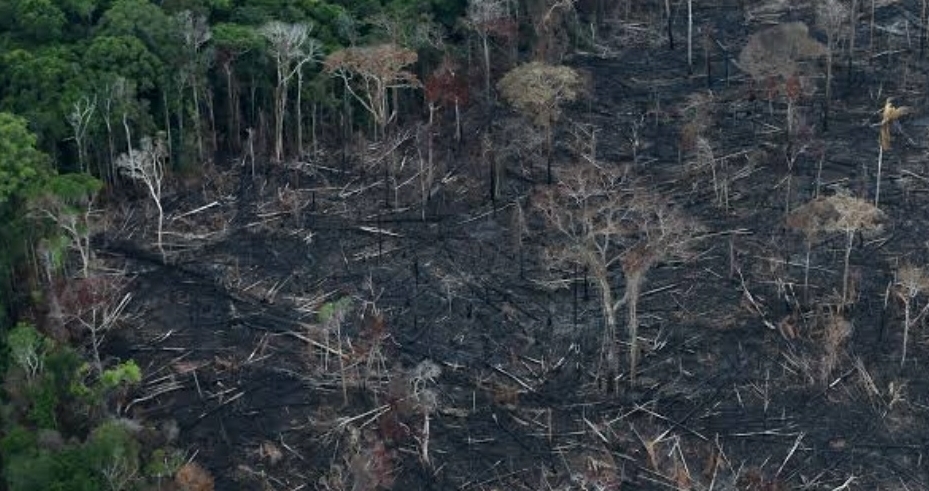
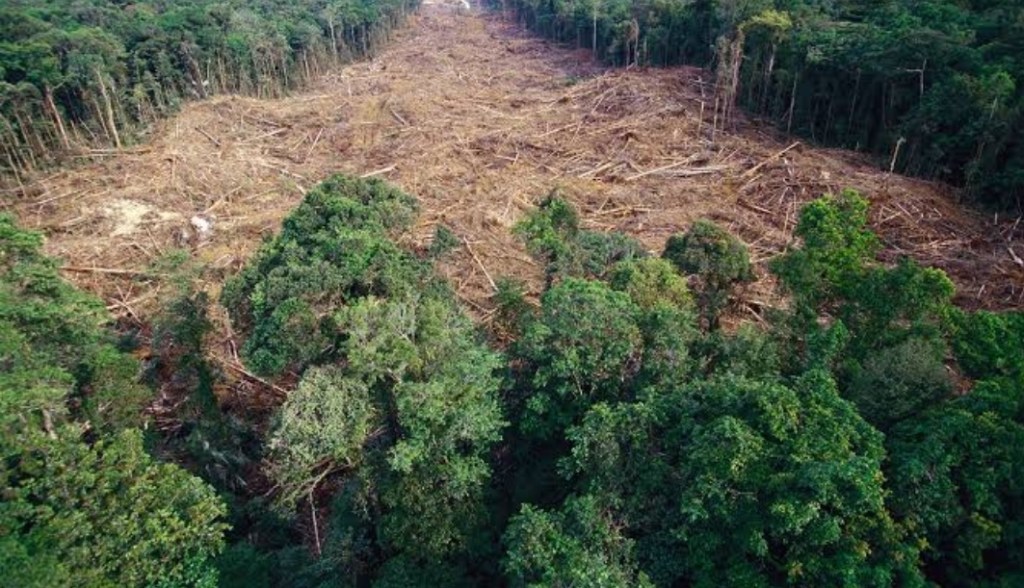
Deforestation is the process of removal of trees from forest for the human purposes.Deforestation has greatly altered landscapes around the world.Deforestion is one of the major threats to the environment.Deforestation refers to the decrease in forest areas across the world that are lost for other uses such as agricultural croplands, urbanization, or mining activities.Deforestration cause landfall,soil erosion and drought.

The loss of forest is an issue that predominantly affects tropical areas, regions with the highest biodiversity on Earth. In 2018 alone, 30 million acres of tropical rainforest were destroyed, with more than a third of the Earth’s land now being used for agriculture, a process that involves the clearing of woodland to create pasture.Most of this loss has been focussed around the Amazon, a rate of destruction that has only increased in recent years with policy shifts in Brazilian government – 3,769 square miles of Amazonian forest cover was lost between 2018 and 2019.Southeast Asia that has seen the greatest rate of forest loss of anywhere in the world, losing 30% of its forest surface in the last 40 years.

Coupled with huge population growth – with the region’s population forecast to rise by almost 250 million by 2030 – human settlements are increasingly coming into contact with animals that had previously been naturally contained in woodland habitats.The increase of disease linked to deforestation and increased contact between humans and tropical animals speaks to the risks involved when ancient natural ecosystems are disrupted.The loss of trees and other vegetation can cause climate change, desertification, soil erosion, fewer crops, flooding, increased greenhouse gases in the atmosphere, and a host of problems for indigenous people.

Global Warming a Global Threat

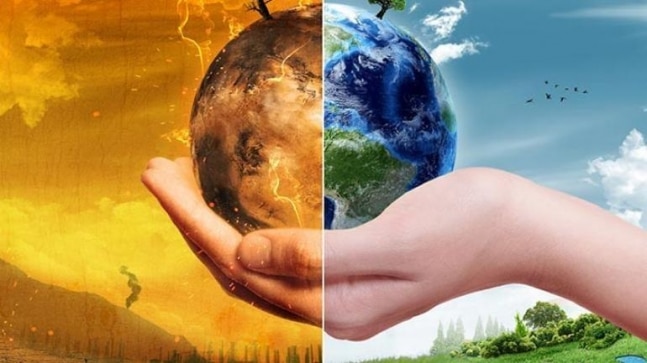
“Global warming, a global threat”. We have heard a lot about global warming in the news debates general discussion and international discussions too. But are we really serious about it, we just hear it and leave it we never try to understand the seriousness of it. It has just turn to be a debate topic for us.

The temperature of the Earth is increasing drastically, even in Antarctica whoes normal temperature remain +10°C in summer experience 18.3 degree Celsius record temperature which is an alarm in one. Even Canada is facing about 50 degree celsius temperature which is the record highest in the history of Canada.

Cause of global warming is the CFC gases which are released by the AC, refrigerators and cars that we use. The clearing of forests that leads to deforestation is another cause of global warming as carbon dioxide is not been able to use by the trees. Global warming leads to melting of glaciers which ultimately leads to increase in sea level which is the main cause of tsunamis and other problems.

We always hear that action speaks Louder Than words and this is the real problem to take action upon. There are many steps taken internationally for this cause but we should contribute from our side too.

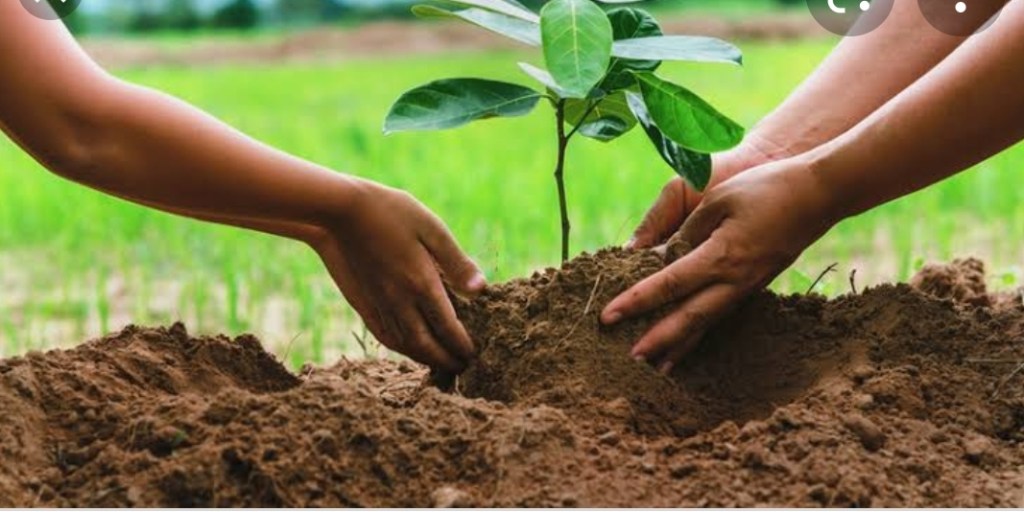
We can contribute by planting a tree or any small plant or by reducing the use of ACs, refrigerators and cars. Just think about it it might be a very small step from your side but will cause a great difference to this earth. Just bring the first step forward and other get inspired by you and will ultimately E result in reduction of the Global temperature.

GLOBAL WARMING

GLOBAL WARMING

  Global warming as we know is an increase in the temperature of Earth atmosphere.a gradual increase in the overall temperature of the earth’s atmosphere 
HOW BAD IS GLOBAL WARMING ?
   Global warming is causing the earth average surface temperature to increase causing changes to our natural climate system.The changes are making extreme weather events more likely and more server
GLOBAL WARMING CAUSES
Most of the causes of global warming to human activities
  –Pollution
  –Deforestration
  –Urbanization
Greenhouse gases play and enormous role in a global warming as they absorb the heat and causes the Earth’s temperature rise.
PREVENTION FOR GLOBAL WARMING
Stop deforestation.
• Reduce pollution.
Reduce energy use.
Keep lights off when you are not in room.
• Wash clothes in cold or worm not hurt Water.

DEFORESTATION – A REAL DANGER TO ENVIRONMENT

Deforestation

Deforestation is the permanent removal of trees to make room for something besides forest. This can include clearing the land for agriculture or grazing, or using the timber for fuel, construction or manufacturing. 

Deforestation occurs for a number of reasons, including farming, with 80% of deforestation resulting from extensive cattle ranching and logging for materials and development. It has been happening for thousands of years, arguably since man began converting from hunter/gatherer to agricultural based societies, and required larger, unobstructed tracks of land to accommodate cattle, crops, and housing. It was only after the onset of the modern era that it became an epidemic.

Increased Greenhouse Gases

In addition to the loss of habitat, the lack of trees also allows a greater amount of greenhouse gases to be released into the atmosphere. Healthy forests absorb carbon dioxide from the atmosphere, acting as valuable carbon sinks. Deforested areas lose that ability and release more carbon.

Soil Erosion and Flooding

Further effects of deforestation include soil erosion and coastal flooding. Trees help the land to retain water and topsoil, which provides the rich nutrients to sustain additional forest life.

Without forests, the soil erodes and washes away, causing farmers to move on and perpetuate the cycle. The barren land which is left behind in the wake of these unsustainable agricultural practices is then more susceptible to flooding, specifically in coastal regions.

Here are some basic facts about deforestation. These facts are explored in greater depth below.

  • Forests are cut down to clear land for agriculture, livestock grazing, and settlement; for timber; to produce charcoal; and to establish tree plantations.
  • Deforestation occurs across all forest types, but is concentrated in the tropics and boreal regions. Temperate regions are experiencing a net increase in forest cover due to natural regeneration.
  • While deforestation produces food, fiber, and fuel, it can also pose risks to climate, biodiversity, and food security by degrading the ecosystem services normally afforded by healthy and productive forests
  • Scientists estimate that 80% of the planet’s terrestrial species live in forests. Deforestation is therefore one of the biggest extinction risks to many species.

Types of deforestation

The “causes of deforestation” section above focuses on direct drivers of deforestation, but indirect drivers are also important to consider. For example, logging is a major indirect driver of deforestation in the tropics. Logging in tropical rainforests is typically selective, meaning only a few trees are harvested per hectare. But successive logging cycles degrade the perceived economic value of the forest, increasing pressure to convert the forest for intensive use, like agricultural or an industrial plantation (e.g. oil palm, wood pulp, or timber are the most common tropical tree plantations). Logging also usually involves road construction, which facilitates access to remote areas, greatly boosting the likelihood that an area of forest will eventually be cleared or burned.

Drivers of deforestation can be even farther removed however. For example, corruption, governance, and land rights can all be important factors in whether a forest gets destroyed. Corruption can enable companies to circumvent environmental regulations, while poor governance can allow illegal actors to clear forests with impunity since there isn’t any law enforcement. Insecure land rights can spur a free-for-all where forests get cleared because no one has clear stake to maintain them for the public good. Research has shown that forests are more likely to be maintained in indigenous communities that have secure land titles.

Deforestation

Deforestation is the conversion of forested areas to non-forested ones. According to an estimate, almost 40 per cent forests have been lost in the tropics, compared to only 1 per cent in the temperature region.

“At the beginning of the twentieth century, forests covered about 30 per cent of the land of India. By the end of the century, it shrunk to 19.4 per cent, whereas the National Forest Policy (1988) of India had recommended 33% forest cover for the plains and 67% for the hills.”

How does deforestation occur?

A number of human activities contribute to it. One of the major reasons is the conversion of forest to agricultural land so as to feed the growing human population. Trees are axed for timber, firewood, cattle ranching etc.

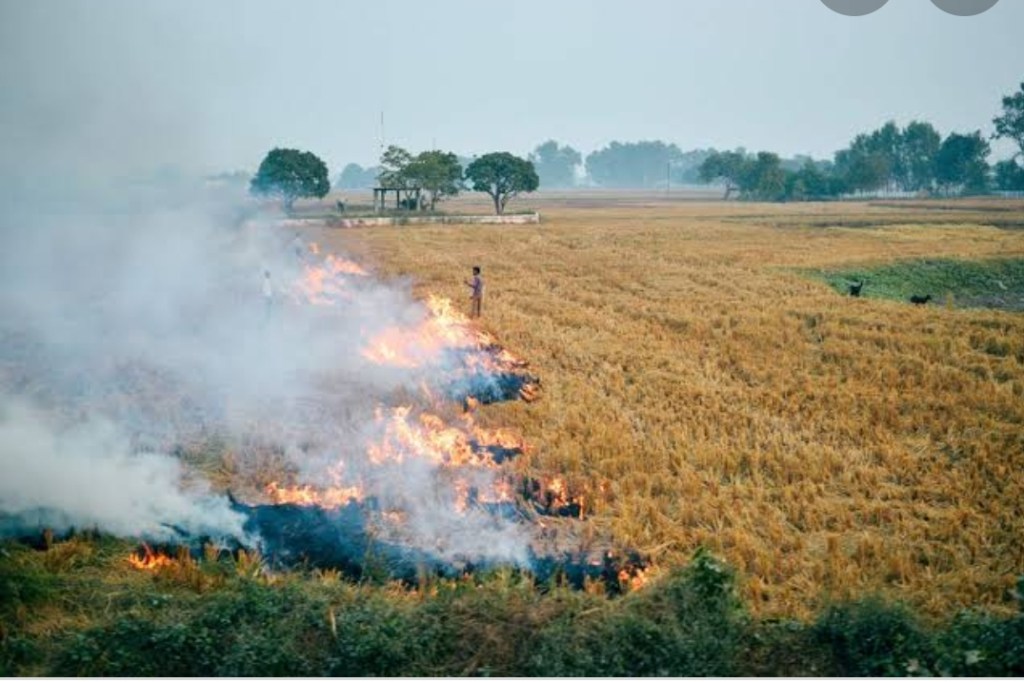
Slash and burn agriculture, commonly called as Jhum cultivation in the north-eastern states of India, has also contributed to deforestation.

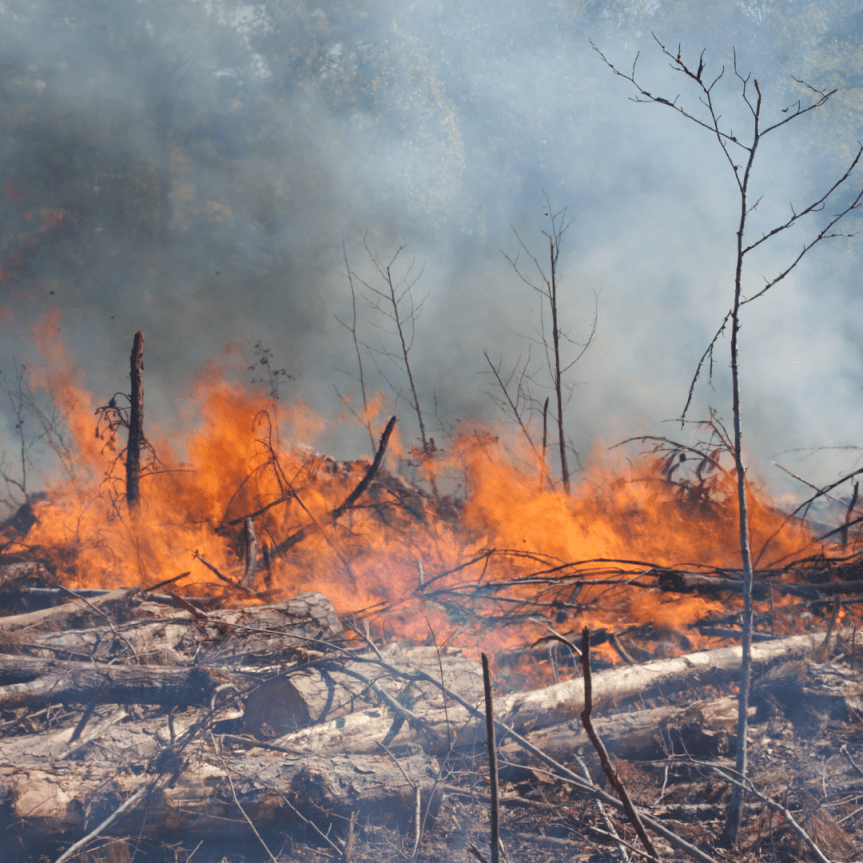
In slash and burn agriculture, the farmers cut down the trees of the forest and burn the plant remains. The ash is used as a fertiliser and the land is then used for farming or cattle grazing. After cultivation, the area is left for several years so as to allow it’s recovery. The farmers then move on to other areas and repeat this process.

” In earlier days, when Jhum cultivation was in prevalence, enough time-gap was given such that the land recovered from the effect of cultivation. With increasing population, and repeated cultivation, this recovery phase is done away with, resulting in deforestation.”

Consequences of deforestation

One of the major effects is enhanced carbon dioxide concentration in the atmosphere because trees that hold a lot of carbon in their biomass are lost with deforestation.

Deforestation also causes loss of biodiversity due to habitat destruction, disturbs hydrologic cycle, causes soil erosion, and may lead to desertification in extreme cases.

Prevention

Reforestation is the process of restoring a forest that once existed but was moved at some point of time in the past. Reforestation may occur naturally in a deforested area. However, we can speed it up by planting trees with due consideration to biodiversity that earlier existed in that area.

https://youmatter.world/en/definition/definitions-what-is-definition-deforestation-causes-effects/#:~:text=Deforestation%20refers%20to%20the%20decrease,%2C%20biodiversity%2C%20and%20the%20climate.

https://www.nationalgeographic.com/environment/article/deforestation

Madagascar Droughts: Climate Change

Madagascar is the fourth biggest island in the world, situated in the Indian Ocean. The island country is deemed as ‘Megadiverse’ by Conservation International with more than 250,000 species of plants and animals most of which do not exist anywhere else. Almost 90% of the species found on the island are endemic. The island of 28 million people is one of the poorest countries in the world and has been ravaged by many natural and human-induced hazards.

So we can confidently say that the country is extremely rich and unique biodiversity. On the eastern coast of Madagascar the Rainforests of Atsinanana comprising of six national parks with an endemic rate of species touching almost 80%. This area has also been added to the World Heritage List since 2007. The area is considered important to both ecological and biological processes and it also supports the rare species of Lemurs and many other primates.

Deforestation has been a major issue in Madagascar and this has also threatened the Lemurs and them and many endemic species of the island heavily rely on these forests. Madagascar witnessed rapid deforestation for long a time and this only accelerated by the end of the 19th century due to French Colonization. The forested areas were gradually converted into coffee fields and the country lost its original forest cover by almost 80%. As of today, the primary forest cover stands a little over 10 percent.

Deforestation has not only affected the ecology of the country but has also affected the soil quality and increased soil degradation. Subsistence agriculture is quite common among the inhabitants of the islands. Slash and burn is another method that has affected the forest cover of the island as these methods are not beneficial after a certain population cluster. Another big reason for the rapid deforestation is illegal logging and this benefits private entities and large corporations. The country has also seen a rapid growth in its population which currently is estimated at 26 million, up from 2.2 million in 1900. This has increased the requirement for more land for cultivation.

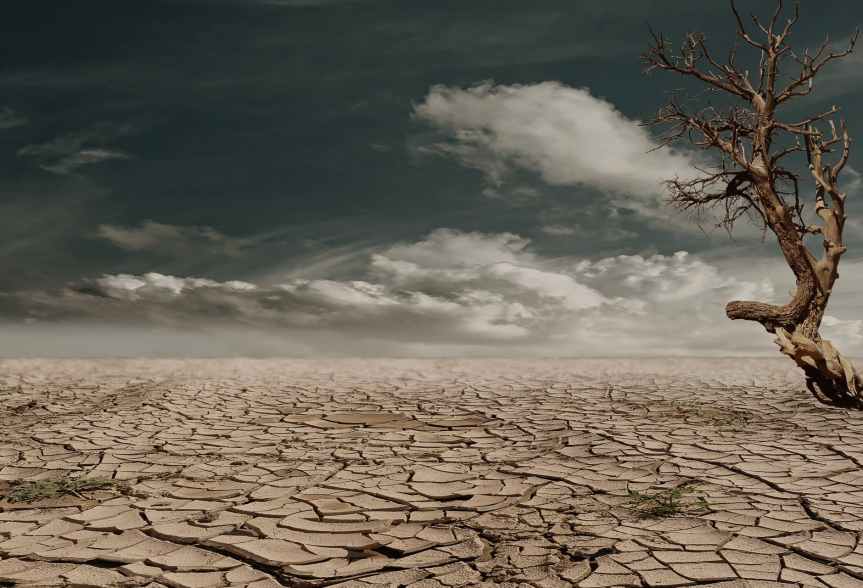
Currently, Madagascar is going through a very severe drought and deforestation can partly be a reason for this phenomenon. But there are other issues of cause too. Due to climate change, Madagascar has also suffered the consequence of the increased frequency of extreme weather events. It’s the worst drought in 40 years and has taken grip of the Southern part of the island. Due to low rainfall various streams, rivers and small dams built for irrigation dried up last year. The majority of the people in the south of the country rely on rain-fed, small-scale agriculture to survive.  With no rainfall and non-existent agriculture output, there has been an emergency in the country with severe food scarcity. Many people in the region have resorted to eating insects, wild roots.

According to experts’ deforestation, drier soils and higher temperatures due to climate change are the likely cause of droughts.

Climate experts

The island is already suffering from the covid-19 virus combined with the pressure of droughts and famines have caused strain to the poor country. Food and other aids are being provided to the affected areas of the country but supply is still not aligning with the current demand. A long-term solution will be required to tackle this situation as this problem is only going to get more serious in the future.

References:

Brazil’s fight against deforestation

The Amazon rainforest is considered to be the largest rainforest in the world spread over 6 lakhs sq. km it contributes to more than half of the forests present in the world. Home to a variety of species of animals like the Amazon River dolphin, the Howler monkey and many other rare and endangered species. It also hosts the most beautiful and diverse flora and fauna that cannot be found anywhere on the planet except here.

The Amazon currently lies in almost nine different countries, but a major part of it is situated in Brazil. It is the home of over 2 million insect species and thousands of varieties of plants and at least 1000 different species of mammals and birds. It is considered a haven for several thousands of migratory birds that reside in these thick rainforests.

During the pre-Columbian period, parts of the forest were highly populated solely for agriculture. Once the Europeans arrived in the 16th century, the hunt began for Gold and rubber. But later on, these settlements were abandoned due to famines and some slavery revolts. The Amazon has not only been home to flora and fauna and several other species, but it has also provided immense support and resources for the local tribes to sustain their lives in the forest.

Presently, environmentalists are severely concerned about the future of the Amazon rainforest. They are concerned about the loss of biodiversity that might occur due to deforestation. Due to deforestation, there might also be a huge imbalance in the carbon cycle which could lead to severe issues.

Deforestation has increased exponentially over the past few years; we have witnessed the most amount of deforestation this month over the past 12 years. Deforestation mainly occurs due to many factors like exploitation of resources, cattle grazing, agriculture and many others.

Well according to a paper published by the World bank in 2004 the cattle sector which contributed towards beef and leather industries contributed to over 80% of the deforestation caused. In the year 2019, a devastating forest fire lasted for over half a year shrinking the forest cover by around 1300 sq.km. To add on to this in the year 2020 deforestation caused rose by almost 50% in the first three months.

In efforts to curb the rates at which deforestation is occurring the President of Brazil has ordered troops into the forest to protect the forest by preventing illegal activities like mining and slaughtering of wild animals. This action was forced onto the president after the severe surge in deforestation and criticism from numerous international organizations and media houses.  

The move from the President was applaudable but did not contain any details on the number of troops sent into the forest or the target they intend to achieve in this fight against deforestation. Moreover, it is immensely important to note that a move has been taken to control deforestation.

The Vice President stated that the operation will be kept active for two months since the current season in the Amazon is very dry and allows easy mobility into the forests. The government’s main intention is to take control over the illegal activities occurring in the rainforest and help make the forest a haven for the species dependent on it.

People have to come forward for saving the Earth

Article by – Shishir Tripathi

Intern at Hariyali Foundation
In collaboration with
Educational News

Day after day, the planet is proceeding to fall into the ocean of destruction. Each day factories are releasing poisonous smoke and harmful effluents in the nature. As it is said there is pre defined limit of everything, nature too has a limit to accept destruction and degradation of the environment. The day is coming nearer and nearer when the nature will revert back with the same intensity in the form of natural disasters and human beings will not be in a state to do anything.

Each day a new factory opens up. Each day, each firm tries to increase its production as compared to the previous day. Each day millions of litres of water in the rivers and other water bodies gets polluted by industrial and domestic waste. But everyone is so engrossed into earning money and increasing GDP and profit that human beings have assumed that they’re owners of the natural resources or environment. Human beings should realize that they are part of nature, they’ve to live their lives being just a responsible organism and go away. But in the mean process of making money and wealth people forgot that nature is suffering and natural resources being limited in amount will end up one day.

Almost 80.6 million cars are sold each year all across the world. Cars and automobiles use fuel (which is again limited in amount in nature) and release harmful gases into the air like Carbon Monoxide (CO), nitrogen oxides, hydrocarbons and many more. Each year the number of automobiles on roads is increasing, and due to which more harmful gases are released in nature, hence more pollution.

Between 1990 and 2016, the world lost 502,000 square miles (1.3 million square kilometers) of forest, according to the World Bank—an area larger than South Africa. Since humans started cutting down forests, 46 percent of trees have been felled, according to a 2015 study in the journal Nature. Millions of hectares of forests are clearing up each year by things like deforestation, forest fires, etc. But readers, when it comes to plantation, people turn back and are with no answers. Each year in India, government employees have to plant a sapling and take care of it, but the sapling is given water and care only till the plantation is captured in the camera. After that, nobody cares about the plant, the tree whether it gets dried because of shortage of water or gets eaten upon by cattle. Forest cover is reducing resulting in excess heating of the atmosphere, climate change and lesser oxygen which is the lifeline of every living organism.

Another aspect is population growth. The 2016 average of 18.6 births per 1,000 total populations equates to approximately 4.3 births per second or about 256 births per minute for the world. Births are taking place at an increased rate and resources are limited for the survival of the upcoming generations. The uncurbed and heavy usage of natural resources is going to leave the reserves of natural resources to be empty. The future generations have to face excessive climate change and have to starve even for getting water and food grains. Each day, the load on natural resources is increasing. The goal of sustainable development is just achieved maybe in figures or news. But in reality people are exploiting the nature at an aggregate level altogether just in the name of growth but actually satisfying their greed.

Greed to earn more, to own more.

But yes everyone wants more and more from nature, but never want to give anything to the nature. Some great people came, started successful campaigns for nature and went away. But now a generation is left which wants all the credit and all the popularity even after doing just a small noble deed for nature and its organisms. People just want to extract everything from nature and want to get the attention by clicking a picture sitting beside a small sapling showing plantation or standing with plastic showing cleanliness campaign.

Each human being should realize their responsibility towards nature. Economists say that inflow or the imports must be equal to the outflow or the exports, and then only equilibrium can be established. Similarly, whatever is taken from nature, it must be returned back to the nature in the same or even greater amounts. Mentioning all the environment saving techniques is not worthy as till the time people will not realize their participation in saving nature and building a good planet, no list of techniques and no piece of writing will be able to move them and get concerned for the nature.

Attempts to save nature at an individual level will soon turn out to be major attempts at aggregate level that will be helping to save the earth and the leaving a much better planet for survival of the future generations.

The author expects that all the readers of this article, being a sensible and responsible human being, should realize the need for saving the nature, for saving the Earth.

Deforestation : Causes and Impact

Forests provide more than a home for a diverse collection of living things. They are also an important resource for many around the world and are home to 80% of terrestrial biodiversity, containing a wide array of trees, plants, animals and microbes. Over the last century, the forest cover around the globe has been significantly compromised.  This removal of forest or trees from a land and converting it for non -forest use is called deforestation. Deforestation is the destruction of natural forests due to cutting tress and making space for cattle grazing, mining, extraction of oil and natural gas, building dams, bridges and population expansion.

Often, deforestation occurs when forested area is cut and cleared to make way for agriculture or grazing. The other causes for deforestation include:

1.Construction of roads through the forests leads to a division of habitation of animals , birds and other species . It poses a barrier for free movement of wildlife and also encourages uncontrolled activity of timber production along with providing easy access to logging.

2.Natural fires in tropical forests tend to be rare but intense . Human-lit fires are commonly used to clear the land for agricultural use. First, valuable timber is harvested, then the remaining vegetation is burned to make way for crops like soy or cattle grazing. According to recent reports, more than 80,000 fires burned in the Amazon, an increase of almost 80% from 2018.

3.Timber production is another prime cause of deforestation. It is not only used as an important construction material but also forms an important source of raw material for paper production.

4.Many forests are cleared to make way for palm oil plantations (a commonly produced vegetable oil). It’s cheap, versatile and can be added to both food and personal products like lipsticks and shampoo. Its popularity has spurred people to clear tropical forests to grow more palm trees. Growing the trees that produce the oil requires the leveling of native forest and the destruction of local farmlands — which doubles the effect on the ecosystem.

5.Grass lands are needed for cattle feeding and developing the cattle growing industry. In order to raise the cattle cheaply, several countries tend to deforest as it is cheap and allows the local industry to meet the demand of multinationals for cheaper animal products.

Deforestation not only removes vegetation that is important for removing carbon dioxide from the air, but the act of clearing the forests also produces greenhouse gas emissions (around 20% according to a recent study). It results in a decline in biodiversity and increases rates of soil loss.  Deforestation also results in changes in precipitation and river flow as it  reduces the content of water in the soil and groundwater as well as atmospheric moisture.

Forests can also be restored, through replanting trees in cleared areas or simply allowing the forest ecosystem to regenerate over time. Everyone can do their part to curb deforestation. We can adopt sustainable farming practices, make factories more cleaner and monitor their emissions, forest management and strict monitoring of tree cutting should be carried out by various government and other NGOs and plant a tree when possible.