Attention Deficit Hyperactivity Disorder (ADHD)

Talking about a mental disorder is like speaking about sexuality. Not that the latter is less important but the fact that both the subjects are hardly acknowledged is dangerous.
Attention Deficit Hyperactivity Disorder is a common disorder found amongst all age groups. Especially children and young adults. Most probably, half of the population having this disorder are not even aware of its existence and effects.

What is ADHD?

It is Attention Deficit Hyperactivity Disorder. The name itself reveals a lot about.

In children it is often quite visible. The symptoms range from doing too much activities, not being able to be still for a time span and lacking focus. With regard to this age group, the symptoms are clearly visible and may hamper the child’s education and causes many more distress in home and school. Many children outgrow ADHD but others may be effected in their adolescence and adulthood.
In such scenarios, the teachers and the school should look after the learning impairment by introducing the child new teaching techniques, learning skills and modified curriculum

In teens the Symptoms may get worse due to the hormonal changes of adolescence and the sudden increase of academic pressure on them
Symptoms include forgetting dates of assignments, may interrupt their classmates and teachers, rush in assignments. The teens may often do a number of tasks while forgetting the primary tasks to be completed. Their lack of focus extends to peer relationships. This may lead to the teen securing bad grades in the school.

ADHD in adults is common. However, many adults are unaware about it. Anxiety and panic attacks have become so common in the generation that differentiating them from ADHD,especially in absence of knowledge about mental health, is too long a process for the face paced world. .
A comprehensive evaluation including review of their past and present symptoms, medical history and examination. Medications and psychotherapy is given to adults diagnosed with ADHD. Behaviour management strategies involving minimization of disruption and increase structure and organization and involving family members can be helpful

The Three Types Of ADHD

ADHD, predominantly impulsive/hyperactive: The most least common type of ADHD. Symptoms include: Not being able to sit still, talking too much, always on the go as if driven by a motor, has difficulty waiting for his or her turn, Interrupts conversation

Inattentive Type: Doesn’t pay close attention to details and makes careless mistakes in schools or workplace, does not seem to listen when spoken to (lost in some other thoughts),lacks focus, has problem organizing tasks, avoids and dislikes tasks requiring mental efforts, looses things of daily use

ADHD Combined Type: The most common type of ADHD which is a combination of the above two types.

What Causes ADHD


ADHD is mostly hereditary.However,premature birth and the consumption of alcohol and cigarettes during pregnancy can also lead to ADHD developing in the child.

Can ADHD Be Cured?

ADHD has no permanent cure. However,it can be managed through a number of medications and therapies. In many cases medications alone is an effective treatment. However, in other cases therapies such as cognitive behavioral therapy, support groups, anger management and counselling psychology are effective.

PHOBIA

BY: VAIBHAVI MENON

A phobia is a type of anxiety disorder defined by a persistent and excessive fear of an object or situation. Phobias typically, result in a rapid onset of fear and are present for more than six months. Those affected will go to great lengths to avoid the situation or object, to a degree greater than the actual danger posed. If the object or situation cannot be avoided, they experience significant distress. Other symptoms can include fainting, which may occur in blood or injury phobia, and panic attacks, which are often found in agoraphobia. Around 75% of those with phobias have multiple phobias.

Phobias can be divided into specific phobias, social phobia, and agoraphobia. Specific phobias include those to certain animals, natural environment situations, blood or injury, and specific situations. The most common are fear of spiders, fear of snakes, and fear of heights. Specific phobias may be caused by a negative experience with the object or situation in early childhood. Social phobia is when a person fears a situation due to worries about others judging them. Agoraphobia is a fear of a situation due to a difficulty or inability to escape. It is recommended that specific phobias be treated with exposure therapy, in which the person is introduced to the situation or object in question until the fear resolves. Medications are not useful for specific phobias. Social phobia and agoraphobia are often treated with some combination of counselling and medication. Medications used include antidepressants, benzodiazepines, or beta-blockers. Specific phobias affect about 6–8% of people in the Western world and 2–4% of people in Asia, Africa, and Latin America in a given year. Social phobia affects about 7% of people in the United States and 0.5–2.5% of people in the rest of the world. Agoraphobia affects about 1.7% of people. Women are affected by phobias about twice as often as men. Typically, the onset of a phobia is around the ages of 10–17, and rates are lower with increasing age. Those with phobias are at a higher risk of suicide. There are various methods used to treat phobias. These methods include systematic desensitization, progressive relaxation, virtual reality, modeling, medication and hypnotherapy. The good news is that over the past several decades, psychologists and other researchers have developed some effective behavioral and pharmacological treatments for phobia, as well as technological interventions.

Cognitive behavioral therapy (CBT) can be beneficial by allowing the person to challenge dysfunctional thoughts or beliefs by being mindful of their own feelings, with the aim that the person will realize that his or her fear is irrational. CBT may be conducted in a group setting. Gradual desensitization treatment and CBT are often successful, provided the person is willing to endure some discomfort. In one clinical trial, 90% of people were observed to no longer have a phobic reaction after successful CBT treatment. There is evidence that supports that eye movement desensitization and reprocessing (EMDR) is effective in treating some phobias. Its effectiveness in treating complex or trauma-related phobias has not been empirically established yet. Mainly used to treat post-traumatic stress disorder, EMDR has been demonstrated as effective in easing phobia symptoms following a specific trauma, such as a fear of dogs following a dog bite

DISABILITY ETIQUETTES

Disability Etiquette - United Spinal Association

Disability etiquette is a set of guidelines dealing specifically with how to approach persons with disabilities . Before knowing about disability etiquettes , it is essential to understand certain basic things such as if someone has a disability don’t assume he/she needs help . In fact , adults with disabilities wants to be treated as an independent persons , So offer help only if the person with disability seems to need it . Physical contact should be avoided . Always speak directly to the person with a disability , not to his/her friend . Persons with disabilities are the best judge of what they can or can’t do .

General Disability Etiquettes

Disability Etiquette | OSU TOPS Program

The general disability etiquettes are stated below :

  • Always put the person first , i.e., say ‘person with disability ‘ rather than ‘disabled person’ . Always avoid the outdated words like handicapped , retarded , physically challenged or differently – abled . For example , refer to ‘person who are blind ‘ rather than ‘ blind person ‘.
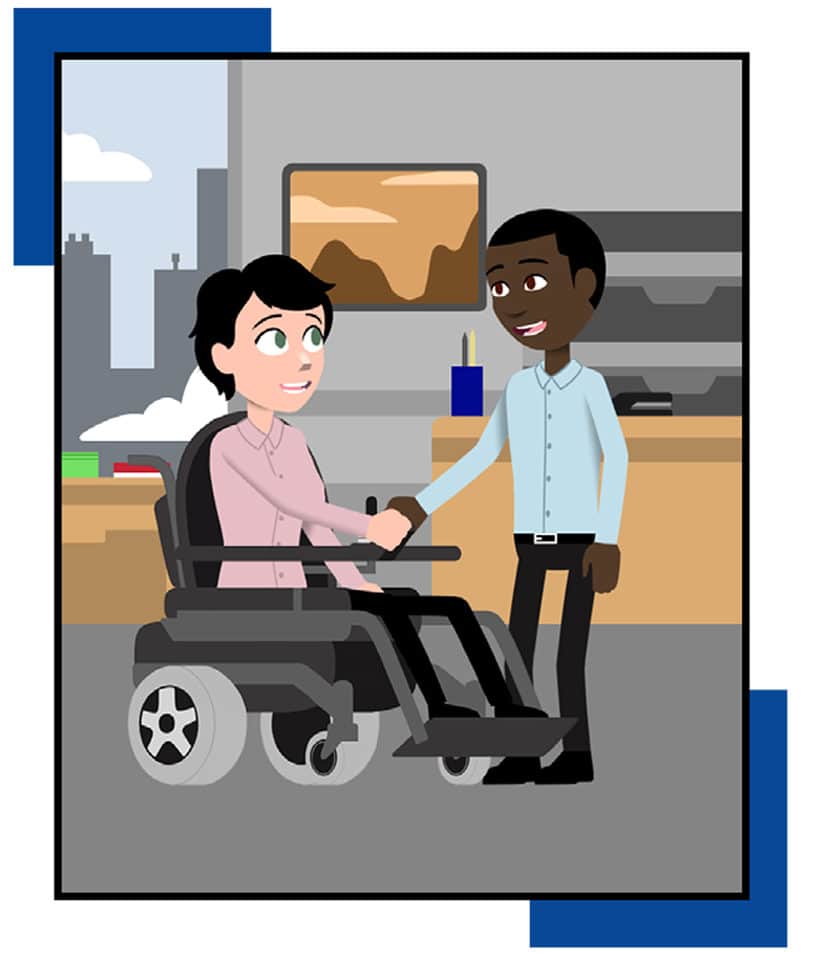
  • In case of introduction to a person with a disability , it is appropriate to shake hands .
  • When you meet a person with a visual impairment , always identify yourself and others who may be with you .
  • Leaning or hanging on a person ‘s wheelchair should always be avoided because such act is generally considered annoying . In fact , the chair is the part of the personal body space of the person who uses it.
  • Always listen carefully as well as attentively when you are having conversations with a person who has difficulty in speaking . Have patience and wait for the person to finish rather than correcting or speaking for that person . Generally , ask short questions that require short time .
  • When talking with a person who is on a wheelchair or person who uses crutches , keep yourself at eye level in front of the person to facilitate the talk .
  • To get the attention of a person who is deaf or having hearing impairment , tap the person on the shoulder or wave your hand . You should look directly at the person and speak clearly .
  • Never patronize person who use wheelchairs by patting them on the head or shoulder .
  • Always introduce yourself to persons who are blind using your name .
  • Always avoid asking personal questions to an individual who is differently-abled .
  • Always give additional time to a person with any disability to do or to say something .
  • Always have conversation at a normal tone of voice . Don’t talk in high pitch to such individuals .
  • Don’t pretend to understand if you are facing problem in doing so .
  • If you need to leave a person who is blind , inform him that you are leaving and ask him if he needs anything before you leave .

LET’S TALK ABOUT PCOS

Any person may suffer from some sort of health issue. Especially, in today’s time where people are living a hectic, stressed, and unbalanced lifestyle. Hormonal disorders have also become common. Some issues cure with time, while some take a lifelong deal. In India, 1 in 5 women suffers from PCOS.

What is PCOS?

PCOS or polycystic ovarian syndrome is a hormonal disorder. The female body produces estrogen, progesterone, and androgen. These hormones are responsible for regulating ovulation. Though androgen is said to be the male hormone, it is also produced by the female body; just the amount is low comparatively. When the body produces higher amounts of androgen than the normal amount (because of increased insulin level), it results in PCOS.

The ovaries produce eggs each month, if the egg gets fertilized it gets itself embedded in the uterus, otherwise, the uterus lining (consisting of blood, tissues, and nutrients forming a cushioning for the embryo to grow) breaks and flow through the vagina. And this is called a period. But when the eggs are interfered with by the higher amounts of androgen, the eggs in place of maturing start to develop cysts. These eggs then instead of releasing, like in a normal period, start to build up cysts on the ovaries. This causes irregular ovulation each month and hence irregular or missed periods.

Problems of Polycystic Ovarian Syndrome (PCOS)

  • Usually, PCOS is only thought to be related to difficulty in conceiving. But it has other issues too which are often not talked about as fertility remains the prior concern as infertility is considered something that could create a problem for marriage. However, is it not necessary that female suffering from PCOS is infertile. And the issue of infertility (if there) is treatable (for most of the cases) through proper medication, exercise, and a healthy lifestyle.
  • As the male hormone ‘androgen’ level increases, it results in excessive body hair (as can be seen in males), called hirsutism. However, this symptom is not necessarily shown in every female suffering PCOS.
  • Male pattern hair loss or thinning of hair.
  • Acne outburst 
  • Obesity is another issue in PCOS. People tend to get obese with PCOS but it can be controlled through a healthy diet and lifestyle. However, this symptom is not necessarily shown in every female suffering PCOS.
  • As the insulin levels are increased there is a higher risk of developing diabetes, hypertension (high blood pressure), and even heart diseases.
  • Insomnia and sleep apnea (paused breathing for a short period while asleep).

Irregular periods are the most common sign of PCOS. It can be diagnosed by gynecologists through different check-ups like weight, hair growth, acne, darkened skin may even prescribe a pelvic ultrasound and blood tests.

Treatment

PCOS is not curable but treatable. Proper diet, exercise, and a healthy lifestyle can help in manage PCOS. Taking consistent medication as prescribed by the medical experts helps in regulating the menstrual cycle. The doctors often prescribe for birth control pills to control the hormone levels as they are rich in hormones. This regulates the menstrual cycle as well as controls excessive hair growth and acne. The treatment varies from 6 months to 1 year.

Food rich in omega 3 fatty acids, magnesium, zinc, vitamin D, vitamin B12 is important to manage PCOS. Leafy greens are best to be consumed as it provides the body with required nutrients without adding to obesity.

Exercise and yoga are as necessary as diet and medicines. The doctors often suggest practicing certain yoga asanas that help the womb heal.

Following a healthy routine with good food and proper sleep is important. Sleep plays a vital role in helping the body absorb the nutrients in food and medicines better.

It is strictly advised to consult a doctor if any of the above-mentioned symptoms show up.

And never take any medicines without consulting the doctor.

BIPOLAR DISORDER!

Extreme highs to extreme lows.

Mental health is being understood as one of the primary areas in health protocols around the world and has also been included in the Sustainable Development Goals. Mental Disorders are among the leading causes of nonfatal disease burden in India, but the States lack a systematic understanding like the risk factors, disease burden. In 2017, 197·3 million (95% UI 178·4–216·4) people had mental disorders in India, including 45·7 million (42·4–49·8) with depressive disorders and 44·9 million (41·2–48·9) with anxiety disorders. One in seven Indians were affected by mental disorders of varying severity in 2017. In the same year, India launched the Mental Health Care Act which focused on delivering
proper, inexpensive, and widespread permits to mental health care. The proportional contribution of mental disorders to the total disease burden in India has almost doubled since 1990. The World Health Organization (WHO) reported in 2001 that about 450 million people worldwide suffer from some form of mental disorder or brain condition and that one in four people meet criteria at some point in their life. More than 2 million adults in the U.S. are coping
with bipolar disorder right now. https://www.webmd.com/bipolar-disorder/understanding-bipolar-disorder

Depression and bipolar disorder!
Depression and BPD have similarities but they aren’t the same. Depression deals with deep thoughts, emptiness, feeling low, not loving things that you probably used to cherish, extreme sleep problems. Bipolar disorder deals with both ups and downs in moods. One may feel irresistible, energetic in extreme highs, and depressed, awful in extreme lows.
What is bipolar disorder?
Earlier people used to consider bipolar as mood swing but research showed that a disorder named as ‘Bipolar Disorder’ causes tremendous shifts in moods from extreme low to extreme high. Bi means two and polar refers to the two polarities in the mood. Bipolar disorder is basically a serious mental illness of the brain. An individual can go for periods of depression and boosted moods(extreme low and extreme high). If severely boosted moods then it is known as mania, whereas if not so severe then these are called hypomania.
Causes.
The exact cause is unknown but there are unavoidable facets that contribute to this epic disorder. The causes can be genetic as well as due to surrounding. Environmental causes include long term stress, childhood abuse, psychological trauma. Genetic facets constitute about 70–90% of the risk of developing bipolar disorder.
Symptoms.
In this disorder, the individual may go through highs and lows in mood and personality. When they are extremely high they feel on top of the world, can’t sleep, unbeatable, easily distracted with low focus, a lot of energy, showing risky and impulsive behavior. In their major lows, they feel depressed, hopeless, guilty, do not sleep or sometimes may sleep a lot, loss of appetite, loss or gain in weight. While these symptoms go on, they also come up with suicidal thoughts. In severe conditions, they can outdo committing suicide too.

Treatment.
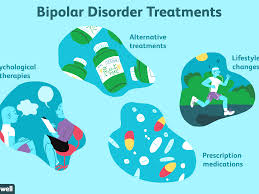
Psychotherapy, antidepressant, Antipsychotics, mood stabilizers, talk therapies.

What if not treated?
If not treated in due course of time, an individual may indulge in alcohol and drugs. In less serious cases, they may end up losing a job, dissatisfaction with themselves. If a student suffers from BPD, he may face grades declining or may even fail. If the treatment not delivered in proper time, they end up giving on life and commit suicide.


If you are suffering from one such, then go visit a doctor and take proper medication. Do not ignore such conditions, talk to your beloved one!

Are you hungry all the time?

Bulimia Nervosa

Bulimia (boo-LEE-me-uh) nervosa, commonly called bulimia, is a serious, potentially life-threatening eating disorder. People with bulimia may secretly binge — eating large amounts of food with a loss of control over the eating — and then purge, trying to get rid of the extra calories in an unhealthy way.

To get rid of the gained weight this people follow things like self-induce vomiting or misuse laxatives, weight-loss supplements, diuretics or enemas after bingeing.

Or you may follow other unhealthy measures such as fasting, strict dieting or excessive exercise.

Causes

The exact cause of bulimia is unknown. Many factors could play a role in the development of eating disorders, including genetics, biology, emotional health, societal expectations and other issues.

Symptoms

The major symptoms of this disorder are:

  • Being preoccupied with your body shape and weight
  • Living in fear of gaining weight
  • Repeated episodes of eating abnormally large amounts of food in one sitting
  • Feeling a loss of control during bingeing — like you can’t stop eating or can’t control what you eat
  • Forcing yourself to vomit or exercising too much to keep from gaining weight after bingeing
  • Using laxatives, diuretics or enemas after eating when they’re not needed
  • Fasting, restricting calories or avoiding certain foods between binges
  • Using dietary supplements or herbal products excessively for weight loss

Diagnosis

If you have any bulimia symptoms, seek medical help as soon as possible. If left untreated, bulimia can severely impact your health.

Share your bulimia symptoms and feelings with a mental health professional and seek treatment immediately.

Some symptoms you can notice in a bulimia affected person are:

  • Constantly worrying or complaining about being fat
  • Having a distorted, excessively negative body image
  • Repeatedly eating unusually large quantities of food in one sitting, especially foods the person would normally avoid
  • Strict dieting or fasting after binge eating
  • Not wanting to eat in public or in front of others
  • Going to the bathroom right after eating, during meals or for long periods of time
  • Exercising too much
  • Having sores, scars or calluses on the knuckles or hands
  • Having damaged teeth and gums
  • Changing weight
  • Swelling in the hands and feet
  • Facial and cheek swelling from enlarged glands

Complications

Bulimia may cause numerous serious and even life-threatening complications. Possible complications include:

  • Negative self-esteem and problems with relationships and social functioning
  • Dehydration, which can lead to major medical problems, such as kidney failure
  • Heart problems, such as an irregular heartbeat or heart failure
  • Severe tooth decay and gum disease
  • Absent or irregular periods in females
  • Digestive problems
  • Anxiety, depression, personality disorders or bipolar disorder
  • Misuse of alcohol or drugs
  • Self-injury, suicidal thoughts or suicide

Prevention methods

Although there’s no sure way to prevent bulimia, you can steer someone toward healthier behavior or professional treatment before the situation worsens. Here’s how you can help:

  • Foster and reinforce a healthy body image in your children, no matter what their size or shape. Help them build confidence in ways other than their appearance.
  • Have regular, enjoyable family meals.
  • Avoid talking about weight at home. Focus instead on having a healthy lifestyle.
  • Discourage dieting, especially when it involves unhealthy weight-control behaviors, such as fasting, using weight-loss supplements or laxatives, or self-induced vomiting.
  • Talk with your primary care provider. He or she may be in a good position to identify early indicators of an eating disorder and help prevent its development.
  • If you notice a relative or friend who seems to have food issues that could lead to or indicate an eating disorder, consider supportively talking to the person about these issues and ask how you can help.