
GENETIC ENGINEERING

Genetic engineering also known as genetic modification is the direct manipulation of DNA to modify an organism’s traits mainly observable physical properties in a specific way. Scientists utilize it to improve or change the features of an individual organism. It may be used to treat anything from a virus to a sheep. For example, genetic engineering can be utilized to create plants with better nutritional value or that can withstand pesticide treatment. It has also been used in animals to create sheep which would generate a therapeutic protein in their milk that can be used to cure cystic fibrosis, as well as worms that glow in the dark to help scientists understand more about illnesses like Alzheimer’s.
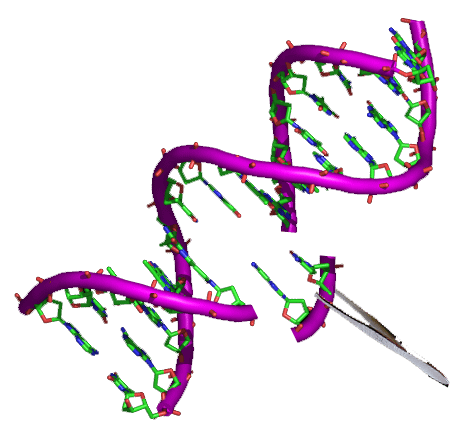
Firstly, if we look at the history, it was created to aid in the prevention of disease transmission. With the advent of genetic engineering, scientists may now alter the way genomes are built to eliminate illnesses caused by genetic mutation. today, genetic engineering is utilized to treat diseases including cystic fibrosis, diabetes, and a variety of others.

 Genetic engineering also helps in detecting the problems even before the child is born which in turns help in curing the illness and diseases in unborn children. Humans aren’t the only ones that benefit from genetic modification. We can use genetic engineering to create foods that can endure extreme temperatures such as very hot or very cold while also providing all of the nutrients that people and animals require to thrive. Animals and plants can have their development rates genetically altered to mature more quickly. In order to improve productivity od diary or meat or even wool, animals can potentially be genetically changed. 

However, with advantages comes disadvantages as well. Thus, Allowing scientists to tear down boundaries that should maybe be left alone has a lot of drawbacks.

Many religions, after all, think that genetic engineering is equivalent to playing God, and ban it from being used on their children, for example. Aside from religious issues, there are a variety of ethical concerns such as longer life expectancy is already generating societal difficulties throughout the world, so intentionally extending everyone’s life on Earth might lead to much more problems into the future, ones that we can’t possibly anticipate. Genetic engineering can also lead to genetic defects which scientists really can’t foresee because human body is a complex structure.

Furthermore, Genetic engineering aids in the resolution of a problem by introducing genes to the organism that will assist it in combating the issue. This can have unfavourable consequences. A plant, for example, may be engineered to require less water, but this would make it intolerant of direct sunshine. Also, nature being a complicated web of interconnections, many side effects can be caused as a consequence of using genetically modified genes. 
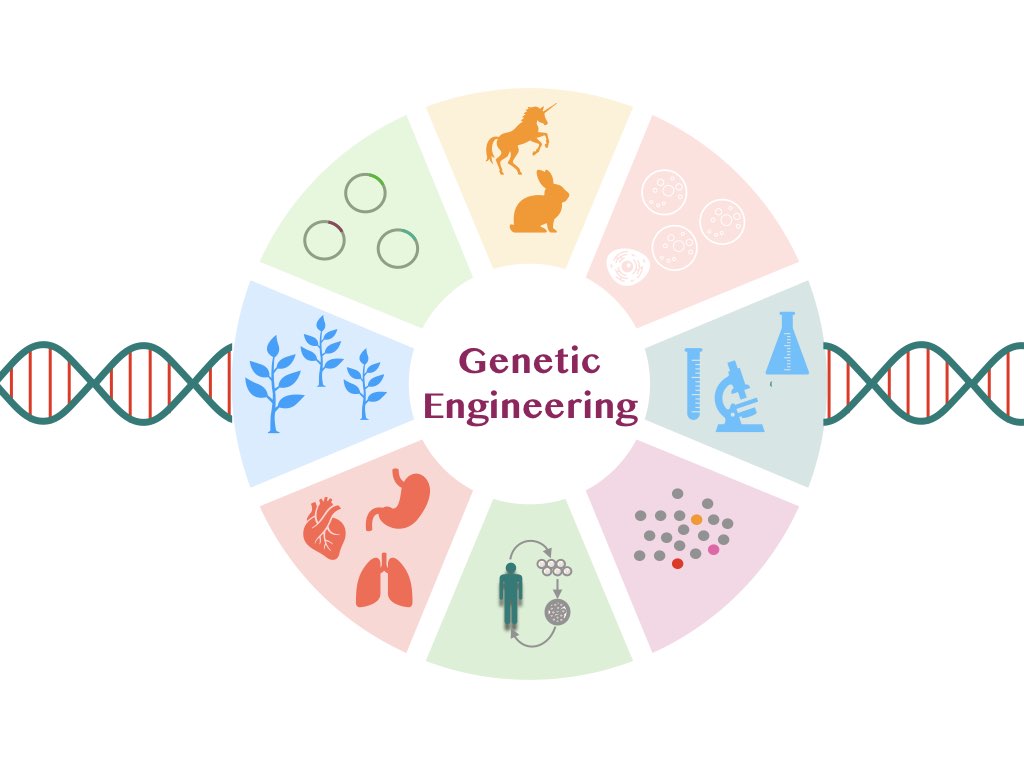
Therefore, In a world where genetic engineering is advancing at a breakneck pace, the dangers of going too far with it are a constant source of concern because no one can’t really anticipate what consequence will it create  and where it will lead us. Changing creatures’ DNA has definitely raised a few heads. It could work wonderfully, but who knows whether interacting with nature is truly safe. As a result, it appears that genetic engineering is both a mixed blessing, as we stand to gain as well as lose by furthering this field of study.

Implementation of Nanotechnology with DNA

Abstract:

DNA (Deoxyribonucleic acid) is the molecule that stores and transmits genetic information for the development, functioning, growth and reproduction of all living organisms and many viruses. It possesses remarkable binding specificity, thermodynamic stability and can be created with infinite choice of sequences that bind to their complementary nitrogenous bases (namely adenine (A), cytosine (C), guanine (G) or thymine (T)). It is structurally well defined on the nanometre scale and has a persistence length of 50 nanometres under conventional conditions. It can be rapidly synthesized and modified using automated methods. The field of DNA nanotechnology uses its information to assemble structural motifs and connects them together. This field has a significant impact on nanoscience and nanotechnology, and controls molecular self-assembly. Here, we summarize the approaches that are used to assemble DNA nanostructures and examine their emerging applications in areas such as biophysics, diagnostics, nanoparticle and protein assembly.

Introduction:

Nanotechnology is the purist’s approach to biomolecular engineering. This field aims to create molecular structures and devices through the exclusive use of DNA as an engineering material1. The well-characterized nature of DNA base pairing provides an easy means to control DNA interactions. The success of DNA nanotechnology comes from three key ingredients: 1) our quantitative understanding of DNA thermodynamics, which makes it possible to predict how single-stranded DNA molecules fold and interact with one another, 2) the rapidly falling cost and increasing quality of DNA synthesis, and 3) the focus on cell-free settings, where designed reaction pathways can proceed without interference from DNA and RNA processing enzymes that might be encountered in cells. DNA nanotechnology has long been motivated by the goal of building ‘smart therapeutics’, drug delivery systems, tools for molecular biology and other devices that could interact with or operate within living cells. Such applications play to the obvious strengths of nucleic acid nanostructures and devices, particularly their small size, biocompatibility and straightforward manner in which they could be programmed to interact with cellular nucleic acids through hybridization.

Cell-free DNA nanotechnology

To operate reliably in complex, wet environments, living organisms use sensory receptors to detect changes in that environment, motors and actuators to adapt to the environment, computational control circuits to convert sensor information into motor activity, and structural elements that protect and organize these components. Intriguingly, cell-free DNA nanotechnology has made progress towards the construction of most of the functional components — both structures and dynamic devices — required for creating molecular ‘robots’ that can emulate some of the behavioural complexity observed in biology.

DNA nanotechnology in lysates and fixed cells

Cellular conditions are considerably different from that of cell-free experiments. The presence of nucleic-acid-binding proteins, including DNases and RNases, may interfere with device performance, and cellular environments are highly structured, which inhibits the free diffusion of exogenously delivered nucleic acids. Cell lysates, serum and fixed cells provide reaction environments that each capture some of the complexity of live cells and enable testing and optimization of nucleic acid devices in well-controlled conditions.3

CONCLUSION:

DNA-based therapeutics and diagnostics are set apart from more established approaches because of their capacity to respond to the surrounding environment. Molecular logic and conditional (un)hiding of drug moieties could decrease side effects and increase specificity. Even the relatively simple one- or two-input systems built so far have resulted in increased specificity and performance, and could be further improved with more complex multi-input logic. Diagnostic and therapeutic decisions are routinely based on the analysis of panels of multiple molecular markers, be they proteins, RNA, DNA, lipids, sugars or metabolites. For example, immunologists must often consider large numbers of cell surface proteins to delineate all of the various cell types in a blood sample. Gene expression classifiers that reliably distinguish different tissues and disease states are typically built on measurements of tens or hundreds of different RNA species. Given the success of dynamic DNA nanotechnology in scaling up the size and reliability of molecular circuits in cell-free settings, it is intriguing to think that DNA ‘biocomputers’ could eventually perform complex diagnostic tasks based on the analysis of tens of molecular markers directly in living organisms.

REFERENCES:

Seeman, N. C. & Belcher, A. M. Emulating biology: building nanostructures from the bottom up. Proc. Natl Acad. Sci. USA 99, 6451–6455 (2002).
Chen, J. H. & Seeman, N. C. Synthesis from DNA of a molecule with the connectivity of a cube. Nature 350, 631–633 (1991).
Fu, T. J. & Seeman, N. C. DNA double-crossover molecules. Biochemistry 32, 3211–3220 (1993).

Organs to DNAs: Zooming Into the Human Beings

For many people, terms like gene, DNA and chromosome are hard to be interlinked. Which thing makes up what? A very common confusion indeed. So, why don’t we try to ‘zoom in’ into the human body and see what makes us what we are!

Upto the Cellular Level

Human body is a complex system of organs working in tandem, producing necessary hormones, energy and other requirements that are needed to keep the body healthy and active.. This whole organ system is made up of different constituent organs, which have one or several particular functions. Damage or decrease in function of even one organ may through the whole body in a serious condition. These organs, in turn, are systematic aggregates of different kinds of tissues. Tissues are structures of related cells, which function together to perform a specific function. Connective tissues are present in almost every organ, and their main purpose is to provide support and elasticity to the related organs. It forms a large part of the skin, blood vessels, muscles etc. Now, tissues, if broken down, would result into constituent cells. Cells, which are also known as the building blocks of life. Organisms can either be unicellular, or can multiply in a systematic way to finally form a multicellular organism. Cells are of different kinds, performing a variety of functions by themselves, or by clustering together to develop into subsequent structures. 

Zooming Past The Cellular Stage

The cell itself has a range of organelles that ensure the proper development, and when the time comes, reproduction and finally, the destruction of the cell. The edge of the cells is demarcated by the plasma membrane, which allows a semi-osmotic connection with the surrounding. Cytoplasm is the solution which fills up the space inside the cell, the organelles being situated over it. These organelles include mitochondria, Golgi bodies, endoplasmic reticulum, ribosome, amongst the others. The nucleus is a very important component of the cell, as for they contain the key to transmission to the future, the chromosomes. The nucleus has its own set of organelles, separated from the cytoplasm and other organelles by the nuclear membrane. Those are: nucleolus, nucleoplasm and the chromosomes. The somatic or the non reproductive cells in the human body are diploid, that is, all the chromosomes are  paired to a  similar sized chromosome.  But in the reproductive cells (gamates) in humans, such as the sperm and ova, only one chromosome of each type is present. These cells are also known as the haploid cells. In other words, n is the number of chromosomes in a haploid cell and 2n is the number of chromosomes in the diploid cell. In human beings, n=23. During the fertilization, the merging of cells will result in the restoration of two sets of each type of chromosome, thus forming a diploid cell, also known as the zygote. 

The chromatins (one arm of a single chromosome) actually consists of tightly bound nucleosomes, which in turn are made up of densely coiled DNA strands over a protein called histone. The DNA molecule, which is also known as the genes of an individual, is responsible for the continuation of traits from parents to offspring. Also, the function of each cell in making a specific protein is also determined by the DNA, or more specifically, by a particular code in the DNA. These codes are responsible for dictating what enzymes will be released to drive specific chemical reactions related to various processes in the human body. These codes, and hence, in turn, the biochemical processes determine the appearance and some other innate characteristics in an individual. 

The Most Basic Structure

The information is coded in the DNA using four chemical bases: adenine (A), guanine (G), thymine (T) and cytosine (C). The pattern or sequence of these bases gives the information for the development and maintenance of an organism. It can be equated with how letters are used to form words. These base pairs can only pair with their complementary bases; adenine with thymine and guanine with cytosine. Along with these base pairs, a sugar and a phosphate molecule attach up, collectively known as nucleotide. The nucleotides are the basic building blocks of the DNA. When these are arranged in two long strands, which wound up and form a spiral structure, then it is called a double helix, which constitutes a DNA molecule.

Website Reference:

https://ghr.nlm.nih.gov/primer/basics/dna

https://www.yourgenome.org/facts/what-is-a-chromosome

Image Credit: Genome Research Limited

VIRUS AND ITS TRANSMISSION

WHAT IS A VIRUS?????
A virus is referred as an infectious agent that can only replicate inside the living cells of an organism i.e. a virus is something which can not at all grow or replicate by its own. It always needs a living cell for its replication process. It is a microorganism which cannot be seen by naked eyes and can infect any life form. It can be infectious for humans, plants and even for other microorganisms like bacteria and archea. Viruses infecting bacteria are known as bacteriophage. Viruses are not restricted to a place and they can be found everywhere at every place of ecosystem whether land, or water or in air. They can cause various infections including air-borne, water-borne or even food-borne. The science dealing with the study of viruses is known as Virology and it is a branch of microbiology. A complete virus particle ranges in size from about 10-400nm in its diameter.
Viruses are near to dead when outside the living cell but once entered any living cell of an organism, they are forced to replicate using the life machinery of that particular organism and thus they produce thousands of their multiple copies and in this way infect the organism. Outside the living cells they are present in the free, independent form which may also be known as a virion.
There are 3 main parts in the structure of a virus i.e. –

  1. Genetic core which is also known as nucleic acid core containing all the genetic material whether DNA or RNA, but not both. It is known as genome.
  2. A protein coat, which is also known as capsid which surrounds the genome of a virus particle.
  3. An envelope which is made of lipid. It is an external coat surrounding the genome as well as capsid.

VIRUS TRANSMISSION
Transmission of virus particles is important for them to survive because as discussed above they can only replicate themselves inside a host living organism. The virus transmits from one organism to another in order to survive, reproduce and continue their species. The effectiveness of the transmission of viral particle depends on 2 main factors i.e. the concentration of virus and its route of transmission. More concentration of virus leads to more transmission.
There are several ways by which a virus particle may get transmitted from one organism to another.

  1. Blood – Virus particles can get transmitted through the blood. The one way is direct viral infection in blood and the other way is by arthropods like dengue or malaria is transmitted. Arthropods bite one organism and collect viral particles from them and then when they bite other organism, the same viral particles are being transmitted to the next organism and this way transmission and infection occurs. Another way is direct viral infection in blood which can be via direct infected blood exposure to a healthy individual. It may be transmitted via sexual contacts with infected person like HIV is transmitted.
  2. Saliva – It is the most commonly seen in kissing the infected individual. The saliva contains the viral particles and thus they are transmitted to healthy individual.
  3. Respiratory secretions – If any infected individual sneezes, or coughs or in any other way its respiratory secretions come in contact with the healthy individual, he may get infected by the same. It may also occur by singing or even breathing.
  4. Feces – This is not a very common method in developed countries but can infect those who do not take sanitary actions after using toilets. The virus particles secreted in feces can infect other healthy individuals if they come in contact with them.

The origin of life-RNA WORLD?????

The origin of life depends on the singe question – How did early cells could have arisen?
Modern cells consist at a minimum of plasma membrane enclosing water in which numerous chemicals are dissolved and sub cellular structures float. It was thus believed that the first self-replicating entity was much simpler than even the most primitive modern living cells. Before there was life, and yes, Earth was a different place: completely hot and anoxic, with an atmosphere which was completely rich in gases such as hydrogen, methane, carbon dioxide, nitrogen, and ammonia. Earth’s surface was like a pre biotic soup in which chemicals reacted with one another, randomly “testing” the usefulness of the reaction and the stability of the resulting molecules. Some reactions released energy and would eventually become the basis of modern cellular metabolism. Other reactions which occurred created molecules that could function as catalysts, some aggregated with other molecules to form the predecessors of modern cell structures, and others were able to replicate and act as units of hereditary information.
Proteins have two major roles in modern cells – structural and objective.
Catalytic proteins are called enzymes, in cells. Thus enzymes act as the workhorses of the cell. DNA stores hereditary information and can be replicated to pass the information on to the next generation. RNA is involved in converting the information stored in DNA into proteins. Proteins can do cellular work, but their synthesis is dependent on their proteins and RNA, and information stored in DNA. DNA can’t do cellular work. It’s only work is to store genetic information and it is involved in its own replication process which is a process that requires proteins. RNA is synthesized using DNA as the template and proteins as the catalysts for the reaction.
Based on these considerations, it seemed to evolutionary biologists that at some time in the evolution of life there must have been a single molecule that could do both cellular work and replicate itself. A possible solution to the nature of this molecule was suggested in 1981 when Thomas Cech discovered an RNA molecule in the protest Tetrahymena that could cut out an internal section of itself and slice the remaining sections back together. Since then, other catalytic RNA molecules have been discovered, including an RNA found in ribosomes that is responsible for forming peptide bonds – the bonds that hold together amino acids, the building blocks of proteins. Catalytic RNA molecules are now called ribozymes.
The discovery of ribozymes suggested the possibility that RNA at some time had the ability to catalyze its own replication, using itself as the template. In 1986, a term was coined – RNA WORLD to describe a precellular stage in the evolution of life in which RNA was capable of storing, copying, and expressing genetic information. Also it catalyzes other cellular chemical reactions. This important evolutionary step is easier to imagine than other events in the origin cellular life forms because it is well known that lipids, major structural components of the membranes of modern organisms, form liposomes which are bounded by a lipid layer.