All you need to know about an Economic Recession.

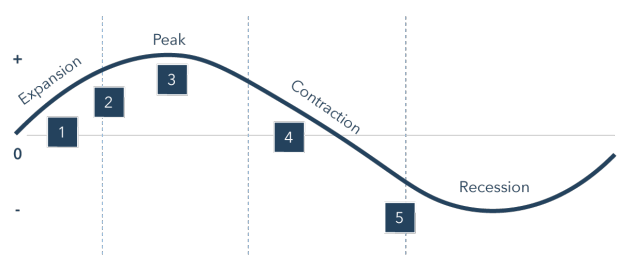
The National Bureau of Economic Research (NBER) defines a recession as “a significant decline in activity spread across the economy, lasting more than a few months, visible in industrial production, employment, real income, and wholesale-retail trade.” A recession is also believed to be signalled when businesses cease to expand, the GDP diminishes for two consecutive quarters, and the unemployment rate rises. The nature and causes of recessions are simultaneously evident and uncertain. Recessions are, in essence, a cluster of business failures being realized simultaneously. Firms are forced to reallocate resources, scale back production, limit losses, and, usually, lay off employees. Those are the clear and visible causes of recessions. There are several different ways to explain what causes a general cluster of business failures, why they are suddenly realized simultaneously, and how they can be avoided.

What Causes a Recession?

Some recessions can be traced to a clearly-defined cause. For instance, the recession of 1973-1975 began as a result of the 1973 oil crisis. However, most recessions are caused by a complex combination of factors, including high interest rates, low consumer confidence, and stagnant wages or reduced real income in the labour market. Other examples of recession causes include bank runs and asset bubbles.

Psychological Factors of a Recession

Psychological factors are frequently cited by economists for their contribution to recessions also. The excessive exuberance of investors during the boom years brings the economy to its peak. The reciprocal doom-and-gloom pessimism that sets in after a market crash at a minimum amplifies the effects of real economic and financial factors as the market swings. Moreover, because all economic actions and decisions are always to some degree forward-looking, the subjective expectations of investors, businesses, and consumers are often involved in the inception and spread of an economic downturn.

Economic Factors of a Recession

Real changes in economic fundamentals, beyond financial accounts and investor psychology, also make critical contributions to a recession. Some economists explain recessions solely due to fundamental economic shocks, such as disruptions in supply chains, and the damage they can cause to a wide range of businesses. Shocks that impact vital industries such as energy or transportation can have such widespread effects that they cause many companies across the economy to retrench and cancel investment and hiring plans simultaneously, with ripple effects on workers, consumers, and the stock market. There are economic factors that can also be tied back into financial markets. Market interest rates represent the cost of financial liquidity for businesses and the time preferences of consumers, savers, and investors for present versus future consumption. In addition, a central bank’s artificial suppression of interest rates during the boom years before a recession distorts financial markets and business and consumption decisions.
What Are the Indicators of a Recession?

Economists determine whether an economy is in recession by looking at a variety of statistics and trends. Factors that indicate a recession include:

  • Rising in unemployment
  • Rises in bankruptcies, defaults, or foreclosures
  • Falling interest rates
  • Lower consumer spending and consumer confidence
  • Falling asset prices, including the cost of homes and dips in the stock market

All of these factors can lead to an overall reduction in the Gross Domestic Product (GDP). The European Union and the United Kingdom define a recession as two or more consecutive quarters of negative real GDP growth.

Impact of Covid-19 Pandemic on the Economy

In February 2020, the National Bureau of Economic Research (NBER) announced that according to their data, the U.S. was in a recession due to the economic shock of the widespread disruption of global and domestic supply chains and direct damage to businesses across all industries. These events were caused by the COVID-19 epidemic and the public health response. Some of the underlying causes of the two-month recession (and economic hardship) in 2020 were the overextension of supply chains, razor-thin inventories, and fragile business models. The pandemic-related recession, according to NBER, ended in April 2020, but the financial hardship caused by the pandemic is still impacting Americans.

For simpler understanding-


The Future of Artificial Intelligence

Credit: CFI

Introduction

AI research follows two distinct, and to some extent competing, methods, the symbolic (or “top-down”) approach, and the connectionist (or “bottom-up”) approach. The top-down approach seeks to replicate intelligence by analyzing cognition independent of the biological structure of the brain, in terms of the processing of symbols—whence the symbolic label. The bottom-up approach, on the other hand, involves creating artificial neural networks in imitation of the brain’s structure—whence the connectionist label.

What is Artificial Intelligence?

Artificial intelligence (AI), is the ability of a digital computer or computer-controlled robot to perform tasks commonly associated with intelligent beings. The term is frequently applied to the project of developing systems endowed with the intellectual processes characteristic of humans, such as the ability to reason, discover meaning, generalize, or learn from past experience. Since the development of the digital computer in the 1940s, it has been demonstrated that computers can be programmed to carry out very complex tasks—as, for example, discovering proofs for mathematical theorems or playing chess—with great proficiency.

How does AI Work?

Less than a decade after breaking the Nazi encryption machine Enigma and helping the Allied Forces win World War II, mathematician Alan Turing changed history a second time with a simple question: “Can machines think?” Turing’s paper “Computing Machinery and Intelligence” (1950), and its subsequent Turing Test, established the fundamental goal and vision of artificial intelligence. At its core, AI is the branch of computer science that aims to answer Turing’s question in the affirmative. It is the endeavor to replicate or simulate human intelligence in machines. The expansive goal of artificial intelligence has given rise to many questions and debates. So much so, that no singular definition of the field is universally accepted.  

Types of Artificial Intelligence

Reactive Machines

A reactive machine follows the most basic of AI principles and, as its name implies, is capable of only using its intelligence to perceive and react to the world in front of it. A reactive machine cannot store a memory and as a result cannot rely on past experiences to inform decision making in real-time.

Limited Memory

Limited memory artificial intelligence has the ability to store previous data and predictions when gathering information and weighing potential decisions — essentially looking into the past for clues on what may come next. Limited memory artificial intelligence is more complex and presents greater possibilities than reactive machines.

Self-awareness

Once Theory of Mind can be established in artificial intelligence, sometime well into the future, the final step will be for AI to become self-aware. This kind of artificial intelligence possesses human-level consciousness and understands its own existence in the world, as well as the presence and emotional state of others. 

Evolution of AI

IFM is just one of countless AI innovators in a field that’s hotter than ever and getting more so all the time. Here’s a good indicator: Of the 9,100 patients received by IBM inventors in 2018, 1,600 (or nearly 18 percent) were AI-related. Here’s another: Tesla founder and tech titan Elon Musk recently donated $10 million to fund ongoing research at the non-profit research company OpenAI — a mere drop in the proverbial bucket if his $1 billion co-pledge in 2015 is any indication. And in 2017, Russian President Vladimir Putin told school children that “Whoever becomes the leader in this sphere [AI] will become the ruler of the world.” He then tossed his head back and laughed maniacally.

Future of AI

Some sectors are at the start of their AI journey, others are veteran travelers. Both have a long way to go. Regardless, the impact artificial intelligence is having on our present day lives is hard to ignore:

  • Transportation: Although it could take a decade or more to perfect them, autonomous cars will one day ferry us from place to place.
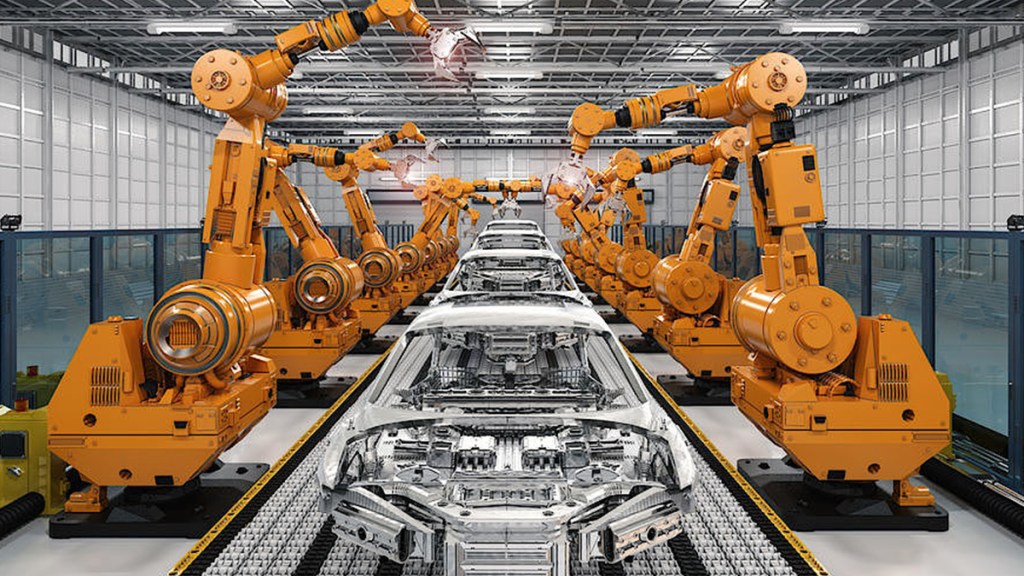
  • Manufacturing: AI powered robots work alongside humans to perform a limited range of tasks like assembly and stacking, and predictive analysis sensors keep equipment running smoothly.
  • Healthcare: In the comparatively AI-nascent field of healthcare, diseases are more quickly and accurately diagnosed, drug discovery is sped up and streamlined, virtual nursing assistants monitor patients and big data analysis helps to create a more personalized patient experience.
  • Education: Textbooks are digitized with the help of AI, early-stage virtual tutors assist human instructors and facial analysis gauges the emotions of students to help determine who’s struggling or bored and better tailor the experience to their individual needs.

Conclusion

Artificial intelligence is impacting the future of virtually every industry and every human being. Artificial intelligence has acted as the main driver of emerging technologies like big data, robotics and IoT, and it will continue to act as a technological innovator for the foreseeable future. AI is projected to have a lasting impact on just about every industry imaginable. We’re already seeing artificial intelligence in our smart devices, cars, healthcare system and favorite apps, and we’ll continue to see its influence permeate deeper into many other industries for the foreseeable future.

References

Paternity Leave: Why aren't more Men taking it?

Credit: LegalZoom

Introduction

 The number of countries where paternity leave is enshrined in law has more than doubled to about 90 in the last 20 years; and globally, at least four out of every 10 organizations are thought to provide paid leave above the statutory minimum. Yet, the proportion of men who take more than a few days off work when their child is born is tiny.  Most cite fears of being discriminated against professionally, missing out on pay raises and promotions, being marginalized, or even mocked as reasons for not taking time off. Academics consider these concerns to be the effect of deeply ingrained and highly damaging stereotypes around gender – and suggest that changing this will require significant cultural shifts as well as better institutional provision of paid paternity leave.  

What is Paternity Leave?

Parental leave, or family leave, is an employee benefit available in almost all countries. The term “parental leave” may include maternity, paternity, and adoption leave; or may be used distinctively from “maternity leave” and “paternity leave” to describe separate family leaves available to either parent to care for small children. In some countries and jurisdictions, “family leave” also includes leave provided to care for ill family members. Often, the minimum benefits and eligibility requirements are stipulated by law. Unpaid parental or family leave is provided when an employer is required to hold an employee’s job while that employee is taking leave. Paid parental or family leave provides paid time off work to care for or make arrangements for the welfare of a child or dependent family member.

Internalized Stereotype

 The number of countries where paternity leave is enshrined in law has more than doubled to about 90 in the last 20 years; and globally, at least four out of every 10 organisations are thought to provide paid leave above the statutory minimum. Yet, the proportion of men who take more than a few days off work when their child is born is tiny. Most cite fears of being discriminated against professionally, missing out on pay rises and promotions, being marginalized or even mocked as reasons for not taking time off. Academics consider these concerns to be the effect of deeply ingrained and highly damaging stereotypes around gender – and suggest that changing this will require significant cultural shifts as well as better institutional provision of paid paternity leave.  

Unspoken Norms

Workplace experts are warning that the immense uncertainty created by the Covid-19 pandemic – and specifically anxiety around job security – is only likely to have exacerbated workers’ concerns about taking time off. In one survey of over 500 US fathers conducted at the end of May, about two-thirds of respondents admitted that there was an unspoken rule that men at their jobs should not take full paternity leave – and that taking as little as possible was “a badge of honour”. Ninety percent of those surveyed reported their employer offered less than 12 weeks of paternity leave, but almost two-thirds said that they planned to take less than half of that.

No Role Model

Forbes believes it’s important to have visible “fatherhood champions” at companies, across different sections and departments both to inspire fathers to take leave and also improve their knowledge of leave provisions. “Also, if managers are knowledgeable of the organization’s offering around paternity leave and shared parental leave, this will lead to parents being more aware of what their entitlements are.” Thekla Morgenroth, a research fellow also considers role models to be of paramount importance. “If other men are taking parental leave at a specific company, it shows that taking parental leave is normal and acceptable for men to do,” they explain. “These effects are likely particularly pronounced when men in leadership positions take parental leave because they can act as role models and demonstrate that you can be successful even if you take parental leave.” 

Conclusion

In the absence of this kind of comprehensive legislation, however, Banister believes that employers should reduce barriers to taking paternity leave by “normalizing employees taking leave during the first year of their child’s birth or adoption, regardless of the employees’ gender or sexual orientation”.  There are more specific considerations too, she says, such as the timing of the leave. Company-subsidized parental leave, if offered, is often restricted to the first few months – when it may suit parents better for the mother to be at home, especially if she is breastfeeding. If employers gave all parents decent pay for some time, regardless of when they take it (and in addition to a period of fully-paid paternity leave around the time of the birth), this would give parents much more flexibility. 

References

The Roots of STEM Talent of India

Credit: Dreamstime

Introduction

The Information Technology sector in India has built its reputation by providing cost-effective solutions and providing employment to millions of people in the process. However, the full-time research workforce in India was estimated to be just 2,00,000 in 2015 by UNESCO. Are we, as a nation, adequately promoting careers in Science, Technology, Engineering, and Mathematics (STEM) subjects, and are we even able to generate enough talent for our own demand? Are we losing some of our best minds to other countries because of a lack of support and opportunities?

What is STEM?

STEM, in full science, technology, engineering, and mathematics, field, and curriculum centered on education in the disciplines of science, technology, engineering, and mathematics (STEM). The STEM acronym was introduced in 2001 by scientific administrators at the U.S. National Science Foundation (NSF). The organization previously used the acronym SMET when referring to the career fields in those disciplines or a curriculum that integrated knowledge and skills from those fields. In 2001, however, American biologist Judith Ramaley, then assistant director of education and human resources at NSF, rearranged the words to form the STEM acronym.

Women in STEM

Under-representation of women and gender pay gaps are well-recognized global challenges in STEM sectors. While Indian Technology firms can still boast of a relatively better female-to-male ratio, according to UNESCO estimates, only 14 percent of the researchers in India are women. Even engineering colleges have skewed gender ratio in favor of male students, and according to a Kelly Global Workforce Insights (KGWI) survey, 81 percent of the women in STEM fields in India have perceived a gender bias during performance evaluation.  The annual ‘Girls in Tech’ MasterCard research indicates that while interest in STEM careers is increasing gradually, women are still less likely than men to pursue a STEM career and less likely to remain in the field for their entire career owing to male dominance in the fields. 

STEM Sector in India

The focus on building the scientific prowess of the masses, and bet on specialized educational institutions to do the same, institutions like the Indian Institute of Technology (IIT), Indian Institute of Science (IISc), and All India Institute of Medical Science (AIIMS) was founded and promoted to develop the country’s scientific and technical manpower, and in the process help the society and economy prosper. However, with time, these institutes have largely been reduced to stepping stones for a well-paying career. Especially in the last two decades, the relentless quest of students, and their parents, to ensure admission to such premier institutes has given rise to an astronomical coaching classes industry as well. A particular blow to STEM education came when the All India Council for Technical Education (AICTE) liberally allowed the setting up of engineering institutes across the country a few years ago. The move was undertaken in anticipation of a huge demand for engineering studies. However, this not only eroded the value conferred on an engineering degree but also compromised the quality of education and training provided on a fundamental level.

Making STEM a Priority

The first step towards fixing what’s broken is the identification and acknowledgment of the present challenges and understanding the context in which they arise. In other words, the government and the private education sector must make a genuine attempt at understanding their shortcomings, and reflect on why so few Indian institutes are recognized for quality STEM education and training. Establishing global partnerships with countries that have built sophisticated STEM expertise is critical to paving the way for knowledge exchange and skill development. While American and European universities are known for their focus on STEM education, countries in the networks of BRICS and ASEAN could also prove to be beneficial partners. This also needs to be backed by healthy funding to develop independent institutes that focus on research, pure sciences, and other derivatives of STEM subjects. The Indeed survey showed that job seekers in the age group of 21-25 were 12 percent more inclined towards jobs in STEM sectors than in others. Inculcating innovation and creativity in young minds and encouraging them to pursue dedicated courses right from the moment they stepped into the formal education system is essential. However, in the present system, STEM studies might simply be added as an additional layer to the existing curriculum and would increase pressure on students and teachers alike.

References

How Automation is Changing Workplace Everywhere?

Credit: Prospects

Introduction

There was a time when the term “automation” was synonymous with advanced manufacturing plants full of robotics. While replacing human labor with machine labor is a prime example of workplace automation, it’s far from the only example. Automation is present in modern businesses of all sizes – including subtle features in common software applications, and more obvious implementations like self-driving vehicles or autonomous robots. There is much debate about where workplace automation will lead the economy, but observers tend to agree that the trend is gaining momentum. Every business process is on the table for automation, especially as technology becomes more sophisticated. 

What is Workplace Automation?

Here’s a common misconception that automation involves towering robotics, but it can be as simple as a set of tools housed within common business software programs. At its core, automation is about implementing a system to complete repetitive and easily replicated tasks without the need for human labor. “Automation takes a lot of forms,” said Fred Townes, chief product officer at READY Education. “For small businesses, the most important thing is [repetition]. When you find something you do more than once that adds value … you want to look into automation.”

Machine Learning as the Driver for Automation

Machine learning and artificial intelligence enable new forms of “smart” automation. As the software learns, the more adaptable it becomes. These technologies open the door for the automation of higher-order tasks in addition to the basic, repetitive tasks. “I think there’s a lot of focus at the moment on these tasks that humans don’t want to do,” Sharma said. “But what’s going to happen in the future is … automation will not just be about automating those tasks humans are doing today, but it will be about realizing potential opportunities.”

Example of Common Workplace Automation

1. Email marketing

Many small business owners already use at least one form of automation: email marketing. Companies like Zoho and Constant Contact offer software that allows users to tailor the parameters of their email marketing campaign to their liking and then set it to run automatically. 

2. Customer service

Customer service departments are also getting an automation makeover with the introduction of tools like chatbots and automated text message marketing solutions.

3. Human resources

Given the predictable and repetitive nature of HR duties – like payroll and timesheets – digitization can transform the efficiency of a department.

Conclusion

Economic insecurity displaced workers feel is very real, but automation is not the enemy. Instead, Wallace hopes to educate people about leveraging this powerful technology to create their own incomes – essentially establishing a society of entrepreneurs and small companies. “If we can establish a way to make sure we all have enough food, clothing, and shelter to survive … and allow people to repurpose their gifts, unique abilities, and enable them to proliferate that and sell it as a good or a service, then we’re adding income,” Wallace said. “We can create an opportunity to generate income for next to nothing, so why not teach people to leverage the tech that disrupted the marketplace in the first place to embrace it and use it for something more in line with who they are, as an expression of their unique abilities?”

References

Why does the World Need to Decarbonize Transport?

Credit: ITF

Introduction

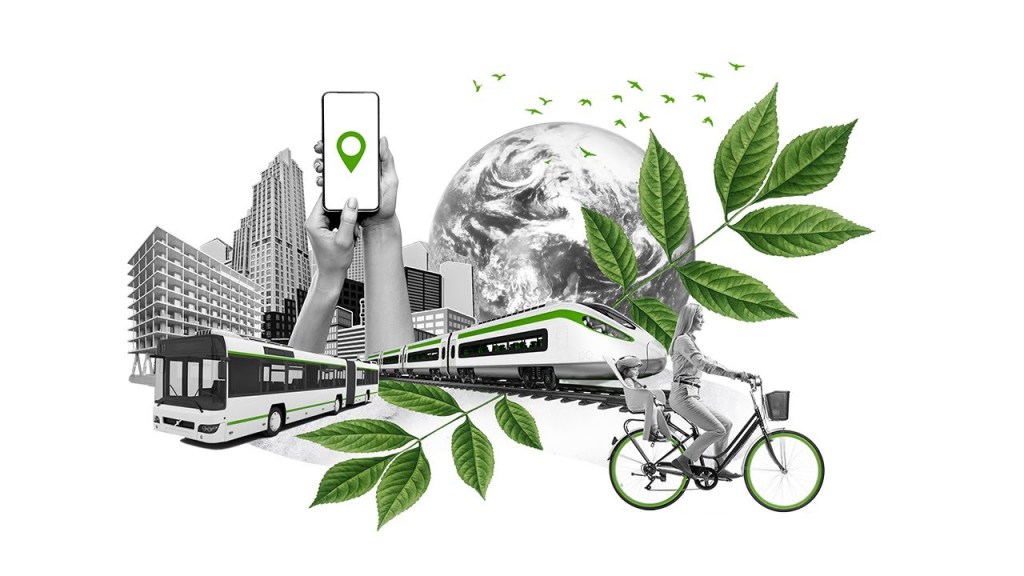
Moving people and goods accounts for one-quarter of global energy use, and the demand for energy from this sector is continuing to grow. This is due mainly to the increasing number and size of vehicles on our roads: more than 1.42 billion are currently in use, with an expected two billion by 2040. Road vehicles, most still powered by fossil fuels, account for nearly 75 per cent of total transport-related greenhouse gas emissions. Emissions from aviation and shipping are also projected to sail upwards between now and 2050. Flying contributes 12 per cent of the world’s total carbon dioxide emissions, while the marine sector, if it were a country, would be ranked between Germany and Japan as the sixth-largest source.

Why to Decarbonize the Transport?

Climate change cannot be stopped without decarbonizing transport. Transport emits around 23% of the energy-related CO2 that feeds global warming. Without immediate action, its share could reach 40% by 2030. Transport emissions have grown faster than those of any other sector over the past 50 years. Demand for transport will continue to grow massively in the coming decades. As a result CO2 emissions from transport activity will not fall, but could increase by 60% by 2050. And because transport relies on oil for 92% of its energy, it is particularly hard to decarbonize. 

Ambition of the Initiative

The Decarbonising Transport initiative helps governments and industry to translate climate ambitions into actions. Specifically, it:

  • Builds a catalogue of effective CO2 mitigation measures: the Transport Climate Action Directory.
  • Provides targeted analytical assistance for countries and partners to identify climate actions that work.
  • Gathers and shares evidence for best practices that will accelerate the transition to carbon-neutral mobility.
  • Shapes the climate change debate by building a global policy dialogue and by bringing the transport perspective to the broader climate change discussions.

Stream of the Initiative

 The Decarbonising Transport initiative is organised in five work streams:

  • Tracking progress: The initiative evaluates how current mitigation measures contribute to reaching objectives for reducing transport CO2.
  • In-depth sectoral studies: The initiative identifies effective policies for decarbonizing urban passenger transport, road freight transport, maritime transport, aviation and inter-urban transport.
  • Focus studies: The initiative analyses specific decarbonization issues and feeds the results into other work streams.
  • National pathways: The initiative assesses available policy levers for decarbonizing transport from a country perspective. Projects may also examine regional or sub-national levels.
  • Policy Dialogue: The initiative organizes global dialogue on transport and climate change through high-level roundtables, policy briefings and technical workshops. It acts as a conduit for transport sector input to climate change negotiations.

Conclusion

The Decarbonizing Transport initiative was launched in 2016 with core funding from the ITF’s Corporate Partnership Board (CPB). Other funding partners currently include the governments of France, Korea, Ireland and the Netherlands, the World Bank, the European Commission, the Climate Works Foundation, the Fédération Internationale de l’Automobile (FIA), the FIA Foundation, the International Road Transport Union (IRU) and the Swedish Shipowners’ Association. In recognition of the work of its Decarbonizing Transport initiative, the UN Climate Change Secretariat (UNFCCC) has named the International Transport Forum a focal point for transport under its Marrakech Partnership. In this role, the ITF acts as a conduit for the exchange of information between the transport sector and the UNFCCC, as well as providing inputs to the UNFCCC process.

References

How to Improve Concentration?

“Concentrate all your thoughts upon the work at hand. The sun’s rays do not burn until brought to a focus”

– Alexander Graham Bell

Introduction

The definition of concentration is exclusive attention to one object. Concentration means focused attention and it is very important. It helps in studying, allows faster comprehension, improves memory, helps in focusing on a task, allows to ignore unwanted thoughts. It is also helpful in meditation. It is very common to be reading a paragraph when you realize you zoned out and then having to go back and read the whole paragraph just to be zoned out again and repeating the cycle. This happens because of a lack of focus or concentration. This article aims to discuss ways to improve concentration.

Train your brain

Results from a study show that spending 15 minutes a day for 5 days a week on training your brain has a huge impact on your power of concentration. You can train your brain by playing games such as sudoku, crossword puzzles, chess, jigsaw puzzle, scrambles, and memory games. These games can also help in developing short-term memory and will also teach you problem-solving skills. In kids, even colouring improves concentration.

Get your game on

Some new research shows that playing video games can also help in boosting concentration. It says that playing video games for an hour can help in improving visual selective attention (VSA), which is the ability to focus on some tasks while ignoring distractions. Note that this research has been done on a very small level so it is not conclusive yet.

Improve sleep

Sleep is a very important part of our day as getting enough of it helps in a lot of areas of our day. Sleep deprivation easily disrupts our concentration and other functions like memory and attention. Not getting enough sleep on a regular basis can result in affecting your mood and performance at tasks, it can also slow down your reflexes. With enough sleep, you have enough energy to focus on your task without getting sleepy.

Make time for exercise

A 2018 study shows that physical activity helps in improving concentration and attention. Regular exercise has many benefits like increased concentration. In older adults, it shows that moderate physical activity for a year can help in stopping or reversing memory loss. Any type of exercise can work, the point is to get your heart rate up, it can be a walk for half an hour, a morning jog, walk to whatever place you have to go to or bike.

Spend time in nature

Getting outside in nature for even 15 to 20 minutes will help in boosting your concentration. Research from 2014 found evidence which says that including plants in office spaces has helped employees with their productivity, adding to that, it also increases the air quality. It can be any kind of exposure to nature, going for a walk in the park, or even just sitting in your backyard.

Listen to music

According to research, playing music, nature sounds, or even white noise to cover up background noise can help in improving concentration and other brain functions.

Conclusion

Having the power to focus and concentrate will make a huge change in your life. It lets you be more productive as you will be able to focus on your tasks without distractions, and when there are no distractions, things get done faster. Once you start concentrating, you will realize how much time you were wasting normally.

References

How to Increase Productivity? (For Students)

“The key is not to prioritize what’s on your schedule, but to schedule your priorities.”

– Stephen Covey

Introduction

Productivity isn’t only for working people, it is equally if not more important for students. As a student you are learning a lot of new things at the same time, it might even become overwhelming. You can be in school or college, you will still need productivity and organization. It is important to stay on track, achieve your goals, be it short-term or long-term. Life as a student can be very distracting, there are too many things begging for attention, such as sports, friends, a social life, partying. At the same time, you are absorbing a lot of new information from everywhere, and to be on top of all your work will help in not feeling overwhelmed. This article aims to discuss how to increase productivity as a student.

Make a To-Do List

Now, this might sound a little stupid but To-Do Lists help a lot, speaking from personal experience. It will be ideal to make the list before sleeping, that way you will not have to waste some time of the day in making the list, and it will also help you in understanding how much you need to get done and you will wake up prepared for it. The very basic way is to just list down the tasks you have for the day but if you want to go a level up, you can schedule your tasks by the hour, that is make a timetable for the day which will include your daily activities as well. For Example:

7:30 – Wake up

8:00 – Attend Family Law Class

10:40 – Have breakfast

11:15 – Do research for Memo

1:00 – Have lunch

Understand Your Learning Style

Everyone has a different style of learning:

Visual learning – learning things by looking at things like graphs, charts, and infographics. Learning things by looking at them.

Kinesthetic learning – learning things through a practical approach like experiments.

Auditory learning – learning things by hearing them said aloud.

Reading and Writing Learner – learning things by writing them and then revising from them.

Once you figure out your learning style, you should try to follow it as that is the best-suited one for you and will help you in understanding better and quicker.

Take Breaks

Studies show that your productivity stays intact when you take short breaks after studying for some time. This gives your brain time to stay focused and motivated. If you keep pushing your brain beyond its capability, you are creating stress and you start getting tired.

Reduce Social Media time

It is a well-known fact that social media is the biggest distraction for everyone. Asking to quit also may sound absurd but all of it depends on your self-control. Personally, I am good at staying away from it when needed so I have never had to quit it temporarily, but if you know you do not have good self-control, you should try to quit it for some time. If that sounds like too much to you, you can try to set time slots when you get to check social media and keep it away when doing a task. Remember that developing self-control is very important.

Reward Yourself

It is important to understand that the practice of rewarding yourself will only work if you have a good sense of self-control. Once you achieve your goal, you can reward yourself with little things like watching a movie, an episode of your favourite series or going out with your friend. This way you have something to look forward to after finishing your work.

Conclusion

Productivity is best accompanied by time management, they both go hand-in-hand. You can only become more productive if you have learnt to manage your time properly. These tips should help with increasing productivity but you should take efforts to increase your self-control as it is a huge part of everything in our life.

References

Reservation- requisite or not

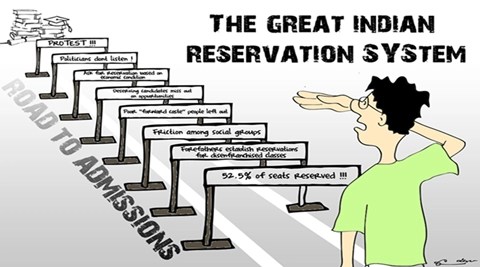
Reservation is a system of affirmative action in India which facilitates historically disadvantaged group of people to be represented in education, employment, politics etc. It was framed with a reason to uplift certain castes who were subjugated to atrocities, social and economic backwardness due to the prevalence of dominance of caste system in the society. Based on the amenities in the Indian constitution, it allows the Indian Government to set reserved seats which de-escalates some of the qualifications needed in employment, education, exams etc. for socially and economically backward citizens.

There are points both in the favor and against of the reservation system. Why some argue in favor of such a system ? Caste based reservation became a necessity in India because of historical negligence and injustice caused to the backward communities. Meritocracy is prominent for the better construction of a society as it is the idea that people get ahead based on their own accomplishments and abilities but it becomes meaning less without equality. The caste based reservation systems bridges the gap between upper and lower castes as every human being has the right to education, employment and other factors irrespective of their culture, background, race, sex etc. It provides a level playing field as it is strenuous for the backward sections who were historically deprived of education, skills and economic mobility to cope up with those who had access to those means for centuries. This has been a ray of hope for the backward sections to aspire of diverse professions and achieve an eminent position in life. It has encouraged and aided people to attain higher posts or services in the public sector and in the private as well. This system has mitigated the process of the forward becoming more richer and backward to a more pathetic level.

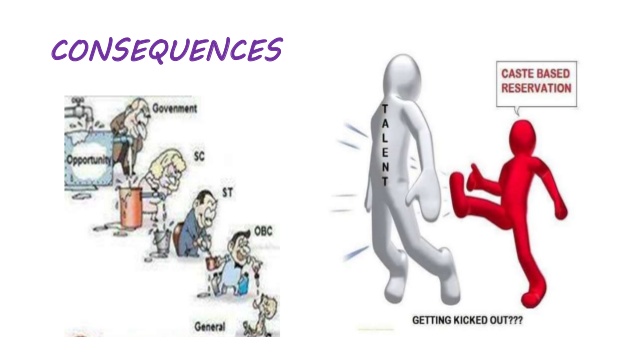
The caste discriminations were prevalent many years ago and now the lower castes have stepped up the social ladder and their is prevailing equity among all for the accessibility to education and employment so there is no more need for reservation. The road to success for the backward communities becomes easy these days but for others it is filled with hurdles and barriers. Although the reservation system plays a crucial role in the empowerment and upliftment of the socially and economically backward communities, to a large extent it degrades the quality of candidates and workers. Because in the competitive exams, entrance exams or for the job openings such people are limited to just a medium level of score to get qualified for the field and toil lesser which automatically impairs the quality of candidates. Imagine the plight of the candidates who travail more to reach the maximum marks framed for them just because they belong to the general class. The situation becomes vice versa again by disadvantaging and discriminating a group of people and fails to eliminate the notion. There are many who are impoverished in the general class but their hard work are underrated and not seriously taken into account as they belong to such class. Many upper class are still poverty- stricken and illiterates. Reservation is a weapon to address social and educational backwardness but it is not the complete solution to all the social indispositions. The government can provide platforms to enhance the knowledge and cognition of such classes to ace in the exams or jobs by facilitating courses to make them qualified rather than minimizing the scores to be obtained and making it a challenge for the other classes. It also brings down the economic growth of the country as it lowers the efficacy of labor.

Everyone should be equally offered with opportunities, that should be the crux of equality but it should be left in their hands how to utilize it and come up in life.

The largest individual flower on Earth-Rafflesia Arnoldii

Rafflesia Arnoldii is a species of flowering plant in the parasitic genus Rafflesia. It is noted for producing the largest individual flower on Earth. It has a strong and unpleasant odor of decaying flesh. It is native to the rainforests of Sumatra and Borneo. Although there are some plants with larger flowering organs like the titan arum (Amorphophallus titanum) and talipot palm (Corypha umbraculifera), those are technically clusters of many flowers.

Rafflesia Arnoldii is one of the three national flowers in Indonesia, where it is known locally as the puspa langka or Padma paksasa. The other two being the white jasmine (Jasminum sambac) and moon orchid (Phalaenopsis amabilis). The first person to discover Rafflesia was the ill-fated French explorer Louis Auguste Deschamps in Java between 1791 and 1794, but his notes and illustrations were seized by the British in 1803 and were not available to western science until 1861.

Thailand, Rafflesia can be seen in Khao Sok National Park where the flowers are numbered and monitored by the park rangers. The regional name of Rafflesia Arnoldii is kerubut in Sumatra, cendawan biriang in the Minangkabau language in kecamatan (‘district’) of Pandam Gadang and “corpse flower” by the local people.

Antique illustration of Rafflesia Arnoldii

Although Rafflesia is a vascular plant, it lacks any observable leaves, stems or even roots, and does not have chlorophyll properties. It lives as a holoparasite on vines of the genus Tetrastigma. Similar to fungi, individuals grow as a mass of thread-like strands of tissue completely embedded within and in intimate contact with surrounding host cells from which nutrients and water are obtained. It can only be seen outside the host plant when it is ready to reproduce; the only part of Rafflesia that is identifiable as distinctly plant-like are the flowers, though even these are unusual since they attain massive proportions, have a reddish-brown colouration, and stink of rotting flesh. The flower of Rafflesia Arnoldii grows to a diameter of around one meter (3.3 feet), weighing up to 11 kilograms. These flowers emerge from very large, cabbage-like, maroon or dark brown buds typically about 30 cm (12 in) wide, but the largest flower bud ever recorded found at Mount Sago, Sumatra in May 1956 was 43 cm (17 in) in diameter. Indonesian researchers often refer to the bud as a ‘knop’ (knob).

Corpse flower, Rafflesia arnoldii, West Sumatra, Indonesia.

Rafflesia Arnoldii is found in both secondary and primary rainforests. The only host plant species of Rafflesia Arnoldii is Tetrastigma leucostaphylum in West Sumatra. Tetrastigma are themselves parasites of a sort, using the strength and upright growth of other surrounding plants to reach the light. The trees that Tetrastigma uses to climb up to light, are relatively limited in number of species, although they are generally the closest tree to the vine. The buds take many months to develop and the flower lasts for just a few days. The flowers are gonochorous – either male or female, thus both flowers are needed for successful pollination.

When Rafflesia is ready to reproduce, a tiny bud forms outside the root or stem of its host and develops over a period of a year. The cabbage-like head that develops eventually opens to reveal the flower. The stigmas or stamens are attached to a spiked disk inside the flower. A foul smell of rotting meat attracts flies and beetles. To pollinate successfully, the flies and beetles must visit both the male and female plants, in that order. The fruit produced are round berries filled with numerous minute seeds.

The flies like Drosophila colorata, Chrysomya megacephala and Sarcophaga haemorrhoidalis visit the late flowers. Black ants of the genus Euprenolepis may feed on the developing flower buds, perhaps killing them.

It’s conservation has not been assessed for the IUCN Red List. Ecotourism is thought to be a main threat to the species, at locations which are regularly visited by tourists the number of flower buds produced per year has decreased.

Jobs for the Future

There are two reasons why students are interested in sustainable management studies.

Photo by Magnetme on Pexels.com

Youngsters are now facing the impact of climate change themselves. Many of them have experienced-led disasters such as floods and cyclones, more than their previous generation did.

Second, there is growing awareness on the regulatory requirement and the investor’s demand, said Jagdish Ratnani, a Professor.

Nevertheless, the fact is that many jobs of the future will require hordes of managerial talent who understand ESG. Its a great career opportunity, Aditya Shelar, a student at IIM Lucknow, thinks that business in future will think beyond numbers and they would need people who under- stand a range of issues.

The transition to electric vehicles, higher solar power adoption, green practices in real-estate as well as carbon neutral policies will all require manpower that drive these shifts.

Environment and sustainability will have to be embedded in both corporate thought and actions. Its a requirement for branding, for raising funds, and to capture young and aware consumers. Institutions will increasingly adopt that in the classroom and beyond. It was said by Gopal Sarangi of TERI Institute of Advance Studies.

Photo by Angela Roma on Pexels.com

Some firms want to evaluate if their manpower is conscious about ethical business strategies. Some firms want to evaluate if their manpower is conscious about ethical sourcing, environment reservation, SGD goals like equality at workspace, the side effects of child labour and fair wage.

All this will fuel demand for more courses in B- Schools.

Reference

http://www.intershala.com

http://www.timesofindia.com

Journalism of Empathy

Humans often dissociate themselves from animals by immersing themselves in their differences. But sometimes these differences are not consequential and just like us animals also habituate themselves to expressing their emotions. Lions are perceived as the most social animal in wildlife. They live in large groups called “prides” which strengthens their kinship. Cubs stay with their mothers until they learn to live for their survival. Human beings are considered to be social animals, who need love, communication and belongingness to stay alive.  Love and the necessitation of receiving love is a basic and primal being instinct. It is claimed that the strongest instinct in a man is considered to be of survival which is closely accompanied by a drive to protect those he cares about like a shield. Throughout human existence love remains critically important it transforms and evolves through out the course of relationships.

It is strenuous to emphasize what role family plays in my life. They taught me the true meaning of selfless love. My family was my first school who taught me morals and values. They always stood by me when I lost faith in myself. Whenever I was hard to love they always have more love to give without any expectations. The epitome of establishing any relationship is communication and trust which I’ve learnt from my family. They are my strength and my powerful voice. Everything that I am today is solely because of them. I thank my stars to be blessed with what I have. They always made things accessible to me which were far from being mine. There are times when situations are thrown at us and our bond with our families become unstable that is the time when we learn what patience is, holding onto people who matter and not giving up on them irrespective of the scenarios. My true definition of love is defined by my family, where there are no if’s or but’s just giving all, you have for the people that you feel affectionate and loved towards.

Nowadays Receiving real love is a scarce commodity so its value is highlighted and holds immense amount of importance. No matter how far you go in search of peace or your desires the only place you will feel a sense of belongingness and togetherness will be your family- your home. My chosen family which are my friends who are my ultimate source of happiness. These are the people who I have chosen to grow with for the rest of my life. Undoubtedly, they have contributed in molding the person that I am today, made a point to never make me feel alone or defeated. Every friendship goes through a rough patch but it all comes down to accepting each other’s flaws and insecurities and not leaving each other’s sides because that is all that matters when you look back. Valuing the small things in life, being happy without any worries, experiencing first encounters of mid-adulthood are all what friendship signifies for me, it taught me that people can be loved differently.

What makes life worth living is our family and friends. They possess the power to add value into our lives. At the end of the day, when we look back our established relationships which have contributed in building our personalities and in which we have invested our time and efforts become our pride which gives us supreme satisfaction and a purpose to live. They teach us the true meaning of belongingness, love and empathy.

Skills of the Future

The new world order, brought on by the fourth Industrial Revolution, demands that today’s children acquire skills that will serve them well in the future.

Photo by Andrea Piacquadio on Pexels.com

The world we live in will change so fundamentally that students who come out of school by 2030 will make careers in fields that we have no idea about in the present.

As all of these trends happen, the winners will be those who are able to participate fully in innovation-driven ecosystems by providing new ideas, business models, products, and services, rather than those who can offer only low-skilled labor or ordinary capital, points out Klaus Schwab, founder and executive chairman of the World Economic Forum, in his seminal work, the Fourth Industrial Revolution.

This view is supported by other experts.

According to David Deming, associate professor of education and economics at Harvard University, Soft Skills like sharing and negotiating will be crucial. Modern workplace, where people move different roles and projects, closely resembles pre- school classrooms where we learn social skills such as empathy and cooperation. =

In effect, the skills and traits that must be inculcated in our children include : Social Intelligence

Photo by Polina Zimmerman on Pexels.com

This set of skill include empathy or the awareness of self and others perspective collaboration, negotiations and conflicts resolution, persuasive communication that can change minds and hearts.

A sense of service mindedness, trustworthiness and transparency.

Reference

http://www.timesofindia.com

http://www.wikipedia.com

World Hepatitis Day 2021

Introduction

Every year on July 28th, World Hepatitis Day is observed. The goal is to raise awareness about viral hepatitis. Hepatitis is a medical condition in which the liver is in an inflammatory condition. The theme for this year is “Hepatitis Can’t Wait”, magnifying the urgency of putting efforts to eliminate hepatitis as a public health threat by 2030.

History

July 28th was chosen as the date for World Hepatitis Day because it is the birthday of Nobel-prize-winning scientist Dr. Baruch Blumberg, the scientist who discovered the Hepatitis B virus (HBV) and also developed a diagnostic test and vaccine for the same virus.

Dr. Baruch Samuel Blumberg was born on July 28, 1925, and died on April 5, 2011. He was an American physician, geneticist, and co-recipient of the 1976 Nobel Prize in Physiology or Medicine with Daniel Carleton Gajdusek. He was president of the American Philosophical Society from 2005 to his death. He served as a U.S. Navy deck officer during World War 2. He received his MD in 1951 from Columbia University and his D. Phil in 1957 from the University of Oxford. While studying yellow jaundice in 1964, he discovered a surface antigen for hepatitis B in the blood of an Australian aborigine, which is the reason it was initially called “Australian antigen”.

About Hepatitis

It is referred to as an inflammatory condition of the liver. It is usually caused by a viral infection but it can also be caused by other things. It can include autoimmune hepatitis and also hepatitis which can occur because of medication, drugs, toxins, and alcohol. There are five types of hepatitis based on different viruses. 

Hepatitis A is caused by an infection with hepatitis A virus (HAV), this is mostly transmitted by consuming food or water which is contaminated by feces from a person infected by HAV. 

Hepatitis B is transmitted through contact with infectious body fluids like blood, vaginal secretions, or semen. It can be transmitted by injection drug use, having sex with an infected partner, or sharing razors with an infected person. 

Hepatitis C is caused by the hepatitis C virus (HCV). It can also be transmitted through direct contact with infected body fluids, especially through used injections and sexual contact. 

Hepatitis D is also known as delta hepatitis, it causes a serious liver disease by hepatitis D virus (HDV). It is caused by coming in direct contact with infected blood, it is rare as it only occurs with hepatitis B because it cannot multiply without the presence of hepatitis B. 

Hepatitis E is waterborne and is caused by hepatitis E virus (HEV), it can usually be found in areas with poor sanitation and from ingesting fecal matter that has contaminated the water supply. 

Facts and Figures

  • 1,100,000 deaths per year are caused by Hepatitis B and C.
  • 9,400,000 people are receiving treatment for chronic HCV.
  • 10% of people with chronic HBV are diagnosed and 22% of those receive treatment.
  • 42% of children have access to the birth dose of HBV vaccine.
  • According to WHO, 325 million people around the world have HBV or HCV.
  • Hepatitis isn’t just an STD, there are other ways of getting it as well.

Conclusion

With the figures of infection and death around the world, it is clear that we can’t just sit and wait around for them to decrease. It is important to make people aware of it, teach them the way to avoid it, and reach a stage where the vaccine can be provided to everyone. As common citizens, we can’t help in the production and reach of the vaccine but we can help in raising awareness and taking steps towards sanitation.

References

World Nature Conservation Day 2021

“Only if we understand, will we care. Only if we care, will we help. Only if we help, shall all be saved.”

– Jane Goodall

Introduction

Every year July 28th is celebrated as World Nature Conservation Day. This is to raise awareness to protect the planet we live on, our Mother Earth. The meaning of conservation is carefully using valuable natural substances that exist in limited amounts to make certain that they will be available for as long a time as possible. The practice of not using resources carefully has also led to the extinction of many species. Conservation will help in the growth of biological, economic, cultural, and recreational values. Non-conservation for so many years has also resulted in Climate change which we know is affecting the planet in many negative ways.

Significance

It is important to recognize that we need nature for our survival, if we let that go, it will disturb the environment which will then disturb the climate harming the harvests and the well-being of all humans. Not just that, we also need nature for all the non-renewable resources we keep using for our industries. Celebration of this day recognizes the importance of a healthy environment which is the foundation of a stable and productive society, it ensures the well-being of present and future generations. The aim of this day is to introspect on how we Homo sapiens are exploiting nature and the effects we are facing because of it, such as global warming, natural disaster, increased temperature, and various diseases. 

Theme for this year

The theme for this year’s World Nature Conservation Day is “Forests and Livelihoods: Sustaining People and Planet”. This theme highlights the importance of co-existing with nature.

Forests are often underestimated and looked upon as just a source of wood, but it is important to know their importance. We greatly depend on forests for our survival, be it the air we breathe or the wood we use. Forests provide habitat for animals and also a livelihood for humans, it also offers watershed protection. Forests help in preventing soil erosion and help in the mitigation of climate change. Over 2 billion people rely on forests for shelter, livelihoods, water, food, and fuel security. Forests are home to over 80% of the world’s terrestrial biodiversity and 60 million indigenous people. Forests provide jobs for more than 13 million people across the world. They are the second-largest storehouses of carbon which is very important to solve the issue of global warming and to reach the goals described in the Paris Agreement.

Things to do to Conserve Nature

Cut Down on plastic use – Although the use of plastic is convenient for us, it is non-biodegradable and leaves its trace for a very long time, it not only stays in the environment but also impacts other species, like choking animals and birds because of plastic.

Save Electricity – Electricity is produced by using non-renewable resources. If we control how much electricity we use, and don’t waste it, less non-renewable resources will be used. The creation of electricity produces extra carbon waste which increases global warming. 

Save Water – Wasting water is resulting in decreasing levels of drinking water. Not only that but it also creates a lot of energy to treat, pump, and heat water. We should use water judiciously. 

Recycle-Reuse – Following the practice of recycling and reusing will help in reducing the amount of waste we create.

Conclusion

We have learnt about the importance of nature and its conservation above. It is high time to realize the importance of following this practice as we are in deep waters already. This summer the world has experienced nature’s wrath all across, floods in China and Europe, high temperatures in Canada, the US, and the UK. The last few years have seen a rise in forest fires and if this isn’t warning enough of the damage we have caused, then we’re just waiting for a big disaster to hit us.

References