Caste: the historical facet peculiar to India

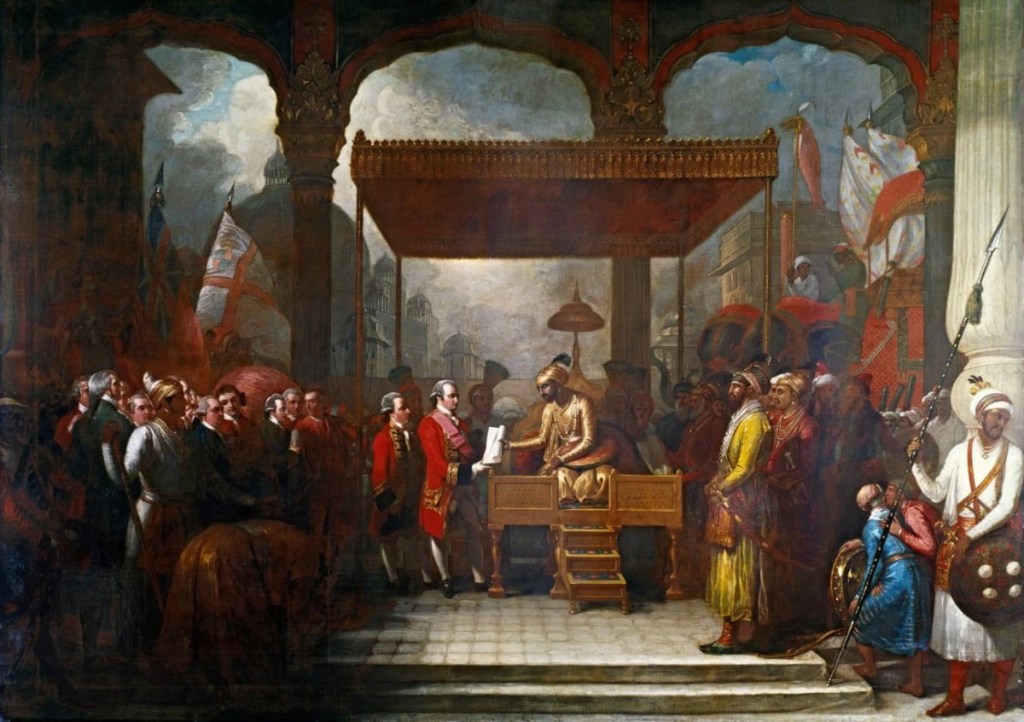
The caste system, the joint family system and the village system of life are often regarded as the three basic pillars of the historical Indian social system. The caste system as a form of stratification is peculiar to India. The caste system is an inseparable aspect of the Indian society. It is peculiarly Indian in origin and development. Caste is closely connected to Hindu philosophy and religion, customs and traditions, marriage and family, morals and manners, food and dress habits, occupations and hobbies. The caste system is believed to have divine origin and sanctions. The caste stratification of the Indian society has had its origin in the Chaturvarna system. According to the Chaturvana doctrine, the Hindu society was divided into four main varnas namely: the Brahmins, the Kshatriyas, the Vaishyas and the Shudras. The caste system owes its origin to the varna system.

Definition of Caste as given by some prominent sociologists:

MacIver and Page: “When status is wholly predetermined so that men are born to their lot without any hope of changing it, then the class takes the extreme form of caste.”

C. H. Cooley: “When a class is somewhat strictly hereditary, we may call it caste.”

D. N. Majumdar and T. N. Madan have said that caste is a ‘closed group’.

Perspectives on caste system in India:

The perspectives on the study of caste system include Indological or ideological, social anthropological and sociological perspectives. The Indological or ideological perspective takes its cue from the scriptures about the origin, purpose and future of the caste system, whereas the cultural perspective of the social anthropologist looks the origin and growth of caste system, its development, and the process of change in its structure or social structural arrangements as well as in the cultural system also view caste system not only as unique phenomenon found in India, but also in ancient Egypt, medieval Europe, etc. But the sociological perspective views caste system as a phenomenon of social inequality. Society, especially, Hindu social system has certain structural aspects, which distribute members in different social positions. It shows concerns with growth of the caste system. Many sociologists put forward their theory of caste with respect to Indian society. Some prominent sociologists in this regard are, G. H. Ghurye, Louis Dumont and M. N. Srinivas.

G. H. Ghurye theory of caste:

G. H. Ghurye is regarded as the father of Indian sociology. His understanding of caste in India can be considered historical, Indological as well as comparative. In his book, “Caste and race in India” he agrees with Sir Herbert Risley that “Caste is a product of race that came to India along with the Aryans”. According to him caste originated from race and occupation stabilized it. Ghurye explains caste system in India based on six distinctive characteristics:

1. Segmental division of society: Under caste system, society is divided into several small social groups called castes. Additionally, there are multiple divisions and subdivisions of caste system.

2. Hierarchy: According to Ghurye, caste is hierarchical. Theoretically, Brahmins occupy the top position ad Shudras occupy the bottom. The castes can be graded and arranged into a hierarchy on the basis of their social precedence.

3. Civil and religious disabilities and privileges: This reflects the rigidity of the caste system. In a caste system, there is an unequal distribution of disabilities and privileges among its members. While the higher castes enjoy all the privileges, the lower castes suffer from various types of disabilities.

4. Lack of unrestricted choice of occupation: The occupations in caste system are fixed by heredity and generally members are not allowed to change their traditional occupations. The higher caste members maintain their supremacy in their jobs and do not allow other caste group to join in the same occupation.

5. Restriction on food, drinks and social intercourse: Restriction on feeding and social intercourse are still prevalent in Indian society. There are two types of food I.e., Kacha (cooked) food and Pakka (raw) food upon which certain restrictions are imposed with regard to sharing.

6. Endogamy: Every caste insists that its members should marry within their own caste group.

Louis Dumont theory of caste:

Louis Dumont was a French Sociologist and Indologist. His understanding of caste lays emphasis on attributes of caste that is why; he is put in the category of those following the attributional approach to the caste system. Dumont says that caste is not a form of stratification but a special form of inequality, whose essence has to be deciphered by sociologists. Dumont identifies hierarchy as the essence of caste system. According to Dumont, Caste divides the whole Indian society into a larger number of hereditary groups, distinguished from each other and connected through three characteristics:

1. Separation on the basis of rules of caste and marriage,

2. Division of labor, and

3. Gradation of status.

He also put forward the concept of ‘pure’ and ‘impure’ which was widely seen in the Caste ridden society. The Brahmins were assigned with priestly functions, occupied the top rank in the social hierarchy and were considered “pure” as compared to other castes. The untouchables being “impure”, were segregated outside the village and were not allowed to drink water from the same wells from which the Brahmins did so. Besides this, they did not have any access to Hindu temples and suffered from various disabilities.

M. N. Srinivas theory of caste:

M. N. Srinivas was one of the first-generation Indian sociologists in post-Independence period. Srinivas approach to study of caste is attributional I.e., analyses caste through its attributes. He assigned certain attributes to the caste system. These are:

1. Hierarchy

2. Occupational differentiation

3. Pollution and Purity

4. Caste Panchayats and assemblies

5. Endogamy

Besides caste, Srinivas looks for yet another source or manifestation of tradition. He found it in the notion of ‘dominant caste’. He had defined dominant caste in terms of six attributes placed in conjunction:

Sizeable amount of arable land,

Strength of numbers,

High place in the local hierarchy,

Western education,

Urban sources of income and

Jobs in the administration

Of the above attributes of the dominant caste, the following two are important:

Numerical strength, and

Economic power through ownership of land

He also introduced the concept of “Brahmanisation” wherein the lower caste people imitate the lifestyle and habits of the Brahmins. This concept was further changed to “Sanskritisation”.

These are a few theories of caste system that prevailed before the rise of modern India owing to the revolutions undergone during the British rule.

The Green Revolution in India

Photo by Pixabay on Pexels.com

The great increase in production of food grains(like rice and wheat) due to the introduction of high yielding varieties,to the use of pesticides, and to bettter management techniques is known as the Green Revolution in India.
A part of a larger initiative by Norman Borlaug, green revolution in India was founded by M.S Swaminathan. The aim was to increase agricultural productivity in the developing world with the use of technology and agricultural research. The Green Revolution started in 1965 with the first introduction of High yielding variety(HYV)seeds in Indian agriculture. The end result of the Green Revolution was to make India self sufficient when it came to food grains. The Green Revolution in India was first introduced in Punjab in the late 1960s as a part of a development program issued by international donor agencies and the government of India. During the British Raj, India’s grain economy hinged on a unilateral relation of exploitation. The Green Revolution resulted in increased production of food grains (especially wheatand rice) and was in large part due to the introduction into developing countries of new, high-yielding varieties, beginning in the mid-20th century with Borlaug’s work. Borlaug developed a short-stemmed (“dwarf”) strain of wheat that increased crop yields. Previously, taller wheat varieties would break under the weight of the heads if production was increased by chemical fertilizers. Borlaug’s short-stemmed wheat could withstand the increased weight of fertilized heads.Wheat production in Mexico multiplied threefold owing to this and other varieties.Following Borlaug’s success in Mexico, the Indian and Pakistani goverments requested his assistance. Borlaug began his agricultural revolution in Asia. With India and Pakistan facing food shortages due to rapid population growth, the importation of Borlaug’s dwarf wheat in the mid-1960s was a key element if Green Revolution in India and helped the country to become agriculturally self sufficient.

What are the main features of Green Revolution?
1) Introduction of new and high yielding variety of seeds
2) Increased use of fertilizers, pesticides and weedicides to reduce agricultural losses.
3) Increased application of fertilisers to enhance agricultural productivity.
4) Use of latest agricultural machinery like tractors, threshers and harvesters etc.
5) Use of disease resistant varieties so that production will enhance.

Pros and cons of Green Revolution
Pros:
1) increase in agricultural production
2) reduction in import of food grains
3) increase quality of food
4) increase tolerance to pests, diseases and weeds
5) prosperity of farmers and helps in rural employment
Cons:
1) expensive seeds
2) ecological problems like soil erosion, waterlogging, desertification etc.
3) creates lack of biodiversity
4) health impacts from increased pesticides and fertilisers
5) deforestation

The White Revolution in India

Photo by Engin Akyurt on Pexels.com

The revolution associated with a sharp increase in milk production in the country is called the White Revolution in India also known as Operation Flood. White revolution period intended to make India a self-dependent nation in milk production.
Verghese Kurien ,the founder of Amul introduced White revolution in India. He is known as the father of white revolution in India.
Operation Flood started the White Revolution in India and made our country self-sufficient in milk and this was achieved entirely through the cooperative structure.One of the largest of its kind, the programme objective was to create a nationwide milk grid. It resulted in making India one of the largest producers of milk and milk products, and hence is also called the White Revolution of India. It also helped reduce malpractices by milk traders and merchants. The White Revolution in India was successful in transforming the country from a milk deficient nation to a world leader in milk production. It helped dairy-farming become India’s largest self-sustaining industry and also, India’s largest rural employment provider.

Advantages and disadvantages of white revolution
Advantage:
1) ended imports of milk solids in India.
2) India started exporting milk powder to many foreign nations.
3) dairy industries and infrastructures modernised and expanded.
4) more employment in the field of dairy farming.
5) dairy needs are met locally.
Disadvantage:
1) since livestock are prone to many diseases, milk obtained from them during such conditions leads to disease spreading.
2) adulteration of milk and dairy products.

Bad Bank

A bad bank is a financial entity set up to buy non performing assets (NPAs), or bad loans, from banks. It is not involved in lending and taking deposits, but helps commercial banks clean up their balance sheets and resolve bad loans.It buys bad debtors of a bank at a mutually agreed value and attempts to recover the debts or associated securities by itself.

The aim of setting up a bad bank is to help ease the burden on banks by taking bad loans off their balance sheets and get them to lend again to customers without constraints. After the purchase of a bad loan from a bank, the bad bank may later try to restructure and sell the NPA to investors who might be interested in purchasing it. A bad bank makes a profit in its operations if it manages to sell the loan at a price higher than what it paid to acquire the loan from a commercial bank. A supposed advantage in setting up a bad bank is that it can help consolidate all bad loans of banks under a single exclusive entity. The one time transfer of assets out of the balance sheets will relieve banks of their assets out of bank’s balance sheets will relieve banks of their stressed assets and allow them to focus on their core business of lending. Banks with clean balance sheets can mobilize fresh capital from the market and improve their credit growth, which is crucial for spurring investments. Bad banks would also give an impetus to India’s economic growth , which has been affected by heightened risk aversion arising from the unbridled growth in NPAs . And the bad bank will unlock trapped capital, which will be a net positive for the economy in the long term. The idea of a bad bank has been tried out in countries such as the U.S.,Germany, Japan and others in the past. Some experts believe that by taking bad loans off banks, a bad bank can free capital of over ₹ 5 lakh crore that is locked in by banks as provisions against these bad loans. This will give banks the freedom to use the freed customers.

It is argued that creating a bad bank is just shifting the problem from one place to another.Without fundamental reforms to solve the NPA problem, the bad bank is likely to become a warehouse for bad loans without any recovery taking place. An important concern is regarding mobilizing capital for the bad bank. In an economy hit by the pandemic, it is hard to find buyers for distressed assets and the Government is also in a tight fiscal position. There is no clear procedure to determine at what price and which loans should be transferred to the bad banks.

Former RBI Governor Raghuram Rajan was cautious about the idea of a bad bank in which banks held a majority stake. In his book ‘I Do What I Do,’ the celebrated economist and banker had pointed out that if a bad bank was in the public sector, the reluctance to act would merely be shifted to the bad bank.

Sources : The Hindu, Drishti IAS , Wikipedia

BIMSTEC

The Bay of Bengal Initiative for Multi-Sectoral Technical and Economic Cooperation (BIMSTEC) is a multilateral regional organisation established with the aim of accelerating shared growth and cooperation between littoral and adjacent countries in the Bay of Bengal region. It is interregional organisation connecting South Asia and Southeast Asia. It has 7 member countries in total – Five are from South Asia, namely India, Bangladesh, Nepal, Bhutan, Srilanka and 2 are from Southeast Asia , namely Myanmar and Thailand.

It was founded on 6th June 1997 as BIST-EC (Bangladesh, India, Sri-Lanka and Thailand Economic Cooperation) with the adoption of Bangkok declaration. It became BIMST-EC (Bangladesh, India, Myanmar, Sri Lanka and Thailand Economic Cooperation) with the entry of Myanmar on 22nd December 1997. Nepal entered as Observer country in December, 1998. And later on , it was named in its current form when Nepal and Bhutan became members in 2004. BIMSTEC headquarters is located in Dhaka , Bangladesh. Its principle is to maintain sovereign equality, territorial integrity, political independence, no interference in internal affairs , peaceful coexistence and mutual beliefs. It is an addition not substitute to any existing bilateral , multilateral or regional ties.

It is a sector driven organization. Each member-countries serve as a lead for a sector : trade,investment and development (Bangladesh ); Environment and climate change (Bhutan); Security,including counter terrorism,tourism,transport and communication (India); agriculture and food Security (Myanmar); people-to-people contacts (Nepal); science,technology and innovation (SriLanka) ; and connectivity (Thailand).

In terms of connectivity, Bimstec has  three major projects that could transform the movement of goods and vehicles through the countries in the grouping.
1. Kaladan Multimodal Project – It seeks to link India and Myanmar. The project envisages connecting Kolkata to Sittwe port in Myanmar, and then Mizoram by river and road. India and Myanmar had signed a framework agreement in 2008 for the implementation of this project. It’s yet to be finished.
2.  Asian Trilateral Highway – It will connect  India and Thailand through Myanmar. The highway will run from Moreh in Manipur to Mae Sot in Thailand via Myanmar. It is expected to be completed by 2023.
3. Bangladesh-Bhutan-India-Nepal (BBIN) Motor Vehicles Agreement – the agreement was signed on 15th June 2015 for seamless movement of goods and vehicles.The BBIN project suffered a setback in 2017 when Bhutan temporarily opted out of it after being unable to get parliamentary approval for the

There are some issues hampering the progressive development of BIMSTEC :
1. Lack of cordial bilateral relations between its member states. Eg., India-Nepal, India-Sri Lanka, and Bangladesh-Myanmar ties are not good, due to political, economic, and social reasons.
2. Uncertainties over SAARC impact the development of BIMSTEC. Eg., BIMSTEC members Nepal and Sri Lanka want a revival of the SAARC summit.
3. Thegrowing influence of China in South Asia. Eg., popular Bangladeshi scholar supported admitting China as a partner in BIMSTEC. However, India will not welcome this idea.
4. Apathy towards holding regular annual summits. Eg., while most of the regional organisation (SCO, ASEAN, G20) were able to meet at a high political level even during the Pandemic, BIMSTEC leaders failed to meet.

the 5th BIMSTEC summit was hosted by Srilanka in hybrid mode on 30th March,2022. Our Prime Minister Narendra Modi announced a contribution of $1 million towards BIMSTEC’s operational costs and another $3 million to revive the organization’s center for weather and forecast at Noida, India. He stressed the need to give priority to regional security.

In the 25 years of its existence BIMSTEC hasn’t achieved much. That could be changing now with India’s heightened interest in the grouping, as a vehicle for the achievement of its strategic interests.

Source : The Hindu , The Diplomat

What is MSP?

India is an agriculture dominated country. More than 50% of Indian workforce is employed by the agriculture. Farmers strive hard to produce high yield and quality products but their income is less than expenses. Market price is determined by supply and income demand. When there is large supply of crops but less demand , there is sharp fall in farm prices affecting farmers drastically. There is always price fluctuations in agricultural products while farmers get a decent return when there is shortage of supply,the same products fetch them poor price during bumper harvest season.
The government of India has introduced MSP (Minimum Support Price ) to protect producers against excessive fall in farm prices leading heavy loss suffered by the farmers.MSP is the minimum price a farmer must be paid for their agricultural produce as guaranteed by the government of India. If the market price falls below MSP, the government procures that crop from the farmers at MSP. MSP is announced for  22 major crops along with a Fair Remunerative Prices (FRP) for sugarcane. MSP is recommended by Commission for Agricultural Costs and Prices (CACP) but the final decision is taken by the Cabinet Committee on Economic Affairs(CCEA) of union government.

MSP ensures profit of atleast 50% over the cost of production for the farmers.It includes cost of production, domestic and international prices, demand-supply conditions, inter-crop price parity and the terms of trade between agricultural and non-agricultural sectors.
Farmers are free to sell their products to any non-governmental parties, if they get favorable terms to sell their products or better than MSP. The government mainly buys rice and wheat at guaranteed price.

Benefits of MSP:
• It acts as a surety to farmers so that their crops get the fair amount for their produce and helps them sustain their losses and does not affect them drastically
• It helps to keep a floor price which does not let the prices fall below a certain point.
• The government can use these crops to be sold at government fair price shops at a price lower than market rate that will also help the government recover some amount and reduce the losses of the government.
• It safeguard the interest of the consumer by ensuring supplies at a reasonable price.
• Government manages food scarcity by distribution of stored grains at affordable prices.

Drawback of MSP :
It doesn’t increase in proportion to the increase in cost of production.
• There are a lot of farmers who don’t have adequate information about MSP and are exploited by middlemen.
• There are several regions in the country where farmers can’t access to the benefits through MSP.
• Open market workings , which works on supply and demand relations is detrimental for farmers , is disrupted by government intervention.
• Maintenance cost of procuring grains is raised by MSP which affects the investment in agri-infrastructure.

Arrival of British in India

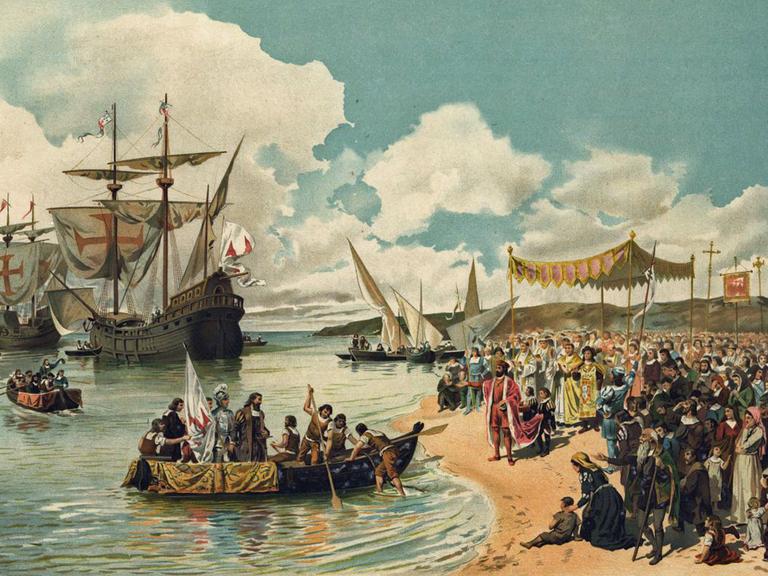
On May 20, 1498, Vasco da Gama arrived in Calicut, establishing a sea route connecting Europe and East Asia. Following this, India became a focal point for European trade, as well as the scope of European ambitions to gain control of the Spice Islands trade monopoly, resulting in numerous naval conflicts. The British East India Company arrived in India to conduct business, primarily in spices. They also traded silk, cotton, indigo dye, tea, and opium, among other things.

John Watts and George White created the British Joint Stock Company, or East India Company, in 1600 AD to seek trade with South and South-East Asian nations. The majority of the shares in these joint-stock companies were owned by British merchants and nobles. The British government had no direct relationship with the East India Company. Initially, the British enter the Indian subcontinent as spice dealers. Prior to the modern era, spices were the principal means of preserving meat in Europe. The subcontinent was then dragged into the Empire by force, thanks to more modern and effective weapons. “The sun never sets on the British Empire,” as the saying goes. It would have been more true to argue that the British Empire was primarily made up of regions that were occupied and controlled under force. On August 24, 1608 AD, the British arrived in the Indian Subcontinent at the port of Surat for the purpose of trade, but it was not until 7 years later that they received a royal order (i.e. Farman) to construct a factory in Surat under the command of Sir Thomas Roe (Ambassador of James I). Following this, the Vijaynagara Empire granted the East India Company permission to build a second factory in Massulipatnam. The British gradually surpassed the other European commercial companies, and their trading operations in India grew dramatically over time. Numerous trading posts sprang up around India’s east and west coastlines, and significant English settlements grew up around the presidential capitals of Calcutta, Bombay, and Madras. Silk, Indigo Dye, Cotton, Tea, and Opium were their main commodities. By establishing a facility in Kolkata 20 years later, the Company had expanded its footprint to the East of India. During their time as a trade corporation, they recognized that the entire Indian Subcontinent was divided into regional kingdoms in fact, therefore they began to consider how to consolidate all of the resources. The East India Company began interfering in Indian politics in the 1750s. When one of the Company’s military officials, Robert Clive, beat the armies of the Nawab of Bengal, Siraj-ud-daulah, in the Battle of Plassey in 1757, the Company’s fortunes rose and it transformed from a commercial endeavor to a ruling enterprise. After the First War Independence in 1857, also known as the Revolt of 1857, the East India Company’s reign finally came to an end in 1858. Following the breakup of the East India Company in India, the British Crown assumed direct authority of the country, ushering in the British Raj.

Arrival of British in India

On May 20, 1498, Vasco da Gama arrived in Calicut, establishing a sea route connecting Europe and East Asia. Following this, India became a focal point for European trade, as well as the scope of European ambitions to gain control of the Spice Islands trade monopoly, resulting in numerous naval conflicts. The British East India Company arrived in India to conduct business, primarily in spices. They also traded silk, cotton, indigo dye, tea, and opium, among other things.

John Watts and George White created the British Joint Stock Company, or East India Company, in 1600 AD to seek trade with South and South-East Asian nations. The majority of the shares in these joint-stock companies were owned by British merchants and nobles. The British government had no direct relationship with the East India Company. Initially, the British enter the Indian subcontinent as spice dealers. Prior to the modern era, spices were the principal means of preserving meat in Europe. The subcontinent was then dragged into the Empire by force, thanks to more modern and effective weapons. “The sun never sets on the British Empire,” as the saying goes. It would have been more true to argue that the British Empire was primarily made up of regions that were occupied and controlled under force. On August 24, 1608 AD, the British arrived in the Indian Subcontinent at the port of Surat for the purpose of trade, but it was not until 7 years later that they received a royal order (i.e. Farman) to construct a factory in Surat under the command of Sir Thomas Roe (Ambassador of James I). Following this, the Vijaynagara Empire granted the East India Company permission to build a second factory in Massulipatnam. The British gradually surpassed the other European commercial companies, and their trading operations in India grew dramatically over time. Numerous trading posts sprang up around India’s east and west coastlines, and significant English settlements grew up around the presidential capitals of Calcutta, Bombay, and Madras. Silk, Indigo Dye, Cotton, Tea, and Opium were their main commodities. By establishing a facility in Kolkata 20 years later, the Company had expanded its footprint to the East of India. During their time as a trade corporation, they recognized that the entire Indian Subcontinent was divided into regional kingdoms in fact, therefore they began to consider how to consolidate all of the resources. The East India Company began interfering in Indian politics in the 1750s. When one of the Company’s military officials, Robert Clive, beat the armies of the Nawab of Bengal, Siraj-ud-daulah, in the Battle of Plassey in 1757, the Company’s fortunes rose and it transformed from a commercial endeavor to a ruling enterprise. After the First War Independence in 1857, also known as the Revolt of 1857, the East India Company’s reign finally came to an end in 1858. Following the breakup of the East India Company in India, the British Crown assumed direct authority of the country, ushering in the British Raj.

How to become a philanthropist

 Being a philanthropist, or someone who offers their time, money, or reputation to philanthropic causes, maybe a highly fulfilling experience.

Philanthropy is not solely the domain of the wealthy. The literal definition is ‘humanity’s love.’ It is simply the desire to make a difference in the lives of others, and it is something that anyone of us can do.

You could believe that improving the world through humanitarian actions necessitates writing multimillion-dollar checks. But the reality is that anyone may become a philanthropist, according to philanthropist Amit Soni from Indore.

There are many ways to make a lasting impact on the planet, a community, or a single person, regardless of your income level. Through this article, Amit Soni from Indore, organizing philanthropic events and activities, wants to share five ways to become a philanthropist and make a difference. After reading this, we hope you’ll be motivated to consider generosity from a new perspective.

Philanthropy is practiced by many organizations, particularly those in the non-profit sector. Working as a philanthropist can take many forms, including more than just providing money. Understanding the various options available to philanthropists will help you navigate your charity giving more efficiently. 

1. Share Your Expertise

Your skills and expertise are equally as significant as money when it comes to charity. If you’re an excellent cook, you can always volunteer to assist in the kitchen of a soup kitchen. Alternatively, if you’re talented in the arts, you may put on an exhibition and donate the revenues to charity.

Sharing your expertise not only helps others in their professional endeavors, but it also helps you. There are a lot of young professionals asking for help. Take a rookie under your wing if you find someone who has potential but needs help. Share the lessons you’ve learned the hard way throughout the years.

2. Become a volunteer

Volunteering is an excellent way to apply your expertise and talents to a cause that you care about. There is a volunteer opportunity for everyone, from community gardening to coaching a youth basketball team to helping abroad. Look for volunteer opportunities. You can look for volunteer opportunities online or keep an eye out for posters and signs in your neighborhood asking for assistance. 

Also, you can become active in a specific group for longer than a one-time event. Check if any organizations provide year-round volunteer programs where participants are trained and allocated work. Look for areas where volunteers are needed. There may be a location where volunteers are in short supply. Find out where an organization you care about needs extra help and offer your services. 

3. Giving money

We’re all accustomed to making a one-time or recurring charitable donation, but if you’re planning to give a bigger sum, you might consider using a philanthropic structure to ensure your money is dispersed efficiently.

Here are some of the structures you might use on your own:

-Testamentary or Will Trust: A trust established after a benefactor’s death to fund a specific charitable cause.

-A private charity trust has been established by a donor and is required to finance specific philanthropic causes.

-A gift fund is a foundation that collects donations for the sole purpose of funding a specific organization.

Instead of giving directly to an organization, you may fund an education grant or create a professional reward to help individuals.

4. Random Act of Kindness

Giving your best self to others without expecting anything in return is what a Random Act of Kindness is all about. It’s simply doing something nice for someone else without being asked or expecting anything in return. The best aspect of performing a random act of kindness is that it usually requires little time or money yet may make someone’s day. Here are some suggestions:

  • Place spare change in a parking meter for someone.

  • Send a Facebook message to someone complimenting them.

  • Pick up trash on the ground and put it in the garbage

  • Instead of drinking your morning coffee, purchase a cup for someone else.

  • Write a thank-you note to someone who inspires you.

  • Text a friend to share your gratitude for something they did for you

  • Be on time (don’t waste others’ time).

Here are some suggestions for people who decided to start their philanthropic journey and don’t know where to start. Becoming a philanthropist is not always about money. You have the option of donating your knowledge, time and service, voice and influence, and, of course, money. Making a plan for how you want to give is all it takes to become a philanthropist, says Amit Soni from Indore. 


Indian Institute of Management [IIMK], Kozhikode, Kerala

  The Indian Institute of Management [IIMK], Kozhikode, Kerala is a premier Business School that was founded in 1996, as the 5th IIM of the country. It holds the 6th Position among the Best Institute under the Management Category of NIRF Rankings in 2020. It has also made its debut at rank 15+ in Asia for its EMBA program as per the latest QS World University Rankings.

IIM Kozhikode Admission has started for PGP in Business Leadership for the session 2022-23. The last date to submit the application form is June 30, 2022EMAT 2023 Registration for MBA Admission will Begin on July 1, 2022. The last date to register for EMAT is September 11, 2022.

IIMK offers several PG Programs in management along with executive and research programs. It also offers PGP in Business Leadership or Finance, PGPEx, MDP, FDP and PhD in Management. The admission is done based on the EMAT exam and it also considers CAT, GMAT, GRE, UGC NET scores. A valid CAT score which is more than 85 Percentile is required for selection.

IIM Kozhikode Provides its Students and staffs opportunity for the International Exchange program with several leading Management Institutes in EU and ASEAN countries like SDA, Bacconi, Jonkoping, Sweden, Denmark, ESCAP-EAP, France, Copenhagen Business School, University of Queensland, Austria, Victoria University of Wellington among others. The Executive Post Graduate Program is accredited by AMBA. As a part of the Singh-Obama Knowledge Initiative, IIMK signed an MOU with Yale University to establish a Center of Excellence for Academic Leadership. It also offers the first distance learning program in management in Asia for working executives.

IIM Kozhikode Quick Facts

IIMK is The first institution to commence a technology-enabled and interactive online executive education program which has been running since 2001.

  • IIMK has been running the Laboratory for Innovation, Venturing and Entrepreneurship (LIVE) since 2016. It promotes innovation, new business venturing and entrepreneurship.
  • IIMK offers the first distance learning program in management in Asia for working executives.

IIM Kozhikode Rankings

  • Ranked 6th for Management Education by NIRF 2020.
  • Ranked 5th among All IIMs by NIRF 2020.
  • Ranked 7th in All India B-School Ranking 2019 by India Today.
  • Ranked in the 101+ rank criteria in the Asia Pacific Region in QS Business Masters Ranking 2021.

IIM Kozhikode Courses & Fees

IIM Kozhikode offers a two-year Post-graduate program in Management and 5 Years Doctoral programs in Various Specialization. It also offers PGP-Finance, PGP-LSM and PGP BL Courses.

COURSES DETAILS SELECTION CRITERIA
PGP
  • Specializations: Economics, Finance, Accounting and Control, Humanities and Liberal Arts in Management, Information Technology and Systems, Marketing Management, Organizational Behaviour and Human Resources, Quantitative Methods and Operations Management, Strategic Management, Area Neutral
  • Duration: 2 years
  • Eligibility: Bachelor’s degree from a recognized university with 60% marks
  • Fees: INR 19 LPA
CAT
PhD/ FPM
  • Specializations: Economics, Finance, Accounting and Control,
  • Information Systems, Quantitative Methods and Operations Management, Strategic Management, Marketing Management, Organizational Behaviour and Human Resources
  • Duration: 5 Years
  • Eligibility: Master’s Degree or PG Diploma (2 yrs) with at least 55% marks or equivalent CGPA. CA, ICWA and CS with B Com. and B Tech Degree with 6.5 CGPA.
  • Fees: INR 9.5 LPA
CAT, GMAT, GRE, UGC NET, IIMB Test scores
PGP-Finance
  • Duration: 2 Years
  • Eligibility: Graduates with min 60% marks (Relaxation of 5% for SC Candidates and ST/ PwD allowed a relaxation of 10%)
  • Fees: INR 20.5 LPA
CAT/ GRE/ GMAT
PGP-LSM
  • Duration: 2 Years
  • Eligibility: A graduate degree in any discipline with min 50% marks (5% Relaxation for SC/ ST/ PwD candidates) OR A PG degree in any discipline with at least 50% marks or (SC/ ST/ PWD candidates are allowed a relaxation of 5% )
  • Fees: INR 15 LPA
CAT/ GRE/ GMAT
EPGP
  • Duration: 2 Years
  • Eligibility: A Bachelor’s Degree in any discipline with at least 50% aggregate marks. 3 Years of managerial/ entrepreneurial/ professional experience^ after graduation as on the deadline of application.
  • Fees: INR 10 LPA
CAT/ GMAT/ GRE/ (EMAT)
PGP-BL
  • Duration: 1 Year
  • Eligibility: Graduates in any discipline with at least 50% Marks,
  • Minimum 3 years work experience after graduation (preferably not more than 7 years)
  • Fees: INR 22.5 LPA
GMAT/ GRE/ CAT

Kozhikode cutoff

All candidates who fulfil the minimum eligibility criteria Can Apply for Admission at IIMK. The following table mentions CAT Category Wise Qualifying Cutoffs for IIM Kozhikode Admission 2022:-

CATEGORY SECTION-1 VARC SECTION-2 DILR SECTION-3 QUANT OVERALL
General 75 75 75 85
NC-OBC/ EWS 65 65 65 75
SC 55 55 55 65
ST/ PWD 45 45 45 55

IIM Kozhikode placements

  • IIM Kozhikode has a 100% placement record for the Last Batch.
  • 131 Companies Visited Campus for Placement Drive, a 22.4% increase as compared to last year.
  • The Placement Drive has a 12% and 12.4 % increase in the mean and median salary Respectively from last year.
  • The mean salary offered to Students is INR 23.08 LPA while the median is INR 20.8 LPA.
  • The top 50% of students have an average CTC of 26.69 LPA, which is a 12.5% increase from last year.
  • Top Recruiters include Cisco, Citrix, JDA, Microsoft, Myntra, VMware and Wipro, Amazon, Flipkart, Ninjacart, Uber, ABFRL, Asian Paints, Bajaj Auto, GE Healthcare, HUL, Lenovo, Maruti, Philips, Pidilite, Samsung, Sony Pictures, TATA Sky etc.

IIM Kozhikode Scholarships

IIMK provides Scholarships to deserving and meritorious students. Following are the scholarships available at IIMK for Deserving Students:

NAME OF THE SCHOLARSHIP WHO CAN AVAIL
OP Jindal Scholarship (OPJEMS) This Scholarship is awarded by OP Jindal Group. INR 1.50 Lacs is Awarded to One student of each academic year. Also, the top 10 students of the first year are eligible to apply
Aditya Birla Scholarship This Scholarship is awarded By Aditya Birla Group and INR 1.75 Lacs (per student) is Awarded to Top 25% of students of the 1st year PGP program.
IIMK Merit Scholarship This Scholarship is Awarded by IIMK to Top 5% of second-year students
Merit-cum-Means Scholarship This Scholarship is awarded by the Government of India to those Students whose parental income is less than INR 2 Lacs (as per the previous financial year)
Charpak Scholarship The scholarship is given based on academic excellence for students going on exchange programs. The scholarship amount of Around INR 50,000 Per Month is provided to Students.

How to avail?

Application forms for the scholarships are available at the IIMK administration office. Students must apply before time for these Scholarships and Should keep a Check on Notices Published by the Institute

Arrival of Dutch in India

The Dutch are the people of Holland (now the Netherlands). The Dutch arrived in India shortly after the Portuguese. The Dutch have long been experts in sea trading. The Dutch government granted the United East India Company of the Netherlands license to trade in the East Indies, including India, in 1602. Dutch India was more of a geographical location than a political authority. In comparison to the Portuguese and the English, the Dutch had the shortest presence in India of all the European colonial powers.

Dutch history in India
The Dutch East India Company was founded in 1602 and signified the Dutch entrance in India. They arrived in Andhra Pradesh’s Masulipatam (now Machilipatnam). From 1605 to 1825, they occupied the Indian subcontinent. Given the growing demand for Indian spices from Asia in Europe, the Dutch arrived to India with the intention of trading. The establishment of the Dutch East India Company marked the beginning of the modern multinational company (MNC). Following a pact between the Zamorin of Calicut and the Dutch chief, Steven Van der Hagen, Dutch trading in India began on November 11, 1604. The goal was to force the Portuguese off the Malabar Coast, but this was never achieved. The Dutch, on the other hand, soon built commercial facilities in various parts of India and traded cotton, textiles, silk, Indigo, and Golconda diamonds. In 1661, the Dutch conquered the Portuguese and took control of all of Malabar. They had now mastered the pepper trade and made tremendous profits selling pepper, which was known in Europe as “Black Gold.” In the 17th century, nothing could stop the Dutch from capturing Pondicherry from the French in 1693. In the East Indies, the Dutch became a large producer of sugar and coffee, as well as a big exporter of spices and textiles. During their time in India, the Dutch tried their hand at currency manufacture as well. They established mints in Cochin, Masulipatam, Nagapatam Pondicherry, and Pulicat as their trade grew. Furthermore, the Pulicat mint issued a gold pagoda with an image of Lord Venkateswara (god Vishnu). The Dutch minted coins that were all based on local coinages.

The Decline of Dutch power The Dutch East India Company began to fade in the mid-eighteenth century. It was characterised by poor corporate practices, corruption, and political upheaval. Martanda Verma, the formidable monarch of Travancore, defeated the Dutch in 1741 and reclaimed control of Malabar. The fourth Anglo-Dutch war, in which the British navy sunk Dutch ships and seized trading ports, resulted to their bankruptcy in 1799. Finally, the Anglo-Dutch Treaty of 1825 ended the Dutch dominance in India by transferring all Dutch assets to the British.

Arrival of Dutch in India

The Dutch are the people of Holland (now the Netherlands). The Dutch arrived in India shortly after the Portuguese. The Dutch have long been experts in sea trading. The Dutch government granted the United East India Company of the Netherlands license to trade in the East Indies, including India, in 1602. Dutch India was more of a geographical location than a political authority. In comparison to the Portuguese and the English, the Dutch had the shortest presence in India of all the European colonial powers.

Dutch history in India
The Dutch East India Company was founded in 1602 and signified the Dutch entrance in India. They arrived in Andhra Pradesh’s Masulipatam (now Machilipatnam). From 1605 to 1825, they occupied the Indian subcontinent. Given the growing demand for Indian spices from Asia in Europe, the Dutch arrived to India with the intention of trading. The establishment of the Dutch East India Company marked the beginning of the modern multinational company (MNC). Following a pact between the Zamorin of Calicut and the Dutch chief, Steven Van der Hagen, Dutch trading in India began on November 11, 1604. The goal was to force the Portuguese off the Malabar Coast, but this was never achieved. The Dutch, on the other hand, soon built commercial facilities in various parts of India and traded cotton, textiles, silk, Indigo, and Golconda diamonds. In 1661, the Dutch conquered the Portuguese and took control of all of Malabar. They had now mastered the pepper trade and made tremendous profits selling pepper, which was known in Europe as “Black Gold.” In the 17th century, nothing could stop the Dutch from capturing Pondicherry from the French in 1693. In the East Indies, the Dutch became a large producer of sugar and coffee, as well as a big exporter of spices and textiles. During their time in India, the Dutch tried their hand at currency manufacture as well. They established mints in Cochin, Masulipatam, Nagapatam Pondicherry, and Pulicat as their trade grew. Furthermore, the Pulicat mint issued a gold pagoda with an image of Lord Venkateswara (god Vishnu). The Dutch minted coins that were all based on local coinages.

The Decline of Dutch power The Dutch East India Company began to fade in the mid-eighteenth century. It was characterised by poor corporate practices, corruption, and political upheaval. Martanda Verma, the formidable monarch of Travancore, defeated the Dutch in 1741 and reclaimed control of Malabar. The fourth Anglo-Dutch war, in which the British navy sunk Dutch ships and seized trading ports, resulted to their bankruptcy in 1799. Finally, the Anglo-Dutch Treaty of 1825 ended the Dutch dominance in India by transferring all Dutch assets to the British.

Arrival of Portuguese in India

The Portuguese State of India was a Portuguese colonial state on the Indian Subcontinent. Vasco De Gama was the first Portuguese to set foot in India in 1498. However, Portuguese control in India is considered to have lasted from 1505 until 1961. Although Portuguese colonialism outlasted its English counterpart, it had little influence outside of its territories. The Portuguese were the first Europeans to arrive in India and the last to go.

Portugal’s Early Years in India
When Vasco da Gama arrived in Calicut on the Malabar Coast on May 20, 1498, Portuguese colonialism began in earnest. He met with the ruler of Calicut, the Zamorin, and received permission to trade in Calicut. But Vasco da Gama was unable to pay the customs duties and the cost of his merchandise. The Zamorin’s officials detained some of Vasco da Gama’s soldiers when the duties were not paid. This enraged him so much that he kidnapped some Indians and fisherman. However, the voyage was a success in the eyes of the Portuguese authorities in Lisbon. A sea path around the Ottoman Empire was discovered, and the expedition made a profit well in excess of its initial cost.

Expansion of Portuguese Colonialism
Vasco da Gama established a base of operations on the Malabar coast after further conflict with the Zamorin Kingdom. Francisco de Almeida, the first viceroy, placed his headquarters in what is now Cochin. Alfonso de Albuquerque, the second governer of the Portuguese territories in the East, was appointed in 1509. Off the coast of Calicut, a Portuguese fleet led by Marshal Fernão Coutinho arrives. Their orders were quite clear: destroy the Zamorin. The city was levelled and the palace of the Zamorins was taken, but the local soldiers rallied and attacked the invading Portuguese, forcing them to retreat and wounded Albuquerque. In 1510, Afonso de Albuquerque defeated the Sultanate of Bijapur, establishing Goa as a permanent settlement. It would later become the viceroy’s seat and the headquarters of the Portuguese colonial conquests in India. Modern-day Mumbai was likewise a colonial possession until 1661, when it was handed over to the British. From 1799 until 1813, the British conquered Goa for a brief while, eradicating the final vestiges of the inquisition. The capital was moved to Panjim, which was later renamed Nova Goa, in 1843, when it became the administrative center of Portuguese India. For the next century, Portuguese control would be limited to Goa and the enclaves of Diu and Daman.

Cause of Decline of Portugal in India
While the British granted independence to most of India, the Portuguese retained colonial colonies in India. Local anti-Portuguese demonstrations in Goa were violently suppressed. Despite repeated pleas from the Indian government, the Portuguese government, led by dictator António de Oliveira Salaza, refused to hand over its colonial holdings, saying that they were an intrinsic part of Portuguese territory. The invasion of Goa by the Indian troops took place in December 1961. The Portuguese attempted to resist against overwhelming odds, but were quickly crushed by the Indian Army. On December 19, 1961, the Governor of Portuguese India signed the Instrument of Surrender, freeing Goa after 450 years of Portuguese domination in India.

Arrival of Portuguese in India

The Portuguese State of India was a Portuguese colonial state on the Indian Subcontinent. Vasco De Gama was the first Portuguese to set foot in India in 1498. However, Portuguese control in India is considered to have lasted from 1505 until 1961. Although Portuguese colonialism outlasted its English counterpart, it had little influence outside of its territories. The Portuguese were the first Europeans to arrive in India and the last to go.

Portugal’s Early Years in India
When Vasco da Gama arrived in Calicut on the Malabar Coast on May 20, 1498, Portuguese colonialism began in earnest. He met with the ruler of Calicut, the Zamorin, and received permission to trade in Calicut. But Vasco da Gama was unable to pay the customs duties and the cost of his merchandise. The Zamorin’s officials detained some of Vasco da Gama’s soldiers when the duties were not paid. This enraged him so much that he kidnapped some Indians and fisherman. However, the voyage was a success in the eyes of the Portuguese authorities in Lisbon. A sea path around the Ottoman Empire was discovered, and the expedition made a profit well in excess of its initial cost.

Expansion of Portuguese Colonialism
Vasco da Gama established a base of operations on the Malabar coast after further conflict with the Zamorin Kingdom. Francisco de Almeida, the first viceroy, placed his headquarters in what is now Cochin. Alfonso de Albuquerque, the second governer of the Portuguese territories in the East, was appointed in 1509. Off the coast of Calicut, a Portuguese fleet led by Marshal Fernão Coutinho arrives. Their orders were quite clear: destroy the Zamorin. The city was levelled and the palace of the Zamorins was taken, but the local soldiers rallied and attacked the invading Portuguese, forcing them to retreat and wounded Albuquerque. In 1510, Afonso de Albuquerque defeated the Sultanate of Bijapur, establishing Goa as a permanent settlement. It would later become the viceroy’s seat and the headquarters of the Portuguese colonial conquests in India. Modern-day Mumbai was likewise a colonial possession until 1661, when it was handed over to the British. From 1799 until 1813, the British conquered Goa for a brief while, eradicating the final vestiges of the inquisition. The capital was moved to Panjim, which was later renamed Nova Goa, in 1843, when it became the administrative center of Portuguese India. For the next century, Portuguese control would be limited to Goa and the enclaves of Diu and Daman.

Cause of Decline of Portugal in India
While the British granted independence to most of India, the Portuguese retained colonial colonies in India. Local anti-Portuguese demonstrations in Goa were violently suppressed. Despite repeated pleas from the Indian government, the Portuguese government, led by dictator António de Oliveira Salaza, refused to hand over its colonial holdings, saying that they were an intrinsic part of Portuguese territory. The invasion of Goa by the Indian troops took place in December 1961. The Portuguese attempted to resist against overwhelming odds, but were quickly crushed by the Indian Army. On December 19, 1961, the Governor of Portuguese India signed the Instrument of Surrender, freeing Goa after 450 years of Portuguese domination in India.

How to manage separation anxiety in children.

As a parent, it’s sometimes hard to be away from your kids. But it’s an indescribable, heartwarming feeling when you return – their smiles, the running to you with open arms, their tiny arms squeezing your neck. Whether you’ve been gone ten minutes or two days, that moment, this sweet reward, is everything.But what if reunions aren’t possible because the goodbyes are too much for your child to bear? If goodbyes are full of tears and fits, your little one might have separation anxiety.

Separation anxiety is a normal part of development that occurs when toddlers begin to grow more aware and develop stronger relationships with their caregivers. This awareness can make them more apprehensive and possibly feel unsafe without their parent or caregiver.Whether it’s dropping your child off at day-care or leaving your child at home as you head out to work, farewells can be difficult. Your child may understand that mommy and daddy didn’t vanish, but they might not know for how long. All they know is that they feel safest when you’re around.

When does it begin?

Separation anxiety typically develops before age 1 and peters out around age 3, but it can be experienced by older children and young adults as well—particularly during major life changes like transitioning to high school or leaving for college. Certain life stressors can trigger feelings of anxiety about being separated, such as divorce, loss of a pet, new caregiver, a new sibling, a new school or moving to a new place.

Separation anxiety can be normal and temporary. Although it can be difficult for your child, and for you as their parent, remember this indicates a strong attachment between you and your child.However, if you notice your child’s anxiety starts affecting their daily life and academics, talk to their doctor. Things like stomach aches, vomiting, headaches, constant worry about losing you or a loved one to a disease or illness or a reluctance to sleep away from you may be a sign of a more serious emotional problem called separation anxiety disorder (SAD. The main difference between the two is that with SAD their fears keep them from normal activities. Adult separation anxiety can have an onset in childhood or adulthood. Similar to other anxiety disorders, adult separation anxiety can affect your quality of life, but the condition can be managed with treatment. Talk to a medical professional if you suspect you or someone you love is living with this disorder.

Common causes of separation anxiety disorder

Separation anxiety disorder occurs because a child feels unsafe in some way. Take a look at anything that may have thrown your child’s world off balance, made them feel threatened, or upset their normal routine. If you can pinpoint the root cause—or causes—you’ll be one step closer to helping your child through their struggles.Common causes of separation anxiety disorder in children include:

  • Change in environment. Changes in surroundings, such as a new house, school, or day care situation, can trigger separation anxiety disorder.
  • Stress. Stressful situations like switching schools, divorce, or the loss of a loved one—including a pet—can trigger separation anxiety problems.
  • Insecure attachment. The attachment bond is the emotional connection formed between an infant and their primary caretaker. While a secure attachment bond ensures that your child will feel secure, understood and calm enough for optimal development, an insecure attachment bond can contribute to childhood problems such as separation anxiety.

Tips to reduce separation anxiety

Separation anxiety may come and go, but there’s plenty you can do to help ease your child’s symptoms. These tips can help them through this difficult period.

  • Talk to your child in a calm, positive tone. Let your child know what will happen while you are gone, who they will be with and all the fun things they get to do. Even if you feel your child is too young to understand, your positive tone and attitude will send a reassuring message. It may even be helpful to find and read picture books that talk about separation and that goodbyes aren’t forever.
  • Practice separating. Practice leaving your child at home with a caregiver for a short period of time. As time goes on, you can extend the time you are away before returning home.
  • Ease the separation. Leave your child with their favorite stuffed animal or toy.
  • Prepare an activity. Engage your child in a fun activity when the caregiver arrives or ask the daycare teacher to have an activity ready as soon as you drop your child off.
  • Make your goodbye short. Whenever you leave your child or drop them off, keep the goodbye brief. If you act anxious or keep returning for just one more hug or kiss, you may unnecessarily worry your child
  • Follow through on your promise. It’s important that you return when you promised to return as this helps your child build confidence and trust.
  • Aim for consistency. Kids like consistency, so try to schedule the same caregiver whenever possible, so your child feels more comfortable when you leave. Develop a brief, consistent routine for when you leave to create a familiar transition from being with you to being without you.
  • Attention: When separating, give your child full attention, be loving, and provide affection. Then say good-bye quickly despite their antics or cries for you to stay.

Additional tips for older children

Although separation anxiety tends to lower during adolescence, teens can experience it too. it is necessary to make sure an older child still feels safe and emotionally well to start being independent or it can resurface in untimely situations. . Here are some additional tips to help your adolescent child:

  • Acknowledge their fears. Let them know you’re there for them and that uneasy feelings are natural parts of adolescence.
  • Praise them for doing something they are anxious about.
  • Gently encourage, don’t force, them to do things that make them anxious.
  • Wait until your child is anxious before stepping in to help.
  • Remind your child of times when they were initially afraid but still managed to do something.