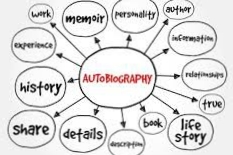
Write in an autobiography the author writes the story of his own life and achievements. It is the successful presentation of personality. It takes its origin in the common human heart to express once-on achievement in the form of writing. The writer may give a full account of his life in detail or he may give only a few anecdotes or events from his life.
The great drawback of an autobiography is that it can never be complete because it comes to an end before the author’s death. Doctor Johnson preferred autobiography to biography saying that every man’s life is best written by himself. The writer of his own life has the full knowledge of the truth through sometimes he made disguise or suppress it in his writings. From the psychological viewpoint also an autobiography is preferable because the writer knows what are the motives, hopes, and omissions that prompted him to decisive moments in his life. Thus while biography is the product of second-hand knowledge, autobiography is the product of the first-hand experience. R.L. Stevenson says, “There is no truer sort of writing than what is to be found in autobiographies, and certainly none more entertaining”.
An autobiography is a candid narration of events in the author’s life. It may take the form of a confession, apology, self-scrutiny, or a mere delightful account. When it is a mere account of facts without reference to the author’s inner conflicts and motives it is an objective autobiography. When an autobiography reveals the character and inner struggle of the writer and the present a searching analysis of his moods, motives, and fancies, it is subjective. St. Augustine’s confession’s, the earliest example of an autobiography, belongs to the subjective kind. So also Rousseau’s ‘Confessions’ written in the 18th century. Three other important autobiographies appeared in the 18th century. Those of David Hume, Edward Gibbon, and Benjamin Franklin.
Chief characteristic of an autobiography:
Truth should be the Hallmark of an autobiography. facts should not be perverted. A true picture of the writer’s personality should emerge from the autobiography. Gandhiji’s autobiography is the best example in this respect.
Courage and frankness are the essential virtues of a good writer of an autobiography. The writer should not be secretive and reluctant. Bertrand Russell’s three-volume autobiography is noted for these qualities.
The author of an autobiography should be objective in dealing with contemporary events and personalities. Autobiographies of Gibbon and Nehru are good examples of this kind.
The author should not be verbose in his description or narration.
Self-consciousness is the very essence of an autobiography. An autobiography should not aim at self-effacement as in the autobiography of T.E. Lawrence. Similarly, the author of an autobiography should not indulge in self-clarification.
The style should be interesting and even entertaining. A natural felicity of expression and flashes of humor and wit are essential attributes of an autobiography.
Some difficulties an autobiographer faces:
He is likely to forget the impressions and emotions connected with the events that happened in the distant past. Sometimes there may be embarrassing episodes he would like to hide or reveal only partially.
It is difficult for anyone to be entirely objective while dealing with contemporary persons and events that have affected his personal life and happiness.
An autobiographer is likely to omit the details of daily life that are common. This may lead to some falsification.
The story begins after the end of World War 2. The second World War was fought between Axis (Germany, Italy, Japan, Hungary, Romania, Bulgaria) and Allied powers (U.S., Britain, France, USSR, Australia, Belgium, Brazil, Canada, China, Denmark, Greece, Netherlands, New Zealand, Norway, Poland, South Africa, Yugoslavia). Axis lost. After Hitler, Allied powers decided to divide Germany into 4 parts. Later they merged and divided into two- became West Germany and East Germany. It was divided on the basis of Capitalist and Communist ideas.
On August 13, 1961, the Communist government of the German Democratic Republic (GDR, or East Germany) began to build a barbed wire and concrete “Antifascistischer Schutzwall,” or “antifascist bulwark,” between East and West Berlin. The official purpose of this Berlin Wall was to keep so-called Western “fascists” from entering East Germany and undermining the socialist state, but it primarily served the objective of stemming mass defections from East to West.
Even though Berlin was located entirely within the Soviet part of the country (it sat about 100 miles from the border between the eastern and western occupation zones), the Yalta and Potsdam agreements split the city into similar sectors. The Soviets took the eastern half, while the other Allies took the western. This four-way occupation of Berlin began in June 1945.
Permanent Migrations also started. This was uni-directional- communism was centralised, with less job opprtunities, the conditions deteriorated so much that until 1961, 20 percent (around 3.5 million people) of east population had settled to west.
The east government started thinking of solution to this Brain drain. The post war agreement divided the capital Berlin into two. The eastern part would be under the influence of Soviet Union and west would be under the influence of allies.
On 13th August 1961, the wall was revealed to the world. But the public was definitely disappointed. Some people simply tried to climb over the wall at night when the guards were not able to see. so the east government put barbed wires on the top of the wall. As time passed government started making the wall stronger and with this, people also got creative in ways of escaping.
On February 1989, a man hit the wall with a very heavy cargo truck. he escaped through the hole. To stop these kind of escapes, government started using innovative ideas.
In February 1985, East Germany got a new leader Mikhail Gorbachev. He recognised and acknowledgd the problems. He decentralised the political and economic controls, brought two measures Perestroika (reconstructing and Glasnost (Transparency), allowed private company to enter.
Finally eastern government decided to ease the regulations. On November 9 1989, due to a misunderstandimg by spokesperson, the news spread that the Fall of Berlin would come into effect immediately.
The English word ‘Ethics’ is derived from the great word ethikos which means the “character”. And the word itself comes from the word ethos which means the ” character”, moral nature.
Theory of ethics:
Deontology
Utilitarianism
Virtues
Right
Relativism
(1) Deontology-
Deontology is practically duty-based, and is not affected by the consequences. It insists that people should stick to their obligations and duties when confronted in decision-making. A deontologist believes that morality is the responsibility of everyone as well as duty. For example, a man steals three loaves and a gallon of milk to feed his family, it would be supported by a deontologist because of the moral responsibilities and obligations of the man to look after his family. Sometimes deontologists are unable to determine the nature of the action.
(2) Utilitarianism–
Utilitarianismis consequences-based. It is based on one’s ability to predict the consequences of an action. Utilitarianism is a moral theory that implements fair choices to ensure the least amount of harm to be done to all parties involved. The utilitarianism approach requires that you decide what course of action needs to be done and evaluate the outcome of every action. For example, Jack walks into a hostage situation, there are 20 hostages and he is told that if he shoots one hostage he will save the life of the other 19. Utilitarianism will support Jack’s killing of one of the hostages because the life of the other 19 hostages is a greater benefit, even though the cost would be one person’s life.
There are two types of Utilitarianism and are as follows:
(a) Act Utilitarianism- A person who performs the acts that benefit the most of the people, regardless of personal feeling or the societal constraints such as law.
(b) Rule Utilitarianism seeks to benefit most of the people in the fairest way and with the readiest.
(3) Virtues–
The virtue ethical theory judges the person by his/her character and behavior rather than by the actions which may differ from his/her normal behavior. When observing an unethical person the virtues theory considers the person’s reputation and purpose for committing the act. If a high school student is temperate, modest, intelligent, and plagiarized on a class writing assignment the virtue theory analyzes the student’s past personality traits and interpersonal skills to determine whether the student is truly guilty.
(4) Rights–
Rights are established by the society or by the government and are protected by them. Rights are considered ethical because a large number of people adhere to them.
(5) Relativism–
It is a theory that deems your moral obligations and beliefs to be based on the individual environment. For example in America cannibalism is considered taboo while in other cultures the act of consuming another human flesh is accepted as sacrifice and ritual. Relativism determines morals and ethics according to the society that is being observed. Relativism argues that every society and culture believes differently thus each culture must be evaluated according to its particular patterns and influence and traditions.
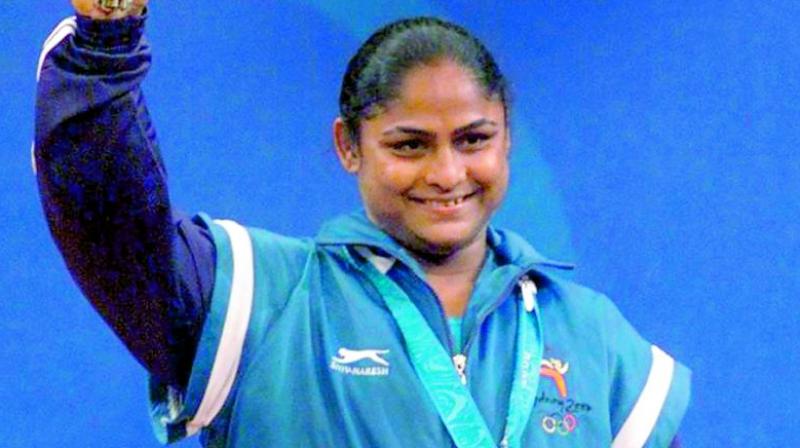
Karnam Malleswari is the first Indian woman to win a medal at the Olympics and first Indian woman weightlifter to win gold at the World Championships.
Saikhom Mirabai Chanu made India proud by getting India’s first medal at Tokyo Olympics 2021. She won silver medal in weightlifting am being the first Indian lifter to do so. But, most of us realized now about first Indian woman to win an Olympic medal in 2000 (Sydney). She won Bronze medal in weightlifting in 2000. Let us remember Honorable Karnam Malleswari.
Karnam Malleswari :-
She was born on 1 June 1975, Voosavanipeta near Amadalavalasa, a hamlet in Andhra Pradesh. Her father Karnam Manohar was a college-level football player. She has four sisters. They are all well trained in weightlifting. It was her mother Shyamala, who encouraged and became her strength till the end Karnam Malleswari to pursue a dream. Her career started when she was 12. She was trained under coach Neelamshetty Appanna.
I feel proud to have created this pathway for our girls and to see them winning Olympic medals. Some even tell me today, ‘Ma’am you started it all’, so I feel delighted to have changed the perception, and it still remains my endeavor.
But Neelamshetty Appanna turned her away for being too weak and thin. Her mom encouraged her to keep going by training hard and proving herself that she can be whoever she wants to be. She was then noticed by Olympic and world champion Leonid Taranenko at a national camp ahead of 1990 Asian camp as a visitor since her sister Krishna Kumari, was selected for the camp. After testing her, he recommend her to the Bangalore Sports Institute.
It was her time to start shining, she broke 9 records in junior national weightlifting championships in 1990; which was her first championship.
Achievements:
Silver in her maiden senior national championship in 1990.
Bronze in her first weightlifting World Championships in 1993.
Gold in her next weightlifting World Championships in 1994, making her the first Indian woman weightlifter to win gold at the World Championships.
Silver at the 1994 Asian Games.
Malleswari won the world title in the 54 kg division in 1994 and 1995. Gold in World Championships in 1995.
Bronze in the World Championships in 1996. – Four consecutive medals in World Championships-
Silver at the 1998 Asian Games.
Bronze in the Olympics Game at Sydney in 2000.
In 1997, she married a fellow weightlifter Rajesh Tyagi, and in 2001 gave birth to a son. She took a maternity leave in 2001. She went to The Olympics at Athens in 2004 but due to severe back injury, she couldn’t give her best. She had to retire after that.
What is she doing now?
She works as the Chief General Manager (General Administration) of Food Corporation of India; Yamunanagar, Haryana.
Awards:
Honored with Arujna Award in 1994.
Rajiv Gandhi Khel Ratna in 1999.
Padma Shri Award in 1999.
NEWS:
On International Olympic Day 2021, the Delhi government appointed India’s first woman Olympic medal winner Karnam Malleshwari as the first vice-chancellor of Delhi Sports University.
The Art which connects the multiple effects of writing, reading, understanding, visualizing and mesmerizing thoughts that are always connected with actions is called poetry.
I strongly believe that the deadlines for poems have no point as it is the process of desire.
The feelings are more clearly read in eyes than listening them in the words. Yes, That is called the art of understanding!
THE ART OF LIVING IN READING
Poems can bring an adverse effect in all kinds of generation because they always come with the imagination of inventive thinking. No one in the world is born without feelings may be some or not ready to express it quietly at times and there comes the Power of the Poems which the inexpressive person can become an expression one within a nanosecond and that can be noted with a blink in the eye.
POETIC FORMS
The most frequently used poetic types are Sonnet, villanelle, Haiku, Elegy, Epigram, Limericks and free verse.
Sonnets are fourteen lines with specific rhyme and the scheme of stanzas. The music flows in the heart of readers while enjoying it to the fullest.
Villanelle are the nineteen lines with the repetition of the certain theme and it is considered to be the most challenging form.
Haiku is short and sweet format poems. Japanese haiku still resembles to be a masterpiece.
Elegy is usually used to express grief, admiration and acceptance. They are unique and enjoyed by all generations.
Epigrams are the form of statement which have the dimension of both humor and wit in the text.
Limericks are the five line poem with the line rhyme in the line 1,2,5 and then another rhyme in the lines of 3,4.
Free verse is an open poetic form which does not have specific rules or rhyme to be followed by. It may be short or long under any medium.
POWERFUL POEMS WHICH CAN CHANGE YOUR MIND
NO MAN IS AN ISLAND BY JOHN DONNE
No man is an island,
Entire of itself;
Every man is a piece of the continent,
A part of the main.
If a clod be washed away by the sea,
Europe is, the less,
As well as if a promontory were:
As well as if a manor of thy friend’s
Or of thine own were.
Any man’s death diminishes me,
Because I am involved in mankind.
And therefore never send to know for whom the bell tolls;
It tolls for thee.
The poet uses two important elements, he starts with the continent and ends in the bells which represents the church. He adds that no man is an island every human being is interconnected with one another. One man’s death is the loss of the whole continent. The poet addresses himself, and he asks that when the bell tolls one should not worry who it is tolling for. It is tolling for everyone. A single person’s death is like the death of everyone.
SEVEN STAGES OF LIFE BY WILLIAM SHAKESPEARE
All the world’s a stage, And all the men and women merely players; They have their exits and their entrances, And one man in his time plays many parts, His acts being seven ages. At first the infant, Mewling and puking in the nurse’s arms; And then the whining schoolboy, with his satchel And shining morning face, creeping like snail Unwillingly to school. And then the lover, Sighing like furnace, with a woeful ballad Made to his mistress’ eyebrow. Then a soldier, Full of strange oaths, and bearded like the pard, Jealous in honor, sudden and quick in quarrel, Seeking the bubble reputation Even in the cannon’s mouth. And then the justice, In fair round belly with good capon lined, With eyes severe and beard of formal cut, Full of wise saws and modern instances; And so he plays his part. The sixth age shifts Into the lean and slippered pantaloon, With spectacles on nose and pouch on side; His youthful hose, well saved, a world too wide For his shrunk shank; and his big manly voice, Turning again toward childish treble, pipes And whistles in his sound. Last scene of all, That ends this strange eventful history, Is second childishness and mere oblivion, Sans teeth, sans eyes, sans taste, sans everything
The poet says about the seven stages of life of man.
Stage1 – infancy – helplessness
Stage 2 – schoolboy – slowly walks to school
Stage 3 – teenage – craze on girl
Stage 4 – adulthood – mans works for name
Stage 5 – middle age – respect, prosperus
Stage 6 – oldage – loses influence
Stage 7 – death – loses all
Above all, Poems can also make you feel romantic, grateful and also powerful. Poems are loved by all kinds of people. If you ever feel sad read poems which makes gives you a great feeling.
As we already read about the secret to living happily from The Alchemist book by Paulo Coelho. Today we will look at two different stories from different books.
THE KITE RUNNER BY KHALID HOSSEINI
It was a dark little tale about a man who found a magic cup and learned that if he wept into the cup, his tears turned into pearls. But even though he had always been poor, he was a happy man and rarely shed a tear. So he found ways to make himself sad so that his tears could make him rich. As the pearls piled up, so did his greed grow. The story ended with the man sitting on a mountain of pearls, knife in hand, weeping helplessly into the cup with his beloved wife’s slain body in his arms.
This story must give you goosebumps but, the real conclusion is when Amir the protagonist and the narrator of the book The Kite Runner wrote this story and shared it with his friend Hassan, who is a servant’s boy of Amir’s family. Hassan was shocked and impressed with Amir’s story but, he asked why he has to kill his own wife, instead of he can shed tears by cutting onions?
MORAL: When you have to choose something… Choose wisely.
VERONICA DECIDES TO DIE BY PAULO COELHO:
Zedka started to narrate a story to Veronica.
A powerful wizard, who wanted to destroy an entire kingdom, placed a magic potion in the well from which all the inhabitants drank. Whoever drank that water would go mad.
The following morning, the whole population drank from the well and they all went mad, apart from the king and his family, who had a well set aside for them alone, which the magician had not managed to poison. The king was worried and tried to control the population by issuing a series of edicts governing security and public health. The policemen and inspectors, however, had also drunk the poisoned water, and they thought the king’s decisions were absurd and resolved to take no notice of them.
When the inhabitants of the kingdom heard these decrees, they became convinced that the king had gone mad and was now giving nonsensical orders. They marched on the castle and called for his abdication.
In despair the king prepared to step down from the throne, but the queen stopped him, saying: ‘Let us go and drink from the communal well. Then we will be the same as them.’
The king and the queen drank the water of madness and immediately began talking nonsense. Their subjects repented at once; now that the king was displaying such wisdom, why not allow him to continue ruling the country?
After drinking water from the poisonous well all became mad and equal. The country continued to live in peace although its inhabitants behaved very differently from those of its neighbors. And the king was able to govern until the end of his days.
Zedka asked veronica: Do you know what exists outside beyond the walls of this asylum?
Veronica said People who have all drunk from the same well.
MORAL: Zedka and Veronica both are patients in the asylum. Through this story, Zedka symbolically tells that people think they are civilized and normal. But, when they encounter some strange people they started to divide the borders and make them as a patient.
A memorable event organised by the management committee of Jyoti nivas college was the visit of the chief minister of Karnataka, B. S. Yediyurappa on 1st November 2019. The seminar was held in the jam-packed auditorium where the air was filled with ambition, enthusiasm and curiosity. Even though the audience was intrigued and was greatly looking forward to this event, they managed to maintain decorum and made sure that nobody was hurt in the process of entering the venue. This showed the positive spirit of the college and the students.
A memorable event organised by the management committee of Jyoti nivas college was the visit of the chief minister of Karnataka, B. S. Yediyurappa on 1st November 2019. The seminar was held in the jam-packed auditorium where the air was filled with ambition, enthusiasm and curiosity. Even though the audience was intrigued and was greatly looking forward to this event, they managed to maintain decorum and made sure that nobody was hurt in the process of entering the venue. This showed the positive spirit of the college and the students.
When the event began, there was a lamp lighting ceremony and was followed by a mesmerising performance by the classical dance team of the college. The principal Sister Dr. Elizabeth gave a very welcoming speech and the audience were looking forward to learn something meaningful from our beloved chief minister. The MC introduced the chief minister and requested him to share his knowledge with the audience. The entire audience was looking forward to those words of wisdom and gaining knowledge which might not be able to gain through textbooks.
As the event progressed, Mr.B.S. Yediyurappa gave a heartwarming speech about his attachment towards the language and the state Karnataka. It made the audience aware of how Karnataka has been neglected by its own people and how we need to respect and cherish more of it. He described how much the land meant to him, it’s special features and the beauty of the state.
The event was to help the students understand the importance of the language Kannada on the auspicious day of Kannada Rajyotsava(November 1). On that occasion we could see the joy and respect for our respected chief minister as there was pin drop silence as he kept us entertained with his experienced words and also at the same time educated us in a friendly manner. The great chief minister spoke true words which were from his heart and that was very visible as he spoke so fondly and proudly of his language and culture. The audience learnt so much that they were left speechless. He made sure we understand how important it is to be in touch with our culture and tradition and have deep respect for our language.
As the event came to an end, few teachers and volunteers distributed refreshments and beverages to the students who were part of the occasion. This acted as a morale booster as the students were excited to look forward to how to make use of the wise words from the principal and the esteemed guest.
Conclusion: At the end of the event, the entire audience was In awe and had even more respect for the language and the state. The event was very helpful and meaningful. It spread positivity among its audience and helped us gain perspective. It made us realize that it’s important to love yourself and your roots and not be ashamed of it. Being able to accept who you are is the truest way you can pay back for everything you have received from the nature and it’s resources.
To paraphrase a line from Ron Burgundy, the ocean is a big thing. Big enough for scientists to point out that the term “Earth” is a misnomer. Water may be a more accurate name for a world that is nearly 3/4 covered in water, with marine plants contributing a whopping 50 percent or more of the oxygen we breathe. With all of that stated, it’s past time (high tide?) for us to band together to save the resource that has been depleted.
The bad news is that human activity is wreaking havoc on the environment. The good news is that there are several things we can do to help stop (and even reverse!) those detrimental behaviors, which is why this is a message about hope and empowerment rather than doom and gloom.
Plastic pollution is destroying the ocean
A non-profit that works to protect the ocean Every year, 17.6 billion pounds of plastic is estimated to escape into the ocean from land-based sources, according to Oceana. Every 60 seconds, a garbage truck full of plastic is dumped into our waterways. The world’s most renowned (and largest) rubbish dump is located in the ocean.
The Great Pacific Garbage Patch covers 1.6 million square kilometres and contains 1.8 trillion bits of plastic in an estimated 80,000 metric tonne landfill. Plastic garbage in the ocean is believed to kill over one million sea animals each year, including sea turtles, sharks, and coral reef (yes, coral reef is an animal!).
Plastics in the ocean will surpass fish in the ocean (!?) by 2050, according to research, and 99 percent of seabirds will have plastics in their GI tract. Plastic pollution is not only destructive to the ocean; there is also evidence that it is harmful to humans.
Acidification in the ocean
Carbon dioxide emissions absorbed by the oceans over decades have changed the underlying chemistry of our ocean, resulting in an increase in acidity. Acidification causes small decreases in shell density in small creatures, which support entire ecosystems despite their small size.
As the world’s seas warm, species are moving in large numbers to new locations, posing new challenges or simply failing to develop as they should, while millions of people rely on fish as their primary source of nutrition. It’s also causing the Great Barrier Reef to perish. Coral reefs require all of the protection we can provide, given the disastrous effects of climate change.
Because it has the potential to cause the most apparent and immediate human misery, sea-level rise may be the most well-known of these concerns. Low-lying areas such as Miami and the South Pacific islands are growing increasingly vulnerable; 10% of the world’s population lives on the low-lying coast.
Meanwhile, deoxygenation, which is most typically caused by algal blooms fed by nutrient-rich fertilizer run-off, is causing enormous dead zones and suffocating marine life.
Overfishing
Fishing techniques that are illegal, uncontrolled, and unreported are common. Humans have already brought the giant grouper, several skates and rays, and a dozen or more other sturgeon species to the brink of extinction through fishing.
Bluefin tuna is one of the fish species whose populations may never recover as a result of unsustainable fishing techniques. Other apex predators, such as sharks, are among the most endangered.
Places like Monterey Bay National Marine Sanctuary have shown how impactful policy changes can be in helping species rebound.
Ocean conservation isn’t just a hobby for those who enjoy the water. You might not be a scuba diver, a fisherman, or a seaside dweller. Perhaps you have a seafood allergy and despise surfers! Even so, chances are you still breathe air and enjoy life when there is less human suffering.
Plants and trees are oxygen-producing powerhouses. But wait till you see what oceanic greens can accomplish! (Hint: it’s not just trees.) More than half of the oxygen on the earth is produced by marine plants.
Thoughts famous people have about ocean
Jacques Cousteau: “The sea, once it casts its spell, holds one in its net of wonder forever.”
Beyoncé Knowles: “I’m always happy when I’m surrounded by water, I think I’m a mermaid or I was a mermaid. The ocean makes me feel really small and it makes me put my whole life into perspective… it humbles you and makes you feel almost like you’ve been baptized. I feel born again when I get out of the ocean.”
William Wordsworth: “The ocean is a mighty harmonist.”
John F. Kennedy: “We are tied to the ocean. And when we go back to the sea, whether it is to sail or to watch, we are going back from whence we came.”
Step 1: Land and sea are far more intertwined than most people think, and activities taken on land have substantial consequences in the ocean. The good news is that there are a plethora of tools available—Pinterest offers a plethora of ocean-saving categorieS.
2. Opt for Ocean and Earth-Friendly Products
Oceana’s #1 is to demand plastic-free alternatives to items such as plastic water bottles, straws, plastic cutlery, coffee cups, bags, balloons, plastic-wrapped produce, and take-out food containers.
In today’s time, everyone has free and easy access to social media. On some days we keep scrolling all through the day without even realising what are we doing. We say, “I’m bored”. So, what are we doing to get rid of the boredom?
Those in their teens, especially late teens and early 20s are about to go to college. Some are serious about their future. Some are still thinking. Some know what to do. Some are worried about what do to. Some know they want to do something, just don’t know what. Some probably, don’t even think much. For everyone, books are the solution. How?
Well, agreed, there are many courses that one can do. Many podcasts one can listen to. What’s the need for books?! Dead weights! Well, these ‘dead weights’ are what great minds write once they’ve achieved what they wanted to achieve. These weights helped them on their path. Some write to explain their journey and what they learnt so the younger gen can learn and grow. Some help those who know what they want to do, some help the others, who don’t know what they want to do. Some books help you make a path while some help you find your path. Some even help you during your path. But, we can just listen to podcasts of those books!
Well, not every book has been made into a podcast. Also, we listen to podcasts on our phones. And, let’s be honest. One ping is all it takes for our entire focus and concentration to go, poof! So, I guess I’ve made my point.
Moving on, what books should we read to help us grow? And how to develop an interest in boring non-fiction? How do we find out what books to read?
For starters, some people enjoy reading non-fiction. So, let’s rule out the thought that they are all boring and try to keep an open mind.
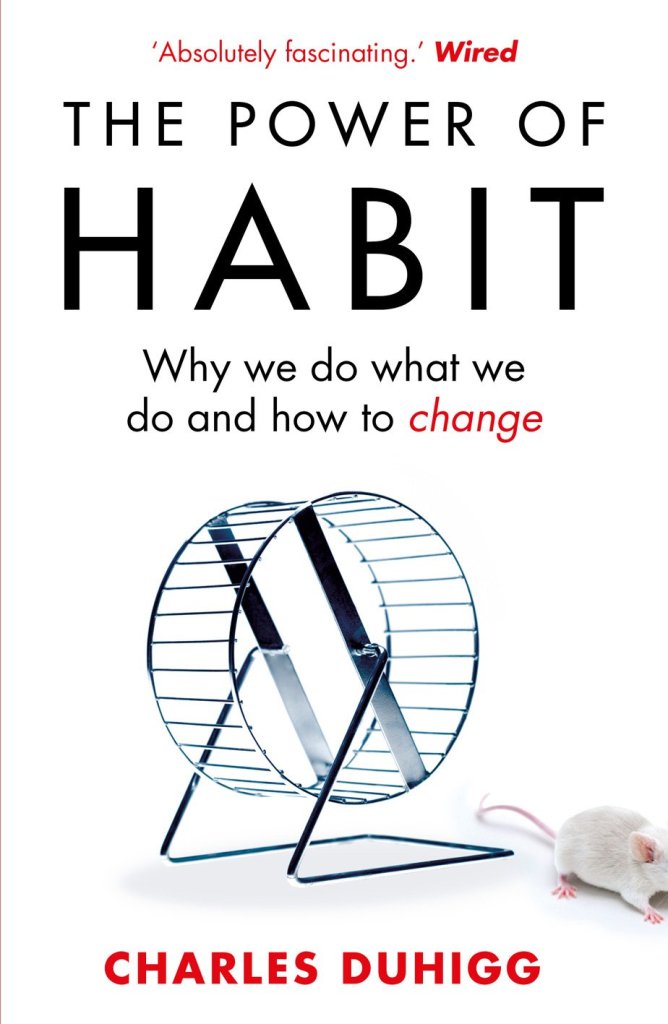
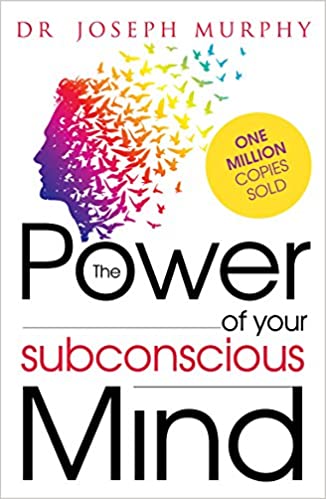
To know what book to read, try finding out what your goal is. If, for example, you wish to know your superpowers, read books on the subconscious mind, like The Power of your Subconscious Mind by Dr Joseph Murphy. Our subconscious mind is supreme, once you know how to utilise its strengths. If you are lazy and wish to break it and make a healthy habit, you can read The Power of Habit by Charles Duhigg.
Similarly, if you know what you want to do, look up books on Google, find out what you like best, which book suits your needs the best and read it.
Every book is a gem and there are many gems for each person out there. All one has to do is know what do they wish to learn/know and look for a book which suits their needs.
Rainy season is on. Many mosquitos gonna form and attack so, it’s better for us to get prepared to fight against mosquitos. Here, I’m going to explain the benefits and drawbacks of each. It will be useful for us to the make right decision in purchasing products.
electricMOSQUITO BAT:
ADVANTAGES:
It does not give off vapors of toxic chemicals like other repellents.
It is cheap, highly effective, handy and reusable.
Some of them have a torch light also. It is not only used for mosquitoes, but also for small insects like bees, house flies, etc.
It is convenient to use.
The mosquito dies instantly before our eyes.
Not much weight to hold on . It usually feels like you are playing tennis .
No pollution to the environment .
Humans will not get affected by harsh chemicals.
DISADVANTAGES:
All mosquitoes can’t die at a time . Some Mosquitoes can escape from our sight.
Takes time to search and kill.
When a mosquito contacted in the bat. The mosquito bat sounds like a diwali cracker.
Should not be used when gas is leaked in your house. It may explode.
It should also be kept away from the children as it is not a toy.
MOSQUITO LIQUID VAPOURIZER:
ADVANTAGES:
Time consumption less.
All mosquitoes dies at a time.
DISADVANTAGES:
1. Mosquito sprays and liquid vaporizers contain chemicals like pyrethin and diethyl toluimide (DEET) which cause breathing difficulty, respiratory problems, dizziness, stomach irritation, nausea, vomiting, skin infections and so on.
2. An one time usage of mosquito-repellent vaporizer and the amount of 100 cigarettes smoked is roughly same. The release of ultrafine grain by the Vaporizer can be retained in the lungs and triggers asthma in the short term and in long term it could cause cancer.
3. It pollutes the environment on a high level.
4. It is costly hence, it has to buy once the liquid gets over.
5. Causes health issues on children , adults and aged people.
6. In rare cases , Prolonged usage and intake can cause even death .
7. Can be used only for mosquitoes .multi usage of it is not possible.
Hello everybody, CRED is one of the most fascinating business case studies in the Indian start-up ecosystem. In just 2 years, CRED went from 0 to hitting a $2B valuation and became one of the youngest Indian startups to reach this milestone. Now, the peculiarity of CRED is that in 2020 alone CRED incurred a massive loss of ₹360 crores which is a massive increase of 492% from 2019. And for every rupee of revenue that CRED generated they spent ₹727 which is a massive cashburn.
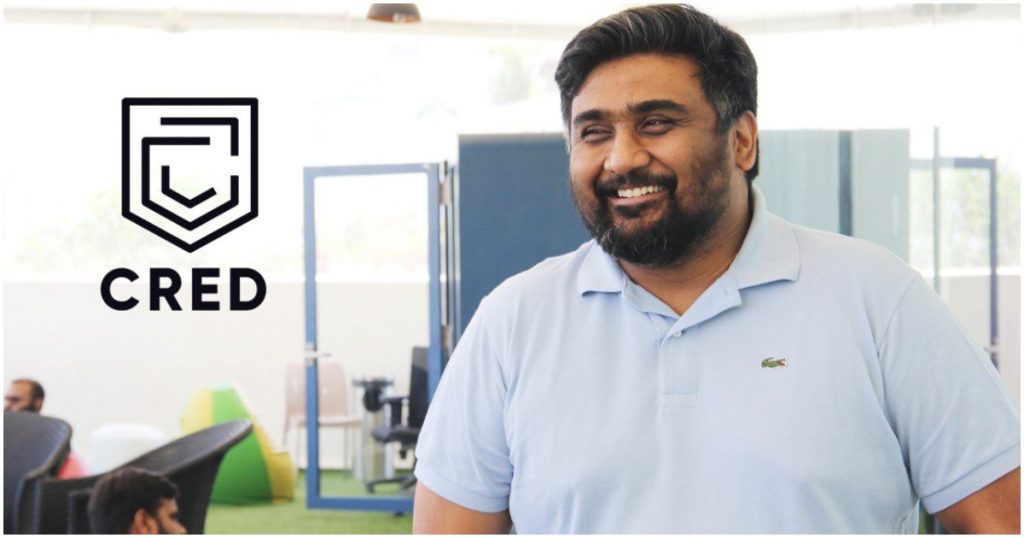
We all have seen the result of massive expenditure into creative marketing. beating noises So now the question is, even with such massive losses how is it that CRED is getting so much funding ? And what exactly is Kunal Shah’s strategy ? Well, the beauty of this case study is the that if you only understand what CRED is doing you will more or less understand a large chunk of the Indian startup ecosystem because most of the giant companies like Jio, Ola, PharmEasy also operate in a similar fashion. and the most important factor that is common in all of them is that they extensively work on altering the behavioural design of the society. And the anticipation of that behavioural design, is what makes them billion dollar companies.
This golden strategy works out in 4 discrete steps The first phase is what we call cash burn and here’s where The company, first identifies a major problem in the society, Number two, it designs a system to fix that problem Number three, it raises a million dollars in funding and lastly it entices the customers to use the product by giving out unbelievable offers which are almost too good to be true.
A very simple example of the same is Jio. First of all, Jio identified internet accessibility as a major problem in the Indian society and then Reliance spent about ₹1.5 lakh crores into building the infrastructure required for Jio. And then in 2016 when Jio got launched, they gave out offers that almost looked impossible. -free sim cards, free calls and free internet. And the moment this announcement happened, millions of people rushed to buy Jio sims. And Jio did everything in it’s capacity to maximise it’s number of it’s users without even bothering about profits. Which is why, on top of the heavy investment that they made they further incurred a loss of Rs. 31 crores in 2016.
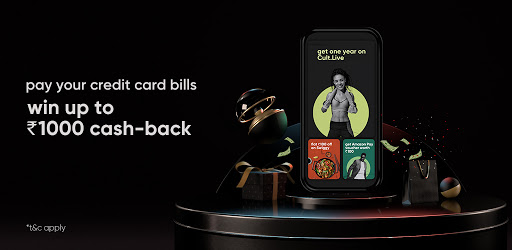
Just like this, when CRED rolled out in 2018 they identified 3 of the biggest pains of a credit card holder which are; number one, hidden charges Number two, late fees due to forgetfulness and number three is the extra interest. And they rolled out massive cashbacks and offers to incentivise the act of on-time payment. And these offers were as amazing as free flight tickets extremely lucrative discounts and ₹1000 cashbacks also Fast foward to 2021, CRED today, has over 30 lakh users and today, CRED is already processing 20% of all the premium credit card transactions.
So this is how within a short span of time, in Phase 1, companies present incentives in order to get customers to use their product, eventually, to increase their user base. And this is what brings us to Phase 2. Phase 2 is all about habituation. Once you bought a Jio sim, you never bothered about talktime, you never bothered about data. And we all recklessly got habituated to this newfound luxury of Internet Similarly, in case of CRED, the people who have 2-3 credit cards found it so simple to use CRED that they stopped using their conventional method wherein they had to go through this long list of their statements or putting in effort to dig in and find out whether there are hidden charges, on each credit card As a CRED user myself, I can’t even tell you how amazing it feels as compared to having this terrible feeling wherein you have no idea where the hell your money is going.
In fact, there was a time when I thought that some hacker is stealing my money, alright ? and I’m not even kidding about this. So, this is how in Phase 2, using their super efficient system companies seemlessly get us habituated to new normal wherein we are no longer used to adjusting to the ‘hurdles of the system’. Here’s where we enter the most crucial phase of all, that is, Phase 3 and Phase 3 is what we can call as Irreversibility.
A classy example of the same is Google Maps Now you might have observed that most of the people of our generation never even bother to remember the name of a landmark, street or chowk In fact, I’ve got so used to Google Maps that in my own city, if you leave me in some street I will start wandering as if I am in some strange jungle. That is how much I have got habituated to Google Maps And by the way, this does not include those superhumans who have this amazing memory to remember any route, even if they have visited that place only once and you know which friend am I talking about… So the point is,
Google Maps has made our lives so easy that finding a way to a place no longer occupies our headspace and in case of CRED, users no longer have to remember to pay their credit card bills, they no longer have to remember when exactly is their due dates or bother about late fees. Similarly in case of Ola, we are no longer used to finding taxi on the streets In case of Jio, when there is no Internet you all know how you feel So you see, once these companies came in there has been an irreversible change in our behaviour wherein the small acts of booking a cab or paying a credit card bill has changed to such a large extent that we will never ever go back to our past system.
Now CRED is yet to complete this phase which is why all the numbers that you see about CRED is in the negatives now because CRED is yet to change a significant part of the consumer behaviour. After this we come to Phase 4. Now, this is the goldmine that every investor waits for wherein the company starts making profits and if you look at the numbers, it literally looks like a goldmine. For that matter look at the numbers of Jio. In just 1.5 years, Jio became profitable that is in the 3rd quarter of 2017 with a profit of ₹504 Crores From there onwards it has been on a magnificent run wherein in 2020, Jio has posted a net profit of ₹5,562 crore and the reason why CRED is also sitting on a similar goldmine is because the customers of CRED are by default the richest 1% of the country.
These people are literally the dream customers of any company. Their incomes are high, so they make expensive purchases on a regular basis which results into massive profit margins for every company And my sense is that in the 4th phase, CRED could leverage it’s golden customer base in three very very powerful ways.
Number one, CRED could become this must have expense management app which will also allow it’s users to file their income tax and just like it cured the headaches of the credit card users by saving their money from hidden charges. CRED might also might start saving it’s customers a ton of money through their income tax rebate filings by turning the entire process of income tax filing into a very simple and efficient process and if this happens, I don’t think any of us will ever leave the CRED club.
So, Kunal sir if you’re watching this please help us out over here. Number two, CRED has one of the most valuable customer data in terms of purchase preferences For example, CRED clearly knows that Parsh loves to spend ₹20,000 into sports. Ganesh loves to spend ₹10,000 in education and books. So CRED could use this data to show relevant advertisements with exclusive coupons to get people to spend heavily on the things they absolutely love eventually, to make a comission out of it.
Lastly, CRED could also became a bank for the top 1% of India and the reason why I think so is because there are two important factors that are very very crucial for any bank’s existence.
Number one, every bank wants customers who have a lot of money deposited in their bank account after all their investment and expenses. And this money is what the bank uses to lend to businesses and customers in the form of home loans, car loans etc.
Number two, every bank needs borrowers who pay back their loans judiciously. So that they can charge an interest on top of it eventually to make money out of the lending business. And guess what ? CRED literally has these exact people in it’s customer base which is why my sense is, CRED could literally extend itself to become a full fledged bank or maybe even become a full fledged portfolio management system for the top 1%.
Eventually to become the most revolutionary fintech start-up of India So to put that straight, for ordinary people like you and me CRED might look like a weird idea but in reality it is a revolutionary idea coming from one of the most amazing entrepreneurs in the Indian start-up space.
And we must consider ourselves to be extremely fortunate that we are getting to witness their processes and we must learn from these revolutionary start-ups that are going to redefine 21st century India forever.
Hello everybody, CRED is one of the most fascinating business case studies in the Indian start-up ecosystem. In just 2 years, CRED went from 0 to hitting a $2B valuation and became one of the youngest Indian startups to reach this milestone. Now, the peculiarity of CRED is that in 2020 alone CRED incurred a massive loss of ₹360 crores which is a massive increase of 492% from 2019. And for every rupee of revenue that CRED generated they spent ₹727 which is a massive cashburn.
We all have seen the result of massive expenditure into creative marketing. *beating noises* So now the question is, even with such massive losses how is it that CRED is getting so much funding ? And what exactly is Kunal Shah’s strategy ? Well, the beauty of this case study is the that if you only understand what CRED is doing you will more or less understand a large chunk of the Indian startup ecosystem because most of the giant companies like Jio, Ola, PharmEasy also operate in a similar fashion. and the most important factor that is common in all of them is that they extensively work on altering the behavioural design of the society. And the anticipation of that behavioural design, is what makes them billion dollar companies.
This golden strategy works out in 4 discrete steps The first phase is what we call cash burn and here’s where The company, first identifies a major problem in the society, Number two, it designs a system to fix that problem Number three, it raises a million dollars in funding and lastly it entices the customers to use the product by giving out unbelievable offers which are almost too good to be true.
A very simple example of the same is Jio. First of all, Jio identified internet accessibility as a major problem in the Indian society and then Reliance spent about ₹1.5 lakh crores into building the infrastructure required for Jio. And then in 2016 when Jio got launched, they gave out offers that almost looked impossible. -free sim cards, free calls and free internet. And the moment this announcement happened, millions of people rushed to buy Jio sims. And Jio did everything in it’s capacity to maximise it’s number of it’s users without even bothering about profits. Which is why, on top of the heavy investment that they made they further incurred a loss of Rs. 31 crores in 2016.
Just like this, when CRED rolled out in 2018 they identified 3 of the biggest pains of a credit card holder which are; number one, hidden charges Number two, late fees due to forgetfulness and number three is the extra interest. And they rolled out massive cashbacks and offers to incentivise the act of on-time payment. And these offers were as amazing as free flight tickets extremely lucrative discounts and ₹1000 cashbacks also Fast foward to 2021, CRED today, has over 30 lakh users and today, CRED is already processing 20% of all the premium credit card transactions.
So this is how within a short span of time, in Phase 1, companies present incentives in order to get customers to use their product, eventually, to increase their user base. And this is what brings us to Phase 2. Phase 2 is all about habituation. Once you bought a Jio sim, you never bothered about talktime, you never bothered about data. And we all recklessly got habituated to this newfound luxury of Internet Similarly, in case of CRED, the people who have 2-3 credit cards found it so simple to use CRED that they stopped using their conventional method wherein they had to go through this long list of their statements or putting in effort to dig in and find out whether there are hidden charges, on each credit card As a CRED user myself, I can’t even tell you how amazing it feels as compared to having this terrible feeling wherein you have no idea where the hell your money is going.
In fact, there was a time when I thought that some hacker is stealing my money, alright ? and I’m not even kidding about this. So, this is how in Phase 2, using their super efficient system companies seemlessly get us habituated to new normal wherein we are no longer used to adjusting to the ‘hurdles of the system’. Here’s where we enter the most crucial phase of all, that is, Phase 3 and Phase 3 is what we can call as Irreversibility.
A classy example of the same is Google Maps Now you might have observed that most of the people of our generation never even bother to remember the name of a landmark, street or chowk In fact, I’ve got so used to Google Maps that in my own city, if you leave me in some street I will start wandering as if I am in some strange jungle. That is how much I have got habituated to Google Maps And by the way, this does not include those superhumans who have this amazing memory to remember any route, even if they have visited that place only once and you know which friend am I talking about… So the point is,
Google Maps has made our lives so easy that finding a way to a place no longer occupies our headspace and in case of CRED, users no longer have to remember to pay their credit card bills, they no longer have to remember when exactly is their due dates or bother about late fees. Similarly in case of Ola, we are no longer used to finding taxi on the streets In case of Jio, when there is no Internet you all know how you feel So you see, once these companies came in there has been an irreversible change in our behaviour wherein the small acts of booking a cab or paying a credit card bill has changed to such a large extent that we will never ever go back to our past system.
Now CRED is yet to complete this phase which is why all the numbers that you see about CRED is in the negatives now because CRED is yet to change a significant part of the consumer behaviour. After this we come to Phase 4. Now, this is the goldmine that every investor waits for wherein the company starts making profits and if you look at the numbers, it literally looks like a goldmine. For that matter look at the numbers of Jio. In just 1.5 years, Jio became profitable that is in the 3rd quarter of 2017 with a profit of ₹504 Crores From there onwards it has been on a magnificent run wherein in 2020, Jio has posted a net profit of ₹5,562 crore and the reason why CRED is also sitting on a similar goldmine is because the customers of CRED are by default the richest 1% of the country.
These people are literally the dream customers of any company. Their incomes are high, so they make expensive purchases on a regular basis which results into massive profit margins for every company And my sense is that in the 4th phase, CRED could leverage it’s golden customer base in three very very powerful ways.
Number one, CRED could become this must have expense management app which will also allow it’s users to file their income tax and just like it cured the headaches of the credit card users by saving their money from hidden charges. CRED might also might start saving it’s customers a ton of money through their income tax rebate filings by turning the entire process of income tax filing into a very simple and efficient process and if this happens, I don’t think any of us will ever leave the CRED club.
So, Kunal sir if you’re watching this please help us out over here. Number two, CRED has one of the most valuable customer data in terms of purchase preferences For example, CRED clearly knows that Parsh loves to spend ₹20,000 into sports. Ganesh loves to spend ₹10,000 in education and books. So CRED could use this data to show relevant advertisements with exclusive coupons to get people to spend heavily on the things they absolutely love eventually, to make a comission out of it.
Lastly, CRED could also became a bank for the top 1% of India and the reason why I think so is because there are two important factors that are very very crucial for any bank’s existence.
Number one, every bank wants customers who have a lot of money deposited in their bank account after all their investment and expenses. And this money is what the bank uses to lend to businesses and customers in the form of home loans, car loans etc.
Number two, every bank needs borrowers who pay back their loans judiciously. So that they can charge an interest on top of it eventually to make money out of the lending business. And guess what ? CRED literally has these exact people in it’s customer base which is why my sense is, CRED could literally extend itself to become a full fledged bank or maybe even become a full fledged portfolio management system for the top 1%.
Eventually to become the most revolutionary fintech start-up of India So to put that straight, for ordinary people like you and me CRED might look like a weird idea but in reality it is a revolutionary idea coming from one of the most amazing entrepreneurs in the Indian start-up space.
And we must consider ourselves to be extremely fortunate that we are getting to witness their processes and we must learn from these revolutionary start-ups that are going to redefine 21st century India forever.
Hello everybody, CRED is one of the most fascinating business case studies in the Indian start-up ecosystem. In just 2 years, CRED went from 0 to hitting a $2B valuation and became one of the youngest Indian startups to reach this milestone. Now, the peculiarity of CRED is that in 2020 alone CRED incurred a massive loss of ₹360 crores which is a massive increase of 492% from 2019. And for every rupee of revenue that CRED generated they spent ₹727 which is a massive cashburn.
We all have seen the result of massive expenditure into creative marketing. *beating noises* So now the question is, even with such massive losses how is it that CRED is getting so much funding ? And what exactly is Kunal Shah’s strategy ? Well, the beauty of this case study is the that if you only understand what CRED is doing you will more or less understand a large chunk of the Indian startup ecosystem because most of the giant companies like Jio, Ola, PharmEasy also operate in a similar fashion. and the most important factor that is common in all of them is that they extensively work on altering the behavioural design of the society. And the anticipation of that behavioural design, is what makes them billion dollar companies.
This golden strategy works out in 4 discrete steps The first phase is what we call cash burn and here’s where The company, first identifies a major problem in the society, Number two, it designs a system to fix that problem Number three, it raises a million dollars in funding and lastly it entices the customers to use the product by giving out unbelievable offers which are almost too good to be true.
A very simple example of the same is Jio. First of all, Jio identified internet accessibility as a major problem in the Indian society and then Reliance spent about ₹1.5 lakh crores into building the infrastructure required for Jio. And then in 2016 when Jio got launched, they gave out offers that almost looked impossible. -free sim cards, free calls and free internet. And the moment this announcement happened, millions of people rushed to buy Jio sims. And Jio did everything in it’s capacity to maximise it’s number of it’s users without even bothering about profits. Which is why, on top of the heavy investment that they made they further incurred a loss of Rs. 31 crores in 2016.
Just like this, when CRED rolled out in 2018 they identified 3 of the biggest pains of a credit card holder which are; number one, hidden charges Number two, late fees due to forgetfulness and number three is the extra interest. And they rolled out massive cashbacks and offers to incentivise the act of on-time payment. And these offers were as amazing as free flight tickets extremely lucrative discounts and ₹1000 cashbacks also Fast foward to 2021, CRED today, has over 30 lakh users and today, CRED is already processing 20% of all the premium credit card transactions.
So this is how within a short span of time, in Phase 1, companies present incentives in order to get customers to use their product, eventually, to increase their user base. And this is what brings us to Phase 2. Phase 2 is all about habituation. Once you bought a Jio sim, you never bothered about talktime, you never bothered about data. And we all recklessly got habituated to this newfound luxury of Internet Similarly, in case of CRED, the people who have 2-3 credit cards found it so simple to use CRED that they stopped using their conventional method wherein they had to go through this long list of their statements or putting in effort to dig in and find out whether there are hidden charges, on each credit card As a CRED user myself, I can’t even tell you how amazing it feels as compared to having this terrible feeling wherein you have no idea where the hell your money is going.
In fact, there was a time when I thought that some hacker is stealing my money, alright ? and I’m not even kidding about this. So, this is how in Phase 2, using their super efficient system companies seemlessly get us habituated to new normal wherein we are no longer used to adjusting to the ‘hurdles of the system’. Here’s where we enter the most crucial phase of all, that is, Phase 3 and Phase 3 is what we can call as Irreversibility.
A classy example of the same is Google Maps Now you might have observed that most of the people of our generation never even bother to remember the name of a landmark, street or chowk In fact, I’ve got so used to Google Maps that in my own city, if you leave me in some street I will start wandering as if I am in some strange jungle. That is how much I have got habituated to Google Maps And by the way, this does not include those superhumans who have this amazing memory to remember any route, even if they have visited that place only once and you know which friend am I talking about… So the point is,
Google Maps has made our lives so easy that finding a way to a place no longer occupies our headspace and in case of CRED, users no longer have to remember to pay their credit card bills, they no longer have to remember when exactly is their due dates or bother about late fees. Similarly in case of Ola, we are no longer used to finding taxi on the streets In case of Jio, when there is no Internet you all know how you feel So you see, once these companies came in there has been an irreversible change in our behaviour wherein the small acts of booking a cab or paying a credit card bill has changed to such a large extent that we will never ever go back to our past system.
Now CRED is yet to complete this phase which is why all the numbers that you see about CRED is in the negatives now because CRED is yet to change a significant part of the consumer behaviour. After this we come to Phase 4. Now, this is the goldmine that every investor waits for wherein the company starts making profits and if you look at the numbers, it literally looks like a goldmine. For that matter look at the numbers of Jio. In just 1.5 years, Jio became profitable that is in the 3rd quarter of 2017 with a profit of ₹504 Crores From there onwards it has been on a magnificent run wherein in 2020, Jio has posted a net profit of ₹5,562 crore and the reason why CRED is also sitting on a similar goldmine is because the customers of CRED are by default the richest 1% of the country.
These people are literally the dream customers of any company. Their incomes are high, so they make expensive purchases on a regular basis which results into massive profit margins for every company And my sense is that in the 4th phase, CRED could leverage it’s golden customer base in three very very powerful ways.
Number one, CRED could become this must have expense management app which will also allow it’s users to file their income tax and just like it cured the headaches of the credit card users by saving their money from hidden charges. CRED might also might start saving it’s customers a ton of money through their income tax rebate filings by turning the entire process of income tax filing into a very simple and efficient process and if this happens, I don’t think any of us will ever leave the CRED club.
So, Kunal sir if you’re watching this please help us out over here. Number two, CRED has one of the most valuable customer data in terms of purchase preferences For example, CRED clearly knows that Parsh loves to spend ₹20,000 into sports. Ganesh loves to spend ₹10,000 in education and books. So CRED could use this data to show relevant advertisements with exclusive coupons to get people to spend heavily on the things they absolutely love eventually, to make a comission out of it.
Lastly, CRED could also became a bank for the top 1% of India and the reason why I think so is because there are two important factors that are very very crucial for any bank’s existence.
Number one, every bank wants customers who have a lot of money deposited in their bank account after all their investment and expenses. And this money is what the bank uses to lend to businesses and customers in the form of home loans, car loans etc.
Number two, every bank needs borrowers who pay back their loans judiciously. So that they can charge an interest on top of it eventually to make money out of the lending business. And guess what ? CRED literally has these exact people in it’s customer base which is why my sense is, CRED could literally extend itself to become a full fledged bank or maybe even become a full fledged portfolio management system for the top 1%.
Eventually to become the most revolutionary fintech start-up of India So to put that straight, for ordinary people like you and me CRED might look like a weird idea but in reality it is a revolutionary idea coming from one of the most amazing entrepreneurs in the Indian start-up space.
And we must consider ourselves to be extremely fortunate that we are getting to witness their processes and we must learn from these revolutionary start-ups that are going to redefine 21st century India forever.
Intermittent fasting is a type of eating regimen in which you alternate between fasting and eating on a regular basis. Intermittent fasting has been shown in studies to help people lose weight and prevent — or even reverse — disease.
Many diets emphasise what to eat, but intermittent fasting emphasises when to eat.
Intermittent fasting is when you only eat at certain times of the day. Fasting for a set number of hours each day or eating only one meal a couple of times a week can aid fat loss. Scientific data also suggests that there are certain health benefits.
Mark Mattson, Ph.D., a neuroscientist at Johns Hopkins University, has studied intermittent fasting for 25 years. He claims that our bodies have evolved to be able to survive without food for several hours, days, or even weeks.
Before humans learned to farm, they were hunters and gatherers who evolved to survive — and thrive — without eating for lengthy periods of time. They needed to: It required a lot of time and effort.
It was easy to maintain a healthy weight even 50 years ago. “There were no computers, and TV shows switched off at 11 p.m.; people stopped eating because they went to bed,” says Christie Williams, M.S., R.D.N., a nutritionist at Johns Hopkins. The portions were significantly smaller. More people worked and played outside, getting more exercise in general.”
Television, the internet, and other forms of entertainment are now available 24 hours a day, seven days a week. We stay up later to watch our favourite shows, play games, and communicate on the internet. We spend the entire day — and most of the night — sitting and snacking.” Obesity, type 2 diabetes, heart disease, and other ailments can all be exacerbated by eating too many calories and exercising too little. Intermittent fasting has been shown in scientific studies to have health benefits.
How does this work?
Intermittent fasting can be done in a variety of methods, but they all revolve around choosing regular eating and fasting times. For example, you could try eating only for eight hours a day and fasting for the rest of the day. Alternatively, you could choose to eat only one meal each day two days per week. There are a variety of intermittent fasting schedules to choose from.
According to Mattson, after a period of time without meals, the body’s sugar stores are depleted and it begins to burn fat. This is referred to as metabolic switching by him. “Most Americans eat throughout their waking hours, so intermittent fasting is in contrast to their regular eating pattern,” Mattson explains. “If someone eats three meals a day plus snacks and doesn’t exercise, they’re rumination every time they eat.”
Intermittent fasting works by extending the time between when your body burns off the calories from your last meal and starts burning fat.
Approaches of Intermittent fasting
Before beginning intermittent fasting, make sure to see your doctor. The actual technique is straightforward once you have his or her permission. You can choose a daily strategy, which limits daily meals to one six- to eight-hour period. For example, you could try 16/8 fasting, which involves eating for eight hours and fasting for sixteen. Williams is a proponent of the daily routine, claiming that “the majority of people” follow it.
Another method, known as the 5:2 technique, is eating five times a week. You only eat one 500–600 calorie meal on the remaining two days. For instance, suppose you decided to eat normally every day of the week except Mondays and Thursdays, which are your one-meal days.
Fasting for longer lengths of time, such as 24, 36, 48, and 72 hours, is not always beneficial and can be dangerous. Going too long without eating may cause your body to begin storing fat as a response to the lack of food.
According to Mattson’s studies, it takes two to four weeks for the body to adjust to intermittent fasting. While you’re getting adjusted to the new pattern, you can feel hungry or irritable. However, he notes that research subjects who make it through the adjustment stage are more likely to continue to the diet because they feel better.
Water and zero-calorie liquids like black coffee and tea are allowed at periods when you aren’t eating.
And “eating normally” during your periods does not imply “going insane.” If you fill your meals with high-calorie junk food, super-sized fried foods, and desserts, you’re not going to lose weight or get healthier.
But what Williams enjoys about intermittent fasting is that it allows him to eat — and enjoy — a wide variety of things. She explains, “We want people to be conscious and enjoy eating delicious, nutritious food.” Eating with others and sharing the mealtime experience, she continues, enhances satisfaction and promotes excellent health.
Whether you’re trying intermittent fasting or not, Williams, like other nutrition experts, considers the Mediterranean diet to be a solid pattern for what to consume. When you choose complex, unprocessed carbohydrates like whole grains, leafy greens, healthy fats, and lean protein, you can’t go wrong.
Benefits of Intermittent Fasting
Intermittent fasting does more than burn fat, according to research. “Changes in this metabolic switch affect the body and the brain,” Mattson explains. Mattson’s research was published in the New England Journal of Medicine, and it offered information on a variety of health benefits linked to the practice. Longer life, a slimmer body, and a sharper mind are among them.
“During intermittent fasting, numerous things happen that protect organs from chronic diseases including type 2 diabetes, heart disease, age-related neurological disorders, even inflammatory bowel disease and many cancers,” he explains.
Thinking and memory : Intermittent fasting improves working memory in animals and verbal memory in adults, according to research.
Heart health : Fasting for a short period of time improved blood pressure, resting heart rates, and other heart-related parameters.
Physical performance : Fasting for 16 hours resulted in fat loss while retaining muscular mass in young males. Mice that were fed on different days had superior running endurance.
Diabetes and obesity : Intermittent fasting has been shown to prevent obesity in animals. In six small studies, obese adult individuals lost weight by fasting intermittently.
Tissue health : Intermittent fasting in mice minimized tissue damage during surgery and improved outcomes.
Is Intermittent Fasting safe for everyone?
Some people use intermittent fasting to lose weight, while others use it to treat chronic illnesses including irritable bowel syndrome, high cholesterol, or arthritis. Intermittent fasting, on the other hand, isn’t for everyone.
Before attempting intermittent fasting (or any diet), Williams recommends consulting with your primary care physician. Some persons should avoid experimenting with intermittent fasting:
Children and teenagers under the age of 18 are considered minors.
Women who are expecting a child or who are breastfeeding.
People who have diabetes or other blood sugar issues.
Those who have had an eating disorder in the past.
People who aren’t in these groups, but who can safely undertake intermittent fasting, can continue the routine indefinitely, according to Williams. “It can be a lifestyle shift with advantages,” she explains.
Keep in mind that intermittent fasting can have a variety of impacts depending on the individual. If you start to experience unusual anxiety, headaches, nausea, or other symptoms after starting it, talk to your doctor.
People tend to skip breakfast quite often, which is considered the most important meal of the day. Lack of time, fasting, inability to cook are some common reasons for skipping breakfast. Having a perfect breakfast every morning will benefit your body in various ways.
• Maintains blood sugar levels • Gives you the energy you need to perform daily tasks. • Helps you control your weight • Boosts your brainpower • Improves immune system
Skipping breakfast is like punishing your own body. Skipping it may create alot of problems such as • Chances of gaining weight • Risk of heart disease • High blood pressure • Obesity • Immunity goes down
Everybody is busy in today’s world, but, it is important to follow a proper a schedule and make time for your breakfast. Having a cup of coffee and two biscuits won’t work, you should be very careful before selecting your breakfast.
Here are some suggestions to make your breakfast more healthy:-
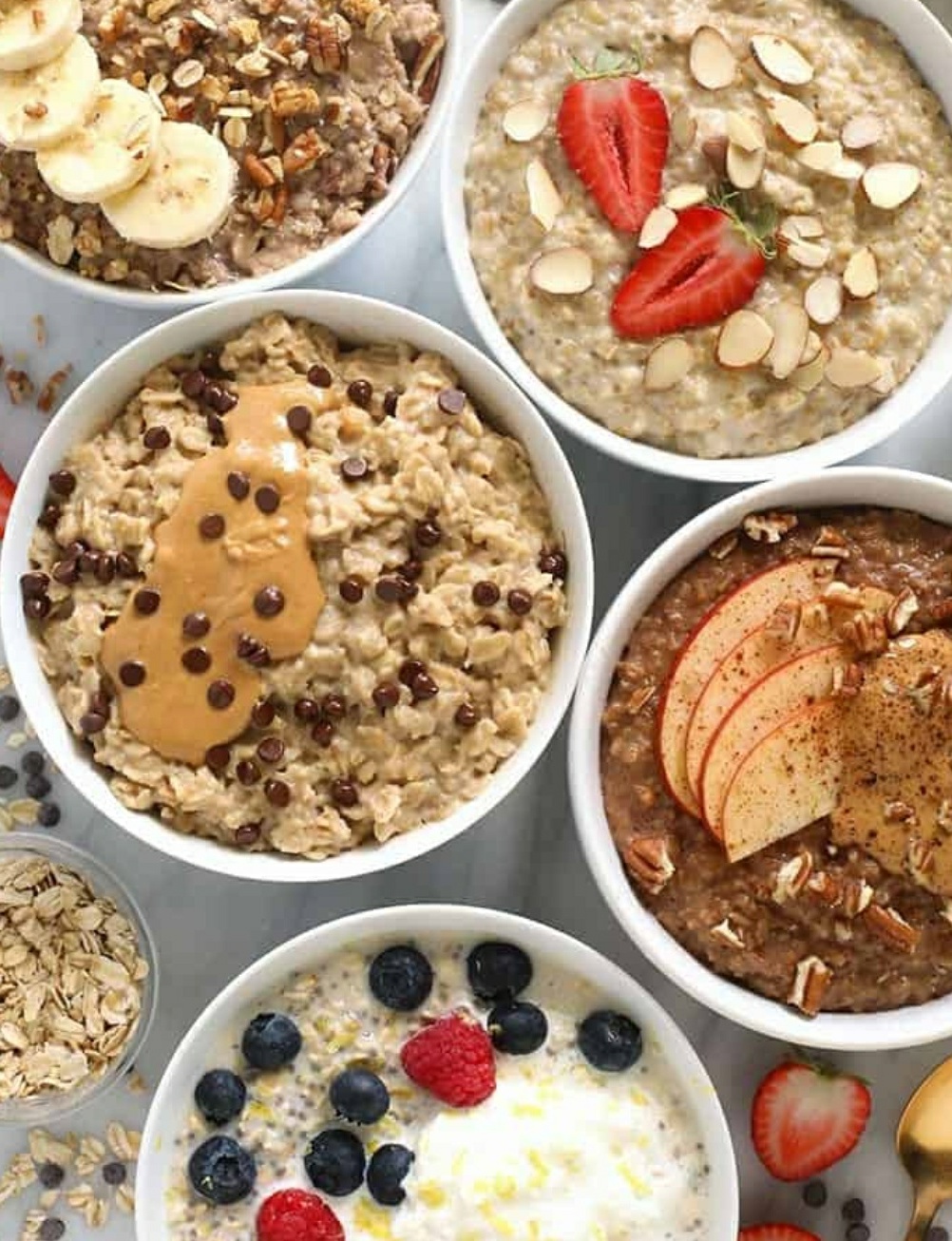
• Oatmeal
Cereal lovers should always start their day with oatmeal. Oatmeal has various benefits such as lowering cholesterol and is filled with fiber which will make you feel full. Eat it with milk rather than water.
• Eggs
Eggs are undoubtedly very healthy and a perfect breakfast to start your day with. Eggs are healthy as well as very delicious. Eggs have various benefits. Eggs reduce heart risks, and helps to keep your brain and liver healthy. It is a proper choice if you want to consume proteins.
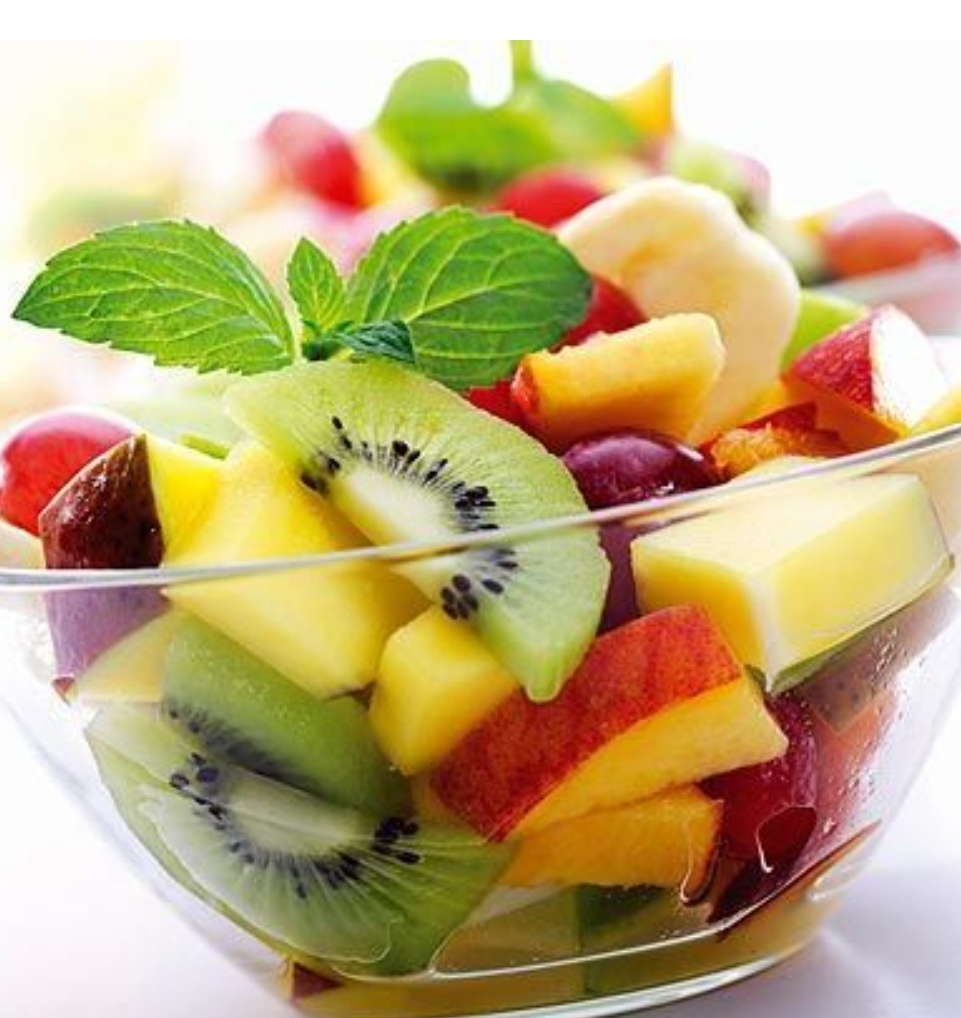
• Fruits
All types of fruit contain proteins, vitamins, minerals, potassium, and fiber. They are a very delicious, healthy and will fill you due to it’s fiber. Citrus fruits are a good source of vitamin C.
• Shakes or Smoothies
Shakes and Smoothies are very easy to prepare and extremely healthy for your body. One can also use protein powders to make it more healthy. Add nuts, fruits, seeds, etc to make it tasty and healthy.
• Greek Yogurt
Greek yogurt is full of calcium, proteins, and Vitamin D. It should be unsweetened and you can add fruits to it for flavour.
Apart from these items, green or black tea or a cup of coffee is also very essential to prepare you for your day. These little things will help you and body to survive various ups and down, only if, you remember to add them in your breakfast.



















 Eduindex
You must be logged in to post a comment.