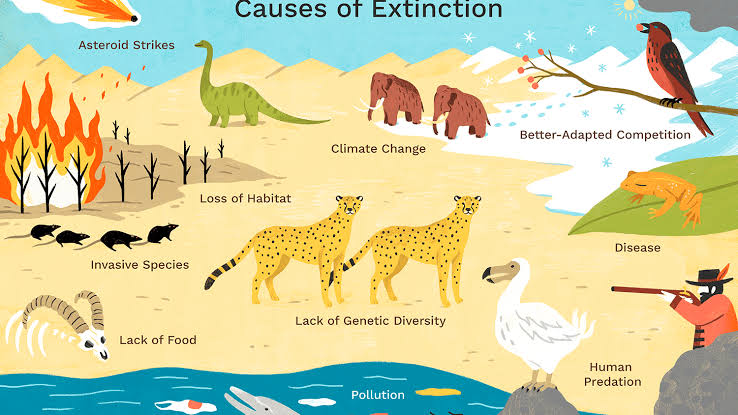
Animals that can go extinct by 2050

Climate change is real and happening rapidly causing our ecosystem to change drastically. As a result of this and poaching many animals can go extinct in next thirty years if we don’t do something about it. Scientists have said that this mass extinction might be the worse one our planet has had since the disappearance of dinosaurs.

Here is a list of few animals which can go extinct by 2050 if changes aren’t made.

Rhinos

All species of Rhinos face a risk now due to illegal poaching as their horns hold great value. Northern white rhino has only three left and Javan Rhino has merely 60. Steps need to be taken to protect them and it’s possible. The white Rhino was also on verge of extinction but due to conservation programs of South Africa their numbers have grown up to over 20,000. So donate and volunteer to make change.

Polar Bears

They may not yet be listed in endangered but their species are the one which is affected by climate change the most. Due to melting of ice they are forced to migrate for food and hence their habitat can soon be completely destroyed if nothing is being done about it. Evidence also states that some of them started mating with grizzly bears after migrating to less tropical zones and hence their pure species might as well go extinct. One important step people can take is participate in programs to reduce emission of greenhouse gases.

Gorillas

Currently four species of gorilla are listed as endangered. Cross river gorilla at less than 300, Eastland lowland gorilla whose population have gone down by 50 percent, and the mountain gorilla whose population is less than 900. The biggest threat to them is considered poaching, and habitat loss— due to mine digging. Western lowland gorillas are considered in critical state of being endangered due to Ebola virus, poaching and habitat loss. WWF organization helps to their cause and you can provide your assistance through donations.

Cheetahs
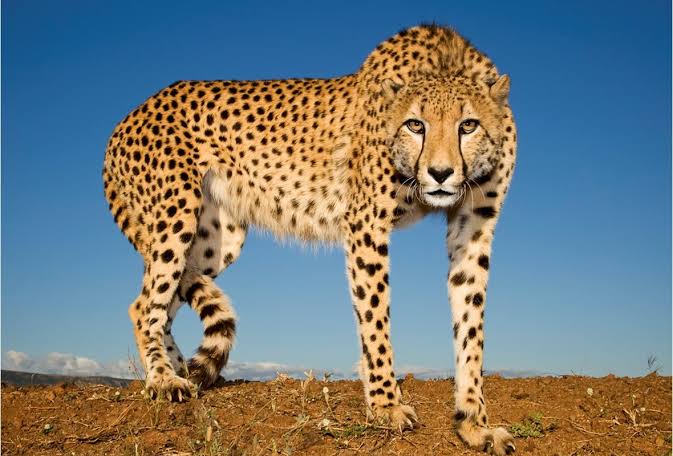
In over a century the total number of cheetah have gone down from over 100 thousand to less than ten thousand. The main threat to them is habitat loss. Cheetah conservation fund helps to their cause and you can volunteer and donate to give your assistant.

Orangutans
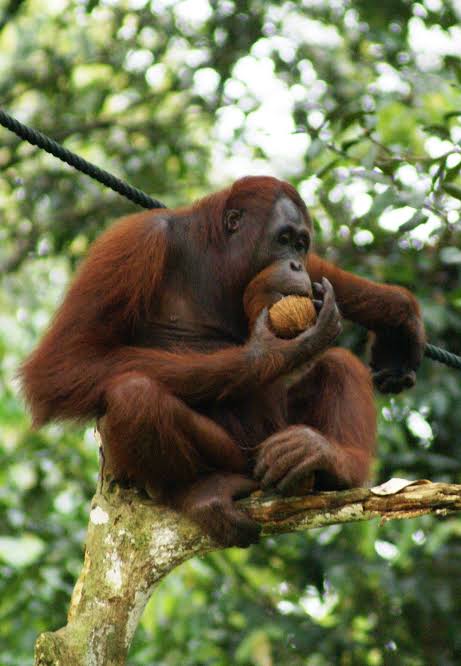
Both the species of Orangutan; Sumatran and Bornean are considered as endangered due to deforestation, hunting for bushmeat and wildlife trade. To support to the cause you can assist Orangutan foundation by donating and volunteering.

Sumatran Tigers
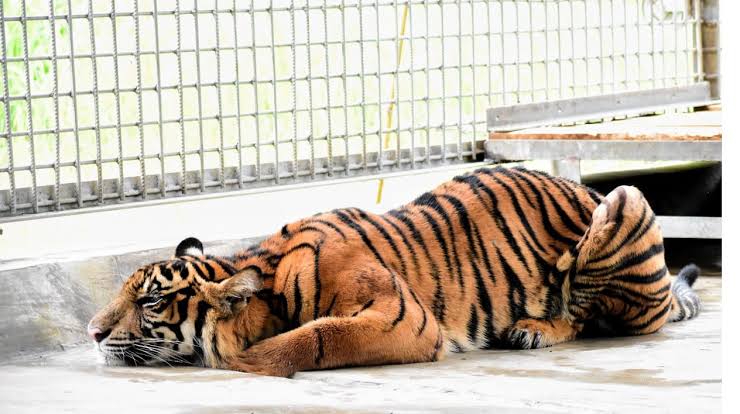
Their number is merely less than 500 now and due to habitat loss they are extremely endangered. They are a common victim of illegal poaching and wildlife trade. To help them Leonardo DiCaprio foundation and WWF came together for combined effort of doubling up the number of tigers by 2022. You can assist the cause by donating and volunteering.

Snow leopards
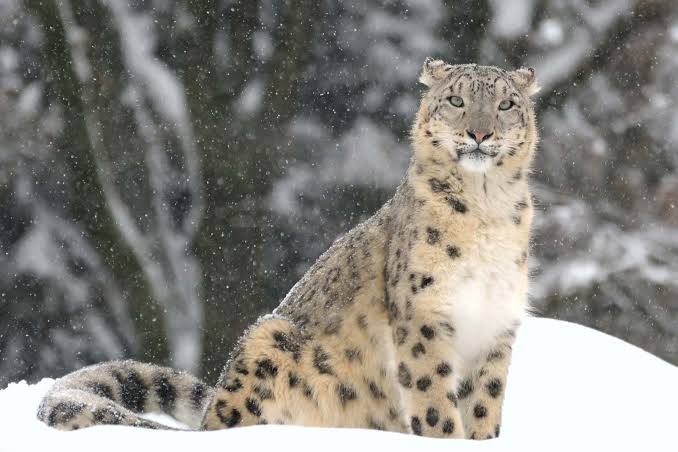
WORLD’S RAREST ANIMALS…fewer than 100.

Humans, with their 7.7 billion population, represent just 0.01% of all living things. Despite this, humanity has wiped out 83 % of all wild creatures and half of all vegetation. And we do not appear to be learning. Due to rampant human intervention, the below-mentioned rare animals are in jeopardy, with their numbers dwindling to as little as 100.

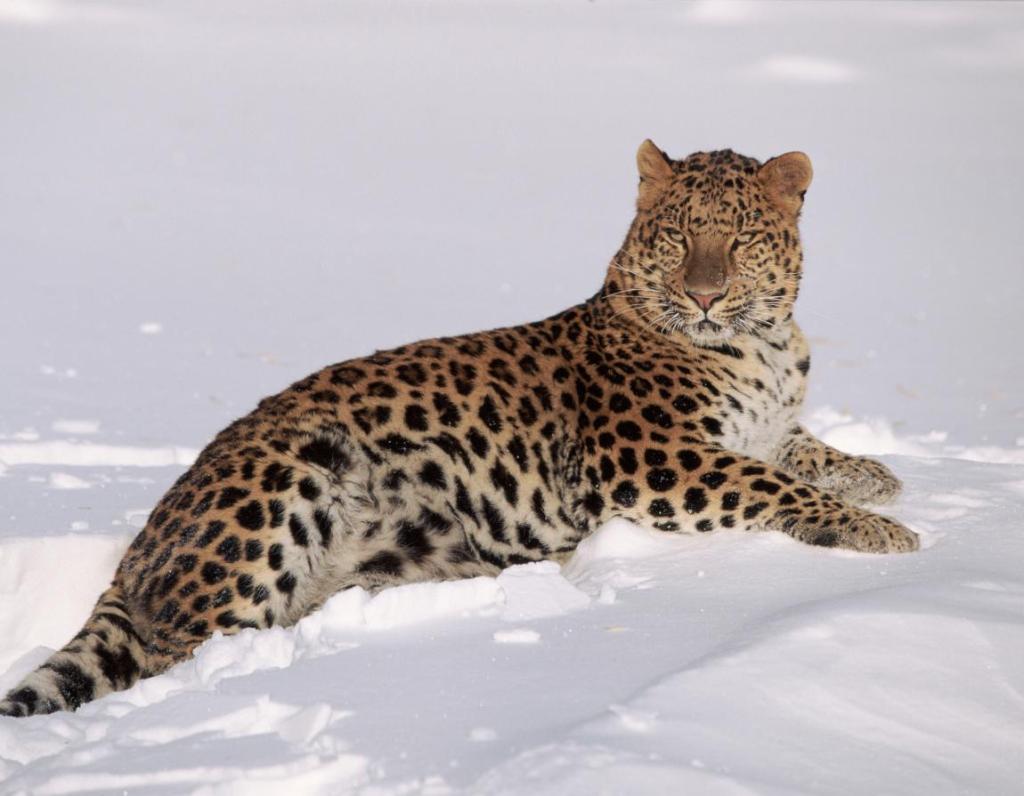
Amur leopard

Owing primarily to habitat loss and excessive poaching, there are only around 100 Amur leopards left in the wild. But, The heartening half of this data is thanks to conservation measures-their statistics have begun to soar in the recent decade. Despite this, this exquisite creature is critically endangered, making it the rarest big cat to spot in the wild.

Amur leopards are located primarily in Russia’s southwest Primorye region, with a tiny population in northeast China’s Jilin Province. Named after the Amur River, which flows along both countries’ borders, they have acclimated admirably to their difficult surroundings. In the freezing cold, their silky, thick fur keeps them warm, and their huge paws act as snowshoes, allowing them to travel on snow without sinking.

It is one of the most stunning leopards, with a magnificent speckled pelt of black splotches and flecks that lays it apart from other leopards. Despite being smaller than its African cousins, the Amur leopard can attain remarkable speeds of 37 mph and horizontal leaps of up to 19 feet.

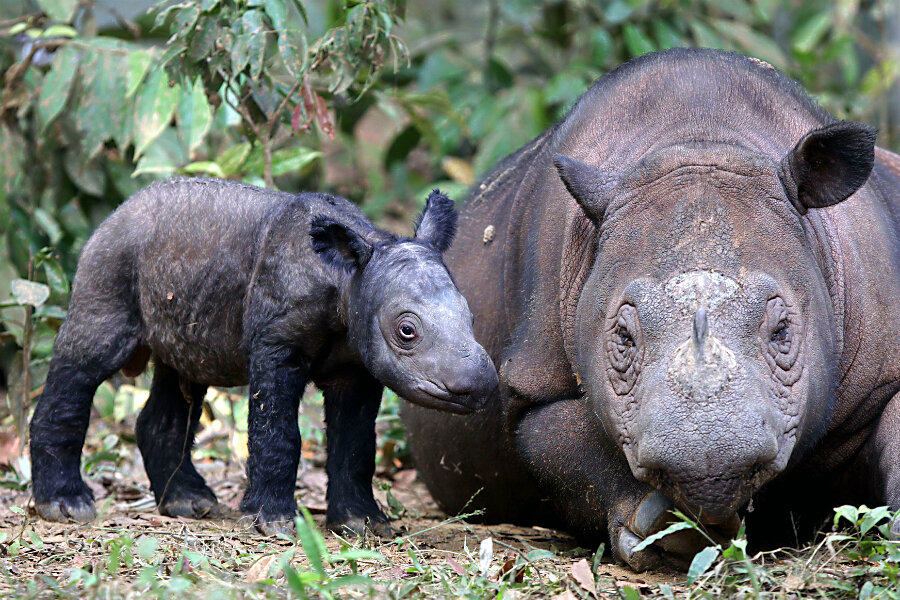
Sumatran rhino

The Sumatran rhinoceros is the most endangered of all rhinoceros species, with fewer than 80 left. In the last two decades, poaching has reduced their population by more than 70%, with Indonesia now harboring the only surviving populations. In 2015, the species was reported extinct in the wild on the Malaysian mainland, and in 2019 on Malaysian Borneo.

This species is an opportunistic eater, consuming a wide range of plants, possibly over 100. These solitary animals favor lower altitudes, particularly secondary forests with plentiful low-growing plants. Albeit they prefer densely forested areas, their habitat varies from lowland marshes to montane forests.

Because Sumatran rhinos are so rare, experts now feel that isolation is the primary obstacle to the species’ survival. It is because cysts and fibroids can form in the reproductive systems of females of this species who do not mate for a long time.

The smallest rhinoceroses on the planet, Sumatran rhinoceroses are the only Asian rhinoceroses with two horns. The front horn is bigger, ranging from 10 to 31 inches in length, while the second horn is smaller, typically less than 3 inches in length. They are more closely linked to extinct woolly rhinos than any other living rhino species.

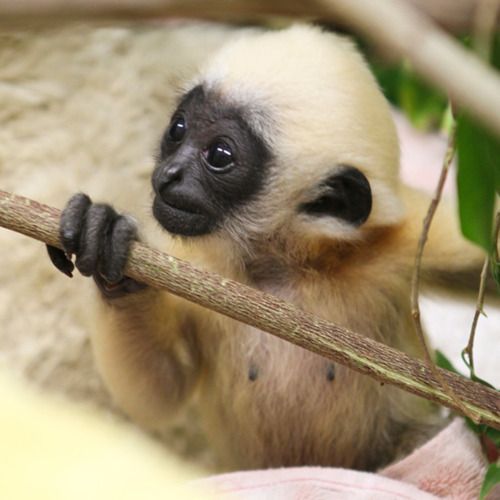
Hainan gibbon

Only about 30 Hainan gibbons remain in the wild, making it the world’s rarest ape, monkey, and possibly mammal species. Previously numbering over 2,000 individuals in the 1950s, their numbers plummeted in the late twentieth century as a result of habitat degradation and poaching. Endemic to Hainan Island, it is found exclusively in the Hainan Bawangling National Nature Reserve.

Adult males are jet black & sport a distinct crest on the crown of their head, whilst adult females are golden yellow and have a black patch on the crown of their heads that fades to the back of the neck. Hainan gibbons are entirely frugivorous (fruit eaters), with a preference for figs and lychee fruits. An alpha male, two mature females, and their children make up typical gibbon families. Hainan gibbons are categorized as a “diurnal species” since they are active during the day. They spend this time foraging, eating, grooming, and playing; they take a mid-day siesta and sleep at dusk.

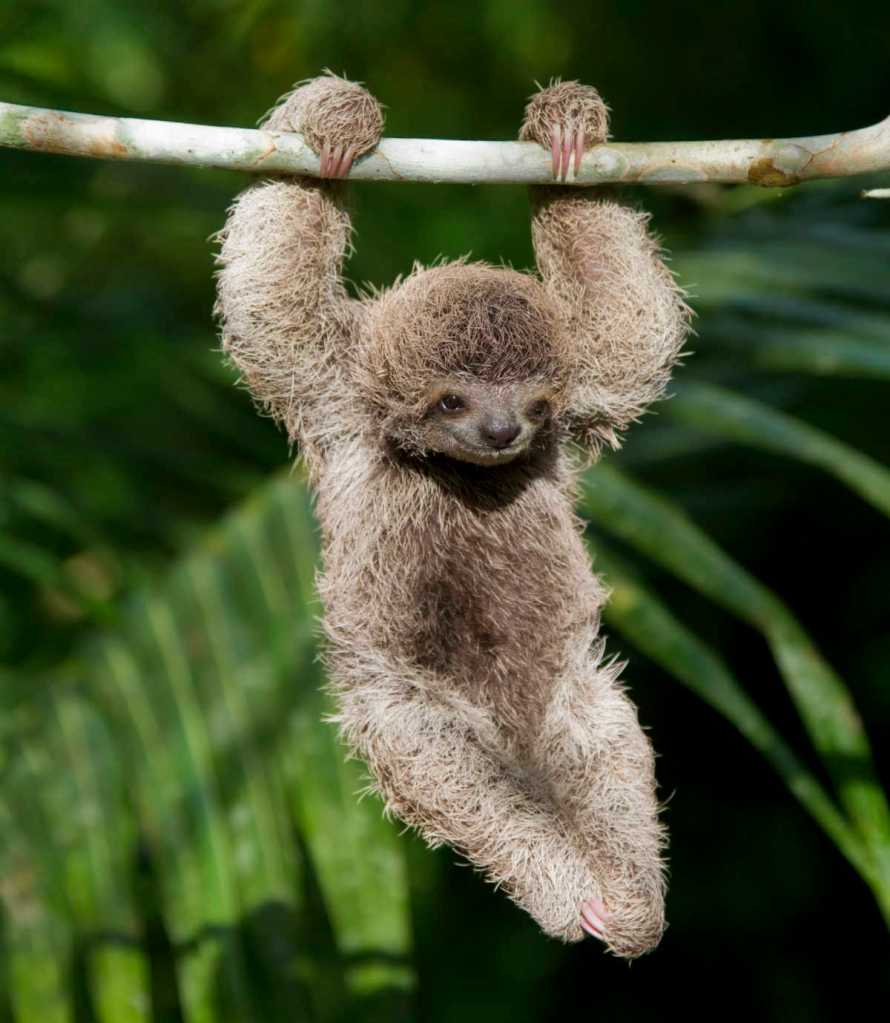
The Pygmy Three-Toed Sloth

With fewer than 100 individuals remaining in the wild, the pygmy three-toed sloth, endemic to the island of Escudo de Veragua, off Panama’s Caribbean coast, is on the verge of extinction. It is the world’s slowest mammal, with algae growing on its fuzzy coat owing to its inactive lifestyle. It gets its greenish tint from the plant, which helps it blend in with the trees in its Central and South American rainforest habitat.

A mature pygmy three-toed sloth can weigh anywhere between 5.5 and 7.7 pounds and grow 19 to 21 inches tall, making it substantially smaller than other sloth species. The population of pygmy three-toed sloths has declined dramatically due to habitat degradation and fragmentation, exploitation for food, the invasion of feral cats, and a lack of adequate legislative protection for pygmy three-toed sloths and their habitat.

Sloths sleep a lot, about 15 to 20 hours per day, and spend nearly all of their time in the air, clinging to branches with their strong claws. They even mate and have babies while suspended in the air. They eat tree leaves, shoots, and fruit at night, and acquire practically all of their water from juicy plants.

The Seychelles Sheath-Tailed Bat

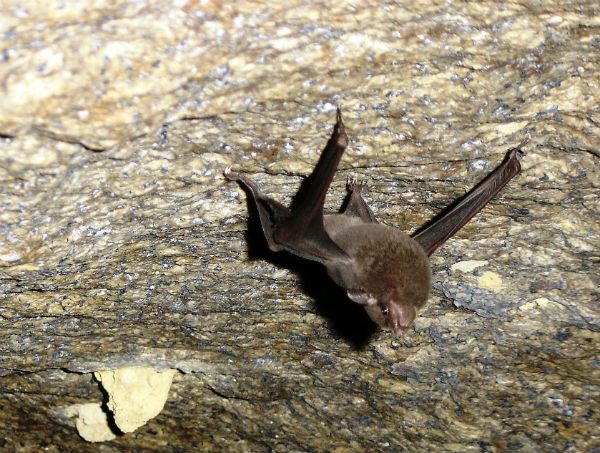
The Seychelles sheath-tailed bat, so named for its long, membranous cape-like skin that can be stretched or shortened for flying assistance, is Critically Endangered, with less than 100 left. It is endemic to the Seychelles Islands. The clearing of their lowland forest habitat for cultivation is the most serious threat they experience. Predation by barn owls, roost disruption, and decreases in insect abundance owing to pesticide use are all plausible causes of its decline. It navigates and recognizes targets using echolocation.

ENDANDERED ANIMALS – NATIVE TO INDIA

India has a high level of biodiversity, with roughly 8% of all species on the earth found there.  It is home to 7.6% of all mammals, 12.6 percent of all avian, 6.2 percent of all reptilian, 4.4 percent of all amphibian, 11.7 percent of all fish, and 6.0 percent of all flowering plant species, making it one of seventeen megadiverse countries.

The country is home to 4 of the world’s 34 biodiversity hotspots: the Himalayas, the Western Ghats, the North-East, and the Nicobar Islands. India plays host to a plethora of rare & exotic animals like The Greater One-Horned Rhinoceros, Nilgiri tahr, Nilgiri marten, Bengal tiger, Kashmir Hangul and, pygmy hogs, to name a few.

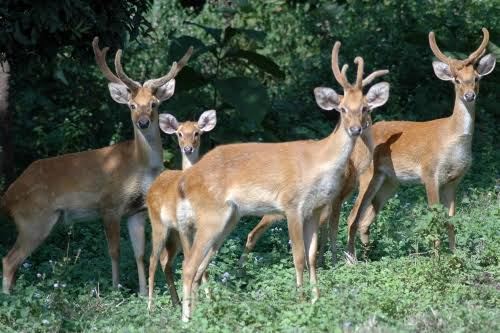
Kashmir Hangul (Kashmir Stag) 

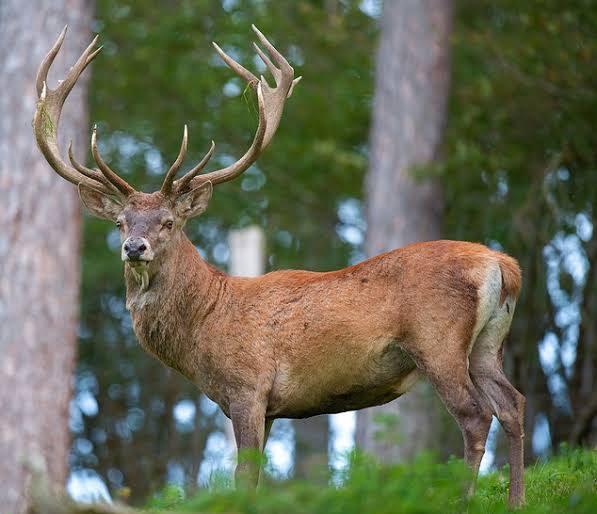
Hangul, Jammu & Kashmir’s state animal, previously widely distributed throughout Kashmir’s mountains, is now limited to the Dachigam National Park in Kashmir. The Hangul’s population has steadily dropped throughout the decades, from a peak of 5,000 in the early 1900s. Experts have highlighted habitat fragmentation, a lack of favorable breeding, predation, and a relatively low fawn-female ratio as the most significant obstacles to Hangul conservation and population expansion. The Kashmir Hangul’s fawns are preyed upon in huge numbers by the Common Leopard, Himalayan Black Bear, and nomads’ dogs, threatening their survival. The Kashmiri Red Stag, famed for its 11- to 16-point antlers, has been designated as a critically endangered species by the International Union for Conservation of Nature (IUCN).

Pygmy Hog

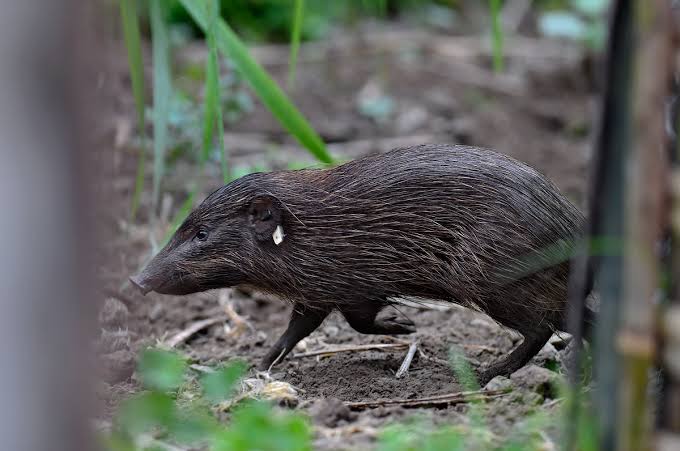
They are indigenous to India and can only be seen in a few scattered sites near Manas National Park in north-western Assam. Pygmy hog (Porcula salvania) is the world’s tiniest pig, standing at 20-30cm in height – with its sporadic hair and streamlined body that is nearly the size of a cat, it is also exceptionally rare.

 Unfortunately, with only 200 left, they have been classified as an Endangered species in the IUCN red list. Habitat decay and degradation result from human settling, farming, seasonal burning, livestock pasture, and commercial forestry constitute the main challenges confronting the already jeopardized pygmy hogs.

Sangai Deer 

The recherché Sangai as know as  the brow-antlered deer or the dancing deer, is only found in the Keibul Lamjao National Park, the world’s sole floating national park, and is indigenous to Manipur. Sangai eats a diverse range of aquatic plants, grasses, herbaceous plants, and shoots, including Zizania latifolia, Saccharum munja, S bengalensis, Erianthus procerus, E ravernnae, and others. According to the latest wildlife estimation undertaken by the Manipur Forest Department, the sangai deer’s population is static at 260. Marked endangered by the International Union for Conservation of Nature (IUCN), The Sangai population continues to dwindle as a consequence of low genetic diversity, disease proneness, hovering biomass habitat depletion, and hog deer competition.

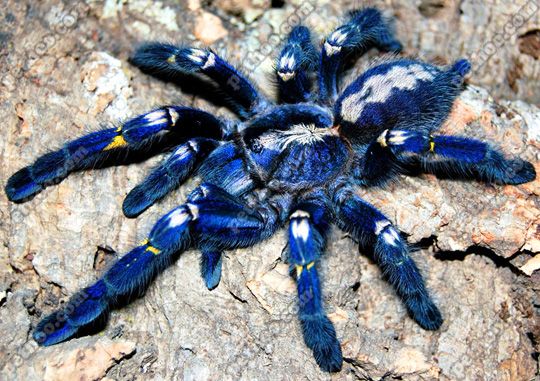
Gooty Tarantula

The Peacock Parachute Spider, sometimes referred as the Gooty Tarantula, is a spider belonging to the genus Poecilotheria. The blue colour is caused by the arrangement of nanocrystals in their body hairs, which reflect blue wavelengths of light.  P. metallica, endemic to India, lives in the wild in holes in towering trees, where it weaves asymmetric funnel webs. They prey on a myriad of flying insects. The “quality of habitat” of spiders that seek cavities and deep cracks in old woods is also dwindling. The spiders have been labelled as critically endangered by the International Union for Conservation of Nature (IUCN).

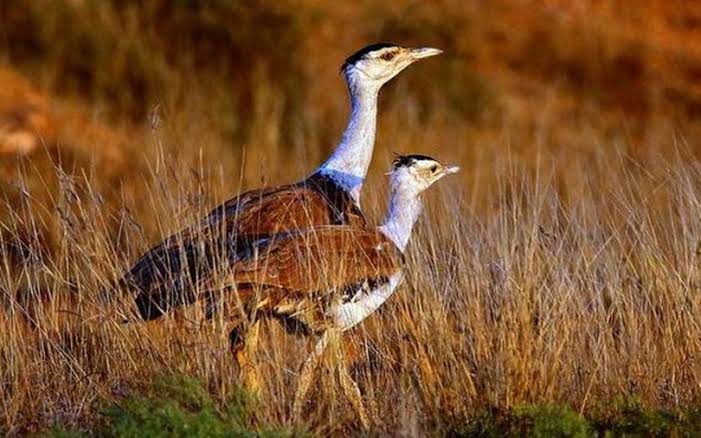
great Indian bustards

Rajasthan is home to about 122 of India’s estimated 150 critically endangered great Indian bustards (GIB), which are clustered in the Desert National Park on the western flank. Great Indian bustards are big birds with long legs and a long neck, with the tallest individuals reaching 1.2 metres (4 feet) in height. The males and females are about the same size, with the largest weighing 15 kg (33 pounds). The colour of a bird’s feathers distinguishes males from females.

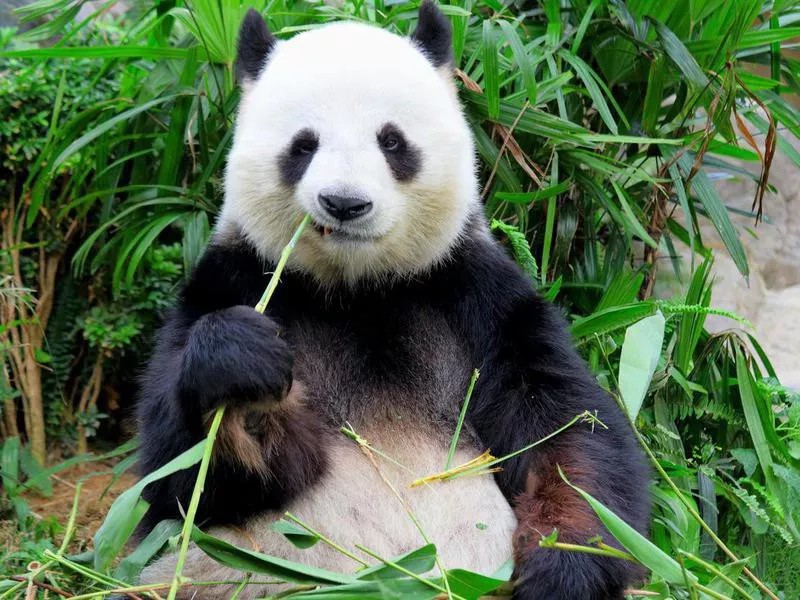
Giant pandas no longer endangered!

The giant panda (panda bear/ panda) can be found in South Central China, primarily they live in China’s Yangtze river basin. Pandas were actually belongs to group of carnivorous animals but still it eats more of bamboo leaves and shoots. They occasionally eat grasses, wild tubers and even meat of birds or rodents.

Why giant pandas became endangered species of animals?

They were endangered mainly because of habitat loss. During the year of 1984 people of China started to clear bamboo forests which is needed more in number for the survival of pandas because they live in forests, they cannot adapt to live outside the forests and they also eat the same. People used to hunt them to make money from their skins. in the year 1990 pandas were declared as endangered.

Why pandas were removed from list of endangered species now?

After nearly 30 years of struggle to preserve species of giant pandas. Now there is an evidence documenting the increase in population of the pandas. Now 25% China’s land designated for ecological protection according to China’s State Council Information Office.

>>Stay connected to eduindex.org for more updates 🙂

We will launch ‘Project Dolphin’ for protecting ocean and Gangetic dolphins : PM MODI

The Gangetic dolphins have been declared as the National Aquatic Animal of India. This decision was first taken in the meeting of the National Ganga River Basin Authority (NGRBA) chaired by then Prime Minister Dr.Manmohan Singh on 5th October, 2009.

Ganges river dolphins once lived in the Ganges-Brahmaputra-Meghna and Karnaphuli-Sangu river systems of Nepal, India and Bangladesh. But the species is extinct from most of its early distribution ranges. The Ganges river dolphin can only live in freshwater and is essentially blind.

Ten years after Gangetic dolphins were declared National aquatic animals, Prime Minister Narendra Modi announced on 15th August, 2020 a conservation project for the species. This conservation project is named as the Project Dolphin’.

This project aims to give a stronger impetus for conservation of the aquatic mammals in the lines of ‘Project Tiger’ – a tiger conservation programme launched in April 1973 and ‘Project Elephant’ launched in 1992 to provide financial and technical support to wildlife management efforts by states for their free-ranging populations of Wild Asian Elephants.

According to the environment ministry, the project envisages to address conservation concerns and empower the stakeholders such as the river-dependant population in reducing the pollution and allowing sustainable fishery and river-based other livelihood options through scientifically oriented conservation methods. Implementation of the “Project Gangetic Dolphin” envisions a healthy river ecosystem not only protecting the biodiversity of the river but also taking into consideration the well-being of the people depending on its resources.

Addressing the nation from the ramparts of the Red Fort on India’s 74th Independence Day, Modi said, “We will launch ‘Project Dolphin’ for protecting ocean and Gangetic dolphins”. It may be mentioned here that the Ministry of Environment, Forest and Climate Changes has made elaborate plans to launch the 10-year project ‘Gangetic Dolphin’ led by Environment Minster Prakash Javadekar.

The Gangetic river dolphin is a species of freshwater dolphins primarily found in the Ganga and Brahmaputra rivers and their tributaries in India, Bangladesh and Nepal. Ganges river dolphins prefer deep waters, in and around the confluence of rivers. The distribution range of the Ganges river dolphins in India covers seven states namely Assam, Uttar Pradesh, Madhya Pradesh, Rajasthan, Bihar, Jharkhand and West Bengal.

There are around 3700 Gangetic River Dolphins in Indian river systems, according to official figures. The Ganga dolphin is one of only three freshwater dolphins left in the world. There are about 1800 left in the Indian part of the Ganga-Brahmaputra-Meghna basin, down from about 4500 as recently as 1982. There may be around 600 more left in Bangladesh, a few in Nepal, all part of the same basin. In Bhutan, the fourth country in the basin, the Ganga dolphin has not been seen for many years.

The Ganga dolphin is given the highest level of protection possible under the 1972 Indian Wildlife Protection Act. It is categorised as “endangered” by the International Union for conservation of Nature.

As river dolphins acts as indicators of healthy river ecosystems, their conservation would also ensure controlling river pollution and improving the availability of fishes and enhancing economies of local communities through sustainable fishery, the ministry said. They were declared National Aquatic Species in 2010.