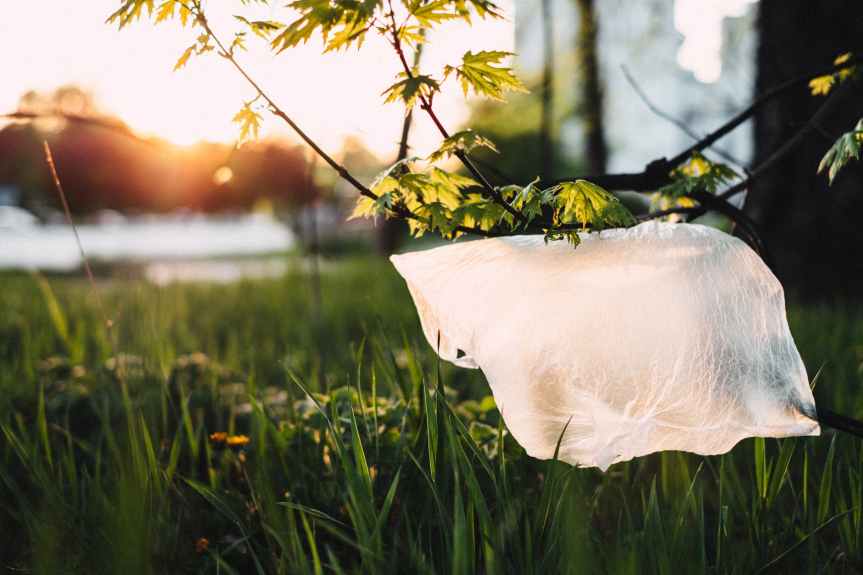
SINGLE USE PLASTIC BAN

Apart from water and environmental pollution, single use of plastic is also one of the most common causes of pollution. The use of plastic has been proved to have highly destructive impact on water bodies especially on hydrophytes and sea animals. Thus, ban on single use plastic has become a beneficiary need today. In many countries including India, the government has started a number of campaigns to cease the single use of plastic and initiated the use of carry bags which are environment friendly.

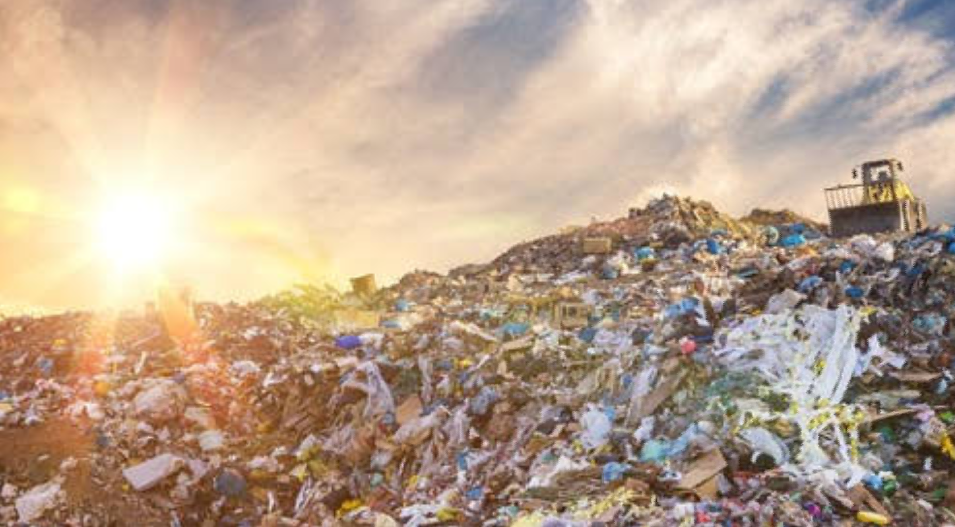
Every year, million of tons of single use plastic are produced, out of which many cannot ne reused or reprocessed. Polythene, plastic bags, plastic glass, straws, water bottles, etc. are included in single use plastics. Single use plastics are meant to be used only once and then thrown away as trash or waste for recycle. Most of such single use plastics that are thrown away as trash are not recycled. These plastics are not capable of decomposing by bacteria or any other organism and are usually buried in the dumping ground or sometimes it gets into the water and at times it also reaches the ocean, polluting the water bodies. They come in contact with water and soil and crumble up into small fragments but remain undecomposed. They remain intact in the soil and water for hundreds of years releasing lethal chemicals and causing damage to the surrounding environment. Thus, it is considered to be non environment friendly. The major cause of the water pollution is the lodging of plastic bags in the water bodies. The ecology and the surrounding environment is greatly affected by these plastics in every possible way.

The use of single plastics has been proved to be hazardous to animals, human beings, hydrophytes and marine organisms. Highly toxic chemicals are released by the the plastic bags as well as plastic items which causes grave diseases to those involved in its production. At times, the aquatic creatures in a mistaken way consume particles of plastic along with food. Plastics are also found sometimes inside the stomach of marine animals like, turtles, fishes etc. These plastics block the digestive system and the organs of the animals are also perforated resulting in serious health issues and death at the end. The use of plastics also affect the environmental imbalance causing pollution. The single use plastics when burnt releases smoke which increases the risk of heart disease and make worse the ailments of respiration such as emphysema and asthma. Nausea, rashes, headaches and damage to nervous system are also caused by it.

Various measures have been taken by the government to prevent the use of plastics. A multi-ministerial plan has been laid out by the government of India to prevent the use of single use of plastics across the nation to make India free of plastics by 2022. In order to eliminate the use of single use plastics in urban as well as rural areas, the ban on plastic bags, water bottles, plates, straws and all plastic items have already began on October 2, 2019.

A great number of serious problems are caused by the single use plastics. Thus, it becomes essential to take effective measures to terminate the use of plastics and look forward towards a healthy and friendly environment. In order to protect the living creature and the environment, it is our duty to come up with advance technologies with time to recycle the plastics more efficiently so that the wastes of plastics are recycled and reused.


CHIPKO MOVEMENT 2.0 ?

A historic environmental movement took place in the Chamoli district of Uttarakhand in India. It was started by Amrita Devi and lead by environmentalist Sunderlal Bahuguna. People involved in developmental projects ordered their workers to chop off the woods situated in Chamoli. The forest resources contributed greatly to the livelihood of the villagers. Their predominant occupation included, food gathering, forestry, farming, pastoral work, etc. Hence, these locals heavily relied upon the forest. The developmental officials intended to industrialize the area for improvement in transport and communication. But, the locals disagreed upon their plans. In the month of April 1973, contractors and workers visited the site to begin with felling of the woods. But, the locals gathered in masses and hugged the tress in protest. Women in large numbers too came forward to lead a non-violent struggle. Therefore, the movement came to be known as ‘The Chipko Movement’ (English Translation – ‘Hug The Tree Movement’) This unique movement gathered a lot of praise as the workers had to retreat due to the mass protest. The villagers thus gained success in eliminating deforestation.

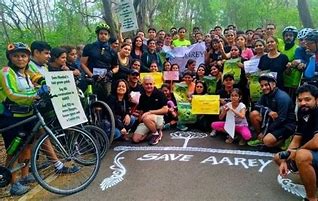
A very similar protest occurred in the Aarey Forest in Mumbai city of India, which is an urban green space spread across 800 acres of land. This green landscape is popularly known as the ‘Green Lungs of Mumbai’. It is one of the only areas with a natural forest cover in Mumbai. A multi-crore metro rail project was launched in the city to ferry 13.9 lac passengers daily. Bharatiya Janata Party ( an Indian political party) announced a controversial decision to construct a car shed for Mumbai Metro line-3 at Aarey Forest. For this project, 2141 trees were cut down. Shivsena (political party) opposed the move of the BMC Tree Authority to allow felling of the trees, while other parties such as NCB and BJP were in favour. Mumbaikars were highly agitated with the decision taken. Protests regarding the same, legally gained pace when environmental activist, Zoru Bathena signed a petition at the Bombay High Court against the Tree Authority for giving clearance to the proposal.

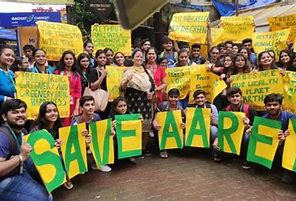
The MD OF MMRCL claimed that the plus points of the developmental project will outweigh the felling of trees. Upon receiving all such actions and statements, not just politicians and environmentalists but also the Bollywood actors came on ground to protest against the decision. The ‘SAVE AAREY’ campaign gained popularity with social media hashtags, posters, slogans and blogs. People from NGO’s, celebs, youtubers, influencers and the civil public gathered in the Aarey Milk Colony, Goregaon to lead agitations. As a part of duty, men and women in uniform had to detain, charge and arrest people for indulging in an unlawful assembly, under Section 144 which was imposed during that time period.

All of this gained favorable outcomes when, the Maharashtra Chief Minister, Mr. Uddhav Thackeray announced the declaration of 800 acres of land in the Aarey as forest premises, which will remain unharmed pertaining to any developmental work in the future as well. The cases filed against the protesters were also taken back by the court. CM Thakeray also announced that the Metro car shed for Phase III be shifted to a land in Kanjurmarg (suburbs of Mumbai), owned by the State Government. The land will be used free of cost as a property of the State. In this manner, the green patch of Aarey was treasured by a cohesive movement. Hence, we can conclude by stating that, this Save Aarey Movement 2020 was much similar to the Chipko Movement 1973.

“The Earth provides enough to satisfy every man’s need but not every man’s greed”

– Mahatma Gandhi

Sustainable use of natural resources and prevention of environmental degradation is essential. Mass consciousness in this regard is leading to environmental actions and movements. Thus, human evolution and environmental protection must go hand in hand.

6 Ways to Help the Environment from Home

Photo by Rachel Claire on Pexels.com

Global Warming has become Climate Change now. Our world is now being pushed into the brink of extinction due to rising industrialization, deforestation and urbanization. Countless activists, individuals, scientists and environmentalist began an outcry about the tremendous hazard we are causing to the world, owing to our activities.

Even though many people are taking serious actions to reduce the impact on the earth, damage is still being done. We can even feel the effects of such damages as a result of climatic disasters, pollution, soil erosion and extinctions of several species in the flora and fauna.

Many people have switched to sustainability and veganism to reduce their carbon footprint. Apart from these steps, there are certain steps we can take to reduce the footprint. These steps are simple to follow and can be followed by anyone.

Read on the steps below-

  1. Recycle- Most of the stuffs we buy from commercial groceries are either sold in plastic containers or packets. We can instead choose to buy the products in glass containers. They can be expensive for sure but this is the least we can do to help. Plastic is the most hazardous object for the environment so we must at least substitute plastic for other sustainable choices. Recycling plastic and other materials help to reduce waste and harmful emission from industries and reduce your footprint. It also reduces the need to use natural resources to create new products for use.
  2. Compost- If you are able to, compost appropriate food and products. This is a process by which organic substances are decomposed and provide nutrients to the soil. Substances like fruit peels, tea bags, vegetable scraps can be easily decomposed. This is also great for the soil and it will make it fertile. It also prevents soil pests.
  3. Buy sustainable food products- Food production for the growing population causes huge deforestation and loss of wildlife. Agricultural production of meat and dairy not only causes deforestation but also uses a large amount of energy. Try navigation away from a meat-dominated diet and buy locally sourced and produced food items. These options are more sustainable and uses less energy for transportation.
  4. Support eco-friendly companies- As a consumer we can choose to support eco-friendly and sustainable companies. Their products are sustainably sourced. Many of these brands use a portion of their profits towards the conservation of the environment.
  5. Stay informed- As we sit at home, we are drawn to the screens most of our time. We have all the information we ever need at our fingerprints so take time to go through them and knowledge yourself about the environment and how to save them. Expose yourself to articles like these. Knowledge is power so it is wise to be aware.
  6. Donate to the right organization- There are many orgnizations that are tirelessly working to protect our plant. If you can, volunteer for the right organization and help to save our planet. Create as much awareness as you can.

These were some of the easy tips to help save this planet. Always do your best.

An massive iceberg, approx. the size of New Delhi broke off in Antarctica

(Image credit: Halley team/British Antarctic Survey)

An iceberg of 1270 sq. km in size has broken off from Antarctica. This happened in the Burnt Ice Shelf, the Iceberg is apparently is of the shape of Indian capital New Delhi. According to the reports it was breaking at the rate of 1km per day.

Icebergs are pieces of ice that have broken off from glaciers or ice shelves and are now floating in open water, according to the National Oceanic and Atmospheric Administration.

The North Rift crack grew toward the northeast at a rate of about 0.6 miles (1 km) per day in January; but on the morning of Feb. 26, the crack widened a couple hundred meters in just hours. This ice split happened due to a natural process, and there’s no evidence that climate change played a role, according to the statement. The Brunt Ice Shelf, a 492-foot-thick (150 meters) slab of ice, flows west at 1.2 miles (2 km) per year and routinely calves icebergs.

The thickness of the iceberg is 150 meters. A picture of this has also been released by the British Antarctic Survey. According to scientists the incident occurred in the Burnt Ice Shelf area. This disintegration is called ‘calving’, in which vast icebergs separate from the frozen area.

The current calving was first recorded in November 2020. By January 2021, the speed of its breakdown had reached one km per day, on Friday it was eventually declared broken. There is so much snow on Antarctica that if it breaks and melts in the sea, the water level will rise by 70 meters. Many cities and islands will be completely submerged.

Ice calving, also known as glacier calving or iceberg calving, is the breaking of ice chunks from the edge of a glacier. It is a form of ice ablation or ice disruption. It is the sudden release and breaking away of a mass of ice from a glacier, iceberg, ice front, ice shelf.

According to researchers “Our teams at B.A.S.(British Antarctic Survey) have been prepared for the calving of an iceberg from Brunt Ice Shelf for years,” Dame Jane Francis, the director of the B.A.S., said in a statement. “Over coming weeks or months, the iceberg may move away; or it could run aground and remain close to Brunt Ice Shelf.”

Why do icebergs melt?

When an iceberg reaches warm waters, the new climate attacks it from all sides. On the iceberg surface, warm air melts snow and ice into pools called melt ponds that can trickle through the iceberg and widen cracks. At the same time, warm water laps at the iceberg edges, melting the ice and causing chunks of ice to break off. On the underside, warmer waters melt the iceberg from the bottom up. This phenomenon of ice-calving happens over a long period of time but the fast paced climate change had accelerated the process.

BIO-TERRORISM AND CLIMATE GETTING WORSE- TWO MORE PANDEMICS WAITING FOR US IN THE FUTURE

In 2015, when Bill Gates warned us about a possible global pandemic occurring in the future, which could kill above 10 million people, he predicted that it would not be because of a nuclear war but it would come in the form of a deadly virus. He warned us that we are not prepared enough to face the pandemic head-on and our unpreparedness will result into very adverse outcomes.

Looking back at it, he was right wasn’t he. We remained unprepared ignoring the warnings and then coronavirus hit us, and it hit us so bad that even developed countries like China, Italy, USA and UK took a serious blow and the death toll is still increasing. Vaccines are being developed but we still have a long way to go.

And while we are still recovering, we are facing the danger of two more pandemics which are- Bio-terrorism and Climate change. In his recent interview, Bill Gates talked about these issues, he warned about increasing death toll in future due to changing climate and spread of biological weapons in form of infectious bacteria and viruses with the intention to cause damage globally. Many physical impacts of climate change are already visible, including extreme weather events, glacier retreat, increase in level of sea water, drought and wildfires etc. And he also suggested us the ways in which we could better prepare ourselves to fight effectively against these future pandemics, they are-

  1. Field based activity- Appointing a team of epidemiologists so that they could go to the affected locations and collect data about the problems and difficulties they are facing because vaccine research begins only after a careful assessment of public health priorities. Work conducted in the basic research laboratory forms the scientific foundation for all subsequent investigation.
  2. R&D activity- Investing more in the Research and development for the solutions to the pandemics, like in case of an infectious virus developing mRNA vaccines and developing warning systems using technology.
  3. Contact Tracing- Contact tracers use clear protocols to notify, interview, and advise close contacts to patients with confirmed or probable infections . Jurisdictions can use the following steps and considerations as a framework when developing a protocol for the tracing of close contacts.

To prevent climate change we have to take some important steps ourselves to save our environment and sustain our resources by-

  1. Planting more trees & Stop deforestation
  2. Using resources like water and fuels responsibly
  3. Using energy efficiently and minimizing wastage
  4. Using natural resources like solar power to generate electricity.
  5. Recycling and using renewable resources
  6. Informing and educating others of these dangers and ways to fight against it

CNG: A SINE QUA NON OF THE PRESENT DAY

In the current rapidly evolving world where exploitation of nature and its resources are taking place under the tag of development, what we need is sustainable development through which we can meet the needs of today without compromising the needs of tomorrow. Developing countries like India are more prone to severe air pollution compared to developed countries accounting to the rapid urbanization, fast-paced industrial development, underdeveloped combustion technologies and continued use of traditional fuels. The deterioration of ambient air quality has been attributed with 1.24 million premature deaths and 38.7 million disability-adjusted life-years (DALYs) loss in India resulting in a national public health crisis. The national capital New Delhi is one of the most polluted cities in the world where the population is literally living in a gas chamber with noxious air quality. According to studies, 28 % of the total pollution in Delhi is contributed by vehicular emissions which necessitated the monitoring of PM measurement of outdoor air pollution. The air quality index of Delhi hit an all-time low as the pollution levels crossed seventy times the safe limit last year.

Several management plans were implemented to better the air quality of the city and various control measures were introduced to minimize the pollution. The Delhi government launched a broad CNG programme to convert the city’s public transportation to CNG and the national capital ended up the cleanest public transportation system in the world by replacing the diesel buses with CNG by 2002. This transformation has brought a significant impact on air quality and pollution levels as it helped reduce the premature death rate in the city.

CNG (Compressed Natural Gas) is one of the least toxic and cleanest burning eco-friendly fuel available.  The use of CNG reduces carbon monoxide emissions up to 97 per cent as it is processed from biological waste, marking it as a sustainable replacement to fossil fuels. When compared to other fuels, CNG is safe to store and transport. Besides being eco friendly, CNG provides numerous economic benefits as well. The cost of CNG when compared to other traditional fuels is considerably low and its abundant presence in nature promises its availability for future purposes. 
India is setting an example of sustainable development by reducing the use of fossil fuels and shifting to eco-friendly fuels like CNG. On Tuesday, Prime Minister Narendra Modi has inaugurated a 450 km natural gas pipeline between Kochi and Mangalore built by Gas Authority of India Limited, which will supply safe and affordable fuel to households in the form of piped natural gas (PNG) and compressed natural gas (CNG) to the transportation sector. The pipeline is a part of the country’s journey towards ‘one nation-one gas grid’, said the Prime Minister. A total of 1,544 km pipeline had been laid as part of the National Gas Grid in 2020. India plans to spend $60 billion in creating gas infrastructure till 2024. These projects are incorporated as India plans on developing a gas-based economy, reducing the use of traditional fossil fuels and thereby aiming to cut down its greenhouse gas emission levels to improve the environmental and climatic conditions.

Out of sight out of mind

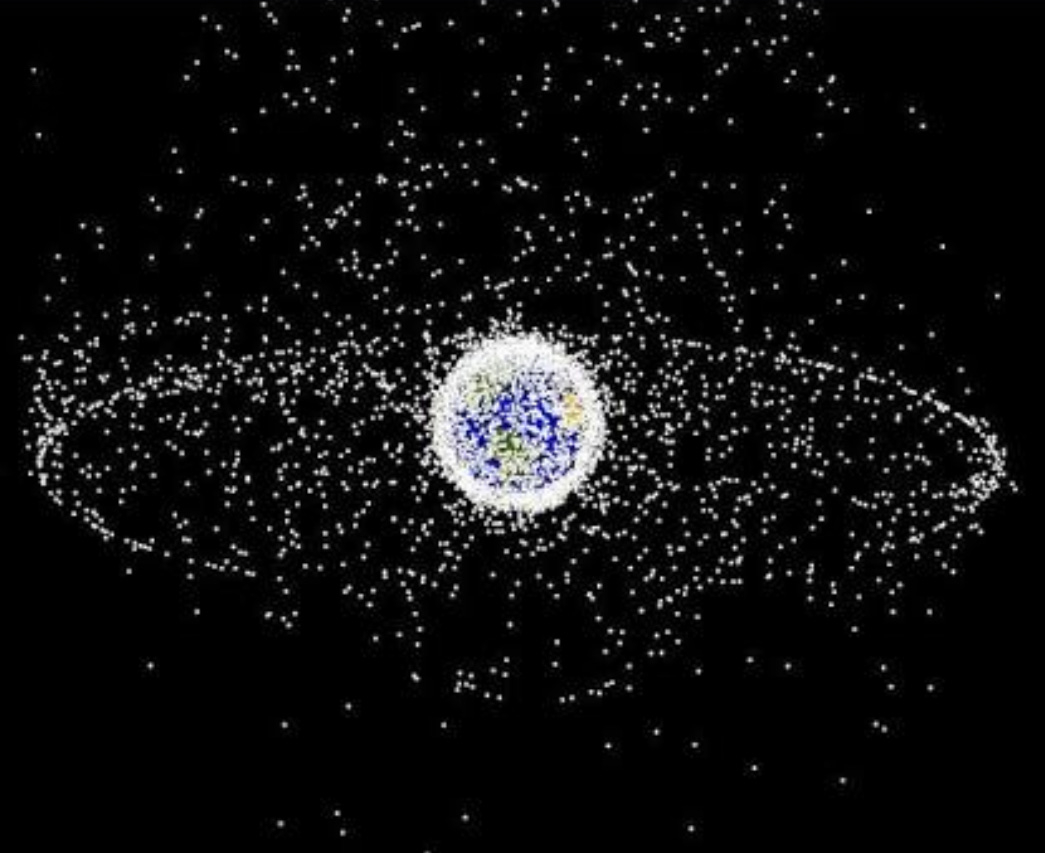
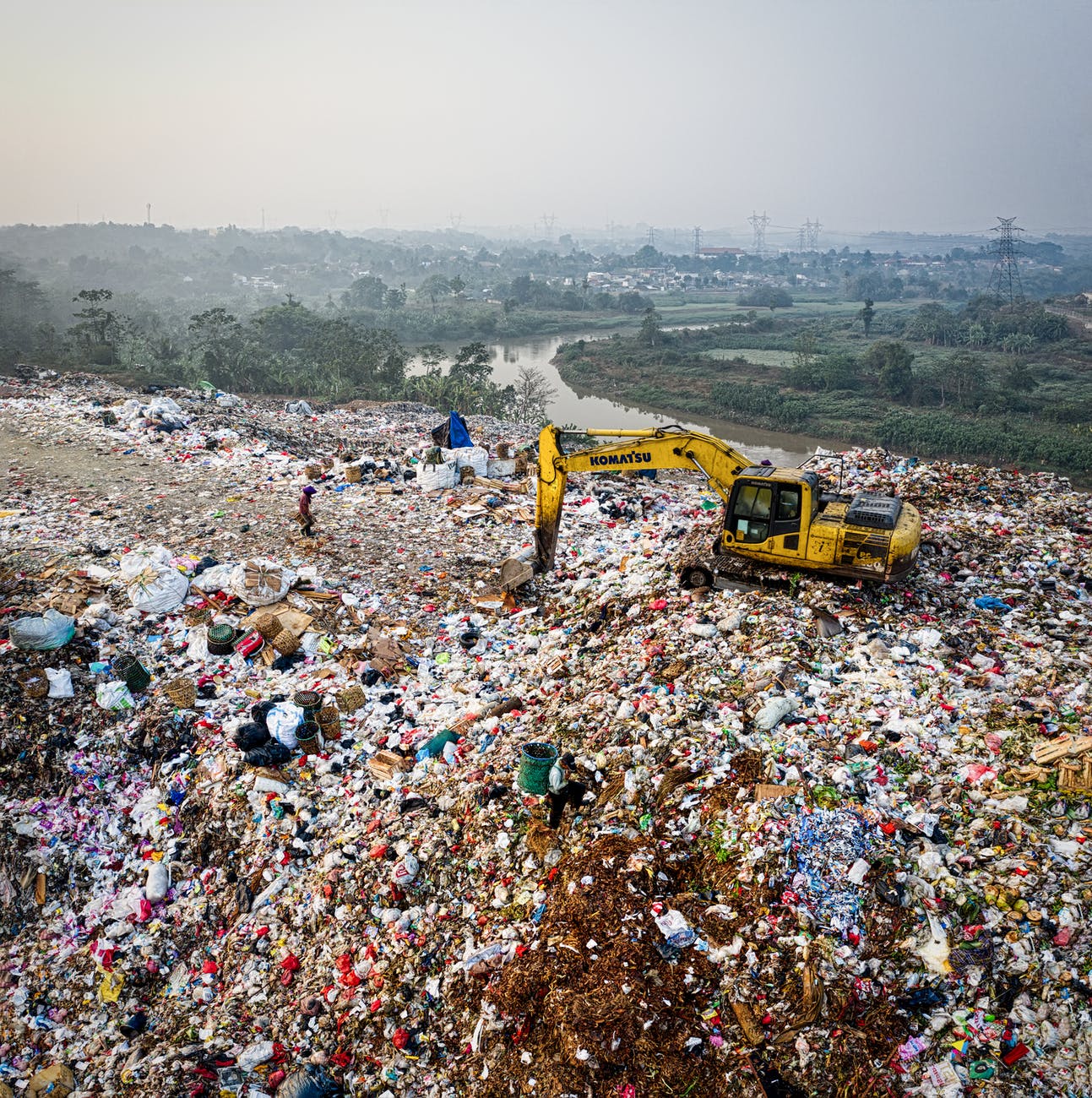
The world has so much problem with the waste production and dumping and landfills. We need more space. Why not send it to outer space? You know take some amount of trash at a time and send it to space and let it go. Sounds easy but turns out it isn’t that easy.

First of all it costs a LOT to send a spaceship into the space. We would need a large number of rocket launches to actually get rid of the insane amount of garbage the world produces(1.2 trillion kg). That way, the rise in air pollution… unimaginable. Also, complex infrastructure requirements! We need a lot more launch pads.

Suppose we do find a way to manage the costs and send a rocket filled with trash to be thrown out in the space. Imagine if some technical issue occurs and it blasts. It would rain burning plastic. Not good for the environment.

Even if we throw it out, the accumulation would make our atmosphere so dense that it would be a toxic world to live in. Also we couldn’t use satellites plus space travel would be tough. What if it comes floating back. Gross sight.

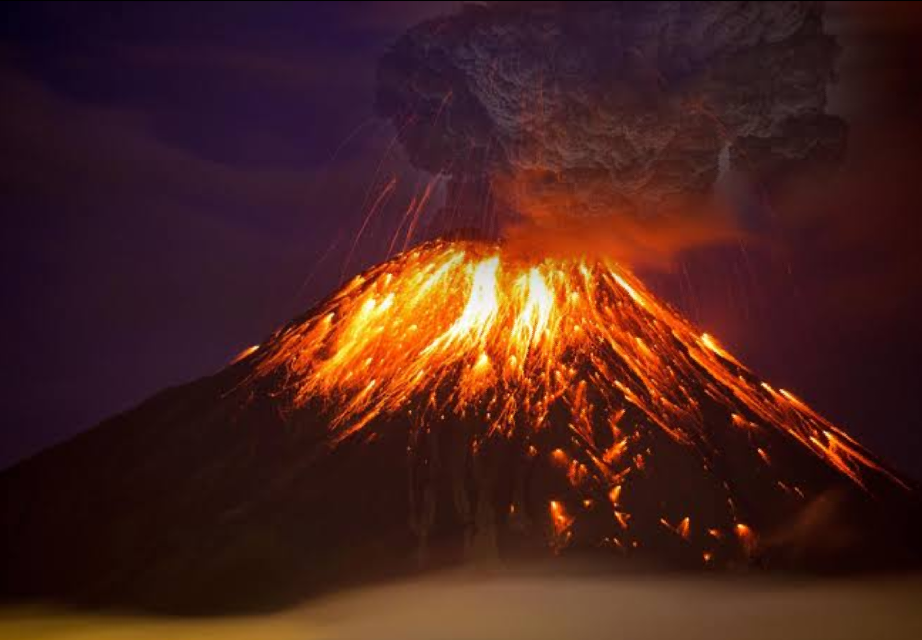
There’s another thing we could do. Burn the trash in the volcanoes. Trash incinerators have filters to filter out poisonous gases. In case of volcanoes filtering is not possible so again toxic world. Besides throwing something in the lava, disturbing the surface, would instantly trigger a chain reaction leading to an explosion. So not an option.

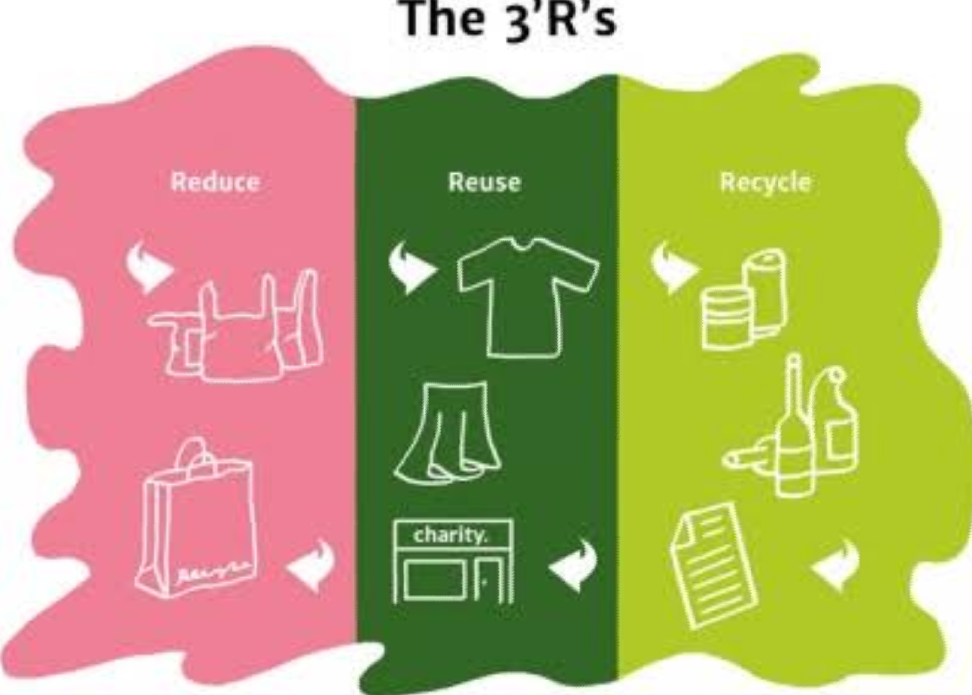
Guess we have to find other sources to convert the trash into some kind of energy. Maybe some day. Till then we need to manage our trash and follow the three R’s. (Reuse, Recycle, Reduce)

Thank you for reading. Have a nice day!

Environmental Pollution

Pollution is the presence of particles or elements in a natural environment and thereby degrading the quality of it. It causes adverse changes to natural environment. Pollution is caused by contaminants and they can be of various types. Contaminants can be particles like chemical substances, gases or energy. They can be foreign substances or naturally occurring ones. Depending on the kind of contaminants and the environment, there are different forms of pollution – air pollution, light pollution, litter, noise pollution, plastic pollution, soil contamination, radioactive contamination, thermal pollution, visual pollution, and water pollution.

Pollution exists mainly in urban societies. The burning of coal and wood increase carbon content in air and make the cities the primary sources of pollution. The Industrial Revolution had brought an infusion of untreated chemicals and wastes into local water resources which supplied water to the people. Early instances include the time when King Edward I of England banned the burning of sea-coal by proclamation in London in 1272, after its smoke became a problem.

Photo by Yogendra Singh on Pexels.com

The major forms of pollution are described as follows:

Air pollution – It is caused by the release of chemicals and particulates into the atmosphere. Common gaseous pollutants are carbon monoxide, sulfur dioxide, chlorofluorocarbons (CFCs) and nitrogen oxides which are produced by industry and motor vehicles.

Electromagnetic pollution – It is caused due to the overabundance of electromagnetic radiation in their non-ionizing form, like radio waves, etc. Nowadays people are constantly exposed to these radiations.

Light pollution – It includes light trespass, over-illumination and astronomical interference. There have been instances when over illumination of a natural environment by artificial lights have caused birds to be awake at night. It disturbs their natural time cycle.

Noise pollution – It includes noise from all sorts of sources like roadway noise, aircraft noise, industrial noise as well as high-intensity sonar.

Photo by Tom Fisk on Pexels.com

Plastic pollution – This involves the accumulation of plastic products and microplastics in the environment and thereby affecting the wildlife, wildlife habitat, and humans.

Soil contamination – It is caused by chemicals released by spills or underground leakages. Among the most significant soil contaminants are hydrocarbons, heavy metals, MTBE herbicides, pesticides and chlorinated hydrocarbons.

Radioactive contamination – This has increased the 20th century due to activities in atomic physics, such as nuclear power generation and nuclear weapons research, manufacture and deployment.

Thermal pollution – This is a temperature change in natural water bodies. The most common reason is human influence. For example, the use of water as coolant in a power plant.

Visual pollution – It refers to the presence of overhead power lines, motorway billboards, scarred landform, open storage of trash, municipal solid waste or space debris.

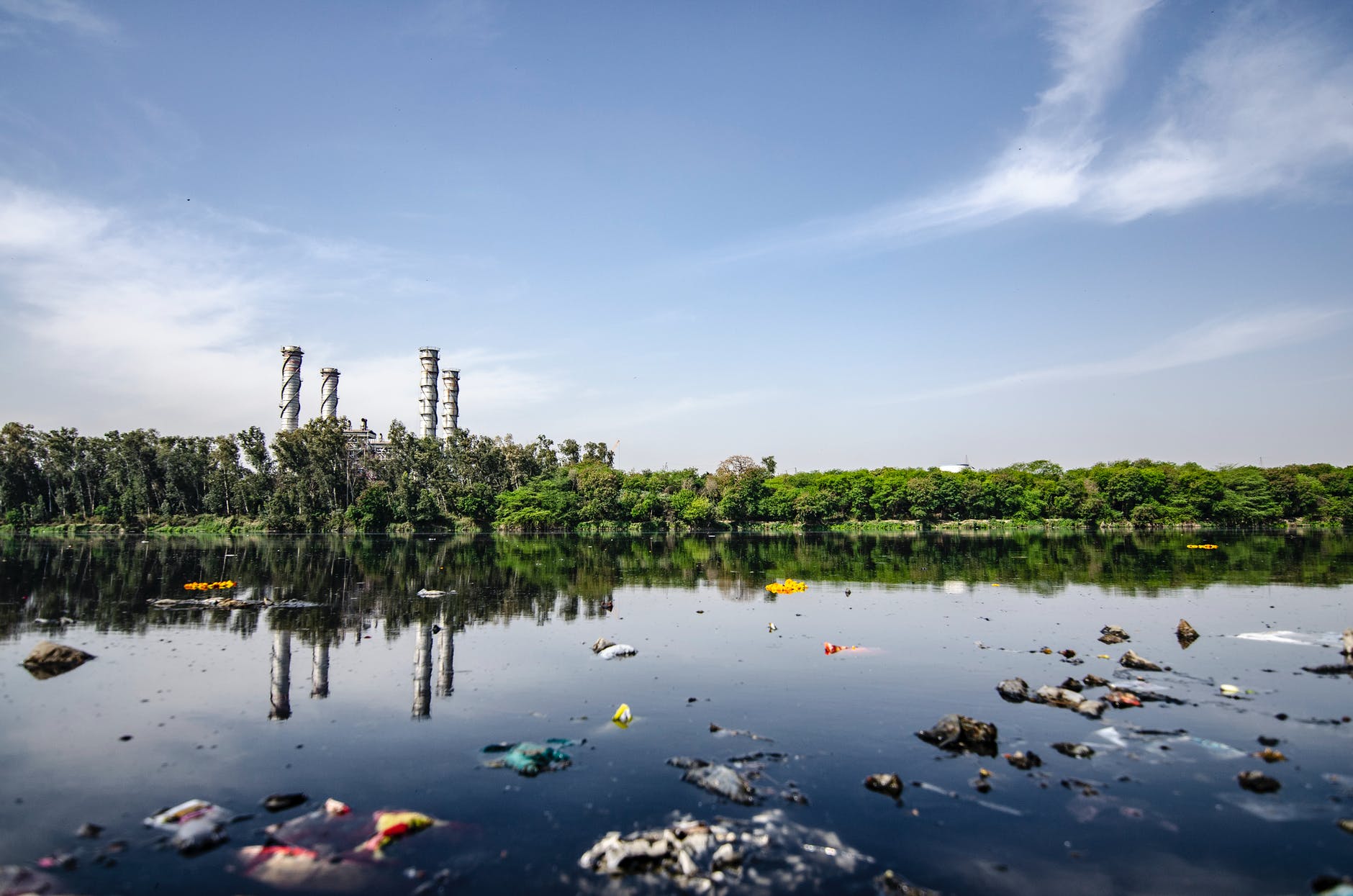
Water pollution – It is caused by the discharge of wastewater from commercial and industrial factories into surface waters resources. It also includes discharges of untreated domestic sewage, and chemical contaminants, such as chlorine, treated sewage; pesticides and fertilizer components reaching water bodies through irrigation water. Groundwater pollution is caused from waste disposal including pit latrines and septic tanks; eutrophication and littering.

With growing evidence of local and global pollution, more and more people have started getting informed over time. Issues such as global warming and climate change have also developed in recent years. These have given rise to environmentalism and environmental movements. There are environmental activists who work to raise awareness and to limit human impact on the environment.

Dreadful Climate Change Scenario of India

The first climate change assessment report of India

A research conducted by the Ministry of Earth Sciences a week ago concludes a very dreadful image of climate change and its effect on the nation in the coming decades. It is the first climate change evaluation report developed for India by specialists in the nation’s research institutions.

The research is led by the experts of climate at India Meteorological Department (IMD) and Indian Institute of Tropical Meteorology (IITM). Reports of the UN’s IPCC and different organizations have seen climate change in India as a major aspect of a worldwide phenomenon, and concentrated in some biologically significant areas like the Himalayas.

The report ‘Assessment of Climate Change over the Indian Region’ investigates of all the climate change phenomena in the past few years and is exceptionally exhaustive. Its study and conclusions need an immediate thought and action process. It concludes:

  • The normal temperature in India, before this current century is over, will rise by approximately 4.4 degrees Celsius comparative with the 1976-2005 normal. The normal ascent during the 1901-2018 period was 0.7 degrees Celsius.
  • The ocean surface temperature in the Indian Ocean during the 1951-2015 period was one degree Celsius, which was more than the worldwide normal.
  • There will be an abatement in rainstorm precipitation and a rise in temperatures which will raise ocean levels and cause more serious dry spells and tornadoes.
  • The progressions will prompt a decrease in horticultural yield and freshwater assets and harm the infrastructure.

There are many other dangerous climate change effects which need a serious plan and action step taken by the government and the citizens together to fight the adversities to life and property.

Latest in Environment: Top 10

  1. Scientists in U.S., created a clothing material to keep our bodies cool to the extent which eliminates the need of air conditioning. The fabric does not even need electricity or batteries to work. Read the paper here.
  2. India is investing aggressively in eco theme parks and other tourism sites, which include a Buddhist theme park at Futala, a tourism circuit in Saurashtra and an energy park at Koradi.
  3. A study concludes that children who are raised in greenery and eco-friendly environment have higher IQs than the ones who are not. Pollution adversely affects brain development in children.
  4. California wildfires: More than 752,000 acres got burned, nearly 1,000 structures got destroyed, and 5 citizens lost their lives in the horrific historical fires.
  5. The United States Environment Protection Agency (EPA) paved way for the oil and gas industries to exploit the environment with no hindrance. The trump EPA does so by rolling back an Obama policy of curbing gas leaks at pipelines and wells. The EPA is giving the oil and gas companies the green signal to release much more climate-warming dangerous methane into the atmosphere.
  6. Despite COVID-19 lockdown, Carbon emissions did not reduce. The increase in CO2 levels just slowed down a bit and are still increasing day by day.
  7. The NASA study reveals that ice sheets of Greenland are melting at a speed that even if the global warming stopped right now, they will continue to melt at a significant rate. This is called as no point of return. They are contributing as a single most reason for the rise in ocean levels.
  8. The division of European Union’s Agricultural budget is gravely flawed. It spends money on large farms, without considering environmental contributions of those farms, ignores small farms and farmers and hence, hinders in green recovery from COVID-19. Read the study here.
  9. The scientists at Colorado State University developed a recyclable plastic with the ability to maintain its original qualities after recycling. They do it with a material called PBTL. Read the paper here.
  10. The United Nations E-waste monitor report shows that electronic waste is the world’s fastest growing domestic waste stream. A record 53.6 million metric tonnes (Mt) of E-waste got generated in 2019, and it predicts that this will be 74Mt by 2030.

Was the Environment Healing During the Pandemic?

While the outbreak of the Covid 19 pandemic prompted lockdowns in many countries all over the world, the resultant decrease in emissions may have improved the health of our planet. Incidents where endangered animals have been spotted in certain areas were all around social media.

Photo by Anna Shvets on Pexels.com

The worldwide disruption caused by this has resulted in great impacts on the environment and the climate. Also, the considerable decline in travel has caused many regions to experience a large drop in air pollution. Carbon emission rates have reduced across countries significantly. There have been many instances where considerable changes in environmental conditions were observed. In China, lockdowns and similar measures have resulted in a 25 percent reduction in carbon emissions and 50 per cent reduction in nitrogen oxides emissions. One scientist estimated that this may have saved at least 77,000 lives over the course of two months. When compared with indexes of last year, pollution levels in New York have decreased almost by 50% this year. Satellite images have shown that Nitrogen dioxide emissions have started to decrease in Northern Italy, Spain and United Kingdom.

As most people had to stay at home due to lockdown and travel restrictions, many animals have been spotted in several cities. Sea turtles were spotted laying eggs on beaches they once avoided. This was found in coasts of the Bay of Bengal due to the lowered levels of pollution and human intervention. In the United States, dangerous vehicle collisions with animals such as deer, elk, moose, bears, mountain lions were very common. These incidents have reduced greatly and the rates fell by 58% during March and April. Endangered animals were visible in urban cities. A group of Nilgai deers were spotted on the roads of Noida near New Delhi. Dolphins which were seen in the Ganges many years ago, were also spotted in the river during the lockdowns. Several migratory birds were spotted across cities.

Gabon, an African country, had decided to ban the human consumption of certain animals like, bats and pangolins. This was done to reduce the spread of zoonotic diseases because the novel coronavirus is thought to have transmitted to humans through these animals.

According to a study published in May 2020, it was found that the rate of daily global carbon emissions during the lockdown in early April fell by 17%. This could possibly lead to an annual carbon emissions decline of up to 7%, which would be the biggest drop in emissions since World War II according to the study. Researchers suggest that these decreases are mainly due to the reduction of transportation usage and industrial activities. It is true that rebounding and returning to our previous routine and lives could diminish these reductions due to the more limited industrial activities. Due to the reduction in flights, air pollution levels have also dropped significantly.

Temporary changes have affected the environmental conditions. However, whether this pandemic will have a lasting impact on the environment is yet to be known. None of us would have wanted to lower emissions in this way, but it has shown us what we can do together in times of need. Covid-19 has shown us the importance of lives, health services, jobs and mental health. It has also shown us the difference that people and communities can make when they work together – this has given us hope that we can show the same zeal while dealing with climate change and saving our planet.

Firecrackers: An alternative to the law, sentiments and labour

Firecrackers are merely constituents of gunpowder comprising of various elements which gives rise to prolong combustion. In India, it means a lot more than that. It has aesthetic purposes since it has been believed that ‘Agnichurna’ was used in ancient times to fight enemies during wars. Be it marriages, birth or festivals, firecrackers are a form of awakening light by defeating the darkness. One such prevalent case has been of Diwali, where the entire country lights up together and celebrates the mythological victory of good over evil.

Firecrackers believably have grown during the end of Mughal dynasty and start of British East India Company and are burst like any other ritual in the country. Apart from acting as a ritual, there are also scientific reasons why the bursting has become so prevalent. Diwali comes after the monsoon season, at a time when the population of insects increases rapidly and encroaches various human habitats, be it cities or villages. That is also why most houses paint homes. Crackers then act like city wide fogging which cleans these insects, making a healthy and safe home for its residents throughout the year. This act of bursting crackers has been set on the hearts of people igniting homes and binding people all over the country. Firecrackers in a way, signals the entire country that everyone is celebrating a festival together. The bursting of crackers has been serving a ritual since decades across India. The religious sentiments that are aligned with the act are huge.

Focusing on the origin of Diwali, it is not only a specific event but the entire country actually has its varied forms of celebrating it. Like Ma Kali is worshipped in Bengal, Lord Ganesha is also worshipped in many homes, Jains specifically devote their day to Lord Mahavira. Lighting diyas and bursting crackers has been going on since time immemorial and along with it is lies belief of most Indians. These rituals significantly have stories to tell upon which India bases its heart. The sound of firecrackers, according to the older generation, is an example and indication of joy in people’s heart which makes the Gods aware of their state in their devotees’ lives. Hence, it clearly foreplays as an act of worship to satisfy the God as well. Most people in the country who cannot be in their homes during these times depend on the sound of crackers and lights around to feel complete.

Apart from these sentiments, there are various real-life problems attached to this. The firecracker industry gives employment to a large segment of people. Amidst the lack of employment scarcity already observed in the country, banning firecrackers can give rise to a different issue altogether. The claims of pollution due to crackers is a valid argument but pollution is also caused due to automobiles. And it is impossible to point out which act causes more harm. At this point of time, the firecracker industry is worth of 6000 crores and the economic aspect stands as the biggest reason why India cannot afford banning firecrackers. What can also not be ignored is the fact that the people who are working under such sites and have become skilled for this specific business have a family to support. Most of them found security in this industry and gave a major part of their lives to excel in it. With complete ban will come the threat to such workers who would face situations to start new amidst crisis until their death. There is also a relevance of economic aspect aligned with the fundamental rights. The extended jurisdiction of Article 21 guaranteed under the Constitution of India gives the right of livelihood to manufacturers. It is important to realise that crackers are not the only factor of pollution and respiratory problems, there are other factors involved like the wind and temperature which contributes to it. Until and unless, there is proper data on how much pollution and harm has been caused due to firecrackers, the industry cannot be strictly banned. Any violation of this would also be a violation of their right to business.

However, the way forward is certainly not dull as it sounds now. There can be terms where both of the situations can be kept under control. Some of the ideas that can be implemented as alternatives to the current scenario are as follows:

  • On adopting the various laws as introduced in the developing countries such as Washington, Switzerland etc, the idea is of having a regulation on the bursting of crackers. There can be only specific occasions on which the use of firecrackers shall be allowed and only up to a certain time. It would help preserve the religious sentiments as such.
  • Green crackers shall be developed which would not fall under these regulations. Claims on the pollution levels would not be affected by Green Crackers, they shall be environment friendly. It would help keep the industry intact along with the socio-economic affects.
  • The industry shall not favour child labour but at the end of the day, child labour happens in the need of money. So, there shall be job securities given to the skilled labourers who have given at least five years to the same industry.
  • In order to support the sale and good flow in the industry, there shall be one day sponsored by the Government when there shall be a firecracker show in an inner area. The show shall be open to all but at own’s risk.
  • The license of selling firecrackers shall be issued by the Government.

Planetizen

Eduindex News tries to bring in focus organisations working for the betterment of the society and institutions providing quality contents and services to scholars.

Planning

Planning is the professional practice and an academic study focused on the future of built environments and connected natural environments—from the smallest towns to the largest cities and everything in between.

Planning: A professional practice and an academic study focused on the future of built environments and connected natural environments—from the smallest towns to the largest cities and everything in between.

Planetizen: The independent resource for people passionate about planning and related fields.

Planetizen

Planetizen is a fiercely independent platform that creates, curates, and amplifies stories and resources to inform planning and people passionate about planning.

Scholars can visit the site of the Planetizen at https://www.planetizen.com/

Planetizen published its first story, by Anthony Downs, on August 1, 2000. The first Planetizen server ran on a used desktop computer connected to a telephone line in Chris’s house, and the site published 3-4 stories a day.

Within months, thousands were reading, and Planetizen expanded to cover news throughout California. By 2003, Planetizen contributors were submitting news from across the country, capturing the growing interest in the Internet and the need for an online community interested in planning.

Today, Planetizen reaches 90% of the U.S. urban planning community through news, editorial, job postings, online courses, books, and product sales. But one thing hasn’t changed: We are always looking for new ways to advance the field and work for healthier, more prosperous communities.

the mission of Planetizen Press is to provide innovative resources for students and professionals in the field.

Planetizen is the go-to news and information site for the urban planning, design, and development community. With a steady stream of fresh, relevant stories every day, our readers check in regularly to get the latest news on transportation, architecture, infrastructure, housing, economic development, and urban design. Our readers follow our influential bloggers and read original features from leaders in the field.


Publications
The Planetizen Press catalog currently includes a variety of titles available at the Planetizen Store.

Submissions
Planetizen Press accepts manuscripts for consideration from authors and opinion leaders. We favor manuscripts that are near completion on the subjects Planetizen covers on a regular basis:

  • Urban and regional planning and land use
  • Transportation and transit
  • Environmental issues
  • Energy and infrastructure
  • Historic preservation
  • Landscape architecture
  • Urban planning technology
  • Planning-related humor


We are open to ideas ranging from extended academic papers to popular non-fiction, like The Tipping Point. Our goal is to encourage debate and spread knowledge of the concepts and goals of urban planning. However, we are primarily interested in near-finished manuscripts. We are not seeking to develop books with authors from scratch.

Hope readers will be enrich themselves by visiting such resourceful forum. If you thing your organisation is working for the benefits of the scholars and community at large then let us know so that we can highlight their resource to our thousands of readers worldwide. For writing guest post and for informing about new and useful resources, write a mail to news@eduindex.org

We will try to give space in our News Portal free of charge. Keep reading and keep enriching yourself and keep helping others in getting good resources like Planetizen.

Go back

Your message has been sent

Warning
Warning
Warning
Warning.