Ok, so let me make it clear, I’m writing it because I know his autobiography and some other literature of that time.
Many say Gandhi was Racist about Africans and didn’t fight for black people. When he reached Africa Indian merchants had a far better life there(compared to native Africans) and in that colonial time it was nearly impossible to make govt give some good rights, so he had to play small first. He fought for little rights of Indians couse there they have education and money to make pressure and start changes many others were fighting like him so it was a good start and solving in pieces is how he gave freedom to India(it’s not like India got freedom from one movement it was succession of events, movements, rights that made Britishers slowly give rights to Indian). And for all the documentation and stuff of that time sorry but all wise guy knows about propaganda, narratives that time every resource of information was controlled by whites even if they try acting well you know deep down they are just harshly judging(I know this point will be hard to clear for some.).
Treated women and low cast badly. He had done lots of good things to remove discrimination(this is more hard topic then second one) when you are between people who have lots of discrimination in mind and you want to correct them you have to start small not like give education and abuse your wife but he respected his wife from whole heart but for others, he made like educate them later treat with respect too. Also even if he seems great like Budha or written characters like Optimus, superman(where I believe his morals are far stronger than our most moral fictional characters even now. He has given all his life rechecking his ideas improving himself morally so it’s really hard our fictional characters can reach that height.)
I’m not saying to worship him or idealize him just be as hard critique as you can but remember that all info was recorded by those who were deep inside biased or willing to spread propaganda.
On 15th August 1947, India got its independence. India’s freedom movement was against the British. India got its independence through many struggles and scarifies. Freedom fighters have the main role in India’s independence. In this blog, we are going to see some of the freedom fighters of India.
Freedom fighters of India
Sardar Vallabhbhai Patel
Vallabhbhai Jhaverbhai Patel was born in 1875, he is a very brave man from a very young age. He earned the tittle Sardar after his heroic contribution in BardoliSatyagrah. Originally his profession was lawyer, but he left his profession and joined freedom movement to represent against British. He is also called the ‘Iron man of India’. After the independence of India, he became deputy PM of India.
2. Jawaharlal Nehru
Jawaharlal Nehru was born on 14 November, 1889. He is the only son of his father and mother. He served as the first Prime Minister of India. His passion for India’s independence influenced many people. He is considered one of the greatest statesmen in India. He joined freedom struggle, he became popular as India’s freedom fighter. His birthday is celebrated as Children’s day in India.
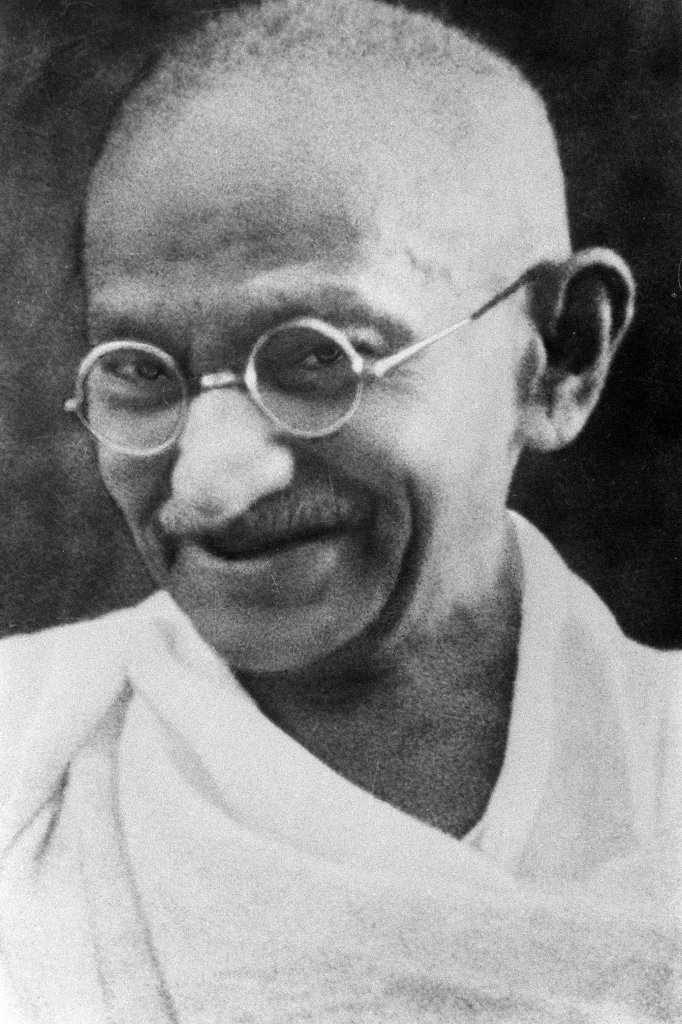
3. Mahatma Gandhi
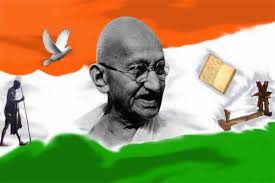
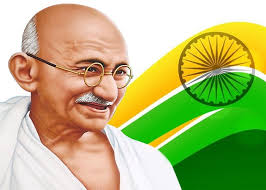
Mohandas Karamchand Gandhi was born on 2nd October he was raised in a Hindu family in Gujarat, 1869. He studied Law in London and went to South Africa to practice. He was entitled the ‘Father of Nation’ of India. After 21 years living in South Africa, he returned to India in 1915, when he was 45 years old. Gandhi ji led many non violent national campaigns for easing poverty, ending untouchability, expanding women rights, and Swaraj. He started Dandi Salt March against the British for imposing salt tax. He started Quit India Movement for British to leave India and many more. He has done many hunger strikes to stop religious fights.
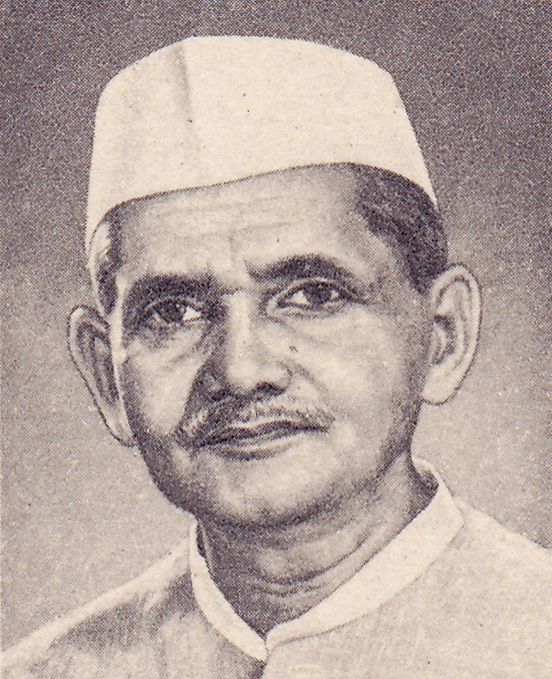
4. Lal Bahadur Sastry
Lal bahadur Sastry was born on 2nd October, 1902. He is a silent freedom fighter. He was participated in many freedom movements such as Quit India movement, Salt Satyagraha Movement, Civil Disobedience movement etc led by Mahatma Gandhi. He served as the Home Minister of India and later as a Prime Minister in 1964. He received the tittle ‘Shastri’ after he completed his education at Kashi Vidyapeeth.
5. Rani Lakshmi Bai
Rani Lakshmi bai was born on 19 November, 1828, Varanasi. She is the queen of Jhansi, She is an important member in 1857 revolution. She became the symbol of resistance to the British raj for Indians. She is the wife of Maharaja Gangadhar Rao. After the dealth of Maharaja Gangadhar Rao, she defended her kingdom jhansi from British force invading it.
6. Bhagat Singh
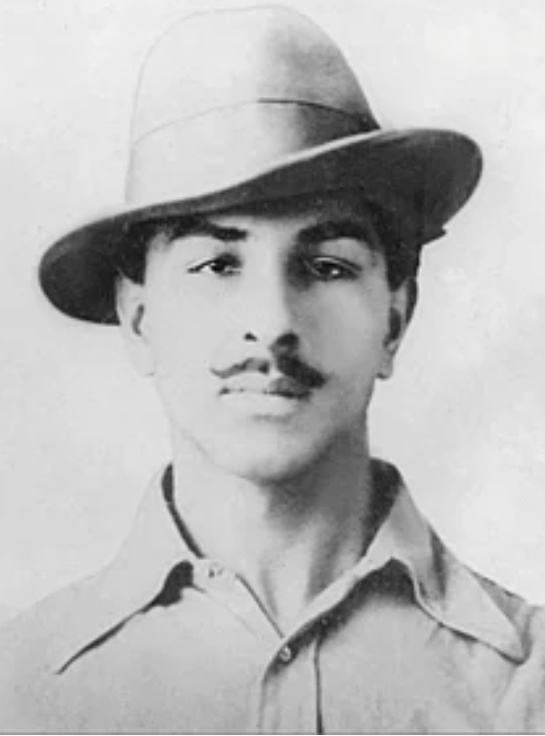
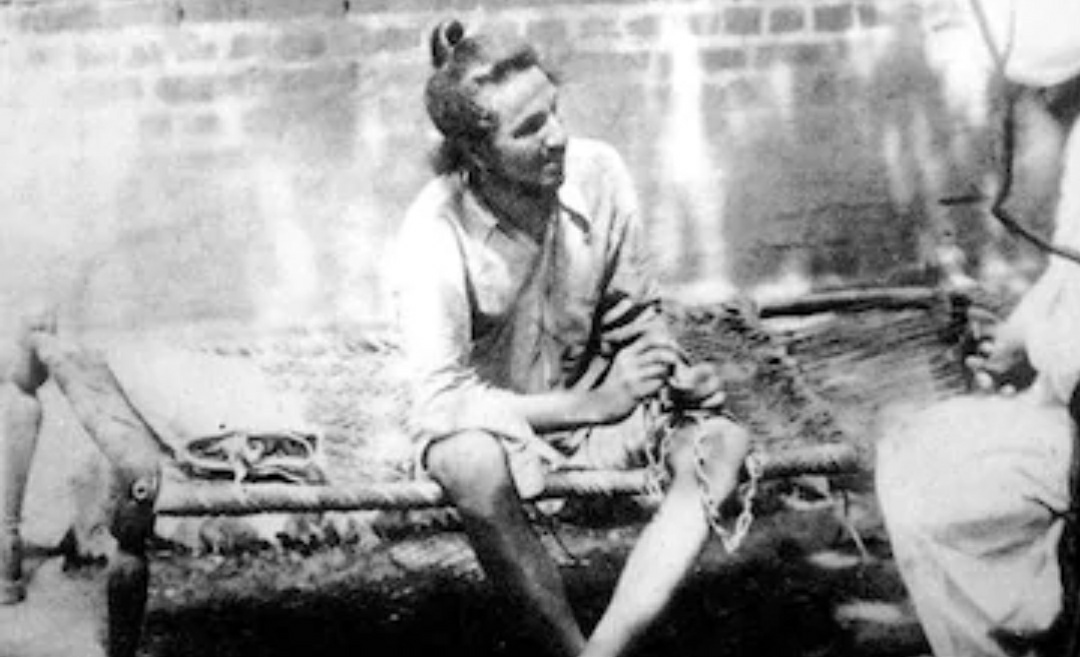
Bhagat Singh was born on 28th September, 1907 in Banga(Present Pakistan).He was born and raised in a Sikh family of freedom fighters in Punjab. He is a famous revolutionary in India’s independence movement. He joined Non-cooperation movement in 1921 led by Gandhi ji. Chauri Chaura Incident changed him and makes him extreme in his fight against British.
7.Begum Hazrat Mahal
Begum Hazrat mahal was born on 1820, Faizabad. She worked with leaders like NanaSaheb and maulavi. She has participated in 1857 revolution. She single handed defended lucknow from leading troops. She also fought many wars for nepal.
We don’t need occasion to celebrate heroes and Bhagat Singh is one of the greatest hero India has ever seen. He was born in 1907 in the family of freedom fighters . His almost all the family members were active in politics. From his grandfather Arjun Singh to his uncles Ajit Singh and Swaran Singh, all had served the country once in their lifetime. Thus, the spirit of freedom was embedded in his heart from very childhood.
Bhagat Singh was not a great supporter of non violence , yet, he was also not a firm believer of violence. He took the path of violence out of helplessness and to protect his homeland. Just as the former Prime Minister Pandit Jawaharlal Nehru wrote about him ,”Bhagat Singh did not become popular because of his act of terrorism but because he seemed to vindicate for the moment, the honour of Lala Lajpat Rai, and through him of the nation , he became a symbol ; his act was forgotten , the symbol remained , and within a few months each town and village of the Punjab and to lesser extent in the rest of Northern India, resounded with his name .”
Bhagat Singh at the age of 12 went to Jallianwala Bagh hours after thousands of unarmed people gathered at the public meeting and had been killed. At the age of 14 he was amongst the villagers who welcomed protesters against the killing of a large number of unarmed people at Gurudwara Nankana Singh on 20 February 1921. He stated the act of bravery from the very young age but his real struggle of freedom began when he joined Young Revolutionary Movement.
He joined National College in Lahore in 1923. In 1926 he founded Indian Socialist Youth Organization ” Naujawan Bharat Sabha”. He also joined the Hindustan Republic Association in 1924.
He was so devoted to the freedom that he ran away from his home when his father arranged his marriage. He wrote in a letter — “My life has been dedicated to the noblest cause, that of the freedom of the country. Therefore , there is no rest or worldly desire that can lure me now”.
In December 1928 Bhagat Singh along with his companion Shivaram Rajguru, shot British officer, John Saunders . They had mistaken Saunders for James Scott, whom they had originally planned to assassinate. They were agitated due to the death of Lala Lajpat Rai and believed that James Scott was responsible for it. They fled away from the crime scene and were not caught for many months
In April 1929 Bhagat Singh and Batukeshwar Dutt was arrested for bombing Central Legislative Assembly in Delhi. It was during this trial that Saunders’ case reopened.The police found some evidence regarding Saunders and thus Bhagat Singh was convicted and hanged in March 1931, at the mere age of 23 ( Many that believes that Bhagat Singh was not given a fair trial, thus, it is suggested to read “The Trial of Bhagt Singh” by AG Noorani, as it gives the detailed account of the case)
The life of Bhagat Singh inspires many till now. He fought for what was right. He became famous not for his violent act but for his strong opinion regarding justice and freedom. He was brave and courageous man who prioritised freedom above anything else.
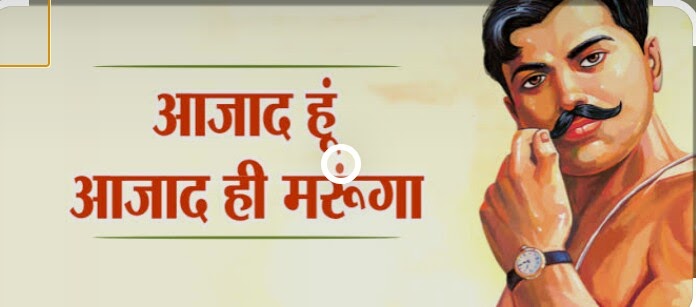
KNOWN FOR HIS BREAVERY & HIS DEVOTION TOWADS THE COUNTRY , AZAD WAS THE MAN OF HIS WORDS.
Every one calls him Chandra Shekhar Azad , but his original name was Chandra Shekhar Tiwari.
Azad was born as on 23 July 1906 in Bhabhra village , in the princely-state of Alirajpur. His forefathers were from Badarka village of Unnao District. His mother, Jagrani Devi, was the third wife of Sitaram Tiwari, whose previous wives had died young. After the birth of their first son, Sukhdev, in Badarka, the family moved to Alirajpur State.
His mother wanted her son to be a great Sanskrit scholar and persuaded his father to send him to Kashi Vidyapeeth, Banaras, to study. In 1921, when the Non-Cooperation Movement was at its height, Chandra Shekhar, then at a tender age of 15 , joined that movement . As a result, he was arrested on 20 December. On being presented before the district magistrate Justice Reverend Tomson Kregat a week later, he introduced himself as “Azad” (The Free), his father’s name as “Swatantrata” (Independence) and his residence as “Jail”. The angry magistrate ordered him to detained to jail for 23 weeks and ordered be punished with 15 lashes a day . his level of devotion towards the country can be measured by his actions , when he was getting lashes , with each lash he said “VANDE MATARAM” & “GANDHI JI KI JAI HO ” . After watching a boy of just 15 , getting lashes as punishment but still shouting VANDE MATARAM , people started recognizing him as “AZAD”
He learnt shooting at a very tender age , he was known for his shooting skills . After the suspension of the non-cooperation movement in 1922 by Gandhi, Azad was disappointed. He met a young revolutionary, Manmath Nath Gupta, who introduced him to Ram Prasad Bismil who had formed the Hindustan Republican Association (HRA), a revolutionary organization. He then became an active member of the HRA and started to collect funds for HRA. Most of the fund collection was through robberies of government property , they property which British govt snatched from Indians. British government was stunned by this behavior of Azad . He didn’t stop here , he was involved in shooting J.P Saunders , who was involved in killing Lala Lajpat Rai , Azad didn’t stop here , he pasted pamphlets on the walls of Lahore’s streets , that revenge of Lala Lajpat rai is taken.
On 27 February 1931, the CID head of the police at Allahabad, Sir J. R. H. Nott-Bower was tipped off by someone that Azad was at Alfred Park and was having a talk with his companion Sukhdev Raj. On receiving it, Bower called on the Allahabad police to accompany him to the park to arrest him. Azad’s old comrades Veer Bhadra Tiwari and Yashpal were also held responsible for tipping off two of the police constables. The police arrived at the park and surrounded it from all four sides. Some constables along with DSP Thakur Vishweshwar Singh entered the park armed with rifles and the shootout began. Sukhdev Raj escaped uninjured. Azad hid behind a tree to save himself and began to fire from behind it. The police fired back. After a long shootout, holding true to his pledge to always remain Azad (Free) and never be captured alive, he shot himself with his last bullet. In the shootout, Bower and DSP Singh were injured in the right palm and jaws respectively. The police recovered Azad’s body after the other officers arrived at the site.
The body was sent to Rasulabad Ghat for cremation without informing the general public. As it came to light, people surrounded the park where the incident had taken place. They chanted slogans against British rule and praised Azad. The park was later on named as Chandra Shekhar Azad park .
This level of love towards the country is hard to find in this era , & on the occasion of Chandra Shekhar Azad ‘s Jayanti we all should remember this great freedom fighter & should take pledge that we will also stand on our country’s side in every situation like Azad .
Honesty is the core value of Lal Bahadur Shastri. Everyone in India loved him the most. He was born on the 2nd of October in Varanasi.
His mother’s name was Ramdulhari, and his father’s name was Sharada Prasad Srivastava. His father was a school teacher and died of the plague. After his death of his father, his mother took care of him and his two sisters to her parent’s house.
Lal Bahadur Shastri got a sense of patriotism from one teacher named ‘Nishkameshwar Prasad Mishra. He was a very patriotic person and influenced his teacher. He went to prison when he was in the tenth standard. He completed his Bachelor’s in Philosophy and got the title of ‘Vidyapeeth.’
He showed a rare quality of courage and determination during his ministry. He gave a slogan named ‘Jai Jawan, Jai Kisan.’ After he died, he was awarded the ‘Bharat Ratna.’ Thus, a memorial ‘Vijay Ghat’ was built for him in New Delhi. He was known for his honesty and simplicity in India.
He joined the National Congress and went to jail for two and a half years. He participated in many events and movements.
He was very close to Mahatma Gandhi and Pandit Jawahar Nehru. When he was studying his Degree, he delivered many speeches on Gandhi. He became one of the loyal followers of Gandhi.
After India got Independence, he became the Minister of Police and Transport in UP. He brought many changes during his ministry, like allowing women to work, using water jets to disperse crowds, etc.
He worked as the PM in India from the year 1964 to 1966. Lal Bahadur Shastri served as PM for a short period. He died at Tashkent when he was there for signing the peace treaty to stop the India-Pakistan war. His cause of death is still a mystery for the whole world.
“As long as I have life, as long as blood flows through this arm of mine, I shall not leave the cause of freedom…I am only a woman, only a poet. But as a woman, I give to you the weapons of faith and courage and the shield of fortitude. And as a poet, I fling out the banner of song and sound, the bugle call to battle. How shall I kindle the flame which shall waken you men from slavery…”
Introduction
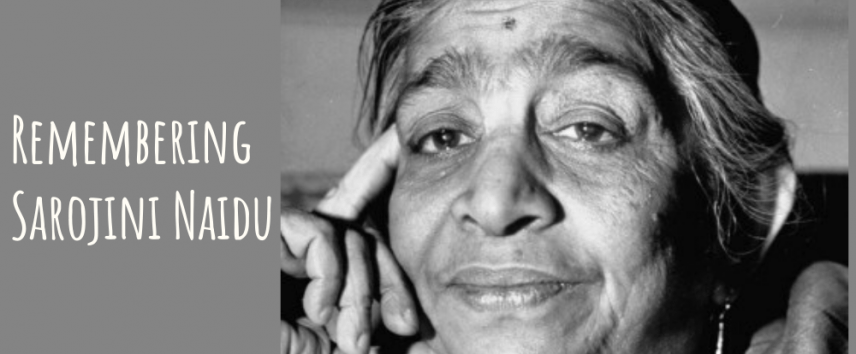
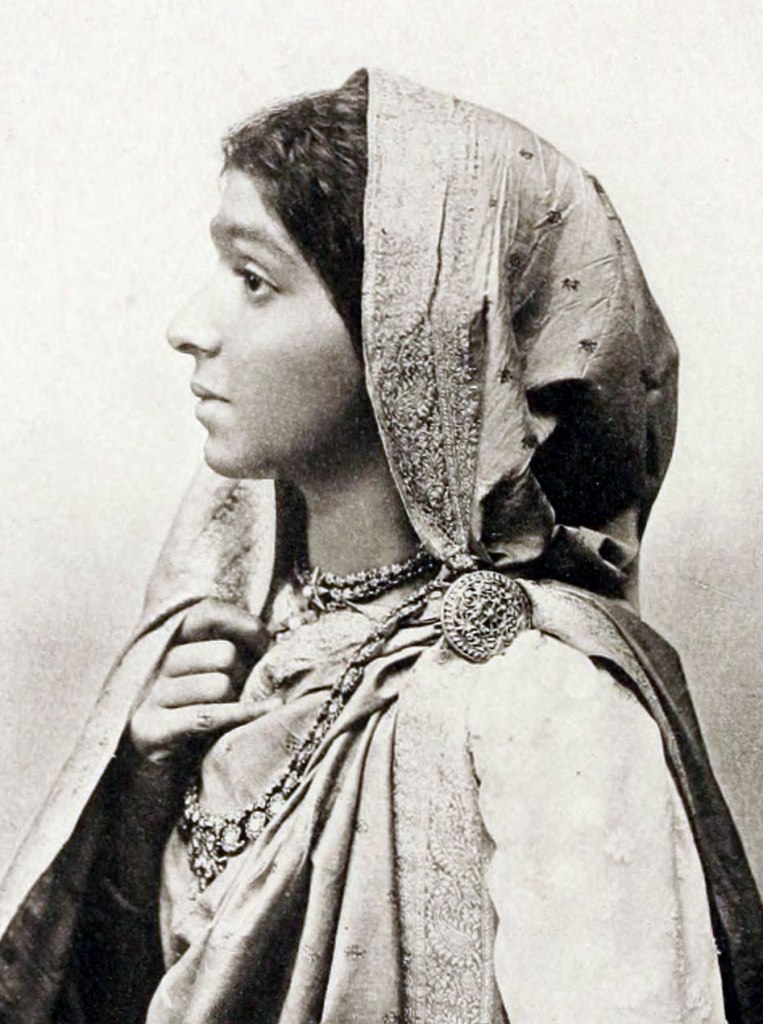
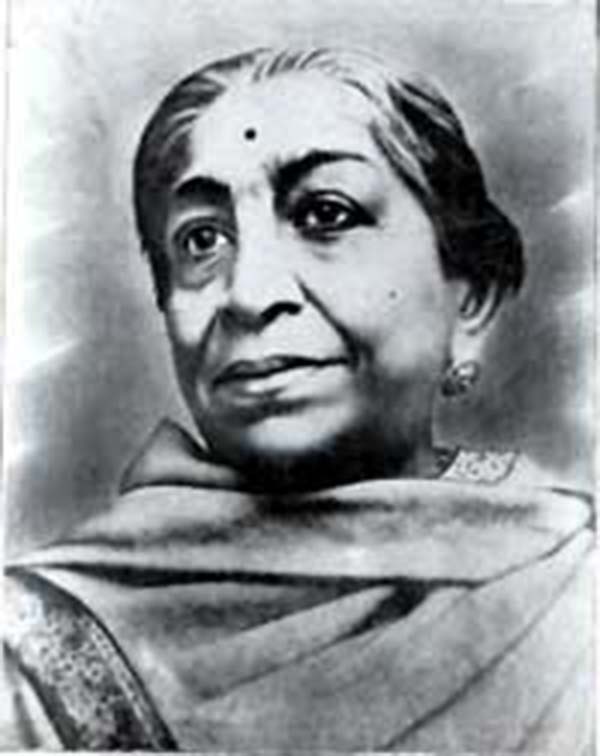
She was an Indian political activist and poet. A proponent of civil rights, women’s emancipation, and anti-imperialistic ideas, she was an important figure in India’s struggle for independence from colonial rule. Naidu’s work as a poetess earned her the sobriquet ‘the Nightingale of India’, or ‘Bharat Kokila’ by Mahatma Gandhi because of colour, imagery and lyrical quality of her poetry.
Birth and death
Born in a Bengali family in Hyderabad, Naidu was educated in Madras, London and Cambridge. Following her time in England, where she worked as a suffragist, she was drawn to Indian National Congress’ movement for India’s independence from British rule. She became a part of the Indian nationalist movement and became a follower of Mahatma Gandhi and his idea of swaraj. She was appointed as the President of the Indian National Congress in 1925 and later became the Governor of the United Provinces in 1947, becoming the first woman to hold the office of Governor in the Dominion of India.
Naidu’s poetry includes both children’s poems and others written on more serious themes including patriotism, romance, and tragedy. Published in 1912, “In the Bazaars of Hyderabad” remains one of her most popular poems. She married Govindarajulu Naidu, a general physician, and had five children with him. She died of a cardiac arrest on 2 March 1949.
Work
“Tell me no more of thy love, papeeha, Wouldst thou recall to my heart, papeeha, Dreams of delight that are gone, When swift to my side came the feet of my lover…”
– A Love Song From The North by Sarojini Naidu
1905: The Golden Threshold, published in the United Kingdom. 1912: The Bird of Time: Songs of Life, Death & the Spring, published in London. 1917: The Broken Wing: Songs of Love, Death and the Spring, including “The Gift of India” (first read in public in 1915) . 1919: Muhammad Jinnah: An Ambassador of Unity. 1943: The Sceptred Flute: Songs of India, Allahabad: Kitabistan, posthumously published. 1961: The Feather of the Dawn, posthumously published, edited by her daughter, Padmaja Naidu. 1971:The Indian Weavers.
After India attained independence, she became the first woman Governor of an Indian state, Uttar Pradesh. She served as governor till she passed away in March 1949, when she was working late in office.
As a Feminist
“Sarojini Naidu inspired the Indian Renaissance Movement and had a mission to improve the life of Indian woman.”
Bappaditya Bandopadhyay
Sarojini Naidu played an important role in women’s rights struggle in India. She helped in shaping Women’s Indian Association in 1917 with Annie Besant and others. The Association sought equal rights including the right to vote and represent. She presented the need to include more women in the Congress and in the freedom struggle. During 1918, British and Indian feminists including Naidu set up a magazine called “Stri Dharma” to present international news from a feminist perspective.
The name ‘Gandhi’ needs no introduction. Any part of the world that understands civilisation and humanitarian values appreciates Mahatma Gandhi (October 2, 1869-January 30, 1948). Thus it doesn’t come as a surprise that you find Gandhi fans in a diverse range-from the present American President, Barack Obama to philanthropic groups working in Rio
Movements launched by Mahatma Gandhi:
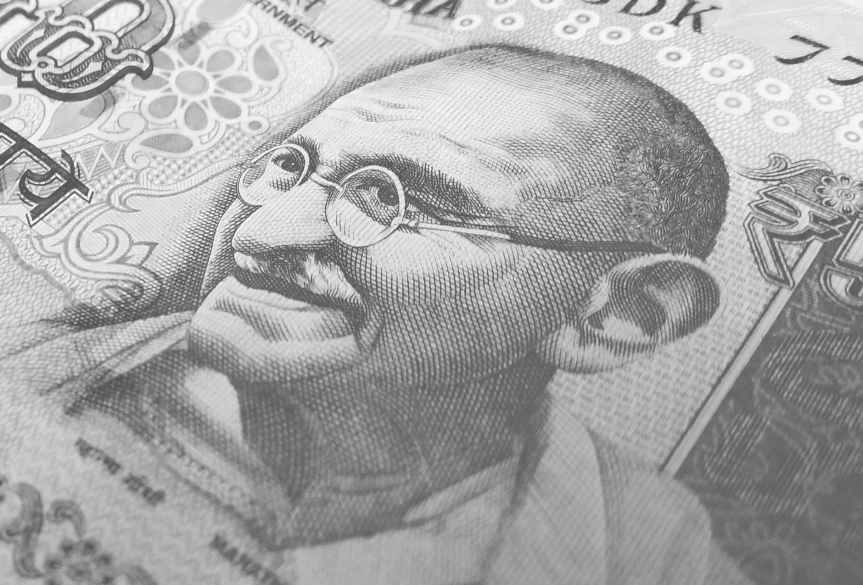
Mahatma Gandhi overcame insurmountable odds to bring the mighty British Empire to its knees. It is not merely because of the Non-cooperation Movement or the Dandi March (1931) that we know him today. It is true, of course, that these movements, along with the Quit India Movement (1942), brought the British Government to its knees. Gandhi was a man of the masses. Such was his popularity that the British went weak in their knees at the prospect of arresting him. They were afraid of making a martyr of him and thus adding to his popularity. This was no mean achievement for a man described by Winston Churchill as a ‘half- naked fakir’. Gandhi’s idea of non-violent resistance against the British rule appealed to the conscience of the Indian society groaning under the unjust rule of the British since the Battle of Plassey in 1757.
When Gandhi put Satyagraha into action for the first time in South Africa in1906 and became a success there, it didn’t take much time to recognise and hail the arrival of a great leader. But Gandhi was more than a messiah in the world of politics. He was a powerful social reformer who campaigned relentlessly to end discrimination against India’s untouchable class, whom he called the Harijans (children of God).
Mahatma Gandhi Awards:
• In 1930, Gandhi was named the Man of the Year by Time’s Magazine. • In 2011, Time magazine named Gandhi as one of the top 25 political icons of all time. • He did not receive the Nobel Peace Prize despite being nominated five times between 1937 and 1948.
• The Government of India institutionalized the annual Gandhi Peace Prize to distinguished social workers, world leaders, and citizens. Nelson Mandela, the leader of South Africa’s struggle against apartheid was a recipient of the award
About Mahatma gandhi Personality:
The spiritual strength of Gandhi’s personality has to be given due recognition. His autobiography My Experiments with Truth bears a living testimony to this. Gandhiji used his spiritual strength to overcome all opposition. He walked across the country’s villages trying to make its people realise the importance of sanitation and healthy habits. If this does not prove his sincerity, let us remember his fast-unto-death in the riot-hit Calcutta of September 1947, which brought the Hindus and Muslims together again after a terrible violence.
Would any of our leaders today dare to walk the riot-hit streets of Noakhali with only a Tagore song to give him company? It is stupid to question the courage of this man who perhaps might even have achieved the impossible task of unifying India and Pakistan again had he not been shot dead by a fanatic called Nathuram Godse on January 30, 1948.
Film on Mahatma Gandhi:
Ben Kingsley portrayed Mahatma Gandhi in the 1982 film Gandhi, which won the Academy Award for Best Picture. Therefore, Mahatma Gandhi would be remembered forever as he spread the message of non-violence, truth, faith in God, and also he fought for India’s Independence. His methods inspired various leaders, youth not only in India but also out of India. In Indian history, he is considered as a most prominent personality and as the simplest person who wears dhoti. He spread the message of swaraj and taught Indians how to become independent.
Where do you see yourself at the age of 23? Or What have you achieved in life if you’ve already crossed 23? I guess some of us must be studying or must be doing some job, etc. But very few of us must be willing to die for our nation. It is difficult to sacrifice our lives at such a stage where our lives have just begun. But not in the case of Bhagat Singh. Bhagat Singh didn’t even think once before sacrificing his life.
He left his house for Kanpur at a very young age when his parents tried to get him married. He didn’t want to get married in slave India. After leaving the house, he joined Hindustan Socialist Republican Association. He planned to kill Superintendent of Police James Scott but instead, he killed John Saunders, Assistant Superintendent of Police, and he had to flee Lahore to escape the death penalty.
In 1929, Bhagat Singh and his associate bombed the Central Legislative Assembly in Delhi to protest the implementation of Public Safety Bills. He surrendered himself to promote their cause. After the arrest, he went on a hunger strike in prison, and on 23 March 1931, he was hung to death.
His death inspired the youth of the nation to fight for the nation’s freedom. He became more popular after his death amongst Indians. The whole country faced mixed emotions on his death and Indians were filled with courage. It is also said that his photograph was on same in every city of the country. His work hard reached every corner of the nation. He is truly a hero who still resides in the heart of every Indian.
In his article entitled “What Way Emancipation” Ambedkar declared that “I solemnly assure you that I will not die a Hindu”, at Yeola, District of Nasik, Maharastra, on 13th October 1935 in front of ten thousand people, where he went for a depressed class conference. Ambedkar as the president of the conference reminded his audience of their failure to secure elementary rights or equal status in Hindu society through any of the movements. According to him, the concept of sympathy is absent in the Hindu religion. The Hindus have no sense of brotherhood among themselves. The Untouchables are treated worse than foreigners. The Caste Hindus have no sympathy towards the untouchables. They are not brother to each other. They are two opposite castes. Society is based on class or varna, the association of an individual to a group is considered paramount. Even the family is not treated as a unit of society. According to Hindus, though all men are created by God, they are not created equal. They believe that God created different classes of men from different parts of his divine body. There is a section in “Purusha Sukta” of the Rig Veda which says that the Brahaman varna was born from the mouth of God, Kshatriya varna from his arms, the Vaishya from his thighs, and the Shudra from his feet. This they classify as Hindu social order but the views of Ambedkar on free social order contradict the above sayings. He believed that an individual is an end in himself and the objective of the society is to support the growth of the individual, to develop his personality. The relationship between members of society is based on the principles of liberty, equality, and fraternity. According to him, Hindu social order is based on the principles of graded inequality, fixed occupations for each class, and its continuance by heredity, the fixation of people within their respective classes. According to him, the Varna-vyavastha had developed into a social order of exploitation and oppression. Society must be based on reason, and not on atrocious traditions of the caste system. He found education, inter-caste marriage, and inter-dine as methods that may eliminate caste and patriarchy.
On 14th October 1956, Dr. Ambedkar renounced Hinduism and embraced Buddhism. On 15th October 1956, he delivered his speech in Marathi relating to embraced Buddhism. He said there are so many problems after conversion to Buddhism. He hoped that he will get political rights. According to Dr. Ambedkar, religion is for man and not man for religion and that is why he choose to convert himself to a buddisht as this religion respect and gives a scope of development to people and their thoughts.
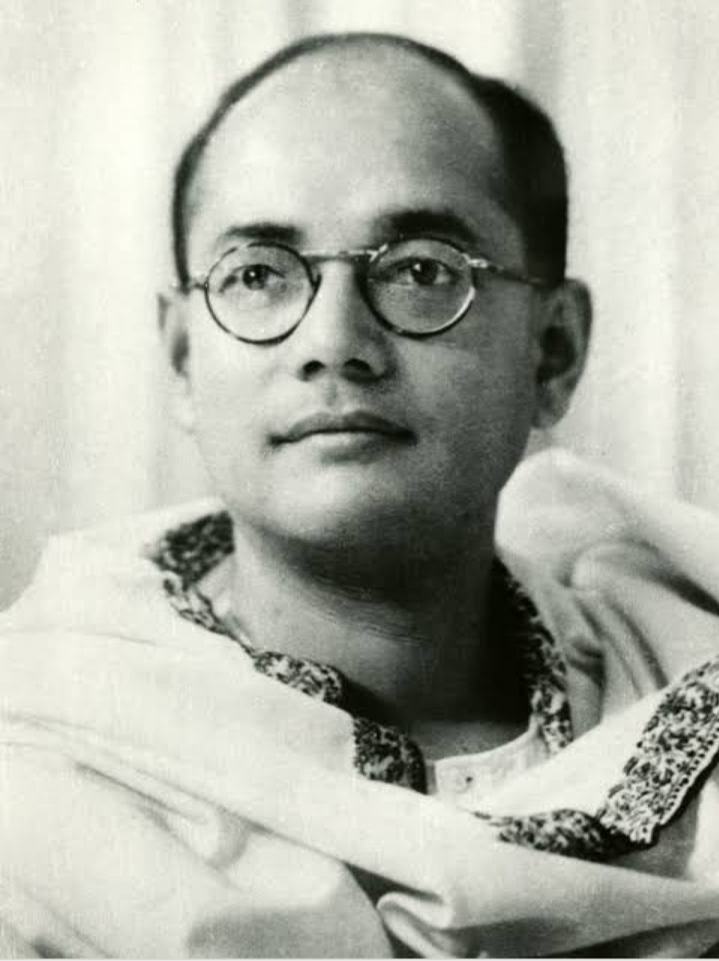
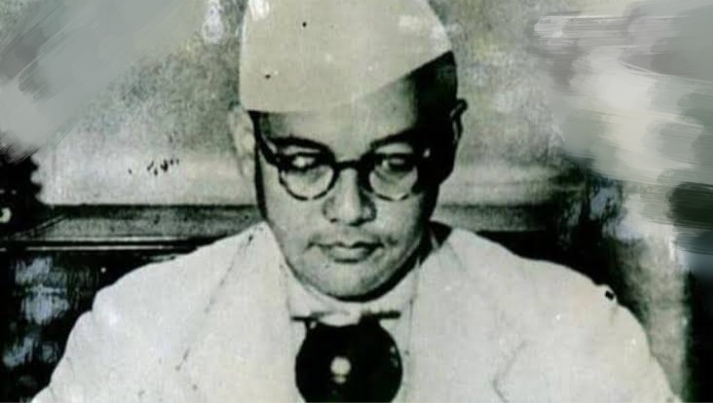
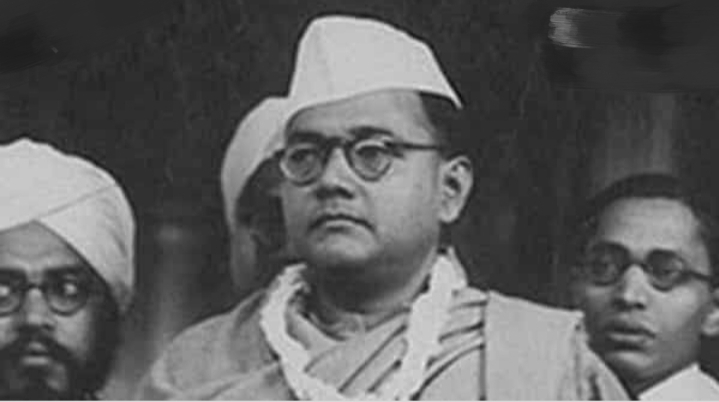
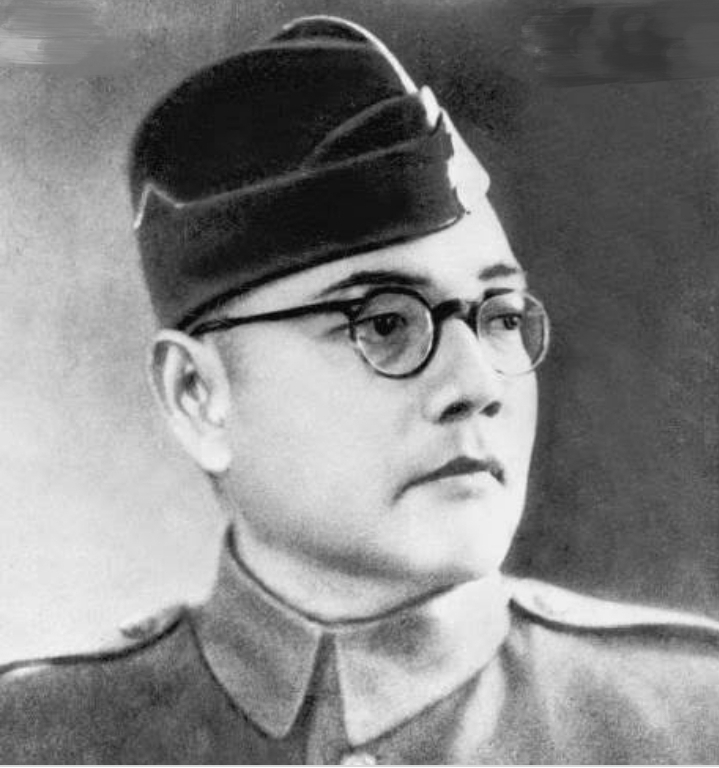
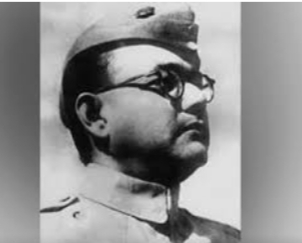
Subhas Chandra Bose was an Indian nationalist whose contribution to Indian independence and development is incomparable. Subhash Chandra Bose, the dynamic leader who gave all his sweat and blood for India’s freedom movement continues to inspire millions of mind with his words even today.
Netaji was born in Cuttack in Odisha in 1897 in a well-to-do family. His father’s name was Janakinath Bose and his mother’s name was Prabhavati Dutt Bose. He was the ninth child among the fourteen.
Bose was a bright student and also the topper in matriculation examination from Calcutta. Since childhood he was influenced by the teachings of Swami Vivekananda and was popular for his patriotic enthusiasm.
He graduated from Kolkata, and to pursue his career in Indian Civil Services, he went to England and appeared for competitive examination and stood fourth in it. He proved his mettle by becoming an Indian Civil Services (ICS) officer. But he was not accustomed to a life of comfort and amenities that came with his job. He was a warrior, who had to wage the freedom struggle.
Not only did he embrace the freedom movement wholeheartedly, but also became an inspiration for freedom. With the slogan “Give me blood and I will give you freedom”, he started preparing to awaken the country. Such was the charisma of his philosophy and personality that whoever listened to him was attracted to him. His popularity skyrocketed and he became “Netaji” to the general public.
He was so fond of Bharat Mata that his country tied to the chains of slavery did not let him live peacefully. People beyond India’s borders also developed a fascination for him. Heads of states of important countries stood by him and Netaji lit the fire of the freedom struggle beyond India’s shores. Netaji was influenced by the teachings of Mahatma Gandhi and he soon joined Indian National Congress. In 1930, he was sent to jail during the civil disobedience movement and was released in 1931. Later, he was expelled from India to Europe but taking the advantage of the situation he worked to strengthen the ties between the two countries. Challenging the ban in the home country he returned, but was again sent to jail. In 1937, after Congress came in to power, he was released.
He built a force and presented that force before the enemies of the country as the Azad Hind Fauj (Indian National Army). He gave the slogan of “Dilli Chalo” with a new spirit. Thousands of soldiers of his 60,000-strong army sacrificed their lives for the country.
Netaji was an active member of the Indian National Congress. He was elected as the President of the All India Youth Congress in 1923. His views as a freedom fighter were very different from those of Mahatma Gandhi. Netaji was a part of the Non-Cooperation Movement led by Gandhiji. He was given the title of Netaji in Germany by Indian soldiers in early 1942. Since then, he has been popularly known as Netaji among people.
“Success always stands on the pillar of failure.” Bose lived with this philosophy and also inspired others. Netaji encountered failures several times, but he converted those failures to triumph with his struggle. Whether it is municipal politics, the journey from a common Congressman to the Congress president’s position, the formation of the Forward Bloc or the struggle of the Indian National Army, he passed every test with distinction.
Bose accepted the leadership of Mahatma Gandhi, but ironically, Gandhiji himself became the cause of him leaving the Congress. But the two leaders always had respect for each other.
At the time of India’s independence, Clement Attlee was the British Prime Minister. He came to Kolkata in 1956. At that time, his host, governor and former Calcutta high court chief justice PB Chakravartti, tried to find out from him the reason behind the British decision to grant freedom to India. In response, Attlee said that the loyalty of the Indian army and navy to the British state was declining due to the increasing military activities of Bose’s Azad Hind Fauj. This was one of the major reasons. This acknowledgement proves the great contribution of Bose to India’s independence.
Jabalpur in Madhya Pradesh had a major contribution in the life of Netaji. The banks of the Narmada transformed his life. The Tripuri Congress session was held from March 4-11, 1939 in Jabalpur. Despite poor health, Netaji had arrived on a stretcher to participate in it. Thereafter, he came again to Jabalpur on July 4, 1939 to form the Forward Bloc. The people of Madhya Pradesh have a deep relationship with Netaji. In every town of the state, there’s a ward in his name. Subhas Chandra Bose’s message to his colleagues was: “Success may be distant, but it is imperative”. Bose used to say, “If a person is not obsessed, he can never become great. But he should also have something else inside him.” Bose is credited with giving global identity to the Indian leadership. Earlier, Swami Vivekananda had enlightened the world about India’s spiritual and cultural superiority and identity.
Netaji was also fluent in many Indian languages. Bose’s struggle for freedom proved to be an inspiration not just for India, but also for all Third World countries. The Indian freedom struggle and the war of independence led by Bose had a profound impact on those countries. Netaji’s status establishes him as the “hero of freedom” globally.
Unfortunately, on August 18, 1945, he was killed in a plane crash in Taiwan.


 Eduindex
You must be logged in to post a comment.