Architect of Pollen development & Seed formation identified

Daily writing prompt
What’s the hardest decision you’ve ever had to make? Why?

Scientists have identified a novel gene that plays a crucial role in the development of stamens (male reproductive structure) including pollen grain and seed formation, in Arabidopsis flowering plants related to cabbage and mustard. The study opens up new possibilities for improving crop fertility and seed production.

Pollen formation represents a very important developmental stage in plant life cycle. It represents the male gametophyte and its role is to deliver the genetic material to the embryo sac. The production and transfer of viable pollen grains to the stigma, germination of the pollen grains, growth of the pollen tubes down the style, and effective fertilization are necessary for the formation of a successful seed set. Thus, understanding the pollen development process not only elucidate the basic mechanism of sexual reproduction of flowering plants but also add valuable information for subsequent manipulation in crop production.

“Pollen germination speed” and “pollen tube growth” are the two important characteristic features of healthy pollens that have evolved with the evolution in flowering plants (Angiosperms). The rapid growth of the pollen tube through the style to reach ovary, is a pre-requisite for fertilization in flowering plants. Since many pollen tubes grow through the style, the reproductive success of a pollen grain is determined by its rate of pollen tube elongation.

It has been shown that maturation of pollen grain with proper structure and composition of cell wall determines its interaction with the stigma as well as its germination ability for successful fertilization. Thus, it is important to understand the molecular mechanisms responsible for pollen development, pollen hydration and pollen germination- factors that are responsible for the formation of a mature viable pollen grains.

Recent investigations on pollen development by Prof. Shubho Chaudhuri’s lab at Bose Institute, Kolkata, an autonomous institution of Department of Science and Technology, identified a novel gene named HMGB15, a non-histone protein that restructures chromatin, plays a crucial role in the development of stamens (male reproductive structure) in Arabidopsis.

A mutation in this gene, causes partial male sterility in plants. The mutant plants exhibit low pollen grain viability, defective pollen wall patterning, retarded pollen tube germination rate, shorter filaments that are unable to reach the stigma resulting in reduced seed production. The abnormalities in the mutants are due to the disruption in gene regulatory networks important for pollen development, maturation and pollen tube germination.

Molecular analysis indicated that several developmental pathways like biosynthesis of phytohormone jasmonic acid (JA), apoptosis of tapetal cells and actin polymerization dynamics have been severely affected in the HMGB15 loss of function mutants.

Understanding this mechanism on a  model organism used for studying plant biology, not only sheds light on the intricate biology of plants but also opens new possibilities for improving crop fertility and seed production. The studies have been published in reputed plant journals namely, Plant Physiology (Sachdev et al., 2024) and Plant Reproduction (Biswas et al., 2024).  Financial support for this work was provided by SERB, India.

***

Exploring the Cycle of Nutrients in Natural Ecosystems

Nature is an intricate ballet of life, energy, and nutrients—a dance that sustains the world around us. In the heart of ecosystems, whether dense forests or arid deserts, lies a cycle of nutrients that fuels this balance. This process not only supports the thriving diversity of flora and fauna but also underpins agricultural productivity and climate stability. By grasping how nutrients move through ecosystems, we gain insight into how to preserve and enhance these natural processes.

Photo by Pixabay on Pexels.com

The Marvel of Nature’s Nutrient Cycle

The nutrient cycle is a continuous loop vital for life on Earth. It involves the movement and exchange of organic and inorganic matter back into the production of living matter. Plants, animals, and microorganisms all play crucial roles, working together to keep the environment balanced. This cycle encompasses the major nutrients necessary for life, including carbon, nitrogen, phosphorus, and others.

Decomposers The Unsung Heroes

Have you ever wondered what happens to fallen leaves or deceased animals? Decomposers—bacteria, fungi, and certain insects—are nature’s recyclers. They break down dead organic matter, transforming it into simpler substances. This decomposition returns nutrients to the soil, making them available for plants to absorb and use in their growth and development.

Plants The Primary Producers

Plants are remarkable entities that harness sunlight, water, and nutrients from the soil to create food via photosynthesis. They form the foundational base of the food web, providing nourishment to herbivores, which in turn support carnivores. By absorbing nutrients through their roots, plants redistribute these essential elements throughout the ecosystem.

Herbivores and Carnivores Transferring Energy

Herbivores, such as deer and rabbits, consume plants, transferring the stored energy and nutrients to higher trophic levels. Carnivores, like wolves or eagles, then prey on herbivores, further distributing nutrients. This consumption cycle ensures that nutrients flow throughout the ecosystem, supporting diverse life forms.

Symbiotic Relationships Nature’s Partnerships

Within ecosystems, symbiotic relationships between organisms enhance nutrient cycling. For example, nitrogen-fixing bacteria in the roots of legumes convert atmospheric nitrogen into a usable form for plants. In return, plants provide carbohydrates to the bacteria. Such partnerships boost soil fertility and productivity, showcasing nature’s collaborative spirit.

Nutrient Storage in Soil The Reservoir

The soil acts as a reservoir for nutrients, storing them until they are needed by plants. Organic matter, such as decaying plant material and animal waste, enriches the soil with essential elements. This dynamic storage system prevents nutrient loss and serves as a buffer during periods of scarcity, ensuring ecosystems remain resilient.

Human Impact on Nutrient Cycles

Human activities, including agriculture and industrialization, can disrupt natural nutrient cycles. Excessive use of fertilizers, for instance, can lead to nutrient runoff, polluting water bodies and causing harmful algal blooms. Recognizing our impact and adopting sustainable practices are vital for maintaining nutrient balance and ecosystem health.

The Role of Organic Compost

One of the most effective ways to support natural nutrient cycling is by using organic compost. Composting organic waste allows us to recycle nutrients back into the soil, improving both its fertility and structure. In Salt Lake City, many residents and community gardens embrace organic compost to strengthen local ecosystems, showcasing their commitment to sustainable practices.

Agricultural Practices Mimicking Nature

Innovative agricultural practices, such as crop rotation and cover cropping, mimic natural nutrient cycles. These methods enhance soil health by reducing erosion, maintaining moisture, and improving nutrient availability. By aligning farming techniques with nature’s wisdom, we can ensure long-term productivity and environmental stewardship.

Climate Change and Nutrient Dynamics

Climate change poses challenges to nutrient cycles by altering temperature and precipitation patterns. These changes can affect the timing and availability of nutrients, impacting plant growth and ecosystem stability. Understanding these dynamics is crucial for developing strategies to adapt to and mitigate climate change impacts.

The Future of Nutrient Cycling in Ecosystems

As we look to the future, safeguarding nutrient cycles is paramount for sustaining life on Earth. By fostering education, research, and collaboration, we can devise solutions to preserve these natural processes. A collective effort will ensure that ecosystems continue to thrive, providing essential services for generations to come.

Conclusion

The cycle of nutrients in natural ecosystems is a testament to nature’s ingenuity and resilience. By appreciating and nurturing these cycles, we safeguard the delicate balance that sustains biodiversity and human civilization. Through conscious actions and sustainable practices, we can ensure that this intricate dance of nutrients continues to support life in all its forms.

Understanding Soil Types and Their Impact on Construction

Daily writing prompt
What’s the biggest risk you’d like to take — but haven’t been able to?
Photo by Andre on Pexels.com

When it comes to construction, what’s beneath the surface is as crucial as what’s above it. Understanding soil types can mean the difference between a sturdy structure and a costly mishap. For professionals in the construction industry, knowing the types of soil they are dealing with is not just beneficial—it’s essential. This blog post will uncover the importance of soil analysis in construction and provide insights into how different soil types can impact your building projects.

Why Soil Matters in Construction

The ground you build on is your foundation, both literally and figuratively. The type of soil determines the stability of your project. For builders, this knowledge ensures safety, durability, and cost-effectiveness. Each type of soil behaves differently under various conditions, and these differences can influence everything from the choice of materials to the design of the foundation.

First, soils have distinct properties—such as moisture retention, density, and load-bearing capacity—that directly affect how they interact with structures. Ignoring these properties can lead to issues like settling, shifting, or even structural failure. Second, understanding soil types helps in planning effective drainage solutions, which are critical in preventing water-related damage. Finally, knowing your soil type aids in estimating project timelines and costs, minimizing unexpected surprises.

Common Soil Types in Construction

Builders encounter a variety of soil types, each with unique characteristics. The most common ones include clay, silt, sand, gravel, and loam. Clay soils are dense and hold water well but can expand and contract dramatically, leading to potential foundational cracks. Silt, found near bodies of water, is smooth and retains water, but it can become unstable when wet.

Sand, with its large particles, drains well but doesn’t hold its shape, making it less stable. Gravel offers excellent drainage and stability, yet it doesn’t retain moisture, which can be both an advantage and a drawback. Loam, considered the ideal soil, is a balanced mix of clay, silt, and sand, providing good drainage, stability, and fertility.

The Impact of Soil Composition

Understanding the composition of the soil on a building site is crucial for making informed decisions. Soil composition affects load-bearing capacities and the potential need for soil modification techniques. For instance, clay-heavy soils might require stabilization or specific foundation designs to accommodate their expansion and contraction tendencies.

The mineral content of soil also influences its behavior. High organic content can cause soil to shrink or decompose, impacting structural integrity. Furthermore, certain minerals can corrode building materials over time, necessitating protective measures. By analyzing soil composition, builders can tailor their approach to ensure safety and longevity.

Soil Testing Methods

Before breaking ground, it’s vital to perform a thorough soil test. Several methods can help determine soil type and suitability for construction. The simplest is the visual inspection, observing color, texture, and structure. However, more detailed laboratory tests analyze moisture content, density, and load-bearing capacity.

Field tests, such as the Standard Penetration Test (SPT) and Cone Penetration Test (CPT), provide in-situ data about soil conditions, helping builders understand how soil will behave under stress. These tests are crucial for designing foundations and predicting how soil might shift over time.

The Role of Soil in Foundation Design

The type of soil influences the design and depth of foundations. For example, clay soils might require deeper or wider foundations to distribute weight and prevent movement. Sandy soils, which offer less support, may necessitate specialized piling techniques to achieve stability.

Understanding soil properties allows builders to choose appropriate foundation types, whether slab, pier, or basement. Proper foundation design minimizes risks and ensures long-term structural safety.

Drainage and Soil Considerations

Effective drainage is integral to maintaining soil stability around a structure. Poor drainage can lead to waterlogging, erosion, and foundation issues. Different soil types require unique drainage solutions. Clay, which holds water, demands well-planned systems to divert excess moisture away from structural elements.

Conversely, sandy soils require techniques to retain enough moisture for plant growth while avoiding erosion. Implementing the right drainage solutions enhances the longevity and safety of construction projects.

Addressing Soil Stability Challenges

In some cases, soils may not be naturally suitable for construction, necessitating stabilization techniques. Lime stabilization, for instance, can improve clay soil’s load-bearing capacity by altering its chemical properties. Geotextiles and geogrids are often used to reinforce weak soils, providing additional support.

These techniques enhance soil stability, allowing for safe construction on challenging sites. By addressing soil stability concerns early, builders can avoid costly repairs and ensure the success of their projects.

The Importance of Local Expertise

Local knowledge plays a significant role in understanding soil types and their impact on construction. Excavation contractors in Salt Lake City, for instance, have unique insights into the regional soil conditions and can provide invaluable guidance. Collaborating with local experts ensures that your project adheres to best practices and local regulations.

This partnership minimizes risks associated with soil-related challenges and helps streamline the construction process, saving time and resources.

Environmental Considerations in Soil Management

Sustainable construction practices take into account the environmental impact of soil management. Preserving the natural landscape and minimizing soil disruption are key factors. Implementing erosion control measures, such as vegetation cover and retaining walls, helps maintain soil health.

Additionally, using recycled materials and environmentally friendly stabilization techniques contribute to sustainable building practices, benefiting both the environment and the community.

Monitoring Soil After Construction

Once a project is complete, soil monitoring remains essential. Regular inspections help identify shifts or changes in soil conditions that could affect structural integrity. Monitoring moisture levels, drainage efficiency, and any signs of erosion are important maintenance tasks.

Proactive soil management ensures that the building remains safe and stable over time, protecting both the investment and its occupants.

Conclusion

Understanding soil types and their impact on construction is a foundational aspect of successful projects. By knowing the characteristics and behaviors of different soil types, builders can make informed decisions that enhance safety, longevity, and sustainability. From testing and stabilization to collaboration with local experts, every step contributes to a solid foundation for your construction endeavors.

For further exploration of soil types and construction techniques, consult industry resources or connect with professionals who can provide tailored guidance. With the right knowledge and approach, you can ensure that your construction projects stand the test of time.

Gardening

 Gardening

Gardening is the cultivation of plants, flowers, trees and many more. If you plant, trees, and flowers in your garden it looks so beautiful that you will fall in love with them. We should plant trees as many as we can because if we plant trees then only we can live in green nature and survive our lives. In many towns and cities, we can see that there are no trees and for that reason, the humidity arises and the city gets very hot. The problem is that humans don’t plant trees as we expect from nature. But it is our fault, not nature. What we have done to nature, we are getting back from nature. 

Many people have the hobby of gardening, and many people also do gardening when they get upset or bored. Doing gardening makes the mind relaxed and peaceful. Those small plants and colourful flowers are so beautiful that you can’t ignore them. While doing gardening many of the steps we should follow for healthy plants.

1. We should always give water to them

2. We should keep them in sun as well to get their nutrition

3. We should give them fertilisers

4 We should not pick the flowers 

Low-Maintenance Houseplants to grow

There are endless varieties of indoor plants to choose from, and if you’ve never cared for a plant before, you might have no idea which one to choose. Factor in that some plants are much harder to care for and require a lot of attention, and it’s even more of a challenge. If you want to spruce up your home with a little greenery but you’re new to plant parenthood and want to stick to plants that are more forgiving and low-maintenance, here’s what you need to know, from which plants to buy to how to keep them alive and happy

You don’t need a ton of time, space or even light to grow your own indoor garden, either. In fact, some plants prefer a low level of light and infrequent watering. If you live in an apartment or home with little natural light or just want something a bit more low maintenance, there are many houseplants for you to choose from.

Jade Plant

Succulents are always an indoor houseplant go-to thanks to their sturdiness and ability to survive with little to no water. This one has a defined look with plush oval leaves and a substantial height In fact; a jade plant can grow to be 3-6 feet tall. It’s a slow grower, though, so this won’t happen overnight. Like many succulents, jade plants need a lot of bright, indirect sunlight.

Aloe

As long as it gets a lot of really bright light, the Hedgehog Aloe is pretty resilient. Aloe plants grow in nutrient-poor conditions, so they’re very good at assimilating and holding onto their nutrients.Aloe is happiest in the brightest windows, so stick it in a space that faces the sunset.

Snake Plant

snake plants are tall, dark, and handsome. In addition to being able to withstand pretty much any living conditions, snake plants are also really powerful air purifiers.they can pretty much take whatever you throw at them, so they’ll be fine in slightly darker and more humid rooms.

Parlor Palm

Bright filtered light is best for this lush palm plant, but it can adapt to low light if necessary. In terms of watering, make sure you avoid over-watering your parlor palm. Keep it in a warmer spot and give it the occasional misting for good measure.

Bamboo

Like air plants, that can actually grow without soil. Simply place the stalks in a vase full of water with pebbles or marbles at the bottom. And if your bamboo starts to get too big for its container, just upgrade to a new one with a similar set-up—no actual reporting required.

Snake plant
Parlor Palm
Jade plant
Aloe
Bamboo

Low-Maintenance Houseplants to grow

There are endless varieties of indoor plants to choose from, and if you’ve never cared for a plant before, you might have no idea which one to choose. Factor in that some plants are much harder to care for and require a lot of attention, and it’s even more of a challenge. If you want to spruce up your home with a little greenery but you’re new to plant parenthood and want to stick to plants that are more forgiving and low-maintenance, here’s what you need to know, from which plants to buy to how to keep them alive and happy

You don’t need a ton of time, space or even light to grow your own indoor garden, either. In fact, some plants prefer a low level of light and infrequent watering. If you live in an apartment or home with little natural light or just want something a bit more low maintenance, there are many houseplants for you to choose from.

Jade Plant

Succulents are always an indoor houseplant go-to thanks to their sturdiness and ability to survive with little to no water. This one has a defined look with plush oval leaves and a substantial height In fact; a jade plant can grow to be 3-6 feet tall. It’s a slow grower, though, so this won’t happen overnight. Like many succulents, jade plants need a lot of bright, indirect sunlight.

Aloe

As long as it gets a lot of really bright light, the Hedgehog Aloe is pretty resilient. Aloe plants grow in nutrient-poor conditions, so they’re very good at assimilating and holding onto their nutrients.Aloe is happiest in the brightest windows, so stick it in a space that faces the sunset.

Snake Plant

snake plants are tall, dark, and handsome. In addition to being able to withstand pretty much any living conditions, snake plants are also really powerful air purifiers.they can pretty much take whatever you throw at them, so they’ll be fine in slightly darker and more humid rooms.

Parlor Palm

Bright filtered light is best for this lush palm plant, but it can adapt to low light if necessary. In terms of watering, make sure you avoid over-watering your parlor palm. Keep it in a warmer spot and give it the occasional misting for good measure.

Bamboo

Like air plants, that can actually grow without soil. Simply place the stalks in a vase full of water with pebbles or marbles at the bottom. And if your bamboo starts to get too big for its container, just upgrade to a new one with a similar set-up—no actual reporting required.

Snake plant
Parlor Palm
Jade plant
Aloe
Bamboo

PERMACULTURE-ETHICS,PRINCIPLES,METHODS

BY DAKSHITA NAITHANI

INTRODUCTION TO PERMACULTURE:

Permaculture is a method of design in agriculture that emphasises whole-systems thinking and the use of or stimulation of natural patterns.

Bill Mollison, a senior lecturer in Environmental Psychology at the University of Tasmania, and David Holmgren, a graduate student in the Department of Environmental Design at the Tasmanian College of Advanced Education, coined the term.

These principles are being applied in a growing variety of industries.

HISTORY:

Permaculture as we know it now was created in the 1970s t happened approximately a decade after the world became aware of the risks of pesticides like DDT and the damage they represented to humanity and the environment.

Because it was created for the development of long – term (in other words, permanent) systems, the phrase was coined from a combination of the words “permanent” and “agricultural.”

It was one of the first agricultural systems to recognise that local actions might have drastic implications.

 Holmgren is credited for popularising permaculture but it’s worth mentioning that various books on topics like agroforestry and forest farming have been around since the 1930s or earlier.

3 ETHICS:

Permaculture has 3 core tenants:

•             Care for the earth. To put it another way, assist all living systems in continuing to exist and multiply. But a healthy world is required for existence, it is important to understand the principles of nature and how it functions.

•             Care for the people. Allow people to have access to the resources they require to live. Members of the community who are in need of assistance are supported by the community (e.g. after someone dies, help build homes).

•             Fair share. We should take only what we require and reinvest any excess. Any surplus can be used to assist satisfy the other two basic tenets. This involves reintroducing waste products into the system so that they can be reused.

PRINCIPLES:

All sustainable community design initiatives should use Permaculture concepts.

They are the most important rules for putting it into practise. They may aid in improving and protecting the land, ecosystem, and people, as well as maximising efficiency and productivity.

These principles promote innovation while maximising outcomes. Every location, every circumstance, and every family is unique. As a result, each project’s plans, procedures, plants, animals, and building materials may differ. Even yet, the same principles apply to any location and endeavour, big or little.

1. Observe and Interact

2. Catch and Store Energy

3. Obtain a Yield

4. Apply Self-regulation and Accept Feedback

5. Use and Value Renewable Resources and Services

6. Produce No Waste

7. Design From Patterns to Details

8. Integrate Rather Than Segregate

9. Use Small and Slow Solutions

10. Use and Value Diversity

11. Use Edges and Value The Marginal

12. Creatively Use and Respond to Change

BENEFITS OF PERMACULTURE:

Reduced water usage

Wastewater and rainfall are used in permaculture. This is useful for homes, but for farms with larger areas, it becomes a more cost effective and efficient means of watering the produce.

Reduced waste

Nothing is thrown away. Garden waste, leaves, table scraps, and other waste products are composted or fed to animals as food. Some people go beyond and utilise compost toilets to fully live a zero-waste lifestyle. Permaculture is only sustainable if it makes use of leftovers.

Economically feasible

It is cost effective since pesticides are not required, and most systems require minimal upkeep. All you have to do is water the plants and mulch them once in a while.

Less pollution

Permaculture is a more natural manner of growing food, tractors and other powered agricultural equipment are rarely used.

Improved values

You’ll automatically acquire more ethical and good principles like consuming little, just using what you need, minimising pollution, and helping others if you practise.

More self-sufficiency

A farmer or gardener who practises permaculture may grow a broader range of crops on their property. It allows you to be self-sufficient by allowing you to grow whatever you desire or need to eat.

Applicable to existing systems

 Agricultural systems and lands that already exist can be converted to principles. Permaculture may be practised on a big or small scale wherever that you can normally grow food.

COMMON METHODS OF PERMACULTURE:

1) Agroforestry

Agroforestry is a technique that incorporates trees, shrubs, animals, and crops. The term is derived from a blend of agriculture and forestry. These two apparently disparate professions collaborate to produce systems that are more resilient, healthy, lucrative, and productive. Forestry farming, which is a permaculture technique also falls under the category of agroforestry. However, the main concept is to construct your food forest using a seven-layered method. A canopy layer, a low tree layer, a shrub layer, a herbaceous layer, a rhizosphere, a ground cover layer, and a vertical layer are all included. Silvopastoral and silvoarable are two other agroforestry systems.

2) Hügelkultur

Hügelkultur is a German word that means “hill culture.” It’s a method of burying huge volumes of wood in order to increase the soil’s ability to retain water. This rotting wood behaves like an absorbent, soaking up water from the ground.  Plant materials which behave as a compost are usually placed on top of the mound and decomposed into the soil. A Hügelkultur mound generally lasts 5 to 6 years until the wood rots completely and the procedure must be repeated.

3) Harvesting Rainwater and Grey water

Instead of letting rainwater wash from the property, you may collect it and store it for later use. Roofs gather the majority of rainwater. Eaves troughs, which collect and transport water away from buildings, are likely already installed on your farm’s homes, barns, and other structures. To collect rainwater, just connect a big tank to your downspout and catch the water rather than having it seep into the ground and go to waste. Storm water harvesting is another way to collect water. It is distinct from rainwater harvesting in that it collects runoff from creeks, drains, and other waterways rather than from rooftops. Grey water is a last source of reusable water on the farm. This is water that is used in the house or on the farm for things like bathing and doing laundry.  Because grey water includes detergents, it cannot be used for drinking, but it may be utilised for irrigation purposes and other reasons.

4) Cell Grazing

Grazing is commonly seen as a negative activity that, if not carried out appropriately, has the potential to harm the ecosystem in various ways. Allowing animals to overgraze a region can have severe repercussions, and this is true. Cell grazing is the favoured approach in permaculture. This entails moving herds of animals between fields, pastures, or woodlands on a regular basis. The disruptions created by grazing animals, when done correctly, can actually improve the ecosystem and allow plants to recover more quickly. It also keeps an eye on how animals interact with the land. Plants require appropriate time to rest between each grazing and therefore it’s critical that a region receives a rest time after being grazed.

5) Sheet Mulching

Mulching is simply any protective layer placed on top of the soil to retain water and prevent weed development and is used by many farmers and gardeners. A variety of materials such as wood chips, cardboard, plastic, stones, and are frequently employed. Sheet mulching is an organic no-dig technique that aims to imitate natural soil building in forests, namely how leaves cover the ground. Sheet mulching is most often done with alternating layers of “green” and “brown” materials. Fallen leaves, shredded paper and cardboard, pine needles, wood chips, and straw are examples of brown materials. Manure, grass clippings, worm casings, vegetable scraps, hay, coffee grounds, and compost are examples of green materials. It’s possible to utilise 5 to 10 layers of materials. Sheet mulching adds nutrients and minerals to the soil, inhibits weed development, regulates weather and protects against frost, reduces erosion and evaporation, and absorbs rainwater.

6) Natural Building

Natural building is a more environmentally friendly alternative to purchasing materials from your local hardware shop or lumber yard. You should try to employ as much recycled materials as possible in a system. There are a lot of renewable resources on the land that you may employ in your next construction project. Most people ignore clay, pebbles, wood, reeds, straw, and sand, which are all easily available materials. Tires, which are less natural, can also be utilised for building. This is a fantastic method to recycle old tyres that would otherwise be thrown away or burned. Similarly, instead of purchasing new windows, discarded glass windows are frequently repurposed.

7) No-Till or Minimum-Till Farming

The goal of no-till farming is to leave the soil untouched. The soil is left undisturbed rather than being broken up before planting. This helps to keep water in the soil, keeps carbon from leaving the soil, increases soil quality, and lowers the quantity of weed seeds that are brought closer to the surface to germinate. The soil is disturbed by conventional agriculture methods. This allows carbon dioxide to enter the atmosphere while also over oxygenating the soil. Loosening the soil in this way can cause erosion and nutrient runoff, as well as obliterate important fungal networks. Tilling can be reduced or even removed altogether for some systems with the right approaches.

8) Intercropping and Companion Planting

Intercropping is the planting of more than one two plant species in the same region that mutually benefit one another. Companion planting, for example, involves growing strong-scented plants and herbs such as basil, oregano alongside primary. Many of these companion plants with powerful smells are repulsive to pests. Not only that, but some of them really help the plants they’re partnered with to grow and taste better. Others help to loosen the soil or provide additional advantages. While many plants get along well when grown together, there are some who don’t because they demand the same nutrients or for other reasons.

9) Market Gardening

Market gardening is an intriguing shift away from conventional style of agriculture, which is carried out on huge swaths of land far out in the nation, to smaller plots of land, even in metropolitan areas sometimes. Market gardeners, as the name implies, sell their vegetables at farmer’s markets, however some may also supply restaurants and grocery shops directly.

Cash crops are aggressively produced on a small scale in market gardening (usually less than an acre of land.) While cultivating on as little as a quarter acre of land, a market gardener may earn up to $100,000 each year.


URBAN FARMING: AN INITIATIVE FOR FOOD SECURITY

Even after living or residing in a city, a person can start his or her business in agriculture industry and it is sustainable also. The business will provide food into the busy and populated areas and cities. Urban Farming.

WHAT IS URBAN FARMING?

In simple terms Urban farming is the process of producing or cultivating food inside the city limits. This business has both pros and cons. This business faces challenges but it also offers many benefits to the city, like increased food security, decreased waste, community involvement and many more. Urban Farming is also known as Urban Gardening or Urban Agriculture and it means the practice of cultivating, processing and distributing food in and around cities or towns or urban areas. It involves animal husbandry. bee keeping, horticulture, aquaculture etc.

NEED OF URBAN FARMING:

  • Provide Food to the growing population
  • Reduce pressure on the traditional methods of cultivation
  • Help improve Quality of Life
  • Reduce Food Security
  • Reduce Environmental Impact
  • Help improve the landscape of the city

TYPES OF URBAN FARMING

Urban Farming is of many types, like: Street Landscaping, Tactical Gardening, Backyard Gardens etc.

VERTICAL FARMING
  1. Backyard Gardens: It generally means growing food in the property of a home and sharing it with family, friends or neighbors.
  2. Street Landscaping: Improving the landscape of the streets with the help of living street design or community gardens etc.
  3. Tactical Gardens: Utilizing small spaces available in a practical way (that doesn’t involve much expenses). Ex: Keyhole Garden which replace parking spot in streets.
  4. Forest Gardening: Gardens in urban forests including crops, fruits or herbs or nuts and even vegetables.
  5. ROOFTOP GARDENS: Using spaces of roof for growing food. This method helps in reducing Urban Heat Island effect and help in improving the quality of air.
  6. Green Walls : Using the space on internal and external walls to grow food.
  7. Vertical Farms: Planting or cultivating vertically for reducing the usage of land and land footprint of agriculture.
  8. Animal Husbandry: Raising animals for food and cities also allow residents to raise a limited number of such animals.
  9. Urban Beekeeping: It is a very common hobby and has many benefits for the local environment.
  10. Aquaponics: Raising aquatic animals such as fish etc. and in urban areas this can be done by capturing storm water and creating self sustaining system.
ROOFTOP FARMING

IMPORTANCE OF URBAN FARMING:

Urban Farming is an essential part of urban ecological and urban ecosystem and helps in improving the sustainability of the area. It plays an important role in Urban management system . A growing city will produce large number and amount of waste and urban agriculture acts like a solution for solving this issues by turning urban wastes into productive resource system. It helps in bringing original and nurtitious food to the local communities which has many direct health benefits. It reduces the risk of harmful conditions and vulnerability to get exposed to different chemicals used for increasing the longevity of the food and fruits.

Learning at the school garden

India Requires All Schools to Have Kitchen Gardens
  • A one of its kind initiative, Edible Schools has been launched by MS Swaminathan Research Foundation (MSSRF) in Kalpetta, Kerala in association with Botanical Garden Conservation International (BGCI) to familiarize school children with food crops and family farming. 
  • The aim of this program is to engage the children in food production and farming activities under the guidance of trained and caring leaders, who lead the children into discovery and exploration of soil, water, biodiversity and the science of agriculture production and consumption.

Teaching gardening in schools

  • This project was launched in 2 schools of Waynad – Hill Blooms School, Mananthavady and Government High School, Thrikaipetta, in January, 2021 and it is a huge success till date. The programme was initiated by developing a nutrition garden and fruit garden at both schools following COVID 19 protocols. 
  • These gardens were designed on approximately 870Sq.ft land and fruit trees were planted as part of the campus greening. The nutrition garden has been cultivated with mostly leafy greens such as Amaranthus, Spinach, Curry leaves and Moringa and the commonly consumed vegetables such as Brinjal, Okra, Beans and Cow peas as well as medicinal plants , fruit trees, wild food plants and larval hosts have also been planted. 
  • The first harvesting from the nutrition gardens at the edible schools was done by the students and they were guided by their leaders. They were very excited to see their produce as well as fruit garden saplings of Guava, Custard Apple and Mango seeds growing into healthy trees. 

Although during pandemic the students couldn’t visit the school campuses much, the nutrition gardens have been extended to their homesteads. Training was given to the students for the collection and multiplication of the seeds of wild native trees like Venga, Njaval, Athi etc.  The seedlings planted by the students will be handed over to MSSRF and hence, the students will be a part of the reforestation programme

reference-https://content.ces.ncsu.edu/teaching-from-the-garden-creating-transformative-learning-landscapes-at-schools

https://rodaleinstitute.org/education/school-gardening-curriculum/

10 Amazing Tips For Terrace Gardening

Introduction

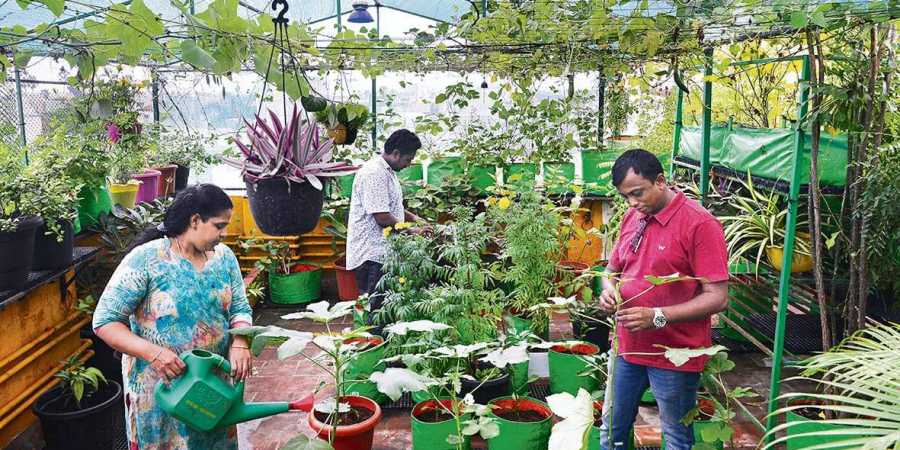
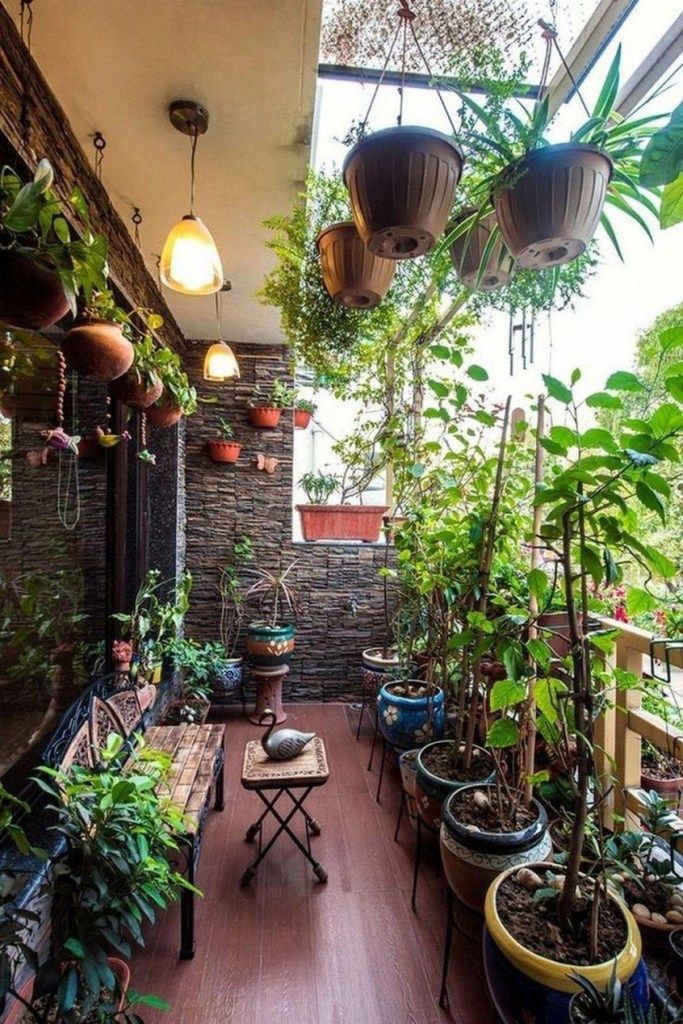
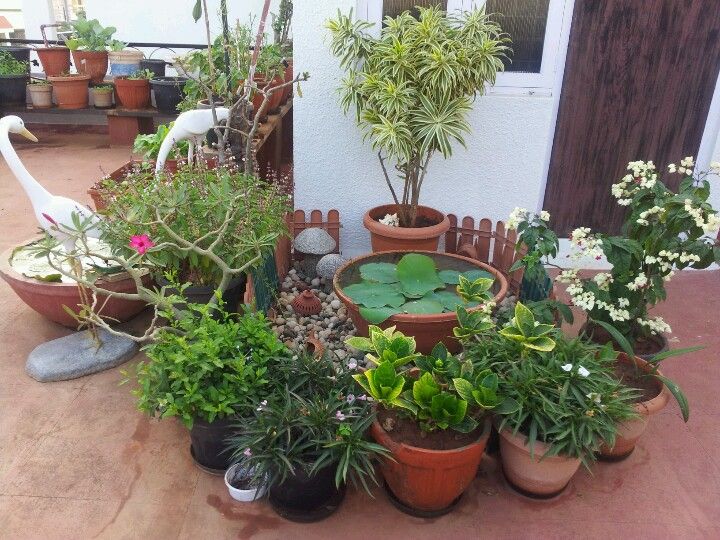
Even though the modern lifestyle hardly leaves us with any time, we all love to have soothing hobbies for those rare times. For some it’s reading and for others it’s gardening. Unlike some other hobbies, gardening requires a lot of time, effort and a lot of empty space. While most of us would love to have a huge garden filled with greenery, not all of us can. One of the drawbacks of living in metropolitan cities is that you can’t ever have enough space, especially for your dream garden. This is where terrace farming comes in handy. Whether it’s plants, herbs or vegetables, you can literally grow anything on your terrace itself. Here are some terrace gardening tips that will be useful for people living in small urban spaces. You can even try these home terrace farming techniques in your balconies!

1. Construct Shade

The terrace mostly receives a good amount of sunlight. However, depending on the plants that you want to grow, you will need to monitor the sunlight. On an average, your terrace should get at least 4 hours of direct sunlight. If you receive more than 6 hours of direct sunlight, make sure you arrange for some shade. Too much sun isn’t good for the plants either.

2. Selecting suitable pots and planters

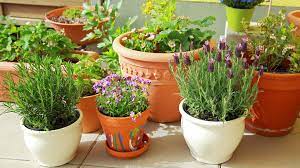
They make your garden bigger: Growing plants in containers is a great way to expand your garden space. Pots can go anywhere: on pavement, a window sill, a deck, up a flight of steps. Allows you to control the soil your plants grow in. Your garden soil may not be the greatest but when you plant in a pot, you control the soil and can provide excellent growing conditions that the soil in your garden may not have.

3. Add Home Decor Elements

Gardening is sort of an extension of home decor. It adds to the beauty of the home and terrace too. This is why our next home gardening tip is to add aesthetic lighting and some garden furniture. If you are thinking about growing a beautiful terrace garden, you should be able to spend time there. Trust us, it will become the most popular spot of your home for hosting or otherwise. 

4. Don’t Keep Plants Too Close

This terrace gardening tip stands true for most types of farming and gardening. You don’t want to plant the seeds too close. They will compete for sunlight, water and other nutrients and thus, might not mature at an even rate. Also, for home terrace farming, you should opt for creepers since they are huge in volume and grow fast without much effort.

5. Choose Air Purifying Plants

This terrace gardening tip is a very useful one for people living in urban spaces. The air is filled with pollutants that affect our health in ways we don’t even know. While you’re at it, why not plant some air purifying plants. Generally, these plants are great for indoors but if you keep them away from harsh, direct sunlight, they will prosper even on your terrace. Most of them also release oxygen at night, which is an added bonus!

6.  Let Sunshine be Your Guide

Each plant thrives in different amounts of sunlight. While some prefer shade, others grow well in prolonged exposure to bright sunlight. In a terrace garden, you have to make sure your plants get both, especially shade. One tip to keep rotating the plant frequently so that all the branches will have buds growing on them. 

7. Prune The Infections Away

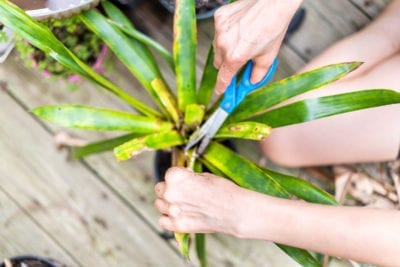
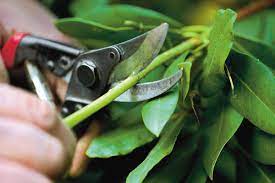
Prune (trim) the flowering plants regularly with a rust-free scissor/cutter to ensure bushy growth with lots of flowers. Also, cover the pruned tip of the stem with some soil to protect it from infections. Add some compost to the soil immediately after pruning to boost the growth of the plant.

8. Strength in Unity    

Plants must be grouped together, instead of isolating them from one another. In a terrace garden, it is easier how you want to group your plants as we use pots and planters. It is important to strategically cluster houseplants together, just as they do naturally in the wild, according to their growth requirements.

9. Unity in Diversity

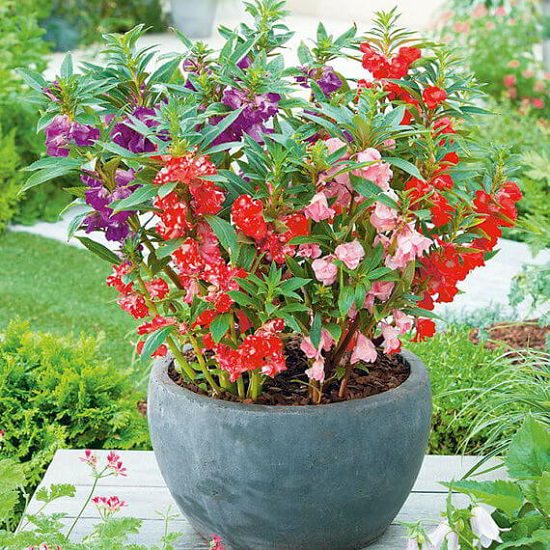
A healthy garden must have a variety of plants. Biodiversity attracts essential pollinators. “For example, plant a few flowering plants in your vegetable garden to attract pollinators (insects that move pollen from the male anther of a flower to the female stigma of a flower).”

 10. Patience is The Key

Gardening needs patience. Do not rush your gardening activities. Patience is a virtue in many aspects of life, but particularly so in gardening. Plants take their own sweet time to bloom, to produce fruit, to become mature. So gardeners must be patient.

Conclusion

Patience is a virtue in many aspects of life, but particularly so in gardening. Plants take their own sweet time to bloom, to produce fruit, to become mature. So gardeners must be patient.

Monsoon: An Upstanding and Suitable season to start gardening

Monsoon is on our doorsteps. Soon the great showers will come pouring down & within no time, the entire complexion of our surroundings will magically transform into an epic green stage. Our new gardening season also begins in the month of June, at the onset of monsoon. No matter how small or big your garden is, here are some key steps to make the best of this nature’s glory, & make your garden ‘monsoon ready’.

How Monsoon is suitable to start gardening?

The monsoon season in India is the best time to sit back and enjoy. The fresh smell of petrichor along with drizzling water gives a soothing effect to your mind and body after the hot summer days. The plants look greener than ever, the rainwater using its superpowers yield advantages to a plant that tap water cannot. As there is a significant fall in temperature, the sun is less hot and the rains add to the faster growth of plants. There are a variety of vegetables that loves the rainy season and grow magically during this time of the year. So it becomes really important to pick the right kind of vegetables also.
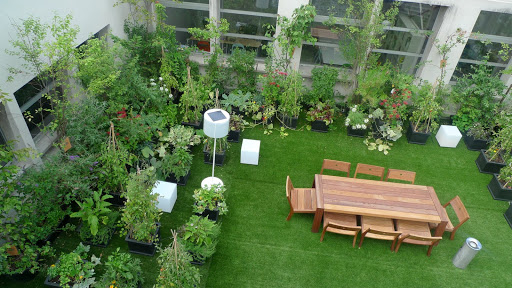
How to start Gardening in Monsoon?

  • Allow for good drainage: Water logging is a frequent problem in rainy season and restricts plant growth. When the problem is severe, roots do not have enough oxygen to respire and may eventually die. Therefore, prepare your garden with good drainage before the monsoon onsets. Some steps you can take to allow good drainage are use of grow bags, cocopeat or other potting mix that does not hold water.
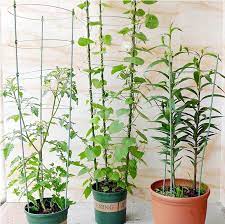
  • Provide support to the plants: Plants often break or fall off during the strong monsoon winds. Provide support to your plants to withstand the monsoon winds.
  • Pruning and mulching: The first monsoon showers shoot up plant growth. Pruning, trimming and removing dead branches before the first showers arrive helps the plant to grow in the right direction. Mulching the garden before monsoon will help soil retain nutrients.
  • Vermicompost: It is well known that earth worms are farmer’s best friends. Take their aid during monsoon to improve soil fertility, texture and aeration.
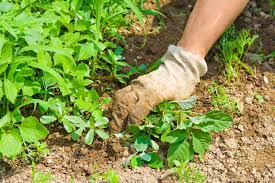
  • Timely Weeding: Just like your veggies or flowering plants, weeds also thrive during monsoons. Weeding before the monsoon arrives will prevent weeds from absorbing vital nutrients from soil. Moreover, removing weeds when they are young is easier. However, weeding needs to be done regularly during monsoon season to protect your garden.
  • Harvest the rain-water: If you have the space and time to do so, rainwater harvesting is fun and beautifies your landscape. There are no complex mechanisms required for harvesting rainwater. Simply direct the rainwater to a spot in your garden or collect the rainwater in barrels. If you have enough space on your terrace, you can make a pond in one corner and plant flowers around it. This not only creates a lovely spot on your terrace but also attracts birds and improves bio-diversity.
  • Plant the right crops: Not all plants thrive in monsoons. Some plants require hot weather, some require cool weather and some require moist soil. Plants that thrive well in monsoons are typically cucumbers and gourds like ridge gourd and bottle gourd. Get your vegetable calendar ready before each season and become a pro at gardening. Also, eating seasonally grown fruits and veggies is best for your health. If you need guidance, check out our recommendations for Monsoon vegetables here.
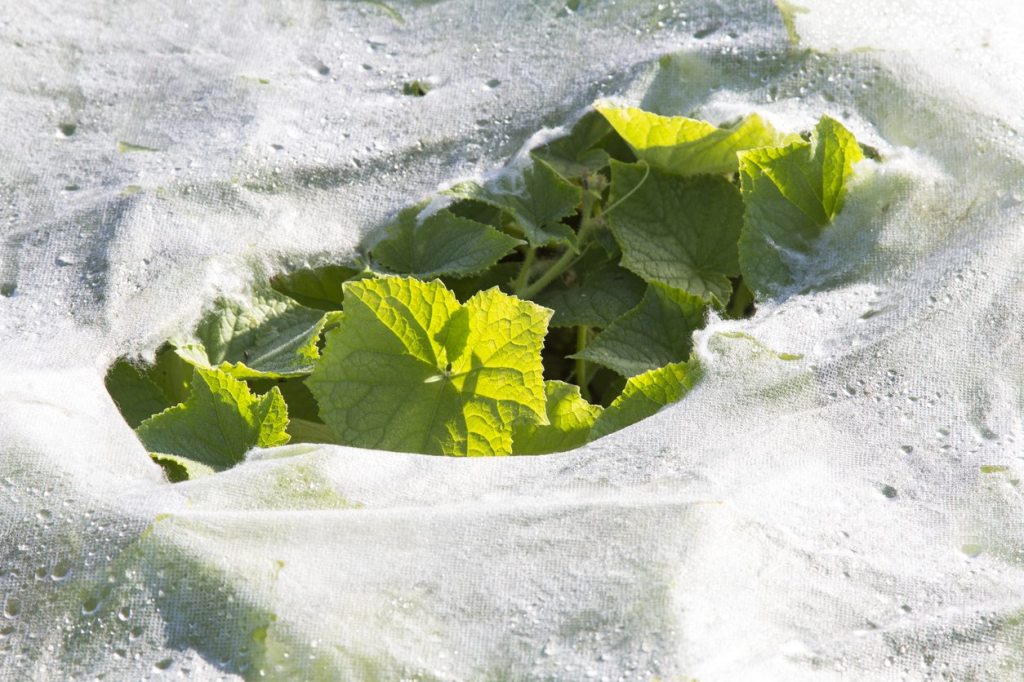
  • Cover the plants: Sometimes plants get damaged beyond repaid when there are thunderstorms or hailstorms. Cover your plants appropriately to prevent that.
  • Fertilizers: Soil erosion is common during rainy seasons. The top layers of fertile soil gets washed away with rains. This more often happens if you do not use pots or grow bags in your garden. So apply necessary fertilizers like NPK, cow dung, neem extracts, compost etc to keep the soil fertilized.
  • Routinely check on the plants: Last but not the least, monsoons bring ample work for gardeners. Regularly check on your plants to identify broken branches, pests, infections, and water logging. Sometimes getting your hands dirty is worth it! Re-pot your plants, start new seeds and watch them grow!

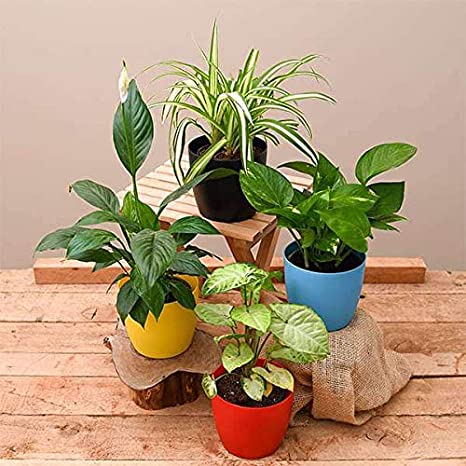
Plant parenting

Every time we go out and connect with nature we feel calm and relaxed. Now imagine how great we will feel bringing small parts of nature to our home or workplace.  

Plant parenting is getting a plant and taking care of it like a child.  

If you are looking to add some colour to your house, plants are the best way to do that. Don’t just decorate your house with fake plants, get the real ones instead. They add liveliness and colour to the place.

 Plants also contribute to our environment, they take in the carbon dioxide and provide us with oxygen. Did you know houseplants can remove up to 85% of toxins from the air in just 24 hours? Cool isn’t it.

So buying plants can help reduce the toxins from your house and keeps the air purified.

Planting also makes us more responsible because we need to water them daily. Some people look after plants like it’s their job and, they don’t connect with it. Taking care and nourishing plants is very therapeutic if done correctly with peace and concentration. It is our time to connect with nature and watch it grow into something great.  

Plants also reduce our stress and boosts our mood. They create a soothing environment that creates a positive aura in our house or workplace. They also relieve anxiety and improve our mental health. Plants have a subliminal effect that lift our spirits and bring us happiness.

If you are looking for a hobby, gardening or taking care of houseplants is the perfect thing to do. People who garden are very calm and patient because plants take a long time to grow, and they require a lot of work. But, seeing a plant all grown and healthy is a reward to yourself.  

Even taking full care of one-two plants is a great way to start. Then when you succeed at it you can add more plants to your collection. You can either get seeds and watch the plant grow from the start or go to your local nursery and get halfway grown plants.

Here are a few beginners planting tips:

Read about the plant you are getting: Every plant is different. Each plant has its requirements; some need more light some don’t. If you are someone who lives in hot, humid weather, get a plant the similar weather to survive. Knowing about your plant is important or else they don’t survive that long.

Do not overwater your plants: a lot of people don’t read the water requirements of a plant and tend to overwater it which is wrong and can lead to the death of the plant. Roots growing in waterlogged soil cannot absorb the oxygen, and won’t be able to provide nutrients to the plant. Only water your plants if you think the soil is dry this way you will not end up overwatering them.

Make sure the pot has holes: this is important so the excess water can drain out. If the water is collected on the base, the roots may get fungus or bacteria.

Fertilizer: Other than water and light plants also require fertilizers. They are the food of the plant. If you are someone with a lot of plants. You can get a universal fertilizer liquid that works well for all plants and you can mix it with water as per the plant requirement.

Clean the leaves of your plants: If you think the leaves of your plants have dirt on them, water them or take a damp cloth to wipe the dirt off, this allows them to photosynthesize easily.

Water your plants in the morning or the evening: watering during these times will allow the plant to retain the water. If you water them in the afternoon, the water will be evaporated by the sun.

Remember that it is okay if some plants don’t live so long it is a cycle of life. But, if you take full care of them and keep reading more about plants chances are you will get better at it and enjoy your time with them.

Bioenzymes : Feed Your Soil

Bioenzymes are organic soil growth supplements which has natural and essential nutrients to replenish the soil. Also known as “Jeevamrit“, does exactly what the name says!
It contains growth stimulants like potassium humate, amino acids, vitamin B complex, probiotics as well as blends of various enzymes like proteases, lipases, amylase, etc. Proteases breaks down bigger proteins into smaller amio acid units. Lipases acts on fats molecules and Amylase breaks down carbohydrates like starch.

Benefits of using bioenzymes:
Talking about the benefits, it works miracles. The enzymatic activity increases the concentration of good bacteria thereby, increasing the overall biological activity of the soil. It also increases the NPK levels, boosting plant growth and the difference is quite visible. Plants appear greener and fresher. Flowers are more fluffy n bright. Fruits, bigger and better resulting in good yield. Its a good natural herbicide, insecticide and pesticide which repels pests, enriching the soil of your home garden and orchards, helping plants to grow well in full potential.

Bioenzyme : works miracles

Bioenzymes : DIY
Making bioenzymes at home is extremely easy and simple. All you need is water, fruit peels and jaggery in 10 : 3 : 1 ratio. The peels could be dried or fresh, whatever is available. Even rotten fruits could be put to use. Do not replace jaggery with sugar. Chop the fruit peels into small pieces and mix them all together in an air tight container. Smaller the fragments, better the results. And that’s all! To speed up the process, a pinch of yeast is added. It would be ready to use in a month. If you don’t want to add yeast, have patience and wait for 3 months. Make sure that you don’t fill the container completely. Leave some space, about 1/4th, for the gases to evolve during fermentation. Don’t forget to open the container and stir once in a day or two for at least a few weeks. This is because the gases evolved should be released time to time or the container may explode.
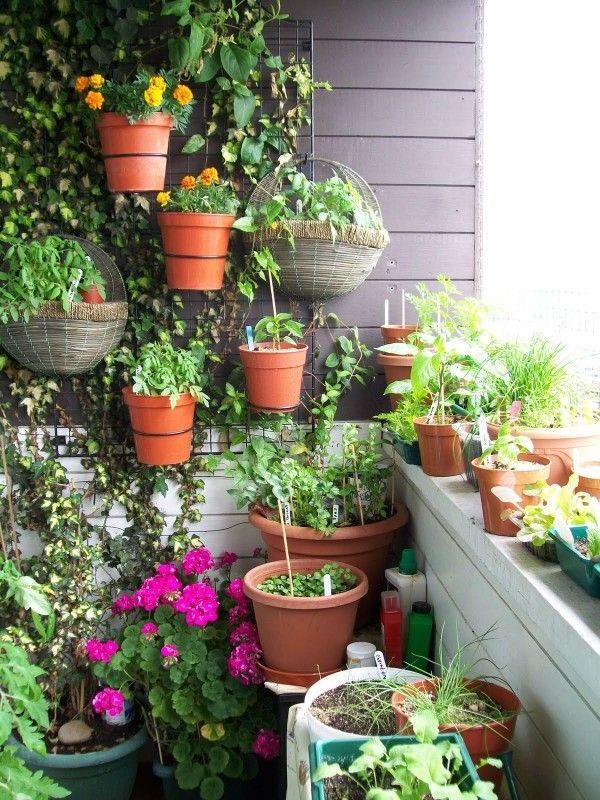


Strain the liquid in a separate bottle for convenience. The fruit peels could be used to make next batch or it could be decomposed to add to the fertility of soil. As long as you maintain the proper ratio, results would be the best!

Vegetable peels can also be utilized but fruit peels, preferably citrus peels are used as they are full of antioxidants and the final product has a very pleasant fruity smell. Even flowers like dahalia are used to make bioenzymes. They have a mild fragrance which gives an aesthetic touch to your house and garden.

How to use bioenzymes?
Bioenzymes could be used in multiple ways. It acts as an excellent cleaner and could be replaced with floor and bathroom chemical cleaners which are extremely polluting & lead to fat bergs in the sewer system. They are also used in rest rooms as surface cleanerns, odour eliminators and even more!
Bioenzymes can be added to the plant roots as liquid fertilizer, mixed with water in the ratio 1:50. Its good to always start with a more diluted solution.
Or it can be applied as foliar spray. Just add a teaspoon of it to 1 litre of water and there you go! Spray it all over the plants. It could be added once or twice a week depending on the vegetation.

Happy Gardening!