Yoga

Yoga is also equally important to be mentally calm. Practicing 15 minutes of yoga is so beneficial. All the asanas helps to get stronger muscles with the fitter body and good lifestyle with mental calmness. Yoga relives from the stress and tension we have had. Sparing at least 10 to 15 minutes time on yoga benefit is a lot. It relaxes the muscle and calms the mind. It helps to be physically fit and mentally strong. All the asanas and pranayama helps to Gain strength and to be physically fit.

It helps to be fitter and healthier. It helps to have a healthy lifestyle. Exercise helps to have healthy muscles and it also helps in weight loss who is suffering from obesity and excessive weight. Exercise is the healthy habit that must be added in the healthy lifestyle and must be practiced without any delay.

Exercising, meditation, yoga etc. are great things to regain the strength and to be fitter and also happy.

Types of yoga :

Bhakti yoga :

Bhakti yoga, also called Bhakti marga, is a spiritual path or spiritual practice within Hinduism focused on loving devotion towards any personal deity. It is one of the three paths in Hinduism which lead to moksha, the other paths being jnana yoga and karma yoga.The tradition has ancient roots.

The purpose of bhakti yoga is the practitioners of Bhakti yoga ,known as bhaktas, or loving devotees, express their religious devotion through prayer, ritual, and chanting. Their purpose is to develop feelings of unconditional love and devotion

Karma yoga :

Karma yoga, also called karma marga, is one of the three spiritual paths in Hinduism, one based on the “yoga of action”, the others being jnana yoga and Bakti yoga.

Patanjali Ashtanga yoga :
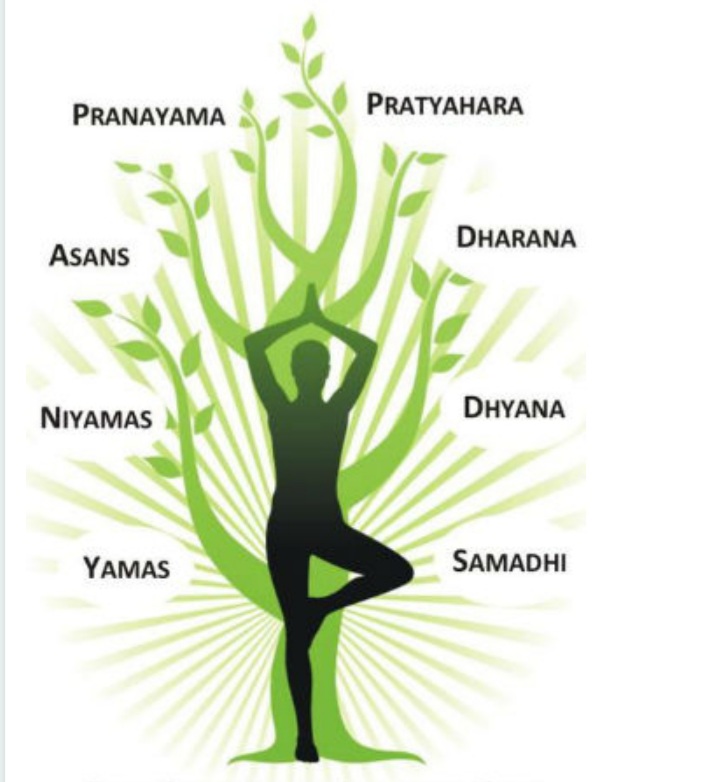
The eight limbs of of yoga is patanjali’s classification of classical yoga, as set out in his yoga sutras. He defined the eight limbs as yamas (abstinences), niyama ( observances), asana ( postures), pranayama (breathing) , pratyahara ( withdrawal), dharana ( concentration), dhyana (meditation), and samadhi( absorption).

The eight limbs form a sequence from the outer to the inner. Postures, important, in modern yoga as exercise, form one limb of patanjalis scheme; he states only that they must be steady and comfortable.

Jnana yoga :
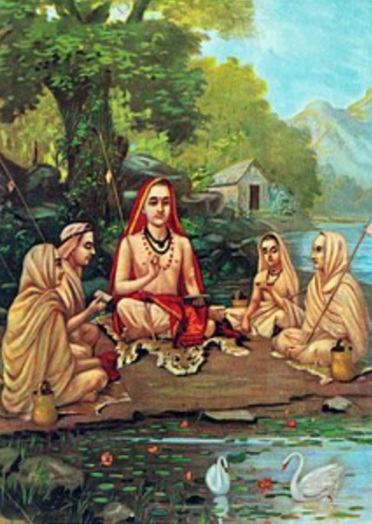
Jnana yoga , also known as jnana marga, is one of the three spiritual paths in Hinduism, which emphasizes the ” path of knowledge”, also known as the ” path of self- realization”. It is one of the three classical paths for moksha. The other two are karma yoga and bhakti yoga.

Swara yoga :

Swara yoga is an ancinet tantric science which involves the systematic study of the breath flow thriugh the nostrils irrelation to the prevalling phases of the moon,time of day and direction. Mainly practiced through the connection of breath and movement, swara yoga creates levels of harmoney that are difficult to reach with other yoga styles. Our main tool is the movement and flow of body through the postures, guided by the breath.

Raja yoga :

In sanskrit, Raja yoga was both the goal of yoga and a method to attain it. The term also became a modern name for the practice of yoga in the 19th century when swami vivekananda gave his interpretation of the yoga sutras of patanjali in his book raja yoga

Kriya yoga :
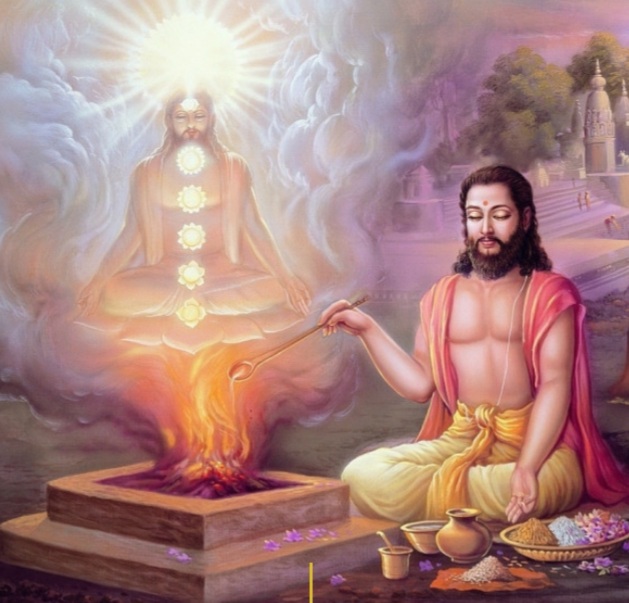
Kriya yoga is a simple, psycho – physiological method by which the human blood is decarbonized and recharged with oxygen. The atmos of this extra oxygen are transmuted into life current to rejuvenate the brain and spinal centers.

Advanatges of yoga :
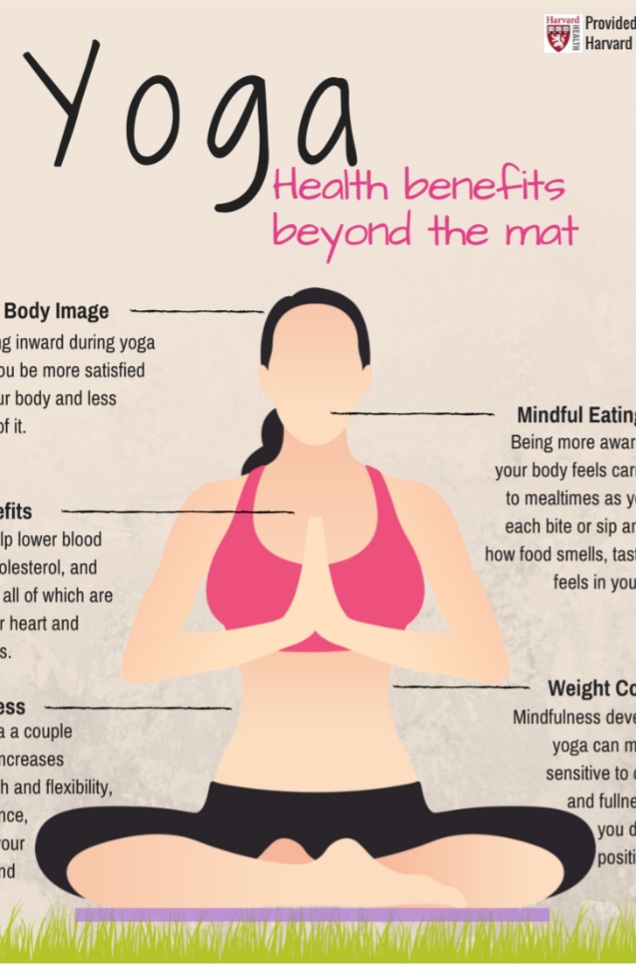
* yoga improves strength, balance and flexibility.

* yoga helps with back pain relief.

* yoga benefits heart health.

* yoga relaxes you, to help you sleep better.

* yoga can mean more energy and brighter moods.

* yoga helps you manage stress.

Disadvanatages of yoga :

* yoga may induce your blood pressure.

* phsical dangers of yoga

* Risk of strike.

* Hot yoga is not for eveyone.

* lack of experience or knowledge is risky.
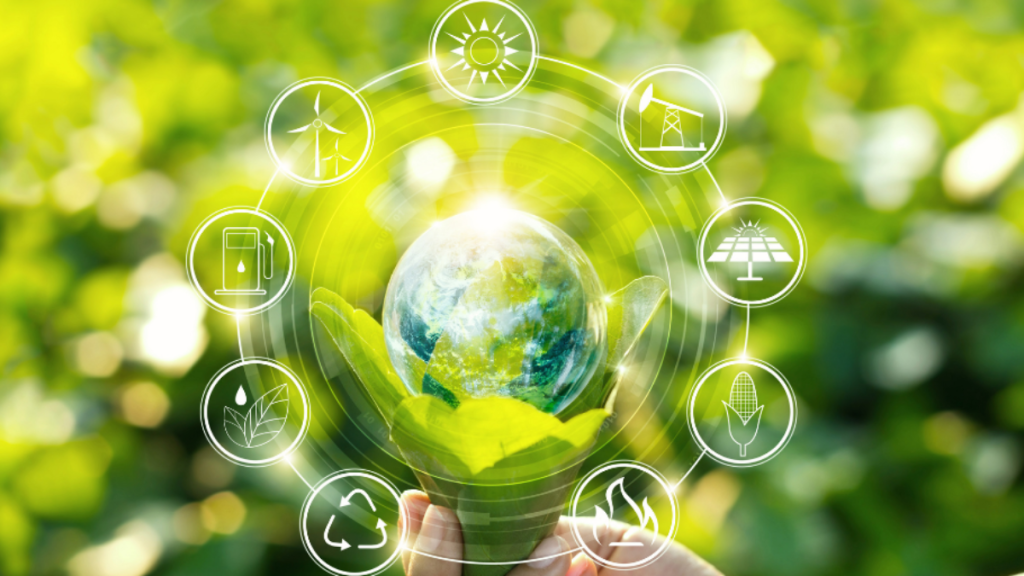
Renewable resources .

Replacing traditional sources of energy completely with renewable energy is going to be a challenging task. However, by adding renewable energy to the grid and gradually increasing its contribution, we can realistically expect a future that is powered completely by green energy.

– Tulsi Tanti

A way to live a new life . Without any destruction , without worrying about the future . Live a life where we can grow together , develop a life with renewable resources.

Introduction

A renewable resource, also known as a flow resource, is a natural resource which will replenish to replace the portion depleted by usage and consumption, either through natural reproduction or other recurring processes in a finite amount of time in a human time scale.

When such recovery rate of resources is unlikely to ever exceed a human time scale, these are called perpetual resources. Renewable resources are a part of Earth’s natural environment and the largest components of its ecosphere. A positive life-cycle assessment is a key indicator of a resource’s sustainability.

Renewable resources are an energy source that cannot be depleted and are able to supply a continuous source of clean energy.

Renewable resources also produce clean energy, meaning less pollution and greenhouse gas emissions, which contribute to climate change.

Examples of renewable resources.

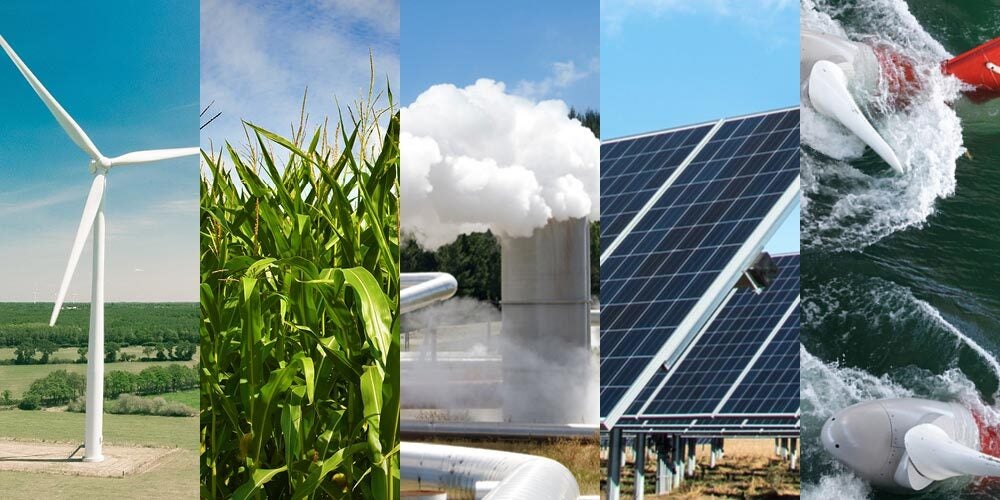
  • Biomass .
  • Biogas.
  • Tidal Energy.
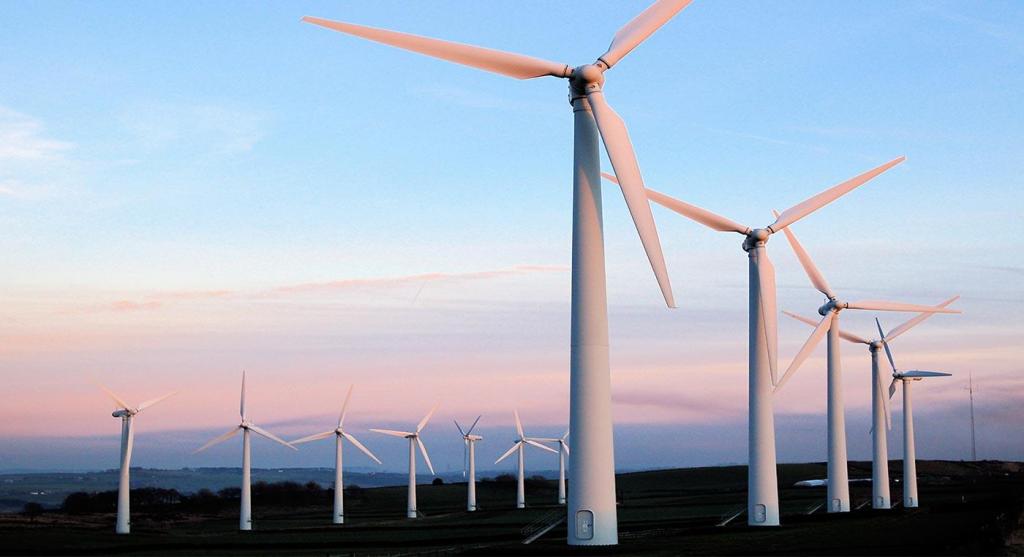
  • Wind Energy.
  • Geothermal Energy.
  • Radiant Energy.
  • Hydro Electricity.
  • Compressed Natural Gas.

Types of renewable resources.

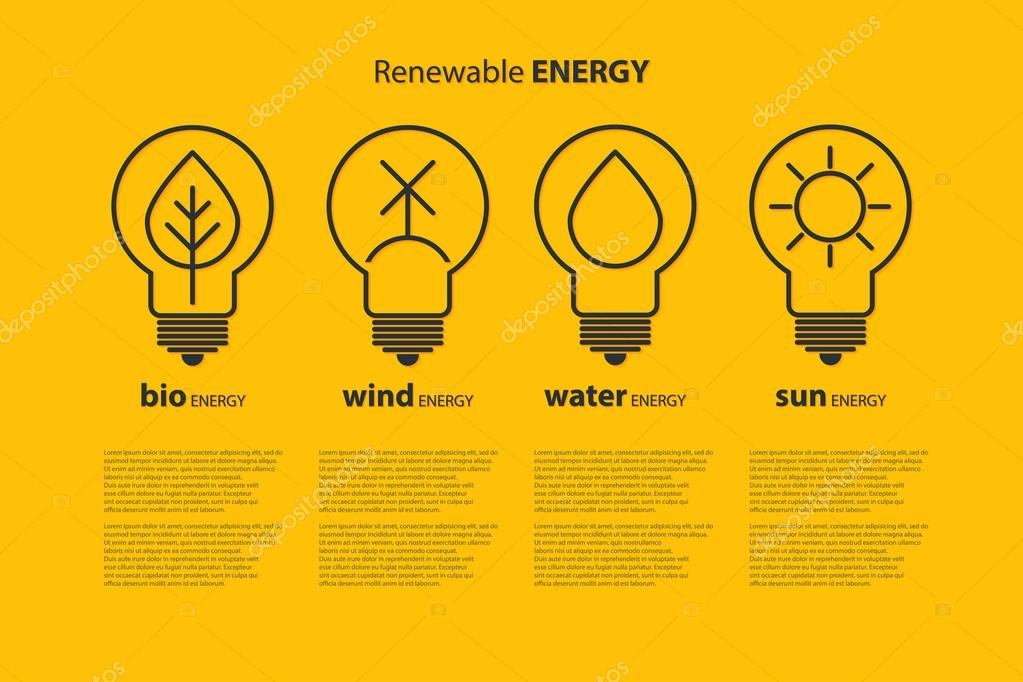
1) Solar energy. Sunlight is one of our planet’s most abundant and freely available energy resources. 2) Wind energy. Wind is a plentiful source of clean energy. 3) Hydro energy.
4) Tidal energy.
5) Geothermal energy. 6) Biomass Energy.

Impact of renewable resources.

Environmental impact

Renewable energy projects have also contributed in improving environmental impacts such as reduction of carbon dioxide gas, awakening community about the climate change. The study observed very small impacts on the people living in a particular area, tourism, cost of energy supply, and educational impacts. Significant impacts were observed in improvement of life standard, social bonds creation, and community development. They also observed that the renewable energy projects are complex to install and are local environmental and condition sensitive. Their forecasting, execution, and planning require more consideration and knowledge as compared to other projects.

Social impact

These resources also provide social benefits like improvement of health, according to choice of consumer, advancement in technologies, and opportunities for the work, but some basic considerations should be taken for the benefit of humans, for example, climate conditions, level of education and standard of living, and region whether urban or rural from agricultural point of view. Social aspects are the basic considerations for the development of any country. The following social benefits can be achieved by renewable energy systems: local employment, better health, job opportunities, and consumer choice.

Advantages of renewable resources.

  • Renewable energy won’t run out.
  • Maintenance requirements are lower.
  • Renewables save money.
  • Renewable energy has numerous health and environmental benefits.
  • Renewables lower reliance on foreign energy sources.
  • Higher upfront cost.
  • Intermittency.
  • Storage capabilities.

Conclusion

Renewable energy is becoming an important resource in all over the world . I do agree that people might exploit the resources for there own benefit . But the government is working on that aspect and trying to provide resources that can help our future households .

There are a lot of different ways of building a prosperous society, and some of them use much less energy than others. And it is possible and more practical to talk about rebuilding systems to use much less energy than it is to think about trying to meet greater demands of energy through clean energy alone.

– Alex Steffen

Link

THE RIGHT TO BE PRIDE

It takes no compromise to give people their rights ... it takes no money to respect the individual. It takes no political deal to give people freedom. It takes no survey to remove repression.

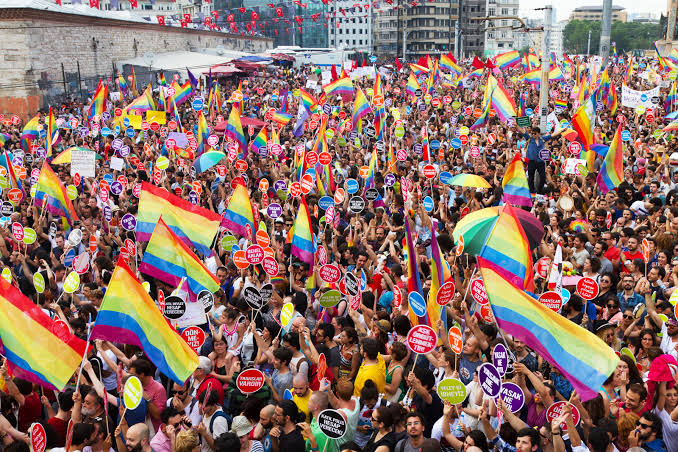
Pride is the stand for dignity, equality and justice for the people who are in relationship or prefer same gender .

Pride has lent its name to LGBT-themed organizations, institutes, foundations, book titles, periodicals, a cable TV station, and the Pride Library.

Pride Month

THE HISTORY OF PRIDE MONTH

During the time of 1950s and 60s the LGBTQ community in United State of America . The initiative to Fight against the odds was taken by two homophile organizations Daughter of Bilitis and Mattachine Society. These two pioneered in carrying out pickets called Annual Reminders. These two organization woke up people to inform and reminded that LGBTQ community didn’t receive civil rights protection.

Gay Is Good
The anti-LGBT discourse of these times equated both male and female homosexuality with mental illness. Inspired by Carmichael’s “Black is Beautiful“, gay civil rights pioneer and participant in the Annual Reminders “Gay is Good” a slogan Originated by Frank Kameny in 1968 to counter social stigma and personal feelings of guilt and shame.

CRITICISM FACED BY LGBTQ COMMUNITY.

The criticism faced by the community outside And inside is against the movement of Pride Events. In Many countries the initiative to promote LGBTQ community was taken by the Government officials. Brazil In August 2011, Carlos Apolinário the Aldernman of Sao Paulo City the right-wing Democrats Party sponsored a bill to organize and sponsor “Heterosexual Pride Day” on the third Sunday of December. Apolinário, an Evangelical Protestant, stated that the intent of the parade was a “struggle … against excesses and privileges“. Members of Grupo Gay da Bahia and the Workers’ Party opposed the bill as enhancing “the possibility of discrimination and prejudice”. The bill was nevertheless passed by the city council, but never received the signature of mayor . Turkey. In 2015 police dispersed the LGBT Pride Parade using tear gas and rubber bullets.

In 2016 and 2017, the Istanbul Governor’s Office did not allow the LGBT Pride Parade to take place, citing security concerns and public order.

The Pride March

CONCLUSION.

• people are marginalized and suffer a lot for their human rights. •Their are several Anti-Gay bills passed by some States and some states fought against the odds and help the LGBTQ community to attain their human rights.The issues, challenges and the opportunity experienced by this group in the labor force will draw the attention towards the issues.

The Amazon

The forest is a peculiar organism of unlimited kindness and benevolence that makes no demands for its sustenance and extends generously the products of its life activity; it affords protection to all beings, offering shade even to the axe-man who destroys it.

– Gautama Buddha

Today , let’s feel the presence of fresh air , waterfall , trees , flora and fauna . Being a citizen of a country , which is well known for its resources , different species, mixed economy and different cultures. It is important for us to see the world of flora and fauna.

Well you get to know by the heading , today we are gonna talk about THE AMAZON’S which is well known for its vast species .

Introduction .


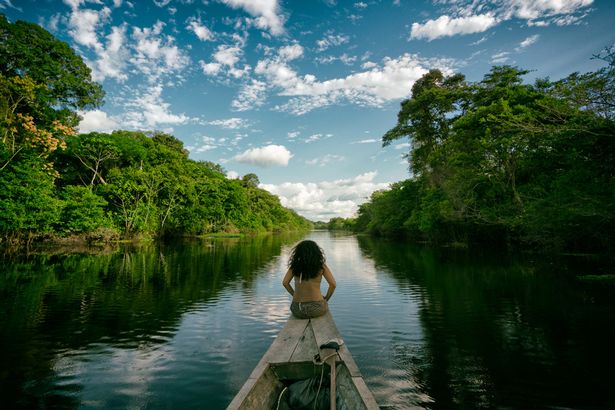
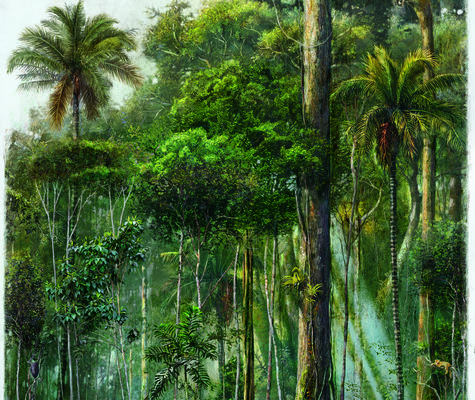
The Amazon jungle or Amazonia, is a moist broadleaf tropical rainforest in the Amazon biome that covers most of the Amazon basin of South America. This basin encompasses 7,000,000 km2 (2,700,000 sq mi), of which 5,500,000 km2 (2,100,000 sq mi) are covered by the rainforest. This region includes territory belonging to nine nations and 3,344 formally acknowledged indigenous territories.

The majority of the forest is contained within Brazil, with 60% of the rainforest, followed by Peru with 13%, Colombia with 10%, and with minor amounts in Bolivia, Ecuador, French Guiana, Guyana, Suriname, and Venezuela. Four nations have “Amazonas” as the name of one of their first-level administrative regions, and France uses the name “Guiana Amazonian Park” for its rainforest protected area. The Amazon represents over half of the planet’s remaining rainforests, and comprises the largest and most biodiverse tract of tropical rainforest in the world, with an estimated 390 billion individual trees divided into 16,000 species.

The name Amazon is said to arise from a war Francisco de Orellana fought with the Tapuyas and other tribes. The women of the tribe fought alongside the men, as was their custom. Orellana derived the name Amazonas from the Amazons of Greek mythology, described by Herodotus and Diodorus.

Flora and Fauna.

Wet tropical forests are the most species-rich biome, and tropical forests in the Americas are consistently more species rich than the wet forests in Africa and Asia.

This constitutes the largest collection of living plants and animal species in the world.

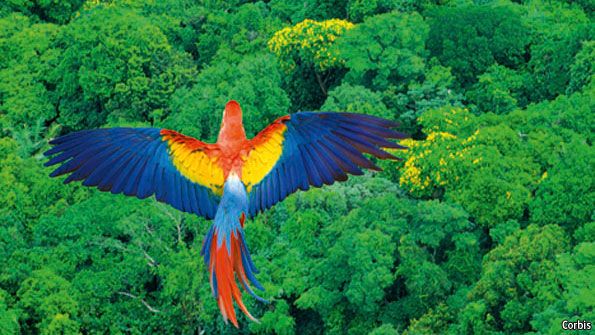
The region is home to about 2.5 million insect species, tens of thousands of plants, and some 2,000 birds and mammals. To date, at least 40,000 plant species, 2,200 fishes, 1,294 birds, 427 mammals, 428 amphibians, and 378 reptiles have been scientifically classified in the region.

The biodiversity of plant species is the highest on Earth with one 2001 study finding a quarter square kilometer (62 acres) of Ecuadorian rainforest supports more than 1,100 tree species.

Human impact on Amazon jungle.

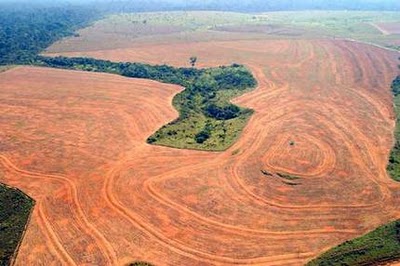
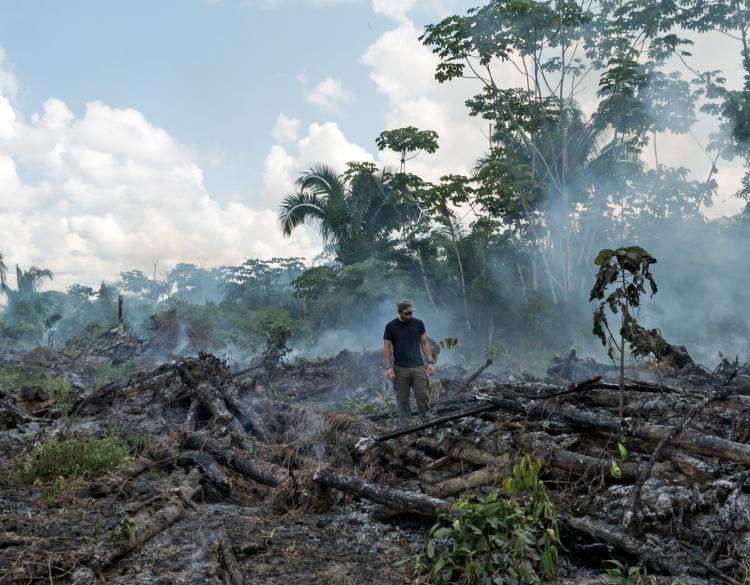
The human impact on the Amazon rainforest has been grossly underestimated according to an international team of researchers. … They found that selective logging and surface wildfires can result in an annual loss of 54 billion tonnes of carbon from the Brazilian Amazon, increasing greenhouse gas emissions.

Lead researcher Dr Erika Berenguer from Lancaster University said: “The impacts of fire and logging in tropical forests have always been largely overlooked by both the scientific community and policy makers who are primarily concerned with deforestation. Yet our results show how these disturbances can severely degrade the forest, with huge amounts of carbon being transferred from plant matter straight into the atmosphere.”

The second author, Dr Joice Ferreira from Embrapa in Brazil, said: “Our findings also draw attention to the necessity for Brazil to implement more effective policies for reducing the use of fire in agriculture, as fires can both devastate private property, and escape into surrounding forests causing widespread degradation. Bringing fire and illegal logging under control is key to reaching our national commitment to reducing carbon emissions.”

The forest is not a resource for us, it is life itself. It is the only place for us to live.

-Evaristo Nugkuag Ikanan

Link

GENDER AND SEXUAL EQUALITY

Gender refers to the widely shared set of expectations and norms linked to how women and men, and girls and boys, should behave. Unlike ‘sex’ which refers to the biological and physiological characteristics that define men and women, gender refers to the socially constructed roles, behaviours, activities, and attributes that are assigned to men and women in any given society. These expectations are are not fixed but are continually being constructed and reinforced through social relationships and economic and political power dynamics.

It is commonly assumed that your gender is determined by your biological sex. You are masculine because you are male, for example. The separation of gender and sex is most apparent in the experience of people who feel that their ascribed gender-identity is not aligned with their biological sex. Those people, who may identify as transgender, some will opt to change their biological sex while others may change their gender-identity but not their sex. The sexual orientation of those whose gender identity does not match their biological sex is not self-evident. Biological males who live as females may be attracted to males, females or other trans individuals. This is evident, for example, among travestis In Brazil, as Mountian observes in the policy audit conducted on the country’s ‘Brazil without Homophobia’ education policy, launched in 2004. Mountian found that travestis were discriminated against because they challenge the idea that gender identity is directly related to biological sex. Not all biological males feel themselves to have a masculine identity, and vice versa.

Gender equality is when people of all genders have equal rights, responsibilities and opportunities. Everyone is affected by gender inequality – women, men, trans and gender diverse people, children and families. … Societies that value women and men as equal are safer and healthier. Gender equality is a human right.

Gendered sexuality is the way in which gender and sexuality are often viewed as likened constructs, whereby the role of gender in an individual’s life is informed by and impacts others’ perceptions of their sexuality. For example, both the male and female genders are subject to assumptions of heterosexuality.

Sociology offers a unique perspective on gender and sexuality and their importance in our social world. A sociological perspective transcends biological notions of sex and emphasizes the social and cultural bases of gender. Sociological research points to the ubiquity of gender’s influence in both private and public spheres, and it identifies differences—and similarities—in how genders are treated socially and factors that change this treatment.

The sociological study of gender is often combined with the study of sexuality. Like gender, sexuality is not just biologically constructed, but is shaped by social and cultural factors. Empirical research on sexual identity and behavior reveals such great variation that sociologists refer to multiple sexualities rather than a single sexuality.

Gender equality is achieved when women, men, girls and boys have equal rights, conditions and opportunities, and the power to shape their own lives and contribute to the development of society. It is a matter of equitable distribution of power, influence and resources in society.

Gender equality, also known as sexual equality or equality of the sexes, is the state of equal ease of access to resources and opportunities regardless of gender, including economic participation and decision-making; and the state of valuing different behaviors, aspirations and needs equally, regardless of gender.