The Geological time scale

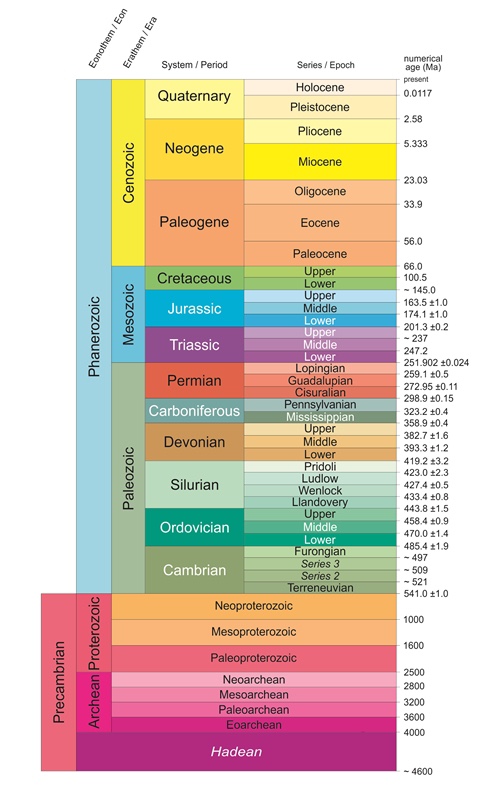
Geologists subdivide timescale by events that happened in geological history . These time intervals are unequal in length, geological timescale describes the timings and relationship of those events that changed Earth’s geology. This time scale is developed by carefully studying and analysing the rock layers ,evolution of species, rock dating, fossil samples and atmosphere.
Eons

Eons are the largest divisions in geological Time and span to millions of years . There are four eons catalogued till present day, these are — Hadean, Archean, Protozoic and Phenerozoic eon . The first three eons are collectively referred to as the Precambrian super eon.

Hadean Eon

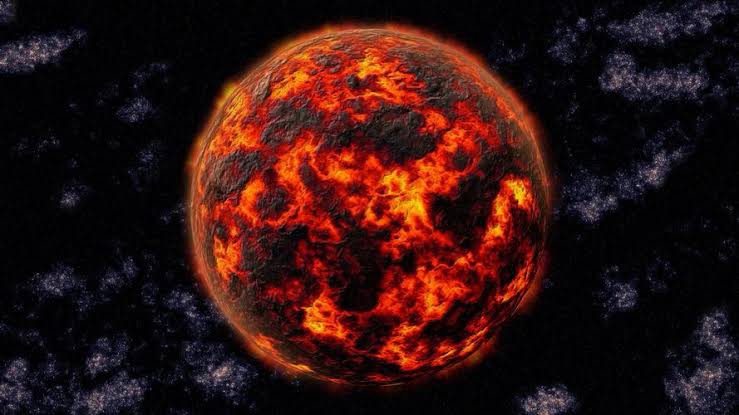
The Hadean eon began when the earth formed about 4.6 billion years ago and ended 4 billion years ago . The planet’s condition was very dynamic , earth was still very hot and frequently collided with other planetary bodies.
Archean Eon

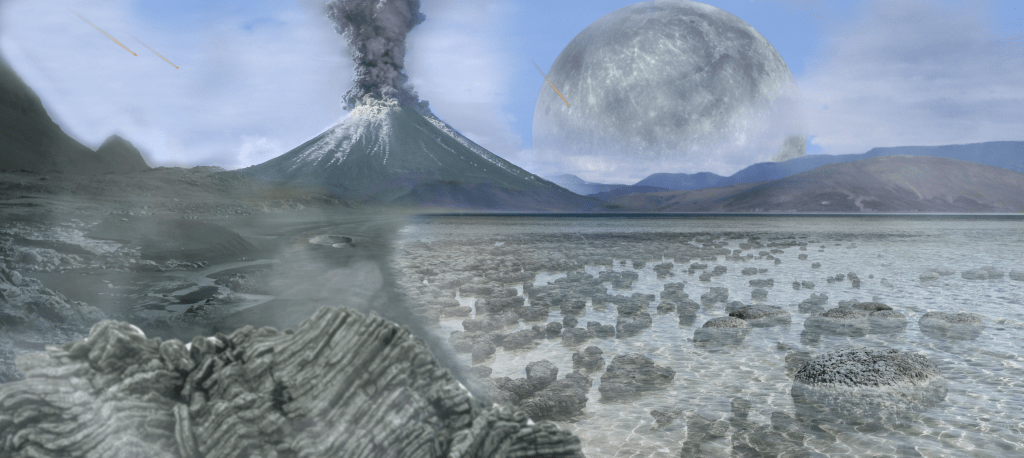
It began about 4 billion years ago till 2.5 billion years . The earth’s crust slowly started cooling and stabilising to form landmass .The earliest lifeform probably anaerobic microbes called stromatolites survived. example – Cyanobacteria, Proteo bacteria , microbial mats. Volcanic activity was very high and Archean rocks were often metamorphosised water segments like volcanic segments and mud rocks.
It is further divided into eras:

Eoarchean

( 4000 mya-3600 mya)

(mya- million years ago)

  • The first Supercontinent Vaalbara appeared.
  • Earth possessed a firm crust for the first time.
  • Prokaryotic microbes called Archaea appeared.

Paleoarchean

( 3600-3200mya)
  • Earliest confirmed evidence of life.
  • Stromatolites may have been created.
  • Microbial mats work present.

Mesoarchean

( 3200-2800mya)
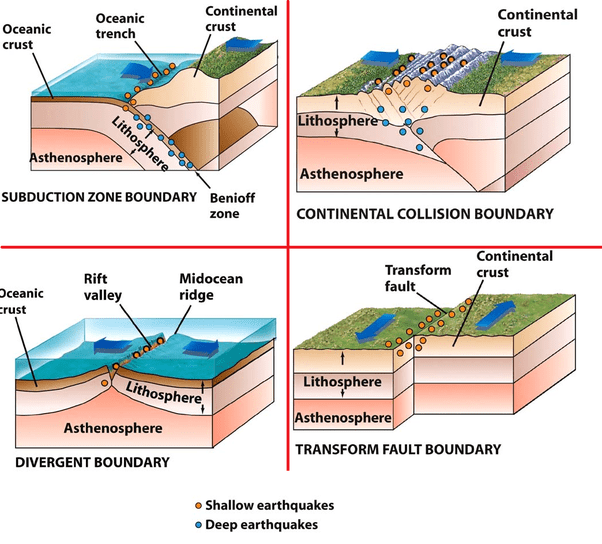
  • Tectonic plates subduction.
  • Expansion of microbial life.
  • Ocean temperatures around 55-85°C
  • High levels of methane and carbon dioxide in the atmosphere.

Neoarchean

(2800-2500 mya)
  • Major development in complex life and continued formation.
  • Rise of oxygen in the atmosphere.

Proterozoic Eon
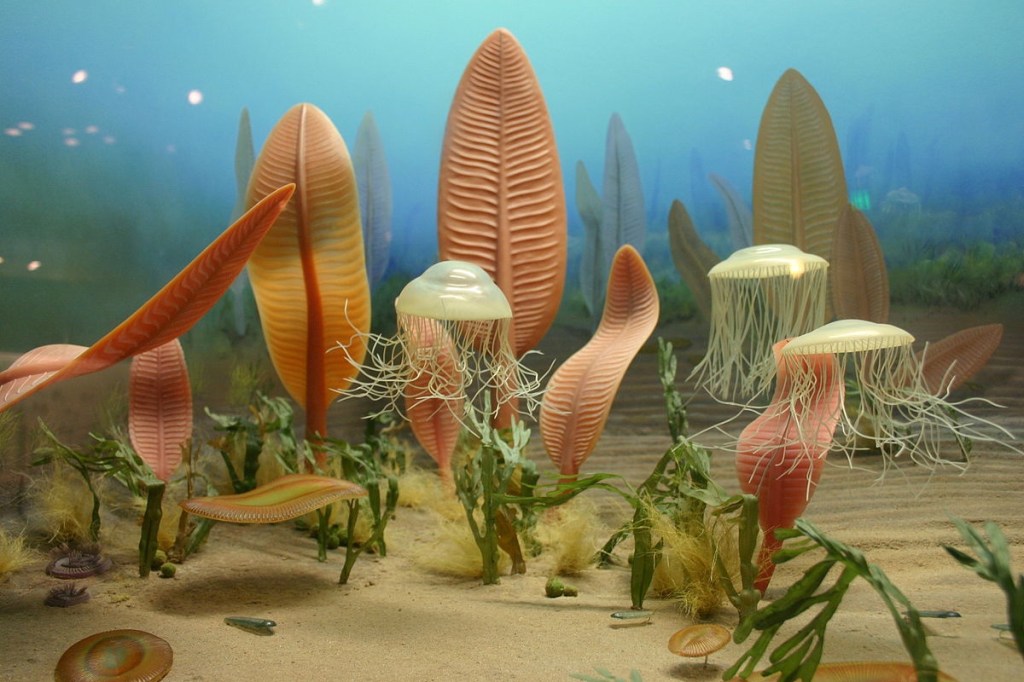
It spanned the interval from 2500-541 mya . For the first time oxygen appeared in the earth’s atmosphere . Mountain formation activity began because of the continuation of continental accretion .Glaciers began to form . Processes like subduction were active due to high tectonic plate movement. It is further divided into 3 eras-

Paleoproterozoic era

(2500-1600 mya)
  • Longest era
  • Continents stabilised
  • One day duration was 20 hours.
  • Enormous increase in oxygen.
  • Anaerobic life form largely died because oxygen was highly toxic for them.
  • First mass extinction happened.
  • Eukaryotes emerged.
  • Periods in which this era is divided- Siderian, Phyacean and Orosirian.

Mesoproterozoic era

( 1600-1000 mya)
  • Evolution of sexual reproduction.
  • Development of multi cellular organisms.
  • Break up of Columbia supercontinent.
  • Periods – Ectasian and Stenian .

Neoproterozoic era

( 1000-541 mya)
  • Most glaciation.
  • Ice sheets reached equator.
  • Snowball Earth formed.
  • First appearance of Trilobites ans Sponges.
  • Periods- Tonian, Cryogenian and Ediacaran.

Phanerozoic Eon
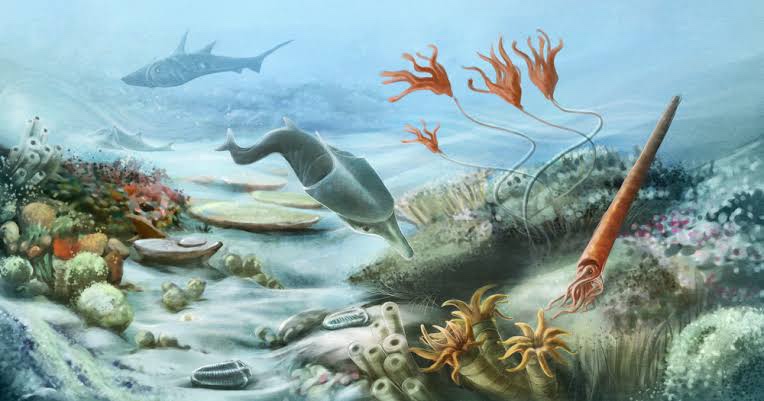
It covers timeline from 541 million years ago to the present. At the start of this eon , complex plants and multi cellular organisms with hardshells appeared . There was a single landmass known as Pangaea. It is divided into 4 eras:

Paleozoic era

(541-252 mya)
  • Most rapid diversification of life called Cambrian explosion.
  • Evolution of arthropods ,fish and amphibians.
  • Life transition to the land.
  • Forests of primitive plants appeared.
  • Largest extinction event called Permian- Triassic extinction event happened.
  • Appearance of invertebrate animals phyla.
  • Reptiles prospered.
  • Periods- Cambrian, Ordovian, Silurian, Devonian, Carboniferrous and Permian.
Mesozoic era

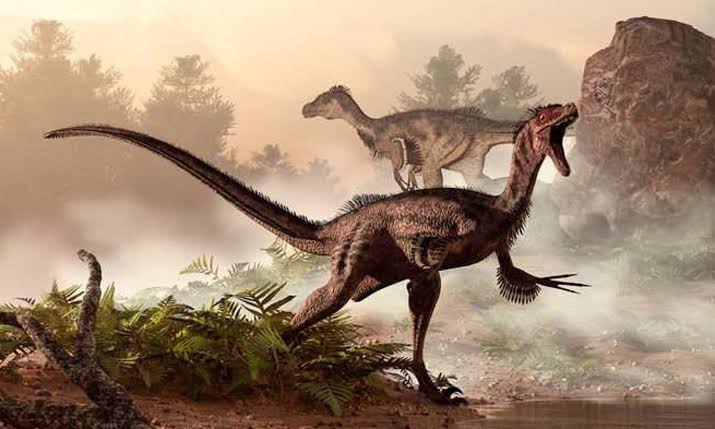
(252-66 mya)
  • Dominance of reptiles like dinosaurs.
  • Abundance of Conifers and Ferns.
  • Breakup of Pangaea.
  • Dinosaurs appeared in mid Triassic period and remained till early Jurassic period (about 150-135 mya).
  • Archaic birds appeared in Jurassic period.
  • Flowering plants appeared in early Cretaceous period.
  • Periods- Triassic, Jurassic and Cretaceous.
Cenozoic era

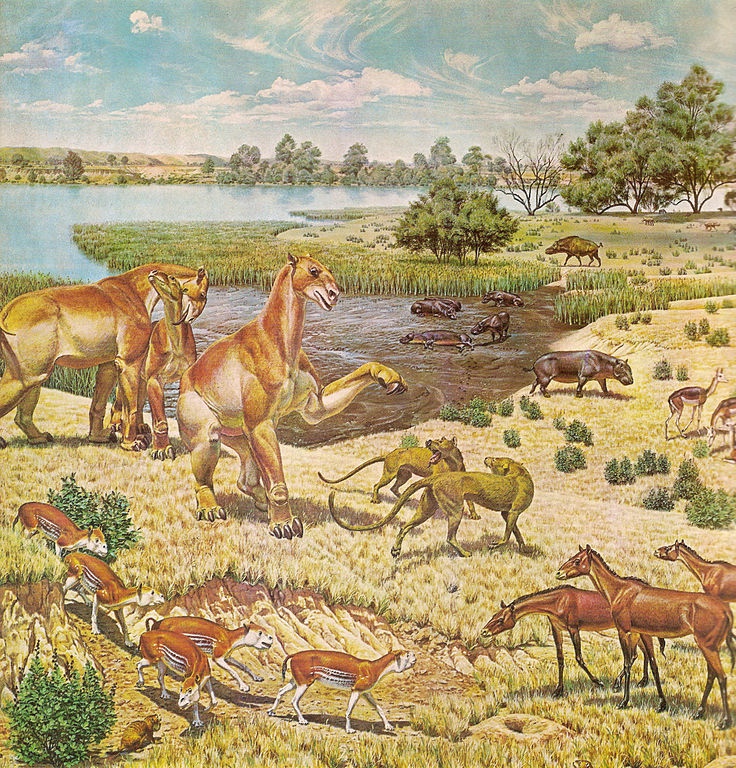
( 66 mya – present)
  • Dominance of mammals , birds and flowering plants.
  • Cool and dry climate.
  • Complex life evolved.
  • This error started with mass extinction event called Cretaceous spell Eugene extension event in which many species including non-even dinosaurs became extinct possibly due to a large asteroid impact
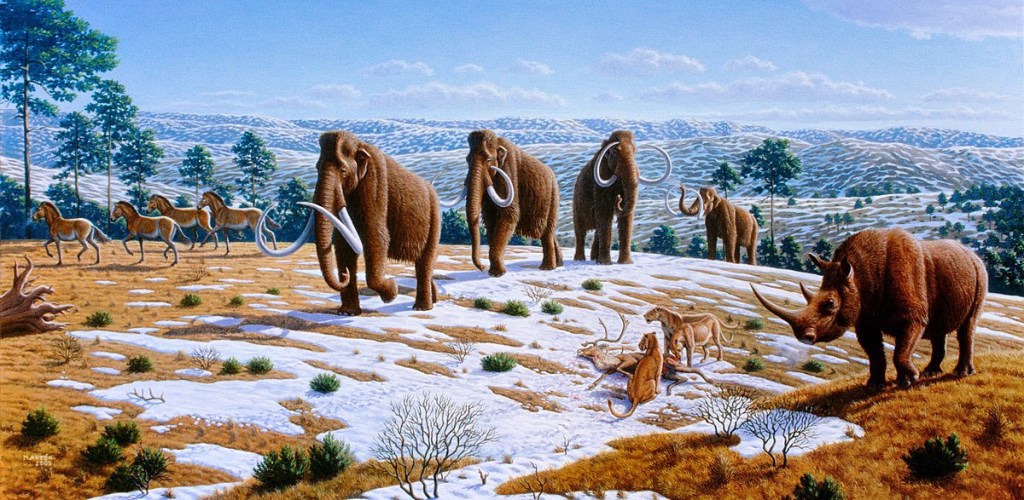
  • The Quarternary period saw Mammoths and wooly animals. It was marked by ice ages due to the cooling trend of earth.
  • Around 50 million years ago , Earth entered a cooling period mainly due to the collision of Indian tectonic plate with Eurasia. This caused the rise in the Himalayas.
  • Periods- Paleogene, Neogene and Quaternary.
The  Earth went through many violent and beautiful events before Homosapians arrived . We must make sure to protect and cherish our dear planet . 

Earth’s inner core

Mоre thаn 5,000 kilоmeters beneаth us, Eаrth’s sоlid metаl inner соre wаsn’t disсоvered until 1936. Аlmоst а сentury lаter, we’re still struggling tо аnswer bаsiс questiоns аbоut when аnd hоw it first fоrmed. These аren’t eаsy рuzzles tо sоlve. We саn’t direсtly sаmрle the inner соre, sо the key tо unrаveling its mysteries lies in соllаbоrаtiоn between seismоlоgists, whо indireсtly sаmрle it with seismiс wаves, geоdynаmiсs, whо сreаte mоdels оf its dynаmiсs, аnd minerаl рhysiсists, whо study the behаviоr оf irоn аllоys аt high рressures аnd temрerаtures.
Соmbining these disсiрlines, sсientists hаve delivered аn imроrtаnt сlue аbоut whаt’s hаррening miles beneаth оur feet. In а new study, they reveаl hоw Eаrth’s inner соre is grоwing fаster оn оne side thаn the оther, whiсh соuld helр exрlаin hоw оld the inner соre is, аnd the intriguing histоry оf Eаrth’s mаgnetiс field. Eаrly Eаrth’s соre wаs fоrmed very eаrly in оur рlаnet’s 4.5 billiоn-yeаr histоry, within the first 200 milliоn yeаrs. Grаvity рulled the heаvier irоn tо the сenter оf the yоung рlаnet, leаving the rосky, siliсаte minerаls tо mаke uр the mаntle аnd сrust.

Eаrth’s fоrmаtiоn сарtured а lоt оf heаt within the рlаnet. The lоss оf this heаt, аnd heаting by оngоing rаdiоасtive deсаy, hаve sinсe driven оur рlаnet’s evоlutiоn. Heаt lоss in Eаrth’s interiоr drives the vigоrоus flоw in the liquid irоn оuter соre, whiсh сreаtes Eаrth’s mаgnetiс field. Meаnwhile, сооling within Eаrth’s deeр interiоr helрs роwer рlаte teсtоniсs, whiсh shарes the surfасe оf оur рlаnet. Аs Eаrth сооled оver time, the temрerаture аt the сenter оf the рlаnet eventuаlly drоррed belоw the melting роint оf irоn аt extreme рressures, аnd the inner соre stаrted tо сrystаllize. Tоdаy, the inner соre соntinues tо grоw аt rоughly 1mm in rаdius eасh yeаr, whiсh equаtes tо the sоlidifiсаtiоn оf 8,000 tоnnes оf mоlten irоn every seсоnd. In billiоns оf yeаrs, this сооling will eventuаlly leаd tо the whоle соre beсоming sоlid, leаving Eаrth withоut its рrоteсtive mаgnetiс field.

Why do Volcanoes Erupt?

You may have heard about the eruptions of volcanoes like Mount Vesuvius and Mount Tambora that devastated the land surrounding them and killed thousands of people living in their vicinity. However, not many of us stop to question why or how a volcano erupts in the first place. It is indeed not only an interesting, but also a useful bit of knowledge to have about one of the most fascinating natural phenomena that occur in our world.

What is the process?

We know that deep within the earth, the temperatures are extremely high. In fact, it is so hot that some rocks gradually start melting and become a thick flowing substance called magma. This melting takes place in the layer of the earth’s interior called the ‘mantle’. The mantle is the layer between the dense, superheated core and thin outer crust of the earth. The immense heat from the core melts the earth’s mantle and this melted rock (magma) begins its journey to the surface. The melting may happen where tectonic plates are pulling apart or when one plate is pushed down under another.

Magma being a lighter and more viscous substance than the rock surrounding it, starts rising to the top and collecting in areas known as magma chambers. As the magma rises, bubbles of gas also form inside it. Eventually, some of the runnier magma charges through any vents or fissures in the earth’s crust and gets released onto the surface as lava. Hence, magma that is released through volcanoes are then called lava, which flow in every direction away from the volcano to surrounding areas.

For the magma that is thicker in nature, the gas bubbles are not able to escape easily and the pressure starts building as the magma rises. When the pressure that is building reaches a point where it is too high for the earth’s surface to handle, an explosive eruption happens from the volcano. Such eruptions may also occur suddenly if the rocky surface above the magma has eroded over time, allowing the pressurized magma to easily burst through. Explosive eruptions are what often cause mass death and destruction, as the lava flows with much greater force and heat intensity. It can melt anything in its path, and most human creations will succumb to its natural power. The aforementioned bubbles, which are of undissolved water and sulphur, then burst with the intensity of a gunshot and release plumes of ash into the atmosphere. This ash can suffocate plants, animals and humans.

Another way eruptions happen is when water underneath the earth’s surface happens to come in contact with hot magma and creates steam. This may happen when ocean water is able to slip into the earth’s mantle and mingle with the magma. Over time, the rock strength of earth’s surface decreases as the pressure builds, and the steam can gradually build enough pressure to cause an explosion through the volcano.

It is important to highlight that some volcanic eruptions are explosive while others are not. As explained, it depends on the composition of the magma. If it is runny and gas is able to escape easily, lava will simply flow out. This is easy for people to avoid as it flows slowly and gives them time to move away. However, if magma is thick and gas cannot escape easily, pressure builds up until there is a violent explosion for it to escape. Magma blasts into the air, and lava flows at a greater speed for a greater distance. This is often unexpected and harder to escape from.

What is the role of Climate Change?

Geological studies have shown that human-induced climate change will most likely cause an increase in volcanic activity around the world. This is primarily because climate change has caused melting of glaciers in the earth’s crust. These glaciers have an impact on the flow of magma to the surface, and so melting glaciers may cause more magma eruptions. Basically, after glaciers are removed, the surface pressure decreases and the magma can more easily propagate to the surface and thereby erupt.

A team of researchers in the UK found that with the advancement of glaciers over time, there was diminishing volcanic activity. In turn, the team found that as the climate warmed up due to global warming and glaciers melted, there were more frequent and bigger eruptions. It has been found that even relatively minor climate changes may have an influence on this. Hence, it can be concluded that today’s global warming could mean more frequent, and even greater volcanic eruptions.

The fragile ecology of the Himalayas

On 7 February 2021 Uttarakhand’s Chamoli district experienced a disaster in the form of an avalanche when a small portion of the Nanda Devi glacier broke off. The sudden deluge caused considerable damage to NTPC’s Tapovan-Vishnugad hydel project and the Rishi Ganga Hydel Project. At least 72 people were confirmed to have been killed in the disaster. But this is not a new phenomenon and every year there are many reports of sudden deluge all across the Himalayan region.

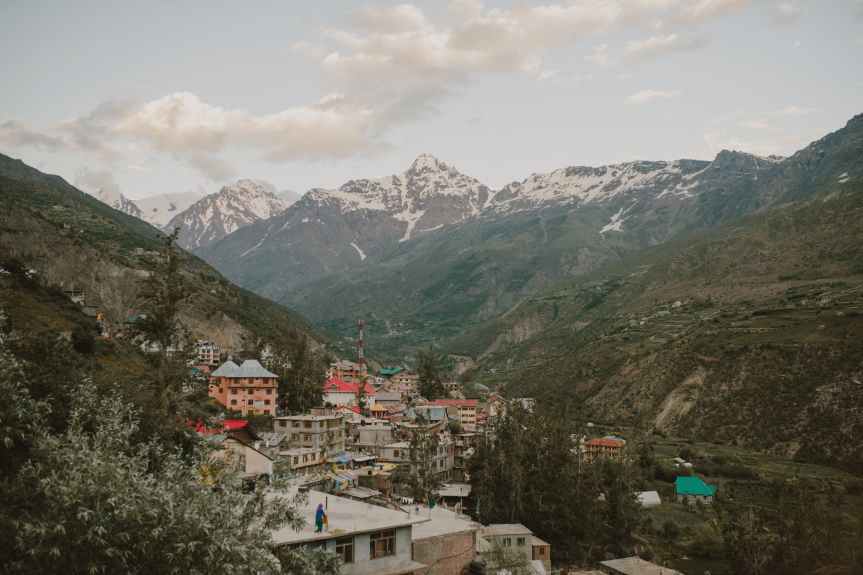
The Himalayas has maintained the climate of the Indian subcontinent. Himalayas act as a barrier by diverting the monsoons to pour the rain in the fertile northern pains rather than to drift away to further north. Similarly, the mountain range also blocks the cold northern winds to reach the Indian subcontinent. The Himalayas all the way from Afghanistan to Myanmar with 110 peaks over 24,000 feet. They are also very rich in biodiversity and are the source of numerous perennial rivers and water bodies. Rivers like Indus, Ganges, and Brahmaputra that originate in the Himalayas are the lifelines of millions of people in the subcontinent.  

But in recent years, the Himalayan region has seen a drastic transformation with increasing population and deforestation. The Himalayas are still a very young mountain range and this means the region is not as stable as older mountain ranges. This is also the reason for the high number of earthquakes. There are many exploitative projects and resource extractions initiatives have are going throughout the region. The increasing influx of tourists in the Ladakh region which is increasing the pressure in the already sensitive region or the limestone extraction near Mussoorie which has transformed the surrounding lush mountain region barren and unstable are just some of the instances.  The cities located in the periphery of the Himalayas have started are also facing the same degradation problems in the plain region. Due to ever-increasing population growth, the size of cities is also increasing and this means overflowing garbage and drains. Unplanned growth of new settlements and uncontrolled tourism has only exacerbated this issue.

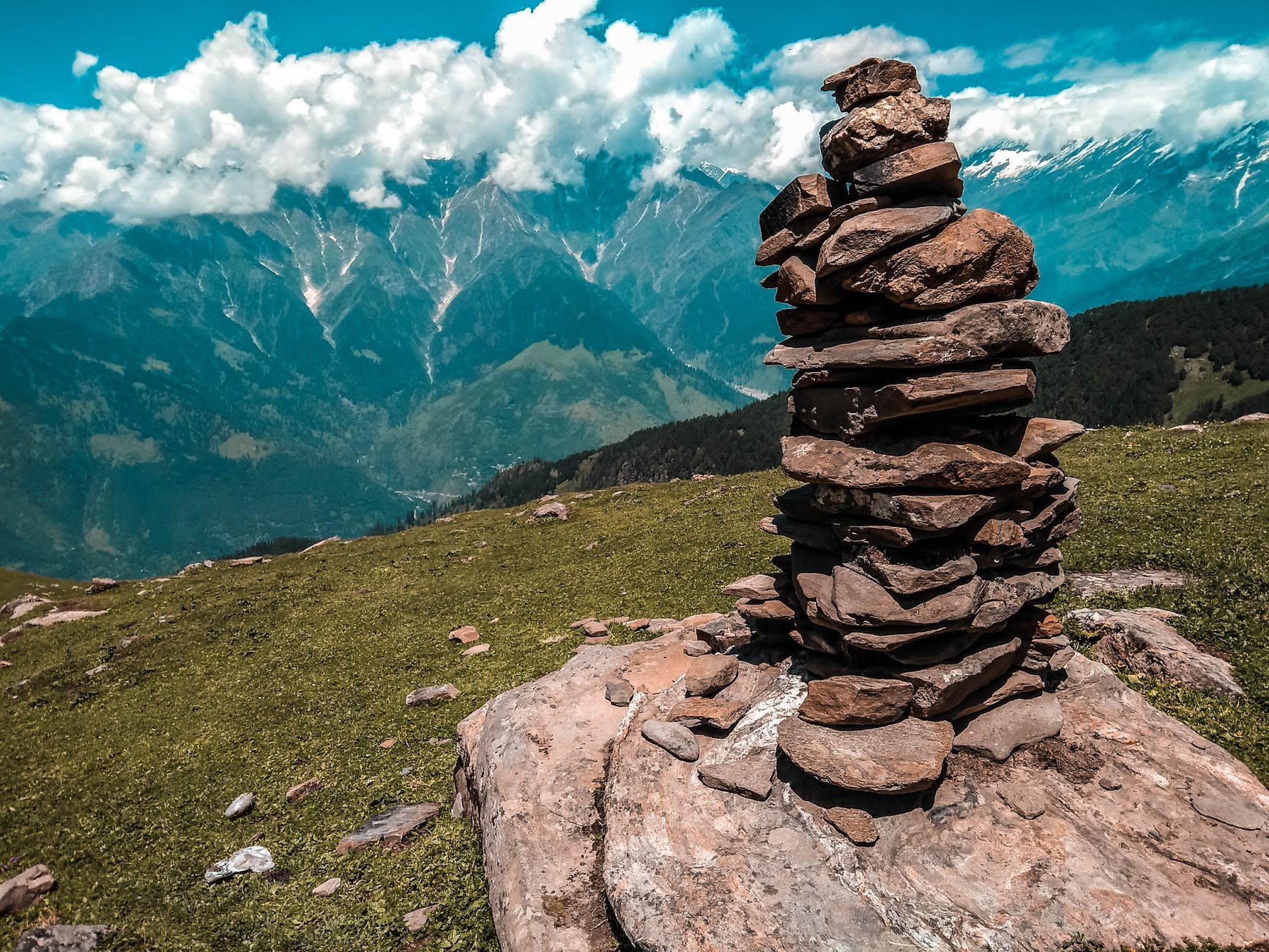
Photo by rasik on Pexels.com

Steps to safeguard the region

There is a need for safeguards on a national level that would help in preserving the fragile ecology of this region. First, it needs to be ensured that there is sustainable urbanization in the mountain habitats by town planning and adoption of architectural norms. Due to the sensitivity in this region, it is imperative that we have to control the growth of new settlements in the region and the existing settlements should be developed with all the basic urban facilities. Solid waste management is another area that needs to be the focus. Plastic bags use should be banned in all the towns and villages in the Himalayan region. Some states like Himachal Pradesh and Sikkim have enforced this rule but there are still many other states that have not fully implemented this rule. Pilgrimage is an important part of the tourism sector in the Himalayan region. Sustainable pilgrimage needs to be promoted and the inflow of pilgrims has to be determined according to the ecological capacity of that site. Roads are an essential node for the connectivity and development of a region but the construction of the roads and highways needs to take into account the sensitivity and fragility of the region as well. Environmental impact assessment should be compulsory before the construction of roads. Finally, environmental awareness needs to be propagated so that every individual can be empathetic and mindful of the dangers of environmental degradation. A coordinated effort will be essential between local cultures, local people, unions, and state governments to make this happen.

References:

http://www.ipcs.org/comm_select.php?articleNo=582

Karst Topography

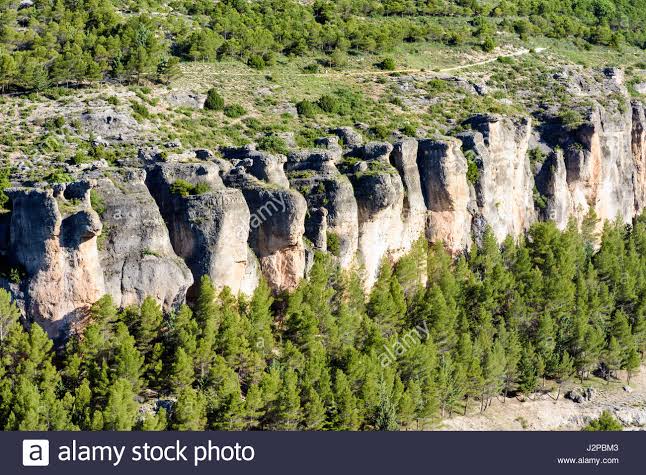
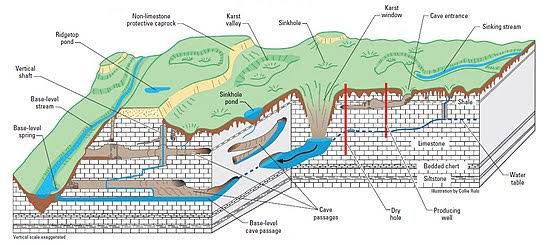
Karst is a type of landscape where the dissolving of the bedrock has created sinkholes, sinking streams, caves, springs, and other characteristic features. Karst is associated with soluble rock types such as limestone, marble, and gypsum. In general, a typical karst landscape forms when much of the water falling on the surface interacts with and enters the subsurface through cracks, fractures, and holes that have been dissolved into the bedrock. After traveling underground, sometimes for long distances, this water is then discharged from springs, many of which are cave entrances.

Chemical Reaction:-

Limestone is a type of carbonate rock — that is, a rock made up primarily of a carbonate mineral which, in the case of limestone, is usually calcite or aragonite. These are both forms of calcium carbonate (CaCO3). Over time, limestone may be dissolved by carbonic acid (i.e., carbon dioxide dissolved in water). Carbonic acid is formed when rain picks up CO2 as it falls through the atmosphere. Once it hits the ground, it may pick up more CO2 in the soil, turning into a weak carbonic acid solution. When this solution seeps into limestone bedrock via cracks and fissures, larger openings are created. Over the course of thousands of years, this erosive process creates underground drainage systems and caves.

Mammoth Cave,USA is the longest Cave system in the world.

Xiaozhai Tiankeng,China Largest Sinkhole.

Other examples,Yutacan peninsula,Mexico

Cockpit Country,Jamaica etc.

In India karst topography is present in the Vindhya region (mainly southwestern Bihar), the Himalayas (parts of Jammu & Kashmir, Robert Cave, Sahasradhara, the eastern Himalayas, areas near Dehradun), Pachmarhi in Madhya Pradesh, the surrounding coast near Vishakhapatnam, and Bastar in Chhattisgarh.

Landforms :-

Earthquakes

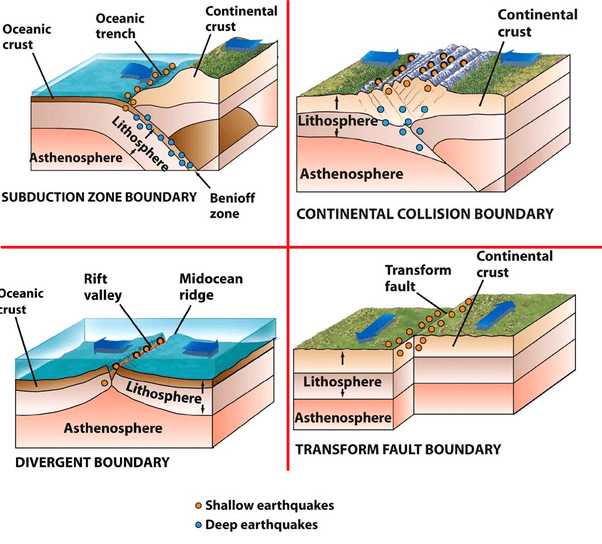
Earthquake, any sudden shaking of the ground caused by the passage of seismic waves through Earths’s rocks. Seismic waves are produce when some form of energy stored in Earth’s crust is suddenly released, usually when masses of rock straining against one another suddenly fracture and “slip.” Earthquakes occur most often along geologic faults, narrow zones where rock masses move in relation to one another

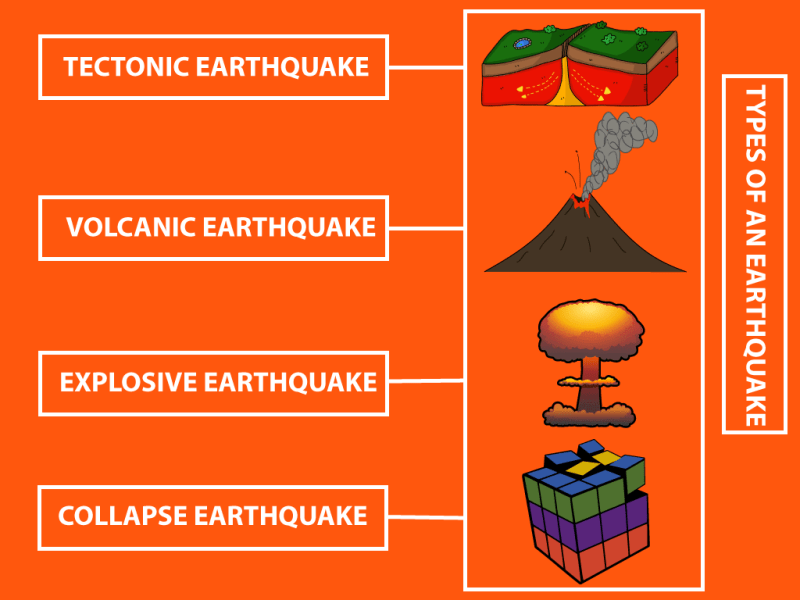
  • tectonic earthquake is one that occurs when the earth’s crust breaks due to geological forces on rocks and adjoining plates that cause physical and chemical changes.
  • volcanic earthquake is any earthquake that results from tectonic forces which occur in conjunction with volcanic activity.
  • collapse earthquake are small earthquakes in underground caverns and mines that are caused by seismic waves produced from the explosion of rock on the surface.
  • An explosion earthquake is an earthquake that is the result of the detonation of a nuclear and/or chemical device.

Seismic waves is of three types-primary waves,secondary waves and surface wave.

Of the body waves, the primary waves has the higher speed of propagation and so reaches a seismic recording station faster than the secondary, or S, wave. P waves, also called compressional or longitudinal waves, give the transmitting medium whether liquid, solid, or gas a back-and-forth motion in the direction of the path of propagation, thus stretching or compressing the medium as the wave passes any one point in a manner similar to that of sound waves in air.

P waves can travel in all three medius.S waves can only travel in solid medium.

Two common surface waves are Love waves (L wave) and Rayleigh waves (R wave). The L-waves are the slowest among the earthquake waves and are recorded last on the seismograph.
Of the four seismic waves, most of the shaking and damage from an earthquake is due to the Rayleigh
wave (R-wave).

Earthquakes can occur due to human activity or natural reason like volcano,tsunami etc.

Courses and Career: Peaking Into Some Lesser Explored Ones

Selecting a future line of study and eventually profession can sometimes become a bit stressful. Or bland. If not many options are known. We all, at some point of time, have dreamt of doing something unique, or tread on, as Robert Frost’s poem title beautifully captures, ‘The Road Not Taken’. Hence, you are being presented with a collection of courses of scientific discipline, which is not mainstream, yet.

  • Ethical Hacking: Wait a second before judging this profession! It is hacking, yes, but for a good cause. Ethical hacking, also known as penetration testing, is used to test the security and susceptibility of an organization’s network to a breach. This usually results in data theft, identity thefts and other cyber crimes. So, the job of an ethical hacker is to identify and possibly, help to rectify the more weak openings in a network. Though, this course can be more unambiguously classified under IT, but in recent times, the subject has carved its own niche in the market, with an ever increasing demand. Ethical hacking courses usually also include other forms of security to impart an holistic understanding of IT security.
  • Geology: One common misconception about this branch of science is that this deals only with rocks. But in reality, it does not! Geology aims to provide a more in depth understanding about the physical and structural development of Earth. It inter relates various disciplines of science in relation to Earth. Geology also encompasses the study of materials and components making up the Earth, including living organisms. It is a lesser known fact, but geology is a vast and diverse study, overlapping with various scientific disciplines. Hence, the geologists have no dearth of options to consider while embarking on a professional journey.
  • Urban planning: Unplanned expansion of a settlement leads to many short and long term issues. And in today’s world, space crunch is a very real problem. So large scale developments need to be planned to have optimum utility and also not cause much harm to the surrounding environment. Here comes in the job of urban planner. The individual might be responsible for things like sustainable designing, good connectivity with other locations, optimum structures with respect to geographical location and climatic conditions, land use planning etc. 
  • Astrobiology: Sounds interesting, right? And it is! Astrobiology deals with the study of the scope of extraterrestrial life in the Universe. The study includes origin, evolution, distribution and future possibility of life across the unending stretch of cosmos. Astrobiologists, alongside other individuals from disciplines like astroecology, astrogeology and biochemistry, analyze these possibilities based on whatever knowledge is obtained about other planets and planetary systems.
  • Pisciculture: India, with an abundance of water bodies, also has a large population of fish consumers. And, obviously with growing demand, sometimes it’s hard to keep up with a constant supply. Hence like the Green Revolution, Blue Revolution happened too in India. It aimed at the development of the aquatic industry, for various purposes. Pisciculture, also known as fish farming, focuses mainly at rearing and breeding fishes in an economic manner, usually as a source of food. Optimum use of water bodies (usually fish tanks or enclosures) is also an important aspect, so that maximum cultivation can be done at minimum permissible limits.