Tired of the day-to-day struggle with gushing skin, choked pores, and dull skin? Bring back immaculate skin that looks immature and canvas-free with the power of Cranked Charcoal &Coffee.Crafted with the integrity of nature, Mamaearth Charcoal Face Wash pulls out poisons and contaminants from deep within the pores. The integrity of Coffee tightens skin pores and promotes yea skin tone to give you an canvas-free glowing complexion.
Neutrogena is notable for making face fens for fulsome, acne-prone skin. This is your most solid option in the event that you have fulsome, and acne-prone skin. Delicate on your skin yet extreme on skin inflammation, the specific canvas-free equation tenderly purifies your skin from deep out. This face fen for fulsome skin contains Salicylic acid which is known to dispose of skin break out and reduces coming bunks.
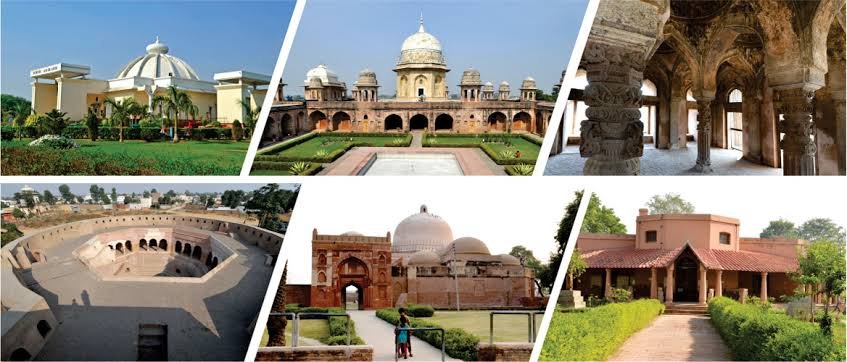
Haryana is a state in India located in the northern part of the country. It was carved out of the former state of East Punjab on 1 November 1966 on a linguistic basis. It is ranked 22nd in terms of area, with less than 1.4% of India’s land area. Chandigarh is the state capital, Faridabad in National Capital Region (NCR) is the most populous city of the state, and Gurgaon is a leading financial hub of the NCR, with major Fortune 500 companies located in it. Haryana has 6 administrative divisions, 22 districts, 72 sub-divisions, 93 revenue tehsils, 50 sub-tehsils, 140 community development blocks, 154 cities and towns, 6,848 villages, and 6,222 villages panchayats.
Music Edit Main article: Music of Haryana Haryana has its own unique traditional folk music, folk dances, saang (folk theatre), cinema, belief system such as Jathera (ancestral worship), and arts such as Phulkari and Shisha embroidery.
Folk theatre and dances Edit Folk music and dances of Haryana are based on satisfying cultural needs of primarily agrarian and martial natures of Haryanavi tribes.
Haryanvi musical folk theatre main types are Saang, Rasa lila and Ragini. The Saang and Ragini form of theatre was popularised by Lakhmi Chand.
Haryanvi folk dances and music have fast energetic movements. Three popular categories of dance are: festive-seasonal, devotional, and ceremonial-recreational. The festive-seasonal dances and songs are Gogaji/Gugga, Holi, Phaag, Sawan, Teej. The devotional dances and songs are Chaupaiya, Holi, Manjira, Ras Leela, Raginis). The ceremonial-recreational dances and songs are of following types: legendary bravery (Kissa and Ragini of male warriors and female Satis), love and romance (Been and its variant Nāginī dance, and Ragini), ceremonial (Dhamal Dance, Ghoomar, Jhoomar (male), Khoria, Loor, and Ragini).
Folk music and songs Edit Haryanvi folk music is based on day to day themes and injecting earthly humour enlivens the feel of the songs. Haryanvi music takes two main forms: “Classical folk music” and “Desi Folk music” (Country Music of Haryana), and sung in the form of ballads and love, valor and bravery, harvest, happiness and pangs of parting of lovers.
Classical Haryanvi folk music Edit Classical Haryanvi folk music is based on Indian classical music. Hindustani classical ragas, learnt in gharana parampara of guru–shishya tradition, are used to sing songs of heroic bravery about the bravery of Alha and Udal, Jaimal and Patta of Maharana Udai Singh II), Brahmas worship and festive seasonal songs (such as Teej, Holi and Phaag songs of Phalgun month near Holi). Bravery songs are sung in high pitch.




 Eduindex
You must be logged in to post a comment.