

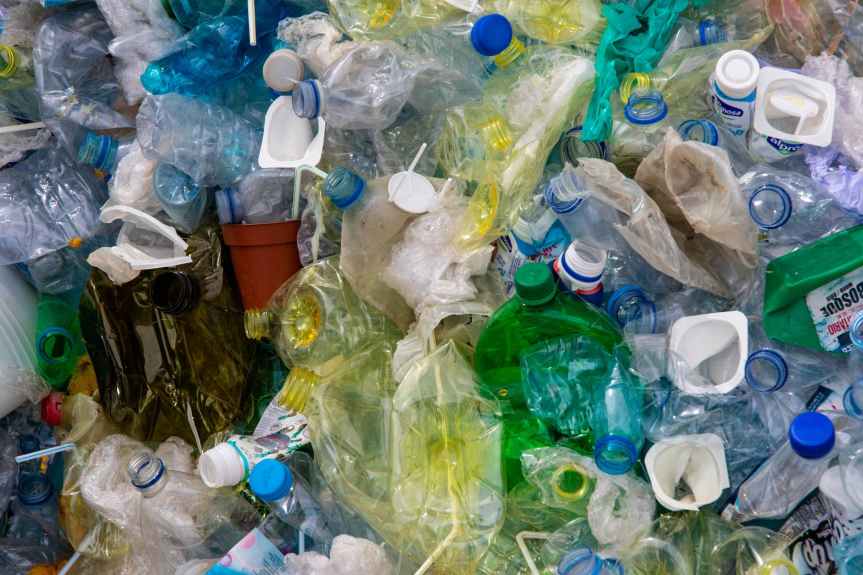
Single Use plastics are goods that are made primarily from fossil fuel based chemicals (petrochemicals) and are meant to be disposed off right after use, often in mere minutes. Single use plastics are most commonly used for packaging and service ware such as bottles, wrappers, straws and bags.
Plastic is among the most popular and important material used in the modern world. But due to the fact that it is non biodegradable, it is essential that it is prevented, recycled and recovered.
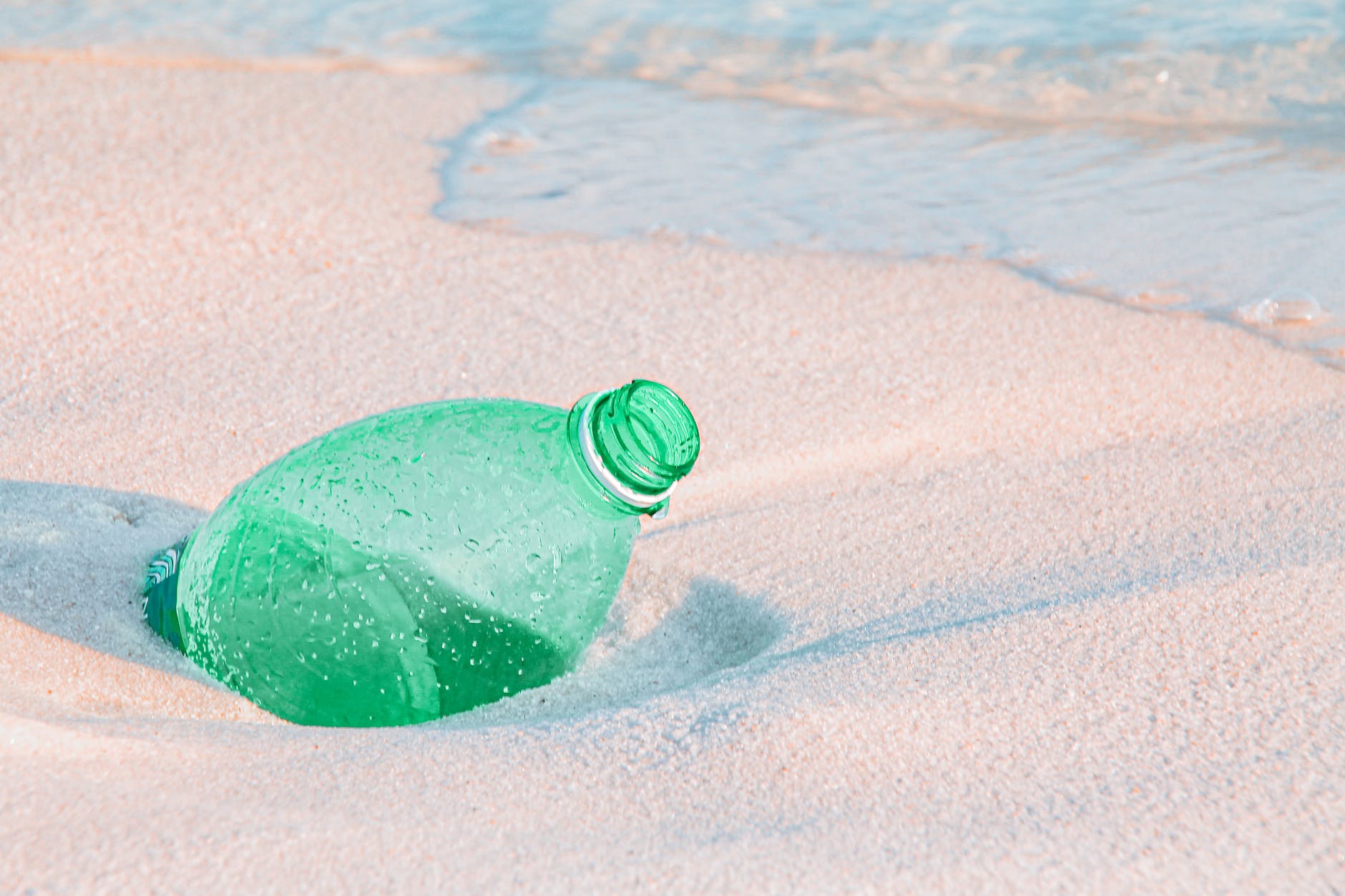
We produce 300million tons of plastic each year worldwide, half of which is for single use items. That is nearly equivalent to the weight of the entire human population. Reducing plastic use is the most effective means of avoiding this waste. Although single use plastic pollution accumulates most visibly on our streets, it is the water bodies which suffer even more. Litter can be the first stage in a waste stream thatenters waterways as plastics tossed on the street are washed away byrain or travel via storm drains into rivers and streams. Ten of the rivers carry 93% of the world’s totalampunt of plastic that enters the oceans via rivers each year. Marine animals bear the burden of this influx of garbage into their habitats.
Not only does banning single use plastic reduce pollution, but it also reducesdemand for plastic production that contributes to global climate change. These bans on single use plastic have many cultural effects too. Companies are forced to innovate, rethinking their designs and sourcing sustainable materials. The prevention action can include strategy for plastics in a circular economy, mandatory fee on single use place bags, phase out of single use bags.
The Central Government of India issued guidelines to states, asking them to ban the use of single use plastics effective from July1, 2022.
Some goals to keep in mind:
- By 2030, only reusable or recyclable plastic packaging should be used,
- 75% recycling of packaging waste should be achieved,
- A binding agreement should be issued to reduce landfill to less that 10% of MSW,
- Plans to coordinate beach cleanups.
These are a few goals that the states as well as the people should focus on while undergoing the ban of single use plastics. Such plastics give rise to numerous health as well as environmental hazards. Thus, it should be our prime responsibility for change our habits and go for the healthier options both for ourselves as well the environment.
 Eduindex
You must be logged in to post a comment.