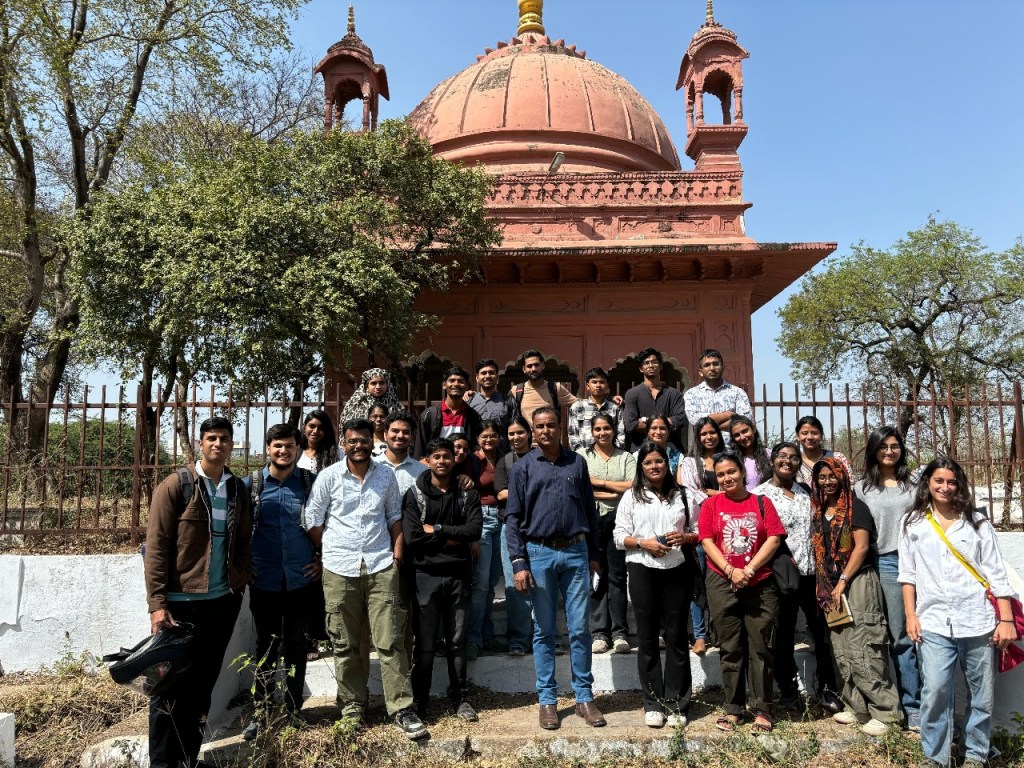
Bhopal: The historic Bada Bagh stepwell and mausoleums in Bhopal are undergoing conservation efforts under the guidance of Professor Jagdish Singh from the Department of Architecture and Planning, MANIT Bhopal, in collaboration with the INTACH Bhopal Chapter. This remarkable heritage site, dating back to 1809-1816, is a three-story deep stepwell located within the Bada Bagh cemetery. Originally commissioned by Nawab Wazir Mohammad Khan, it was later preserved and maintained by Nawab Qudsia Begum.
The site also houses the mausoleums of Wazir Mohammad Khan (1806-1816) and his son, Nazar Mohammad Khan (1816-1819). Following Nazar Mohammad Khan’s demise, Qudsia Begum constructed her husband’s tomb within the same premises, at which point the stepwell became known as Nazar Bagh. A detailed architectural study has revealed intricate design elements, including colonnaded structures adorned with arches and slender pillars, showcasing the craftsmanship of that era.
The conservation efforts focus on structural stabilization, documentation of architectural details, and restoring the stepwell’s original grandeur. Special attention is being given to preserving the ornamental structures surrounding the well. This initiative bridges academic research with practical heritage conservation, ensuring that Bada Bagh’s historical significance is safeguarded for future generations. Awareness programs are also being conducted to highlight the site’s cultural heritage.
Through collective restoration efforts, this project aims to revive the architectural marvel of Bada Bagh, cementing its place as an invaluable part of Bhopal’s historical and cultural legacy.
Nunavut Day, observed annually on July 9th, commemorates the establishment of the Canadian territory of Nunavut in 1993. This special day is a celebration of Inuit culture, heritage, and the contributions of the Inuit people to Canada and the world. It serves as a reminder of the importance of preserving and honoring Indigenous traditions while fostering understanding and respect for their way of life.
The Creation of Nunavut
Historical Significance
Nunavut, meaning “Our Land” in Inuktitut, was officially established as a Canadian territory on April 1, 1999, through the Nunavut Act and the Nunavut Land Claims Agreement Act. This historic event marked the culmination of decades of advocacy by the Inuit and recognition of their rights to self-governance and land ownership in the Canadian Arctic.
Inuit Homeland
Nunavut encompasses a vast and remote region in northern Canada, spanning approximately 2 million square kilometers. It is home to a population predominantly composed of Inuit, who have inhabited these lands for millennia and have a rich cultural heritage deeply intertwined with the Arctic environment.
Celebrating Nunavut Day
Honoring Inuit Culture and Heritage
Nunavut Day is a time to celebrate and showcase the vibrant traditions, language, art, music, and storytelling of the Inuit people. It provides an opportunity for Inuit communities across Nunavut and Canada to come together and share their cultural pride with the broader population.
Educational and Cultural Events
Communities celebrate Nunavut Day with various events and activities:
Cultural Festivals: Featuring traditional dances, drumming, throat singing, and Inuit games.
Art Exhibitions: Showcasing Inuit sculpture, printmaking, and other forms of visual art that depict Arctic life and landscapes.
Workshops and Demonstrations: Teaching traditional skills such as hunting, fishing, sewing, and igloo building.
Community Feasts: Sharing traditional foods such as seal, caribou, Arctic char, and bannock bread.
Promoting Understanding and Respect
Nunavut Day serves as a platform to raise awareness about the challenges and opportunities facing Inuit communities today. It encourages dialogue on issues such as environmental conservation, climate change adaptation, cultural preservation, and social and economic development in the Arctic.
Preserving Inuit Traditions
Language and Education
Efforts are ongoing to promote and preserve the Inuit language (Inuktitut) through language immersion programs, bilingual education, and cultural initiatives. Language is integral to preserving Inuit knowledge, storytelling, and oral traditions that have been passed down through generations.
Environmental Stewardship
Inuit communities have a deep connection to the Arctic environment and play a crucial role in environmental stewardship and conservation. They advocate for sustainable resource management practices that respect traditional hunting and fishing rights while addressing the impacts of climate change on Arctic ecosystems.
Cultural Resilience
Despite historical challenges and cultural disruptions, the Inuit people have shown resilience and determination in preserving their identity, values, and way of life. Nunavut Day celebrates their resilience and contributions to Canada’s cultural mosaic.
Looking to the Future
Empowerment and Self-Determination
Nunavut Day symbolizes the journey towards empowerment and self-determination for Inuit communities in Nunavut and beyond. It highlights the importance of supporting Indigenous rights, governance, and economic development initiatives that empower communities to shape their own futures.
Unity and Solidarity
As Canada continues to strive for reconciliation and healing with its Indigenous peoples, Nunavut Day serves as a reminder of the importance of unity, solidarity, and mutual respect among all Canadians. It encourages ongoing efforts to build bridges and foster meaningful partnerships with Indigenous communities.
Conclusion
Nunavut Day is a time to celebrate the establishment of Nunavut as a territory and to honor the rich cultural heritage and contributions of the Inuit people. It is a day of pride, reflection, and celebration of Inuit traditions, language, resilience, and ongoing efforts to preserve their unique way of life. As we commemorate Nunavut Day on July 9th, let us embrace the spirit of unity, respect, and cultural diversity that defines Canada’s northernmost territory.
Feel free to share this article to raise awareness about Nunavut Day and celebrate the cultural richness and contributions of the Inuit people.
India is a country with a rich and diverse cultural heritage, and there are numerous heritage sites that showcase this rich cultural legacy. Here are the top ten heritage sites of India:
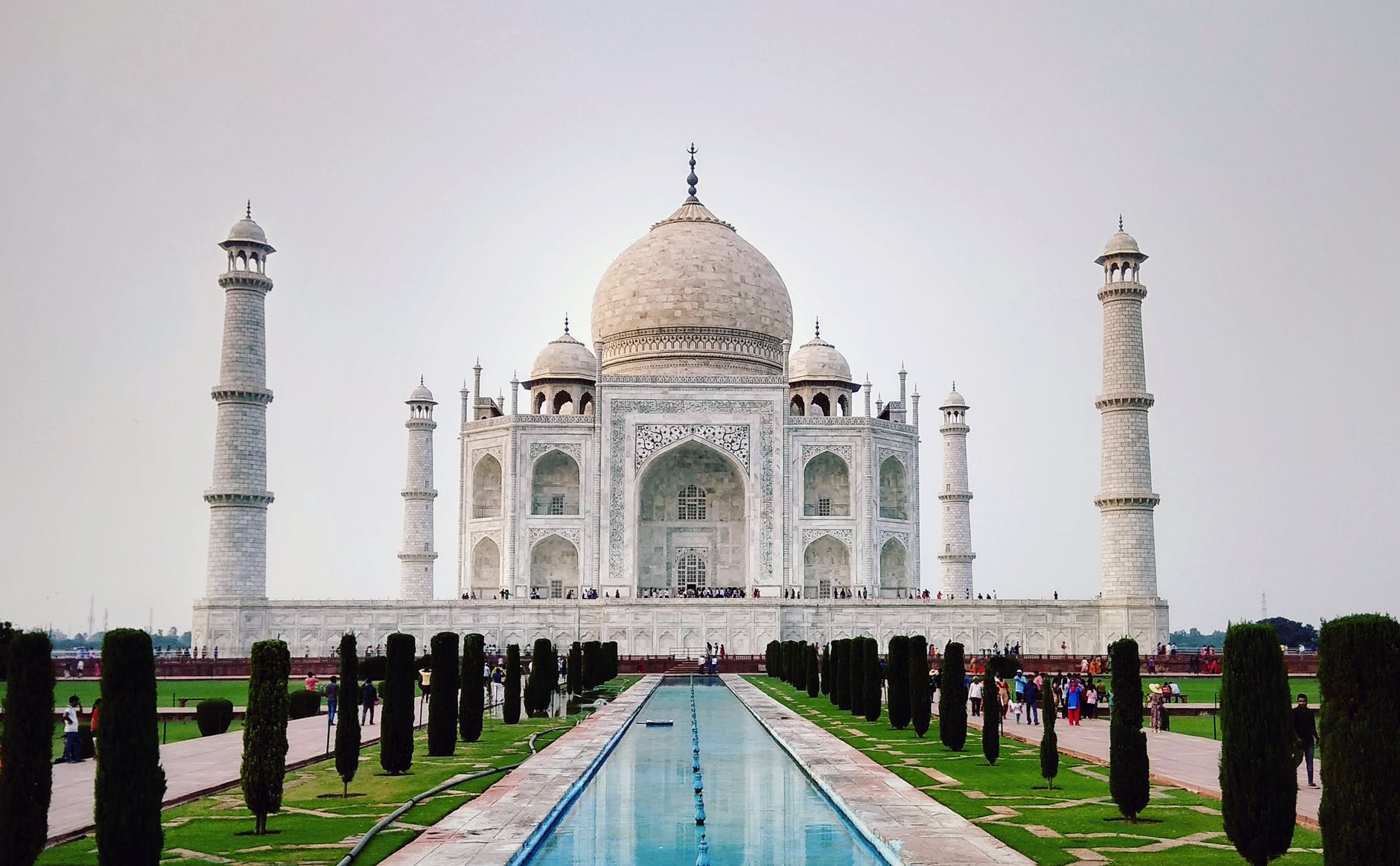
Taj Mahal – A mausoleum in Agra, Uttar Pradesh, built by Mughal Emperor Shah Jahan in memory of his wife Mumtaz Mahal.
Khajuraho – A group of Hindu and Jain temples in Madhya Pradesh, known for their intricate carvings and sculptures.
Hampi – An ancient city in Karnataka, once the capital of the Vijayanagara Empire, famous for its ruins and temples.
Ajanta and Ellora Caves – A group of Buddhist, Jain, and Hindu caves in Maharashtra, featuring some of the most exquisite rock-cut sculptures and paintings.
Konark Sun Temple – A 13th-century temple in Odisha, built in the form of a chariot, with intricate carvings depicting Hindu mythology.
Mahabodhi Temple – A Buddhist temple in Bodh Gaya, Bihar, believed to be the site where Buddha attained enlightenment.
Fatehpur Sikri – A deserted city in Uttar Pradesh, built by Mughal Emperor Akbar, featuring several palaces, mosques, and other structures.
Qutub Minar – A 73-meter-high tower in Delhi, built in the 13th century, featuring intricate carvings and inscriptions.
Amer Fort – A hilltop fort in Rajasthan, known for its grand architecture, ornate carvings, and stunning views.
Sanchi Stupa – A Buddhist monument in Madhya Pradesh, dating back to the 3rd century BCE, featuring intricate carvings and sculptures depicting the life of Buddha.
These heritage sites not only showcase India’s rich cultural heritage but also attract tourists from all over the world, making them an essential part of India’s tourism industry.
The Prime Minister, Shri Narendra Modi flagged off the World’s Longest River Cruise-MV Ganga Vilas and inaugurated the Tent City at Varanasi via video conferencing today. He also inaugurated and laid the foundation stones for several other inland waterways projects worth more than Rs. 1000 crores during the event. In line with the Prime Minister’s endeavour to boost river cruise tourism, the huge untapped potential of river cruises will get unlocked with the launch of this service and it will herald a new age of river cruise tourism for India.
Addressing the gathering, the Prime Minister hailed Lord Mahadev and greeted everyone on the auspicious occasion of Lohri. The Prime Minister emphasised charity, faith, tapasya and faith in our festivals and the role of rivers in them. This makes the projects related to river waterways all the more significant, he said. He pointed out that the longest river cruise from Kashi to Dibrugarh is being flagged off today which will bring to the fore, places of tourism in North India on the world tourism map. He said other projects being dedicated today in Varanasi, West Bengal, Uttar Pradesh and Bihar, Assam worth 1000 crore will give a push to the tourism and employment potential in eastern India.
Underlining the central role of river Ganga in the life of every Indian, the Prime Minister lamented that the area around the banks lagged behind in development in the post-independence period thereby leading to a massive exodus of population from this area. The Prime Minister elaborated on a twin approach to address this unfortunate situation. On the one hand, the campaign to clean Ganga was undertaken through Namami Gange and ‘Arth Ganga’ was taken up on the other. In ‘Arth Ganga’ steps have been taken to create an environment of economic dynamism in the states from where Ganga passes.
Directly addressing the tourists from foreign countries who are traveling on the maiden journey of the cruise, the Prime Minister said, “Today India has everything and a lot beyond your imagination.” He further added that India can only be experienced from the heart as the nation has welcomed everyone with open hearts irrespective of region or religion, creed or country and welcomed tourists from all parts of the world.
Throwing light on the experience of the river cruise, the Prime Minister informed that it has something special for everyone. He added that those seeking spirituality will cover destinations like Kashi, Bodh Gaya, Vikramshila, Patna Sahib and Majuli, tourists looking out for a multinational cruise experience will get the opportunity to via Dhaka in Bangladesh, and those wanting to witness the natural diversity of India will cross through Sundarbans and the forests of Assam. Observing that the cruise will pass through 25 different river streams, the Prime Minister said that this cruise has significant importance for those who have a keen interest in understanding the river systems of India. He also mentioned that it is a golden opportunity for those who want to explore the myriad culinary and cuisines of India. “One can witness the extraordinary amalgamation of the heritage of India and its modernity on this cruise”, the Prime Minister remarked as he shed light on the new era of cruise tourism where new employment opportunities will be created for the youth of the country. “Not just foreign tourists but Indians who traveled to different nations for such an experience can head towards North India now”, the Prime Minister said. He also informed that similar experiences are being readied in other inland waterways of the country to give a boost to cruise tourism while keeping in mind the budget as well as the luxury experience.
The Prime Minister also mentioned that India is entering into a robust phase of tourism as with a growing global profile, curiosity about India is also increasing. That is why, said the Prime Minister, in the last 8 years various steps were taken to expand the tourism sector in the country. Places of faith were developed on priority and Kashi is a live example of such efforts. With improved facilities and the rejuvenation of Kashi Vishvanath Dham, Kashi has seen a huge increase in the number of visiting devotees. This has given a massive boost to the local economy. The New Tent City, infused with modernity, spirituality and faith, will provide a novel experience to the tourists.
The Prime Minister said that today’s event is a reflection of the policies, decisions and direction taken after 2014 in the country. “This decade of the 21st century is a decade of infrastructure transformation in India. India is witnessing a level of infrastructure which was unimaginable a few years ago.” He said from Social infrastructure like houses, toilets, hospitals, electricity, water, cooking gas, educational institutes to digital infrastructure to physical connectivity infrastructure like railways, waterways, airways and roads, all these are strong indicators of the rapid growth of India. In all the fields India is seeing the best and biggest, he pointed out.
The Prime Minister underlined the low usage of river waterways in India before 2014 despite the rich history in this mode of transport in the country. Post 2014, India is harnessing this ancient strength to the cause of modern India. There is a new law and detailed action plan for developing waterways in big rivers of the country. The Prime Minister informed that in 2014 only 5 national waterways were there in the country, now there are 111 national waterways in the country and about two dozen are in operation already. Similarly, there has been a 3 times increase in cargo transportation via river waterways from 30 lakh metric tonnes 8 years ago.
Coming back to the theme of development of eastern India, the Prime Minister said that today’s events will help in making eastern India a growth engine for Developed India. This connects Haldia multimodal terminal with Varanasi and is also connected with India Bangladesh protocol route and Northeast. This also connects Kolkata port and Bangladesh. This will facilitate business from Uttar Pradesh, Bihar, Jharkhand, and West Bengal to Bangladesh.
Emphasising the need for training of the staff and skilled workforce, the Prime Minister informed that a Skill Development Center has been set up in Guwahati and a new facility is also being constructed in Guwahati for the repairing of ships. “Be it a cruise ship or a cargo ship, they not only give a boost to transport and tourism, but the entire industry associated with their service also creates new opportunities”, the Prime Minister said.
Referring to a study conducted, the Prime Minister informed that waterways are not just beneficial to the environment but also help in saving money. He said that the cost of operating waterways is two and a half times lesser than that of roadways, and one-third lesser when compared to railways. The Prime Minister also touched upon the National Logistics Policy and said that India has the potential to develop a waterway network of thousands of kilometres. He also emphasised that India has more than 125 rivers and river streams which can be developed to transport goods and ferry people while also giving impetus to further expanding port-led development. He emphasised the need to build a modern multi-modal network of waterways and informed about the partnerships with Bangladesh and other countries which have strengthened the water connectivity in the Northeast.
Concluding the address, the Prime Minister remarked on the continuous development process of developing waterways in India and said, “Strong connectivity is essential for building a developed India.” The Prime Minister expressed the belief that the river of India will give new heights to water power and trade and tourism of the country and wished a pleasant journey to all the cruise passengers.
Chief Minister of Uttar Pradesh, Shri Yogi Adiyanath, Chief Minister of Assam, Shri Himanta Biswa Sarma, Union Minister of Port Shipping and Waterways, Shri Sarbananda Sonowal among others were present on the occasion.
Background
MV Ganga Vilas
MV Ganga Vilas will begin its journey from Varanasi in Uttar Pradesh and travel around 3,200 km in 51 days to reach Dibrugarh in Assam via Bangladesh, sailing across 27 river systems in India and Bangladesh. MV Ganga Vilas has three decks, 18 suites on board with a capacity of 36 tourists, with all the luxury amenities. The maiden voyage has 32 tourists from Switzerland signing up for the entire length of the journey.
The MV Ganga Vilas cruise is curated to bring out the best of the country to be showcased to the world. The 51 days cruise is planned with visits to 50 tourist spots including World Heritage Sites, National Parks, River Ghats, and major cities like Patna in Bihar, Sahibganj in Jharkhand, Kolkata in West Bengal, Dhaka in Bangladesh and Guwahati in Assam. The journey will give the tourists an opportunity to embark upon an experiential voyage and indulge in the art, culture, history, and spirituality of India and Bangladesh.
In line with PM’s endeavour to boost river cruise tourism, the huge untapped potential of river cruises will get unlocked with the launch of this service and it will herald a new age of river cruise tourism for India.
Tent City at Varanasi
Tent City has been conceptualised on the banks of the River Ganga to tap the potential of tourism in the region. The project has been developed opposite to city ghats which will provide accommodation facilities and cater to the increased tourist influx in Varanasi, especially since the inauguration of Kashi Vishwanath Dham. It has been developed by Varanasi Development Authority in PPP mode. The tourists will reach the Tent City by boats from different Ghats situated in the vicinity. The tent city will be operational from October to June every year and will be dismantled for three months due to the rise in river water level in the rainy season.
Inland Waterway projects
Prime Minister will inaugurate Haldia Multi-Modal Terminal in West Bengal. Developed under Jal Marg Vikas Project, Haldia Multi-Modal Terminal has a cargo handling capacity of around over 3 Million Metric Tonne Per Annum (MMTPA) and the berths are designed to handle vessels up to around 3000 Deadweight tonnage (DWT).
The Prime Minister also inaugurated four floating community jetties at Saidpur, Chochakpur, Zamania in Ghazipur district and at Kanspur in Ballia district in Uttar Pradesh. Besides, the Prime Minister laid foundation stones for the five Community Jetties at Digha, Nakta Diyara, Barh, Panapur in Patna district and Hasanpur in Samastipur district in Bihar. More than 60 community jetties are being constructed along the river Ganga across the states of Uttar Pradesh, Bihar, Jharkhand and West Bengal to boost the economic activities and improve the livelihoods of local communities in the region. The community jetties would play a key role in improving the livelihoods of people by providing simple logistics solutions for small farmers, fishery units, unorganised farm-producing units, horticulturists, florists and artisans focussing on economic activities in and around the hinterland of river Ganga.
The Prime Minister also inaugurated the Maritime Skill Development Centre for North East at Guwahati. It will help hone the rich talent pool in the North Eastern region and will provide for better employment opportunities in the burgeoning logistics industry.
In addition to these, the Prime Minister also laid the foundation stone for a ship repair facility and an elevated road at Pandu Terminal in Guwahati. The Ship Repair facility at the Pandu Terminal will save a lot of valuable time as it takes more than a month for a ship to be transported to the Kolkata Repair facility and back. Moreover, it will also result in huge savings in terms of money as the transportation cost of the ship will also be saved. The dedicated road connecting the Pandu Terminal to NH 27 will enable 24-hour connectivity.
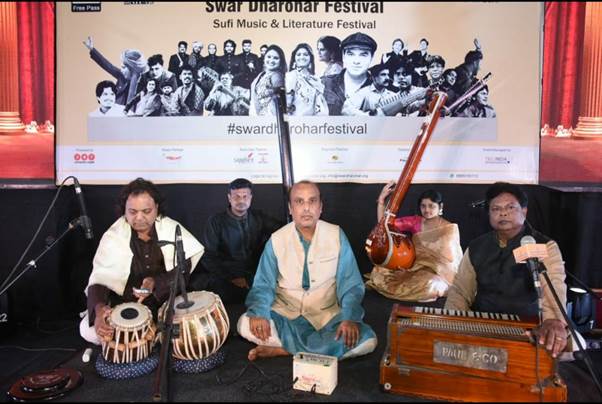
Ministry of Culture, Government of India in collaboration with “Swar Dharohar Foundation,” inaugurated three day “Swar Dharohar Festival” under Kalanjali. “Swar Dharohar Festival” is a Music, Art & Literature Festival to showcase the iconic art and culture of India and, the rich literary Art & Heritage of Indian States.
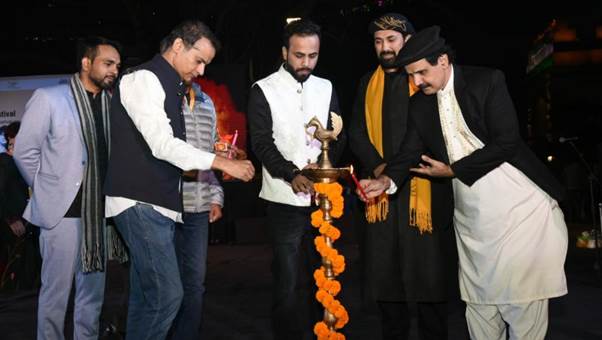
Swar Dharohar festival was Inaugurated today by Chief Guest Sh. Mehtab Ali (Sitar Player) and Pt. Lalit Prasad (Classical Vocal). On the first day Classical Performance, Ghazal, Kavi Sammelan, Mushaira, Sufi Performance were organised. Ghazal was performed by Sh. Diwakar Meena, Sh. Hamsar Hayat and Athar Hayat performed Sufi Music.
Under Kalanjali, cultural programmes are being organised at Central Vista every week. The 3 days festival will continue to be organized on 3rd and 4th of December 2022 at the Central Vista, India Gate, New Delhi, Delhi.
Swar Dharohar Utsav started in the morning with Ragaas, and many celebrities performed.
In this program the upcoming local Artists will perform with Legend Artist on the same platform to showcase their talents. The National as well as Local Poets will exhibit their artistry through Kavi Sammelan.
Ministry of Culture, Government of India in collaboration with “Swar Dharohar Foundation,” inaugurated three day “Swar Dharohar Festival” under Kalanjali. “Swar Dharohar Festival” is a Music, Art & Literature Festival to showcase the iconic art and culture of India and, the rich literary Art & Heritage of Indian States.
Swar Dharohar festival was Inaugurated today by Chief Guest Sh. Mehtab Ali (Sitar Player) and Pt. Lalit Prasad (Classical Vocal). On the first day Classical Performance, Ghazal, Kavi Sammelan, Mushaira, Sufi Performance were organised. Ghazal was performed by Sh. Diwakar Meena, Sh. Hamsar Hayat and Athar Hayat performed Sufi Music.
Under Kalanjali, cultural programmes are being organised at Central Vista every week. The 3 days festival will continue to be organized on 3rd and 4th of December 2022 at the Central Vista, India Gate, New Delhi, Delhi.
Swar Dharohar Utsav started in the morning with Ragaas, and many celebrities performed.
In this program the upcoming local Artists will perform with Legend Artist on the same platform to showcase their talents. The National as well as Local Poets will exhibit their artistry through Kavi Sammelan.
Beauty has always been the greatest concern for women since ages. Women , all over the world did what not, to look pretty and presentable throughout the history of Human Civilization. And to address the need of looking flawlessly beautiful, the practice of using cosmetic or make-up came to the play. Women, sometimes, followed bizarre rituals to enhance their look, but sometimes, to their worst, the cosmetic turned out to be toxic and endangered their lives. To look beautiful it cost them a fatal price. Royalties and Elites were victims of the same death trap, including the Great Queen Elizabeth I.
Queen Elizabeth: The Beginning
Elizabeth I was the fifth and last monarch of the House of Tudor. She was born in the Palace of Placentia on 7 September 1533 and was died on 24 March 1603 at the age of 69. Her father was Henry VIII and her mother was Anne Boleyn who was her father’s second wife. On 17 November 1558, she became the Queen of England and Ireland and ruled it for 44 years until her death. She was also called the Virgin Queen and Good Queen Bess. Elizabeth was third in line to become the monarch and she was not even destined to be queen. She was behind her half younger brother Edward VI and half elder sister Mary I. As her father Henry VIII died, on 28 January 1547, her younger brother Edward VI became the monarch at age nine and ruled for six years, dying at the age of 15 because of tuberculosis. After, Mary I became queen and ruled for five years, dying at age 42 on 17 November 1558. Finally, Elizabeth was the last child of Henry VIII to rule England and became the Queen of England, ruling for 44 years.
The Scars in Her Beauty : What Led Her to Toxic Cosmetics
During her 20’s the Queen got infected with smallpox. Though the young queen survived smallpox but the disease left scars and blemishes on her skin and in order to hide those she started using the makeup more vigorously.
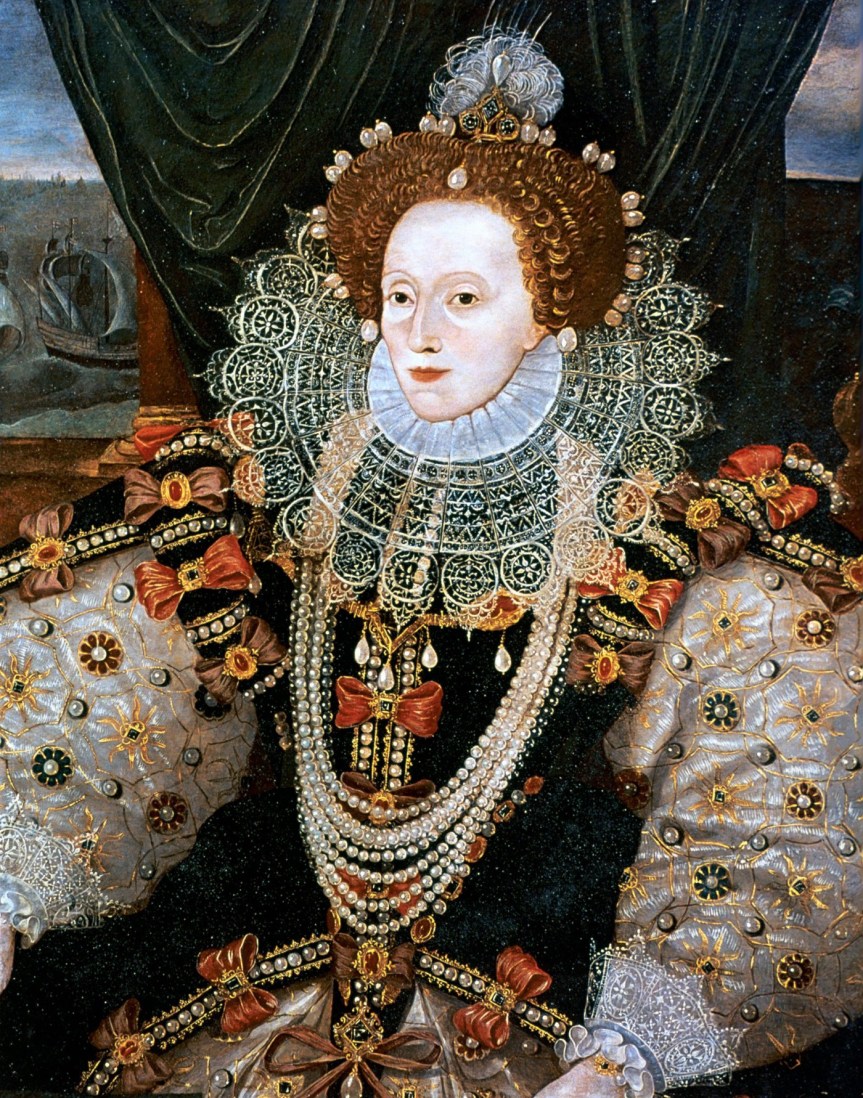
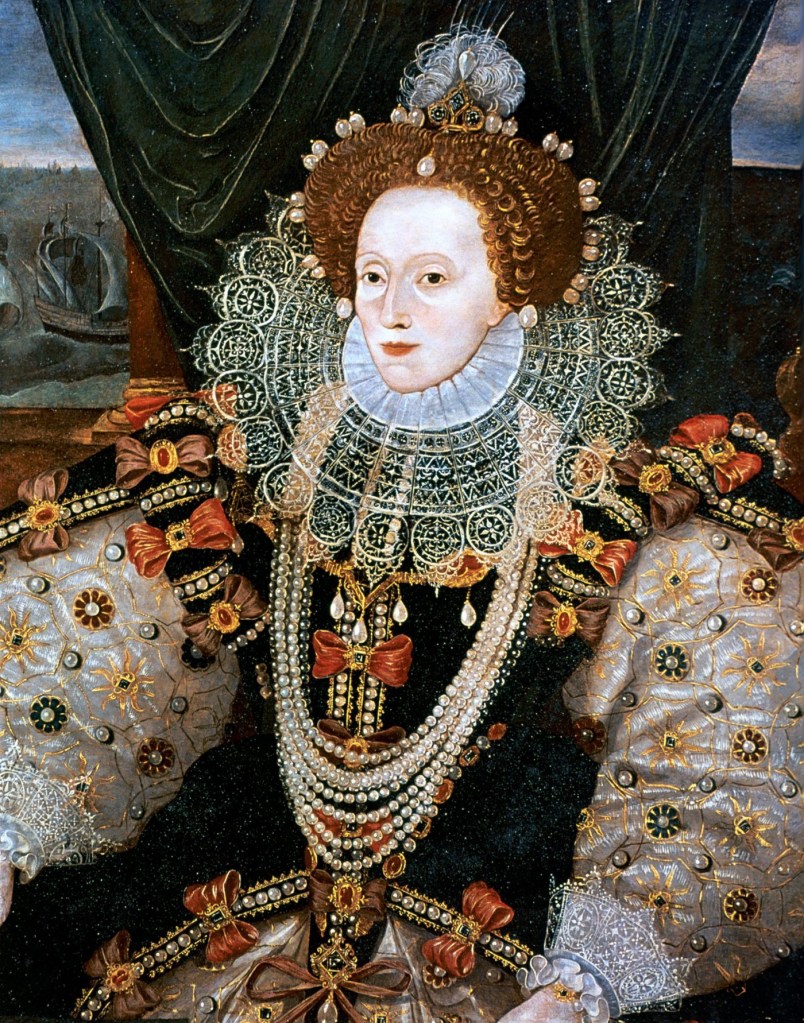
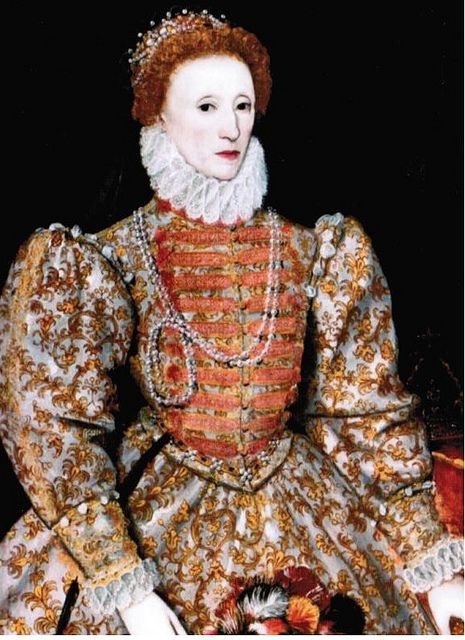
Portrait of the Queen
Bizarre Beauty Standards
The cosmetics that were worn by women in the time of Queen Elizabeth are drastically different from those we wear today. Not only were the materials they used very different but the look they were trying to achieve was very different as well. Standards of beauty change all the time. To understand the cosmetics worn by Elizabethan women, it’s important to understand the effect they were trying to achieve—that “ideal” beauty they wanted to imitate. The ideal Elizabethan female had bright wide-set eyes, snow white skin, rosy cheeks, red lips and fair hair. Pale skin was a sign of nobility, wealth and delicacy was sought after by many. In a time where sunscreen was unheard of, skin problems and pox was a common thing smooth, unblemished skin was a rarity. The pale skin women (and men) wanted was achieved by a number of ways. The most popular being Venetian Ceruse (also known as Spirits of Saturn), a mixture of white lead and vinegar. This white foundation was applied to the face, neck and bosom. Naturally, smearing lead all over one’s skin caused some serious skin damage not only did it make the skin look “grey and shrivelled” there was lead poisoning, hair loss and if used over an extended period of time could cause death. They lined their eyes with black kohl to make them look darker and belladonna eyedrops (used to dilate women’s pupils, an effect considered to be attractive and seductive). Fashion required eyebrows to be thin and arched which would create a high forehead it was considered to be a sign of aristocracy. Rouged cheeks and red lips were very popular. This was obtained with plants and animal dyes.
Her Majesty’ s Royal Makeup
She used ingredients like lead and vinegar in her makeup which is called — “Venetian ceruse“. It is said that she was the only monarch that always took a long time to get ready. She used multiple layers of lead and vinegar and applied a thick white mask to her face and neck. The white skin was not a part of racism but it depicted that a woman was of a higher class. she applied was from If you have seen a portrait of Queen Elizabeth you may have noticed that her lips are very red. The red colour cinnabar, a mercury. poisonous substance that contains She used to remove it with a mixture of elements like eggshells, alum, and mercury. Thus, this leads to another use of poison in her makeup. People at that time would say that her skin became soft after makeup re moval but basically, it was peeling one layer at a time. All these caused wrinkles, aging, and the deterioration of her health. And it is assumed by the historians, that continuous use of those deadly chemicals as Cosmetics, led to her death.
Cinematic Portrait of the Queen, played by actress Margot Robbie
Conclusion
The urge of looking beautiful , sometimes proves hard on women’s overall health. body and The obsession of being perfect, has killed many women, including such Royalties like Queen Elizabeth I. Even today, women are insure about their natural beauty and sometimes find it hard to accept body positivity. We should learn to feel confident in our skin first, and the glow then comes from within as our flaws make us Earthly and more humane.
Union Education and Skill Development Minister Shri Dharmendra Pradhan today held a meeting with Vice Chancellors of Central Universities through video conferencing. Minister of State for Education Shri Subhash Sarkar, Secretary, Higher Education, ShriAmitKhare, Chairman UGC, Prof D P Singh and senior officials of the Ministry and UGC attended the meeting.
Addressing the participants, Shri Pradhan said that our universities are cradles of creativity, innovation and opportunities. The New Education Policy- 2020 will play a crucial role in placing India at the top of the emerging new world order and, as custodians of India’s destiny, our universities should fulfil their responsibilities outlined in the NEP.He stressed on making education a lot more vibrant & holistic and establishing India as a knowledge superpower through NEP.
The Minister said that our higher education institutions are key catalysts for promoting socio-economic development and for realising aspirations and national goals. The Minister appealed that universities should popularise and promote learning in Indian languages & cultural heritage of India.
Shri Pradhan encouraged Central Universities to work on mission-mode to fill-up the 6,000 vacant posts by October, 2021. He urged them to create a framework for alumni endowment.
Shri Pradhan expressed his happiness to learn about the best practices of Central Universities and on several matters of importance, including filling up of general and reserved vacancies, education during Covid19, online learning and status of NEP implementation.
The Minister exhorted the Universities to come with the strategies for making India fully literate, as well as to contribute helping the country to meet its Nutrition Challenge during ‘Poshan Month’ as a mark of AzadiKaAmrutMahotsav.
The VCs were also requested to encourage Sports in their Universities, thereby promoting a sporting culture in the country. The VCs were encouraged to make their students Job Creators by promoting innovation and research in their campuses.
The Minister thanked the VCs for their insights and valuable suggestions. He urged that as thought leaders, our central universities should assume pioneering roles in building capacities, initiating frameworks for implementation of Academic Bank of Credit, Multiple Entry & Exit, virtual universities and several other facets of the NEP from this academic year itself.
India the land of culture, heritage, devotion and beauty. There are many beautiful places to visit in India and we cannot talk about all places in this article. So, here are 4 affordable places to visit. If you are travel lover then this is great for you all.
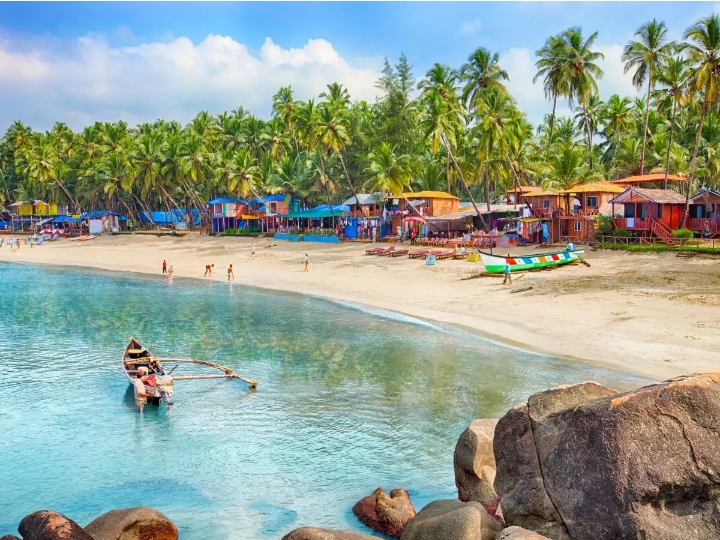
1) Goa
Goa is one of the cheapest country to visit. Alcohol is also very cheap here. You can have unlimited fun and crazy party all night and can even return with full pocket. The best time of the year to visit is October to March. Must visit places to visit is Calangute Beach, Fort Aguada, Dudhsagar falls, Anjuna beach. Goa is also known for its cruise and its water sports. You can check many websites for price. Average 4 days/ 3 Nights will cost you around 12,000 per adult on twin sharing with many amenities.
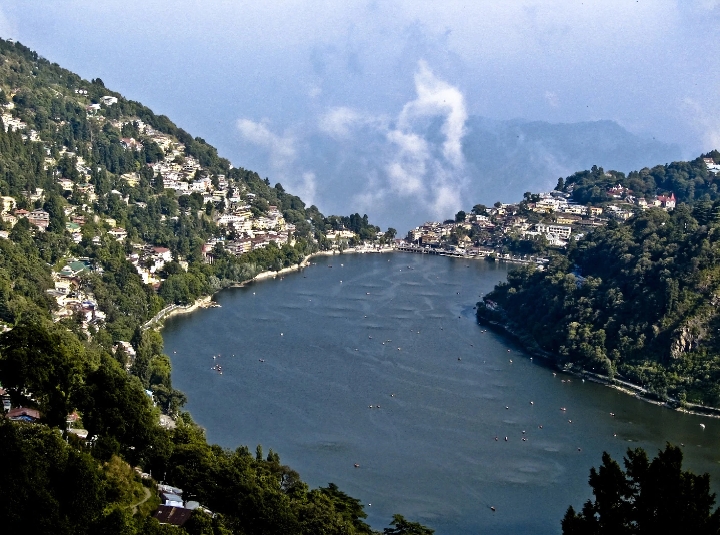
2) Nainital, uttarakhand
Nainital is famous for its misty lakes and mountains. Nainital is very beautiful hill station. It is also known for its cheap hotels and meals. You can do boating here at barely any cost. The area of interest lies in its name which it has gotten from the eye shaped Lake the Naini Lake thus due to this eye shaped Lake it’s called Nainital. Must visit places include Naini Lake, Tiffin top, Snow view point, Mall road, Eco cave gardens and High Altitude zoo. Average 3 days/ 2 Nights will cost you around 4,500 Rs per adult on twin sharing with other amenities as well. It can be seen that how much affordable is this place. Best time to visit is throughout the year.
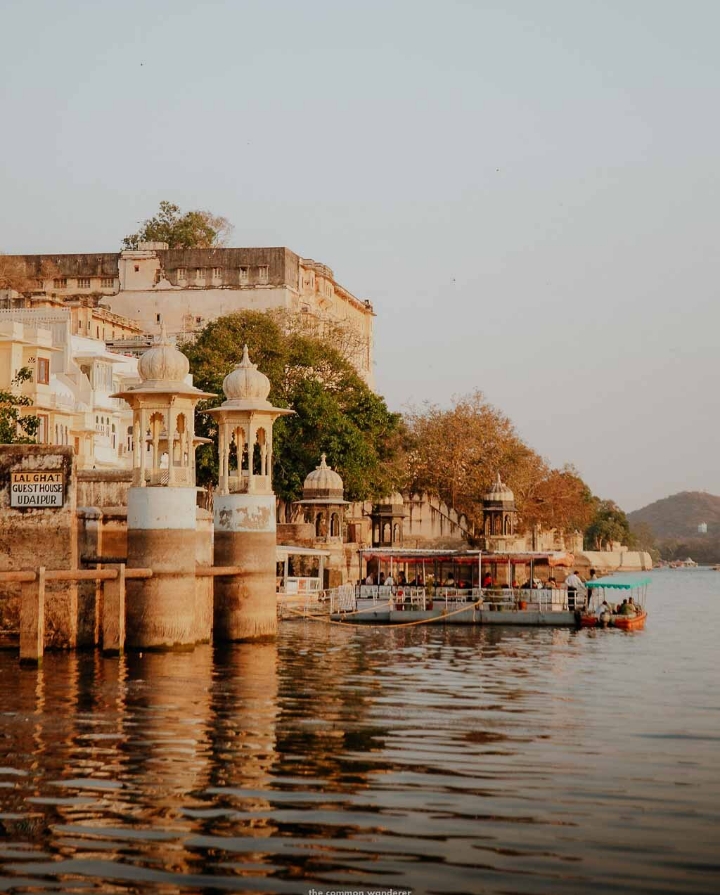
3) Udaipur, Rajasthan
Udaipur also know as city of lakes. It is also called as Venice of East. It is also termed as jewel. It has abundance of natural beauty, awesome architecture and breathtaking temples. Must visit places include Lake pichola, City Palace, Fateh Sagar Lake, Jaisamand Lake, Sajjangarh palace, Jagdish temple. In addition to this it cost very less on average 6 days/ 5 night stay cost you around 17,700 INR per adult on twin sharing. Best time to visit is from October to March.
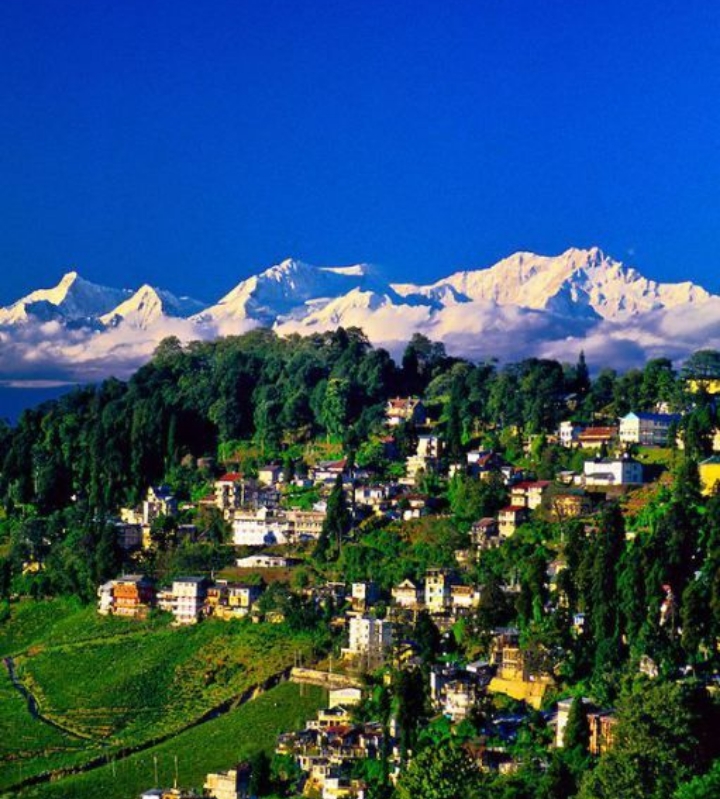
4) Darjeeling, West Bengal
Darjeeling also know as Queen of Himalayas, has jaw dropping and mesmerizing sunrises, the breathtaking beauty of the hills, the charm of past and all those beautiful smile of beautiful people. It is one of the most appealing hill station. And all chai lovers it offers best quality chai. Hotels and lodges are at reasonable price and it’s also cheap. Must visit places include Darjeeling Himalayan railway, Tiger hill, Batasia loop, Himalayan mounteering institute, Darjeeling ropeway and Nightingale park. Average 4 days/ 5 nights will cost around 8,375 Rs per adult on twin sharing. Best time to visit is from February to March and September to December.
So these are the places that have jaw dropping and breathtaking beauty. Apart from this they are also very affordable and hence you can easily visit with low money in your pocket. You can even check rates on different websites and there you may can get offers too. Hope you all like it.
The world heritage committee recently added four cultural sites situated in Russia, Italy, Slovenia and the UK. They have also added one natural site in Africa. These sites have been added to UNESCO’s world heritage list. These additions were made in the previous week during the extended 44th session of the World Heritage Committee.
In Russia, “Petroglyphs of Lake Onega and the White Sea”, containing 4,500 petroglyphs carved in the rocks during the Neolithic period dated 6,000 to 7,000 years ago, is one of the largest such sites in Europe with petroglyphs that document Neolithic culture in Fennoscandia. The serial property encompasses 33 sites in two component parts 300 km apart: 22 petroglyph sites at Lake Onega in the district of Pudozhsky featuring a total of over 1,200 figures and 3,411 figures in 11 sites by the White Sea in the district of Belomorsky. “They show significant artistic qualities and testify to the creativity of the Stone Age,” said the committee.
In Italy, the “Porticoes of Bologna” comprises 12 component parts consisting of ensembles of porticoes and their surrounding areas built from the 12th century to the present. “Together, the selected porticoes reflect different typologies, urban and social functions and chronological phases. Defined as private property for public use, the porticoes have become an expression and element of Bologna`s urban identity,” said the committee.
The urban design work of Joze Plecnik carried in Ljubljana, capital of Slovenia, between World War I and World War II were inscribed on the list as it consists of a series of public spaces and public institutions that were sensitively integrated into the pre-existing urban, natural and cultural context and contributed to the city`s new identity. The Slate Landscape of Northwest Wales in the UK became a World Heritage site as it “offers an important and remarkable example of interchange of materials, technology and human values”.
The new natural site is Ivindo National Park situated on the equator in northern Gabon. The largely pristine site encompasses an area of almost 300,000 hectares crossed by a network of picturesque blackwater rivers.
It features rapids and waterfalls bordered by intact rainforest, which make for a landscape of great aesthetic value. The site`s aquatic habitats harbour endemic freshwater fish species, 13 of which are threatened, and at least seven species of Podostemaceae riverweeds, with probable micro-endemic aquatic flora at each waterfall.
World heritages consist of all the heritage sites that were discovered around the world and the process of exploring and discovering never stops. Heritage is not only about discovering the monuments, civilizations etc but, it holds a special place from three perspective that is past, present, and future. Build in the past, heritage sites are of high value to study the history how people used to live, speciality of a civilization, discovery of unknown facts and so much more. At present research is done, the technology that we have today is advance that the scientist can easily study and preserve the rich heritage for many more years. In future, all the research and evidences the historic sites will turn ten times more valuable.
World heritage day
which is observed every year on 18th April , also known as world monuments and sites day, the purpose is to celebrate the rich heritage from around the world and create awareness about the same. As it is observed that many monuments and sites are need to be preserved from deterioration, we should not loose the heritage in the ongoing development process. Every year a theme is decided for World heritage day this year it was “Complex pasts: Diverse Future” .
ICOMOS International Council on Monuments and sites is the main body who is also behind all the work that takes place. Pierro Gazallo is the founder of ICOMOS, he is known for working to restore and preserve heritage sites and monuments it was established in the year 1979. ICOMOS gave the suggestion to UNESCO (United National Education, Scientific and Cultural Organisation) which was approved in the 22nd general conference in 1983. India Some of the world heritage sites are Ajanta and Elora caves, western Ghats, Sundarbans national park, Nanda Devi, and valley of flowers, Chola temples etc. World Komodo national park (Indonesia), Lut desert (Iran), Meteora (Greece), town of Bamberg (Germany), Levuka Port town (Fiji), Angkor (Cambodia), Brasilia (Brazil), Rainforest of Atsinanana (Madagascar), Chitwan National Park (Nepal) etc.
Recently in news Liverpool lost its status of world heritage site, the reason was the massive construction that occurred around the place despite several warnings issued by UNESCO, the construction includes building complex, Moore Dock Stadium, and offices. The act of removal of a world heritage site is very rare and disgraceful for the country as they failed to protect a heritage site. The heritage sites and monuments are chosen after the recommendation of ICOMOS and IUCN (International Union of Conservation of Nature) for natural sites. However, UNESCO has laid down some criteria to declare a monument or site heritage which includes: • a place represents genius human creativity • A place that shows human interaction with nature and showcase culture. • A place that illustrates significant stages of human history. • A place that showcases earth’s history in any geographical form. • A place with an exceptional cultural feature or tradition. • A place that displays biological diversity and is valuable for conservation of nature or any species. • A place of human settlement that shows use of natural resources to study the life of people.
Watson’s Hotel, currently acknowledged as the Esplanade Mansion, is India’s oldest sustaining cast-iron building. It is located in the Kala Ghoda area of Mumbai (Bombay). Named after its original owner, John Watson, the building was fabricated in England and built on-site between 1867 and 1869.
The hotel closed in the 1960s and the building was sold to a private owner. It was later divided and partitioned into smaller cubicles that were let out on rent as homes and offices. Negligence of the building has resulted in corrosion and, despite its listing as a Grade II–A heritage structure, the building is now in a rundown state.
Design:
Watson’s hotel was planned by the civil engineer Rowland Mason Ordish, who was also linked with the St Pancras Station in London. The structure was fabricated in England from cast iron components and was congregated and constructed on-site. The external cast-iron frame closely resembles other high-profile 19th century buildings such as London’s Crystal Palace. The main façade of the hotel is characterized by building-wide open balconies on each floor that connected the guest rooms, which were constructed around the atrium in a courtyard arrangement.
History:
John Watson opened the hotel as an exclusive whites-only hotel, and it was the most expensive hotel in the city in those days. The five-storied building housed 130 guest rooms, as well as a lobby, restaurant, and a bar at the ground level. The hotel also had a 30 by 9 meters (98 ft × 30 ft) atrium, basically used as a ballroom, with a glass skylight. At its peak, Watson’s hotel employed English hostesses in its restaurant and ballroom, sparking a common joke at the time: “If only Watson had imported the English weather as well.”
After Watson’s death, the hotel lost its fame to the rival Taj Hotel. In the 1960s the hotel was closed and sold to a private owner. Sometime after this, it was subdivided and partitioned into small cubicles with independent access and let out on rent. Over the years, indifference toward the building by the residents has resulted in the structure decaying, and it is now in a neglected state. The atrium was consequently used as a dumping area and has various unauthorized constructions. In 2005, the building had 53 families and 97 commercial establishments. Most of the business enterprises are chambers of advocates attached to the nearby Bombay Civil & Session Courts and the nearby Bombay High Court.
Notable guests:
Among the hotel’s notable guests was Mark Twain who wrote about the city’s crows he saw outside his balcony in Following the Equator. It was also the first place in India to screen the Lumière Brothers’ Cinematograph invention in 1896. However, this was witnessed only by Europeans.
A popular myth surrounds the hotel was that the staff at Watson’s Hotel denied Indian industrialist Jamsetji Tata access to the hotel. In retaliation, he opened the Taj Hotel, a hotel that stands near the Gateway of India, in 1903. However, author and historian Sharada Dwivedi debunks this legend. She points out a lack of evidence to prove that Tata was a man of vengeance.
Current state:
The building’s poor state of affairs has been commonly remarked, and efforts by heritage activists to persuade its present owner to invest in restoration have been unsuccessful. One of the possible reasons proffered for apathy is the fact that the rent collected is low as it has been frozen by government legislation. The condition of the building was publicized by Italian architect Renzo Piano, and as a result of his efforts, the building was listed in June 2005 on the list of “100 World Endangered Monuments” by the World Monuments Fund, a New York-based NGO. Just a few days after its proposal, part of the building’s western façade, originally galleries evolved into small offices, collapsed, killing one person and crushing several cars and motorcycles parked in the street below. The building is currently listed as a Grade II–A heritage structure.
India is a country which has a host of spectacular sites, ranging from glorious historical monuments to diverse natural heritage sites. UNESCO World Heritage Convention has recognised many sites across the world for their cultural heritage. India has the 6th largest number of world heritage sites with 38 such sites. Here are some sites among those, which one shouldn’t miss while exploring the country.
Taj Mahal, Agra
The Taj Mahal is a funerary mosque, built by Emperor Shah Jahan in memory of his third wife Begum Mumtaz Mahal. Set against the Mughal Gardens, it is a pristine architectural monument made of white marble. It was built in 16 years by thousands of artisans under the Chief Architect Ustad Ahmad Lahauri and is considered as a masterpiece.
The Khajurao is a group of monuments located in Madhya Pradesh and is attributed to the Chandela dynasty. It is known for its unique artistic architecture which has survived since the 10th century. Out of the 85 temples built originally, only 22 temples are there at present.
The PInk City, Jaipur
Jaipur is a fort city in Rajasthan, built according to grid plans of Vedic architecture. The urban planning of the city shows influence of ancient Hindu, modern Mughal and western cultures. Originally built as a commercial capital, the city is an intersection of commercial, artisanal and traditional center.
Elephanta Caves, Maharashtra
The Elephanta Caves is a group of sculpted caves on Elephanta island, located in Mumbai harbour. It is dated to 5th century and it consists of 5 Hindu caves and 2 Buddhist caves. The architecture is characterized by rock cut stone sculptures.
Sundarbans, West Bengal
The Sundarbans are the largest mangrove forests in the world and is both a national park and a tiger reserve. It is situated in the Sundarbans Ganges river delta and is formed by the deposition of sediments from 3 rivers – the Ganges, Brahmaputra and Meghna. It consists of dense mangrove forests which is the home to the Bengal tiger, the salt water crocodile and various birds.
Fatehpur Sikri
Also known as the City of Victory, the Fatehpur Sikri was built by the Emperor Akbar. It includes a set of mosques, monuments and temples built in Mughal architectural style. It was built as a city which had several monuments, buildings, palaces, public spaces and courts. The site has monuments like – the Jama Masjid, the Buland Darwaza, the Panch Mahal, and the Tomb of Salim Chishti which are popular tourist attractions.
Monuments at Hampi, Karnataka
These are a group of monuments in the Hampi town in Karnataka. Located on the banks of the river Tungabhadra, it consists of Dravidian temples and palaces. It has been admired by travelers of the 14th and 16th century and is still a very important cultural and religious center for Hindus and Jains.
Sun Temple, Konark, Odisha
The Konark Sun temple is a renowned temple, located on the coast of the Bay of Bengal and built in the form of the chariot of Surya, the sun god. It is constructed with sandstone and decorated with beautiful stone carvings. It was constructed under the rule of King Narasimhadeva I of the Eastern Ganga Dynasty.
The next ruler to be in power after Babur was his son Humayun ( 1530-1540). He does not lay much effect on architecture as he had to stay in conflicts with Rajputs, afghans, for a long time. He tries to build Dinpanah city in Delhi, started to build but remains incomplete due to fighting with Sher Shah Suri where he got defeated.
Sher Shah Suri comes in power on 1540-1555. Qila-e-Quhunah, a mosque in Delhi s built by him. Rohtlas fort in Pakistan is a popular UNESCO world heritage site constructed during his period. Sher Shah Suri Masjid in Patna is a famous afghan style monument built with no Minars. Sadak-e-Azam is popularly known as the Grand Trunk road is completed by him. A unique feature about the roads are the rest houses called, SARAIS were built between the roads for leisure activities.
Akbar took a keen interest in the development of art and architecture during his reign using red sandstone and marble. He introduced the use of Tudor architecture (four-centered style). Some prominent construction works undertaken by him were: Agra Fort, Fatehpur Sikri, Humayun’s tomb, Hiran Minar, etc.
Agra Fort – built by Akbar, required 2000 stone- cutters, 2000 cement and lime makers, and 8000 laborers. The Agra gate contains Jaimal and Patta paintings to mark their bravery in war. Multiple buildings inside it- Diwani-i-am, Diwani-i-khass, Moti Masjid, Harem.
Fatehpur Sikri- 1) Buland Darwaza: built by Akbar to commemorate hid victory in the Deccan of Gujarat region.
2) Panch Mahal- famous due to the presence of the char bagh painting of Babur, five stories and have Persian influence with the impact of Buddhist architecture.
3) Ibadat khana- Scholars of different religions were used to come and discuss various issues here.
4) Salim Cistils Tomb- made from white marble, known for its jali work.
5) Hiran Minar- made in the memory of an elephant.
During the Jahangir period, architecture took a set back. He focussed more on paintings and other forms of art. He built Akbar’s and his tomb. Some famous creations- Shalimar Bagh in Kashmir, Moti Masjid in Lahore, Tomb of Itmad-ud-daulah. The development of gold coins was also done.
Shah Jahan’s reign witnessed a huge amount of construction activities, especially in Delhi and Agra. Ceremonial halls of the public and the private audience were carefully planned. These halls were called Chihil Sutun. Major construction were- Taj Mahal, Red Fort, Jama Masjid, complete shalimar bagh, city of Shahjahanabad, and Peacock Throne.
The development of architecture declines during Aurangzeb’s period as he shows no interest in monuments and forts. Biwi-ka-Maqbara was the only monument built by his son in the memory of his mother, in Aurangabad, Maharashtra.
Cave architecture had originated in prehistory or the stone age period leading to the development of paintings and sculptures.
Ajanta caves had their origin since the Satvahana dynasty during the pre-Mauryan period. It is located in the Aurangabad district of Maharashtra state. It comprises of 29 caves and has a C shaped structure. It is the only example of the first century BCE and fifth century CE.
It has four chaitya caves and the rest are vihara caves ( chaitya – used for prayers and vihara – residential halls).
FEATURES: Mural paintings drawn on walls as well as ceilings of the cave
Figures are dedicated to Buddhism teachings and worship.
Sculptures are found in abundance.
Famous paintings: dying princess, flying Apsara (taken from Jataka stories), Padmapani, and Vajrapani. A technique used to paint is the Fresco style of texture images with limited natural colors, drawn on wet surfaces. Expand during Vakataka kings.
Famous sculptures: Mahaparinibbana of Buddha, cave number 26
Naga king and his consort, cave number 19
Vidarbha sculptural tradition, cave number 2.
Ellora caves are also located in Aurangabad district, 100 km away from Ajanta. It comprises 34 caves build during the Rashtrakuta period, early medieval times.
Cave no. 1-12 are Buddhist caves, 13-29 are Hindu caves and 30-34 are Jain caves. It shows the religious tolerance of kings.
FAMOUS CAVES
Cave number 10 is a Buddhist chaitya called the Vishwakarma or carpenter’s cave. Buddha is seated in Vyakhyana mudra and a Bodhi tree is carved in his back.
Cave 14 is themed as Raavan ki Khai.
Cave 15 is called the Dashavatar temple.
Cave 16 is a Kailash temple dedicated to Lord SHIVA, formed by Krishna king. It is called as finest Ellora architecture.
Cave 21 is famous for Rameshwar temple and 29 for Dhumar Lena.
Famous Jain caves are INDRA SABHA and JAGANNATH SABHA cave 32 and 33 respectively.
Cave no. 4 is called rang mahal, meaning the palace of colors, paintings to walls are still visible.
Ajanta and Ellora caves are regarded as UNESCO world heritage sites.
The caves will bring you closer to our culture in understanding the past.
“If art is to nourish the roots of our culture, society must set the artist free to follow his vision wherever it takes him.” –John F. Kennedy, former American President





3EB2.jpeg)



 Eduindex
You must be logged in to post a comment.