THE PRESIDENT ADVOCATES FOR A STRONG ACADEMIA-INDUSTRY INTERFACE

Daily writing prompt
What animals make the best/worst pets?

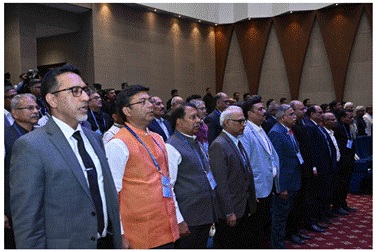
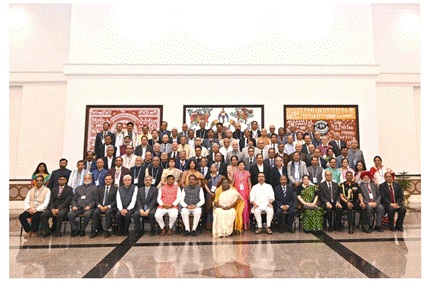
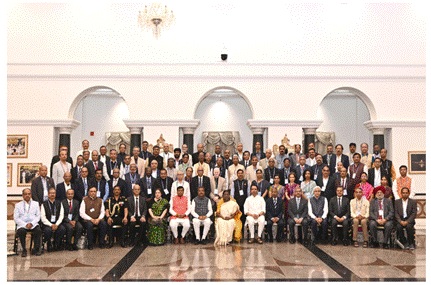
The two-day Visitor’s Conference at Rashtrapati Bhavan concluded today.

The Conference deliberated on the themes – Flexibility in academic courses, Credit Sharing and Credit Transfer with multiple entry and exit options; Internationalisation efforts and collaboration; Translation Research and Innovation related to converting research or innovation into useful products and services; Effective student selection processes and respecting student choices in context of NEP; and Effective assessments and evaluation. The outcome of deliberations was presented before the President of India, Smt Droupadi Murmu.

In her concluding remarks, the President said that our national goal is to make India a developed country before the end of the first half of this century. To achieve this goal, all stakeholders of the educational institutions and students would have to move forward with a global mindset. Young students would make a more effective identity for themselves in the 21st century world with the strengthening of internationalisation efforts and collaborations. Availability of excellent education in our higher education institutions would decrease the tendency to study abroad. Our young talent would be better utilized in nation building.

The President said that India is moving towards becoming the third largest economy in the world. Being self-reliant is the hallmark of a truly developed, large and strong economy. Self-reliance based on research and innovation would strengthen our enterprises and economy. Such research and innovation should get every possible support. She highlighted that in developed economies, the academia-industry interface appears strong. Due to continuous exchange between the industry and higher education institutions, research work remains linked to the needs of the economy and society. She urged the heads of institutions of higher learning to make institutional efforts to have continuous discussions with senior people of industrial institutions in mutual interest. She said that this would benefit the teachers and students doing research work. She also told them that connecting the laboratories of educational institutions with local, regional, national and global needs should be their priority.

The President said that it is imperative and challenging to have an education system that is system-based and flexible according to the special talents and needs of the students. In this context, there is a need to remain constantly alert and active. Appropriate changes should continue to take place based on experience. Empowering students should be the objective of such changes.

The President said that a nation becomes strong and developed only on the strength of characterful, sensible and capable youth. In educational institutions, the character, prudence and capability of our young students are developed. She expressed confidence that the heads of institutions of higher learning would achieve the proud ideals of higher education and would present a bright future to the young children of Mother India.
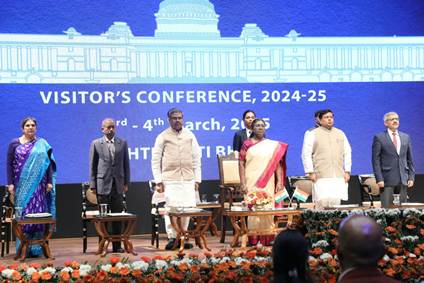
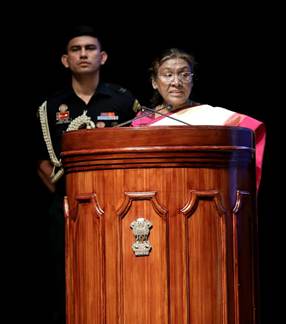
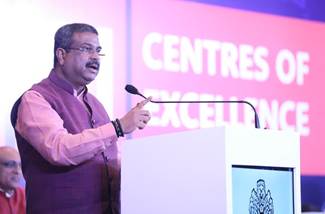
Union Minister for Education Shri Dharmendra Pradhan, while addressing the gathering, expressed his gratitude to President Smt. Droupadi Murmu for her guidance and words of inspiration during the inauguration and the concluding session. He also expressed gratitude to academic leaders for their active participation and meaningful discussions at the Visitor’s Conference. He noted that their diverse perspectives and forward-thinking ideas had enriched the confluence and contributed to shaping a roadmap for the country’s bright future. 

Highlighting the collective responsibility of shaping India’s education system, he emphasized that the swift and large-scale implementation of NEP 2020 should be a national mission. 

Acknowledging the challenges ahead, he affirmed that with collective efforts, a shared vision, and strong commitment, the education system could be redefined, paving the way for a knowledge-driven, self-reliant Bharat on its journey to becoming a developed country by 2047. 

He further underscored the significance of students as the most important stakeholders and the backbone of the education system. 

Reiterating the vision of Prime Minister Shri Narendra Modi, he stressed the importance of prioritizing students’ interests by investing in their education, equipping them with the right skills, empowering them to dream big, and supporting them in achieving their aspirations—not merely as an academic obligation but as a duty toward the nation.

Union Minister of State for Education & Development of the North Eastern Region, Dr. Sukanta Majumdar presented the Vote of Thanks. Secretary, Department of Higher Education, Dr. Vineet Joshi presented the summary of the session. Shri Amit Khare, Advisor to the Prime Minister and Smt. Deepti Umashankar, Secretary to the President were also graced the occasion. Officials of the President’s house, Ministry of Education and Heads of Higher Education Institutes were also present at the event.

In addition to summing up the key takeaways of the five sessions, Dr. Joshi, in his speech, stated that the conference had served as a platform that brought together visionary leaders, educationists, and policymakers to deliberate on the future of higher education in India. He highlighted that the National Education Policy (NEP) 2020, which is a transformational reform rooted in ancient Indian principles, upholds the pursuit of knowledge (Gyan), wisdom (Pragyaa), and truth (Satya) as the highest human goals. He emphasized the five key pillars of NEP 2020, which are Learner-Centric Education, Digital Learning, Academic Research and Internationalization, Industry-Institute Collaboration, and Indian Knowledge Systems. The policy is aimed at creating a holistic, inclusive, high-quality, and accessible education ecosystem, he also added.

Session Summary:

Session 1:

The theme of the 1st Session was Flexibility in academic courses, Credit Sharing and Credit Transfer with multiple entry and exit options. The session summary was presented by Prof. Anand Bhalerao, Vice-Chancellor of the Central University of Rajasthan. He informed the key snippets of the deliberation, which were, The Need for Academic Flexibility; Credit Sharing and Transfer: A Pathway to Student Mobility; Global Best Practices as a Model for India; Multiple Entry and Exit Options Will Democratize Higher Education; and Challenges in implementation and the way forward. The Session also focused on areas of focus such as institutional readiness, Inter-university coordination, technology and infrastructure, Quality Control, and Regulatory Framework. He also informed the recommendations of the Panel which were strengthening policy and regulatory framework, building digital infrastructure for credit transfer, enhancing university collaboration and partnership, capacity building for faculty and administrators, ensuring student awareness and engagements and fostering industry collaboration and skill development.

Session 2:

The theme of the 2nd session was Internationalization efforts and collaborations and Prof. M. Jagadesh Kumar, Chairman, UGC, presented the summary. He highlighted the great potential that India has for the Internationalization of Education. Three kinds of Internationalization were discussed during the deliberation, which were encouraging Indian institutions to set up campuses outside India, the potential India has to attract international students and providing high-quality international education to Indian students in India. He especially highlighted how discussions were carried out on keeping Global South in focus. He also emphasized how Institutes can implement NEP2020, introducing the Indian Knowledge System to international students to present a unique opportunity.

Session 3:

The theme of the 3rd session was Translation Research and Innovatio. Prof. Govindan Rangarajan, Director, Indian Institute of Science (IISc) Bangalore, presented the session summary for this session. He highlighted a few challenges the HEIs face in translational research and innovation from Lab to Land. He showed the link between Science (Know-Why), Engineering (Know-How) and ‘Technology’ (Show-How). Emphasizing the importance of fundamental research, he listed the factors important for changing the faculty mindset (Publications to Products); not diluting fundamental research; link between Product patents and research papers; inspiring to solve local problems (society, industry);  Translational research fellowships etc. The factors needed for building the necessary ecosystem; How to attract and partner with industry (Trust & Track record); were also discussed during the deliberation, he informed.

Session 4:

The theme of the 4th session was Effective student selection processes and respecting student choices in the context of NEP for which the session summary was presented by Prof. Manindra Agrawal, Director, IIT Kanpur.

Session 5

The theme of the 5th session was Effective Assessment & Evaluation for which the session summary was presented by Dr. K Radhakrishnan, Former Chairman, ISRO and Chairman, BoG IIT Kanpur. He elaborated on the context of the discussion, which was Technology, which is advancing exponentially and pervading (Including Pedagogy); Imperative for the multidisciplinary mind; Holistic Development of Students; Outcome-based education; and transforming the key Enablers, which are faculty, programme, and institutions. He elaborated on the facets of holistic development of studies, which include intellectual, aesthetic, social, physical, extracurricular Arts, Sports, emotional, ethical, and value-based education. He also elaborated on the discussion that took place on five dimensions of outcome-based education, which were Knowledge Acquisition (Recall); Application of Knowledge (Problem-Solving); Analytical Ability (Decipher Patterns, Trends, Critical Thinking); Synthesis (New Ideas from Multi-farious inputs); and Learning how to learn.

Click here to see the President’s speech in Hindi:

*****

Two-day Visitor’s Conference 2024-25 at Rashtrapati Bhavan 

Daily writing prompt
What job would you do for free?

In her inaugural address, the President said that the level of development of any country is reflected in the quality of its education system. She told the heads of the institutions of higher learning that they have a crucial role in achieving the goal of establishing India as an important centre of the knowledge economy. She highlighted the need to pay a lot of attention to research along with education. She said that the Government of India has established the National Research Fund with a very good objective. She expressed confidence that institutions of higher learning would make good use of this important initiative and encourage research.

The President said that the ambition of our higher education community should be that researchers from our institutions get recognition at the world level, patents of our institutions can bring change in the world, and students from developed countries choose India as a preferred destination for higher education.

The President said that students from India enrich the world’s leading educational institutions and developed economies with their talent. She emphasised the need of making efforts to utilize their talent in our country. She stated that our national goal of establishing India as a Global Knowledge Super Power would be achieved only when the world community is eager to adopt the work being done in our laboratories.

The President said that many higher education institutions of our country have global brand value. The students of these institutions get big responsibilities in the best institutions and companies of the world. However, all our institutions should move ahead very fast. The leadership of heads of institutions of higher learning would be recognised by developing and utilising the immense talent of our large youth population.

The President said that along with excellence, social inclusion and sensitivity should also be an essential aspect of our education system. No economic, social, or psychological limitation of any kind should be a hindrance in getting higher education. She said that heads and teachers of institutions of higher learning should take care of young students, remove any insecurity from their minds and provide them moral and spiritual strength. She urged them to make every possible effort to provide counselling and inspiration to students and spread positive energy in the campuses.

The President said that our country has a rich tradition of scientific achievements. The branches and sub-branches of Indian knowledge and science have flourished in every region of the country. It would be very useful to rediscover the invaluable but extinct streams of knowledge and science by doing intense research. She stated that it is the responsibility of the higher education ecosystem to find ways to use such organically grown knowledge systems in today’s context.

The President said that educational institutions shape the future of the nation. Young students learn from the conduct of our policy makers, teachers, heads of institutions, and senior students. She expressed confidence that with their global thinking, the heads of higher learning institutions would prepare a generation of builders of a developed India.

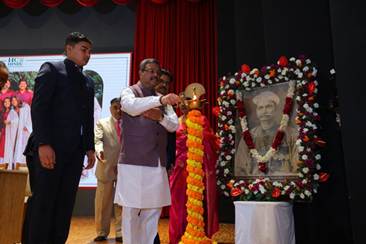
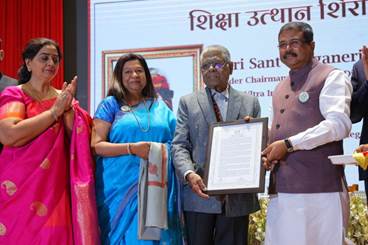
During the inaugural session, the President presented the eighth Visitor’s Awards in the categories of Innovation, Research, and Technology Development.

The Visitor’s Award for Innovation was given to Prof Saripella Srikrishna, Banaras Hindu University, for developing Novel Indigenous Innovation in Quantum Technology to boost the National Green Hydrogen Mission.

The Visitor’s Award for Research in the field of Physical Sciences was conferred upon Prof Ashwini Kumar Nangia, University of Hyderabad, for his seminal research in the discovery and development of high bioavailability drugs and pharmaceuticals with enhanced efficacy at affordable cost.

The Visitor’s Award for Research in Biological Sciences was jointly presented to Prof Rina Chakrabarti, University of Delhi and Prof Raj Kumar, Central University of Punjab. Prof Chakrabarti has been conferred the Award for her research contributions to Sustainable Freshwater Aquaculture while Prof Raj Kumar has been presented the Award for his research contributions to exploring various cancer hallmarks and the development of synthetic anticancer lead molecules.

The Visitor’s Award for Technology Development was presented to Dr Venkateswarlu Chintala, Gati Shakti Vishwavidyalaya, for his research contributions to the petrol and diesel production at commercial scale from landfill municipal mixed plastic waste.

Tomorrow, the Conference will deliberate on issues such as – Flexibility in academic courses, Credit Sharing and Credit Transfer with multiple entry and exit options; Internationalisation efforts and collaboration; Translation Research and Innovation related to converting research or innovation into useful products and services; Effective student selection processes and respecting student choices in context of NEP; and Effective assessments and evaluation. The outcome of these deliberations will be presented before the President in the closing session of the Conference.

Shri Dharmendra Pradhan, while presenting the opening remarks, expressed his gratitude to the President, Smt. Droupadi Murmu, for guiding the academic fraternity with constant guidance, steady support, and visionary leadership. He also congratulated all the distinguished recipients of the 8th Visitor’s Awards.

Shri Pradhan mentioned that Smt. Droupadi Murmu’s leadership has always shown the way forward in breaking new ground in education, achieving national educational priorities, navigating the ever-evolving learning landscape, as well as taking significant strides toward making India the epicentre of knowledge, research, and innovation.

He urged the participants of the Conference to share their concerns, discuss best practices, and envision the future of higher education. He also highlighted that NEP 2020 stands at the heart of today’s discussions, a transformative blueprint reshaping the country’s education system.

The Minister urged everyone to create an ecosystem that empowers the youth, strengthens the workforce, and accelerates India’s journey toward Viksit Bharat 2047.

Expressing his gratitude to Prime Minister Shri Narendra Modi for his clarion call of Viksit Bharat by 2047, the Minister said the nation ought to be self-reliant, innovative, and knowledge-driven. Education must go beyond degrees; it must create thinkers, innovators, solution-givers, and job creators, for which the implementation of NEP 2020 in letter and spirit is essential, he noted. He emphasized the importance of rising above institutional silos to ensure that NEP 2020 translates into real and long-lasting impact.

He stressed the importance of working collaboratively and sharing best practices to optimize academic strength, strengthen policies, and execute them well with a real impact on the ground.

Showing his optimism, he said that academic institutions will emerge as the lighthouse of Viksit Bharat, anchoring the developmental journey in the Amrit Kaal and beyond. He also expressed confidence that the Visitor’s Conference will provide a clear roadmap for holistically transforming the education system, empowering the youth, strengthening the workforce, and establishing India’s higher education ecosystem as a global benchmark.

Please click here to see the President’s Speech: https://static.pib.gov.in/WriteReadData/specificdocs/documents/2025/mar/doc202533511401.pdf

*****

TWO-DAY VISITOR’S CONFERENCE AT RASHTRAPATI BHAVAN

Daily writing prompt
What is one question you hate to be asked? Explain.

The two-day Visitor’s Conference at Rashtrapati Bhavan concluded today.

The Conference deliberated on the themes – Flexibility in academic courses, Credit Sharing and Credit Transfer with multiple entry and exit options; Internationalisation efforts and collaboration; Translation Research and Innovation related to converting research or innovation into useful products and services; Effective student selection processes and respecting student choices in context of NEP; and Effective assessments and evaluation. The outcome of deliberations was presented before the President of India, Smt Droupadi Murmu.

In her concluding remarks, the President said that our national goal is to make India a developed country before the end of the first half of this century. To achieve this goal, all stakeholders of the educational institutions and students would have to move forward with a global mindset. Young students would make a more effective identity for themselves in the 21st century world with the strengthening of internationalisation efforts and collaborations. Availability of excellent education in our higher education institutions would decrease the tendency to study abroad. Our young talent would be better utilized in nation building.

The President said that India is moving towards becoming the third largest economy in the world. Being self-reliant is the hallmark of a truly developed, large and strong economy. Self-reliance based on research and innovation would strengthen our enterprises and economy. Such research and innovation should get every possible support. She highlighted that in developed economies, the academia-industry interface appears strong. Due to continuous exchange between the industry and higher education institutions, research work remains linked to the needs of the economy and society. She urged the heads of institutions of higher learning to make institutional efforts to have continuous discussions with senior people of industrial institutions in mutual interest. She said that this would benefit the teachers and students doing research work. She also told them that connecting the laboratories of educational institutions with local, regional, national and global needs should be their priority.

The President said that it is imperative and challenging to have an education system that is system-based and flexible according to the special talents and needs of the students. In this context, there is a need to remain constantly alert and active. Appropriate changes should continue to take place based on experience. Empowering students should be the objective of such changes.

The President said that a nation becomes strong and developed only on the strength of characterful, sensible and capable youth. In educational institutions, the character, prudence and capability of our young students are developed. She expressed confidence that the heads of institutions of higher learning would achieve the proud ideals of higher education and would present a bright future to the young children of Mother India.

Union Minister for Education Shri Dharmendra Pradhan, while addressing the gathering, expressed his gratitude to President Smt. Droupadi Murmu for her guidance and words of inspiration during the inauguration and the concluding session. He also expressed gratitude to academic leaders for their active participation and meaningful discussions at the Visitor’s Conference. He noted that their diverse perspectives and forward-thinking ideas had enriched the confluence and contributed to shaping a roadmap for the country’s bright future. 

Highlighting the collective responsibility of shaping India’s education system, he emphasized that the swift and large-scale implementation of NEP 2020 should be a national mission. 

Acknowledging the challenges ahead, he affirmed that with collective efforts, a shared vision, and strong commitment, the education system could be redefined, paving the way for a knowledge-driven, self-reliant Bharat on its journey to becoming a developed country by 2047. 

He further underscored the significance of students as the most important stakeholders and the backbone of the education system. 

Reiterating the vision of Prime Minister Shri Narendra Modi, he stressed the importance of prioritizing students’ interests by investing in their education, equipping them with the right skills, empowering them to dream big, and supporting them in achieving their aspirations—not merely as an academic obligation but as a duty toward the nation.

Union Minister of State for Education & Development of the North Eastern Region, Dr. Sukanta Majumdar presented the Vote of Thanks. Secretary, Department of Higher Education, Dr. Vineet Joshi presented the summary of the session. Shri Amit Khare, Advisor to the Prime Minister and Smt. Deepti Umashankar, Secretary to the President were also graced the occasion. Officials of the President’s house, Ministry of Education and Heads of Higher Education Institutes were also present at the event.

In addition to summing up the key takeaways of the five sessions, Dr. Joshi, in his speech, stated that the conference had served as a platform that brought together visionary leaders, educationists, and policymakers to deliberate on the future of higher education in India. He highlighted that the National Education Policy (NEP) 2020, which is a transformational reform rooted in ancient Indian principles, upholds the pursuit of knowledge (Gyan), wisdom (Pragyaa), and truth (Satya) as the highest human goals. He emphasized the five key pillars of NEP 2020, which are Learner-Centric Education, Digital Learning, Academic Research and Internationalization, Industry-Institute Collaboration, and Indian Knowledge Systems. The policy is aimed at creating a holistic, inclusive, high-quality, and accessible education ecosystem, he also added.

Session Summary:

Session 1:

The theme of the 1st Session was Flexibility in academic courses, Credit Sharing and Credit Transfer with multiple entry and exit options. The session summary was presented by Prof. Anand Bhalerao, Vice-Chancellor of the Central University of Rajasthan. He informed the key snippets of the deliberation, which were, The Need for Academic Flexibility; Credit Sharing and Transfer: A Pathway to Student Mobility; Global Best Practices as a Model for India; Multiple Entry and Exit Options Will Democratize Higher Education; and Challenges in implementation and the way forward. The Session also focused on areas of focus such as institutional readiness, Inter-university coordination, technology and infrastructure, Quality Control, and Regulatory Framework. He also informed the recommendations of the Panel which were strengthening policy and regulatory framework, building digital infrastructure for credit transfer, enhancing university collaboration and partnership, capacity building for faculty and administrators, ensuring student awareness and engagements and fostering industry collaboration and skill development.

Session 2:

The theme of the 2nd session was Internationalization efforts and collaborations and Prof. M. Jagadesh Kumar, Chairman, UGC, presented the summary. He highlighted the great potential that India has for the Internationalization of Education. Three kinds of Internationalization were discussed during the deliberation, which were encouraging Indian institutions to set up campuses outside India, the potential India has to attract international students and providing high-quality international education to Indian students in India. He especially highlighted how discussions were carried out on keeping Global South in focus. He also emphasized how Institutes can implement NEP2020, introducing the Indian Knowledge System to international students to present a unique opportunity.

Session 3:

The theme of the 3rd session was Translation Research and Innovatio. Prof. Govindan Rangarajan, Director, Indian Institute of Science (IISc) Bangalore, presented the session summary for this session. He highlighted a few challenges the HEIs face in translational research and innovation from Lab to Land. He showed the link between Science (Know-Why), Engineering (Know-How) and ‘Technology’ (Show-How). Emphasizing the importance of fundamental research, he listed the factors important for changing the faculty mindset (Publications to Products); not diluting fundamental research; link between Product patents and research papers; inspiring to solve local problems (society, industry);  Translational research fellowships etc. The factors needed for building the necessary ecosystem; How to attract and partner with industry (Trust & Track record); were also discussed during the deliberation, he informed.

Session 4:

The theme of the 4th session was Effective student selection processes and respecting student choices in the context of NEP for which the session summary was presented by Prof. Manindra Agrawal, Director, IIT Kanpur.

Session 5

The theme of the 5th session was Effective Assessment & Evaluation for which the session summary was presented by Dr. K Radhakrishnan, Former Chairman, ISRO and Chairman, BoG IIT Kanpur. He elaborated on the context of the discussion, which was Technology, which is advancing exponentially and pervading (Including Pedagogy); Imperative for the multidisciplinary mind; Holistic Development of Students; Outcome-based education; and transforming the key Enablers, which are faculty, programme, and institutions. He elaborated on the facets of holistic development of studies, which include intellectual, aesthetic, social, physical, extracurricular Arts, Sports, emotional, ethical, and value-based education. He also elaborated on the discussion that took place on five dimensions of outcome-based education, which were Knowledge Acquisition (Recall); Application of Knowledge (Problem-Solving); Analytical Ability (Decipher Patterns, Trends, Critical Thinking); Synthesis (New Ideas from Multi-farious inputs); and Learning how to learn.

Click here to see the President’s speech in Hindi:

*****

Hindu College’s 126th Founder’s Day

Daily writing prompt
What movies or TV series have you watched more than 5 times?

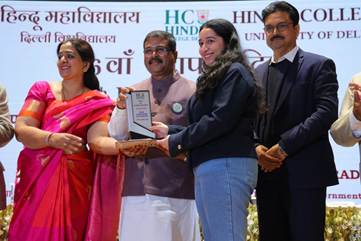
Union Minister for Education, Shri Dharmendra Pradhan, attended an event celebrating Hindu College’s 126th Founder’s Day in New Delhi today. Academicians, staff members and students also were present at the event. He engaged with the students and faculty of the college during his visit to the exhibition on Skill Development and Entrepreneurship activities. While exploring ideas, prototypes, and business models, he expressed confidence that they will serve as flag-bearers of innovation, entrepreneurship, job creation, and wealth generation in the times ahead.

Image
Image
Image

While addressing the event, Shri Dharmendra Pradhan highlighted the esteemed legacy of Hindu College, describing it as a temple of learning and a cradle of educational excellence, innovation, diversity, plurality, democratic ethos, nationalistic spirit, and nation-building.

He reflected on the college’s founding by Shri Krishan Dass Ji Gurwale, who sought to counter Macaulay’s efforts to dismantle India’s education system and culture. He emphasized how Hindu College has since carved an unparalleled legacy in shaping India’s intellectual, cultural, and national identity. The path of progress and prosperity on which India stands today, he asserted, has been paved by Hindu College.

Shri Pradhan also remarked that while creating a legacy is easier, sustaining it requires relentless dedication. Congratulating the students, faculty, and staff for their unwavering ‘Sadhna’ in upholding the college’s tradition of excellence, he urged them to continue this commitment, striving to transform the institution into a global hub of solutions.

He also underscored that Viksit Bharat 2047 is a collective goal for all Indians. The next 22-25 years, he noted, mark the Amrit Kaal, a crucial period for the Hindu College community. He emphasized that as India celebrates the centenary of its independence, Hindu College will also mark its 150th Founder’s Day. During this pivotal phase, the college must aspire to establish itself as an epicentre of research, innovation, entrepreneurship, and solutions to 21st-century challenges, he added.

Expressing confidence in Hindu College’s role in shaping India’s future, he envisioned it emerging as a ‘Captain’ of India’s transformation in the coming decades. He expressed hope that its students will evolve into wealth-creators, job-creators, deep-tech innovators, policymakers, and global citizens of tomorrow.

*****

Measuring the Pulse of Indian Education

Daily writing prompt
Tell us about your favorite pair of shoes, and where they’ve taken you.

Education is not only the foundation upon which our civilization has been built, but it is also the architect of humanity’s future.”

~Prime Minister Shri Narendra Modi

Education has always been a key priority for the government and with the vision to make India a global education hub, the Union Budget 2025-26 introduces innovative initiatives. Focused on expanding medical seats, enhancing skilling infrastructure and growing IITs, these measures aim to provide more opportunities and equip youth with essential skills for the future.

Announcements for a Smarter, Inclusive India

  1. Bharatiya Bhasha Pustak Scheme: To provide digital-form Indian language books for school and higher education. This aims to help students understand their subjects better. 
  2. National Centres of Excellence for Skilling: Building on the July 2024 Budget, five National Centres of Excellence for skilling will be established with global partnerships to equip youth with skills. These centres will focus on curriculum design, trainer training, skills certification, and regular reviews.
  3. Expansion of Capacity in IITs: Additional infrastructure will be created in the 5 IITs started after 2014 to facilitate education for 6,500 more students. Hostel and other infrastructure capacity at IIT, Patna will also be expanded. Total number of students in 23 IITs has increased 100 per cent from 65,000 to 1.35 lakh in the past 10 years.  
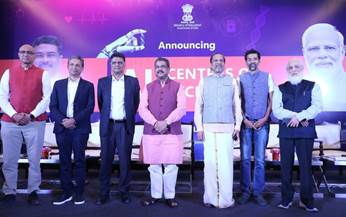
  4. Centre of Excellence in AI for Education: A Centre of Excellence in Artificial Intelligence for education will be set up with a total outlay of 500 crore.
  5. Expansion of Medical Education: The government had added almost 1.1 lakh UG and PG medical education seats in ten years, an increase of 130 per cent. In the next year, 10,000 additional seats will be added in medical colleges and hospitals, towards the goal of adding 75,000 seats in the next 5 years.

Inside India’s Education System

The Indian education system has undergone significant transformation over the years. Serving 24.8 crore students across 14.72 lakh schools, it is supported by a dedicated workforce of 98 lakh teachers, as reported by the UDISE+ (Unified District Information System for Education Plus 2023-24). Government schools form the backbone of the system, comprising 69% of the total, enrolling 50% of students and employing 51% of teachers. On the other hand, private schools make up 22.5% of institutions, catering to 32.6% of students and employing 38% of teachers. This growing structure reflects the dynamic changes in the Indian education landscape, paving the way for continuous improvements in enrollment and access over the years.

Enrollment Trends in India

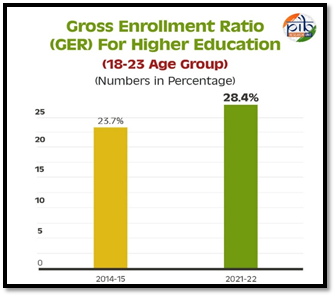
The NEP 2020 aims for a 100% Gross Enrollment Ratio (GER) by 2030. The GER is near universal at the primary (93 %) and the efforts are underway to bridge the gaps at the secondary (77.4 %) and higher secondary level (56.2 %), driving the nation closer to its vision of inclusive and equitable education for all. In the realm of higher education, India has seen a dramatic rise in student enrollment. The total number of students enrolled in higher education reached 4.33 crore in 2021-22, a 26.5% increase from 3.42 crore in 2014-15. The Gross Enrollment Ratio (GER) for the 18-23 age group also rose from 23.7% to 28.4% in the same period.

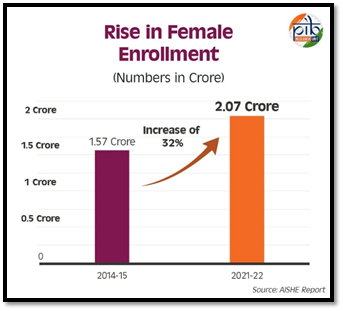
Women’s participation in higher education has also witnessed significant growth, with female enrollment rising from 1.57 crore in 2014-15 to 2.07 crore in 2021-22, marking a 32% increase. This progress is especially evident in fields like Medical Science, Social Science, and Arts, where women are now leading the charge in enrollment.

Decline in Dropout Rate


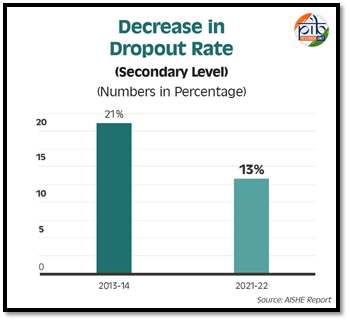
However, challenges still persist and the dropout rate remains a critical concern. While there has been a steady decline in dropout rates. School dropout rates have steadily declined in recent years, standing at 1.9 per cent for primary, 5.2 per cent for upper primary and 14.1 per cent for secondary levels. According to AISHE report the dropout rate at the secondary level has also decreased significantly from 21% in 2013-14 to 13% in 2021-22.

Transforming India’s Education Landscape

Over the years, India has seen a remarkable transformation in its higher education ecosystem. The number of Higher Education Institutions (HEIs) has grown significantly, increasing by 13.8% from 51,534 in 2014-15 to 58,643 in 2022-23. This expansion reflects the country’s commitment to making higher education more accessible and diverse.

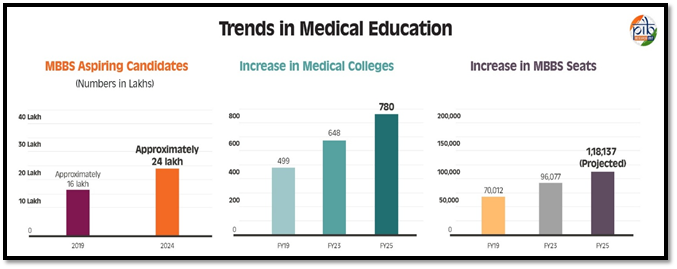
  • Growth in Medical Education and Workforce:  Medical Colleges grew from 499 in FY19 to 780 in FY25.
  • Candidates aspiring to study MBBS increased from 16 lakh in 2019 to 24 lakh in 2024.
  • MBBS Seats increased from 70,012 in FY19 to 1,18,137 in FY25.
  • Postgraduate Medical Seats grew from 39,583 in FY19 to 73,157 in FY25.

  • Doctors Available: 13.86 lakh registered practitioners as of July 2024, with a current ratio of 1:1263 per person. The WHO norm of 1:1000 could be met by 2030 with an annual increase of 50,000 doctors.
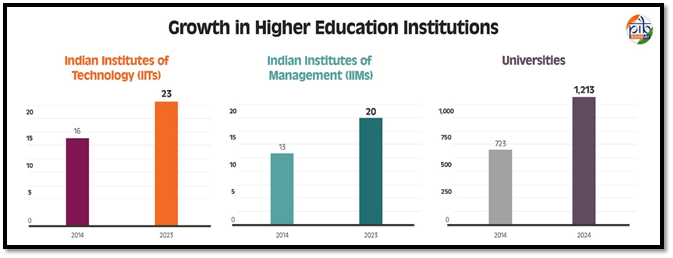
  • Growth of Indian Institutes of Technology (IITs): The number of IITs increased from 16 in 2014 to 23 in 2023.
  • Growth of Indian Institutes of Management (IIMs):The number of IIMs grew from 13 in 2014 to 20 in 2023.
  • Expansion of Universities:The number of Universities grew from 723 in 2014 to 1,213 in 2024, marking a 59.6% increase.
  • Increase in Higher Education Institutions (HEIs): Total HEIs increased by 13.8%, from 51,534 in 2014-15 to 58,643 in 2022-23.

Progress in Basic Facilities

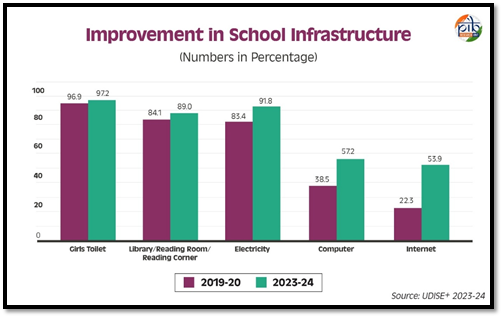
Education infrastructure has significantly improved, with a rise in the number of higher education institutions. Key areas like medical check-upssanitation, and ICT availability have also seen substantial upgrades, highlighting positive progress in school facilities to enhance the quality of education. From 2019-20 to 2023-24, there have been notable improvements in school infrastructure. The percentage of schools with girls’ toilets increased slightly from 96.9% to 97.2%, while access to libraries/reading rooms rose from 84.1% to 89%.  The availability of electricity improved from 83.4% to 91.8%, and computers in schools increased from 38.5% to 57.2%. Additionally, internet access grew significantly from 22.3% to 53.9%, marking a positive shift toward better-equipped schools.

Conclusion

The education sector in India is being strengthened through various government initiatives aligned with NEP 2020. Programs like Samagra Shiksha Abhiyan, PM SHRI (Pradhan Mantri Schools for Rising India) and PM POSHAN (Pradhan Mantri Poshan Shakti Nirman) are driving improvements in infrastructure, teacher training and learning outcomes. The Economic Survey highlights the progress and the government’s commitment to making education more inclusive and accessible.

References

Click here to download PDF

*******
UGC (Minimum Qualifications for Appointment & Promotion of Teachers and Academic Staff in Universities and Colleges and Measures for Maintenance of Standards in Higher Education) Regulations, 2025

Daily writing prompt
Write about a few of your favorite family traditions.

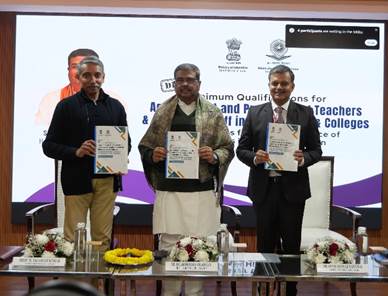
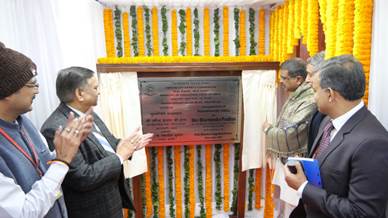
Union Minister for Education, Shri Dharmendra Pradhan, released the draft UGC (Minimum Qualifications for Appointment & Promotion of Teachers and Academic Staff in Universities and Colleges and Measures for the Maintenance of Standards in Higher Education) Regulations, 2025, today in New Delhi. He also inaugurated ‘Pushpagiri’, the new auditorium of UGC. Shri Sunil Kumar Barnwal, Additional Secretary, Ministry of Education; Prof. M. Jagadesh Kumar, Chairman, UGC; heads of the institutions, academicians, officials of the Ministry and other dignitaries were also present at the event.

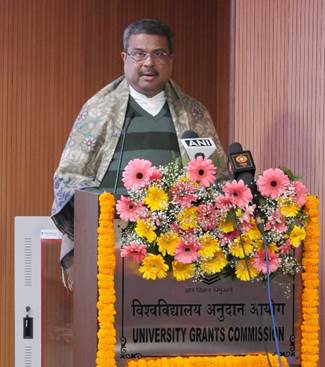
Shri Dharmendra Pradhan, while addressing the audiences said that these draft reforms and guidelines will infuse innovation, inclusivity, flexibility and dynamism in every aspect of higher education, empower teachers and academic staff, strengthen academic standards and pave the way for achieving educational excellence. He congratulated the team of UGC for their efforts in formulating the Draft Regulations and Guidelines in sync with the ethos of NEP 2020.

The Minister mentioned that the Draft Regulations, 2025, have been placed in the public domain for feedback, suggestions, and consultations. He expressed confidence that the UGC will soon publish the Draft Regulations, 2025, in their final form, driving transformations in the education system and propelling the country towards Viksit Bharat 2047 through quality education and research.

Shri Pradhan also complimented the UGC for honouring the unparalleled intellectual heritage of Odisha by naming their newly constructed auditorium ‘Pushpagiri.’ He noted that it is a matter of great pride and personal delight for him. He highlighted how Pushpagiri in Jajpur, Odisha, was a cradle of knowledge and a symbol of enlightenment. He commended the UGC for this laudable step in reappropriating Bharat’s intellectual heritage and values in the 21st century. Additionally, he expressed hope that this state-of-the-art auditorium would emerge as a hub for vibrant intellectual discourses, shaping bright futures.

Shri Sunil Kumar Barnwal, in his address, said that these regulations will significantly enhance the quality of teaching and learning in the higher education institutions. He also mentioned how the Ministry is committed to supporting their effective implementation across the country.

About the Regulations

The Draft UGC (Minimum Qualifications for Appointment & Promotion of Teachers and Academic Staff in Universities and Colleges and Measures for the Maintenance of Standards in Higher Education) Regulations, 2025 will give flexibility to universities in appointing & promoting teachers and academic staff in their institutions.

The draft regulations and guidelines are available for public consultation, inviting comments, suggestions and feedback from stakeholders at:

Draft Regulations: https://www.ugc.gov.in/pdfnews/3045759_Draft-Regulation-Minimum-Qualifications-for-Appointment-and-Promotion-of-Teachers-and-Academic-Staff-in-Universities-and-Colleges-and-Measures-for-the-Maintenance-of-Standards-in-HE-Regulations-2025.pdf

Key Highlights of the Regulations

•     Flexibility: Candidates can pursue teaching careers in subjects they qualify for with NET/SET, even if different from their previous degrees. Ph.D. specialisation will be prioritised.

•     Promoting Indian Languages: The draft Regulations encourage the use of Indian languages in academic publications and degree programmes.

•     Holistic Evaluation: It aims to eliminate score-based short-listing, focusing on a broader range of qualifications, including “Notable Contributions.”

•     Diverse Talent Pool: Creates dedicated recruitment pathways for experts in arts, sports, and traditional disciplines.

•     Inclusivity: Provides opportunities for accomplished sportspersons, including those with disabilities, to enter the teaching profession.

•     Enhanced Governance: Revises the selection process for Vice-Chancellors with expanded eligibility criteria with transparency.

•     Simplified Promotion Process: Streamlines the criteria for promotions, emphasising teaching, research output, and academic contributions.

•     Focus on Professional Development: Encourages continuous learning and skill enhancement for teachers through faculty development programs.

•     Enhanced Transparency and Accountability: Promotes transparent processes for recruitment, promotion, and addressing grievances.

*****

APAAR ID Card, The One Nation One Student ID 2025

Daily writing prompt
What do you enjoy doing most in your leisure time?

APAAR ID Card, the One Nation One Student ID: The Ministry of Education in conjunction with the Government of India has introduced the APAAR ID program, which stands for “One Nation One Student ID Card.” This initiative is set to greatly benefit students by digitally consolidating their complete academic records, including degrees, scholarships, rewards, and other credits into a unified APAAR ID. If you have enrolled in a school or college, you will need to complete the One Nation One ID Registration at abc.gov.in and then access your APAAR ID in PDF format from the official website. This program is open to all students, allowing them to participate and complete their ABC Bank Registration on the official website.

In this article, we provide comprehensive information about the advantages of the ABC Card and include  from abc.gov.in. It is important to obtain your One Nation One ID Card using this provided link, as it grants you access to a variety of benefits offered by the card. By pursuing different courses and developing skills, you can accumulate various rewards and credits through the ABC Card program.

The One Nation One Student ID, APAAR ID Card, is a significant step towards a more organized and accessible academic experience for students in India. By registering and downloading your APAAR ID Card, you can unlock various benefits and conveniently store your academic records. With thousands of institutes and millions of students already benefiting from this program, it’s a promising development in the education sector.

APAAR ID Card 2025: One Nation One Student ID Overview

SchemeAPAAR ID Card : One Nation One Student ID
Full form of APAAR IDAutomated Permanent Academic Account Registry
AuthorityMinistry of Education and Government of India
Portal NameABC Bank
BeneficiariesStudents in India
Purpose of the SchemeStudent Mobility, Academic Flexibility, Unified Student ID and Easy Transfers
Total Registered Students2 Crore + Students
How to RegisterUsing Mobile Number
Details RequiredAadhar Card Number, Mobile Number, University Name

Apaar Id Full Form

APAAR ID stands for Automated Permanent Academic Account Registry. This system aims to create a unique and permanent identification number for every student in India, storing their academic records securely and digitally. While online applications aren’t yet available, it’s important to be aware of the initiative and its future developments.

Use of APAAR ID for students, parents and schools

  1. APAAR ID will be unique nature and will work as One Nation, One Student ID giving identify to students across all use purpose and will be easy for transfer of students from one school to other school, state etc.
  2. It will empower students with their own ID.
  3. This unique ID will be lifelong and help in accessing the educational resources too.
  4. APAAR ID will be useful for tracking educational progress and achievement of students;
  5. APAAR ID will be useful for monitoring the dropout students and mainstreaming them.
  6. APAAR ID will be gateway for accessing Digilocker ecosystem which will store digitally all achievements of students like exam results, holistic report card, health card, learning outcomes besides other achievements of students be it OLYMPIAD, Sports, Skill training or any field.
  7. Students can use the credit score for their higher education or employment purpose in future.
  8. APAAR ID will also be used for multiple use cases e.g., Entrance tests conducted by NTA, admissions, Scholarship disbursement, transfer of government benefit, issue of awards, recognition etc for students, teachers and other users.

APAAR ID Card Key Features

  1. Preserving student achievements
  2. Streamlines credit recognition
  3. Enhance educational flexibility
  4. Credit transfer across institutions

APAAR ID Card Registration Form

  • Government Initiatives: Explore how the Government of India and the Ministry of Education continue to introduce initiatives that benefit citizens.
  • Registration Process: Understand the significance of completing the APAAR ID registration and how to download the APAAR ID card for use.

APAAR ID Card Apply Online

There are two main ways to apply for an APAAR ID Card online:

1. Through the Academic Bank of Credits (ABC) website:

Here’s the step-by-step process:

  • Visit the ABC website: https://www.abc.gov.in/
  • Choose “My Account” and then “Student.”
  • If you don’t have a DigiLocker account:
    • Click “Sign up” and enter your mobile number, address, and Aadhaar card details.
    • Agree to share your Aadhaar details with ABC for KYC verification.
  • If you have a DigiLocker account:
    • Log in using your credentials.
    • DigiLocker will ask for your consent to share your Aadhaar card details with ABC. Select “I agree.”
  • Enter your academic details: school/university name, class, course name, etc.
  • Submit the form.
  • Your APAAR ID card will be generated.

2. Through DigiLocker:

  • Open your DigiLocker account.
  • Search for “Education” in the categories.
  • Select “Academic Bank of Credits” service.
  • Choose “Create APAAR/ABC ID.”
  • Select your University and click “Generate APAAR/ABC ID.”
  • Your ID will be displayed. You can download it.

How to Download the ABC Card PDF

We have some exciting news to share with you! The Academic Bank of Credits, which was talked about in the National Education Policy (NEP), has been launched.

With this special portal, all students can sign up and enjoy the benefits of the ABC Card.

Here’s how to get your ABC Card PDF:

  1. Follow the steps outlined in the ABC Card PDF Download Process.
  2. After you’ve downloaded the APAAR Card PDF @ abc.gov.in, take a moment to check the details on it. Make sure your Name, APAAR ID, QR Code, and other information are correct.
  3. Right now, thousands of schools and two crore (20 million) students have already signed up online for the ABC Card or APAAR ID Card. It’s a big deal!

APAAR ID Card: One Nation One ID Card Registration

We want to let you know that the ABC Bank registration through Digilocker is currently open, and we encourage all students to complete it to enjoy the benefits.

Here’s how to do it:

  1. Use Digilocker to open an ABC Bank Account. You can then access your APAAR Card using your Mobile Number.
  2. Provide your University Name, Academic Qualifications, and other required details.
  3. Submit the form, and your APAAR Card will be generated.
  4. Your ABC Card will be available online for you to download. You can use it for various services.
  5. As an ABC Card Holder or APAAR Card user, you can also enjoy discounts and special offers available to students.

Instructions for Online APAAR ID Registration @ abc.gov.in

To complete your APAAR ID registration online at abc.gov.in, follow the steps below:

  1. Visit the website mentioned above and wait for the homepage to load.
  2. Click on the “Login” option and then select the “Signup” button.
  3. Provide your Mobile Number and Aadhar Card Number to complete the registration process.
  4. Next, choose your School or University and specify your Class or Course.
  5. Submit the registration form, and your APAAR ID Card will be generated.
  6. Download the card online and utilize it to access and manage your academic credits.

ABC ID Card Overview

The ABC ID Card, also known as APAAR ID, is a digital document issued by the Academic Bank of Credits (ABC) in India. It acts as a unique identifier for students, storing and managing their academic information in a central location. Here’s a quick overview:
Purpose:

  • Serves as a digital record for students’ academic achievements, including:
    • Degrees
    • Diplomas
    • Certificates
    • Training details
    • Co-curricular accomplishments
  • Functions as a link to DigiLocker, a secure online document storage platform.
  • Streamlines the verification process for admissions or job applications by providing easy access to academic credentials.

Benefits:

  • Enhances student mobility: Enables seamless transfer of credits between or within higher education institutions.
  • Promotes flexibility: Allows students to pursue courses from various institutions and build their qualifications at their own pace.
  • Simplifies record management: Eliminates the need for physical documents and ensures secure storage of academic records.

Key Points:

  • Each student receives a unique 12-digit ID.
  • Information is stored in digital format on the ABC platform.
  • Students can access and manage their records through the user-friendly interface.

APAAR ID Card: One Nation One Student ID FAQ

Automated Permanent Academic Account Registry (APAAR) ID has sparked significant interest and raised numerous questions. This FAQ aims to address common queries regarding the APAAR ID, also known as “One Nation, One Student ID,” and provide a clear understanding of its purpose and implementation.

Q1: What is the APAAR ID, and why is it significant?
A. The APAAR ID, or Automated Permanent Academic Account Registry ID, is a unique identification number assigned to students across India. It is part of the “One Nation, One Student ID” initiative under the National Education Policy (NEP) 2020. The APAAR ID is significant because it provides a lifelong identifier for students to track their educational journey and achievements, from pre-primary to higher education.

Q2: How does the APAAR ID work?
A. The APAAR ID is a unique alphanumeric code linked to an individual student. It will be used to centralize and maintain a record of the student’s academic achievements, certificates, and other educational data throughout their academic career.

Q3: Is the APAAR ID linked to Aadhaar?
A. Yes, the APAAR ID will be linked to the student’s Aadhaar ID, which is a unique identification number issued by the Indian government. However, it’s important to note that the APAAR ID does not replace the Aadhaar ID but complements it for educational tracking purposes.

Q4: Who will be assigned an APAAR ID, and what is the process for obtaining one?
A. All students in both private and government schools will be assigned an APAAR ID. The process for obtaining an APAAR ID involves consent from parents. Schools will seek consent from parents before creating an APAAR ID for their child. Parents can choose to withdraw their consent at any time.

Q5: What information will be included in the APAAR ID?
A. The APAAR ID will include a variety of academic data, including information about the student’s educational journey, achievements, certificates, and other relevant details. It may also include additional information such as the student’s blood group, height, and weight.

Q6: When will the APAAR ID be implemented, and is it mandatory for all students?
A. The implementation of the APAAR ID is an ongoing process. State education departments have directed educational institutions to conduct meetings between teachers and parents to discuss the importance and relevance of the APAAR ID. While it is being actively encouraged, participation is not always mandatory, and parents have the choice to provide consent for their child’s APAAR ID.

Q7: How can parents and students ensure the security of their data linked to the APAAR ID?
A. The government has assured that student data linked to the APAAR ID will remain confidential and will only be shared with government agencies when deemed necessary. Parents and students should be vigilant about how their data is handled and ensure it is used solely for educational purposes as intended.

Q8: Can students or parents access and update information linked to the APAAR ID?
A. Students and parents may have the option to access and update certain information linked to the APAAR ID, but this will depend on the specific policies and systems in place at the educational institutions and government agencies handling the APAAR ID.

Q9: How will the APAAR ID benefit students and the education system?
A. The APAAR ID is expected to benefit students by providing a unified record of their academic journey, making it easier to access and share educational credentials and achievements. For the education system, it streamlines the management of student data and can assist in assessing educational progress and needs more efficiently.

Q10: Are there any concerns or criticisms regarding the APAAR ID?
A. While the APAAR ID initiative has garnered support, it has also raised concerns about data privacy, consent, and the potential for misuse of student data. Some individuals and organizations have raised questions about the implementation and the need for clear policies to protect student information.

UGC (Minimum Qualifications for Appointment & Promotion of Teachers and Academic Staff in Universities and Colleges and Measures for Maintenance of Standards in Higher Education) Regulations, 2025

Daily writing prompt
What’s your dream job?

Union Minister for Education, Shri Dharmendra Pradhan, released the draft UGC (Minimum Qualifications for Appointment & Promotion of Teachers and Academic Staff in Universities and Colleges and Measures for the Maintenance of Standards in Higher Education) Regulations, 2025, today in New Delhi. He also inaugurated ‘Pushpagiri’, the new auditorium of UGC. Shri Sunil Kumar Barnwal, Additional Secretary, Ministry of Education; Prof. M. Jagadesh Kumar, Chairman, UGC; heads of the institutions, academicians, officials of the Ministry and other dignitaries were also present at the event.

Shri Dharmendra Pradhan, while addressing the audiences said that these draft reforms and guidelines will infuse innovation, inclusivity, flexibility and dynamism in every aspect of higher education, empower teachers and academic staff, strengthen academic standards and pave the way for achieving educational excellence. He congratulated the team of UGC for their efforts in formulating the Draft Regulations and Guidelines in sync with the ethos of NEP 2020.

The Minister mentioned that the Draft Regulations, 2025, have been placed in the public domain for feedback, suggestions, and consultations. He expressed confidence that the UGC will soon publish the Draft Regulations, 2025, in their final form, driving transformations in the education system and propelling the country towards Viksit Bharat 2047 through quality education and research.

Shri Pradhan also complimented the UGC for honouring the unparalleled intellectual heritage of Odisha by naming their newly constructed auditorium ‘Pushpagiri.’ He noted that it is a matter of great pride and personal delight for him. He highlighted how Pushpagiri in Jajpur, Odisha, was a cradle of knowledge and a symbol of enlightenment. He commended the UGC for this laudable step in reappropriating Bharat’s intellectual heritage and values in the 21st century. Additionally, he expressed hope that this state-of-the-art auditorium would emerge as a hub for vibrant intellectual discourses, shaping bright futures.

Shri Sunil Kumar Barnwal, in his address, said that these regulations will significantly enhance the quality of teaching and learning in the higher education institutions. He also mentioned how the Ministry is committed to supporting their effective implementation across the country.

About the Regulations

The Draft UGC (Minimum Qualifications for Appointment & Promotion of Teachers and Academic Staff in Universities and Colleges and Measures for the Maintenance of Standards in Higher Education) Regulations, 2025 will give flexibility to universities in appointing & promoting teachers and academic staff in their institutions.

The draft regulations and guidelines are available for public consultation, inviting comments, suggestions and feedback from stakeholders at:

Draft Regulations: https://www.ugc.gov.in/pdfnews/3045759_Draft-Regulation-Minimum-Qualifications-for-Appointment-and-Promotion-of-Teachers-and-Academic-Staff-in-Universities-and-Colleges-and-Measures-for-the-Maintenance-of-Standards-in-HE-Regulations-2025.pdf

Key Highlights of the Regulations

•     Flexibility: Candidates can pursue teaching careers in subjects they qualify for with NET/SET, even if different from their previous degrees. Ph.D. specialisation will be prioritised.

•     Promoting Indian Languages: The draft Regulations encourage the use of Indian languages in academic publications and degree programmes.

•     Holistic Evaluation: It aims to eliminate score-based short-listing, focusing on a broader range of qualifications, including “Notable Contributions.”

•     Diverse Talent Pool: Creates dedicated recruitment pathways for experts in arts, sports, and traditional disciplines.

•     Inclusivity: Provides opportunities for accomplished sportspersons, including those with disabilities, to enter the teaching profession.

•     Enhanced Governance: Revises the selection process for Vice-Chancellors with expanded eligibility criteria with transparency.

•     Simplified Promotion Process: Streamlines the criteria for promotions, emphasising teaching, research output, and academic contributions.

•     Focus on Professional Development: Encourages continuous learning and skill enhancement for teachers through faculty development programs.

•     Enhanced Transparency and Accountability: Promotes transparent processes for recruitment, promotion, and addressing grievances.

*****

Top 10 Colleges in the USA (2025)

Daily writing prompt
What colleges have you attended?

The United States is home to some of the world’s most prestigious colleges and universities, known for their rigorous academic programs, state-of-the-art facilities, and vibrant campus communities. Here is a list of the top 10 colleges in the USA, known for their excellence in education and research:


1. Massachusetts Institute of Technology (MIT)

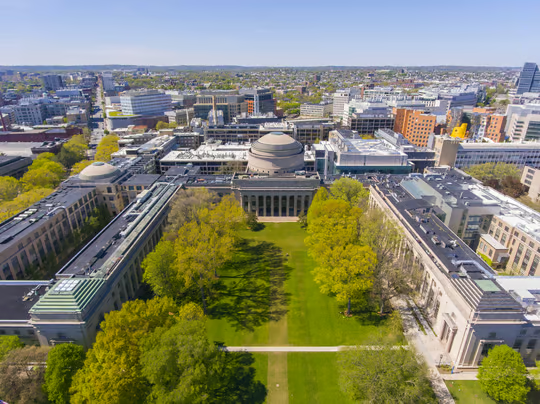
Located in Cambridge, Massachusetts, MIT consistently ranks as the top college in the world for its cutting-edge research and innovation in science, technology, and engineering. Its collaborative and entrepreneurial culture attracts some of the brightest minds globally.

Highlights:

  • World-class STEM programs
  • Strong emphasis on entrepreneurship
  • High return on investment for graduates

2. Stanford University

Situated in the heart of Silicon Valley, California, Stanford is synonymous with innovation. It offers a diverse array of programs in fields such as business, engineering, and humanities.

Highlights:

  • Close ties to the tech industry
  • Exceptional research opportunities
  • Stunning campus architecture

3. Harvard University

As the oldest institution of higher education in the U.S., Harvard in Cambridge, Massachusetts, is a symbol of academic excellence. Its reputation spans across law, medicine, business, and arts.

Highlights:

  • Rich history and traditions
  • Prestigious alumni network
  • Strong financial aid programs

4. California Institute of Technology (Caltech)

Located in Pasadena, California, Caltech is renowned for its focus on science and engineering. It boasts a small student body and an impressive faculty-to-student ratio.

Highlights:

  • Intense focus on STEM disciplines
  • Access to cutting-edge research facilities
  • Close collaboration between students and faculty

5. University of Chicago

This Illinois-based institution is celebrated for its intellectual rigor and strong programs in economics, political science, and the humanities.

Highlights:

  • Nobel Prize-winning faculty
  • Emphasis on critical thinking and inquiry
  • Unique Core Curriculum

6. Princeton University

Located in Princeton, New Jersey, this Ivy League institution offers a unique blend of undergraduate focus and world-class research.

Highlights:

  • Strong liberal arts curriculum
  • Stunning Gothic architecture
  • Generous financial aid packages

7. Yale University

Situated in New Haven, Connecticut, Yale is known for its programs in law, drama, and the humanities. Its residential college system creates a close-knit community.

Highlights:

  • Renowned performing arts programs
  • Historic and picturesque campus
  • Strong emphasis on leadership and service

8. Columbia University

Located in New York City, Columbia offers unparalleled access to global opportunities in finance, media, and arts, making it a magnet for ambitious students.

Highlights:

  • Vibrant urban campus
  • Strong focus on research and innovation
  • Home to the Pulitzer Prize

9. University of Pennsylvania (Penn)

Penn in Philadelphia, Pennsylvania, combines a strong liberal arts education with world-class professional programs in business, law, and medicine.

Highlights:

  • Founding member of the Ivy League
  • Wharton School for business
  • Focus on interdisciplinary studies

10. Duke University

Located in Durham, North Carolina, Duke is known for its rigorous academics, strong athletics, and vibrant campus life.

Highlights:

  • Excellent programs in business, law, and medicine
  • Beautiful campus and athletic facilities
  • Commitment to global education

Factors for Consideration

The rankings above consider academic excellence, faculty quality, research output, financial aid, student satisfaction, and global reputation. Choosing the right college depends on personal goals, preferred programs, and campus culture.

Would you like additional information on admission requirements, financial aid, or campus life for any of these colleges?

CAQMrelaxes certain restrictions under Stage-III and Stage-IV of the Graded Response Action Plan (GRAP)

Daily writing prompt
Do you have a favorite place you have visited? Where is it?

Today, the Hon’ble Supreme Court vide its Order dated 25.11.2024 in WP (C) No. 13029 of 1985 titled as M. C. Mehta Vs. Union of India & Ors., inter alia, directed as under:

“…we direct the Commission to consider the grant of relaxation of actions in terms of clauses 5 and 8 of Stage IV measures (only in relation to educational institutions) as well as clause 11 of Stage III measures. The Commission may consider of grant of exemptions to certain classes from the aforesaid actions/measures. The Commission will have to consider the grant of relaxation/exemption as regards the actions under the aforesaid three clauses for various reasons, including the following:

  1. A large number of students are being deprived of the facility of Mid Day Meals as the schools and anganwadis are closed;
  2. A large number of students do not have the facilities to take benefit of online education. Many educational institutions do not have facilities to provide online education; and
  3. The residences of many students do not have air purifiers, and therefore, there may not be any difference between the children sitting at home and the children attending school.

…We also leave it to the Commission to decide on the continuation of the ban on conducting physical classes of X and XII standards on the same grounds.

Various options can be considered by the Commission. One can be of granting relaxation to those schools and educational institutions which do not have the facility of online education, and the other can be of granting relaxation to those students who do not have the facilities of attending online education at their respective homes. We make it clear that we are leaving it to the Commission to decide to what extent, if any, the measures relating to education which are otherwise applicable in Stages III and IV of the GRAP can be either relaxed or exceptions can be carved out. We expect that a decision shall be taken by the Commission during the course of the day or, at the latest, by tomorrow morning so that it can be implemented…”

Further, in respectful compliance of the above noted directives of the Hon’ble Supreme Court, the Commission further deliberated upon the related issues and has taken note of the following key factors:

  1. All the primary schools in the NCT of Delhi and also those in other areas of NCR do not have capabilities / access for conducting classes purely in an online mode;
  2. The adverse air quality scenario, primarily owing to highly unfavourable meteorological and climatic conditions, generally prevails for a long duration during winter months typically from November till January and going by the AQI trend in Delhi during such periods, GRAP Stages – III / IV are required to be invoked for considerable periods of time during these months. Such restrictions have an impact on the functioning of the educational system and the quality of education; 
  1. Students of classes X and XII and the associated school authorities are most impacted by the GRAP Stage – IV restrictions, considering the Board examinations facing them and the various competitive exams which follow. These students are required to attend classes in a physical mode considering the practical classes as also the practical examinations. Besides, the students are also required to attend to extra classes / tutorials for the Board examinations;
  2. The Commission also considered various representations relating to conduct of physical classes in schools during such restrictive GRAP stages.

Considering all the above noted aspects and in respectful compliance of the Hon’ble Supreme Court’s directives, the Commission, today has ordered the following with immediate effect and until further orders:

  • Clause 11 of GRAP Stage-III, Clause 5 of GRAP Stage-IV and Clause 8 of GRAP Stage-IV (to the extent it relates to colleges / educational institutions) are relaxed to the extent that State Govts. in the NCR and the GNCTD shall ensure that all classes upto 12th Standard in schools and those in colleges / educational institutions are conducted in a “Hybrid” mode i.e., both in “physical” and also in an “online” mode, wherever online mode is feasible, in the territorial jurisdiction of the NCT of Delhi and in the districts of Gurugram, Faridabad, Ghaziabad and Gautam Buddh Nagar in the NCR. The option to exercise online mode of education, wherever available, shall vest with the students and their guardians.
  • NCR State Governments may also consider conducting classes in a hybrid mode as above in all other areas in NCR.

                                                                            *****

One Nation One Subscription (ONOS)

Daily writing prompt
What is one thing you would change about yourself?

The Union Cabinet, chaired by Prime Minister Shri Narendra Modi, has approved One Nation One Subscription,  a new Central Sector Scheme for providing country-wide access to scholarly research articles and journal publication. The scheme will be administered through a simple, user friendly and fully digital process. This will be a “One Nation One Subscription” facility for the government higher education institutions and R&D laboratories of the central government.

A total of about Rs.6,000 crore has been allocated for One Nation One Subscription for 3 calendar years, 2025, 2026 and 2027 as a new Central Sector Scheme. One Nation One Subscription will build on and further enhance the scope and reach of the range of initiatives undertaken by the Government of India over the past decade in the domains of education, for maximizing access to quality higher education for the youth of India. This will supplement the ANRF initiative to promote research and development and foster a culture of research and innovation throughout government universities, colleges, research institutions, and R&D laboratories.

The benefits of One Nation One Subscription scheme will be provided to all Higher Educational Institutions under the management of the Central or State Government and Research & Development Institutions of the Central Government, through a national subscription coordinated by a central agency, namely the Information and Library Network (INFLIBNET), an autonomous inter-university centre of the University Grants Commission (UGC). This list covers more than 6,300 institutions, translating into nearly 1.8 crore students, faculty and researchers, who will be able to potentially avail benefits of One Nation One Subscription.

This is in line with the goals of Viksitbharat@2047, National Education Policy (NEP) 2020 and Anusandhan National Research Foundation (ANRF). The initiative will expand access to scholarly journals to a vast diaspora of students, faculty, researchers and scientists of all disciplines, including those in tier 2 and tier 3 cities, thereby promoting core as well as interdisciplinary research in the country. The ANRF will periodically review the usage of One Nation One Subscription and publications of Indian authors of these institutions.

The Department of Higher Education will have a unified portal “One Nation One Subscription” through which the institutions will be able to access the journals. The ANRF will periodically review the usage of One Nation One Subscription and publications of Indian authors of these institutions. The DHE and other Ministries having HEIs and R&D Institutions under their management shall be proactively conducting Information, Education and Communication (IEC) campaigns among students, faculty and researchers of these institutions about availability and method of access to One Nation One Subscription, resulting in improved usage of the facility across the country. The State Governments will also be requested to carry out campaigns at their level for maximizing usage of the unique facility by students, faculty and researchers of all government institutions.

*****

Two-day knowledge sharing workshop under STARS

The Department of School Education & Literacy (DoSE&L), Ministry of Education, hosted a two-day Strengthening Teaching-Learning and Results for States (STARS) knowledge sharing workshop in Bhopal, Madhya Pradesh, from 30th September to 1st October 2024. The workshop, focusing on School-to-Work Transition and Strengthening the Assessment System, was inaugurated by Shri Uday Pratap Singh, Minister of Transport and School Education, Madhya Pradesh. The workshop emphasized the Ministry of Education’s commitment to fostering a robust educational ecosystem that prepares students for the challenges of the future workforce.

Shri Singh during his inaugural speech said that the National Education Policy 2020 emphasises on the overall development of children. He also mentioned that the STARS project will play a crucial role in the transformation of the education system.

Day 1: School-to-Work Transition

Shri Sanjay Kumar, Secretary, DoSE&L, in the inaugural session, provided essential context for the workshop, emphasizing the importance of bridging the gap between education and employment. Shri Vipin Kumar, Additional Secretary, DoSE&L, welcomed all the participants in the workshop providing great scope for learning. Dr. Sanjay Goyal, Secretary, Department of Education, Madhya Pradesh, highlighted the importance of this workshop and cross-learning which can happen between the states through such platforms.

The first panel discussion, moderated by Shri Vipin Kumar, focused on the role of policy frameworks such as National Education Policy 2020, National Curriculum Framework (NCF), and National Credit Framework (NCrF) in school-to-work transitions. Discussions highlighted the integration of skill education into school curricula, the role of the NCF in fostering multidisciplinary learning and adaptability, and the importance of continuous evaluation and updating of curricula to match industry standards. The panel also addressed the promotion of real-world exposure through internships and apprenticeships under NEP and NCrF, the flexibility of learning pathways through NCrF, and the role of policies in bridging the gap between academia and industry.

Prof. Dinesh Prasad Saklani, Director, NCERT, in his presentation, said that departments need to work in integration and not in silos, with a common vision of strengthening the education system for our future generations. He also highlighted the need to align the curriculum with the industry demands to make school-to-work transition more seamless for young learners.

Shri Biswajit Saha, Director, Skills, CBSE, talked about strengthening 21st century skills across CBSE schools and moderated a panel discussion on the challenges and potential solutions in integrating skill hubs into the educational landscape, sharing experiences and best practices, and discussing strategies for effective implementation within schools and communities.

A panel discussion on psychometric analysis and career counselling in skill education was moderated by Dr. Usha Titus, Managing Director, Additional Skill Acquisition Programme, Kerala. The discussion centred on assessing the effectiveness of career counselling programs using data from psychometric assessments, evolving trends in career counselling, and the challenges faced in preparing students for the future workforce.

Dr. Supriya A.R., SPD of Kerala, discussed the partnerships with industry and work-based learning opportunities, leading to a panel discussion moderated by Shri Rajesh Sharma, SPD, Himachal Pradesh. The panel discussed building effective partnerships between schools and industry bodies, collaborating on programs, internships, and job placement efforts, and identifying best practices to enhance work-based learning.

Day 2: Strengthening Assessment System

On the second day, in his opening remarks, Shri Vipin Kumar, Additional Secretary of DoSE&L, discussed  the current effectiveness and need for improvement in assessment models. Smt. Idzes Angmo Kundan, Principal Secretary, Maharashtra, delivered an insightful presentation on Psychometric Analysis and Career Counselling in Skill Education, where she highlighted the 3 P approach to career choice, i.e., Personal interest, Parental approach, and Possible Opportunities.

Shri Dinesh Singh Kushwaha, Director, Public Instructions, Madhya Pradesh, made a compelling presentation on enhancing student outcome through strengthening assessment systems for future education. Dr. Jonas Bertling, Director of Educational Testing Service (ETS), discussed innovations in educational assessment. Dr. Maj. Vishal Sharma, Secretary, Himachal Pradesh Board for Secondary Education, highlighted innovative assessment practices that empower students for future education.

A presentation on VSK implementation in the state of Chhattisgarh was presented by Shri Pardeshi Siddharth Komal, Principal Secretary, Chhattisgarh. He moderated a panel discussion on VSK Modes and Integrating Assessment Outcomes for Informed Decision-Making. The panel provided insights on objectives and components of VSK including data collection and analysis, and strategies for integrating assessment outcomes with learning objectives.

Shri Ashish Modi, Director, Secondary Education, Rajasthan, made a compelling presentation on the importance of an assessment cell. The presentation was followed by a panel discussion on the theme of Strengthening Assessment Cells in states, which was moderated by Dr. M.K. Shanmuga Sundaram, Principal Secretary – Basic Education, Uttar Pradesh. The panel discussed the role of assessment cells in enhancing educational effectiveness, innovative practices adopted by these cells and the challenges faced along with strategies for mitigation.

The workshop concluded with key takeaways summarized by Shri Vipin Kumar. He underlined strategies for enhancing assessment systems and school-to-work transitions.

The event was graced by Shri Nilambuj Sharan, Senior Economic Advisor, Ministry of Skill Development and Entrepreneurship, Government of India; Shri Deepak Paliwal, Joint Director, PSSCIVE; Col. Santosh Kumar, Director, NCVET; Shri Narayanan Ramaswamy, National Head (Education and Skilling), KPMG; Smt. R. Vimala, SPD, Maharashtra; Smt. Ananya Das, SPD of Odisha; Shri Somit Shrivastava, Joint Commissioner (Per), Kendriya Vidhyalaya Sangathan; Shri Nitin Kapoor, CEO and Head, NSDC Academy; Shri Marvell Doss, Regional Director, Regional Directorate of Skill Development and Entrepreneurship, Bhopal; Shri Vibhash Trivedi, General Manager, Strategy and Operations, Skill Council for Green Jobs; Shri Ambrish Datta, Founder & CEO of Skillsvarsity; Shri Rohit Tripathi, Additional Project Director, Samagra Shiksha, Uttar Pradesh; Shri Deepak Rai, State Assistant Director – OSEPA, Odisha; Shri Manoj Padhi, Director SCERT, Odisha and Shri Rahul Rekhawar, Director, SCERT, Maharashtra.

*****

Fireside chat organised by US India Strategic Partnership Forum

Union Minister for Education, Shri Dharmendra Pradhan, today participated in a fireside chat organised by the US India Strategic Partnership Forum as part of the India Leadership Summit 2024. He was joined by Mr. Ryan Roslansky, the CEO of LinkedIn, and Mr. Marvin Krislov, the President of Pace University.

Image

Speaking at the event, Shri Pradhan said that as the National Education Policy 2020 moves towards completing five years, India is giving unprecedented impetus to embracing new technologies, learning in Indian languages, and enhancing research and employability skills. He shared his thoughts on India’s progress in various aspects of education, which is driving learners towards competency and knowledge-based enterprises. The Minister also highlighted how India can embrace new opportunities for developing a future-ready, responsible generation of global citizens.

Shri Pradhan further stated that the world needs to come together to solve global challenges, and India is ready to play its role. From opening doors for foreign universities to set up campuses in India to moving towards a paradigm of prioritizing competency over degrees, India will fulfill the aspirations of its society and become a growth engine for the world, he added.

*****

3 Centres of Excellence in AI in Healthcare, Agriculture and Sustainable Cities

Union Minister for Education, Shri Dharmendra Pradhan, announced the establishment of three AI Centres of Excellence (CoE) focused on Healthcare, Agriculture, and Sustainable Cities in New Delhi today. Secretary, Department of Higher Education, Shri K. Sanjay Murthy; Co-chair of the Apex Committee and Founder and CEO of Zoho Corporation, Shri Sridhar Vembu; Chairman of the National Educational Technology Forum, Prof. Anil Sahasrabudhe; MD, PeakXV Partners and Surge, Shri Rajan Anandan; CEO, Khosla Labs, Shri Srikanth Nadhamuni; Head, Cropin AI Labs, Dr. Praveen Pankajakshan; senior officials from various ministries of the Government of India, Directors of IITs, Heads of higher educational institutions (HEIs), industry leaders, and start-up founders were also present at the event. Shri Pradhan presented a sapling and a Plaque to the representatives of AIIMS and IIT Delhi, IIT Ropar, and IIT Kanpur, which will lead the CoEs, for their commitments and support. Respective Apex Committee members of the AI-CoE Healthcare, Agriculture and Sustainable Cities explained the scope and extent of the projects.

While speaking at the event, Shri Dharmendra Pradhan hoped that the three AI-CoEs would emerge as temples of global public good. With the unveiling of the Centres, significant strides have been taken to strengthen Bharat’s credentials in the global AI landscape, he added. Shri Pradhan also said that with the talent and zeal that Bharat is blessed with, in the times ahead, these CoEs will be a key element of global public policy and also emerge as solution providers of the world.

Image

He complimented the apex committee led by Shri Sridhar Vembu for their meticulous and sincere efforts towards the implementation of these COEs in AI in the top academic institutions of the country. Expressing his gratitude to Prime Minister Shri Narendra Modi for his vision to establish India as a global hub of AI, he added that these CoEs in AI will give further impetus to the start-up ecosystem in the country, help create a new generation of job and wealth creators, and establish new paradigms of global public good.

Shri K. Sanjay Murthy, in his address highlighted that these CoEs are not just institution-based but are designed to serve the entire country. Stressing the importance of interdisciplinary research, he mentioned that with the right kind of collaboration among like-minded resources, optimum results can be achieved. He noted that the competitive-based challenge methods developed in educational institutions have ensured progress toward resolving common problems. He also expressed his gratitude to Shri Dharmendra Pradhan for his leadership and vision in bringing the entire project to fruition.

Dr. Sridhar Vembu, in his address, highlighted how these projects will holistically benefit the health of villages, cities, and the people of the country. He emphasized the importance of nurturing the country’s talent pool to ensure its members flourish and serve the nation in the coming 10 to 20 years. He added that the CoEs will bootstrap numerous efforts, create companies, nurture talent, and generate opportunities for our talent pool.

The genesis, implementation and insights into development so far in the AI-CoE was presented by Smt. Saumya Gupta Joint Secretary, Department of Higher Education, Ministry of Education. A short film on the theme, Make AI in India and Make Al work for India, was also shown during the event.

To realize the vision of “Viksit Bharat,” these three CoEs for Artificial Intelligence (AI) will be led by top educational institutions, in consortium with industry partners and startups. They will conduct interdisciplinary research, develop cutting-edge applications, and create scalable solutions in these three areas. This initiative aims to galvanize an effective AI ecosystem and nurture quality human resources in these critical fields.

As part of the vision to “Make AI in India and Make AI work for India,” the establishment of these centres was announced under Para 60 of the Budget Announcement for 2023-24. In alignment with this, the Government has approved the creation of the three AI Centres of Excellence, with a total financial outlay of Rs. 990.00 Crore over the period of FY 2023-24 to FY 2027-28.

To oversee the implementation of this initiative, an industry heavy Apex Committee has been constituted, co-chaired by Dr. Sridhar Vembu.

*****

PM Vidyalaxmi is another concrete step towards implementation of NEP

Union Minister for Education, Shri Dharmendra Pradhan, lauded the Union Cabinet’s approval of the PM Vidyalaxmi scheme, a significant initiative to provide financial support to meritorious students under the Central Sector.

Expressing his gratitude to Prime Minister Shri Narendra Modi, Shri Pradhan said that the scheme will help universalise access to 21st-century higher education for India’s talented youth. He also mentioned that with an outlay of ₹3,600 crore, the scheme will remove obstacles to higher education and enable the yuva shakti of the country to pursue their dreams. Collateral-free and guarantor-free education loans under PM Vidyalaxmi will maximise access to higher education for meritorious students and ensure that financial constraints do not prevent students from pursuing education, he highlighted.

Shri Pradhan mentioned that students having annual family income of up to ₹8 lakh shall be eligible to get 3% interest subvention on education loans up to ₹10 lakh and loans up to ₹7.5 lakhs shall be eligible for 75% credit guarantee. Education loans will be facilitated through a transparent, student-friendly and digital application process that will be common to all banks, he mentioned.

He said that education loans under PM Vidyalaxmi will be facilitated to students securing admissions in the top 860 HEIs of the country based on NIRF. This will cover more than 22 lakh students every year.

The Minister also said that financial assistance to meritorious students is a key recommendation of NEP 2020 and PM Vidyalaxmi is another concrete step towards implementation of NEP. PM Vidyalaxmi will empower millions of students from the poor and middle class, he said.

The Union Cabinet, chaired by Prime Minister Shri Narendra Modi, has approved the PM Vidyalaxmi scheme, a new initiative under the Central Sector aimed at providing financial support to meritorious students, ensuring that financial constraints do not hinder access to higher education. This scheme is a significant step in realizing the vision outlined in the National Education Policy (NEP) 2020, which emphasises the need for financial assistance to be made available to deserving students through various mechanisms in both public and private higher education institutions (HEIs).

*****