PM’s Scheme for Mentoring Young Authors (PM-YUVA 3.0) launched to promote reading, writing and book culture

Daily writing prompt
If you could be a character from a book or film, who would you be? Why?

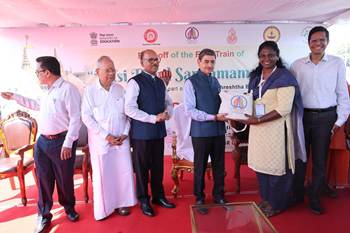
The Ministry of Education, Department of Higher Education, launched PM-YUVA 3.0 -Prime Minister’s Scheme for Mentoring Young Authors, an Author Mentorship programme to train young and budding authors (below 30 years of age) in order to promote reading, writing and book culture in the country, and project India and Indian writings globally on 11th March, 2025. In view of the significant impact of the first two editions of PM-YUVA Scheme with large scale participation from young and budding authors in 22 different Indian languages and English, PM-YUVA 3.0 is now being launched.
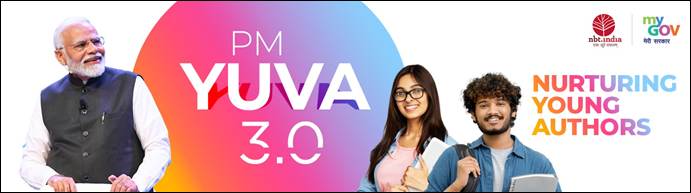
The launch of PM-YUVA 3.0 (Young, Upcoming and Versatile Authors) is in tune with the Prime Minister’s vision to encourage the youth to understand and appreciate India’s rich culture, heritage and contribution of visionaries in the development and growth of the country.PM-YUVA 3.0 intends to bring to the fore the perspectives of the young generation of writers on the themes:1) Contribution of Indian Diaspora in Nation Building; 2) Indian Knowledge System; and 3) Makers of Modern India (1950-2025) in an innovative and creative manner. This scheme will thus help to develop a stream of writers who can write on a spectrum of subjects to promote Indian heritage, culture and knowledge system.

NEP 2020 has emphasised on the empowerment of the young minds and creating a learning ecosystem that can make the young readers/learners ready for leadership roles in the future world. India tops the chart in youth population being 66% of the total, waiting to be tapped for capacity building and thereby nation building. With the purpose of mentoring a new generation of young creative writers, there is an imminent requirement to take initiatives at highest level, and in this context, PM-YUVA 3.0 will go a long way in laying the foundation of the future leaders of the creative world.

The National Book Trust, India, under the Ministry of Education as the Implementing Agency, will ensure phase-wise execution of the Scheme under well-defined stages of mentorship. The books prepared under this scheme will be published by National Book Trust, India, and translated into other Indian languages, fostering cultural and literary exchange while promoting ‘Ek Bharat Shreshtha Bharat’. The selected young authors will engage with esteemed writers, participate in literary festivals, and contribute to a diverse body of work that reflects India’s rich heritage and contemporary progress.

The scheme aims to cultivate a new generation of writers who can articulate the contributions of the Indian diaspora in nation-building, highlighting their peaceful integration and influence across political, economic, and socio-cultural spheres. It will also emphasise on the role of Indian Knowledge System in preserving historical wisdom, generating new opportunities, and synthesising indigenous knowledge for national development. Through this initiative, young   authors will explore the impact of visionaries in various fields like education, science, economy, social empowerment, etc. thereby presenting a comprehensive narrative of India’s growth and resilience.

The Schedule of PM-YUVA 3.0 (Young, Upcoming and Versatile Authors) is as follows:

  • Announcement of the Scheme 11 March 2025.
  • A total of 50 authors will be selected through an All India Contest to be conducted through https://www.mygov.in/ from 11 March 2025 – 10 April 2025.
  • The number of authors to be selected as per the theme:

1) Contribution of Indian Diaspora in Nation Building – 10 authors

2) Indian Knowledge System – 20 authors

3) Makers of Modern India (1950-2025) – 20 authors

  • The received proposals would be evaluated in April 2025.
  • The list of selected authors will be announced in May- June 2025.
  • The young authors will be trained by eminent authors/mentors from 30 June – 30 December 2025.
  • Under the mentorship, a National Camp will be held for the PM-YUVA 3.0 Authors during the New Delhi World Book Fair 2026.

*****

Kashi Tamil Sangamam 3.0 to be inaugurated on 15th February

Daily writing prompt
What advice would you give to your teenage self?

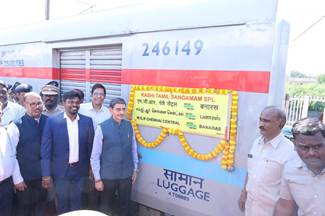
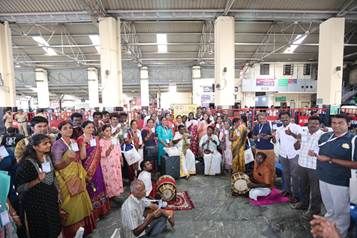
The Governor of Tamil Nadu, Thiru R.N. Ravi, flagged off the train carrying the first batch of Kashi Tamil Sangamam 3.0 delegates—including students, teachers, and writers—today at Dr. MGR Central Railway Station, Chennai. This 10-day-long event is scheduled to take place from 15th to 24th February 2025. Director of the Indian Institute of Technology Madras, Prof. V. Kamakoti and other dignitaries were also present at the event.

The Union Minister for Education, Shri Dharmendra Pradhan, in a social media message, welcomed everyone to embrace the spirit of ‘Ek Bharat, Shreshtha Bharat’ at Kashi Tamil Sangamam 3.0. He emphasized that the event serves to cherish, celebrate, and strengthen the deep-rooted bonds between Kashi and Tamil Nadu—two enduring centers of culture, civilization, and knowledge.

The central theme of this edition of KTS will be Maharishi Agasthyar and Mahakumbh and Shri Ayodhya Dham will be the backdrop. The event will offer a divine experience and bring Tamil Nadu and Kashi—the two timeless centres of our civilisation and culture, more closer.

An exhibition on the different facets of Sage Agasthyar and his contributions to world of Health, Philosophy, Science, Linguistics, Literature, Polity, Culture, Art, particularly to Tamil and Tamil Nadu, etc. and seminars, workshops, book release, etc. will be organised at Kashi during KTS 3.0.

This year, the government has decided to bring around 1000 delegates from Tamil Nadu under five categories/groups: (i) Students, Teachers, and Writers; (ii) Farmers and Artisans (Vishwakarma Categories); (iii) Professionals and Small Entrepreneurs; (iv) Women (SHG, Mudra Loan beneficiaries, DBHPS Pracharaks); and (v) Start-up, Innovation, Edu-Tech, Research. This year, an additional group of around 200 students of Tamil origin studying in various CUs will be a part of this event to enliven the bond between Kashi and Tamil Nadu. Participation of youth in all categories has been encouraged this year. The duration of the tour for the delegates will be 8 days (4 for travel, 4 at site). The first group left Tamil Nadu today and the last group will return to Tamil Nadu on 26th February 2025.

The objective of the Kashi Tamil Sangamam is to rediscover, reaffirm, and celebrate the age-old links between Tamil Nadu and Kashi—two of the country’s most important and ancient seats of learning.

Kashi Tamil Sangamam is being organized by the Ministry of Education, Govt. of India in collaboration with other ministries including Culture, Textiles, Railways, Tourism, Food Processing, I&B etc. and the Govt. of UP. The programme aims to provide an opportunity for scholars, students, philosophers, traders, artisans, artists and people from other walks of life from the two regions to come together, share their knowledge, culture and best practices and learn from each other’s experience. It also aims to make the youth aware and experience cultural oneness. The endeavour is in sync with NEP 2020’s emphasis on integrating the wealth of Indian Knowledge Systems with modern systems of knowledge. IIT Madras and BHU are the two implementing agencies for the programme.

The Government has so far celebrated the Kashi Tamil Sangamam on two occasions earlier; i.e., for one month in 2022 and for a fortnight in 2023 and around 4000 delegates from Tamil Nadu have been a part of this event. In both the editions of KTS, there were overwhelming responses from people of Tamil Nadu and Uttar Pradesh. IIT Madras will be the sender institution and BHU the receiving institution, as in the earlier editions.

Union Minister for Education, Shri Dharmendra Pradhan, launched the registration portal for KTS 3.0 on 15th January 2025. The portal for registration was open till 1st February 2025.

KTS 2.0 was inaugurated by Prime Minister Shri Narendra Modi at Varanasi on 17th December, 2023, with the first-ever real-time, app-based translation of a part of the Prime Minister’s speech in Tamil for the benefit of visiting Tamil delegates.

IAF CONDUCTS SEMINAR ON ‘NAVACHAR UTKRISHTAM BHAVISYAM’ (Innovation is Path to Better Future) AERO INDIA 25

Daily writing prompt
If there was a biography about you, what would the title be?

Indian Air Force (IAF) is working to harness the potential of indigenous defence industry through Govt policies under the umbrella of Atmanirbharta by continuously engaging with the Industry Partners. Considerable success has been achieved in the indigenisation and innovation of spares and sustenance of equipment. The efforts are now being focused towards complex futuristic technologies, weapon systems and space domain.

Aero India being one of the premier aerospace and defence exhibition, serves as a global platform for showcasing cutting-edge technologies, innovations, and products in the field of aviation. IAF has been at the forefront of embracing the vision of ‘Make in India‘ by actively supporting indigenous defence development and manufacturing. IAF is the biggest stakeholder in aerospace domain and a major participant in leading the drive towards Atmanirbhata.

In pursuit of futuristic technologies and to highlight the drive towards self-reliance, lAF is conducting a seminar on the theme ‘NAVACHAR UTKRISHTAM BHAVISYAM’ (innovation is the Path to better Future). The Hon’ble Raksha Mantri Shri Rajnath Singh has been invited as the Chief Guest for the event with Chief of the Air Staff in attendance.

The seminar is planned on 11 Feb 25, from 1400-1630 Hr, at Hall No 1, Air Force Station Yelahanka, Bengaluru. The seminar is expected to have attendance from senior officers of Armed Forces, Govt officials, Industry leaders from aviation and aerospace domain, reps from Defence Public Sector Units (DPSUs), MSMEs, Start-ups, Innovators and the Academia. The seminar aims to inspire collaboration between defence forces, industry and R&D agencies, fostering a robust ecosystem for innovation. During this seminar, the following are planned to be released /launched by Hon’ble Raksha Mantri:- a publication titled ‘IAF Compendium (Samarthya Margdarshika) of Challenges and Opportunities for Indian Industry‘, for the Indian industries, Micro Small Medium Enterprises (MSMEs), Start-ups and individual innovators, encompassing current and future requirements of IAF; Declaration of the winners of Mehar Baba-ll Competition (MBC). The MBC-II was launched for the Indian Industries in the year 2022. This competition harnessed exceptional talent of Indian industry in swarm drone technology and showcased their capabilities in realising solutions to specific problem statements. In addition, MBC-III ‘Collaborative Drone Based Surveillance Radars‘ will be launched to develop an unmanned capability similar to an Airborne Warning and Control System.

Towards bolstering the ‘Digital India’ drive, IAF will be launching ‘VAYU VITT‘ digital portal for placing orders, certification and payments between lAF and HAL. This is aimed towards enhancing digitisation along with improved efficiency and transparency.

Additionally, a panel discussion on ‘Manned Unmanned Teaming- From Concept to Targeting‘ is planned with eminent experts from the aerospace domain including scientists, industrialists, certification agencies and end users. The panel discussion is intended towards underscoring the pivotal role of Indian Industry in driving indigenous solutions for futuristic technologies to meet the evolving defence and security needs of our Nation.

***

UNESCO World Heritage and India

Daily writing prompt
What is the greatest gift someone could give you?

UNESCO World Heritage is a program that was created by the United Nations Educational, Scientific and Cultural Organization (UNESCO) in 1972. Its aim is to identify and preserve important cultural and natural sites around the world that are considered to be of outstanding universal value.

The program is based on the belief that these sites represent the collective heritage of all people, and that they should be protected and preserved for future generations. UNESCO World Heritage sites can include anything from ancient ruins and historical buildings to natural wonders like mountains and forests.

Currently, there are over 1,100 sites that have been designated as UNESCO World Heritage sites in over 167 countries. These sites are selected based on their cultural or natural significance, and must meet a set of strict criteria to be considered for inclusion on the list.

The designation of a site as a UNESCO World Heritage site brings international recognition and protection to that site, as well as increased tourism and economic benefits to the surrounding area. However, it also comes with a responsibility to ensure that the site is properly maintained and preserved for future generations.

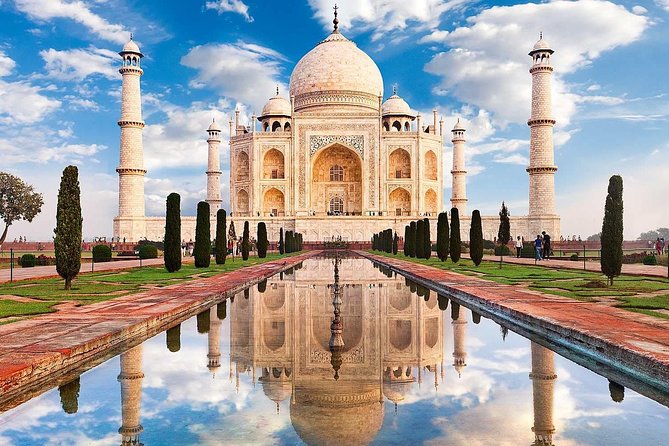
India has a rich cultural and natural heritage, and it is home to a total of 38 UNESCO World Heritage sites. These sites are recognized for their outstanding universal value and are protected and preserved by the Indian government. Here is a list of some of the most famous UNESCO World Heritage sites in India:

  1. Taj Mahal, Agra
  2. Agra Fort, Agra
  3. Fatehpur Sikri, Uttar Pradesh
  4. Ajanta Caves, Maharashtra
  5. Ellora Caves, Maharashtra
  6. Sun Temple, Konark, Odisha
  7. Group of Monuments at Hampi, Karnataka
  8. Khajuraho Group of Monuments, Madhya Pradesh
  9. Mahabodhi Temple Complex, Bodh Gaya, Bihar
  10. Group of Monuments at Pattadakal, Karnataka
  11. Great Living Chola Temples, Tamil Nadu
  12. Mountain Railways of India (Darjeeling, Nilgiri, Kalka-Shimla), West Bengal, Tamil Nadu, Himachal Pradesh
  13. Qutub Minar and its Monuments, Delhi
  14. Red Fort Complex, Delhi
  15. Humayun’s Tomb, Delhi
  16. Elephanta Caves, Maharashtra
  17. Western Ghats, Karnataka, Kerala, Tamil Nadu, Maharashtra, Goa, Gujarat
  18. Chhatrapati Shivaji Terminus (formerly Victoria Terminus), Mumbai, Maharashtra

These sites are a testament to India’s rich cultural and natural heritage and attract millions of tourists from around the world every year.

Indian Knowledge Systems – A Short Review

Daily writing prompt
What is the greatest gift someone could give you?

By Shashikant Nishant Sharma

Indian knowledge systems offer a unique, complex, and holistic approach to understanding the world, but are criticized for being patriarchal, detached from practical applications, and at risk of cultural appropriation.

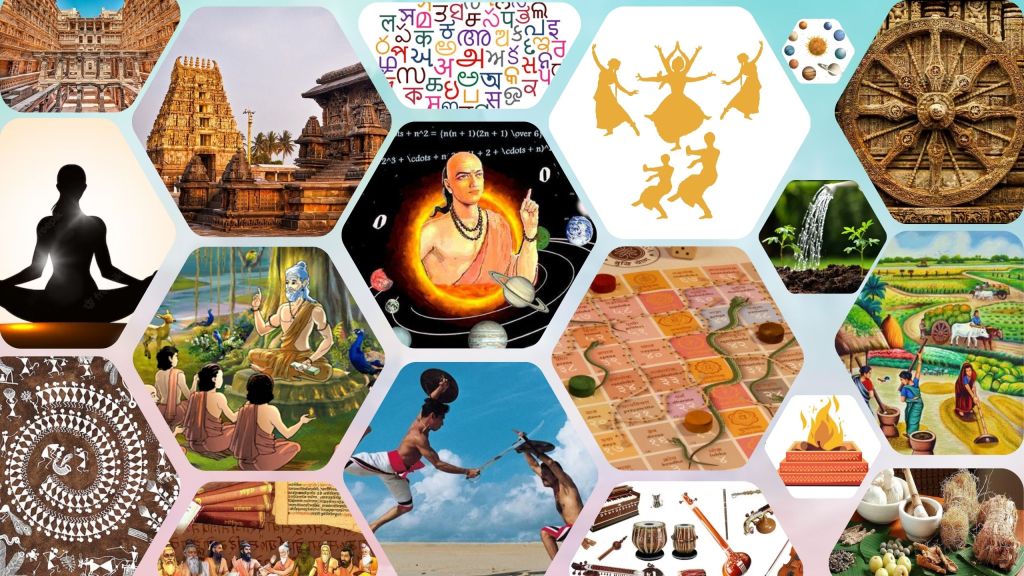
Indian knowledge systems are an amalgamation of diverse, ancient, and intricate philosophical, spiritual, and scientific traditions that have been developed and refined over several millennia. These knowledge systems encompass a broad range of subjects, including metaphysics, ethics, linguistics, mathematics, astronomy, medicine, and yoga. They are deeply rooted in the Indian way of life, culture, and spirituality and have shaped the Indian society, economy, and governance for centuries. Indian knowledge systems are characterized by their holistic and integrative approach, which emphasizes the interconnectedness and interdependence of various aspects of existence. They are also notable for their emphasis on experiential and intuitive knowledge, as opposed to a purely empirical or rationalist approach. Indian knowledge systems have also contributed significantly to the world’s intellectual and cultural heritage, influencing several fields of knowledge and thought, including mathematics, science, literature, and philosophy.

Despite their rich and diverse heritage, Indian knowledge systems have faced challenges in the modern era, including marginalization, misrepresentation, and neglect. However, recent years have seen a renewed interest in these systems, both within India and abroad, as scholars and practitioners seek to rediscover, revive, and reinterpret them for contemporary contexts. This resurgence has led to a growing recognition of the relevance and value of Indian knowledge systems in addressing contemporary challenges, such as sustainability, health, education, and governance, and promoting cross-cultural dialogue and understanding.

Indian knowledge systems, with their rich and diverse heritage, have made significant contributions to the world’s intellectual and cultural heritage. They offer a unique and holistic approach to understanding the world, emphasizing the interconnectedness and interdependence of various aspects of existence. However, there are several criticisms of Indian knowledge systems that should be considered.

Firstly, Indian knowledge systems are often criticized for being too complex and abstract, making them difficult to understand and apply. This complexity is attributed to the system’s emphasis on metaphysical and spiritual concepts that are not easily accessible to the average person. As a result, there is a risk of these systems being perceived as esoteric and inaccessible to modern society.

Secondly, Indian knowledge systems have been criticized for their patriarchal and hierarchical nature, which can lead to the marginalization of certain groups, including women and lower castes. This criticism stems from the fact that these systems have been developed and maintained by male scholars and practitioners, often reflecting patriarchal values and norms.

Thirdly, there is a concern that the study and practice of Indian knowledge systems are often detached from practical applications and modern realities, leading to a lack of relevance and applicability. There is a need for the integration of traditional knowledge systems with modern scientific and technological advancements to ensure their continued relevance and effectiveness.

Finally, there is a risk of cultural appropriation and misrepresentation of Indian knowledge systems, as they become popularized and commercialized in the global market. There is a need for responsible engagement and representation of these systems, ensuring that they are not reduced to superficial or exoticized stereotypes.

In conclusion, while Indian knowledge systems offer a unique and holistic approach to understanding the world, there are several criticisms that should be considered. These criticisms highlight the need for ongoing engagement, critical reflection, and responsible representation of these systems in contemporary contexts.

References

Brodt, S. B. (2001). A systems perspective on the conservation and erosion of indigenous agricultural knowledge in central India. Human Ecology29, 99-120.

Dehalwar, K., & Sharma, S. N. (2024). Social Injustice Inflicted by Spatial Changes in Vernacular Settings: An Analysis of Published Literature.

Farooquee, N. A., Majila, B. S., & Kala, C. P. (2004). Indigenous knowledge systems and sustainable management of natural resources in a high altitude society in Kumaun Himalaya, India. Journal of Human Ecology16(1), 33-42.

Pollock, S. (2002). Introduction: Working papers on Sanskrit Knowledge-Systems on the eve of colonialism. Journal of Indian Philosophy30(5), 431-439.

Puri, S. K. (2007). Integrating scientific with indigenous knowledge: Constructing knowledge alliances for land management in India. MIS quarterly, 355-379.

Rao, S. S. (2006). Indigenous knowledge organization: An Indian scenario. International Journal of Information Management26(3), 224-233.

Sharma, S. N. The Usefulness of Animal Husbandry for Improving Livelihoods.

Issues due to Caste System in India

Daily writing prompt
What is the greatest gift someone could give you?

By Shashikant Nishant Sharma

The caste system in India has been a defining feature of its society for centuries. Rooted in ancient traditions, the caste system categorizes individuals into distinct social groups based on their birth, determining their occupation, social status, and even personal relationships. While some proponents argue that it provides a sense of identity and order, a critical examination of the caste system reveals its inherent flaws, perpetuation of discrimination, and hindrance to social progress.

Social Inequality and Discrimination:

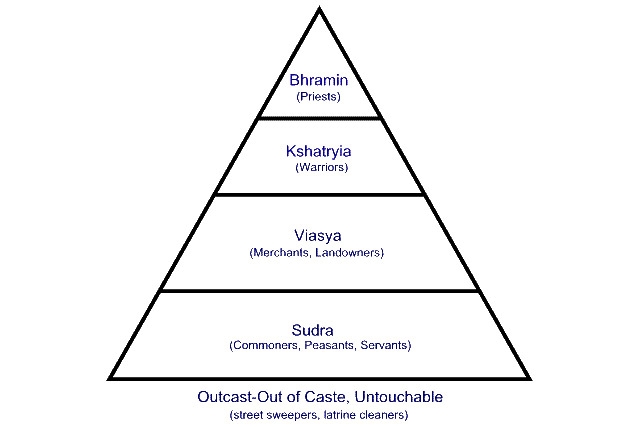
The caste system reinforces a rigid social hierarchy that categorizes individuals into four main varnas (castes) – Brahmins (priests), Kshatriyas (warriors and rulers), Vaishyas (merchants and farmers), and Shudras (laborers). Additionally, there are numerous subcastes and Dalits (formerly known as untouchables) who are marginalized and subjected to severe discrimination. This system institutionalizes inequality and denies equal opportunities, social mobility, and basic human rights to those born into lower castes.

Occupational Limitations:

One of the key features of the caste system is the hereditary nature of occupations. Individuals are expected to follow the occupation associated with their caste, regardless of their interests, skills, or aspirations. This restricts social and economic progress, preventing individuals from pursuing professions of their choice and contributing to a lack of innovation and entrepreneurship within society.

Discrimination against Dalits:

The Dalits, historically regarded as the lowest caste, face extreme social exclusion, violence, and economic marginalization. They are subjected to inhumane treatment, denied access to public spaces, and suffer from limited opportunities for education and employment. Despite legal protections and affirmative action policies, discrimination against Dalits continues to persist, perpetuating a cycle of oppression and injustice.

Inter-caste Marriages and Social Stigma:

The caste system maintains a strong influence on personal relationships, particularly marriage. Inter-caste marriages are often met with opposition, leading to social stigma, ostracization, and sometimes even violence. This rigid enforcement of caste boundaries hampers the development of a cohesive and inclusive society and curtails the freedom of individuals to choose their life partners based on love and compatibility.

Impediment to National Unity and Progress:

The caste system fragments Indian society along caste lines, leading to division and social unrest. The caste-based politics that emerge from this system further exacerbate these divisions, hindering collective progress. Instead of focusing on issues such as poverty, education, and healthcare, political leaders often exploit caste-based identities for electoral gains, impeding the nation’s overall development.

The caste system in India, while deeply ingrained in the country’s social fabric, poses significant challenges to equality, justice, and progress. Its perpetuation leads to social inequality, discrimination, and the denial of basic human rights. Addressing the caste system’s deep-rooted issues requires concerted efforts from society, policymakers, and educational institutions to promote inclusivity, eradicate discrimination, and create a more equitable and just society for all. Only by challenging and dismantling the caste system can India realize its full potential as a diverse and united nation.

References

Bidner, C., & Eswaran, M. (2015). A gender-based theory of the origin of the caste system of India. Journal of Development Economics114, 142-158.

Dehalwar, K., & Sharma, S. N. (2024). Politics in the Name of Women’s Reservation. Contemporary Voice of Dalit, 2455328X241262562.

Dehalwar, K., & Sharma, S. N. (2024). Social Injustice Inflicted by Spatial Changes in Vernacular Settings: An Analysis of Published Literature.

Ogbu, J. U. (2020). The consequences of the American caste system. The school achievement of minority children, 19-56.

Olcott, M. (1944). The caste system of India. American Sociological Review, 648-657.

Srinivas, M. N. (2017). Mobility in the caste system. In Structure and change in Indian society (pp. 189-200). Routledge.

Stevenson, H. N. C. (1954). Status evaluation in the Hindu caste system. The Journal of the Royal Anthropological Institute of Great Britain and Ireland84(1/2), 45-65.

What is Street Index

Daily writing prompt
Is your life today what you pictured a year ago?

The term “street index” can refer to different concepts depending on the context in which it’s used. Below are some of the most common meanings:

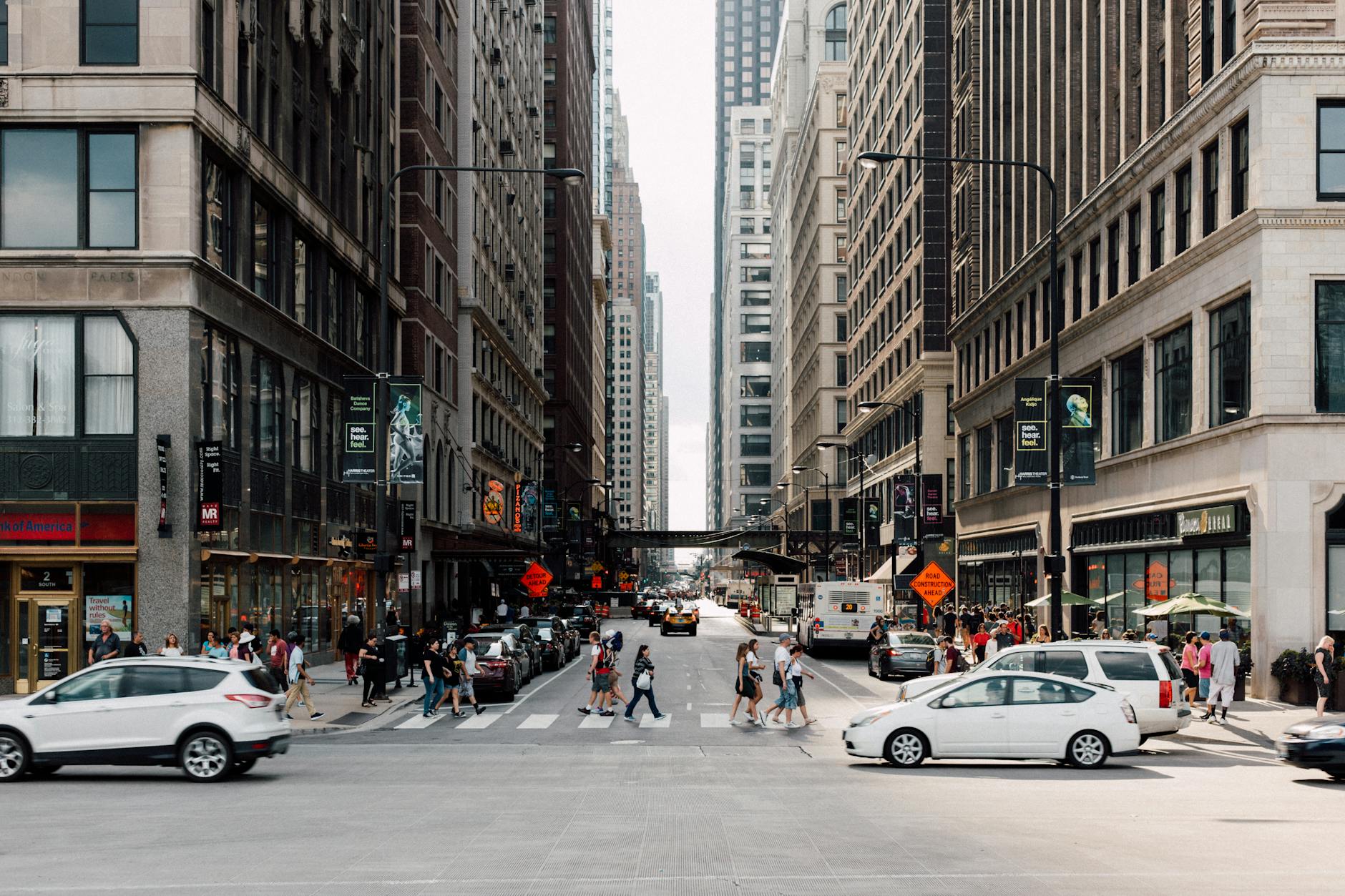
Photo by Josh Sorenson on Pexels.com
  1. In Urban Planning or Mapping: A street index is a reference list or map that organizes the streets within a particular area. This index allows people to easily locate streets based on their names, numbers, or grid system. It might be included in city maps, directories, or GPS applications, providing a comprehensive list of streets and their locations.
  2. In Finance or Economics: A street index can sometimes refer to a benchmark or index that tracks the performance of a specific set of stocks or financial instruments, similar to the way the Dow Jones Industrial Average or S&P 500 tracks stock market performance. In this sense, “street” could be a shorthand reference to Wall Street or financial markets in general.
  3. In Real Estate: A street index might be used to track property values, trends, or transactions specific to various streets within a city or region. This could be used by real estate professionals or analysts to measure the relative value of properties in certain areas.
  4. In Postal Systems or Directories: A street index might be used in postal codes or address directories, helping individuals or delivery services quickly find specific streets based on postal codes or other identifiers.

If you meant a different concept by “street index,” please clarify, and I’d be happy to provide more specific information.

 Defence Services Staff College, Wellington in Tamil Nadu

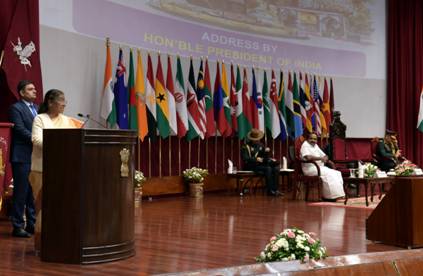
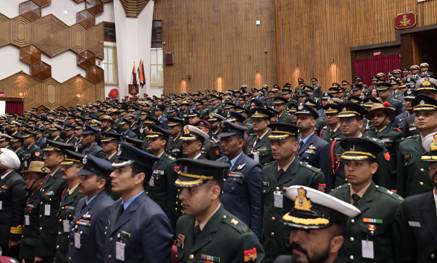
President Smt Droupadi Murmu visited the Defence Services Staff College (DSSC), Wellington in The Nilgiris District, Tamil Nadu on November 28, 2024. Addressing the student officers and faculty, the President said the DSSC has made commendable contribution to training & educating the potential leaders of the Armed Forces of India and friendly countries & selected civilian officers. Over the past seven decades, it has played a major role in professionally grooming the middle level officers. It has the unique distinction of having a composite multi-service and multi-national group of student officers and a professionally enriched faculty.

The President was happy to note that women officers are now commanding various units in all the three services. She said that the increasing strength and role of women in all spheres is encouraging and inspiring for all, especially young girls. She expressed hope for witnessing more and more women joining the Armed Forces, where they can demonstrate exceptional capabilities and break new ground in uncharted territories.

The President said that India is rising and the world is acknowledging the growth in various sectors, including defence. India is moving towards indigenisation and self-reliance to keep the Armed Forces ready to meet the future challenges. The country is being developed as a major defence manufacturing hub, and is moving towards becoming a reliable defence partner & big defence exporter.

The President said: “In the fast-changing geopolitical environment, we need to be well-prepared to tackle any situation. We not only have to secure our national interests, but also prepare for new national security challenges like cyber warfare and terrorism. Updated knowledge and cutting-edge technologies based on intensive research are required to be applied.” She expressed confidence that this course will prepare student officers all for higher responsibilities and as strategists who can deal with complex situations in an effective manner.

The President appreciated the unique role of the institution in nurturing the future senior leadership of the Armed Forces. She appreciated the creativity, dedication and the focus with which training is being conducted at the College. She also complimented the student officers for having being selected for the prestigious Staff Course at DSSC, and their rigourous efforts while undertaking this course.

 The President also interacted with the Student Officers, including 38 from friendly countries, attending the course at the DSSC. She hailed the role of the International Student Officers in strengthening the mutual cooperation and relationship of their countries with India, and wished them a fruitful and successful stay at DSSC.

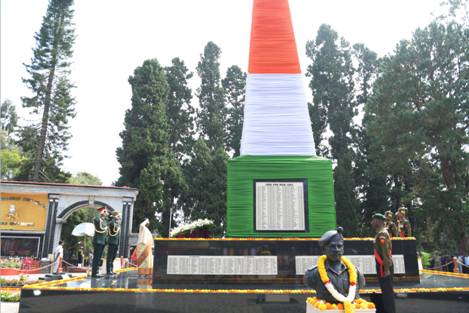
The President also laid a wreath at the War Memorial, and interacted with Ex-servicemen & Veer Naris.

The President felicitated the Veer Naris acknowledging the supreme sacrifice of their loved ones in the service to the Nation. She was accompanied by Minister of Backward Classes (Minister-in-Waiting) of Tamil Nadu Government Shri Siva V Meyyanathan and Commandant DSSC Lt Gen Virendra Vats.

Established in 1948, DSSC is a premier Tri-services institute with a mandate to train and hone their skills of selected middle-level officers of the Armed Forces of India and friendly countries. Since its inception, the College has trained more than 2,000 International Officers, and 24,000 Indian Officers have passed through its portals. The College alumni, over the years, have risen to become heads of States and Militaries across the world. The President appreciated the training activities being conducted at the College with special emphasis on initiatives undertaken on enhancing jointmanship amongst the officers of the Indian Armed Forces. 

***

Protection of the Indigenious Culture of Tribal Communities

To protect, promote & preserve various forms of folk art and culture throughout the country, the Government of India has set up seven Zonal Cultural Centres (ZCCs) with headquarters at Patiala, Nagpur, Udaipur, Prayagraj, Kolkata, Dimapur and Thanjavur. Annual grant-in-aid is released to these seven ZCCs for organizing various cultural activities and programmes on regular basis in their member States.

To promote the tribal culture, various   festivals like Hornbill Festival, Octave, Tribal Dance Festival, Adi Bimb, Adi Sapta Pallav, Adi Lok Rang, Adiwasi Mahotsav etc. are organized through Zonal Cultural Centres (ZCCs) of Ministry of Culture to showcase unique forms of folk dances, songs, cuisine, exhibitions and demonstration of traditional skill in painting, art & craft etc. Artists are engaged by ZCCs from tribal areas to showcase their talents in various cultural programmes/ activities organized by them for which they are paid honorarium, DA/TA, boarding & lodging etc. The annual grant-in-aid released to the seven ZCCs for organizing various cultural activities and programmes during the last three year is as under:

(Rs. in lakh)

Sl. No.YearAmount released
1.2021-226798.08
2.2022-236572.06
3.2023-2411967.57(as on 31st March, 2024)

Ministry of Tribal Affairs is implementing the schemes of “Support to Tribal Research Institutes and Tribal Research, Information, Education, Communication and Events” under which various activities are undertaken to conserve and promote tribal culture, archives, artefacts, customs and traditions of the tribal communities.            

Under the Scheme of “Tribal Research, Information, Education, Communication and Events (TRI-ECE)”, reputed research Institutes/ Organizations/ Universities have undertaken various research studies/ publication of books/ documentation including audio visual documentaries etc.

Kerala is a member State of South Zone Cultural Centre (SZCC), Thanjavur (an autonomous organization under Ministry of Culture) which regularly organizes cultural activities/ programmes in the State of Kerala, Andhra Pradesh, Telangana, Karnataka, Tamil Nadu, Union Territories of Andaman & Nicobar Islands, Lakshadweep and Puducherry. During the last three (03) years, funds released to SZCC, Thanjavur for organizing cultural activities/ programmes in its member States are as under:

(Rs. in lakh)

Sl. No.YearAmount released
1.2021-221640.48
2.2022-23994.87
3.2023-242135.39

A list of programmes organized by SZCC, Thanjavur in the State of Kerala during the last three (03) years is as under

Sl. No.Name of the ProgrammeDateArt forms and Category
1.Tribal festival18.02.2021 to 20.02.2021Puata (Kattunain)
Nattu Gaddika
Gattiyattam
Kambala Natti
Vattakali (Paniya)
Mangalam Kali (Malavettu)
Mangalam Kali (Mavila)
Chimmanakali
Comparing
2.“Amrutotsav” Programme25.09.2021Mangalam Kali
Alamikkali
Eruthukkali
3.Tribal Martyr Thalakkaru Chandu (Unsung Hero)04.06.2023Stage play
4.Pulikali Programme31.08.2023 to 01.09.2023Pulikali

Social Responsibility of Media

Daily writing prompt
What technology would you be better off without, why?

By Shashikant Nishant Sharma

Media plays a crucial role in shaping public perceptions and disseminating information, including scientific knowledge, to the general populace. However, while media has the potential to foster scientific thinking among newspaper readers, it also faces several challenges that can hinder its effectiveness in achieving this goal.

On the positive side, media can serve as a powerful tool for popularizing scientific concepts, discoveries, and advancements. Well-written articles and features in newspapers have the potential to simplify complex scientific subjects, making them accessible to a wider audience. Through engaging storytelling and relatable examples, media can bridge the gap between scientific jargon and public understanding, fostering a sense of curiosity and interest in science.

Furthermore, media coverage can help shed light on critical scientific issues such as climate change, public health concerns, and technological innovations. By presenting accurate and balanced information, media can elevate public awareness and prompt informed discussions, which are vital for making informed decisions at both individual and societal levels.

However, there are challenges that media encounters in effectively spreading scientific thinking. One significant concern is the oversimplification or sensationalization of scientific news for the sake of grabbing attention. This can lead to the distortion of scientific facts and misrepresentation of research findings, which in turn undermines the credibility of scientific information.

Additionally, the competition for readership and the need for high click-through rates in the digital age can encourage the prioritization of sensational stories over in-depth, accurate reporting. This can result in the neglect of more complex scientific issues that require nuanced understanding and analysis.

Furthermore, the lack of scientific literacy among journalists can contribute to inaccurate reporting. Misinterpretation of scientific studies or failure to critically evaluate the credibility of sources can perpetuate misinformation, leading to a misinformed public.

In conclusion, media has the potential to be a powerful agent for spreading scientific thinking among newspaper readers. However, responsible journalism, accurate reporting, and a commitment to presenting science comprehensibly and unbiasedly are crucial for media to effectively fulfil this role. Balancing the demands of generating attention-grabbing content with the responsibility of promoting accurate scientific knowledge is essential for fostering a scientifically informed society.

Pilgrimage Rejuvenation and Spiritual Heritage Augmentation Drive’ (PRASHAD) 

Ministry of Tourism under its ‘Pilgrimage Rejuvenation and Spiritual Heritage Augmentation Drive’ (PRASHAD) Scheme provides Financial Assistance to the State Governments and Union Territories Administration for development of Tourism Infrastructure at the Pre-Identified Pilgrimage destinations/Heritage Cities. Under this Scheme, infrastructure interventions are carried out in consultation with the State Governments/UTs.

Ministry of Tourism, from time to time receives proposals from various sources regarding development of infrastructure under PRASHAD Scheme and these proposals are evaluated as per scheme guidelines and established procedures.

Ministry of Tourism has sanctioned 46 projects under its PRASHAD Scheme including 3 projects in Andhra Pradesh. A total of 29 sites are identified for development under the PRASHAD Scheme including 2 sites in Andhra Pradesh. The details of the projects sanctioned and sites identified are Annexed.

This information was given by Union Minister for Tourism and Culture Shri Gajendra Singh Shekhawat in a written reply in Lok Sabha today.
 

Annexure

List of projects sanctioned under PRASHAD Scheme of Ministry of Tourism given below:

(Rs. in Crore)

State/UTS.No.Project NameSanction YearApproved CostAmount ReleasedPhysical
Progress
%
Financial Progress%
Andhra Pradesh Development of Pilgrim Amenities at Amaravati2015-1627.7727.77100100
 Development of Srisailam Temple2017-1843.0843.08100100
 Development of Pilgrimage Amenities at Sri Varaha Lakshmi Narsimha Swami Vari Devasthanam at Simhachalam2022-2354.0413.692825
Arunachal Pradesh Development of Parshuram Kund2020-2137.8821.958658
Assam Development of Pilgrimage amenities at Kamakhya Temple2015-1629.8029.80100100
Bihar Development at Patna Sahib2015-1629.6229.62100100
 Development of basic facilities at Vishnupad temple2014-153.633.63100100
Chhattisgarh Development of Pilgrimage amenities at Maa Bamleshwari Devi Temple2020-2148 .4432.138466
Gujarat Development of Dwarka2016-1713.0810.4610080
 Development of Pilgrimage Amenities at Somnath2016-1745.3645.36100100
 Development of Promenade at Somnath2018-1947.1247.12100100
 Development of Pilgrim Plaza with Queue management complex at Somnath Gujarat2021-2249.970.0000
 Development of Pilgrimage Facilities at Ambaji Temple2022-2350.0010.543021
Haryana Development of Mata Mansa Devi Temple and Nada Saheb Gurudwara2019-2048.5334.687471
Jammu and Kashmir Development at Hazratbal Shrine2016-1740.4634.309085
Jharkhand Development of Baba Baidya Nath Dham2018-1936.7934.9510089
Karnataka Development of Pilgrimage Amenities at Sri Chamundeshwari Devi Temple2023-2445.710.0000
Kerala Development at Guruvayur Temple2016-1745.1945.19100100
Madhya Pradesh Development of Amarkantak2020-2149.9934.736869
 Development of Omkareshwar2017-1843.9343.93100100
Maharashtra Development of Trimbakeshwar2017-1842.1829.939357
Meghalaya Development of Pilgrimage Facilitation at Nongswalia Church, Nartiang Shakti Peeth, Aitnar Pool and Charantala Kali Temple2020-2129.2924.92100100
Mizoram Development of Infrastructure for Pilgrimage and Heritage Tourism at Chite Vang, Zuangtai, Reiek and Aizawl2022-2344.8913.182229
Nagaland Development of Pilgrimage Infrastructure at Molungkimong, Noksen Church, Aizuto, Wokha and Kohima2018-1925.2021.3310084
 Development of Pilgrimage Tourism Infrastructure at Zunheboto2022-2318.1810.906260
Odisha Infrastructure Development at Puri2014-1550.0010.0020
Punjab Development of Karuna Sagar Valmiki Sthal at Amritsar2015-166.406.40100100
 Development of Chamkaur Sahib2021-2231.5717.497955
Rajasthan Integrated Development of Pushkar/Ajmer2015-1632.6426.119280
Sikkim Development of Pilgrimage Facilitation at Four Patron Saints, Yuksom2020-2133.3228.318785
Tamil Nadu Development of Kanchipuram2016-1713.9913.99100100
 Development of Velankanni2016-174.864.86100100
Telangana Development of Jogulamba Devi Temple2020-2138.9033.077285
 Development of Pilgrimage and Heritage Tourism Infrastructure at Rudreshwara (Ramappa) Temple2022-2362.0012.823721
 Development of Pilgrimage Infrastructure at Bhadrachalam2022-2341.388.431520
Tripura Development of Tripura Sundari Temple2020-2134.4325.626368
Uttar Pradesh Development of Varanasi –Phase –I2015-1618.7318.73100100
 Development of Mathura-Vrindavan as Mega Tourist Circuit (Ph-II)2014-1510.9810.98100100
 Development of River Cruise Tourism at Varanasi2017-189.029.02100100
 Construction of Tourist Facilitation Centre at Vrindavan2014-159.369.36100100
 Development of Varanasi – Phase II2017-1844.6031.7710071
 Development of Infrastructure facilities at Govardhan2018-1937.5930.979978
Uttarakhand Integrated Development of Kedarnath2015-1634.7734.77100100
 Development of Infrastructure for Pilgrimage Facilitation in Badrinath Ji Dham2018-1956.1527.436249
 Augmentation of Pilgrimage Infrastructure Facilities at Gangotri and Yamunotri Dham2021-2254.3610.2210018
West Bengal Development of Belur Math2016-1730.0323.399278
  Total 1605.201036.96  

List of Identified sites under PRASHAD Scheme

S.No.State/UTProject / Subject
1Andhra PradeshAnnavaram, Kakinada District
2Andhra PradeshVedagiri Lakshmi Narasimhawamy Temple, Nellore District
3BiharSimariya Ghat, Begusarai District
4BiharAami Mandir, Saran District
5ChhattisgarhKudargarh Temple, Surajpur District
6GoaBom Jesus, Old Goa District
7GujaratShri Nilkanth Mahadev Temple, Sunak, Mahesana District
8Himachal PradeshMaa Chintpurni Temple, Una District
9Jammu & KashmirUtterbehni and Purmandal, Samba District
10KarnatakaSri Renuka Yallamma Temple, Saudatti, Belagavi District
11KarnatakaPapnash Temple, Bidar District
12Madhya PradeshShri Peetmbra Peetha, Datia District
13Madhya PradeshShanidev Temple, Morena District
14MaharashtraShri Ghrushneshwar Shivalaya, Chhatrapati Sambhaji Nagar District
15MaharashtraTuljapur, Dharashiv District District
16MaharashtraShre Kshetra Rajur, Ganpati Temple, Jalna District
17MizoramVangchhia, Champhai District
18OdishaChausath Yogini Temple, Ranipur, Jharial, Balangir District
19OdishaMaa Kichakeswari Temple in Kiching, Mayurbhanj District
20PuducherryNavagriha Temple- Sri Dharbaranyeswarar Temple & Spiritual Park, Karaikal District
21PunjabDurgyana Temple, Amritsar District
22RajasthanShri Karni Mata Mandir, Bikaner District
23RajasthanSun Temple, Budhahita, Kota District
24RajasthanMalaseri Dungri
25Tamil NaduNavagriha Temple at 8 places in Tamil NaduSri Kailasanathar Temple, Thingalur, Thanjavur DistrictGuru Bhagvan Temple, Alangudi, Thanjavur DistrictSri Naaganathar Temple, Thirunageshwaram, Thanjavur DistrictSri Suryanaar Temple, Thiruvidaimaruthur, Suriyanar Kovil, Thanjavur DistrictSri Agneeswarar Temple, Kanjanur, Thanjavur DistrictSri Vaitheeshwaran Temple, Vaitheeswaran Kovil, Mayiladuthurai District Sri Naganatha Swamy Temple, Keelaperumpallam, Mayiladuthurai District Suweathaaranyshwarar Temple, Thiruvenkadu, Mayiladuthurai District
26TelanganaGoddess Yellamma Temple at Balkampet, Hyderabad District
27Uttar PradeshShri Kali Mandir established by Adiguru Shankaracharya, Chowk, Lucknow District
28Uttar PradeshPilgrimage sites of Braj, Mathura District
29UttarakhandTimmersian MahaDev (Devnath), Chamoli District

75 Years of the adoption of Constitution of India

Government of India announces the commencement of a historic year-long celebration to commemorate the 75 years of the adoption of the Constitution of India, a milestone that reflects the remarkable journey of our democracy and the enduring legacy of our founding principles and Constitutional values starting on Constitution Day (Samvidhan Diwas)26th November 2024. These celebrations are being conducted under the campaign tagline Hamara Samvidhan, Hamara Swabhimaan and aim to honour the contributions of the Constitution’s makers while reiterating the core values enshrined in it.

On 26th November 1949, the Constituent Assembly of India adopted the Constitution of India, which came into effect on 26th January 1950, marking the beginning of a new era in Indian history. This day is significant as it marks the adoption of the world’s longest written Constitution, a cornerstone of India’s democratic framework. Since its inception, the Constitution serves as the guiding framework, shaping the nation’s progress over the past 75 years.

Celebration – Highlights:

  • Special Website (constitution75.com): A dedicated website, constitution75.com, has been created to enable citizens to engage with the Constitution’s legacy through interactive activities and resources. The website offers:
    • Read the Preamble and record a video: Citizens can participate in the campaign by recording videos while reading the Preamble of the Constitution in languages of their choice. The videos can be uploaded on the campaign website and certificate of participation can be downloaded.
    • Explore the Constitution in Multiple Languages: Access the full text of the Constitution in multiple languages, making it accessible to all citizens.
    • Dive into History: Learn about the making of the Constitution, read debates from the Constituent Assembly, reports of various committees involved in the making of the Constitution and gain insights into the values and principles that shaped modern India.
    • Interactive Features: “Know Your Constitution”, an AI enabled interactive feature, where one can ask questions about the Constitution and receive detailed answers related to the Constitution of India.
  • Mass reading of Preamble on November 26, 2024
    • On 26th November 2024, from schools to offices, from cities to villages, millions across India will read the Preamble together.
    • Capture the moment by uploading your selfies and videos on the website (constitution75.com) and sharing them on social media with pride.
  • Inaugural Programme at Central Hall of Parliament on 26th November 2024:
  1. A grand inaugural programme will be held at the Central Hall of Parliament, led by the President of India, in the presence of the Vice PresidentPrime MinisterSpeaker of Lok Sabha and other dignitaries.
  2. Programme Highlights:
  • Short Film Presentation dedicated to the glory of the Constitution of India, its making and historical journey.
  • Release of a commemorative Coin and Stamp dedicated to the 75th anniversary of adoption of Constitution of India.
  • Release of Books titled “Making of the Constitution of India: A Glimpse” and “Making of the Constitution of India & its Glorious Journey”
  • Release of Booklet dedicated to the Art of the Constitution of India.
  • Release of the Constitution of India in Sanskrit.
  • Release of the Constitution of India in Maithili.
  • Ceremonial reading of Preamble led by the President of India.

The Government of India calls upon the citizens to be a part of this historic occasion and show our collective pride in our Constitution and demonstrate our commitment to the democratic values that define our nation.

How to participate!

  • Visit constitution75.com to read the Preamble of the Constitution, record and upload your videos, and download a certificate of participation.
  • Engage with the interactive features of the website, explore the Constitution in multiple languages, and learn more about the journey that brought India its guiding framework.
  • Join the nationwide movement on 26th November 2024, take part in the reading of the Preamble at schools, colleges, government and private offices, panchayats, and others, across the country. Share your participation on social media to inspire others.

****

Online registrations for Yuva Sangam (Phase V) commence for participation


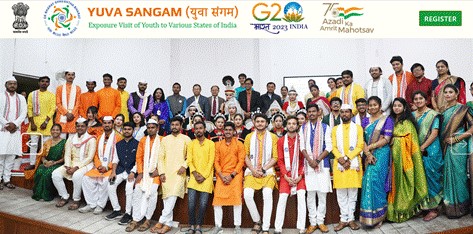
The registration portal for Phase V of Yuva Sangam, under Ek Bharat Shreshtha Bharat (EBSB), was launched today by the Ministry of Education. Yuva Sangam is an initiative by the Government of India to strengthen people-to-people connect between youth belonging to different States/UTs of India. Interested youth in the age group of 18-30 years, mainly students, NSS/NYKS volunteers, employed/self-employed persons, etc. may register through the YUVA SANGAM portal to participate in the forthcoming Phase of this unique initiative which was launched in 2023. Registrations will be accepted till 21st October 2024.

Detailed information is available at: https://ebsb.aicte-india.org/

The idea of a sustained and structured cultural connect between people of different regions was mooted by Prime Minister Shri Narendra Modi during the Rashtriya Ekta Divas held on 31st October 2015 to commemorate the birth anniversary of Sardar Vallabhbhai Patel. To crystallise this idea, the EBSB programme was launched on 31st October 2016. The origins and evolution of EBSB along with activities, special initiatives and campaigns organised under the programme are available in the e-Book (https://ekbharat.gov.in/JourneySoFarCampaign/index.html)

Yuva Sangam, launched under EBSB, takes forward twin elements of Panch Pran – Strength in Unity and Pride in Legacy. The initiative aligns with key themes in the National Education Policy (NEP) 2020 by focusing on experiential learning and imbibing knowledge of the rich diversity of India on a first-hand basis. It is an ongoing educational cum cultural exchange with celebration of diversity at its core wherein participants gain an immersive experience of diverse facets of life, natural landforms, development landmarks, engineering and architectural marvels, recent achievements, and the opportunity to interact and deeply engage with the local youth in the host State/UT.

Twenty eminent institutions across India have been identified for Phase V of Yuva Sangam during which participants from these states/ UTs, led by the nodal HEI of the state/UT, respectively, will be visiting their paired state/ UTs.

List of Paired States

  1. Maharashtra and Odisha
  2. Haryana and Madhya Pradesh
  3. Jharkhand and Uttarakhand
  4. Jammu & Kashmir and Tamil Nadu
  5. Andhra Pradesh and Uttar Pradesh
  6. Bihar and Karnataka
  7. Gujarat and Kerala
  8. Telangana and Himachal Pradesh
  9. Assam and Chhattisgarh
  10. Rajasthan and West Bengal

During Yuva Sangam tours, multi-dimensional exposure under five broad areas- the 5 Ps viz; Paryatan (Tourism), Parampara (Traditions), Pragati (Development), Paraspar Sampark (People-to-people connect), and Prodyogiki (Technology) will be provided to the visiting delegation over a period of 5-7 days (excluding travel days). The previous phases of Yuva Sangam have witnessed massive enthusiasm with registrations crossing 44,000 in the last Phase. Till now, 4,795 youth across India have participated in 114 tours in various phases of Yuva Sangam (including the pilot phase in 2022).

Yuva Sangam, which exemplifies the ‘Whole of Government’ approach, is organised collaboratively with the support of participating Ministries/Departments/Agencies and State Governments. This includes M/o Home Affairs, Culture, Tourism, Youth Affairs & Sports, Information & Broadcasting, Department for Development of North-East Region (DoNER), and Railways. Each participating stakeholder has distinct roles and responsibilities for implementing the programme.  The selection of delegates and end-to-end execution of the Yuva Sangam tours is done by nodal Higher Education Institutes (list at Annexure); which drive the initiative.

Annexure

Pairing of States / UTs and HEIs for Yuva Sangam Phase-V

S.No.State 1Name of HEIState 2Name of HEI
1MaharashtraIIM MumbaiOdishaIIT Bhubaneswar
2HaryanaCU HaryanaMadhya PradeshIGNTU, Amarkantak
3JharkhandIIT DhanbadUttarakhandIIT Roorkee
4Jammu & KashmirIIM JammuTamil NaduNITTTR Chennai
5Andhra PradeshSPA, VijayawadaUttar PradeshIIIT Allahabad
6BiharCU of Bihar, GayaKarnatakaIIT Dharwad
7GujaratIIT GandhinagarKeralaIIIT Kottayam
8TelanganaMaulana Azad National UrduUniversity, HyderabadHimachalPradeshNIT Hamirpur
9AssamAssam University, SilcharChhattisgarhIIM Raipur
10RajasthanIIT JodhpurWest BengalIIEST, Shibpur

*****

Over 1.76 crore school students from all 36 States and UTs participate in Project Veer Gatha 4.0

More than 1.76 crore school students from all 36 States and UTs have participated enthusiastically in Project Veer Gatha 4.0. The students have sent poems, paintings, essays, videos, etc. in honour of the acts of bravery and sacrifice of the officers/personnel of the Armed Forces.

Project Veer Gatha was instituted in 2021 with the aim of disseminating the inspiring tales of valour, selfless sacrifice and courage of the Gallantry Awardees and the life stories of these bravehearts among the students to inculcate the spirit of patriotism amongst them. Project Veer Gatha enhanced this noble aim by providing a platform for the school students to do creative projects/activities based on heroic deeds and sacrifice of gallantry award winners.

Three editions of the Veer Gatha Project have been conducted in 2021, 2022 and 2023, respectively. Under the Veer Gatha Project 4.0, the following activities have been conducted till date:

Activities at the School Level: Schools have conducted various projects/activities (from 16.09.2024 to 31.10.2024) and have uploaded a total of 4 best entries from each school, on the MyGov portal.

Simultaneously, to enrich the knowledge about the gallant heroes and unsung stories among school students, the Ministry of Defence, through its field organisations or Army/Navy/Air Force, has organized virtual meets/face-to-face awareness programmes/sessions for schools across the country.

Since its inception, the project has witnessed increasing participation of students across the country. It may be noted that 8 lakh students had participated in the Veer Gatha Project (Edition-I); 19.5 lakh students participated in the second edition and the third edition saw a participation of 1.36 crore students.

During the Veer Gatha Project Editions I and II, 25 winners (Super 25) were selected and their felicitation was done by the Ministry of Education and Ministry of Defence in New Delhi. In Veer Gatha Project 3.0, 100 winners (Super 100) were selected at the National Level. This year too, under Project Veer Gatha 4.0, 100 winners will be selected and their felicitation will be done jointly by the Ministry of Education and Ministry of Defence in New Delhi. Each winner will be awarded a cash prize of Rs. 10,000. Also, there will be 4 winners each at the District level and 8 winners each at the State/UT level and all such winners will be felicitated by the respective District & State/UT.

*****

Morse Code: A Comprehensive Guide

Daily writing prompt
What are your family’s top 3 favorite meals?

Morse Code is a method of encoding text characters as sequences of dots (.) and dashes (-) that can be transmitted using sound, light, or visual signals. Named after its inventor, Samuel Morse, this system revolutionized long-distance communication in the 19th century and laid the groundwork for modern telecommunications. Though largely superseded by advanced technologies, Morse Code remains a valuable skill and is still used in various specialized applications today.

History of Morse Code

  • Invention by Samuel Morse: In the early 1830s, Samuel Morse, an American artist and inventor, along with Alfred Vail, developed the first version of Morse Code. It was initially intended for use with the telegraph, an electrical device that sends signals over wires.
  • First Successful Transmission: On May 24, 1844, Morse sent the first official telegraph message, “What hath God wrought,” from Washington, D.C., to Baltimore, Maryland. This event marked the beginning of a new era in communication.
  • Evolution of the Code: The original version of Morse Code was not suitable for all languages. As a result, a modified version called International Morse Code was developed in 1851, which is still in use today. The differences mainly involve changes to certain letters and punctuation marks.

How Morse Code Works

Morse Code represents letters, numbers, and punctuation using sequences of dots (short signals) and dashes (long signals). Each letter and number has a unique combination, making it possible to communicate messages clearly and efficiently.

The Basic Components

  • Dot (·): Represents a short signal. Typically lasts for one unit of time.
  • Dash (−): Represents a long signal, which is three times the duration of a dot.
  • Space:
    • Between dots and dashes within a character: 1 unit of time.
    • Between characters within a word: 3 units of time.
    • Between words: 7 units of time.

Morse Code Alphabet and Numbers

Here is the complete International Morse Code chart:

LetterCodeLetterCodeNumberCode
A·−N−·1·−−−−
B−···O−−−2··−−−
C−·−·P·−−·3···−−
D−··Q−−·−4····−
E·R·−·5·····
F··−·S···6−····
G−−·T7−−···
H····U··−8−−−··
I··V···−9−−−−·
J·−−−W·−−0−−−−−
K−·−X−··−
L·−··Y−·−−
M−−Z−−··

Special Characters and Punctuation

  • Period (.): ·−·−·−
  • Comma (,): −−··−−
  • Question Mark (?): ··−−··
  • Apostrophe (‘): ·−−−−·
  • Exclamation Mark (!): −·−·−−
  • Slash (/): −··−·
  • Parentheses ( ): −·−−·−
  • Ampersand (&): ·−···
  • Colon (:): −−−···
  • Semicolon (;): −·−·−·
  • Equals Sign (=): −···−
  • Plus (+): ·−·−·
  • Hyphen (-): −····−
  • Underscore (_): ··−−·−
  • Quotation Mark (“): ·−··−·
  • Dollar Sign ($): ···−··−
  • At Sign (@): ·−−·−·

Practical Uses of Morse Code

Despite being an old technology, Morse Code still finds use in various fields due to its simplicity and effectiveness:

  1. Aviation and Maritime: Morse Code is still used in aviation (especially for navigation aids like VORs and NDBs) and maritime communication (like SOS signals).
  2. Emergency Situations: Morse Code can be used to send distress signals when other forms of communication fail. The SOS signal (· · · − − − · · ·) is universally recognized.
  3. Military: The military uses Morse Code for secure, covert communication, especially in special operations.
  4. Amateur Radio (Ham Radio): Many amateur radio enthusiasts still use Morse Code, particularly for long-distance communication due to its ability to be transmitted over low bandwidth and noisy channels.
  5. Assistive Technology: Morse Code can assist individuals with disabilities. For example, those with limited motor skills can use Morse Code inputs to communicate using specialized devices.

Learning Morse Code

Learning Morse Code may seem daunting, but with consistent practice, it becomes second nature. Here are some tips for beginners:

Tips and Techniques

  1. Start with the Basics: Begin by learning the most commonly used letters (E, T, A, O, N, etc.).
  2. Use Mnemonics: Associating Morse Code patterns with memorable phrases or rhythms can help retention.
  3. Practice Regularly: Use online resources, mobile apps, or flashcards to practice consistently.
  4. Listen to Morse Code: Hearing Morse Code regularly helps in recognizing patterns faster. There are plenty of apps and websites that play random sequences for practice.
  5. Join a Community: Engage with amateur radio operators or Morse Code enthusiasts who can provide support and additional resources.

Morse Code Mnemonics Example

  • A (·−): Think of the phrase “A sail” (short and long).
  • B (−···): The phrase “Be a good boy” (one long, three short).
  • C (−·−·): Think of “Coca-Cola” (alternating sounds).
  • O (−−−): “Oh!” (a long exclamation).

Technological Impact of Morse Code

Morse Code was a key driver in the development of modern communication systems:

  • Telegraph: The invention of the telegraph, which used Morse Code, was the first form of long-distance communication that did not rely on physical transportation of messages.
  • Radio Communication: Early radio transmissions relied heavily on Morse Code due to its simplicity and the fact that it could be transmitted over low-quality channels.
  • Digital Communication: The binary nature of Morse Code (dots and dashes) influenced the development of digital communication protocols and encoding schemes.

Conclusion

Morse Code may seem like a relic from the past, but its enduring legacy and continued relevance in specialized fields highlight its significance. From enabling the first real-time long-distance communication to serving as a reliable backup in emergency situations, Morse Code has stood the test of time. Whether you’re an enthusiast looking to explore the history of telecommunications or someone interested in learning a new skill, Morse Code remains a fascinating and valuable part of our technological heritage.

Resources for Learning Morse Code

  • Websites: Morse Code Translator, Learn Morse Code
  • Books: The Art and Skill of Radio-Telegraphy by William G. Pierpont, Morse Code for Dummies by James Anderson
  • Apps: Morse Code apps like Morse-It, Morse Code Trainer, and Gboard Morse Code Keyboard for mobile practice.

Fun Fact

Did you know that Morse Code is not only auditory but also visual? It can be communicated using light signals (like a flashlight), making it versatile in various scenarios, especially in emergency situations where sound-based communication is not feasible.